



Project blog - essentially a diary of our group
We are continuously updating the page – follow us
What you will learn here
- About the project
- What we managed to achieve
- What's new
- What are we planning
Last updated on: 20/09/2025
How did it start
Project team

Vojta Koštíř
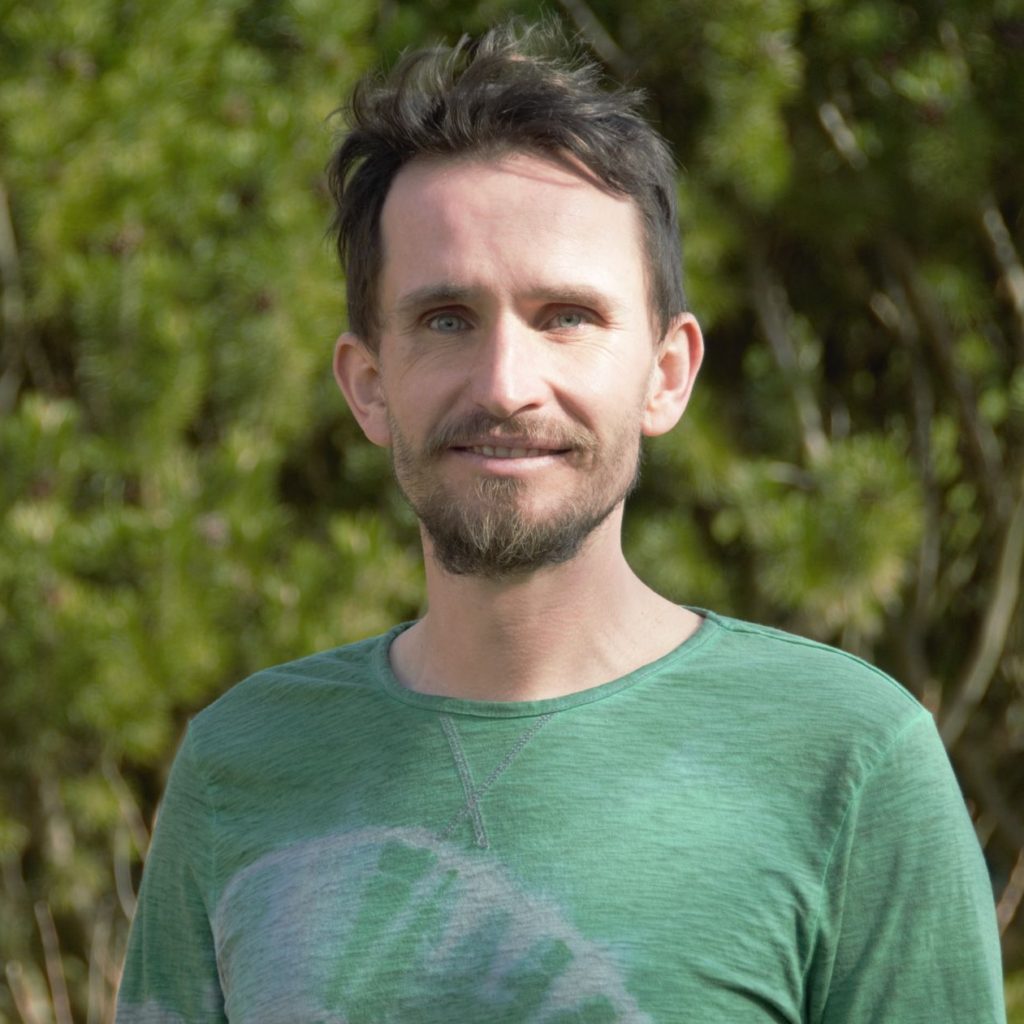
Michal Plundra
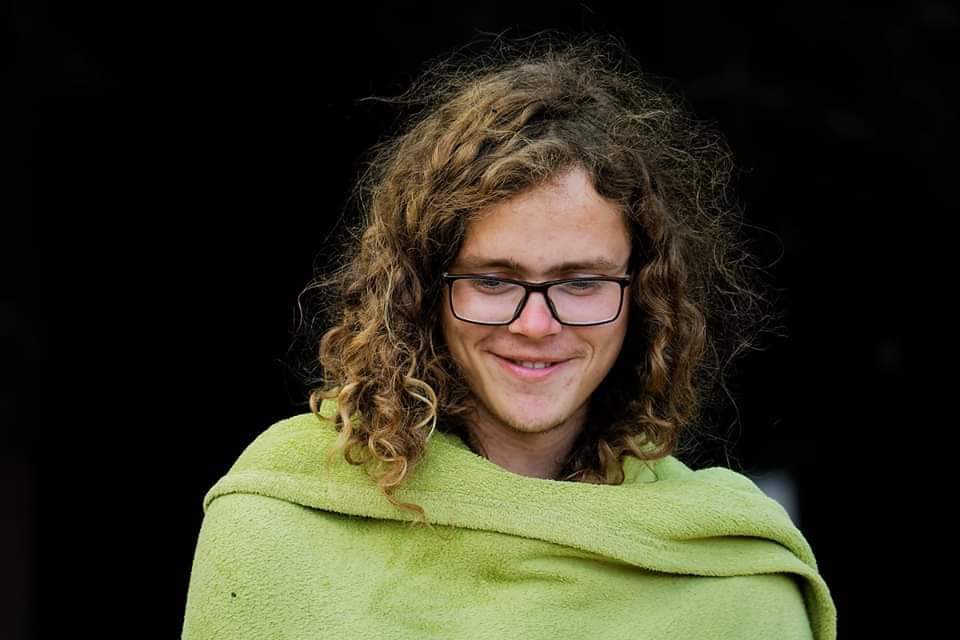
Matouš Marek
Ondřej Peřina
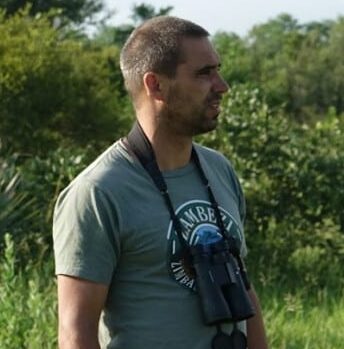
Ondřej Sedláček
Briefly about the project
Albertov Escarpments, historically used as orchards and vineyards, now represent a valuable natural space in the centre of Prague. However, it suffers from overgrowth by native saplings and invasive species. The Bumblebee PLUS project, in collaboration with Charles University, aims to restore the original character of the site, increase species diversity, and create a safe, attractive space for both education and community activities.
The project represents a comprehensive restoration of a historically valuable area that has been significantly affected by invasive and colonising vegetation in recent decades. The aim of the proposed measures is to return to diverse steppe, meadow, and orchard communities, to support endangered species, and to create a high-quality educational space in close proximity to the Faculty of Science of Charles University.
The revitalisation will take place in three stages, including the removal of invasive woody plants, sowing regional herb species including semi-parasitic plants, the restoration of traditional management practices (coppicing, pollarding), the planting of fruit trees, and the support of key insect and bird groups. The project also includes biodiversity monitoring in cooperation with experts from Charles University and the creation of a long-term care plan.
The result will be a more open, safer, and ecologically valuable landscape, offering space for education, community activities, and public recreation. The project connects the historical character of the place with modern principles of nature conservation and represents a model example of adaptive management of urban greenery.
Main project objectives:
- Removal of invasive woody species and restoration of steppe and meadow communities using regional seeds.
- Planting traditional fruit trees and applying historical care methods (coppicing, pollarding).
- Support for pollinators and insects – creating habitats for bumblebees, solitary bees, and other species.
- Ensuring educational use – space for excursions, field teaching, and community work parties.
- A safe and structured environment for visitors, including natural elements for relaxation.
- The project connects nature conservation with practical learning and community cooperation, thereby contributing to the long-term sustainability and preservation of the cultural and ecological value of the Albertov slopes.
January 2025
February 2025
March 2025
April 2025
May 2025
June 2025
July 2025
August 2025
September 2025
October 2025
November 2025
Proisinec 2025
1/12/2025
But we're not sleeping now either. We're finishing the last bits of work, writing reports, and updating the website.
We've secured the funds for the information boards and want to have them ready by the end of the year. It's quite a change – Vojta and boards… But he's thrown himself into it too.
Oh.
18/15/2025
Today, the project team met with the Dean of the Faculty of Science, Charles University, Vladimír Kříž, who appreciated the work done and the results – thank you!
Read for yourself what the University wrote about it:
The Dean of the Faculty of Science, Charles University, Vladimír Krylov, has recognised students, staff, and friends of the faculty for their active participation in the Charles University Festival organised by the Police Museum of the Czech Republic in cooperation with Prague 2. They were recognised for presenting the Albertov Slopes revitalisation project under the expert guidance of Dr Ondřej Sedláček from the Department of Ecology at the Faculty of Science, Charles University.
The Albertov slopes, partly former vineyards founded by Charles IV, are being revitalised in a nature-friendly way thanks to their project. The vineyard slopes extended between two churches: the Church on Karlov, which now houses the Police Museum, and the Church of St. Apollinaris. The project shows how positively our students and employees approach the space around the faculty.
The Dean of the faculty specifically recognized: Vojtěch Koštíř, Matouš Marek, Michal Plundra, Lucie Buchbauerová, and Ondřej Sedláček.
The post can be found on the Facebook page of the Faculty of Science, Charles University.
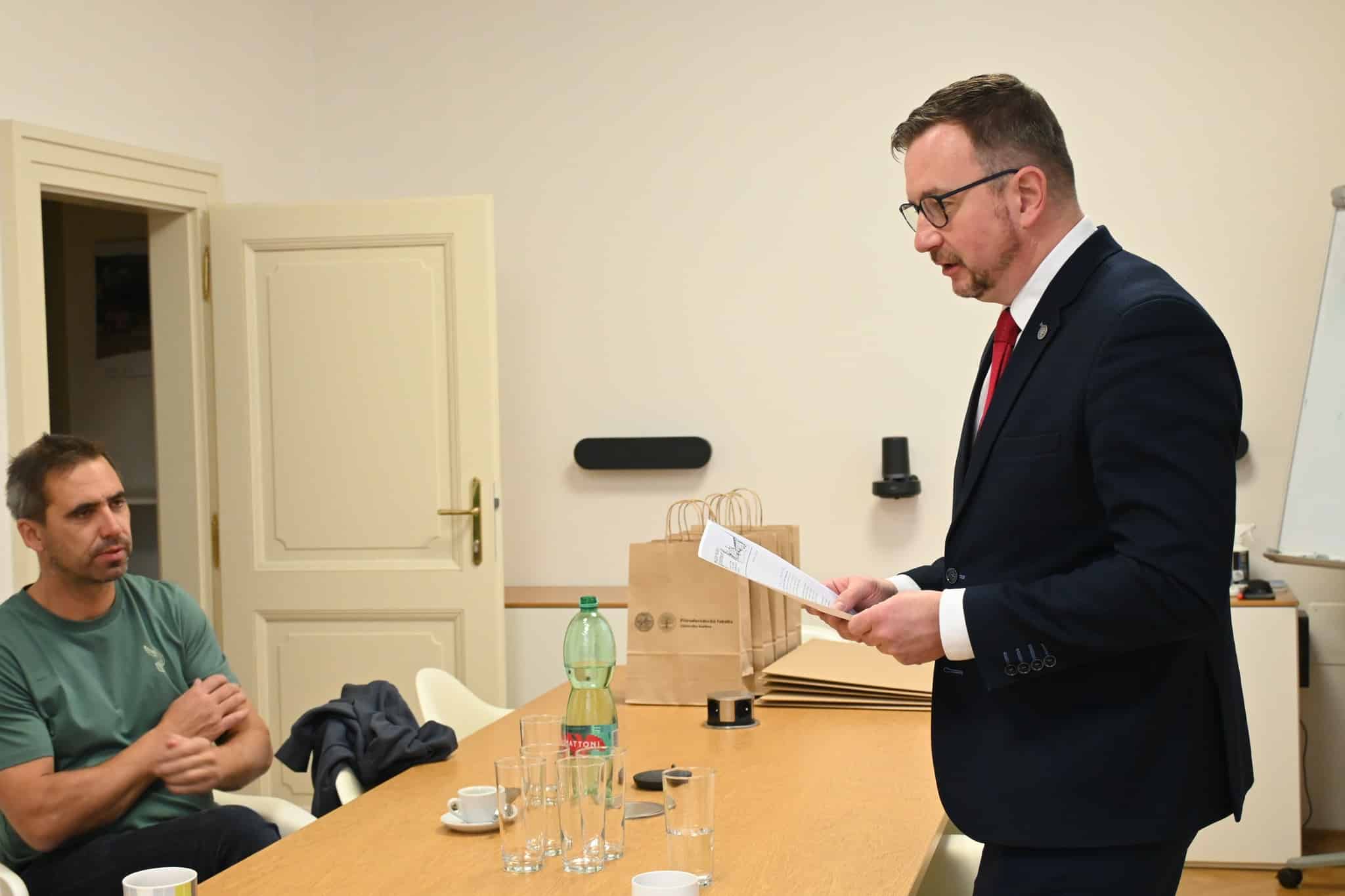
Project team meeting with the Dean of the Faculty of Science, Charles University
Photo: Faculty of Science, Charles University 2025
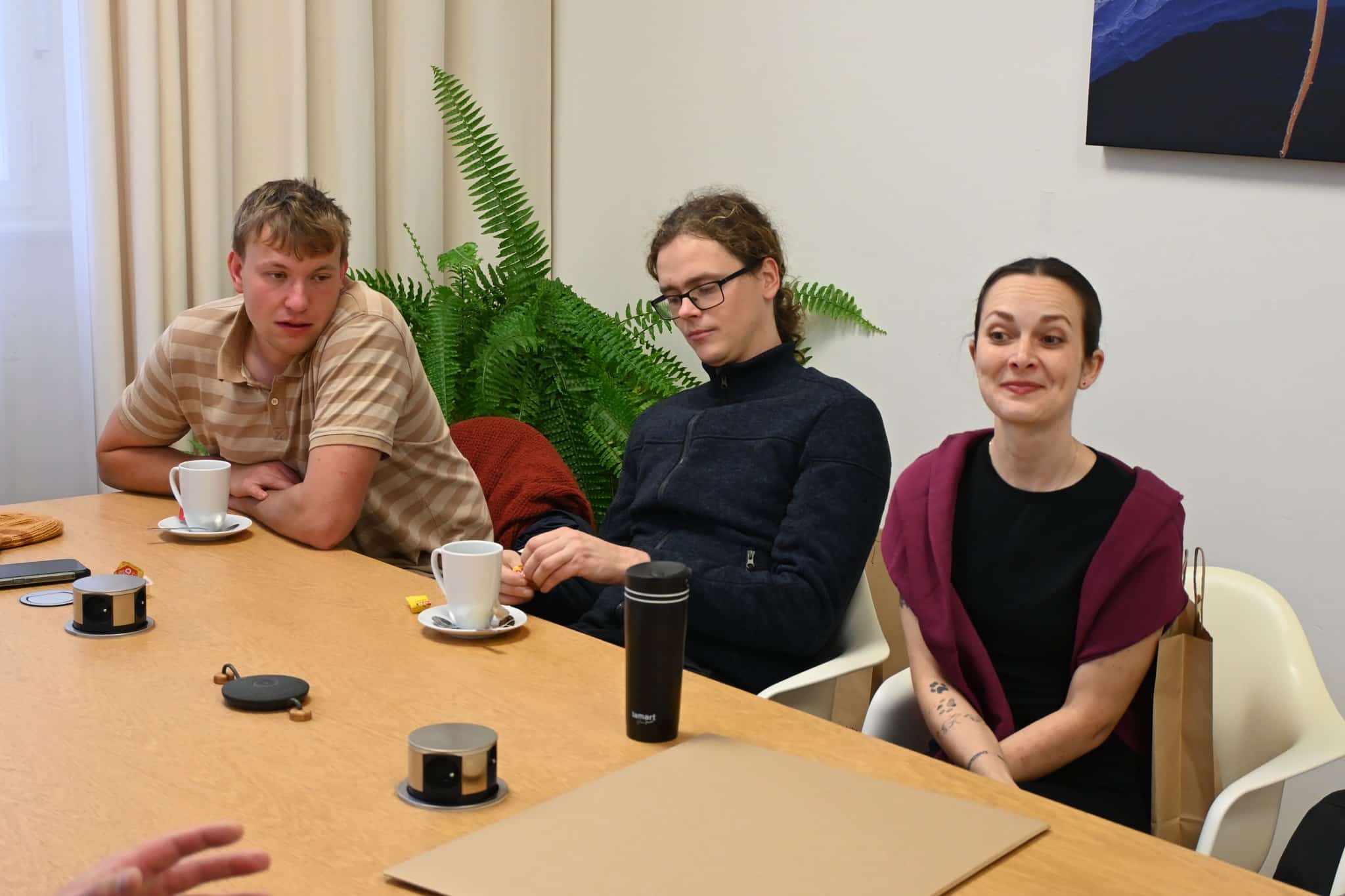
Project team meeting with the Dean of the Faculty of Science, Charles University
Photo: Faculty of Science, Charles University 2025
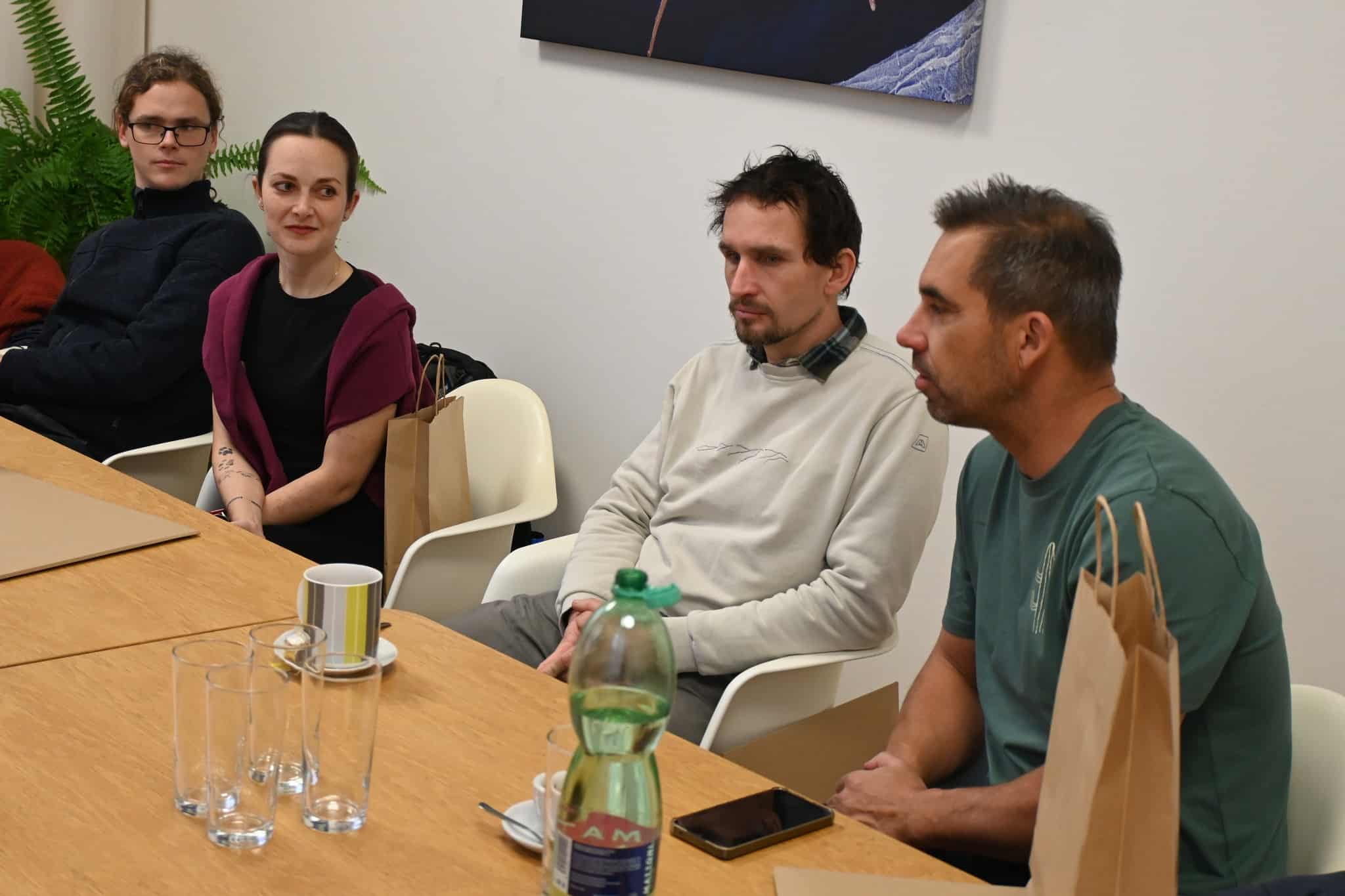
Project team meeting with the Dean of the Faculty of Science, Charles University
Photo: Faculty of Science, Charles University 2025
10/12/2025
We have completed the final report and submitted the supporting documents. The project is closed for this year, but we are planning to continue, albeit likely on a smaller scale.
Oh.
Abstract of the final report
The final report for the Revitalisation of the Albertov Slopes – Support for Biodiversity and Educational Space summarises the results of a year-long project to restore one of the most valuable green spaces in the centre of Prague. The 1.2-hectare site, which had long been affected by invasive tree species, underwent comprehensive revitalisation in 2025, led by the association Čmeláci PLUS in collaboration with the Faculty of Science, Charles University.
The project built upon detailed field surveys and focused on the restoration of original habitats, increasing the ecological value of the area, and creating an open educational space for students and the public. The revitalisation included extensive thinning of vegetation, removal of invasive species, restoration of steppe and meadow communities using regional seeds, planting of traditional fruit trees, and the introduction of historical forms of management such as coppicing and pollarding. Part of the work also involved the stabilisation of erosion-prone slopes, creation of shelter structures for vertebrates, and provision of nesting opportunities for birds and insects.
The report also comprehensively documents extensive monitoring of key organism groups – solitary bees, bumblebees, beetles, birds, and small mammals. These results confirm the site's high ecological potential and serve as a basis for proposing long-term measures. The document therefore also includes a comprehensive post-care plan, recommendations for adaptive management, and proposals for interventions in subsequent years, including the care of newly planted woody species, coppice control, maintenance of open areas, and support for endangered species.
A significant part of the project was public engagement – both expert (students, educators, researchers) and lay (volunteers, scouts, local residents). Joint work parties, a community garden, and open access to the project's results strengthen the public's relationship with urban nature and support the long-term sustainability of the revitalised space.
The revitalization of the Albertov slopes demonstrates that modern urban green space management can successfully integrate biodiversity conservation, recreational use, and education. The result is a diverse mosaic of habitats – from light oak woodlands and steppe areas to a community garden – which restores the site's historical character while simultaneously opening it up as a living textbook of ecology in the heart of Prague.
The full report can be found HERE – TBD