Biobelt management on Střítežský hill

Project blog

THE SITE IS CONTINUOUSLY UPDATED

What you will learn here

  • How we started the project
  • What are our goals?
  • What we achieved
  • What's new 
  • What are we planning?

Last updated: 20/12/2024

Thanks

The project is implemented in cooperation with the Ministry of the Environment (hereinafter referred to as the Ministry of the Environment), Lesy České republiky, sp, (hereinafter referred to as LČR) and other partners within the framework of the program

BIODIVERSITY PROTECTION for 2024

We thank all parties who enabled us to prepare the project, go through the difficult preparation and implement the project.

We thank ČSOP for their support in the administration and selection of our idea for implementation!

Čmeláci PLUS and 1st ZO ČSOP Polička
About the project – introduction

In 2022, a biobelt was created near Polička. The original topsoil was transformed into a grassy area lined with fruit tree plantings. The goal was, and now is, a lush biobelt, as an area with nectar-bearing plants, which should suit the specialization and needs of the target bumblebee species in terms of plant composition.

In addition to bumblebees, the area hosts a wide range of other animals with similar environmental requirements (diptera and hymenoptera, butterflies, field birds, etc.). The aim of the project was to ensure such a method of care that the nutritious plants gradually repair themselves and provide sufficient food sources throughout the entire growing season. 

We are pleased that we managed to involve more entities united by a common interest - to do something for nature and create space for the protection and development of biodiversity in the Žďár Hills.

.

Project objectives and content

Current status 
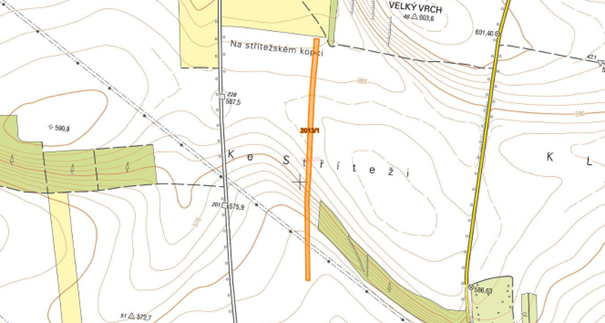
In the summer of 2022, we were approached by the owner of the land plot number 2013/1 in the cadastral area of ​​Polička with an offer to use the area in a way that is beneficial to nature. This is a strip

of a former field with an area of ​​10591m², approximately 14m wide and 770m long. The area is connected to the vast area of ​​the sports airport and the grassy southern slope with hedgerows, on which species-rich meadow communities with a large proportion of leguminous plants have been preserved.
This is one of the localities in the vicinity of Polička where less abundant and rare bumblebee species still occur: Bombus sylvarum, B. ruderarius, B. humilis, B. subterraneus (EN), B. distinguendus (EN) and B. confusus (CR).

Unfortunately, the airport area and surrounding areas are managed in conventional ways and there is no guarantee of sufficient food sources throughout the growing season, which is one of the main reasons why the above-mentioned bumblebee species are declining from our nature.
We therefore decided to design the field strip as a support area with nectar-producing plants, the composition of which will suit the specialization and needs of the target bumblebee species.
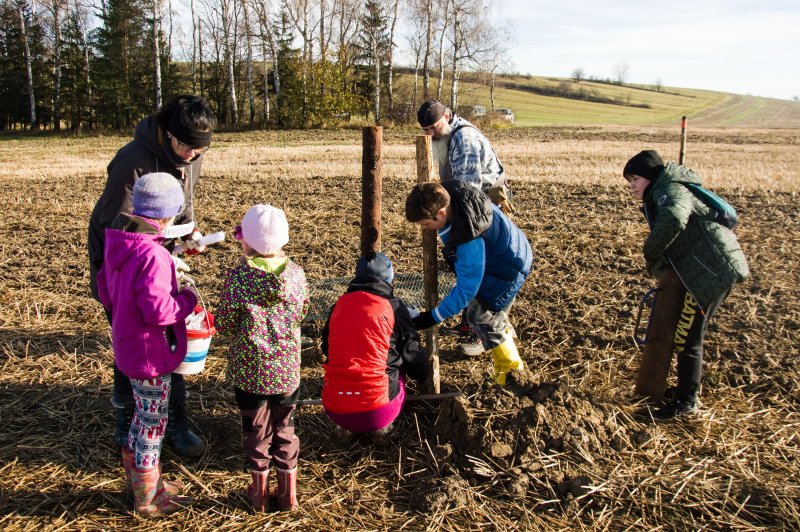
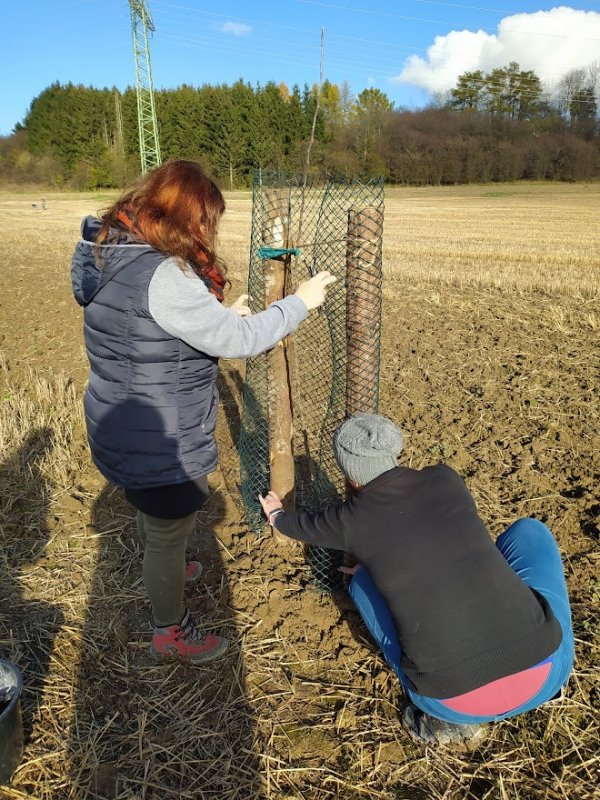
In the fall of 2022, a linear planting of 70 old varieties of fruit trees and 30 non-expansive shrub species (spring dogwood, common honeysuckle, black elderberry) was carried out 3m from the northern border of the plot, approximately a third of the trees were planted with comfrey. The planting
was carried out by ČSOP Polička with funds from the Landscape Association.

In the spring of 2023, the area was sown in islands with Czech varieties of leguminous plants (meadow clover, horned scorpionweed, ligrus vičenec, bolhoj úročník, bushy vetch), seeds of plants obtained by self-collection in the region (cornflower, meadow cornflower, creeping sedge, field scabious, meadow pea, bird vetch, fence vetch, common sedge...) and other plants (sedge, annual sunflower). 

Parts of the area selected the previous year were left unsown to allow the germination of nectar-producing weeds – purple loosestrife and field hemp, which are very important and irreplaceable for the target species.

The area worked very well for the first year and, in addition to the more common bumblebee species (Bombus terrestris, B. lucorum, B. pratorum, B. hypnorum, B. lapidarius, B. pascuorum, B. hortorum, B. vestalis, B. bohemicus, B. rupestris, B. campestris), target species (B. sylvarum, B. ruderarius, B. humilis, B. subterraneus, B. confusus, B. distinguendus) were also present throughout the season.

In addition to bumblebees, the area hosts a wide range of other animals with similar environmental requirements and concentrates the dwindling biotopes of the agricultural cultural landscape.

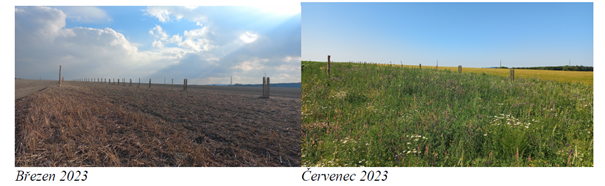
Bumblebees PLUS - Biobelt on Střitežský Hill - Comparison - Photo Vít Cach

Biobelt on Střítežský Hill – Comparison
Photo: V. Cach
Our experience

The Bumblebee PLUS Association unites a large community of bumblebee breeders, dedicated to the protection
of bumblebees, the establishment or revitalization of biotopes, the popularization of insects and increasing
public awareness.
We cooperate with Czech and foreign experts (e.g. Bumblebee Conservation Trust)

Members of the association are also involved in monitoring and breeding less abundant and rare bumblebee species,
which is a source of much information about these species.

In the vicinity of Polička, this project is one of several measures that
we are implementing in cooperation with ČSOP Polička: sowing nectar-bearing plants along the cycle path, grassing approximately 7 ha of the original field with a species-
diverse grass-herb mixture with a large proportion of legumes.

Intention

As part of the project, we will introduce phased mowing. Twice a year, two-thirds of the area will be mowed,
longitudinal strips of 7,000 m², the rest of the area will be left until the next mowing.
We will leave a different strip each time we mow.

One third of the area will be mowed only during the first mowing, the second third during both mowings, and
the last part only during the second mowing. The order of the strips will change over the years.

This type of care will ensure that the nutrient plants will gradually repair themselves and provide
sufficient food sources throughout the growing season.

Mowing with a bar mower, clearing, transportation and storage of organic matter will be provided by a local private
farmer, with whom we occasionally cooperate. He has all the necessary equipment, but
also an understanding of the meaning of the matter and a desire to carry out this activity responsibly.

Further care carried out by members of the association will consist of reducing smaller areas of unwanted
plants (e.g., marigolds or nettles) with a scythe or brush cutter, local disturbances to
maintain early successional flowering weeds, and possible sowing of other suitable plants.

Mowing dates and other interventions will always be determined by the members of the association with regard to the state of vegetation
on the site, the state of surrounding meadows, but also, for example, according to precipitation conditions during
the season.

Project objectives

  • Implementing management that will ensure sufficient food supply throughout the growing
    season in the biobelt, making it a functional support area for rare bumblebee species.
    The belt will also allow these species better access through the agricultural landscape.
  • A model biobelt concept that, thanks to the use of mostly readily available legume
    plants and simple management, is easily replicable in other locations, for example in
    other areas where target bumblebee species occur.
  • For these species, nectar-rich areas sown with, for example, massively supported bumblebees are
    not very attractive, and the hosts from the genus Bombus are mostly abundant, generalist species that
    do not need much support, or the publicly idealized domesticated honey bee.
  • With the measures in place, we will be able to continue to collect knowledge about endangered
    bumblebee species in the area, which can further help protect these species.


Location of the biobelt
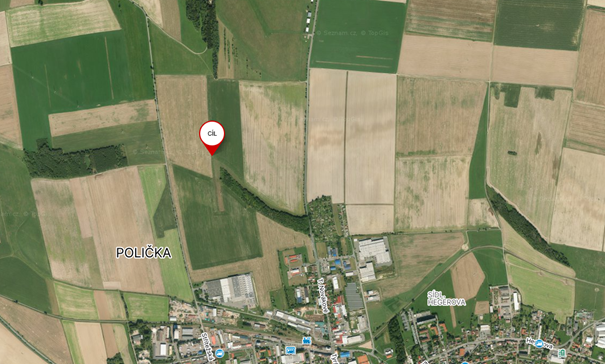
You can also find our biobelt on an aerial map. It is already becoming a visible landscape element.

Bumblebees PLUS - Biobelt on Střitežský Hill

Biobelt on Střitežský hill
Source: ČÚZK
Bumblebees PLUS - Biobelt on Střitežský Hill - Maps cz

Biobelt on Střitež hill – Maps cz


Project team

Bumblebees PLUS

  • The Čmeláci PLUS zs Association is a non-profit legal entity in the Czech Republic.
  • It is an association founded for the promotion, protection and breeding of bumblebees
  • The original independent group gained subjectivity in 2021

 Objectives and scope of activities

  • Spreading information about bumblebees
  • Environmental protection of bumblebees
  • Instructions for landscaping gardens and municipal areas
  • Guides and support for breeders
  • Improving procedures, products for bumblebees, advice to producers
  • Protection and rescue of individuals and entire nests
  • Collaboration with other non-profit groups and media
  • Environmental projects
  • Participation in proceedings pursuant to Act No. 114/1992 Coll. on Nature and Landscape Protection

More about the Bumblebee PLUS association

1. ZO ČSOP Polička, MOP Sekáči

The section called SEKÁČI was founded in 2014 by renaming the ČOLKŮ, formerly in Latin TRITURUS, and has been operating in Polička since the 1980s.

We meet regularly every week in the Na Parkánech clubhouse. We try to organize a weekend event at least once a month, and the regular end of the season is everyone's favorite čundr at the end of the summer holidays.

Our goal is not to buff up knowledge, but to gain experience and a relationship with nature in a non-violent way. We enjoy the moments spent together, fool around, spend time in nature and have extraordinary experiences.  

You can learn more about our organization and events on the website http://www.csoppolicka.cz/ and http://www.csoppolicka.cz/krouzek-mop

This is the main part of the project team. But more and more people are gradually joining the project..

bumblebees PLUS zs.

How did it start?

The foundations of the project were laid earlier

See also the photo gallery of tree planting on Střítežský Hill , the event took place on November 6, 2022

Look at a few now historical photos and compare them with the current state of the biobelt.

ČmelácI PLUS - Tree planting on Střítežský hill - Photo 1 ZO ČSOP Polička 6 11 2022 (2)

Planting trees on Střítežský hill
Photo: 1 ZO ČSOP Polička (6/11/2022)
ČmelácI PLUS - Planting trees on Střítežský hill - Photo 1 ZO ČSOP Polička 6 11 2022 (3)

Planting trees on Střítežský hill
Photo: 1 ZO ČSOP Polička (6/11/2022)
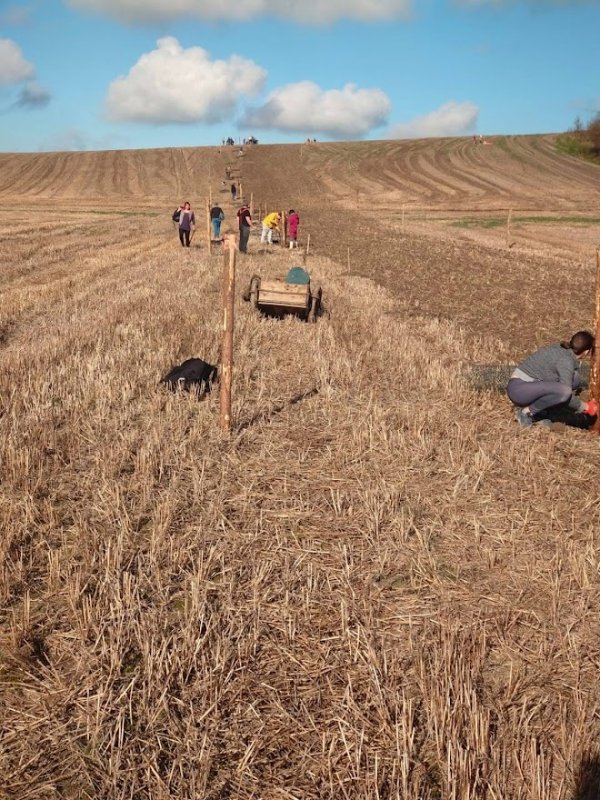
ČmelácI PLUS - Planting trees on Střítežský hill - Photo 1 ZO ČSOP Polička 6 11 2022 (1)

Planting trees on Střítežský hill
Photo: 1 ZO ČSOP Polička (6/11/2022)
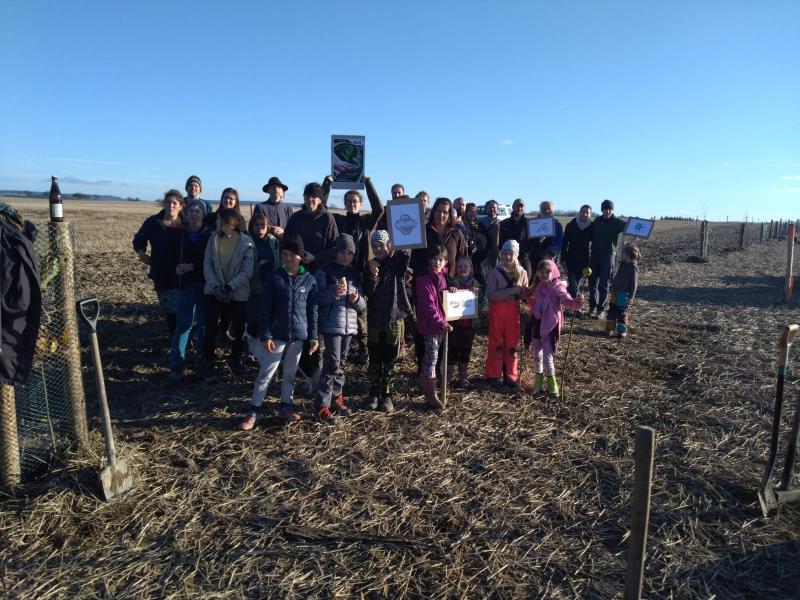
ČmelácI PLUS - Planting trees on Střítežský hill - Photo 1 ZO ČSOP Polička 6 11 2022 (1)

Planting trees on Střítežský hill
Photo: 1 ZO ČSOP Polička (6/11/2022)

Bumblebees PLUS - 1st ZO ČSOP Polička

1. ZO ČSOP Polička

Calendar of events held in 2024


Planned events in 2024

<DOPLNIT>

YEAR 2024 – Blog

Spring 2024

Preparing the biobelt

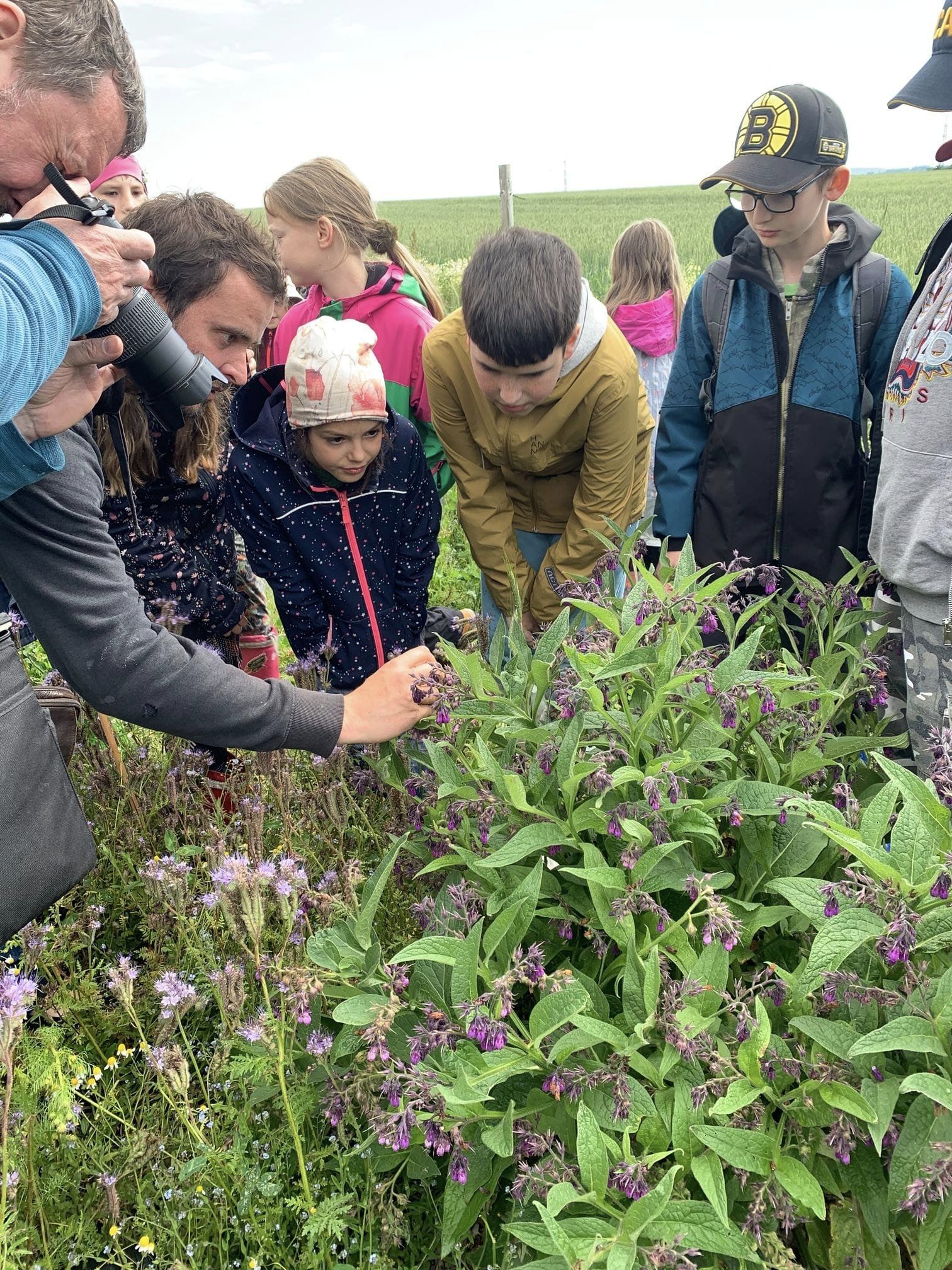
5/2024 A walk along the biobelt

The biobelt is full of flowers and insects. I really enjoy spending time here with the children. They are interested and listen attentively….


Bumblebees PLUS - A walk through the biome - Photo by Vít Cach (1)

A walk with children along the biobelt
Photo: V. Cach
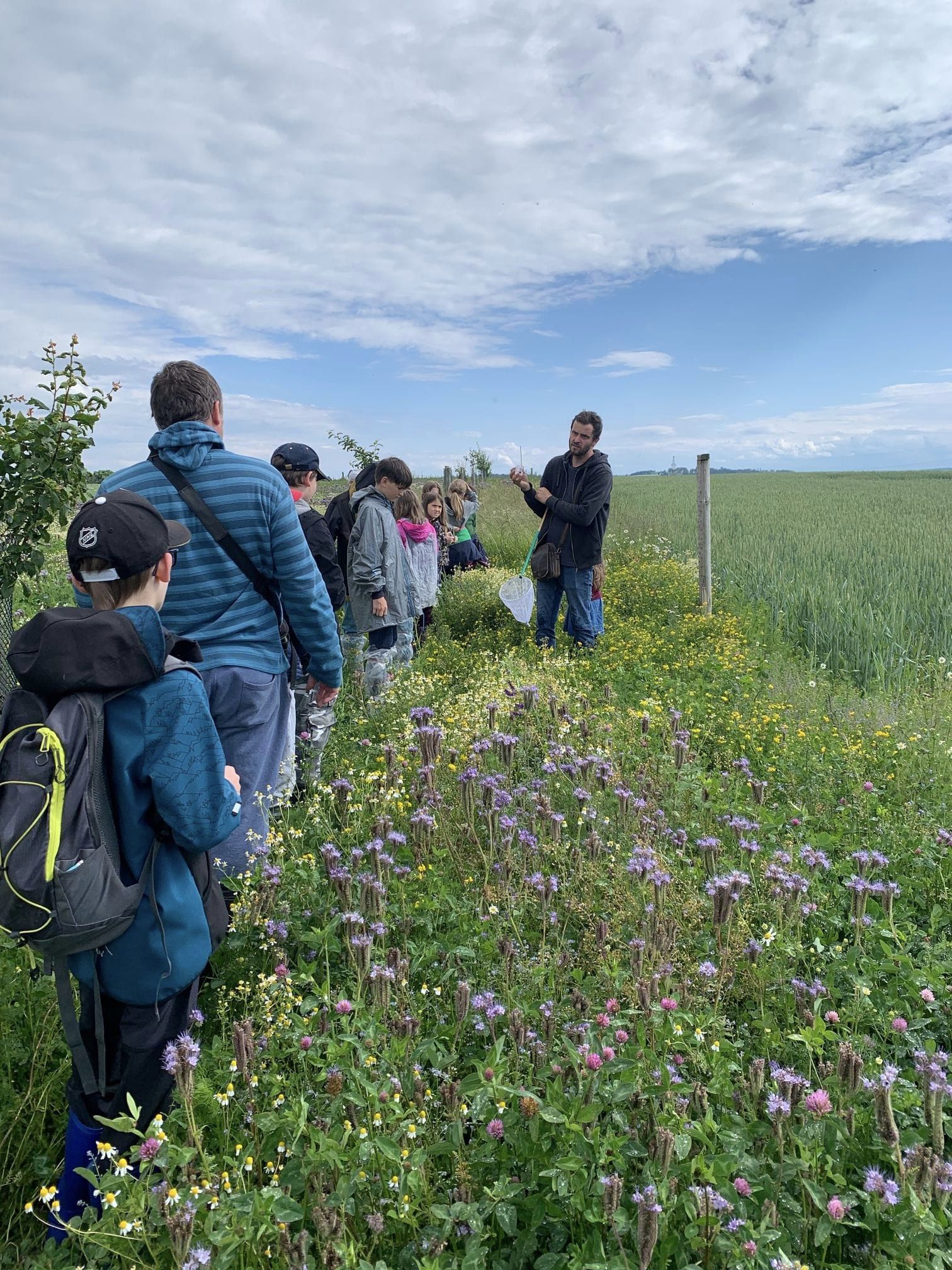
Bumblebees PLUS - A walk through the biome - Photo by Vít Cach (2)

A walk with children along the biobelt
Photo: V. Cach
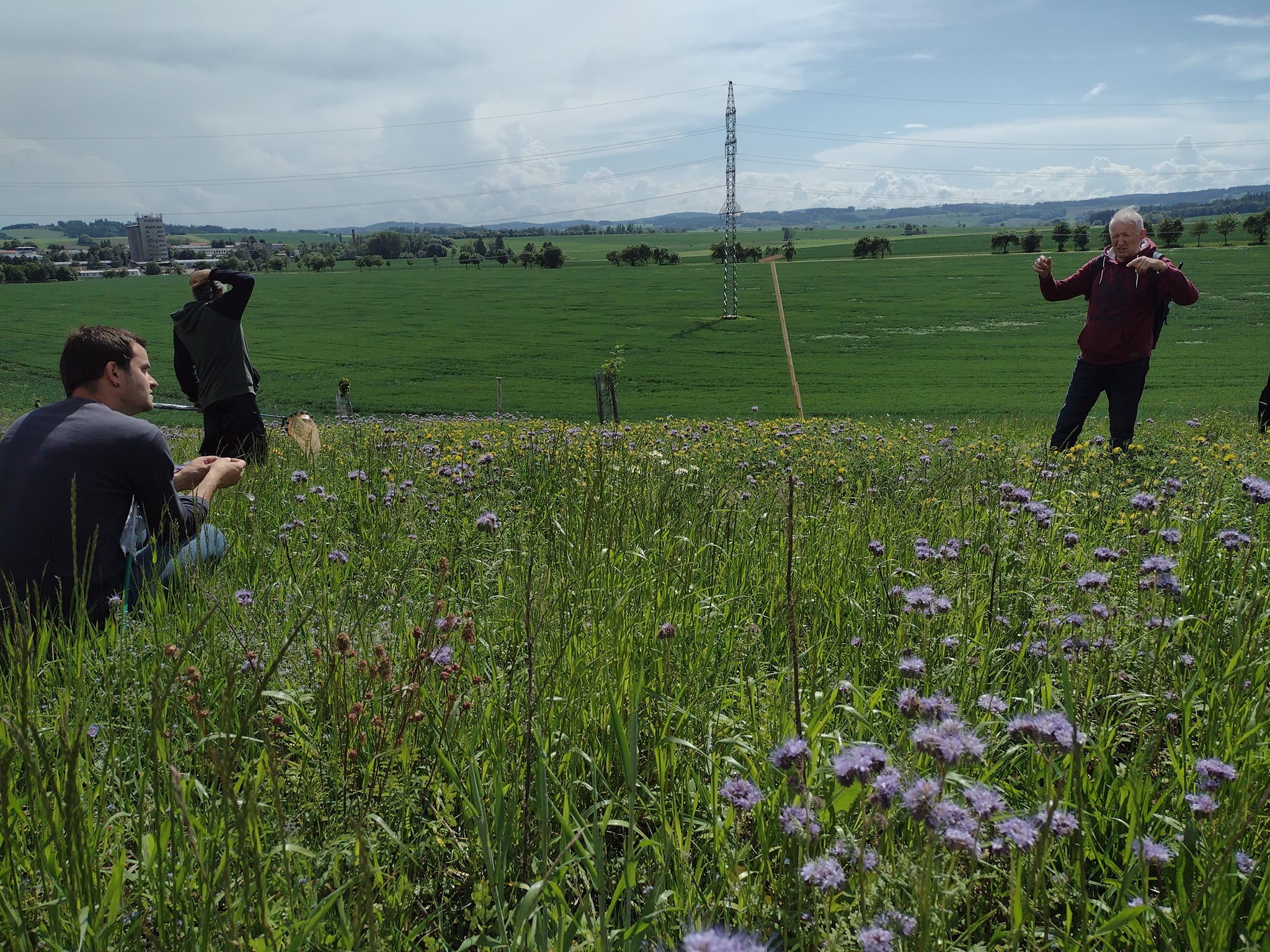
26/05/2024

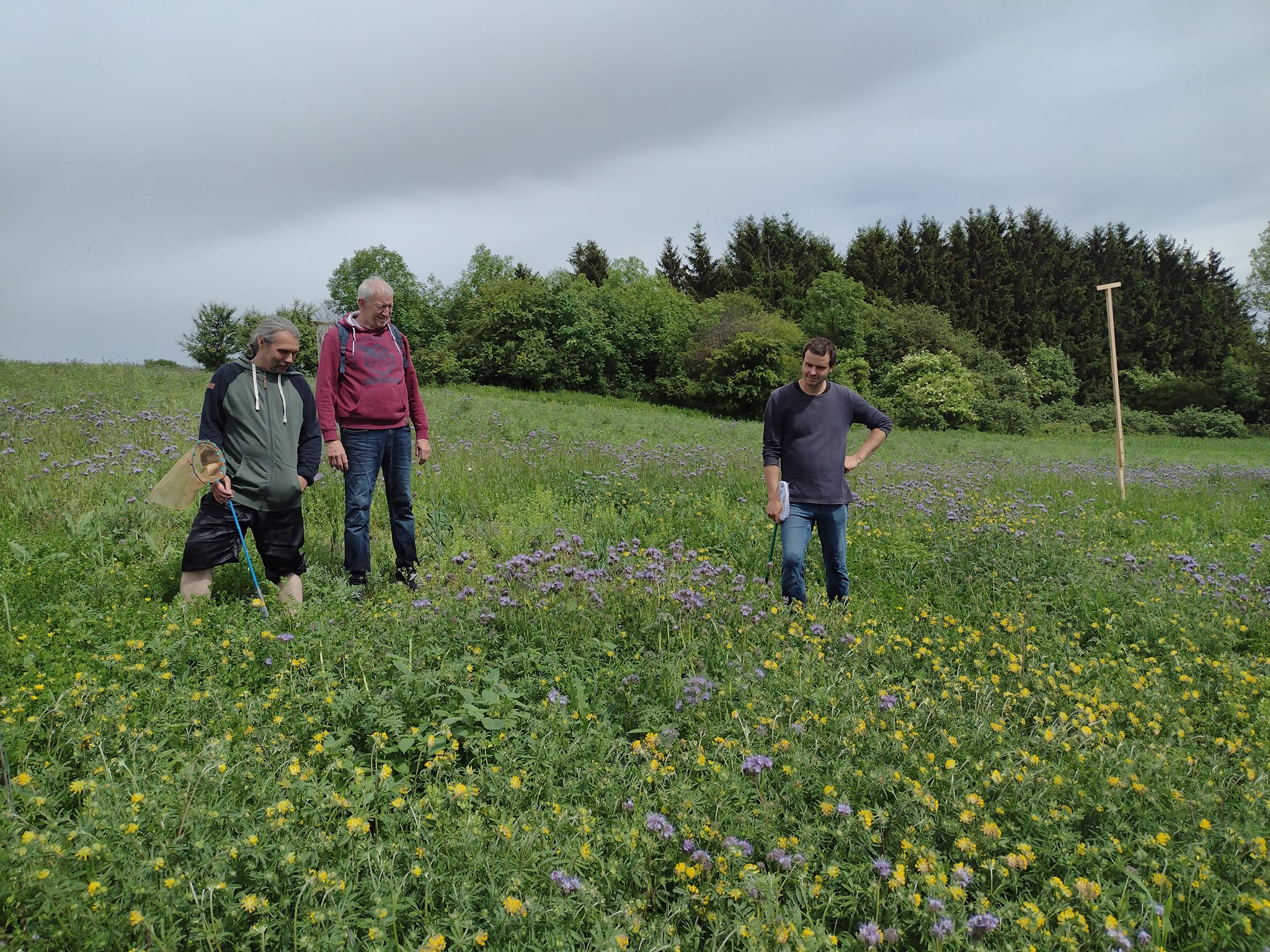
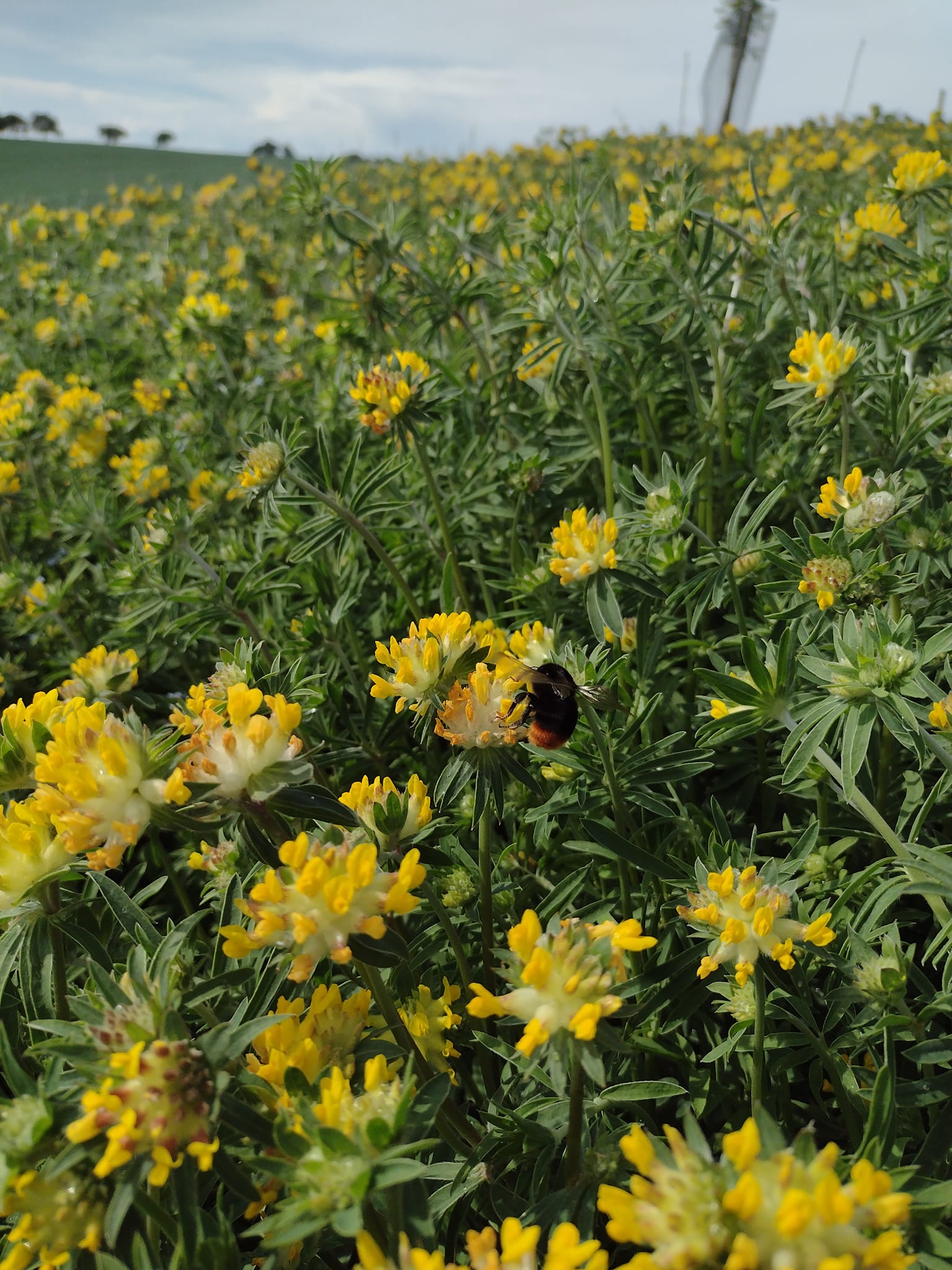
Today we met Jaromír, Luďek and Ilona on the hill. Ilona wrote about it very nicely: on her FB

"I would go to the ends of the earth and go barefoot for bumblebees..

Love for nature plus deep bombusophilia knows no bounds. Vít Cach gave the rare bumblebees in the Žďárské vrchy area a proper pasture in the form of a hectare-long strip, to which many pollinators from far and wide flock. Luděk Šulda and another bumblebee expert Jaromír Čížek could not miss such a spectacle

It was a pleasant meeting with friends, I'm already looking forward to the next one.

IN.


Bumblebees PLUS - Visit to Střítežský Hill - Ilona Trinerová 26 05 2024 (7)

Visit to Střítežský Hill
Photo: I. Trinerová (26/05/2024)
Bumblebees PLUS - Visit to Střítežský Hill - Ilona Trinerová 26 05 2024 (5)

Visit to Střítežský Hill
Photo: I. Trinerová (26/05/2024)

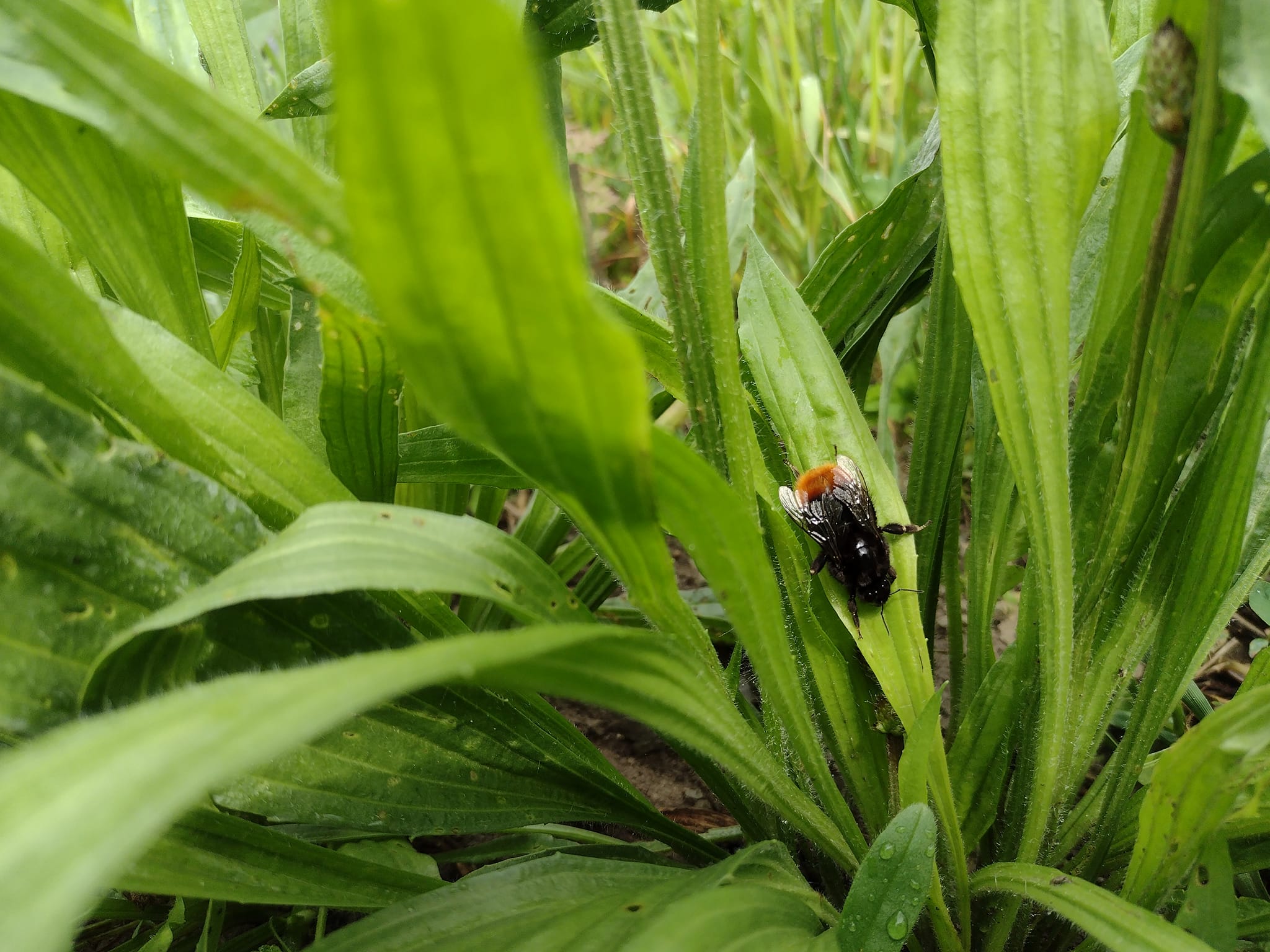
Visit to Střítežský Hill
Photo: I. Trinerová (26/05/2024)
Bumblebees PLUS - Visit to Střítežský Hill - Ilona Trinerová 26 05 2024 (1)

Visit to Střítežský Hill
Photo: I. Trinerová (26/05/2024)
23/8/2024

A report about our project was published in ekolist

You can read the full article here: How to turn a former field into a paradise for bumblebees – Ekolist.cz


IN.

9/2024

You can also read about our project in Jitřenka magazine!

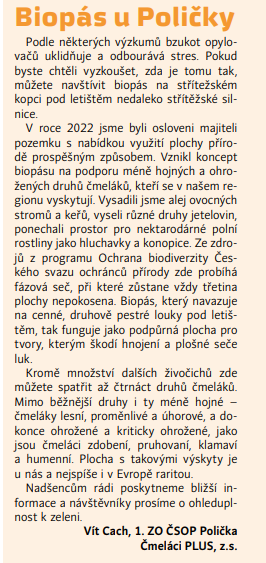
Biobelt near Polička


In 2022, we were approached by the landowner with an offer to use the area in a way that benefits nature. The concept of a biobelt was created to support less abundant and endangered bumblebee species that occur in our region. We planted an alley of fruit trees and shrubs, sowed various types of clover,
and left space for nectar-producing field plants such as cowslips and hemp. Using resources from the Biodiversity Protection program of the Czech Union of Nature Conservation, phased mowing is carried out here, during which a third of the area is always left unmown. The biobelt, which connects to the valuable, species-diverse meadows below the airport, thus functions as a support area for creatures that are harmed by fertilization and area mowing of meadows.

In addition to many other animals, you can see up to fourteen species of bumblebees here. In addition to the more common species, there are also less abundant ones - forest, variable and fallow bumblebees, and even endangered and critically endangered ones, such as the decorated, striped, deceptive and humen bumblebees.

An area with such occurrences is a rarity in our country and probably in Europe as well. We will be happy to provide more information to enthusiasts and we ask visitors to be considerate of the greenery.

Vít Cach, Čmeláci PLUS, zs, 1st ZO ČSOP Polička

https://www.policka.org/soubor/jitrenky/1285

The town of Polička – Jitřenka

Bumblebees PLUS - Morning Glory

Bumblebees PLUS - Morning Glory 2

9/2024

Today we had a visit from the iDNES editorial team on the hill. They are preparing an article about us.

The editor was very interested, so we'll see what can fit into the article.

IN.

25/9/2024

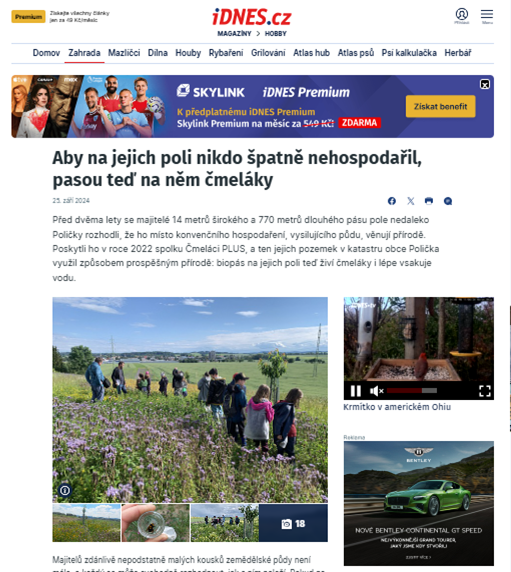
An article is being published on iDnes today. We are very happy that the media is interested in our project and helping to spread awareness about how biodiversity can be effectively supported.

You can read the full article on iDNES

You can also find a post about it on Facebook Čmeláci PLUS

IN.

Bumblebees PLUS - report in iDNES

Bumblebees PLUS – Report in iDNES

30/10/2024

The season is slowly coming to an end, it's time to take stock

Here are at least a few observations about the functioning of the biobelt for bumblebees this year:

Even though the biobelt looks idyllic in the photos, it is not possible without a lot of work by many people.


1. It needs to be mowed.

Without this, the plants would have finished blooming in July and would not have been very showy in the second half of the season. We are very happy that this year we managed to obtain financial support from the Czech Union of Nature Conservationists from the Biodiversity Protection program. The first mowing took place at the end of June and the second time on October 1. We always left a third of the area unmowed so that pollinators would not lose their food sources at the same time, which is one of the main reasons for their decline.

2. In order to mow the biobelt, timely preparation is necessary.

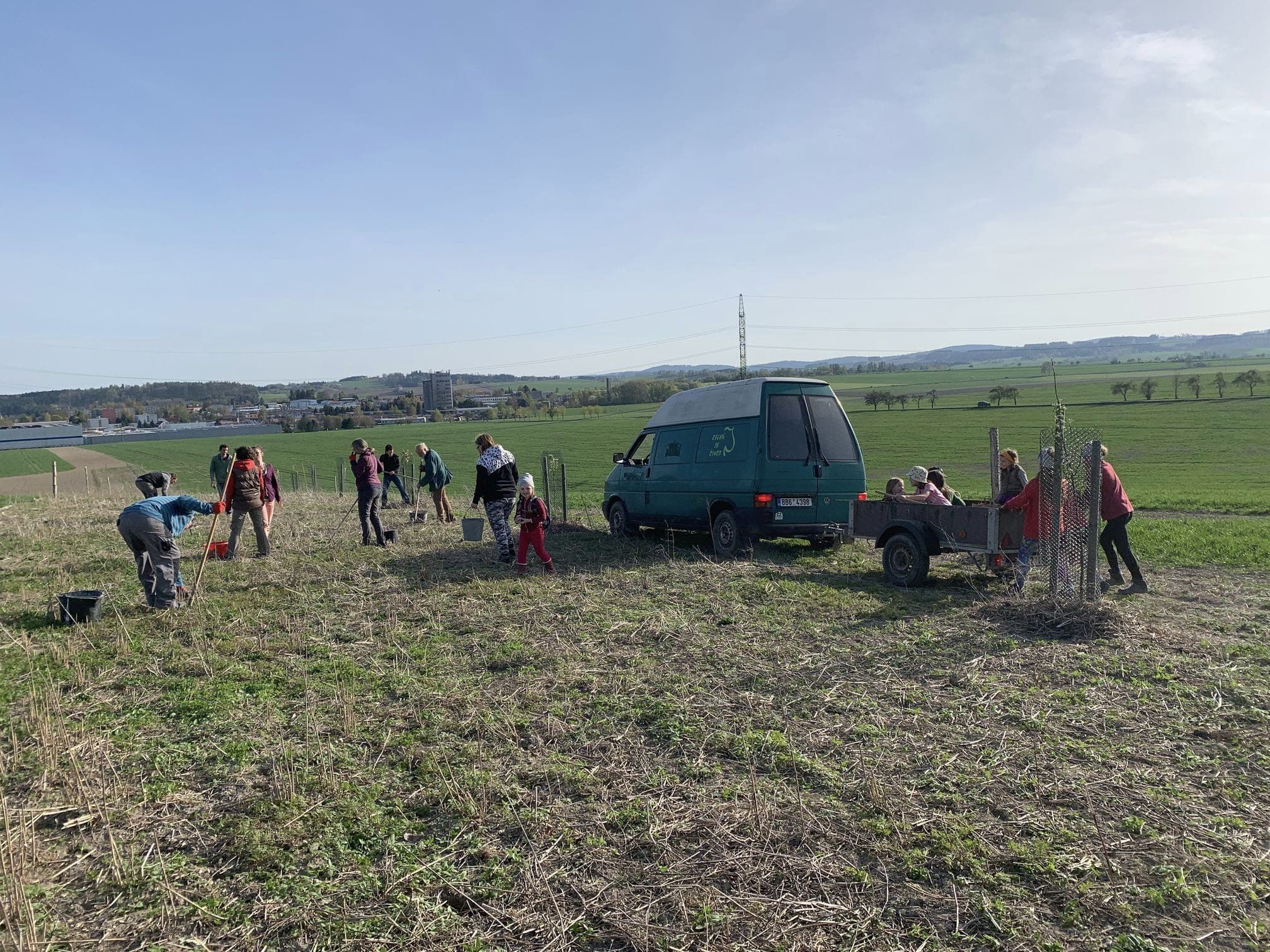
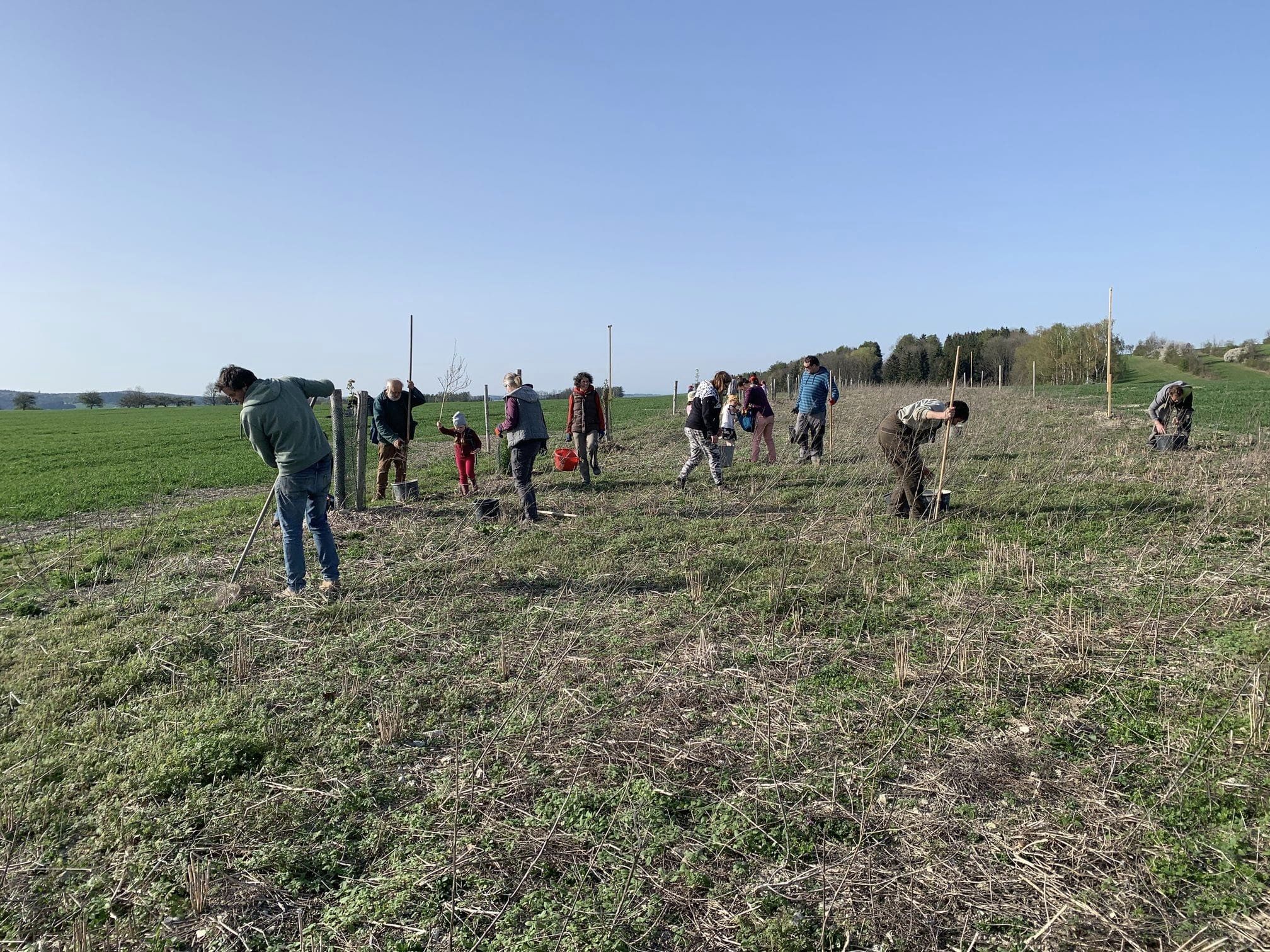
It was necessary to prepare the area in the spring with volunteers from ČSOP Polička - manually digging and collecting stones, and also planting other nectar-producing plants.

3. Does it all make sense?

Absolutely. In addition to the most common species, such as ground, forest, rock, meadow, sedge, agricultural and garden bumblebees, you can also see bumblebees here that you no longer encounter everywhere - forest, variable and fallow bumblebees, as well as endangered and critically endangered species - striped, decorated, deceptive and humen bumblebees.

4. Why are they here?

Because they will find their favorite plants here. The latter species of bumblebees in particular are quite specialized. They need their own honeysuckle and clover, and unlike common, generalist bumblebees, they will not fly into cities and villages to find perennials in gardens when food is scarce. They are harmed by fertilization and extensive mowing of meadows, and by the use of pesticides. And perhaps even more than pesticides that kill insects, those that easily kill field weeds – honeysuckle and hemp.
Bumblebees in the biobelt will not experience any of this.


5. So what is growing there for bumblebees?

Purple and white cowslip, field and hairy hemp, comfrey, meadow clover, common vetch, bird vetch, fence vetch and bushy vetch, horned scorpionweed, ligrus vetch, meadow pea, variegated chickweed, but also other plants. Despite how popular it is, only about 3 species of bumblebees (ground, wood, rock) effectively use the sedge. Other species visit it only as part of the so-called minoring (assessment of marginal resources), or not at all. We do not yet know whether this is because of the sedge itself, or because it is frequently visited by honey bees.

6. What next?

We would like to organize guided tours in the biobelt and its surroundings next year, where you will learn much more!

IN.


Types of bumblebees you can meet here

bumblebee species were observed in the biobelt this year :

  • Ground bumblebee (Bombus terrestris)
  • Wood bumblebee (B. lucorum)
  • Rock bumblebee (. lapidarius)
  • Meadow bumblebee (B. pratorum)
  • Hypnotic bumblebee (B. hypnorum)
  • Field bumblebee (B. pascuorum)
  • Garden bumblebee (B. hortorum
  • Wood bumblebee (B. sylvarum)
  • Bumblebee (B. ruderarius)
  • Bumblebee (B. humilis)
  • Striped bumblebee (B. subterraneus)
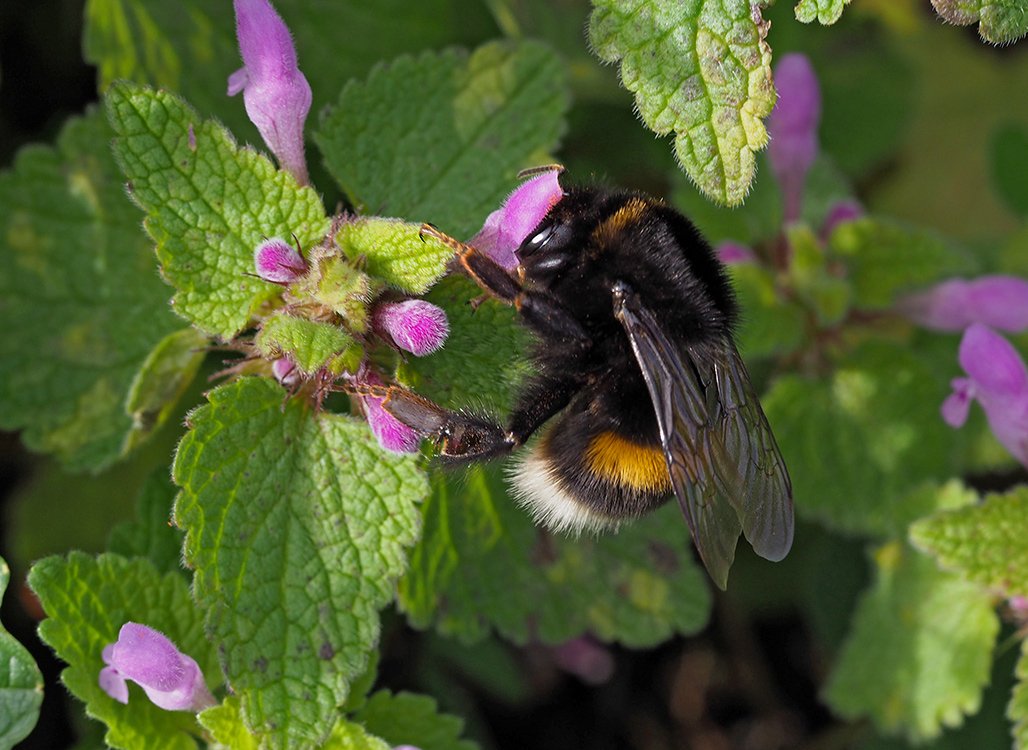
  • Decorated bumblebee (B. distinguendus)
  • Confusing bumblebee (B. confusus)
  • Humen's bumblebee (B. ruderatus)

And also these types of patchouli :

  • Virgin patchouli (B. vestalis)
  • Bohemian patchouli (B. bohemicus)
  • B. rupestris (B. rupestris)
  • Common patchouli (B. campestris)

If you want to learn about the basic species of bumblebees in the Czech Republic, take a look at this simple catalog

Bumblebees PLUS - ground bumblebee (Bombus terrestris) - queen - Photo Hana Kříženecká

Bumblebee (Bombus terrestris) – queen
Photo: H. Kříženecká
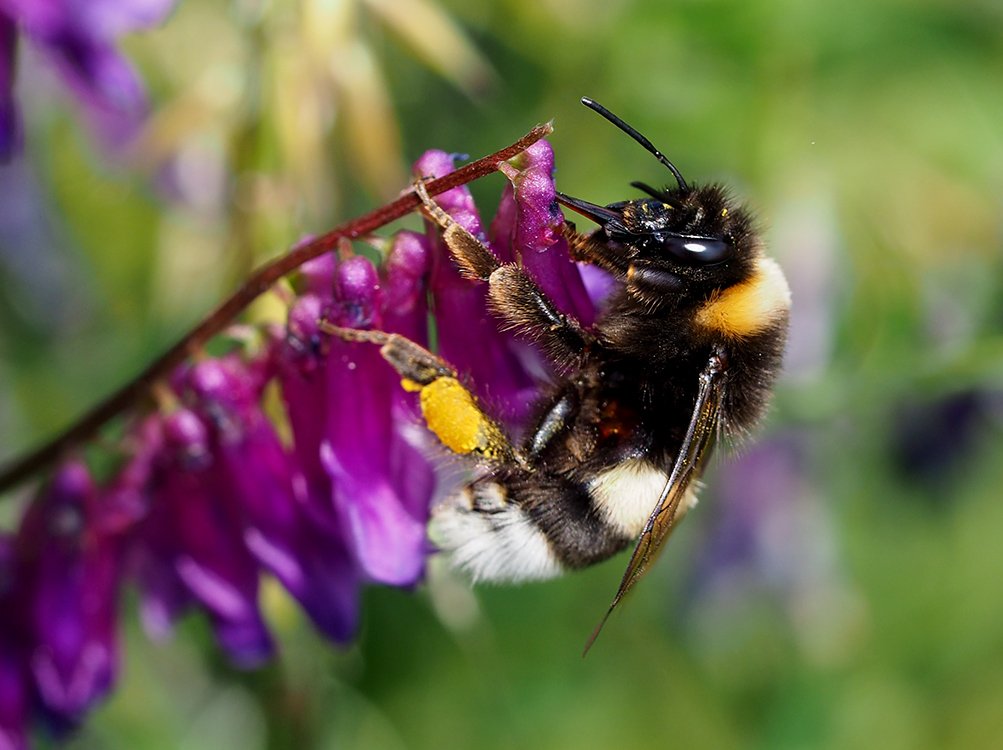
Bumblebees PLUS - Wood bumblebee (Bombus lucorum) - worker - Photo Hana Kříženecká

Wood bumblebee (Bombus lucorum) – worker - Photo: H. Kříženecká
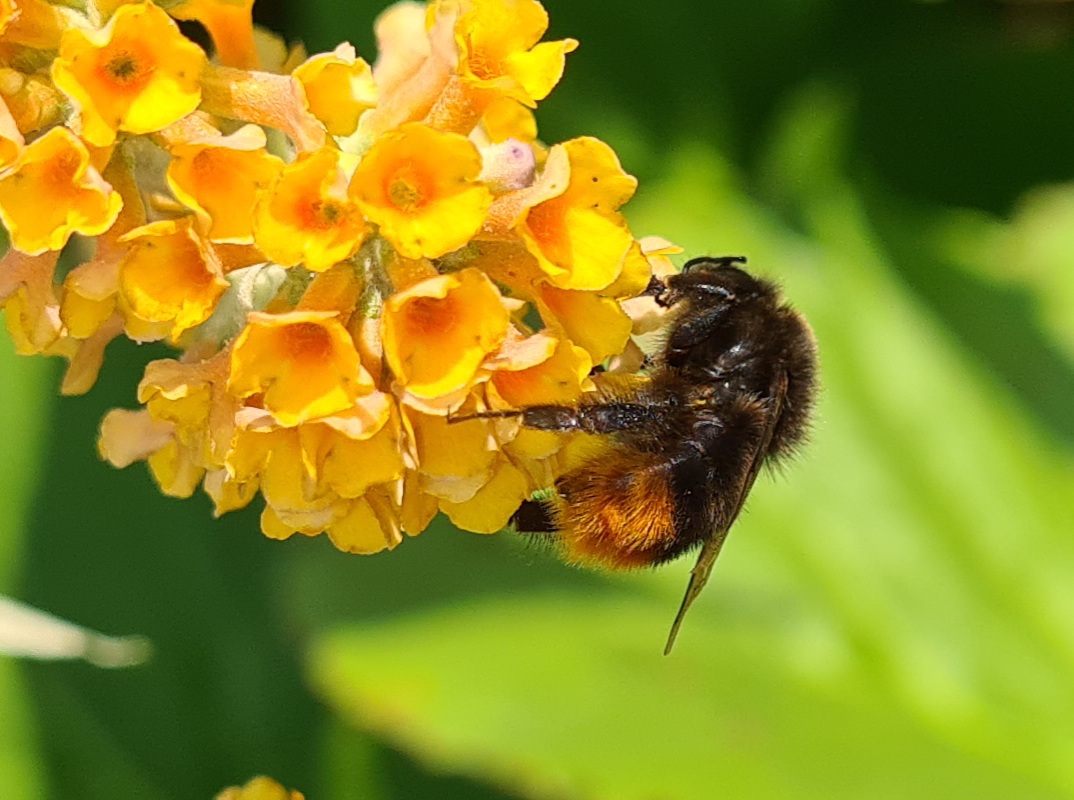
Bumblebees PLUS - Rock bumblebee (Bombus lapidarius) worker on a mound - Ondrej Hercog 23/7/2021

Rock bumblebee (Bombus lapidarius) worker on a cairn
Photo: O. Hercog 23/7/2021
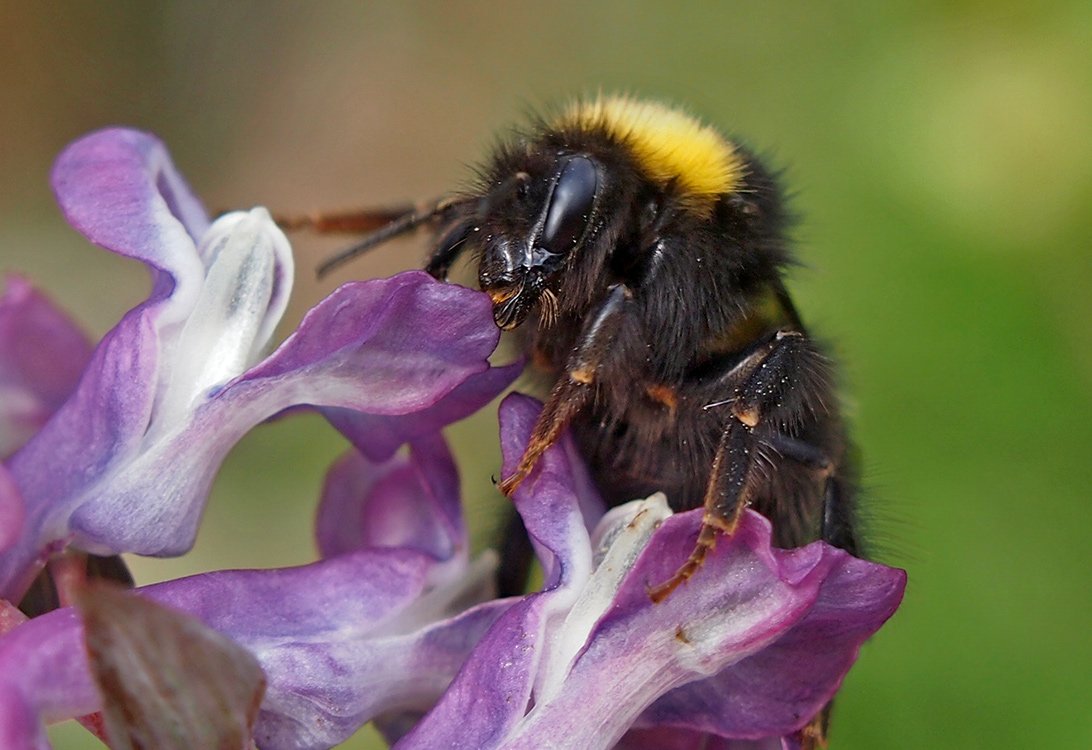
Bumblebees PLUS - Meadow Bumblebee (Bombus pratorum) mother

Meadow bumblebee (Bombus pratorum) – queen
Photo H.Kříženecká
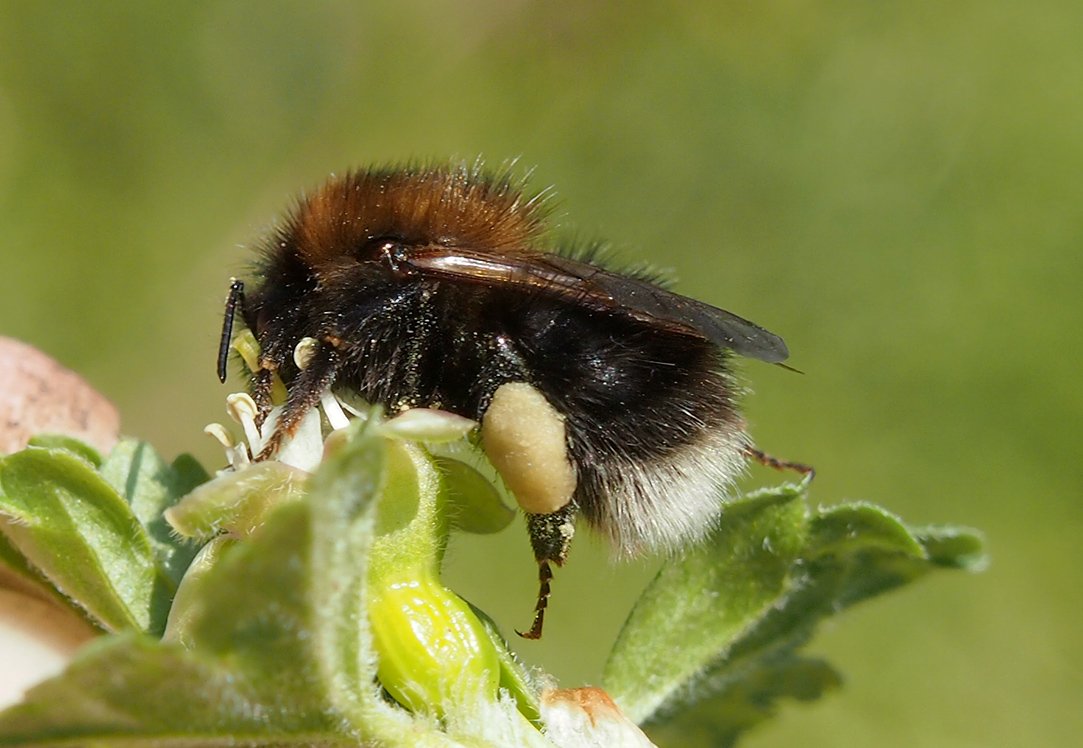
Bumblebees PLUS - Hypnotic Bumblebee (Bombus hypnorum)

Bumblebees PLUS – Hypnotic Bumblebee (Bombus hypnorum)
Photo H. Kříženecká
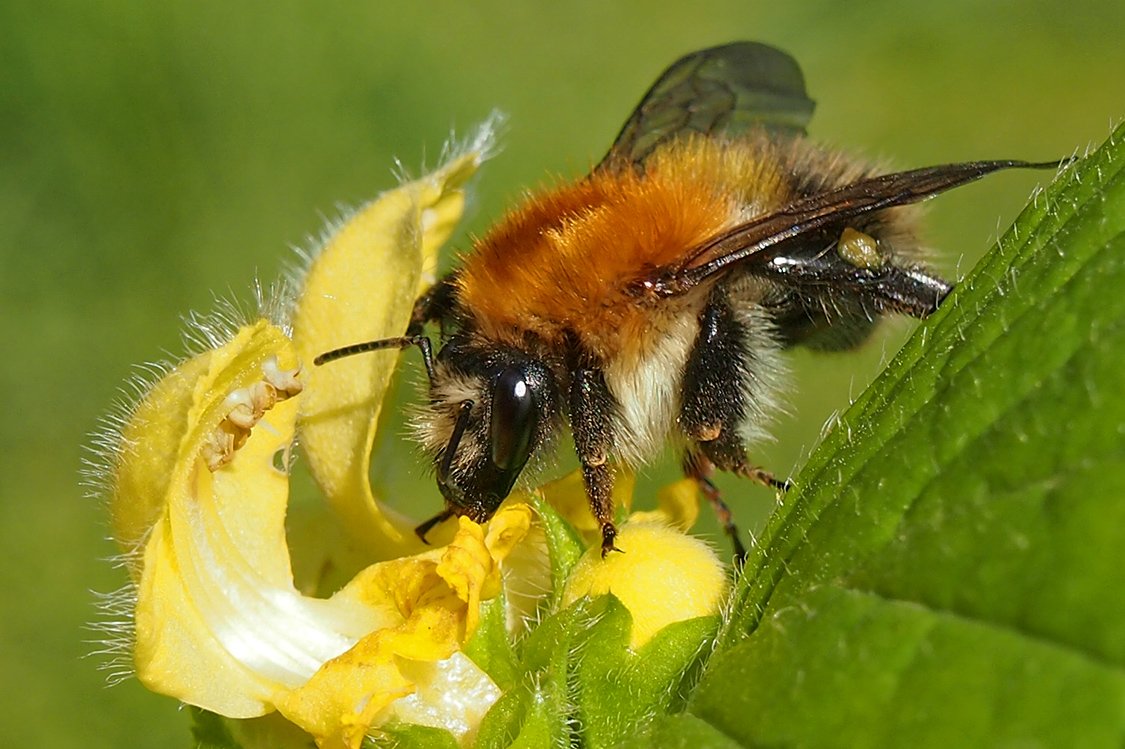
Bumblebees PLUS - Field bumblebee (Bombus pascurom) - mother (queen) - Photo Hana Kříženecká

Field bumblebee (Bombus pascurom) – queen
Photo: H. Kříženecká
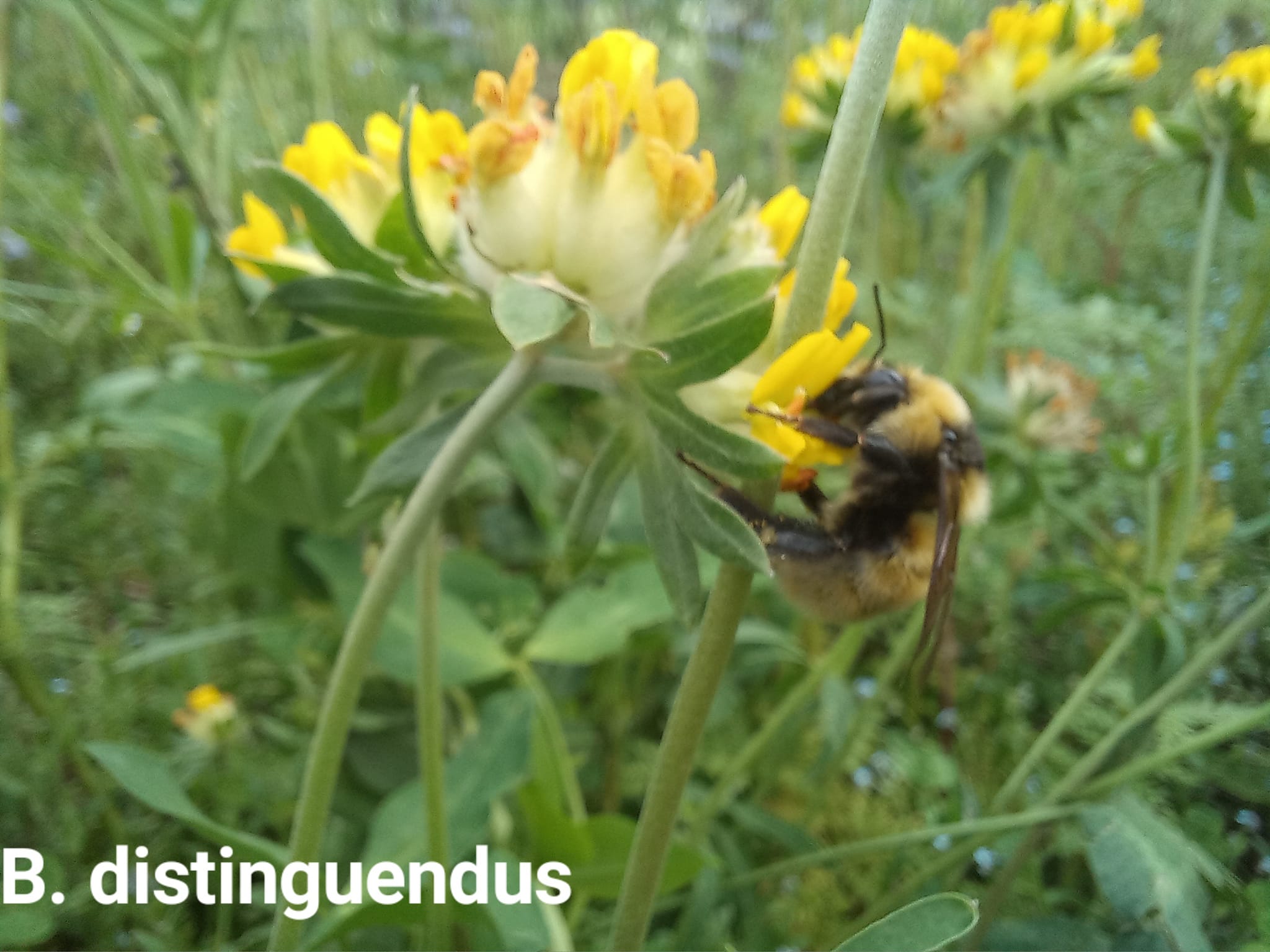
Bumblebees PLUS - Decorated Bumblebee - Bombus distinguendus - Photo Vít Cach

Decorated bumblebee (Bombus distinguendus)
Photo: V. Cach
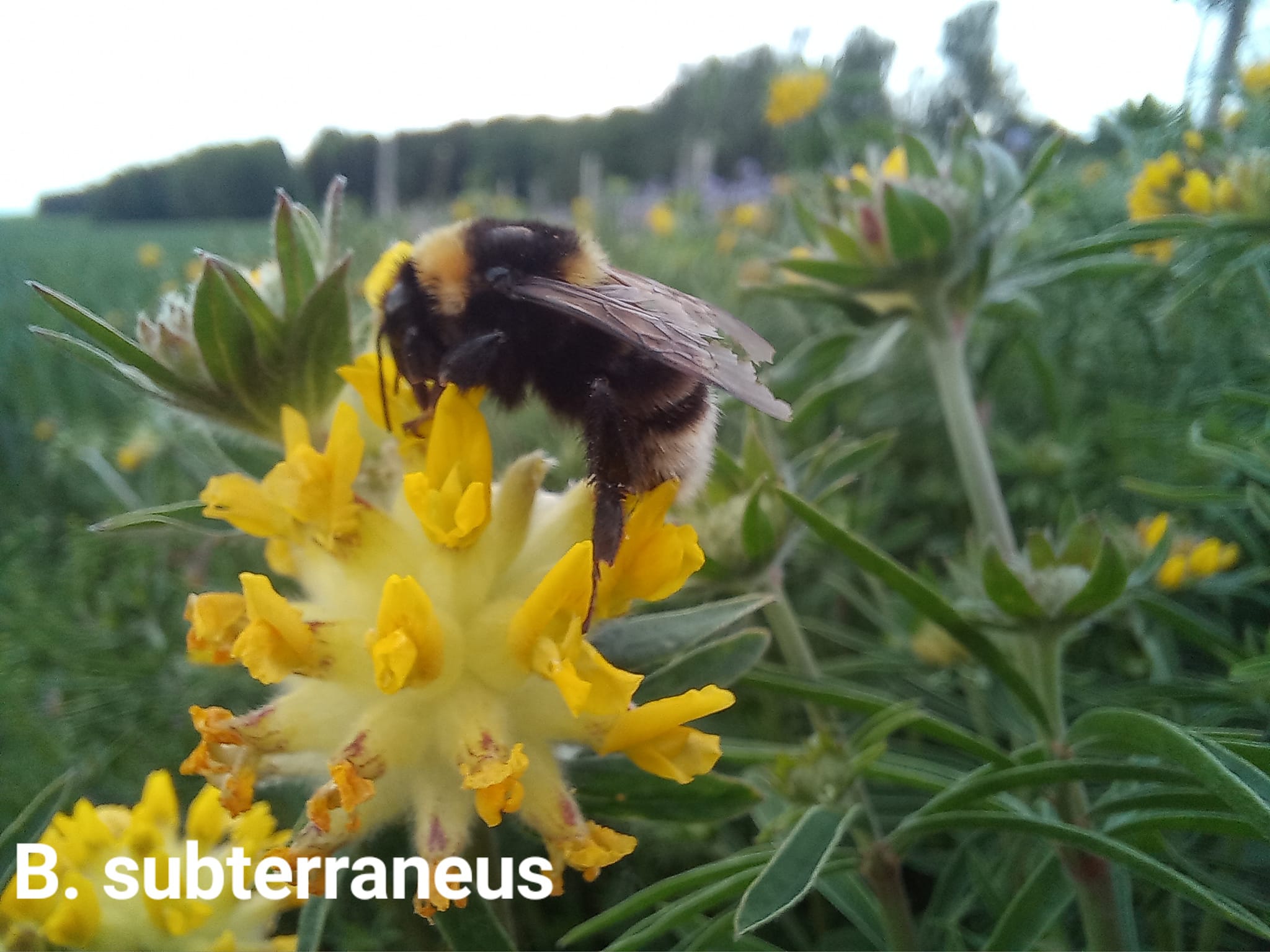
Bumblebees PLUS - Striped Bumblebee - Bombus subterraneus - Photo Vít Cach

Striped bumblebee ( Bombus subterraneus)
Photo: V. Cach
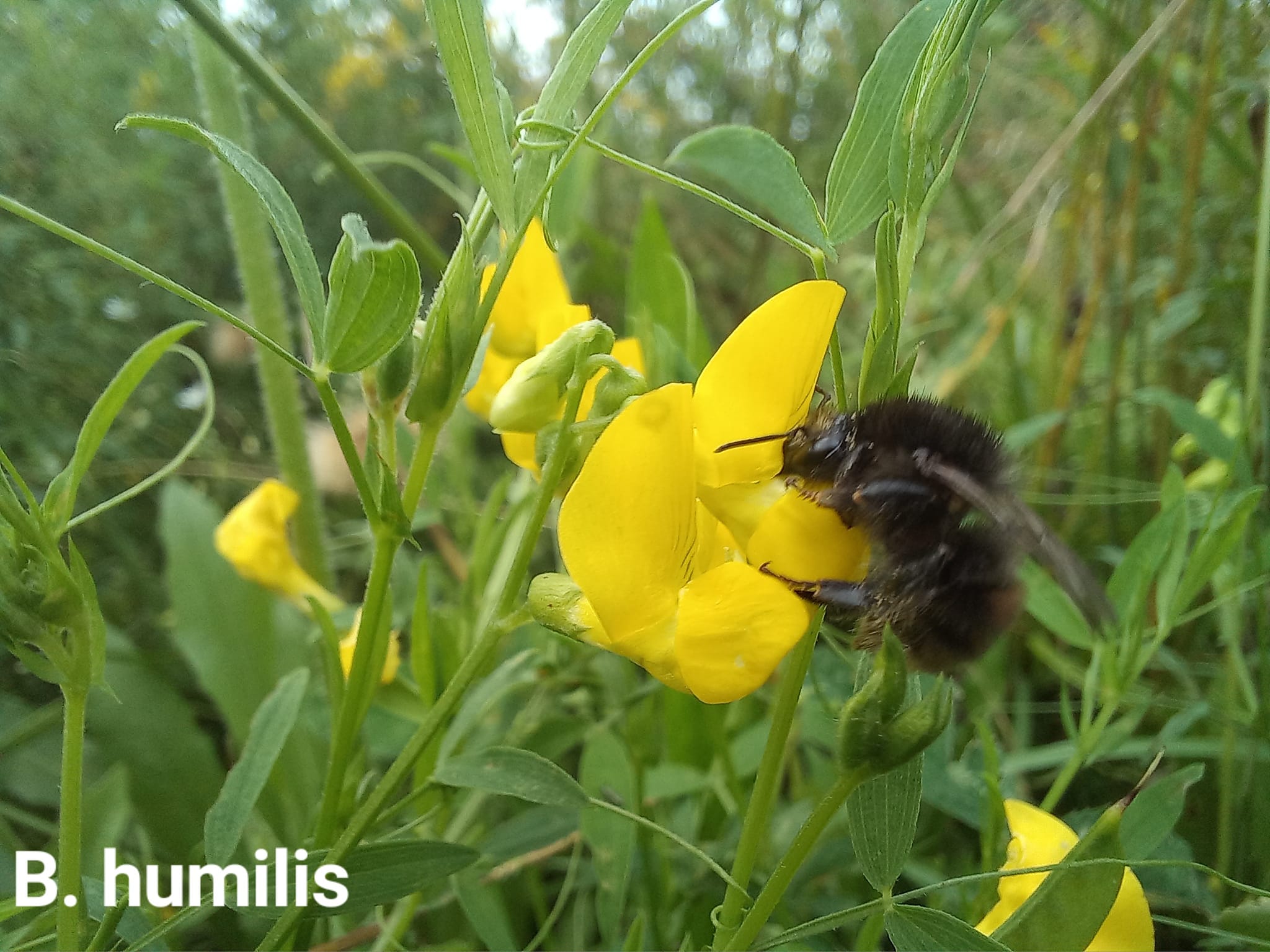
Bumblebees PLUS - Common Bumblebee - Bombus humilis - Photo by Vít Cach

Low-lying bumblebee ( Bombus humilis)
Photo: V. Cach
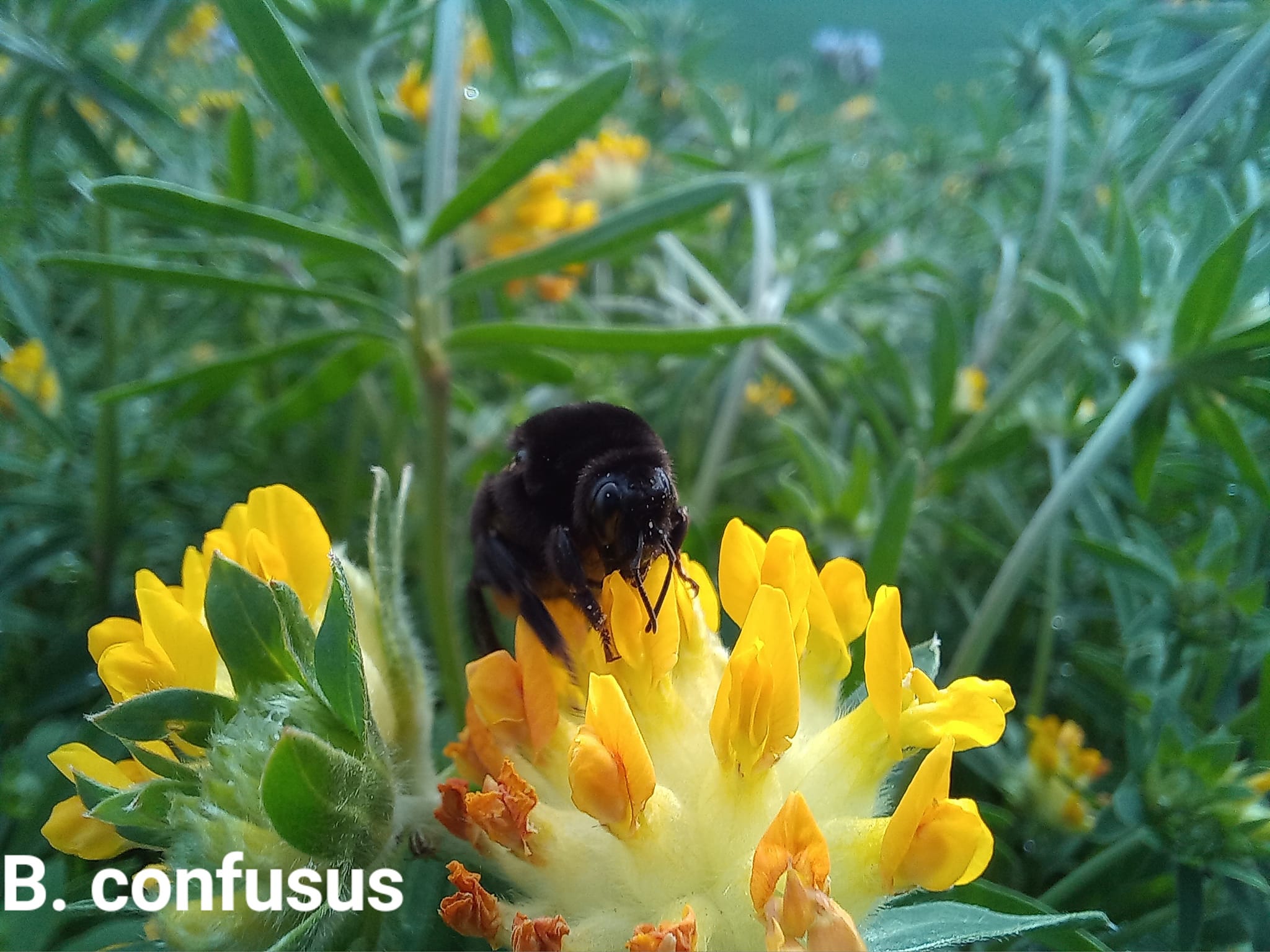
Bumblebees PLUS - Confused Bumblebee - Bombus confusus - Photo by Vít Cach

Confused bumblebee (Bombus confusus)
Photo: V. Cach
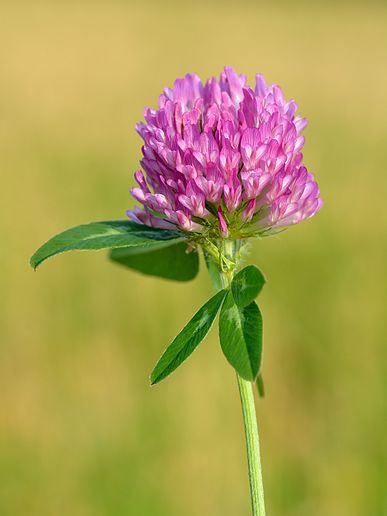
Nectar-bearing plants on the biobelt

  • Meadow clover (Trifolium pratense
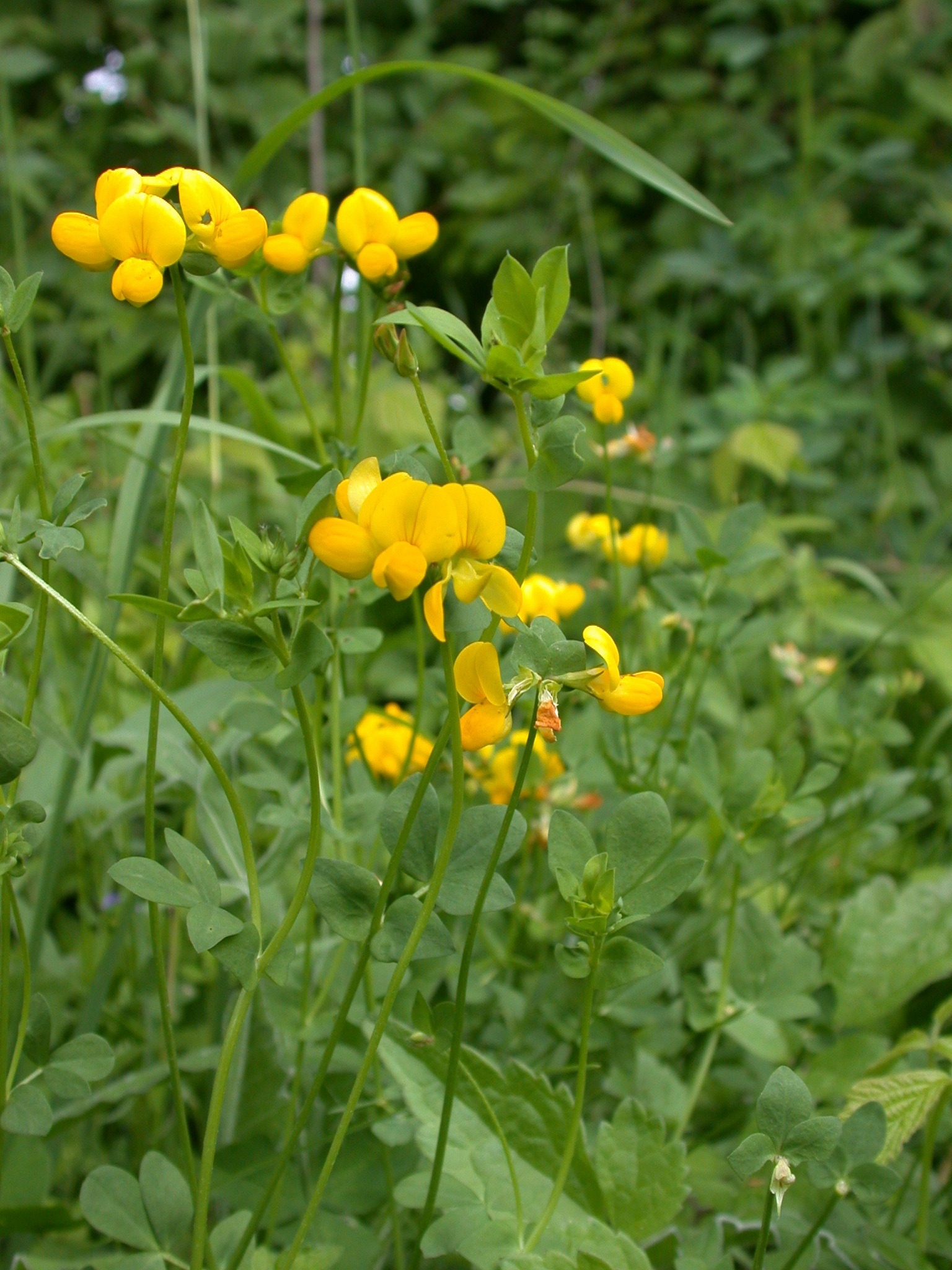
  • Horned Lotus (Lotus corniculatus)
  • Onobrychis viciifolia (Onobrychis viciifolia) 
  • Anthyllis vulneraria (Anthyllis vulneraria)
  • Bushy vetch (Vicia villosa) cornflower of waiting
  • Cornflower (Centaurea jacea)
  • Ajuga reptans (Ajuga reptans) 
  • Field scabious (Knautia arvensis) 
  • Meadow pea (Lathyrus pratensis)
  • Bird vetch (Vicia cracca)
  • Fence vetch (Vicia sepium)
  • Common sedge (Echium vulgare) 
  • Phacelia tanacetifolia (Phacelia tanacetifolia) 
  • Annual sunflower (Helianthus annuus)
Bumblebees PLUS - Meadow clover - Photo Wiki

Meadow clover
Photo: Wiki

Bumblebees PLUS - Lotus corniculatus - Photo Wiki

Horned Lotus (Lotus corniculatus)
Photo: Wiki
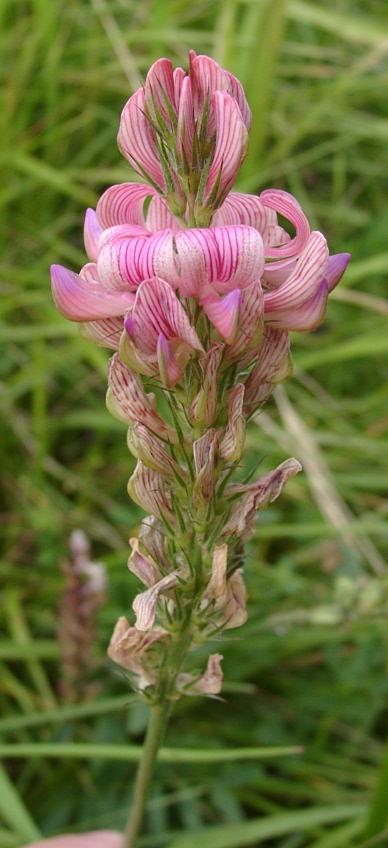
Bumblebees PLUS - Onobrychis viciifolia - Photo Wiki

Onobrychis viciifolia (Onobrychis viciifolia)
Photo: Wiki
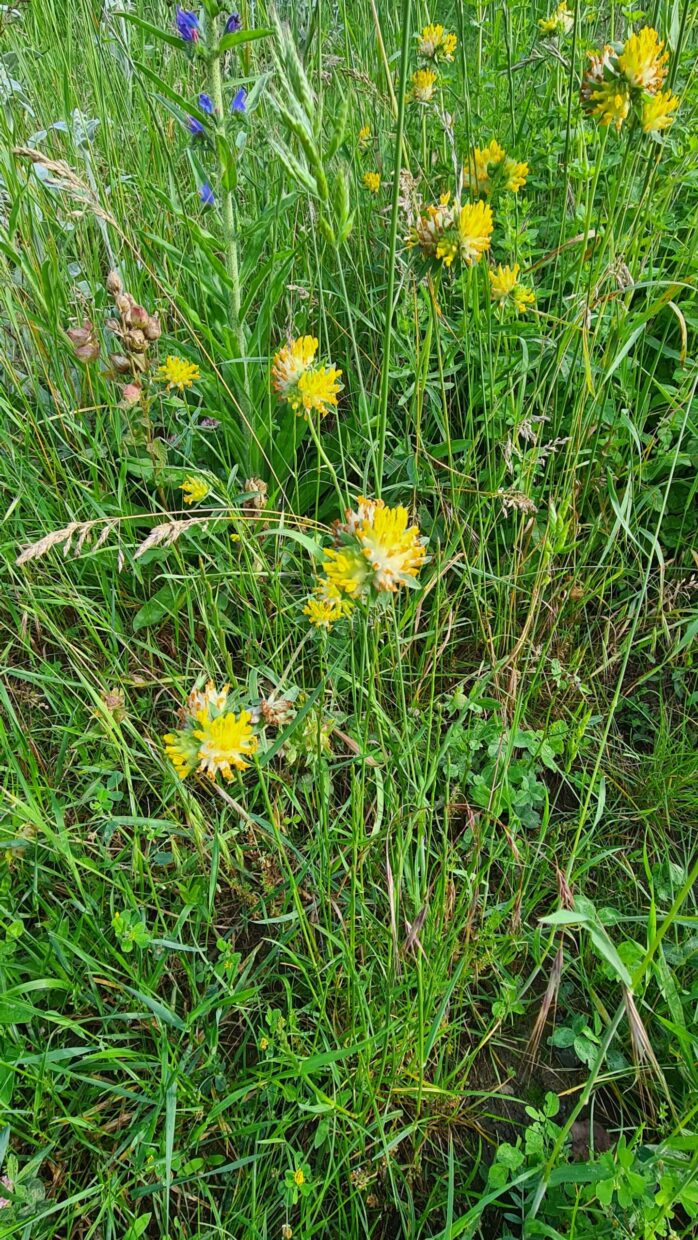
Bumblebees PLUS - Common Bumblebee (Anthyllis vulneraria) - Bank Garden in Radlice - Photo Ondřej Hercog 06 06 2024 (4)

Anthyllis vulneraria – Bank Garden in Radlice
Photo: O. Hercog (6/6/2024)
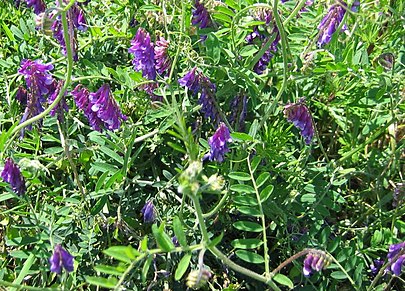
Bumblebees PLUS -Bushy vetch - Photo Wiki

Bushy vetch
Photo: Wiki