
Findings of dead bumblebees under linden trees - review article
What you will learn here
- why do we find dead bumblebees under flowering linden trees during the summer
- Are the lime trees toxic, or are the dead bumblebees there for another reason?
Last updated: 20/7/2021
Contents
Introduction
What about the linden trees and the dead bumblebees you find under them? Appearances are deceiving
First hypothesis
Second hypothesis
So let's summarize
Well, the bumblebees are lying under the linden trees, so why? Third hypothesis
Conclusion
About linden trees from our article
Introduction
First of all, thank you .
We thank our editorial colleague, MUDr. K. Kučer for his text and analysis. We published the article on our Facebook page čmeláci PLUS in 2019. Since then, it has been frequently quoted, and we think rightly so.
The "killer linden" type HOAX, so often mentioned in the literature, certainly deserves this denouement.
What about the lime trees and the dead bumblebees you find under them?
You have certainly also noticed repeated catastrophic reports of hundreds of dead or dying bumblebees under flowering lime trees of non-native species (especially tomentose lime trees (also sometimes with the Czech name silver lime) (Tilia tomentosa) , green lime trees ( T. euchlora. )
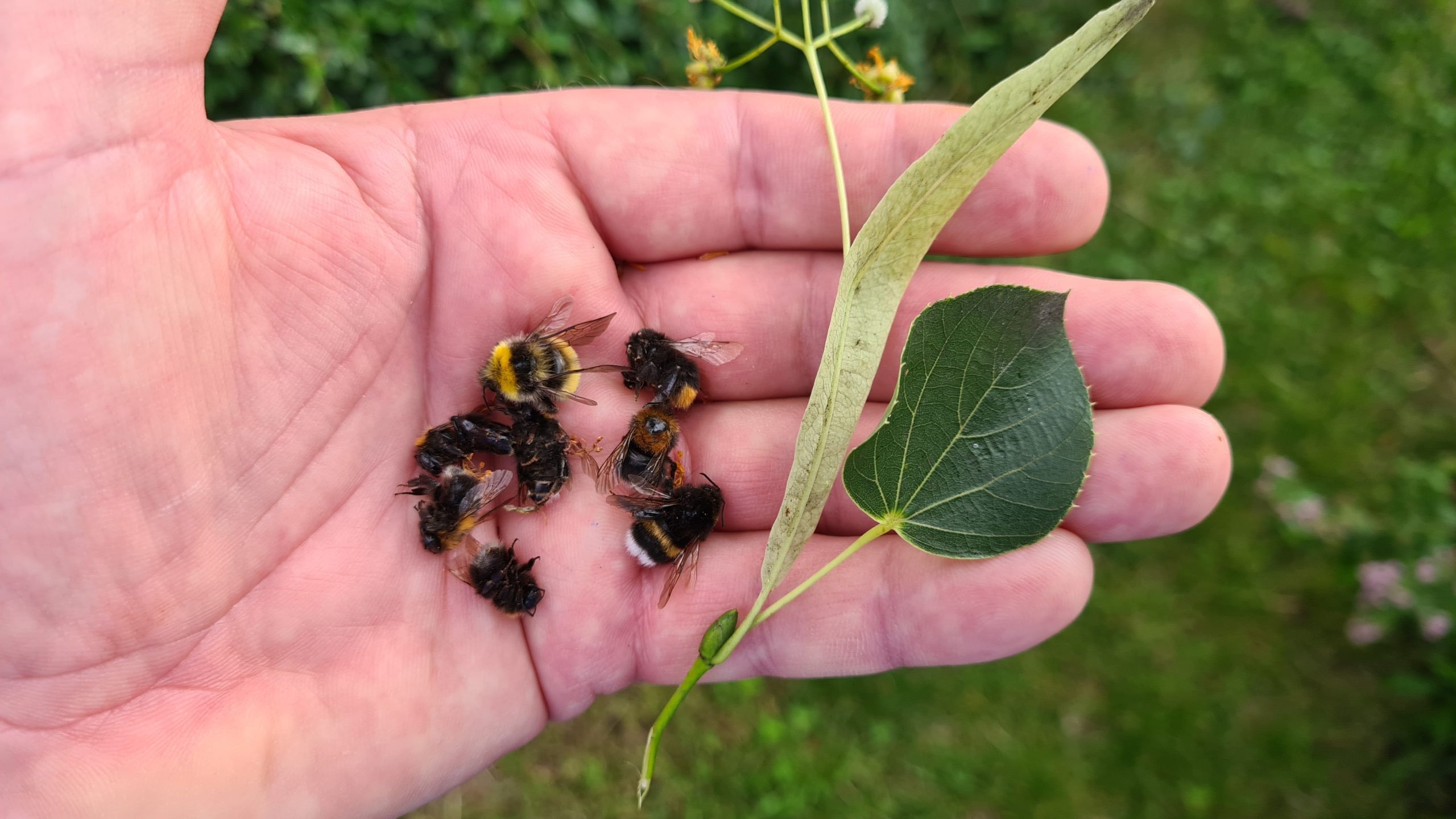
Are lime trees really deadly?
Photo O. Hercog 7/2021
Using common sense, simple logic, and the principle of “I believe what I see,” it seems clear – the non-native linden tree contains something that kills bumblebees. It could be the nectar or pollen, or some poison contained in the flower or plant.
So let’s start the saws and get rid of those non-native species…
So why are we writing about this?
It is a vivid example of how little we know about nature , how little we understand the relationships in nature, and how things that seem clear at first glance, according to common sense, turn out to be complicated.
And so a little justification for why we think that even bumblebee breeding cannot be approached in the style of simple solutions and the opinion that bumblebee breeding is easy and actually for everyone, as opposed to bees, all you need to do is buy a hive flap and a lining... But on the contrary, this is still an unexplored area where it is necessary to constantly search, collect information, evaluate it even in the context of a rapidly changing climate and adapt breeding to it, and therefore the reason why we came together and founded these pages.
So if you are interested in what the "mass linden bumblebee killer" is all about, then read on ....
PS: You can safely put that saw away.
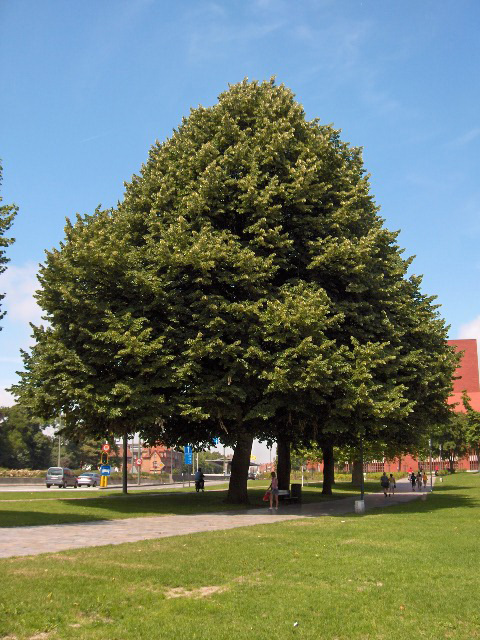
Silver lime (Tilia tomentosa)
Photo: Wikipedia
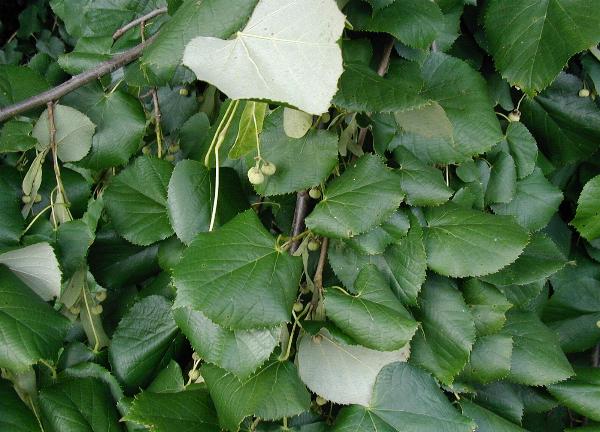
Silver lime (Tilia tomentosa)
Photo: Wikipedia
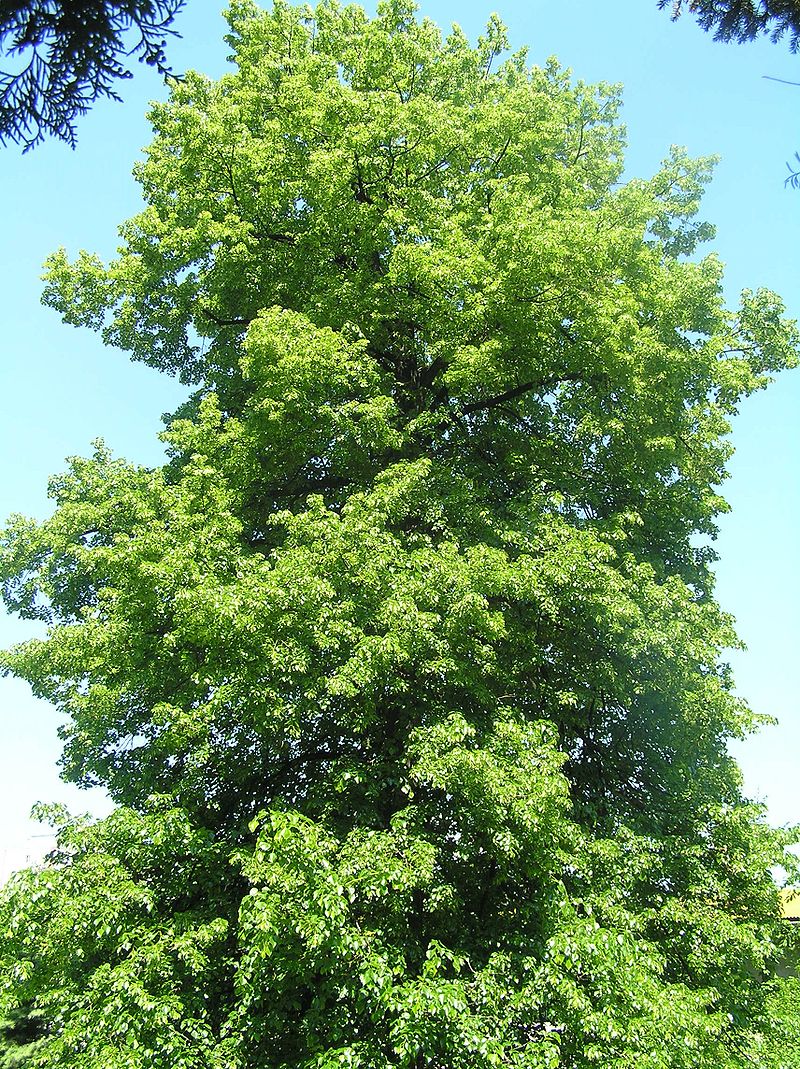
Lime tree (Tilia euchlora)
Photo: Wikipedia
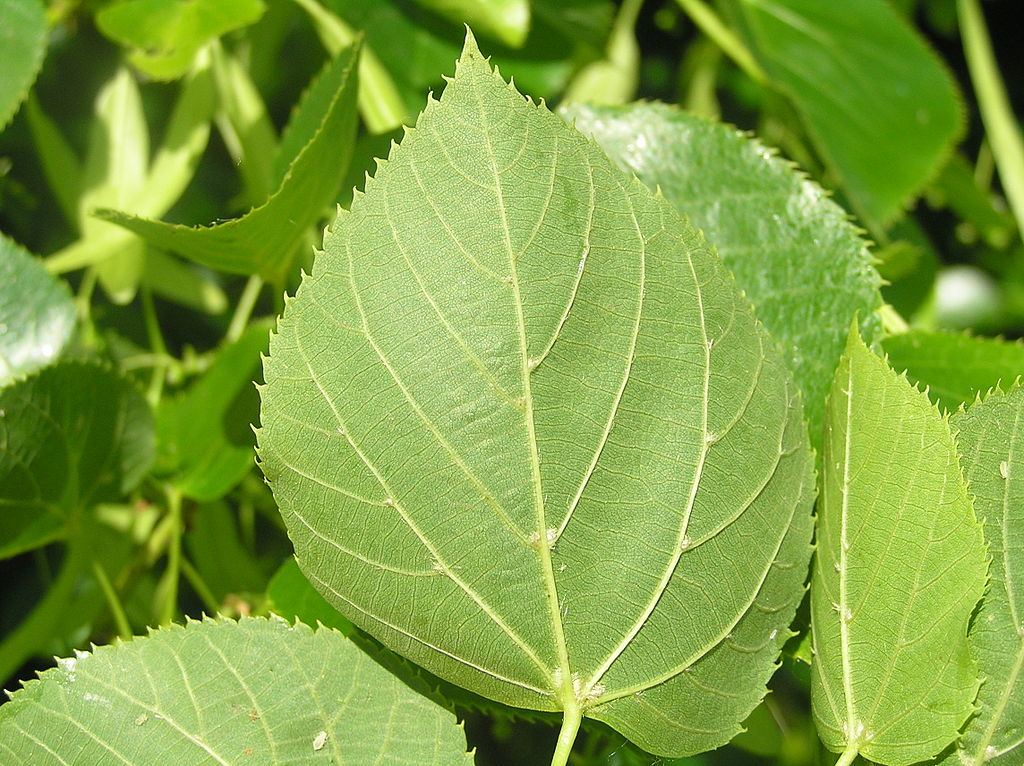
Lime tree (Tilia euchlora)
Photo: Wikipedia
Appearances are deceiving
The matter seemed clear at first – 87% of all dead insects found under mature linden trees were bumblebees, of which 99% were ground and forest bumblebees (Muehlen et al. 1992).
It was assumed that the fault was both a small amount of nectar and that the nectar of these lime trees contained a toxin that caused massive deaths. Lime trees tolerate urban environments well, they are decorative, and our "popular" tree, so it is not surprising that they are used in urban architecture. Lime trees are a rich source of pollen and, in part, nectar for bees, which are their main pollinators.
There are about 30 known species of linden trees, but bumblebee deaths have been recorded not only under the exotic ones, but also under the small-leaved linden (also known as the heart-shaped linden) (T. cordata) and, to a lesser extent, the large-leaved linden (T. platyphyllos).
All species of lindens bloom profusely in June and July , their flowering periods largely overlapping.
The large-leaved linden begins to bloom first , while the downy linden is the species that blooms the latest . The flowers have many anthers and are easily accessible to pollinators with a short proboscis.
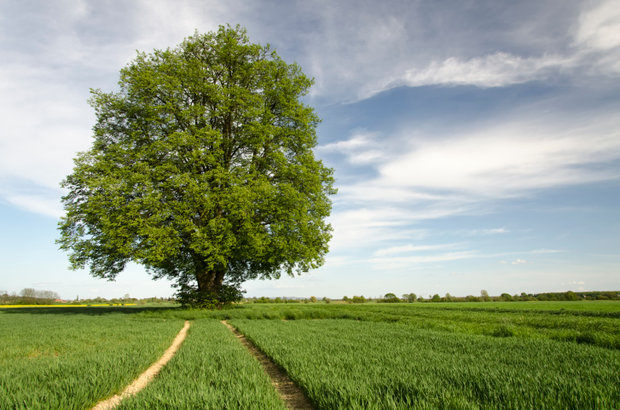
Small-leaved lime (Tilia cordata)
Photo: iPrima
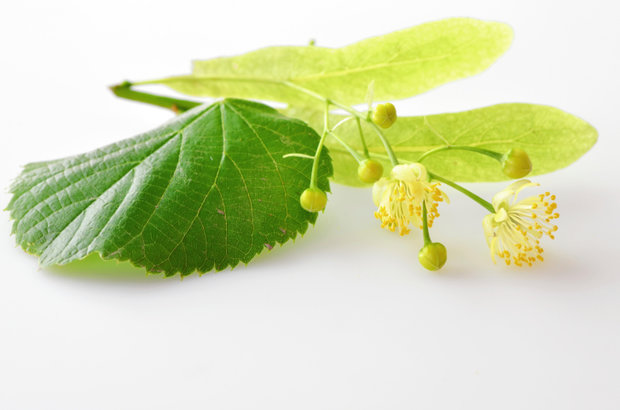
Small-leaved lime (Tilia cordata)
Photo: iPrima
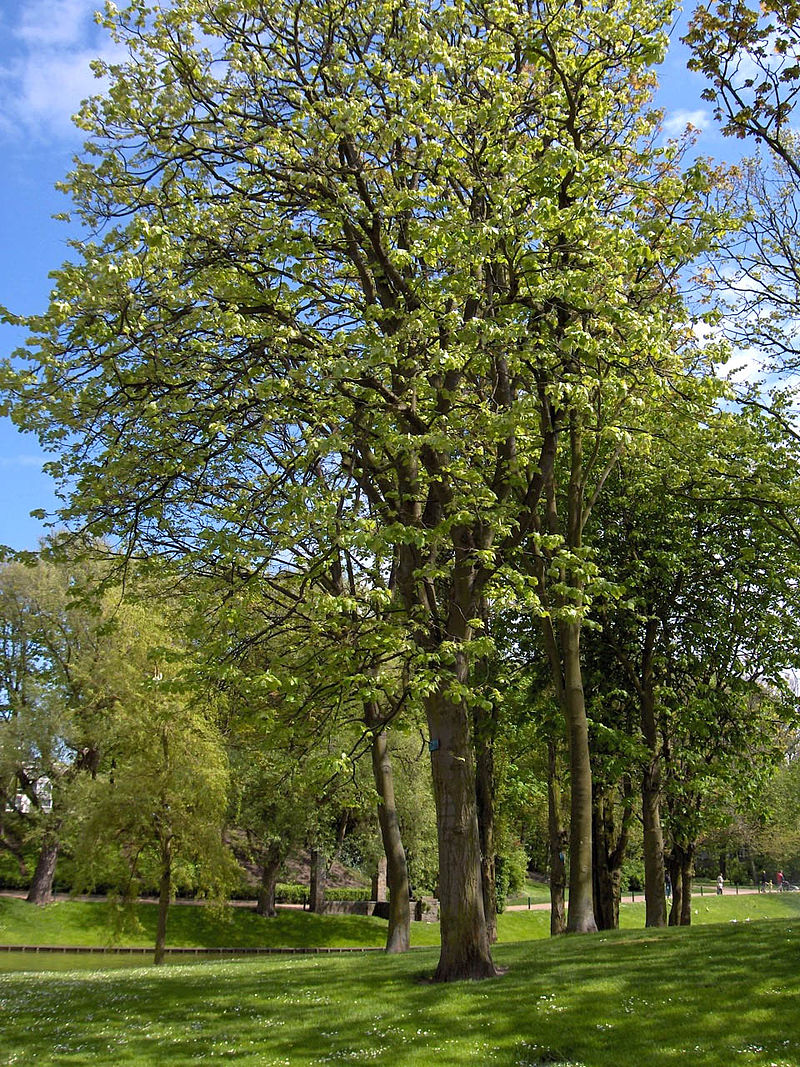
Large-leaved lime (Tilia platyphyllos)
Photo: Botany.CZ
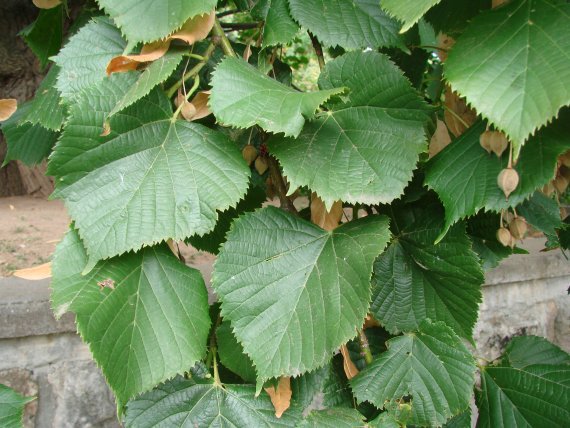
Large-leaved lime (Tilia platyphyllos)
Photo: Botany.CZ
.
First hypothesis
The first hypothesis , that some substance contained in pollen or nectar was responsible for the deaths of bumblebees, was not confirmed .
At first, scientists believed that the nectar sugar mannose, which is difficult for bumblebees to digest, was to blame.
Authors Mandel in 1977 and Hagen in 1994 even classify mannose among bumblebee poisons. However, mannose was not found in nectar or linden pollen (Baal et al. 1991, Denker et al. 1992, Jacquemart et al. 2018). Nectar may also contain a number of other potentially toxic substances from the group of alkaloids, phenols and other compounds. Suspicion fell on the alkaloid nicotine, where the lethal dose for bees is 12.3 mmol/l (Detzel and Wink 1993) while in the common bumblebee a toxic level was observed at 0.1 mmol/l (Tiedeken et al. 2014).
A detailed chemical analysis did not find the presence of concentrations that could cause toxicity (Jacquemart et al. 2018).
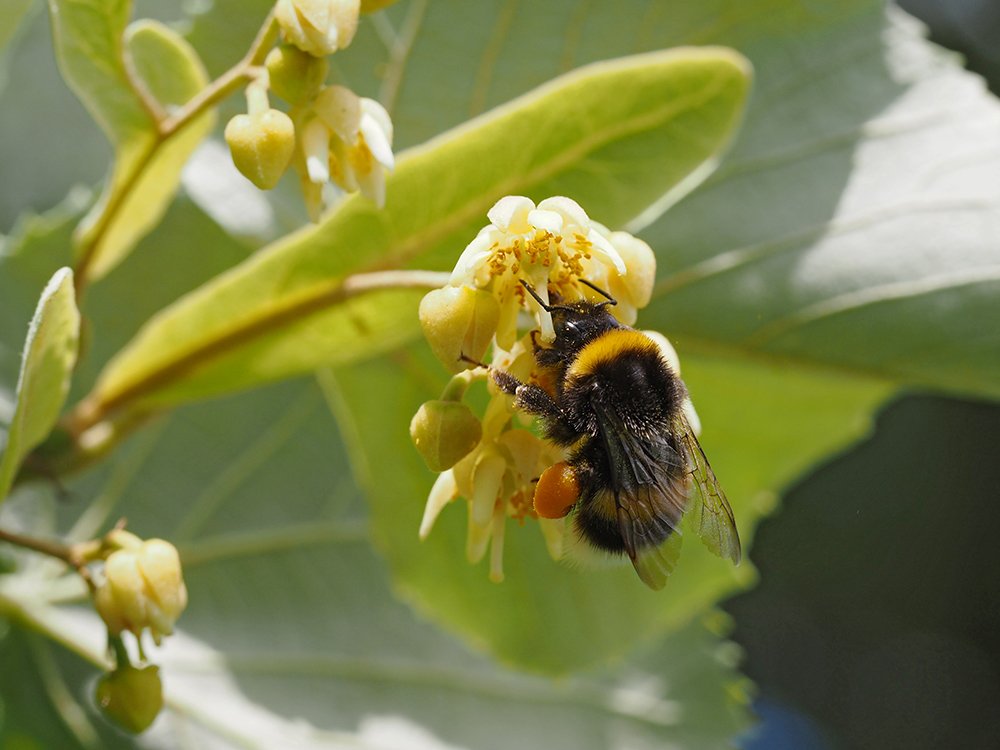
Silver linden and ground bumblebee
Photo: H. Kříženecká
Second hypothesis
The second hypothesis was that linden flowers do not contain sufficient nectar , which is a kind of fuel .
Without an energy source from nectar, a bumblebee is unable to fly or maintain thermoregulation, and so it dies under the trees from exhaustion.
This possibility was supported by the fact that deaths are not regular, but occur only in some years under the interplay of other circumstances, primarily average temperatures and precipitation.
In 1993, by weighing bumblebees entering and leaving a hive under linden trees, the authors Baal and Surholt demonstrated that bumblebees on linden trees carry a minimum of nectar and at the same time their mortality rate increases.
Jacquemart et al. in their 2018 paper found that European lime (T. europea) (a cross between large-leaved and small-leaved limes) and European lime have a higher flower density than small-leaved and large-leaved limes. European lime also has many more flowers in total compared to the other 3 species studied. The amount of nectar in European lime and small-leaved limes was 2x greater than in flowers of European lime and large-leaved limes.
Even more interesting was the analysis of sugars in nectar by the above authors. In the linden tree, the sugar concentrations were 2 times higher than in the large-leaved and common linden trees and even 4 times higher than in the small-leaved linden trees. This dispersion was mainly due to the concentrations of the key sugar – sucrose. The sucrose (disaccharide) / hexose (monosaccharide) ratios differed significantly between the linden species. Sucrose was the dominant sugar in the nectar of the linden tree, while in the nectar of the common linden tree (T. europea) the dominant sugar was monosaccharide.
The above does not correlate much with the initial hypothesis.
The experiment of the authors was also interesting, when bumblebees had no other option for pollination for 6 days than from the flowers of the mentioned lindens. Bumblebees pollinating exclusively the small-leaved linden and bumblebees pollinating exclusively the tomentose linden survived their colleagues from the control group (pollinating freely plants) much better. After 6 days, the mortality rate in the linden group was 5-12 individuals, while in the control group there were around 30. So this hypothesis was so clear at the beginning, in popular terms it floats on water….
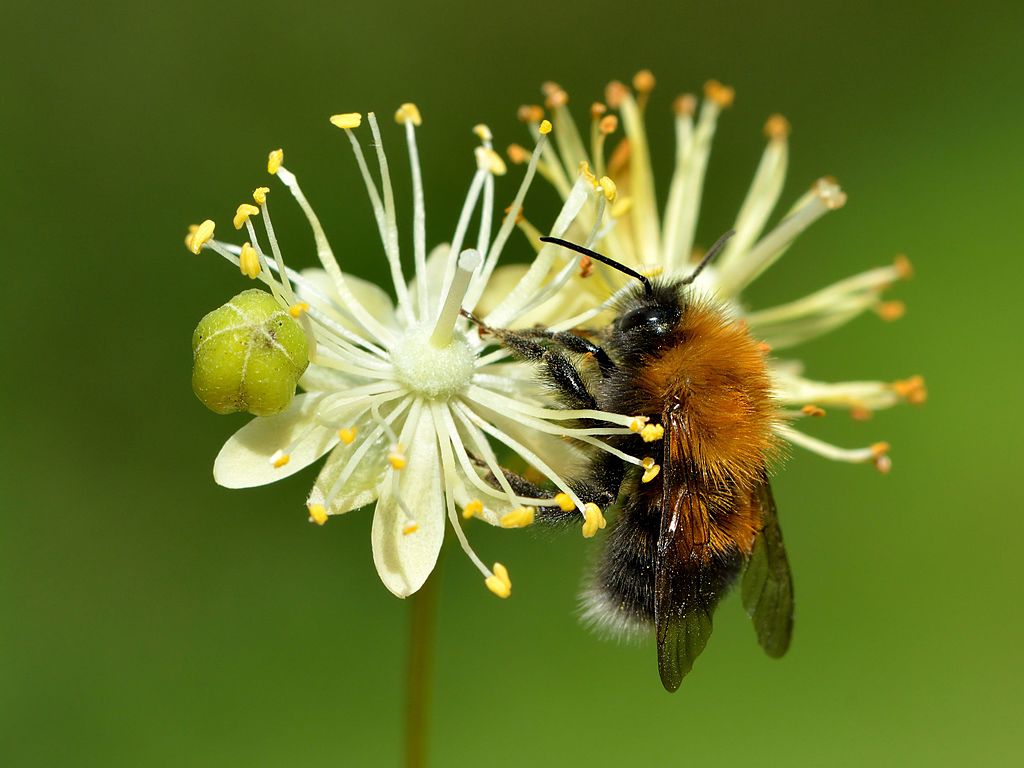
Hypnotic bumblebee (Bombus hypnorum) on a heart-shaped lime tree (Tilia cordata)
Photo: Keila
So let's summarize it
- The four studied linden species (the tomentose linden, the small-leaved linden, the large-leaved linden and their hybrid, the common linden) differ in both the number of flowers and their composition.
- The European lime tree offered more flowers per cubic meter, more pollen grains per flower, and more nectar than the other lime tree species studied.
- The total sugar content in lime nectars ranged from 0.24 mg per flower (for the common lime) to 0.06–0.10 mg (for the remaining three species). Similar sugar volumes and concentrations have been found by other researchers (Käpylä 1978; Pigott 1991; Krasenbrink et al. 1994; Baal et al. 1994; Gašić et al. 2014; Somme et al. 2016; Argoti 2016).
- Linden pollen contained the optimal composition of nitrogenous substances and amino acids necessary for the development of larvae. The authors found that the “most deadly linden” was the best for pollinators in terms of nectar composition...!
- No potentially toxic components were found in the nectar, be it mannose or nicotine alkaloids. However, the toxic effect of other slightly represented substances cannot be ruled out, although this seems very unlikely.
- Jacquemart et al. did not even record any increased mortality, even though the experiment was conducted in 2016, when climatic conditions in the observed period (May to August) were normal and after a rainy spring, summer came with average precipitation.
Conclusion = none of the possible hypotheses convincingly explains the cause of the death of bumblebees under linden trees.
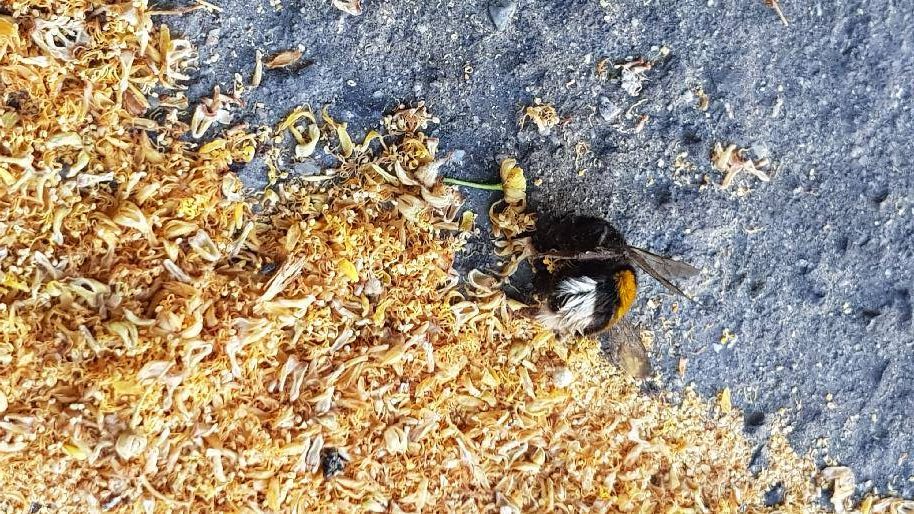
Are lime trees really deadly?
Photo O. Hercog 7/2019
Well, bumblebees lie under the linden trees, so why?
The key to explaining the mystery is not in the linden trees, but rather in the life cycle of bumblebees.
However, bumblebees are susceptible to starvation , and adverse periods shorten the lifespan of the colony.
In 2007, the authors Illies and Mühlen monitored bumblebee mortality , when their maximum corresponded to the peak of the linden flower – which seems paradoxical because a single flower of this linden is capable of producing 3-4mg of nectar per day . This is much more than what all other trees commonly planted in cities are capable of . Research into this relationship is therefore not fully elucidated even after more than a decade.
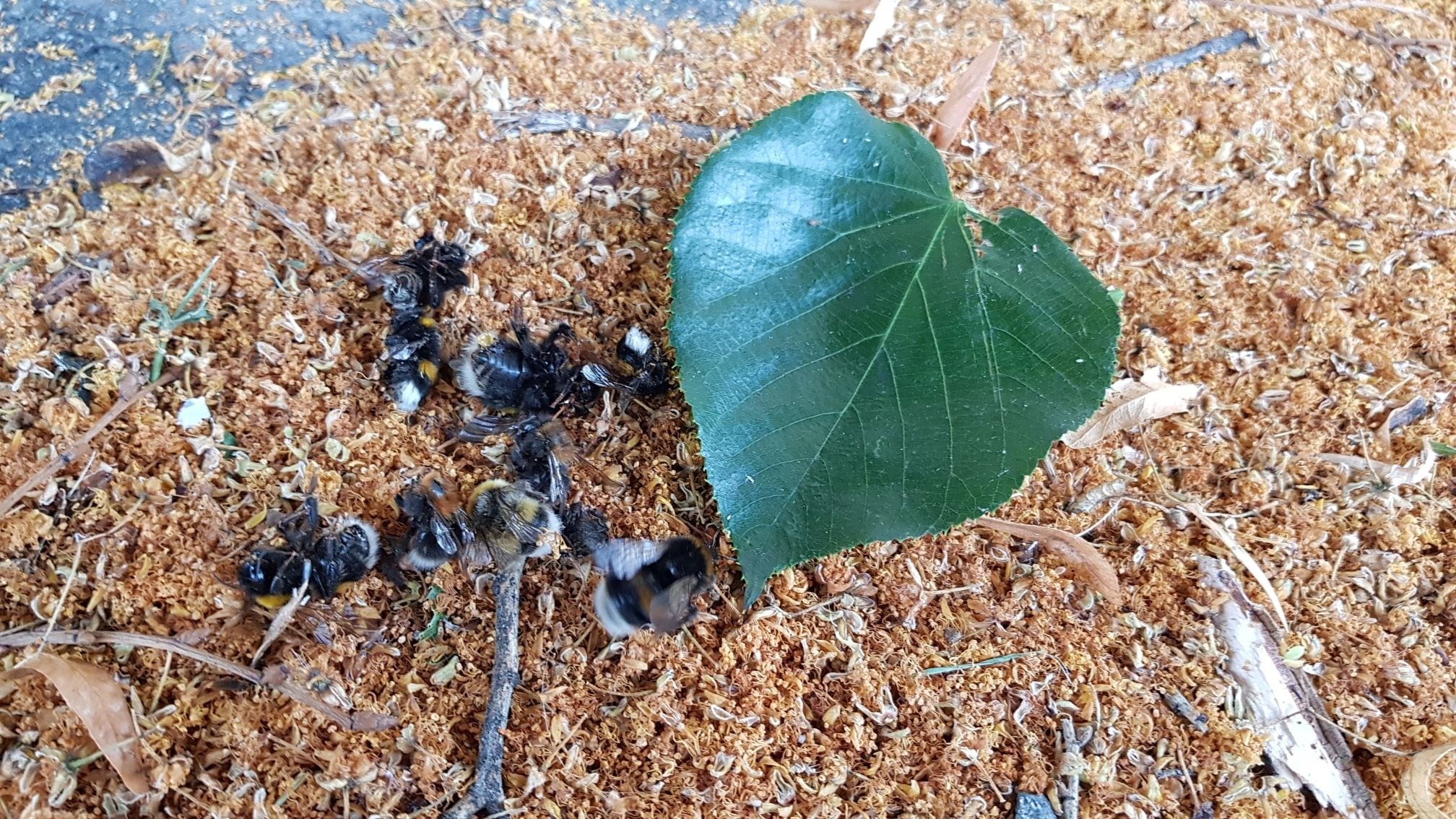
Are lime trees really deadly?
Photo O. Hercog 7/2020
Hypothesis three
However, there is also a third hypothesis, which is that everything is actually completely fine .
Don't believe your eyes? Don't believe it, you may be witnessing an optical illusion, a logistical redistribution in nature. Linden trees (and the tomentose one as the last) are dying at a time when most bumblebee colonies reach their peak and nests enter a phase of decline .
This is associated with the natural death of workers, which usually occurs outside the nest (shock), but sometimes also of males.
Since bumblebees have a short lifespan of about a month, mortality is high at this time .
MÜHLEN et al. (1992,1994) found that most dead bumblebees are exclusively workers, which may confirm this hypothesis. Since bumblebees tend to choose the best source that they remember and collect there until their bodies are torn apart, and taking into account the fact that urban green management does not offer them another source of nectar and pollen as rich as linden trees, it seems quite logical that they are all on linden trees. And since linden trees are planted in areas where there is paving stones, bare ground or at most some short-cut lawn that is now burnt by the sun, the corpses of workers are more easily visible to us than bumblebees that have died naturally elsewhere. This is also a hypothesis, and we still lack scientific data. If you look carefully, you won't find bumblebee queens under the linden trees.
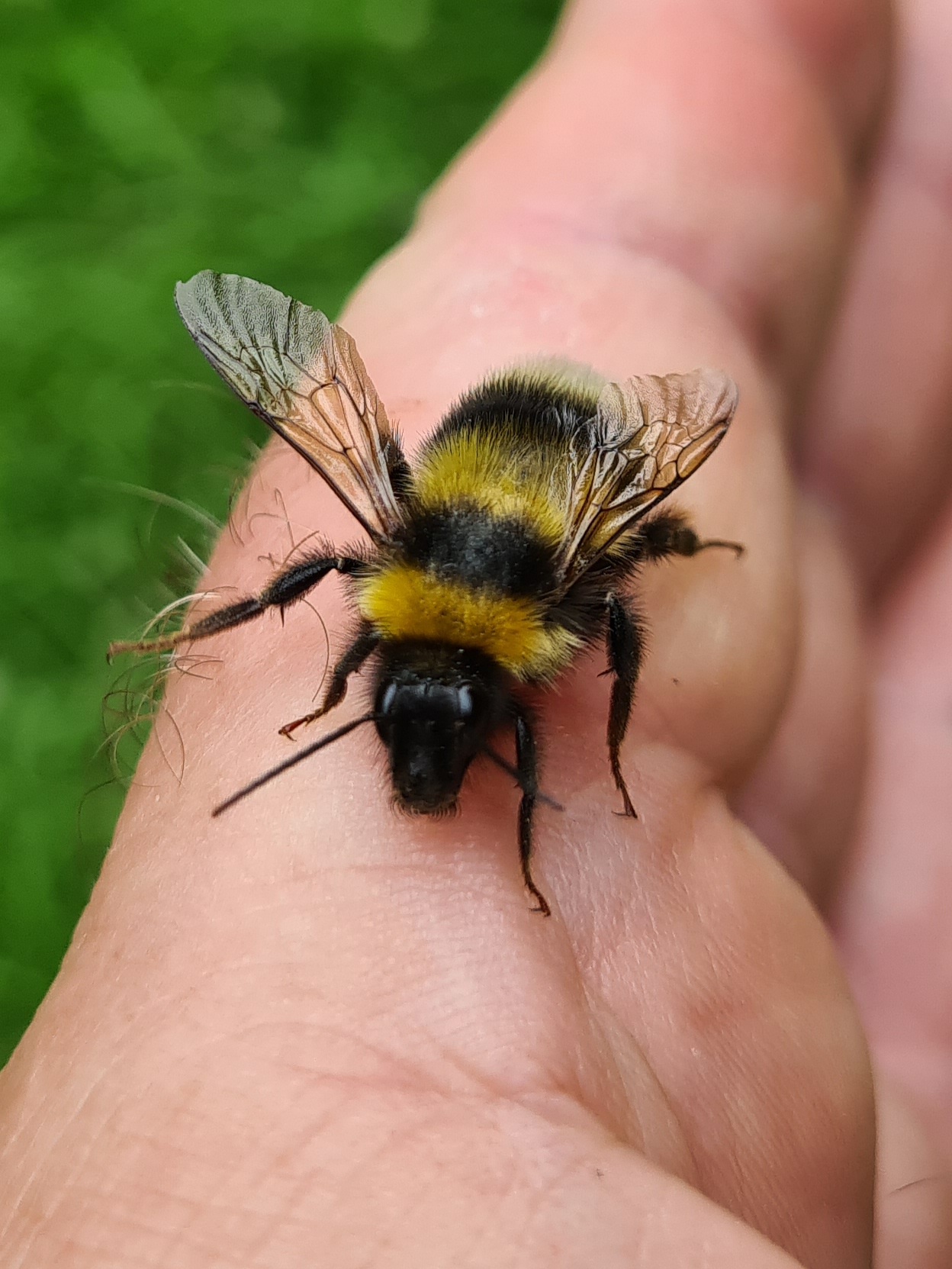
Garden bumblebee (Bombus Hortorum) male
Photo: O. Hercog
Conclusion
- Don't believe in toxic linden trees. Toxins in them have not been proven.
- Under the linden trees you will primarily find bumblebees that are ending their lives – castes of workers and sometimes males, primarily early species.
Well, would you expect that? Such a clear, common sense thing? Well, we don't. So let's not fall for the delusion that nature is simple and we understand it.
We will say goodbye with a quote from the greatest Czech thinker (and certainly also a bombastophile) Jára Cimrman and his theory of knowledge: "We know everything = we know nothing ".
We will modestly add: "Let us approach everything with this awareness, so as not to do more harm than good".
Let's be happy for our national trees - beautiful lindens . They are beautiful and deserve our attention and love.
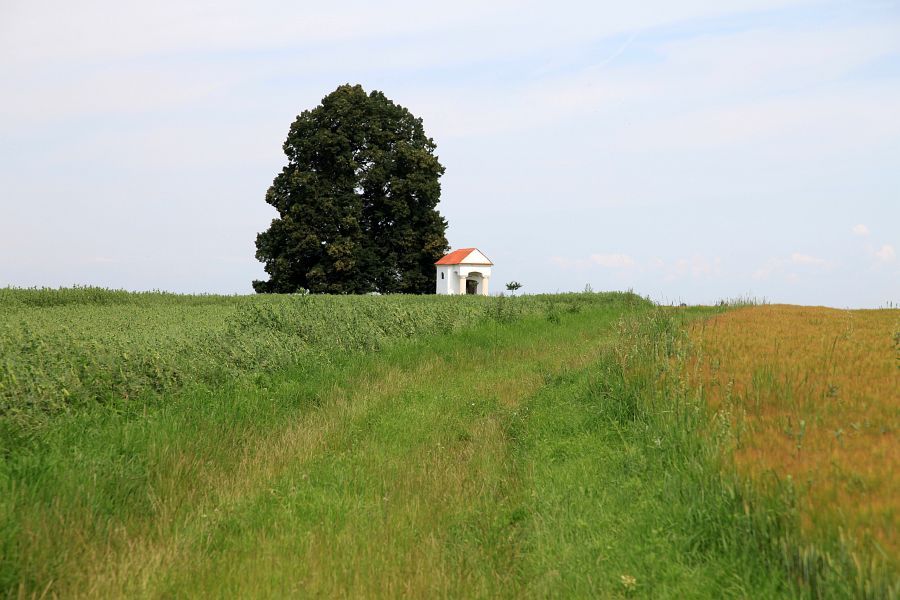
Solopysky – linden tree and chapel
Photo cestyapamatky.cz