


Bumblebees PLUS Seed Bank – Introduction

How does Bumblebee PLUS Seed Bank work?

The seed shop is open for the 2025 season

COLLECT SEEDS FROM MEADOW PLANTS AND SEND THEM TO THE DEPOT FOR OTHERS

What you'll find here:

  • Solutions for when you have a surplus of wildflower seeds from your garden
  • How to share seeds with others
  • How to get seeds from our Seed Bank
  • What are the rules of our Bumblebee Seed Bank?

Date of last update: 19/2/2024

Introduction

If you have a garden, you often ask yourself during the season, What to do with surplus seeds. These could be seeds that you bought in the spring, or that are the fruits of your plants. 

Very often, such seeds end up in the bin as unnecessary. However, even such seeds have their uses, and it would be a real shame to throw them away – Someone else can use them, and the seeds will be useful..

Roughly similar Idea was at the forefront of the Seed Bank Initiative.

„This was founded in the Czech Republic in 2015 in support of the free sharing of seeds, seed saving, and natural gardening. It was modelled on the French Les Grainotheques and the American The Seedbanks.

Seed banks, whether a cabinet, basket, box, etc., are a place where gardeners can freely share seeds from their gardens with each other. Seeds should be exclusively „organic“ quality, meaning untreated and from plants not treated with chemicals. They should be the result of home seed saving. Seeds are offered for free in small quantities for personal consumption only. Seed banks are a free initiative for everyone. Anyone can establish and promote a seed bank in their local area.“

This quote from the homepage of the website https://seminkovny.com/

Čmeláci PLUS has a range of activities to support bumblebees and nature. That's why we were impressed by this idea and why we joined the Seed Bank Initiative. We didn't want to copy the Seed Bank's idea, just to build on it. We also wanted to focus on a specific area, which is honey-producing plants.

Similarly, we wanted to come up with a different distribution model for the Seed Bank than free access to the seed source at some physical branch/shop. Therefore, we tried to create a model where the receipt and distribution of seeds would take place by post. 

Thank you To Klára Hrdá, who founded the Semínkovna Initiative in the Czech Republic, applauded it, and tirelessly continues to expand it. With her kind permission, we have adopted the name and programme of Semínkovna with our logo and contributions.

We would be delighted if you joined our Bumblebee Seed Library and we will also be glad if you make use of its free services.

If you are interested in the feeding preferences of bumblebees, we recommend reading an interesting methodology HERE and to it a lecture by one of the authors, namely Katka Smékalová HERE

CM+


Bumblebees PLUS - Seed Bank

Bumblebees PLUS – Seed Bank – Logo
Rules of the Čmeláčí PLUS Seed Bank

  • We are collecting for you Seeds of honey-producing plants native to the Czech Republic
  • It should primarily be about plants whose seeds are grazed on by bumblebees or bees
  • You can use your own observations, or follow #cmelacipluspastva
  • We will store your surplus and we will provide them to interested parties
  • We will provide the seeds free of charge, postage costs only
  • The condition is that you use them non-commercially in their gardens for insects
  • Another condition is that you will not use seeds in protected areas,
  • The entire service is free, without charge
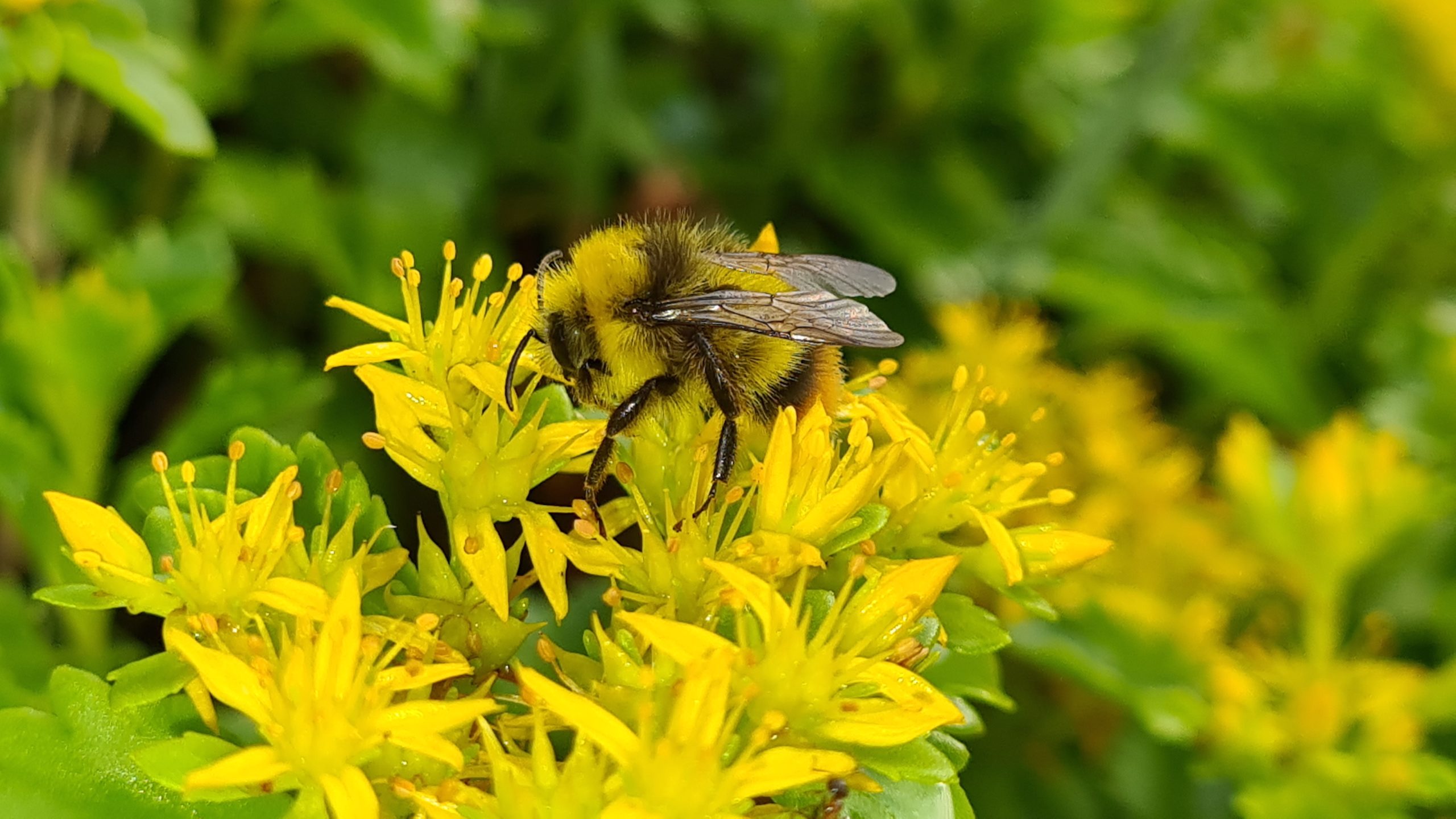
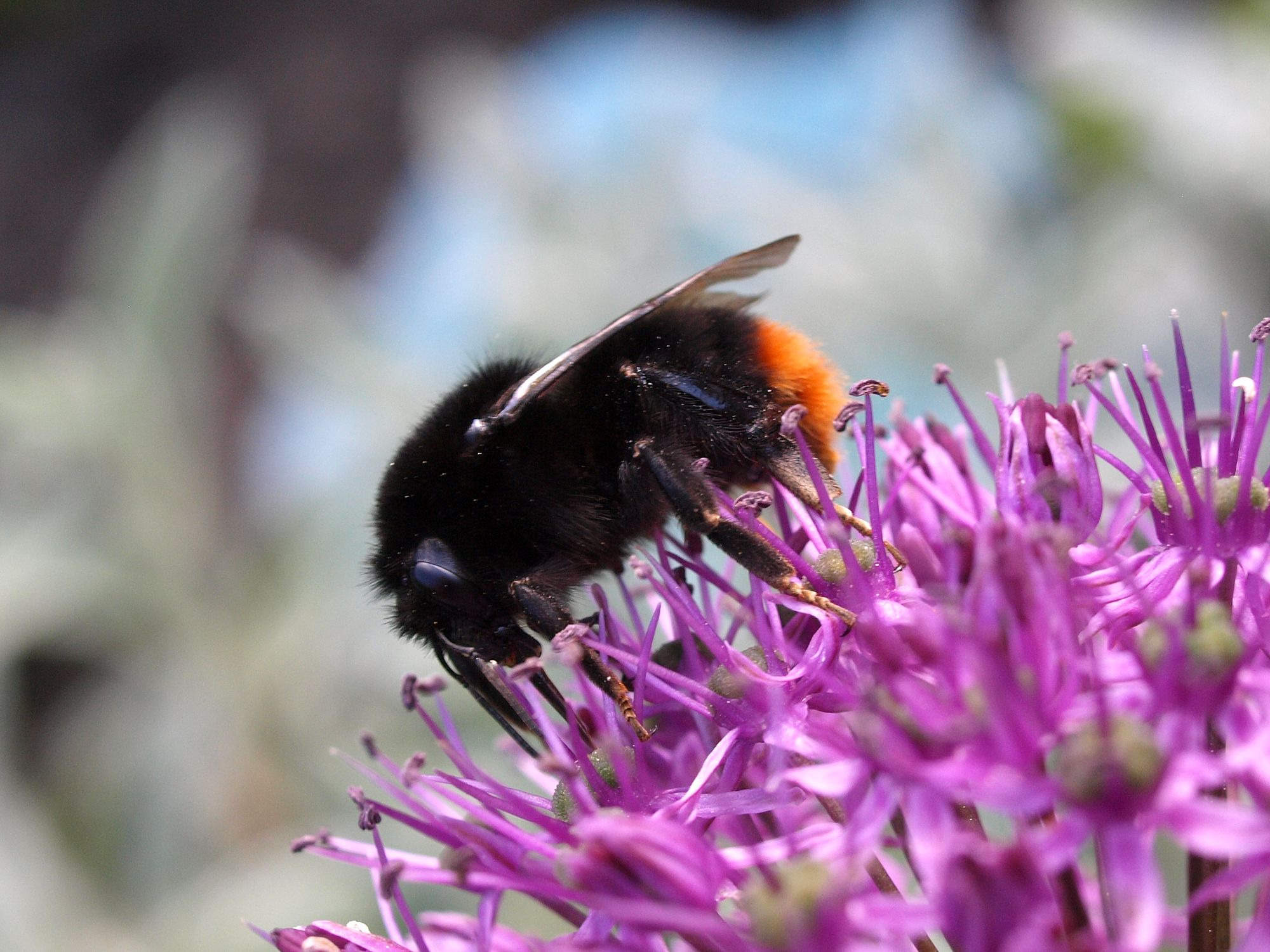
Bumblebees PLUS - Stone Bumblebee - Bombus lapidarius - worker - Ála Ungerová

Stone-tailed bumblebee (Bombus lapidarius) – worker
Photo: A. Ungerová
Seed receipt into our warehouse

  • Prepare excess seeds
  • These should be organic seeds of plant species from the Czech Republic – chemical-free
  • Save them into separate bags so that the seed does not mix
  • We accept into the warehouse Seed dry, clean, free from mould, less than a year old
  • Bags Describe – state the name of the plant, approximately the location, month and year of collection 
    If you wish, state your name
  • Seedlarger quantity) send using the service ZásilkovnaZ-Box ID 24972
    Address: Kačírkova 934. Prague 5, 155 00
    Please contact us on seminkovna@cmelaciplus.cz
    We prefer this way 
  • Seedsmall amount Max. envelope up to A4 size) please send. by post to the address
    Bumblebees PLUS z.s.
    Na Farkáně III 182/28
    Prague 5 Radlice
    150 00
    Please do not send the shipment by registered mail


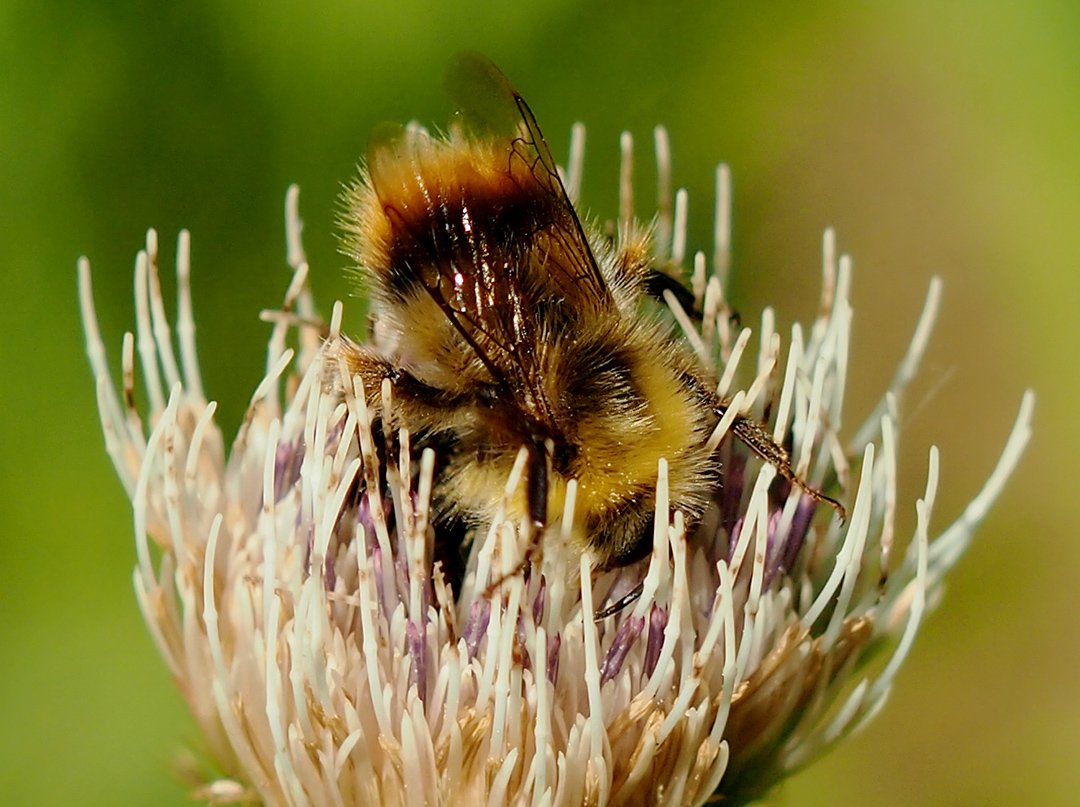
Bumblebees PLUS - Early Bumblebee (Bombus pratorum) - male

Meadow bumblebee (Bombus pratorum) – male
Photo H. Kříženecká

Seed order

  • In the catalogue select the seeds you need and which are available (marked in green)
  • Send us an email at seminkovna@cmelaciplus.cz
  • In the email, please state: the catalogue number of the requested seed and my postal address
  • The amount of seed per order will be such that it fits into a standard envelope (C6 or DL) and also so that more interested parties can get involved.
  • One envelope holds 5 types.
  • We will process your order as soon as possible.
  • We will confirm the dispatch by email and please send postage to Account number: 123-5802630277/0100
  • If you prefer ordinary post in the letterbox.
    Shipping cost
    (postage and envelope) I am 60,- CZK
  • If you prefer Service use Zásilkovna, please send us your contact details.
    Shipping cost (Zásilkovna postage and packaging) £75

Note: The prices are based on the postage rates of Česká pošta and the price of the envelope. We do not charge for our work. 


Meadow bumblebee (Bombus pratorum) male
Photo O. Hercog 25/6/2021 Prague
Supplement

  • We cannot provide guarantees on the seeds you have supplied., we're counting on you with the others You share good material, Which will help others and primarily insects.
  • Seeds older than 2 years will be disposed of.
  • We do our work for free. We are investing our own work, time and material costs into the project. We are relying on you to send us the postage costs.
  • Seed delivery can take a while. We will process the mail Once a week.
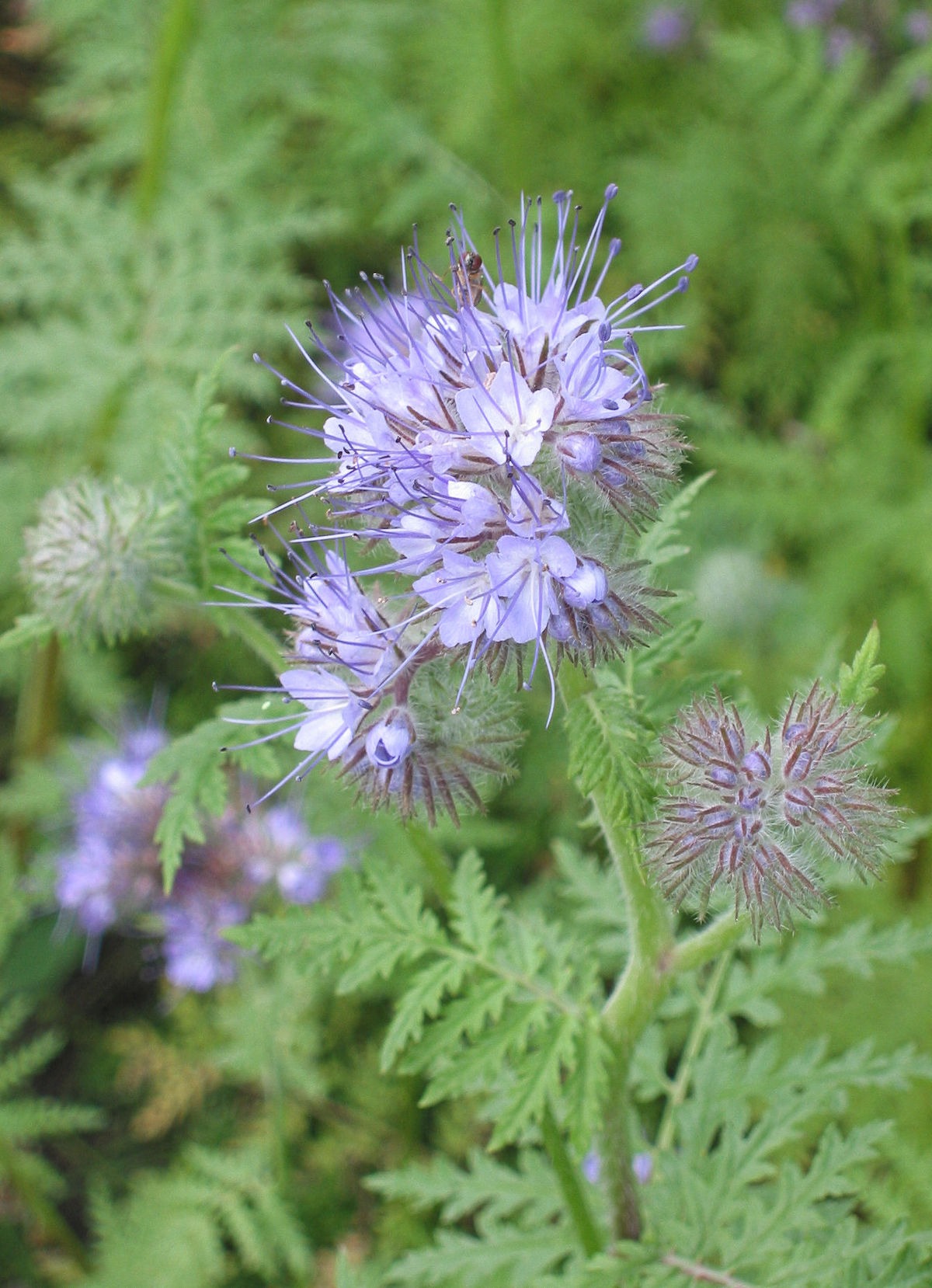
Bumblebees PLUS - Phacelia tanacetifolia - Wiki

Tansy-leaved sedge
Photo: Wiki

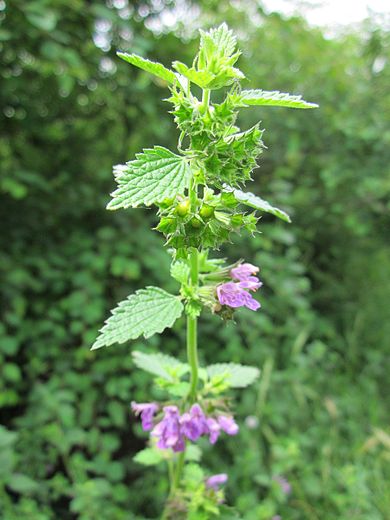
Bumblebees PLUS - Earthnut - Herbal and Natural

Common knapweed
Photo: Herbal and Natural
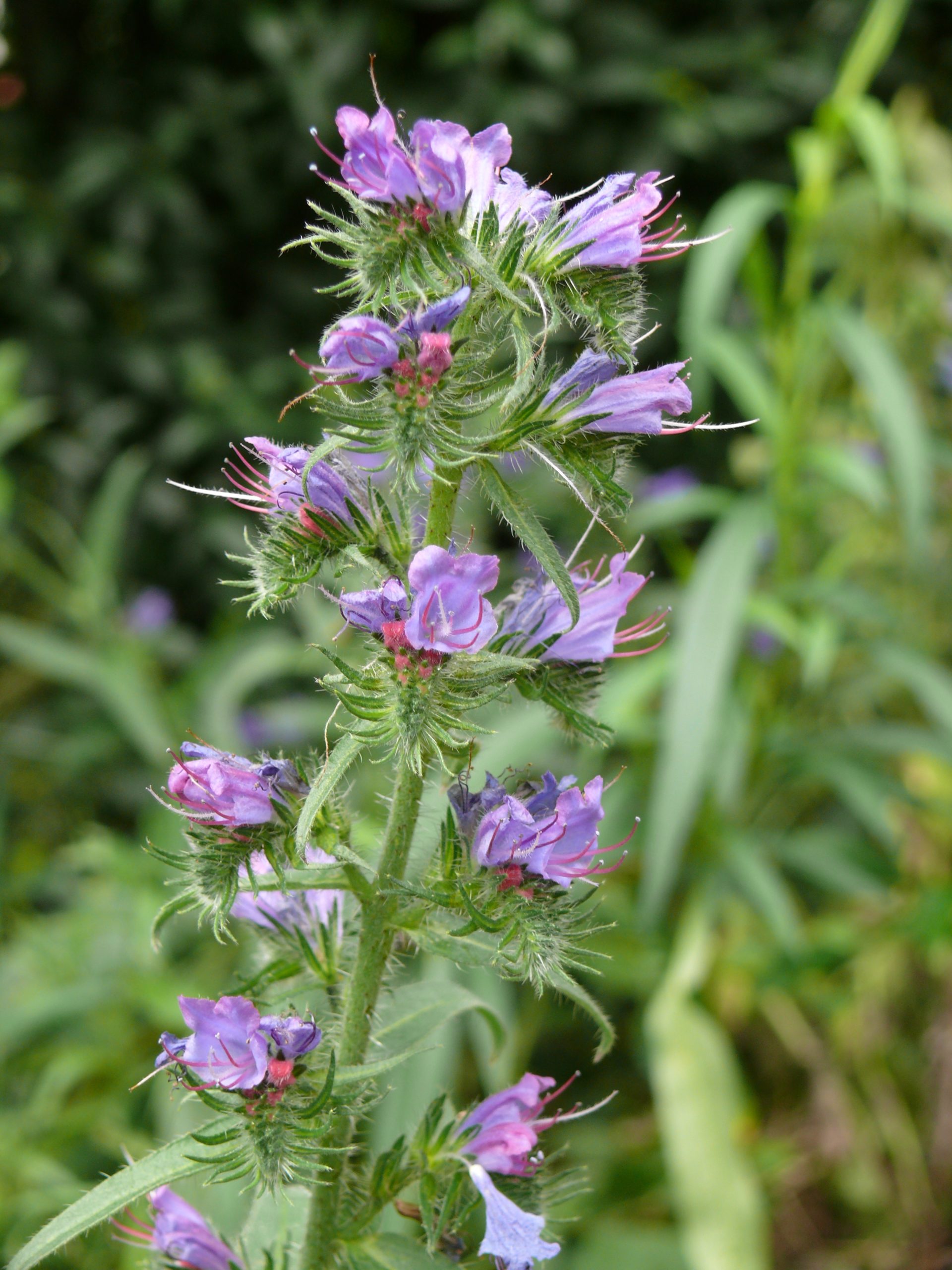
Bumblebees PLUS - Viper's Bugloss - Wiki

Hops
Photo: Wiki

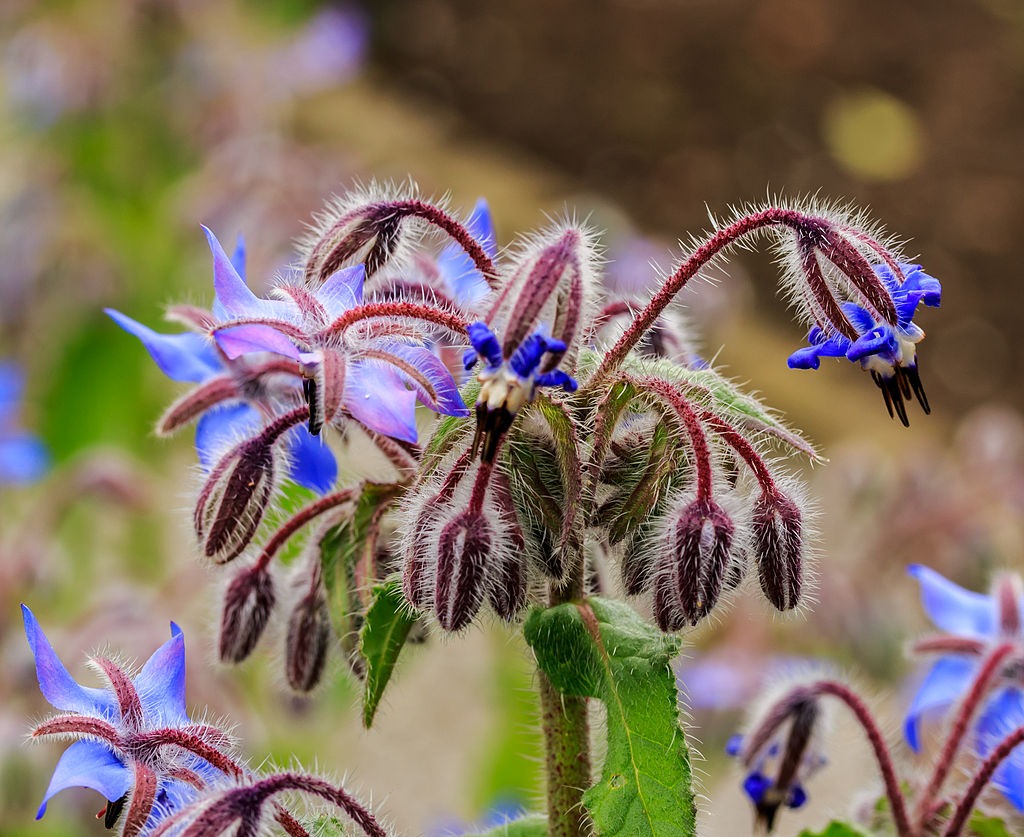
Bumblebees PLUS - Borage - Wiki

Cornflower
Photo: Wiki

Which seeds do we need? 

Here is a list of plants suitable for supporting bumblebees HERE

If you have any seeds of primarily bee-friendly plants, we would gladly we will offer further. We also take those that are currently in stock for replenishment. 

We are looking for, for example, these seeds from these plants:

  • Bugleweed
  • Hollow mushroom
  • Scarlet runner bean
  • Hops
  • Angelica sylvestris
  • Field cricket
  • Common Yarrow 
  • Wild white clover
  • Kokrhel luštnec
  • Lavender
  • Scarlet Pimpernel
  • Nice Moroccan
  • My right hand
  • Salvia verticillata
 
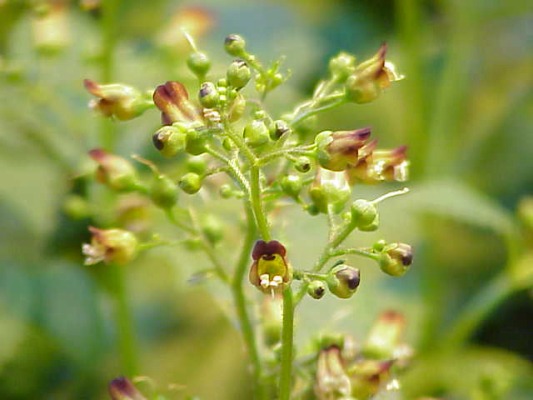
Bumblebees PLUS - Black Horehound - Photo Wiki

Black Hellebore
Photo: Wiki

How to store seeds so they last as long as possible?

We will use advice from the web here www.potravinovezahrady.cz 

Seeds, like all living organisms, age, weaken, and die. They gradually lose their germination ability. The speed of this process You can influence how and where we store seeds..

Some will last until next year, but most seeds will last even longer. Some can last over ten years. All of this is assuming you store them correctly.

Conditions for proper seed storage

To ensure seeds retain their germination ability for as long as possible, store them in a dry, cool, dark, and stable environment. The most important of these conditions are dryness and coolness.

Own seeds before storing We'll dry it well (most of which we don't have to dry) and place in a well-sealing container, which is protects against ambient moisture. Have proven themselves, for example Plastic bags with zips sky jar with a screw-on lid.

Seed casing store in the coolest possible place with a constant temperature. For example, into a dry cellar, into a pantry, or simply into the coolest room in the house. Optimal temperature for seed storage 0 – 10°C. We can also use the refrigerator, which has the advantage of a really stable and low temperature. Seeds in the refrigerator, however, must be well protected against moisture!

How long do seeds last?

All seeds, as gradually they are aging, losing germination capacity. Each year fewer and fewer seeds germinate, until at a certain point none do.

Seeds of different species retain Germination for varying lengths of time. Some last only a year or two, others for decades. Basically, four groups of seeds are distinguished according to the period for which they maintain a good germination rate. We take the following data from the book The Manual of Seed Saving:

  • Very sensitive seeds.
    They are sown immediately or a few months after harvest.
    This includes chives, garlic, leeks, onions (very sensitive to short shelf life), parsnips, black salsify, Jerusalem artichokes.
  • Seeds with a short shelf life.
    They maintain a decent germination rate for two to three years.
    This includes carrots, celery (short to medium shelf life), sweetcorn (short to medium shelf life), fennel, spinach.
  • Seeds with a medium lifespan.
    They maintain a decent germination rate for four to five years.
    This includes beans, chicory, lettuce, peas, peppers (medium to long shelf life), radishes, Swiss chard, beetroot.
  • Long-life seeds.
    They maintain a good germination rate even after more than five years.
    This includes brassicas, cucumber, aubergine, melon, goosefoot, gourds (pumpkins, courgettes), tomato.
How to keep seeds alive for longer than ten years?

The seeds that last the longest are those frozen at -18°C. This is how they are stored in gene banks. Frozen seeds of most species will last at least ten years, though some even over twenty years. You can therefore create your own seed bank at home in the freezer, which will allow you to back up various varieties and at the same time serve as a reserve source of seeds for harder times.

However, in order to prevent freezing from damaging the seeds, it is important to dry the seeds well.. For example, in an electric fruit dryer at a maximum temperature of 35°C. Higher temperatures can damage the seeds. Alternatively, silica gel desiccant can be used for drying.

Bumblebees PLUS - Seed Storage - Photo Food Garden_cz

Seed storage
Photo: Potravinové zahrady.cz

Some seeds won't germinate without frost; they need cold stratification.

You need to take into account that The seeds of some plants won't germinate., if you sow them in the ground in spring. They need, to undergo cold stratification.
Stratification in botany is a technical term relating to post-harvest ripening of plant seeds. It is usually a technology that enables germination or influences germination properties.

We've used a description from the web for you www.ireceptar.cz , where it is nicely described.

What is cold stratification 

The seeds of some plants are dormant. Dormancy means the seed is sleeping like Sleeping Beauty, even when it finds itself in conditions ideal for germination. It's always some ingenious safeguard of nature. For seeds that need to go through frost and cold – requiring cold stratification – this is anti-sprouting treatment before winter. If they wait for spring, they have a much greater chance of taking root and growing. The seed does not germinate directly when it is freezing, but the frost (or prolonged cold) breaks down substances that prevent germination. Later, the warmth and moisture will awaken it. However, the seeds of many woody plants do not even wait for warmth and begin to germinate as soon as the temperatures rise above zero.

How to stratify seeds

in the fridge
Seeds can be stratified in in a box with slightly damp (not completely wet) sand, which put it in the fridge.
Some types of seeds only need a month, while some require almost half a year to spend in the cold.
If you enjoy growing plants from seed and are not afraid to experiment, you might eventually find that your fridge is taking up too much space.

b) outside
Except for rare seeds that require precise temperatures to be maintained, Winter will ensure natural cold stratification. It's enough to put Seed containers in slightly damp sand for the garden (Moisture is important, winter won't help dry seeds). You can plant them in a bed in a greenhouse or cold frame, bury them in snow, or store them in a shed.

Careful, so that the seeds are not consumed Rodents (will be helped by protection from dense mesh) and if you left them exposed outside, so they wouldn't be pecked at Birds.

Remember that after stratification, the seeds will begin to germinate. Therefore, the temperature change should not be sudden, and after returning to plus temperatures, the seeds will start to germinate – they wake up from their slumber, much like Sleeping Beauty. 

The procedures for cold stratification vary and are beyond the scope of our website. If you are interested in this simple technique, Give it time and a bit of care – it will pay off for you.

What types of seeds require cold stratification?

For example, most woody species originating from temperate zones require a cold phase. For instance, rowan and chokeberry require up to two months of cold stratification, roses (it primarily makes sense to propagate original, botanical roses by seed) at least a month – and they benefit from actual frost. The seeds of climbing clematis, ginkgo, apple, apricot, peach, hazel, hawthorn, beech, spruce, pine, and alpine rock garden plants must also go through a period of cold and frost.
Oak trees have a remarkable method – acorns can sprout roots without stratification, but the aerial part of the plant waits until the acorn has gone through a cold phase.

Which seeds from our Bumblebee PLUS Seed Bank require cold stratification?

If you use some seeds from our bank, please find instructions on the internet on how to grow them into honey-producing plants. We do not intend to substitute gardening and growing forums, where you will find all this information.

You will also find information there on whether the given seeds require cold stratification or not. This seemingly unnecessary detail often determines success, provided the seeds germinate.

To our surprise, this information is not commonly found. If you do happen to find it, we would be happy to update our catalogue. 

Promotional materials for sharing

If you like the Bumblebee PLUS Seed Bank, you can spread the word. For example, you can use the promotional flyer that you can find  HERE

Bumblebee PLUS - Bumblebee PLUS Seed Bank - Flyer

Bumblebee PLUS Seed Catalogue – Leaflet

Bumblebee PLUS Seed Catalogue