


Plant suggestions for the garden to provide food for insects from spring to autumn
What you will learn here
- Bumblebees like plants with nectar and pollen. Popular choices include: * Lavender * Borage * Comfrey * Foxgloves * Honeysuckle * Buddleia (Butterfly Bush) * Roses * Sunflowers
- What plants can you offer them in your garden and in your surroundings
- You will learn a little about the importance of herbaceous layers and about places that can be used by bumblebees.
- You will also learn about the need to look after what is beyond your fence.
Last updated: 02/08/2024
- Variety is key: Your garden and its surroundings should be varied. Lots of flowers of one type of bee-friendly plant will attract bees and they will push out bumblebees. Bumblebees are content with small numbers of flowers of one species.
- All-season feedBumblebees need food all season long, from spring to autumn. Lavender is not a solution as it only feeds bumblebees for a certain period.
- April, May and June are decisiveIn spring, mothers need a sufficient food supply for their nests. May-June is often critical, as strong nests at their peak often suffer due to cold snaps and possibly dry weather and poor mowing in cities.
- Mosaic sum Do not mow meadows and grasslands all at once; always leave at least a quarter available for insects until the mown section has regenerated and flowered.
- „“Mess" in the garden is a gift: do you support places where dead-nettles grow, or where insects find nesting opportunities
Introduction
Bumblebees are generally not fussy eaters, as far as food is concerned, but some species are very dependent on abundant food sources.
Nevertheless, we will list here the plants that they significantly help ensure a successful start and progression of the season. Such they may significantly help in survival.
Take your time and Tidy your garden and surroundings so that the bumblebees always find something there.
For simplicity, we have divided the season into four seasons, in which The plants we have chosen are flowering. and bumblebees can graze on them.
Our list does not aim to be exhaustive but is based primarily on our observations.
We also used a book that we contributed to for the website. The text has been adapted for the needs of our website.
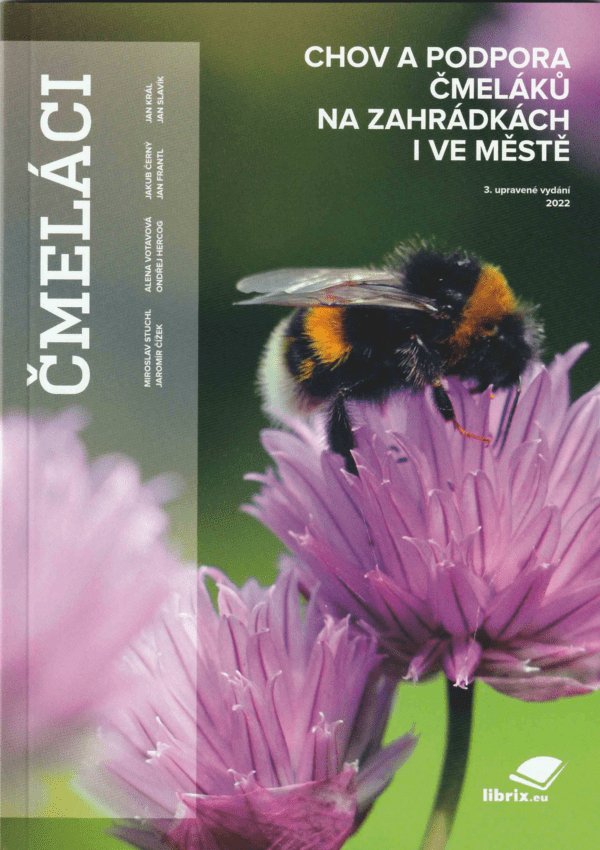
Source: „Rearing and supporting bumblebees in gardens and towns“
Authors: Stuchl, Votavová, Černý, Král, Čížek, Hercog, Frantl, Slavík
Published by: Agricultural Research, Ltd. and Forage Crops Research Institute, Ltd. – 3rd revised edition 2022

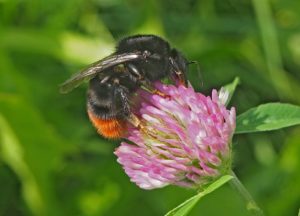
Stone Bumblebee (Bombus lapidarius) – queen on clover
Photo: H. Kříženecká
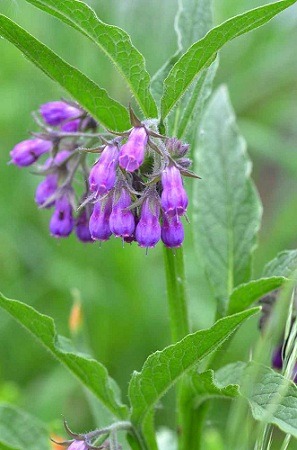
Comfrey
Photo: bylinkopedie.cz
A varied and all-year-round food supply – the fundamental condition for success
People are interfering with bumblebee lifeand more. Cultivation monoculture (large fields of a single crop) leads to a loss of food sources for bumblebees (and not just them), because Monocultures bloom all at once. a after they have flowered there are no other food sources far and wide. A number of them, particularly grain fields, also provide for pollinators Vast wildernesses, which are constantly forced to overcome when searching for food, thus wasting not only time but also consuming some of the nectar they have already painstakingly collected elsewhere in flight.
Equally inappropriate are area mowing of meadows, including municipal lawns, when all food supplies can disappear overnight. Furthermore High infestation of honey bees (Apis mellifera), when honey bees strongly compete with native pollinators for forage, they compete. Furthermore, for example Non-flowering intravillan of modern satellite towns Greening, just cut short English lawn a My friend.
Our Toto insensitive land cultivation prevents bumblebees from raising sufficient numbers of high-quality sexual individuals and, in particular, well-fed, overwintering-capable queens. They are thus unable to replace their numbers year on year, and the inevitable result is then uneven decline in populations of individual bumblebee species. New places are gradually appearing and spreading on the map where this or that species has already become extinct. Species that wake up later are particularly at risk.. While queens of common bumblebee species (e.g. buff-tailed bumblebee, stone bumblebee, garden bumblebee) establish nests in the spring abundance when most trees and herbs are flowering, later species only awaken towards the end of this period and require a sufficient food supply in the summer and autumn months for their survival.
A problem for endangered species is also Landscape fragmentation, which reduces or directly It prevents contact between individual populations. Then, even short unfavourable conditions at the site (flood, harsh spring, etc.) are enough, and the population dies out.
Returning bumblebees to such places requires years of effort, consisting primarily of planned propagation of nutrient-rich plants, herbs, bushes and trees, which will allow migration between locations. The greater can be the joy of their return.
Did you know that:
The use of chemical agents in fields and gardens demonstrably harms bumblebees, and especially in spring, their death occurs after the application of pesticides and herbicides.
It very often happens that a nest dies overnight if plant protection chemicals are applied within the foraging range of bumblebees.

Rearing and supporting bumblebees in gardens and in the city – 2022
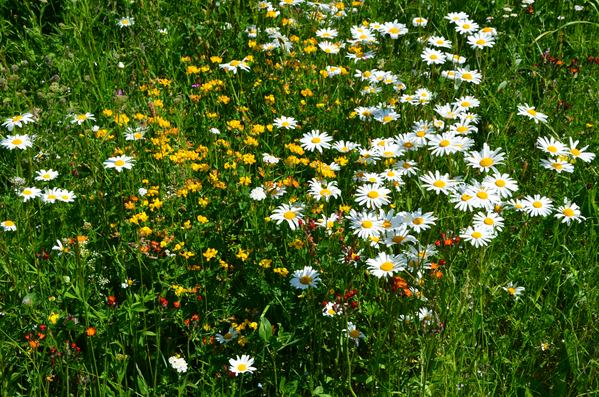
Meadow
Replacement of at least a patch of „bare“ grass with a suitable bumblebees will always welcome a flowering area. In particular, if it contains a larger proportion of plants with long-calyxed flowers. A packet is usually safer, as even after a visit from a bumblebee worker, some nectar will remain in the deep calyx for other visitors with longer tongues. Not everyone, of course, has the opportunity to establish a large meadow. A square metre in an unused corner of the garden will also please bumblebees. or by the fence.
Meadows should be established in clean, tilled soil, free from vegetation and turf. The most suitable time for establishment is from mid-August to September or from mid-March to April. For sowing, you can use either a commercial mixture, preferably with a representation of regional plant species, or collect seeds from a local meadow.
Among the chosen species, red clover should not be missing, as it forms an important food source for rarer bumble bee species later in the season. Meadow cornflower, meadow vetchling, common yarrow, birdsfoot trefoil, viper's bugloss, common gromwell, yellow pimpernel, sages, vetches, dead-nettles, etc. are also suitable.
Meadow plants, which should form the basis of the sward, require sunny, nutrient-poor soil. To prevent the meadow from becoming overgrown with grass and to avoid increasing the soil's fertility, the sward must be mown twice a year and the cut material removed. The frequency and timing of mowing cannot be advised unequivocally, as it depends very much on the location, its climate, and the weather throughout the year. In general, it is advisable to mow in May, as grasses grow faster and mowing drains a lot of energy from them, while flowering plants can easily regenerate in the released space. The second mowing is then suitable in September after the sward has finished flowering. The hay needs to be left to dry for a few days so that plant seeds fall out. If grasses dominate the sward, it is necessary to mow more frequently.
Cocklebur can also help us in the fight against grass, as it parasitises the grass's roots. This then causes the grass to grow much more slowly and makes space for other plants. Cocklebur itself flowers and is an important nectar-producing plant for bumblebees.
The composition of plants in a wildflower meadow alone is not the key to success. Without proper care of the vegetation, disappointment may follow. You also need to be prepared for the fact that it requires time and patience. Especially where you are creating a wildflower meadow without overseeding, you will need several years to achieve the desired outcome.
The ideal approach is individual care, meaning the specific needs of plants are met at the required time. This involves repeatedly surveying the area and responding to what's happening there. For example, mowing down invasive plants, leaving islands of desirable plants during mowing, or importing hay from selected locations, etc. However, such an approach is not really feasible over larger areas and where expert supervision and management are lacking. Therefore, more and more use is being made of „Mosaic„.

Meadow
Photo K. Kučera

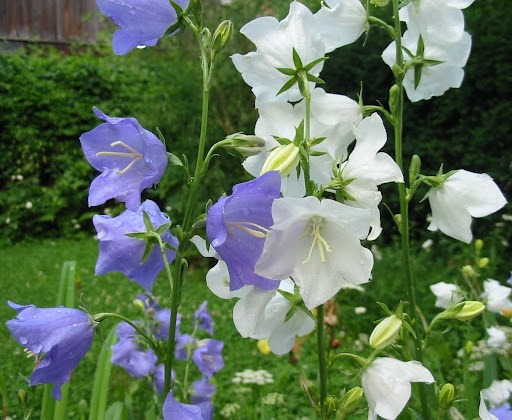
Peach-leaved bellflower
Photo: Wiki
Ornamental and herb beds for bumblebees
In our gardens, or even just in window boxes outside our windows or on flowerbeds in front of apartment blocks, insect-pollinated, nectar-producing, and pollen-providing plants should be blooming. Especially in the summer months, when the food supply is reduced, every such window box or flowerbed is a significant help.
It should be mentioned that not all flowering plants are suitable for pollinators. Many garden plants produce no nectar and are of no importance to bumblebees, while double-flowered cultivars often make access to nectar difficult, and bumblebees only manage to reach it with trouble.
Generally, the more sun plants are given, the more nectar they produce. Lavender is a popular plant, but individual species and cultivars often vary in bee visits. It also frequently happens that lavender is occupied by honeybees, thus reducing the nectar yield for other species. Suitable plants include various types of sages, ground pines, catnints, agastache, monardas, hyssops, lungworts, and foxgloves. Particularly worthy of attention are mountain cornflower, crimson clover, and common comfrey. In summer, ornamental “thistles” also bloom, such as blue sea holly, echinacea, flat-leaved eryngo, and field scabious, which provide a lot of nectar.
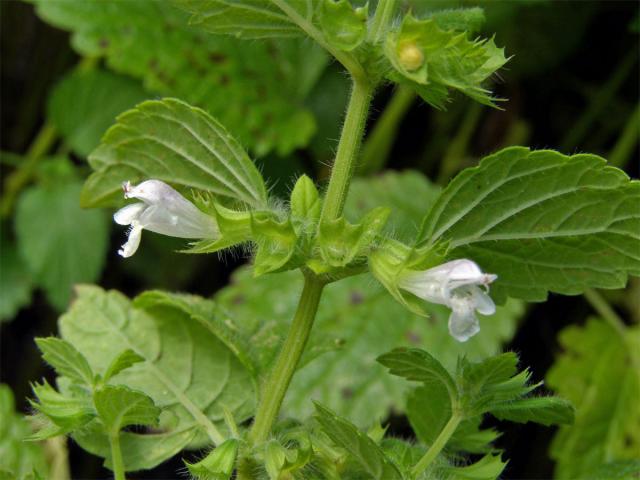
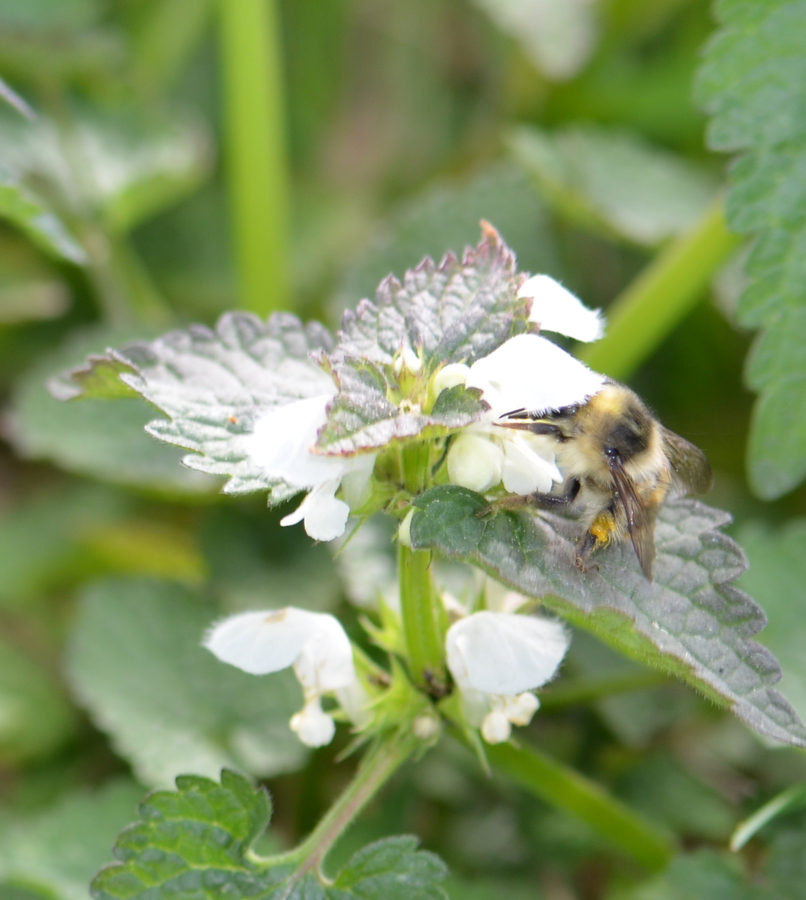
A special place among ornamental plants suitable for bumblebees is held by deadnettles. Thanks to their repeated flowering, they provide nectar and pollen throughout the season. They can be used as ground cover plants or lawn substitutes. They require nutritious soil, but grow well in both sun and partial shade. They can also be used as undergrowth beneath deciduous trees.
Dry, stony places, walls etc. can then be planted with nectar-bearing sedums, or thymes, which only need a thin layer of substrate.

Lemon balm
Photo: eHerbář

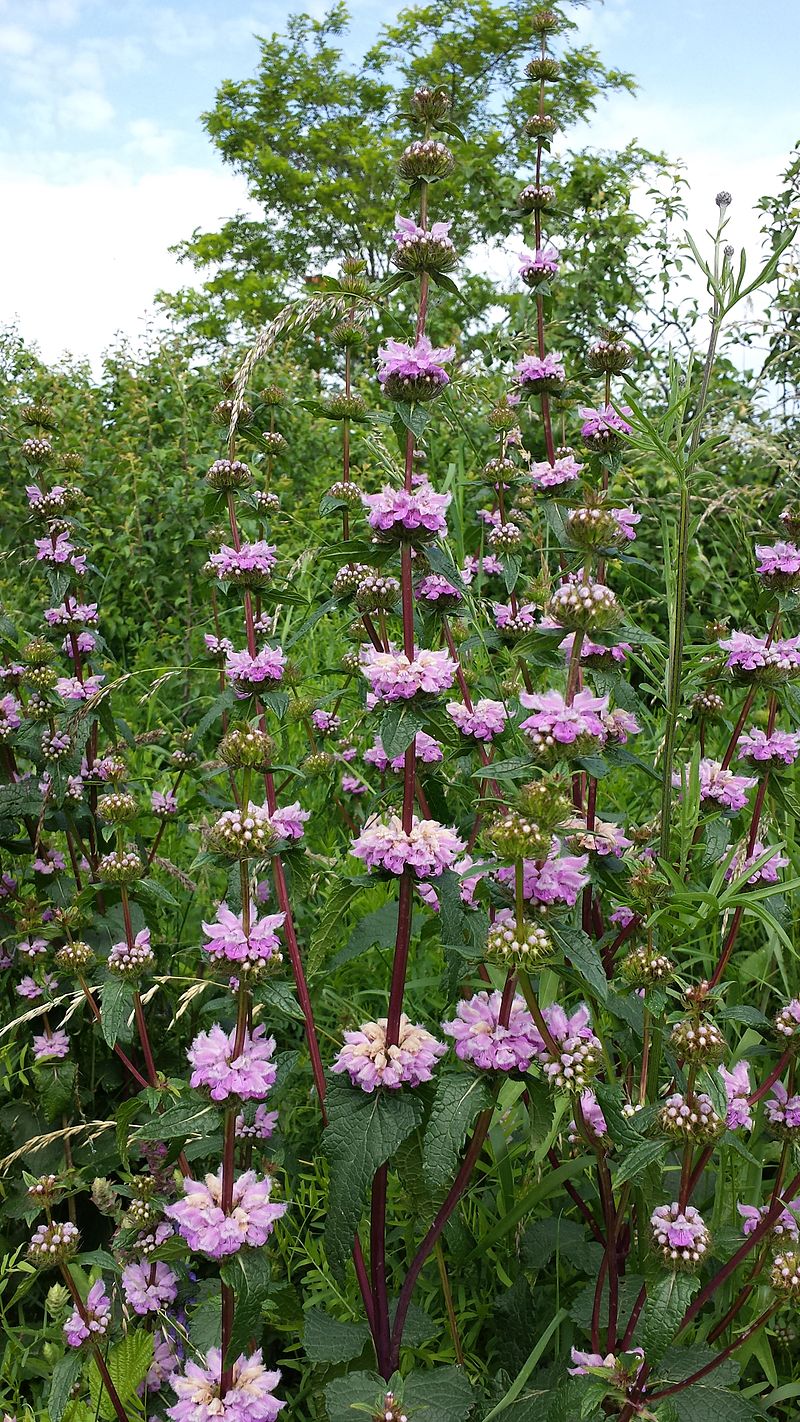
Jerusalem sage
Photo: Wiki
Bushes and trees
Shrubs and trees are often forgotten. But these herbaceous layers also have their significance,
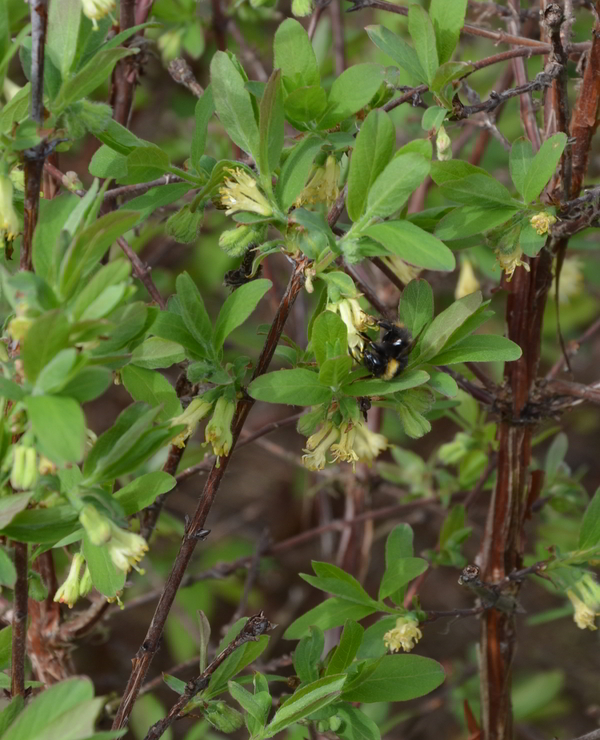
Popular shrubs include snowberries, trumpet vines, and honeysuckles (especially Lonicera henryi and Lonicera heckrottii, which flower in summer), as well as a variety of others.
Kiwi (Actinidia) are interesting. Male plants and self-pollinating female varieties do not produce nectar, but they do produce a large amount of pollen, which is very popular with bumblebees. Raspberry and blackberry bushes will also be a delight for bumblebees among the cultivated shrubs.
Roses are also popular, preferably botanical ones, or as little cultivated as possible (simple flowers), for example, rugosa rose or multistriata rose.
Fruit trees and their blossoms are irreplaceable for bumblebees in the spring, but the same applies to bumblebees – early fruit trees need them at a time when bees are unwilling to fly due to the cold.
Did you know that:
- Honeydew produced by fruit trees, such as pear trees, is often forgotten. Bumblebees collect honeydew as a sugar source.
Unfortunately, this often proves fatal for them if the trees are treated after flowering.

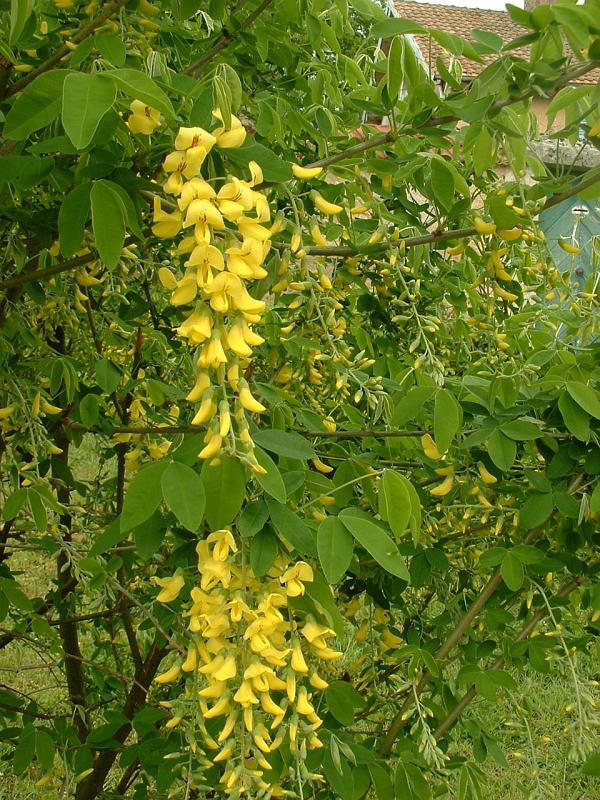
Laburnum
Photo: Wiki

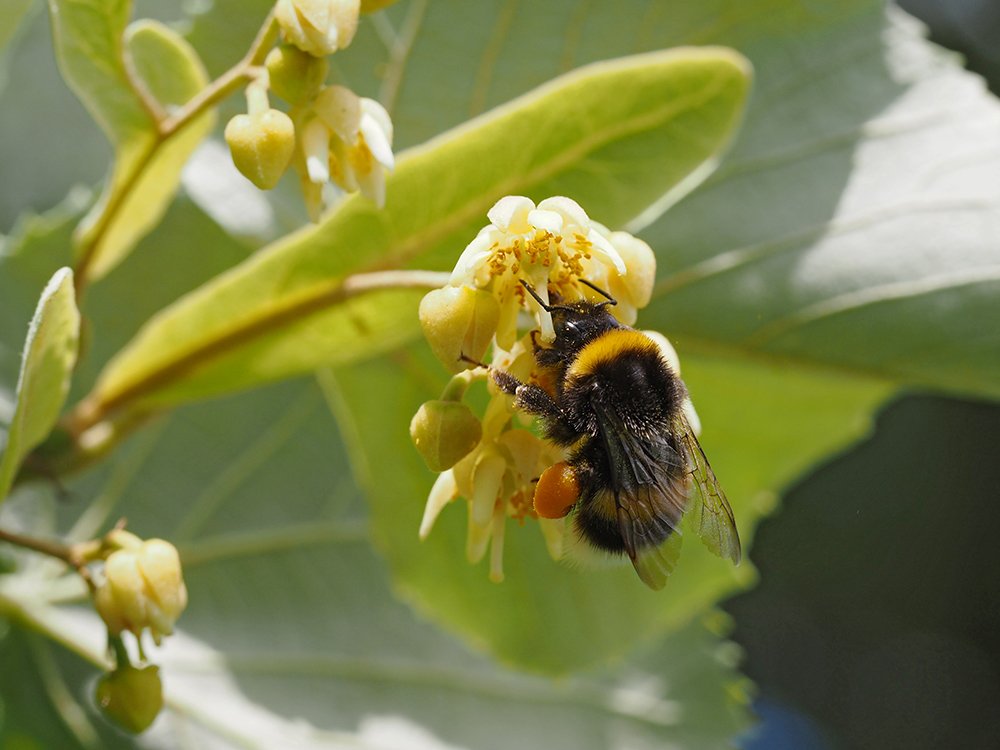
Silver linden and buff-tailed bumblebee
Photo: H. Kříženecká
List of plants suitable for supporting bumblebees
Choose for your garden, its surroundings and communal areas what will grow well for you and what will help the nature around you,
For simplicity, we have divided the season into four periods during which our selected plants flower and bumblebees can feed on them.
You can also follow #cmelacipluspastva on our website, or on Facebook whether YouTube Bumblebees PLUS
Warning
Some plants can be poisonous, or invasive. We have marked such ones in the list.
† – poisonous plants, I – invasive plants

Greater bindweed and a beautiful bumblebee.
Photo K. Kučera

Tansy-leaved sedge
Photo: Wiki
Jaro
Main pasture
- Gooseberry
- blackcurrant
- Garlic
- Fairy's slipper
- Cornelian cherry
- Smokehouses
- Hawthorn
- anemone
- Kamchatka and Canadian blueberry
- Crocuses
- almonds
- fruit trees
- Grave-digger
- Toothpaste
- I understand you've entered "pór", which is the Icelandic word for "door". However, you've asked me to translate to English (UK) and then return *only* the translated text. Therefore, the translation of "pór" into English (UK) is: door
- primrose
- rhododendron
- Rockrose
- vrby
- Heather
- deserter
- earthquake
- early frost
Companion plants
- Hellebore
- onion chopper
- Barberry
- maples
- Jilmy
- rabbit
- Daphne
- Saskatoon berry
- narcissus
- Dandelion
- Paulovnie
- Anemone
- Heart
- Laburnum
- talovin

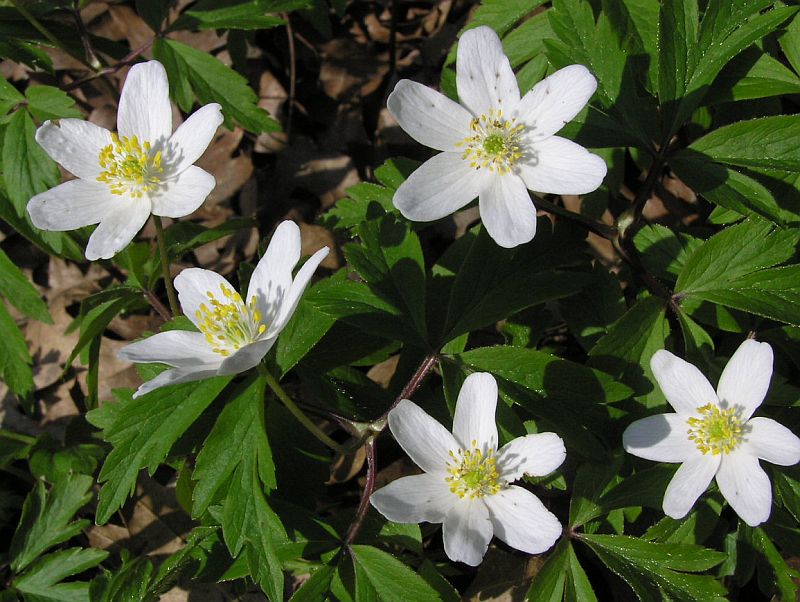
Wood anemone
Photo: Biolib.cz
.
Early summer
Main pasture
- Acacia
- Kiwifruit
- Cornflower
- beech
- garlic
- Chirpy
- Onion
- Jerusalem artichoke
- Lamiaceae
- anemone
- Quail
- Throw him
- Geranium sanguineum and Geranium cantabrigiense
- Catalpa
- Slantwise
- chamomile
- Comfrey
- Cyprus
- Linden
- Nice
- Lupins
- poppy
- Raspberry
- Thyme
- mat
- Lemon balm
- Foxglove Large-flowered (†)
- chives
- Pink roses
- Ground ivy
- rhododendron
- sappy
- sleek
- Motherwort
- Scarf
- sage
- Shanty
- Fern
- annual Percentage Rate
- Weigela
- Moldavian beekeeping
- Veck
- willows
- deserter
- Grass snake Henri's and Heckrott's
- mole crickets
- Bluebells
Companion plants
- basil
- blatouch
- Fennel
- Chilli pepper
- honey locust
- Janovec
- jitrocele
- Apple tree
- knotholes
- cat
- opened
- Rapeseed
- Meadowsweet
- Evening star

Garden bumblebee (Bombus hortorum) on foxglove (Digitalis)
Photograph V. Cach 2020
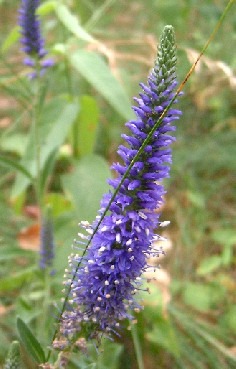
Common speedwell
Photo: Wiki
Late summer
- Agastache
- chickadees
- Chirpy
- Jerusalem artichoke
- Purgatory
- bindweed
- Scabious
- anemone
- Scabrous
- groyne
- Japanese hophornbeam
- Goosefoot
- Throw him
- Slantwise
- Comfrey
- Lavender
- Poppy
- Raspberry
- Thyme
- measurement unit
- Monarda
- Blackberry bush
- Shed
- Orchid
- Stonecrops
- Dog rose
- Salvia verticillata
- Savory
- Tansy
- nonsense
- poplar
- Veck
- heather
- yzop
Companion plants
- Marigold
- basil
- sea holly
- thistles
- Chicory
- gentian
- Marjoram
- Mustard
- Geraniums
- Glue
- rosettes
- Buddha
- Beauties
- beautiful eyes
- Acorn
- Nasturtium
- Fringe-tailed
- Burdock
- Sufficient
- Mydlice
- Tremors
- Oman
- oměje (†)
- remnants
- Milk thistle
- Dolphin flower
- Wild Arum
- caterpillars
- perovskite
- Buckwheat
- backbone
- opened
- Rudbeckia
- roll-ups (†)
- rye
- Sad
- Sunflower
- verbena
- Brushes
- False hellebore
- Shushkarda
- Daisies
- St. John's wort
- Trumpeter
- Meadowsweet
- willow

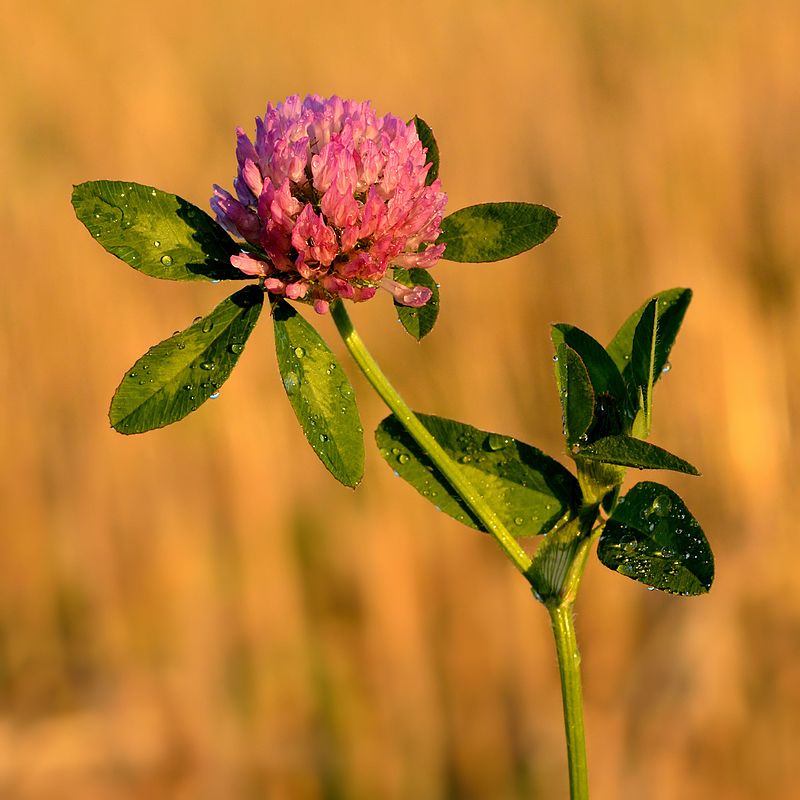
Red clover
Photo: Wiki

Siberian Iris
Photo: Wiki
.
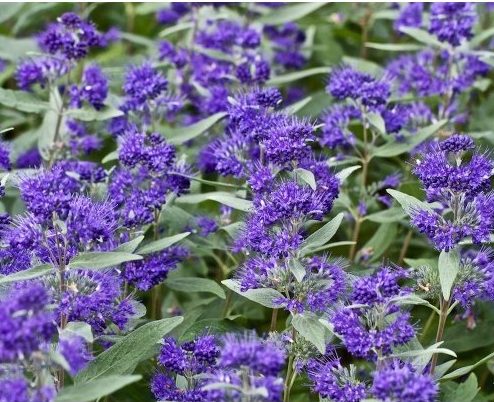
End of the bee season
Main pasture
- chickadees
- To dream
- anemone
- Aster
- Throw him
- Raspberry
- measurement unit
- Windflower
- Blackberry bush
- Grave digger
- Savory
Companion plants
- aster
- thistles
- Ivy
- spectacles
- Dahlias
- rosettes
- Henry's lime
- Agrimony
- Rudbeckia
- Meadowsweet
- Jerusalem artichoke
- Daisies
- goldenrod

Klandani hazelwing
Photo: Wiki

Summer savory
Photo: Wiki
Seed mix for the "I'm Into Honey" 2023 event – Prague
For this year's event, we've prepared pouches with a simple mix of pollinator-friendly plants.
From these, you can create a small flowerbed of approximately 2-3m², or you can sow them into the grass over a larger area as you see fit.
It is about the following Osiva, represented in the mixture in equal parts:
- Bird's-foot trefoil (Lotus corniculatus) – Yellow rattle
biennial to perennial herb - Broad-leaved cat's ear – Boratus
annual herb - Persian clover (Trifolium resupinatum) – Maral
annual herb - Red Clover (Trifolium pratense) – Agil
perennial herb - Common Vetch (Vicia sativa) – Nikian
annual herb
If it is sown seeds into bare soil, we recommend mixing the dose with sand or fine soil and lightly raking it into the soil after sowing.
If you sow Grass seed, This should be mown grass and soil disturbed by, for example, raking.
It's not a unique blend, but even these simple plants will please the sweet cravings of insects, including bumblebees.
Warning – do not sow this mixture in the wild, only in your gardens and around your homes

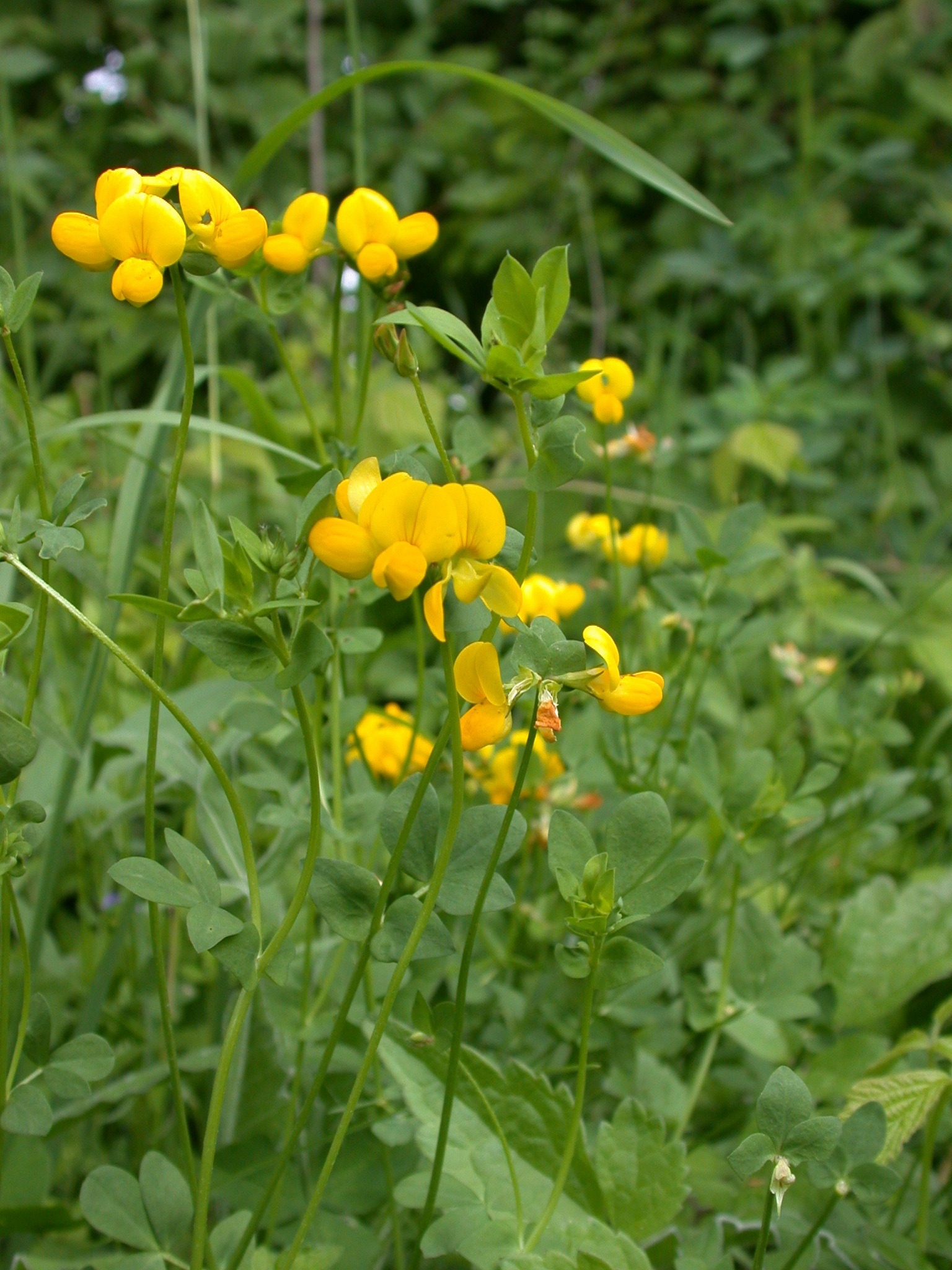
Common Bird's-foot Trefoil
Photo: Wiki

Tansy-leaved sedge
Photo: Wiki
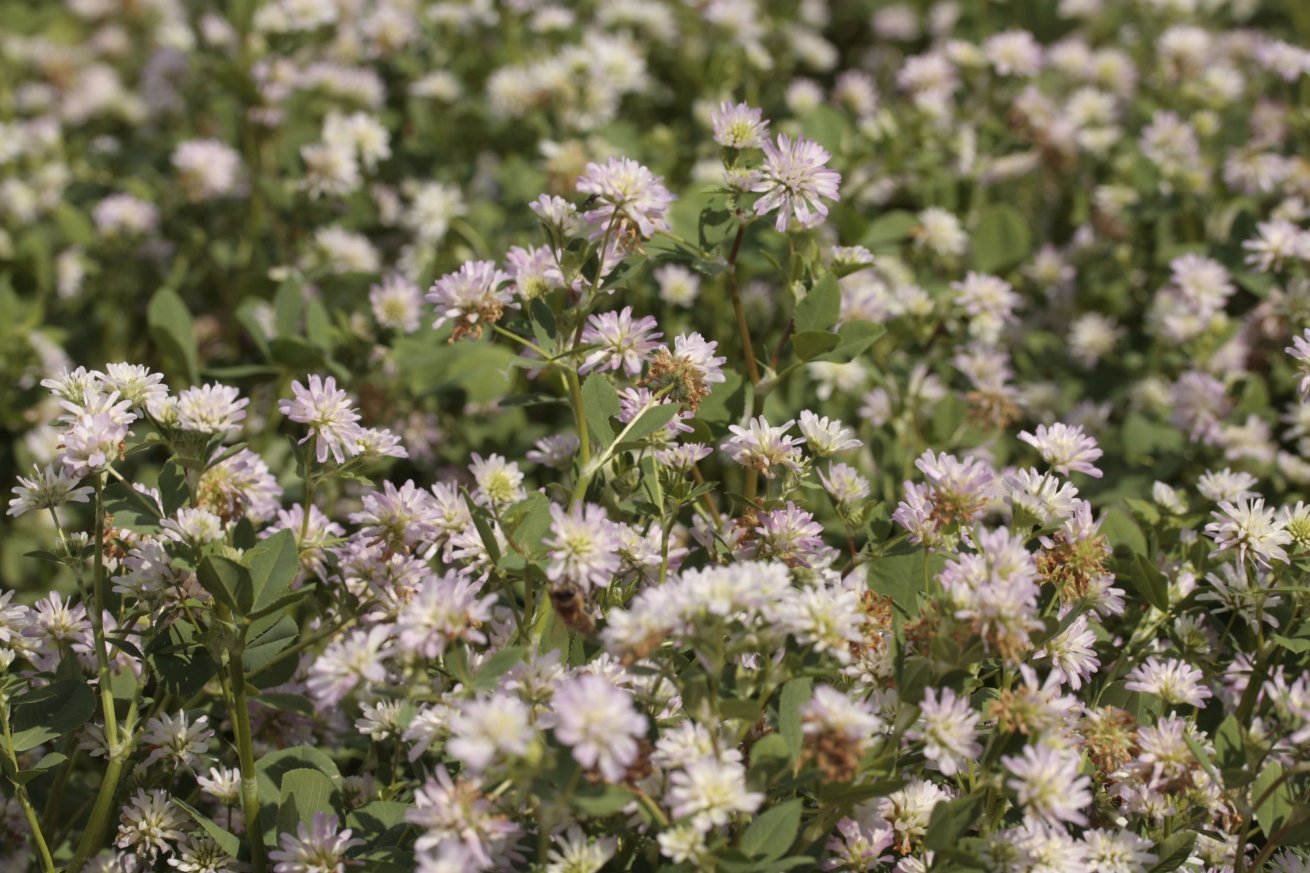
Persian clover
Photo: Seed Service
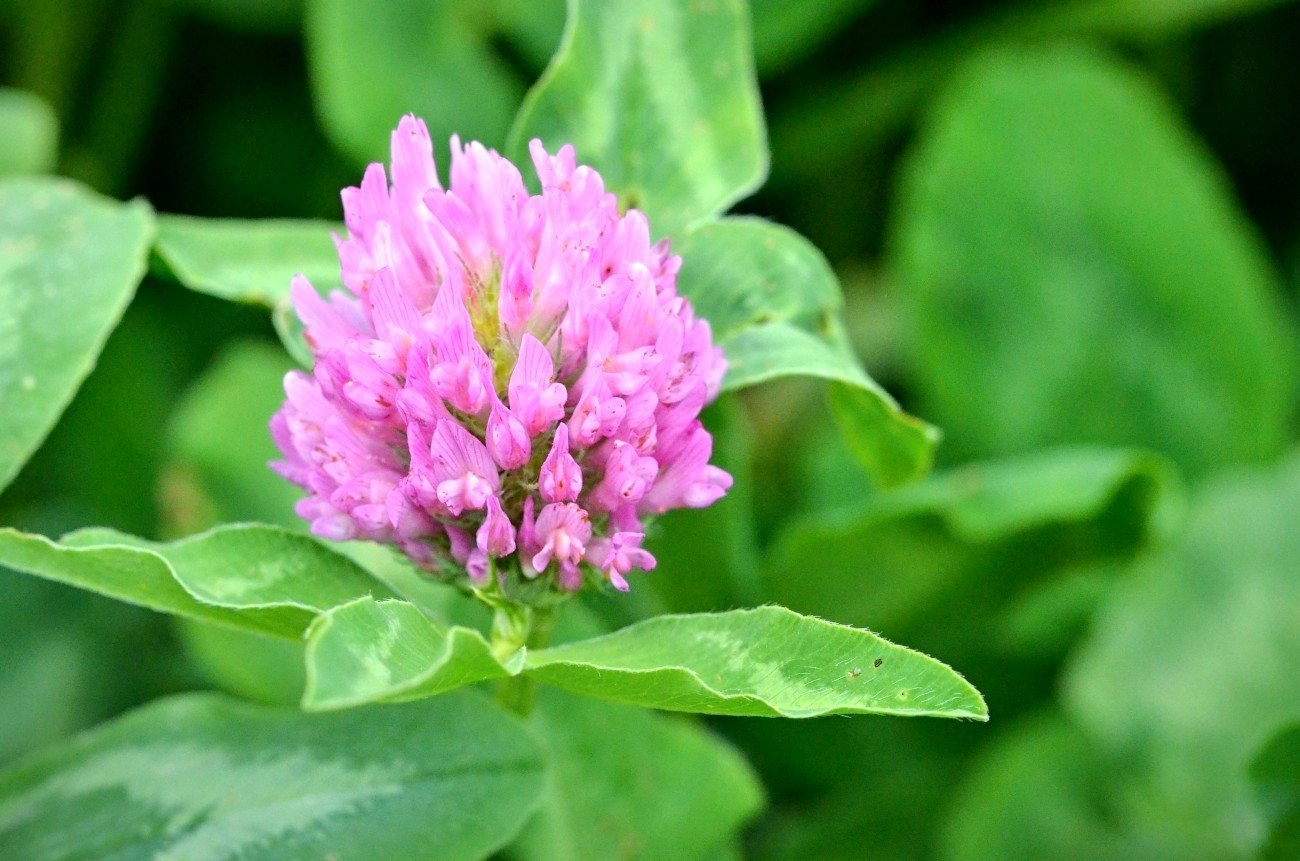
Red Clover
Photo: Seed Service
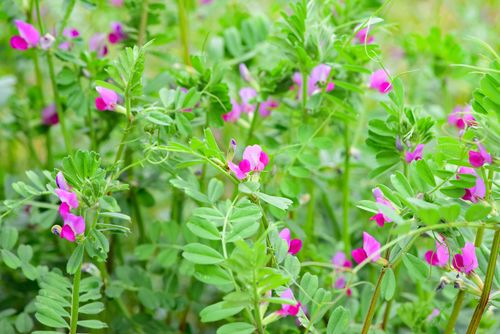
Common vetch
Photo: Internet
.

Conclusion
Most nectar-producing plants suit both bees and bumblebees. However, we primarily recommend using the plants we have selected.
You can find these and other nectar-producing plants for bumblebees and other insects at #cmelacipluspastva
You can also use Bumblebees PLUS Seed Bank – you can also contribute to it and share with others.
Don't forget trusting your common sense, your judgment, and the following rules:
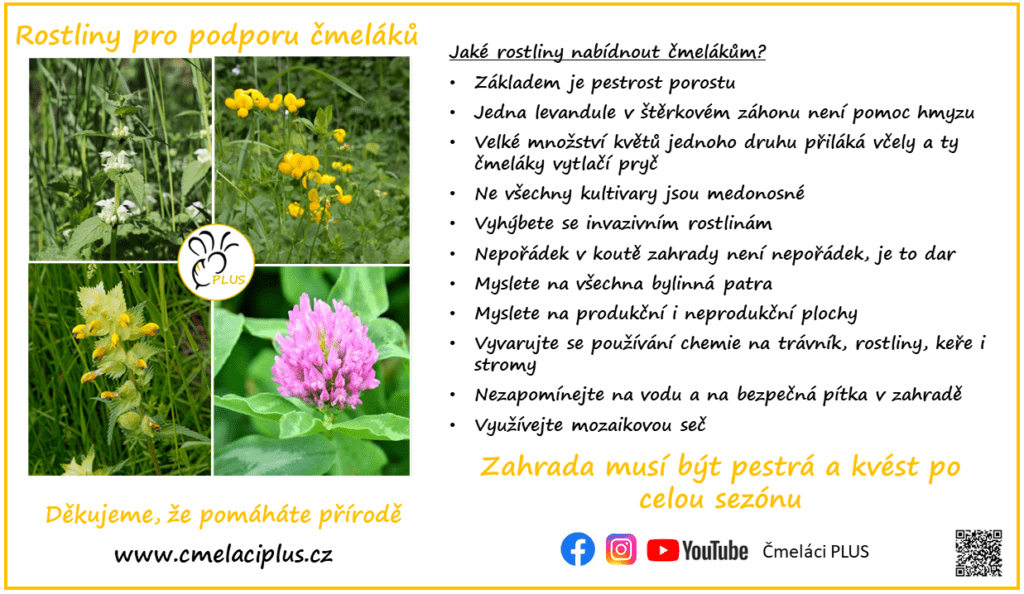
- A garden for bumblebees must be colourful and flower throughout the season – monoculture is not a solution
- Clover in the grass is a gift – for bumblebees and for the garden
- One lavender in a gravel bed doesn't help bumblebees
- A large number of flowers of one species will attract bees, and they will easily push the bumblebees away.
- Pokud možno, vyhýbejte se kultivarům, ne všechny jsou medonosné.
- avoid invasive plants – don't help them spread
- A mess in the corner of the garden isn't a mess – it's a gift for insects and garden inhabitants
- Think of all the herbaceous layers – bumblebees visit them all
- Consider production and non-production areas – all can be a welcome source of food for insects
- Design gardens to be enjoyable for people, insects and garden gnomes.
- avoid using chemicals on lawns, plants, shrubs and trees – chemicals are harmful to life
- Don't forget water and safe drinking fountains in the garden – you'll be helping not only birds but also the garden.
If you want to draw your friends' attention to this page, you can use our flyer. It is available for download HERE