

Monitoring of waterfowl in Prague for MHMP 2024 - 2025
We are continuously updating the page – follow us
What you will learn here
- About the project
- How did the project go
- How did it turn out
- What shall we plan next?
Date of last update: 09/02/2026
Thank you
This project was realised with the financial support of the Prague City Hall within the grant programme for the environment.
We would also like to thank a number of other people who supported us in the preparation of the project and who provided us with a number of valuable recommendations and suggestions.
For Čmeláci PLUS z.s.
O. Hercog
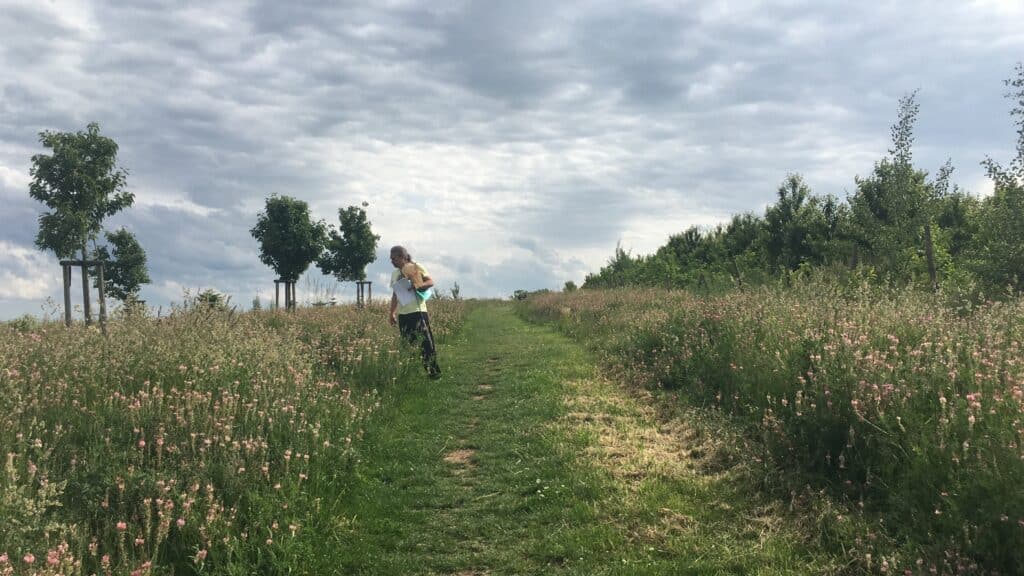
Bumblebees in Prague – Hymenoptera Monitoring 2024-2025
Photo: O. Kahoun
About the Project – Introduction
We've been thinking about this project for a long time. In the end, we gathered our courage and went for it.
Prague is very interesting and, unlike the surrounding agricultural landscape, it has less 'chemistry' [implies artificiality, manipulation, or perhaps pollution] and more opportunities.
In many places, our members and friends have found a wealth of interesting bumblebee species. Most of these have now disappeared, but there is still a strong desire to find them. Furthermore, no systematic data collection on hymenoptera is currently being carried out in Prague.
We therefore met with a protected areas specialist from the MAGISTRATE OF THE CAPITAL CITY OF PRAGUE and, after consulting with them and CZU, prepared this project.
The project was created with financial support from the Municipality of Prague within the grant programme for the environment.
 .
.
Default state
A number of specialist studies point to a negative global trend – a significant decline in insect populations. This concerns both the total number of insects and the number of species. The decline in species diversity is reported to be in the tens of per cent. Some peer-reviewed studies indicate a loss of as many as 70–80% of individuals.
Insects are one of the key groups essential to the functioning of all ecosystems. Rapid declines, particularly the continuing trends, are alarming. Consequently, this issue has recently been the focus of considerable attention among both experts and the general public. This topic is widely covered in the media – often, attention is inappropriately focused solely on the honeybee (Apis mellifera), and its importance is overstated at the expense of other pollinators from the insect kingdom.
A whole range of factors has a negative impact on insect species diversity and abundance. These factors do not operate in isolation but are interlinked; consequently, there is no simple solution to this situation. The main causes of insect decline include, above all, the loss of suitable habitats, the intensification of agriculture and forestry, the ever-increasing use of chemicals in the environment, and so on. In towns and cities, then, ongoing urbanisation and a range of other pressures associated with modern civilisation, including human activity in the countryside, often regardless of the level of protection afforded to a given site. Many insect species are threatened in some way, and an analysis of insect species richness in the Czech Republic has shown that this unfavourable situation affects us too.
Prague, the capital city, currently represents a certain exception. Prague is sometimes spoken of as a European phenomenon due to the diversity of certain insect species. However, because this biodiversity is often concentrated in unconnected areas of small size, this situation can change quickly. It is not just the isolation of such areas, but also the negative impacts of intensive farming in the surrounding agricultural landscape that borders such places. Insect habitats that are rich in species are further attacked by housing development and also by expanding infrastructure. This leads to further fragmentation of such places, to their practical disappearance. Civilizational pressure is also exacerbated by inappropriate grass management of public spaces. Places that could be used by insects are maintained only with regard to human needs, resulting in lifeless green spaces.
A range of suitable habitats on the outskirts of cities is disappearing, and with them, many wild pollinators. It is very dangerous that all of this is happening largely unseen.
The decline of insects is being widely noticed. In addition to the honeybee, hymenopterans (Hymenoptera) are also perceived positively by the general public, especially those from the Apidae family, specifically bumblebees (Bombini). They are perceived as friendly, social insects and also serve as significant bioindicators of the state of nature. However, all of the negative factors mentioned above are also affecting them, and their populations are shrinking, with species disappearing.
One example of the disappearance of a once relatively common species of bumblebee is the buff-banded bumblebee (Bombus subterraneus). This species used to be found in several locations in Prague, but has not been detected there for several years. Another species experiencing a decline is the inconspicuous Bumblebee of the Ruins (Bombus ruderarius). The decline of these specific species is known only to the scientific community.
There is no systematic monitoring of hymenopteran insects, and data for trend tracking is lacking, meaning rare species are declining unnoticed and without public attention.
Likewise, hornets (Vespidae) are not monitored either. Some of their species are endangered, and furthermore, they are unjustly categorised as “insects dangerous to humans”. Due to the media, there is also concern about invasive „Asian“ hornet species. This can lead, for example, to the extermination of common hornet (Vespa crabro) populations.
The importance of the wasp family (Vespidae) has long been underestimated. As predators, they primarily hunt the insects that are most readily available at any given time. They are thus able to suppress and control overpopulated insect pests, just as insectivorous birds and bats do.
Inappropriate management of public grassed areas often leads to the degradation of such sites. Those responsible for managing public green spaces are often unaware that, by mowing the land in their care on a regular basis, they are indirectly contributing to the decline in pollinator populations.
If data proving insect decline in specific locations is missing, then habitats suitable for natural pollinators cannot be adequately protected, nor can specific remedial solutions be systematically created. However, it would be possible to prepare targeted measures for the protection of specific insect species and their suitable habitats.
Project team
Project team:
Bumblebees PLUS z.s. – Ondřej Hercog, Jaromír Čížek, Luděk Šulda, Jakub Černý, Ondřej Hercog
External collaboration: Mgr. Jakub Straka, Ph.D.
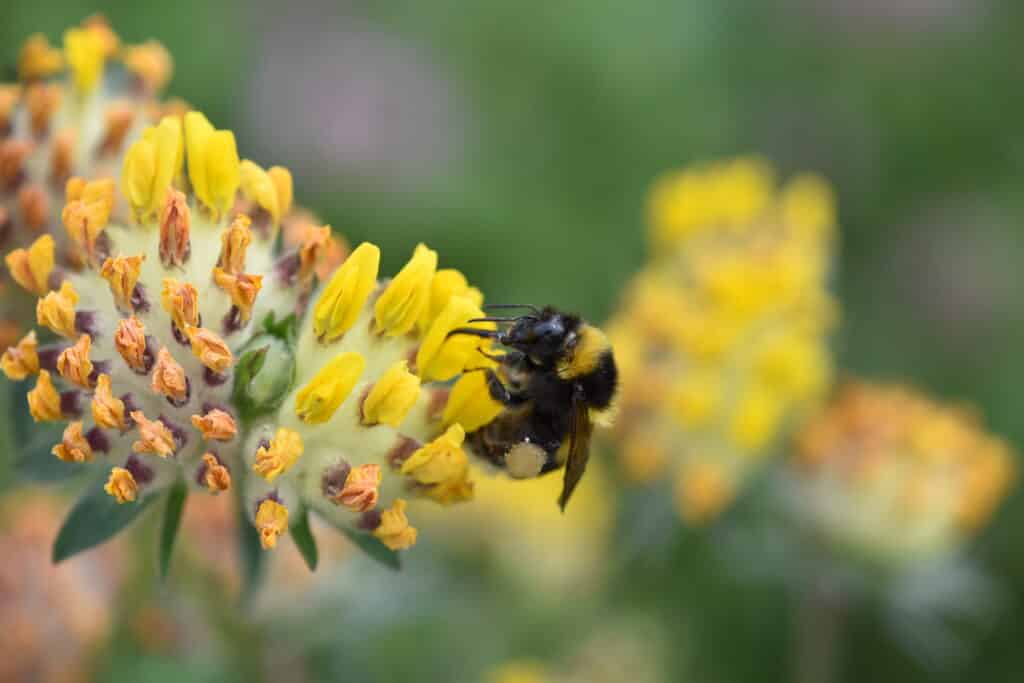
Bumblebees in Prague – Hymenoptera Monitoring 2024-2025
Photo: O. Kahoun
Project objectives and their fulfilment
The aim of the project was to map the species diversity of selected groups of Hymenoptera insects, particularly bumblebees, and to identify locations that would merit special protection.
C1 – Compile a list of habitats where rarer species of bumblebees (Bombini) are found
C2 – To collect basic data on the diversity and abundance of bumblebees (Bombini) and, at the same time, hornets (Vespiade) within the Prague area
C3 – Provide documents usable for the modification of measures and support for the care of the open landscape in Prague in general
C4 – Provide monitoring data for further processing and follow-up projects
C5 – Media coverage of the project and its results
Project preparation
The project began in May 2024 before the grant approval. Bumblebee phenology is time-sensitive, so we commenced preparatory work in good time.
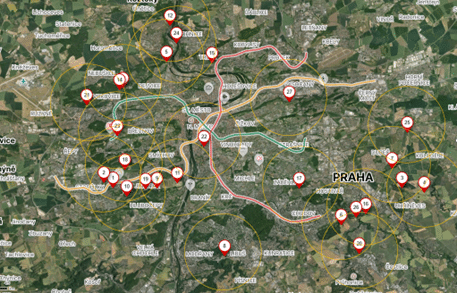
First, the project team identified 27 sites in Prague. These were locations where members of the ČM+ Association had previously spotted interesting species of bumblebees.
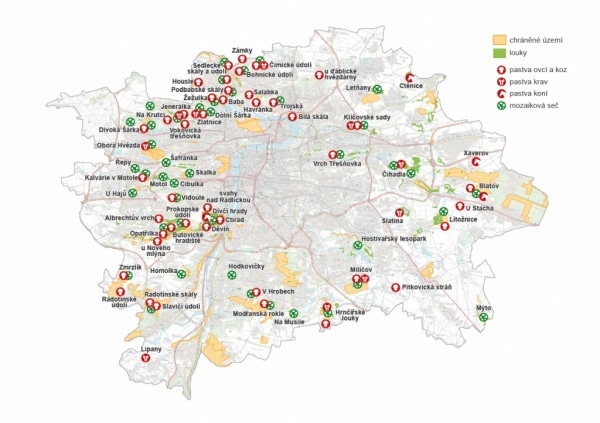
The proposal was subsequently consulted with specialists from the environmental protection department of the Greenery Care Department. The following materials from the MHMP were also used in the selection:
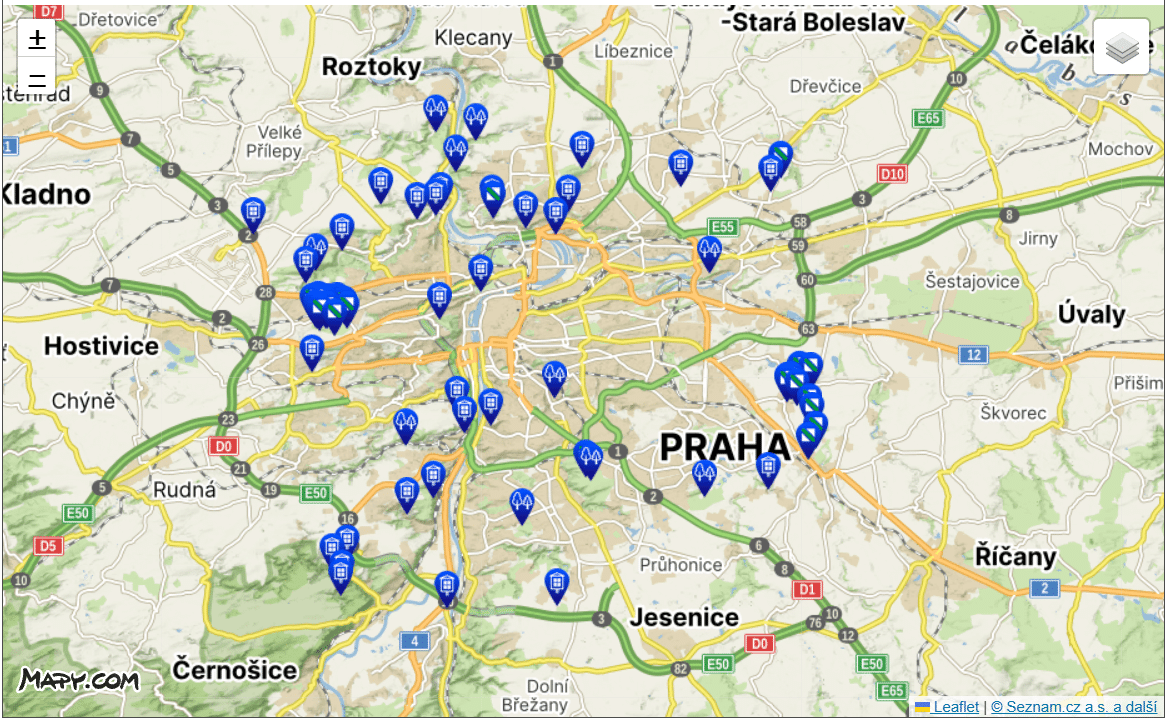 Source: Prague Nature
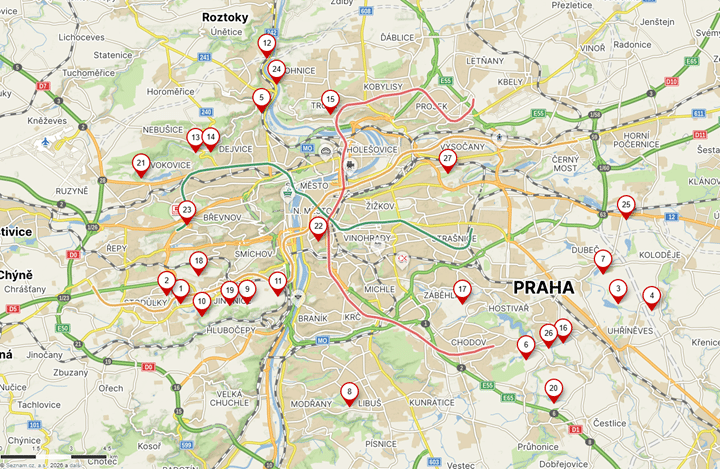
Most transects are located within 3 km of each other. This is the theoretical flight range of bumblebees. The transects are therefore interconnected.
Fieldwork (2024-2025)
Self-monitoring took place at selected locations, transects T1 - T27.
Data collection began in advance on 31/5/2024. Based on the experience gained, we corrected the procedures and forms. We then utilised these in further data collection.
Each transect was walked slowly by the mapper during the visit. Individuals were primarily observed on nectar-producing plants that provide sustenance for the monitored insects. Data collection also took place in the immediate vicinity of the transect.
During the survey, the mapper carefully caught, identified, and recorded all individuals of selected hymenopteran groups that they observed. The captured insects were released back into the wild immediately after identification on site.
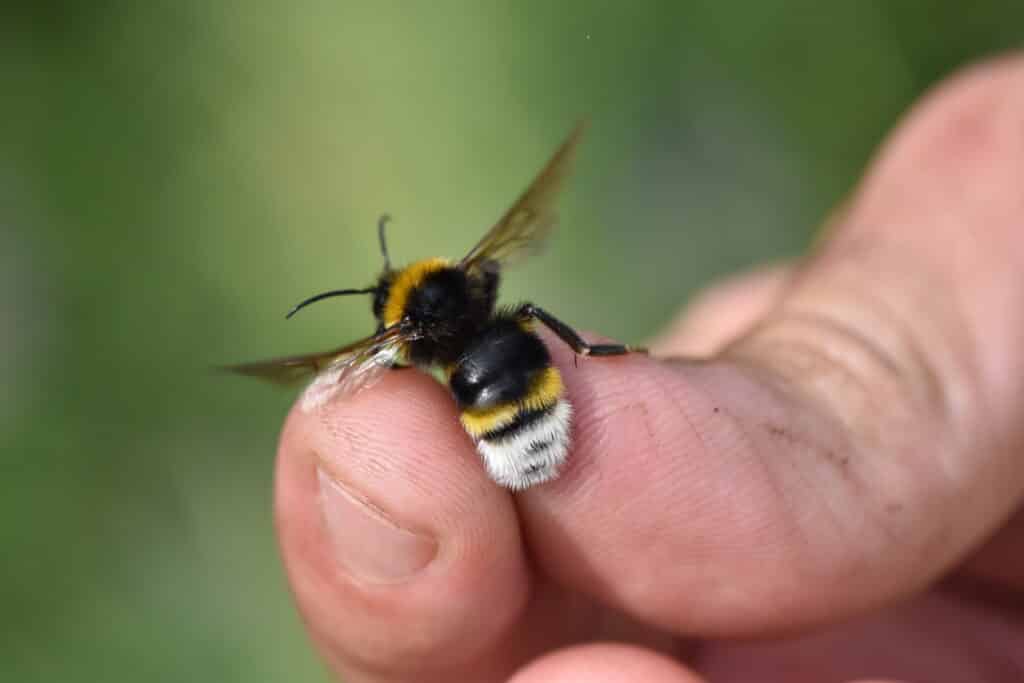
Where sex determination was uncertain, individual specimens were documented for later determination by an external specialist.
The map-makers worked carefully so that none of the observed individuals were harmed. This accuracy of determination was sufficient for our purposes.
In several cases, we have used the presence of bumblebees to infer the presence of certain bee species. This is because bumblebees of a particular species primarily host with certain specific bee species.
For example, the buff-tailed bumblebee (Bombus barbutellus hosts u B. hortorum, B. ruderatus, and B. argillaceus.
Monitoring was carried out under the standardised conditions mentioned above.
For each transect, the following were recorded:
- types of bumblebees and hornets,
- number of individuals and their castes (mother, worker, male),
- date and time of monitoring,
- climatic conditions,
- present nectar-providing plants,
- Brief description of the biotope
Flowering nectar-rich plants were recorded – on the transect and in its immediate vicinity. When recording plant species, we focused on nectar-rich plants where we observed bumblebees, or which are popular with them.
The data was subsequently transcribed into a structured database (XLS). This database is part of the project documentation.
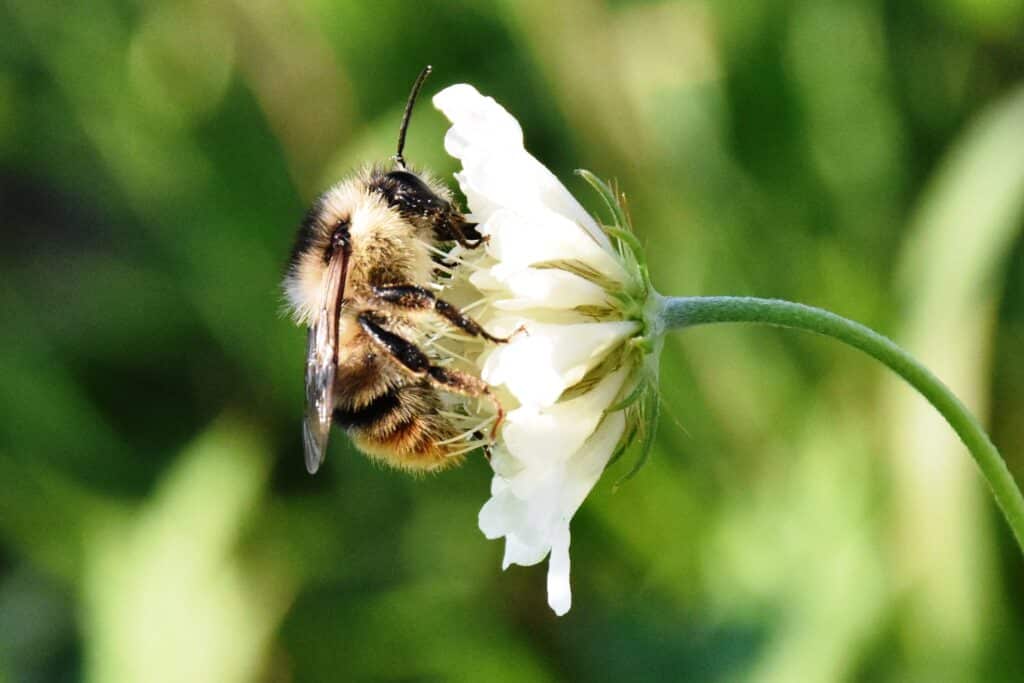
Where necessary, we also collected photographic documentation. The photographs are for documentation purposes only.
Bumblebees in Prague – Hymenoptera Monitoring 2024-2025
Photo: O. Kahoun
Data processing
The first data processing took place in October–November 2024. The main data collection occurred in 2025.
The data was further analysed in 2025. However, we must admit that we underestimated our project timeline estimate. We did not want to hand over just raw data, but to share our experiences and, where possible, provide concrete suggestions for specific transects.
Determination of problematic species
In 2024, no problematic species were detected, and external determination was not utilised. We utilised external worker support in 2025.
Bumblebees in Prague – Hymenoptera Monitoring 2024-2025
Photo: O. Kahoun
Evaluation of the fulfilment of individual objectives
C1 – Create a list of habitats where rarer species of bumblebees (Bombini) occur – COMPLETED
C2 – To ensure the collection of basic data on the diversity and abundance of bumblebees (Bombini) and wasps (Vespidae) within Prague – COMPLETED
C3 – To provide material usable for the modification of measures and background for the general care of open landscapes in Prague – COMPLETED
C4 – Provide monitoring data for further processing and subsequent projects – COMPLETED
C5 – Media coverage of the project and its results – COMPLETED
Bumblebees in Prague – Hymenoptera Monitoring 2024-2025
Photo: O. Kahoun
Summary reviews and comments
From the data obtained, we have compiled the following summary reports.
Given the small number of samples, it does not make sense to process the data statistically, as they are burdened by a relatively large systematic error and the influence of external conditions.
Yet they can be obtained answers to some basic questions.
The data can be further analysed, our questions are just an example.
Monitoring of Leaf-winged Birds in Prague 2024–2025
Photo: O. Kahoun
Bumblebees (Bombini) summary
What was the distribution of bumblebee species across all 27 transects?
From the summary graph, it can be confirmed that this is essentially a typical distribution of bumblebee species by abundance across the Czech Republic (except for specific localities).
Similarly, the division of bumblebee species corresponds to the frequency of their host species.
Further processing can yield overviews for individual transects, but these will be very similar. We will leave this as an activity outside the project.
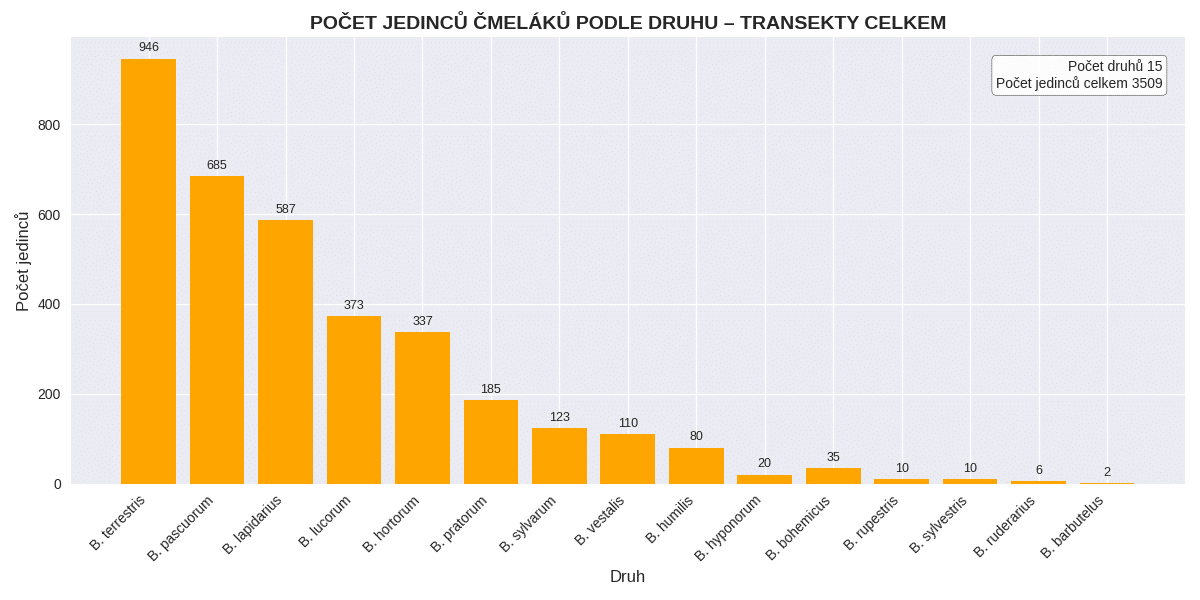
2. What was the species diversity of bumblebees on individual transects?
The following graph clearly shows the differences between the individual transects:
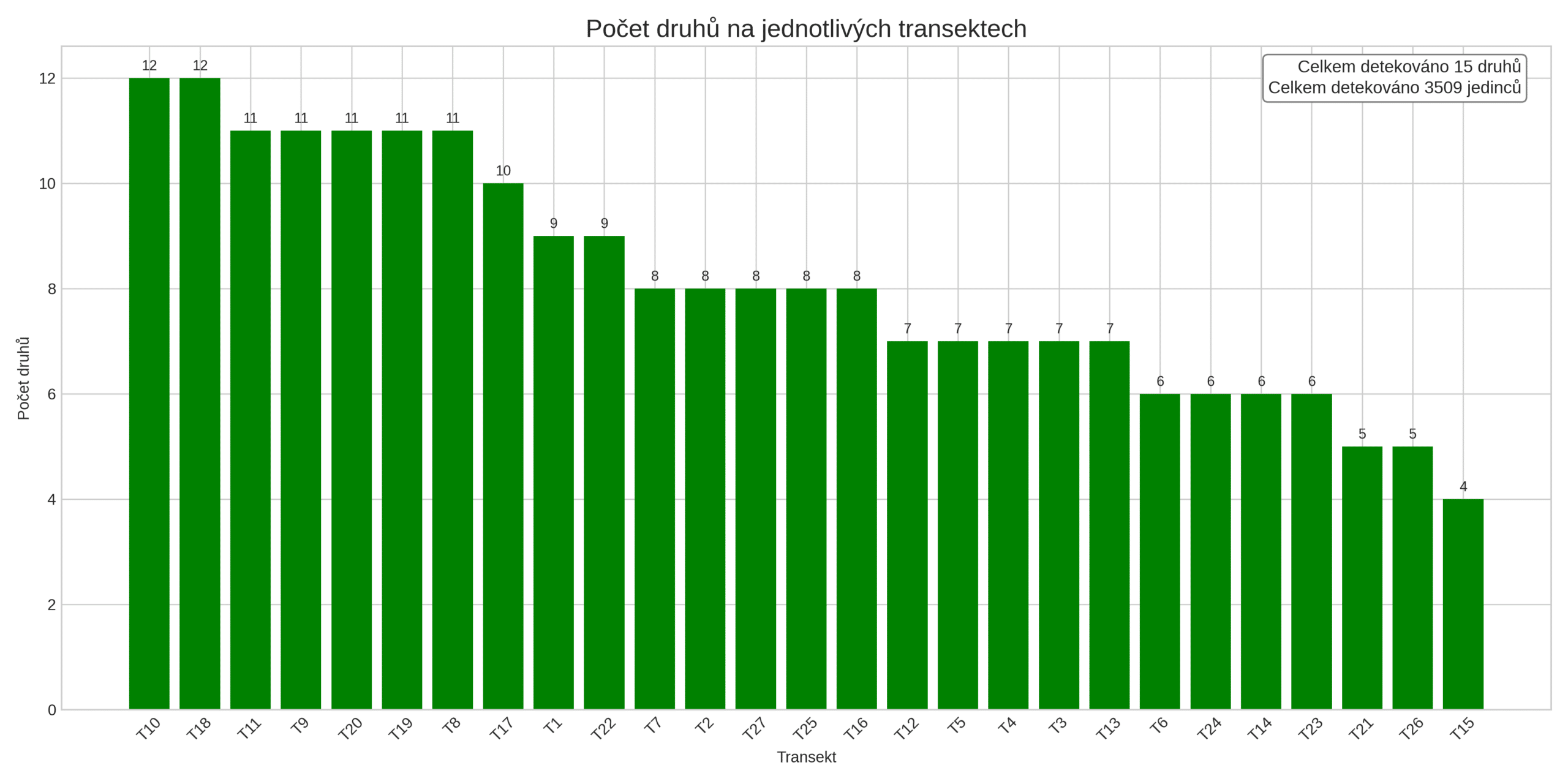
According to the number of species best transects
· T18 Na Vidouli 12 species of bumblebees
T10 Prokopské údolí 12 bee species
According to the number of species Worst transects
T15 Troja – U lisu 4 species of bumblebees
These differences did not surprise us. The amount of data clearly has an influence here, but of course so do the local conditions on the transects. The favourite, T10 Prokopské údolí, confirmed its role. The dry transect T15 in Troja did not surprise.
3. Is there a dependency between the species diversity of nectaring plants?
Our data collection did not confirm such a dependency. This is due to the volume of data obtained and other influences. Some species of bumblebees are capable of flying longer distances, while others prefer shorter distances between their nest and food sources. From our previous observations, we believe that some rare bumblebee species with rapid nest development prefer shorter distances between food sources and nesting sites. We do not have hard data to support our observation.
Although we collected data on nectar-producing plants, we ultimately did not use this information in our processing. If more detailed data on the species diversity of nectar-producing plants is available, it can be subsequently linked with our data.
Example
- T18 On The Cleat 12 species of bumblebees 17 species of nectar-producing plants
- T10 Prokopské Valley 12 species of bumblebees 14 species of nectar-producing plants
versus
- T15 Troja – At the press 4 types of bumblebees 12 types of nectar-producing plants
- T21 Podbaba 5 species of bumblebees 12 species of nectar-producing plants
- T26 Botič and Vinný Stream 5 types of bumblebees 17 nectar-producing plants
Likewise, we did not include data on nesting opportunities in our data collection, which vary from one bumblebee species to another.
Were any rare species detected during data collection?
For our processing, we have prepared the following table. It consists of most of the species described in the Czech Republic, an assessment of abundance (an up-to-date source is not available here, partly due to the dynamics of changes; we have used our perspective on abundance in Prague and its surroundings), and the Red List of Threatened Species – 2017.
Lines marked in green represent a species we have detected as part of the project.
The most interesting find from our collection is the Early Bumblebee (B. ruderarius). Unfortunately, we did not find species that were previously relatively common in some locations and transects. These include species such as the short-haired bumblebee (B. subterraneus) and the large garden bumblebee (B. ruderatus).
We did not find the species that was detected in the urban environment of České Budějovice, the deceptive bumblebee (B. confusus).
We weren't expecting to find any more rare bumblebees, so their absence didn't surprise us.
Rare bumblebee species
Long-haired bumblebee (B. barbutellus)
- Finding: T10 Prokopské údolí, T18 Na Vidouli
- This cuckoo bumblebee typically hosts with B. hortorum, B. ruderatus, and B. argillaceus, so it can be used as an indication of some of the present species. This is because bumblebees of this species primarily host with specific types of bumblebee hosts.
Source: https://en.wikipedia.org/wiki/Bombus_barbutellus
Less common bumblebee species
We used the same mapping table
a) Less common species
Field bumblebee (B. ruderarius)
- T16, T18, T19
- This bumblebee is not yet listed in the „red book“, but the trend of its population decline is alarming.
b) Medium-abundant species
Shrill carder bee (Bombus sylvarum)
- T1, T2, T3, T4, T5, T7, T8, T9, T10, T11, T12, T16, T17, T18, T19, T20, T24, T25, T27
Buff-tailed bumblebee (B. humilis)
- T1, T2, T5, T7, T8, T10, T11, T18, T19, T20, T22, T23, T25, T27
Czech bumblebee
- T8, T9, T10, T16, T17, T20, T23
Forest cuckoo bumblebee (Bombus sylvestris)
- T10, T17
5. Why was a low number of tree bumblebees (Bombus hypnorum) recorded?
The low number of B. hypnorum records in the monitoring is primarily due to the fact that the survey was conducted in habitats that are not suitable for this species. The monitoring focused mainly on meadow areas and patches of dead-nettles, environments where B. hypnorum is not commonly found. This species prefers forest edges, clearings, and bushy areas, often near fruit trees (e.g., gooseberry, apple tree), which were not part of the monitored routes.
Individuals observed during field data collection appeared, for example, on greater celandine in stands near the Botič stream, which are glades with limited accessibility. It can be assumed that the occurrence in these types of habitats would be significantly higher, similar to *B. lucorum*, which shares similar preferences.
Another factor is the early spring, when the majority of the population consists of searching mothers. These move high in the air and are practically undetectable near the ground, which further reduces the chances of them being recorded during standard monitoring.
We believe that the population of B. hypnorum is being attacked by a number of parasites, which are increasingly weakening their numbers. Data collection could also have been influenced by the fact that this species is an early bloomer and its cycle finishes relatively early; our data collection might have missed it.
Comment – Coexisting species
From our previous experience, for example on T3, B. subterraneus and B. ruderatus were frequently found, accompanied by B. hortorum, B. sylvarum, and B. ruderarius.
Landscape care recommendations
Where possible, we have provided specific recommendations for changes to the care plan. These can be generalised, discussed with botanists, and further utilised.
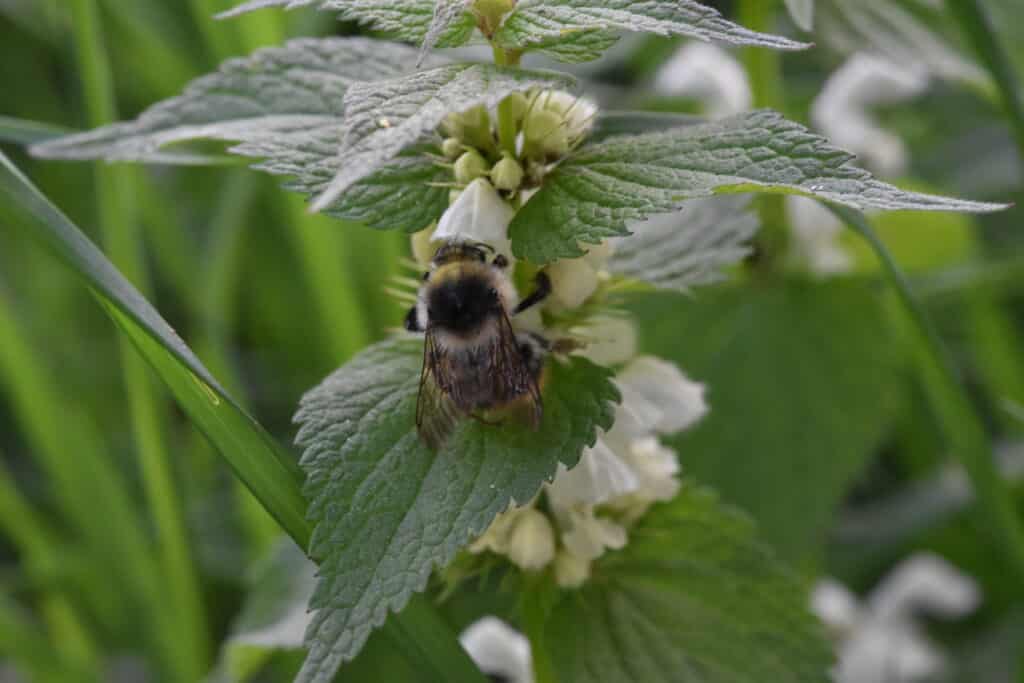
As part of the processing, evaluation, and interpretation of the results, we wished to recommend the support of white dead-nettle (Lamium album), which is an important food source for bumblebees – especially for rare species such as B. subterraneus.
In light of the previous text, we do not want to map the absence of such species to the absence or low population of the white dead-nettle. However, our recommendation across transects is to support this nectar-rich plant.
When consulting with botanists from CZU, we surprisingly discovered that no one was interested in this „uninteresting flower.“.
We hereby submit a proposal based on our experience and practice. This, or a similar solution, could be included in the care plan.
White dead-nettle (Lamium album) support – proposal
White dead-nettle is not a species of stabilised meadows or long-maintained grasslands. It belongs in early successional habitats, where soil disturbance and nutrient input regularly occur. To maintain itself, it needs cyclically renewed conditions – similar to those in semi-natural pastures with trees, where we traditionally find it.
Understanding ecological requirements
- White dead-nettle germinates and thrives where the turf is disturbed, there is sufficient light, moisture and a higher nitrogen content.
- The disturbed ground quickly overgrows and the dead-nettle disappears.
- Its life cycle is short, so a stable permanent stand like clover or meadow herbs will not form.
How to create suitable conditions
A. Disturbance (key step)
- Mechanical disruption of turf (digging, dragging, tearing off turf).
- Intense short-term trampling (e.g. temporary grazing).
- Local fertilisation with organic matter (compost, manure, litter).
- The disturbance should occur repeatedly, at least once every few years.
- Aftercare following abortion
B. Suitable addition
- 1–2 times a year.
- Don't cut too low, so as not to damage the young plants.
- Leave/top up part of the biomass on site to replenish nutrients.
- Inspiration from semi-natural pastures
C. Model „pasture with trees“
- In summer, animals will trample the turf, add nutrients and eat the lower branches of trees.
- In autumn, when the animals move elsewhere, space is created for the germination of dead-nettles.
- Both white and purple dead-nettle can handle being trodden on in the summer.
Recommended care cycle
- Year 1: Disturbance + nutrient supply.
- Years 2–4: 1–2 cuts per year.
- Year 5: The lichen is thickening.
- Year 6: Repeat disturbance.
Summary
- White dead-nettle will only persist where there is regular disturbance, sufficient nitrogen, ample light, and limited competition from grasses.
- The only way to provide long-term support is to repeat the cycle of disturbance and subsequent careful management.
Bumblebees in Prague – Hymenoptera Monitoring 2024-2025
Photo: O. Kahoun
Conclusion
The project fulfilled all set objectives and confirmed that systematic monitoring of selected hymenopteran insect groups in the territory of Prague is significant for their conservation and for landscape management planning.
A survey of 27 transects across Prague has been successfully compiled. A total of 15 bumblebee species have been detected out of the 41 described in the Czech Republic. Basic data on the diversity and abundance of bumblebees (Bombini) and, to some extent, wasps (Vespidae) have been collected. The project has provided materials that can be used for the management of green spaces and open landscapes.
The project also included a simple analysis and interpretation of the data obtained. Although the scope of the data acquired does not allow for the creation of statistically representative conclusions, it was possible to identify key locations, highlight the occurrence of less common or endangered species, and point out differences between individual transects. The results are fully usable for further processing – whether in the form of follow-up projects, expanded monitoring, or deeper ecological analysis.
The expected benefits of the project have been realised. We now have a comprehensive dataset, practical recommendations for landscape management, and concrete suggestions for adjusting management at selected sites.
The project has also contributed to raising awareness of the issue of insect decline and the importance of pollinators in urban environments. This communication will continue in the form of lectures, expert meetings, collaborations with the Prague City Hall, and also directly with individual city districts and departments responsible for green space management.
The acquired knowledge forms the basis for further steps in biodiversity protection in Prague.
The project showed that even relatively simple monitoring can yield valuable information and become an impetus for more long-term and systematic care for natural pollinators and their habitats.
We are ready to follow up on this project with subsidiary activities and projects. One of these could be, for example, the reintroduction of rare bumblebee species to locations where they previously thrived. Such locations still exist thanks to the work of the Prague City Hall.

Thank you
This project is being realised with financial support from the Municipal Authority of the City of Prague.
Thank you too for the input, practical suggestions and other forms of support provided.
Personally, I would like to thank the entire project team for their enthusiasm, the work they've done, and the time they've dedicated to the project – not just in the field.
On behalf of the Čmeláci PLUS association, z.s.
Ondřej Hercog
Media relations and public relations
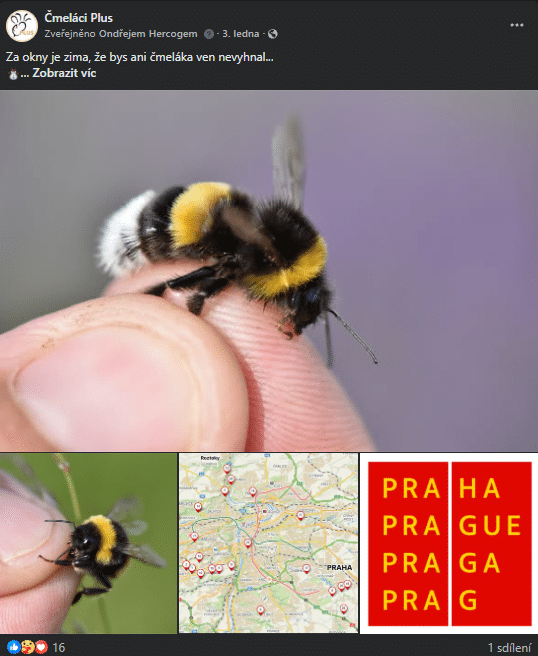
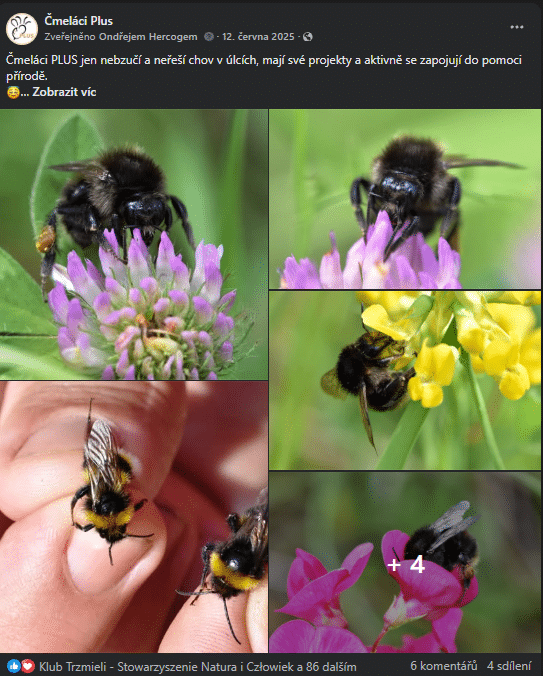
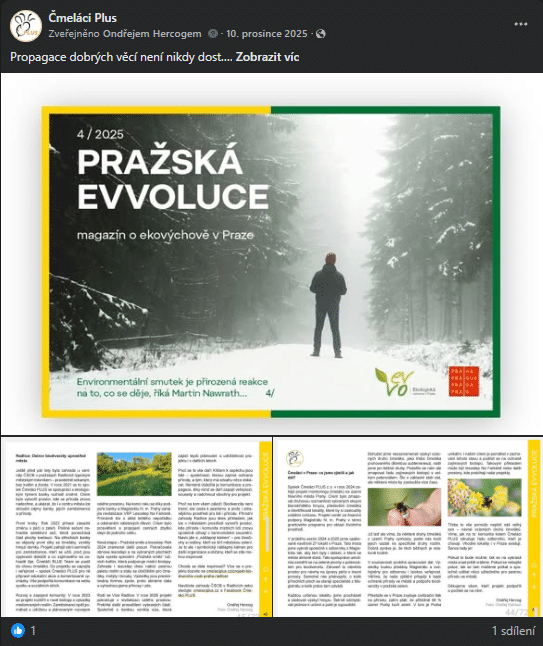
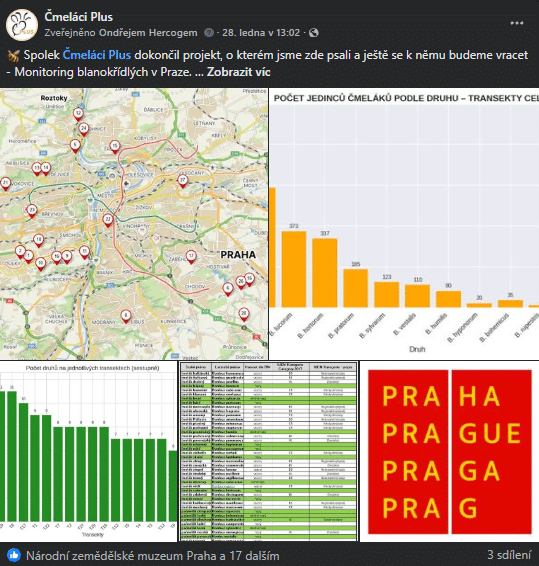
The project was and will continue to be promoted at Facebook Bumblebees PLUS and Instagram Bumblebees PLUS
Here are a few examples:
 .
.
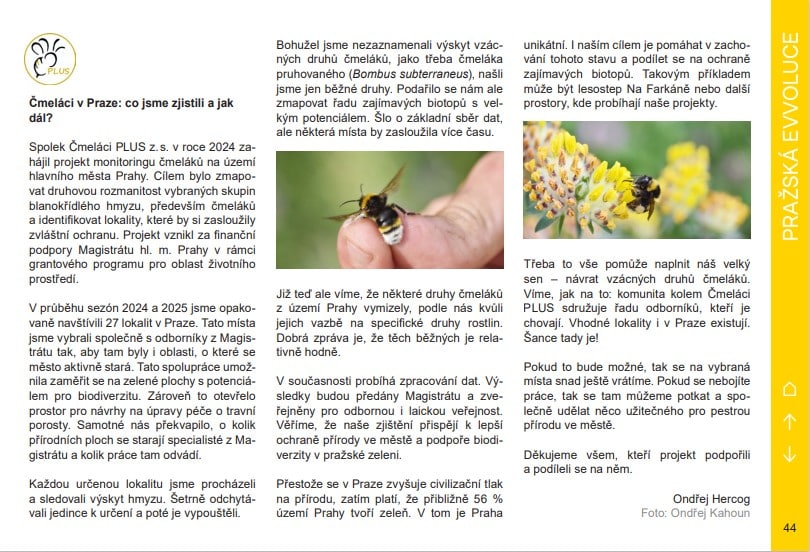
In 2024, there was media coverage in the form of an article in Prague Evolution and on social media.
The article summarised the findings to date and called on the public to get involved in environmental protection.
https://prazskaevvoluce.cz/evvo2018/wp-content/uploads/2025/12/prazska-evvoluce-2025-04.pdf