
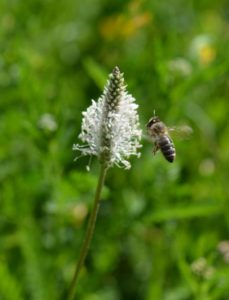
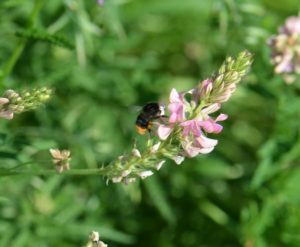
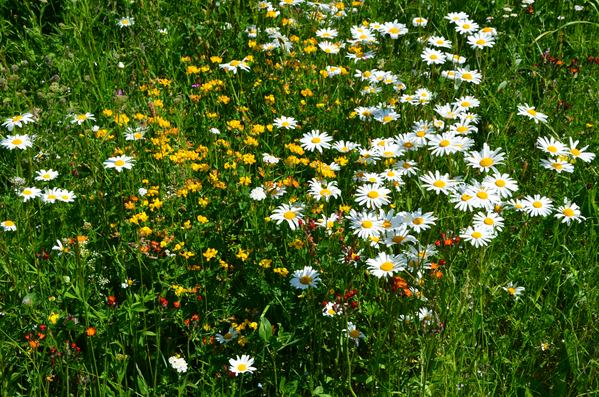
Flowery meadow from the edge of June
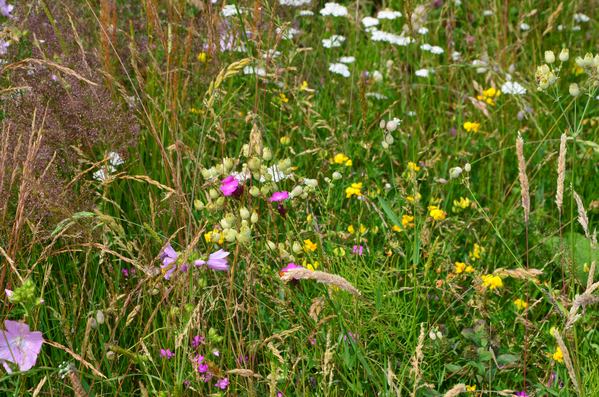
All the photos shown here are from a single meadow - to give an idea of the diversity that a garden owner can achieve with a meadow. Photos by K. Kučer
Contents:
Initial assessment – what is a meadow and what can I expect from a meadow
Cultivation requirements
Nine basic rules for the successful establishment and cultivation of flower meadows
Mowing the meadow
Mulching yes or no
Further care
Recommendations from experts
How to deal with the weed stage in the development of a flower meadow
Sowing date, watering of sown areas
Photo attachment of the establishment of the flower meadow
Photo attachment of the year of the flower meadow
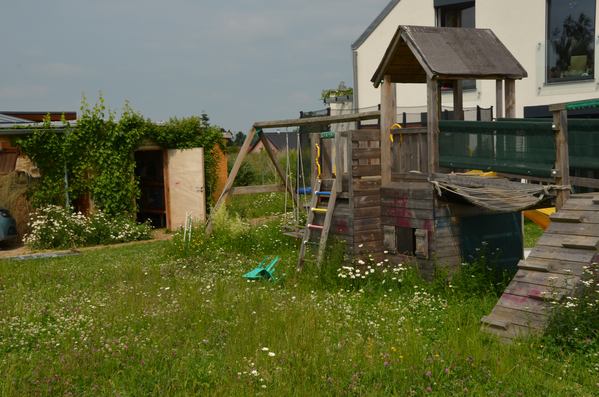
meadow as part of the garden
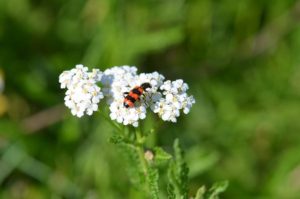
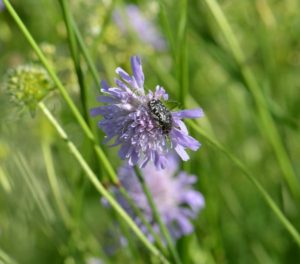
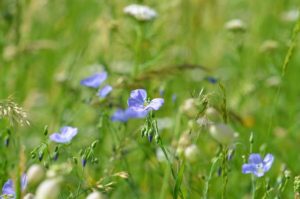
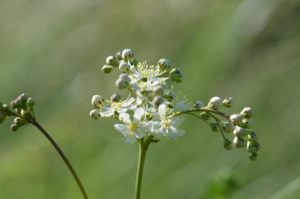
Initial assessment – what is a meadow and what can I expect from my meadow?
- A meadow is a mixture of meadow grasses and herbs. Their species and percentage representation will change over time depending on the nature of the place and the intensity and method of human use. Each meadow is actually completely unique. You will not find two identical ones, even this year's one is never exactly the same as last year's.
- Meadows provide insects with food, a place to overwinter and reproduce, and thus serve them throughout the year.
- The meadow is not a sterile area, it becomes a home for many invertebrates and small vertebrates. It is also a source of food for birds. Yes, there will be spider webs and anthills in it. No, there will be no more ticks in it, than their occurrence in the immediate vicinity.

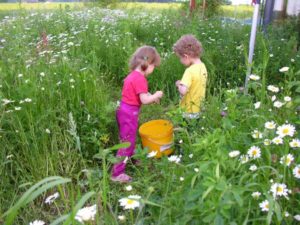
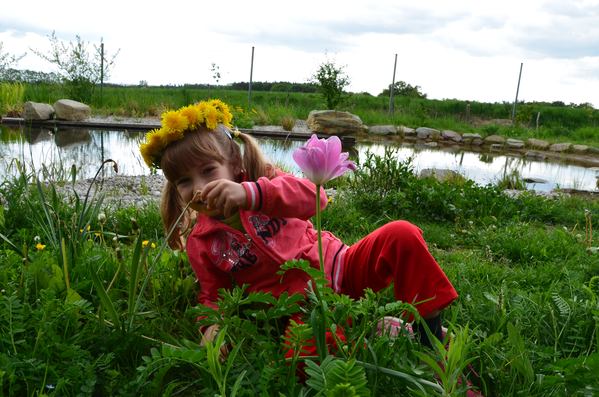
The meadow provides children with a new space to play and explore.
- The size is not decisive, it can be just an island, a strip, a corner. However, the owner must take into account the higher height of the vegetation, lower seeding density in the beginning and the formation of meadow sods after mowing, because the mowing height must not be below 5 cm. The place for the meadow should be planned and the chosen area should be rather less used for garden activities, also because it will almost seem a sin to enter a blooming flowery meadow 🙂 .
- The range of meadow seeds depends on the type of use - meadows intended for grazing livestock contain more forage and fewer flowering herbs. These seeds are not optimal. Flowery meadows On the contrary, they are poorer in forage, the quality of hay for livestock is worse, but they are much more diverse in terms of species and the overall representation of flowers is richer throughout the year.

- The selection of flower meadows is huge today. For example, in Markvartice u Sobotky there is a specialized company where the customer can choose from a huge selection of meadow seeds. From a universal mixture that is gradually refined to suit the conditions of the garden, through mixtures designed for pollinators, or meadows suitable for specific habitats such as shade, dry or wet areas, reclamation areas and others. It also offers meadows that can withstand more frequent trampling or mowing and are thus on the border between a lawn and a meadow. The offer even includes meadows by color or specific meadow species, so even the owner of a thematically focused garden can now afford a meadow without having to change his garden plan. Even such a horticulturally refined meadow is better than none….
- However, it must be taken into account that even in thematically focused meadows, the representation of plant species changes over time.
Recommendation:
Think about how much you will use the area for the meadow, what the local conditions are (shade, soil rather dry or moist most of the year) and consider your idea of what the meadow should look like - choose the appropriate seed accordingly. It pays to buy quality seed. It is basically the first and last investment, if we do not count the tools for mowing and clearing hay.
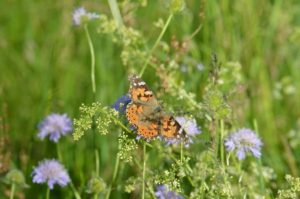
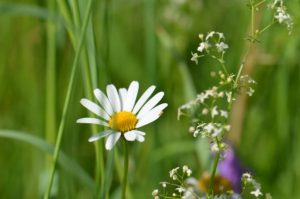
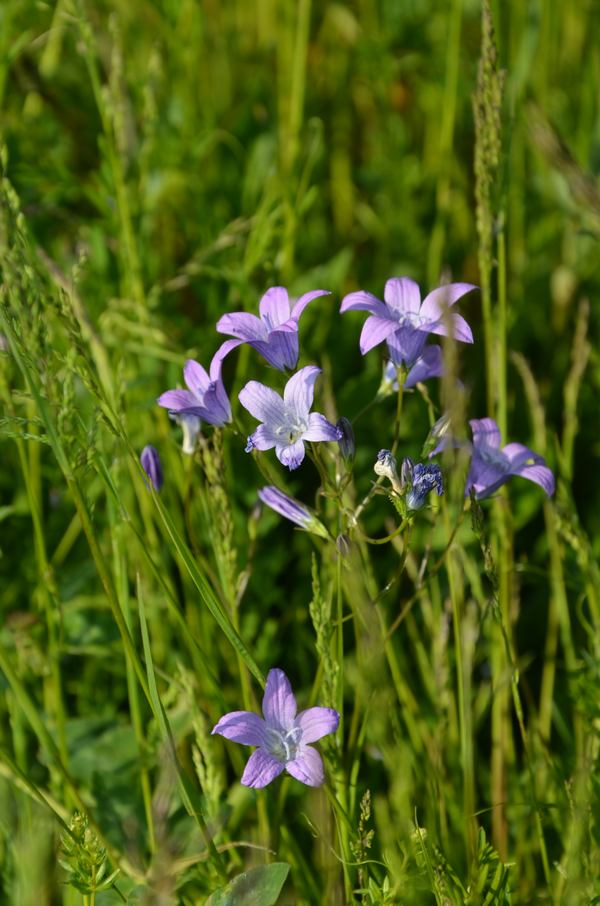
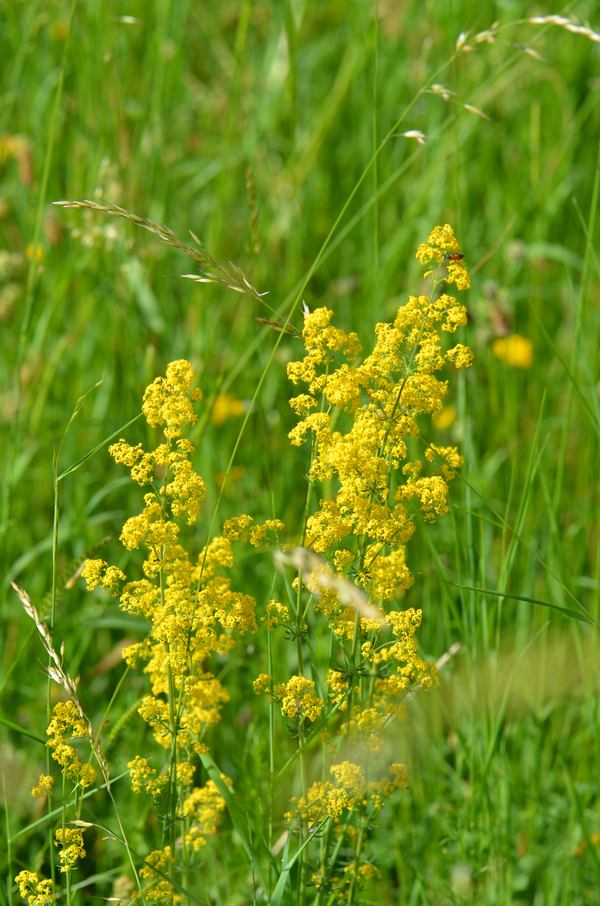
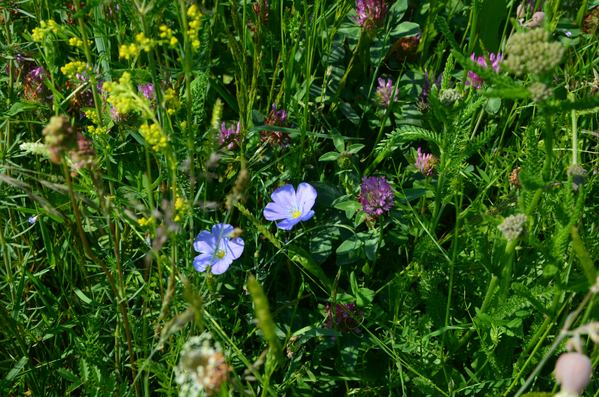
a small sample of my own meadow flowers
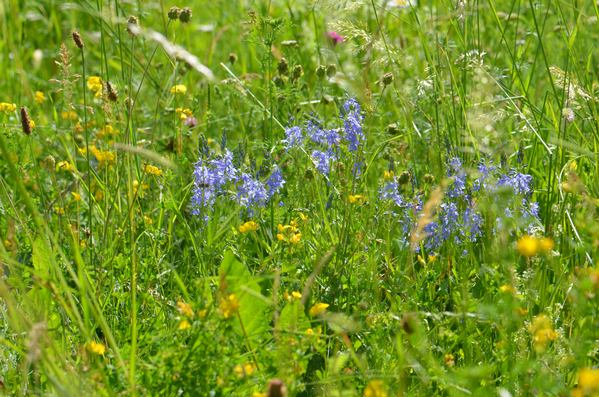
Cultivated meadow for the 5th year.
Mowing the meadow
- Mowing the meadow in the following years is necessary, without it, dominant species would gradually prevail in the meadow and the meadow would lose its diversity. In a meadow that has not been mowed for a long time, pioneer shrubs such as rose hips, hawthorns and other seedlings planted by birds will gradually begin to appear.
- We recommend Staged mowing with an interval between stages of approximately 3 weeks. This will allow the animals to move into the uncut area and the cut area will grow back a little in the meantime. The proportion of the uncut part should be 1/3 or even better 1/2 of the total area.
Meadow after mowing. Mowing with preservation of uncut areas
- We recommend mowing with a scythe, it is the most gentle on the meadow. If you buy a quality scythe (and some quality sellers will even sharpen and polish it for you), then you don't have to worry that you won't be able to handle the task. There are many instructions on the Internet on how to mow, sharpen and polish, and there are even courses and competitions in mowing. Polishing a scythe with a polisher is easy, if your grandmother doesn't tell you anything. Anyone can do the sharpening.
- The choice of scythe depends on the size of the area you will be maintaining. Mowing with a scythe is a great way to relax in the morning. The sound of the blade sharpening, the scent of flowers, the singing of birds and complete silence... What's more, you will also be doing something good for your body. Even teenagers can do mowing under supervision, but it is better to leave the sharpening to adults.
- For small areas, a smaller sickle or scythe will suffice.

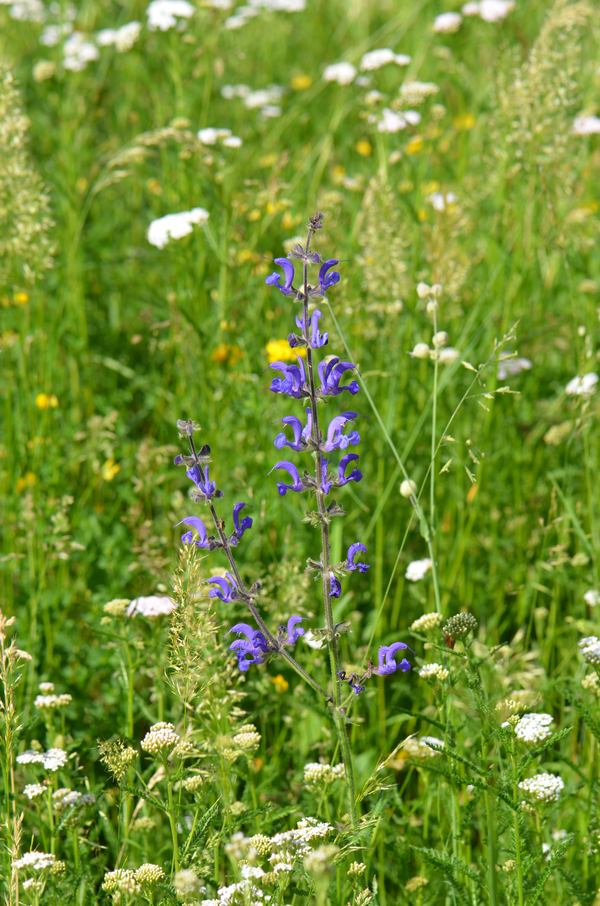
meadow sage in a cultivated meadow
- If you are afraid of scythes, you can use drum mowers or mowers with a cutting bar or motorized scythes. But there it is already about noise, weight, fuel and vibrations... There are many types of mowers, but they must meet the requirement of mowing to a stubble height of at least 5 cm, which increases the chance of survival of insects in general and accelerates the renewal of the vegetation. Rotary mowers with collection into storage bins or even mulching are not suitable. In addition, mulching inappropriately increases the levels of nutrients in the soil and supports grasses at the expense of flowering species.
- We recommend drying the mowed area on hay and then raking it. Your garden will be enriched with a new sensation and the smell of hay will be forgotten. While the hay is drying, animals have the opportunity to move to the unmowed area, many seeds can also ripen and the swath protects the mowed area from unnecessary drying out.
- Hay must always be removed from the meadow , it is best to offer it to a breeder, larger quantities to hunting associations, it can be used to mulch bushes and trees or, in the worst case, compost it. Burning hay should be prohibited, just like burning grass, because hay is also home to many insects.
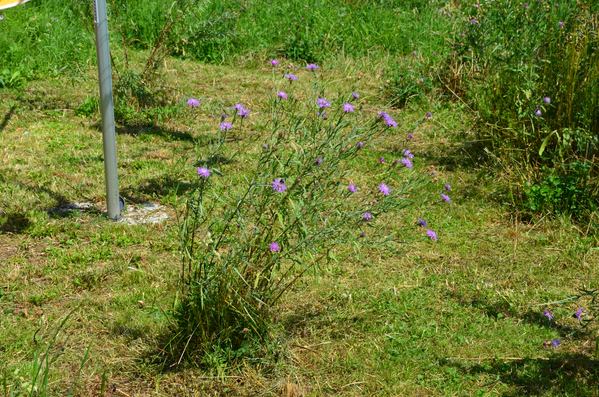
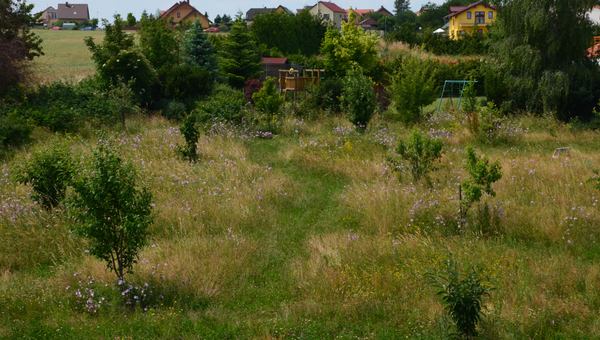
Staged mowing can be used to create paths and patterns, and you can change the garden according to your mood
Cress-like sedge
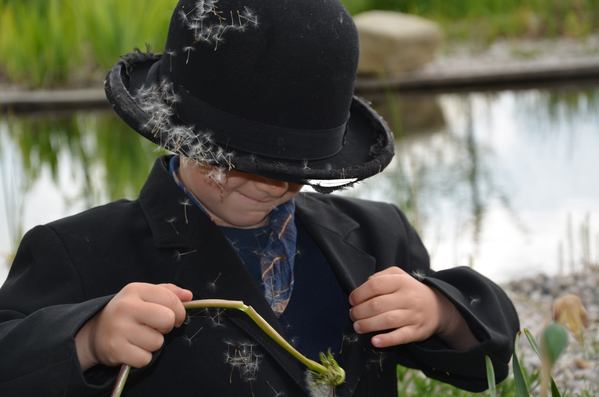 .
.
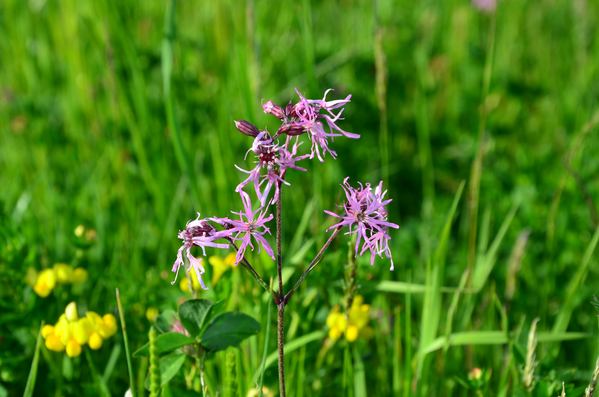
Meadowsweet in a cultivated meadow, third year after sowing
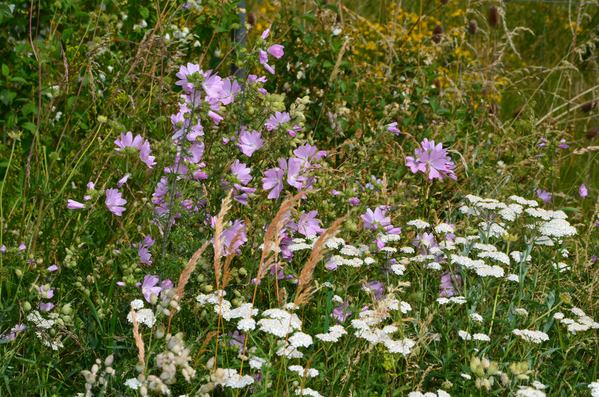
Mallow and yarrow flowers will transform the meadow into pastel colors
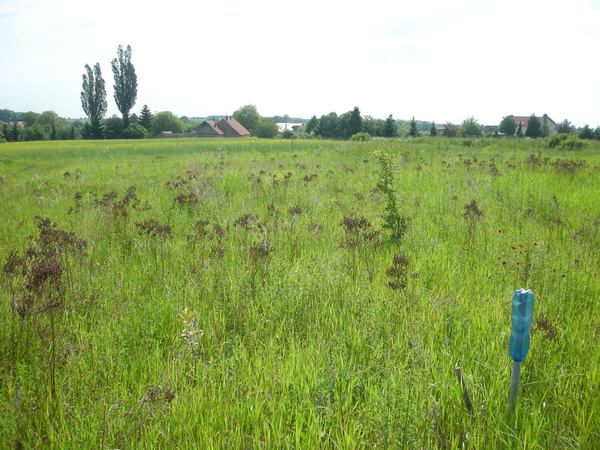
Original condition – dominated by only grasses, St. John's wort and in places a local species – orange hawkweed. It was transplanted to the landfill and later returned to the meadow
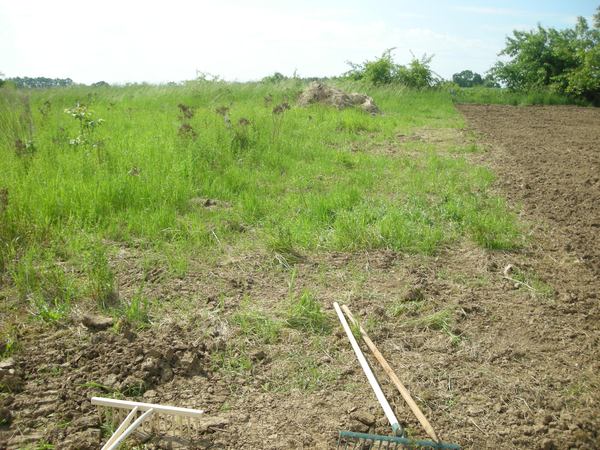
Old and newly established meadow
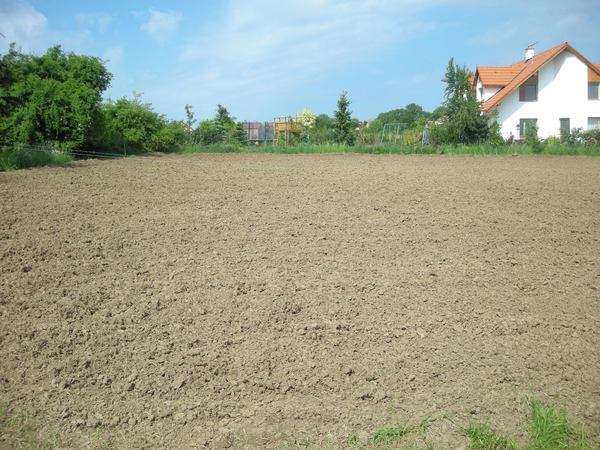
Preparing the area for sowing
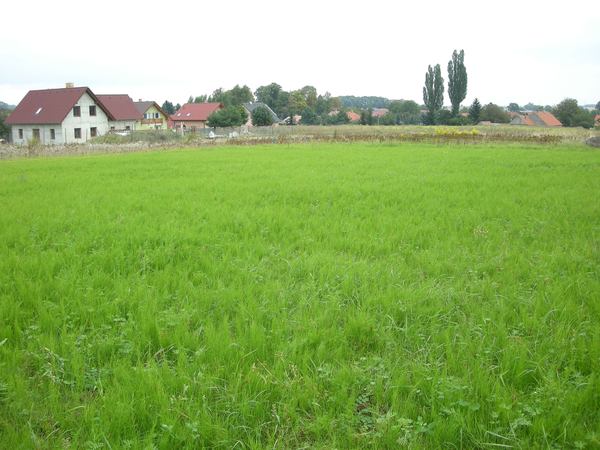
A meadow in September after spring planting. It looks like a field of horsetail.
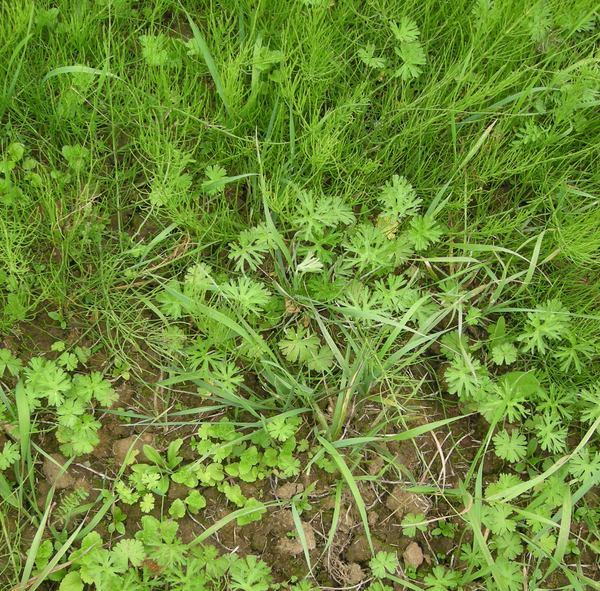
Detailed view of the established meadow half a year after sowing (September)
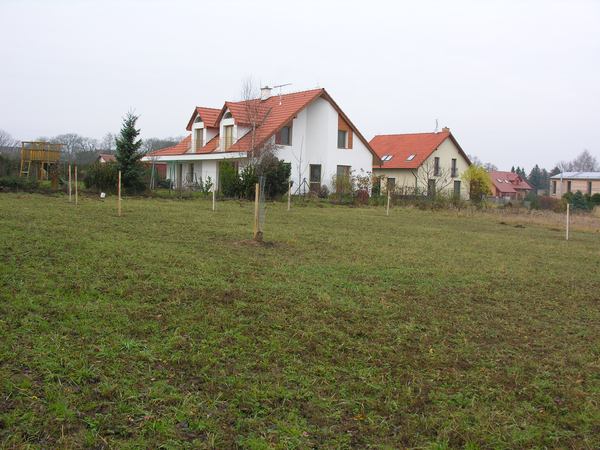
Autumn after the first mowing
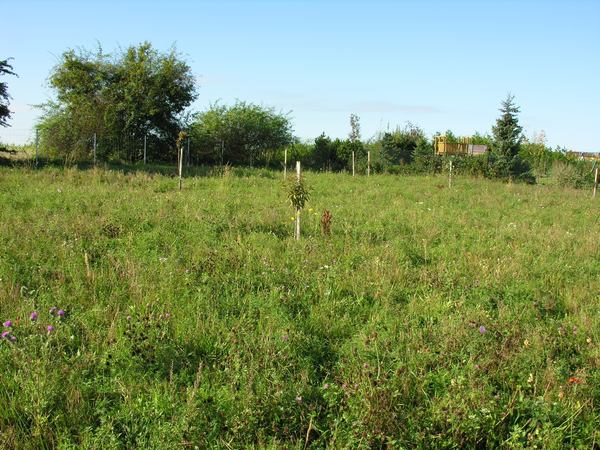
Meadow from the region of June, a year after planting, the weed stage still prevails
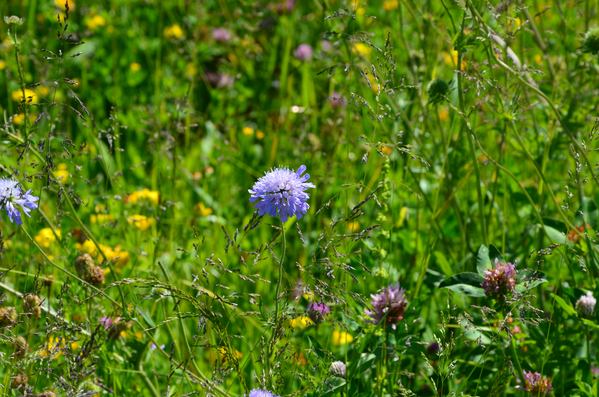
The meadow is gradually being completed and changing according to the conditions of the site
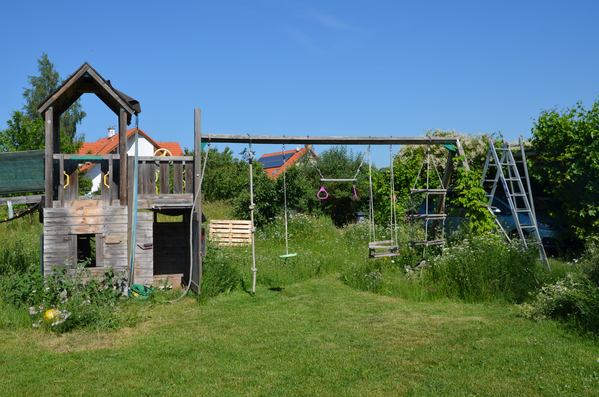
Transition between cultivated meadow and play area
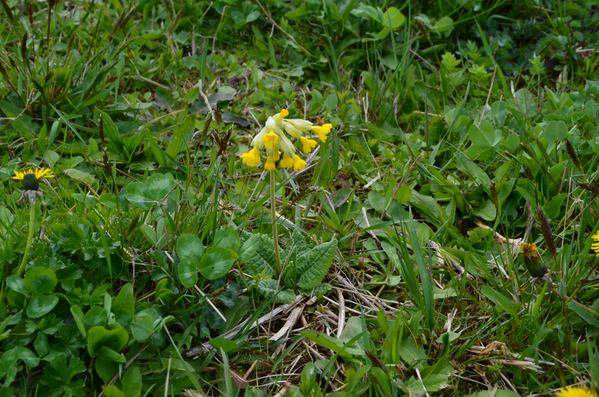
April in the meadow
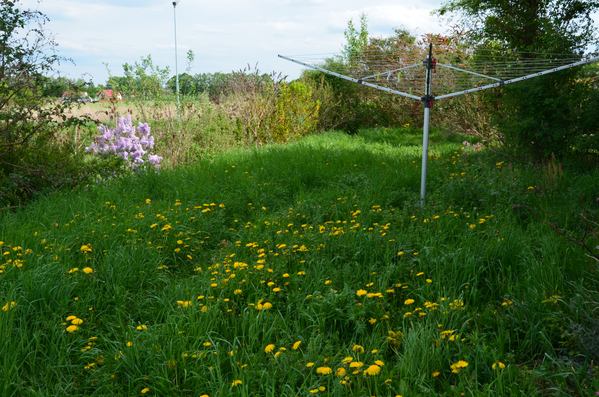
meadow in early May
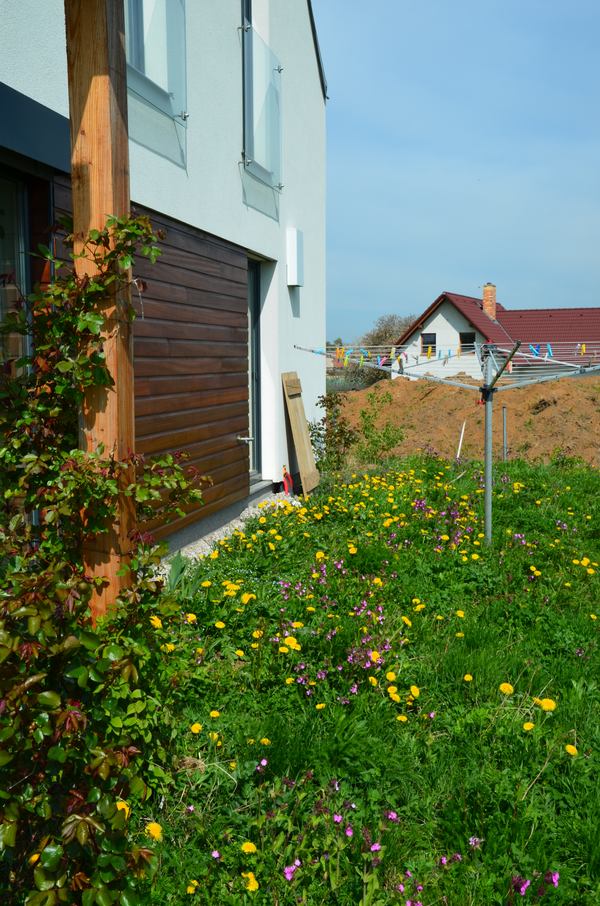
May a few weeks later,
conditions determine what grows where
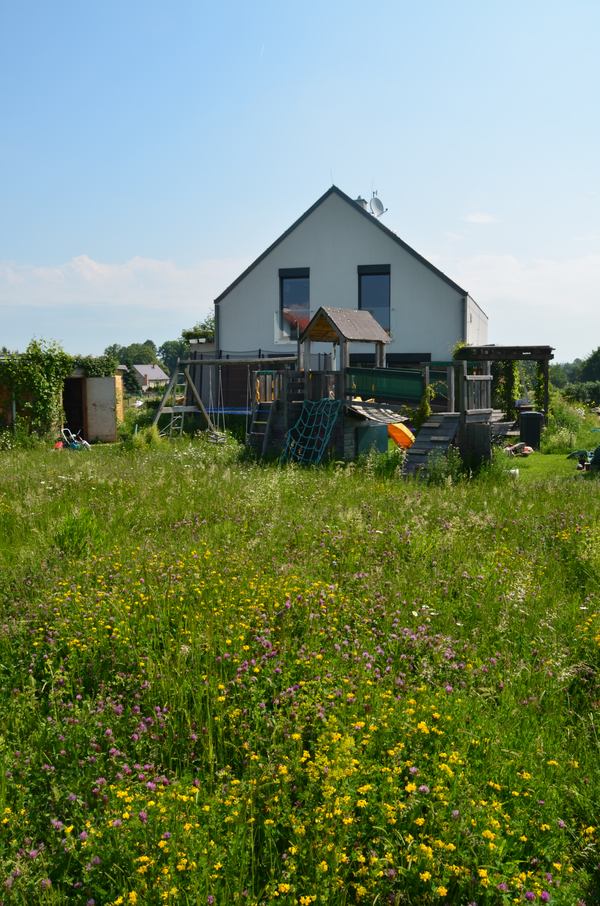
June before the daisies bloom
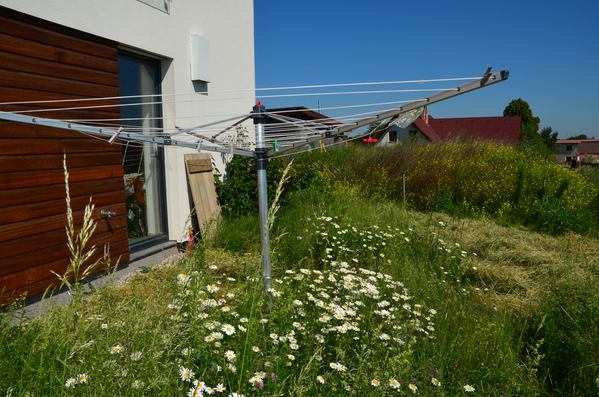
time of first mowing June
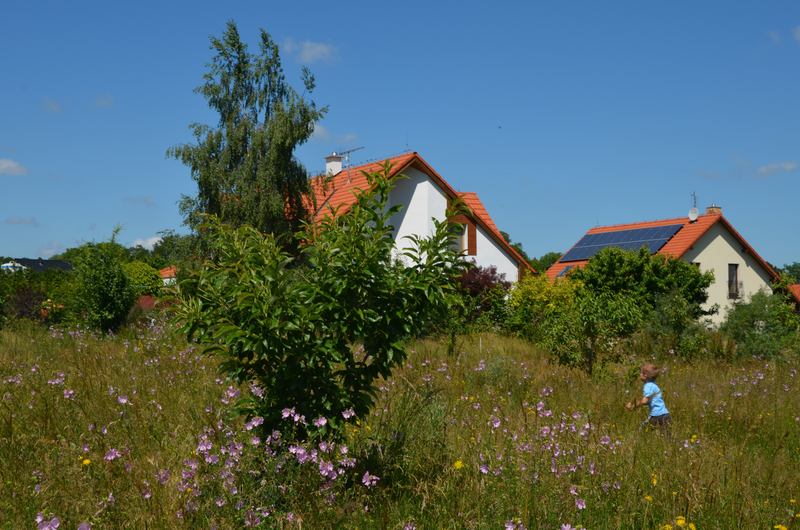
uncut areas during July
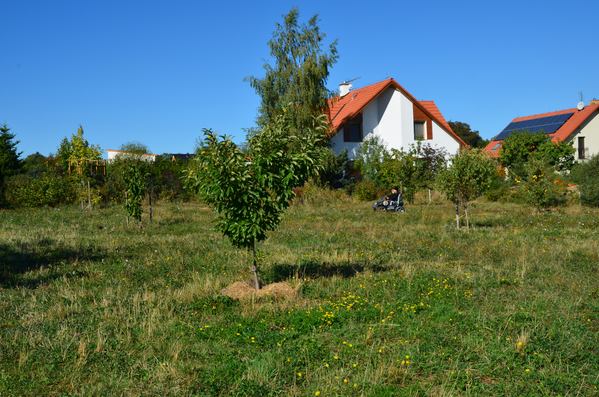
half of the glow after the autumn mowing (Otava)
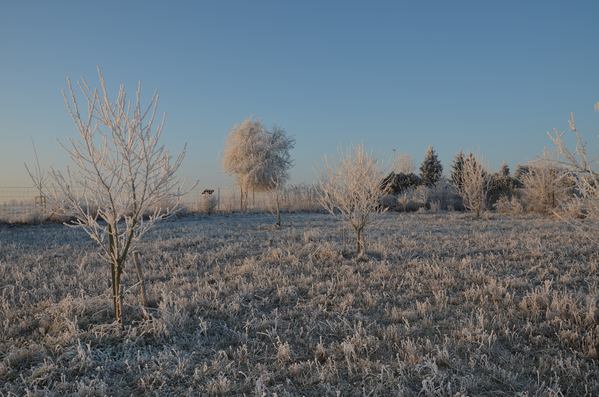
when winter is magical