List of plants suitable for supporting bumblebees

Garden plant designs that provide food for insects from spring to fall

THE PAGE IS BEING MODIFIED

What you will learn here
  • What plants do bumblebees like?
  • What plants can you offer them in your garden and in your surroundings?
  • You will learn a little about the importance of herbaceous layers and the places that can be used for bumblebees
  • You will also learn about the need to care about what is behind your fence

Last updated: 8/2/2024

Bumblebees PLUS - In a Nutshell - Foto Internet

In a nutshell

  • Variety is key: your garden and surroundings should be varied. Lots of flowers of one type of honey plant will attract bees and crowd out bumblebees. Bumblebees are content with a few dozen flowers of one type.
  • Food throughout the season : bumblebees need food throughout the season = from spring to autumn. Lavender is not a solution because it will only feed bumblebees for a certain period of time
  • Spring, May and June are crucial : in spring, mothers need enough food for their nests. May-June is often critical, as strong nests at the top often suffer due to cooling and possibly due to drought and poor mowing in cities.
  • Mosaic mowing: do not mow meadows and grasslands all at once, always leave at least some available to insects until the mowed area regenerates and blooms
  • " Clutter" in the garden is a gift: you support places where nightshade grows or where insects find nesting opportunities

English Abstract

  • Variety is the key: your garden and surroundings should be varied. Lots of flowers of one species of honey plant will attract bees and they will crowd out bumblebees.
  • Food throughout the season: bumblebees need food throughout the season = from spring to autumn. Lavender is not the solution because it only feeds the bumblebees for a certain period of time
  • Spring, May and June are decisive: in spring the queens need enough food for their nests. May-June is often critical, as strong nests at the peak often suffer due to cold and possibly due to drought and poor mowing in cities
  • Mosaic mowing: don't mow meadows and grasslands all at once, always leave at least a clearing available for insects until the mowed portion has recovered and flourished
  • "Clutter" in the garden is a gift: you are supporting places where deaf-moths grow or where insects find nesting opportunities


Introduction

Bumblebees are generally not picky about their food, but some species are very dependent on abundant food sources.

Nevertheless, here is a list of plants that will significantly help ensure a successful start and course of the season. They can significantly help them survive .

Take the time to arrange your garden and surroundings so that bumblebees will always find something there.

For simplicity, we have divided the season into four periods in which the plants we have selected bloom and bumblebees can forage on them.

Our list does not aim to be comprehensive, but is based primarily on our observations.

We also used the book we contributed to for the page. The text has been adapted for the needs of our website.

Source: "Breeding and support of bumblebees in gardens and cities"
Authors: Stuchl, Votavová, Černý, Král, Čížek, Hercog, Frantl, Slavík
Published by: Agricultural Research, sro and Forage Research Institute, sro - 3rd revised edition 2022

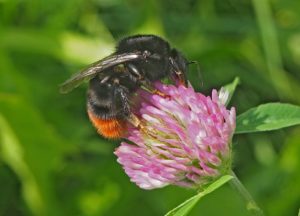
Bumblebees PLUS - Rock bumblebee (Bombus lapidarius) - queen on clover - Hana Kříženecká

Rock bumblebee (Bombus lapidarius) – queen on clover
Photo: H. Kříženecká

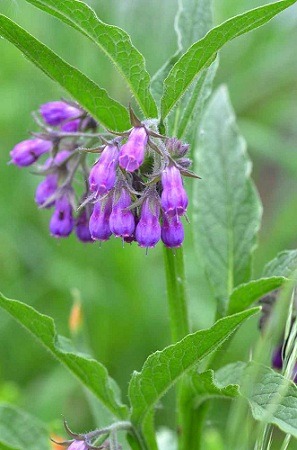
Bumblebees PLUS - Comfrey - Photo bylinkopedia_cz

Comfrey
Photo: bylinkopedie.cz

A varied and seasonal food offer – a basic condition for success

People are increasingly interfering with the lives of bumblebees. Growing monocultures (large fields with one crop) causes bumblebees (and not only them) to lose food sources, because monocultures bloom all at once and after they have bloomed, there are no other food sources far and wide vast wastelands for pollinators , which they are constantly forced to cross in search of food, thus wasting not only time, but also consuming part of the nectar they have already laboriously harvested elsewhere.

Similarly unsuitable are the extensive mowing of meadows, including municipal lawns, where the entire food supply can disappear overnight. Furthermore, high pollination by honey bees (Apis mellifera) , where honey bees compete strongly with natural pollinators in the competition for grazing. Furthermore, for example, the non-flowering urban areas of modern satellite towns, green only with short-cut English lawns and thujas .

This insensitive cultivation of our landscape prevents bumblebees from raising sufficient numbers of quality sexual individuals and especially well-fed mothers capable of wintering. They do not have time to replace their populations year after year, and the inevitable result is an uneven decline in the populations of individual bumblebee species . New places are gradually appearing and spreading on the map where this or that species has already disappeared. Species that awaken later are especially endangered . While queens of common bumblebee species (e.g. ground bumblebee, rock bumblebee, grove bumblebee) establish nests during the spring abundance period, when most trees and herbs are blooming, later species awaken only towards the end of this period and need a sufficient food supply in the summer and autumn months for their survival.

Another problem for endangered species is landscape fragmentation , which reduces or even prevents contact between individual populations. Even a short period of adverse conditions in a location (flood, unfavorable spring, etc.) is enough to cause the population to become extinct.

Returning bumblebees to such places requires several years of effort , consisting primarily of the planned spread of nutritious plants, herbs, shrubs and trees that will enable migration between locations . The joy of their return can then be all the greater.

Do you know that:

Bumblebees are proven to be harmed by the use of chemicals in fields and gardens, and they are particularly susceptible to death in the spring after the application of pesticides and herbicides.
It is very common for a nest to die overnight if chemical plant protection is applied within the range of bumblebees.

Bumblebees Plus - Breeding and supporting bumblebees in gardens and in the city - 2022

Breeding and supporting bumblebees in gardens and in the city – 2022

Flowery meadow

Replacing at least a piece of "bare" grass with a suitable flowering area is always welcomed by bumblebees . Especially if it contains a larger proportion of plants with flowers with long calyxes . Then it is more certain that even after the bee's visit, there will still be some nectar in the deep calyx for other visitors with longer tongues. Of course, not everyone has the opportunity to establish a large meadow. Bumblebees will be pleased with even a square meter in an unused corner of the garden or by the fence.

It is advisable to establish a meadow in clean, loosened soil, free from vegetation and sod. The best time to establish it is from mid-August to September or from mid-March to April. For sowing, you can either use a commercial mixture, preferably with a representation of regional plant species, or collect seeds from a nearby meadow.

Among the selected species, meadow clover should not be missing, which is an important food source for later, rarer species of bumblebees. Also suitable are cornflower, meadow pea, common blackhead, horned scorpionweed, common hogweed, common hogweed, common hogweed, sage, vetch, hogweed, etc.

Meadow plants, which should form the basis of the vegetation, require sunny soil poor in nutrients. To prevent the meadow from becoming overgrown with grass and to increase the fertility of the soil, it is necessary to mow the vegetation twice a year and remove the mown material. The frequency and timing of mowing cannot be given unambiguously, as it depends greatly on the location, its climate and the weather throughout the year. In general, it can be said that it is appropriate to mow in May, as grasses grow faster and mowing takes a lot of energy from them, while flowering plants easily regenerate in the freed space. The second mowing is then suitable in September after the vegetation has bloomed. The hay must be left to dry for a few days so that the seeds of the plants fall out. If grasses dominate the vegetation, it is necessary to mow more often.

 In the fight against grass, cockscomb will also help us, as it parasitizes on the roots of grass. The grass then grows much more slowly and makes room for other plants. Cockscomb itself flowers and is an important nectar-producing plant for bumblebees.

The composition of plants in a flower meadow alone is not the basis for success. Without proper care of the vegetation, disappointment can occur. You also need to be prepared for the fact that it takes time and patience. Especially where you create a flower meadow without reseeding, you need several years to achieve the expected goal

mosaic mowing is increasingly being used .


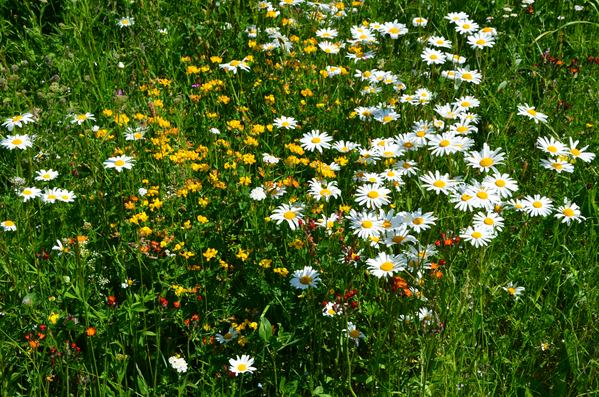
flowery meadow from the edge of June

Flowery meadow
Photo K. Kučer

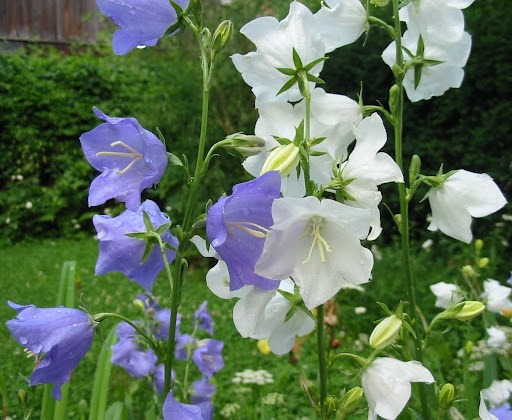
Bumblebees PLUS - Peach-leaved Bellflower - Photo Wiki

Peach-leaved bellflower
Photo: Wiki

Ornamental and herb beds for bumblebees

In our gardens, or even just in boxes behind windows or in a flowerbed in front of a panel house, insect-loving honey and pylodar plants should bloom. Especially in the summer months, when the food supply is reduced, every such box or flowerbed is a significant help.

It should be noted that not all flowering plants are suitable for pollinators. Many garden plants do not produce any nectar and are of no importance to bumblebees, while full-flowered cultivars often make the path to the nectar difficult and bumblebees have difficulty accessing it.

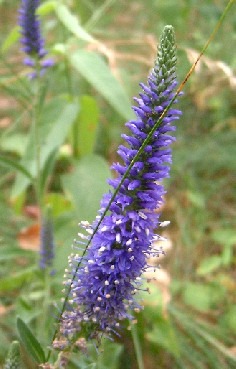
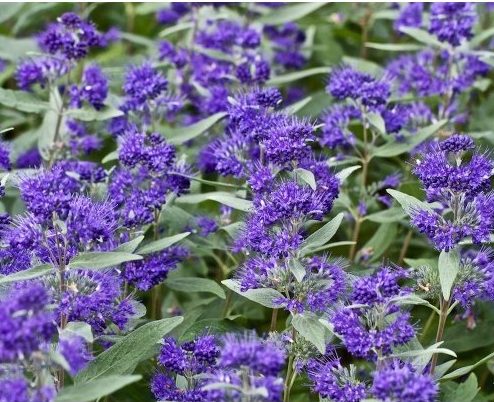
It is generally accepted that the more sun we give plants, the more nectar they will produce. A popular plant is lavender, but individual species and cultivars often differ in the number of bumblebee visits. It also often happens that lavender is overrun by bees, which reduces the nectar yield for other species. Suitable plants include various types of sage, yarrow, chanterelle, agastache, monarda, hyssop, lungwort and foxglove. Special attention is then deserved by mountain cornflower, red clover and comfrey. In summer, ornamental “thistles” such as blue thorn, purple coneflower, flat-leaved catnip and cloth brush also bloom, which provide a lot of nectar.

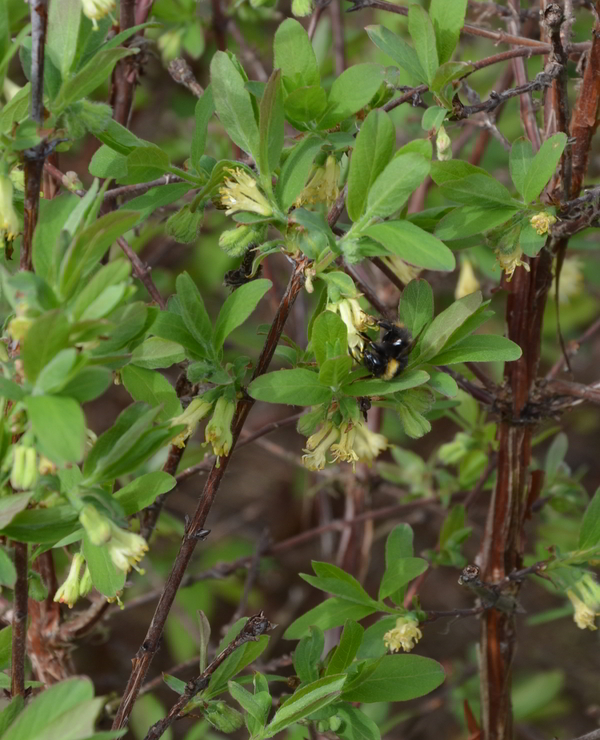
A special place among ornamental plants suitable for bumblebees is occupied by the honeysuckle. Thanks to their repeated flowering, they provide nectar and pollen throughout the season. They can be used as ground cover plants or as a lawn substitute. They require nutritious soil, but they grow in both sun and partial shade. They can also be used as undergrowth under deciduous trees.

Dry, rocky places, walls, etc. can then be planted with nectar-producing stonecrops or thymes, which only need a small layer of substrate.

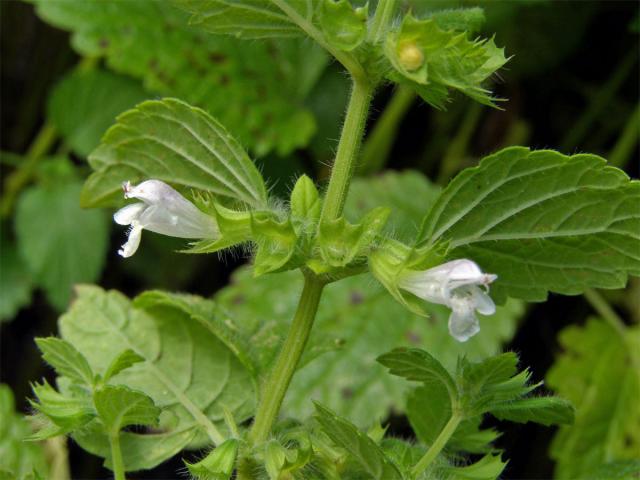
Bumblebees PLUS - Lemon balm (Melissa officinalis) - Photo eHerbář

Lemon balm (Melissa officinalis)
Photo: eHerbář

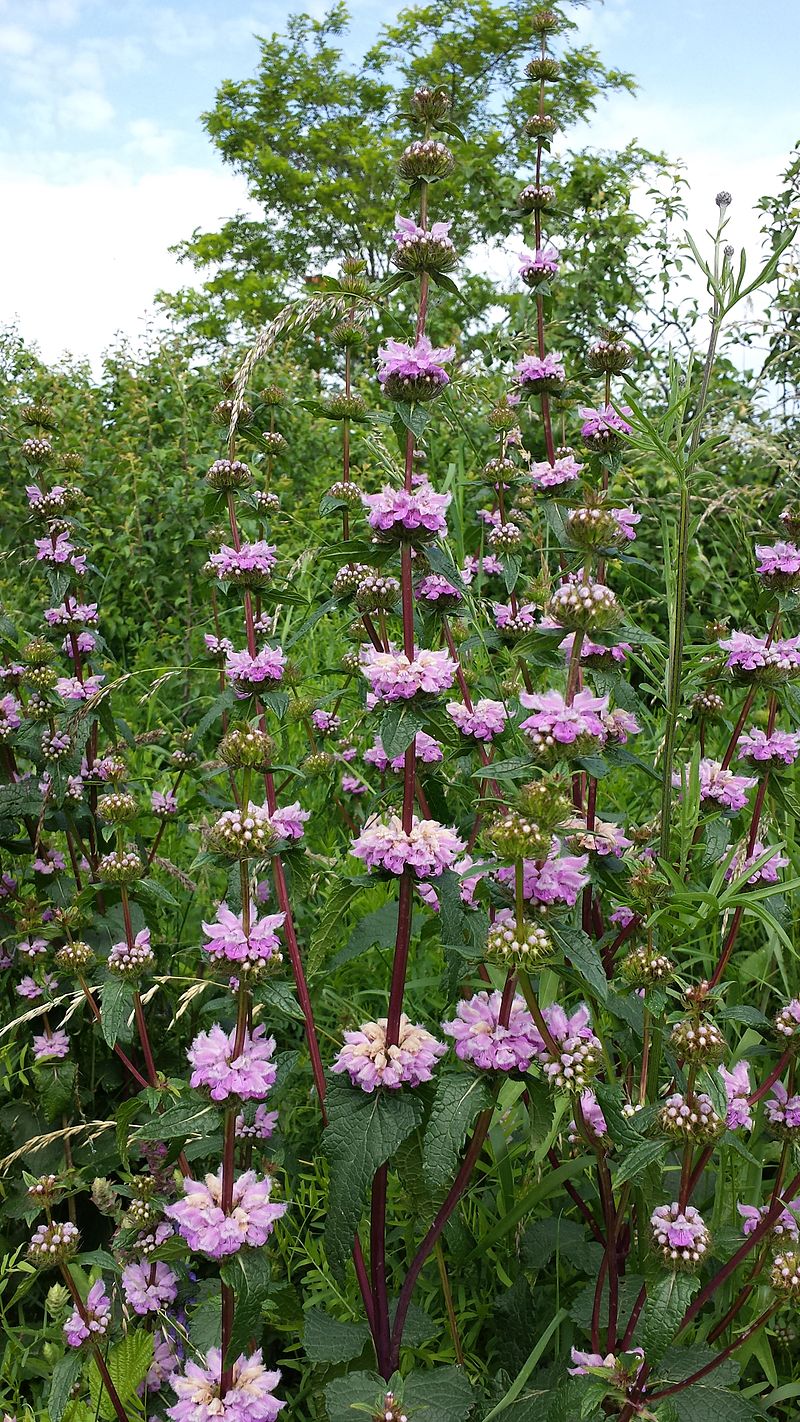
Bumblebees PLUS - Phlomis tuberosa - Photo Wiki

Tuberous hornwort (Phlomis tuberosa)
Photo: Wiki

Shrubs and trees

Shrubs and trees are often forgotten. But these herbaceous layers also have their importance,

Popular shrubs include clematis, trumpet vines, honeysuckle (especially Henry's and Heckrott's, which bloom in summer), and many others. 

Kiwis (actinidia) are interesting. Male plants and self-pollinating female varieties do not produce nectar, but they produce a large amount of pollen, which is very popular with bumblebees. Among the useful shrubs, raspberries and blackberries will make bumblebees happy.

Roses are also popular, preferably botanical or as little cultivated as possible (simple flowers), such as the wrinkled or multi-flowered rose. 

Fruit trees and their flowers are indispensable for bumblebees in the spring, but the same goes for bumblebees – early fruit trees need them at a time when bees are reluctant to fly out due to the cold.

Do you know that:

  • Honeydew from fruit trees, such as pear trees, is often forgotten. Bumblebees collect honeydew as a source of sugar.
    Unfortunately, this often becomes fatal for them if the trees are treated after flowering.
    .
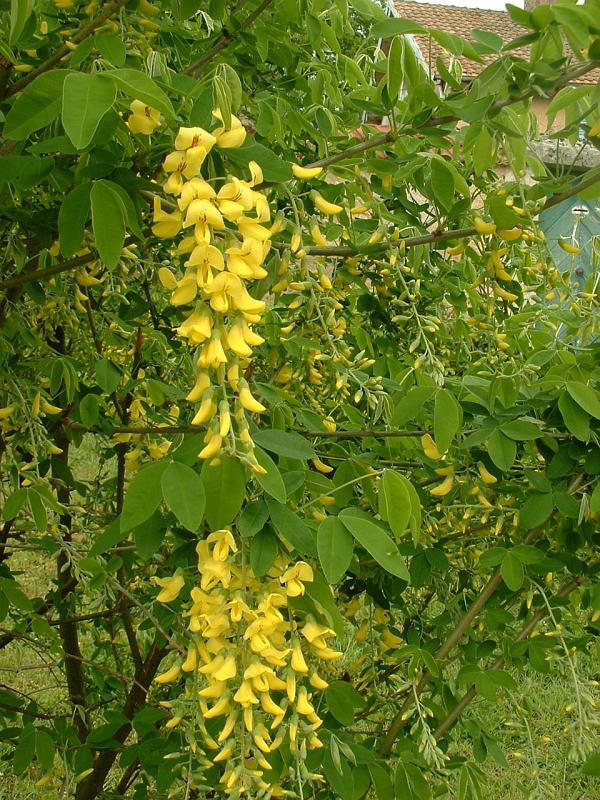
Bumblebees PLUS - Bumblebee - Photo Wiki

The hanging thornbush
Photo: Wiki

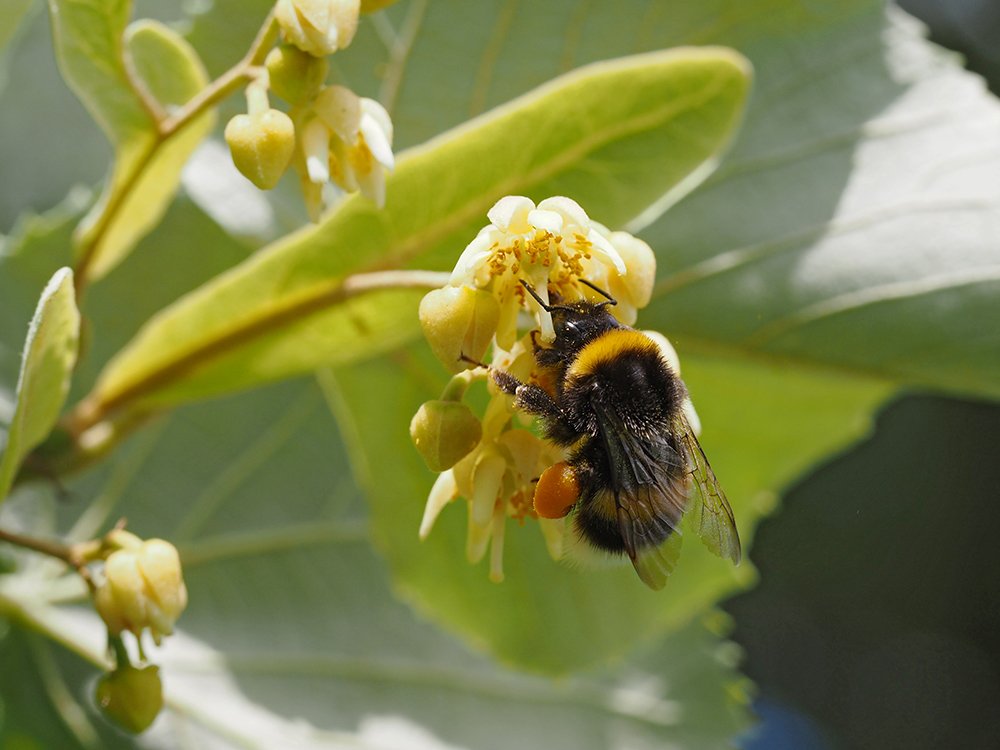
Bumblebees PLUS - Silver linden and ground bumblebee - Hana Kríženecká - Blankořídlí in Prague

Silver linden and ground bumblebee
Photo: H. Kříženecká

List of plants suitable for supporting bumblebees

Choose for your garden, its surroundings and municipal areas what will grow in your area and what will help the nature around you,

To simplify things, we have divided the season into four periods in which the plants we have selected bloom and bumblebees can forage on them.

You can also follow #cmelacipluspastva on our website, or on Facebook or YouTube Čmeláci PLUS

Notice

Some plants may be poisonous or invasive . We have marked them in the list.

† – poisonous plants, I – invasive plants

rare forest bumblebee on purple grebe

Super star hornet and beautiful forest bumblebee.
Photo by K. Kučera

Bumblebees PLUS - Bumblebee - Wiki

Common knotweed
Photo: Wiki

Spring

Main pasture:

  • gooseberry
  • blackcurrant
  • garlic
  • nine-force
  • dogwood
  • smokestacks
  • sedge
  • deaf-mute
  • Kamchatka and Canadian blueberry
  • crocuses
  • almond tree
  • fruit trees
  • drunkard
  • lungwort
  • pore
  • primrose
  • rhododendron
  • rockeries
  • willows
  • heather
  • deserter
  • earth smoke
  • early honeysuckle

Additional plants:

  • hellebore (†)
  • onion cutter
  • barberry
  • maples
  • elms
  • horsetail
  • bast (†)
  • flycatcher
  • daffodils
  • dandelion
  • paulownia
  • anemone (†)
  • heart
  • generous person
  • talovine

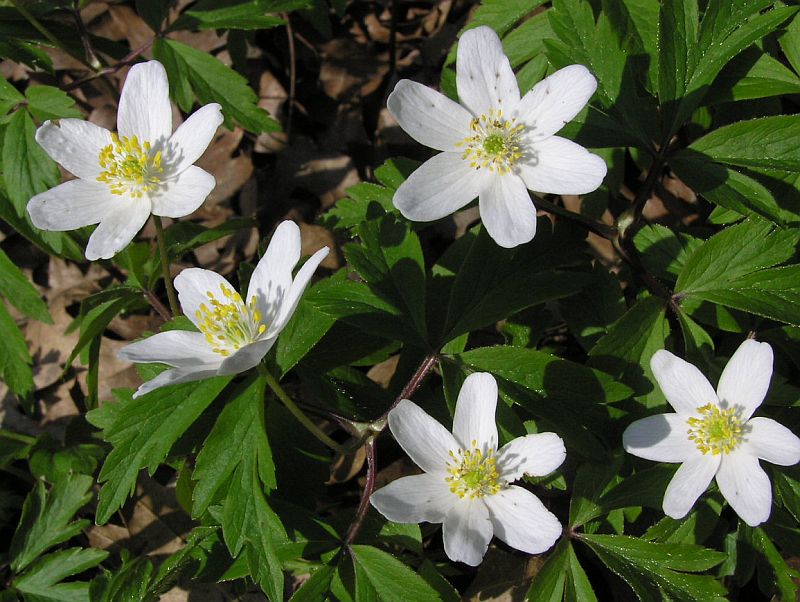
Bumblebees PLUS - Wood Anemone (Anemone nemorosa) - Photo Biolib_cz

Wood anemone (Anemone nemorosa)
Photo: Biolib.cz

.

Early summer

Main pasture:

  • acacia
  • actinidia
  • borage
  • beech
  • garlic
  • cornflowers
  • onion
  • chickpea
  • direct cleaner
  • deaf-mute
  • peas
  • clover
  • rhizomatous and Cantabrian cacti
  • catalpa
  • slope
  • common room
  • comfrey
  • plump
  • linden
  • line
  • lupins (I)
  • poppy
  • raspberry
  • thyme
  • mint
  • lemon balm
  • foxglove (†)
  • chive
  • wild roses
  • ashtray
  • rhododendron
  • skunks
  • mallows
  • heartthrob
  • tie
  • sage
  • jokes
  • scorpionfish
  • interest rate
  • weigelia
  • Moldavian bee-eater
  • vetch
  • willows
  • deserter
  • henry's and heckrott's honeysuckle
  • honeysuckle
  • bells

Additional plants:

  • basil
  • buttercup
  • black woman
  • carpet
  • woodpecker
  • broom
  • plantain
  • quince
  • wicks
  • cat
  • they broke
  • rape
  • meadowsweet
  • vespers
Bumblebees PLUS - Your garden

Garden bumblebee (Bombus hortorum) on foxglove (DIgitalis)
Photo V. Cach 2020

Bumblebees PLUS - Thorny Bumblebee - Photo Wiki

Spiny-tailed sedge
Photo: Wiki

Late summer
Main pasture:
  • agastache
  • blackheads
  • cornflowers
  • chickpea
  • purge
  • hose
  • head
  • deaf-mute
  • scabies
  • jerlin
  • Japanese knotweed
  • hawk's nest
  • clover
  • slope
  • comfrey
  • lavender
  • poppy
  • raspberry
  • thyme
  • measuring rod
  • monarda
  • blackberry
  • scumbag
  • marshmallow
  • stonecrops
  • wrinkled rose
  • sage, common sage
  • satyrs
  • tawny-leaved knotweed
  • tolice
  • hollyhock
  • vetch
  • heather
  • hyssop

Additional plants:

  • velvet tree
  • basil
  • whitethorn
  • thistles
  • chicory
  • department stores
  • good-natured
  • mustard
  • marigolds
  • glue
  • cockades
  • cumulus
  • beauties
  • beautiful eyes
  • croup
  • greater watercress
  • lilytail
  • burdock
  • cinquefoil
  • soapwort
  • non-stop
  • Oman
  • omje (†)
  • leftovers
  • thistle
  • ostrogka, stroganoff
  • green pea
  • pusher
  • perovskite
  • buckwheat
  • red
  • they broke
  • rudbeckia
  • rolls (†)
  • to engrave
  • seedling
  • sunflower
  • elm
  • brushes
  • raised lark
  • rustling
  • coneflowers
  • St. John's wort
  • bugler
  • meadowsweet
  • willow
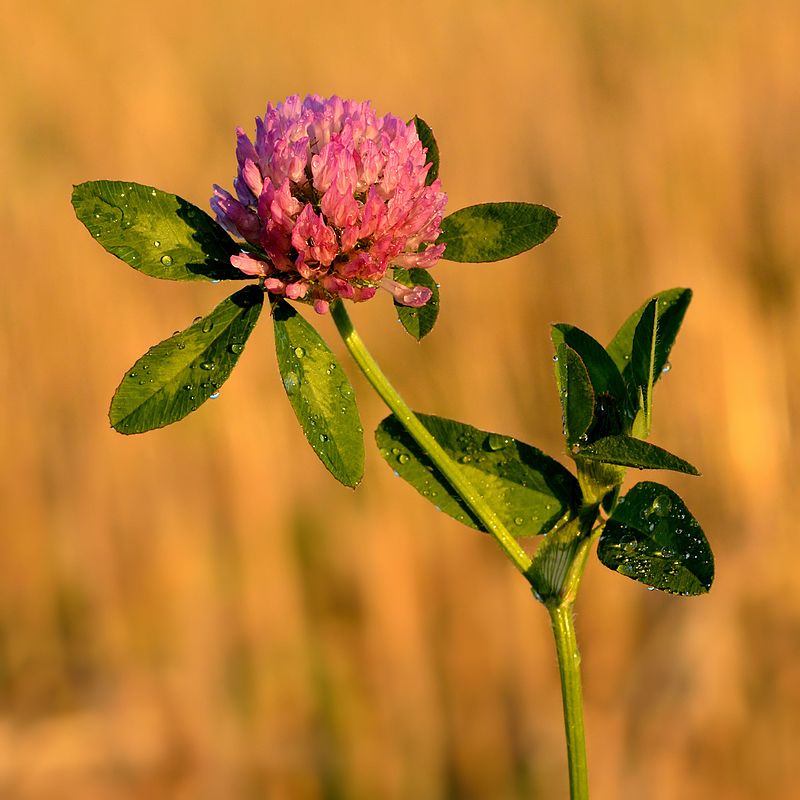
Bumblebees PLUS - Meadow clover - Trifolium pratense - Photo Wiki

Meadow clover (Trifolium pratense)
Photo: Wiki

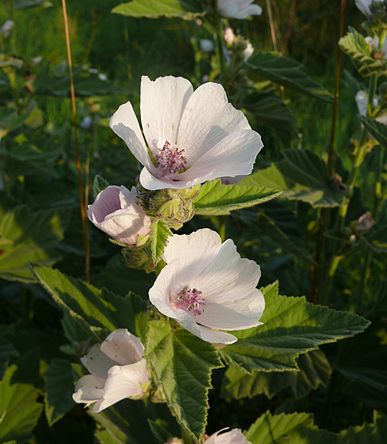
Bumblebees PLUS - Marshmallow - Photo Wiki

Marshmallow
Photo: Wiki

.

End of bumblebee season

Main pasture:

  • blackheads
  • drum
  • deaf-mute
  • star
  • clover
  • raspberry
  • measuring rod
  • nutcracker/nutcracker
  • blackberry
  • skunk
  • satyrs

Additional plants:

  • asters
  • thistles
  • ivy
  • viewfinders
  • dahlias (Dahlia)
  • cockades
  • Henry's lime tree
  • turnip
  • rudbeckia
  • willow-leaved sedge
  • Jerusalem artichoke
  • coneflowers
  • goldenrod (I)
Bumblebees PLUS - Clandonian Nutwing - Photo Wiki

Clandonian Nutwing
Photo: Wiki

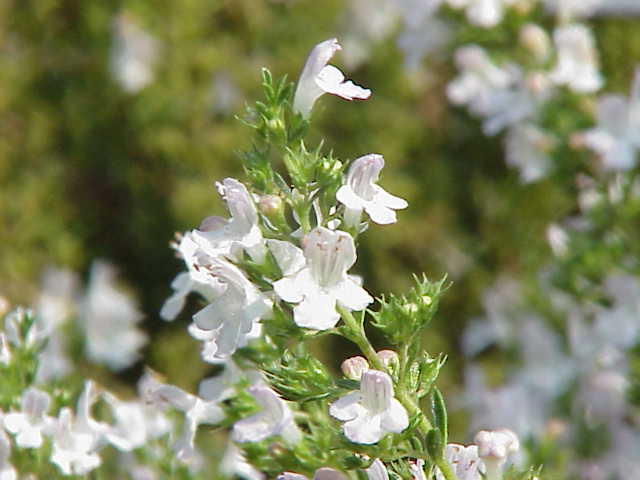
Bumblebees PLUS - Mountain Savory - Photo Wiki

Mountain savory
Photo: Wiki

Seed mix for the event I'm Poisoning Honey 2023 – Prague

For this year's event, we prepared bags with a simple mixture of honey plants.

You can use them to create a small flower bed with an area of ​​approximately 2-3 m², or you can sow them in the grass on a larger area at your discretion.

These are the following seeds, represented in equal parts in the mixture:

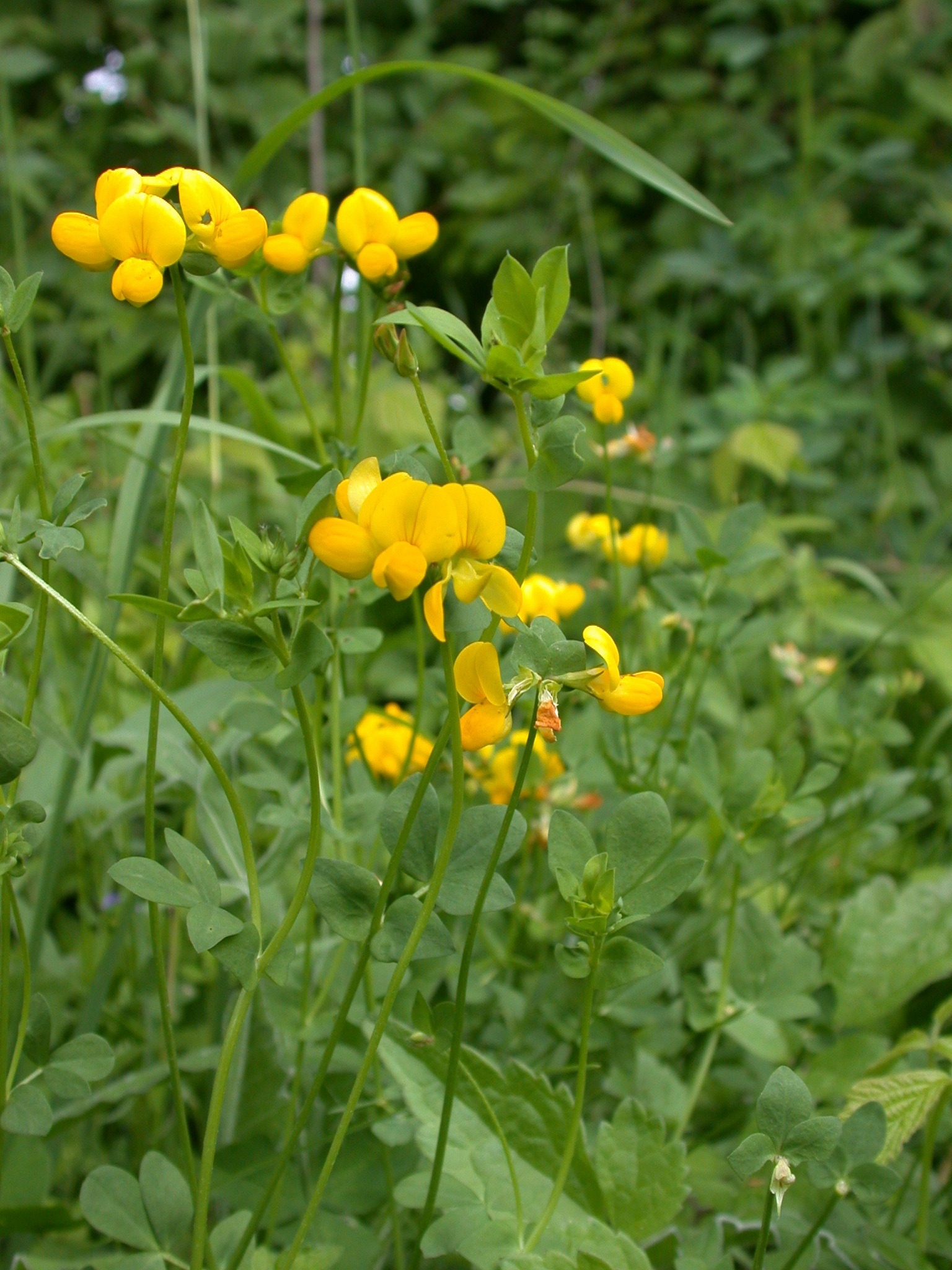
  • Horned Lotus (Lotus corniculatus) – Majelák
    biennial to perennial herb
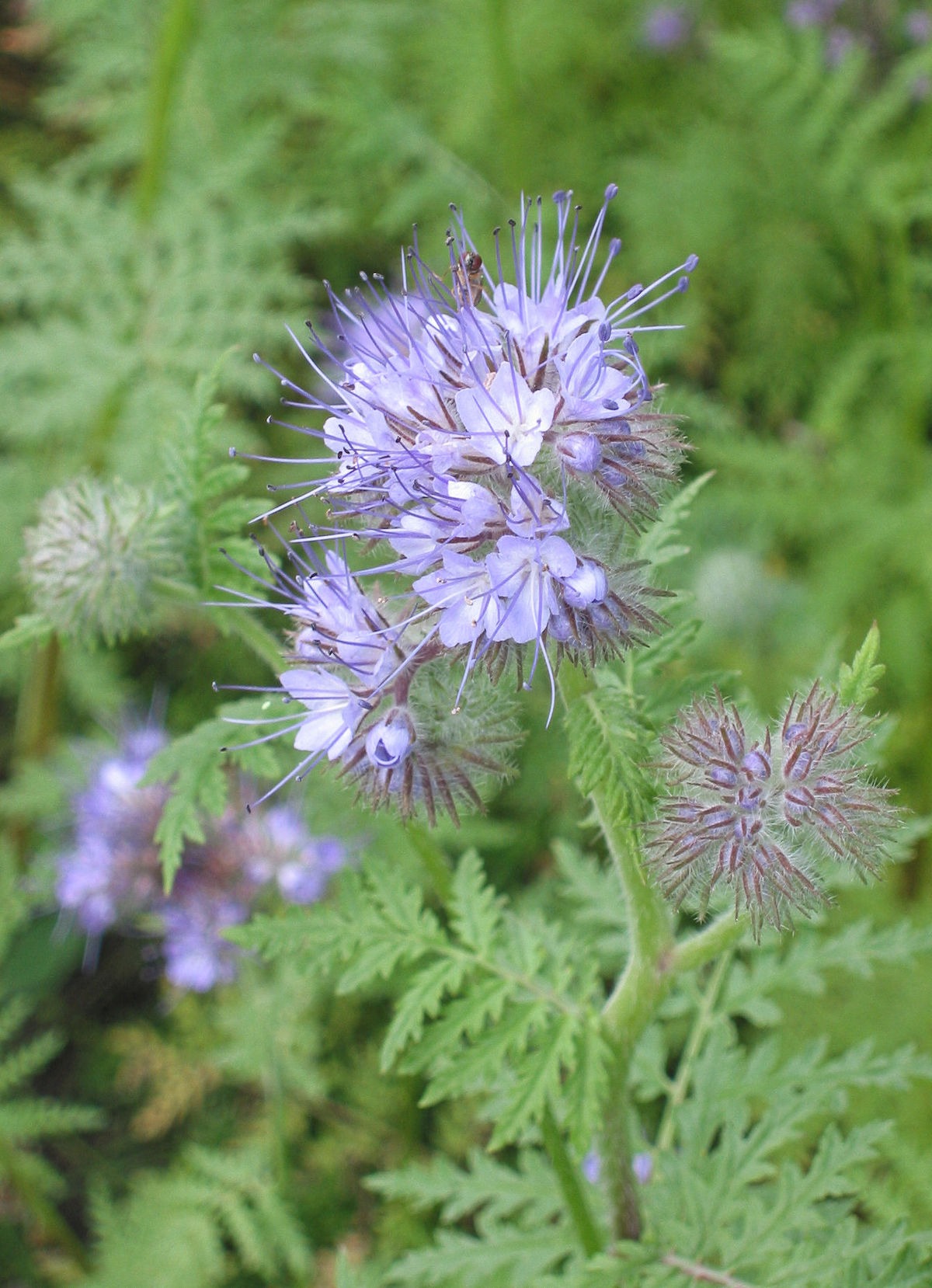
  • Tansy (Phacelia tanacetifolia) – Boratus
    annual herb
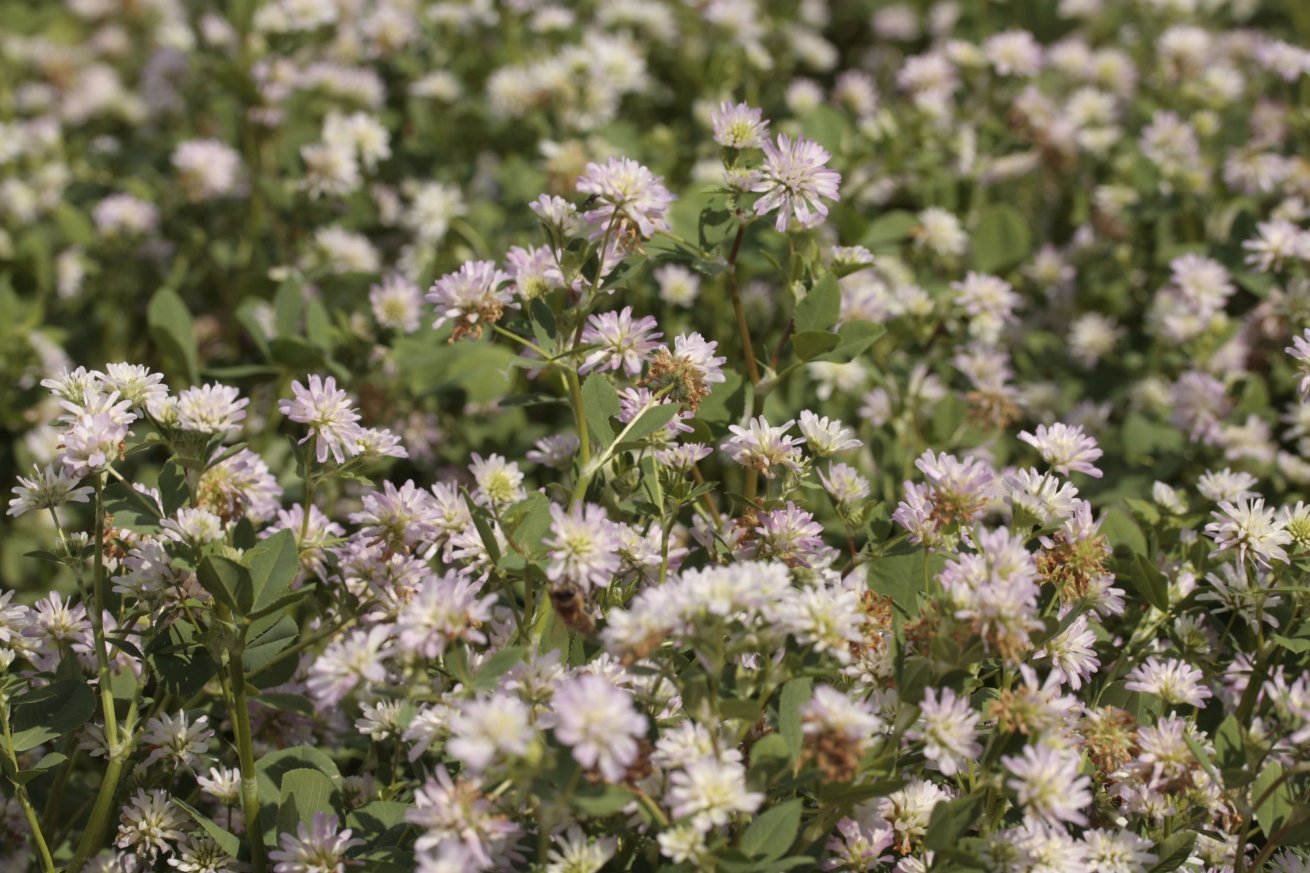
  • Persian clover (Trifolium resupinatum) – Maral
    annual herb
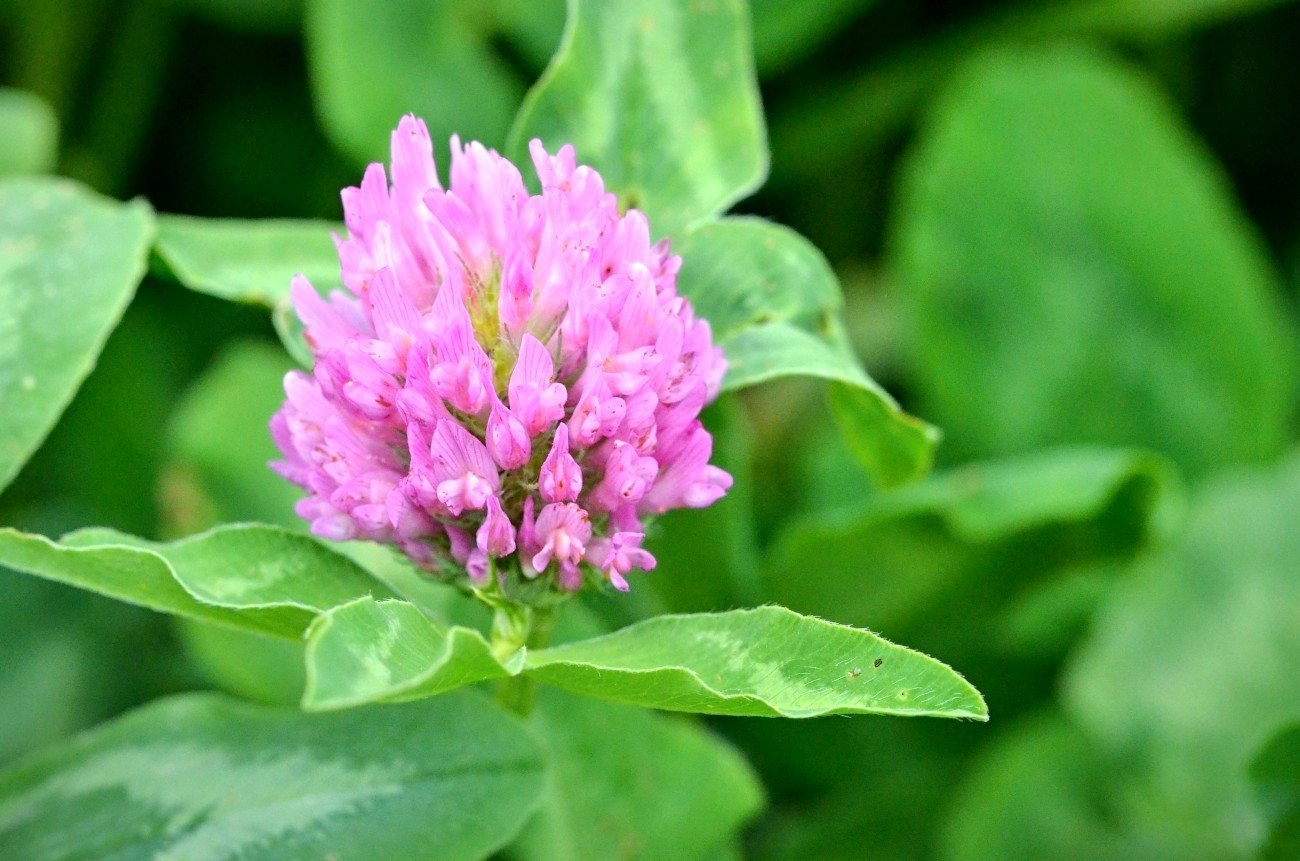
  • Meadow clover (Trifolium pratense) – Agile
    perennial herb
  • Vetch (Vicia sativa) – Nikian
    annual herb

If sowing seeds into bare soil , we recommend mixing the dose with sand or fine soil and gently incorporating it into the soil with a rake after sowing.

If you are sowing seeds in a lawn , it should be mowed grass and soil disturbed, for example with a rake.

It is not a unique mixture, but even these simple plants will please the sweet tongues of insects, including bumblebees.

Warning – do not sow this mixture in the wild, but only in your gardens and around your houses

Bumblebees PLUS - Lotus corniculatus - Photo Wiki

Horned Lotus (Lotus corniculatus)
Photo: Wiki

Bumblebees PLUS - Bumblebee - Wiki

Common knotweed
Photo: Wiki

Bumblebees PLUS - Persian clover - Trifolium resupinatum - Foto Seed Service

Persian clover (Trifolium resupinatum)
Photo: Seed Service

Bumblebees PLUS - Meadow clover - Trifolium pratense - Foto Seed Service

Meadow clover (Trifolium pratense)
Photo: Seed Service

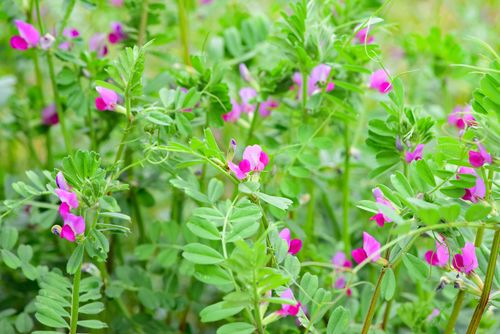
Bumblebees PLUS - Seta vetiver - Vicia sativa - Photo Internet

Vicia sativa (Vicia sativa)
Photo: Internet

.

Conclusion

Most honey plants are suitable for both bees and bumblebees, but we recommend using the plants we have selected primarily. 

You can find these and other honey plants for bumblebees and other insects under #bumblebeepluspastva

You can also use the Čmelácí PLUS Seed Farm - you can also contribute to it and share with others.

Don't forget common sense, your intuition and the following rules:

  • a garden for bumblebees must be diverse and bloom all season long – monoculture is not the solution
  • Clover in the grass is a gift – for bumblebees and for the garden
  • One lavender in a gravel bed is no help to bumblebees
  • a large number of flowers of one species will attract bees and they will easily push bumblebees away
  • if possible, avoid cultivars, not all of them are melliferous
  • avoid invasive plants – don't help them spread
  • A mess in a corner of the garden is not a mess – it is a gift for insects and garden inhabitants
  • think about all the herb layers – bumblebees visit them all
  • think about both production and non-production areas – all can be a welcome source of food for insects
  • Create gardens that appeal to people, insects, and garden gnomes 
  • Avoid using chemicals on your lawn, plants, shrubs and trees – chemicals are harmful to life
  • Don't forget water and safe drinking bowls in the garden - you will benefit not only the birds, but also the garden

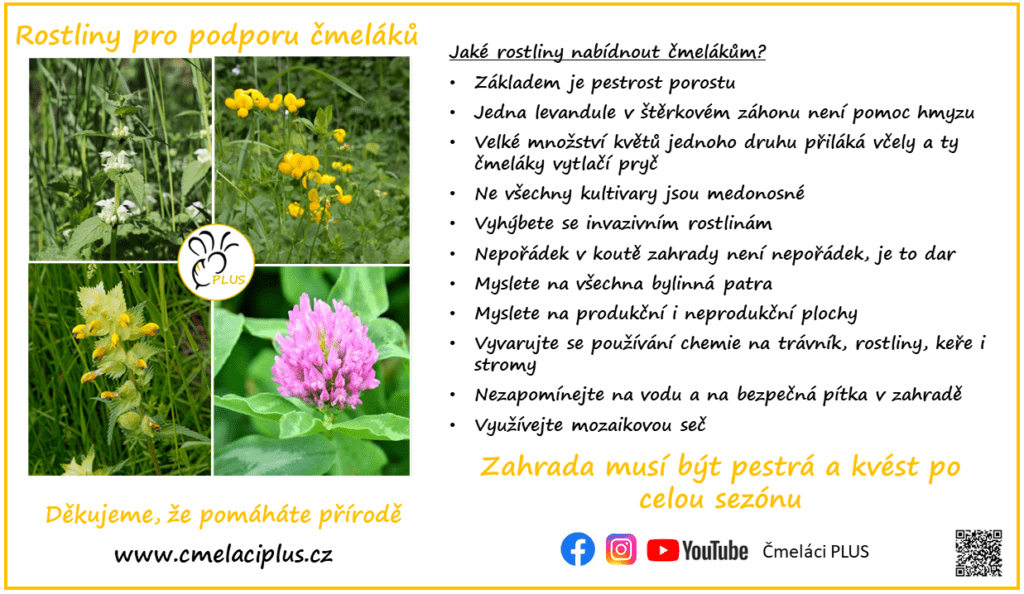
If you want to inform your friends about this page, you can use our flyer. It can be downloaded HERE

Bumblebees PLUS - Flyer 2023 - Plants for supporting bumblebees

Leaflet – Plants for supporting bumblebees