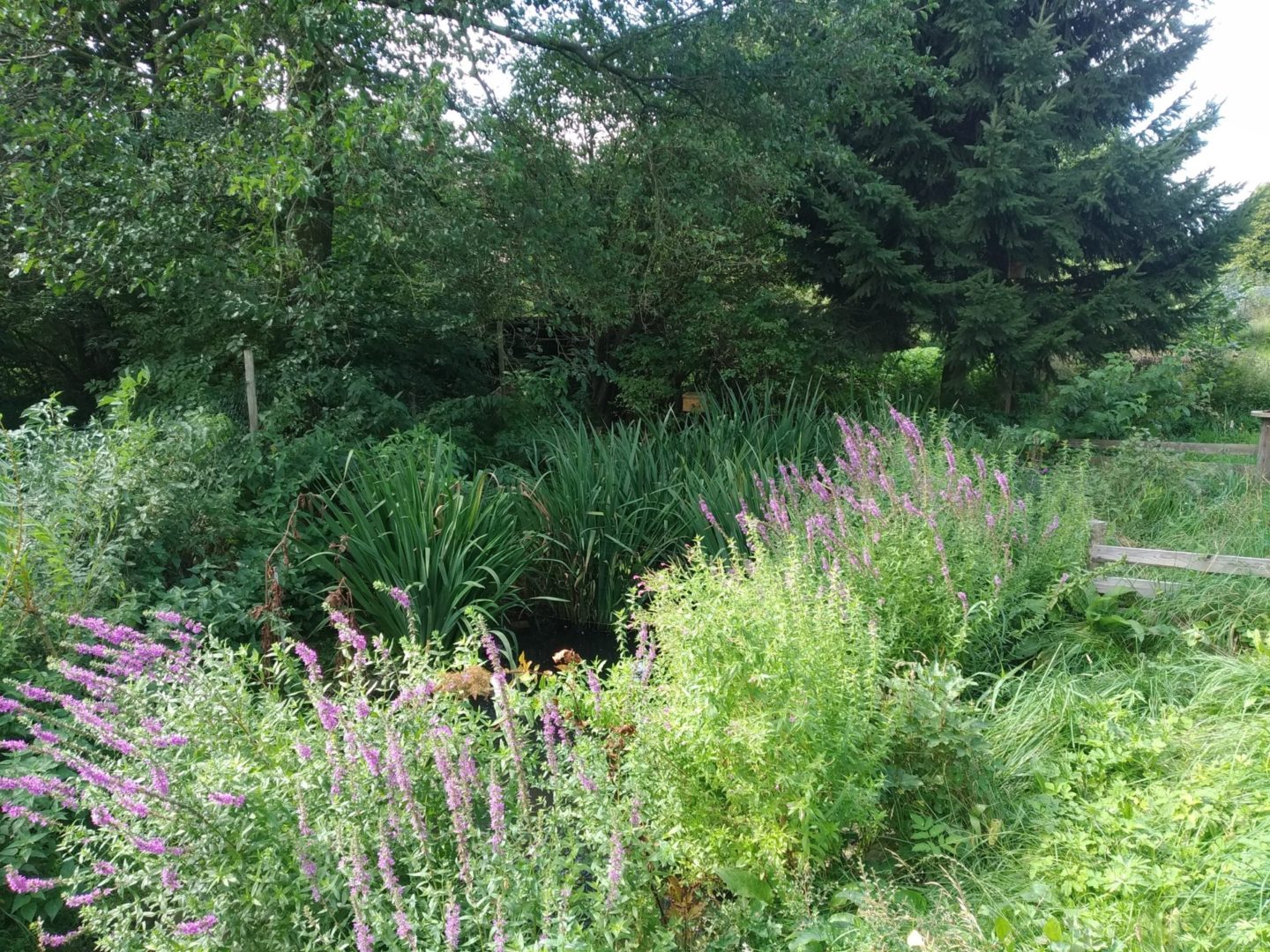


Examples of our garden designs, where both owners and insects are happy
What you will learn here
- How did you manage to sort out your garden?
- How do you manage to balance your family's needs with nature in your garden at home
- Your stories and experiences
- Motivation for others
Introduction
On the internet and on our website, you will find plenty of guides on how to arrange the coexistence of your family and nature just outside your door – in your garden.
There have been enough tutorials, so we have created space for you, share your own experiences – both good and bad. Your stories, like those of bumblebee breeders, are incredibly valuable. It is you who show others – don't be afraid, it can be done.
In the introduction, you looked at our colleague Karel Kučera's garden. You can now look at the other gardens.
We would like to share here Gardens and examples that are truly designed for coexisting with nature – full of flowers throughout the season and where nature is given preference over our other human needs.
If you want to share with others, write to us at info@cmelaciplus.cz your story to the extent of 1/2 – up to a whole page. Please attach a maximum of 10 photographs of good quality, from which we will select interesting ones to supplement your text.
Thank you!

Bumblebees by the forest pool
Vit Cach, Korouhev and Poličky, 22.11.2020
I've always enjoyed observing the so-called umbrella effect. Simply put, many other species with similar habitat requirements will benefit from a biotope created for a specific species. However, when I created a garden pond for aquatic newts, fed by rainwater, I had no idea how valuable a place it would be for pollinators. Yet, it's obvious that aquatic and wetland plants, as well as plants growing around the pond, will easily flower and produce nectar even during dry periods, thanks to a good water supply. And so, the area around the pond is the busiest place in the garden; I observed nine species of bumblebees here.
Irises put on the best show in spring and cypress trees in autumn, but there are also many dead-nettles and comfrey, wood betony, bugle, knotweed, lungwort, meadow-rue, columbines, mints… growing here.
The pool also irrigates the woody plants growing in its vicinity. Huge elderberries, alder buckthorn, bird cherry, guelder roses, dogwoods, currants, and honeysuckle. All the mentioned plants are frequently visited by bumblebees, with only a few exceptions native to our region.
The area around the pond maintains its own microclimate very well. In spring, night frosts don't reach under the dense bushes, and in summer, due to evaporation, it's several degrees cooler here than 20 metres further away in the shade of the house. Not all shade is the same! That's why I keep my bumblebee nests here. I haven't had to deal with summer cooling yet, nor do I use ant protection; they simply aren't here in this shady and damp environment.
The costs of creating the pond were ridiculously low for the effect. So if in winter you don't know what to dig into, dig up the pipe that carries water away from your garden. You'll be amazed at what even a small puddle can attract.
Victor

And your garden can be a paradise, not just for bumblebees
Photograph V. Cach 2020
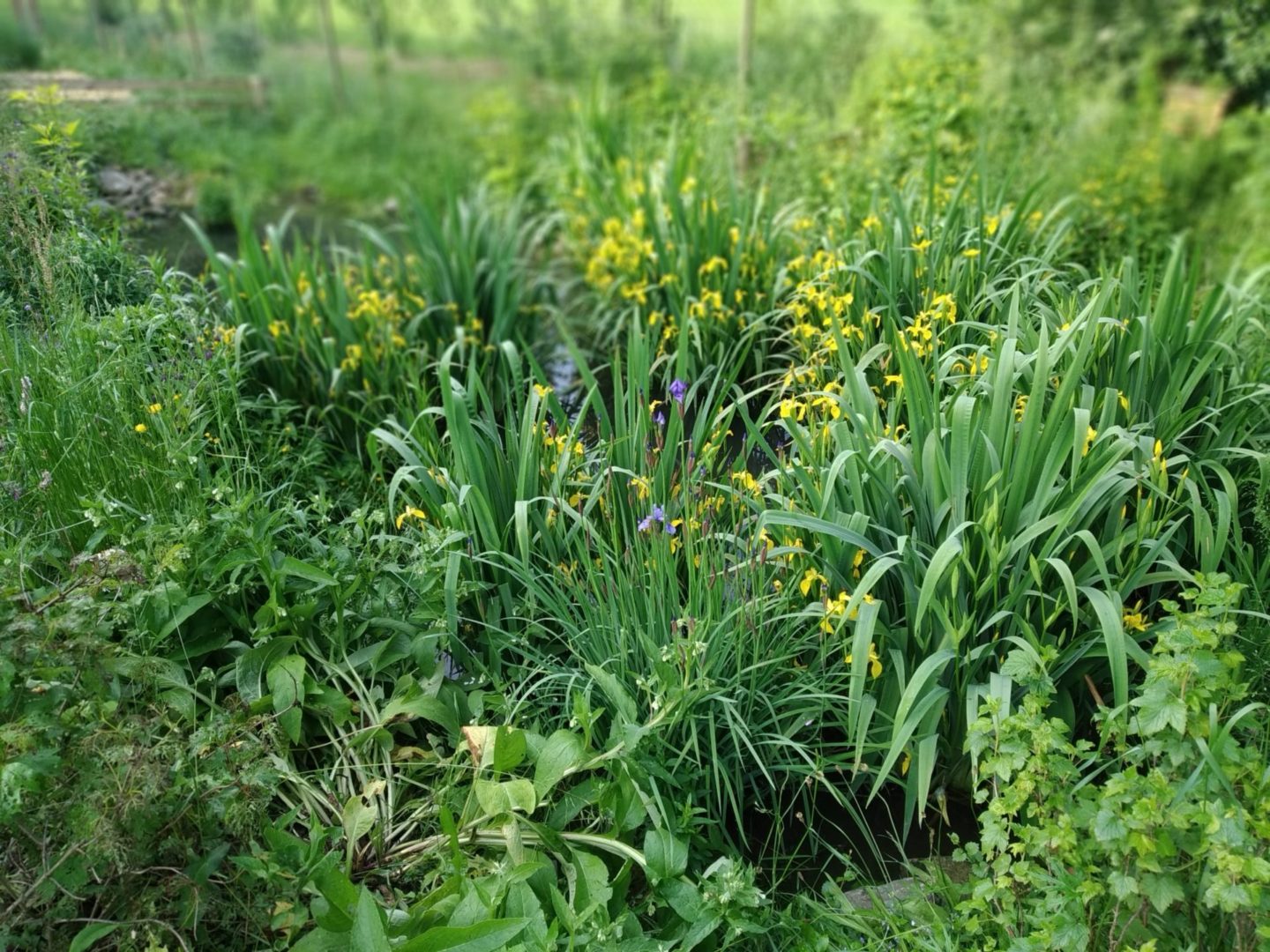
And your garden too can be a paradise, not just for bumblebees.
Don't be afraid of small wetlands; they have an amazing impact on nature, and their microclimate helps nature cope with temperature extremes and droughts.
Photograph V. Cach 2020
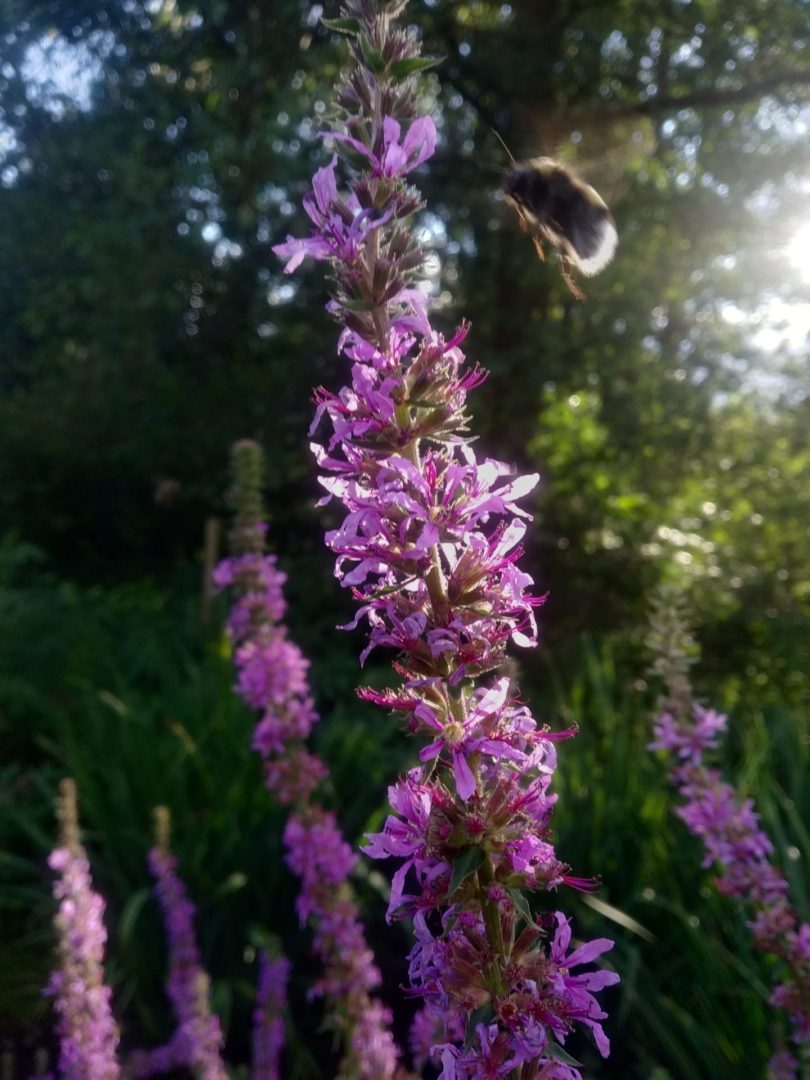
Garden bumblebee (Bombus hortorum) and purple loosestrife (Lythrum salicaria)
Photograph V. Cach 2020
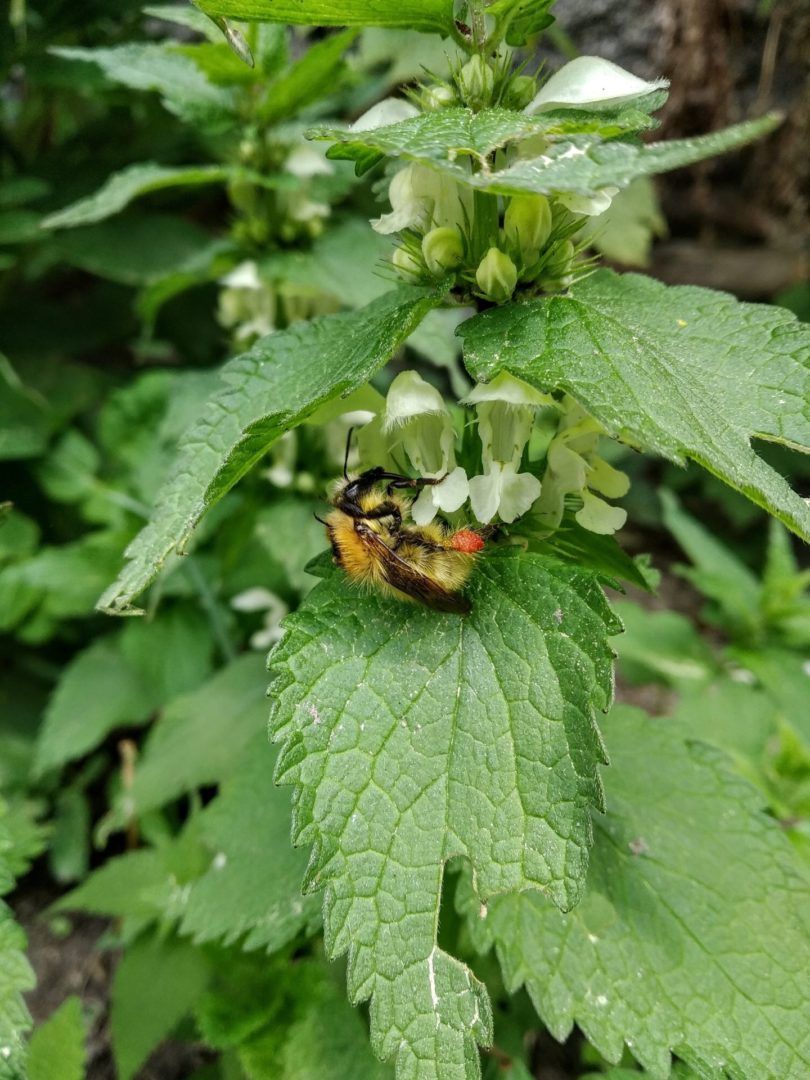
Brown-banded carder bee (Bombus humilis) on dead-nettle
Photograph V. Cach 2020

Garden bumblebee (Bombus hortorum) on foxglove
Photograph V. Cach 2020
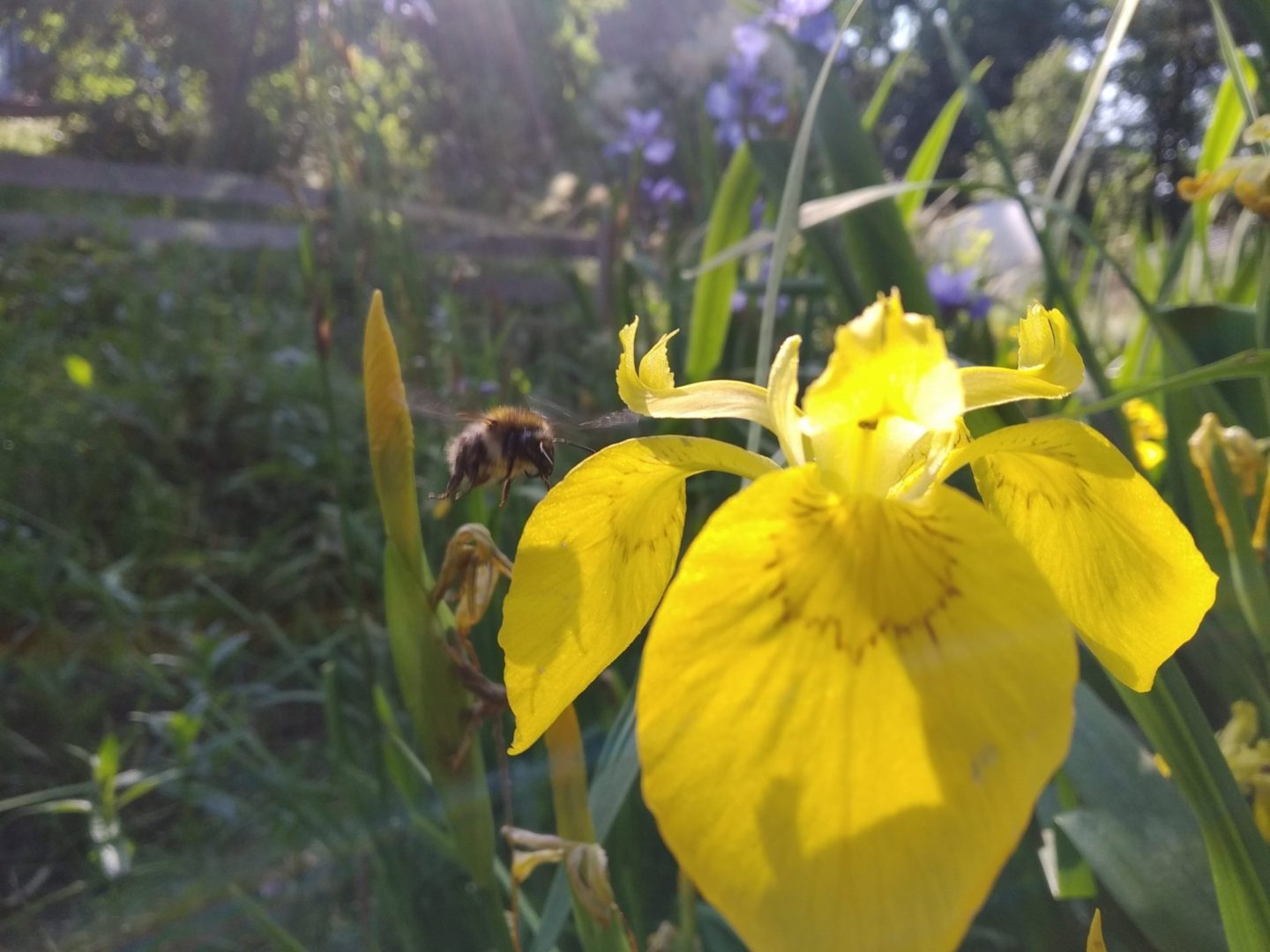
Common carder bee (Bombus pascuorum) and yellow flag iris (Iris pseudacorus)
Photograph V. Cach 2020
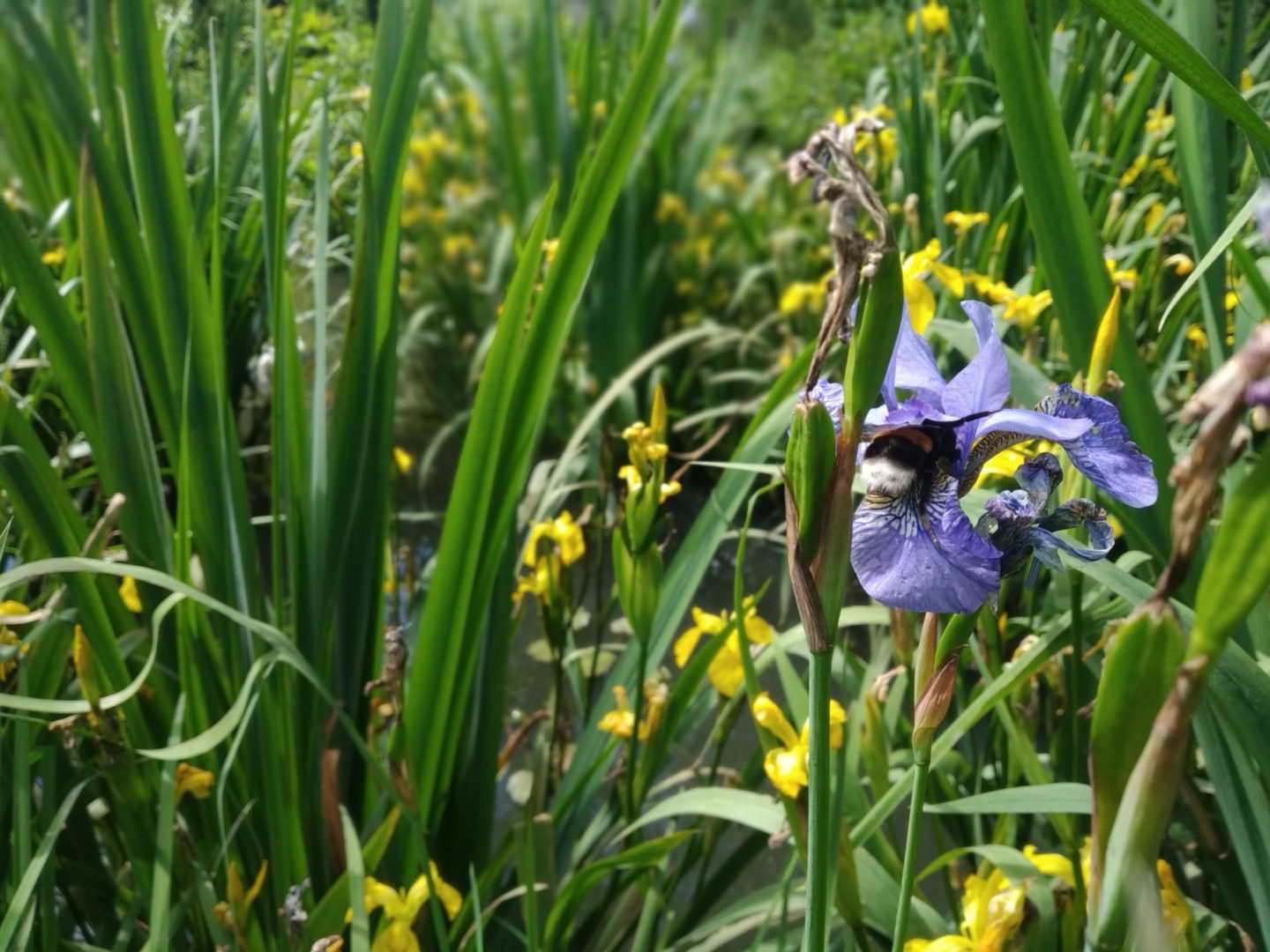
Buff-tailed bumblebee (Bombus terrestris) and Siberian iris (Iris sibirica)
Photograph V. Cach 2020
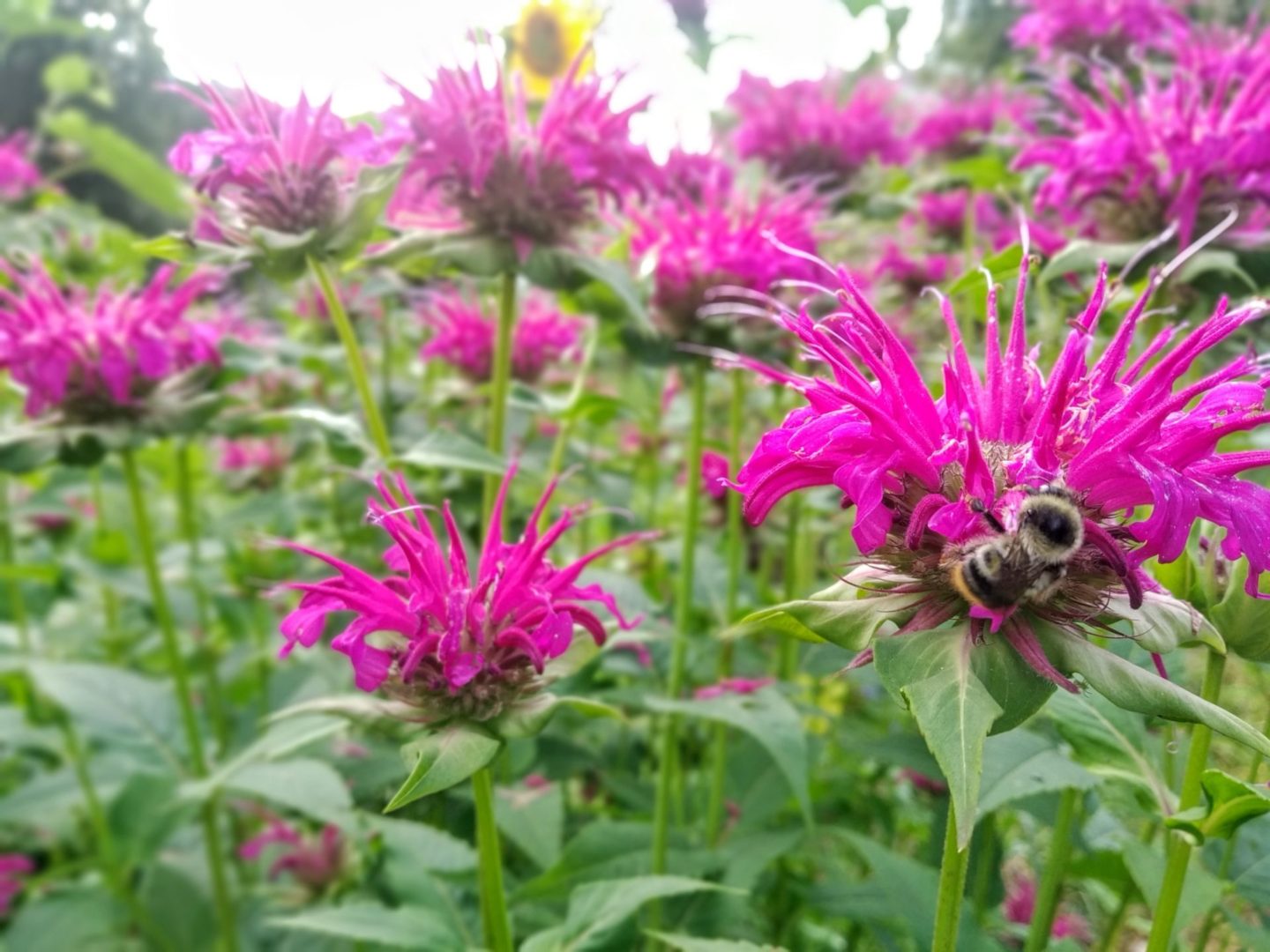
Forest bumblebee (Bombus sylvarum) on Scarlet Monarda (Monarda didyma)
Photograph V. Cach 2020
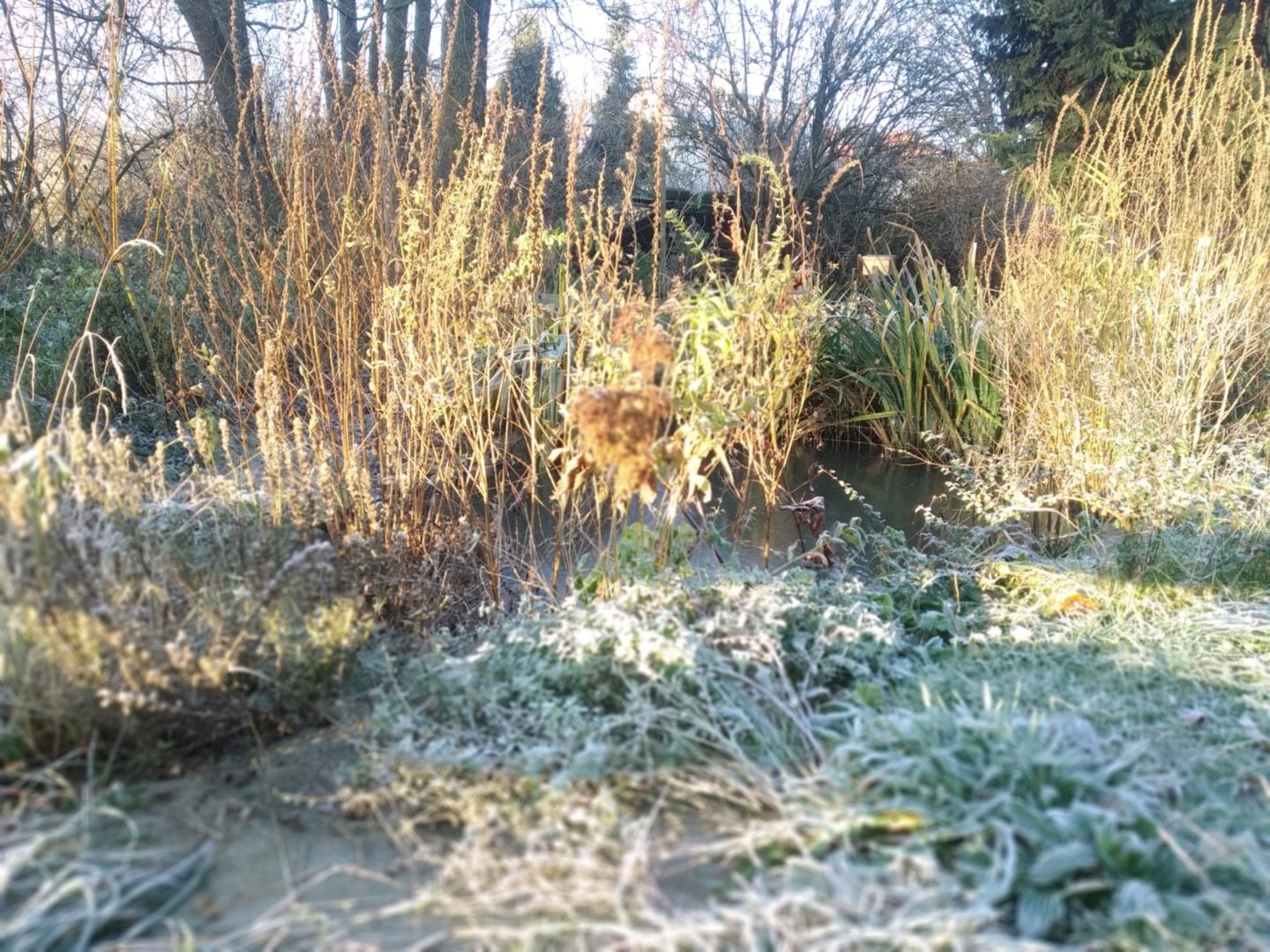
Bumblebee paradise in winter
Photograph V. Cach 2020