


Helping bumblebees in spring

Finding a weakened bumblebee in spring and autumn. How to help?

What you will learn here

  • Do bumblebees need rescuing in the spring, or is it better to leave them to their own devices?
  • When is it good to help them?
  • If helping, how should it be done?

Last updated: 19/02/2024

page abstract

  • Bumblebees are accustomed to the spring chillQueen Bee's mothers are equipped with a fat body for hibernation, which can help them survive a potential lack of food in early spring.
  • Consider if and how to save bumblebees in the spring: Bumblebees in spring often rest in nature, there is no need to always rescue them, only move them to a safe place
  • A dose of energy can help: If a bumblebee is exhausted and does not fly away even after a long time, you can provide it with a dose of energy in the form of sugar – preferably on the flowers of nearby nectar-rich plants, or by administering a sugar solution in a feeder. After being strengthened and warmed in the sun, the bumblebee will fly away. 
  • Save the bumblebee at the window: If you find a bumblebee behind a window, let it out – in the spring it's a queen, and by saving her, you can save her whole nest.
  • Don’t try to settle bumblebees too early: Until the mothers are strong enough in spring and there is enough food for their offspring, they will have no desire/inclination to nest – there's no point in offering them a scare.
  • Read our guides on how to proceed with saving bumblebees
 

Briefly about bumblebee hibernation

Spring is slowly beginning, and with it, queen bumblebees are slowly waking up. For long months they slept in small hollows underground in so-called hibernaculum and now the spring rays are awakening it.

Each species emerges at a different time, and the depth of the hibernaculum often corresponds to this. The deeper they sleep, the later they wake up, because the soil will warm up later.
Is fast asleep mothers of late species and even deeper Bumblebees, who must wake up last – always depending on the species they parasitize. However, they are always a few centimetres long.

But once it warms up, bumblebee mothers will start to wake up. They'll dig themselves out of the ground and it purifies. Their second task is Find food and strengthen yourself.
During hibernation, they drew energy from their fat body, and now they need to find food as soon as possible – nectar and pollen for strength.

You can find out more about bumblebee hibernation HERE

Until mothers are strengthened, they will not look for nesting sites – you must not disturb them or try to offer them nesting sites.


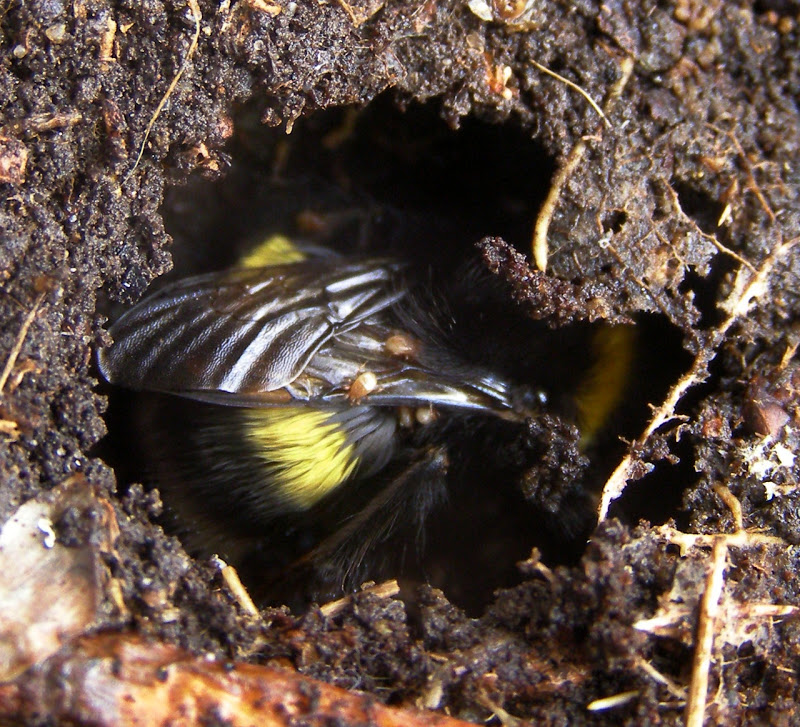
Bumblebees plus queen bumblebee in hibernation

Bumblebee queen in hibernation
Photo: Jelly Fungus
That bumblebees can wake up prematurely

If everything is in order, the queen bumblebees will only wake up when there is food available.

However, sometimes bumblebee mothers wake up prematurely, and things usually end badly. A bumblebee mother cannot hibernate again, cannot find a food source, and dies. A warm winter therefore negatively affects hibernating animals.

You can find out more about bumblebee hibernation HERE (preparing).

Watch the video from 10/1/2020, filmed by Jakub Černý in Prague Troja. It's not a typo, it was just over half of January... You can probably guess how the mother of a buff-tailed bumblebee (Bombus terrestris) fared.

How to decide if you actually need help

Using Bumblebee Conservation Trust

Early in spring, you might encounter awakened bumblebee queens. You can find them in the garden, behind windows, or on a walk in nature.

They can be sluggish, cold, stiff. They slept in a hibernaculum over the summer, so you can't expect them to be fighting fit straight away. Many of us are deciding how to help them, and the first question here is: „To feed or not to feed?“. .

For a complex question, we have a simple answer – feeding bumblebees is only an extreme solution when no nectar-bearing flowers are available in the vicinity (plants for pollinators such as bees, bumblebees, etc.) and, most importantly, when you are absolutely sure that the bumblebee you've found is not merely resting.

You might also encounter a queen bumblebee. in autumn, if she didn't go to bed on time.

Before you start helping and feeding, Please consider whether the bumblebee really needs saving.

Certainly, but save the bumblebee stuck behind the window. If it’s spring, it’s a mother queen. 
When you help her to freedom, you will also save the nest that he will found with her.


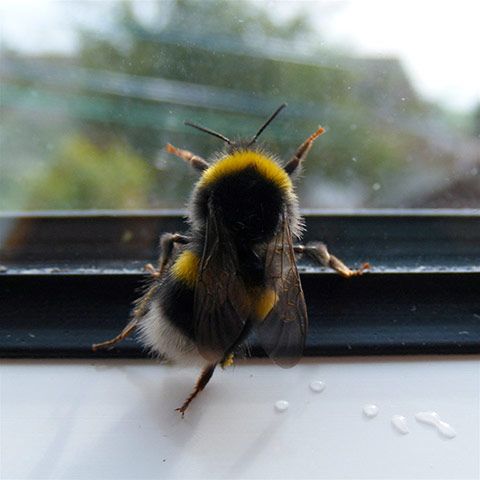
Bumblebees PLUS - Save me when I'm stuck at the window!

Help me, I'm stuck at the window!
Internet Photo
Bumblebees feed on nectar and pollen.

Bumblebees feed on nectar, which mainly provides them with energy in the form of carbohydrates, and pollen, which is a source of protein for them. Therefore, the best help for them are the flowering plants they favour. These are plants where you can normally see bumblebees and bees from March to October.

Pollen and nectar contain all the nutrients necessary for bees' lives, flight, building of wax comb – nests, etc.

Is the bumblebee in distress, or is it just resting?

If you come across a bumblebee that you think is in distress, you might be mistaken, as it could just be resting. Very often you might see queens resting like this early in the spring.

Recent research from Queen Mary University of London has shown that bumblebees spend most of their time resting on the ground/grass/leaves, or undertaking very short flights for foraging on flowers. This research also suggests that resting is an important part of the bumblebee's life cycle, and that long grass and leaves are important for their safe concealment and undisturbed rest, for example for queen bees in early spring.

In the video by Jakub Černý from 2/3/2020, you can see a mother warming herself in the sun and resting – after a while, she flew away.


If you find a bumblebee resting on a road or pavement (and if it is safe for you to do so - see note on allergies), you can gently move it to a sheltered spot or, even better, to the nearest flowering plant. 
You just need to offer it a leaf, a blade of grass, or carefully pick it up with a piece of paper. If you have a bee gripper (see below), that's ideal.

In some cases, bumblebees do need an energy boost. This is, for example, when they are found in bad weather, or if they have been confined for a long time (for instance, trapped behind a window, in a conservatory, etc.).
The above study also found that queen bumblebees rested for an average of about 30 minutes, and sometimes up to 45 minutes, before flying off on their own. So, them just sitting somewhere doesn't necessarily mean there's a problem.


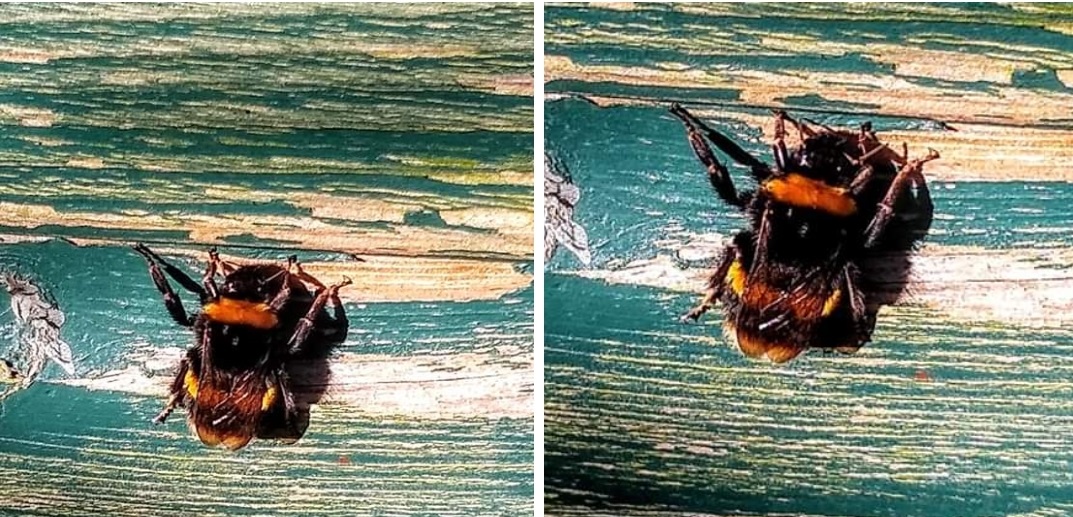
Bumblebees PLUS - Buff-tailed bumblebee queen warms herself

The queen of the buff-tailed bumblebee (Bombus terrestris) is warming herself.
Photo Roger_Leslie
(2/3/2020)
Bumblebee Conservation Enthusiasts
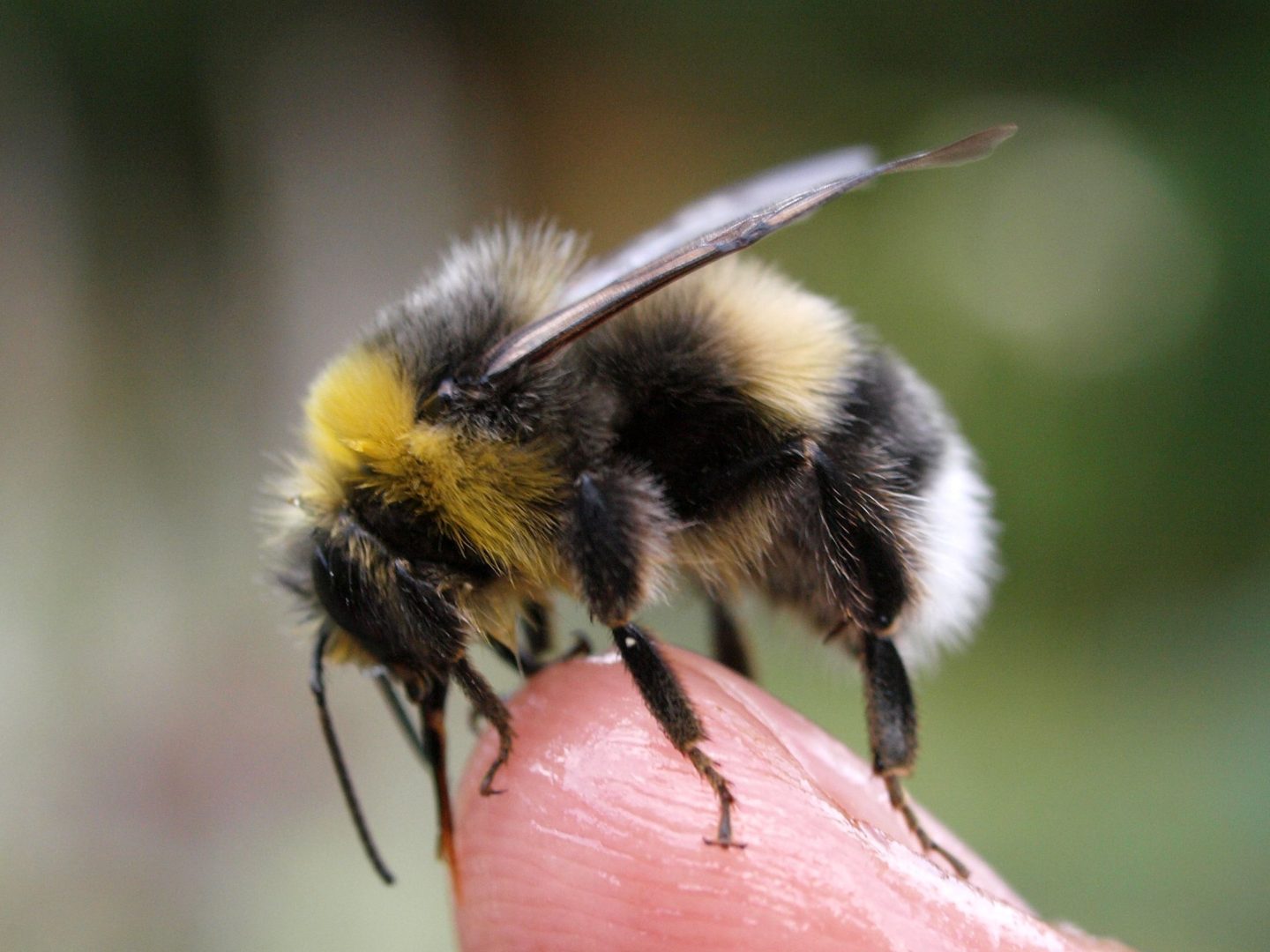
 

Much like in spring, you can sometimes encounter queen bumblebees in the autumn too. They too will not turn down a boost of energy in the form of a sugar solution – syrup.


Bumblebees PLUS - Feeding Bumblebees

We are feeding the bumblebees
Photo Ála Ungerová (9/2019)
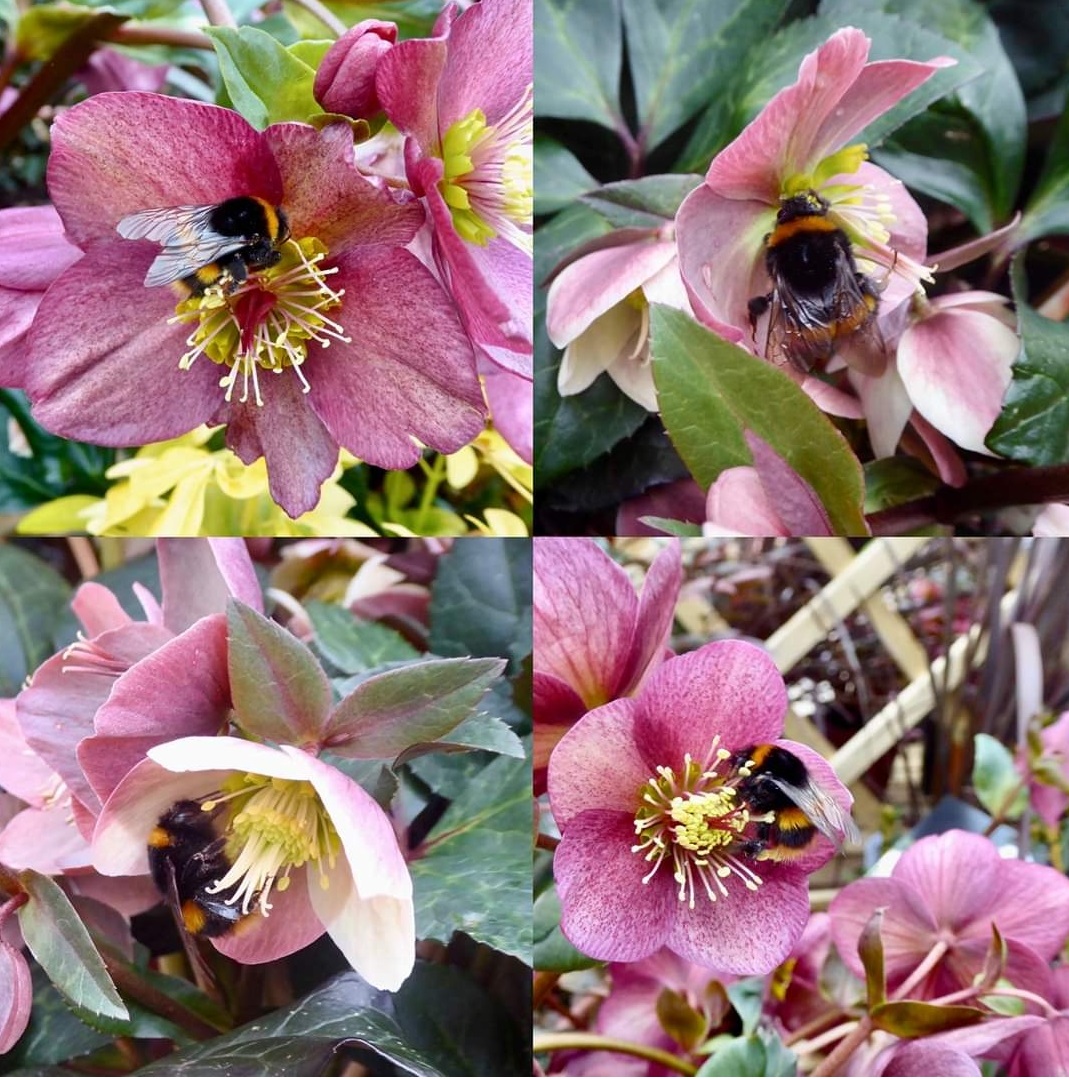
A short story for the following video from 2/4/2021

Today, a lovely experience rescuing a meadow bumblebee (Bombus pratorum). I found him lying on the street. He looked like he was finished – he was barely moving and was listless.
 
By all accounts, he was exhausted, out of energy, and too cold to fly any longer. I thought all hope was lost, but I tried in the end. I took him home and gave him some pure fructose solution (Fruktopur) in a feeder outside.
 
To my surprise, it came to life for a few minutes, strengthened itself at the feeder, and then set off for the flowers. If it was merely resting, which bumblebees often do, then it chose the wrong spot. However, it was lying on its side, so it didn't look like it was resting.
The video doesn't show him returning several more times and flying around my head as if to say thank you. Well... an experience.


How to prepare sugar syrup?

Flowers are really always the best for bumblebees. If there are no flowers nearby, you can mix a sugar solution for them as food.

Recipe It's simple – mix white sugar and water in a ratio 50:50 to sugar syrup forms.

This creates a quick, one-off burst of energy that the bumblebee needs to recover and continue flying.
Simply offer it a drop or two of sugar syrup. You can offer the drop directly in front of its head, or you can put the syrup on a small teaspoon. Then leave the bumblebee in peace to feed and recover.

Warning:

  • We do not recommend using brown sugar (cane sugar), as bumblebees have more difficulty digesting it.
  • You can use sugar syrup that beekeepers use, for example Apiinvert – its composition is close to nectar
  • Less syrup always means more.
  • Take care not to get it wet when feeding it in syrup, as this could harm it.
  •  

Can bumblebees be fed honey?

Do not feed honey to bumblebees – it may contain pathogens harmful to bees.

For example, note that experienced beekeepers do not feed their bees honey – they know very well why...

Therefore, only use honey when you have nothing else to hand. A sweetie soaked in water is better than honey, for example.

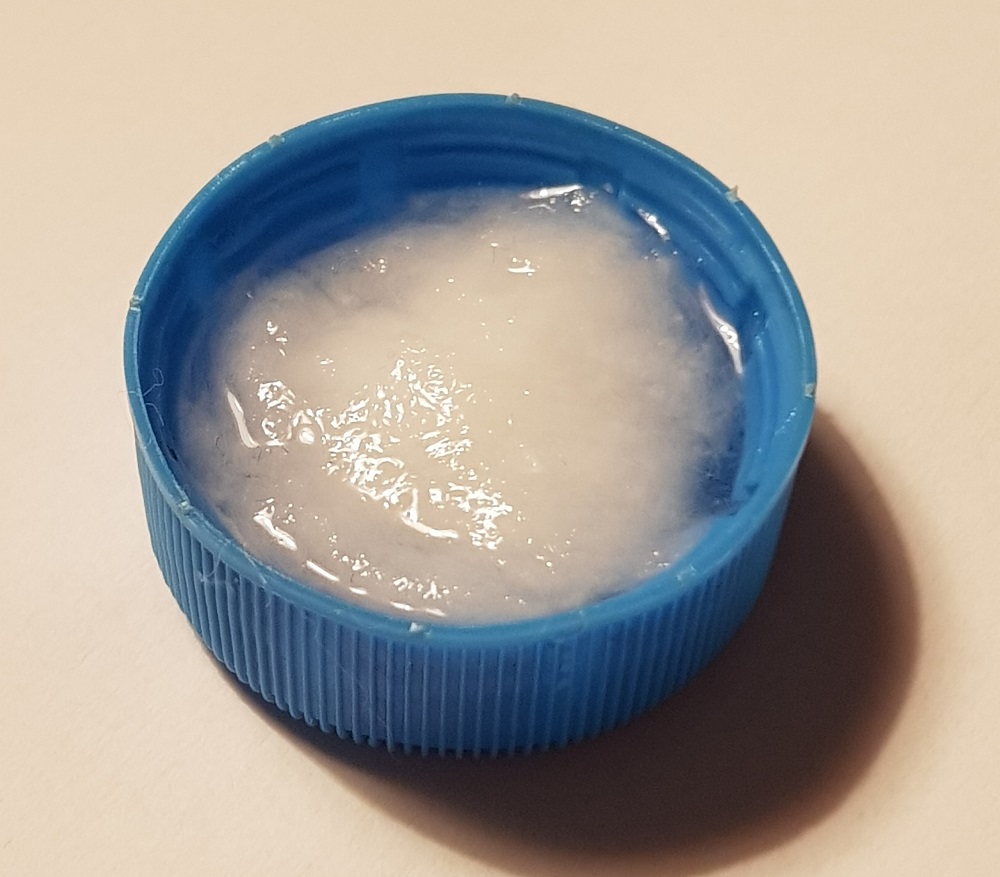
Bumblebees PLUS - The buff-tailed bumblebee queen feeds

The queen bumblebee is feeding.
Photo of Anne Birrell
(21/2/2020)
Bumblebee Conservation Enthusiasts
If you still don't know whether to proceed with the rescue, try to follow these questions:

QUESTION 1)  „Is the bumblebee in a location where it could be harmed (e.g., trodden on, run over, etc.)?“
YES Carefully move it on a leaf/grass to the nearest safe place.
North East Go to QUESTION 2)

QUESTION 2) „Has the bumblebee remained in the same spot for a long time, i.e. more than 45 minutes?“
YES Go to QUESTION 3)
North East Leave him be and come back to him in about 45 minutes, perhaps he’ll have flown off by then.

QUESTION 3) „Are there any bee/bumblebee-friendly plants in the vicinity?"
YES Carefully place the bumblebee onto the flower and let it feed.
North East Prepare a sugar syrup for the bumblebee and offer it to it in a sheltered spot.

What needs to be considered

Feeding bumblebees with sugar syrup is always just temporary solution, which their Natural food cannot be replaced. It's something like a person consuming 3 cans/bottles of lemonade a day instead of their normal food.

Nectar and pollen from flowers contain the nutrients that bumblebees need to live and grow, as well as the energy they need to survive and fly.

It is important, for bumblebees to have the freedom of flight and liberty, so they can complete their life cycle. Therefore, certainly do not try to close and imprison them, even if it is meant well and as a rescue, for example by heating and fattening them up thoroughly first…

Don't feed bumblebees honey., or brown cane sugar, it can harm it. For feeding, use white beetroot sugar and mix it with water in a 50:50 ratio.

Further information

For bumblebees PLUS, we will also add what the Bumblebee Conservation Trust did not mention and what we consider appropriate.

If available, please use for a dose of energy pure fructose (Frutopur), This is closer to the natural food of bumblebees than white sugar (sucrose).

Keep bumblebees away, so that when administering an emergency dose of sugar into the solution they are soaked. Therefore, it's advisable to give them sugar syrup drop by drop, or in the cap of a PET bottle, into which you press cotton wool and then drip the sugar solution (syrup) onto it.

It's nice to see a bumblebee on video by a dish or a spoon of syrup, but it's dangerous for it. You can make Small feeder, this could be useful to you during the season. You can find examples of feeders at  HERE  We wrote about feeding bumblebees HERE. .

If you get a beekeeping catcher, saving a bumblebee at the window will be a matter of seconds and will be risk-free for everyone. You can read about catchers HERE.

Bumblebees PLUS - PET bottle cap feeder - SUITABLE

Feeder made from a PET bottle cap with a cotton wool insert – SUITABLE
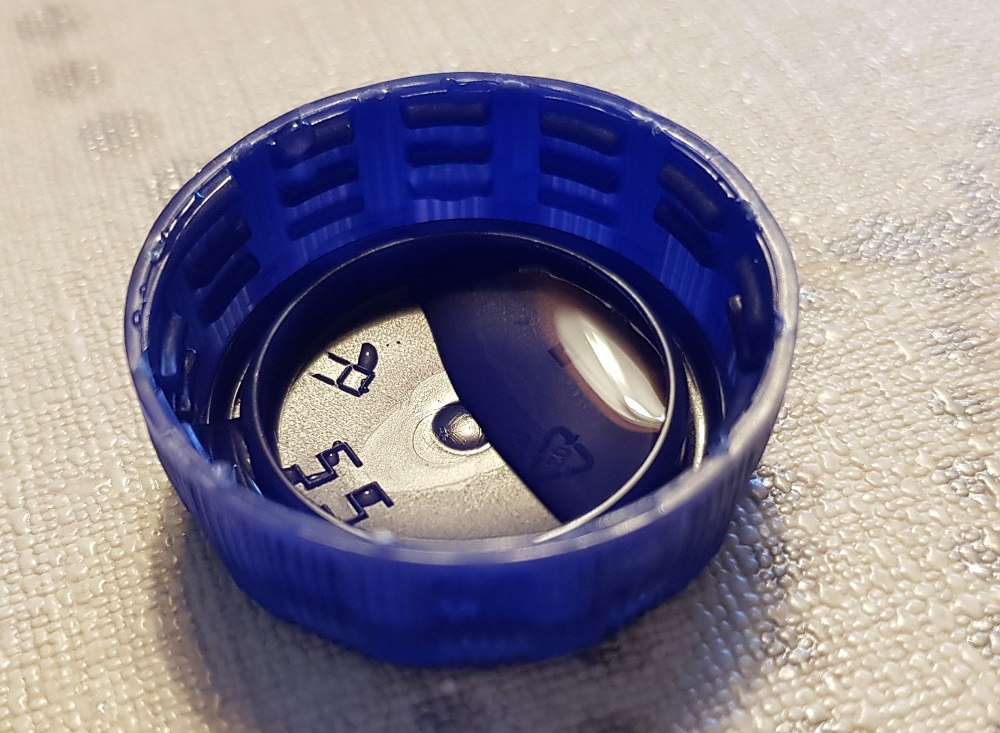
Bumblebees PLUS - PET Bottle Cap Feeder - USABLE

Feeder from a PET bottle cap, not completely filled – USABLE
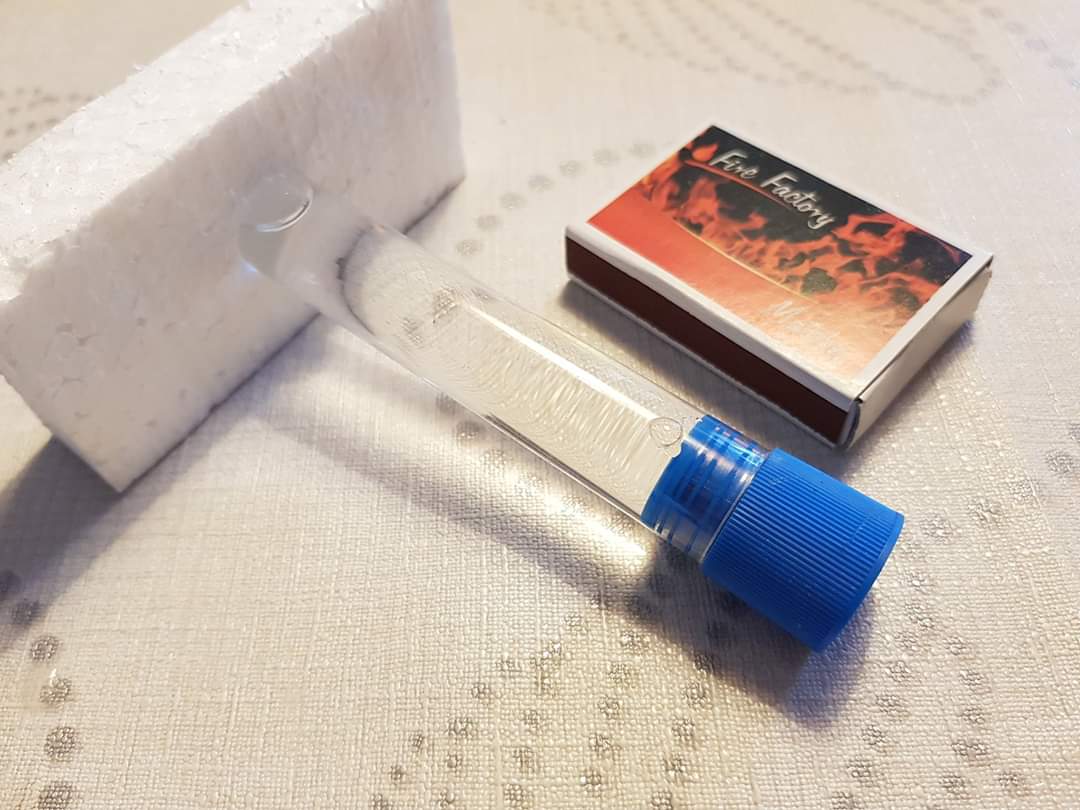
Bumblebees PLUS - Plastic test tube feeder

Plastic test tube feeder
Photo O. Hercog (2018)
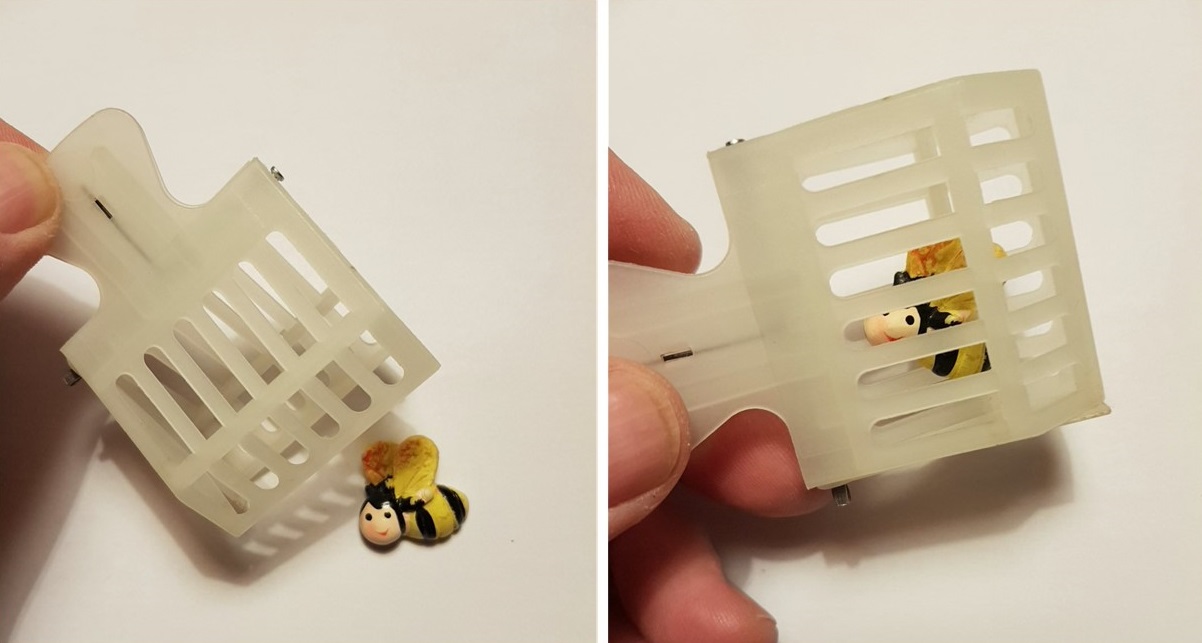
 

Bumblebees PLUS - Beekeeper's Catch

Beekeeping catchphrase
Photo O. Hercog

Conclusion

If you find a bumblebee queen that has woken up too early, give her a boost of energy, but leave her outside in the cold, somewhere dry. She doesn't stand much of a chance, but you won't be able to raise her yourself until spring…

If you find a bumblebee queen waking up in spring and she really needs help, give her a boost of energy, but leave her outside on flowers. This way, she has a chance to survive until more flowers bloom and can feed as needed. Do not keep her inside your home, as she would not stand a chance of survival and would suffer from trying to escape to freedom.

If you want to be prepared and move a bumblebee to a safe place, get a tool – beekeeper's tip.

Don't save bumblebee queens in nature in the spring at all costs; they'll usually manage on their own with the help of Mother Nature.

Information leaflet

Bumblebees PLUS - Rescuing a bumblebee in spring - Leaflet

Bumblebee rescue in spring – leaflet