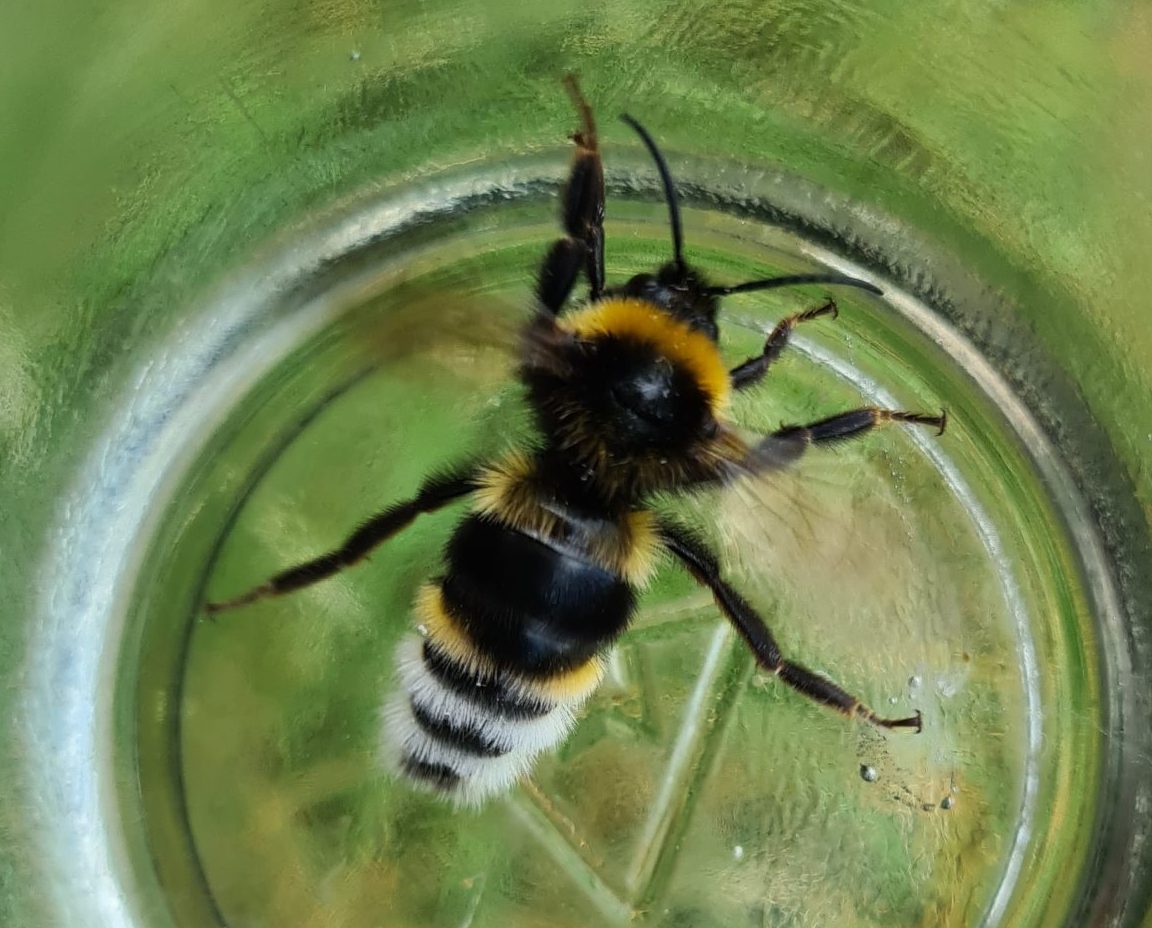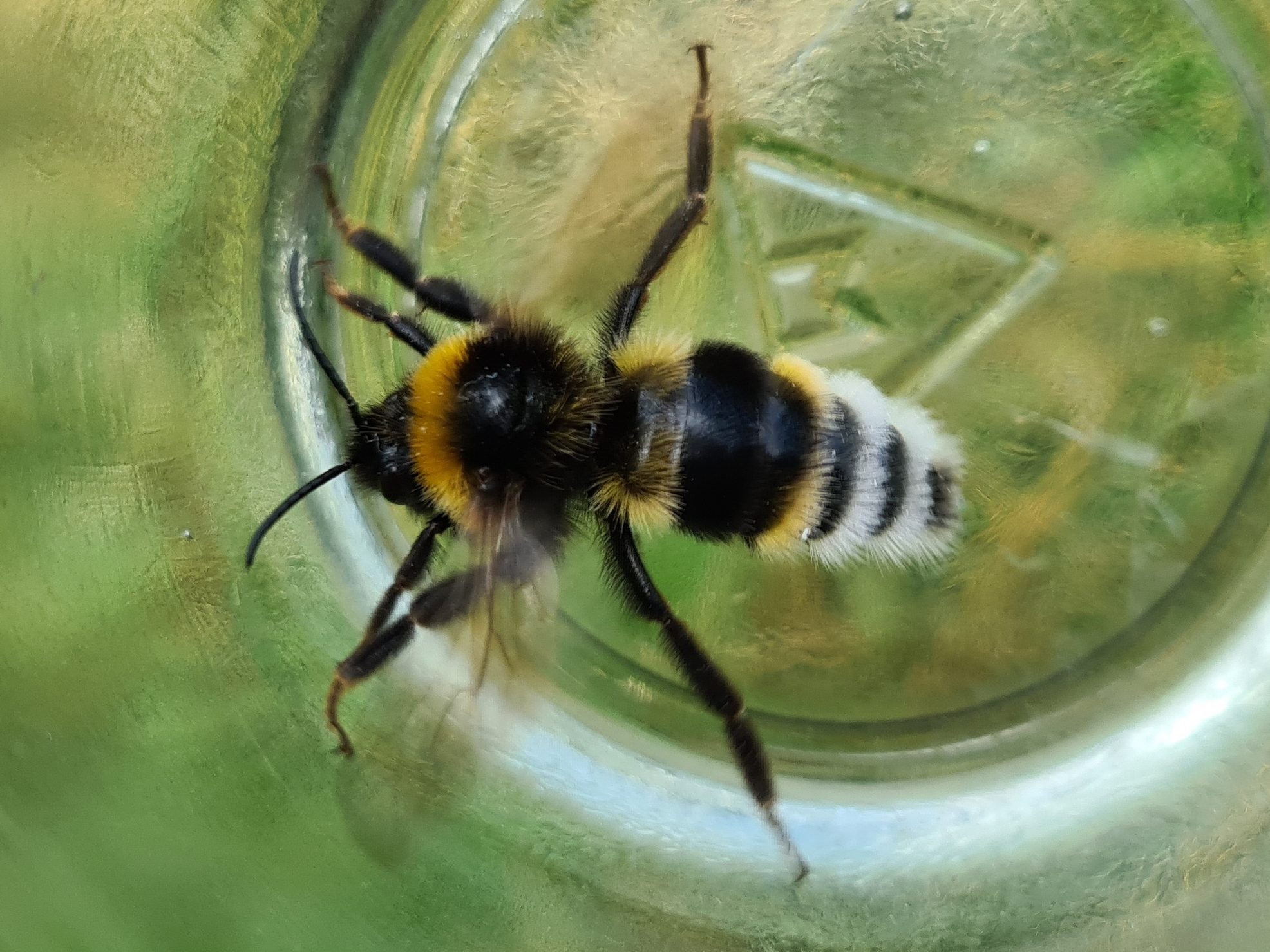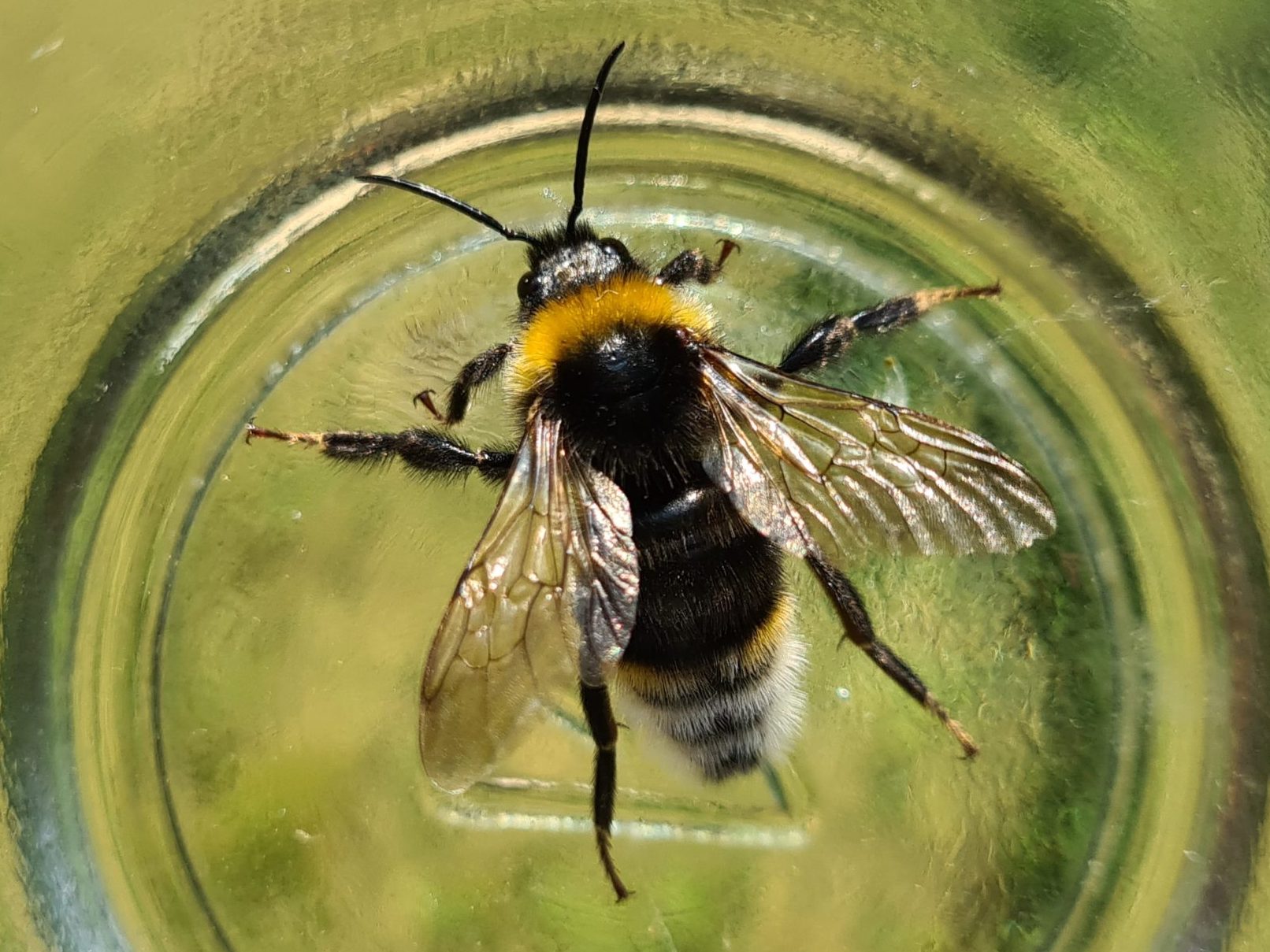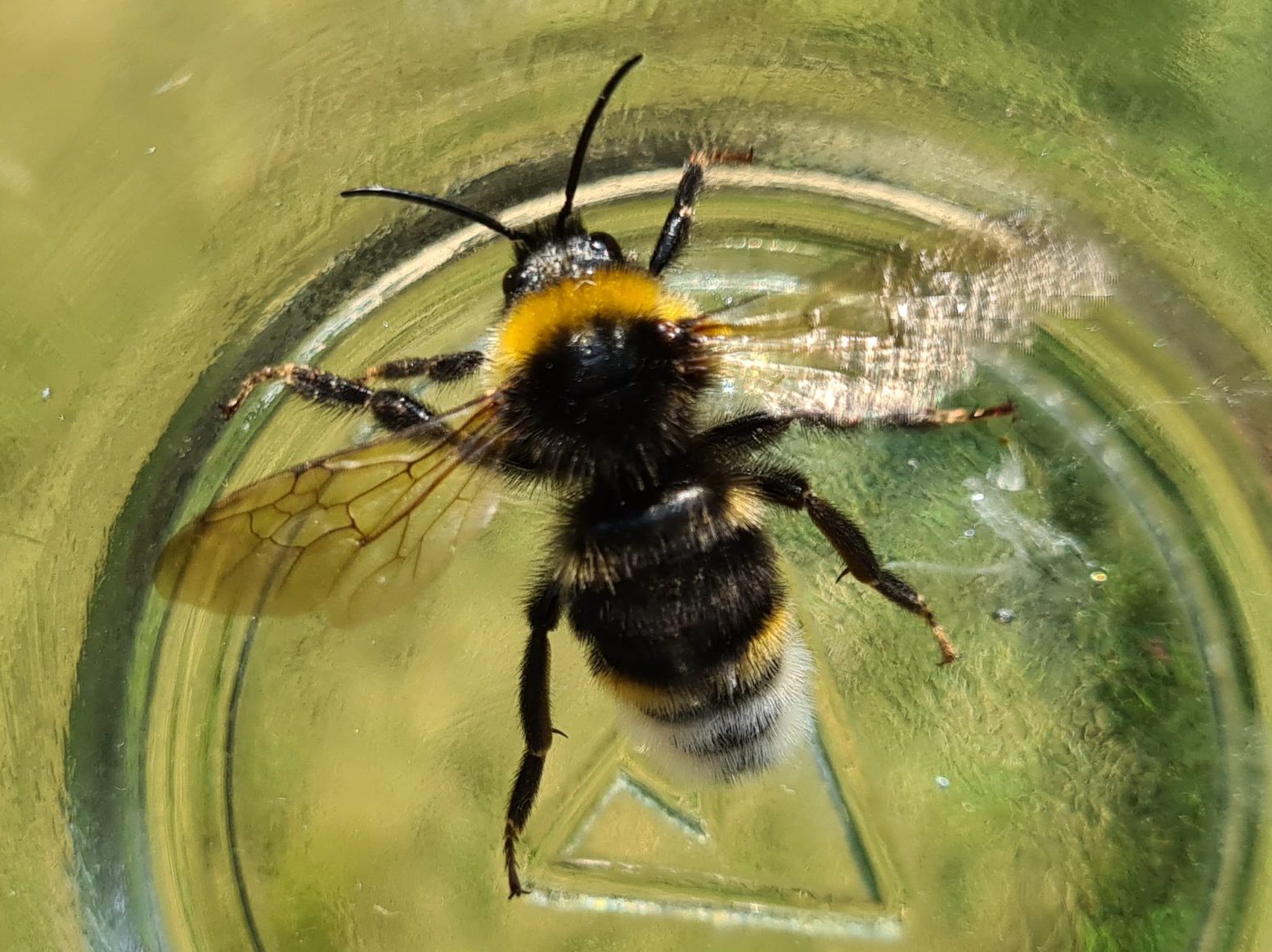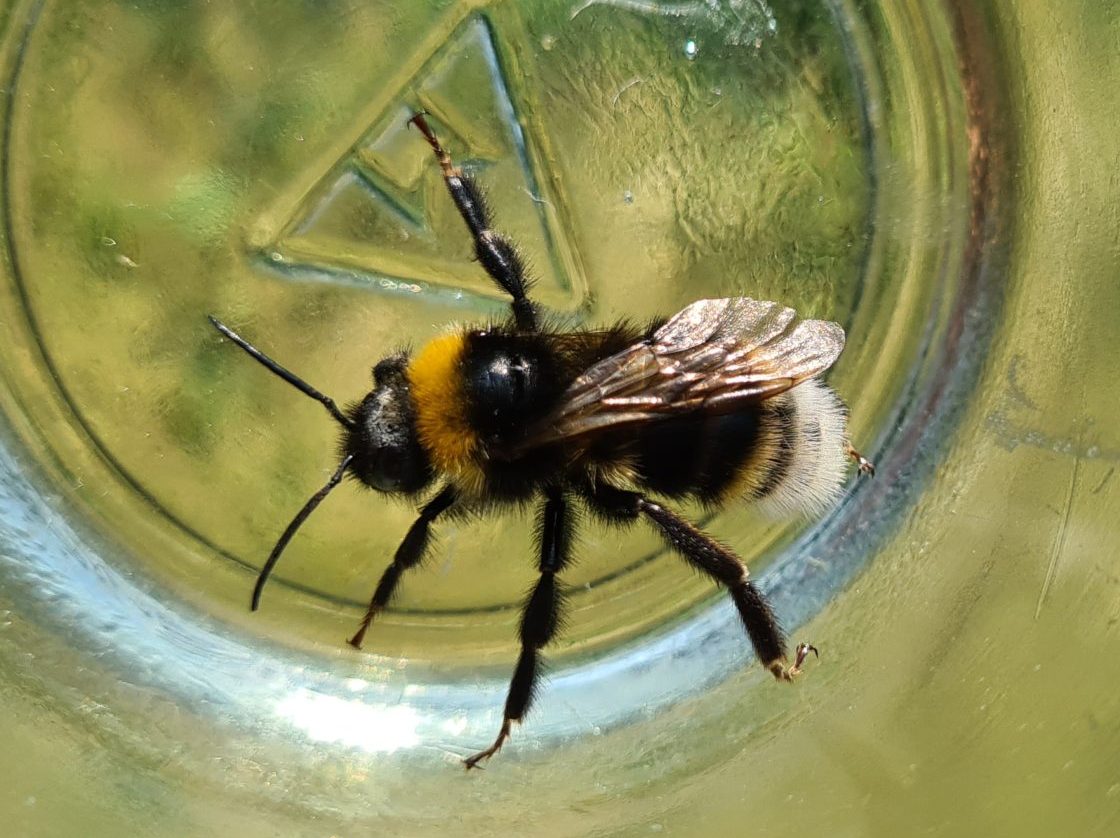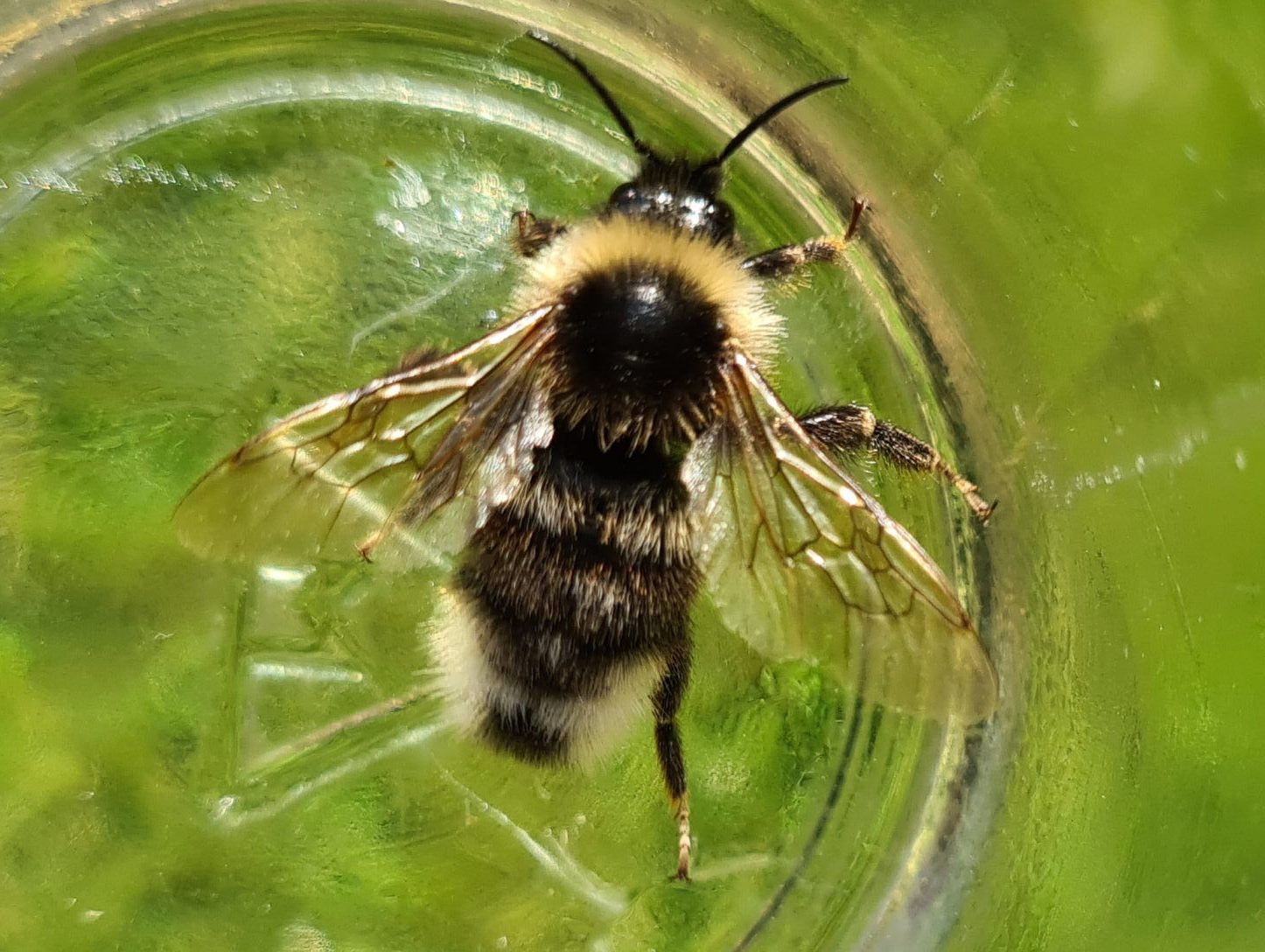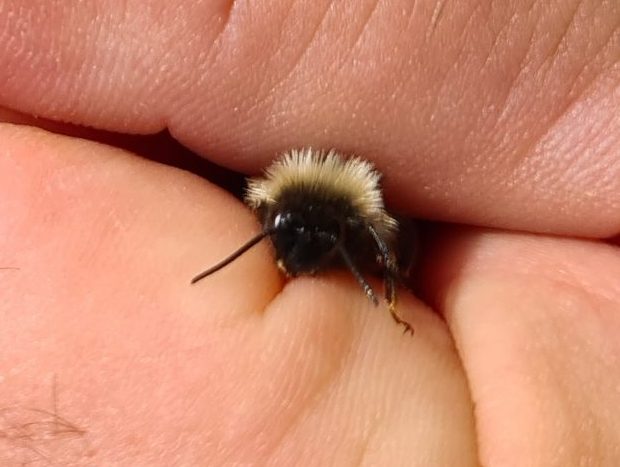


Buff-tailed bumblebee
(Bombus vestalis)
What you will learn here
- Information on individual types of bumblebees
- You will receive a summary of information for the general public, schools, and breeders.
Date of last update: 08/04/2021
Contents
Language
Body
Wings
Legs
Photography
Mother
Male
Video catalogue
Mother
Male
Similar species
How to distinguish it from similar species
Life cycle
Larval feeding
Nesting site
Nest size
Bumblebee attack strategy
How to tell the difference between a bumblebee and a 'pačmelák' (which is often used colloquially to refer to any larger bee, including bumblebees, or sometimes more specifically to certain types of larger, fuzzy bees).
Information on breeding
Interesting facts
Photos and videos
Interesting links
Description
Czech Honey bee (sometimes also summer bee)
Flights: Bombus vestalis (some keys still list the no longer used name Psithyrus vestalis)
English Vestal cuckoo bumblebee
German: Cuckoo bumblebee / Mottled cuckoo bumblebee
Polish Bumblebee nest
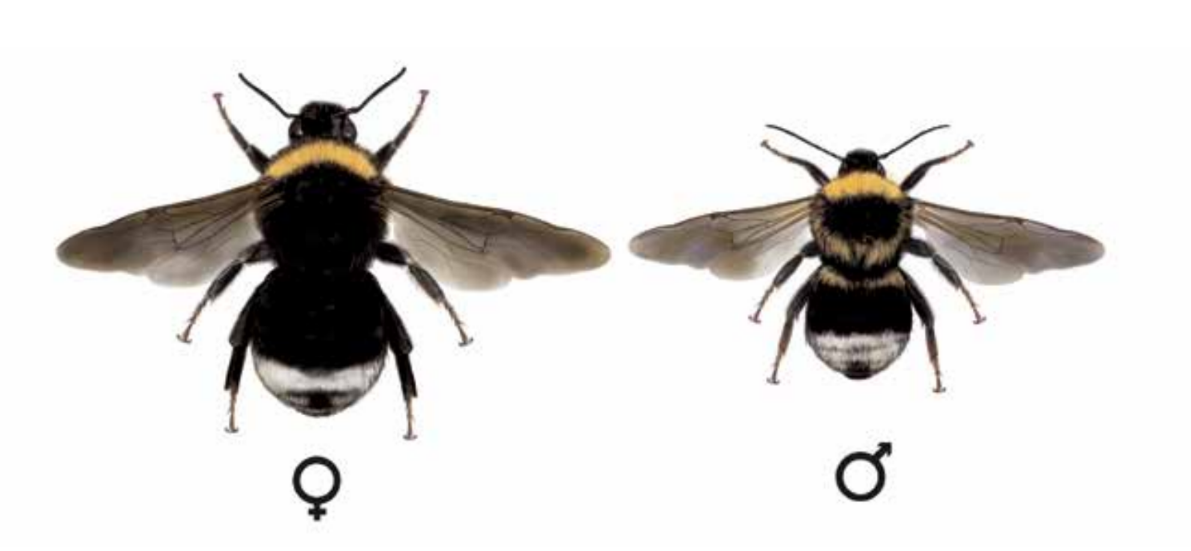
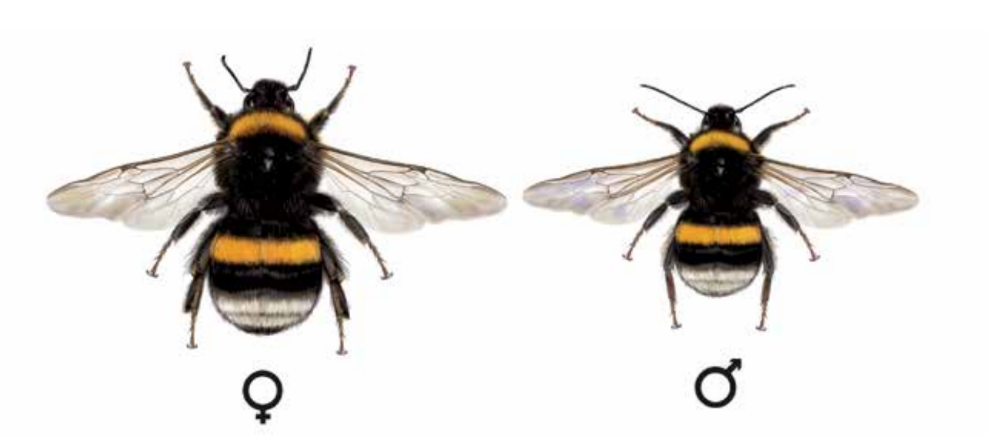
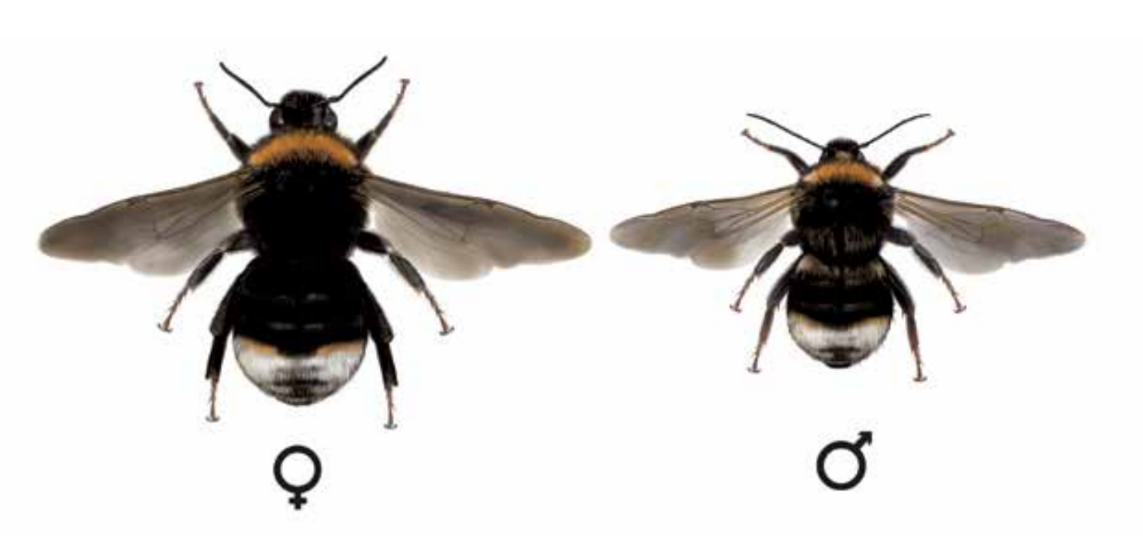
Depiction

Large earth bumblebee (Bombus terrestris)
Source: Sikora A., Michołap P., Kadej M., Sikora M. Tarnawski D. 2018 „Bees in the city: Bumblebees of Wrocław“, Publ. Association Nature and Man.
Colour scheme
Basic diagram (female):
- Base colour It is black
- Head black
- Chest
– black with one yellow transverse band on the fore-thorax (behind the head),
– this stripe can sometimes merely be indicated and appears to be missing - Bottom
black,
– end of the 5th tergite of the abdomen, white;,
– distinct yellow eyebrows on the sides and at the end of the 3rd tergite – the yellow band on the abdomen thus appears interrupted
Basic diagram (male):
- Head
Black - Chest
– black with one yellow transverse band on the fore-thorax (behind the head) – the band is brighter and stronger than in females,
– this stripe may sometimes be only indicated and appear as missing - Bottom:
black,
– end of bottom white
– marked / distinct yellow stripe on the 1st tergite
– distinct yellow eyebrows on the sides and at the end of the 3rd tergite – the yellow band on the abdomen thus appears interrupted
– some male forms have more pronounced yellow ciliation on the border of the 1st and 3rd tergites – they thus appear significantly yellower
Supplement:
- The abdomen of bumblebees appears black and white striped due to sparser hairs (hairs more on the boundaries of the tergites).,
- We deliberately do not use the terms mother/queen, but female. This is because she does not care for her offspring and only lays eggs.
Size
Type: large
Mother 14 – 22 mm
Male 15 – 19 mm
Source Hymenoptera of the Czech Republic I., Academia 2017
Wingspan: Females up to 37 mm
Head
Size short
Shape round (when viewed from the front)
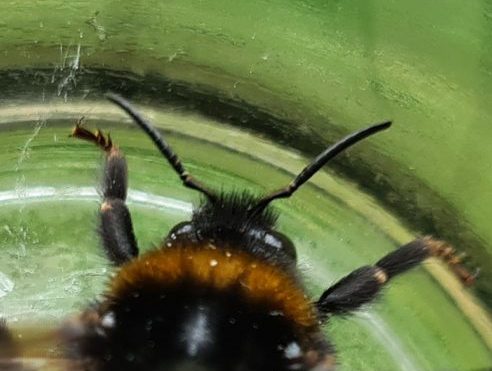
Tentacles
Female shorter antennae with a geniculate scape
Male longer curved antennae (one segment longer)
Interesting fact: The fifth antennal segment is as long as the third and fourth combined (in B. bohemicus, the antennal segments are equally long) – can only be observed at magnification

Bumblebee Vestalis (Bombus vestalis) – female – antennae
Photo: O. Hercog 1/8/2021
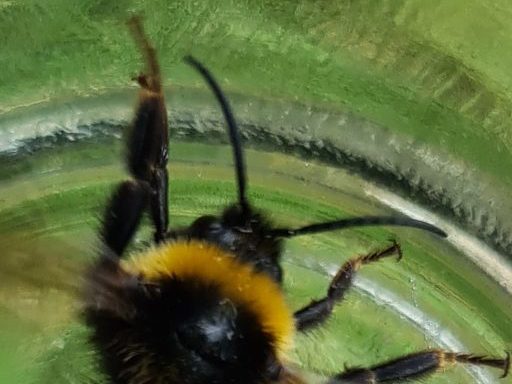
Carmelite bee (Bombus vestalis) – male – antennae
Photo: O. Hercog 28/7/2021
Language
- short
Body
- Armour it's often less ciliated, so it looks worn out
- Chest armour The sun is shining. – it's black, shiny, stronger and tougher than a bumblebee's armour
- End of the bottom:
– females more to the tip,
– males are as if „cut off“ or rounded
Wings
- noticeably darker than bumblebee wings
Legs
- Bumblebees do not have pollen baskets on their legs, not even on the legs of the females (they do not carry pollen).
- The shape of the last pair of a bumblebee's leg differs from that of a bumblebee's leg.
Picture of a bumblebee's leg and a bumblebee – to be added
Photography
Mother
The queens of the large earth bumblebee will surprise you with their size and loudness. Literatura uvádí rozpětí křídel až 37 mm.
Zvuk jejího letu se nedá zaměnit s letem „obyčejného“ čmeláka.
Všimnete si:
– absence pylových košíčků na zadním páru nohou

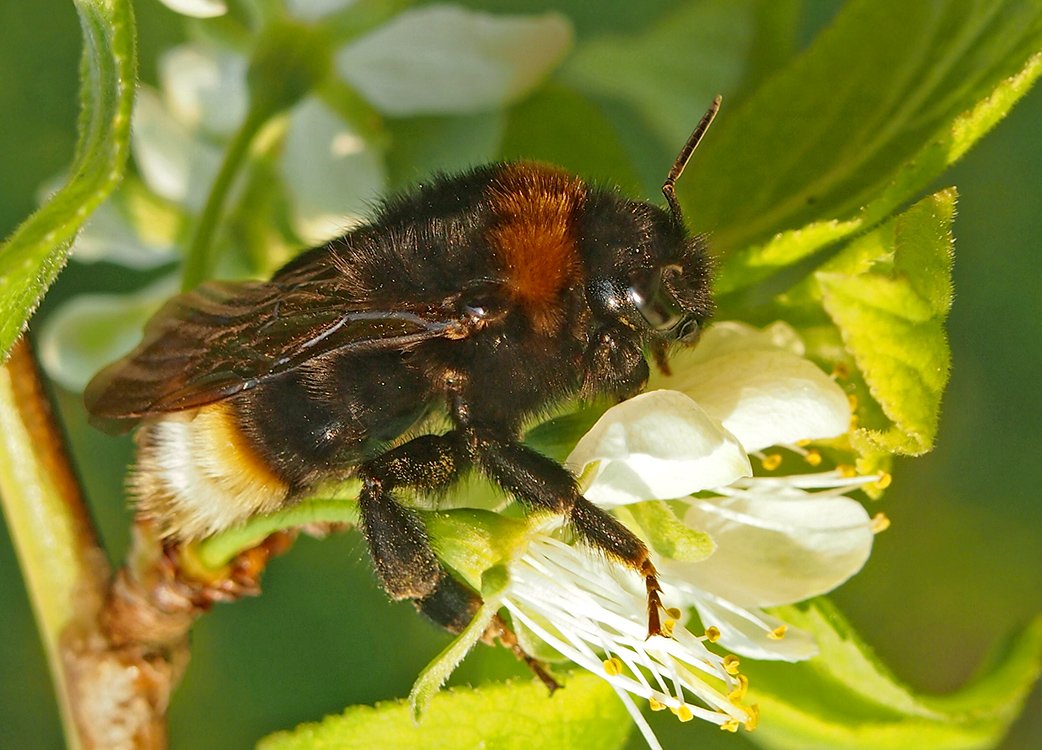
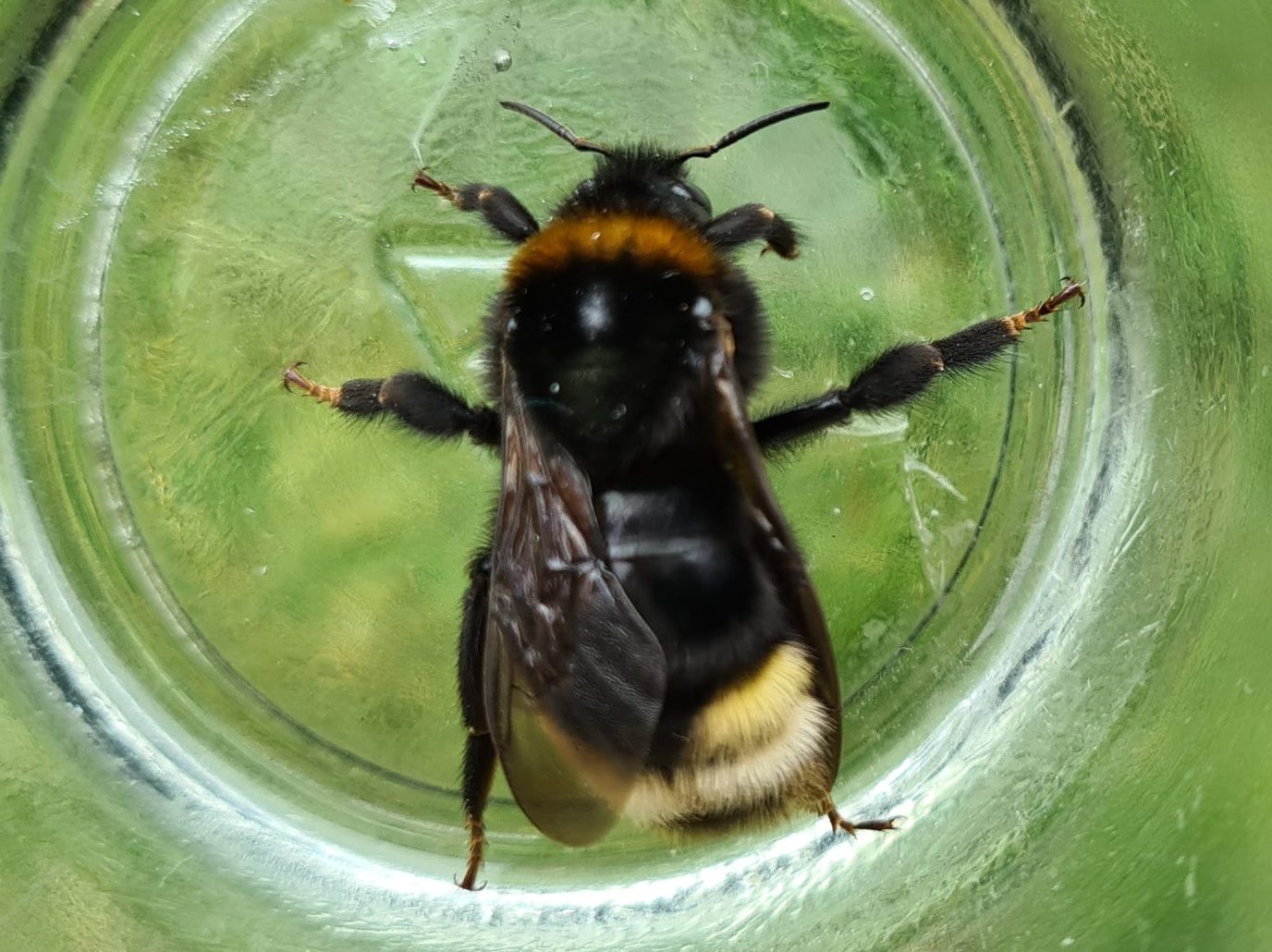
Vestal Cuckoo Bee (Bombus vestalis) – female
Photo: O. Hercog 01/08/2021
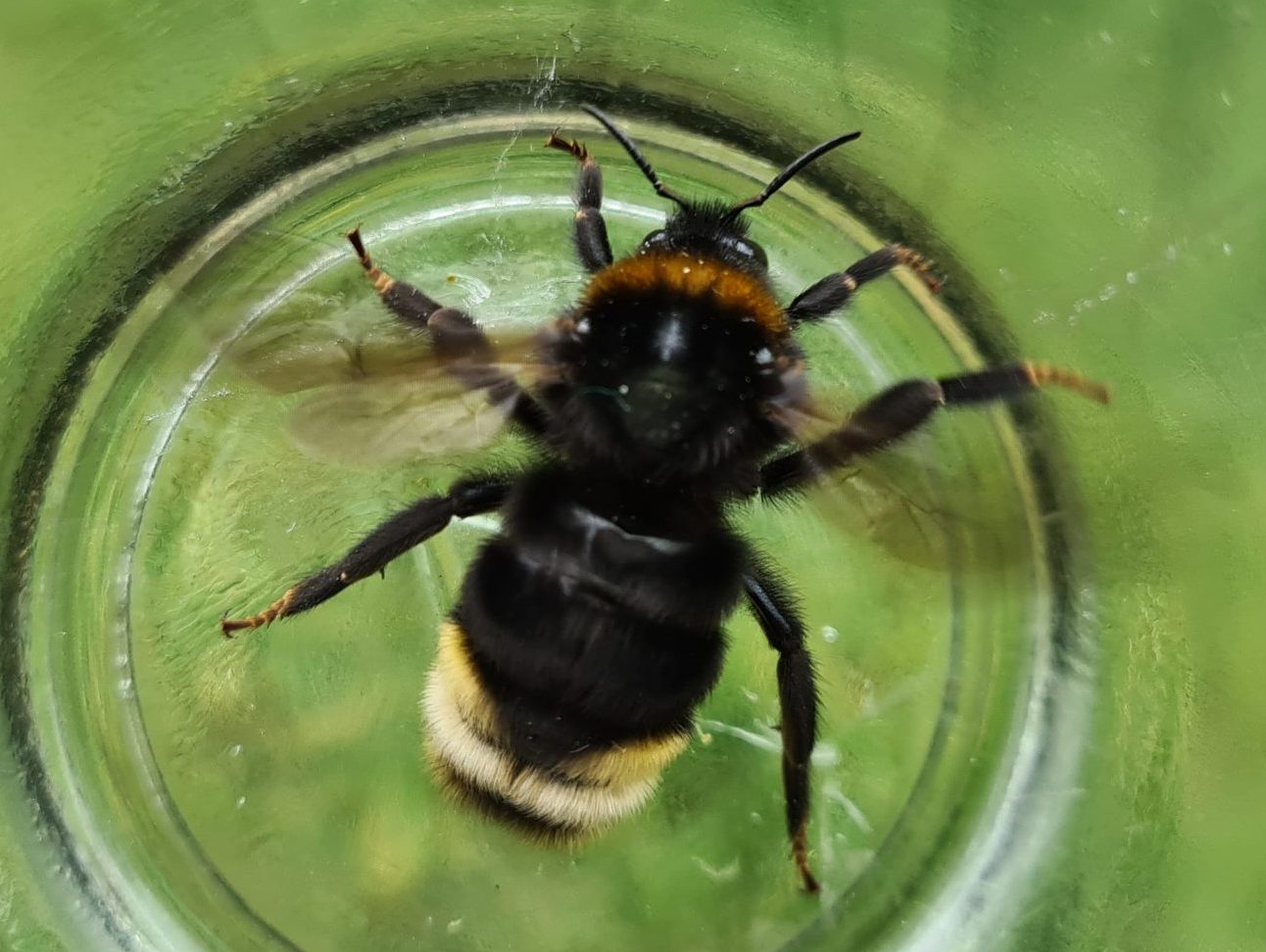
Vestal Cuckoo Bee (Bombus vestalis) – female
Photo: O. Hercog 01/08/2021
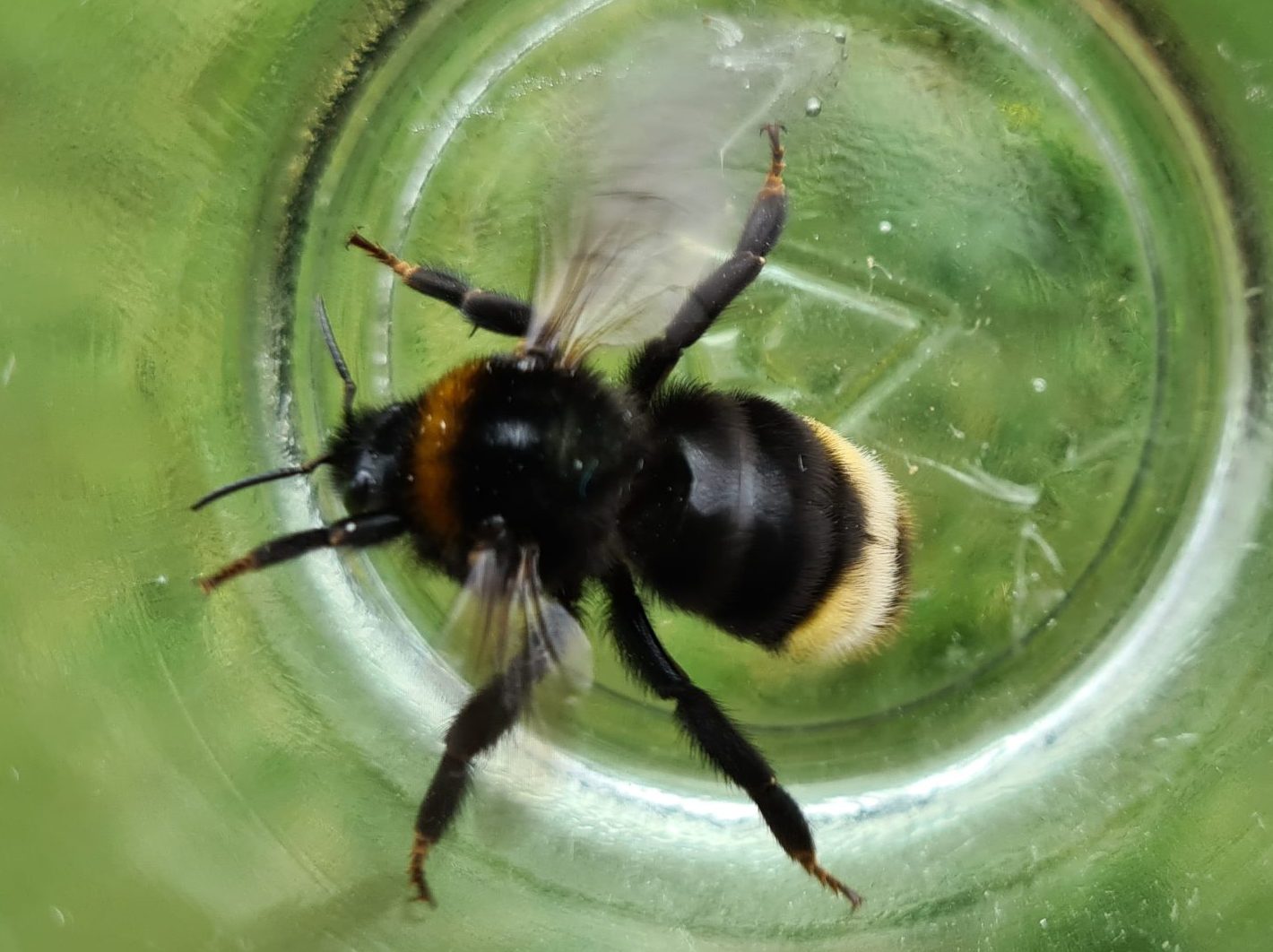
Vestal Cuckoo Bee (Bombus vestalis) – female
Photo: O. Hercog 01/08/2021
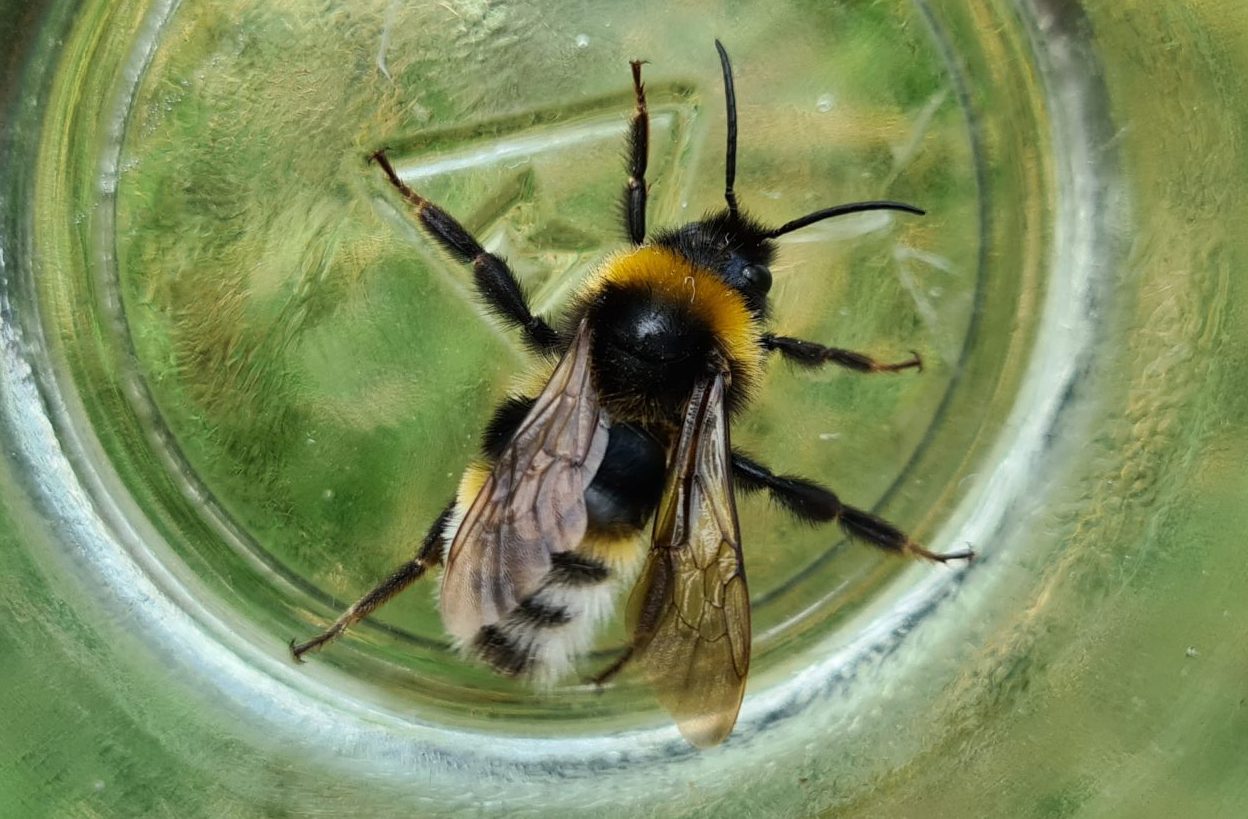
Male
Forma samce s výrazným žlutým obrvením 1.tergidu
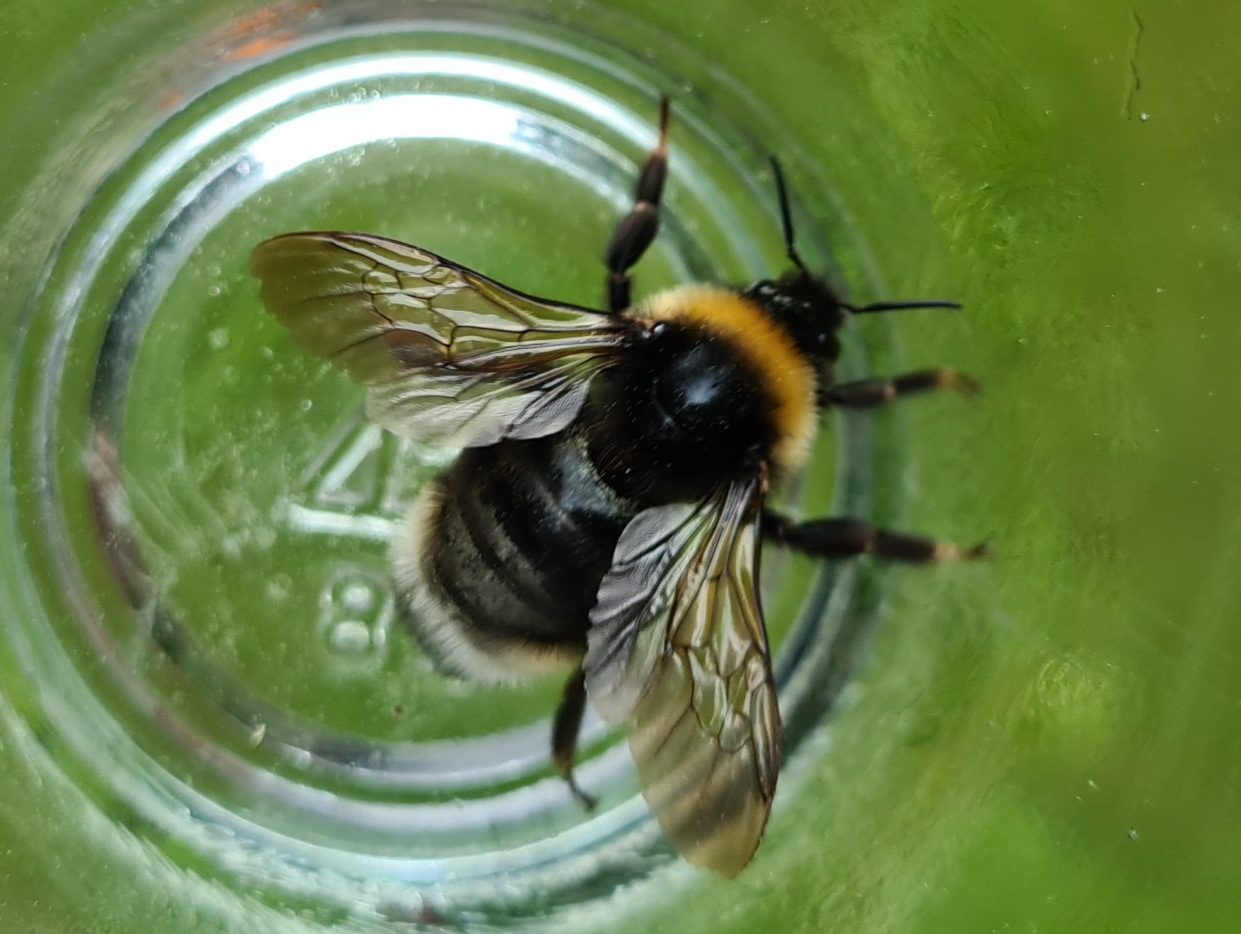
Please note:
– dlouhých prohnutých tykadel samce
– rozcuchaného obrvení s jasnými žlutými barvami

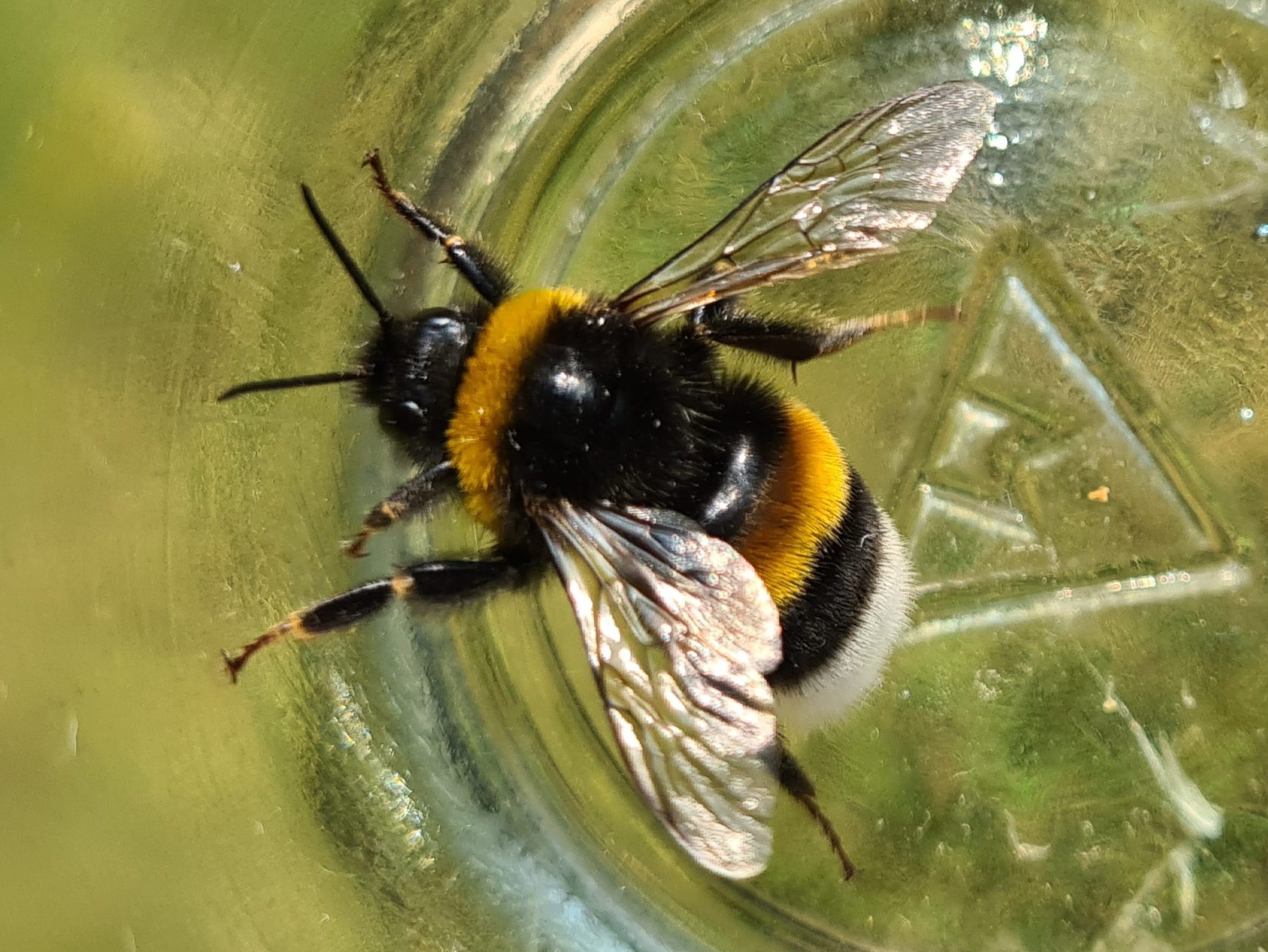
Brood cuckoo bumblebee (Bombus vestalis) – male
Foto: O. Hercog 24/7/2025

Brood cuckoo bumblebee (Bombus vestalis) – male
Foto: O. Hercog 24/7/2025

Brood cuckoo bumblebee (Bombus vestalis) – male
Photo: O. Hercog 25/7/2021
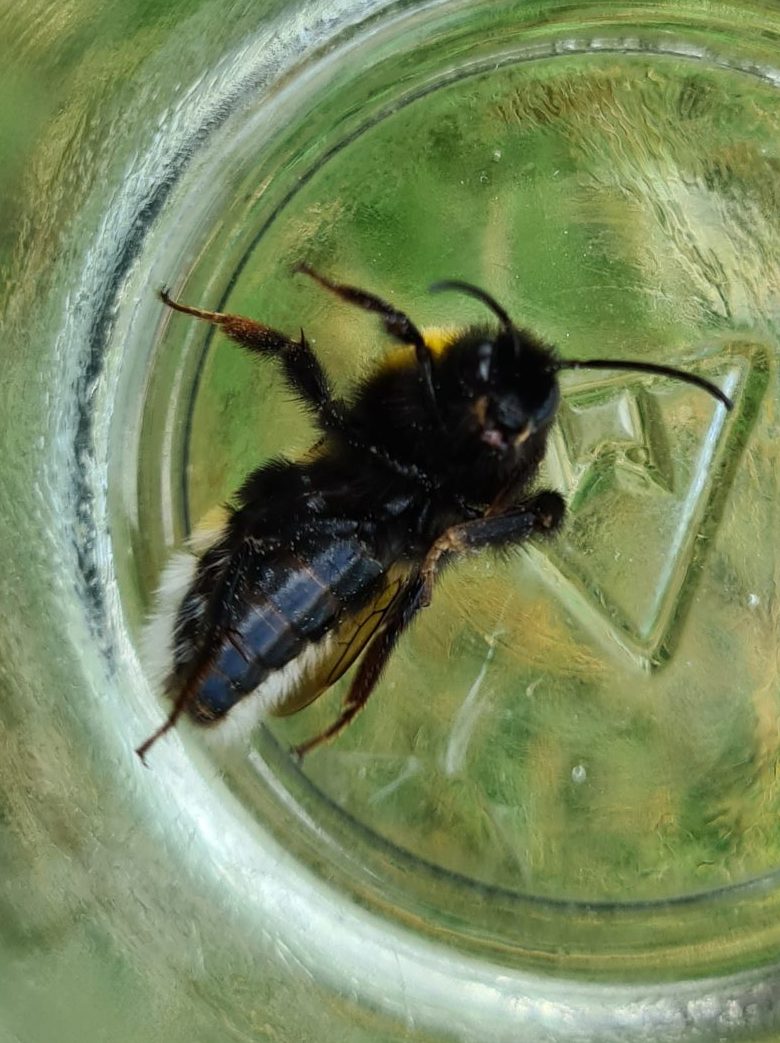
Kusadla samců jsou často opatřena výraznými kartáčky. Těmi samci roztírají pachové značky na trasách, které de hledají partnerky.

Brood cuckoo bumblebee (Bombus vestalis) – male
Foto: O. Hercog 24/7/2025
Forma samce s méně výrazným žlutým obrvením na prvním 1. tergidu

Brood cuckoo bumblebee (Bombus vestalis) – male
Foto: O. Hercog 24/7/2024

Brood cuckoo bumblebee (Bombus vestalis) – male
Foto: O. Hercog 24/7/2024

Brood cuckoo bumblebee (Bombus vestalis) – male
Foto: O. Hercog 24/7/2024
Lorem ipsum dolor sit amet, consectetur adipiscing elit. Ut elit tellus, luctus nec ullamcorper mattis, pulvinar dapibus leo.
Detail obličejové části hlavy samce pačmeláka panenského (Bombus vestalis) – bude doplněno
Video catalogue
Mother
Mladá matka před hibernací – je krásná, neopotřebovaná.
Male
Výrazná forma samce – žluté prvky na hranici 1. a 3. tergidu , výrazný proužek za hlavou na předohrudi
Please note:
– dlouhých tykadel samce a
– zakončení zadečku
Samec s méně výrazným žlutým obrvením na hranici 1. tergidu
Similar species
- Pačmelák český (Bombus bohemicus)
- Buff-tailed bumblebee (Bombus terrestris) – viz Jak rozlišit čmeláka a pačmeláka
How to distinguish it from similar species
Bohemian cuckoo-bee
- Podobná velikost
- Častá absence světlých žlutých brv na hranici 2. tergidu
- Segmenty tykadel Bombus bohemicus jsou stejně velké, ale u
Bombus vestalis je pátý anténní segment stejně dlouhý jako třetí a čtvrtý dohromady
(lze ověřit jen pozorováním při velkém zvětšení) - Pro spolehlivé určení je někdy potřeba mikroskopické vyšetření (nebo pitva a hledání specifických znaků)

Bohemian cuckoo-bee
Source: Sikora A., Michołap P., Kadej M., Sikora M. Tarnawski D. 2018 „Bees in the city: Bumblebees of Wrocław“, Publ. Association Nature and Man.
Large earth bumblebee (Bombus terrestris)
Source: Sikora A., Michołap P., Kadej M., Sikora M. Tarnawski D. 2018 „Bees in the city: Bumblebees of Wrocław“, Publ. Association Nature and Man.
U samiček jsou dobré rozlišovací znaky:
– absence žluté barvy (nebo jen jemně naznačená) na hranici 3.tegridu
– širší žlutější pásek na předohrudi (u pačmeláka panenského někdy chybí)
=> pačmelák český

Czech cuckoo bumblebee (Bombus bohemicus) – female
Photo: O. Hercog 05/06/2021
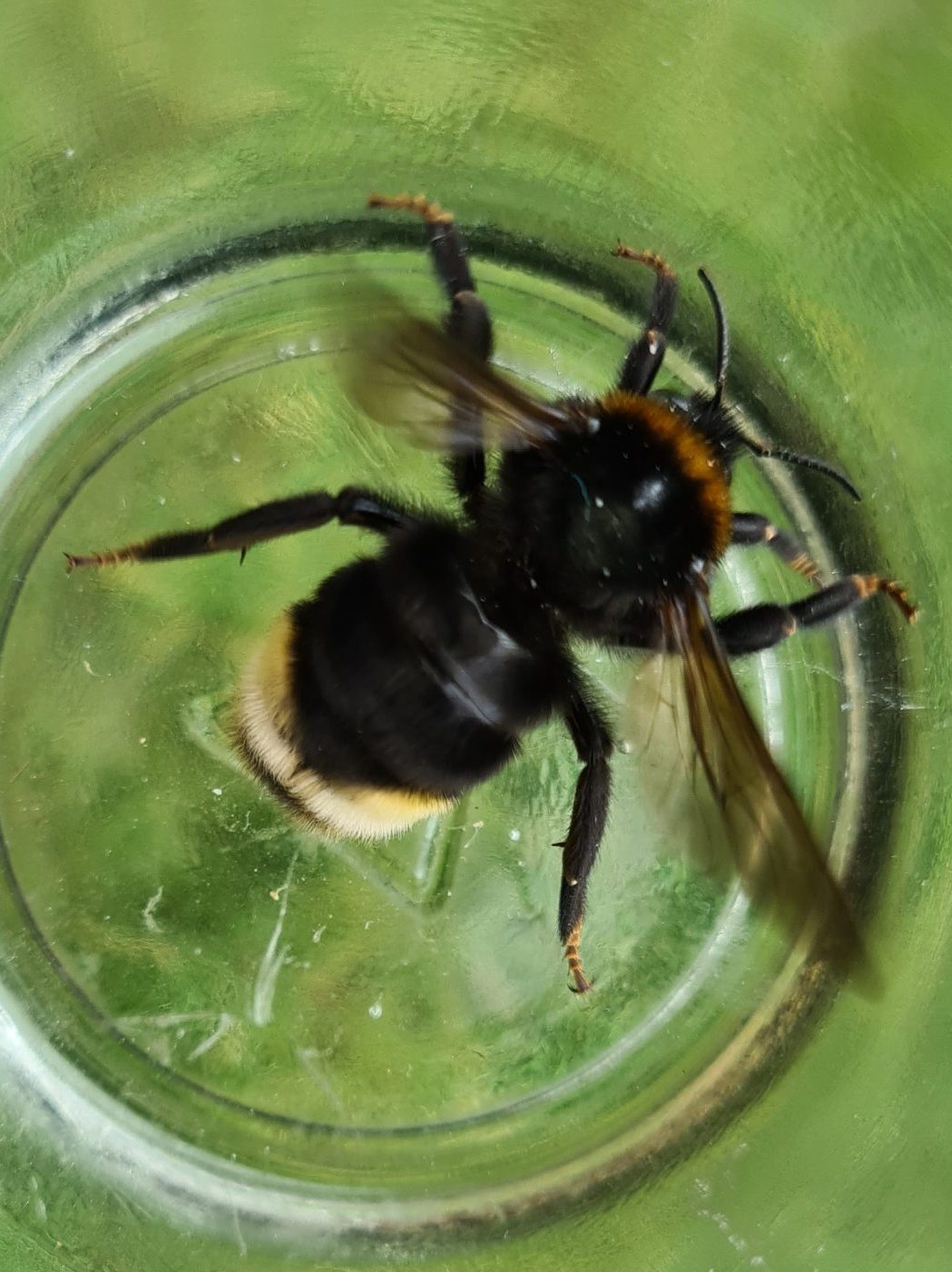
Vestal Cuckoo Bee (Bombus vestalis) – female
Photo: O. Hercog 01/08/2021
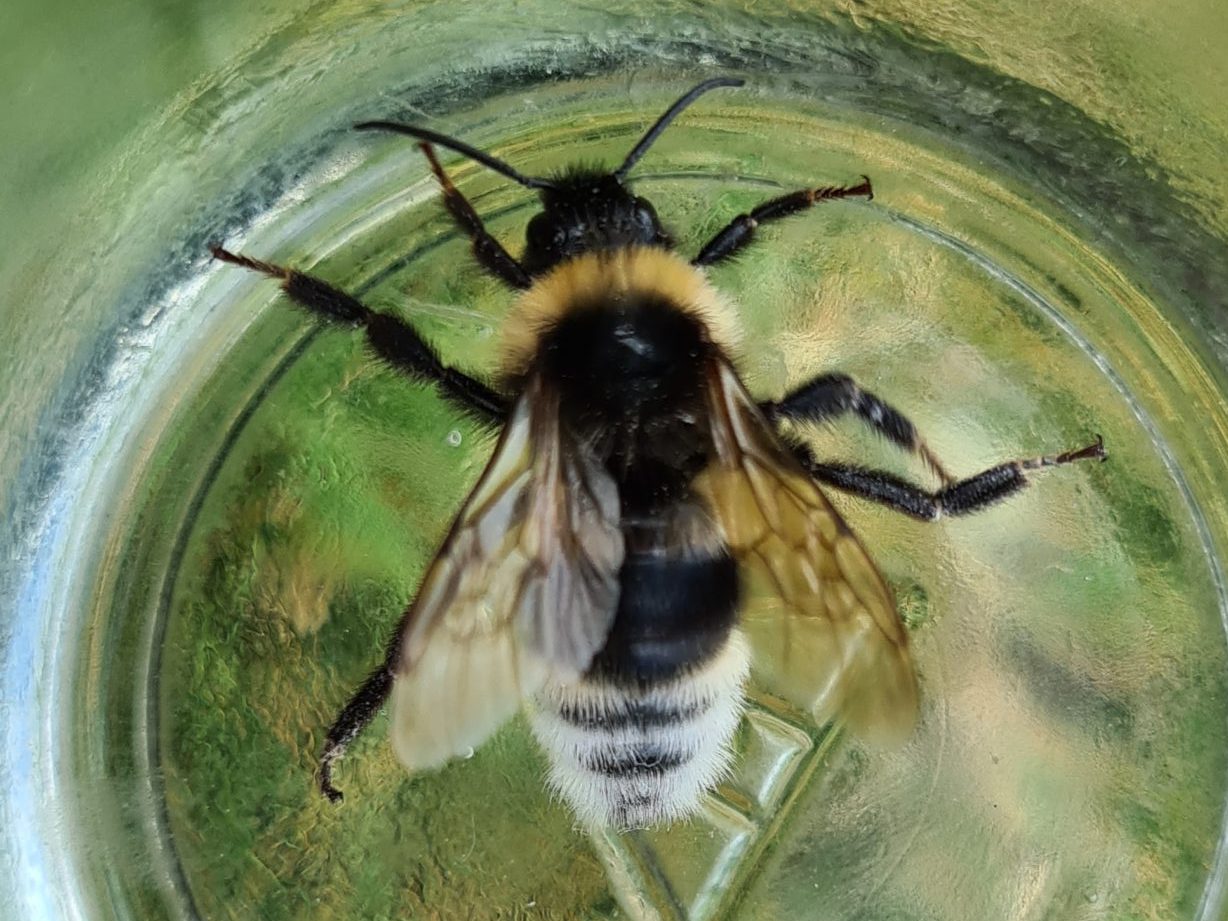
Někdy je rozlišení samců poměrně obtížné, vodítkem ale může být:
– špinavě žlutá barva proužku na předohrudi a
– širší proužek na předohrudi
– absence žluté barvy (nebo jen jemně naznačená) na hranici 1 . a 3.tegridu a
=> pačmelák český

Czech bumblebee (Bombus bohemicus) – male (head)
Photo: O. Hercog – 25/7/2021
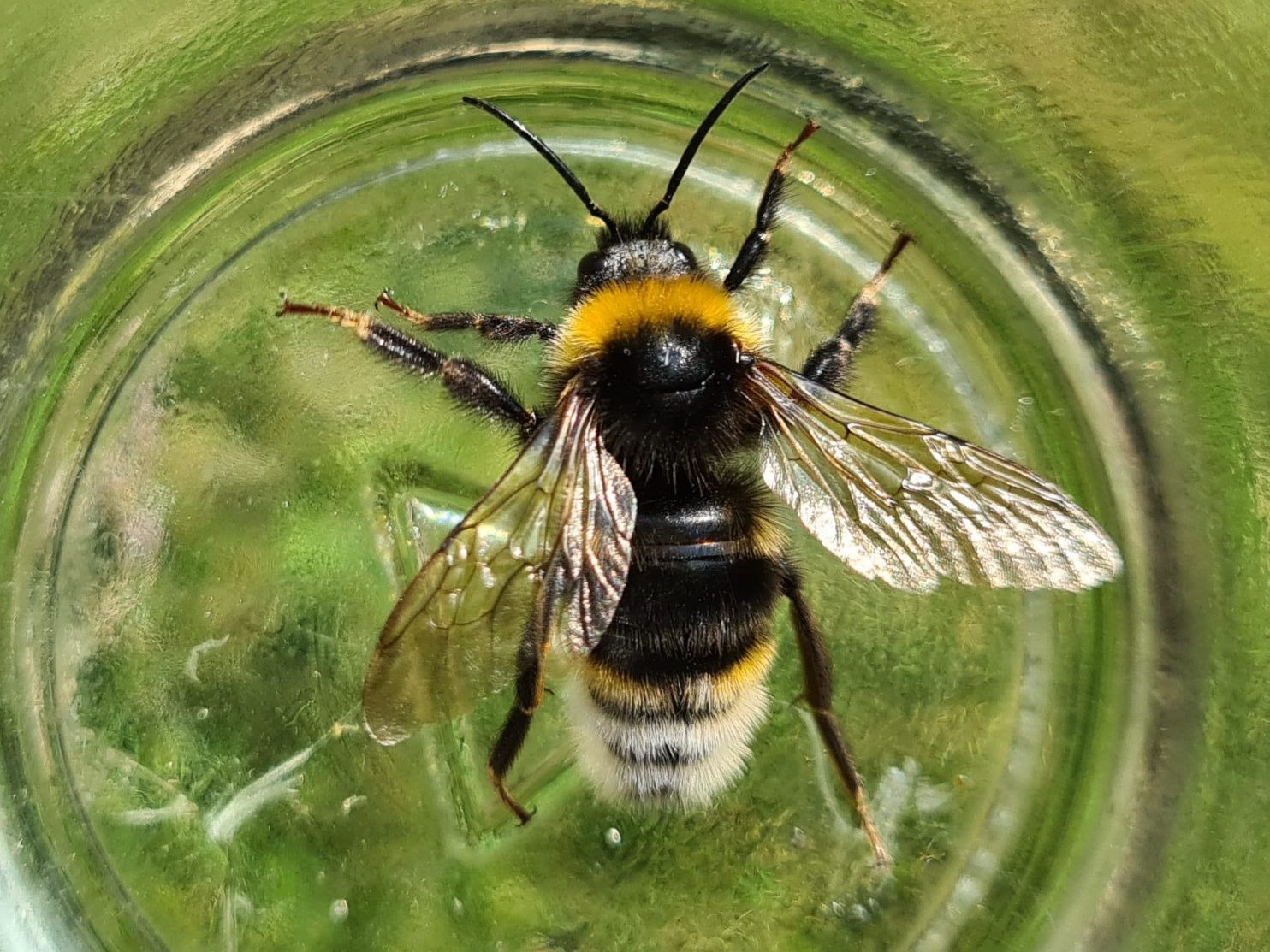
Brood cuckoo bumblebee (Bombus vestalis) – male
Foto: O. Hercog 24/7/2024
Některé formy samců pačmeláků českých jsou zřetelně odlíšné, “ šediváci“ jsou vesměs samci pačmeláků českých.

Pačmelák český (Bombus bohemicus) – samec (male)
Foto O. Hercog 27/7/2021

Czech Cuckoo Bee (Bombus bohemicus) – male – head
Foto: O. Hercog – 27/7/2021
Occurrence
- velmi hojný a všudy přítomný, stejně jako jeho hostitel čmelák zemní (Bombus terrestris)
- vyskytuje se prakticky v celé Evropě – podobně jako jeho hostitel, postupně se s ním šíří i na Sever v rímci klimatických změn
- najdete ho od Severní Afriky po jih Švédska
Biotop
- obývá teplé oblasti na otevřených biotopech
Life cycle
- Pozdější druh: probouzí se po matkách svého hostitele v dubnu až květnu – viz strategie útoku pačmeláka
- Number of generations per season: One per season is presumed, females hibernate soon after mating
- Female hosts are looking for nesting sites. from April to the end of May
- New females and males are appearing: about a month after occupying the host's nest
- The males appear: right after mothers
- The host's nest is ending: after worker bees stop being born (this depends on whether the female bumblebee kills the host nest's mother)
Young bumblebee mothers find a suitable place for wintering – hibernation – soon after mating. Very often they choose a spot on the edge of a forest. There they have a chance to hibernate in dry conditions. Here, they dig a shallow chamber in the forest litter for overwintering (hibernaculum).
The European cuckoo-bee (Bombus vestalis) is characterised by a dug-up pile of material above the leaf litter, beneath which it has created its hibernaculum.
Please do not disturb the sleeping mother – thank you!
Larval feeding
- Bumblebees do not feed their larvae, leaving the care of their offspring and the gathering of food to their hosts
Nesting site
- They nest alongside their hosts – buff-tailed bumblebees (Bombus terrestris) – in burrows left by small rodents or in beekeepers’ hives
Nest size
- Information not available
Bumblebee attack strategy
- The bumblebee mother looks for a less developed host nest – she doesn't need many workers – one, maximum two generations.
- It enters the nest, which offers no/little resistance, and tries to hide in the nest so that it can acquire its scent and move around undetected.
- Sometimes it kills the original mother, sometimes it coexists with her
- She lays her eggs in the nest
- It establishes a dominant position and enslaves the female workers.
- Its offspring hatch very quickly, within a month, and leave the host's nest
- Young female bumblebees soon hibernate, males live out their lives and die
How to tell the difference between a bumblebee and a 'pačmelák' (which is often used colloquially to refer to any larger bee, including bumblebees, or sometimes more specifically to certain types of larger, fuzzy bees).
It is a guest in the nests of the buff-tailed bumblebee (Bombus terrestris)
Buff-tailed bumblebee
- Similar, sometimes even larger, size
* board : 20 – 26 mm
* Labourer : 11 – 17 mm
* samec : 14 – 16 mm - usually lighter-coloured yellow stripes on the pronotum (note: the stripe may be the same dark colour, faintly marked, or absent, as in the case of the Virginian ground beetle)
- the presence of a broad yellow stripe on the second tergite

Buff-tailed bumblebee
Source: Sikora A., Michołap P., Kadej M., Sikora M. Tarnawski D. 2018 „Bees in the city: Bumblebees of Wrocław“, Publ. Association Nature and Man.
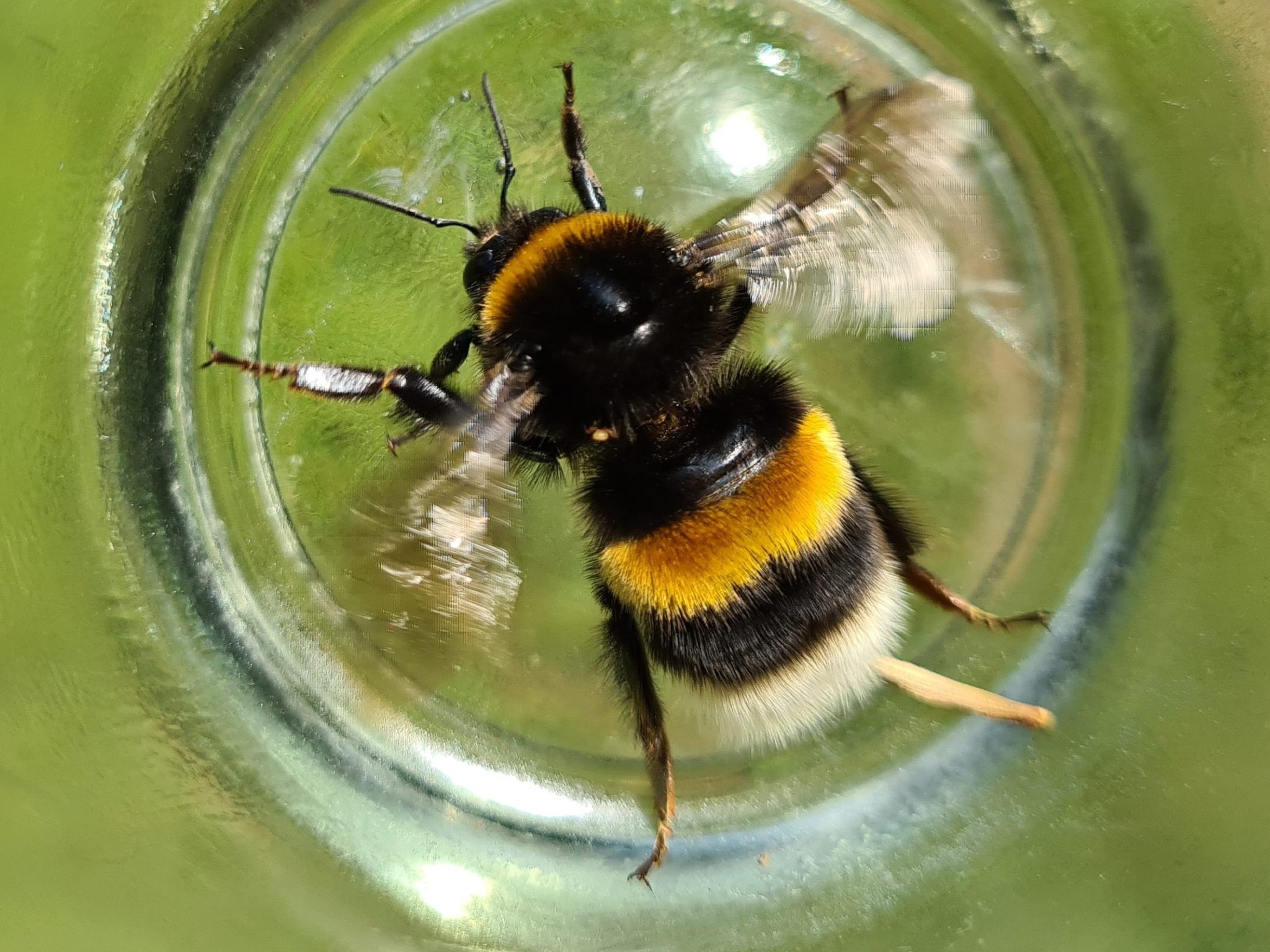
Large earth bumblebee (Bombus terrestris)
Source: Sikora A., Michołap P., Kadej M., Sikora M. Tarnawski D. 2018 „Bees in the city: Bumblebees of Wrocław“, Publ. Association Nature and Man.
Comparison of buff-tailed bumblebee queens (Bombus terrestris) a Bumblebee virgin Bombus vestalis
Please note:
– yellow stripes on the pronotum (sometimes absent in both species) and a strong yellow stripe on the 2nd tergite
=> buff-tailed bumblebee (Bombus terrestris)
– yellow spots on the sides and at the tip of the third tergite, often with distinct yellow stripes – the yellow band appears to be interrupted in the middle (V-shape)
**Buff-tailed bumblebee** (Bombus vestalis)

Buff-tailed bumblebee (Bombus terrestris) – queen
Photo: O. Hercog 27/6/2021
.

Vestal Cuckoo Bee (Bombus vestalis) – female
Photo: O. Hercog 01/08/2021
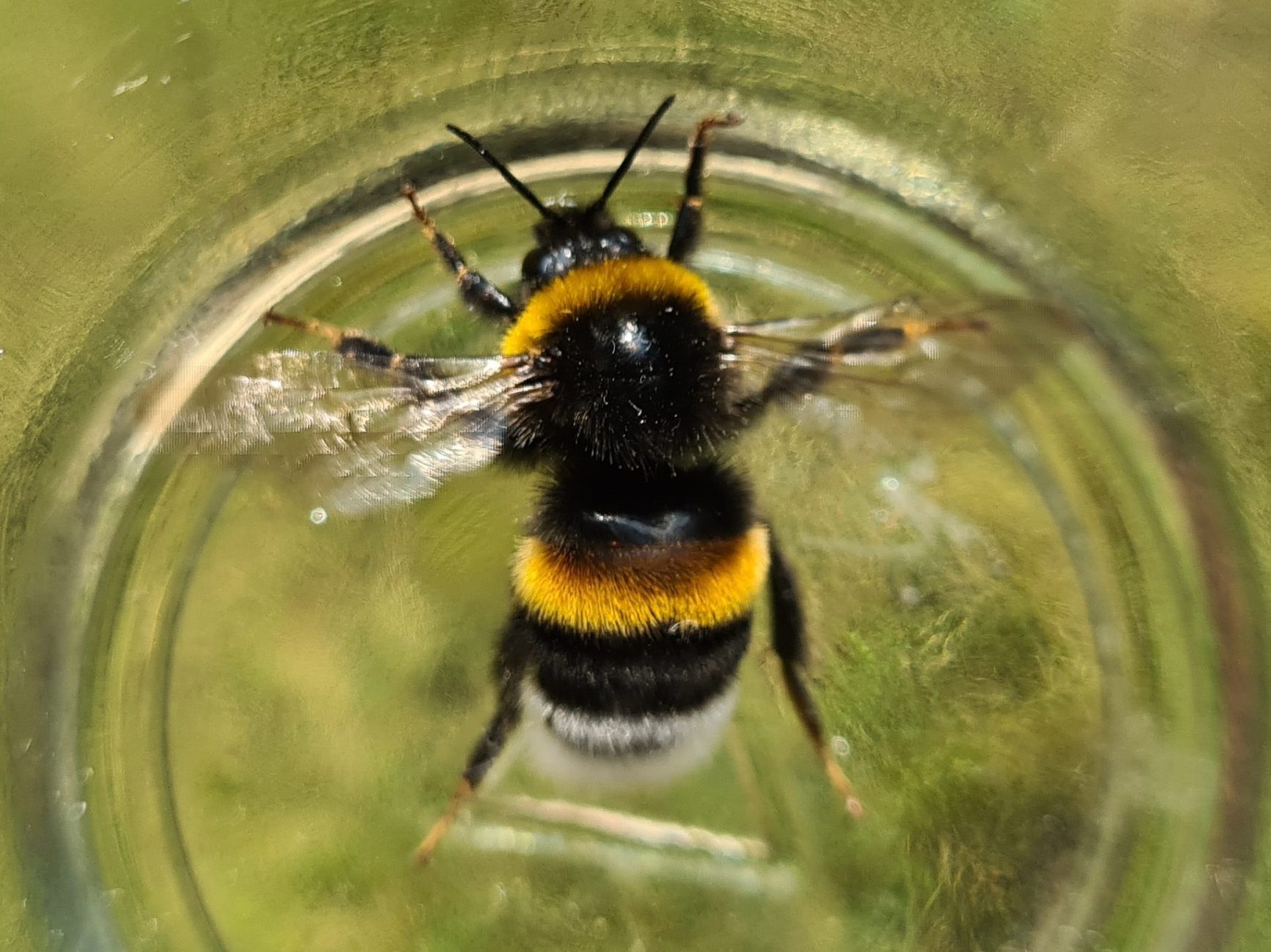
Comparison of male bumblebees (Bombus terrestris) a Bumblebee virgin Bombus vestalis
Please note:
– strong and distinct yellow stripes on the pronotum and on the 2nd tergite
absence of yellow cilia on the first tergite
=> buff-tailed bumblebee (Bombus terrestris)
– on the sides and at the end of the 3rd tergite, often distinct yellow eyebrows – the yellow band appears broken in the middle, though less so than in females
**Buff-tailed bumblebee** (Bombus vestalis)

Buff-tailed bumblebee (Bombus terrestris) – male
Photo: O. Hercog 24/7/2021

Brood cuckoo bumblebee (Bombus vestalis) – male
Foto: O. Hercog 24/7/2024

Brood cuckoo bumblebee (Bombus vestalis) – male
Foto: O. Hercog 24/7/2025

Buff-tailed bumblebee (Bombus terrestris) – male
Photo: O. Hercog 24/7/2021

Brood cuckoo bumblebee (Bombus vestalis) – male
Foto: O. Hercog 24/7/2024
Information on breeding
Introduction
- There is no information available on breeding ground-nesting bumblebees; for the time being, the deliberate breeding of these creatures is something many beekeepers cannot imagine. However, this undoubtedly happens unknowingly, and many beekeepers inadvertently keep bumblebees. The nest of „their“ buff-tailed bumblebees (Bombus terrestris) becomes a home for the European bumblebee (Bombus vestalis).
- If the bumblebee mother is dead, the host nest will soon perish – no further workers or reproductive individuals will be born (a cuckoo bumblebee queen will invade the nest soon, even before the host lays her reproductive brood). Cuckoo bumblebee queens and males will appear and they will soon fly off.
- If the female cohabitates with the host mother, the breeder may not notice, everything is „normal“
- The only way to detect an infestation of the nest is for the beekeeper to be vigilant and to spot the presence of wax moths in the nest.
Protection against weevils:
- A protective flap that is opened in time can deter the female, but the female bumblebee is usually so large that the flap may not effectively stop her.
- The female only finds a nest when it's strong and she doesn't dare to approach it.
- If you find a female bumblebee and can identify her with certainty, you can gently catch her and move her away from your hive
- If a bumblebee queen is in the nest, the beekeeper has no chance, but a real need to deal with it.
Although you may not like the behaviour of bumblebees, please respect and protect them. They are beautiful, interesting, have their place in nature, and are protected by law.
Interesting facts
- The female of the cuckoo bumblebee (Bombus vestalis) is searching for a nest of the buff-tailed bumblebee (Bombus terrestris).
And she also does a search flight – more guided by scent and pheromone trail than by sight like a queen bee. - In some literature, you'll read that a female bumblebee can oust the original queen from a nest. But we can hardly imagine that.
- The literature describes how a female bumblebee considers the state of the nest before entering it. She demonstrably observes the nest and waits for a suitable moment. She needs there to be enough workers in the nest that she can still overpower, but also enough to feed her brood. Apparently, she is capable to some extent of calculating the losses of workers during the attack and takeover of the nest. She can also determine the age of the workers by scent, and thus their ability to defend the nest. She can target these, and if she does not successfully assert her dominance, she will eliminate them – they would pose a threat to her brood.
- Weaker and newly born worker bees accept the female bumblebee as their mother and serve her.
- Bumblebee behaviour is not fully understood and it appears that multiple scenarios occur in nature.
- And bumblebees are also useful and have their place in nature – they serve as reducers of abundant species and, although they don't collect pollen, they participate in the pollination of flowers, just like bees.
Photos and videos

Vestal Cuckoo Bee (Bombus vestalis) – female
Photo: H. Kříženecká
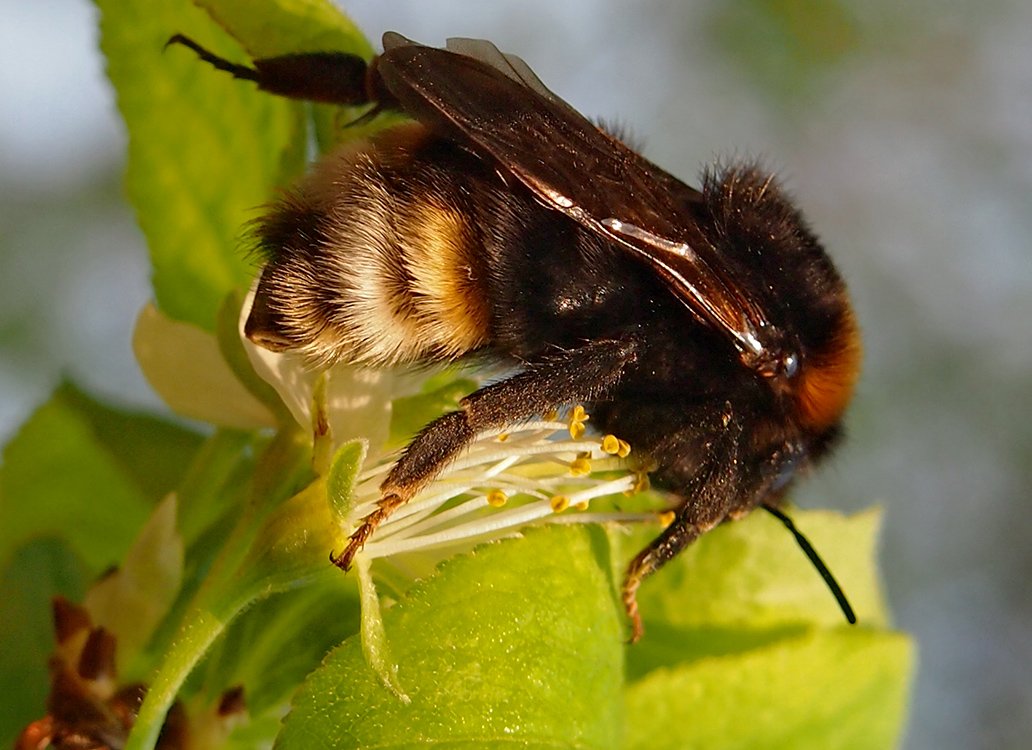
Vestal Cuckoo Bee (Bombus vestalis) – female
Photo: H. Kříženecká
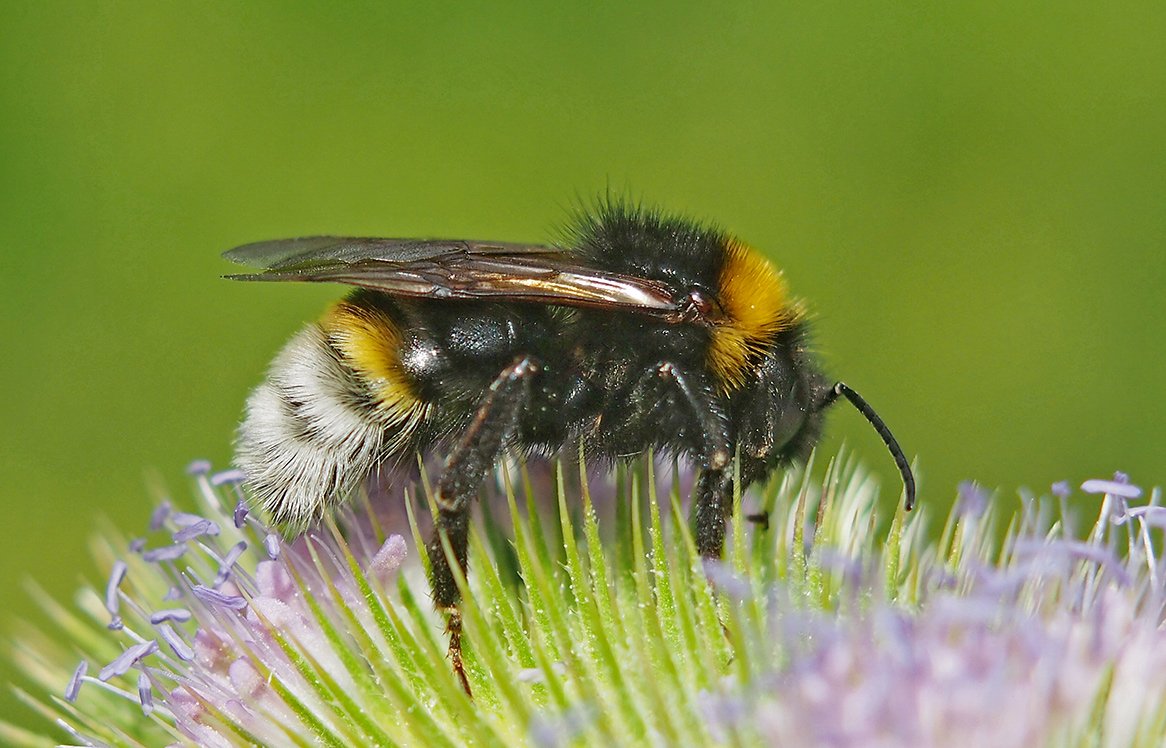
Brood cuckoo bumblebee (Bombus vestalis) – male
Photo: H. Kříženecká
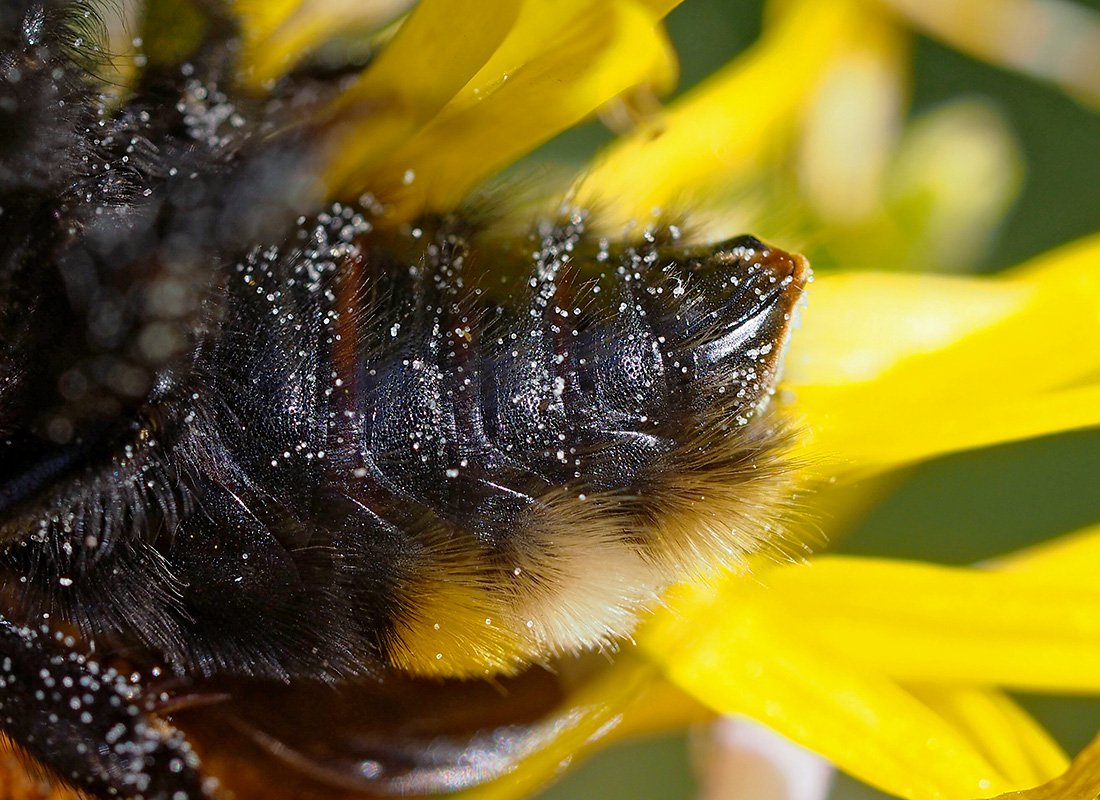
Buff-tailed bumblebee (Bombus vestalis) – female – underside of abdomen
Photo: H. Kříženecká
A queen of the vestal cuckoo bee (Bombus vestalis) is searching for a nest of the buff-tailed bumblebee (Bombus terrestris). She also performs a survey flight. However, she relies more on smell and pheromone trails.
On this video, the beekeeper recognised in time an attempted breach of the bumblebee hive.
The male bumblebee is feeding on greater knapweed (Centaurea scabiosa). Note the work of its tongue.
If you haven't had your fill of watching bumblebees munching, check out another video where in the second half you'll see their tongues in slow motion.
Also visit YouTube Čmeláci PLUS, where you'll find a variety of interesting videos about bumblebees.
Each video is accompanied by a comment that describes the video.