

Early Bumblebee
(Bombus pratorum)
What you will learn here
- Information on individual types of bumblebees
- You will receive a summary of information for the general public, schools, and breeders.
Date of last update: 08/12/2021
Contents
Colour scheme
Size
Head
Language
Photography
Mother
Female worker
Male
Video catalogue
Mother
Female worker
Male
Similar species
How to distinguish it from similar species
Life cycle
Larval feeding
Nesting site
Nest size
Visiting bumblebees
How to tell the difference between a bumblebee and a 'pačmelák' (which is often used colloquially to refer to any larger bee, including bumblebees, or sometimes more specifically to certain types of larger, fuzzy bees).
Information on breeding
Interesting facts
Photos and videos
Interesting links
Description
Depiction

Meadow bumblebee (Bombus pratorum)
Sikora A., Michołap P., Kadej M., Sikora M. Tarnawski D. 2018 „Bees in the City: Bumblebees of Wrocław“, published by the Association Nature and Man.
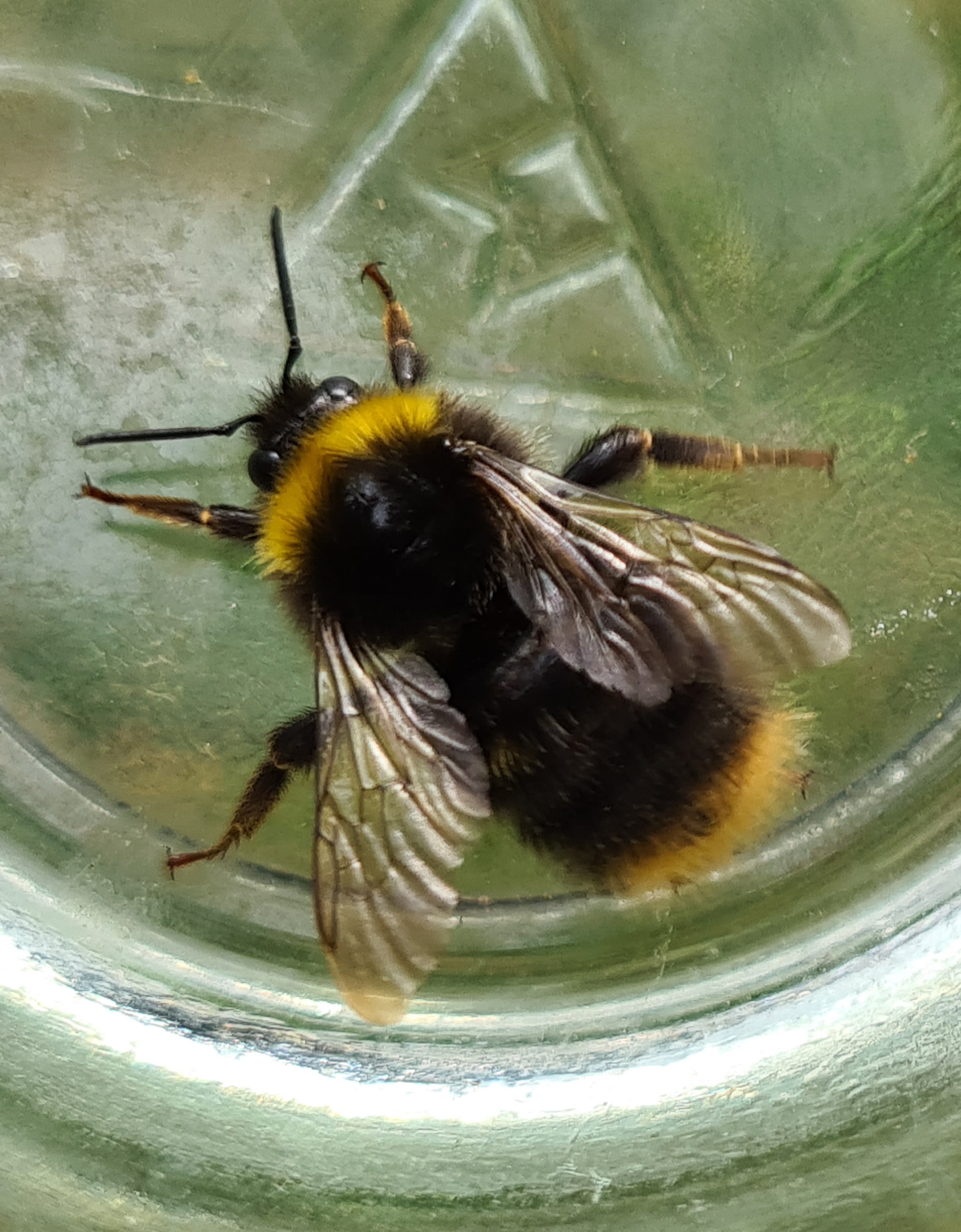
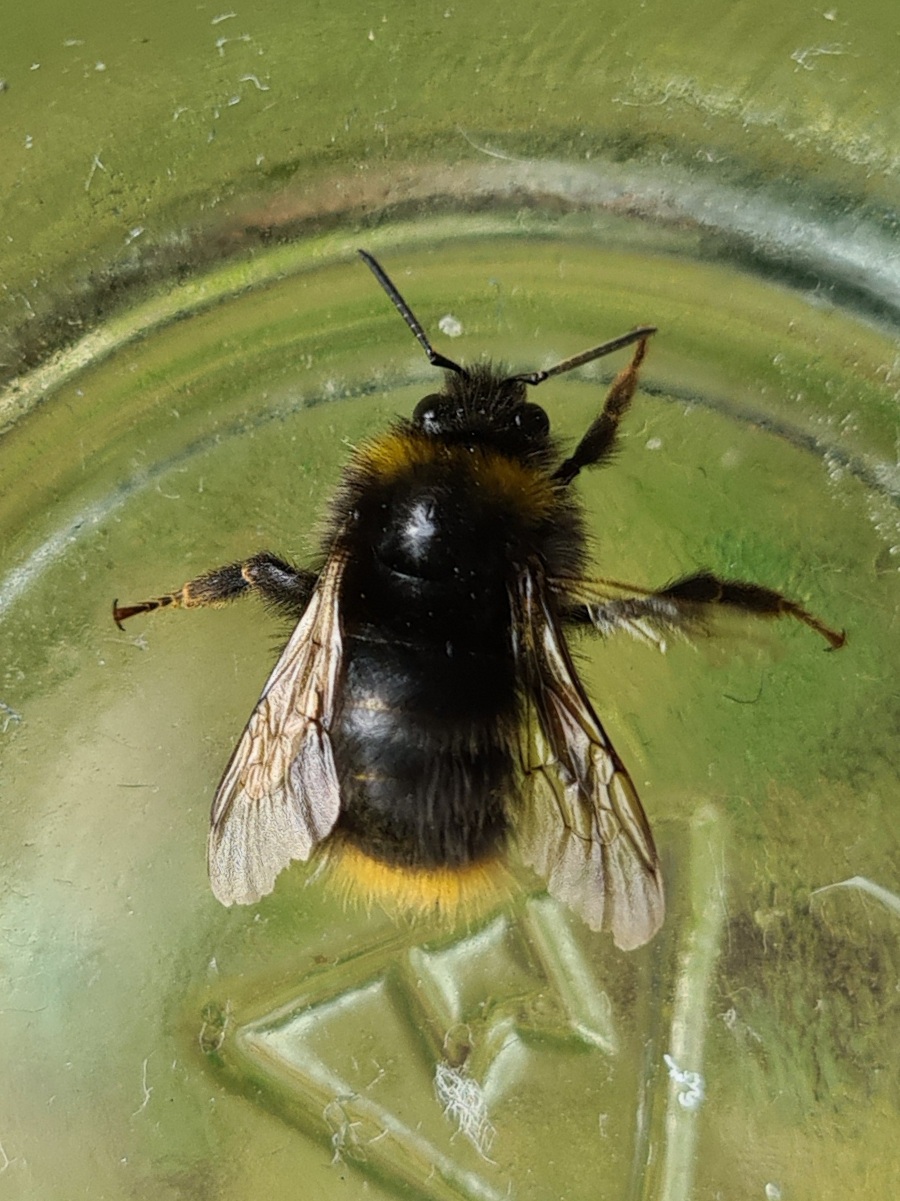
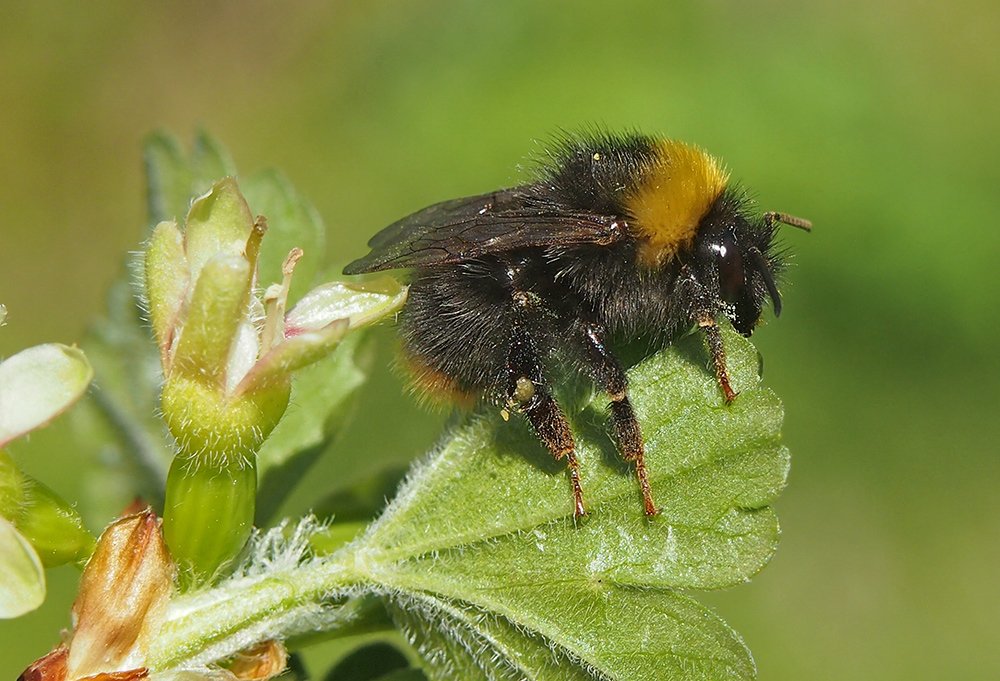
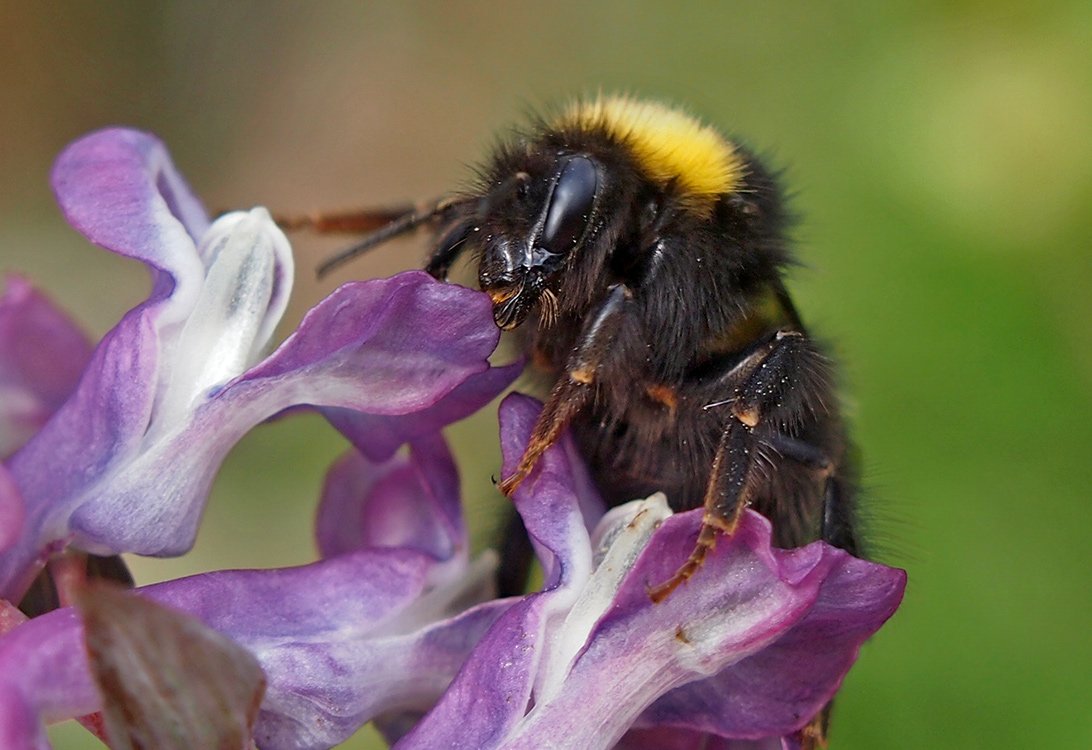
Colour scheme
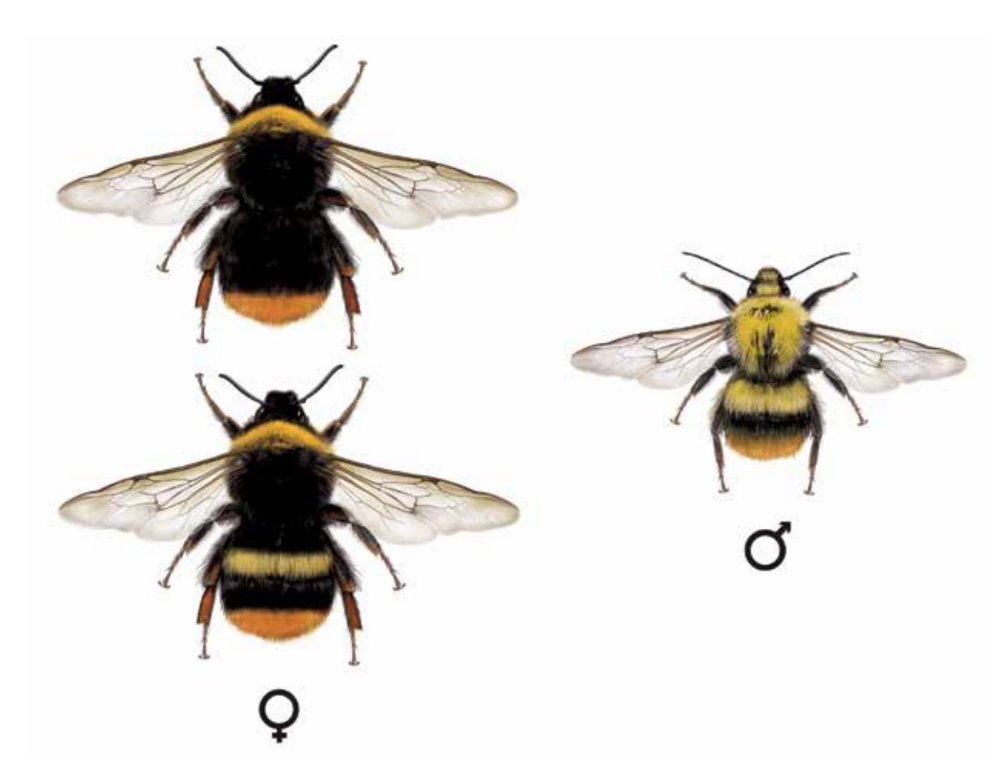
Basic diagram (mother-queen and workers):
- Base colour It is black
- Head black
- Chest
black
Just behind the head (prothorax) a transverse yellow stripe - Bottom
black
at the beginning of the rump (2nd tergite) a yellow stripe
The end of the rump (4th – 6th vertebrae) is orange-red
Basic diagram (male):
- Males have a patch of rich bright yellow plumage and striking yellow crest feathers on their forehead.
- The males of the coloured variety with two yellow stripes have the most striking colours.
Supplement:
- The coloration of the mother and workers can vary (e.g. a mother without yellow stripes and offspring with stripes from the father).
- Some colour forms are almost black, they always have an orange-red bottom
- Yellow stripes are sometimes missing or only weakly indicated (as for example here on the rump).
Size
Mother 15 – 17 mm
Female worker 9 – 14 mm
Male 11 – 13 mm
A rather typical feature is the stocky build of both queens and workers.
Source Blankořídlí of the Czech Republic I., Academia 2017
Head
Size short
Shape
- Mother and worker wedge shape when viewed from the front
- Male Oval
Language
- middle
- mother-of-pearl 12-14 mm
Photography
Mother
A shape with two stripes. The most beautiful males can be born from such a mother.

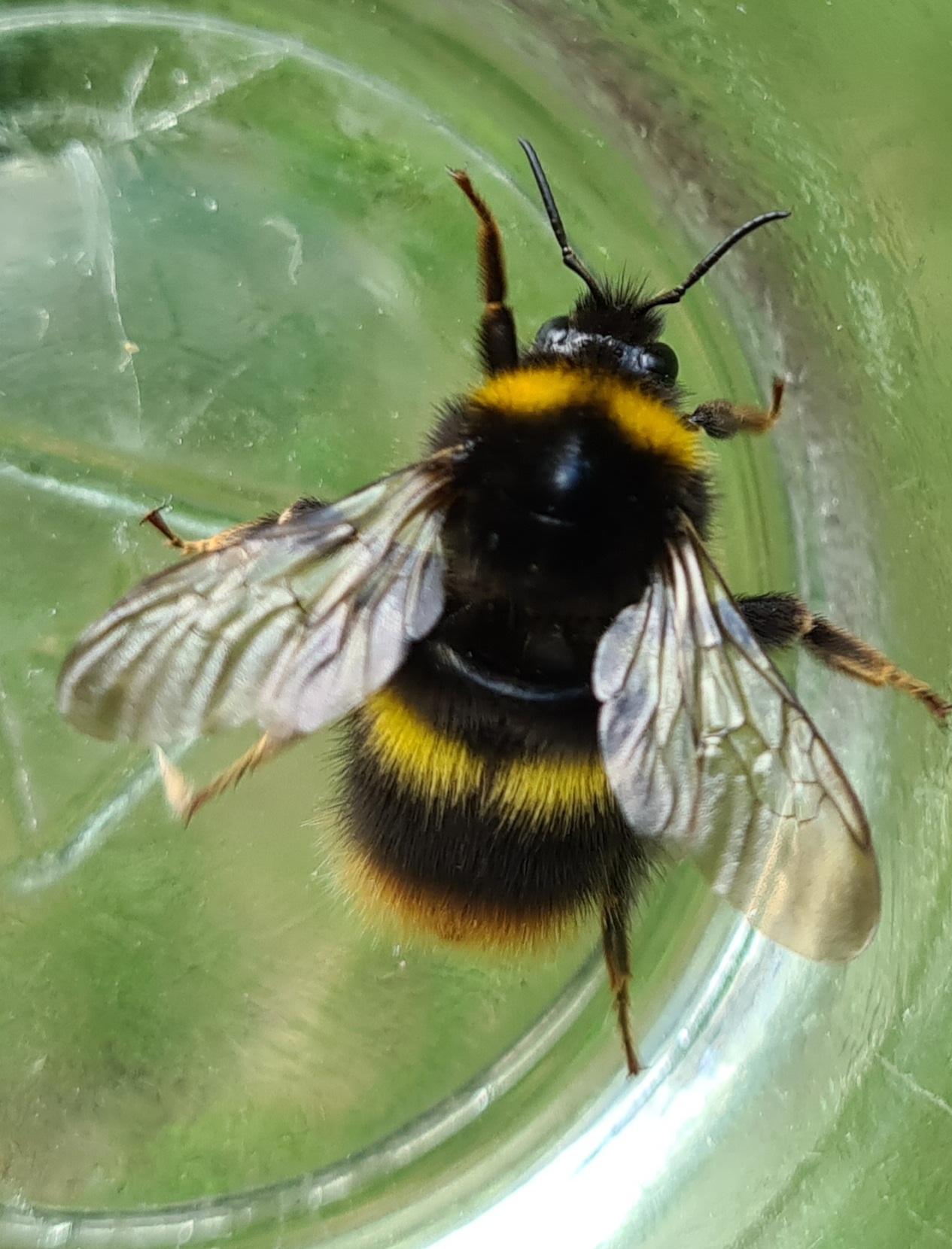
Bumblebees PLUS – Early bumblebee (Bombus pratorum) – queen
Photo: O. Hercog 27/7/2021
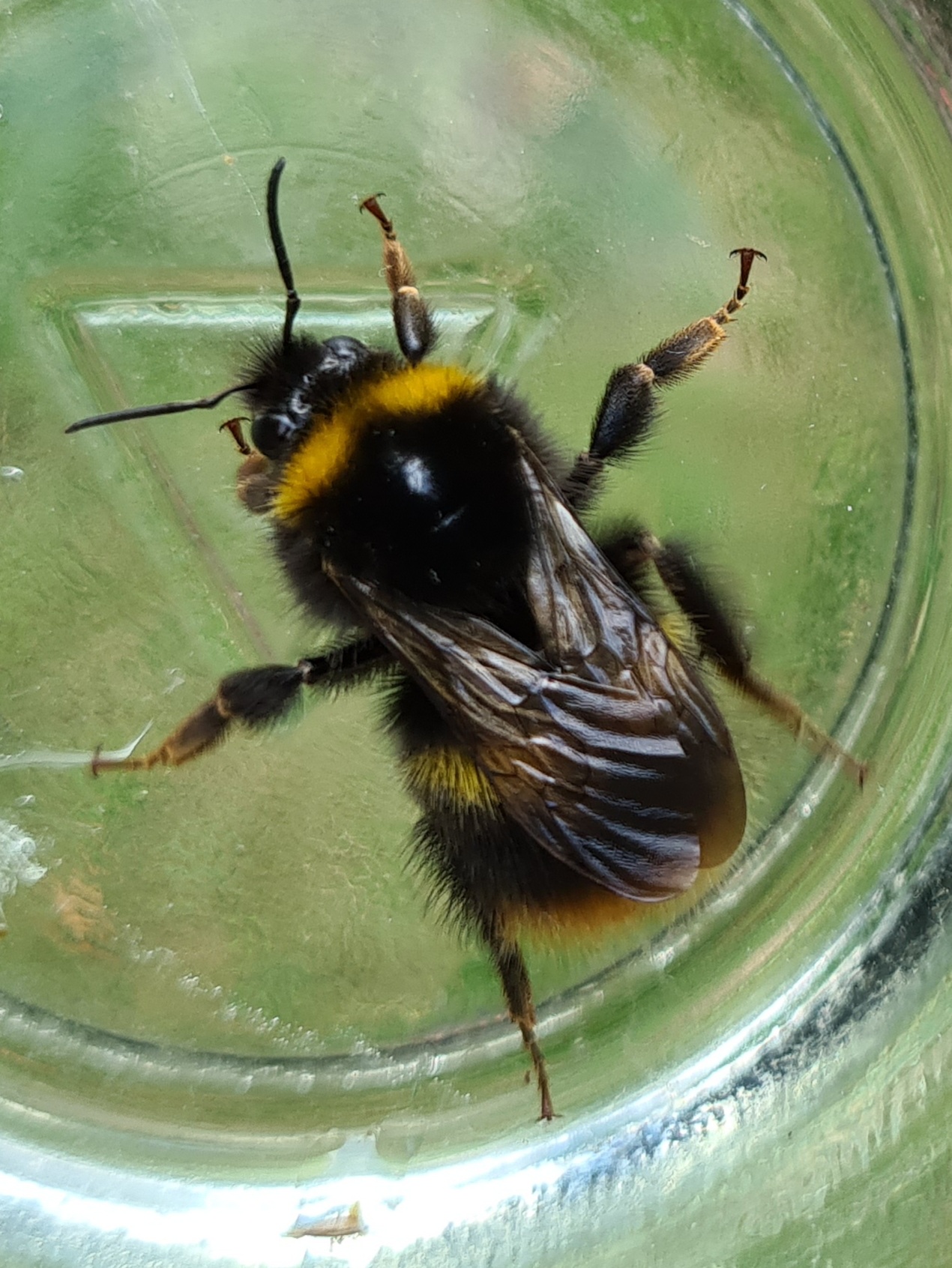
Bumblebees PLUS – Early bumblebee (Bombus pratorum) – queen
Photo: O. Hercog 27/7/2021
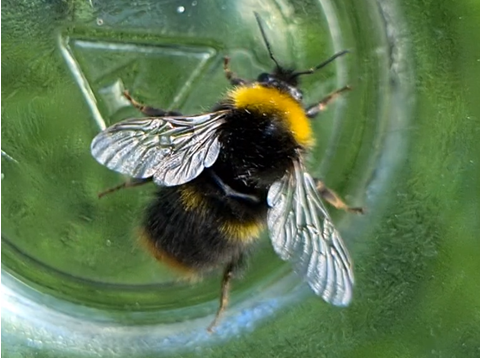
Meadow bumblebee (Bombus pratorum) queen
Shape with two yellow stripes
Photo O. Hercog 6/2021 Prague
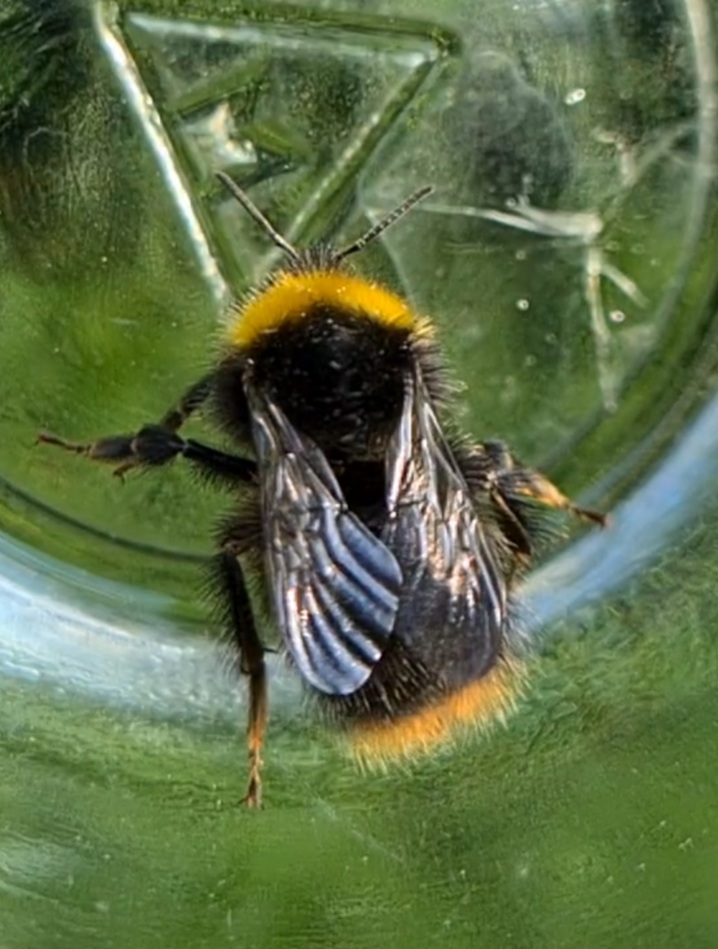
Meadow bumblebee (Bombus pratorum) queen
Photo O. Hercog 6/2021 Prague

Meadow bumblebee (Bombus pratorum) queen
Shirt with one yellow stripe on the fore-chest, the second is practically unnoticeable
Photo O. Hercog 7/2021 Prague
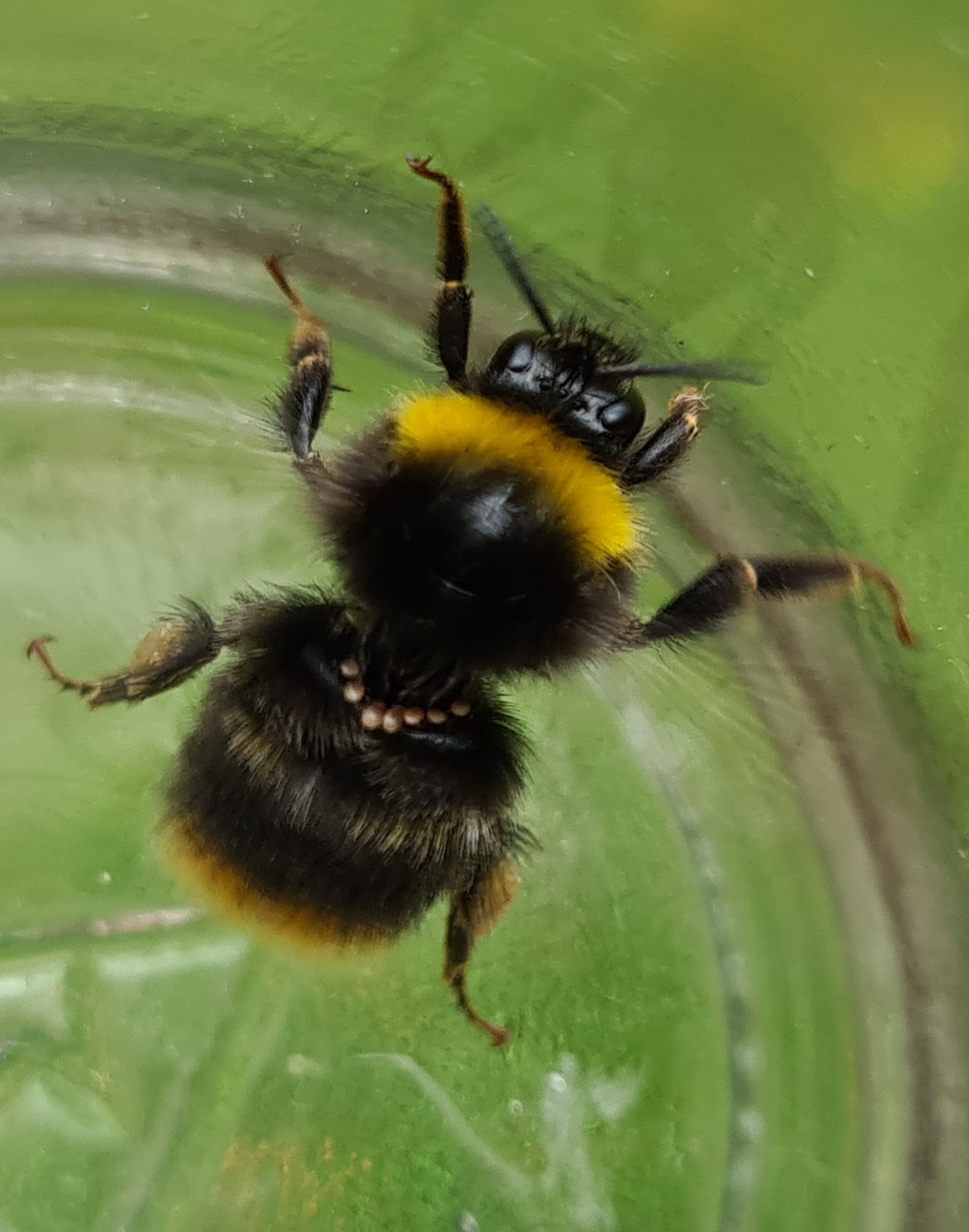
Meadow bumblebee (Bombus pratorum) queen
The mother has tenacious dung beetle larvae attached.
Photo O. Hercog 17/7/2021 Prague
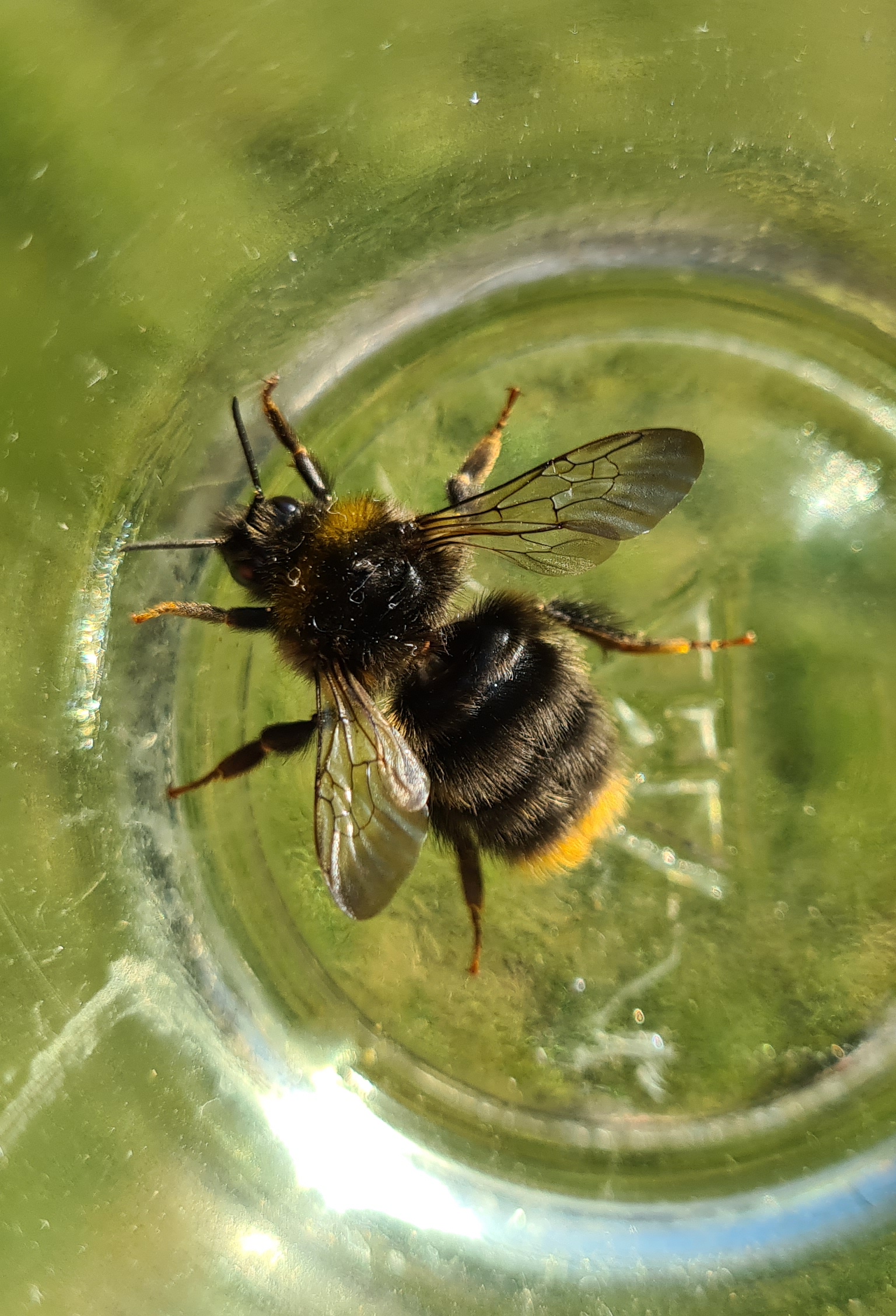
Meadow Pipit (Bombus pratorum) queen
Photo: O. Hercog 12/7/2021
Dark form of mother (stripe on the pronotum is difficult to discern) – preparing
Female worker

Meadow bumblebee (Bombus pratorum) worker
Form with one yellow stripe on the breast
Photo O. Hercog 22/6/2021 Prague
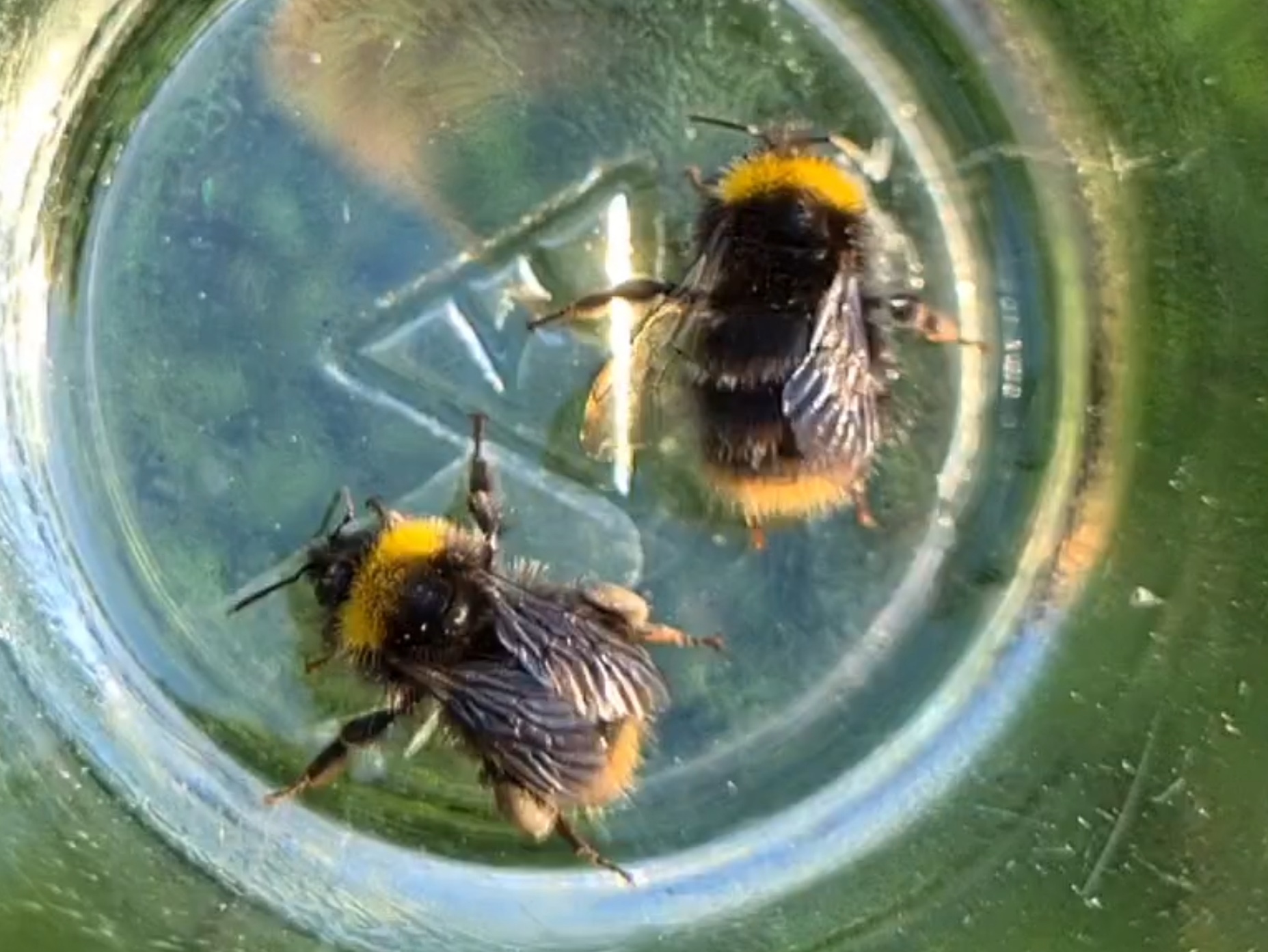
Meadow bumblebee (Bombus pratorum) worker
Photo O.Hercog
20/06/2021 Prague
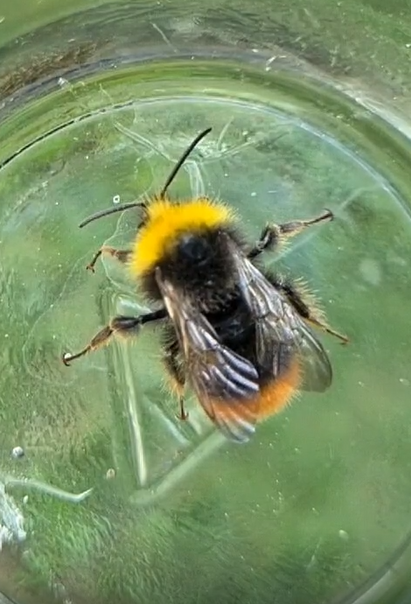
Male
Note the male's long, curved antennae and also the yellow crest on its forehead.
Just as thick unruly eyelashes of bright colours.

Meadow bumblebee (Bombus pratorum) male
Form with one yellow stripe on the breast
Photo O. Hercog 11/6/2021 Prague
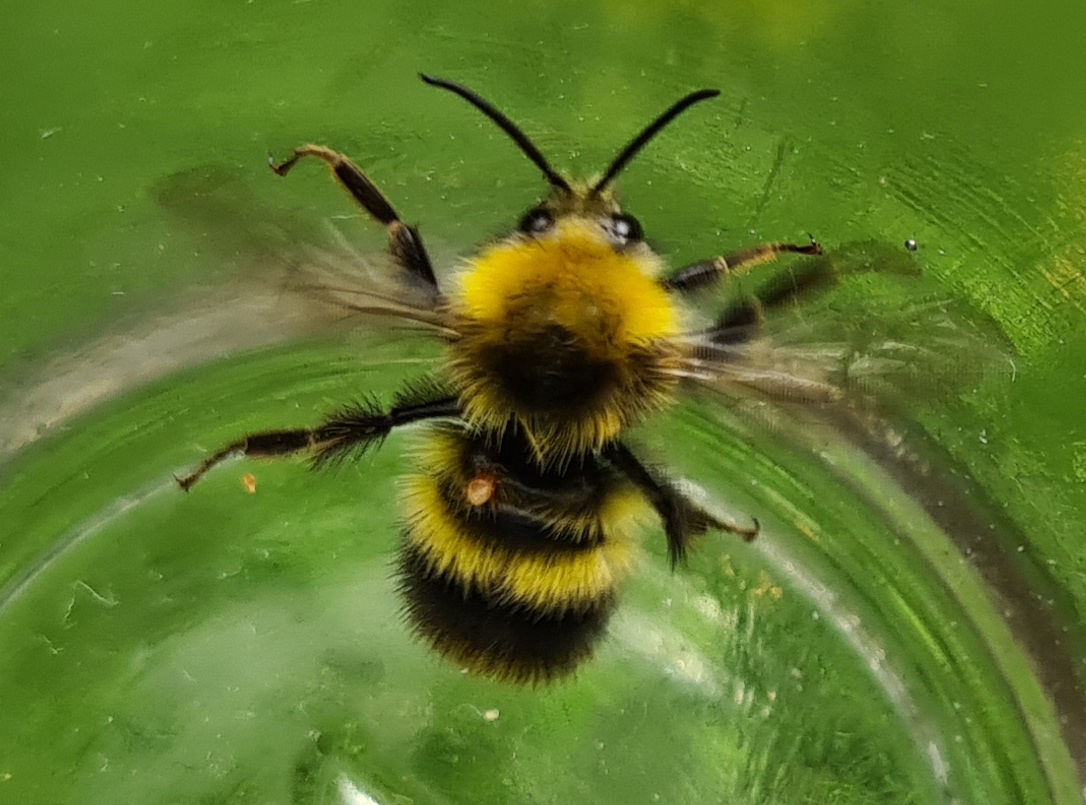
Meadow bumblebee (Bombus pratorum) male
Shape with two yellow stripes
Interesting fact – a dung beetle is attached to the male.
Photo O. Hercog 17/7/2021 Prague
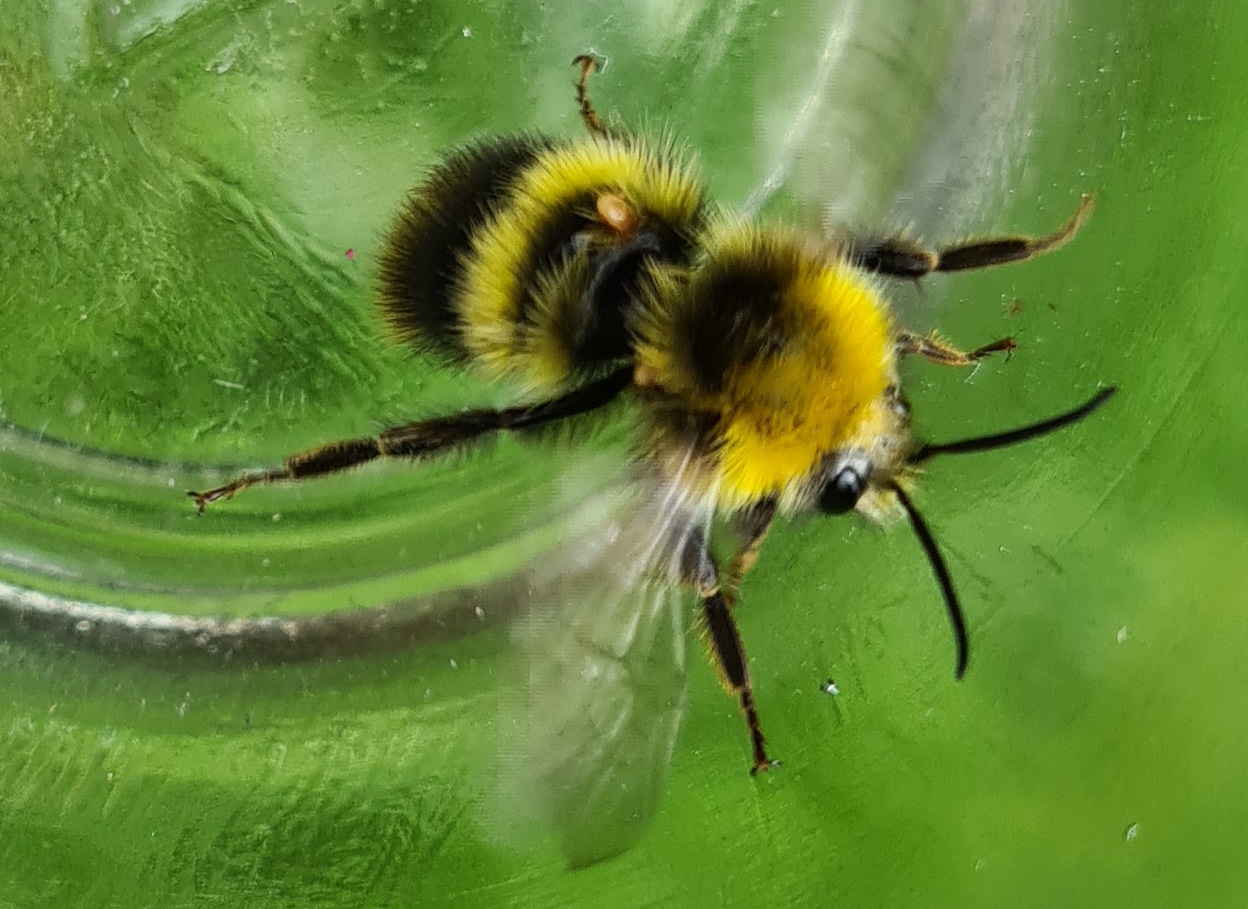
Meadow bumblebee (Bombus pratorum) male
Photo O. Hercog 17/7/2021 Prague
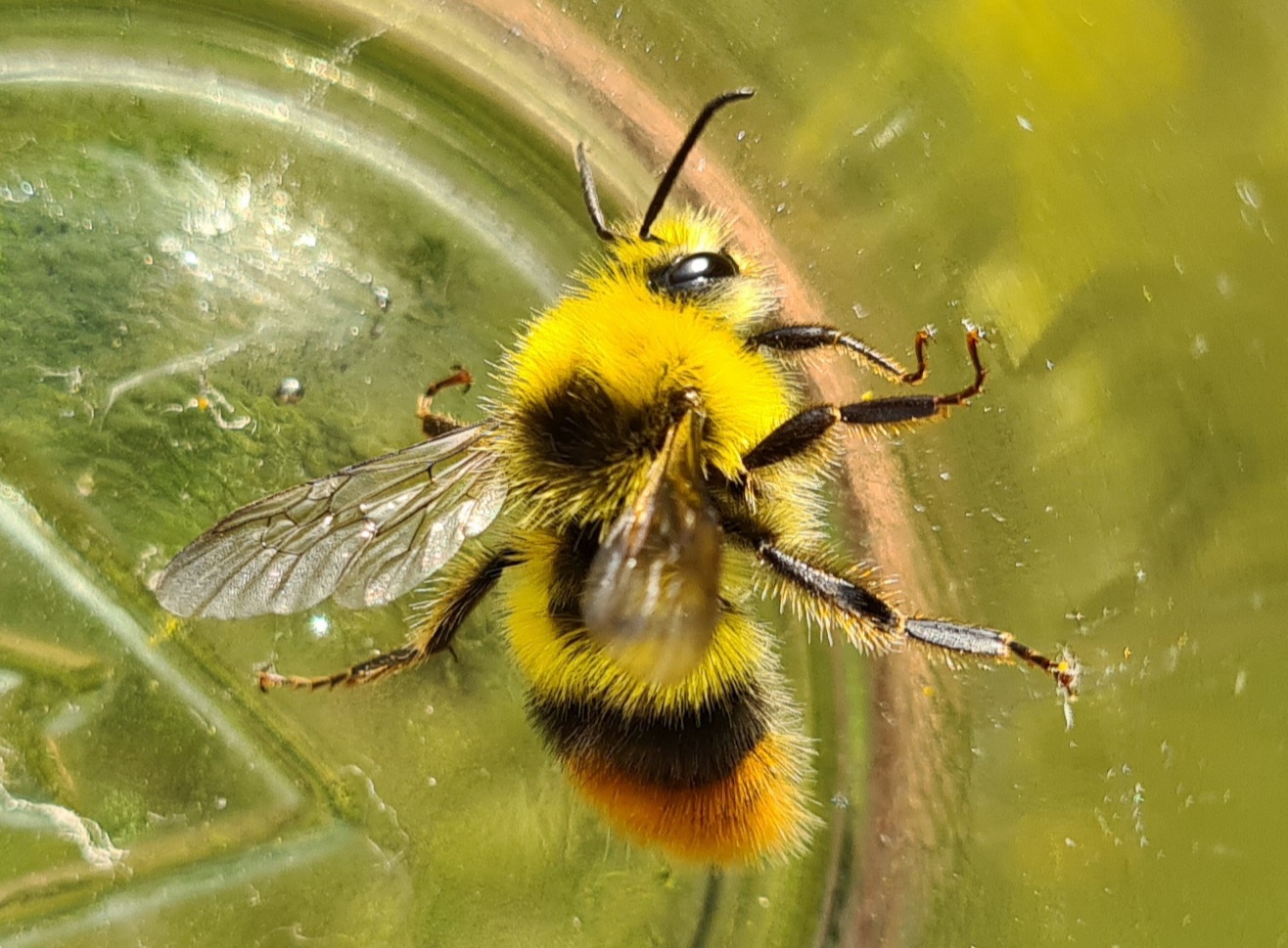
Meadow bumblebee (Bombus pratorum) male
Photo O. Hercog 25/6/2021 Prague
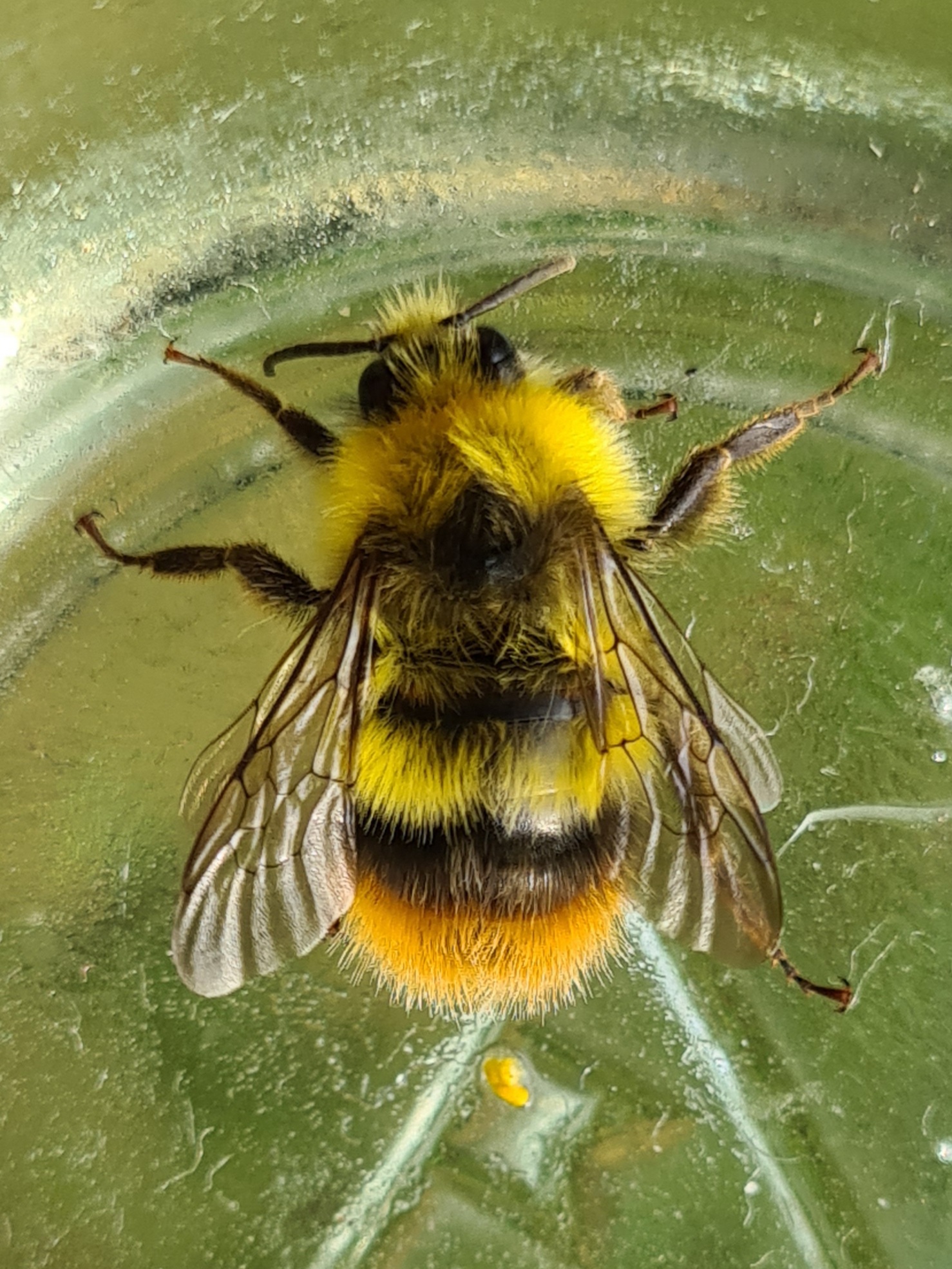
Meadow bumblebee (Bombus pratorum) male
Shape with two yellow stripes
Photo O. Hercog 25/6/2021 Prague
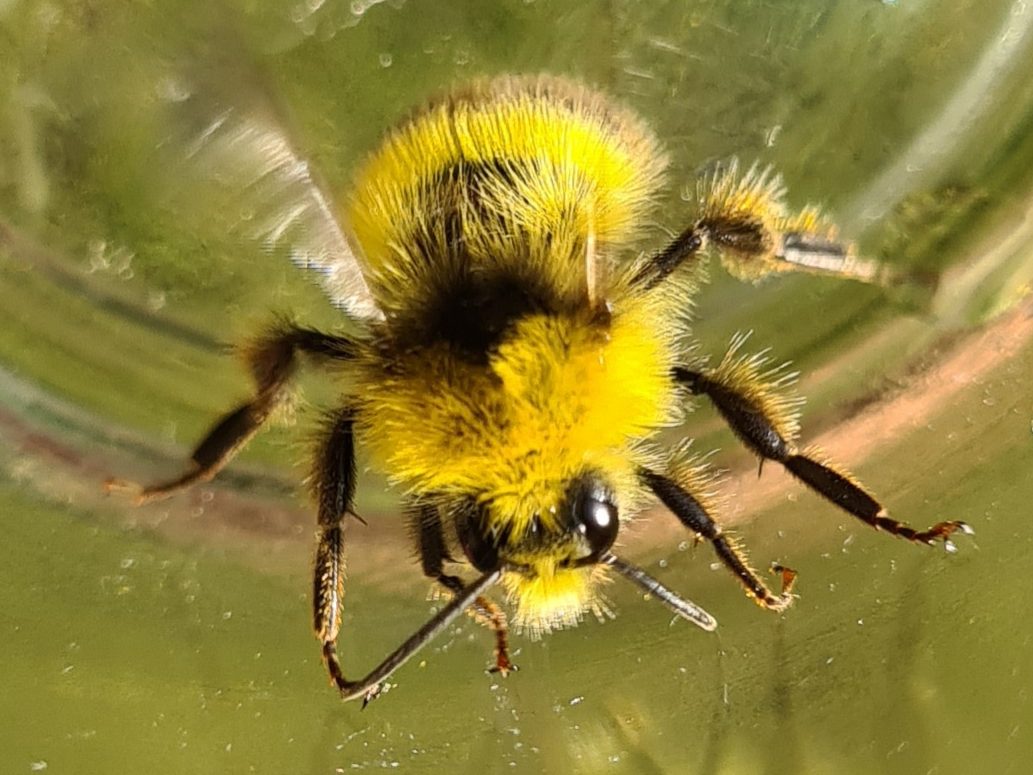
Meadow bumblebee (Bombus pratorum) male – head
Photo: O. Hercog 22/6/2021
.
.
Video catalogue
Mother
Mother – light form with one light stripe on the forechest and a faint yellow stripe on the rump
Female worker
Female worker – light form with one light stripe on the fore-chest
Male
Male – light form with one light stripe on the pronotum
Male – light form with two yellow stripes
Similar species
The dark variant of this species is interchangeable
- Buff-tailed bumblebee
- Stone-tail bumblebee
- Broad-headed Bumblebee (Bombus wurflenii)
How to distinguish it from similar species
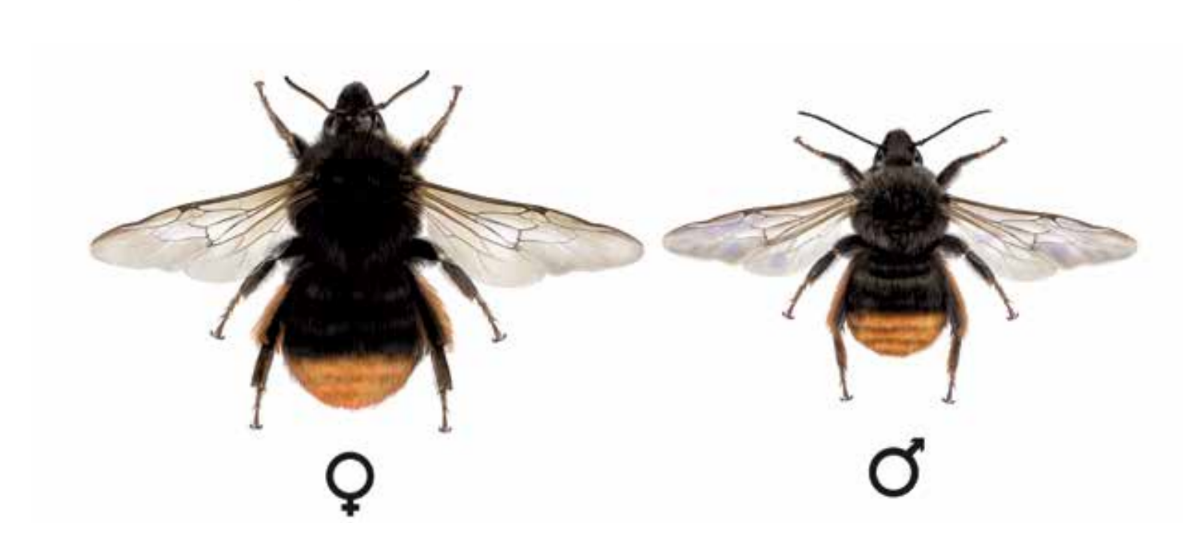
Buff-tailed bumblebee
- The hairs on the collecting baskets are reddish to yellow in colour.

Meadow bumblebee (Bombus pratorum)
Sikora A., Michołap P., Kadej M., Sikora M. Tarnawski D. 2018 „Bees in the City: Bumblebees of Wrocław“, published by the Association Nature and Man.
Buff-tailed bumblebee
Sikora A., Michołap P., Kadej M., Sikora M. Tarnawski D. 2018 „Bees in the City: Bumblebees of Wrocław“, published by the Association Nature and Man.
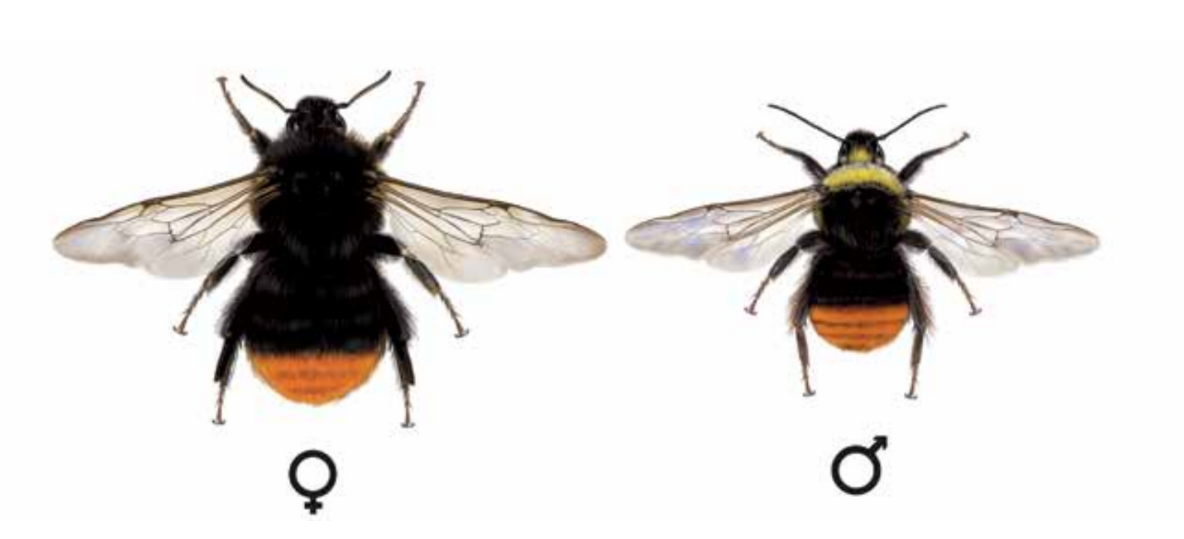
Stone-tail bumblebee
- a much larger and longer body
- darker / richer colours
- Males are not as brightly coloured as some forms of the buff-tailed bumblebee.

Meadow bumblebee (Bombus pratorum)
Sikora A., Michołap P., Kadej M., Sikora M. Tarnawski D. 2018 „Bees in the City: Bumblebees of Wrocław“, published by the Association Nature and Man.
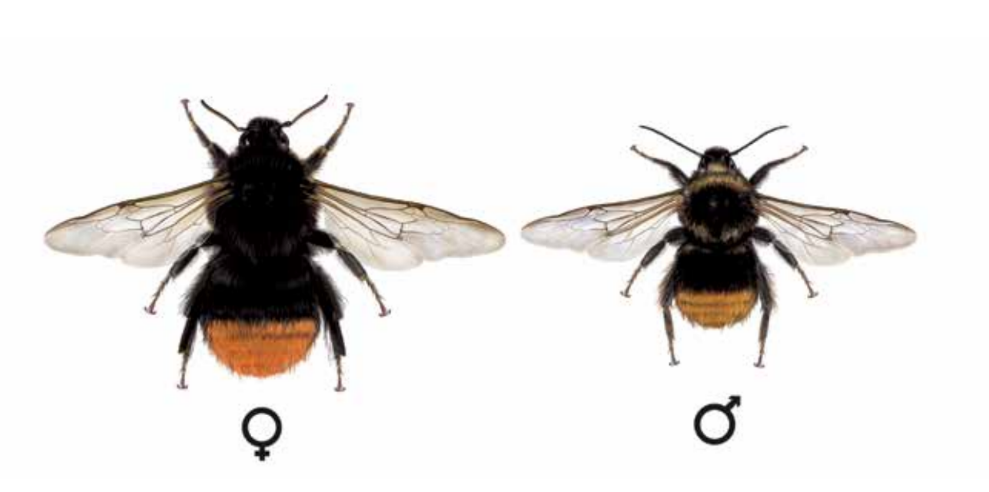
Stone-tail bumblebee
Sikora A., Michołap P., Kadej M., Sikora M. Tarnawski D. 2018 „Bees in the city: Buff-tailed bumblebees of Wrocław“
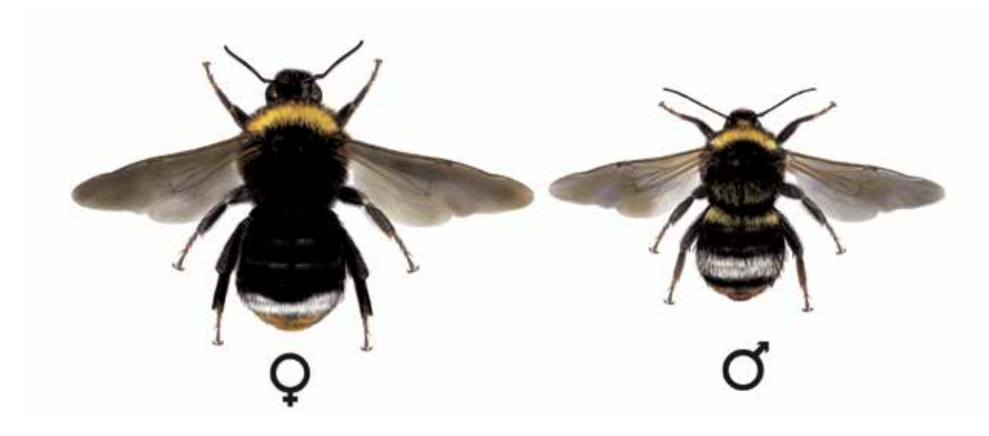
BumblebeeBombus wurflenii
- It's more similar to the rock bumblebee.
- on the bottom is a wider coloured end (3rd – 6th vertebrae)
- larger than a meadow bumblebee

Meadow bumblebee (Bombus pratorum)
Sikora A., Michołap P., Kadej M., Sikora M. Tarnawski D. 2018 „Bees in the City: Bumblebees of Wrocław“, published by the Association Nature and Man.
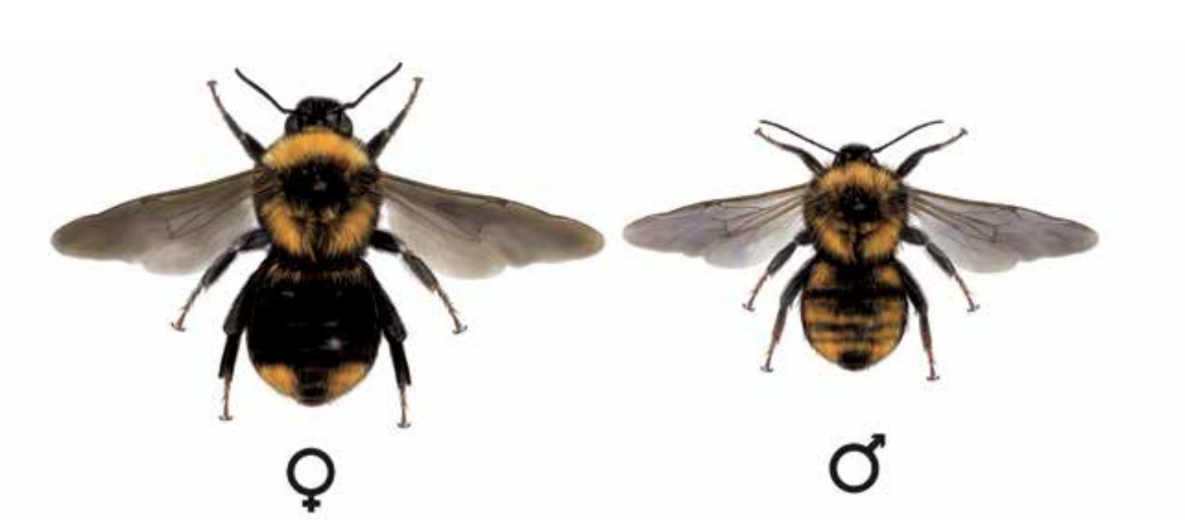
Mountain bumblebee
Sikora A., Michołap P., Kadej M., Sikora M. Tarnawski D. 2018 „Bees in the City: Bumblebees of Wrocław“, published by the Association Nature and Man.
Occurrence
- It is a forest species/mountain and sub-mountain species.
- The species is quite common and widespread throughout Europe.
Biotop
- Obývá zpravidla vlhčí biotopy, světlé louky i pastviny.
- Preferuje vlhčí otevřená stanoviště, nevyskytuje se v příliš v otevřených a teplých oblastech. Postupně se ale stěhuje do městských zahrad a parků.
Žívotní cyklus
- Raný druh
- Number of generations per season: jeden / dva cykly v sezóně; Matky hybernují od srpna, ale některé z nich zakládají v témže roce svá hnízda a pokoušejí se vychovat druhou generaci ve stejném roce.
- Queen bees looking for nesting sites: od počátku března (v závislosti na počasí) a brzy hnízdí.
- Nesting of queens: začátek března – polovina května
- New queen mothers are emerging: od května, pokud je chladno tak na počátku června
- The males appear: right after mothers
- The nest ends: červen – červenec (první generace) v závislosti na počasí
Na následujícím videu vidíte neúspěšný pokus o páření. V této poloze to hochu opravdu nejde …
Larval feeding
Skladovačí pylu (pollen storers)
Nesting site
- hnízdí v dutinách zdí, v travních drnech, méně často pod střechami domů.
- velmi často se snaží nastěhovat do hnízd i úlků jiných druhů čmeláků.
- méně často ho najdete pod zemí v norách malých hlodavců.
Nest size
- Většinou menší hnízda
- Počet jedinců 80 – 150 (v přírodě )
Pohled do hnízda čmeláků lučních
Visiting bumblebees
V jeho hnízdech parazitují
- Forest bumblebee (Bombus sylvestris)
- Field cuckoo-bee
Pozorován stav, kdy matka pačmeláka nezabije původní matku, ale v hnízdě s ní koexistuje (příklad pačmelák lesní).
How to tell the difference between a bumblebee and a 'pačmelák' (which is often used colloquially to refer to any larger bee, including bumblebees, or sometimes more specifically to certain types of larger, fuzzy bees).
Forest bumblebee (Bombus sylvestris)
- lze snadno odlišit podle barevného schématu i podle velikosti

Meadow bumblebee (Bombus pratorum)
Sikora A., Michołap P., Kadej M., Sikora M. Tarnawski D. 2018 „Bees in the City: Bumblebees of Wrocław“, published by the Association Nature and Man.
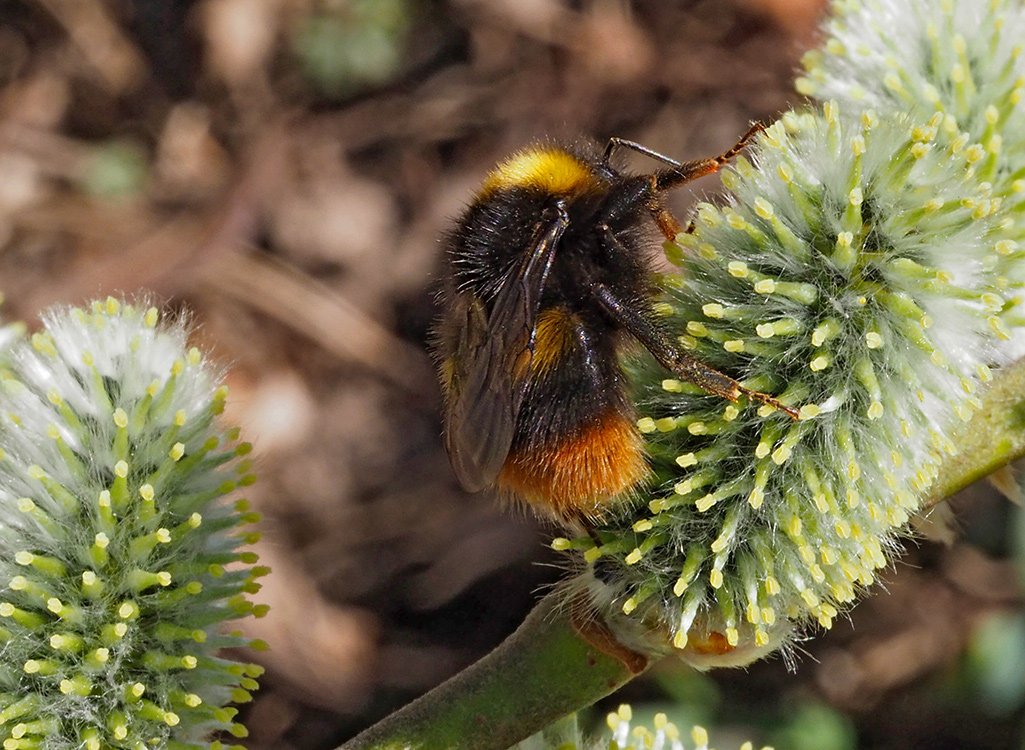
Forest bumblebee (Bombus sylvestris)
Sikora A., Michołap P., Kadej M., Sikora M. Tarnawski D. 2018 „Bees in the City: Bumblebees of Wrocław“, published by the Association Nature and Man.
Field cuckoo-bee
- lze snadno odlišit podle barevného schématu i podle velikosti

Meadow bumblebee (Bombus pratorum)
Sikora A., Michołap P., Kadej M., Sikora M. Tarnawski D. 2018 „Bees in the City: Bumblebees of Wrocław“, published by the Association Nature and Man.

Field cuckoo-bee
Sikora A., Michołap P., Kadej M., Sikora M. Tarnawski D. 2018 „Bees in the City: Bumblebees of Wrocław“, published by the Association Nature and Man.
Information on breeding
Fright ochotně se ale zahnízdí i ve velkém úlku (doporučujeme z důvodu jarních chladů a mrazu)
Hallway: nevyžaduje dlouhou chodbu, ale usídlí se dobře i ve standardním úlku s chodbou kolem 50 – 60 cm dlouhou.
Seating matka se vrací často hned po usazené a buduje hnízdo
Mothers' returns in spring after hibernation: common
Self-assembly in the hive common
Interesting facts
- zajímavostí je jeho malá velikost a rychlý let
- několik barevných schémat
- výrazné zbarvení samci
- nejkrásnější samci vycházející z barevné variety s dvěma žlutými proužky
Photos and videos

Field bumblebee (Bombus pratorum) – queen
Photo by H. Kříženecká

Čmelák luční (Bombus pratorum) delnice (worker)
Photo H. Kříženecká

Field bumblebee (Bombus pratorum) – queen
Photo by H. Kříženecká

Čmelák luční (Bombus pratorum) – samed (male)
Photo H. Kříženecká

Meadow bumblebee (Bombus pratorum) male
Photo O. Hercog 25/6/2021 Prague
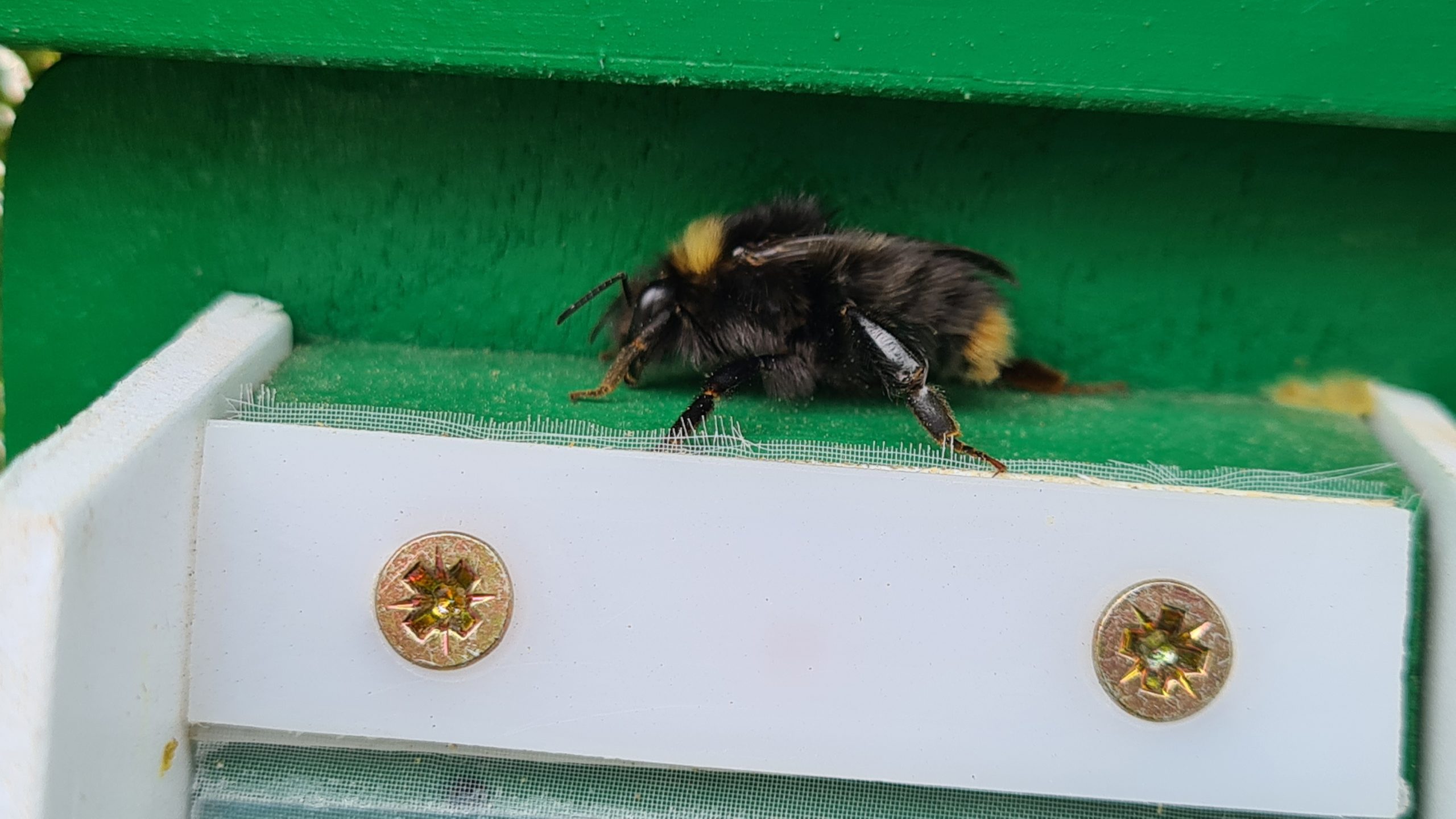
Meadow bumblebee (Bombus pratorum) queen
Foto O.Hercog 5/6/2021 Praha

Meadow bumblebee (Bombus pratorum) male
Photo O. Hercog 25/6/2021 Prague
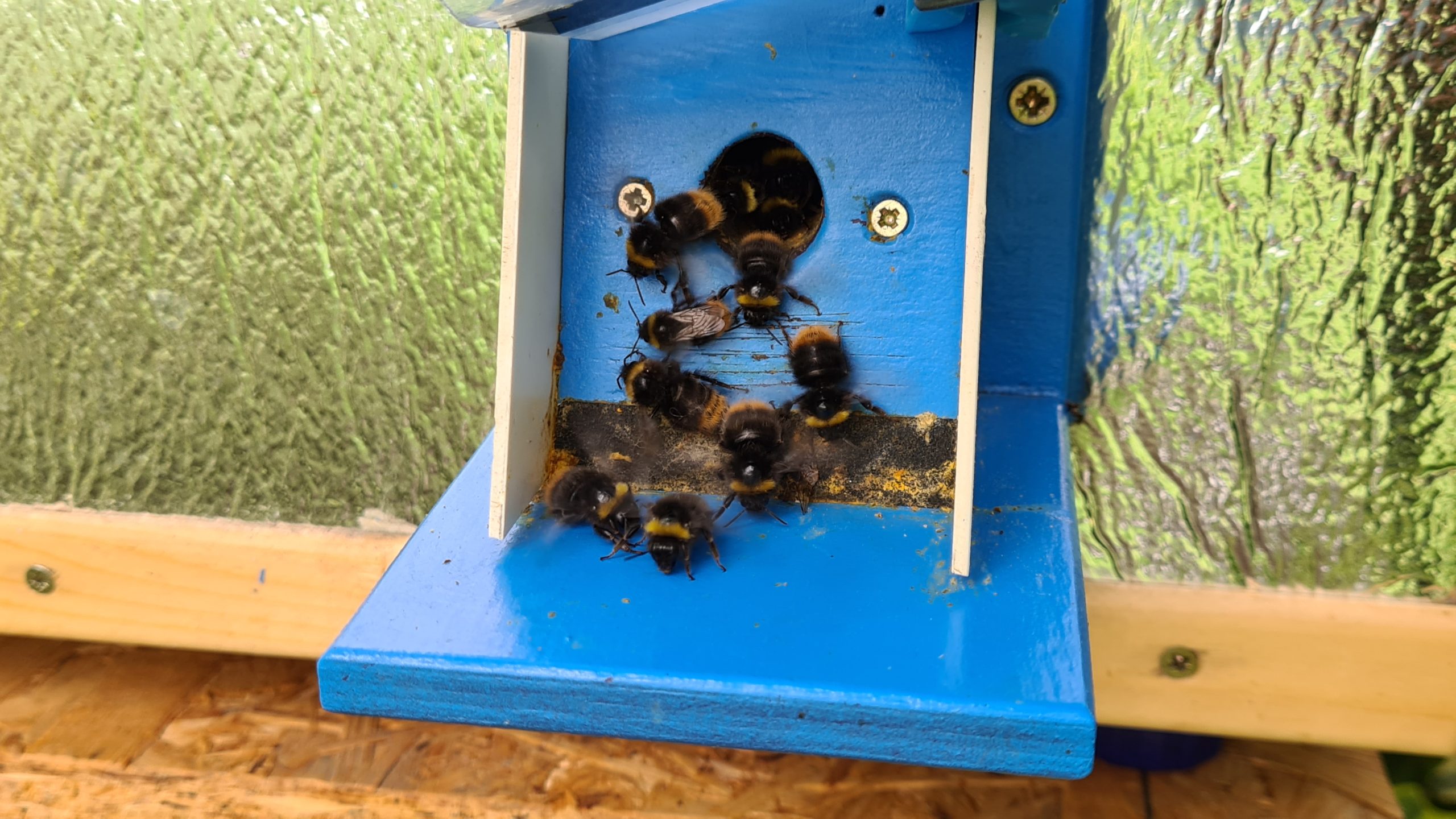
Čmelák luční (Bombus pratorum) dělnice chladí úlek (worker)
Foto O.Hercog 12/6/2021 Praha

Čmelák luční (Bombus pratorum) první čerstvě narozený samec (male)
Foto O.Hercog 5/6/2021 Praha
Also visit YouTube Čmeláci PLUS, where you'll find a variety of interesting videos about bumblebees.
Each video is accompanied by a comment that describes the video.