



Here we are preparing a description of selected species of bumblebees and bumblebee relatives in the Czech Republic, and we already have completed in this section:
Detailed description of species:
- White-tailed bumblebee (Bombus lucorum) Buff-tailed bumblebee
- early bumblebee ( Bombus pratorum ) Bombus pratorum
- Common carder bee (Bombus pascuorum) Bombus pascuorum
- red-tailed bumblebee (Bombus lapidarius) Buff-tailed bumblebee
- Buff-tailed bumblebee (Bombus terrestris) Buff-tailed bumblebee
- Vestal cuckoo bumblebee (Bombus vestalis) Bombus vestalis
While it's being prepared, you might want to read something on the subject of bumblebee species identification.
There are 29 species of bumblebees in the Czech Republic.
In the Czech Republic, 30 (or 33) species of bumblebees and 9 species of cuckoo bumblebees have been described. Some are common, some are rare, and a number of them have already become extinct or are considered extinct.
It's difficult to answer that question precisely, and bumblebees themselves don't help us at all with the answer – we'll explain why in a moment. 🙂
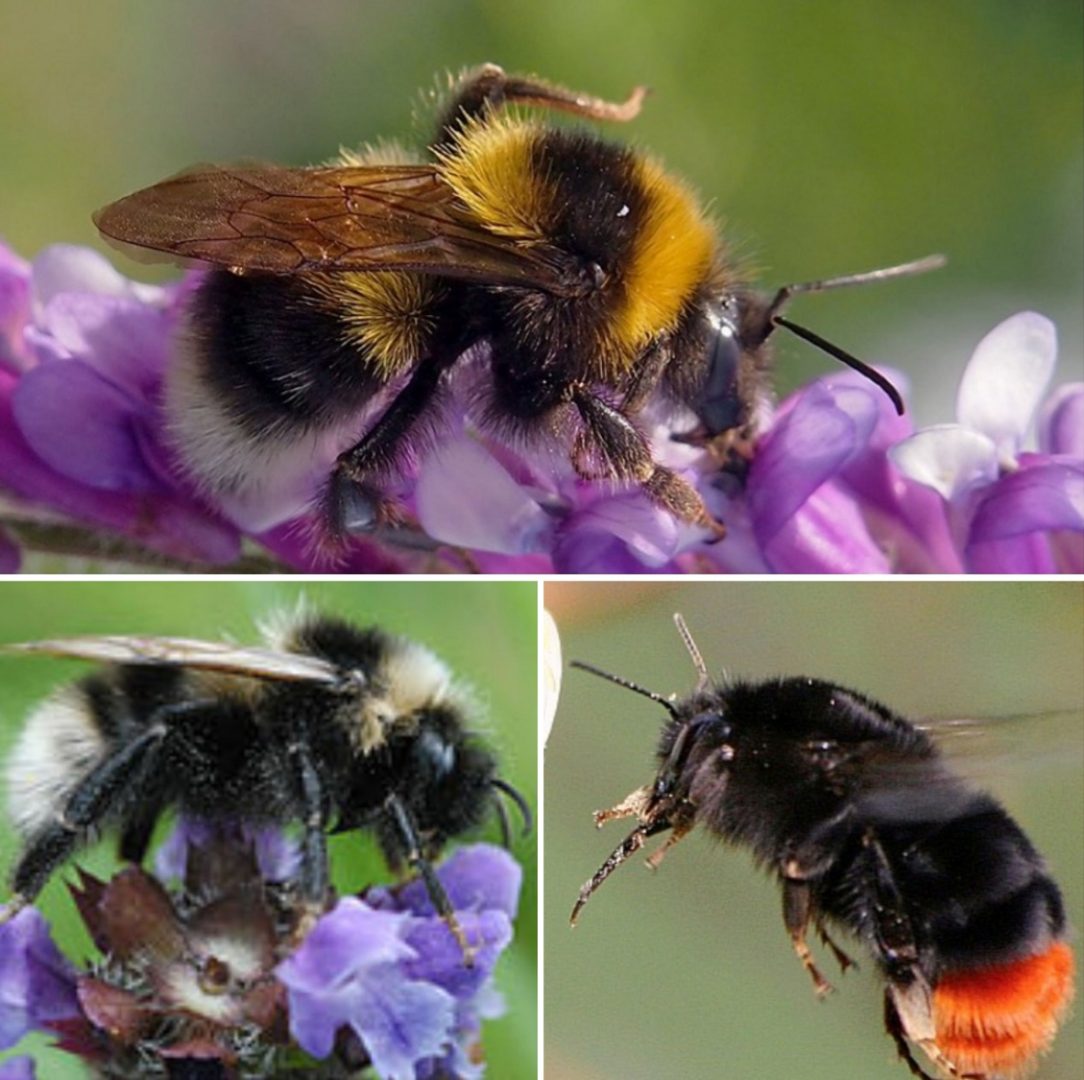
Types of bumblebees
Internet Photo
Why is it complicated?
Reliably identifying the species of bumblebee is not easy at all, as you know very well, or you will soon find out.
With climate change, the occurrence of individual bumblebee species is now shifting, so that bumblebee species originally from other areas of Europe are also appearing here. As an example, mention the buff-tailed bumblebee (Buff-tailed bumblebee and its subspecies Bombus terrestris dalmatinusor Balkan bumblebeeBombus haematurusA Great yellow bumblebee.
Bumblebees don't really pay attention to borders, so species from neighbouring countries can sometimes be found here.
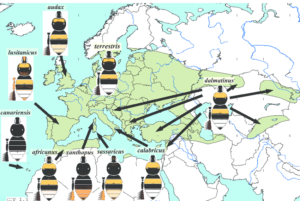
Range expansion of the buff-tailed bumblebee (Bombus terrestris) in Europe (Source: Rasmont et al. 2008)
The populations of some rare bumblebee species are very small and often confined to small pockets of occurrence. We may not even be aware of them, and so it can happen that rare species easily and secretly disappear with liquidation. All it takes is for some developer to destroy a small piece of nature, or its vegetation, regardless of any permits. Species that are tied to specific plant species suffer particularly from this.
A number of well-known factors are affecting bumblebees, leading to a decline in the numbers of both species and individuals. Similarly, there are a number of risks that threaten them, but whose impact we may not have direct evidence for. However, the risks are present, and we must take them into account and protect bumblebees against them.
Therefore, the answer to „How many species of bumblebees are there in the Czech Republic?“ is not simple, and unfortunately, it varies from year to year.
You can find out more about the factors and risks of bumblebee decline in the chapter Why are bumblebees declining in the wild.
Categories of threat to bumblebee species in the Czech Republic
When working on a list of bumblebee species, we decided to use the so-called Red List of Threatened Species. We also used recognised categories and abbreviations from this list. Yes, we are going a bit into depth with this, but it is good to have reliable and recognised information on the occurrence of bumblebees.
IUCN Categories and Criteria and Their Use for the Red Lists of Czech Invertebrates
EX – Extinct = a species for which extensive surveys do not challenge the fact that the last individual has died
EW - Extinct in the Wild Vulnerable a species that survives only in human care (cultivation, growing, breeding)
RE – regionally extinct (Regionally Extinct)
CR – Critically Endangered (Critically Endangered) a species facing an exceptionally high risk of extinction in the wild
EN – endangered Endangered a species facing a very high risk of extinction in the wild
VU – Vulnerable (Suscetible) a species facing a high risk of extinction in the wild
NT – near threatened (Near Threatened) = a species that we do not currently classify as critically endangered, endangered or vulnerable, but which is close to this classification, or is likely to be classified in one of these categories in the near future
LC – barely touched (Least Concern) = An abundant and widespread species for which there is insufficient data (DD) – a species for which there is no information available to assess the endangerment it faces.
NE – unevaluated (Not evaluated) = a species that has not yet been assessed against the IUCN criteria
NA – not suitable for rating Not Applicable = not assessed, i.e. classified as NA (not applicable); species outside their native range, i.e. non-native species that have been unintentionally introduced into the Czech Republic
DD – insufficient data (Data Deficient) = suitable information is lacking to assess, directly or indirectly, the threat of extinction or eradication based on its extension and/or population status
If a bumblebee species in the Czech Republic is listed in one of these categories, you will find it in our list marked in red, along with the description and code given above. For other species, we follow the publication White-winged birds of the Czech Republic.
If you are interested in a list of endangered invertebrate species in the Czech Republic and the regions where these species are still found, please refer to the so-called. the red book from 2017 Street 240

How to identify a bumblebee species
Identifying bumblebee species might seem easy at first glance. „One is yellow-black-white and the other is black-red“, another „brown“ or „yellow“. OK, but the more you delve into the subject, the more you realize it's not so easy.
Species are primarily identified by their colouration and colour patterns, as well as by their size, head shape, etc. However, some species share similar colours, and their colour patterns sometimes overlap; within a species, there are colour variations and deviations. Colouring also often changes as the individual ages (colours fading over the course of the season).
In some species, colouration and features vary according to sex see the red-tailed bumblebee (Bombus lapidarius) _Bombus lapidarius_, early bumblebee ( Bombus pratorum ) Early Bumblebee), whilst in some cases the colour patterns are essentially the same the buff-tailed bumblebee – Buff-tailed bumblebee).
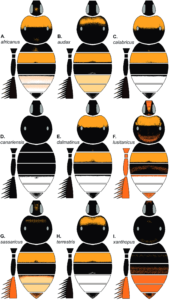
Colour scheme of the Buff-tailed Bumblebee – Bombus terrestris (ResearchGate)
To make matters worse, bumblebee cuckoos, which are parasites of bumblebees, often have coloration very similar to the bumblebee species they are hosting. Therefore, if you are not careful when identifying the species, you will be delighted by a beautiful (cuckoo) bumblebee.
You’ll find in some literature that it’s possible to reliably identify a bumblebee species by looking at the males’ penises. OK, but that’s probably not very practical, is it? 🙂
For reliable species identification, you therefore need more time, the opportunity to compare individuals with a catalogue or photographs, or the ability to examine the bumblebee under a microscope. Of course, it requires experience and practice.
It is certainly true that you cannot reliably determine the species from a single photograph. For a good species identification, you need to see details of the head, thorax, abdomen, and sometimes the legs.
Therefore, we want to prepare a guide and catalogue for you to identify species.
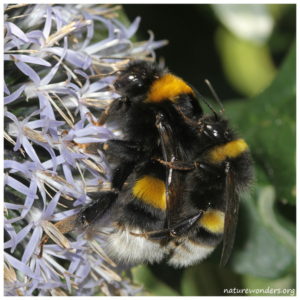
Bombus terrestris terrestris (Photo Nature Wonder)
Bumblebee catalogue at Bumblebee PLUS
Our aim is to prepare a description of individual species, instructions for their identification, description of nesting sites, information on breeding, and other useful information. It is intended to be a clear and structured catalogue for the needs of laypeople – bumblebee observers, conservationists, and breeders alike.
For most of you, accurately identifying the species isn’t the most crucial or important thing. However, if the ability to identify bumblebee species becomes more widespread among enthusiasts, we may well discover species of bumblebee that we believe to have become extinct in our countryside or not to occur in a particular location. This would then provide an opportunity for experts to map such a site and subsequently protect it appropriately, for example from property developers.
The ability for a wider group of laypeople to identify bumblebee species than is currently the case could be a way to save rare bumblebee species.
Do you think that's pointless? Take the striped bumblebee, for example Bombus subterraneus, a species that our colleague Jaromír Čížek has been working to save in the Czech Republic’s natural environment for many years. What if, thanks to a wider community of people who can identify this species, we succeed in this endeavour – wouldn’t that be wonderful?
We can help other species of our bumblebees in the same way. Yes, it’s not an easy task, but why not give it a go? 🙂
In the catalogue, we will also use data from the Red List to give you a clear overview of which regions you can still encounter endangered species in, and where, on the other hand, their presence cannot be expected…
Our catalogue and bumblebee identification guide require a fair amount of time and effort to compile. However, we want to present you with something you won’t find just anywhere – simply something from the PLUS range.
And before here is a catalogue of bumblebee species, then …
For now, we are publishing very nice views from the publication here. Sikora A., Michołap P., Kadej M., Sikora M. Tarnawski D. 2018 „Bees in the City: The Bumblebees of Wrocław“, Publ. Association Nature and Man.. Even by these alone you can identify selected species of bumblebees in nature and get an idea of their main characteristics, as well as distinguish their queen from a male (drone). Workers differ from the queen primarily in their size; they mostly have the same colour scheme as her.
Note: The bumblebees are not shown to scale, the main aim is to highlight their key features and colours.
We also recommend visiting the websites www.blanokridlivpraze.cz, where beautiful photographs of Mrs Hana Kříženecká are published.
buff-tailed bumblebee – Bombus terrestris
very abundant
widespread
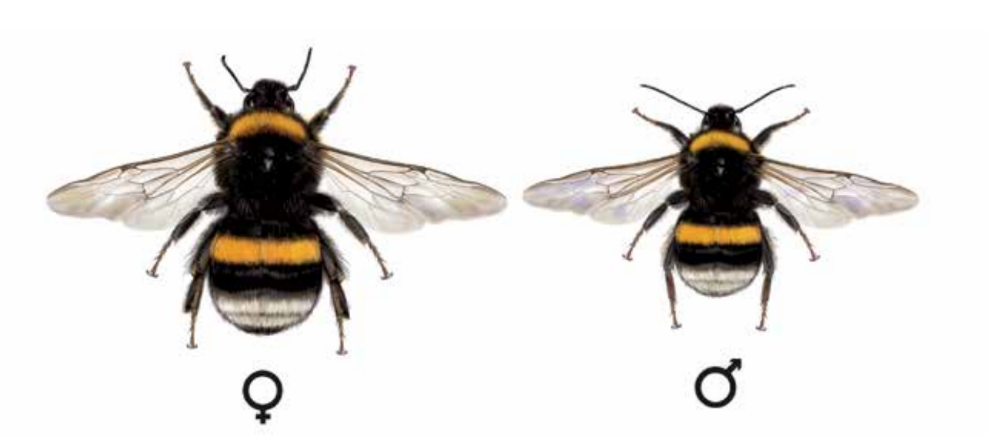
Buff-tailed bumblebee (Bombus terrestris)
Sikora A., Michołap P., Kadej M., Sikora M. Tarnawski D. 2018 „Bees in the City: Bumblebees of Wrocław“, published by the Association Nature and Man.
White-tailed bumblebee – Bombus lucorum
very abundant
widespread
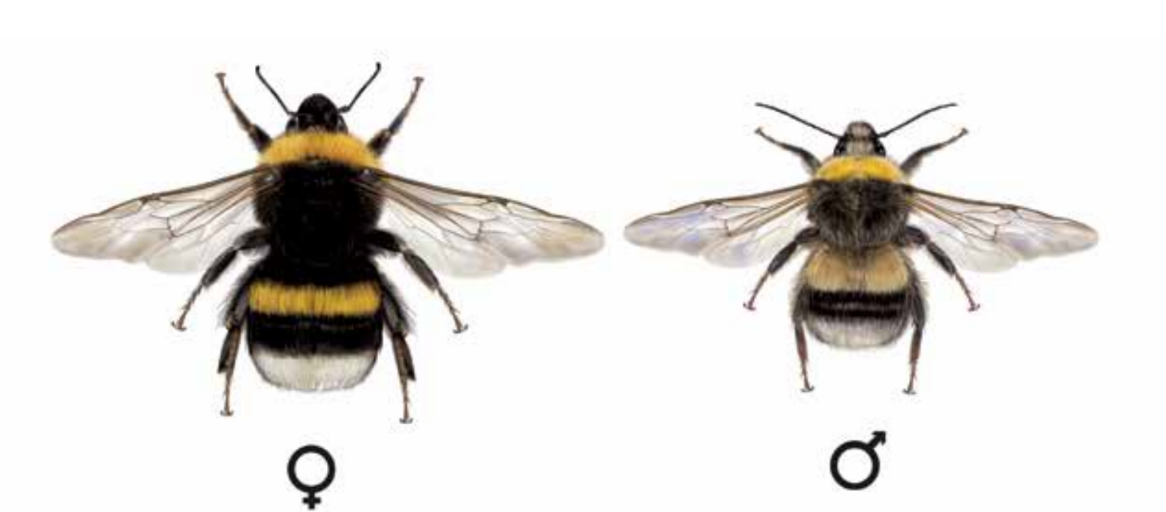
White-tailed bumblebee (Bombus lucorum)
Sikora A., Michołap P., Kadej M., Sikora M. Tarnawski D. 2018 „Bees in the City: Bumblebees of Wrocław“, published by the Association Nature and Man.
Buff-tailed bumblebee
plentiful
widespread in lowlands and up to medium altitudes
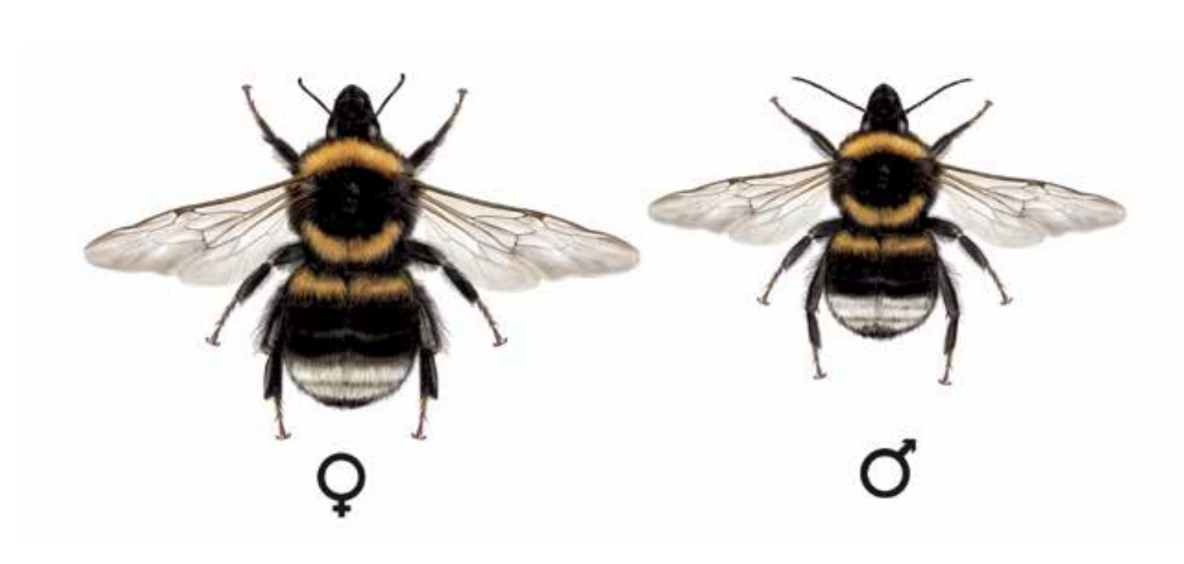
Buff-tailed bumblebee
Sikora A., Michołap P., Kadej M., Sikora M. Tarnawski D. 2018 „Bees in the City: Bumblebees of Wrocław“, published by the Association Nature and Man.
Bombus subterraneus
endangered (EN)
Prefers a mosaic landscape
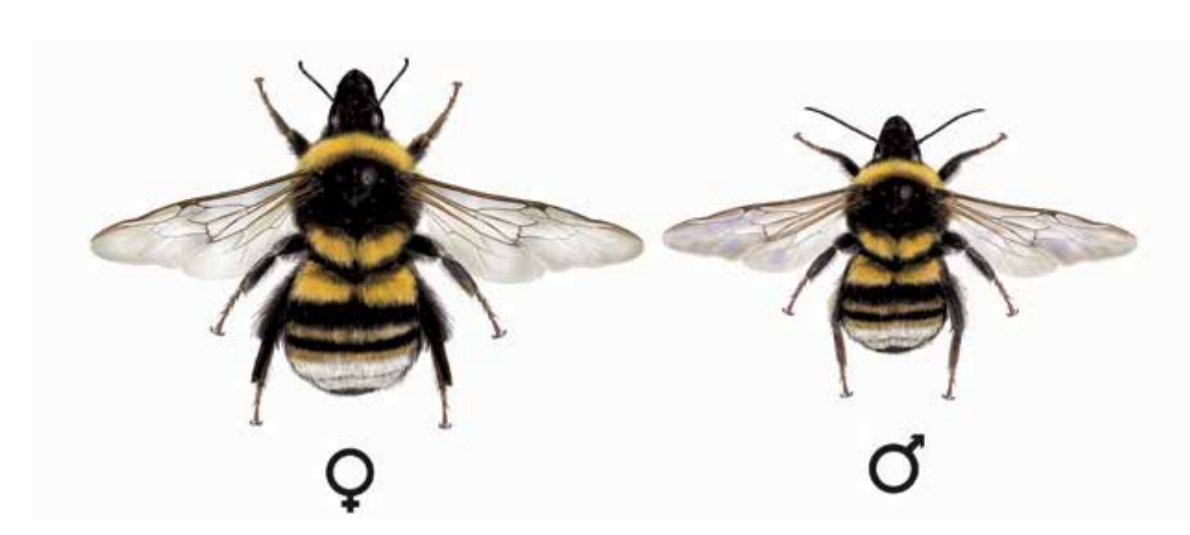
Striped bumblebee
Sikora A., Michołap P., Kadej M., Sikora M. Tarnawski D. 2018 „Bees in the City: Bumblebees of Wrocław“, published by the Association Nature and Man.
Bumblebee rufus – Bombus ruderatus
critically endangered (CR)
prefers open countryside
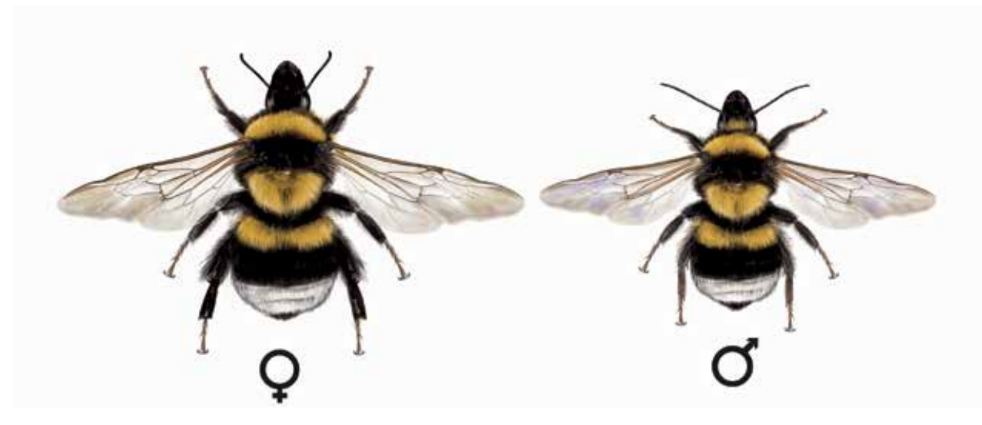
Large earth bumblebee
Sikora A., Michołap P., Kadej M., Sikora M. Tarnawski D. 2018 „Bees in the City: Bumblebees of Wrocław“, published by the Association Nature and Man.
Buff-tailed bumblebee – Bombus jonellus
vulnerable (VU)
Locally widespread in the mountains
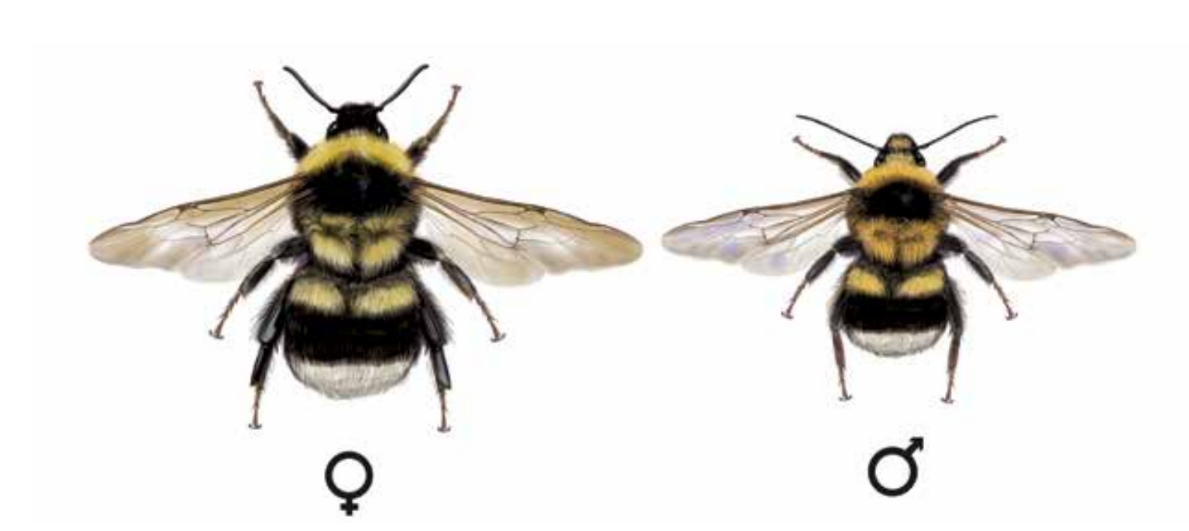
Small garden bumblebee
Sikora A., Michołap P., Kadej M., Sikora M. Tarnawski D. 2018 „Bees in the City: Bumblebees of Wrocław“, published by the Association Nature and Man.
Bombus semenoviellus
rare
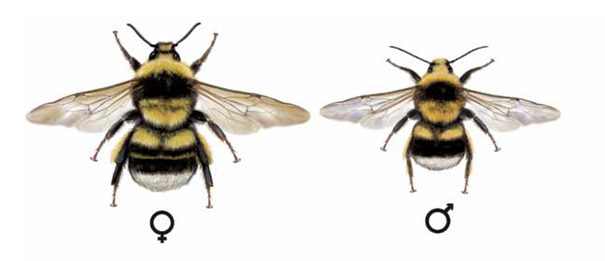
Bombus semenoviellus
Sikora A., Michołap P., Kadej M., Sikora M. Tarnawski D. 2018 „Bees in the City: Bumblebees of Wrocław“, published by the Association Nature and Man.
red-tailed bumblebee (Bombus lapidarius)
very abundant
widespread
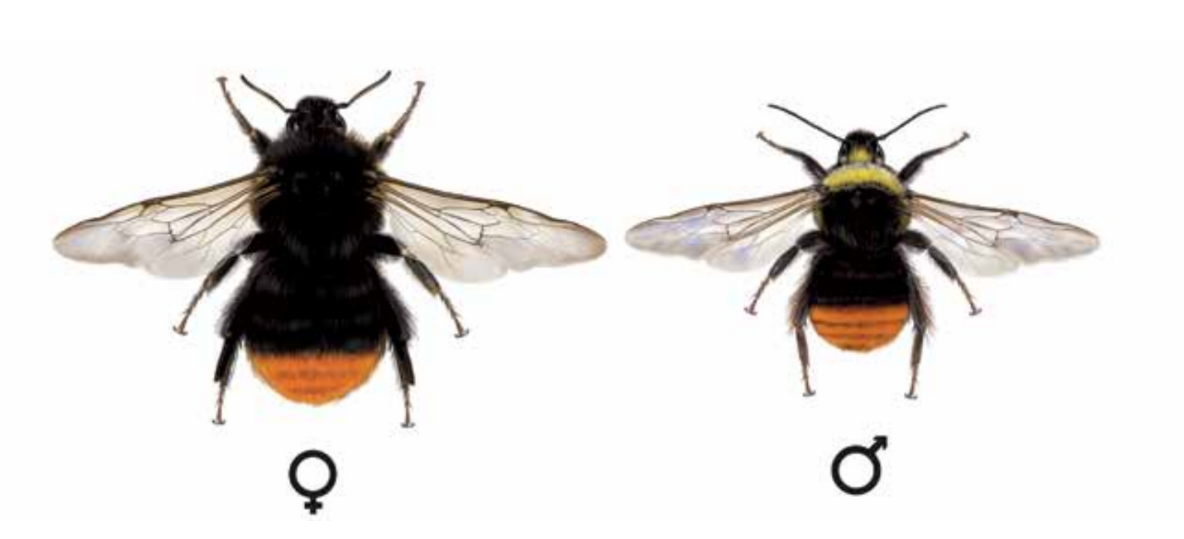
red-tailed bumblebee (Bombus lapidarius)
Sikora A., Michołap P., Kadej M., Sikora M. Tarnawski D. 2018 „Bees in the City: Bumblebees of Wrocław“, published by the Association Nature and Man.
Field cuckoo bee - Bombus ruderarius
disagreeable
widespread
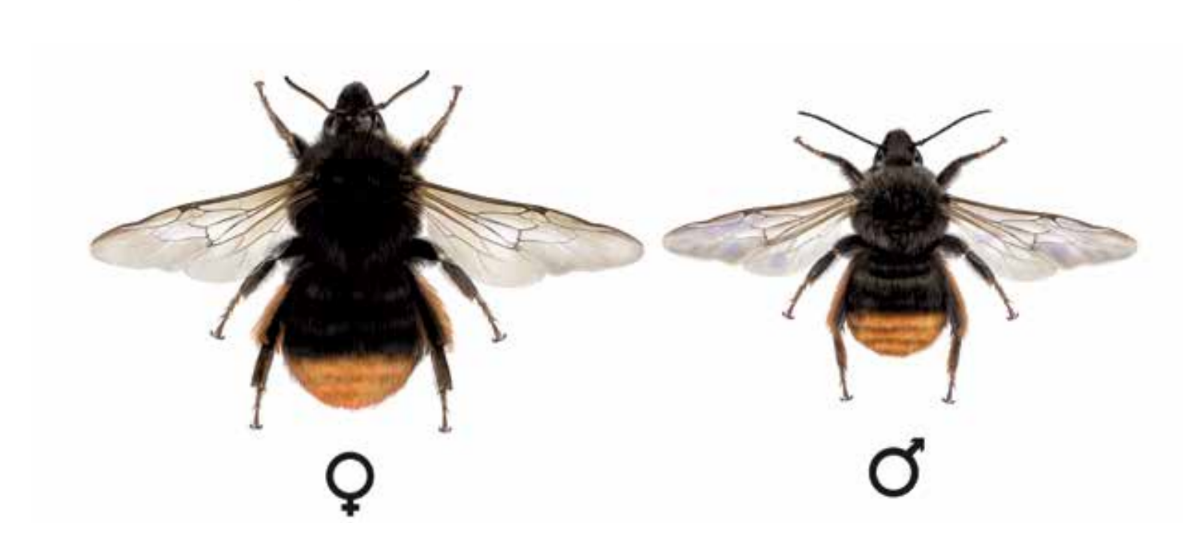
Field bumblebee
Sikora A., Michołap P., Kadej M., Sikora M. Tarnawski D. 2018 „Bees in the City: Bumblebees of Wrocław“, published by the Association Nature and Man.
Buff-tailed bumblebee – *Bombus terrestris*
Vulnerable (VU)
bound to mountainous areas
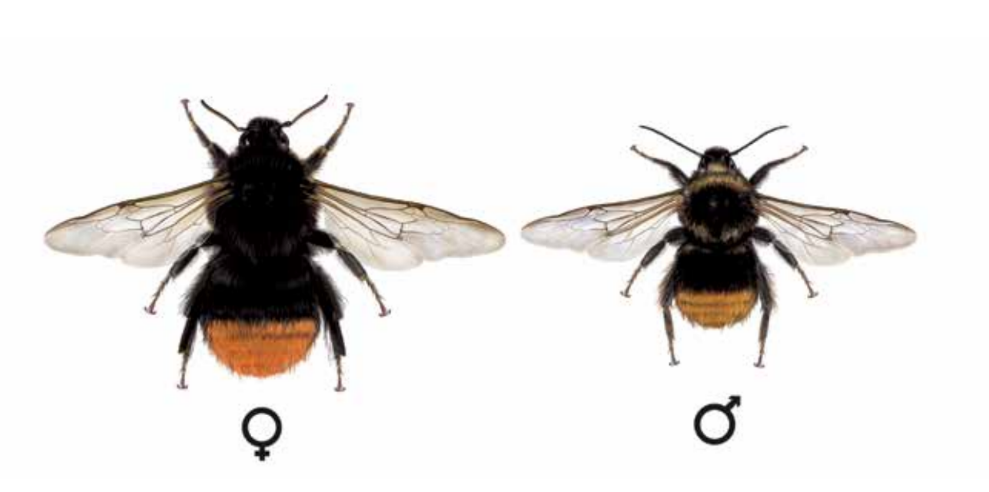
Broad-headed bumblebee (Bombus wurflenii)
Sikora A., Michołap P., Kadej M., Sikora M. Tarnawski D. 2018 „Bees in the City: Bumblebees of Wrocław“, published by the Association Nature and Man.
Bombus sicheli
critically endangered (CR)
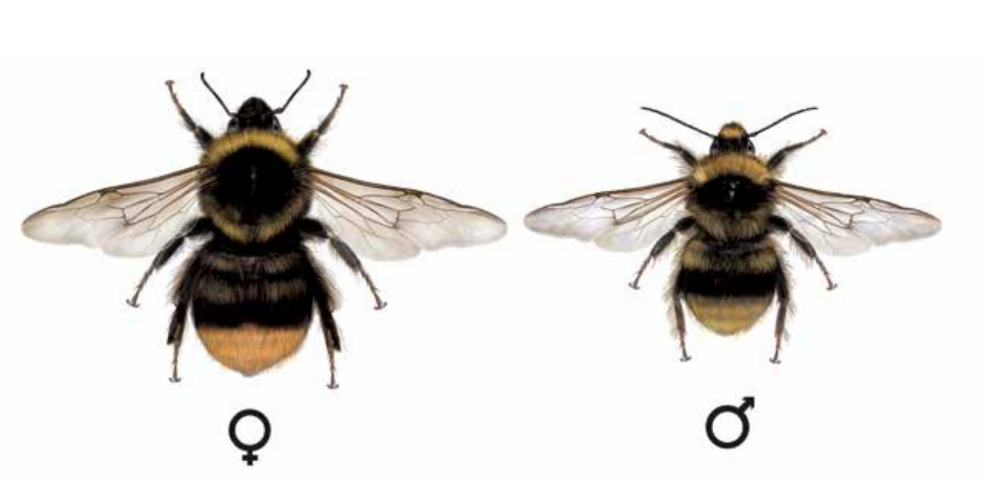
Bombus sichelii
Sikora A., Michołap P., Kadej M., Sikora M. Tarnawski D. 2018 „Bees in the City: Bumblebees of Wrocław“, published by the Association Nature and Man.
Early bumblebee ( Bombus pratorum )
plentiful
extended in lower altitudes
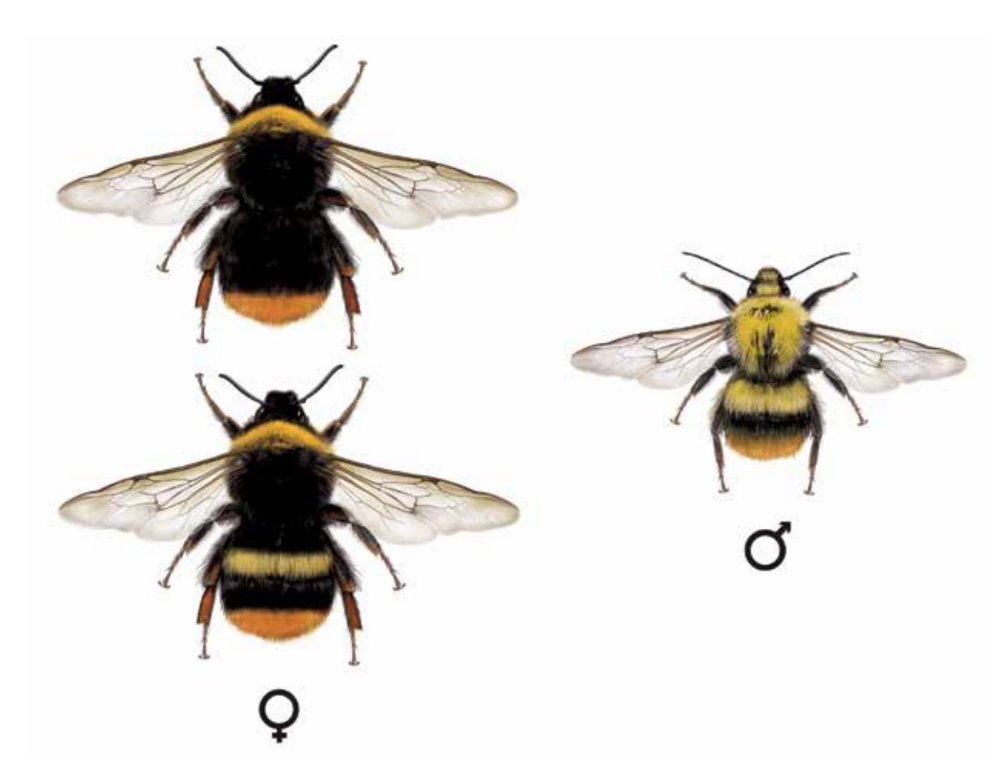
Early bumblebee (Bombus pratorum)
Sikora A., Michołap P., Kadej M., Sikora M. Tarnawski D. 2018 „Bees in the City: Bumblebees of Wrocław“, published by the Association Nature and Man.
Pyrenean bumblebee – *Bombus pyrenaeus*
vulnerable (VU)
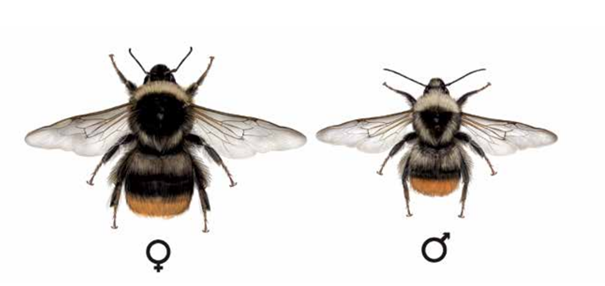
Pyrenean bumblebee (Bombus pyrenaeus)
Sikora A., Michołap P., Kadej M., Sikora M. Tarnawski D. 2018 „Bees in the City: Bumblebees of Wrocław“, published by the Association Nature and Man.
false bumblebee – Bombus confusus
critically endangered (CR)
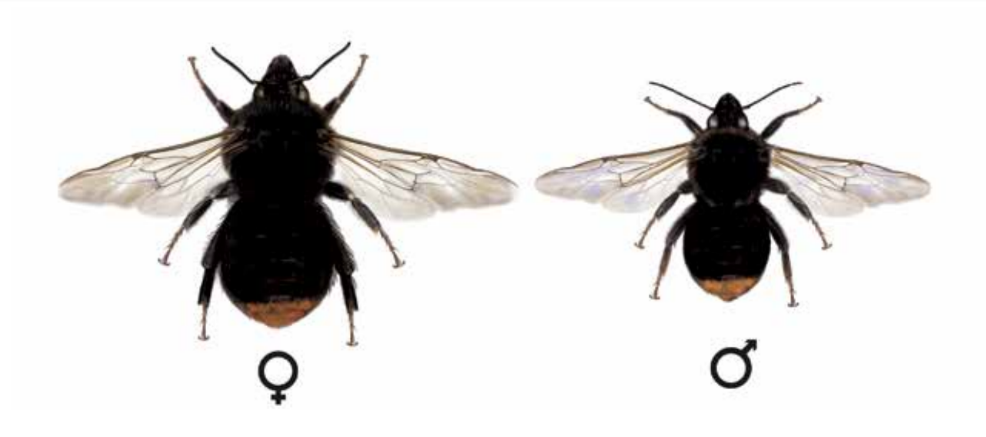
False bumblebee (Bombus confusus)
Sikora A., Michołap P., Kadej M., Sikora M. Tarnawski D. 2018 „Bees in the City: Bumblebees of Wrocław“, published by the Association Nature and Man.
Bombus mesomelas
regionally extinct (RE)
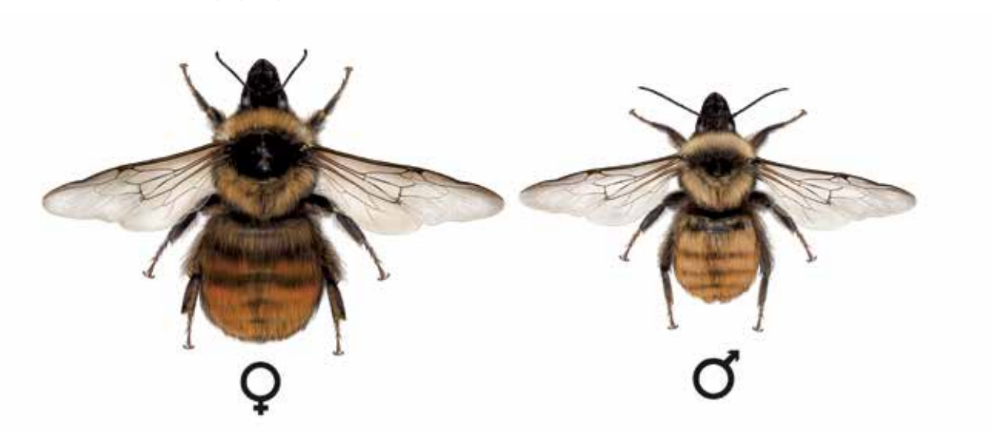
Buff-tailed bumblebee
Sikora A., Michołap P., Kadej M., Sikora M. Tarnawski D. 2018 „Bees in the City: Bumblebees of Wrocław“, published by the Association Nature and Man.
Fruit bumblebee – Bombus pomorum
Critically Endangered (CR)
only in warm regions
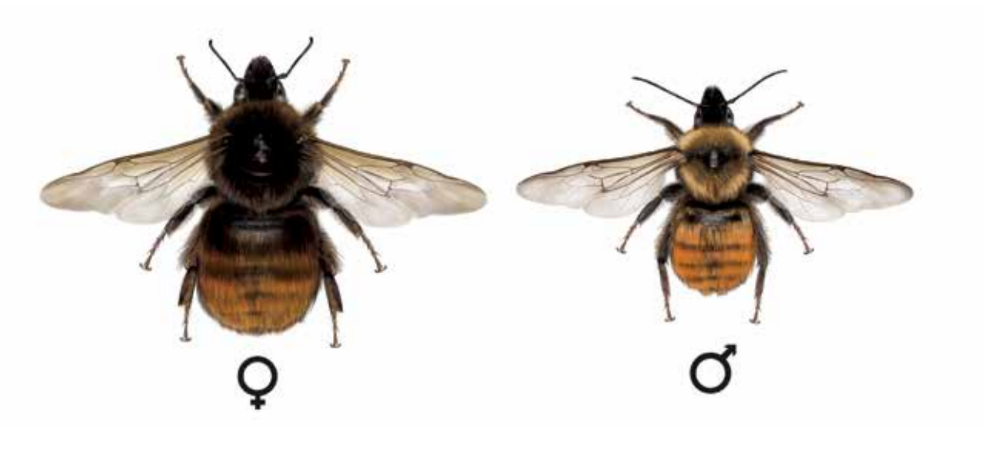
Apple bumblebee
Sikora A., Michołap P., Kadej M., Sikora M. Tarnawski D. 2018 „Bees in the City: Bumblebees of Wrocław“, published by the Association Nature and Man.
Buff-tailed bumblebee – Bombus terrestris
disagreeable
widespread in low and mid-altitudes
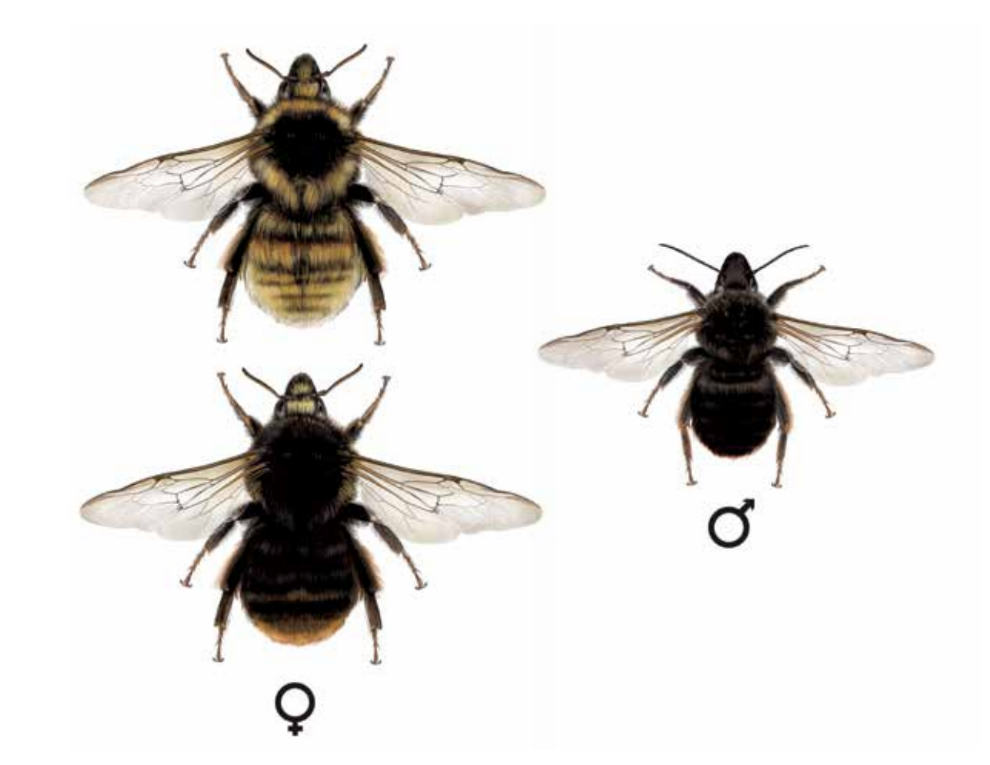
Brown-banded carder bee
Sikora A., Michołap P., Kadej M., Sikora M. Tarnawski D. 2018 „Bees in the City: Bumblebees of Wrocław“, published by the Association Nature and Man.
Soroe bumblebee – Bombus soroeensis
Near Threatened (NT)
widespread in mid and higher altitudes
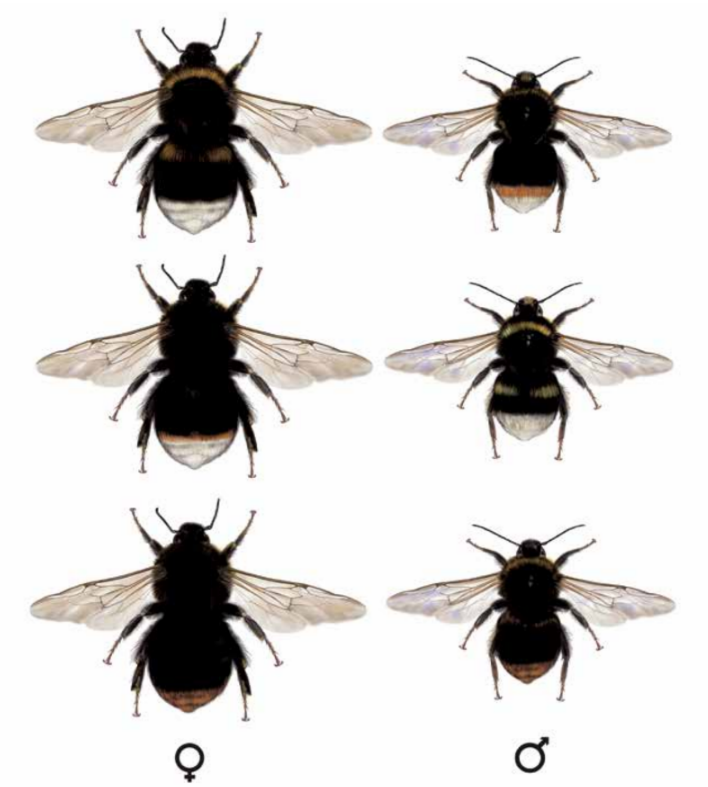
Roesel's bee
Sikora A., Michołap P., Kadej M., Sikora M. Tarnawski D. 2018 „Bees in the City: Bumblebees of Wrocław“, published by the Association Nature and Man.
Tree bumblebee – Bombus hypnorum
plentiful
found in forests, parks, urban areas
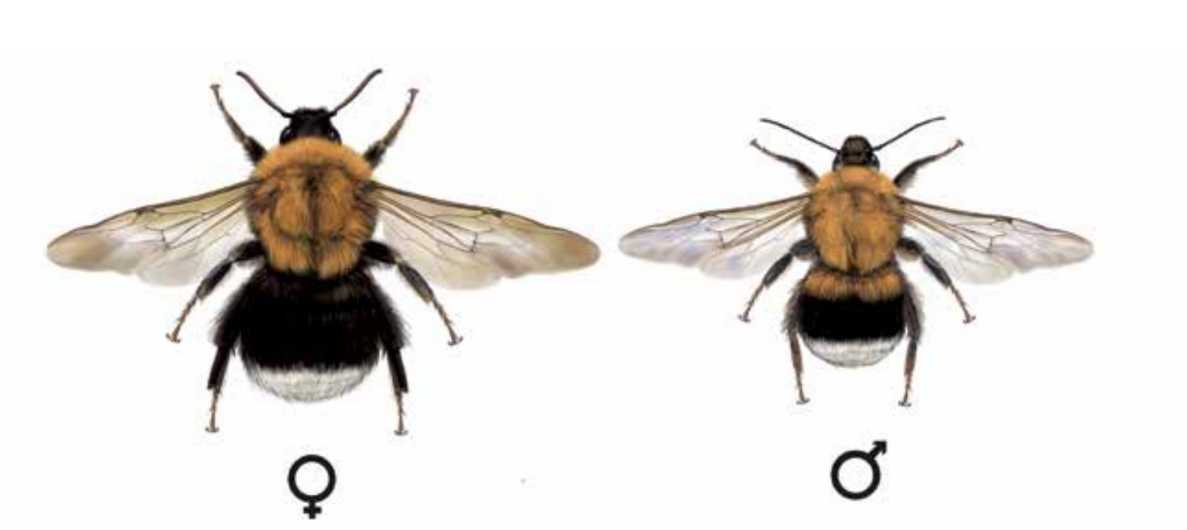
Tree bumblebee
Sikora A., Michołap P., Kadej M., Sikora M. Tarnawski D. 2018 „Bees in the City: Bumblebees of Wrocław“, published by the Association Nature and Man.
very abundant
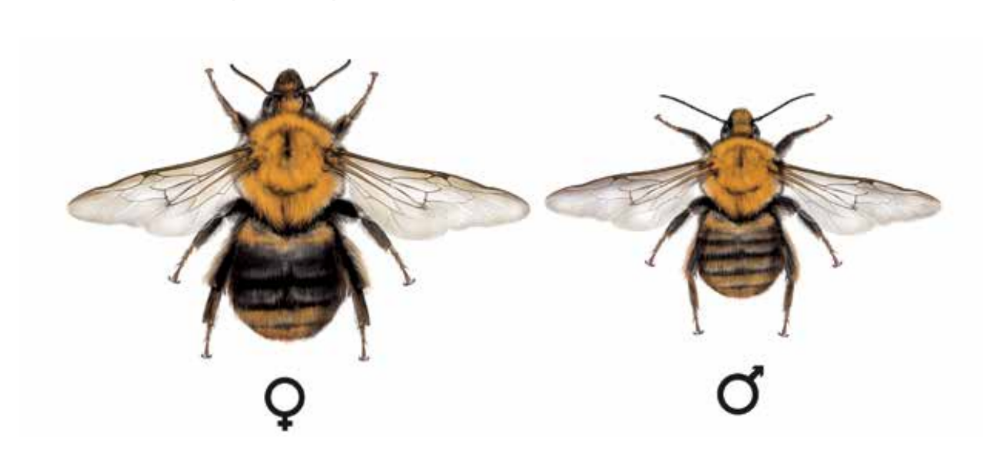
Common carder bee (Bombus pascuorum)
Sikora A., Michołap P., Kadej M., Sikora M. Tarnawski D. 2018 „Bees in the City: Bumblebees of Wrocław“, published by the Association Nature and Man.
Moss carder bee – Bombus muscorum
Critically Endangered (CR)
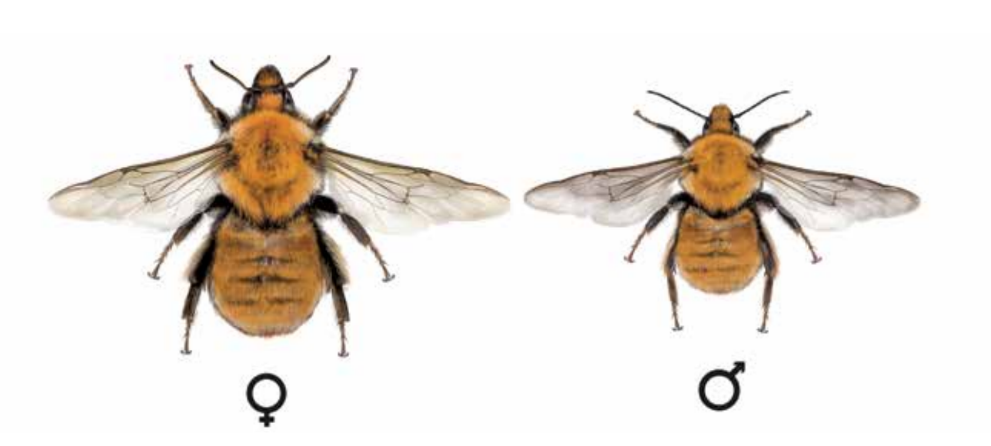
Moss carder bee
Sikora A., Michołap P., Kadej M., Sikora M. Tarnawski D. 2018 „Bees in the City: Bumblebees of Wrocław“, published by the Association Nature and Man.
Field bumblebee – Bombus laesus
There is insufficient data
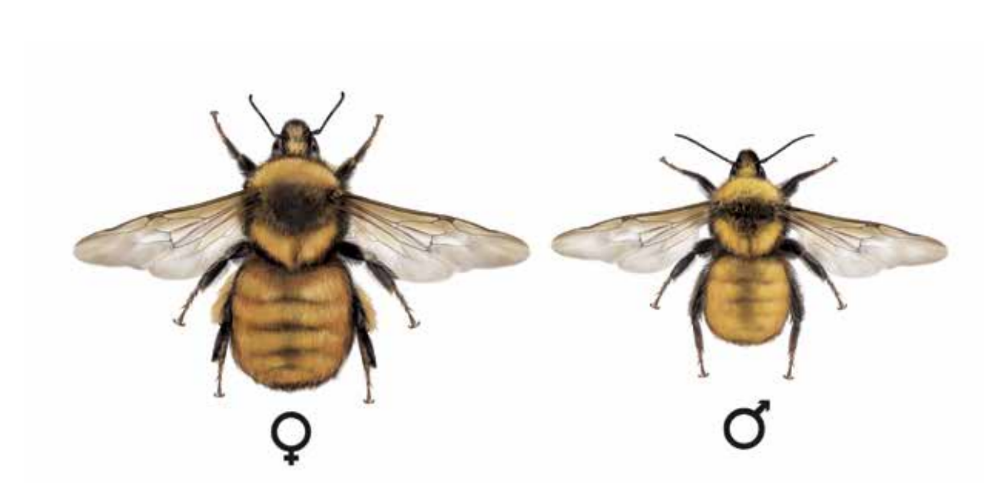
Steppe bumblebee (Bombus laesus)
Sikora A., Michołap P., Kadej M., Sikora M. Tarnawski D. 2018 „Bees in the City: Bumblebees of Wrocław“, published by the Association Nature and Man.
Giant earth bumblebee – Bombus fragrans
regionally extinct (RE)
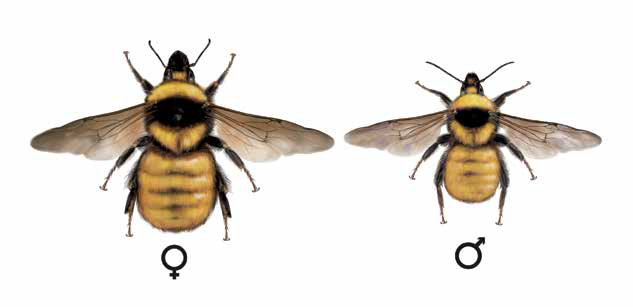
Giant bumblebee (Bombus fragrans)
Sikora A., Michołap P., Kadej M., Sikora M. Tarnawski D. 2018 „Bees in the City: Bumblebees of Wrocław“, published by the Association Nature and Man.
Buff-tailed bumblebee – Bombus distinguendus
endangered
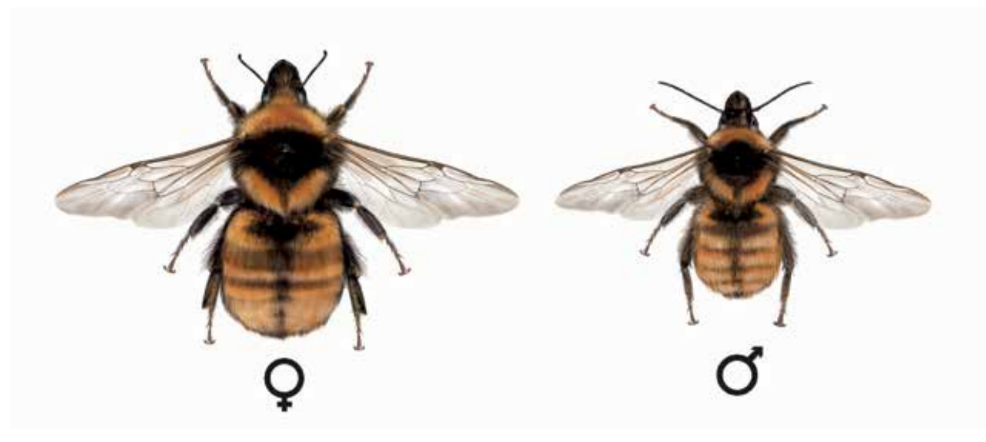
Great Banded Bee (Bombus distinguendus)
Sikora A., Michołap P., Kadej M., Sikora M. Tarnawski D. 2018 „Bees in the City: Bumblebees of Wrocław“, published by the Association Nature and Man.
Shrill carder bee (Bombus sylvarum)
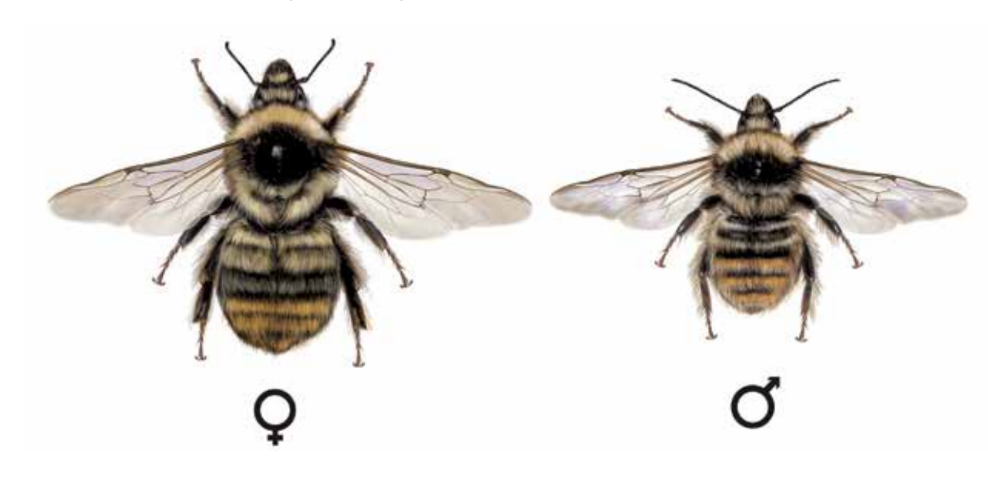
Shrill carder bee
Sikora A., Michołap P., Kadej M., Sikora M. Tarnawski D. 2018 „Bees in the City: Bumblebees of Wrocław“, published by the Association Nature and Man.
Sand bumblebee – *Bombus veteranus*
Critically Endangered (CR)
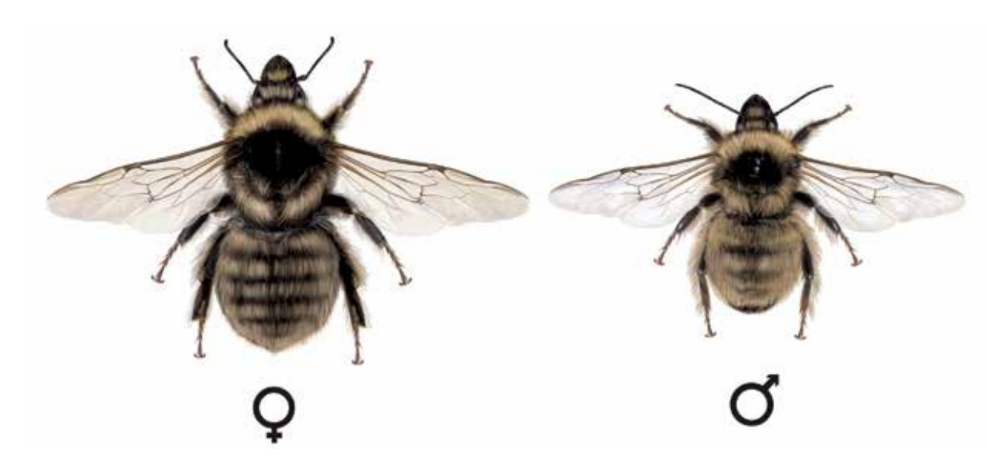
The sandy bumblebee (Bombus veteranus)
Sikora A., Michołap P., Kadej M., Sikora M. Tarnawski D. 2018 „Bees in the City: Bumblebees of Wrocław“, published by the Association Nature and Man.
Czech bumblebee - Bombus bohemicus
very abundant
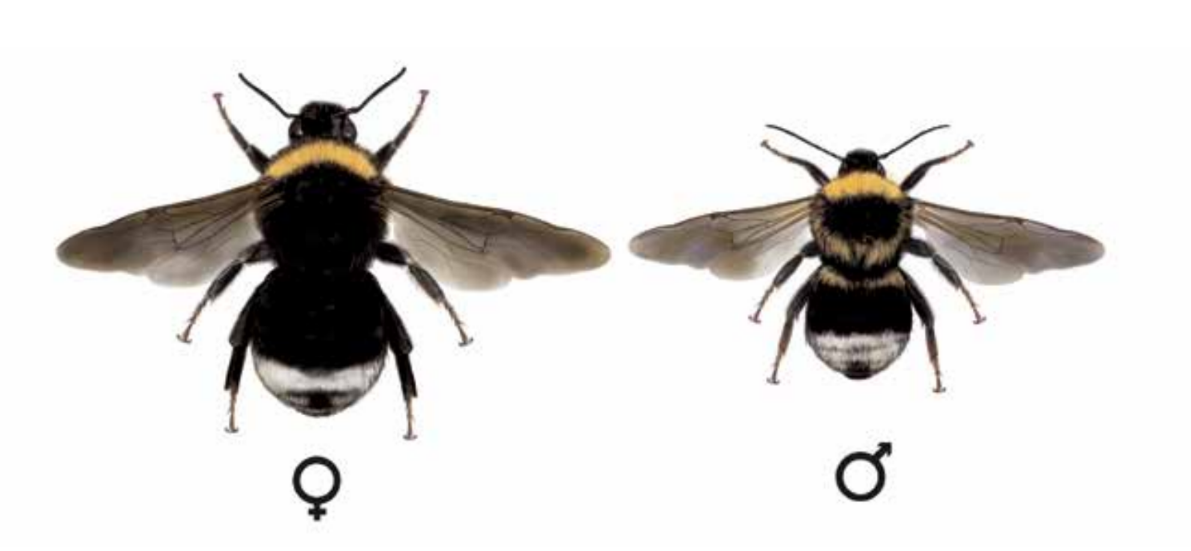
Bohemian cuckoo bumblebee
Sikora A., Michołap P., Kadej M., Sikora M. Tarnawski D. 2018 „Bees in the City: Bumblebees of Wrocław“, published by the Association Nature and Man.
Forest cuckoo bumblebee (Bombus sylvestris)
plentiful
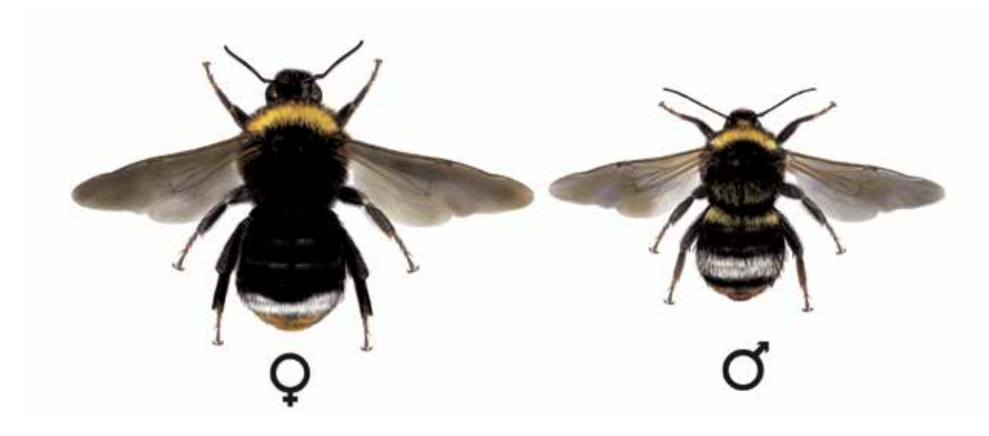
Forest cuckoo bumblebee (Bombus sylvestris)
Sikora A., Michołap P., Kadej M., Sikora M. Tarnawski D. 2018 „Bees in the City: Bumblebees of Wrocław“, published by the Association Nature and Man.
Vestal cuckoo bumblebee (Bombus vestalis)
very abundant
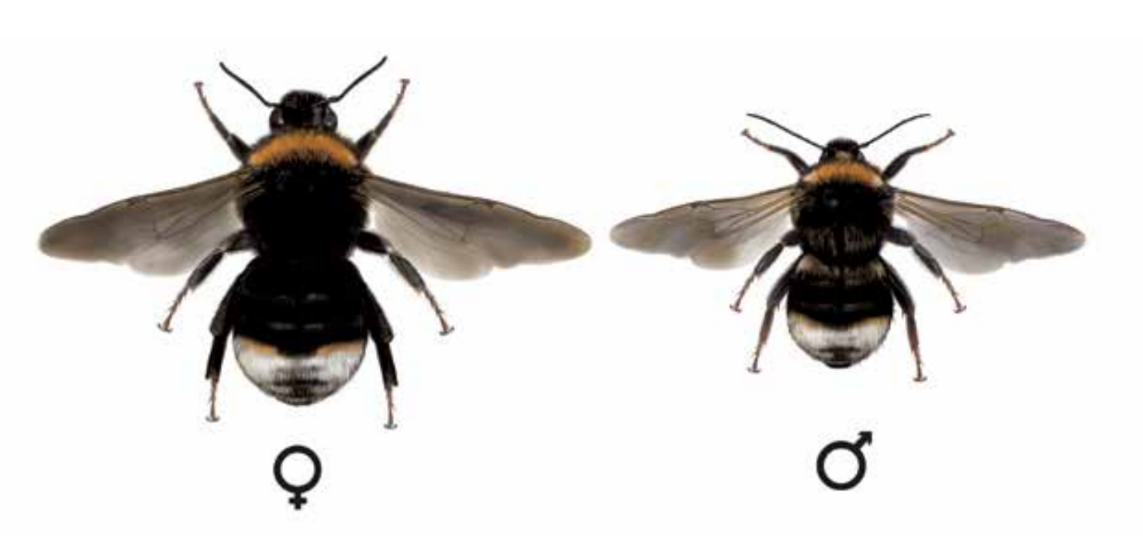
Vestal cuckoo bumblebee (Bombus vestalis)
Sikora A., Michołap P., Kadej M., Sikora M. Tarnawski D. 2018 „Bees in the City: Bumblebees of Wrocław“, published by the Association Nature and Man.
Bumblebee Bombus barbutellus
Near Threatened (NT)
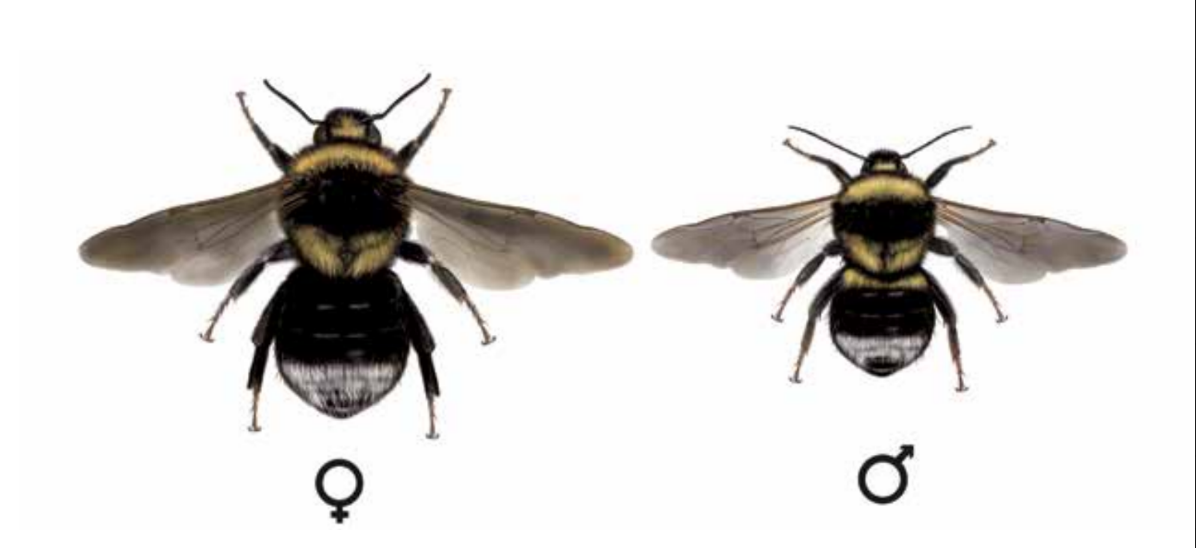
tree bumblebee
Sikora A., Michołap P., Kadej M., Sikora M. Tarnawski D. 2018 „Bees in the City: Bumblebees of Wrocław“, published by the Association Nature and Man.
Norwegian bumblebee – Bombus norvegicus
Vulnerable (VU)
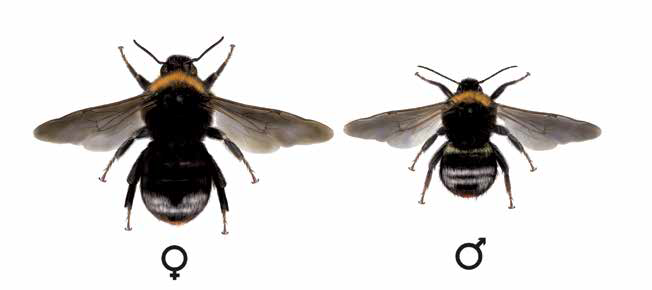
Norwegian common wasp
Sikora A., Michołap P., Kadej M., Sikora M. Tarnawski D. 2018 „Bees in the City: Bumblebees of Wrocław“, published by the Association Nature and Man.
Bombus rupestris
very abundant
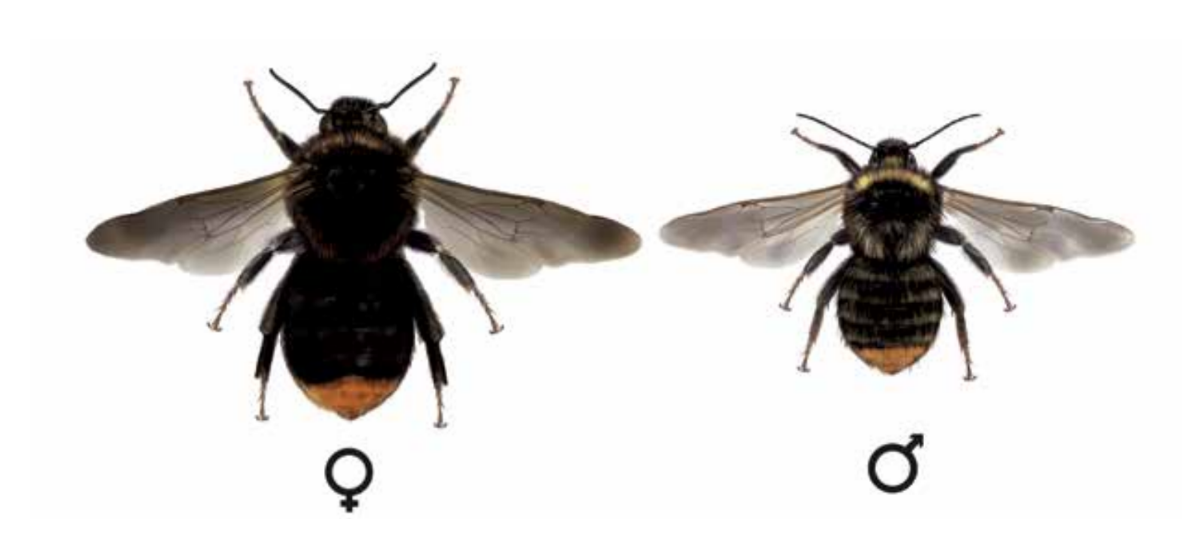
Red-tailed cuckoo bumblebee
Sikora A., Michołap P., Kadej M., Sikora M. Tarnawski D. 2018 „Bees in the City: Bumblebees of Wrocław“, published by the Association Nature and Man.
Bombus quadricolor
regionally extinct (RE)
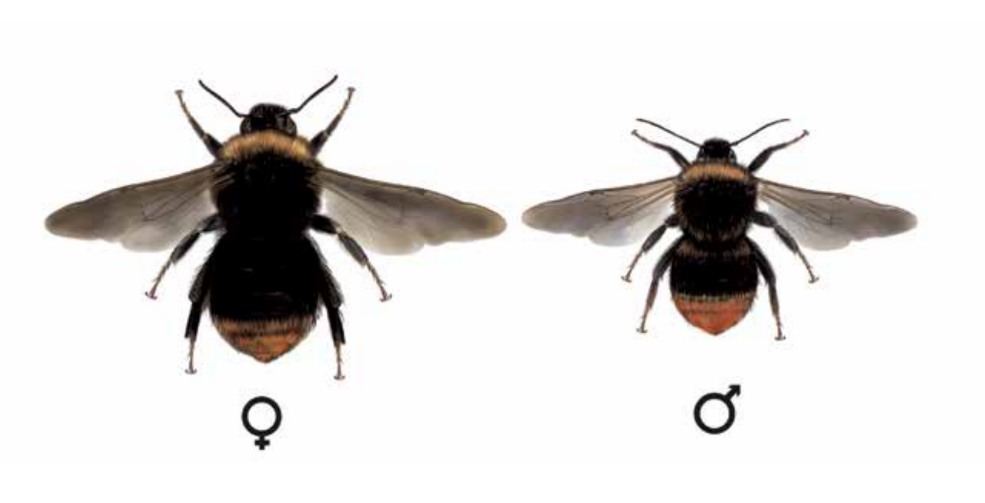
Sikora A., Michołap P., Kadej M., Sikora M. Tarnawski D. 2018 „Bees in the City: Bumblebees of Wrocław“, published by the Association Nature and Man.
Field cuckoo bumblebee – Psythirus campestris
plentiful
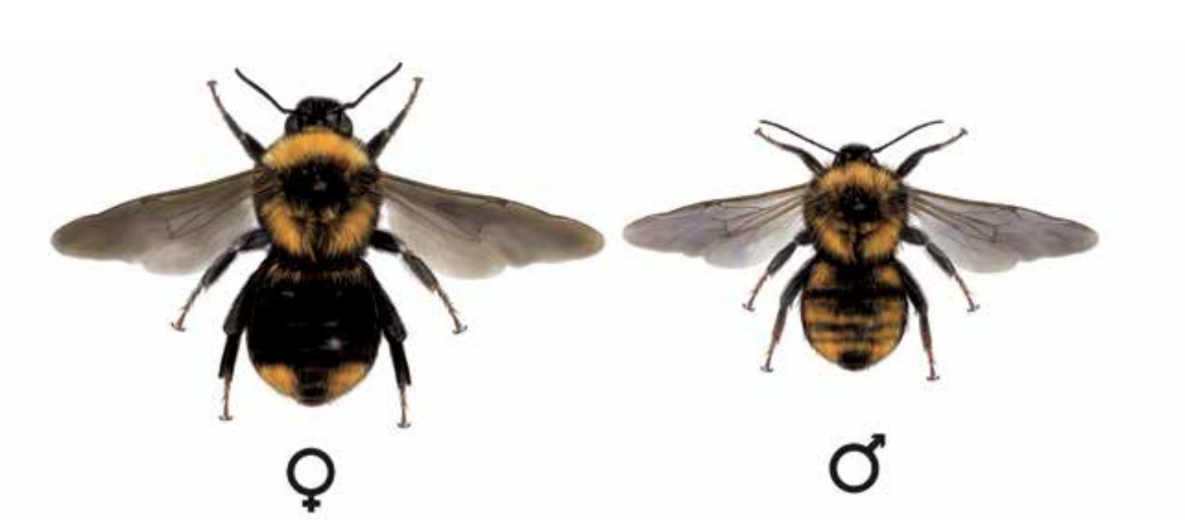
Field bumblebee
Sikora A., Michołap P., Kadej M., Sikora M. Tarnawski D. 2018 „Bees in the City: Bumblebees of Wrocław“, published by the Association Nature and Man.