


Bumblebee Species Catalogue – Simple Version – A

Catalogue of Bumblebee Species in the Czech Republic – Simple Version

What will you learn here? 

  • You will be introduced to the basic types of bumblebees

  • You will learn to distinguish them

  • Can you distinguish between common and rare species of bumblebees?

Date of last update: 19/5/2023 

Introduction

Identifying bumblebee species isn't easy. For some bumblebee species, it's only possible under a microscope after killing the individual, as scientists do.

For our needs, however, the accuracy of the identification is not important; rather, the ability to distinguish between common and rare species is. A quick overview of the colour schemes of individual species will suffice for this.

There are a large number of such catalogues, here you will find one of them.

The colour schemes were taken from the source: Sikora A., Michołap P., Kadej M., Sikora M. Tarnawski D. 2018 „Bees in the City: Bumblebees of Wrocław“, published by the Association Nature and Man.

About the catalogue

This catalogue is organised so that the reader can identify the species of bumblebee based on a few characteristics.

The catalogue can also be viewed in the field, for example, on a mobile phone.

We are still working on the website and want to prepare its interactive version.


How to identify the species of bumblebee according to this catalogue

You'll have a look at the bumblebee, or even better, take some photographs.

It is necessary for them to be see the following body parts:

  • Head
  • chest
  • Bottom
  • Wings
  • If possible, a side view as well 

For identification purposes look at \[noun] step by step:

  • Bottom and body colour
  • on the main body colours (black / brown / …)
  • for colours and number of coloured stripes

Find the relevant part of the catalogue  and continue your search within it – compare with your sample.

For some species, a number of colour variants occur, but find them in one group with the basic variant.
For completeness, we are also including bumblebees. However, we are keeping them in a separate group. Identifying them is not straightforward.

Helpful hints:

  • If it is spring, you will first encounter queens, then workers, and only then bumblebee males in nature.
  • First, the early species of bumblebees appear, followed by thermophilic and rarer species
  • Only later will you encounter male bumblebees and cuckoo bumblebees.  
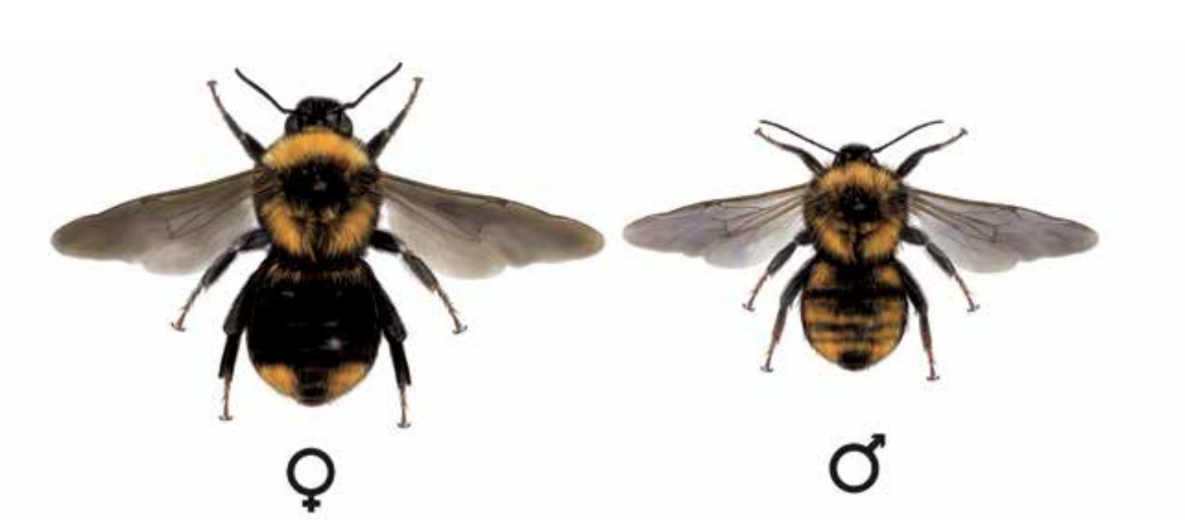
  • Males are colourfully variable and often differ from females, therefore our catalogue is sorted by females and workers.
  • You are more likely to encounter abundant and widespread species than rare ones, see Red Book 2017

This way you will get basic specificationI. It's approximate, but the accuracy is sufficient.

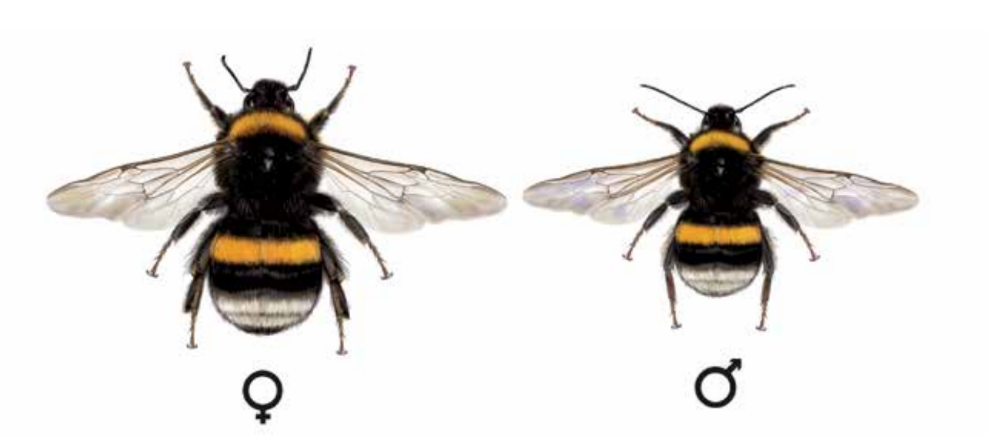
The rump is white, the body black, with yellow stripes

Buff-tailed bumblebee 

  • early species
  • very abundant
  • widespread
Buff-tailed bumblebee - Bombus terrestris

Buff-tailed bumblebee
Source: Sikora A., Michołap P., Kadej M., Sikora M. Tarnawski D. 2018 „Bees in the city: Bumblebees of Wrocław“, Publ. Association Nature and Man.
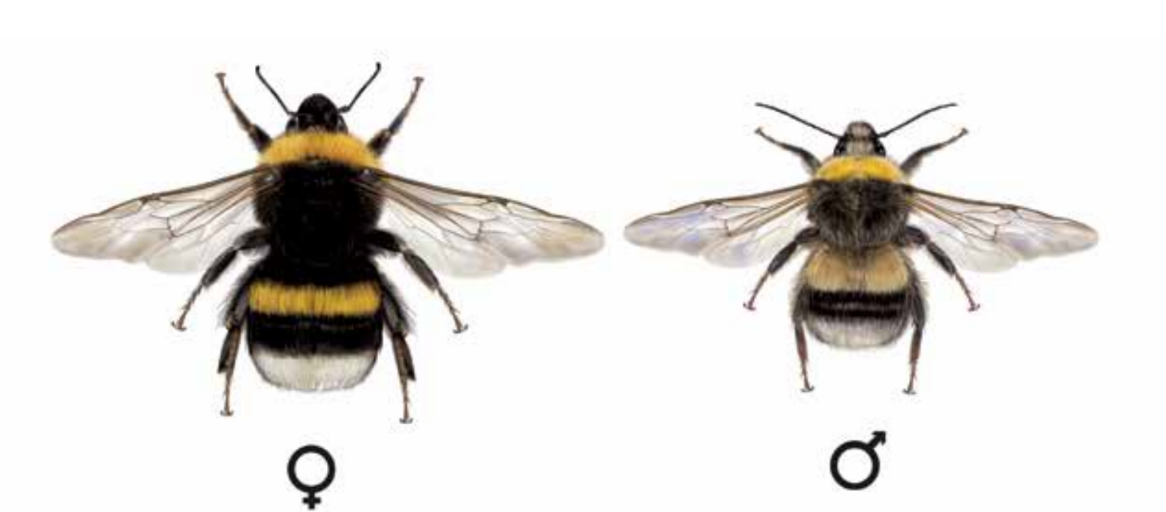
White-tailed bumblebee 

  • early species
  • very abundant
  • widespread
Bumblebees PLUS - Buff-tailed Bee - Bombus lucorum

White-tailed bumblebee – Bombus lucorum
Source: Sikora A., Michołap P., Kadej M., Sikora M. Tarnawski D. 2018 „Bees in the city: Bumblebees of Wrocław“, Publ. Association Nature and Man.
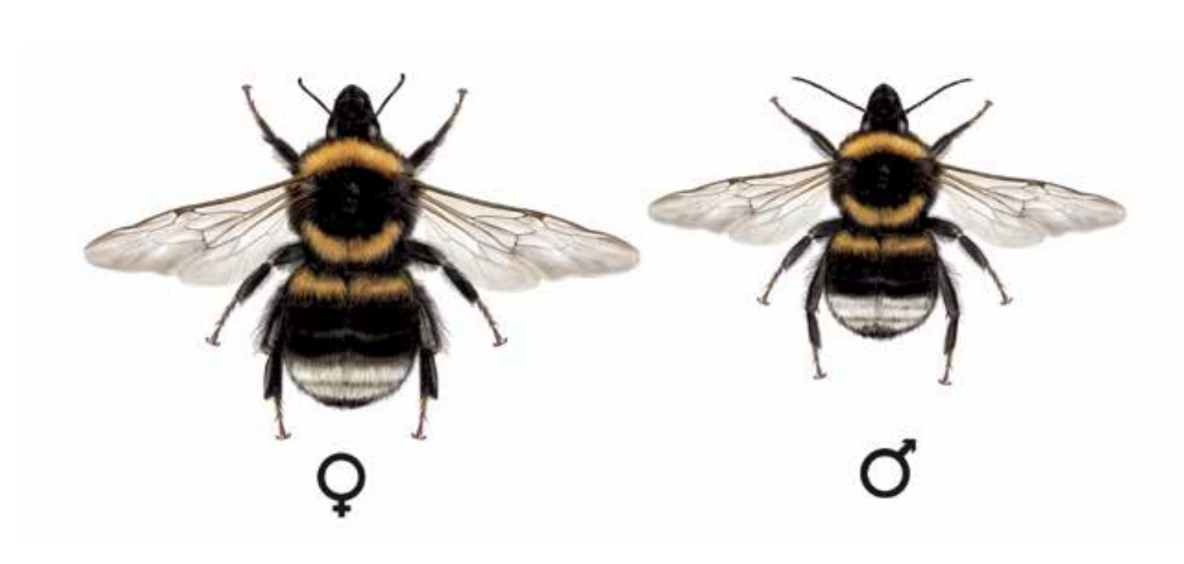
Garden bumblebee 

  • plentiful
  • widespread in lowlands and up to medium altitudes
Bumblebees PLUS - Garden Bumblebee (Bombus hortorum)

Garden bumblebee
Source: Sikora A., Michołap P., Kadej M., Sikora M. Tarnawski D. 2018 „Bees in the city: Bumblebees of Wrocław“, Publ. Association Nature and Man.
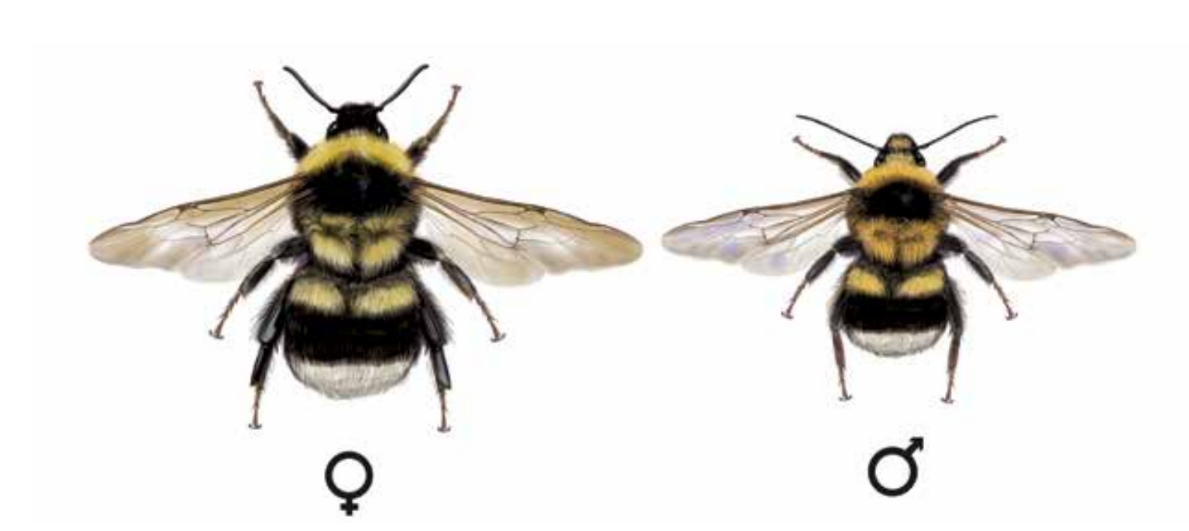
Bilberry bumblebee 

  • Vulnerable (VU)
  • Locally widespread in the mountains
Buff-tailed bumblebee

Bilberry bumblebee
Source: Sikora A., Michołap P., Kadej M., Sikora M. Tarnawski D. 2018 „Bees in the city: Bumblebees of Wrocław“, Publ. Association Nature and Man.
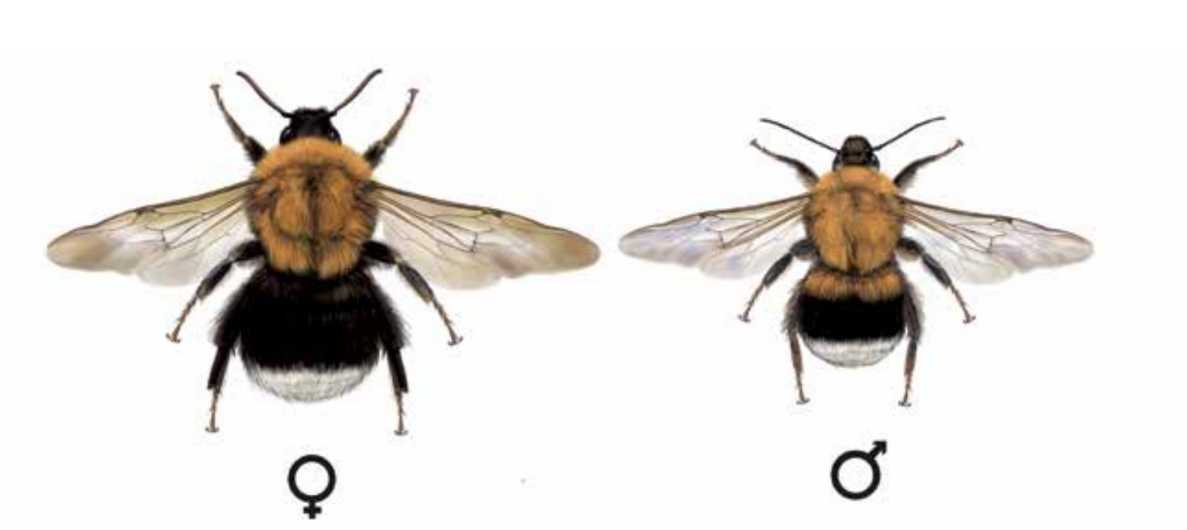
The rump is white, the body black, no yellow stripes

Tree bumblebee 

  • early species
  • plentiful
  • found in forests, parks, urban areas
Bumblebees PLUS - Tree Bumblebee (Bombus hypnorum)

Buff-tailed bumblebee
(Bombus hypnorum)
Source „Bees in the City Bumblebees of Wrocław“
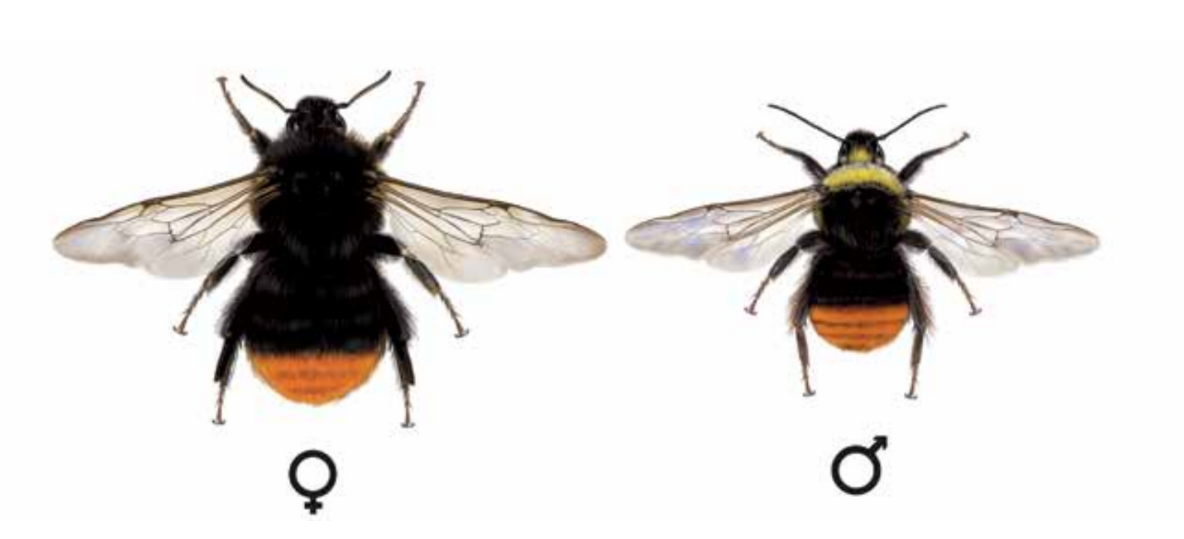
The bottom is red/orange and the body is black

Stone-tail bumblebee 

  • very abundant
  • widespread
Bumblebees PLUS - Stone-bramble bumblebee (Bombus lapidarius)

Stone-tail bumblebee
Source: Sikora A., Michołap P., Kadej M., Sikora M. Tarnawski D. 2018 „Bees in the city: Bumblebees of Wrocław“, Publ. Association Nature and Man.
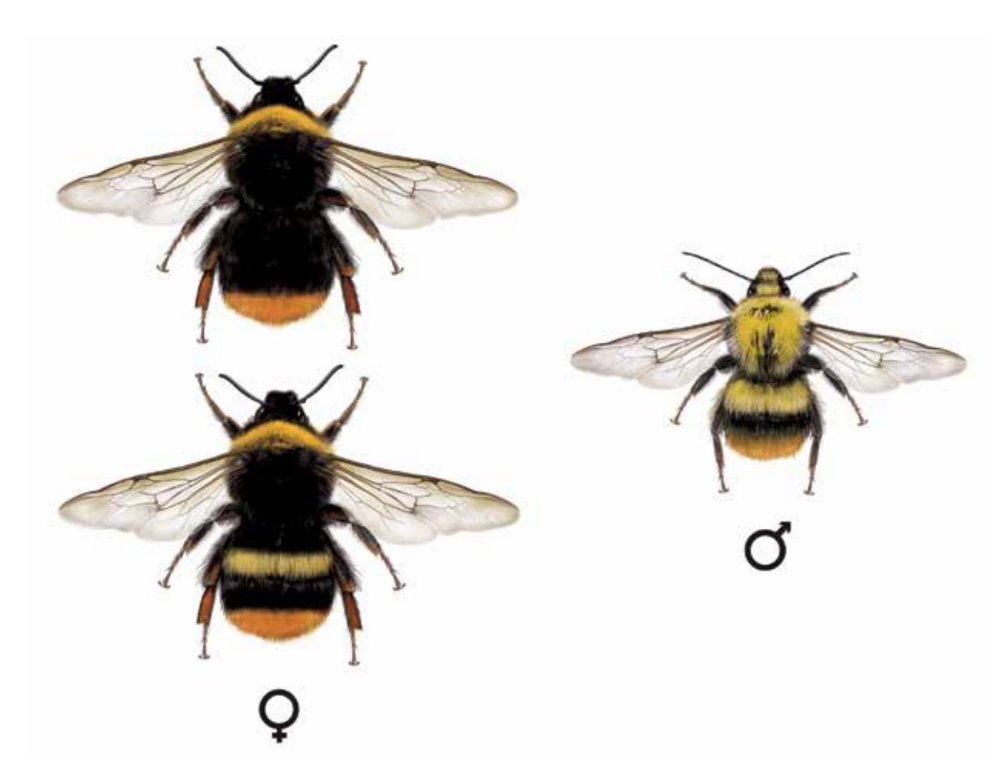
Meadow bumblebee (Bombus pratorum) 

  • early species
  • plentiful
  • widespread in lower altitudes
Early bumblebee

Meadow bumblebee (Bombus pratorum)
Source: Sikora A., Michołap P., Kadej M., Sikora M. Tarnawski D. 2018 „Bees in the city: Bumblebees of Wrocław“, Publ. Association Nature and Man.
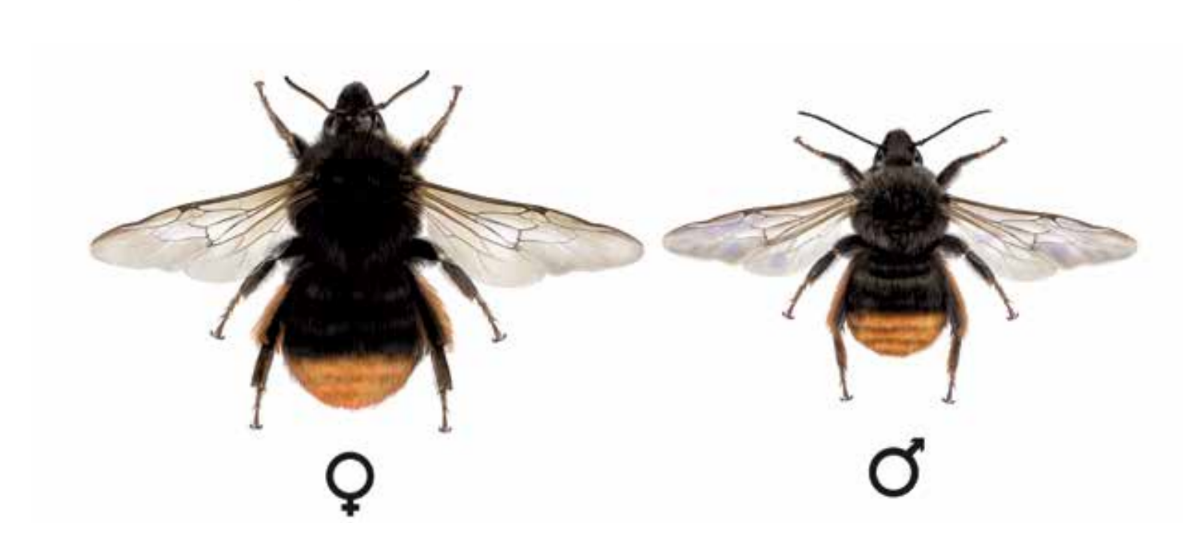
Buff-tailed bumblebee

  • disagreeable
  • widespread
Field bumblebee - Bombus ruderarius

Buff-tailed bumblebee
Source: Sikora A., Michołap P., Kadej M., Sikora M. Tarnawski D. 2018 „Bees in the city: Bumblebees of Wrocław“, Publ. Association Nature and Man.
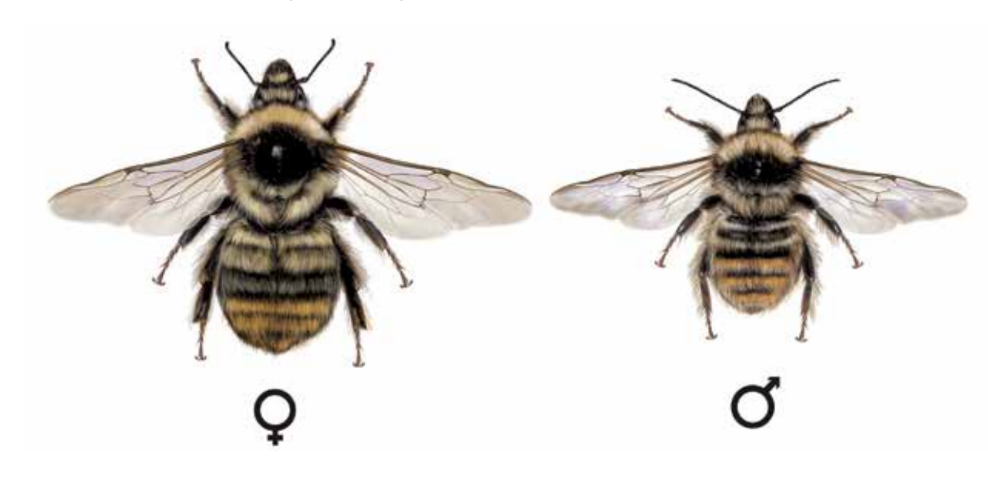
The bottom is red / orange and the body is brown

Forest bee 

  • plentiful
  • widespread in medium and low altitudes
Forest bumblebee - Bombus sylvarum

Forest bee
Source: Sikora A., Michołap P., Kadej M., Sikora M. Tarnawski D. 2018 „Bees in the city: Bumblebees of Wrocław“, Publ. Association Nature and Man.
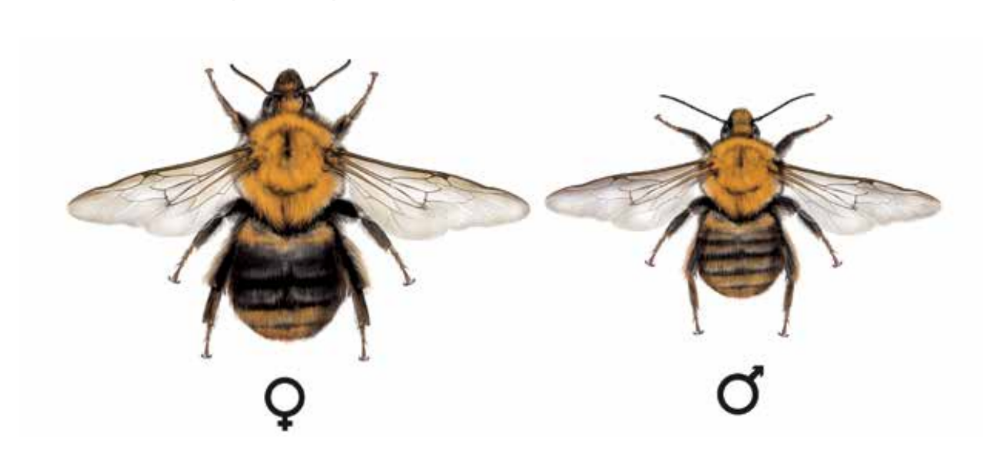
Common carder bee 

  • very abundant
  • widespread
Bumblebees PLUS - Common Carder Bee (Bombus pascuorum)

Common carder bee
Source Bee in the City of Wild Bees Wrocław
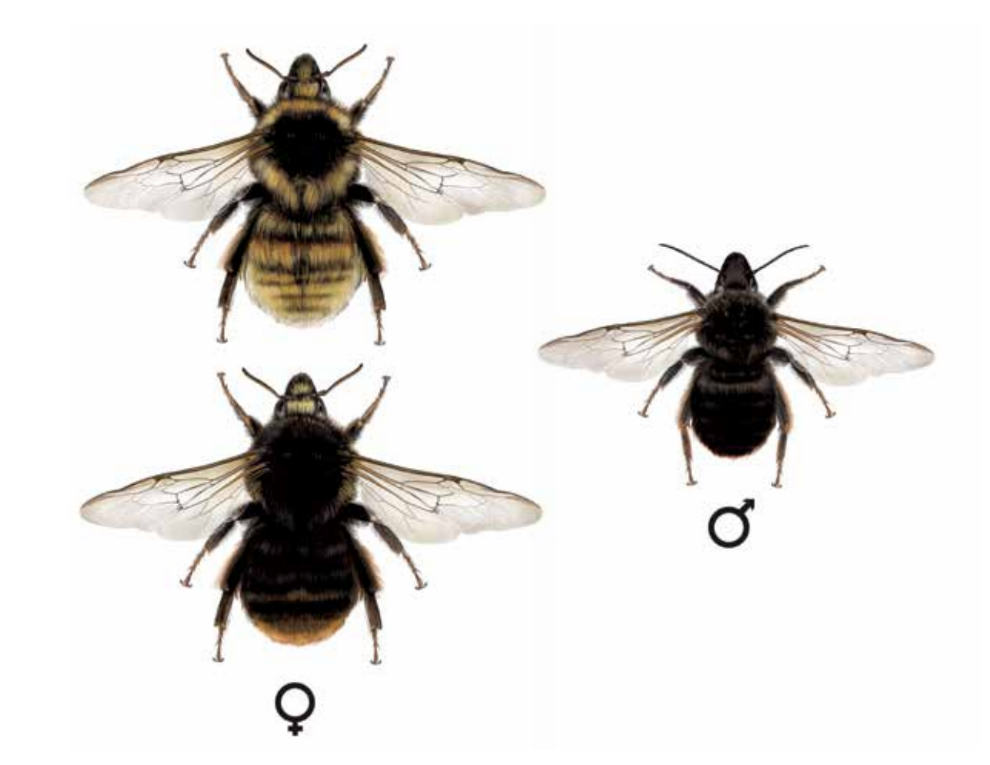
More colour schemes

Brown-banded carder bee 

  • disagreeable
  • widespread in low and mid-altitudes
Bumblebees PLUS - Heath Bumblebee - *Bombus humilis* - Source: Sikora A., Michołap P., Kadej M., Sikora M. Tarnawski D. 2018 „Bees in the City: Bumblebees of Wrocław“, Publishing House Nature and Man Association.

Brown-banded carder bee
Source: Sikora A., Michołap P., Kadej M., Sikora M. Tarnawski D. 2018 „Bees in the city: Bumblebees of Wrocław“, Publ. Association Nature and Man.
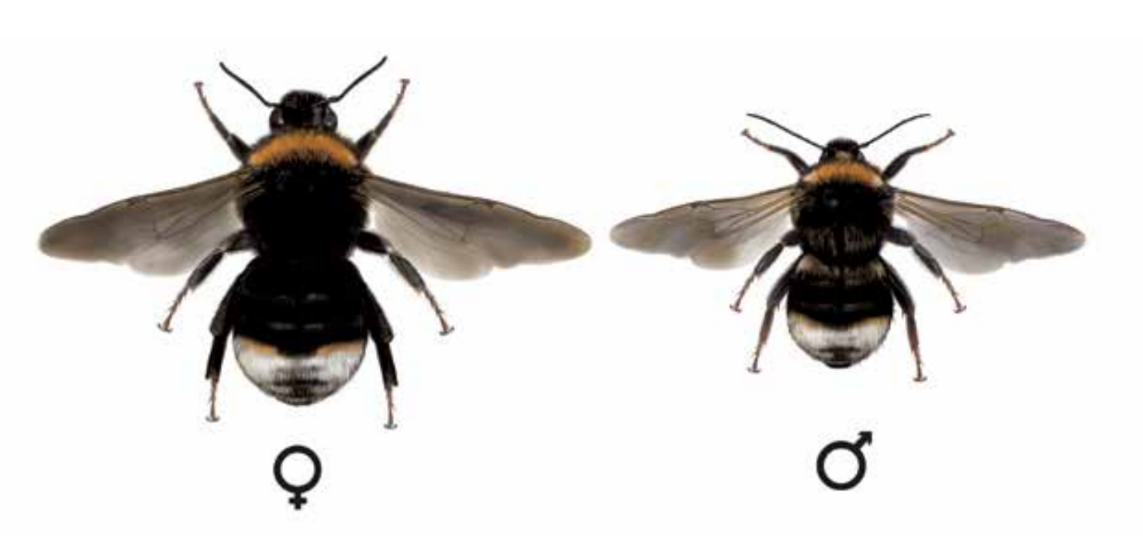
Bumblebees

Large earth bumblebee (Bombus terrestris) 

  • very abundant
Field cuckoo bumblebee - Psithyrus vestalis

Large earth bumblebee (Bombus terrestris)
Source: Sikora A., Michołap P., Kadej M., Sikora M. Tarnawski D. 2018 „Bees in the city: Bumblebees of Wrocław“, Publ. Association Nature and Man.
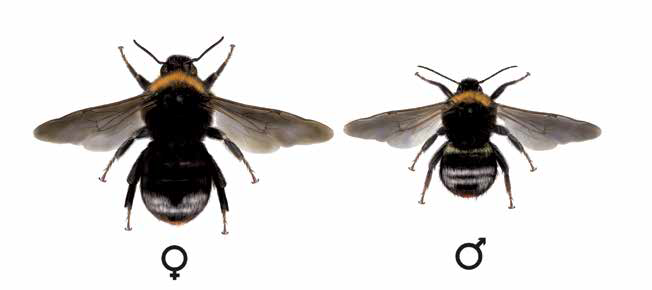
Norwegian bumblebee (Bombus norvegicus) 

  • vulnerable 
Norwegian bumblebee - Psithyrus norvegicus

Norwegian bumblebee (Bombus norvegicus)
Source: Sikora A., Michołap P., Kadej M., Sikora M. Tarnawski D. 2018 „Bees in the city: Bumblebees of Wrocław“, Publ. Association Nature and Man.
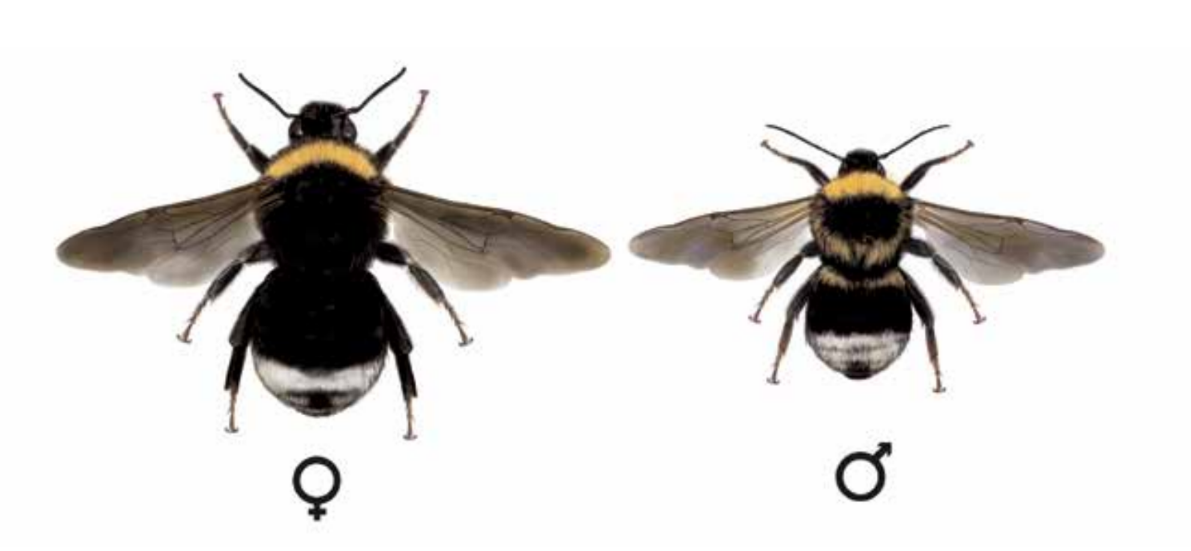
Bohemian cuckoo-bee 

  • very abundant
Bumblebees PLUS - Bohemian Bumblebee (Psithyrus bohemicus)

Bohemian cuckoo-bee
Source: Sikora A., Michołap P., Kadej M., Sikora M. Tarnawski D. 2018 „Bees in the city: Bumblebees of Wrocław“, Publ. Association Nature and Man.
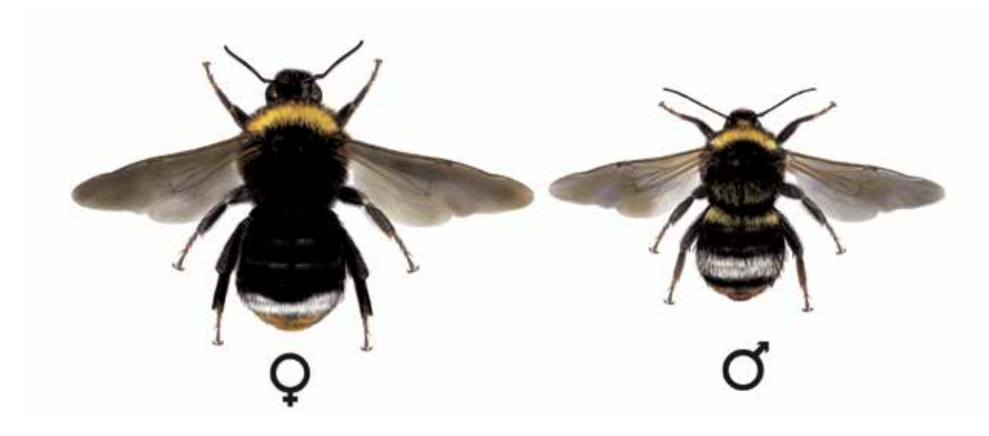
Forest bumblebee

  • plentiful
forest bumblebee - Psithyrus silvestris

Forest bumblebee
Sikora A., Michołap P., Kadej M., Sikora M. Tarnawski D. 2018 „Bees in the City: Bumblebees of Wrocław“, published by the Association Nature and Man.
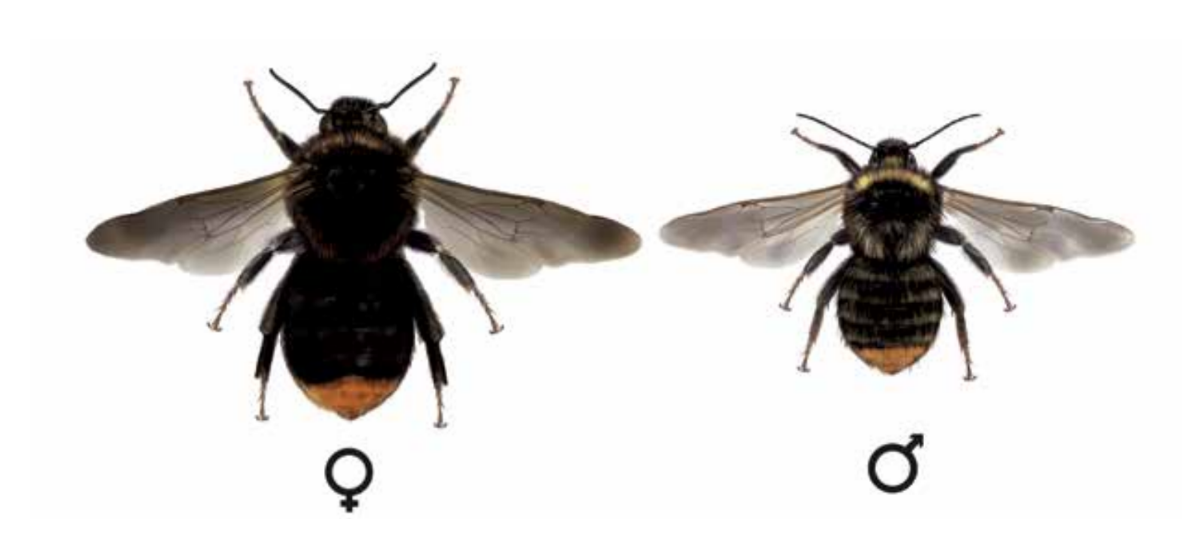
Vestigial bumblebee (Bombus rupestris) 

  • very abundant
cuckoo bumblebee - *Psithyrus rupestris*

Vestigial bumblebee (Bombus rupestris)
Source: Sikora A., Michołap P., Kadej M., Sikora M. Tarnawski D. 2018 „Bees in the city: Bumblebees of Wrocław“, Publ. Association Nature and Man.
Field cuckoo-bee

  • plentiful
Field cuckoo-bee - Psythirus campestris

Field cuckoo-bee
Sikora A., Michołap P., Kadej M., Sikora M. Tarnawski D. 2018 „Bees in the City: Bumblebees of Wrocław“, published by the Association Nature and Man.