

Recommended materials and parts for breeders

Proven materials for beekeepers

What you will find here

  • Do you make or modify beehives for bumblebees (bumblebee houses)?
  • Are you looking for educational materials?
  • Do you have tried and tested materials and want to share them with others?

Introduction

In this section, we will introduce materials and parts that have proven themselves in the repair and modification of ulcers.

We will gradually fill this chapter as we obtain more good tips that will help you with breeding.

We would also appreciate your tips and suggestions. However, please ensure they are things that have proven effective for you and have lasted at least a full season.

Adhesive tapes

You need adhesive tape, for example, when sticking Lining the inner walls of a hive with cardboard.

Requirements for adhesive tapes:

  •  resistance to high humidity (up to 90–100% humidity)
  • adhesion to paper and wood 
  • palatability

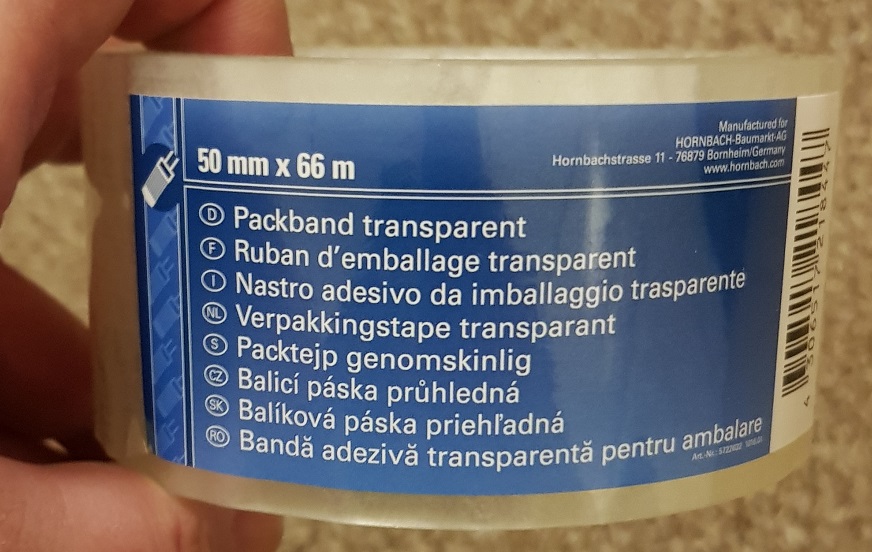
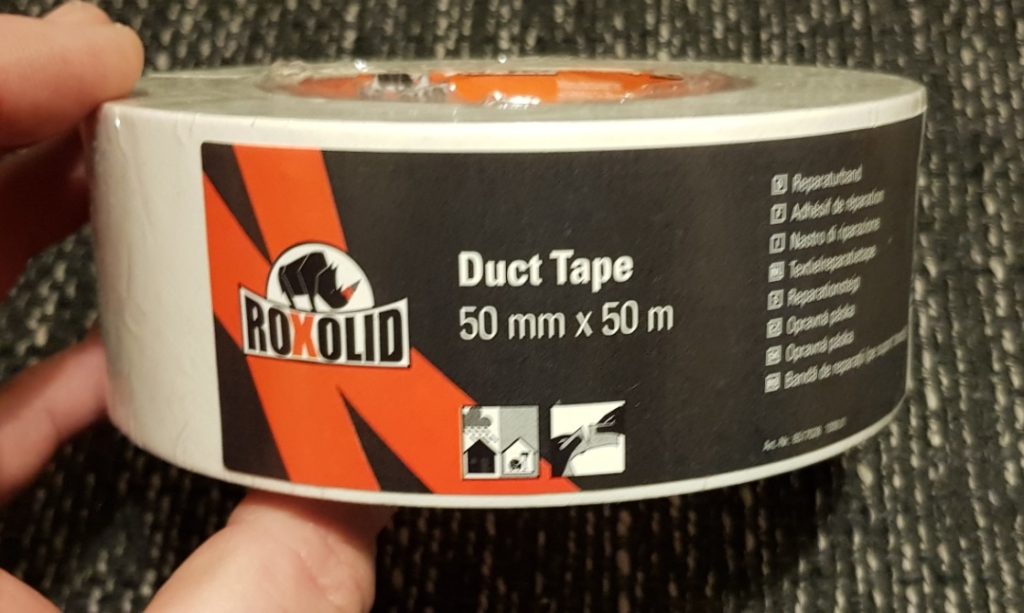
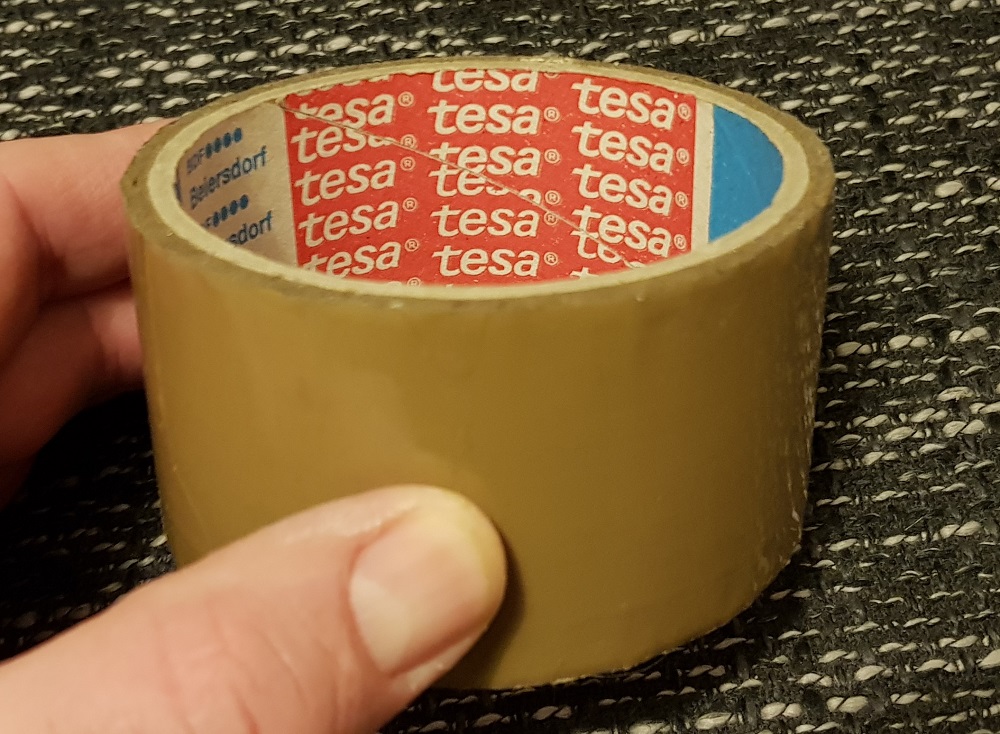
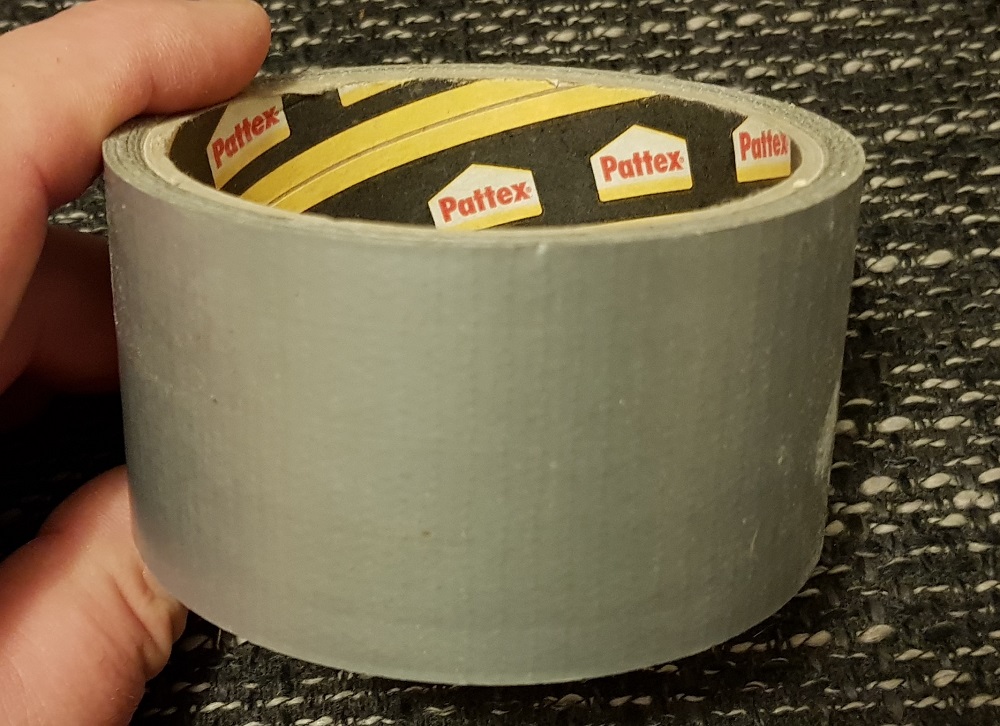
Adhesive tapes – verified types

We list examples of adhesive tapes that have proven effective for bonding Lining the inner walls of a hive with cardboard.

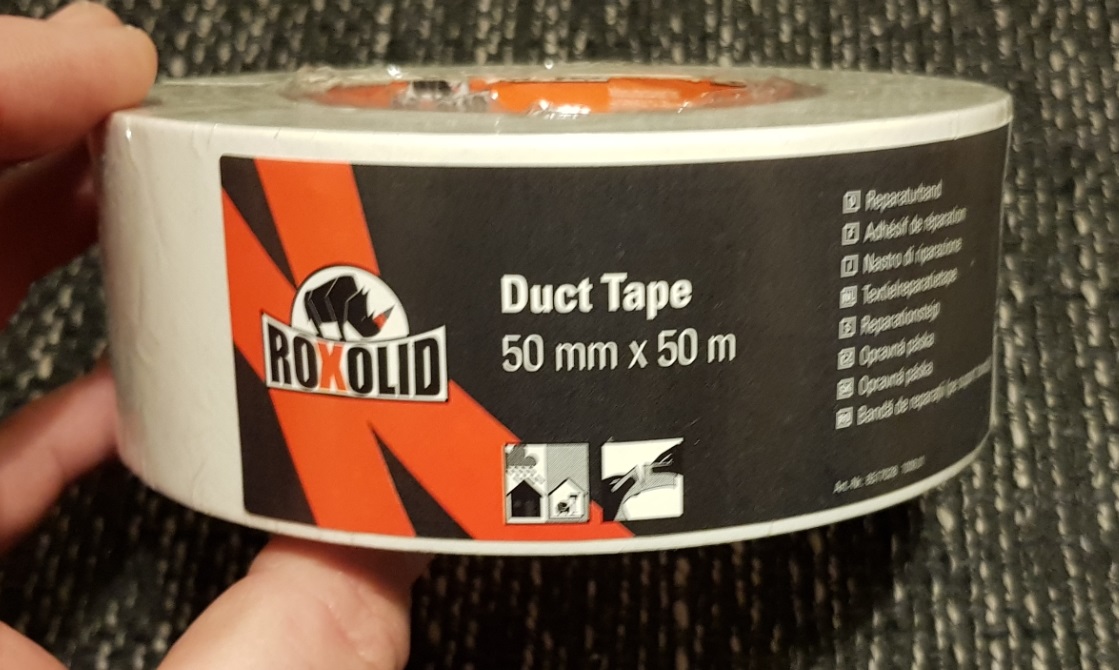
Bumblebees PLUS - ROXOLIDS Adhesive Tape

ROXOLID adhesive tape
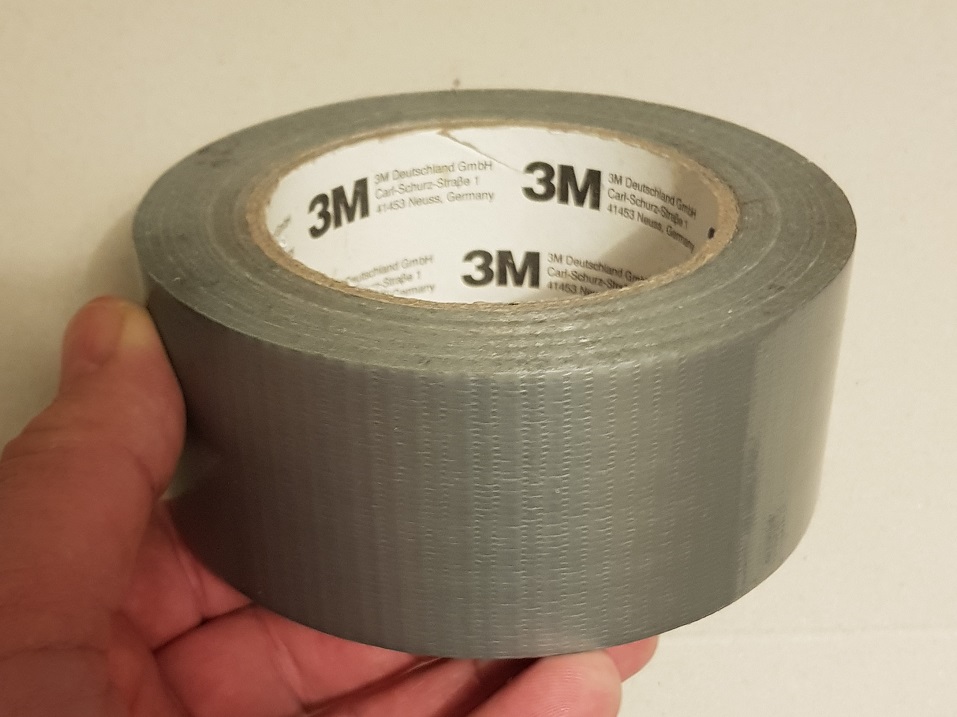
Bumblebees PLUS - 3M Adhesive Tape

3M adhesive tape

Bumblebees PLUS - Adhesive Tape

  Adhesive tape

Bumblebees PLUS - ROXOLIDS Adhesive Tape

ROXOLID adhesive tape

Bumblebees PLUS - TESA Adhesive Tape

TESA adhesive tape

Bumblebees PLUS - PATTEX Adhesive Tape

Pattex adhesive tape


Adhesive tapes – we are testing

At the same time we are testing others too adhesive tapes. If they prove effective for us, we will update our recommendations.

We also look forward to your recommendations and tried-and-tested tips. 


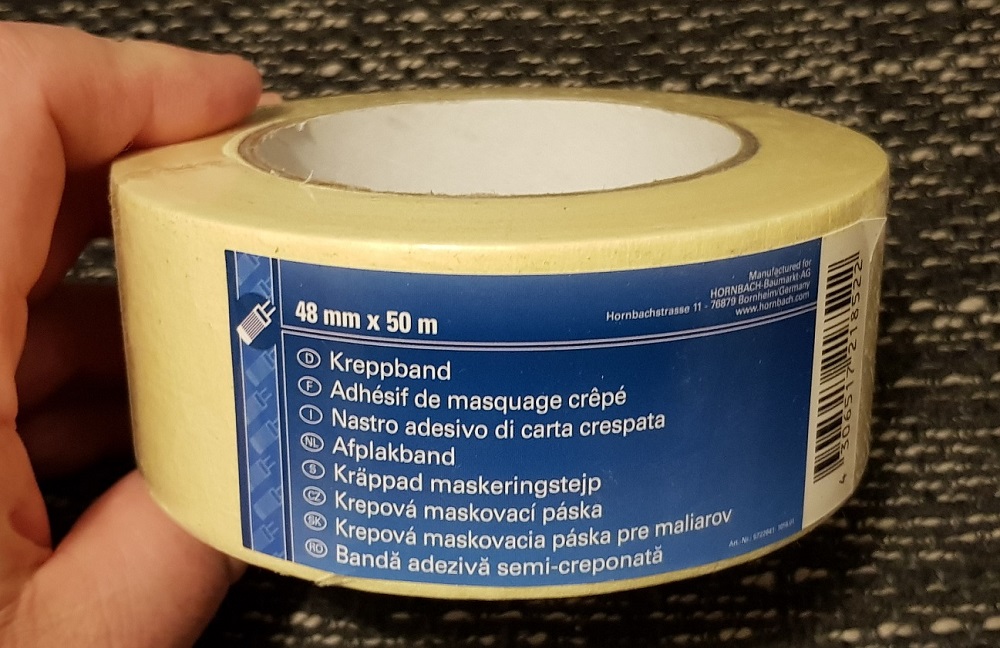
Bumblebees PLUS - Adhesive Tape

Adhesive tape – painter's tape
We are only testing at the moment
L

Seal 

Finding the right seal for a beehive is quite a science. You need seals at a minimum for sealing the roof, but also for sealing hive accessories.

Here we will also introduce you to seals that have proven effective for us and we would be happy to complement them with seals that you have tried and were satisfied with to the extent that you would recommend them to other breeders.

Sealing requirements:

  • resistance to high humidity (up to 90–100% humidity)
  • adhesion to paper and wood 
  • resistance to bee sting
  • weather resistance
  • The seal must be soft and flexible to fill gaps and seal any unevenness and changes in the shape of the roof/other parts of the hive.

Seal verified types

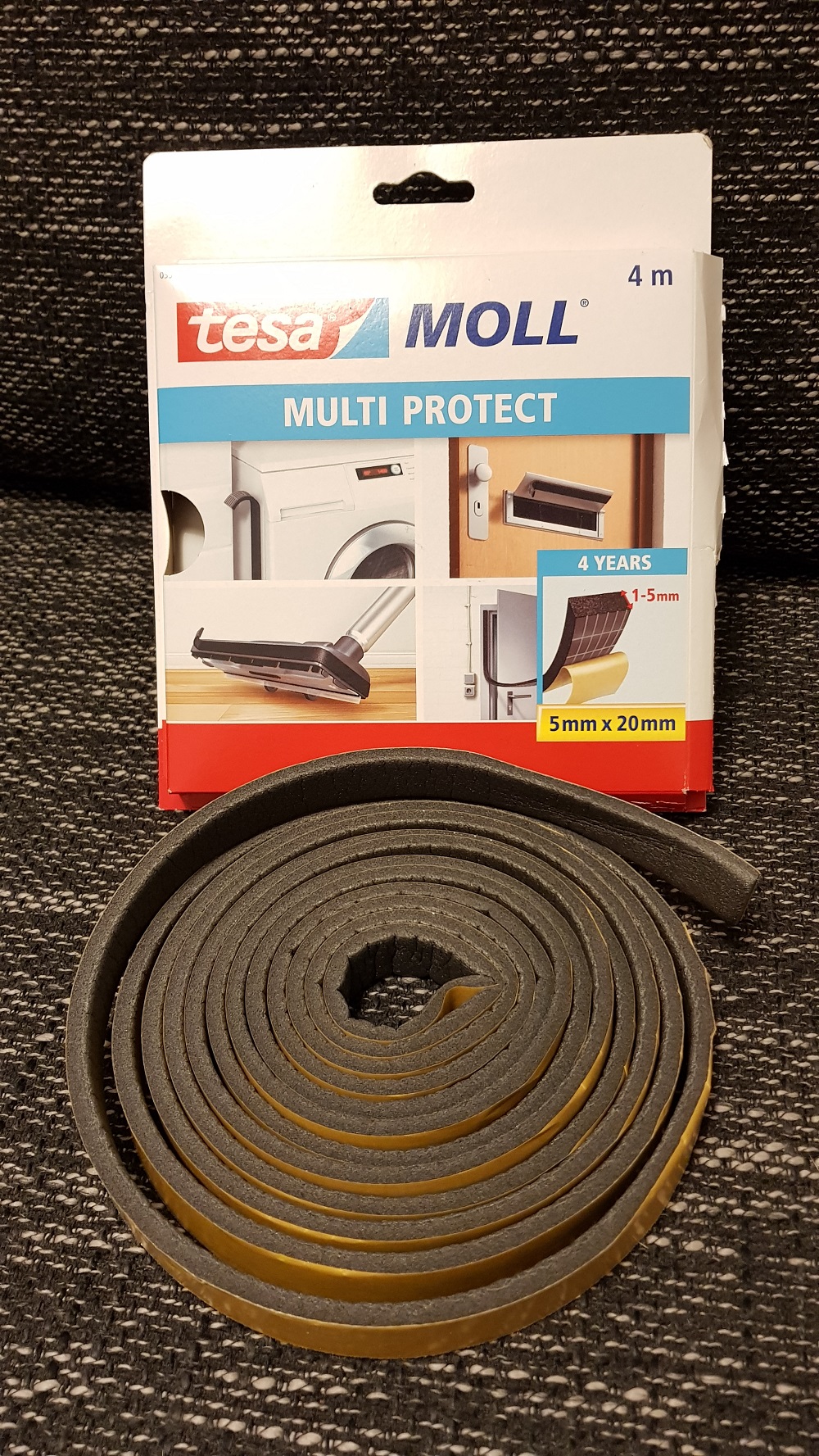
Bumblebees PLUS - Hive Sealing - TESA

Ulcer seal – TESA


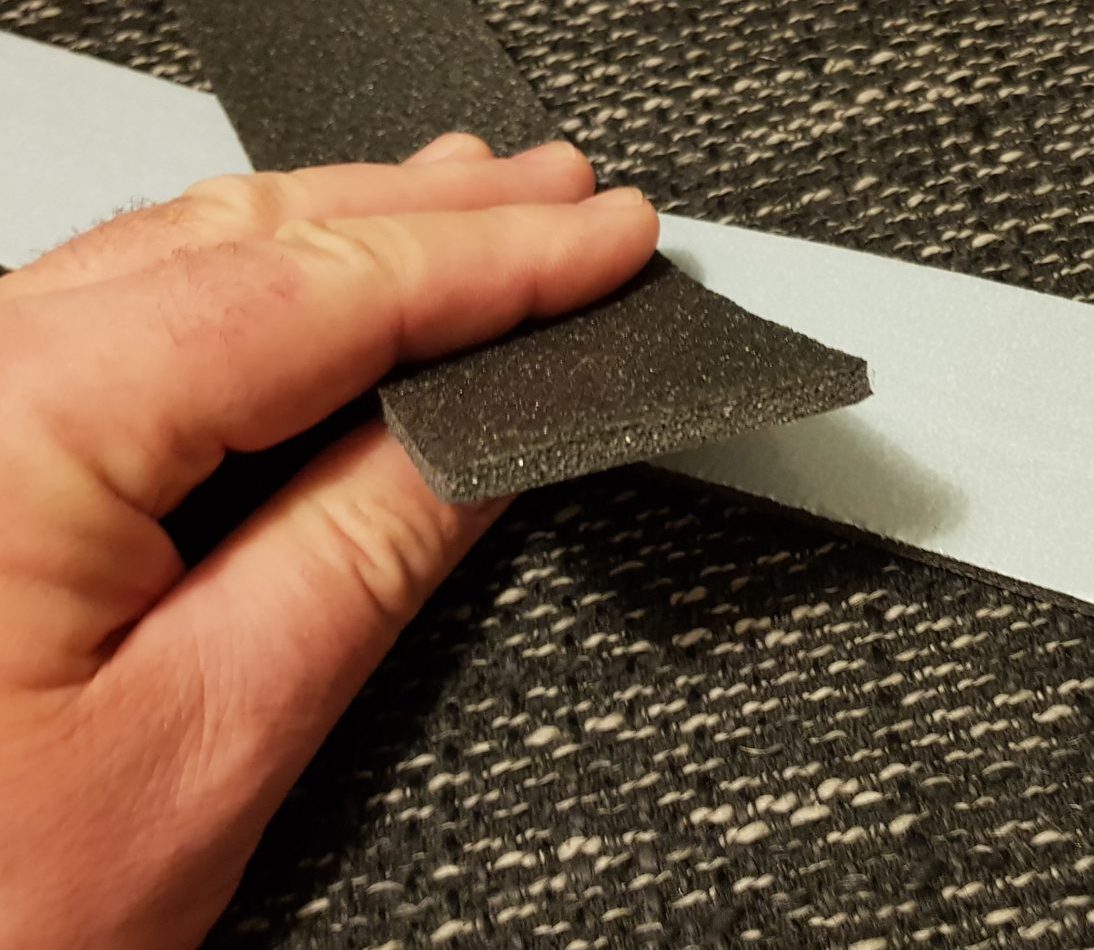
Bumblebees PLUS - Insulation seal self-adhesive mat

Seal for insulation, self-adhesive, e.g. sleeping mat - ŘEMPO
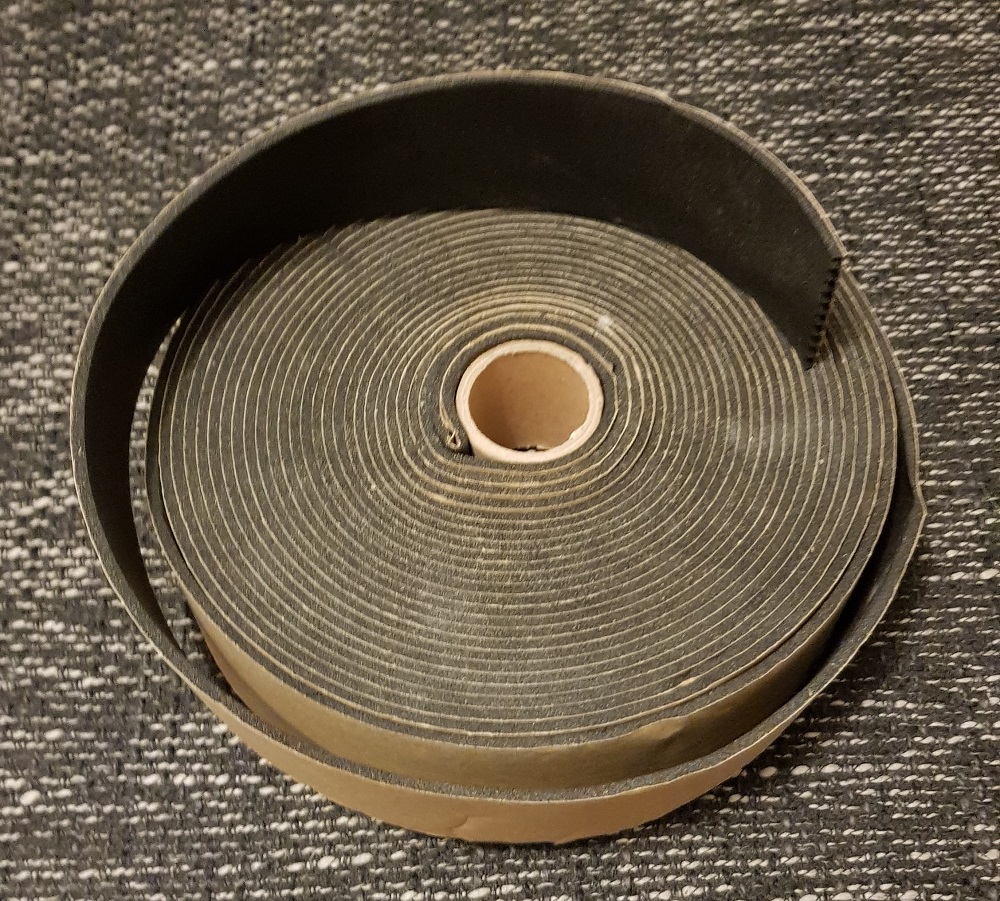
 

Bumblebees PLUS - Hive seal - fan seal

Seal for the ulcer – seal for fans
Good seal, but prone to damage
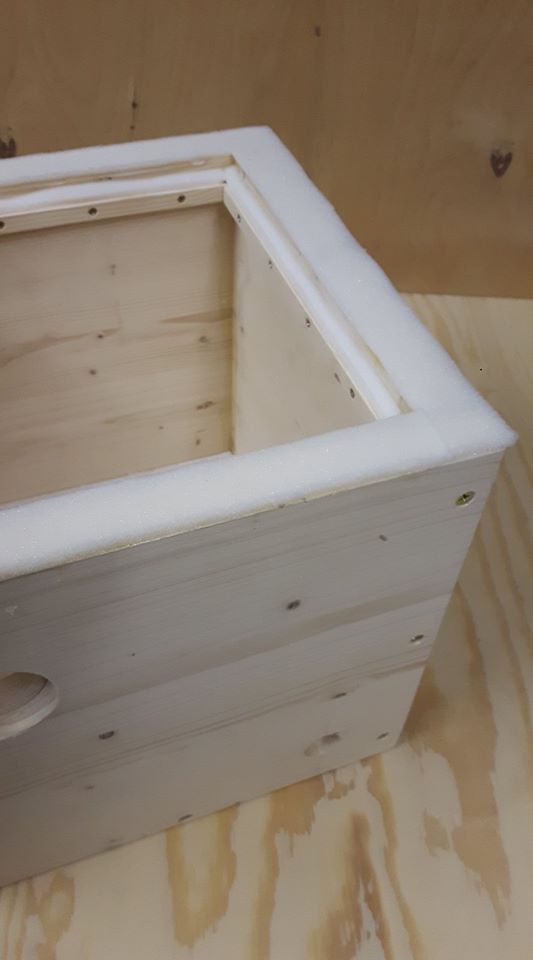
Bumblebees PLUS - Hive Seal - Polyurethane foam

Cracked seal - foam
The seal is susceptible to damage and only lasts for one year (then it degrades due to UV radiation).
Non-slip tapes for protective flaps

Protection is an important part of the hive (bumblebee nest). So that the bumblebees are better managed to lift the latch (moving parts of the protective flap), it is good Roughen the climbing surface slightly.

Can it be solved by making fine scratches with the tip of a sharp knife (always only on the part to which the flap does not press)?.

You can also use soft hook-and-loop fastener (that is, the part with threads) and he calmly afterto stick overcoat with a layer of paint for reinforcement. Hook and loop fasteners can also be obtained as self-adhesive tape.

When adjusting the protective flap, however, follow the instructions in the section  Protective flap.Be very careful not to damage the damper. It is enough for the valve to not sit properly on the body of the damper, and then it is the same as if it were not used on the hive. 

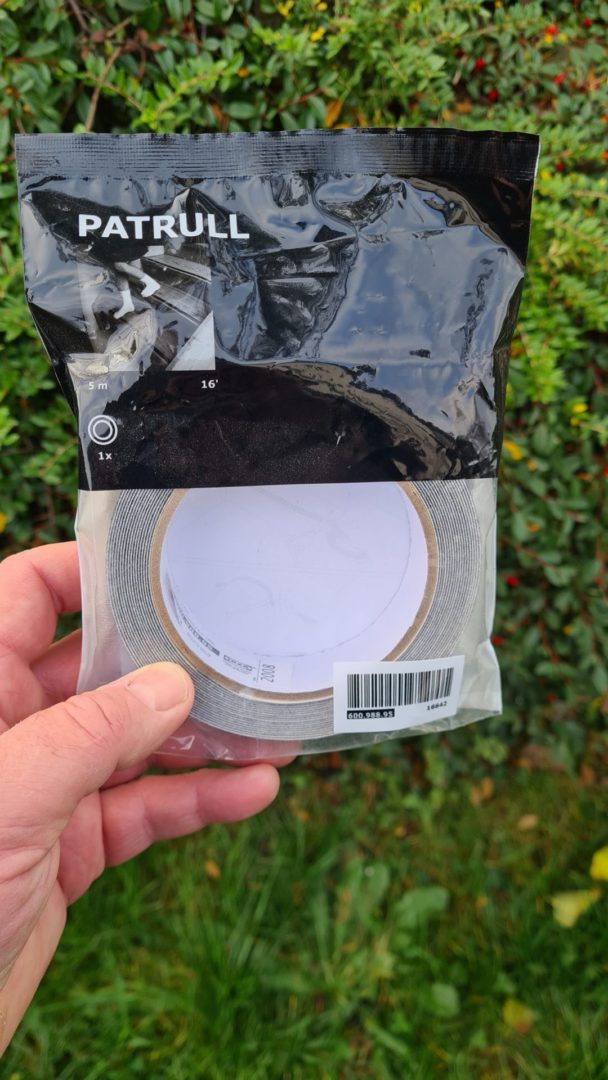
It has proven to be effective for modification self-adhesive anti-slip stair tape. This can be bought at a hobby market, or also at IKEA (there as Patrull).

Procedure

  • When applying, it's worth removing the flap sides; you'll work better and be more accurate.
  • Also clean the throttle body of any dirt and degrease the surface where you will stick the tape, so that the tape adheres well.
  • The tape can also be secured with a crimping tool – one or two clamps are sufficient. 
  • After the season, it's advisable to replace the tape with new tape instead of undertaking laborious cleaning.

Don't forget during the season during a regular check of the flap Check that the tape is holding well!

Bumblebees PLUS - Non-slip tape

Bumblebees PLUS - Non-slip tape for stairs
Photo O. Hercog 2020
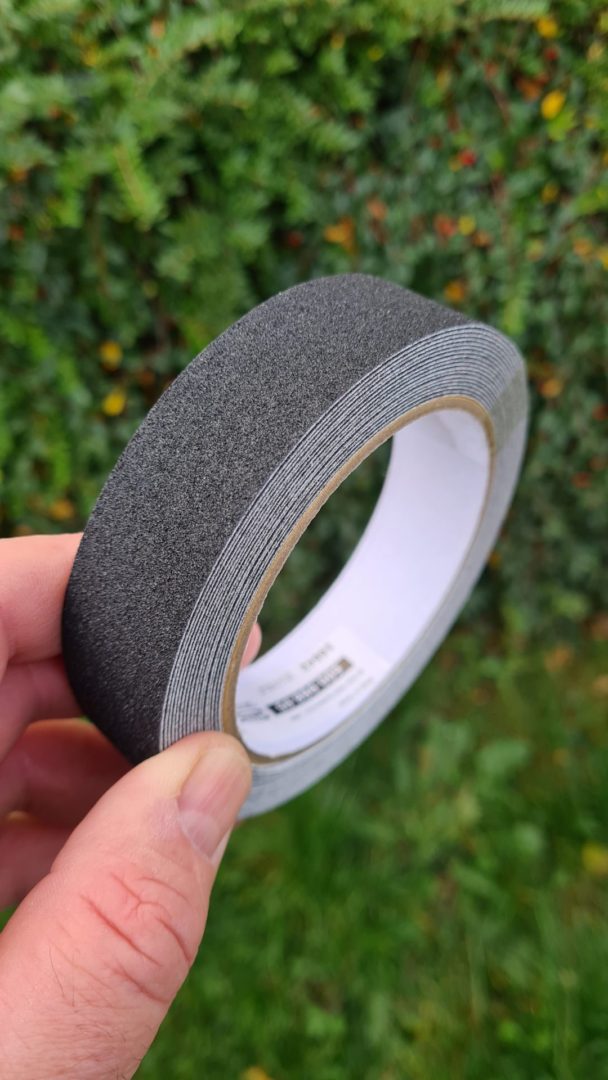
Bumblebees PLUS - Non-slip tape

Bumblebees PLUS - Non-slip tape for stairs
Photo O. Hercog 2020

.