


Solutions for wobbly legs on bumblebee hives

How to fix wobbly legs on beehives

Are you wobbly-legged (at the moment)?

The basic placement of the hive (as recommended by manufacturers) is on the ground. We do not really recommend this placement – and we explain why. HERE.

What does such a solution look like?

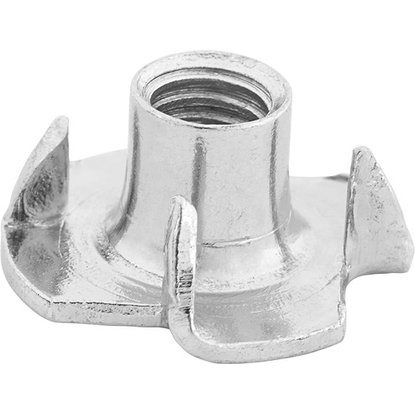
Manufacturers place a knock-in nut (shallow solution = not durable) or a screw-in cone nut with an internal hex (nut is longer = more advantageous solution) in the base of the hive.

You screw longer screws into the nuts, which serve as the legs of the hive. However, if the screws are not screwed in enough, the hive will not stand stably. In an extreme case, the nut could break off and there would be a problem.

What should I do about it?

It's incredibly simple – just use a lock nut and a washer underneath it. If you tighten the lock nut, your hive's legs are suddenly firm. 😀

How to set up the decoy?

  • Do it as always – screw in the screws with lock nuts and washers at the bottom of the hive,
  • Screw in the screws as far as they will go, but only by hand = do not overtighten them.,
  • Once you have positioned the bracket, secure it by screwing in the bolts so that it does not wobble.,
  • Tighten the locknut with the appropriate size of spanner.,
  • Don't forget ant protection
Bumblebees PLUS - Wood nuts for screw stand - LUX drive-in nuts

Bumblebees PLUS – Wood Nuts for Screw Stands – LUX Insert Nuts
Internet source
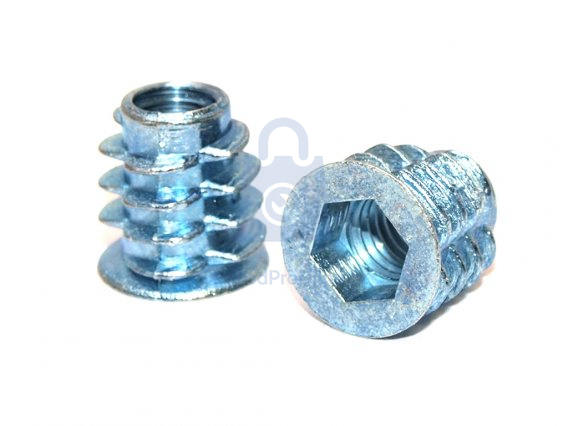
 

Bit grub, cone nut with collar and internal hexagon

Bit grub, cone nut with collar and internal hexagon
Internet source
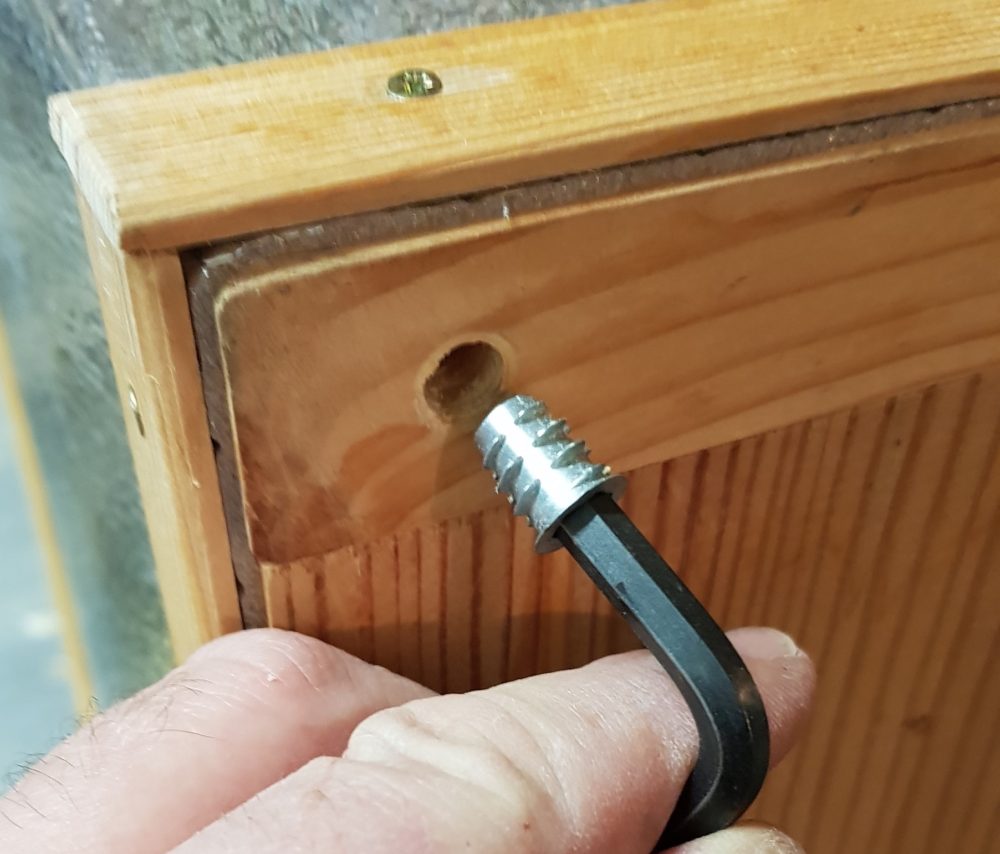
Bumblebees PLUS - Collar bush nut with internal hexagon - assembly

Bumblebees PLUS – Collar head socket screw with collar and internal hex – assembly
Photo O. Hercog
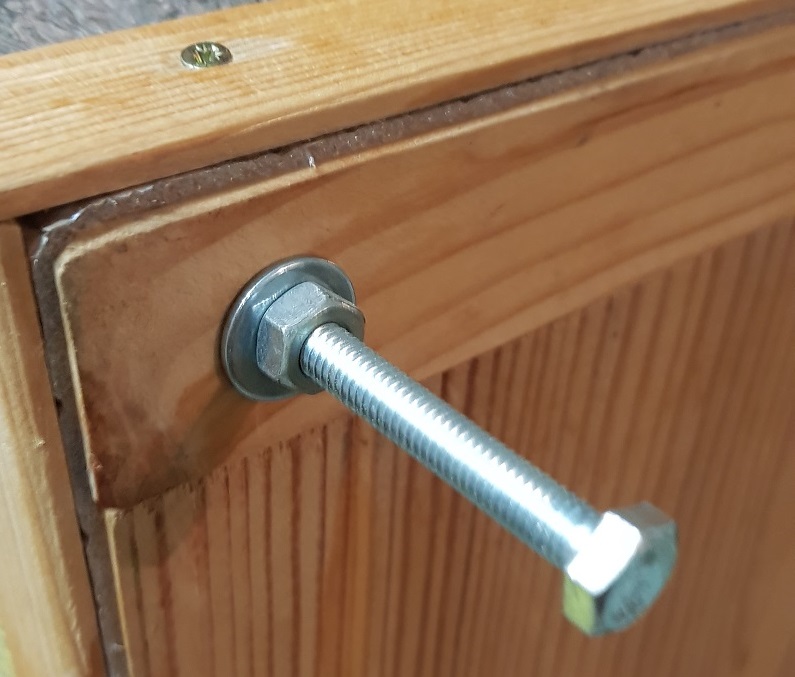
Bumblebees PLUS - improved hive leg with screw, washer and locknut

Bumblebees PLUS – Hive leg from screw improved with washer and lock nut
Photo O. Hercog