Bumblebee species catalog – Vestal bumblebee (Bombus vestalis)

Vestal bumblebee (Bombus vestalis)

What you will learn here

  • Information about individual bumblebee species
  • You will receive a summary of information for the general public, schools and breeders

Last updated: 4/8/2021

Description

Czech: Virgin patchouli (sometimes also summer)

Latin: Bombus vestalis (some keys give the obsolete name Psithyrus vestalis)

English: Vestal cuckoo bumblebee

German: Chaste Cuckoo Bumblebee / Spotted Cuckoo Bumblebee

Polish: Trzmielec ziemny

Image
Virgin's patchouli - Psithyrus vestalis

Bombus vestalis
Source: Sikora A., Michołap P., Kadej M., Sikora M. Tarnawski D. 2018 "Pszczoły w mięści: Trzmiele Wrocławia", Wyd. Stowarzyszenie Natura i Człowiek.
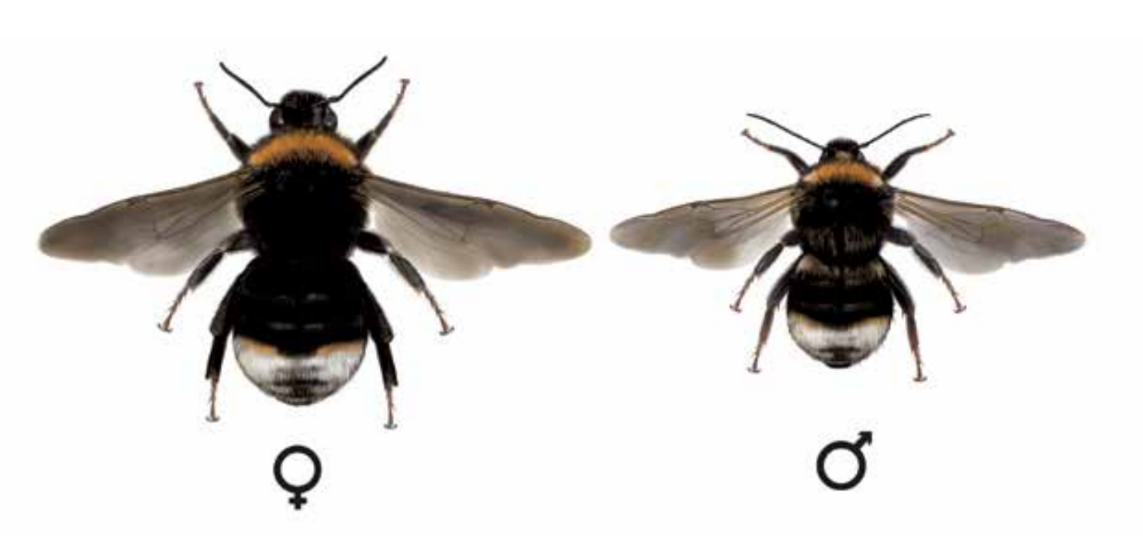
Color scheme

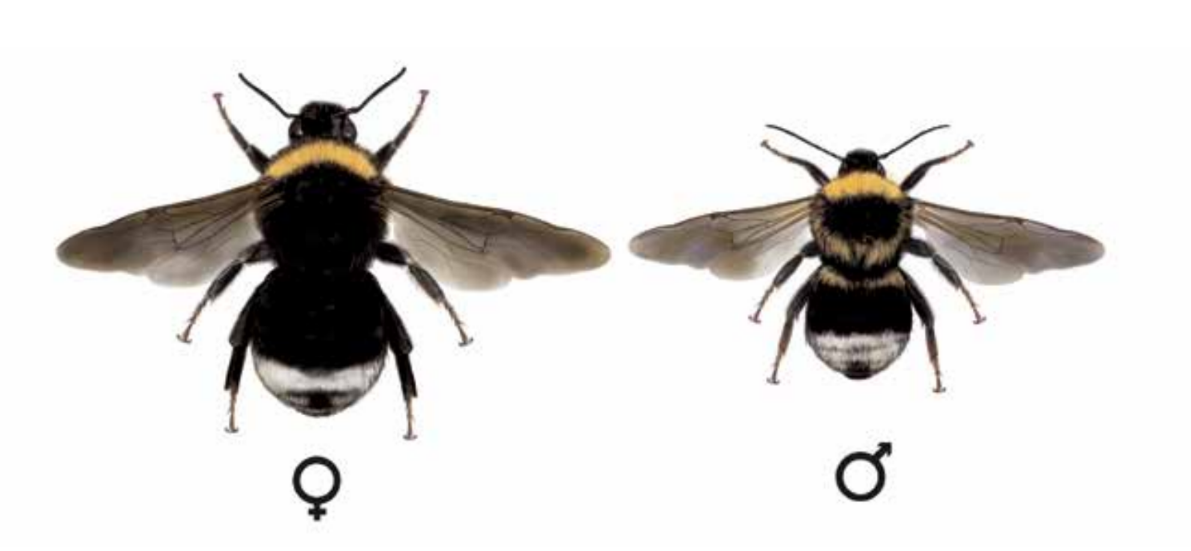
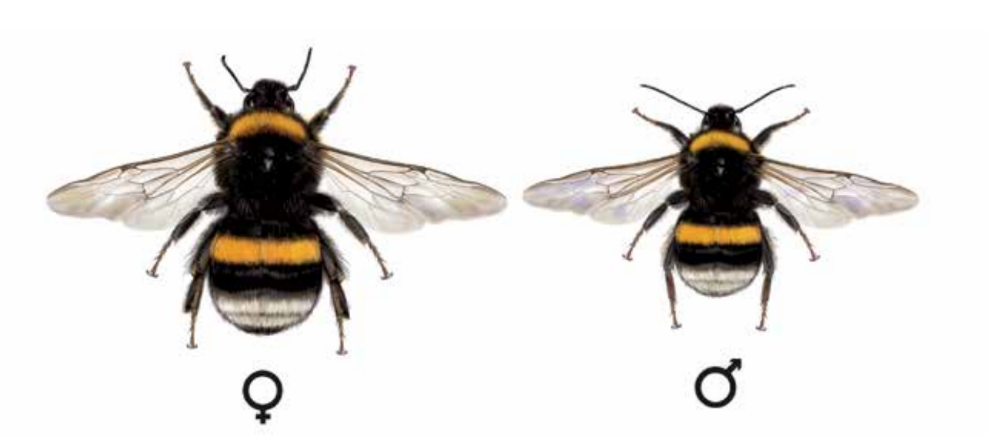
Basic diagram (female):

  • The base color is black.
  • Head: black
  • Chest:
    – black with one yellow transverse stripe on the prothorax (behind the head),
    – this stripe can sometimes be only indicated and appears to be missing
  • Belly:
    – black,
    – end of 5th tergite of belly white,
    – often prominent yellow eyebrows on sides and end of 3rd tergite – yellow band on belly thus appears interrupted

Basic diagram (male):

  • Head:
    – black
  • Chest
    – black with one yellow transverse stripe on the prothorax (behind the head) – the stripe is brighter and stronger than in females,
    – this stripe can sometimes be only indicated and appear to be missing
  • Belly :
    – black,
    – end of the belly white
    – marked / prominent yellow stripe on the 1st tergite
    – often prominent yellow eyebrows on the sides and at the end of the 3rd tergite – the yellow stripe on the belly thus appears interrupted
    – some forms of males have a more prominent yellow eyebrow on the border of the 1st and 3rd tergite – thus they appear significantly more yellow

Addition:

  • The back of the patchouli appears black and white striped due to the sparser eyebrows (the eyebrows are more on the borders of the tergides),
  • We do not intentionally use the term mother/queen, but female. This is because she does not care for her offspring and only lays eggs
Size

Type: large

Female: 14 – 22 mm
Male: 15 – 19 mm

Source Hymenoptera of the Czech Republic I., Academia 2017

Wingspan: female up to 37 mm 


Head

Size: short

Shape:  round (when viewed from the front)

Antennae

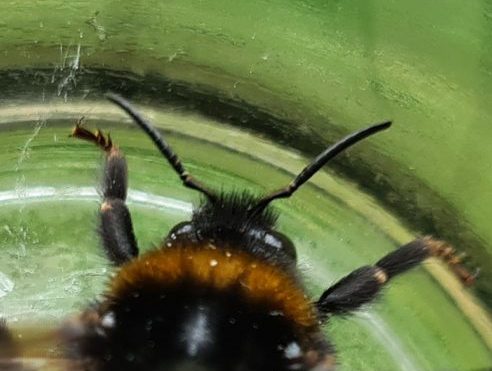
Female: shorter antennae with a bent handle near the head

Male: longer curved antennae (one segment longer)

Interesting fact: fifth antennal segment as long as third and fourth combined (in B. bohemicus antennal segments are equally long) – can only be seen under magnification

Bumblebees PLUS - Vestal bumblebee (Bombus vestalis) - female - antennae - O. Hercog - 2021 08 01

Vestal bumblebee (Bombus vestalis) – female – antennae
Photo: O..Hercog 1/8/2021
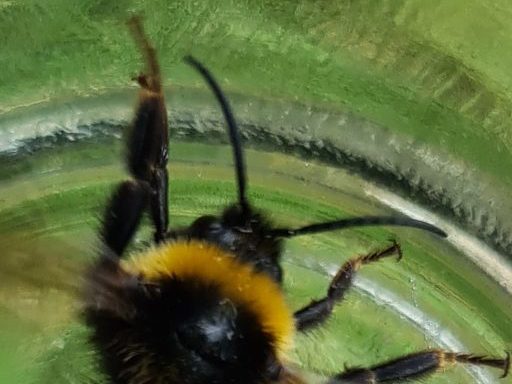
Bumblebees PLUS - Vestal Bumblebee (Bombus vestalis) - male - antennae Ondřej Hercog 2021 07 25

Vestal bumblebee (Bombus vestalis) – male – antennae
Photo: O. Hercog 28/7/2021
Language
  • short
Body
  •  The armor is often less polished, giving it a frayed appearance.
  • The armor on the chest shines through – it is black, shiny, stronger and more solid than the armor of bumblebees
  • End of the rump:
    – females more pointed,
    – males as if “cut off” or rounded
Wings
  • noticeably darker than bumblebee wings
Feet
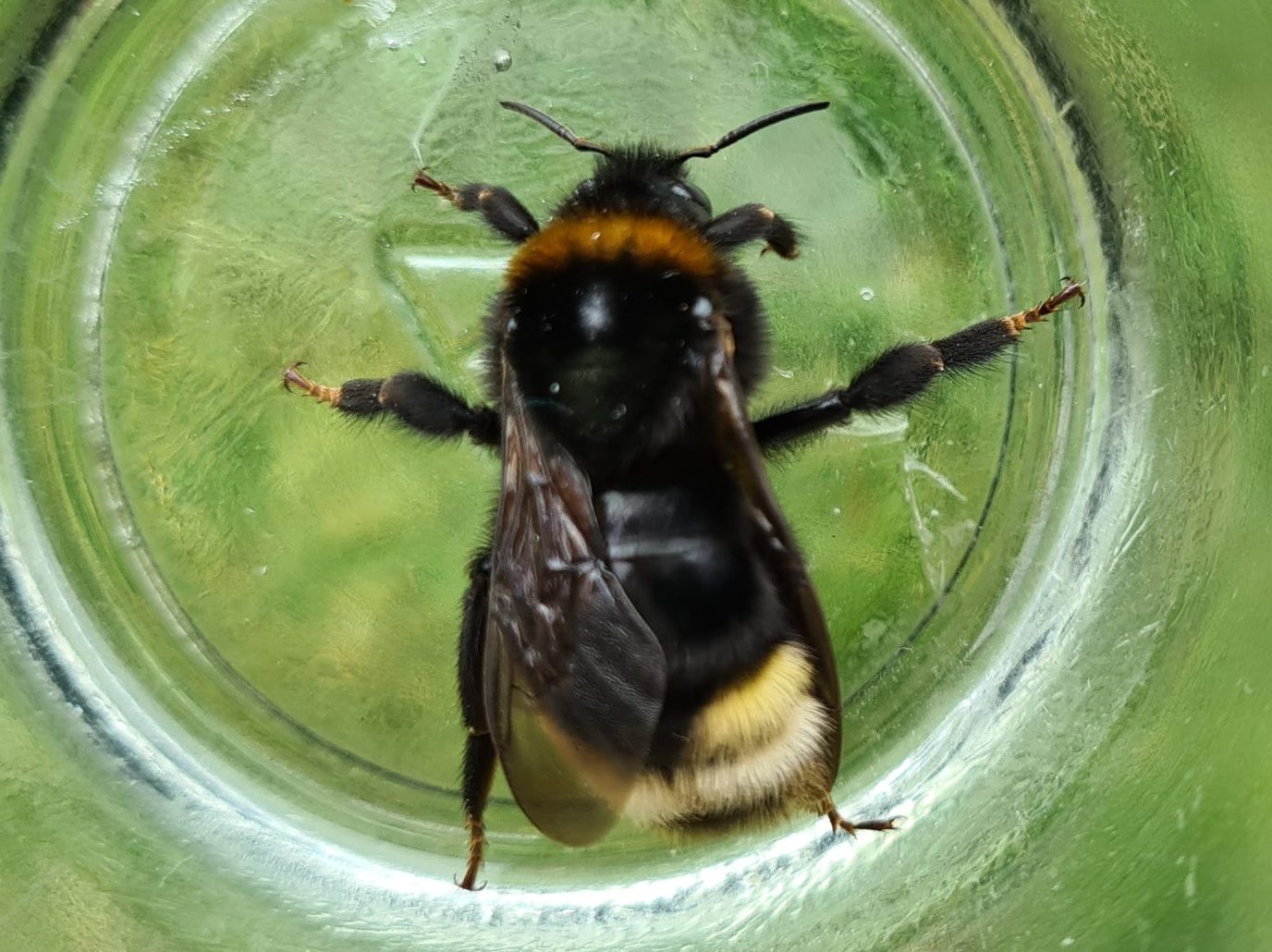
  • There are no pollen cups on the legs of the patchouli, not even on the legs of the females (they do not carry pollen)
  • The shape of the last pair of bumblebee legs differs from that of the wasp's legs

Picture of a bumblebee and a wasp's foot – to be added

Photo

Mother

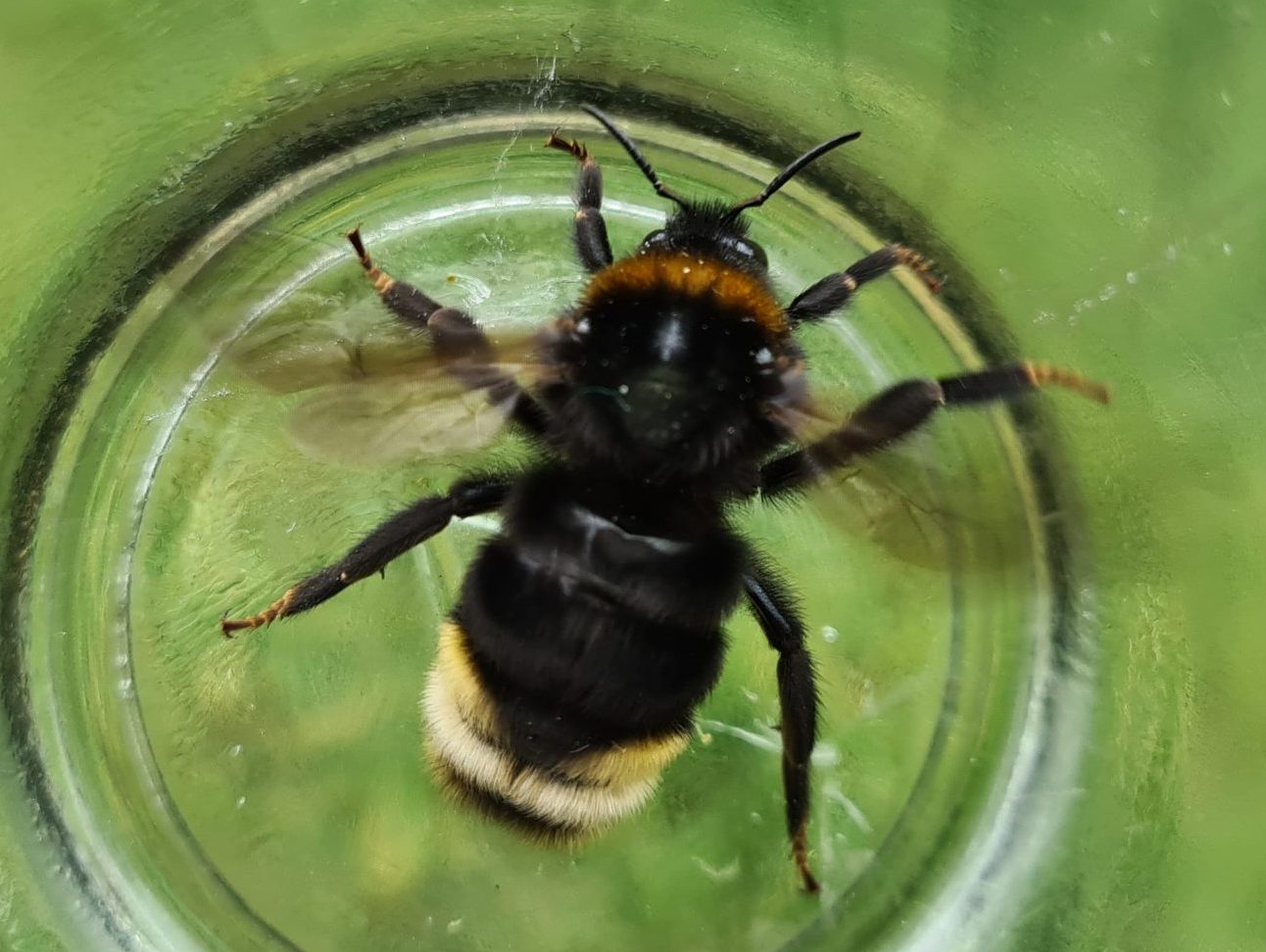
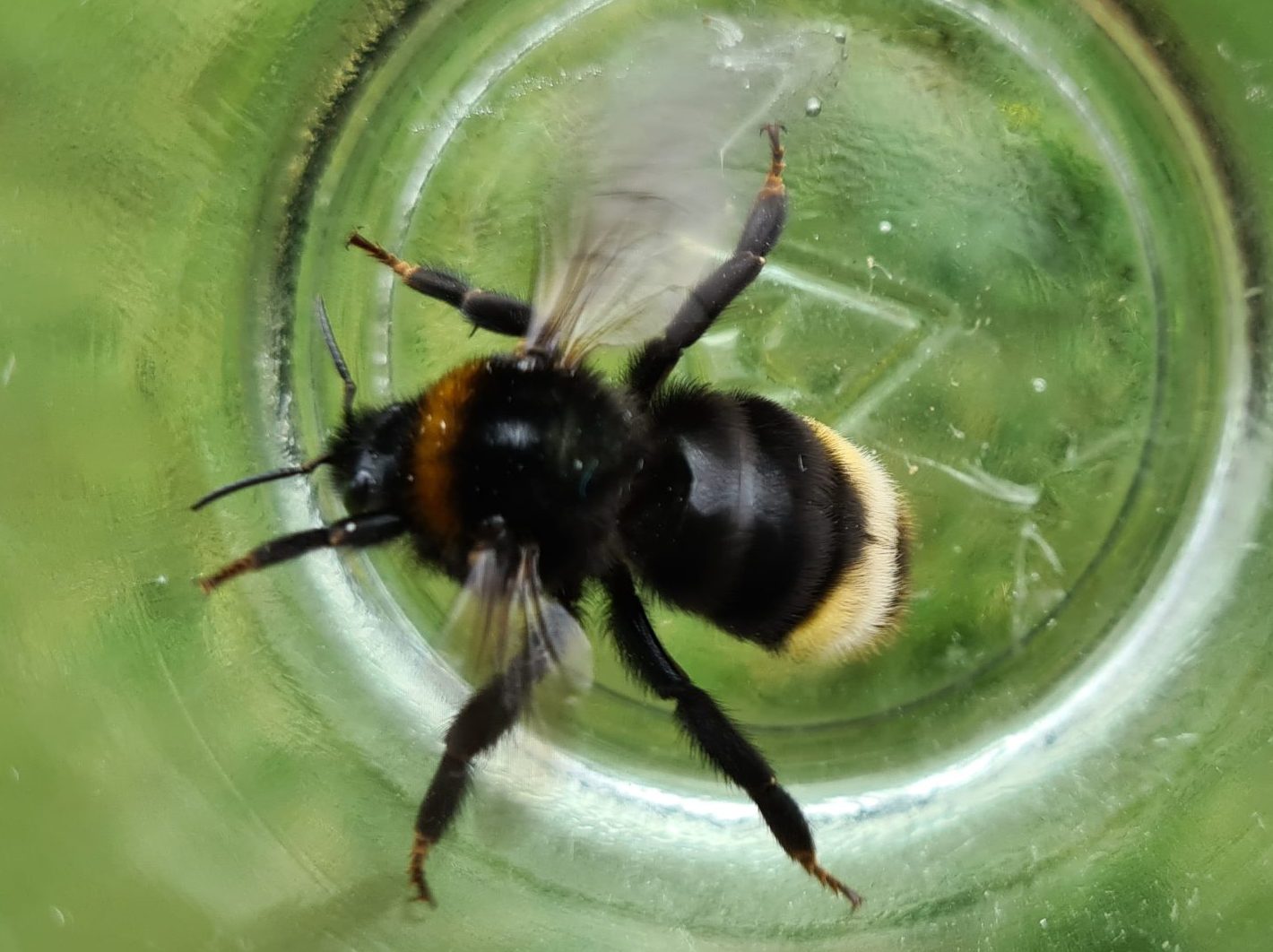
The queen conch moths will surprise you with their size and heft. Literature reports a wingspan of up to 37 mm.

The sound of its flight cannot be confused with the flight of an "ordinary" bumblebee.

You will notice:
– the absence of pollen cups on the back pair of legs

Bumblebees PLUS - Vestal Bumblebee (Bombus vestalis) - female - O. Hercog - 2021 08 01

Vestal bumblebee (Bombus vestalis) – female
Photo: O. Hercog 01/08/2021
Bumblebees PLUS - Vestal Bumblebee (Bombus vestalis) - female - O. Hercog - 2021 08 01

Vestal bumblebee (Bombus vestalis) – female
Photo: O. Hercog 01/08/2021
Bumblebees PLUS - Vestal Bumblebee (Bombus vestalis) - female - O. Hercog - 2021 08 01

Vestal bumblebee (Bombus vestalis) – female
Photo: O. Hercog 01/08/2021
Male

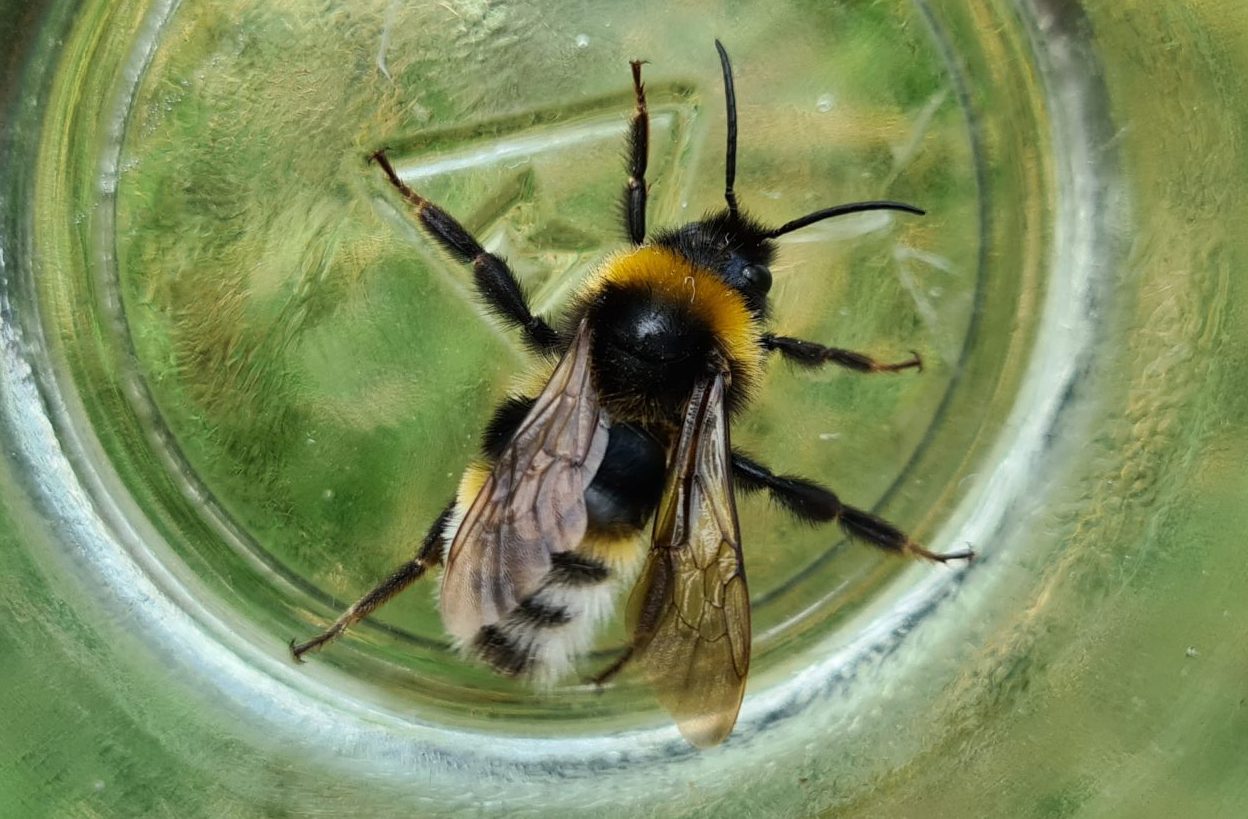
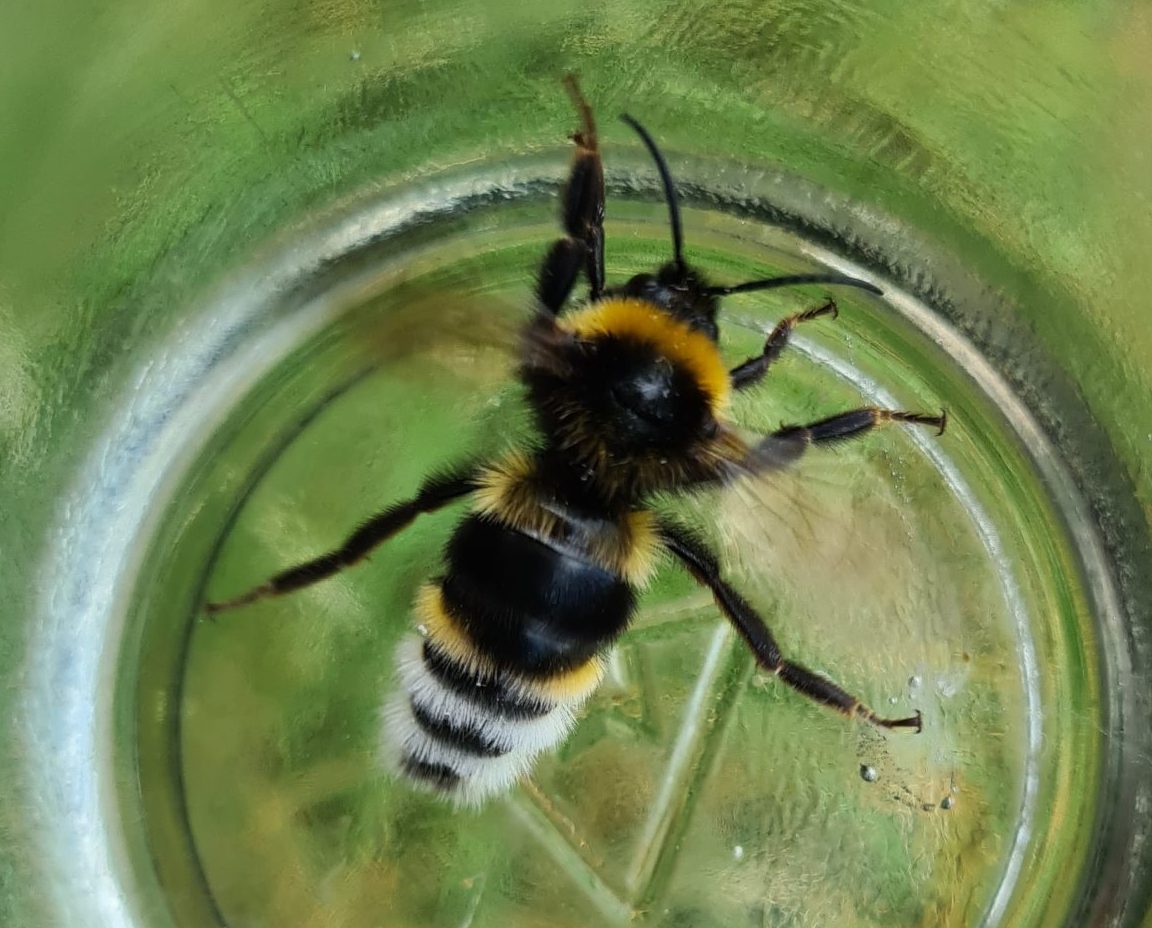
Male form with a distinct yellow fringe on the 1st tergide

Note:
– the long, curved antennae of the male
– the disheveled eyebrows with bright yellow colors


Bumblebees PLUS - Vestal Bumblebee (Bombus vestalis) - male - Ondřej Hercog 2021 07 25

Vestal bumblebee (Bombus vestalis) – male
Photo: O. Hercog 24/7/2025
Bumblebees PLUS - Vestal Bumblebee (Bombus vestalis) - male - Ondřej Hercog 2021 07 25

Vestal bumblebee (Bombus vestalis) – male
Photo: O. Hercog 24/7/2025
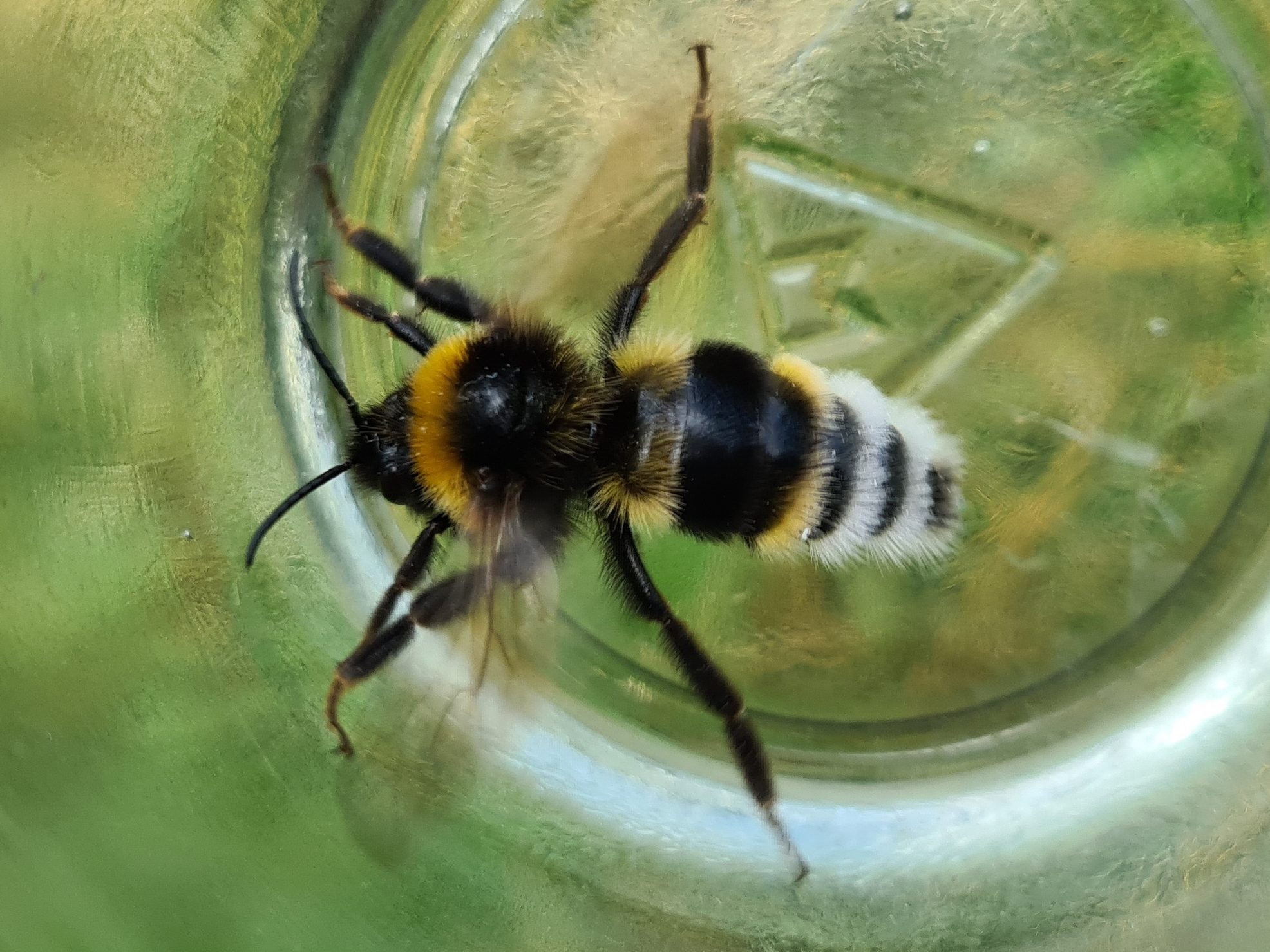
Bumblebees PLUS - Vestal Bumblebee (Bombus vestalis) - male - Ondřej Hercog - 2021 07 25

Vestal bumblebee (Bombus vestalis) – male
Photo: O. Hercog 25/7/2021
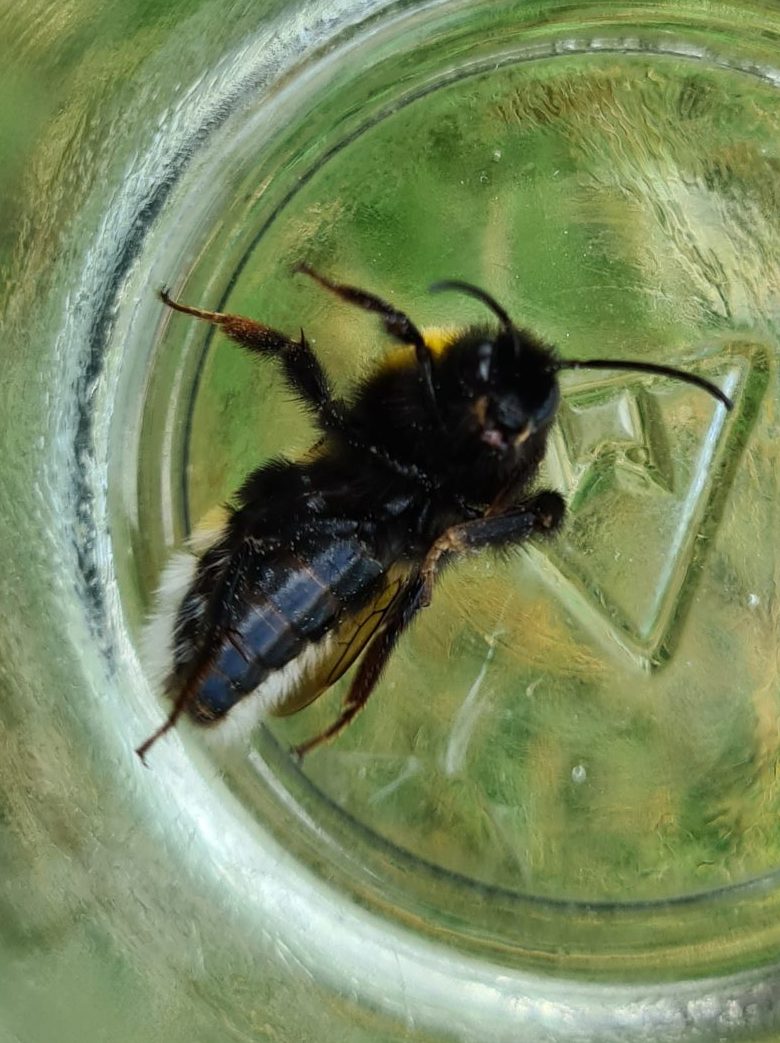
The mandibles of males are often equipped with distinctive brushes . These are used by males to spread scent marks on the trails they follow in search of mates.

Bumblebees PLUS - Vestal Bumblebee (Bombus vestalis) - male - Ondřej Hercog 2021 07 25

Vestal bumblebee (Bombus vestalis) – male
Photo: O. Hercog 24/7/2025
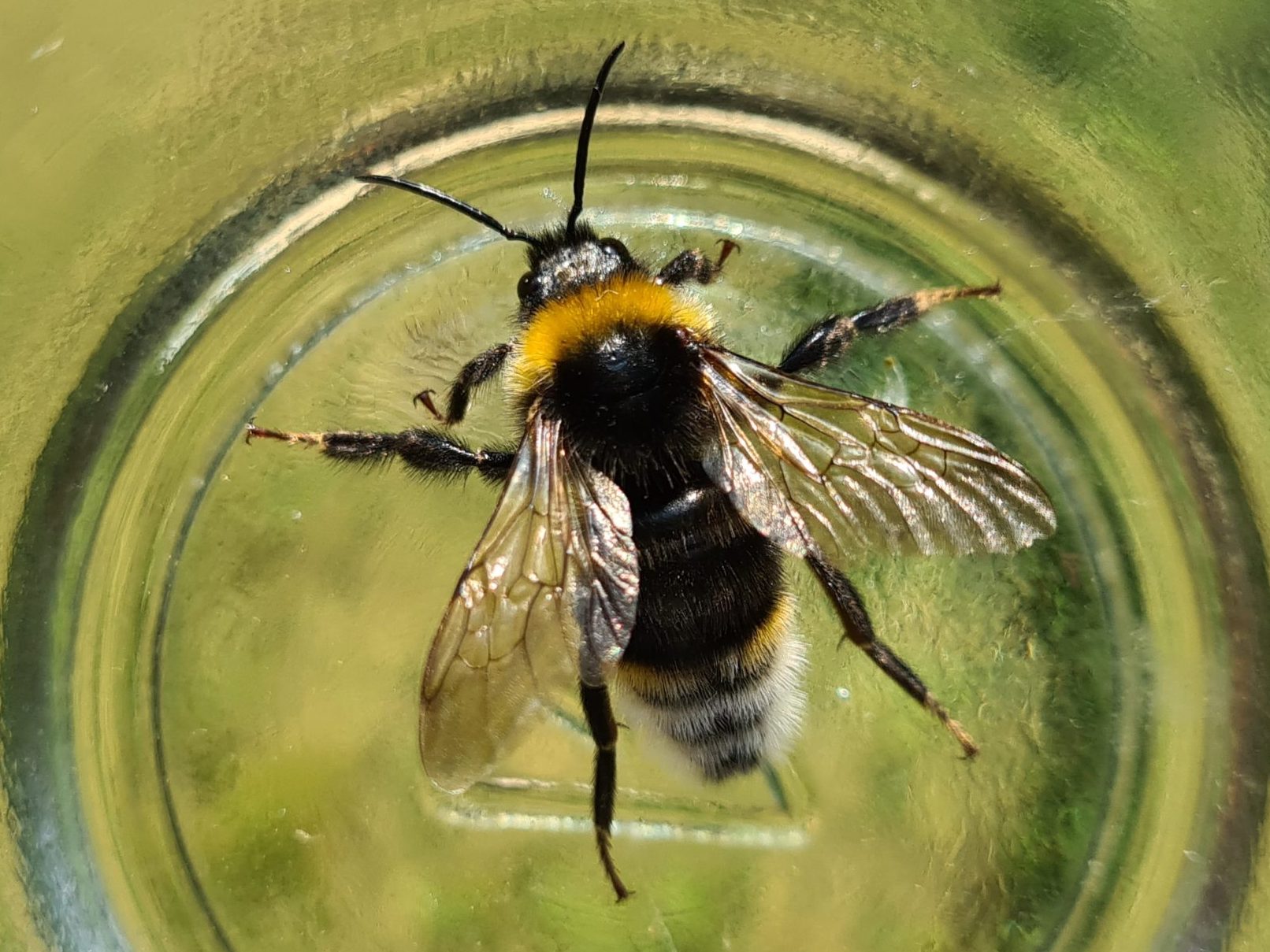
Male form with less pronounced yellow fringe on the first tergide 

Bumblebees PLUS - Vestal Bumblebee (Bombus vestalis) - male - Ondřej Hercog 2021 07 24

Vestal bumblebee (Bombus vestalis) – male
Photo: O. Hercog 24/7/2024
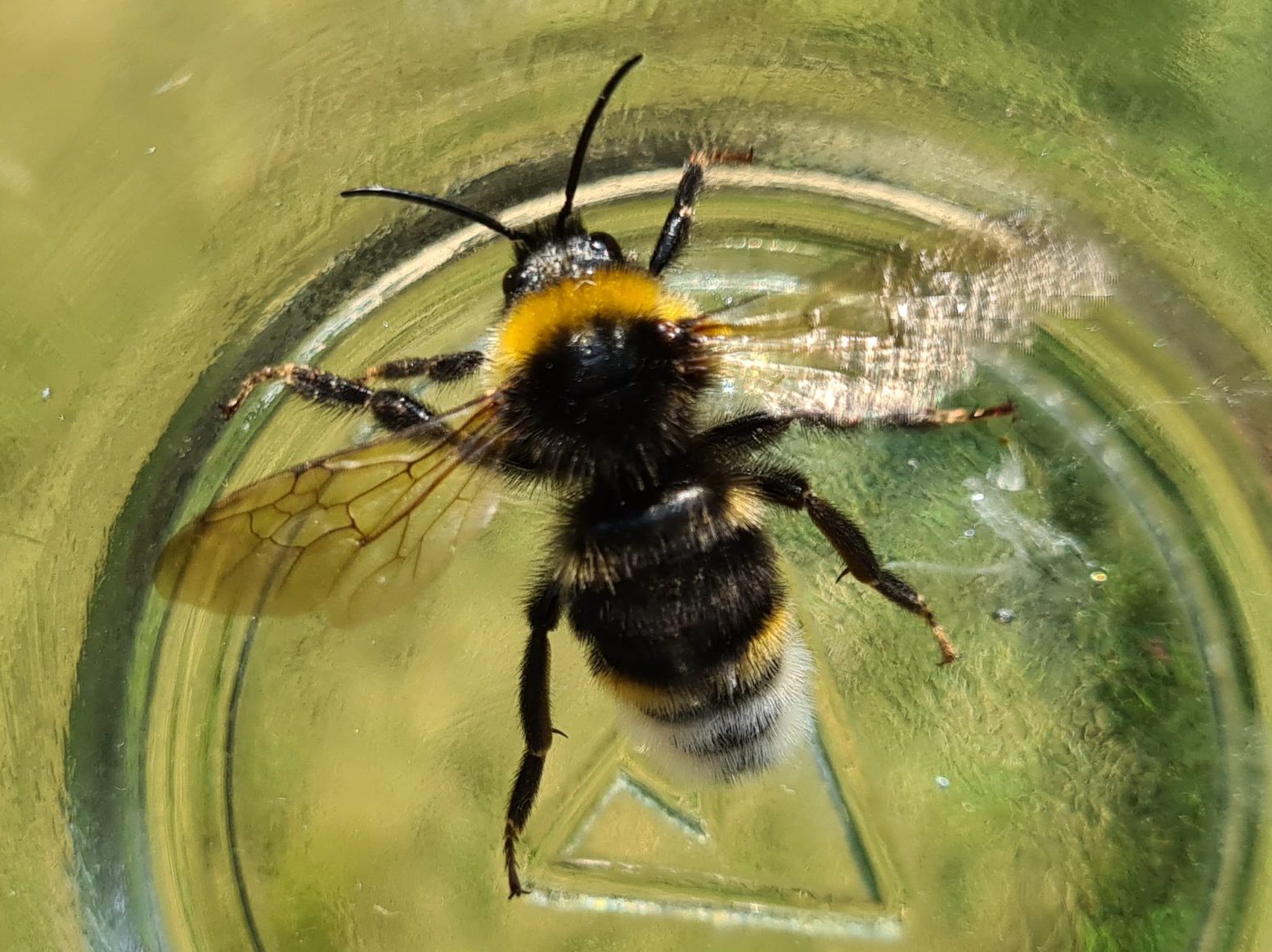
Bumblebees PLUS - Vestal Bumblebee (Bombus vestalis) - male - Ondřej Hercog 2021 07 24

Vestal bumblebee (Bombus vestalis) – male
Photo: O. Hercog 24/7/2024
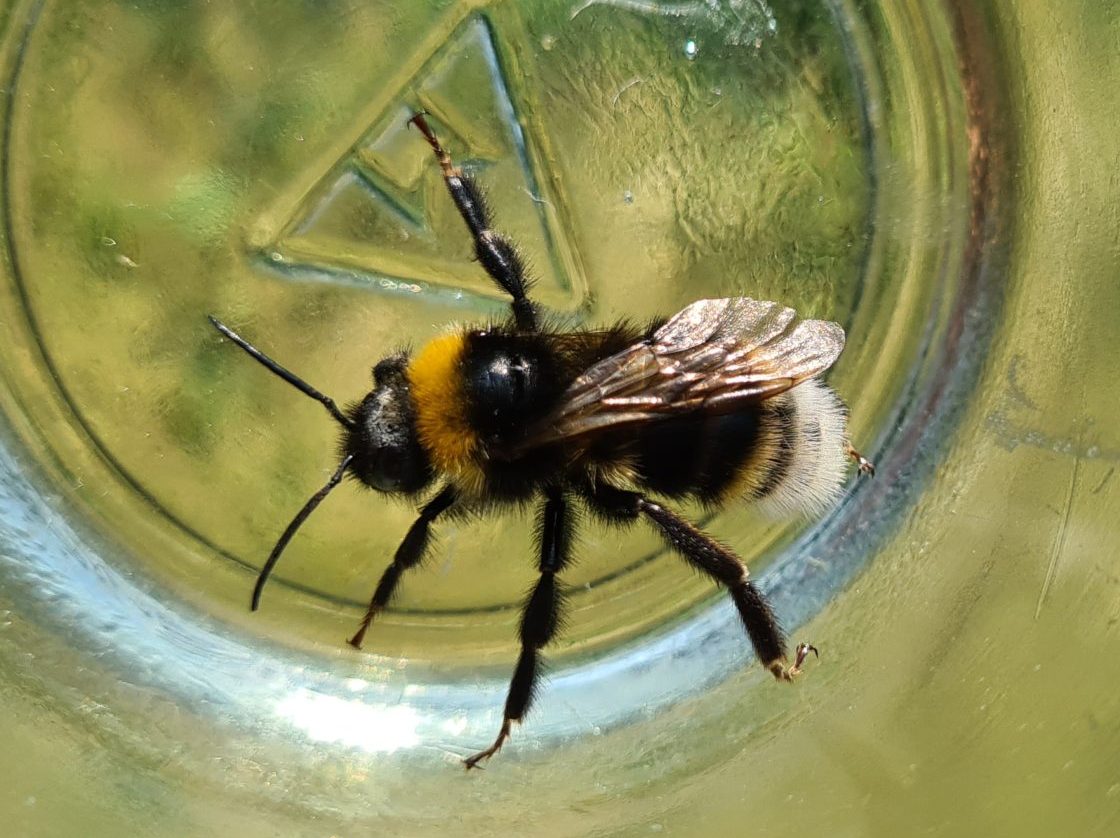
Bumblebees PLUS - Vestal Bumblebee (Bombus vestalis) - male - Ondřej Hercog 2021 07 24

Vestal bumblebee (Bombus vestalis) – male
Photo: O. Hercog 24/7/2024
Lorem ipsum dolor sit amet, consectetur adipiscing elit. Ut elit tellus, luctus nec ullamcorper mattis, pulvinar dapibus leo.

Detail of the facial part of the head of a male vestal bumblebee (Bombus vestalis) – to be added

Video catalog

Mother

A young mother before hibernation – she is beautiful, unworn.

Male

Distinctive form of the male – yellow elements on the border of the 1st and 3rd tergides, a distinctive stripe behind the head on the prothorax 

Note:
– the long antennae of the male and
– the tip of the rump

Male with less pronounced yellow fringe on the border of the 1st tergide

Similar species

  • Bohemian bumblebee (Bombus bohemicus)
  • Ground bumblebee (Bombus terrestris) – see How to distinguish a bumblebee from a bumblebee

How to distinguish it from similar species

Bohemian bumblebee (Bombus bohemicus)

  • Similar size
  • Frequent absence of light yellow eyebrows on the border of the 2nd tergide 
  • The antennal segments of Bombus bohemicus are the same size, but in
    Bombus vestalis the fifth antennal segment is as long as the third and fourth combined
    (can only be verified by observation at high magnification)
  • Microscopic examination (or autopsy and search for specific signs) is sometimes needed for reliable determination
Bumblebees PLUS - Bohemian Bumblebee (Psithyrus bohemicus)

Bohemian bohemian (Bombus bohemicus)
Source: Sikora A., Michołap P., Kadej M., Sikora M. Tarnawski D. 2018 "Pszczoły w mięści: Trzmiele Wrocławia", Wyd. Stowarzyszenie Natura i Człowiek.
Virgin's patchouli - Psithyrus vestalis

Bombus vestalis
Source: Sikora A., Michołap P., Kadej M., Sikora M. Tarnawski D. 2018 "Pszczoły w mięści: Trzmiele Wrocławia", Wyd. Stowarzyszenie Natura i Człowiek.

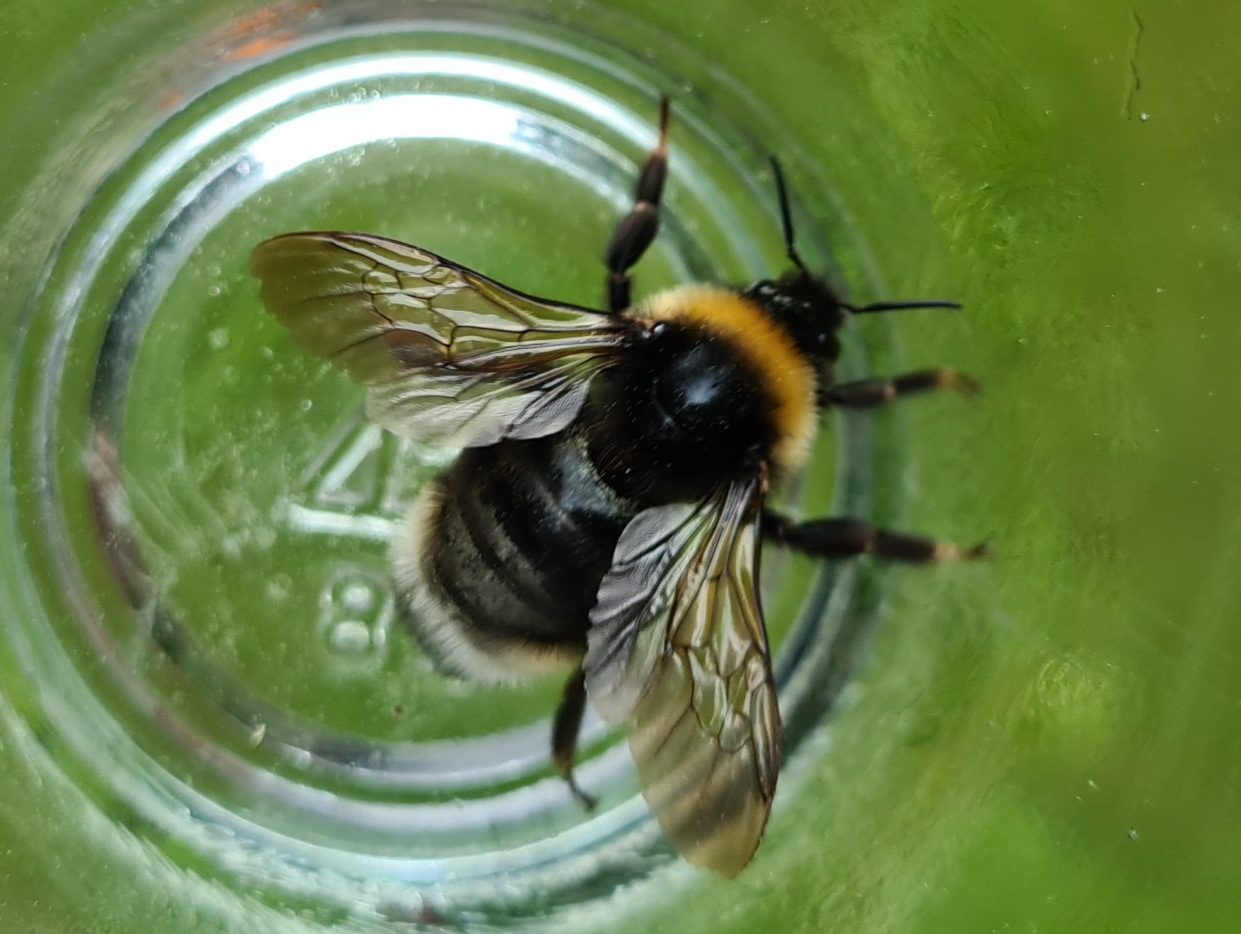
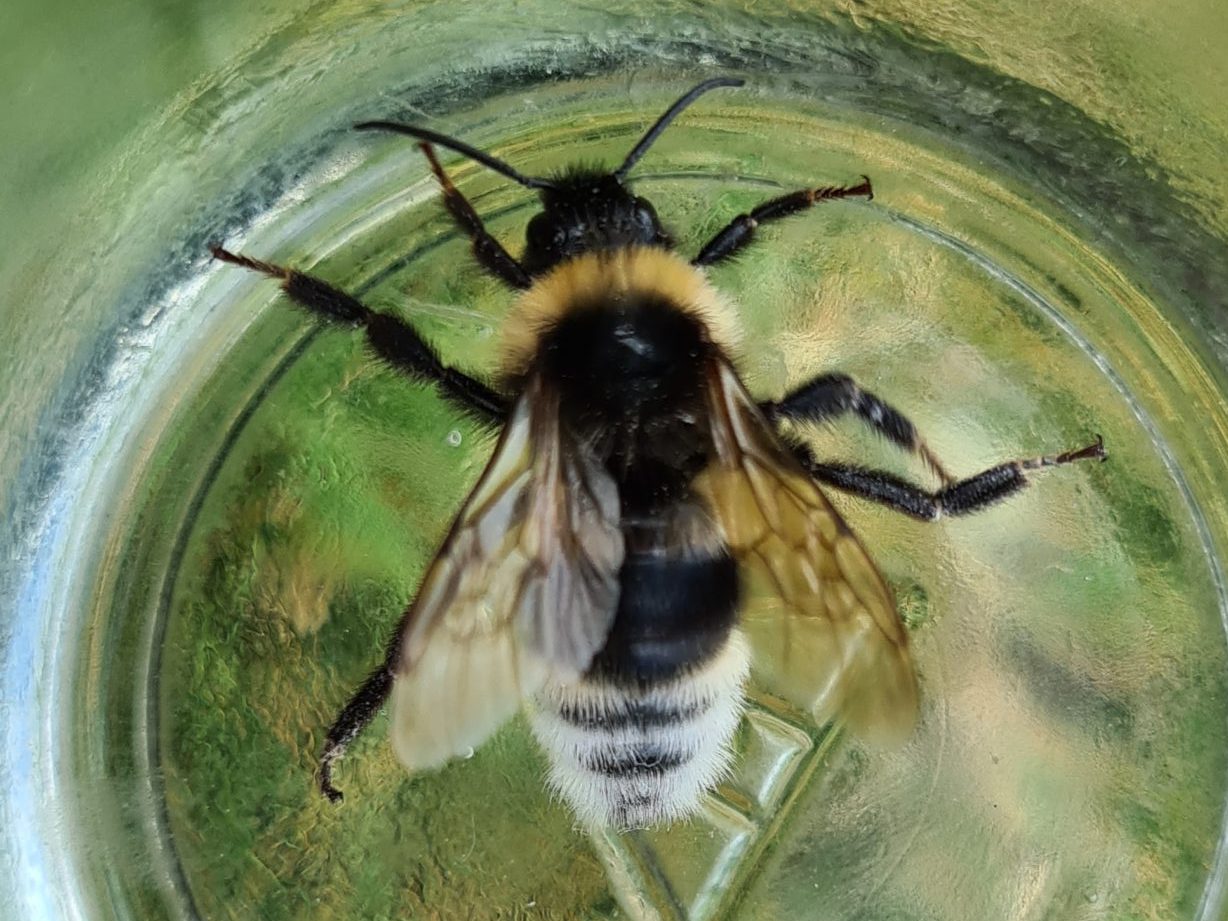
In females, there are good distinguishing features :
– absence of yellow color (or only slightly indicated) on the border of the 3rd tegrid
– wider yellow band on the prothorax (sometimes absent in the virgin's patchouli)

=> Czech patchouli


Bumblebees PLUS - Bohemian Bumblebee (Bombus bohemicus) - female - Ondřej Hercog - 2021 06 05

Bohemian bumblebee (Bombus bohemicus) – female
Photo: O. Hercog 5/6/2021
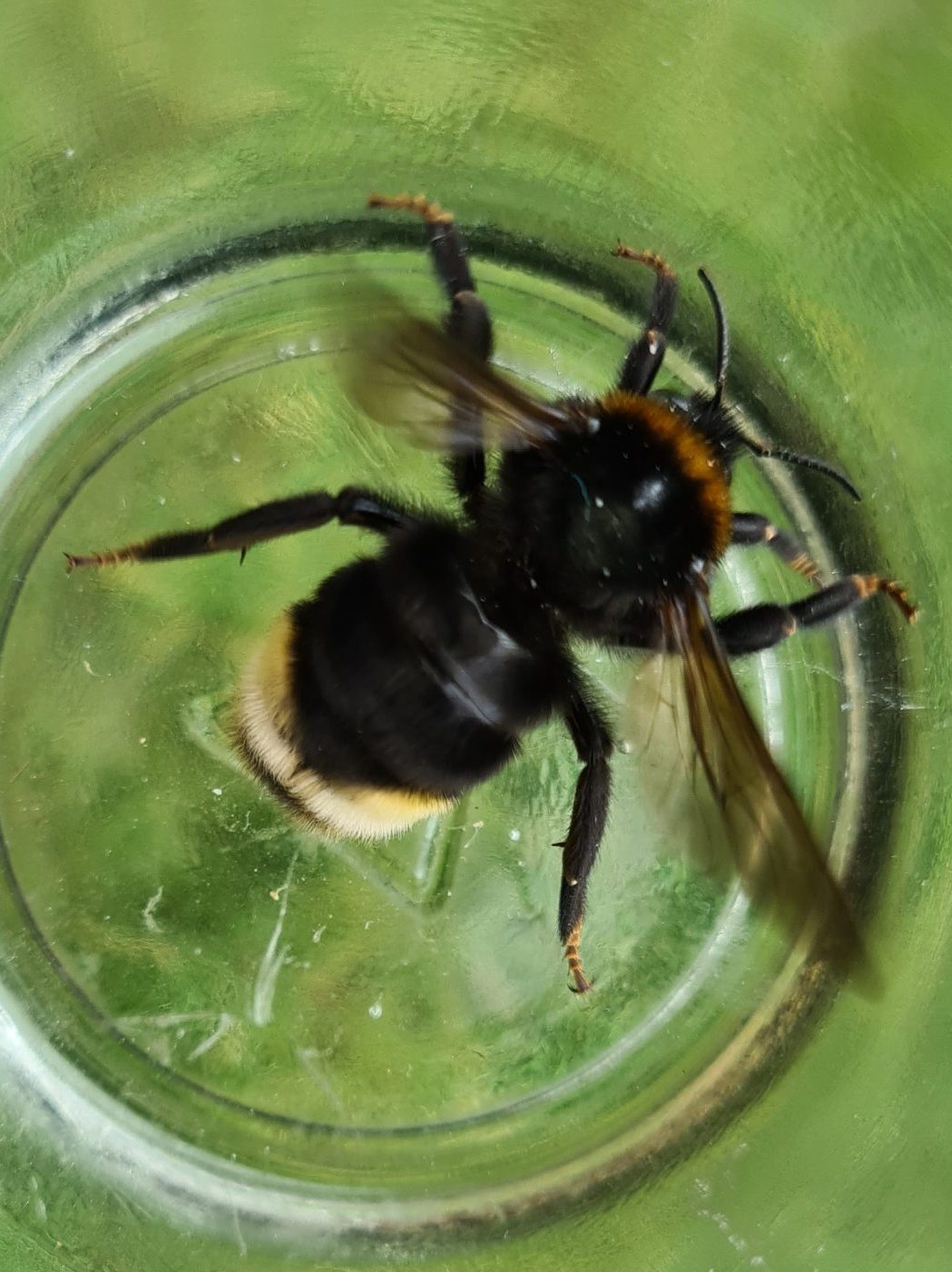
Bumblebees PLUS - Vestal Bumblebee (Bombus vestalis) - female - O. Hercog - 2021 08 01

Vestal bumblebee (Bombus vestalis) – female
Photo: O. Hercog 01/08/2021
Sometimes it is quite difficult to distinguish males , but a clue can be:
– dirty yellow color of the stripe on the prothorax and
– wider stripe on the prothorax
– absence of yellow color (or only slightly indicated) on the border of the 1st and 3rd tegrid and

=> Czech patchouli

Bumblebees PLUS - Bohemian Bumblebee (Bombus bohemicus) - male (head) - Ondřej Hercog - 2021 07 25

Bohemian bumblebee (Bombus bohemicus) – male (head)
Photo: O. Hercog – 25/7/2021
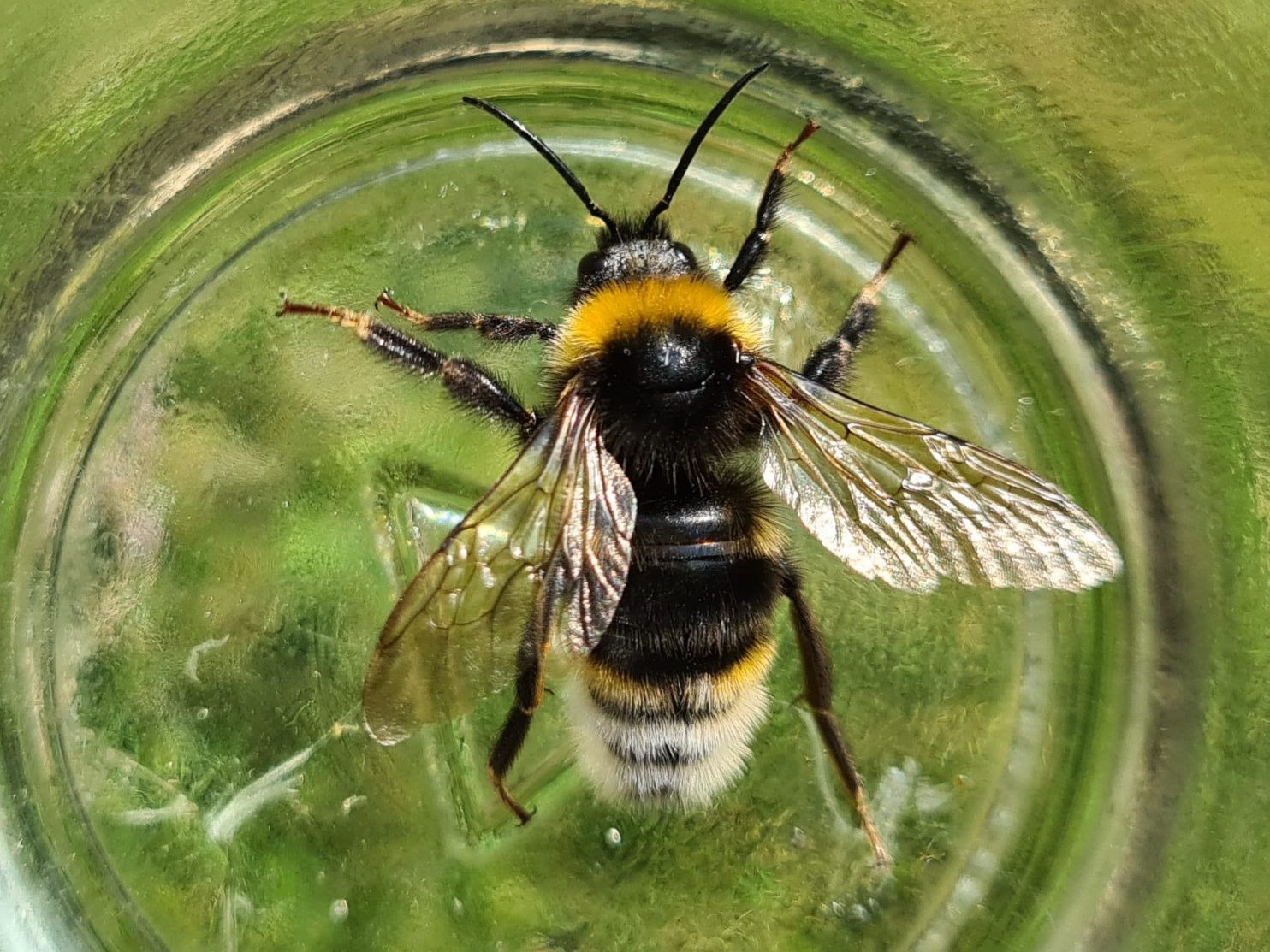
Bumblebees PLUS - Vestal Bumblebee (Bombus vestalis) - male - Ondřej Hercog 2021 07 24

Vestal bumblebee (Bombus vestalis) – male
Photo: O. Hercog 24/7/2024
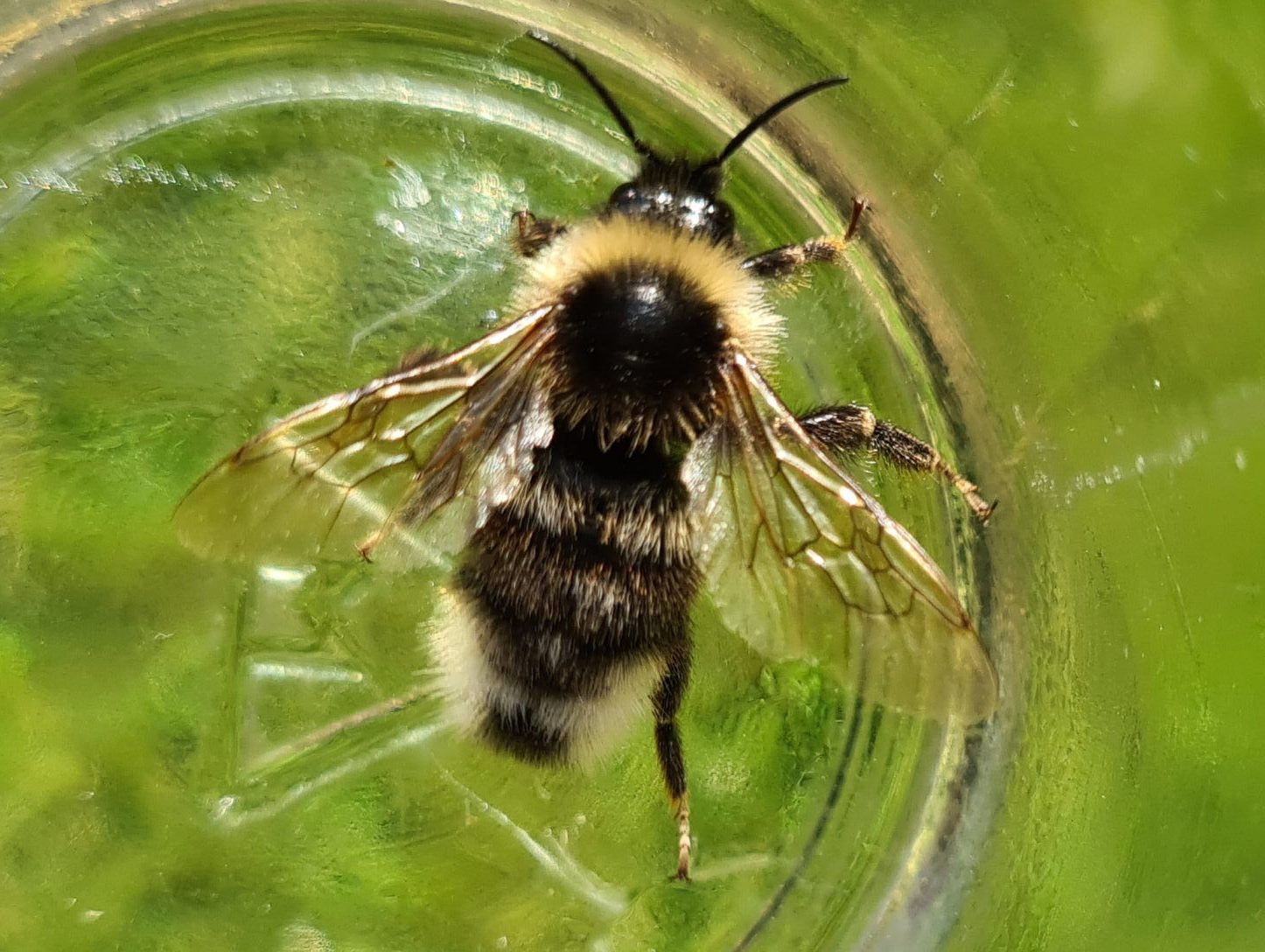
Some forms of male Czech woodpeckers are clearly different, the " grey ones " are mostly male Czech woodpeckers.

Bumblebees PLUS - Bohemian Bumblebee (Bombus bohemicus) - male - Ondřej Hercog - 2021 07 27

Bohemian bumblebee (Bombus bohemicus) – male
Photo O. Hercog 27/7/2021
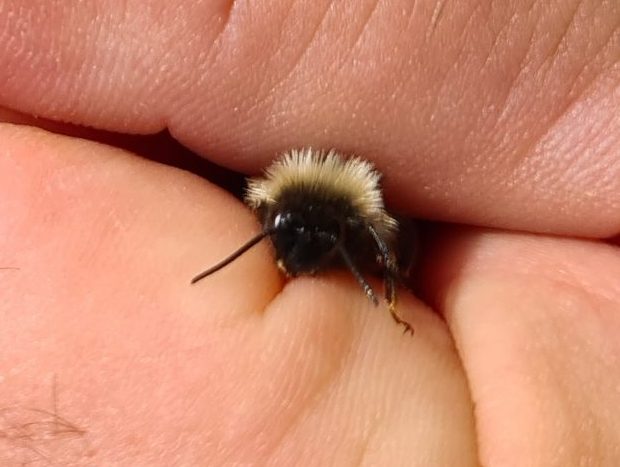
Bumblebees PLUS - Bohemian Bumblebee (Bombus bohemicus) - male - head - Ondřej Hercog - 2021 07 27

Bohemian bumblebee (Bombus bohemicus) – male – head
Photo: O. Hercog – 27/7/2021
Occurrence 

  • very abundant and ubiquitous, just like its host, the ground bumblebee (Bombus terrestris)
  • It is found practically throughout Europe - like its host, it is gradually spreading to the North in the context of climate change
  • you can find it from North Africa to the south of Sweden

Habitat

  • inhabits warm areas in open habitats

Life cycle

  • Later species: wakes up after its host's mothers in April to May - see the patchouli attack strategy
  • Number of generations per season: assumed to be one per season, females hibernate soon after mating
  • Females search for host nesting sites: from April to the end of May
  • New females and males appear: about a month after occupying the host nest
  • Males appear: right after the mothers
  • Host nest ends: after worker bees stop being born (depends on whether the female patchouli kills the host nest mother)

Young bumblebee mothers soon after mating find a suitable place for overwintering – hibernation. They very often choose a place on the edge of the forest. There they have a chance to hibernate in the dry. Here they dig a shallow chamber for overwintering ( hibernaculum ) in the forest floor.

The vestal bumblebee (Bombus vestalis) is characterized by a dug-out pile of material above a forest floor, under which it has created a hibernaculum.

Please don't disturb the sleeping mother here - thank you!

Feeding the larvae

  • Spider mites do not feed their larvae , leaving the care of their offspring and food gathering to their hosts.

Nest location

  • They nest together with their hosts – bumblebees (Bombus terrestris) in cavities left by small rodents or in beehives of beekeepers

Nest size

  • information is not available

Pachmallow attack strategy 

  • The mother moth seeks a less developed host nest – does not need many workers – one to two generations at most
  • It enters a nest that does not offer any/significant resistance, tries to hide in the nest so that it can pick up its scent and move around covertly
  • Sometimes it kills the original mother, sometimes it coexists with her
  • She lays her eggs in the nest
  • He creates a dominant position and enslaves the workers
  • Its offspring are born very quickly, within one month, and leave the host's nest
  • Young female patchouli hibernate early, males live to maturity and die

How to distinguish a bumblebee from a wasp

It hosts the nests of the bumblebee (Bombus terrestris)

 Ground bumblebee (Bombus terrestris)

  • Similar, sometimes larger size
    * mother: 20 – 26 mm
    * worker: 11 – 17 mm
    * male: 14 – 16 mm
  • mostly lighter yellow stripes on the prothorax (be careful – the stripe may be the same dark color, a hint of a stripe or the stripe may be absent as in the common patchouli)
  • presence of a wide yellow stripe on the 2nd tergide
You can read more about the bumblebee (Bombus terrestris) HERE<PŘIPRAVUJEME>
 
ground bumblebee - Bombus terrestris

Ground bumblebee (Bombus terrestris)
Source: Sikora A., Michołap P., Kadej M., Sikora M. Tarnawski D. 2018 "Pszczoły w mięści: Trzmiele Wrocławia", Wyd. Stowarzyszenie Natura i Człowiek.
Virgin&#39;s patchouli - Psithyrus vestalis

Bombus vestalis
Source: Sikora A., Michołap P., Kadej M., Sikora M. Tarnawski D. 2018 "Pszczoły w mięści: Trzmiele Wrocławia", Wyd. Stowarzyszenie Natura i Człowiek.

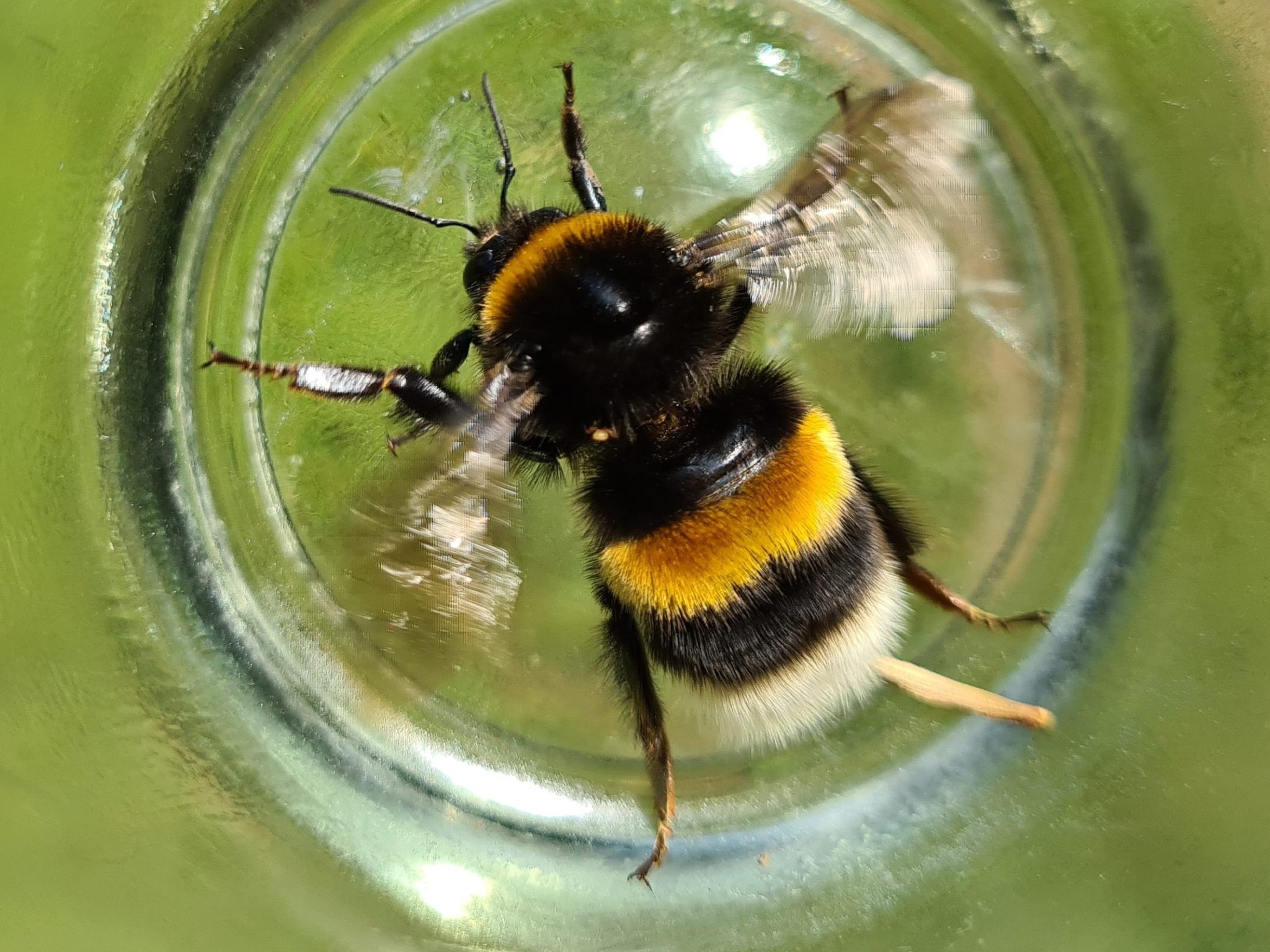
Comparison of the mothers of the common bumblebee (Bombus terrestris) and the virgin bumblebee (Bombus vestalis)

Note:
– yellow stripes on the prothorax (sometimes absent in both species) and a strong yellow stripe on the 2nd tergide

=> ground bumblebee (Bombus terrestris)

– yellow spots on the sides and at the end of the 3rd tergite, often prominent yellow eyebrows – the yellow band appears to be interrupted in the middle (Véčko)

=> Vestal bumblebee (Bombus vestalis)

Bumblebees PLUS - Ground bumblebee (Bombus terrestris) - queen - Ondřej Hercog 2021 06 27

Ground bumblebee (Bombus terrestris) – mother (queen)
Photo: O. Hercog 27/6/2021

.

Bumblebees PLUS - Vestal Bumblebee (Bombus vestalis) - female - O. Hercog - 2021 08 01

Vestal bumblebee (Bombus vestalis) – female
Photo: O. Hercog 01/08/2021
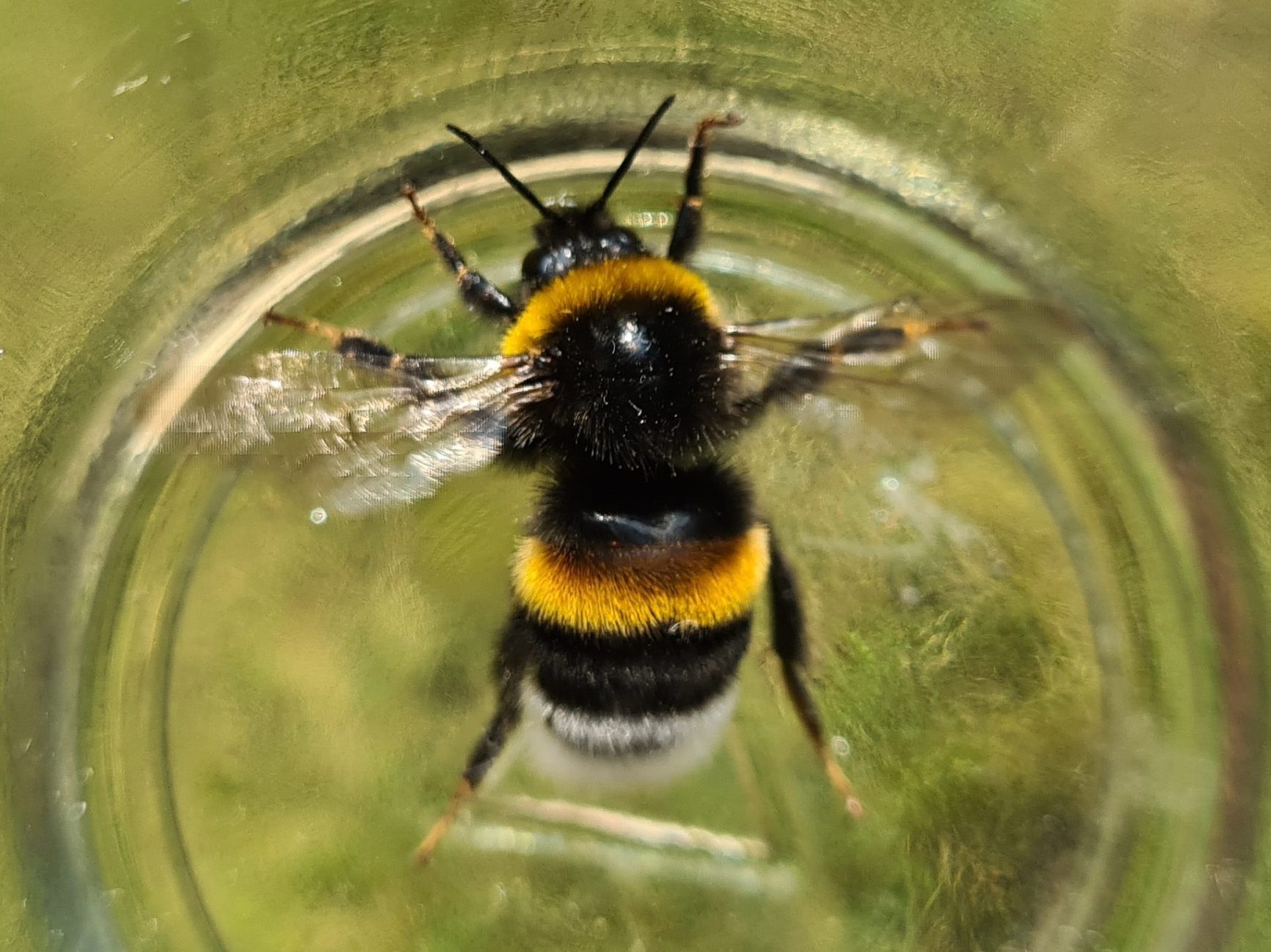
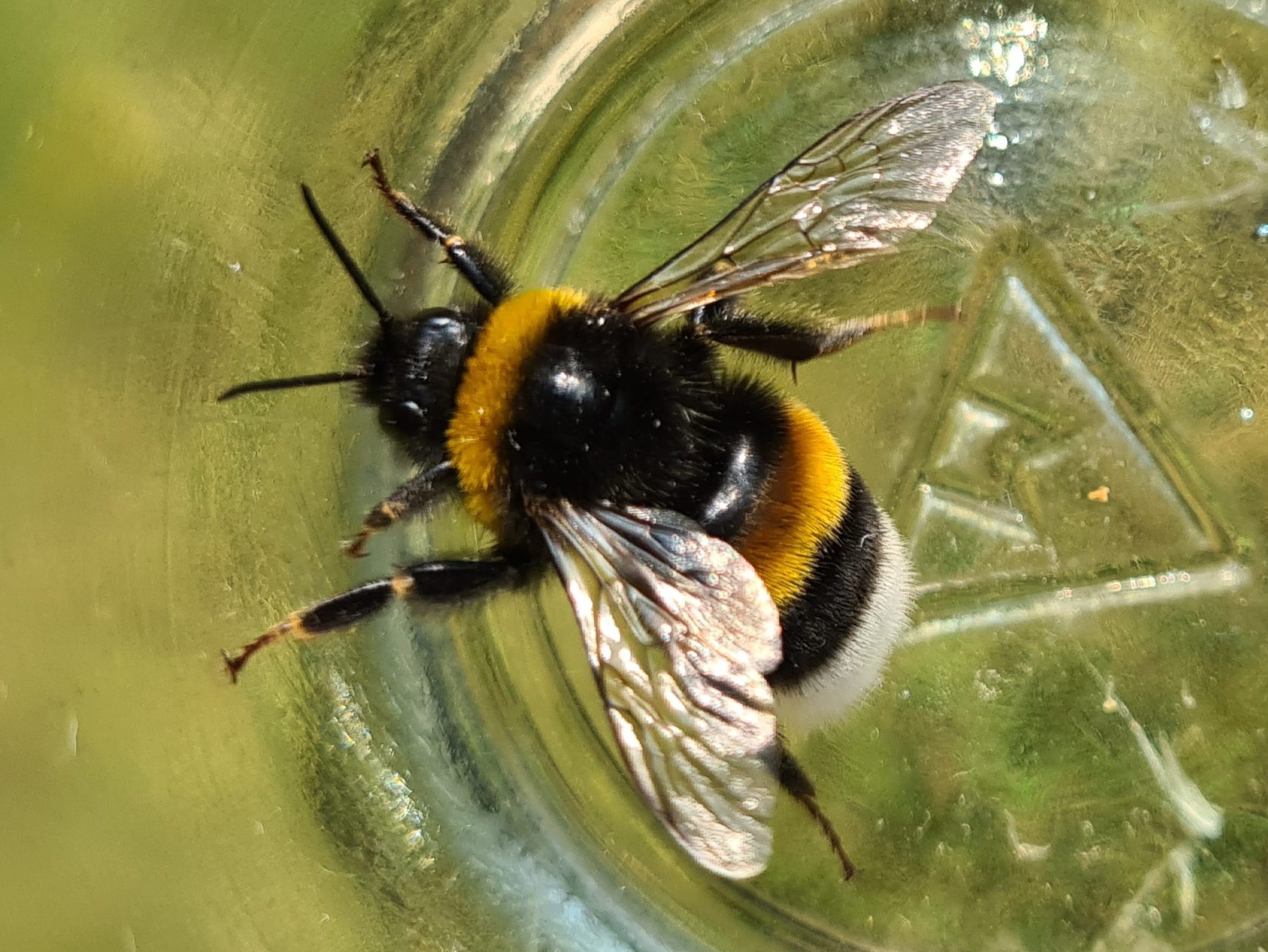
Comparison of male bumblebees (Bombus terrestris) and vestal bumblebees (Bombus vestalis)

Note:
– strong and prominent yellow stripes on the prothorax and on the 2nd tergide
– absence of yellow brow on the 1st tergide

=> ground bumblebee (Bombus terrestris)

– often prominent yellow eyebrows on the sides and at the end of the 3rd tergite – the yellow band appears to be interrupted in the middle, however less than in mothers

=> Vestal bumblebee (Bombus vestalis)

Bumblebees PLUS - Ground bumblebee (Bombus terrestris) - male - Ondřej Hercog 2021 07 24

Ground bumblebee (Bombus terrestris) – male
Photo: O. Hercog 24/7/2021

Bumblebees PLUS - Vestal Bumblebee (Bombus vestalis) - male - Ondřej Hercog 2021 07 24

Vestal bumblebee (Bombus vestalis) – male
Photo: O. Hercog 24/7/2024

Bumblebees PLUS - Vestal Bumblebee (Bombus vestalis) - male - Ondřej Hercog 2021 07 25

Vestal bumblebee (Bombus vestalis) – male
Photo: O. Hercog 24/7/2025
Bumblebees PLUS - Ground bumblebee (Bombus terrestris) - male - Ondřej Hercog 2021 07 24

Ground bumblebee (Bombus terrestris) – male
Photo: O. Hercog 24/7/2021

Bumblebees PLUS - Vestal Bumblebee (Bombus vestalis) - male - Ondřej Hercog 2021 07 24

Vestal bumblebee (Bombus vestalis) – male
Photo: O. Hercog 24/7/2024
Breeding information

Introduction

  • There is no information available on the breeding of bumblebees, the targeted breeding of these creatures is still something that many breeders cannot imagine. However, this certainly happens unknowingly and many breeders unintentionally breed bumblebees. The nest of "their" ground bumblebees (Bombus terrestris) will become the home of virgin bumblebees (Bombus vestalis).
  • If the mother bumblebee is dead, the host nest will soon disappear - no more workers or sexual individuals will be born (the female bumblebee will attack the nest early, before the host's sexual fruit is laid). Female and male bumblebees will appear and soon fly out. 
  • If the female coexists with the host mother, the breeder may not notice it, everything is "normal"
  • The only chance to detect a nest infestation is for the keeper to be attentive and recognize the presence of the ants in the nest.

Defense against patchouli: 

  • A timely triggered protective flap can deter the female, but the female patchouli is usually so large that the flap may not effectively stop her
  • The female will only find the nest when she is strong and does not dare to approach it
  • If you find a female patchouli and can reliably identify it, you can gently capture it and take it away from your hive
  • If the female patchouli is in the nest, the breeder has no chance, but a real need to deal with it

Even if you don't like the behavior of the raccoons, respect them and protect them. They are beautiful, interesting, have their place in nature, and are protected by law.


Interesting facts

  • A female vestal bumblebee (Bombus vestalis) searches for a nest of a bumblebee (Bombus terrestris).
    She also makes a search flight - but she navigates more by smell and pheromone trail than by sight like a mother bumblebee.
  • In some literature, you will read that a female patchouli can push the original mother out of the nest. But we cannot imagine that very well.
  • The literature also describes how the female patchouli considers in what condition she will enter the nest. She is evidently watching the nest and waiting for the right moment. She needs to have enough workers in the nest that she can still overpower, but also enough to feed her brood. Apparently, she is able to calculate to a certain extent the losses of workers when attacking and taking over the nest. She can also determine the age of the workers by smell, i.e. their ability to defend the nest. She can target them and if she does not successfully assert her dominance, she will eliminate them - they would endanger her brood.
  • The weaker and newly born workers accept the female patchouli as their mother and serve her.
  • The behavior of the raccoons is not fully understood and there are apparently multiple scenarios that occur in nature
  • Bumblebees are also useful and have their place in nature – they serve as reducing agents for abundant species and, although they do not collect pollen, they participate in the pollination of flowers, just like bumblebees

Photos and videos

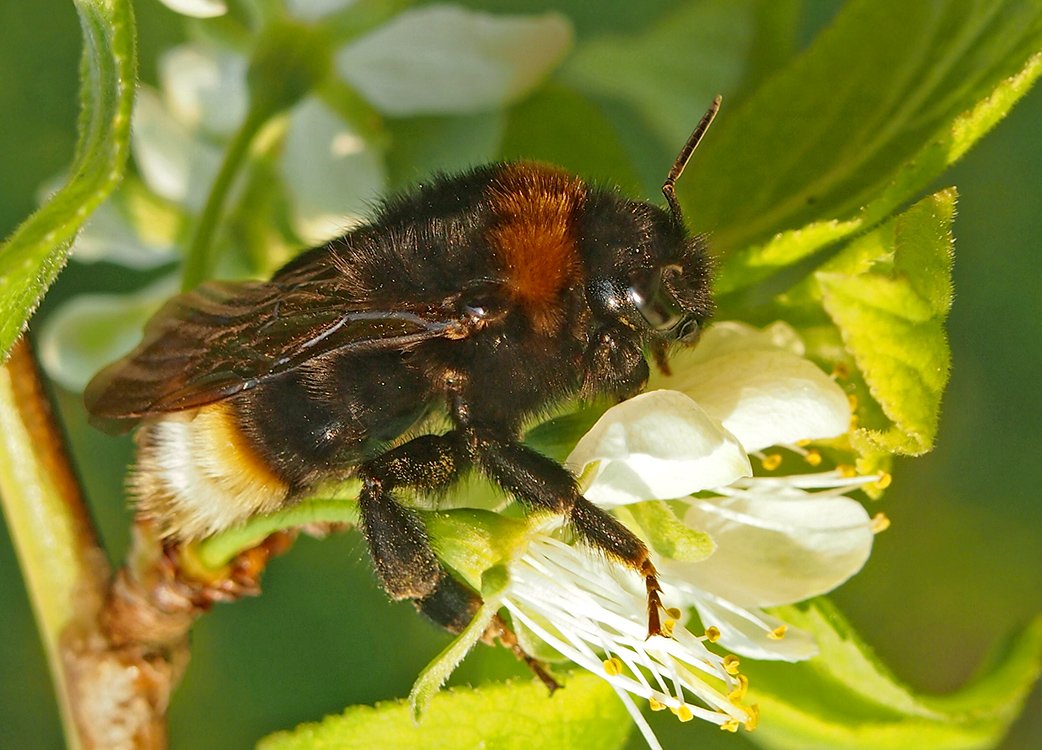
Bumblebees PLUS - Vestal bumblebee (Bombus vestalis) - female - Hana Kříženecká

Vestal bumblebee (Bombus vestalis) – female
Photo: H. Kříženecká
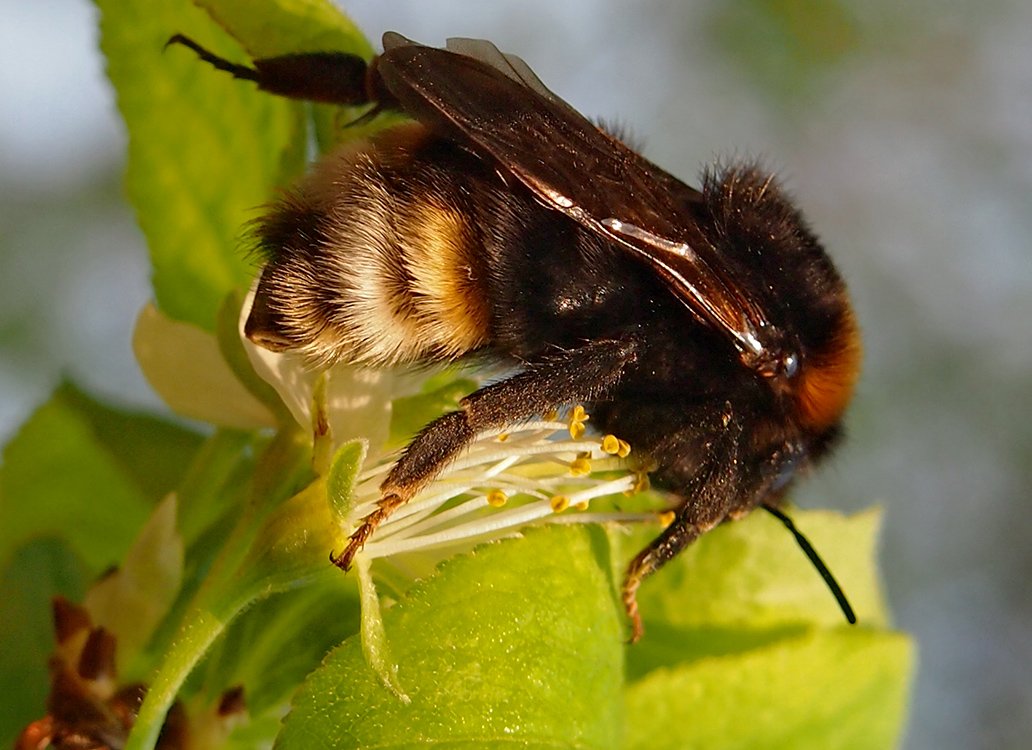
Bumblebees PLUS - Vestal bumblebee (Bombus vestalis) - female - Hana Kříženecká

Vestal bumblebee (Bombus vestalis) – female
Photo: H. Kříženecká
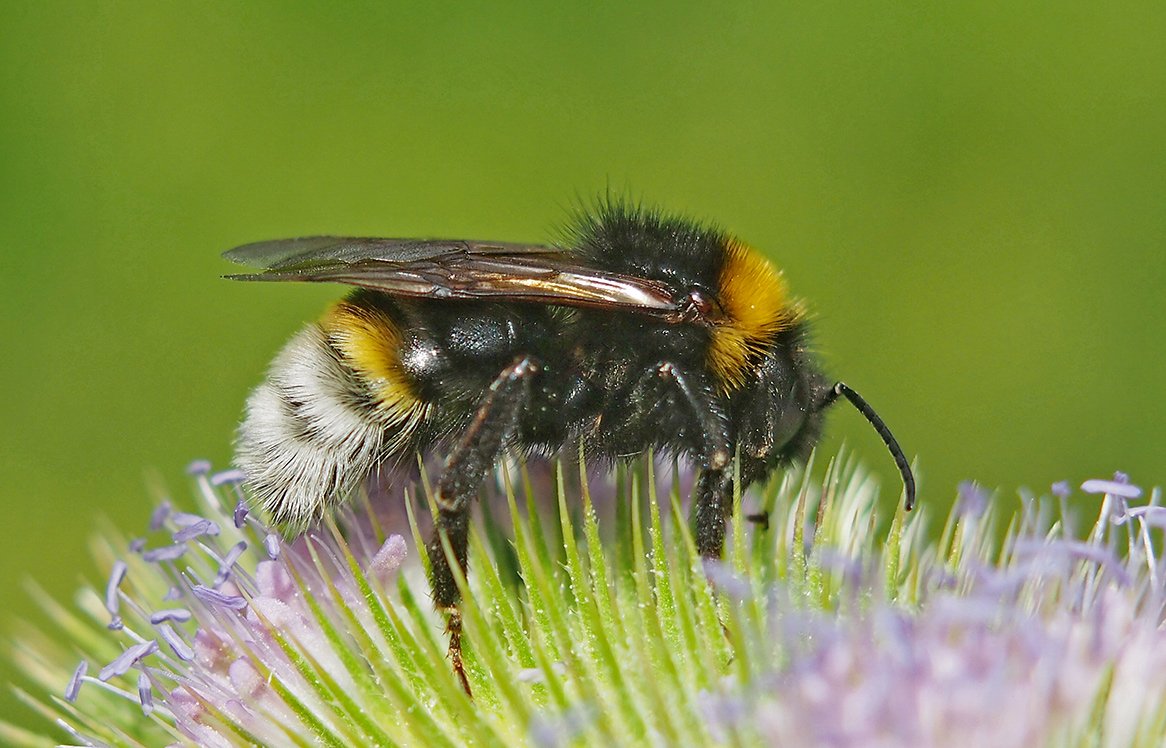
Bumblebees PLUS - Vestal bumblebee (Bombus vestalis) - male - Hana Kříženecká

Vestal bumblebee (Bombus vestalis) – male
Photo: H. Kříženecká
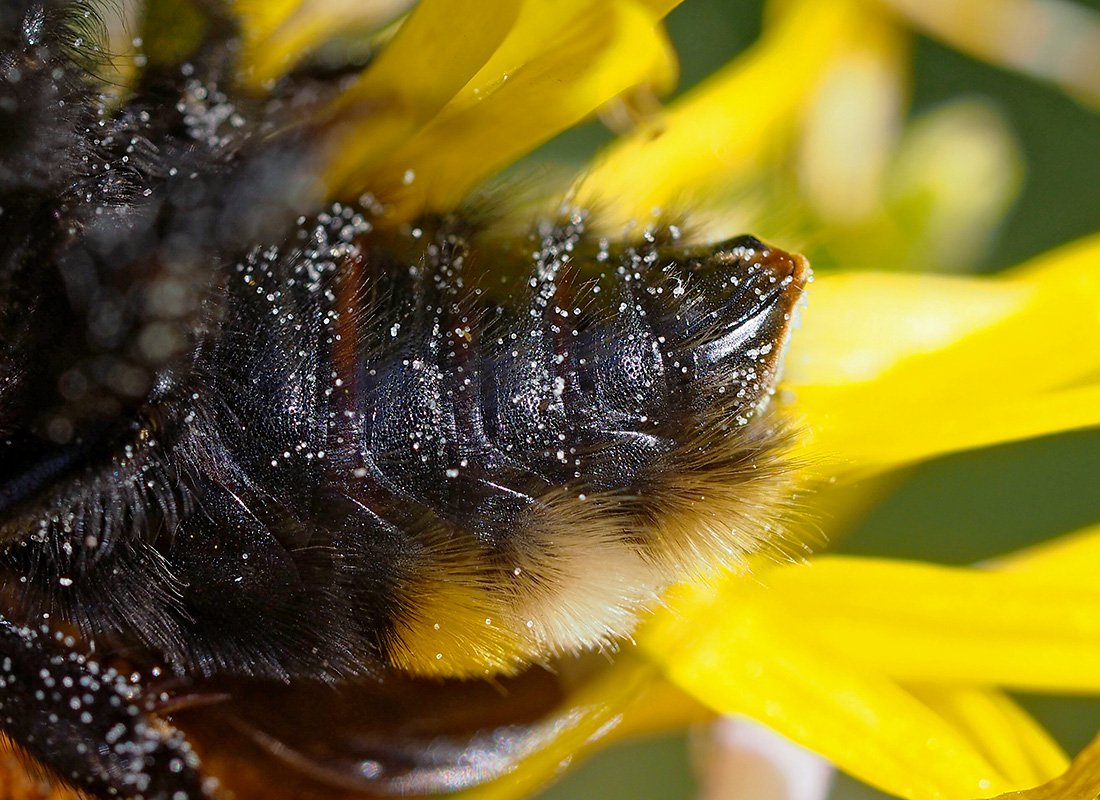
Bumblebees PLUS - Vestal bumblebee (Bombus vestalis) - female - underside - Hana Kříženecká

Vestal bumblebee (Bombus vestalis) – female – underside of the back
Photo: H. Kříženecká

A female vestal bumblebee (Bombus vestalis) searches for a nest of a ground bumblebee (Bombus terrestris). She also makes a search flight. But she navigates more by smell and pheromone trail.

In this video, the keeper recognized an attempt to break into the hive with bumblebees in time.

A male virginian patch feeding on a cornflower (Centaurea scabiosa). Note the action of its tongue.

If you haven't had enough of watching bumblebees snack, watch the next video, where you'll see the tongue in slow motion in the second half.

Also visit YouTube Bumblebees PLUS, where you will find a number of interesting videos about bumblebees.
Each video is accompanied by a comment describing the video.