Sandpipers (Laniidae) – their hunting and larders

  • The Tühýci – what are they?
  • How do you recognize them?
  • How they damage a bumblebee nest
  • How to defend against them
  • Why they have their place in nature

Last updated: 10/1/2021

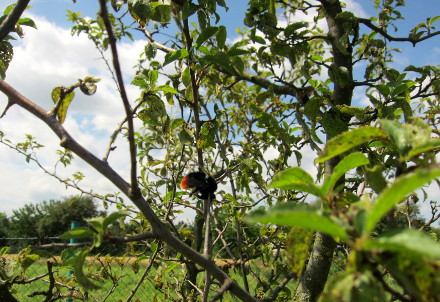
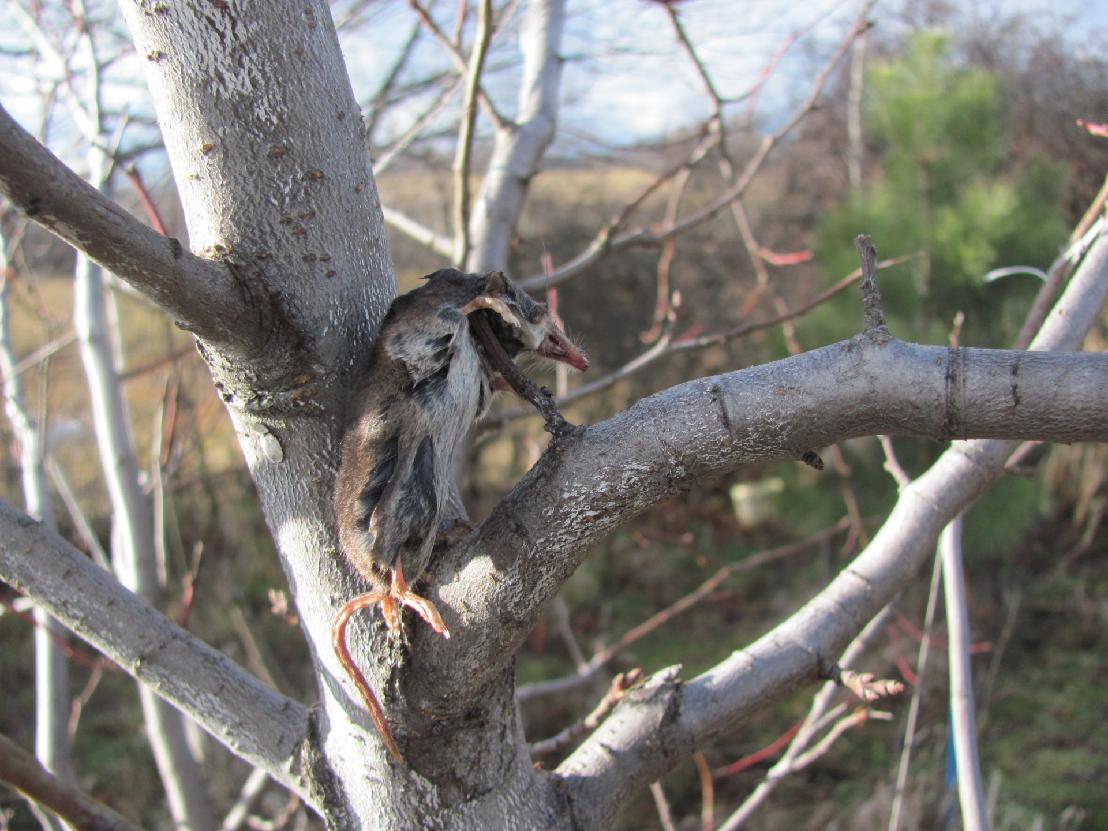
Bumblebees PLUS - Bumblebee caught with a stick

Bumblebee caught with a stick
Photo WuWej (2014)

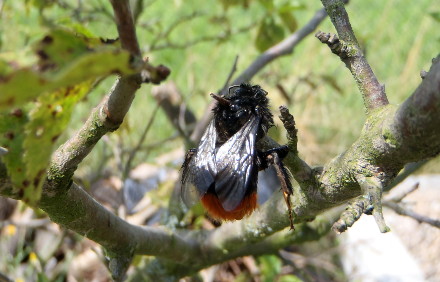
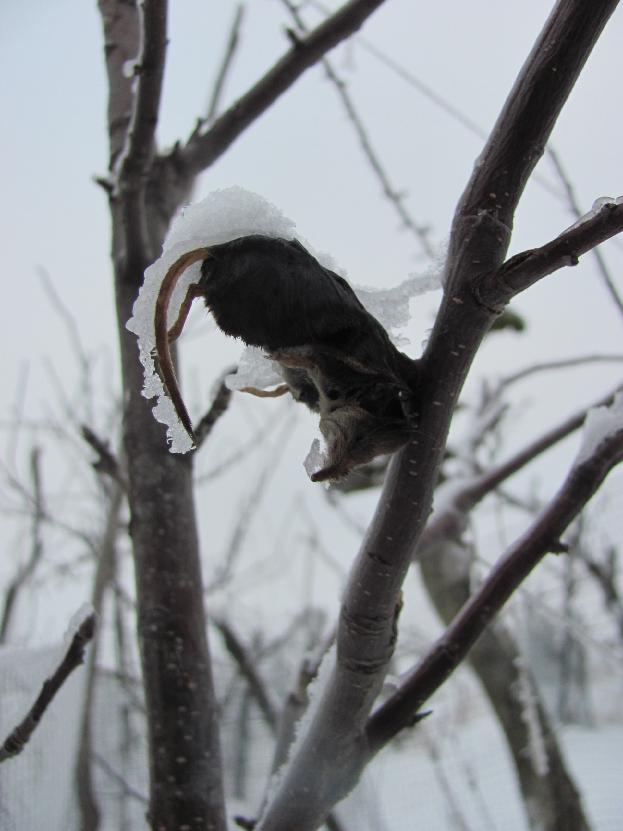
Bumblebees PLUS - Bumblebee caught with a stick

Bumblebee caught with a stick
Photo WuWej (2014)

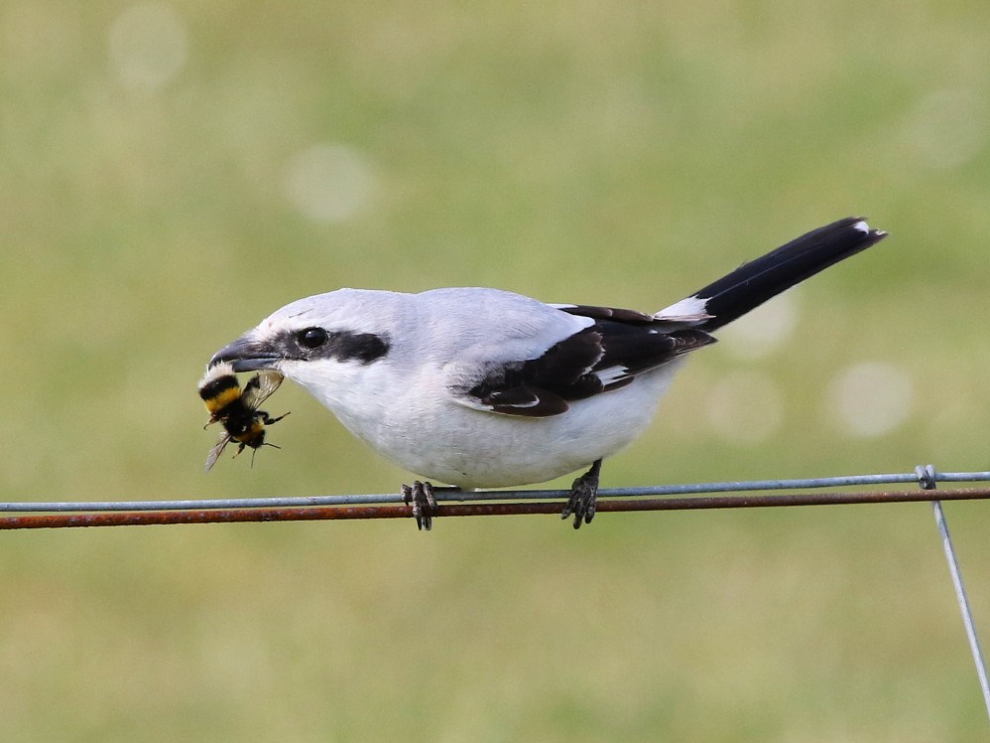
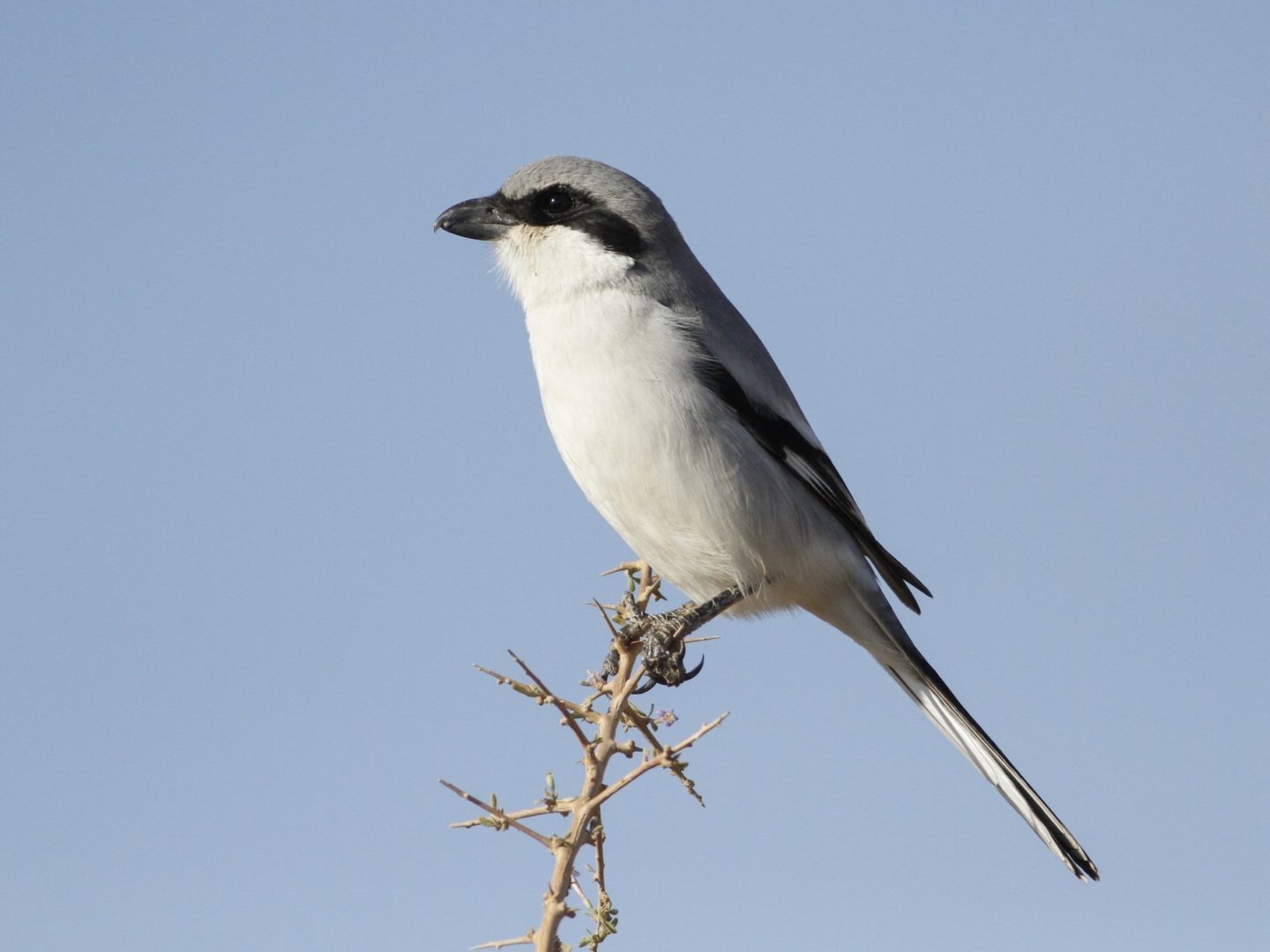
Bumblebees PLUS - Gray wagtail (Lanius excubitor) female

Gray plover (Lanius excubitor) female
Photo by David Cooper

Introduction

Bumblebees have their enemies in nature – predators . They, like bumblebee parasites, have their place in nature.

Bumblebees, like large insects, are also potential prey for birds. One such species is the predatory hunters – the buzzards. It is not possible to defend yourself against buzzards very well. If a bumblebee is caught in the wild, it is just the natural course of things.

You can read about the fact that bumblebees are predatory and that they also hunt bumblebees in Ondřej Sekora's book "About the Bumblebee Aninka": Bumblebee Aninka - the bumblebee's mother. This name was invented by Pavel Navlíkal's father when he learned that not every bumblebee is a boy, that even bumblebees have their mothers.
Aninka from the book by the famous illustrator, cartoonist and writer Ondřej Sekora has a lot of work to do: she has to find a shelter for her nest so that the little bumblebees will like it and be safe from all sorts of enemies, whether they are unreasonable boys or a bumblebee.

In our contribution, we used, among others, photographs by WuWej from observations in South Moravia and photographs from observations by Mr. František Kuba in the garden near Slezské Rudoltice in January 2013 in the Bruntál region. Both authors agreed to the use of their photographs.
František published his observations in the Bruntálský deník (Bruntálský deník).

So it is clear that the tawny owl has been in our landscapes and is reappearing. But let's take a closer look at this interesting bird.


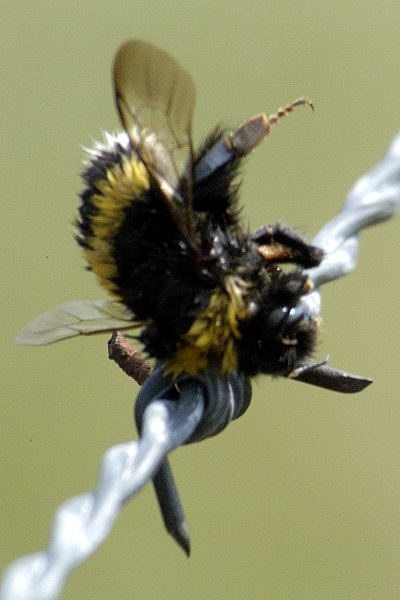
Bumblebees PLUS - Ground bumblebee caught with a hook

Ground bumblebee caught with a hook
Photo Internet


Laniidae – introduction

It is a family of about 30 species of small passerines divided into three genera. The most numerous is the genus Lanius , whose scientific name is derived from the Latin word for butcher , which refers to their typical behavior - impaling caught food in the form of insects, small birds or mammals (small bats) but also small fish, on thorns and sharp branches of bushes. Sometimes they wedge their prey into branches .

The hawks therefore store food for later use and return to it regularly. The prey stored enables the hawks to survive the winter in our region. They also impale their prey in this way at other times and for other reasons.

There are theories that males display their prey to declare their hunting skills and the abundance of food in their territory and to show off to females.
This phenomenon is observed mainly in the gray squirrel. Scientists studied the behavior of female squirrels and their reaction to rodents pricked by humans. They preferred territories marked in this way.

The shrike is usually a small bird with grey, brown, black or white plumage , although some species can reach a size of up to 50 cm. Their beaks are slightly curved at the end, similar to those of birds of prey.

The beak of a woodpecker is adapted for hunting, but its legs are still those of a songbird . They are not adapted to hold the prey while it is being cut up. Woodpeckers therefore impale their prey on a thorn/sharp twig and can tear it apart with their sharp beak .

But what is important for us is that the thorn beetles can catch and impale large insects – grasshoppers, but also bumblebees. If the (solitary phase) will disappear with her

Woodpeckers inhabit open shrubland across a large area of ​​Europe, Asia, Africa and, in the form of two representatives, also North America (the gray woodpecker and the American woodpecker). In Europe, their typical representative is the common woodpecker.

They are monogamous and territorial, and they lie in wait for their prey from a suitable vantage point. They build their nests from small branches and grasses, well hidden inside thorny bushes or low in trees.

In our landscape you can encounter the common shrike (Lanius collurio), but increasingly also the grey shrike (Lanius excubitor).

It was observed in the Osoblaž region (the northeastern extremity of the Bruntál district in the northwest of the Moravian-Silesian Region), but also in southern Moravia.

It is estimated that there are two to four thousand grey herons . Although the number of grey herons has stabilized in our country after major fluctuations, its European-wide population is declining . In the Czech Red List of Threatened Species, the grey heron is listed in the category of " vulnerable species ".

Lanius excubitor (Lanius excubitor)

The Grey Warbler is a medium-sized species of songbird in the warbler family.

Description

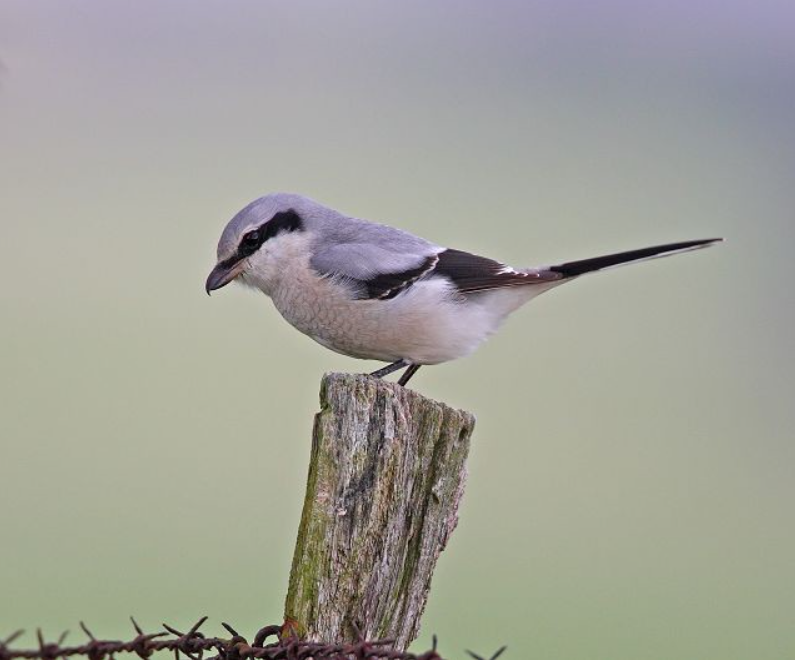
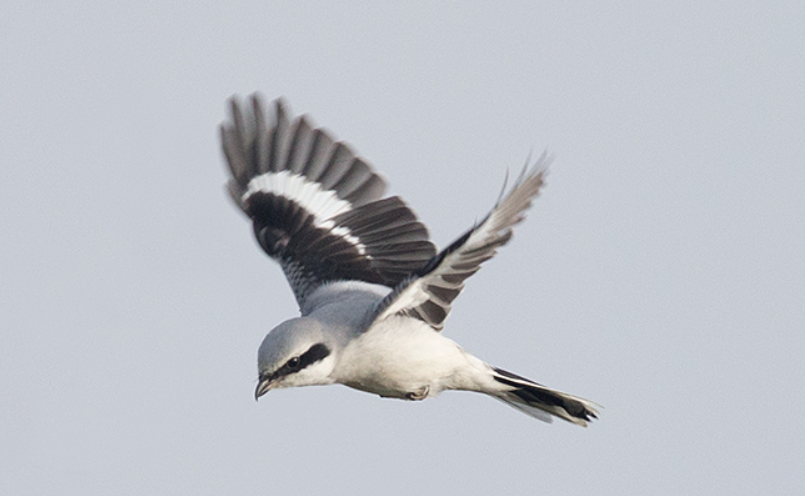
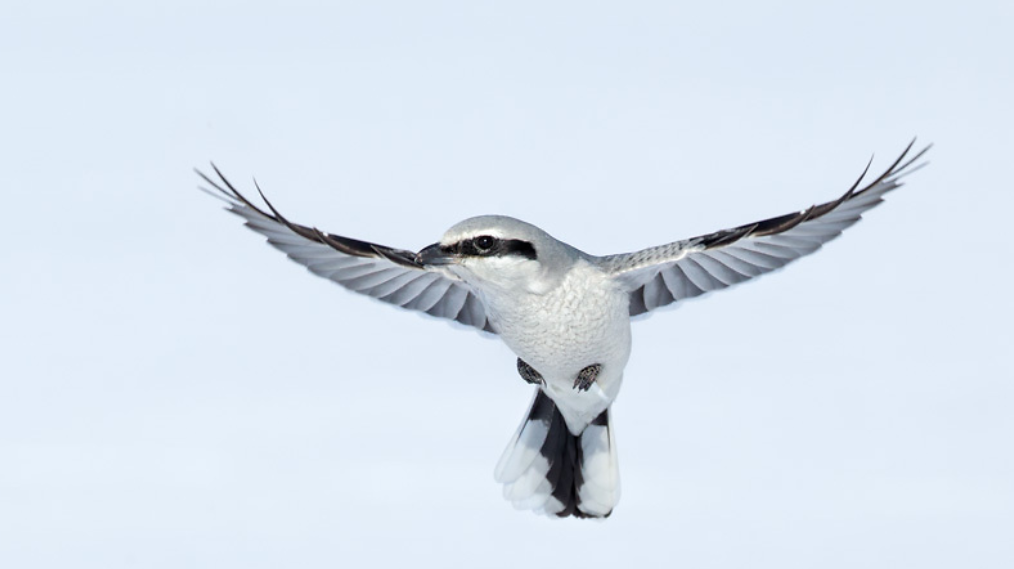
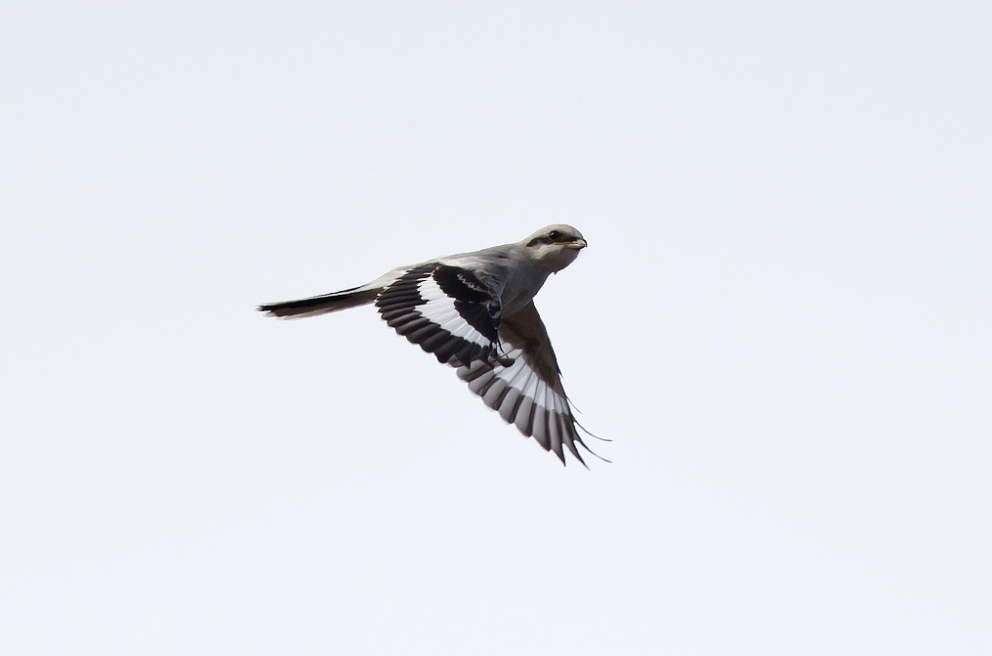
The largest European blackbird, about the size of a blackbird (body length 21–26 cm). It is light grey , white below , with a mask over the eyes , wings and tail that are black . The white roots of the hand wings form a white field in the wing.

Both sexes are similarly colored, with young birds having a hint of gray ripples on their undersides.

It resembles the lesser spotted woodpecker , differing in size, shorter tail , larger black eye mask extending to the forehead and front of the crown, and salmon-pink coloration of the belly and chest.

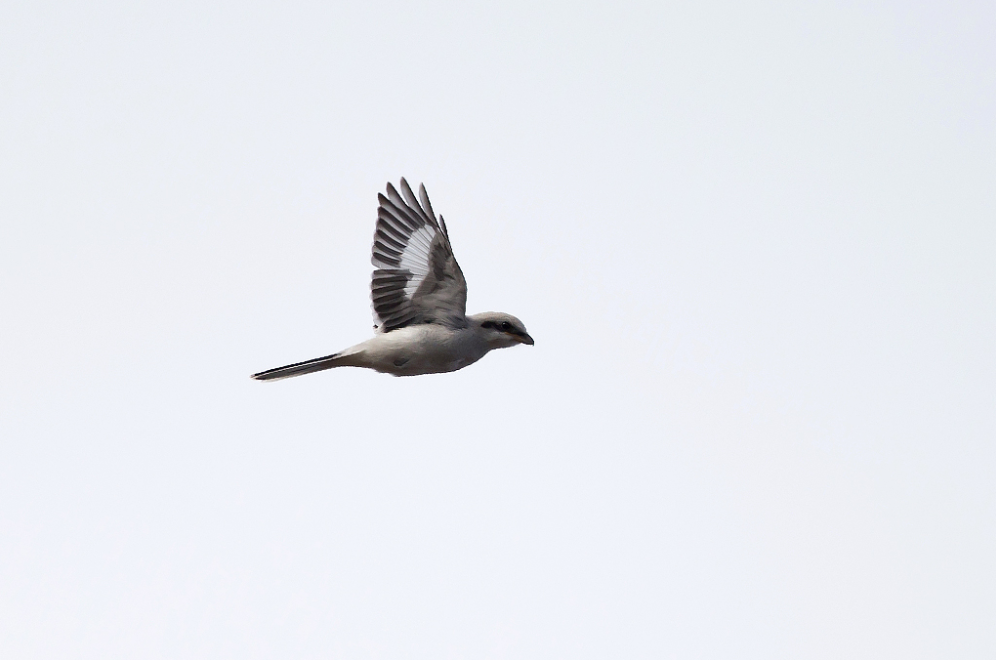
When looking for prey from high places, it often moves its tail up, down and to the sides. When hunting, it can flutter in place, similar to a kestrel . It flies quickly in long waves.

Bumblebees PLUS - Lanius excubitor - Photo by George Evant

Gray Woodpecker (Lanius excubitor)
Photo by George Evant

Bumblebees PLUS - Lanius excubitor

Gray Woodpecker (Lanius excubitor)
Photo by Andrew Moon

Bumblebees PLUS - Lanius excubitor - Photo by Andrew Moon

Gray Woodpecker (Lanius excubitor)
Photo by Andrew Moon

Bumblebees PLUS - Lanius excubitor

Gray plover (Lanius excubitor)
Photo by Mathias Putze


Bumblebees PLUS - Lanius excubitor

Gray plover (Lanius excubitor)
Photo by Mathias Putze


Voice

The relatively quiet song, delivered from a sitting position, consists of repeated trills, chirps, chirps and whistles. Warnings include a harsh "ek-ek" and a magpie-like cry.

Extension

A species with a Holarctic distribution; lives on all continents except Australia. Partially migratory. Less than a quarter of the area is in Europe.

Occurrence in the Czech Republic

In the Czech Republic, it breeds scattered and infrequently in lower to middle altitudes throughout the territory, absent in high mountains. In 2001–2003, its population was estimated at 1000–2000 pairs. Specially protected as an endangered species.

Nesting birds arrive in our country in April, and depart in September to October – they migrate to the Balkan and Apennine peninsulas. During the nesting period, birds seek out open landscapes with pastures and meadows , often wet , and scattered greenery (groves, groups of bushes and trees) .
In winter, birds from northeastern Europe regularly appear here.

Move

The range, habitats and habits differ depending on whether the birds breed in the north or the south. Birds from northern Europe inhabit birch forests at higher altitudes, swamps with sparse pine growth, clearings; the birds are migratory over shorter distances. The southern population (several subspecies) lives in more open, often dry landscapes, which provide the birds with views (electrical wires, trees) and nesting opportunities (dense bushes); the birds are permanent.

Nesting

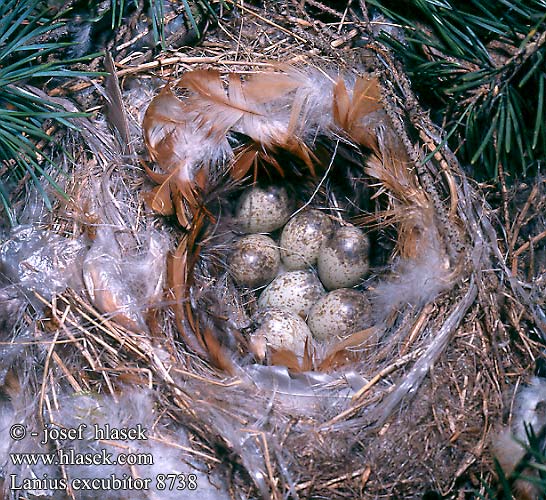
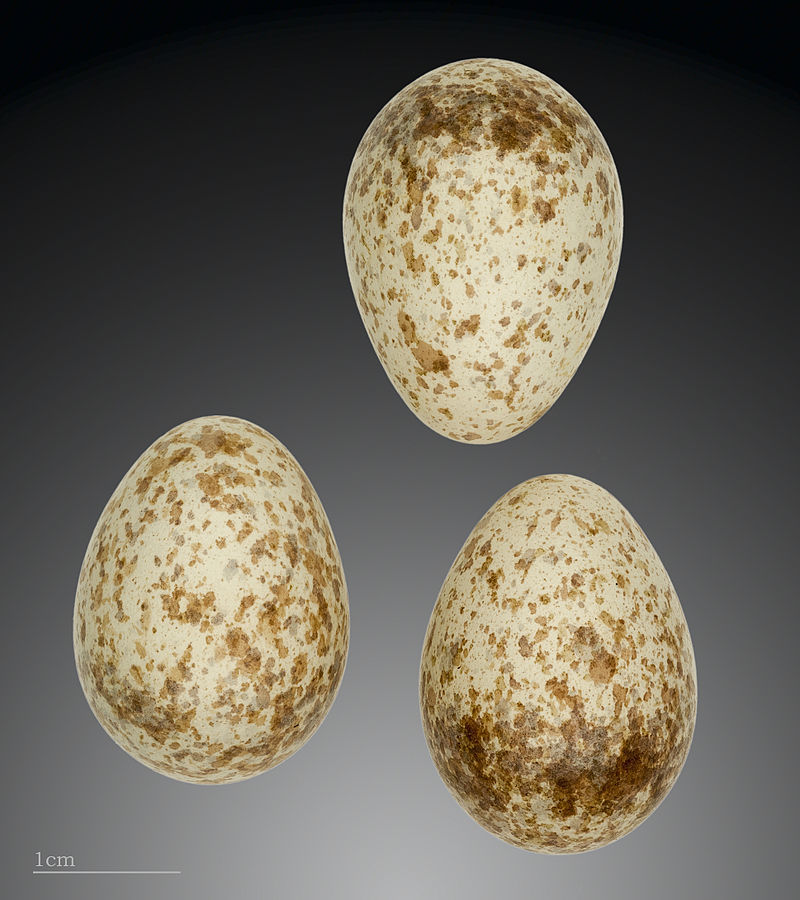
It nests once a year , it is monogamous. It usually places a sturdy nest made of twigs, grasses and other plant material high in trees, sometimes using it repeatedly. The clutch contains 7 (4–9) dirty white, brownish or grey, dark brown, olive brown or greyish brown spotted eggs measuring 26.9 × 19.8 mm. Incubation lasts about 15 days, the eggs are mostly sat on by the female. The chicks are fed by both parents. The young birds leave the nest at the age of 19–20 days.

 
Bumblebees PLUS - Grey Shrike (Lanius excubitor) nest

Grey Shrike (Lanius excubitor) nest
Photo Lubomir Hlasek

Bumblebees PLUS - Grey Shrike eggs (Lanius excubitor) eggs

Grey Shrike (Lanius excubitor) eggs
Photo Didier Descouens


Food

The composition of the diet of the grey warbler depends on the location and season Larger insects predominate , especially beetles and hymenoptera small terrestrial mammals , birds and their young are the favorite food , less often reptiles and amphibians , and occasionally fish .
A plant component consisting of seeds and fruits of plants has also been found, especially in autumn.

It usually attacks its prey , and sometimes hunts in flight.

It kills its prey with its strong beak, sometimes by hanging it in the forks of branches or impaling it on thorns.

Their strong beak with a hooked upper jaw is well suited for this task. On it, the vole has a so-called snarl, or sharp protrusion, used to kill its prey by squeezing . When it holds a vole in its beak, it has a strong enough grip to cause the separation of the cervical vertebrae. Apart from snarls, only falcon-like predators have snarls.

A look into the life of a grey heron

Lanius collurio

Description

The common tit is larger than a sparrow (body length 16–18 cm), with a long tail and a rather strong hooked beak. Its weight ranges from 22.5–34 g.  There is a pronounced sexual dimorphism between the sexes.

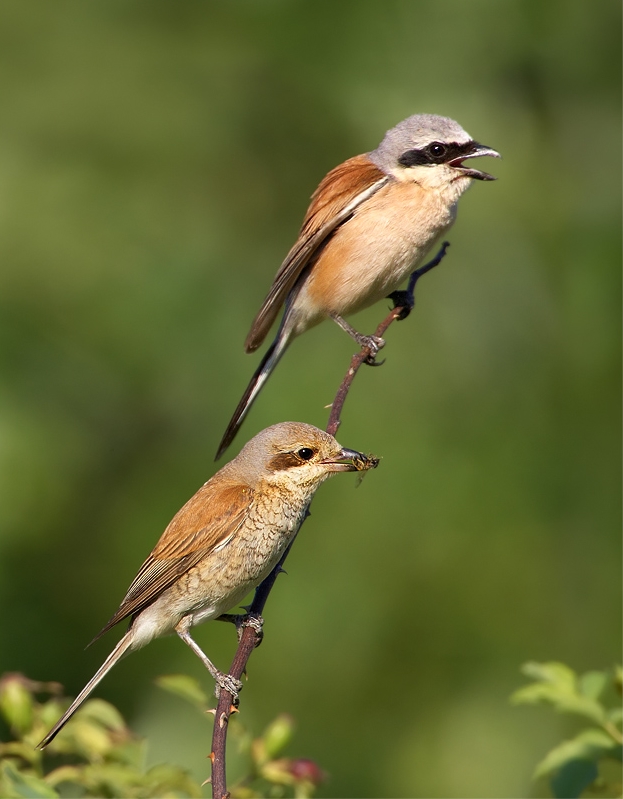
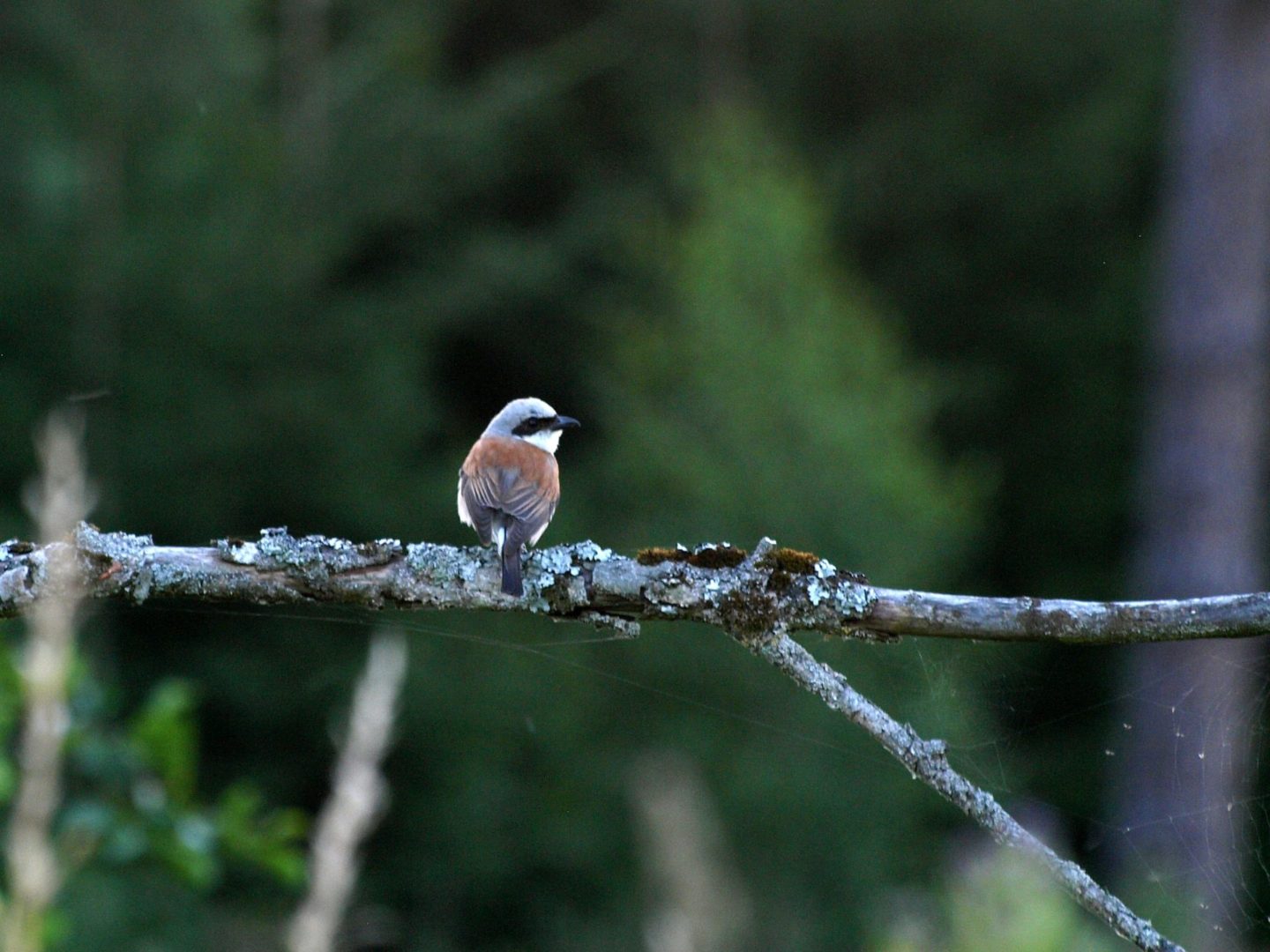
The male has an ashy grey crown , a broad black stripe across the eye , a reddish-brown mantle , and a brownish-pink chest and belly . The tail is black with white spots on the sides at the base.

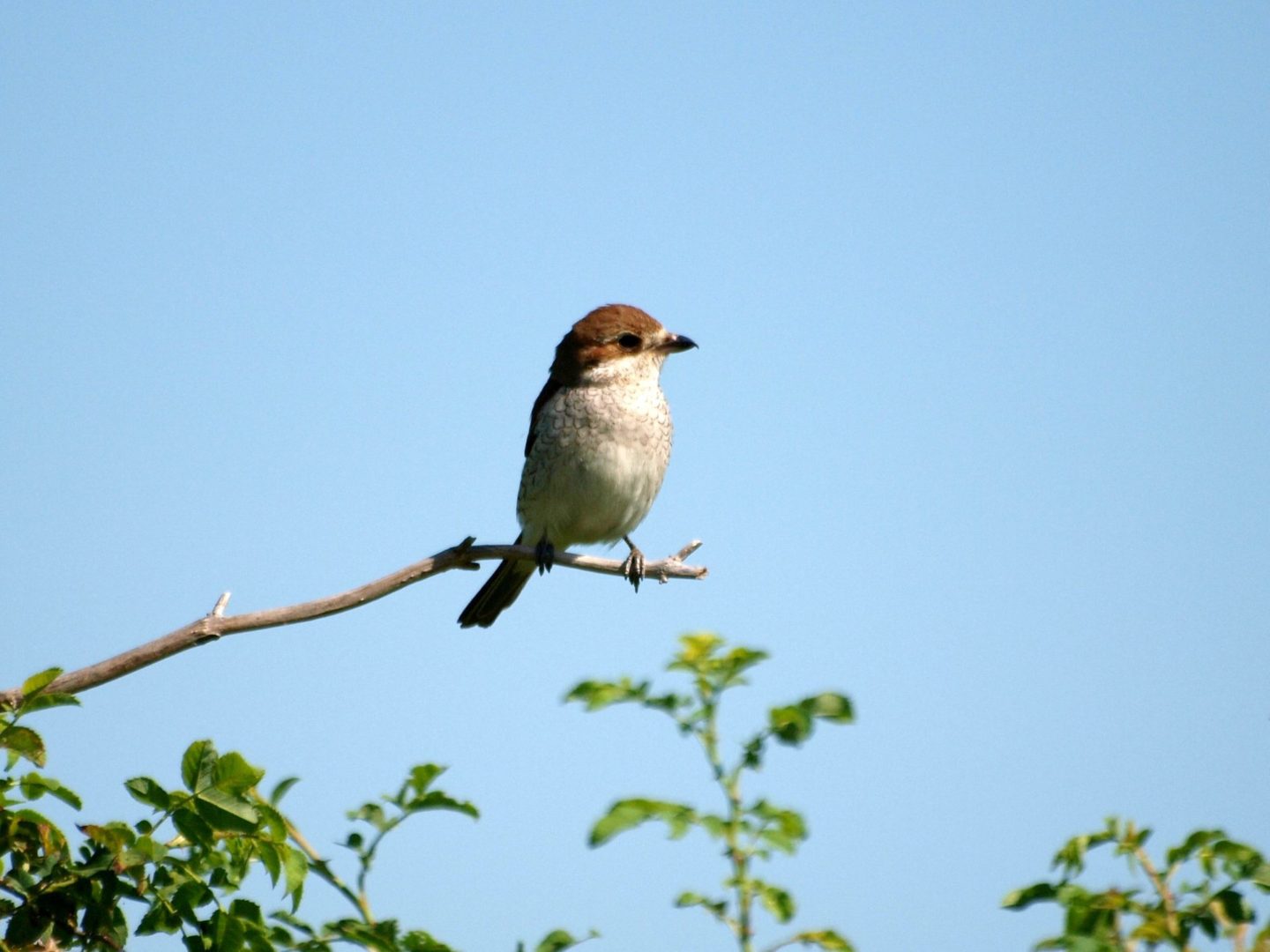
The female is creamy white below , finely darkly wavy, has a brown or brownish-gray crown , a brown eye stripe, and a duller brown mantle .

The young bird resembles the female , but unlike her, it has dense undulations on the upperside of the body and shoulder feathers with beige tips and black stripes at the ends.

Occurrence in the Czech Republic

In the Czech Republic, they nest in most areas from the lowlands to the mountains, with the highest elevation in the Krkonoše Mountains at 1420 m above sea level. Since the 1960s, their numbers have been declining strongly in our territory. The turnaround occurred in the 1980s, when there was a slight increase in numbers, which was fully evident at the end of the last century and the beginning of the 21st century. The size of the breeding population was estimated at 25,000–50,000 pairs in 1985–1989, and at 30,000–60,000 pairs in 2001–2003.

It is strictly migratory – it arrives in our territory from the end of April to the beginning of May, departs in late July and during August, and occasionally in September.

Food

The common woodpecker feeds mainly on insects, but also on spiders , other invertebrates , small mammals , birds , reptiles and amphibians . In late summer and autumn, it also eats the fruits of plants .

In western Poland, 4392 prey items were identified by the analysis of stomachs and excrements, of which 98.9% were invertebrates, most often beetles (over 51%) , hymenoptera (22%) , ornithopods (12.9%) and true bugs (7.2%); 64 vertebrates were mainly represented by rodents (over 80%), followed by six birds (4 common buntings, 1 blue tit and 1 unidentified species), three lizards and three frogs.
In the analysis of 80 stomachs in the Czech Republic, the insects that were almost exclusively represented were mostly beetles (58.2%) , hymenoptera (17.4%) , ornithopods (6.8%) and butterflies (6.5%). Of the vertebrates, only one young snake and one vole were identified.

The average daily food consumption of young birds is 50–56% of their body weight. A single pair consumes more than 4,600 pieces of prey during the three-month breeding season.

Resources

https://cs.wikipedia.org/wiki/%C5%A4uh%C3%BDk_obecn%C3%BD

Bumblebees PLUS - Common Shrike (Lanius collurio) male on top and female below

Common Shrike (Lanius collurio) male above and female below
Photo Martin_Mecnarowski

Ála Ungerová was lucky and caught a Common Shrike (Lanius collurio) in July 2020 a few kilometers from Chodská Lhota (near Klatovy/Domažlice).

Bumblebees PLUS - Lanius collurio - male

Common Shrike (Lanius collurio) – male
Photo – Ala Ungerova (07 2020 Chodská Lhota)

Bumblebees PLUS - Lanius collurio - Photo - Ala Ungerova 07 2020

Common Shrike (Lanius collurio) – female
Photo – Ala Ungerova (07 2020 Chodská Lhota)

The video shows how the Eurasian Shrike (Lanius collurio) helps itself to feed. Thorns and sharp branches of bushes serve it not only as a food storage, but also as a banquet table and cutlery.


Lanius minor (Lanius minor)

The lesser tit is a medium-sized species of songbird from the tit family.

Description

Its size ranges between that of the common and grey grebes .

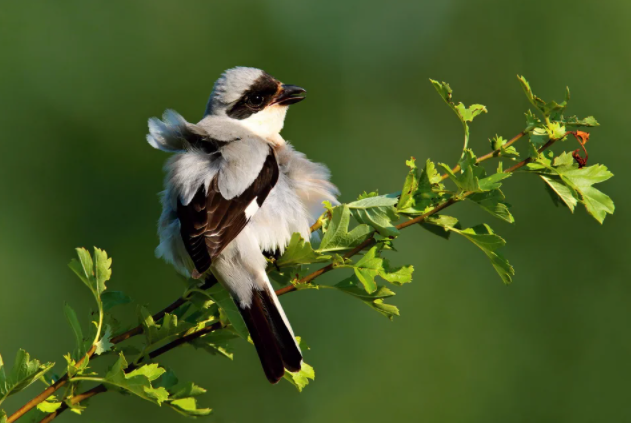
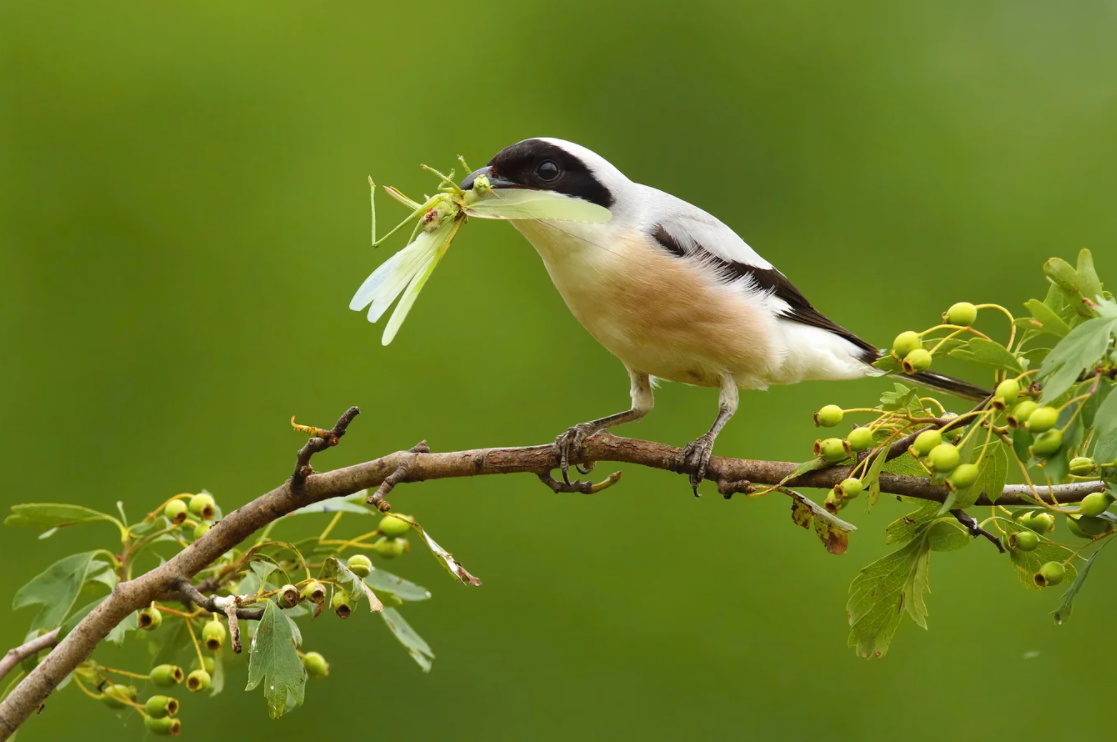
It is colored similarly to the grey grebe , but the black eye mask extends to the forehead and front of the crown in adult birds, the belly and chest are salmon pink . It has a somewhat shorter tail and a thick bill .

Young birds have a gray forehead and a light wavy crown and back.

Occurrence

It has practically disappeared from the Czech Republic. After 1989, only two sightings have been registered in our territory… 

Source

https://cs.wikipedia.org/wiki/%C5%A4uh%C3%BDk_men%C5%A1%C3%AD

Bumblebees PLUS - Lesser Shrike (Lanius minor) male -

Lanius minor (Lanius minor)
Roman Dudek

Bumblebees PLUS - Lanius minor (Lanius minor)

Lanius minor (Lanius minor)
Roman Dudek

How it affects a bumblebee nest

If a wasp catches a single worker / small number of workers , the nest is not significantly threatened.

But if a bumblebee catches a mother bumblebee in the spring, it is a problem . The mother will no longer have a chance to establish a nest , or the nest will disappear without her . Among other things, this is why bumblebee mothers do not leave the nest after the birth of the first generation of workers (i.e. after the end of the solitary phase) under normal circumstances and protect themselves.

It is also a shame if the hawks catch the young mothers before they can hide and hibernate.

Watch how a common shrike ( Lanius collurio ) easily catches a bumblebee or other hymenopteran insect - even in flight.

How to prevent prevention

In practice, we have not tested the protection of bumblebee hives from wasps.  

If hawks or other birds were to find a bumblebee nest, it could be dealt with as an emergency, similar to other bird hunters.

In such a case, we suggest protecting the hive with bumblebees with wire mesh so that the wasps cannot reach the entrance hole and the bumblebees have a chance to fly out.

Conclusion

Although the grebe is a beautiful bird, its Latin name describes it well – it doesn't mate much with its prey.

In the case of túhýky, the breeder does not have much chance to effectively defend himself against the course of nature and its laws.

The woodpeckers are numerous in our country. But we can be happy for them , because as skilled hunters they will also help reduce the overpopulation of small rodents. Bumblebees are not their main food and so we believe that the woodpeckers do not contribute to the decline in their numbers.

Although their method of hunting and storing food seems cruel to us, wasps also have their place in nature and need to be protected, just like bumblebees .

Maybe you should also look into ways to support the young people in our country .

Bumblebees PLUS - Pantry of the gray bumblebee

Larva of the Grey Shrike (Lanius excubitor)
Photo František Kuba


Bumblebees PLUS - Pantry of the gray woodpecker (Lanius excubitor)

Larva of the Grey Shrike (Lanius excubitor)
Photo František Kuba


Bumblebees PLUS - Lanius excubitor

Gray woodpecker (Lanius excubitor)
Photo Internet