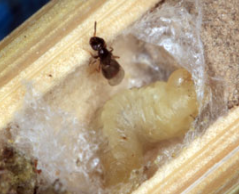
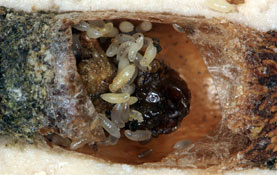
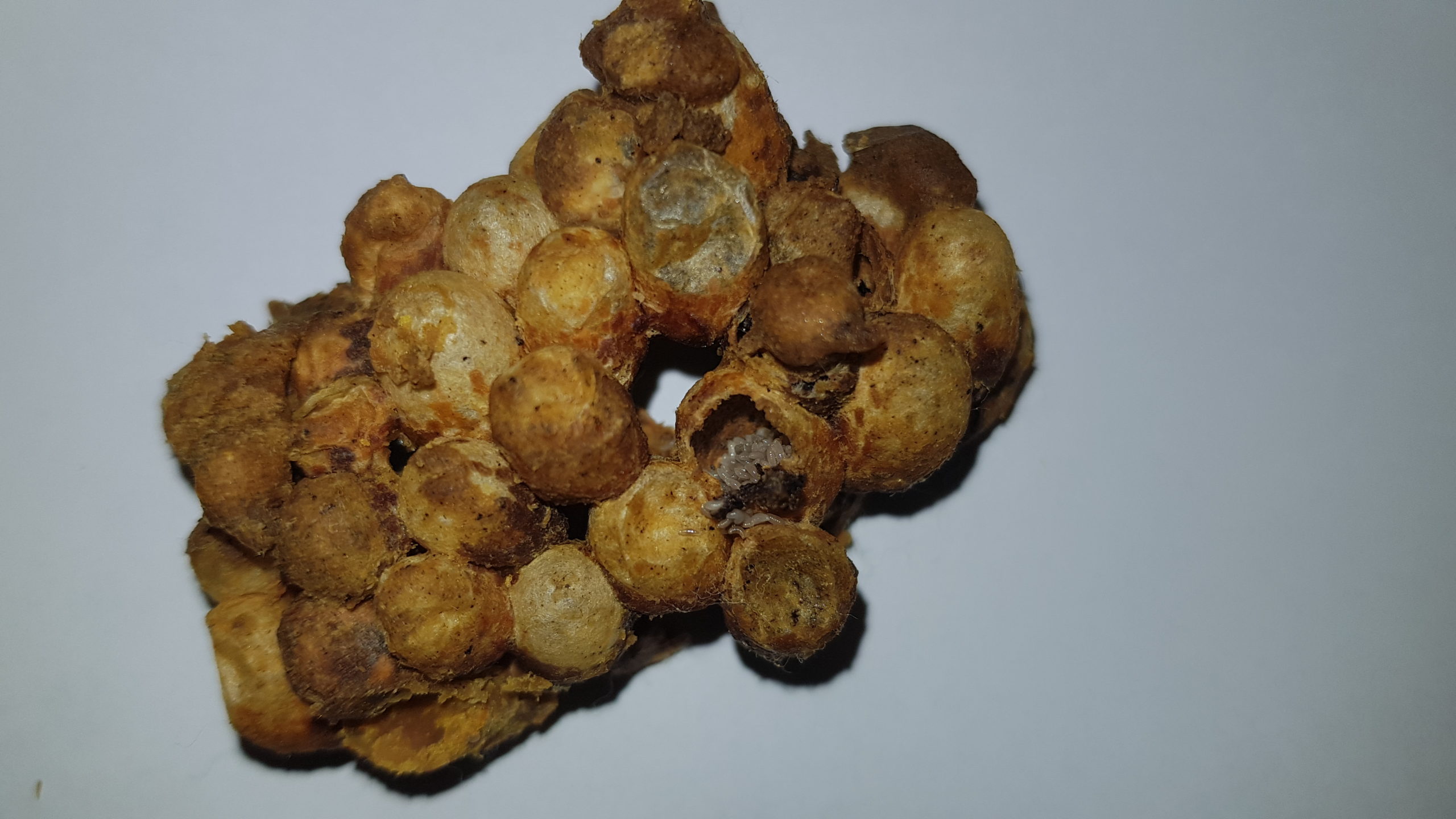
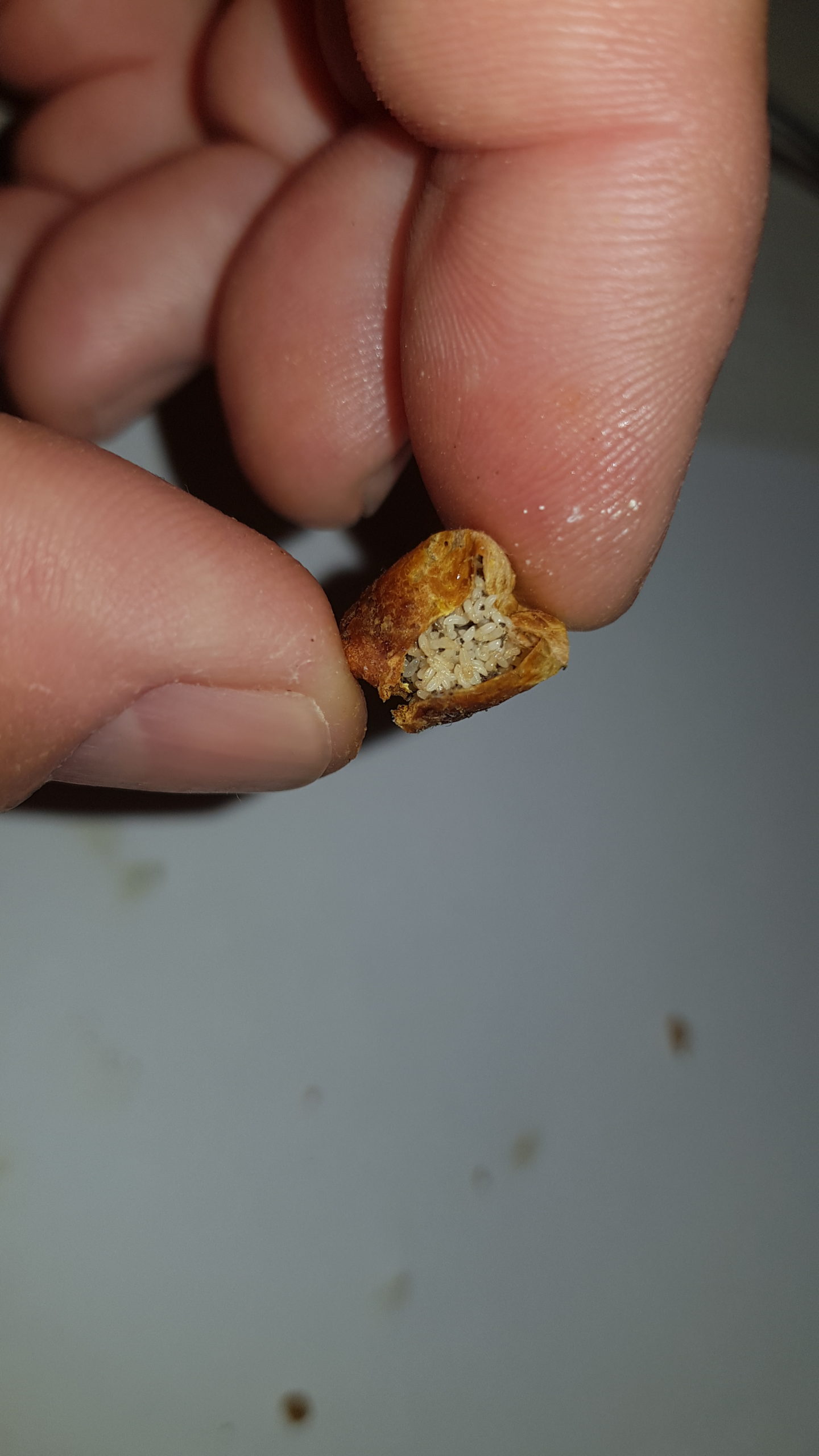
Killer wasp Melittobia acasta and bumblebees

Killer wasp Melitobia acasta and bumblebees in nature

What you will learn here

  • What is Melittobia acasta?
  • How to get to know her
  • What is its life cycle?
  • How they damage a bumblebee nest

Last updated: 20/6/2021

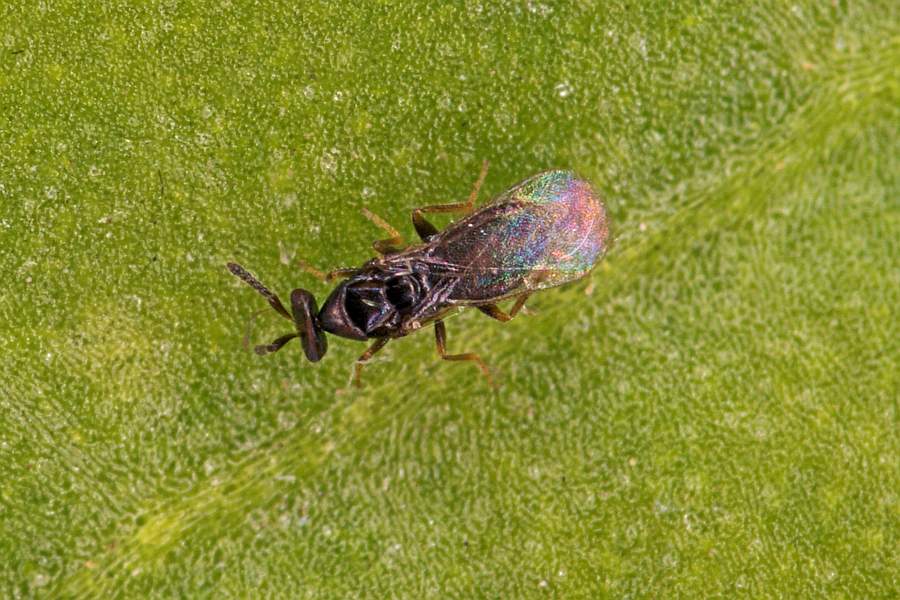
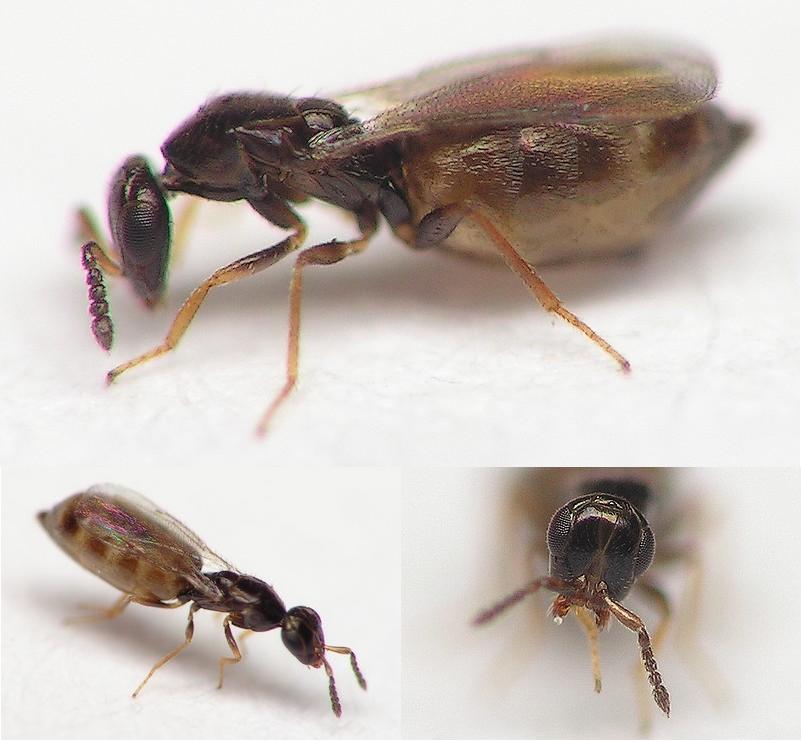
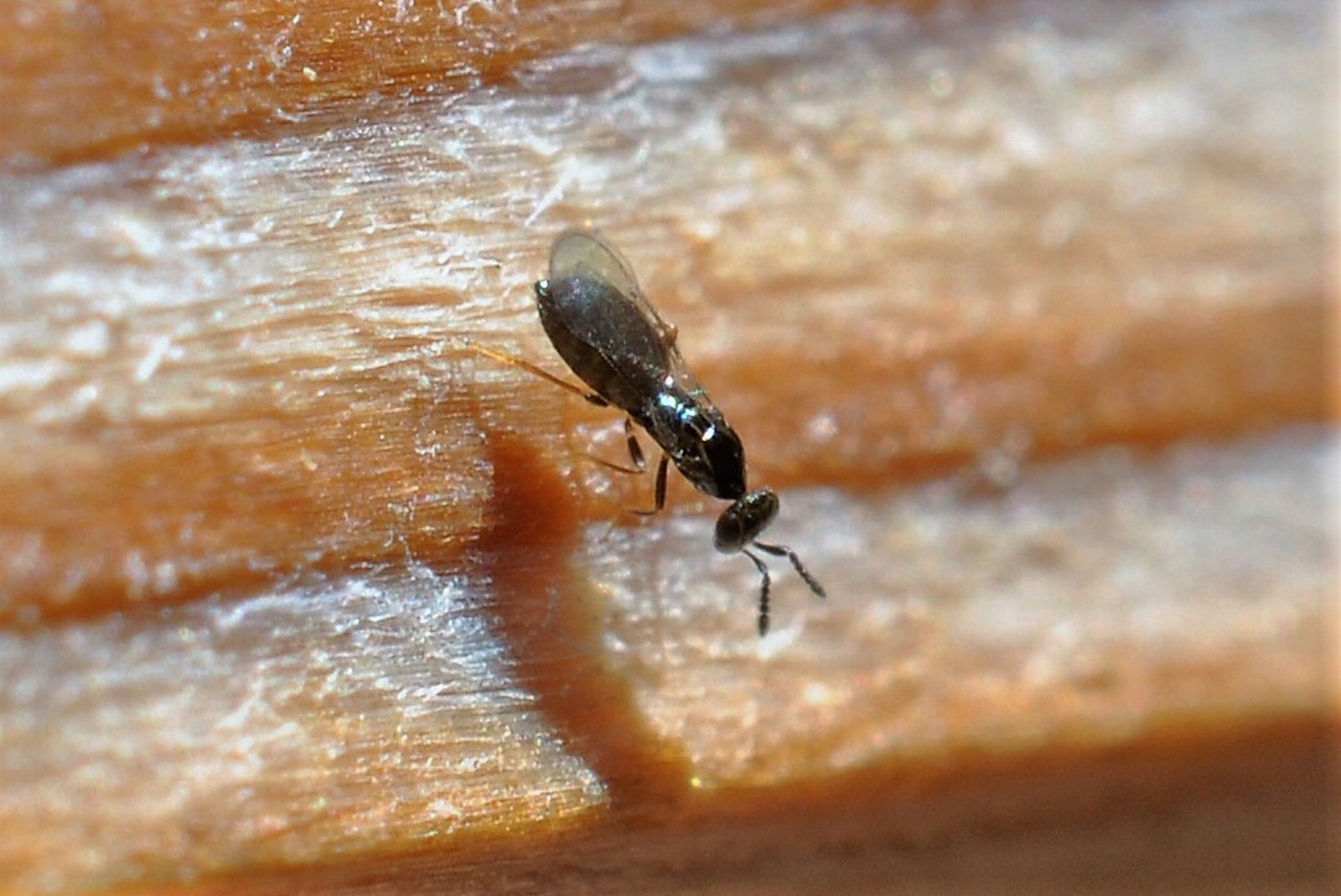
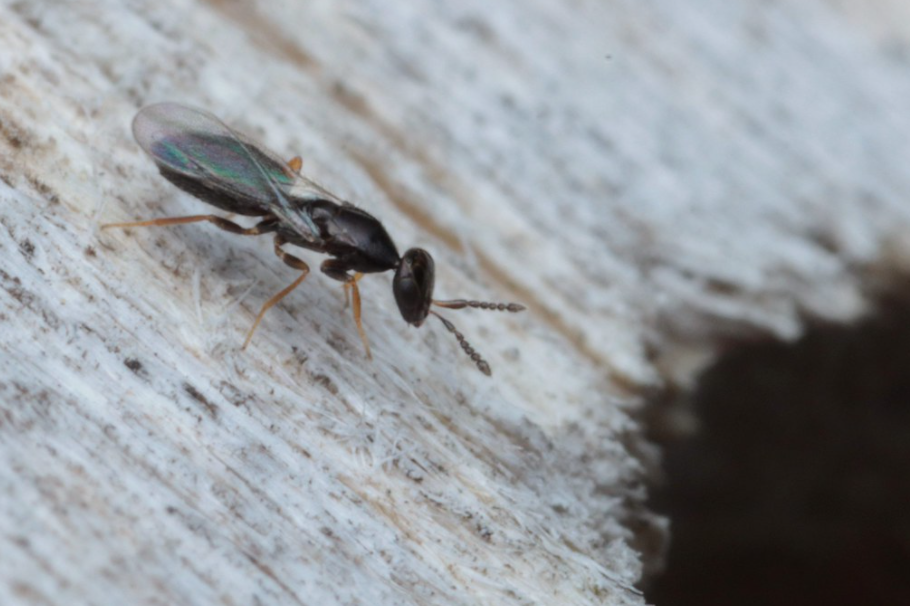
Melittobia_acasta – Female
Photo www naturspaziergang de

Introduction – Melittobia acasta as a feared parasite of bumblebees

Bumblebees have a number of parasites that affect them. Not all parasites can destroy a bumblebee nest. But one can, and very often will.

At the same time, it acts insidiously – silently, covertly and very quickly. It easily gets into the bumblebee nest and easily does its work there. You can easily overlook it as an individual that penetrates the nest during the day.
After some time, however, hundreds of new individuals appear in the nest and go in search of a new source of food, because their work is already done in this nest.

Unlike other bumblebee parasites, this individual's visit to the nest is like the kiss of death

We are talking here about the small parasitic wasp Melittobia acasta .

Pictures of nests being attacked by Melittobia will undoubtedly shock even the strongest of natures. This is a very feared parasite, just one attacked cocoon is enough and the fate of a bumblebee nest is basically written .
However, if you, as a bumblebee breeder, use your knowledge of the biology of this wasp and have the courage to fight it, you can give the attacked nest a chance. In nature, however, there is no help for the nest and bumblebees defend themselves against this wasp, but in most cases they cannot defend themselves against it .


Thanks

Thank you for the knowledge and the basis of the article written for us by experienced beekeeper Jakub Černý.
Coincidentally, colonies of this parasite appeared in his garden at home, and so Jakub gained valuable knowledge. Thanks to them, he improved his hives and came up with a methodology for saving bumblebee nests.

CM+

Bumblebees PLUS - Melittobia_acasta - Mother - Photo www naturspaziergang de

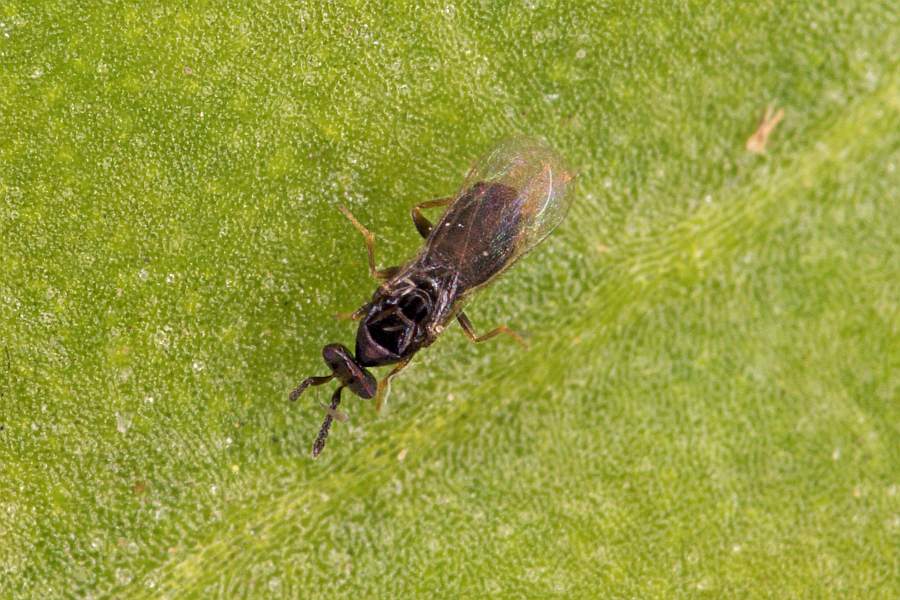
Melittobia_acasta – Female < br /> Photo www naturspaziergang de

Bumblebees PLUS - Melittobia_acasta - Mother - Photo www naturspaziergang de

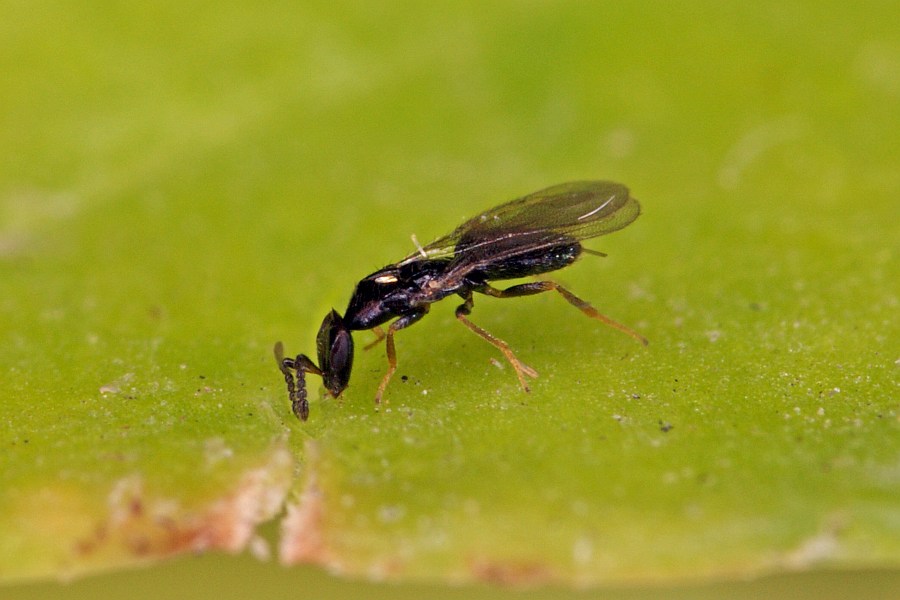
Melittobia_acasta – Female
Photo www naturspaziergang de

What does Melittobia acasta look like?

According to Biolib , its classification is as follows:

kingdom Animalia – animals » phylum Arthropoda – arthropods » class Insecta – insects » order Hymenoptera – hymenoptera » family Eulophidae » genus Melittobia

It will probably be more practical for us to describe it:

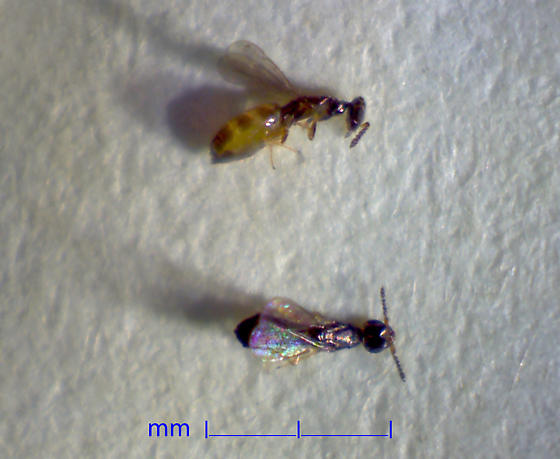
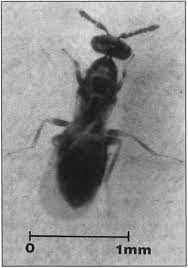
  • The female is about 1.5 mm long , never larger than 2 mm.
    This is an important distinguishing feature from the cotton weevil , which is very similar, only larger (3-4 mm) and completely harmless to the nest.
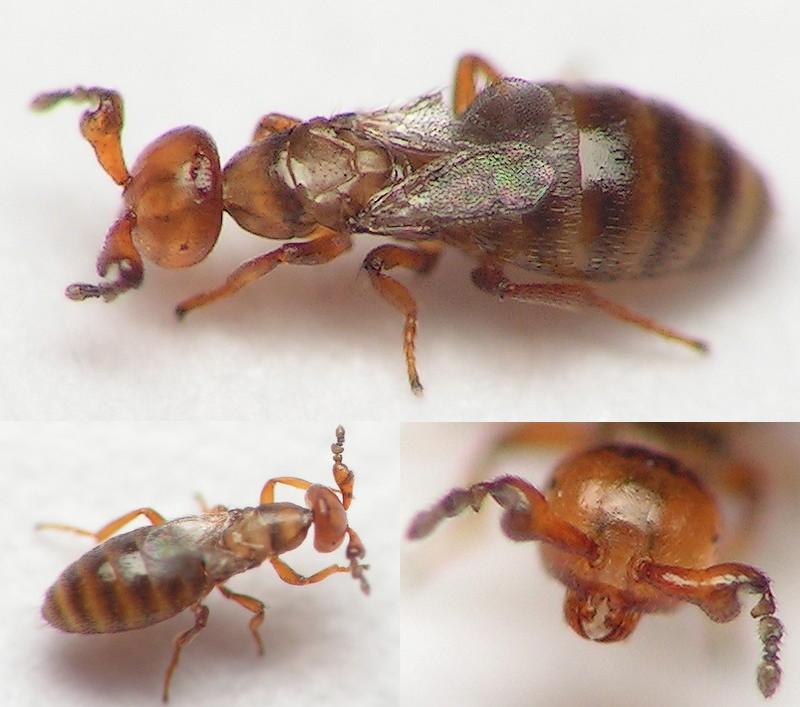
  • Melittobia resembles a winged ant in its body structure, with a broad head and a wider rump.
  • The wings have a metallic sheen .
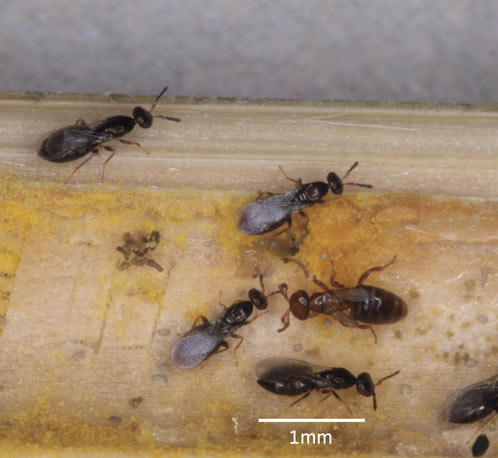
  • Males have small wings but do not fly – they mate with females in the host's nest
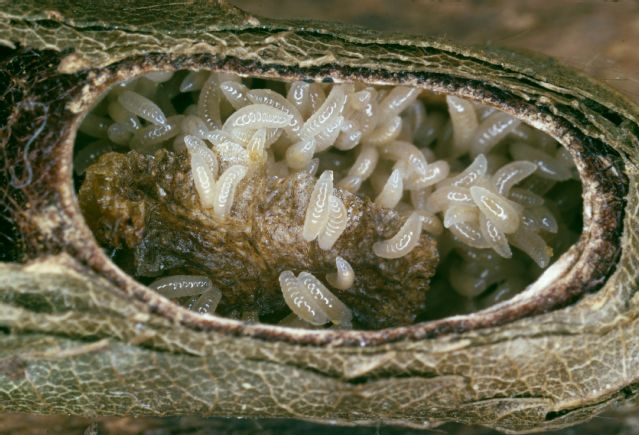
  • Melittobia often occurs in large numbers , especially in an infested nest. For example, there can be 200+ individuals in each bumblebee cocoon.
Bumblebees PLUS - Melittobia acasta - Photo by Dr Paul Westrich

Melittobia acasta
Photo by Dr Paul Westrich

Bumblebees PLUS - Mellitobia acasta - Female - Photo www galeria insecta org

Mellitobia acasta – Female
Photo www galeria insecta org

Bumblebees PLUS - Mellitobia acasta - Male - Photo www galeria insecta org

Mellitobia acasta – Male
Photo www galeria insecta org

melaci PLUS - Melitobia acasta - Photo by Gerald S Wegner

Melitobia acasta
Photo by Gerald S Wegner

Bumblebees Plus - Melittiobia acasta - Female - Source Internet

Melittiobia acasta – Female
Source Internet

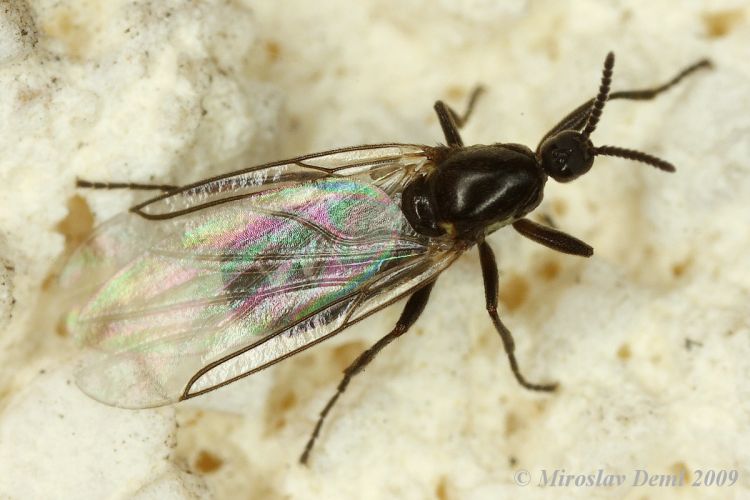
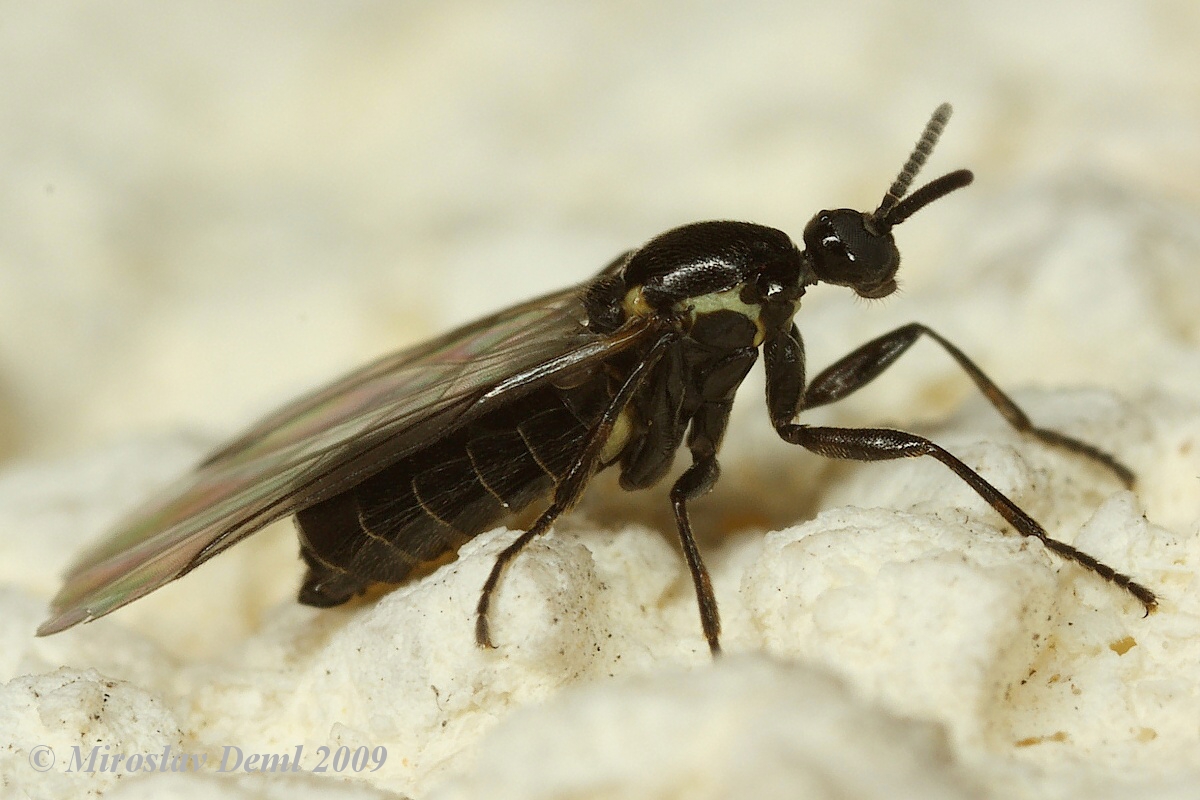
Black scatopse (Scatopse notata)

This representative of the Diptera order belongs to a separate family, the Cottontails. 

Unlike Melittiobia acasta, which is very small, the cotton bollworm is 3-4mm in size.

Very abundant, often on the flowers of marigold plants, on leaves and on windows and toilet walls.

The larvae live in decaying organic matter . They are often found in bumblebee hives, where they act as commensals - they do not harm the nest, they just clean up organic debris and dirt.

If you find "small black flies" in a bumblebee nest, there is no need to panic right away, they could be these cottonflies. They are more common there than Melittobia.

Note :

Commensalism is a type of biological interaction between two organisms where one benefits from the relationship while the other is unaffected.

Bumblebees PLUS - Black Cottontail - Scatopse notata 2 - Source BioLib cz

Black scaly scaly (Scatopse notata)
Source BioLib cz

Bumblebees PLUS - Black Scatopse notata - Source BioLib cz

Black scaly scaly (Scatopse notata)
Source BioLib cz

What is the life cycle of Melittobia acasta?

Melittobia is a hymenoptera in the family Eulophidae, belonging to the superfamily Chalcidae . It is primarily a parasite of solitary bees, wasps , and secondarily of bumblebees , and possibly other organisms.
The honey bee is able to effectively defend itself against it.

This is a more thermophilic species , flying at temperatures of 20°C and higher.

Its larvae hibernate at temperatures .

It spreads successfully especially in warmer areas and in warmer weather. 

After birth and mating, the female searches for her host by smell . As soon as she smells it, she lands and does not leave the place, she is “trapped ” by the smell and looks for an access route to the host’s brood.
Her goal is to produce new offspring and, like the female of the ectoparasitic wasp (Aphomia sociella), she wants to penetrate the nest of the found host at any cost . Her time is also limited and so it is “hop or trop” for her.

It is able to overcome the lids of solitary bees' cavities , even hardened ones made of mud. It often attacks in larger numbers of siblings and has been documented to cooperate in drilling a hole. It has also been documented in the laboratory to bite through a cork stopper.

The female must find food within about 2 weeks of hatching , otherwise she will starve to death. Due to her size and the need to find food quickly, spread may not be rapid. She spreads well where she can jump from host to host .

The mother feeds on the pupated larvae , which she impales with her stinger and sucks their juices.

She then lays eggs with other larvae. After hatching, her larvae feed on the surface of the host larva until they completely suck it out .

, new females and several males hatch . The first generation of females does not have fully developed wings and cannot fly, they mate with their “brothers” and help the mother with laying eggs and attacking other cocoons. The development from penetration into the cocoon to the hatching of new individuals is rapid, taking about 14 days .

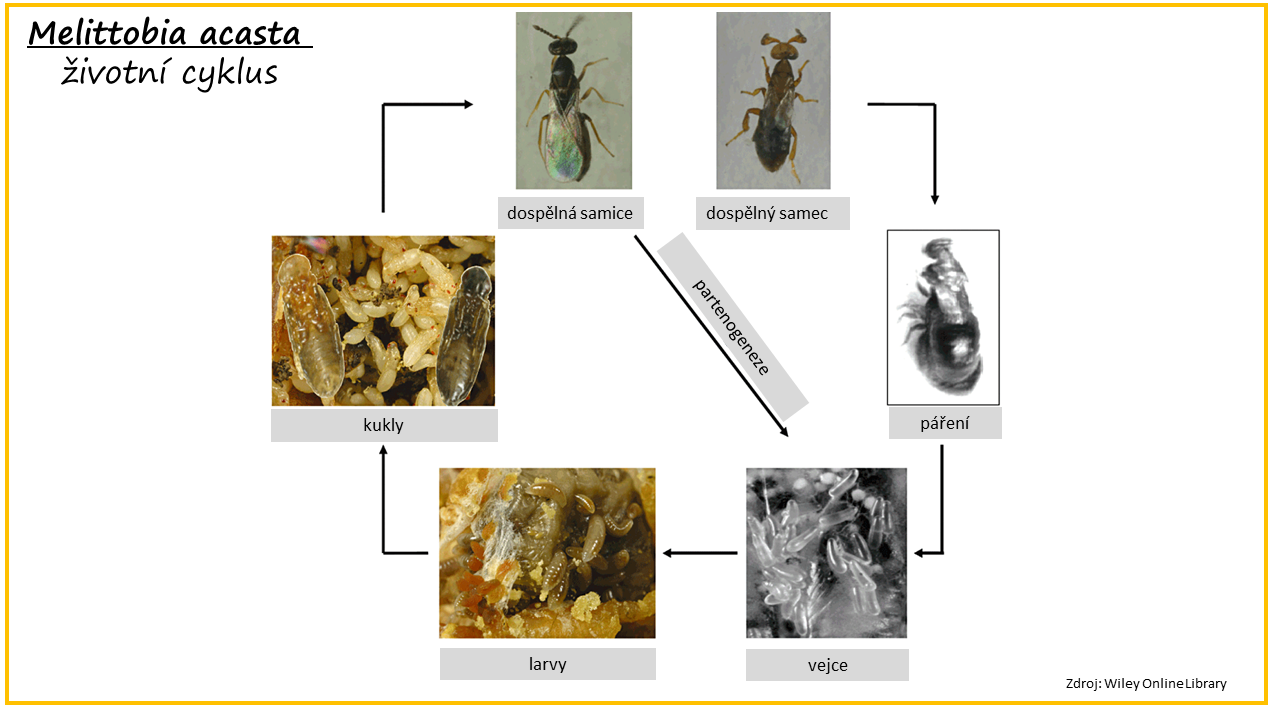
If the first female is not fertilized, she is able to lay unfertilized eggs, from which the necessary male will hatch. This is called parthenogenesis.

Note:
Parthenogenesis (also self-pregnancy or virgin pregnancy) means the development of a new individual from a female egg unfertilized by a male gamete.

The mother female and her daughters are then able to paralyze the entire bumblebee family , which only produces more and more host cocoons – for the growing Melittobia colony.
They do the same in a colony of solitary bees.

The next generation again contains a predominance of females , they have already developed wings and after mating with their "brothers" they quickly look for a way out, the cycle then repeats.

The infestation occurs covertly and usually only becomes fully apparent when new queens appear on the surface of the nest and seek a way out, where they search for a new host's nest.

The larvae survive the winter in the cocoons of their hosts. The host larva is paralyzed and preserved for later consumption.

At temperatures below 15°C, Melittobia larvae fall into hibernation and only wake up when the temperature rises above 20°C .


You can read details about the life of Melittobia acasta and their effects in the bumblebee nest HERE


The life cycle of Melittobia is described in the picture

Bumblebees PLUS - Melittobia acasta - life cycle

Melittobia acasta – life cycle

Video of the life of Melittobia acasta

Where to find Melittobia acasta

The primary host for them are colonies of solitary bees . They are open, not protected in any way, and until spring the larvae sleep in them, from which a new life should arise. That is why Melitobia can bite through the hard lids of closed larval cavities . There is no other way for it to wait for spring.

Bumblebees are not the primary host for Melittobia because they cannot overwinter there. We already know that a bumblebee nest becomes orphaned in the fall. There are no larvae in it in which Mellittobia could survive until spring. Nevertheless, we encounter infestations of bumblebee nests.

In nature, such a tragedy will remain hidden from human eyes. 

This is even more visible in the beehives of beekeepers. 


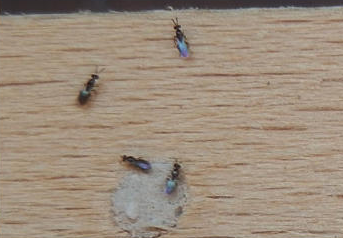
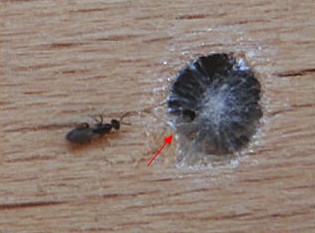
Bumblebees PLUS - Melittobia acasta - Females looking for a way into the host&#39;s nest chamber - www wildbienenstand neuhof de

Melittobia acasta – Females looking for a way into the host's nest chamber
Source www wildbienenstand neuhof de

Melittoba acasta and insect hotels

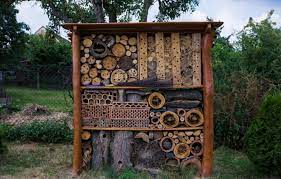
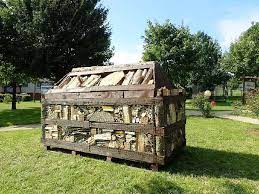
Melittobia is not ubiquitous , or rather, not much is known about it due to its size. But if it finds a colony, or an insect hotel, as a home for solitary bees, it is literally a gift from heaven.

That's why we don't recommend creating large insect hotels, but rather a series of smaller, spaced-out hotels . This way, solitary bees have a better chance of not being found by Melittobia and their offspring surviving.

But it is humans who create such insect megahotels , and in an attempt to help nature out of ignorance, they create completely unnecessary risks .

Bumblebees PLUS - Big insect hotel - Foto Internet

WE DO NOT RECOMMEND
Big insect hotel
Photo Internet


Bumblebees PLUS - Big insect hotel - Foto Internet

WE DO NOT RECOMMEND
Big insect hotel
Photo Internet

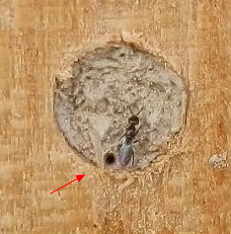
How a female Melittobia acasta gets to the nest

In the photos and video, you can see how the female, thanks to her miniature size, She can bite through hard material where it cannot pass through

The wasp attacks nests during the day , but cannot see at night. If the nest (or hive) is open, the wasp will slip through unnoticed.

It is recorded that in some cases, female workers of the wasp family can bite a wasp . However, this is more likely a situation when new female wasps appear in the nest and the workers try (in vain) to reduce them. The first female that enters the nest will probably easily escape their attention.

Fortunately, Melittobia acasta is not very widespread.


Melittobia acasta - Female at the otcor in the capped chamber Osmia Cornuta - www wildbienenstand neuhof de

Melittobia acasta – Female at the opening to the capped chamber of Osmia Cornuta
Source:www wildbienenstand neuhof de

Bumblebees PLUS - Melittobia acasta - Female at the nest chamber hostile - www wildbienenstand neuhof de

Melittobia acasta – Female at the nest chamber of the host – www wildbienenstand neuhof de

Bumblebees PLUS - Melittiobia acasta - Female - Photo Adrian Atamańczuk

Melittiobia acasta – Female
Photo by Adrian Atamańczuk


Bumblebees PLUS - Melittobia acasta - Female - Photo FLICKER

Melittobia acasta – Female
Photo FLICKER

How Melittobia acasta affects host larvae

We have already described how these parasitic wasps suck the larvae of their hosts lay eggs in them for their offspring.


 You will also find interesting photos and videos that prove this.

Bumblebees PLUS - Females - Photo Gerald S Wegner Bumblebees PLUS - Melitobia acasta - Females - Photo Gerald S Wegner

Melittobia acasta - Females
Photo by Gerald S Wegner

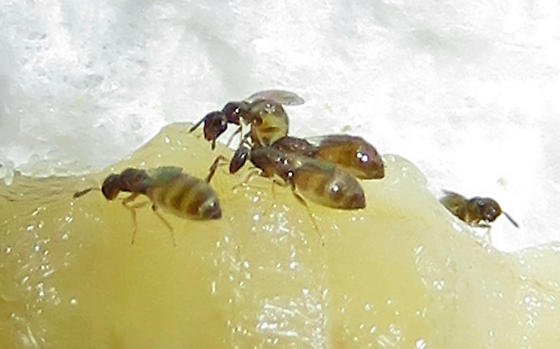
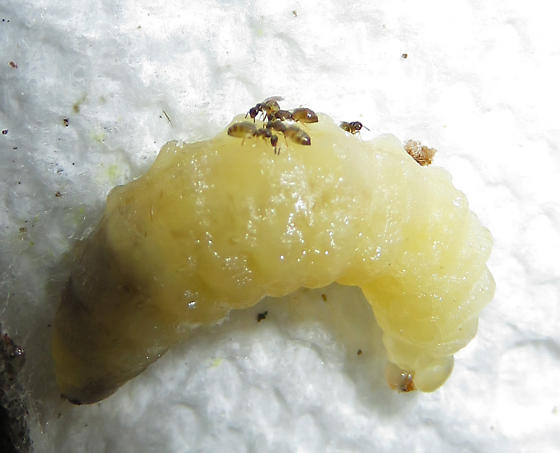
Bumblebees PLUS - Mleittobia acasta - Females on a bumblebee&#39;s carapace Photo Gerald S Wegner

Melittobia acasta – Females on a bumblebee larva
Photo Gerald S Wegner

Bumblebees PLUS - Melittobia acasta - Female - Photo Photo www wildbienen info

Melittobia acasta – Female
Photo Photo www wildbienen info

Bumblebees PLUS - Melittobia acasta - Infested host larva - Photo www wildbienen info

Melittobia acasta – Infested host larva
Photo www wildbienen info


Bumblebees PLUS - Melittobia acasta - infested bumblebee cocoons - Photo Ondrej Hercog

Melittobia acasta – infested bumblebee cocoons
Photo O. Hercog (6/2019)

Bumblebees PLUS - Melittobia acasta - infested bumblebee cocoons - Photo Ondrej Hercog

Melittobia acasta – infested bumblebee cocoons
Photo O. Hercog (6/2019)

Bumblebees Plus - Melittiobia acasta - attacked host larva - Photo Krebs Albert

Melittiobia acasta – infected host larva
Photo Krebs Albert

More videos about Melittobia acasta

Melittobia acasta and bumblebee breeding

Unfortunately, bumblebee keepers sometimes encounter this killer wasp. 

to recognize a bumblebee attack on a hive and how to prevent , as well as what preventive measures available HERE.