
Here we are preparing a description of selected species of bumblebees and wasps in the Czech Republic
Before it's finished, maybe you should read something about the issue of determining bumblebee species.
How many species of bumblebees are there in the Czech Republic?
In the Czech Republic, 30 (or 33) species of bumblebees and 9 species of wasps have been described. Some are common, some are rare, and many of them are already extinct or are considered extinct.
But answering that question precisely is difficult, and bumblebees themselves don't help us with the answer at all - we'll tell you why right away. 🙂
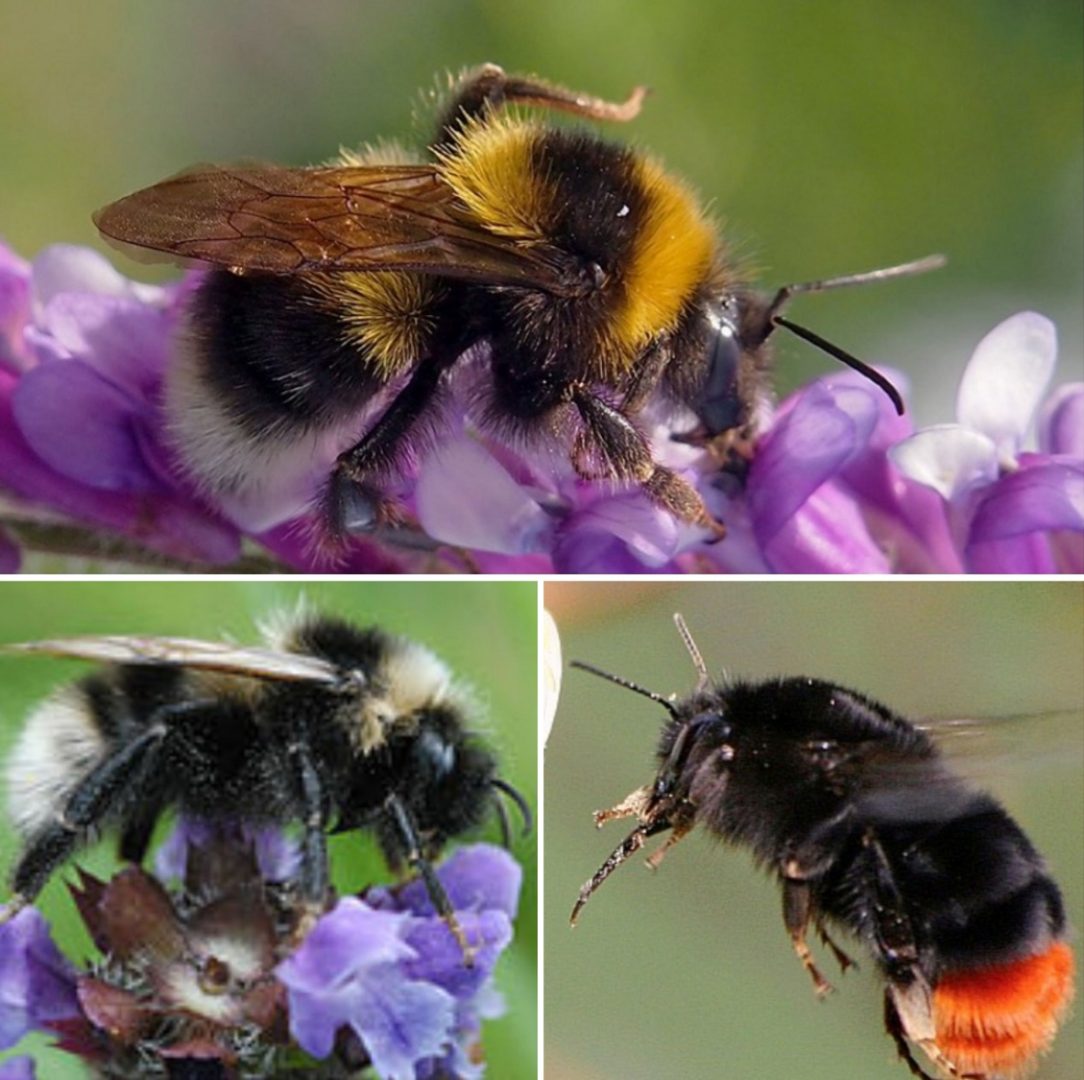
Types of bumblebees
Photo Internet
Why is it complicated?
Reliably identifying the species of bumblebee is not easy at all, as you know very well, or you will soon find out.
With climate change, the occurrence of individual bumblebee species is now shifting, so that bumblebee species originating from other regions of Europe are also appearing in our country. Examples include the ground bumblebee ( Bombus terretris ) and its subspecies (subspecies) Bombus terretris dalmatinu s, or the Balkan bumblebee ( Bombus haematurus ) and Bombus argillaceus.
Bumblebees simply don't care much about borders, so species from neighboring countries can sometimes be found here.
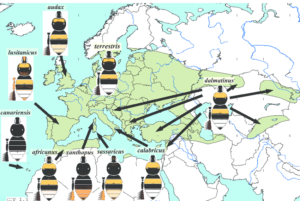
Distribution of the bumblebee (Bombus terrestris) in Europe (Source: Rasmont et al. 2008)
Populations of some rare bumblebee species are very weak and often localized to small islands of occurrence. We may not even know about them and so it can happen that rare species easily disappear secretly with liquidation. It is enough for a developer to liquidate a small piece of nature or its vegetation without regard to any permits. Species that are fixed on specific plant species suffer especially from this.
Bumblebees are affected by a number of known factors that are causing their species and individual numbers to decline. There are also a number of risks that threaten them, but we may not have direct evidence of their impact. However, the risks are present and it is necessary to take them into account and protect bumblebees against them.
Therefore, the answer to "How many species of bumblebees are there in the nature of the Czech Republic?" is not simple and unfortunately varies from year to year.
You can learn more about the factors and risks of bumblebee decline in the chapter Why are bumblebees declining in nature ?
Category of threat to bumblebee species in the Czech Republic
When working on the list of bumblebee and bumblebee species, we decided to use the so-called Red List of Threatened Species. We also used recognized categories and abbreviations from this list. Yes, we are going a bit too deep, but it is good to have good and recognized information about the occurrence of bumblebees.
IUCN categories and criteria and their use for the Czech Republic's invertebrate red lists
EX – Extinct
= a species for which extensive surveys do not dispute the fact that the last individual died EW – Extinct
in the Wild = a species that survives only under human care (cultivation, growing, breeding) RE – Regionally
Extinct
CR – Critically Endangered = a species that faces an exceptionally high risk of extinction in the wild EN – Endangered
= a species that faces a very high risk of extinction in the wild VU – Vulnerable
= a species that faces a high risk of extinction in the wild NT –
Near Threatened = a species that is not currently classified as critically endangered, threatened or vulnerable, but is close to this classification or is likely to be classified in one of these categories in the near future LC
– Least Concern = widespread and abundant species data deficient species (DD) – species for which there is no information available that would allow us to assess the risk of extinction NE –
Not Evaluated = species that has not yet been assessed according to IUCN criteria NA –
Not Applicable = outside the assessment, i.e. in the NA category (not suitable for assessment); species outside their original range, i.e. as non-native species, unintentionally introduced into the Czech Republic DD – Data Deficient = there is a lack of adequate information to allow us to directly or indirectly assess the risk of extinction or extirpation based on its distribution and/or the status of its population
If a bumblebee species in the Czech Republic is listed in any of these categories, you will find it in our list marked in red with the above description and code. For other species, we follow the publication Blanokřídlí České republiky .
If you are interested in the list of endangered invertebrate species in the Czech Republic and the regions in which these species still occur, see the so-called Red Book from 2017, page 240
How to determine the species of bumblebee
Identifying bumblebee species is easy at first glance. “One is yellow-black-white and the other is black-red,” another is “brown” or “yellow.” OK, but the more you delve into the issue, the more you realize it’s not that easy.
The basic identification of a species is based on coloration and color features, size, head shape, etc. However, some species share their colors, sometimes their color schemes overlap, and there are color varieties and variations within a species. Coloration also often changes with the age of the individual (fading of colors over the course of the season).
In some species, the color scheme and elements differ by sex (see rock bumblebee Bombus lapidarius , meadow bumblebee – Bombus pratorum ), while in some the color elements are essentially the same (ground bumblebee – Bombus terrestris ).
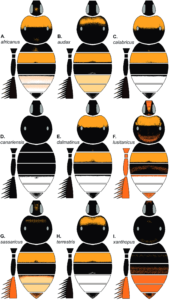
Color scheme of the bumblebee – Bombus terrestris (ResearchGate)
To make matters worse, bumblebee parasites often have very similar coloration to the bumblebee species they host. So if you're not careful when identifying the species, you'll be rejoicing over a beautiful bumblebee.
In some literature you will read that it is possible to reliably determine the species of bumblebee by the penis of the males. Ok, but that is probably not practical, right? 🙂
To reliably determine the species, you need more time, the ability to compare the individual with a catalog, photographs, or the ability to examine the bumblebee under a microscope. Of course, this requires experience and practice.
It is certainly true that you cannot reliably identify a species from a single photo. To properly identify a species, you need to see details of the head, chest, back, and sometimes even the legs.
That is why we want to prepare a guide and catalog for you to identify species.
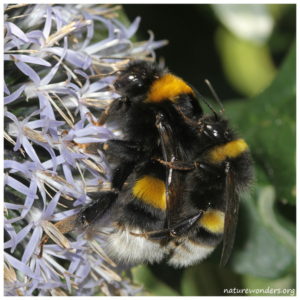
Bombus terrestris terrestris (Photo Nature Wonder)
Bumblebee catalog on Bumblebees PLUS
Our goal is to prepare a description of each species, instructions for their identification, descriptions of nesting sites, information on breeding, and other useful information. It should be a clear and structured catalog for the needs of laypeople – bumblebee observers, conservationists, and breeders.
For most of you, the exact identification of the species is not the most important and crucial thing. However, if the ability to identify the species of bumblebees can be spread among enthusiasts, it is quite possible that we will be able to find species of bumblebees that we believe are extinct in our landscape or do not occur in a given place. Then it would be a chance for experts to map such a location and subsequently protect it accordingly, for example from developers.
The ability to identify bumblebee species by a wider group of laypeople than is currently possible may be a path to saving rare bumblebee species.
Do you think it's unnecessary? An example is the striped bumblebee Bombus subterraneus , which our teammate Jaromír Čížek has been trying to save in the wild in the Czech Republic for a long time. What if, thanks to a wider community of people who can identify this species, this thing was successful - wouldn't it be wonderful?
You can also help other species of our bumblebees. Yes, it's not an easy goal, but why not try. 🙂
In the catalog, we will also use data from the so-called Red Book and give you a clear overview of which regions you can still encounter an endangered species and where, on the contrary, its presence cannot be expected..
Our catalog and key to identifying bumblebee species takes a lot of time and work. But we want to present you with something that you won't just find in one place - simply something from the PLUS family.
And until there is a catalog of bumblebee species, well..
For now, we are publishing here very nice images from the publication Sikora A., Michołap P., Kadej M., Sikora M. Tarnawski D. 2018 " Pszczoły w mieście: Trzmiele Wrocławia" , Wyd. Stowarzyszenie Natura i Człowiek. . Based on them alone, you can identify selected species of bumblebees in nature and get an idea of their main features, as well as distinguish their mother-queen from the male (tuber). The workers differ from the mother primarily in their size, their color scheme is usually the same as hers.
Note: bumblebees are not shown to scale, this is mainly to emphasize their main features and coloration.
We also recommend visiting the website www.blanokridlivpraze.cz , where beautiful photographs by Ms. Hana Kříženecká are published.
ground bumblebee – Bombus terrestris
very abundant
widely spread
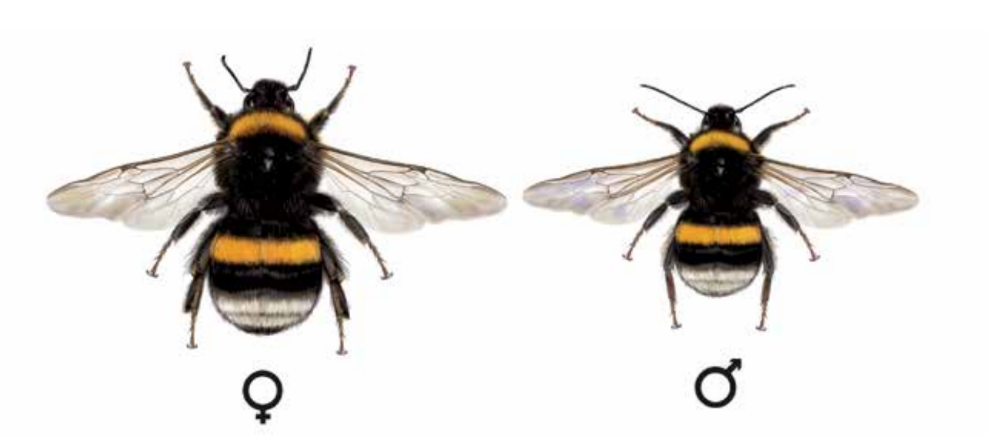
ground bumblebee (Bombus terrestris)
Sikora A., Michołap P., Kadej M., Sikora M. Tarnawski D. 2018 "Pszczoły w miście: Trzmiele Wrocławia", Wyd. Stowarzyszenie Natura i Człowiek.
Wood bumblebee – Bombus lucorum
very abundant
widely spread
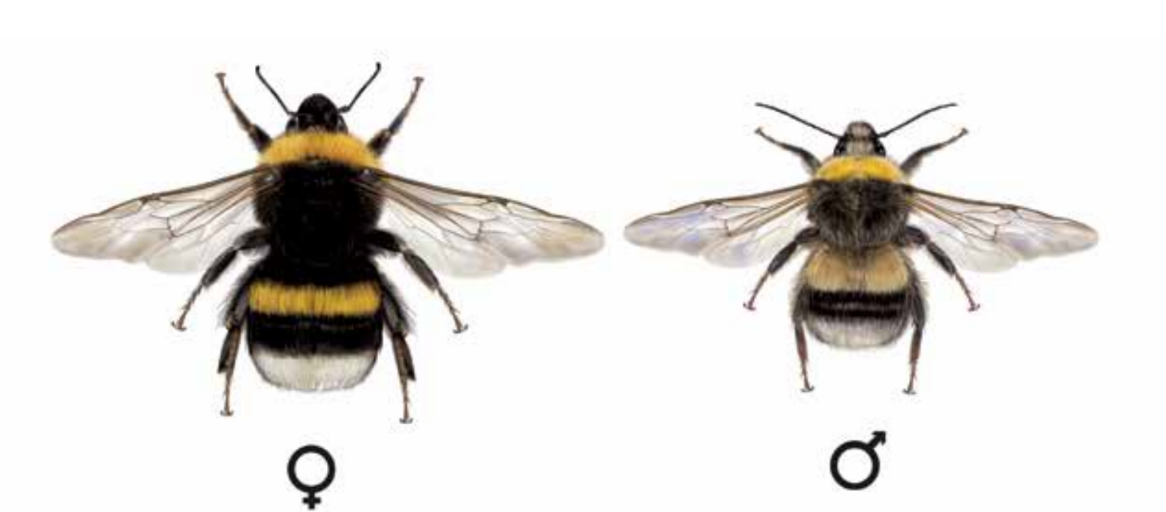
Wood bumblebee (Bombus lucorum)
Sikora A., Michołap P., Kadej M., Sikora M. Tarnawski D. 2018 "Pszczoły w miście: Trzmiele Wrocławia", Wyd. Stowarzyszenie Natura i Człowiek.
garden bumblebee – Bombus hortorum
abundant
widespread in the lowlands and up to mid-latitudes
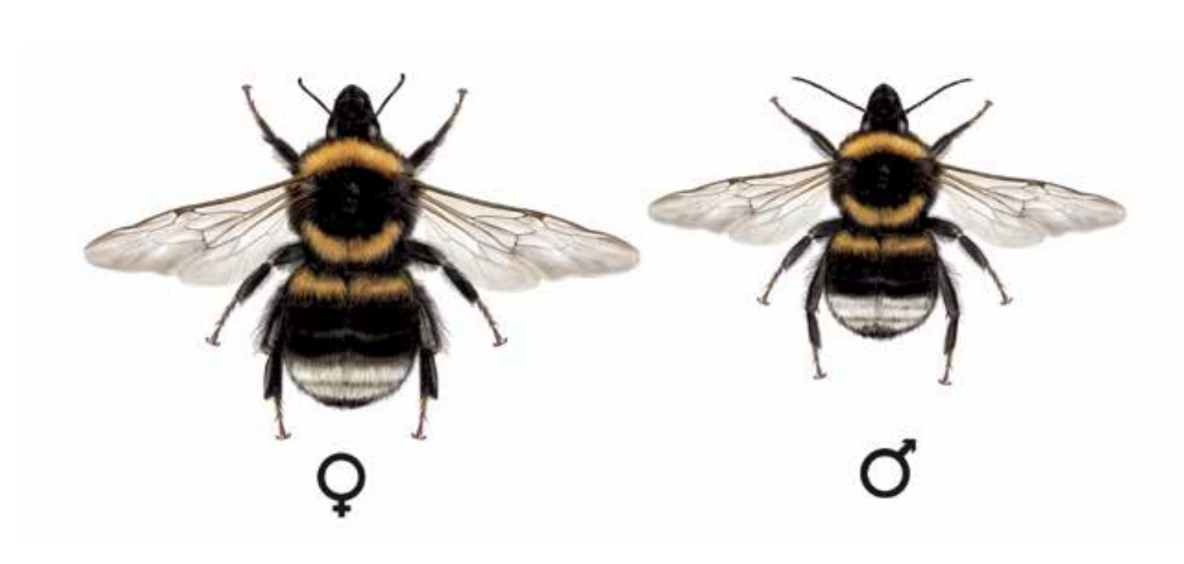
garden bumblebee (Bombus hortorum)
Sikora A., Michołap P., Kadej M., Sikora M. Tarnawski D. 2018 "Pszczoły w miście: Trzmiele Wrocławia", Wyd. Stowarzyszenie Natura i Człowiek.
Striped bumblebee – Bombus subterraneus
endangered ( EN )
prefers a mosaic landscape
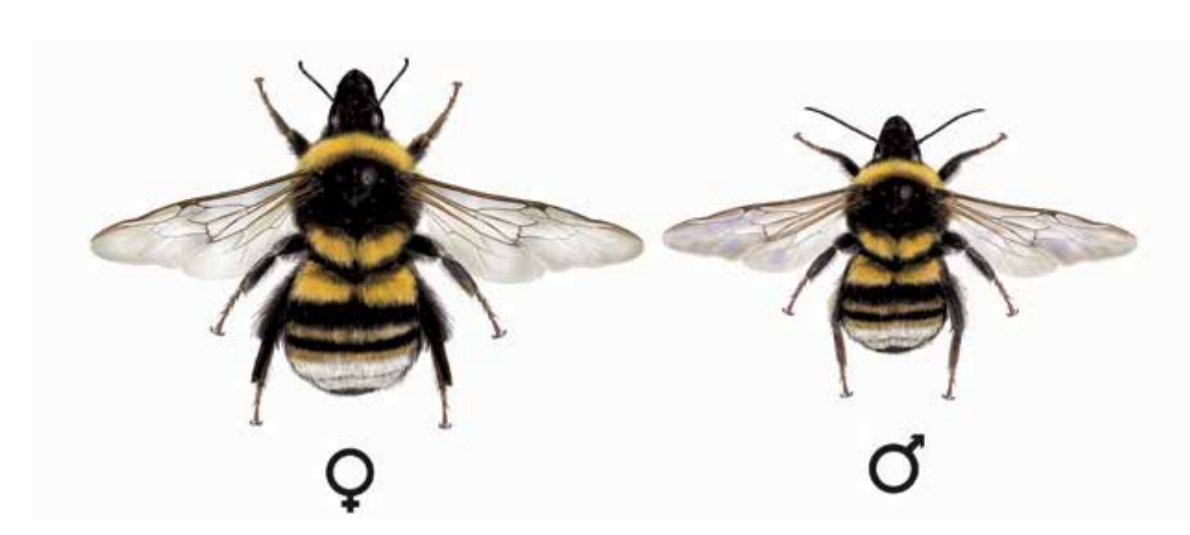
Striped bumblebee (Bombus subterraneus)
Sikora A., Michołap P., Kadej M., Sikora M. Tarnawski D. 2018 "Pszczoły w miście: Trzmiele Wrocławia", Wyd. Stowarzyszenie Natura i Człowiek.
Humen bumblebee – Bombus ruderatus
critically endangered ( CR )
prefers open countryside
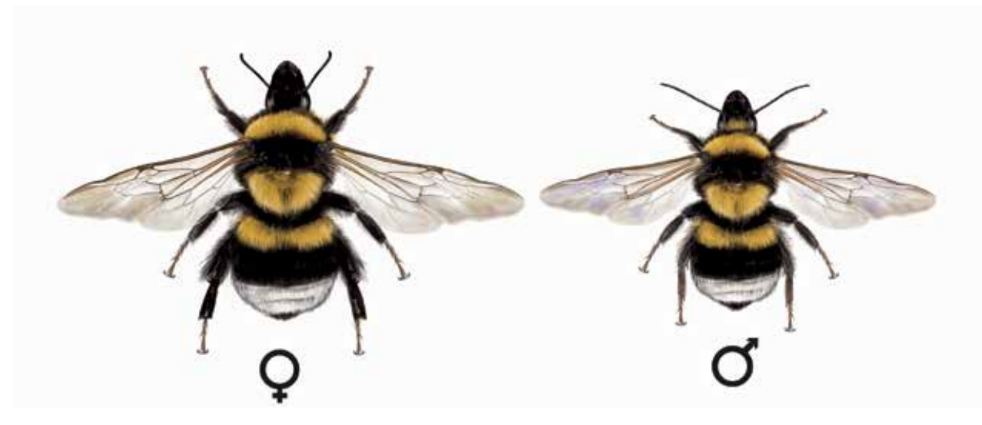
Humen bumblebee (Bombus ruderatus)
Sikora A., Michołap P., Kadej M., Sikora M. Tarnawski D. 2018 "Pszczoły w miście: Trzmiele Wrocławia", Wyd. Stowarzyszenie Natura i Człowiek.
Small bumblebee – Bombus jonellus
vulnerable ( VU )
locally widespread in the mountains
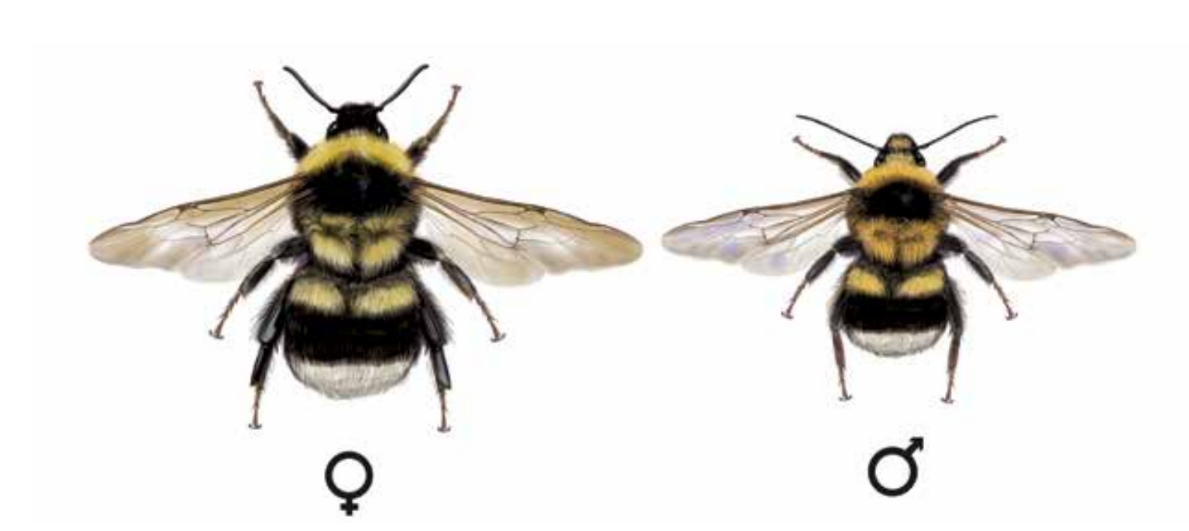
small bumblebee (Bombus jonellus)
Sikora A., Michołap P., Kadej M., Sikora M. Tarnawski D. 2018 "Pszczoły w miście: Trzmiele Wrocławia", Wyd. Stowarzyszenie Natura i Człowiek.
Bombus semenoviellus
rare
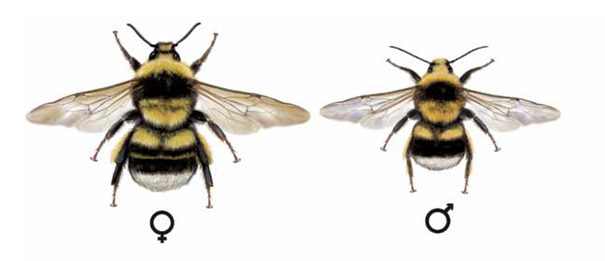
Bombus semenoviellus
Sikora A., Michołap P., Kadej M., Sikora M. Tarnawski D. 2018 "Pszczoły w miście: Trzmiele Wrocławia", Wyd. Stowarzyszenie Natura i Człowiek.
Rock bumblebee – Bombus lapidarius
very abundant
widely spread
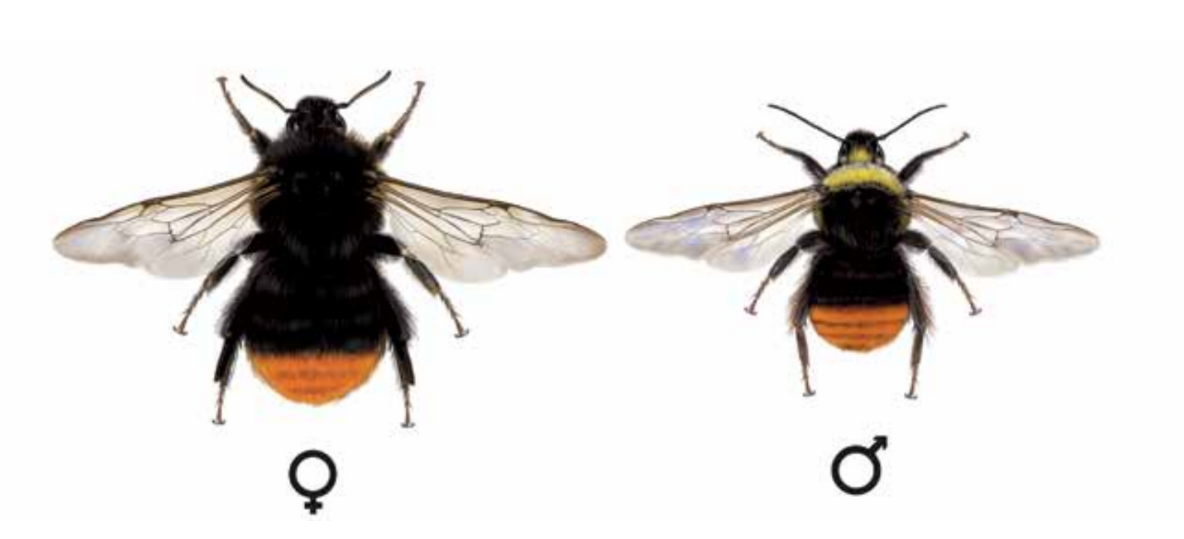
Rock bumblebee (Bombus lapidarius)
Sikora A., Michołap P., Kadej M., Sikora M. Tarnawski D. 2018 "Pszczoły w miście: Trzmiele Wrocławia", Wyd. Stowarzyszenie Natura i Człowiek.
Eel bumblebee – Bombus ruderarius
scanty
widespread
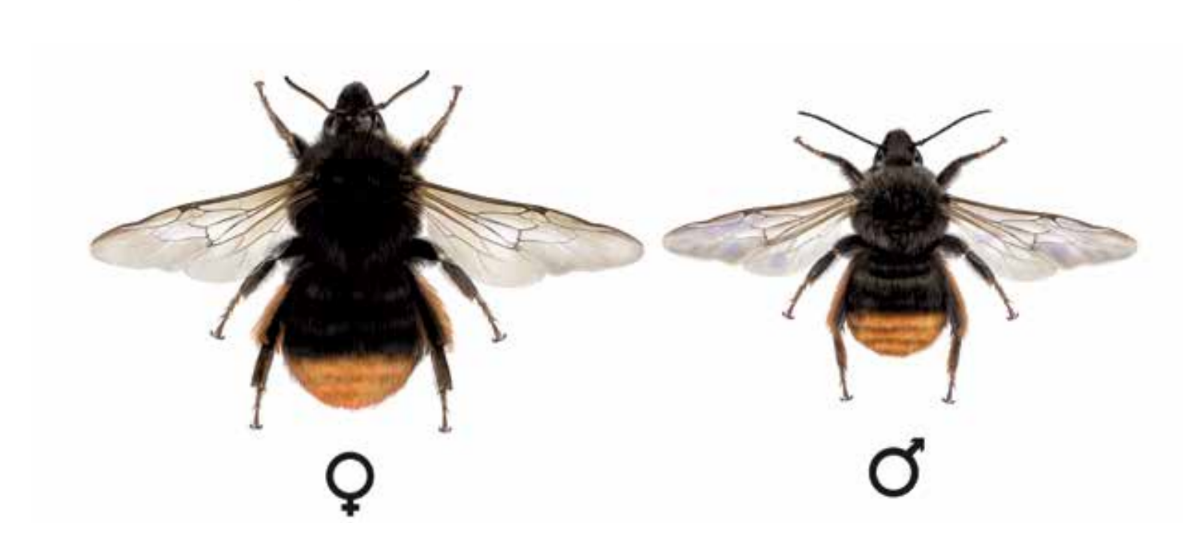
Eel bumblebee (Bombus ruderarius)
Sikora A., Michołap P., Kadej M., Sikora M. Tarnawski D. 2018 "Pszczoły w miście: Trzmiele Wrocławia", Wyd. Stowarzyszenie Natura i Człowiek.
Broad-billed Bumblebee – Bombus wurfleini
vulnerable (VU)
bound to mountainous areas
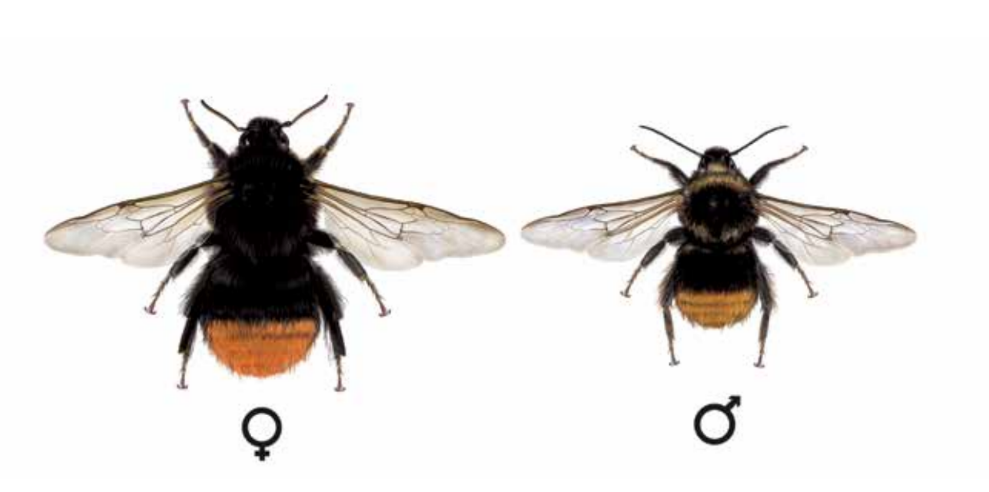
Broad-billed bumblebee (Bombus wurflenii)
Sikora A., Michołap P., Kadej M., Sikora M. Tarnawski D. 2018 "Pszczoły w miście: Trzmiele Wrocławia", Wyd. Stowarzyszenie Natura i Człowiek.
Bombus sicheli
critically endangered ( CR )
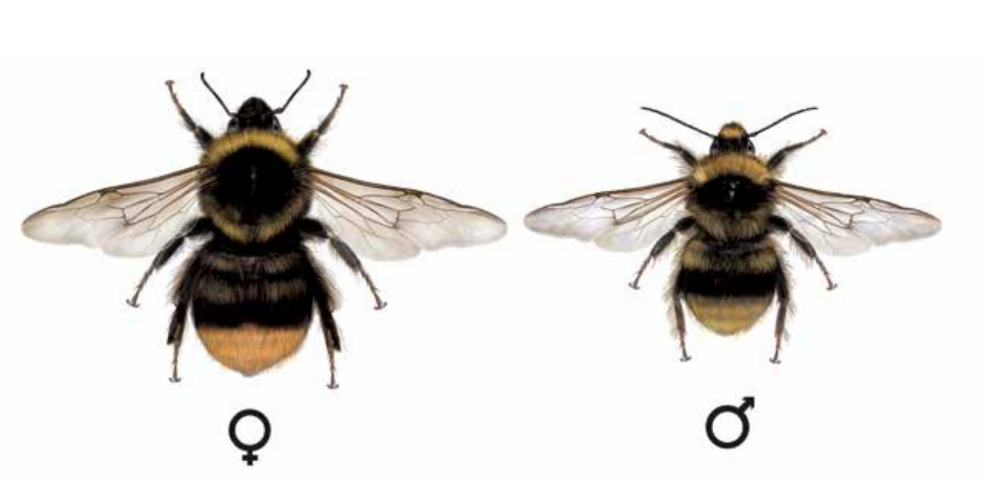
Bombus sichellii
Sikora A., Michołap P., Kadej M., Sikora M. Tarnawski D. 2018 "Pszczoły w miście: Trzmiele Wrocławia", Wyd. Stowarzyszenie Natura i Człowiek.
Meadow bumblebee – Bombus pratorum
abundant
widespread in lower locations
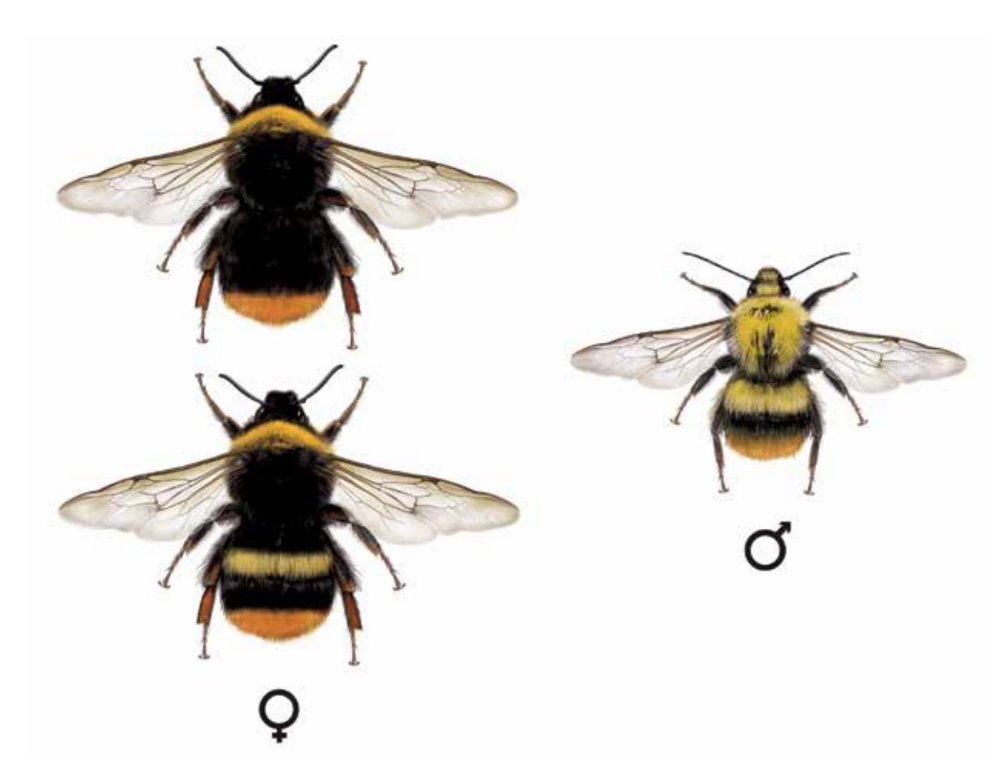
meadow bumblebee (Bombus pratorum)
Sikora A., Michołap P., Kadej M., Sikora M. Tarnawski D. 2018 "Pszczoły w miście: Trzmiele Wrocławia", Wyd. Stowarzyszenie Natura i Człowiek.
Pyrenean bumblebee – Bombus pyrenaeus
vulnerable ( VU )
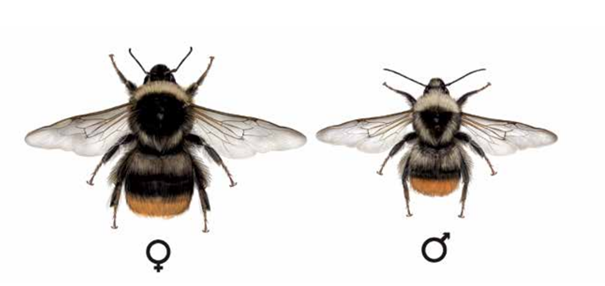
Pyrenean bumblebee (Bombus pyrenaeus)
Sikora A., Michołap P., Kadej M., Sikora M. Tarnawski D. 2018 "Pszczoły w miście: Trzmiele Wrocławia", Wyd. Stowarzyszenie Natura i Człowiek.
Confused bumblebee – Bombus confusus
critically endangered ( CR )
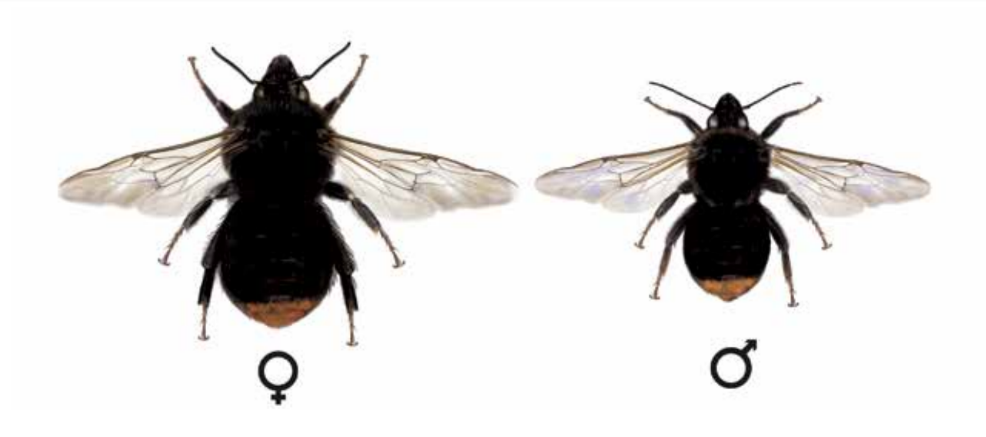
Confused bumblebee (Bombus confusus)
Sikora A., Michołap P., Kadej M., Sikora M. Tarnawski D. 2018 "Pszczoły w miście: Trzmiele Wrocławia", Wyd. Stowarzyszenie Natura i Człowiek.
Common bumblebee – Bombus mesomelas
regionally extinct (RE)
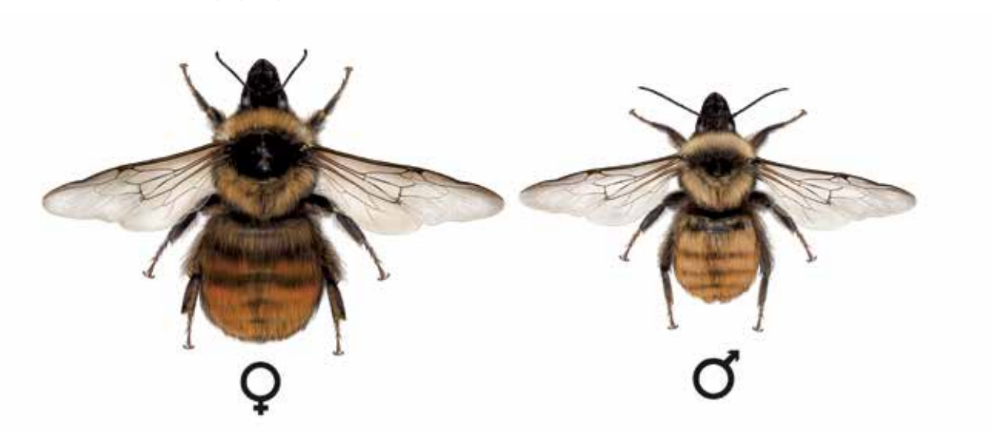
Common bumblebee (Bombus mesomelas)
Sikora A., Michołap P., Kadej M., Sikora M. Tarnawski D. 2018 "Pszczoły w miście: Trzmiele Wrocławia", Wyd. Stowarzyszenie Natura i Człowiek.
Fruit bumblebee – Bombus pomorum
critically endangered (CR)
only in warm areas
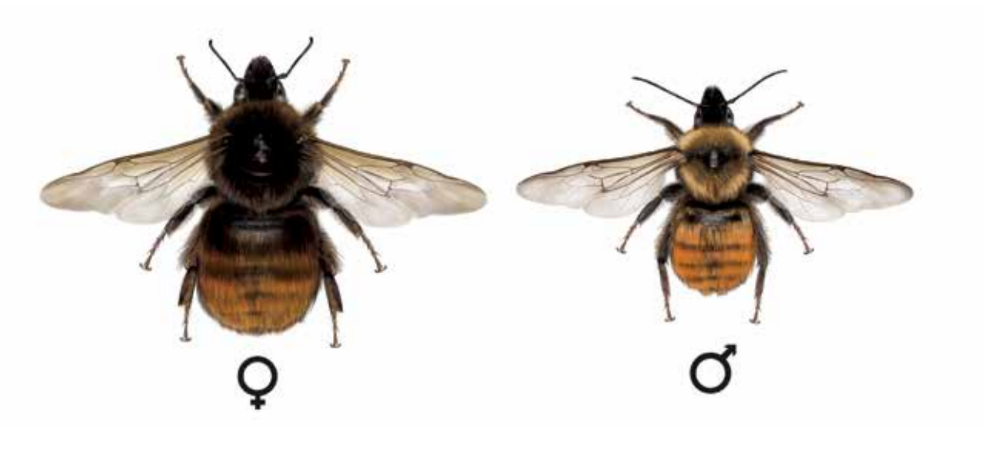
fruit bumblebee (Bombus pomorum)
Sikora A., Michołap P., Kadej M., Sikora M. Tarnawski D. 2018 "Pszczoły w miście: Trzmiele Wrocławia", Wyd. Stowarzyszenie Natura i Człowiek.
Common bumblebee – Bombus humilis
scanty
widespread in mid and low positions
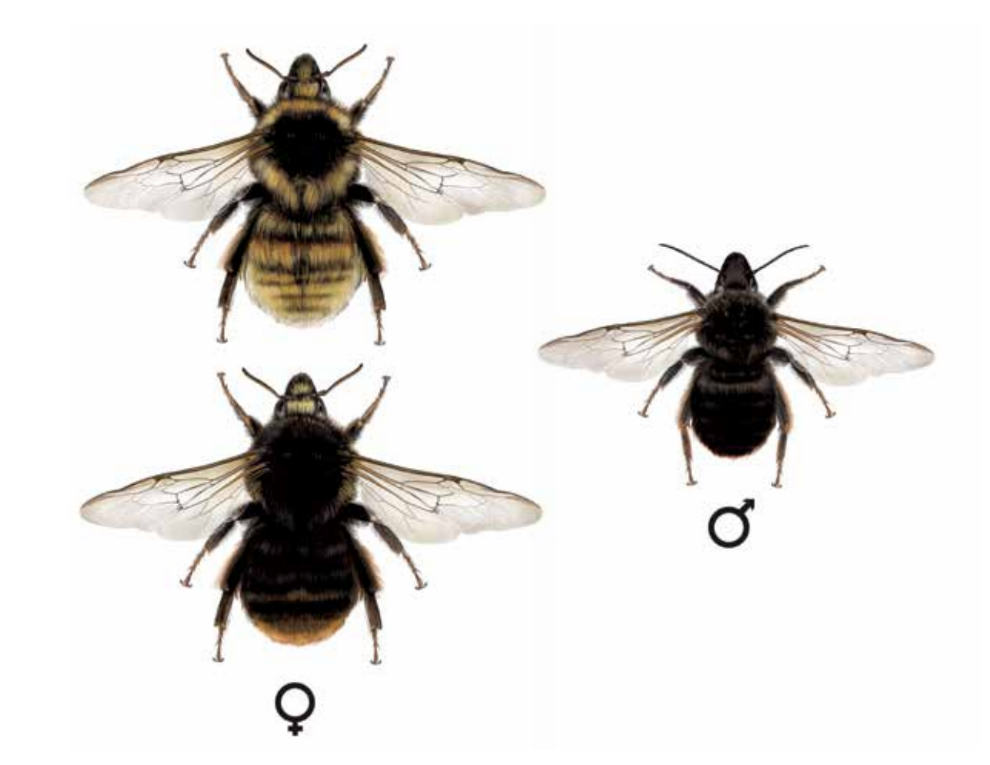
Common bumblebee (Bombus humilis)
Sikora A., Michołap P., Kadej M., Sikora M. Tarnawski D. 2018 "Pszczoły w miście: Trzmiele Wrocławia", Wyd. Stowarzyszenie Natura i Człowiek.
Soroe bumblebee – Bombus soroeensis
near threatened (NT)
widespread in middle and higher altitudes
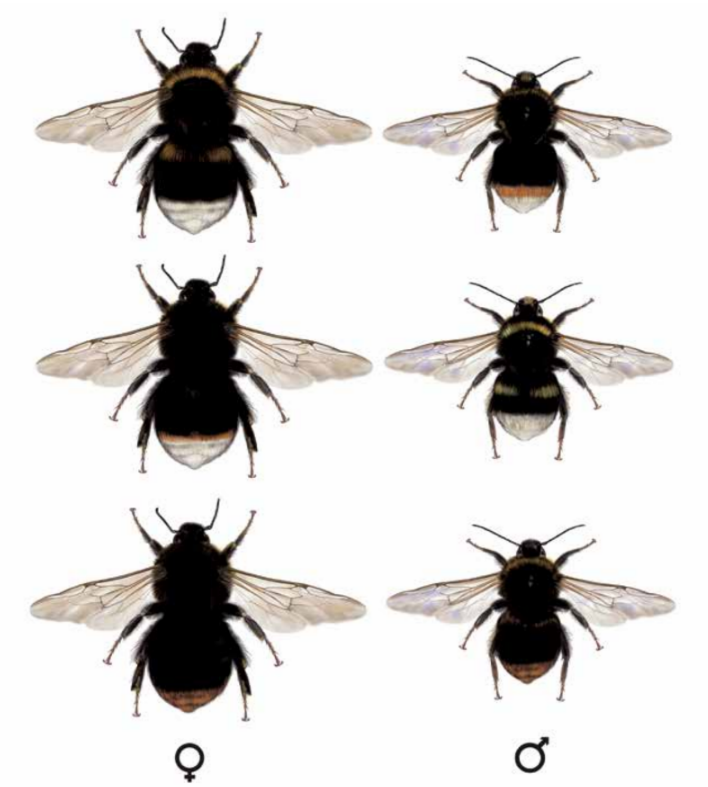
Soroe bumblebee (Bombus soroeensis)
Sikora A., Michołap P., Kadej M., Sikora M. Tarnawski D. 2018 "Pszczoły w miście: Trzmiele Wrocławia", Wyd. Stowarzyszenie Natura i Człowiek.
Hypnotic bumblebee – Bombus hypnorum
abundant
widespread in forests, parks, urban agglomerations
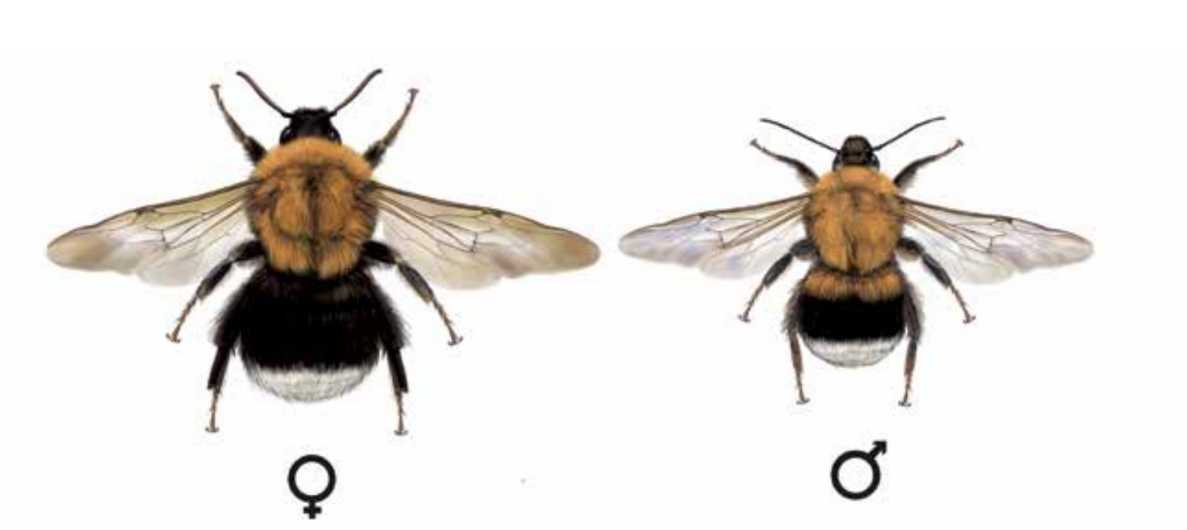
Hypnotic bumblebee (Bombus hypnorum)
Sikora A., Michołap P., Kadej M., Sikora M. Tarnawski D. 2018 "Pszczoły w miście: Trzmiele Wrocławia", Wyd. Stowarzyszenie Natura i Człowiek.
very abundant
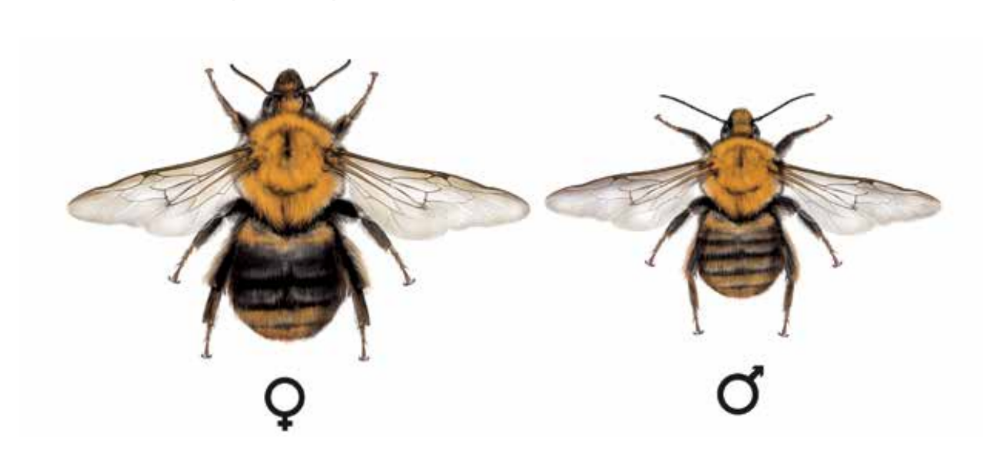
Field bumblebee (Bombus pascuorum)
Sikora A., Michołap P., Kadej M., Sikora M. Tarnawski D. 2018 "Pszczoły w miście: Trzmiele Wrocławia", Wyd. Stowarzyszenie Natura i Człowiek.
Moss bumblebee – Bombus muscorum
critically endangered (CR)
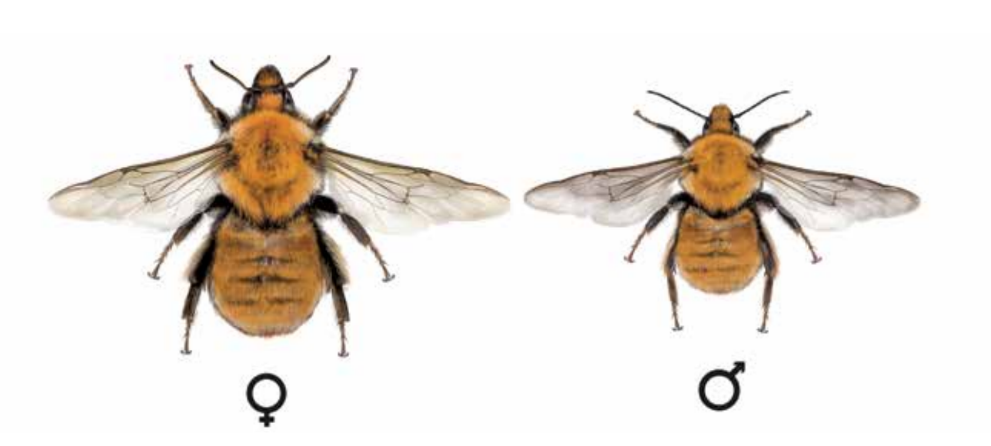
moss bumblebee (Bombus muscorum)
Sikora A., Michołap P., Kadej M., Sikora M. Tarnawski D. 2018 "Pszczoły w miście: Trzmiele Wrocławia", Wyd. Stowarzyszenie Natura i Człowiek.
Steppe bumblebee – Bombus laesus
there is insufficient data (DD)
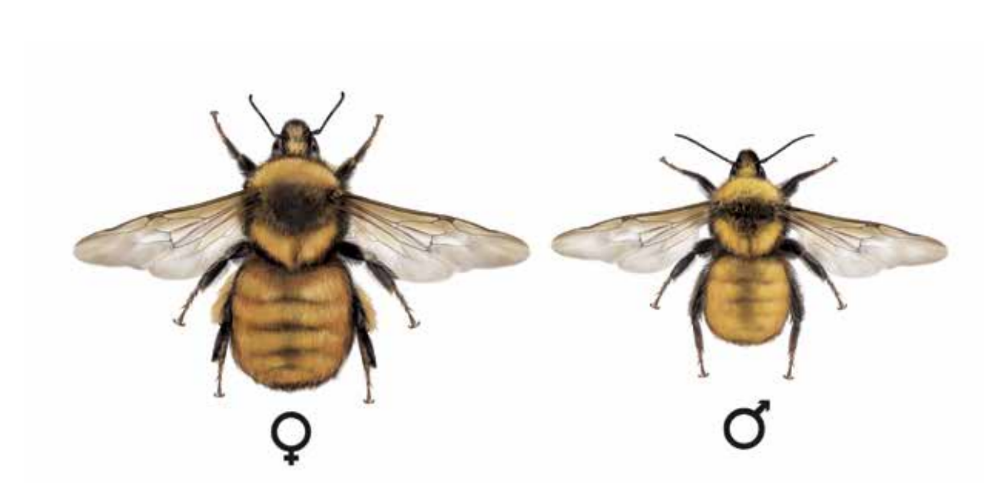
Steppe bumblebee (Bombus laesus)
Sikora A., Michołap P., Kadej M., Sikora M. Tarnawski D. 2018 "Pszczoły w miście: Trzmiele Wrocławia", Wyd. Stowarzyszenie Natura i Człowiek.
Giant bumblebee – Bombus fragrans
regionally extinct (RE)
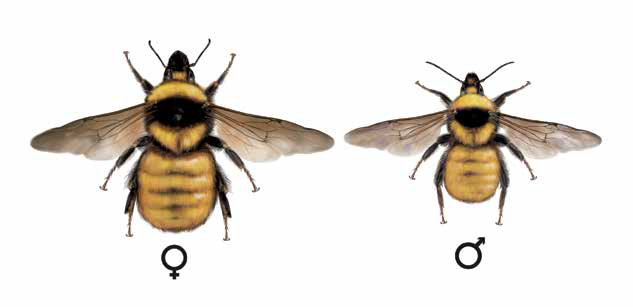
Giant bumblebee (Bbombus fragrans)
Sikora A., Michołap P., Kadej M., Sikora M. Tarnawski D. 2018 "Pszczoły w miście: Trzmiele Wrocławia", Wyd. Stowarzyszenie Natura i Człowiek.
Decorated bumblebee – Bombus distinguendus
endangered (EN)
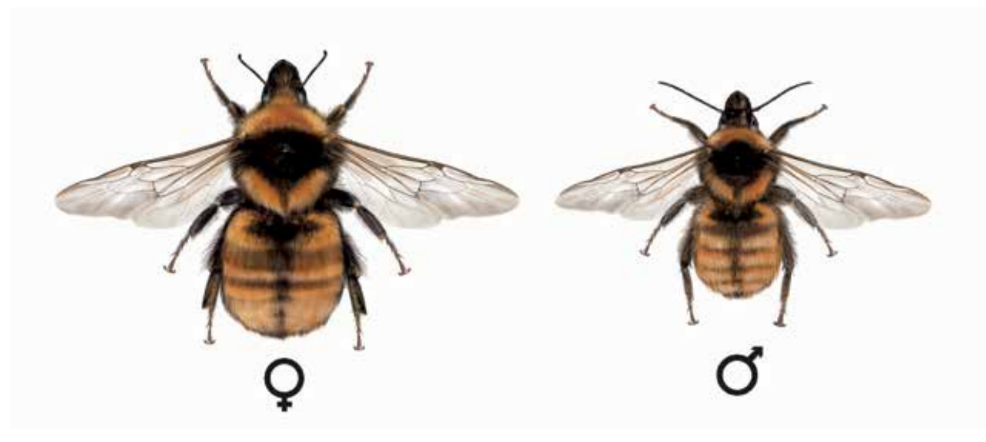
Decorated bumblebee (Bombus distinguendus)
Sikora A., Michołap P., Kadej M., Sikora M. Tarnawski D. 2018 "Pszczoły w miście: Trzmiele Wrocławia", Wyd. Stowarzyszenie Natura i Człowiek.
Wood bumblebee – Bombus sylvarum
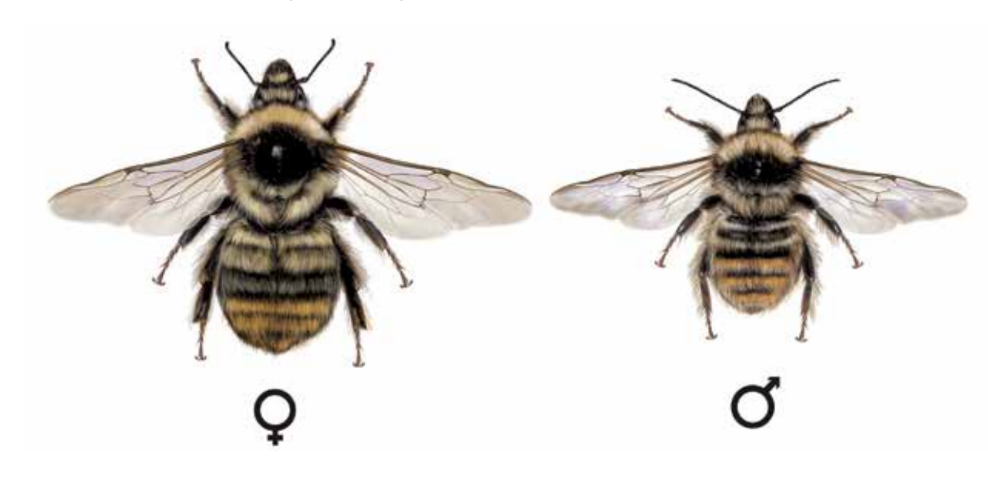
Sand bumblebee (Bombus sylvarum)
Sikora A., Michołap P., Kadej M., Sikora M. Tarnawski D. 2018 "Pszczoły w miście: Trzmiele Wrocławia", Wyd. Stowarzyszenie Natura i Człowiek.
Sand bumblebee – Bombus veteranus
critically endangered (CR)
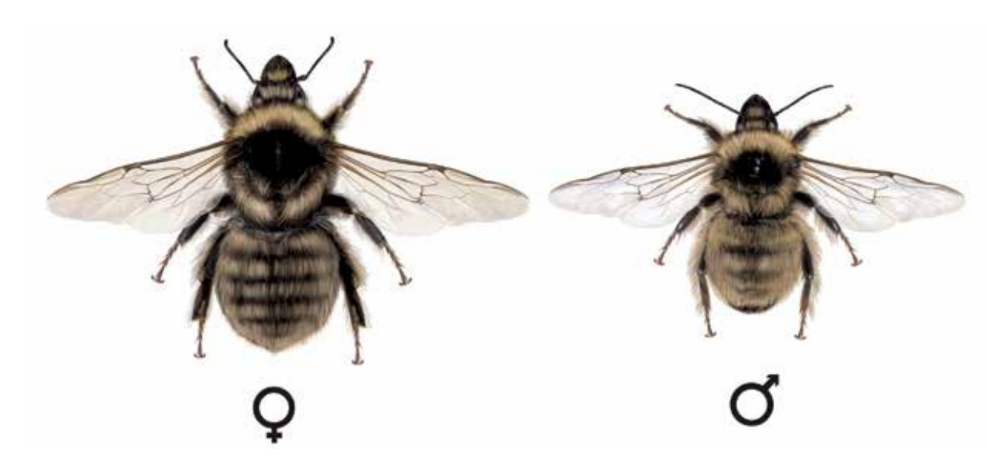
sand bumblebee (Bombus veteranus)
Sikora A., Michołap P., Kadej M., Sikora M. Tarnawski D. 2018 "Pszczoły w miście: Trzmiele Wrocławia", Wyd. Stowarzyszenie Natura i Człowiek.
Bohemian bumblebee – Bombus bohemicus
very abundant
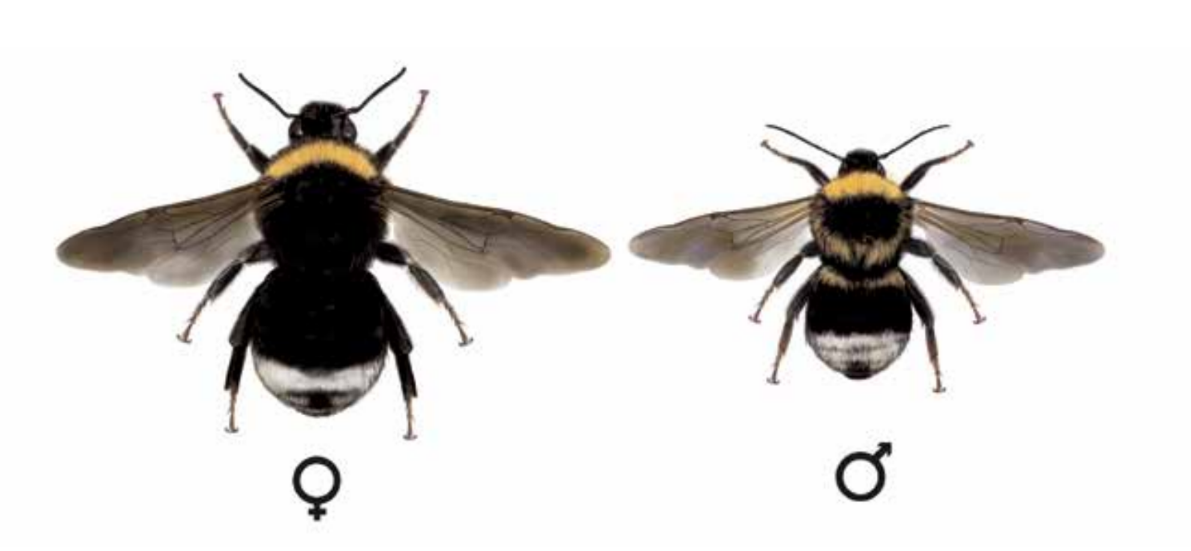
Bohemian bumblebee (Bombus bohemicus)
Sikora A., Michołap P., Kadej M., Sikora M. Tarnawski D. 2018 "Pszczoły w miście: Trzmiele Wrocławia", Wyd. Stowarzyszenie Natura i Człowiek.
Wood bumblebee – Bombus sylvestris
abundant
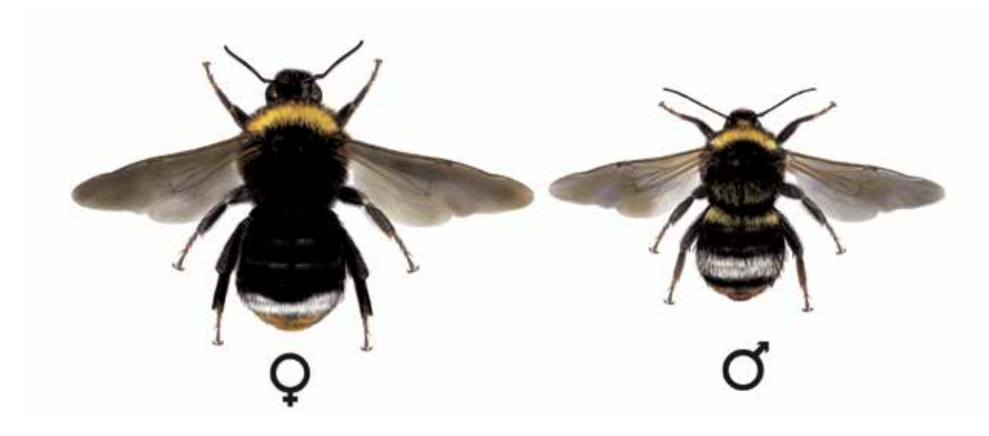
Wood patchouli (Bomnus sylvestris)
Sikora A., Michołap P., Kadej M., Sikora M. Tarnawski D. 2018 "Pszczoły w miście: Trzmiele Wrocławia", Wyd. Stowarzyszenie Natura i Człowiek.
Vestal bumblebee – Bombus vestalis
very abundant
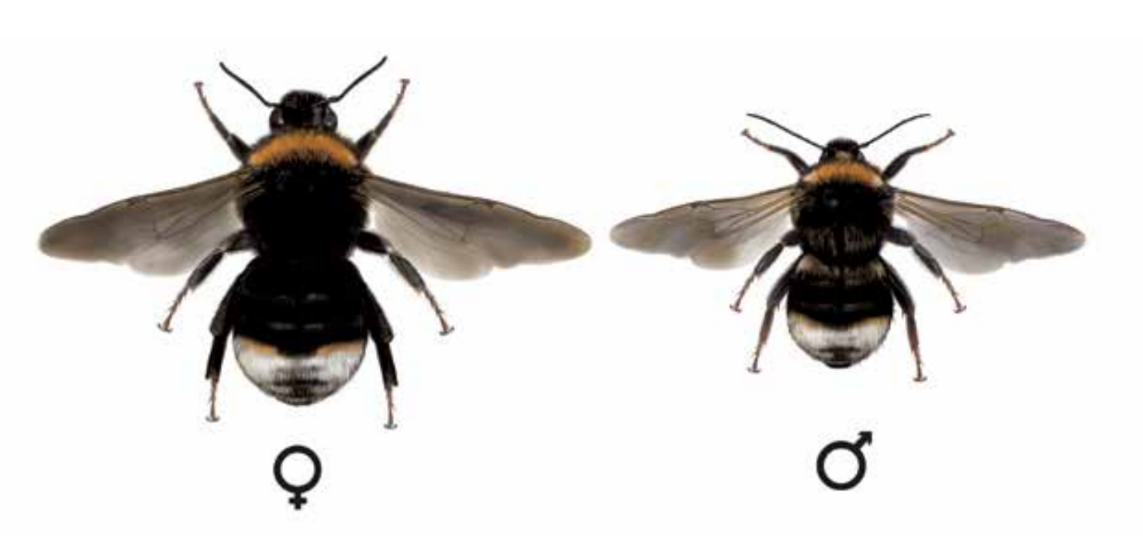
Vestal bumblebee (Bombus vestalis)
Sikora A., Michołap P., Kadej M., Sikora M. Tarnawski D. 2018 "Pszczoły w miście: Trzmiele Wrocławia", Wyd. Stowarzyszenie Natura i Człowiek.
Hairy bumblebee – Bombus barbutellus
near threatened (NT)
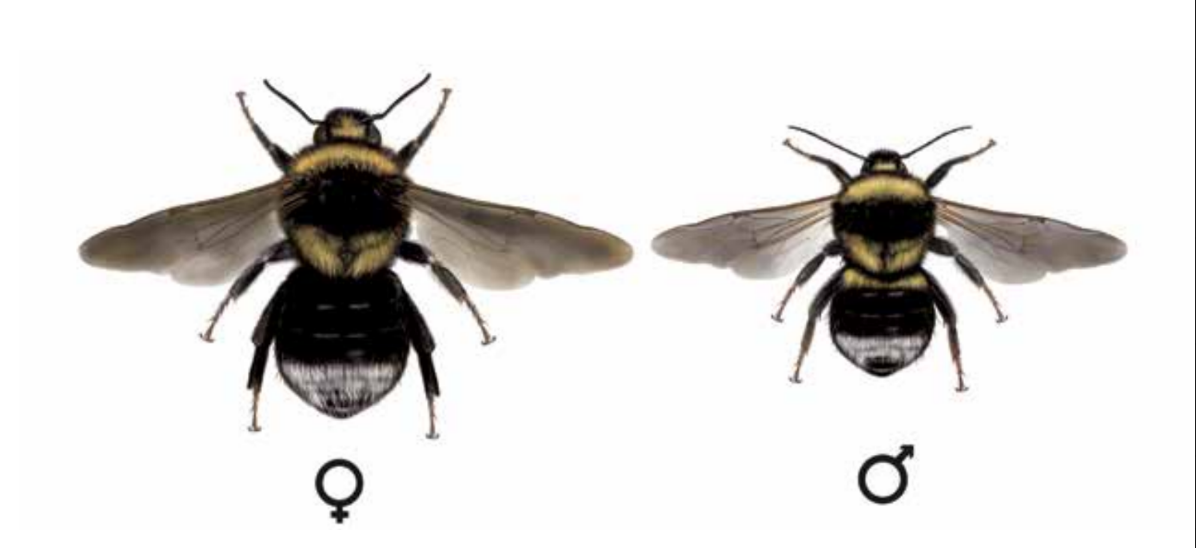
Hairy bumblebee (Bombus barbutellus)
Sikora A., Michołap P., Kadej M., Sikora M. Tarnawski D. 2018 "Pszczoły w miście: Trzmiele Wrocławia", Wyd. Stowarzyszenie Natura i Człowiek.
Norwegian bumblebee – Bombus norvegicus
vulnerable (VU)
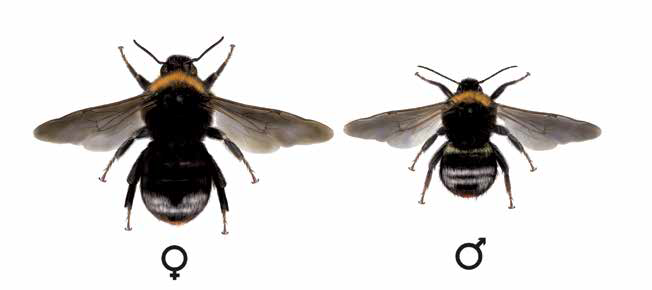
Norwegian patchouli (Bomnus norvegicus)
Sikora A., Michołap P., Kadej M., Sikora M. Tarnawski D. 2018 "Pszczoły w mięści: Trzmiele Wrocławia", Wyd. Stowarzyszenie Natura i Człowiek.
Bombus rupestris - Bombus rupestris
very abundant
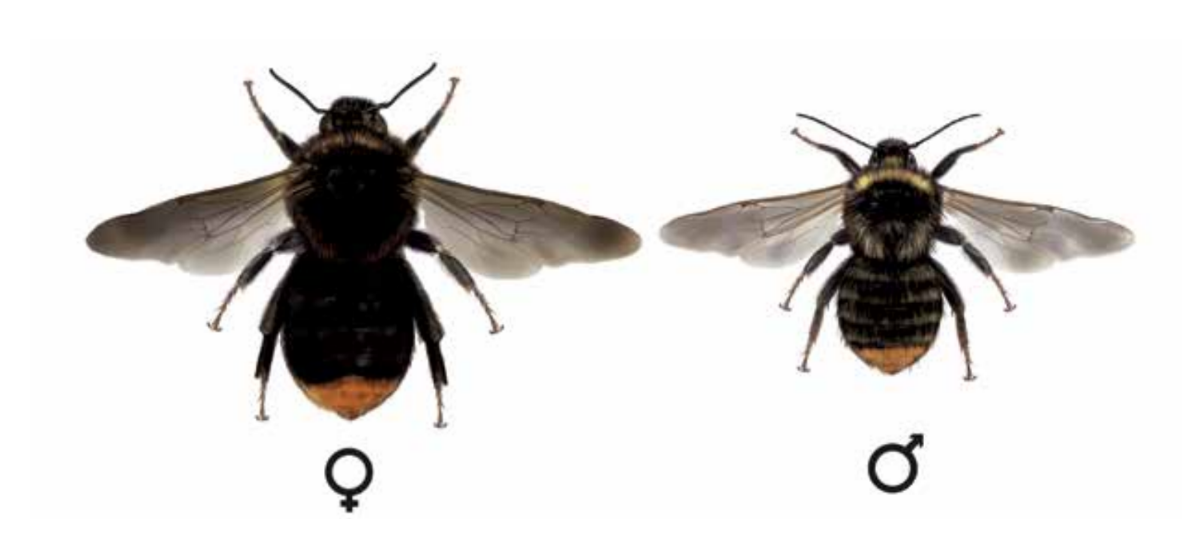
Bombus rupestris (Bombus rupestris)
Sikora A., Michołap P., Kadej M., Sikora M. Tarnawski D. 2018 "Pszczoły w miście: Trzmiele Wrocławia", Wyd. Stowarzyszenie Natura i Człowiek.
Bombus quadricolor
regionally extinct (RE)
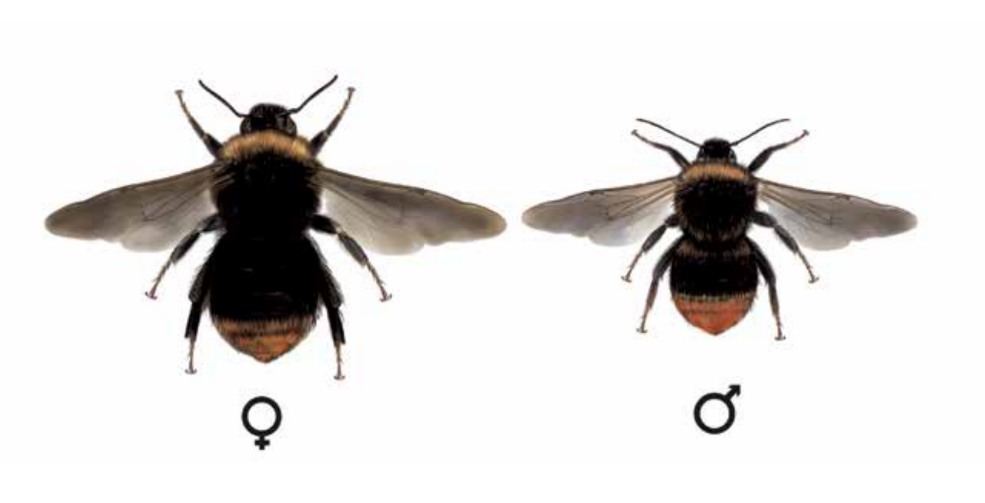
Sikora A., Michołap P., Kadej M., Sikora M. Tarnawski D. 2018 "Pszczoły w miście: Trzmiele Wrocławia", Wyd. Stowarzyszenie Natura i Człowiek.
Psythirus campestris
abundant
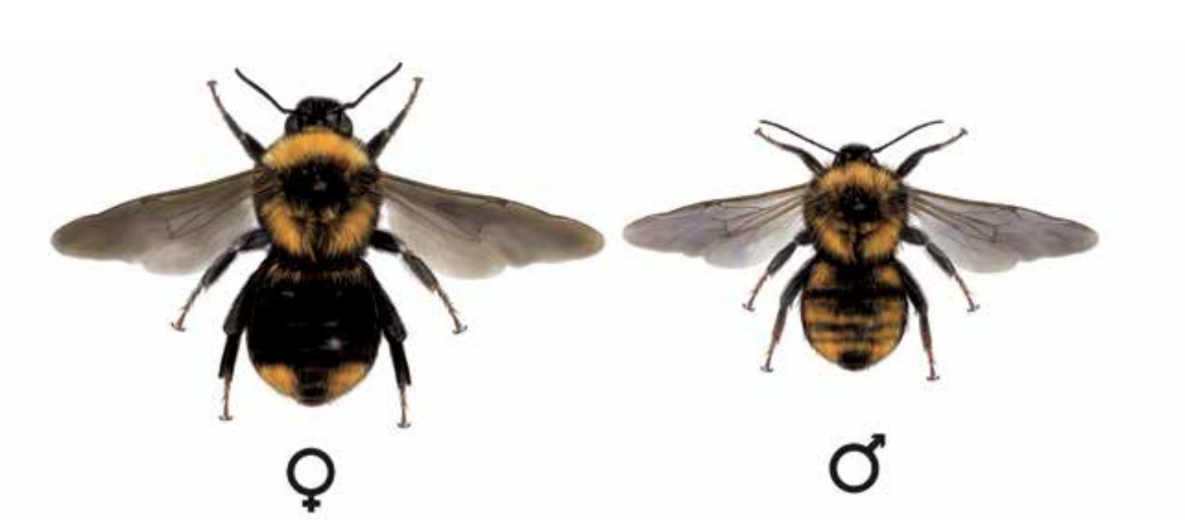
Field bumblebee (Bombus campestris)
Sikora A., Michołap P., Kadej M., Sikora M. Tarnawski D. 2018 "Pszczoły w miście: Trzmiele Wrocławia", Wyd. Stowarzyszenie Natura i Człowiek.