

Equipment for safe hive inspection

A few handy tips that will make the job much easier.

What will you learn here? 

  • For working with and breeding bumblebees, you need to equip yourself with tools, much like beekeepers do.
  • If you get the equipment we recommend, you'll make your work with bumblebees easier, and most importantly – you won't be afraid of it.
  • It's easy, safe and with minimal cost.

Last updated: 17/04/2026

Protective equipment

We recommend protective equipment for anyone allergic to bee venom..
Don't forget that Bumblebees have stingers with one exception – the males (drones).
You will use protective equipment when you want to work or observe bumblebees up close in peace. 
Bumblebees PLUS - Protective Equipment

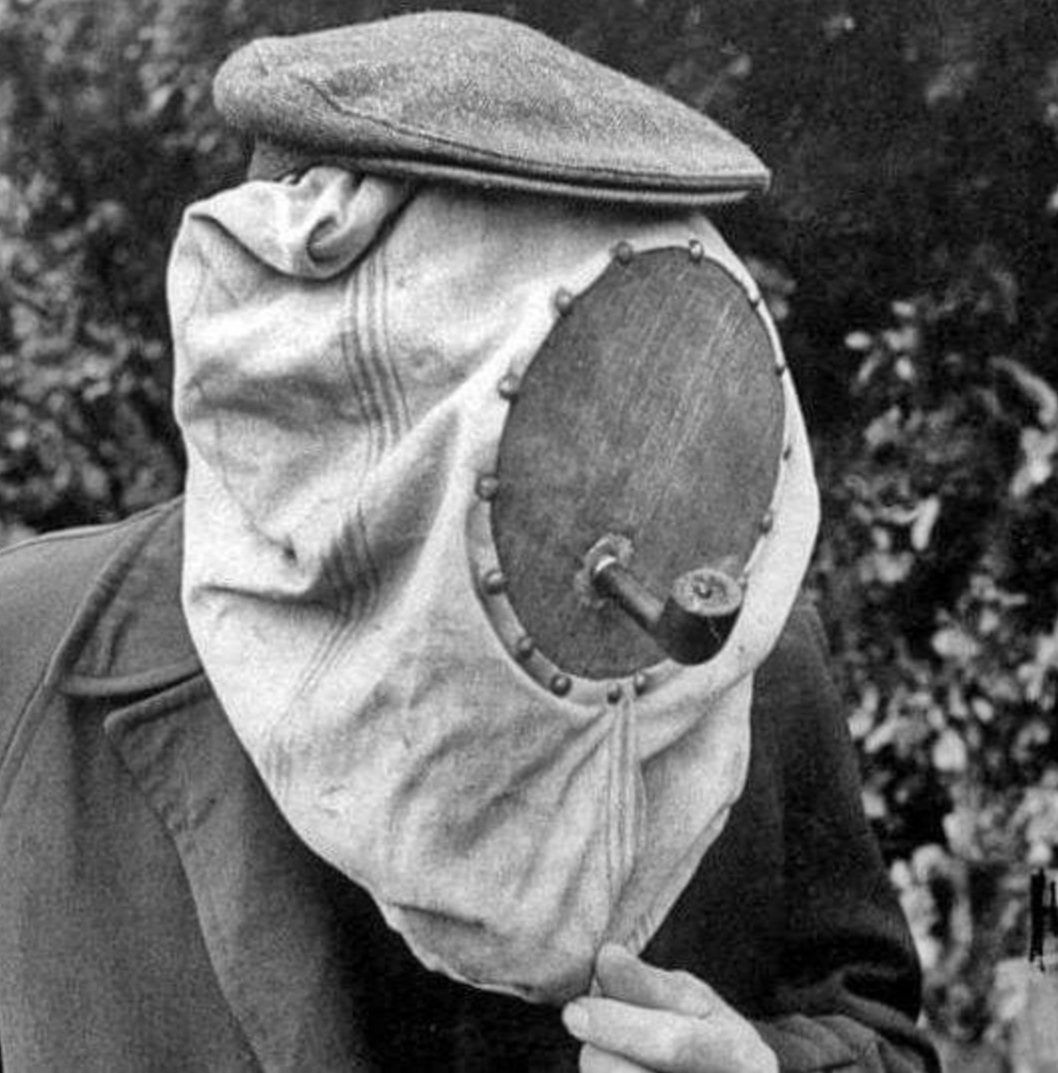
J. Cimrman in one of the few surviving photographs of the master
is demonstrating his invention – a balaclava for bumblebee keepers (bee farmers) who are heavy smokers.
Internet source


Do we need to be afraid of bumblebees?

If you are not allergic, Don't be afraid of bumblebees, but do respect them. 

Bumblebees are always busy, and in most cases, you won't have an accident unless they feel threatened.

Over time, you'll learn to recognise when they're fine and when it's better to leave them alone. 

When will bumblebees defend their nest?

It depends primarily on stage of nest development and on that, How do you behave towards them?.

If there is only the queen mother in the nest, she will not attack you on her own. However, we do not recommend looking into the nest at that time.

The nest is nervous especially at a time when New mothers are appearing and also when the nest is in competitive phase. At this time, individual worker bees may attack intruders. Likewise, the nest is agitated before a storm. 

If the nest feels threatened With your intervention/observation, or an attack by other bumblebees/bees, it will become nervous. In that case, some worker bees may attack you if you are nearby.

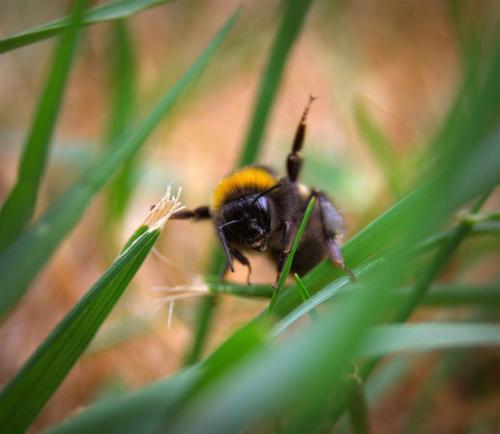
Protective equipment they are important if they nest in your attic Willow bees (Bombus hypnorum).
They are very territorial and guard their nest within a radius of several metres. Individual worker ants may „approach“ you without any provocation and can fly after you for a considerable time.
Those breeders who have „willows“ in their stables know what that's about - don't they? ;-)

On the other hand, lovely bumblebees (Bombus pascuorum) will tolerate practically anything.
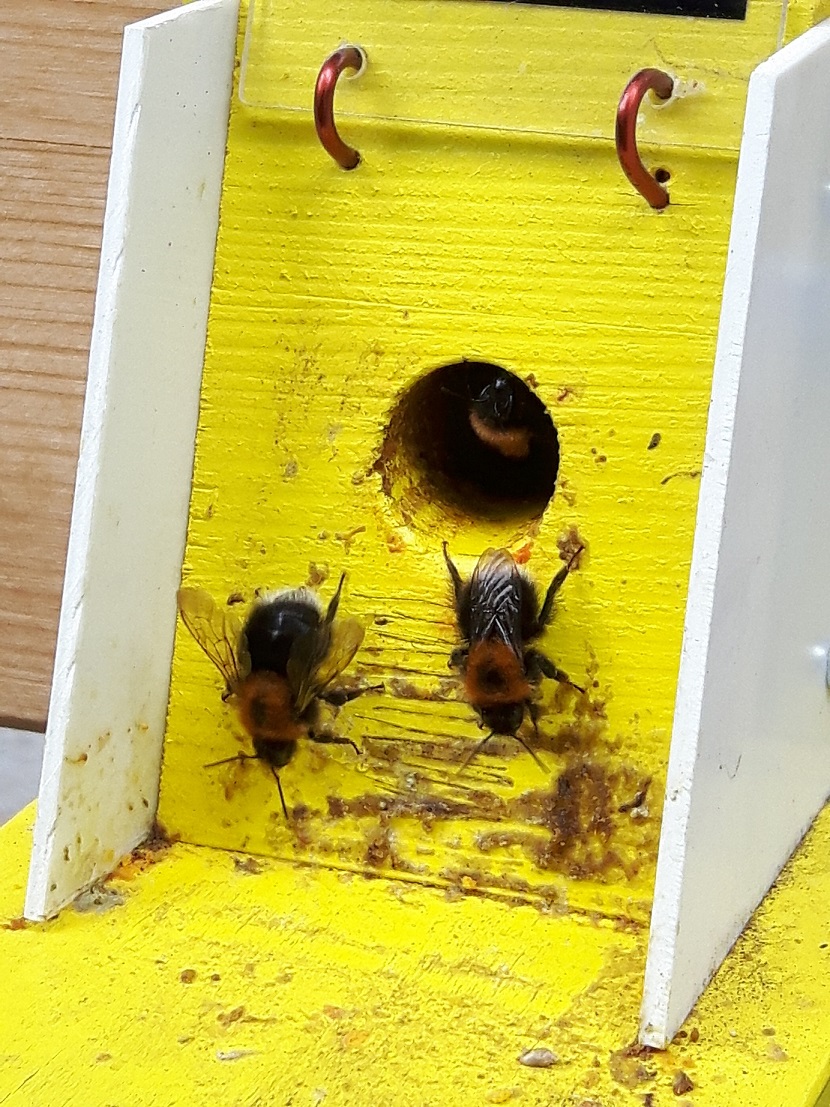
Bumblebees PLUS - Tree Bumblebees (Bombus hypnorum)

Tree bumblebees (Bombus hypnorum)
Photo O. Hercog
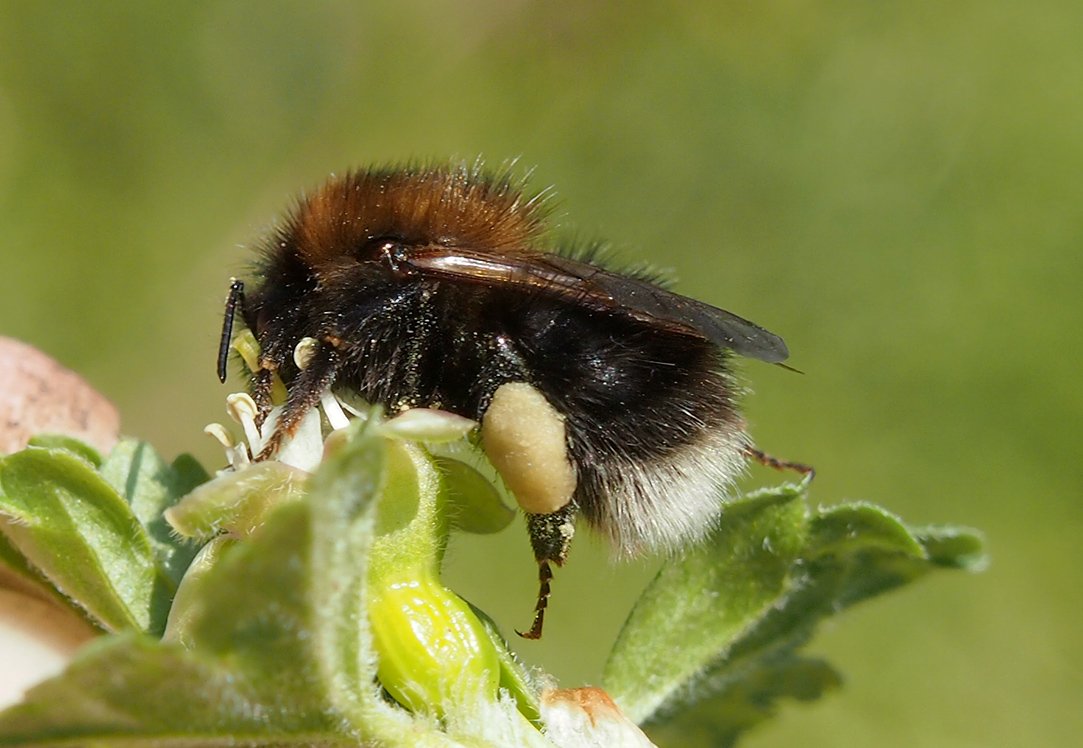
 

Bumblebees PLUS - Tree Bumblebee (Bombus hypnorum)

Tree bumblebee
Photo H. Kříženecká

.

If bumblebees really want to attack you, they will try to sting you on the eyebrows, nose, ears, or neck.
Instinctively feel where their attacks are most effective. They recognise eyes and orient themselves on the face and head accordingly, similar to wasps and bees. Attacks on hands are less common, and they attack the legs and torso minimally.

If a bumblebee has time, it will follow you to warn of an attack – gradually lift pairs of legs, then move to a position on your back, and then to the sting….

We will also write about the warning and the bumblebee's sting, and we shall dedicate a section to Mr. Doctor. 

Bumblebees PLUS - Bumblebee in a threatening posture

Bumblebee in a threatening pose
Photo Nik Sargnet
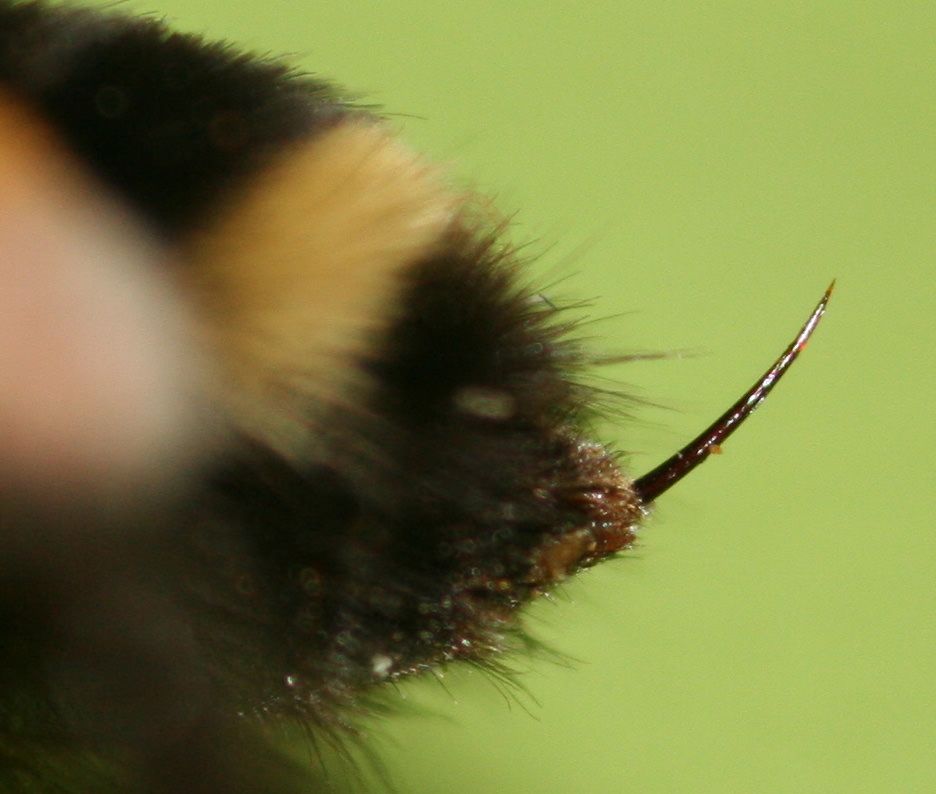
Bumblebees PLUS - Bumblebee Sting

Bumblebee stinger
Photo of Dan Greenwood
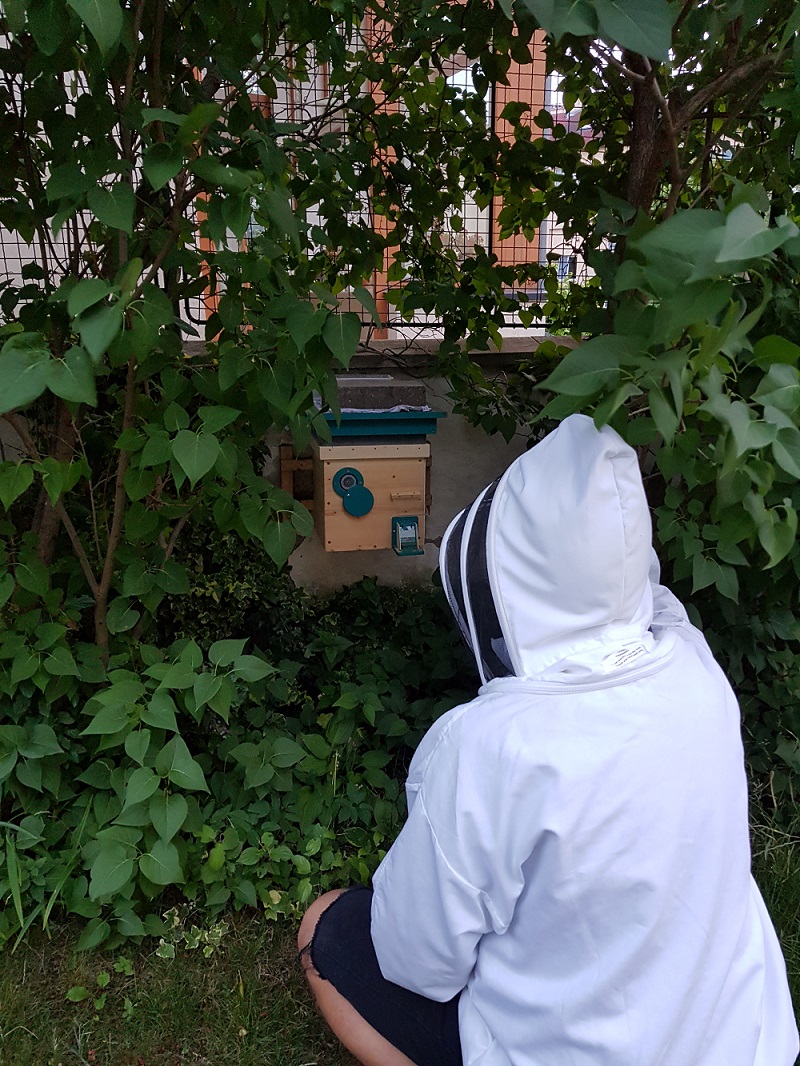
 

Should we be afraid then?

We don't want to scare you, because Bumblebees are by and large peaceful.. However, if you are beginner breeders or want to observe them up close, it is better to preventively protect. You will no longer be afraid of bumblebees, you will be able to sit with them without risk, and if you need to open the hive (see bumblebee care), you will do so without worry and look after your darlings.

If you ensure your A balaclava for small children, nor will you have to worry about them. Thanks to this, everyone will enjoy observing the lives of bumblebees to the fullest.

Bumblebees PLUS - Placement of the nest box under shrubs - Heath bumblebee

Tree bumblebee (Bombus hypnoprum) observed by an experienced bumblebee keeper
Photo O. Hercog
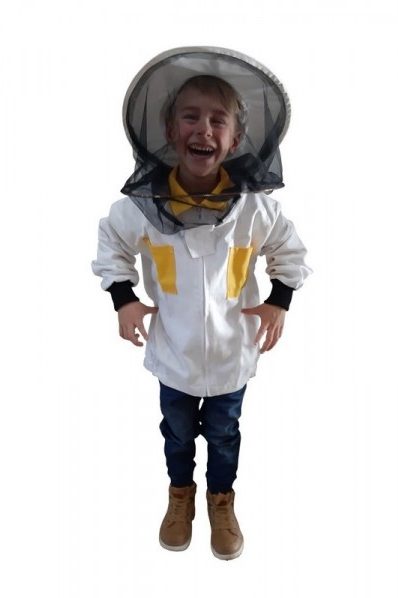
Bumblebee PLUS - Small Bumblebee Keeper's Protective Suit

Bumblebee keeper's/observer's protective suit
Internet Photo
What supplies should I get?

You will get protective equipment in shops selling beekeeping supplies. Give it a try Your comfort is what matters. 


Highly recommended:

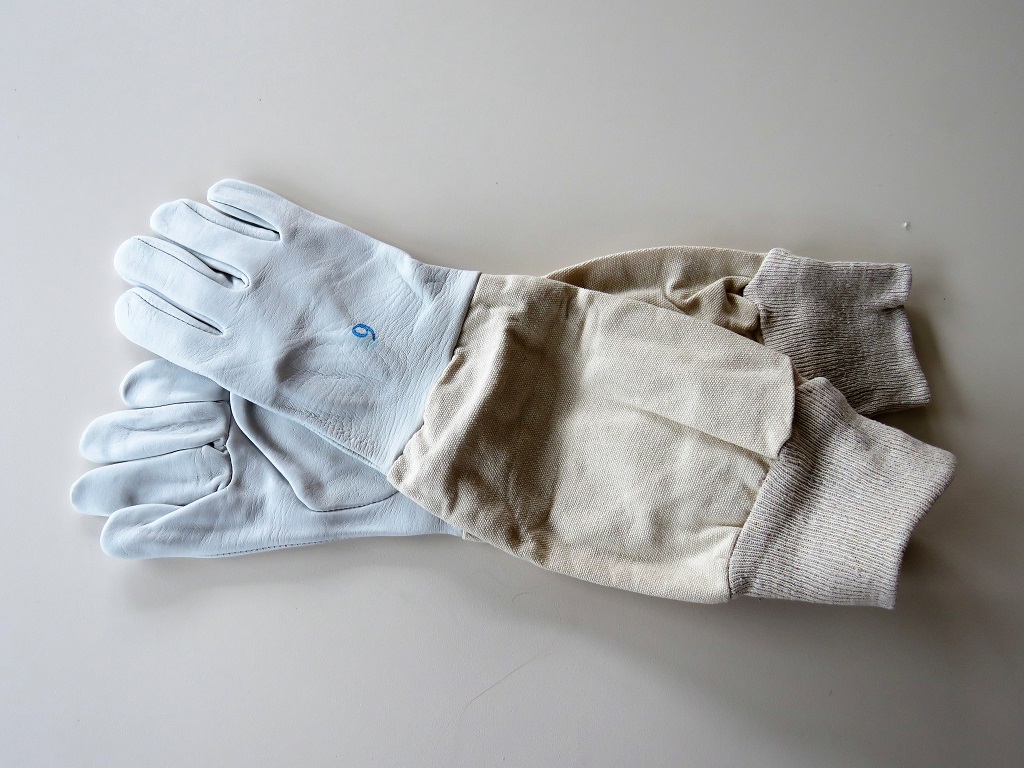
Beekeeping gloves made of fine leather with long cuffs. Fabric gloves or gloves made of thick leather are unsuitable.

2. Beekeeper's hat/veil. The curtain netting alone is not sufficient; the netting must not press against the skin of the face/head. 


We recommend:

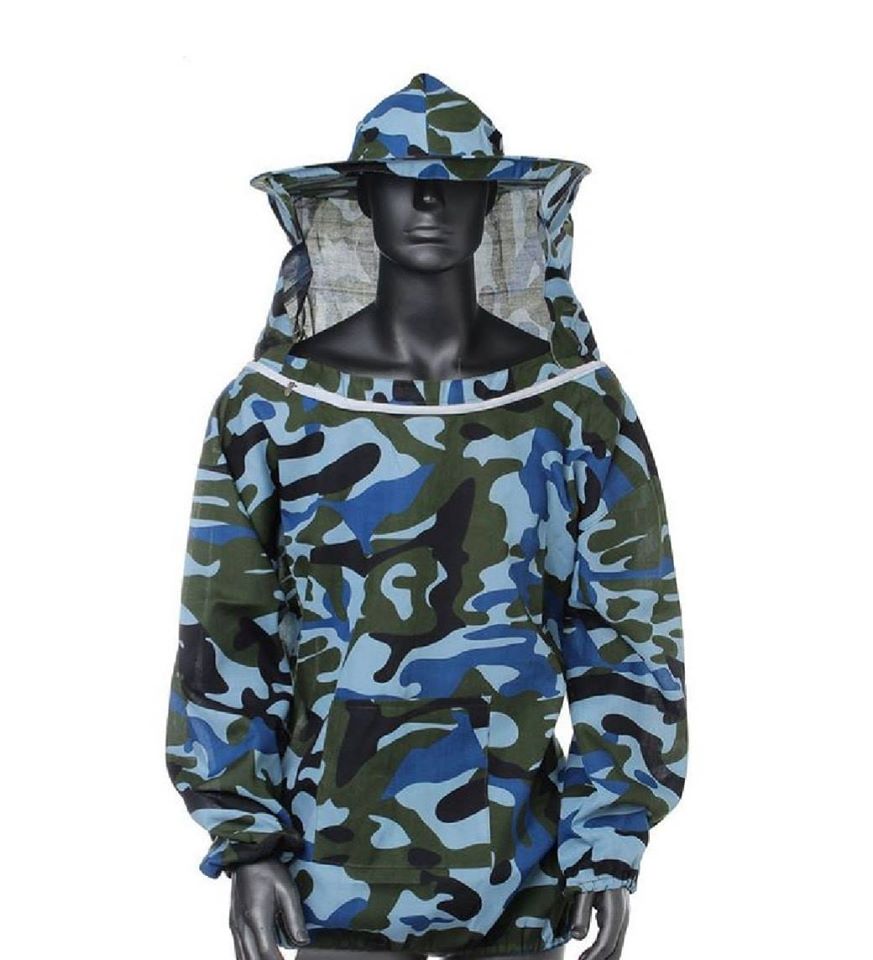
3. Beekeeping jacket (jacket-hood-sleeves), alternatively a thick flannel shirt

4. Long thicker trousers (jeans)

If we want to have luxury:

5. Beekeeper's suit


Recommendation, which you might laugh at (but only until you get your own experience)

  • Once you have your protective equipment, put it on properly and ensure it seals well. 
  • Your family or neighbours will have a really good laugh if you have a bumblebee trapped in a balaclava and are „dashing about“ the garden with it. Are you laughing? Well, we'll see – „those in the know already know“. ;-)
  • If you use a thick flannel shirt, remember to fasten the collar and sleeves.
Bumblebee PLUS - Beekeeper's Gloves

Bumblebee keeper's protective gloves
Internet Photo
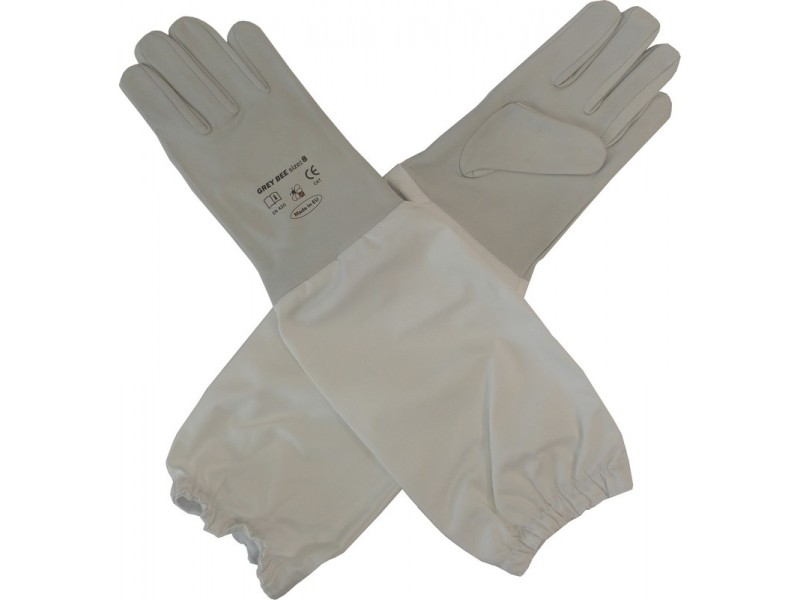
 

Bumblebee PLUS - Beekeeper's Gloves

Bumblebee keeper's protective gloves
Internet Photo
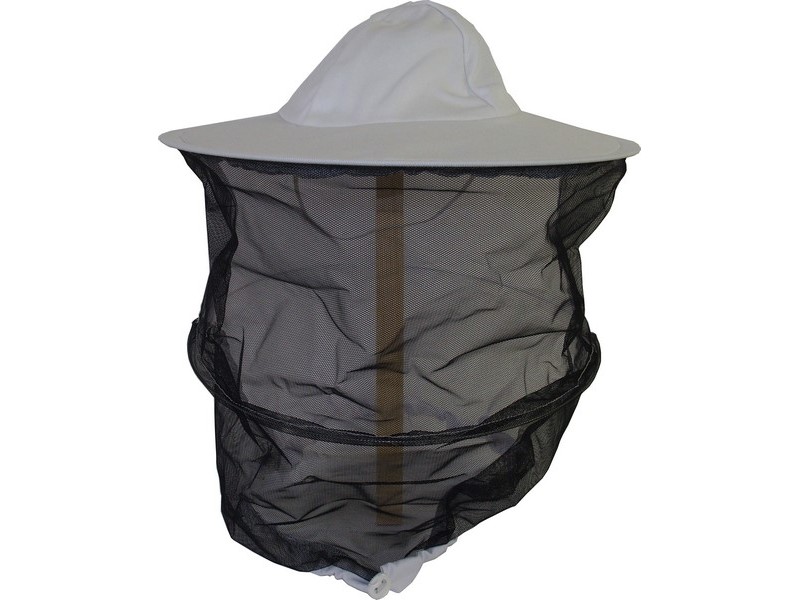
Bumblebee PLUS - Beekeeper's Protective Hat

Bumblebee keeper's protective hat
Internet Photo

.
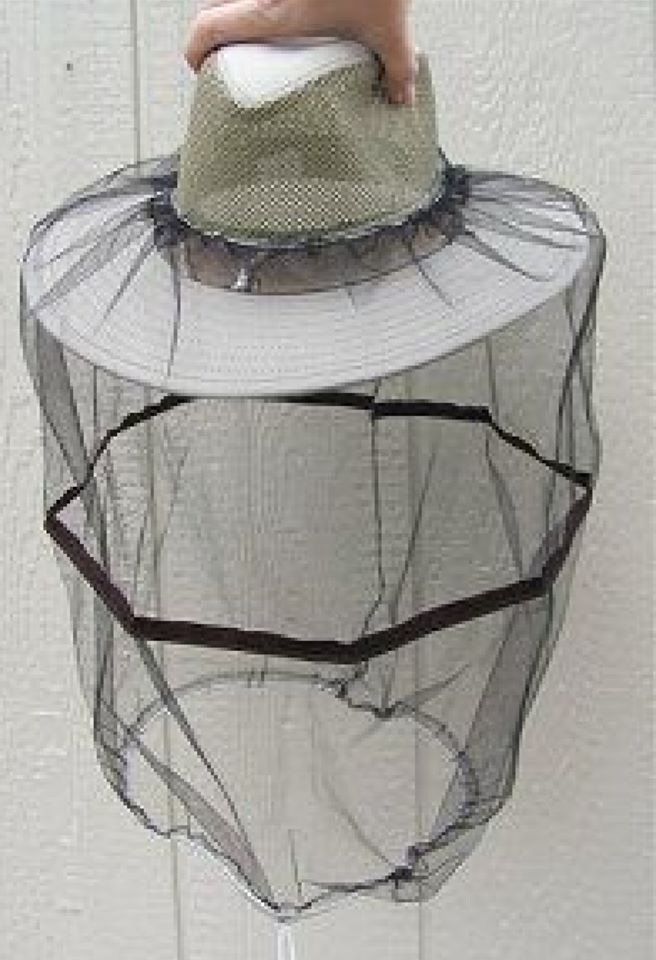
Bumblebees PLUS - Bumblebee Breeder's Protective Hat

Bumblebee keeper's protective hat
Internet Photo
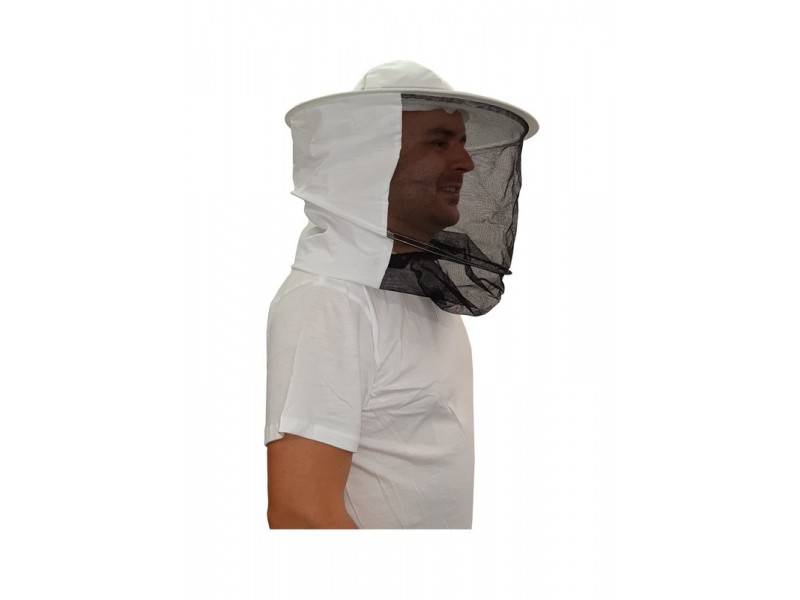
 

Bumblebee PLUS - Beekeeper's Protective Hat

Bumblebee keeper's protective hat
Internet Photo
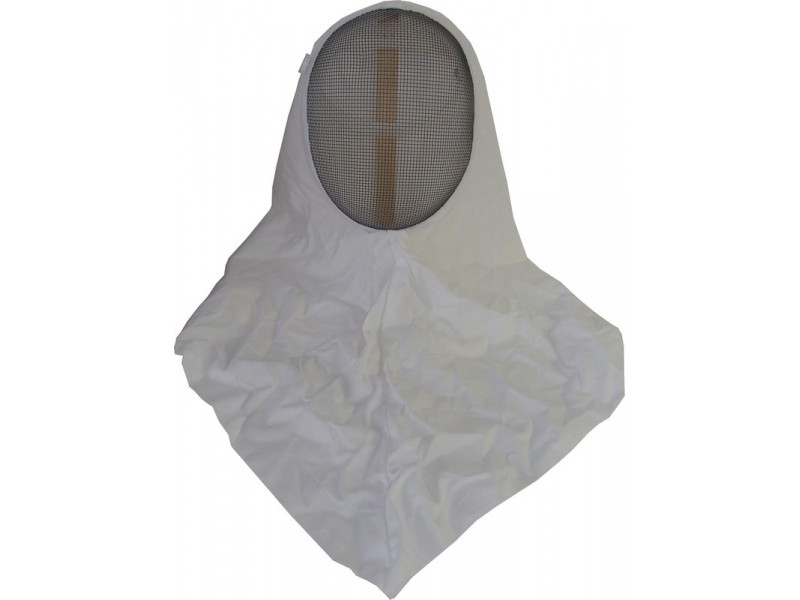
Bumblebees PLUS - Bee Breeder's Protective Cocoon

Bumblebee keeper's protective hood
Internet Photo
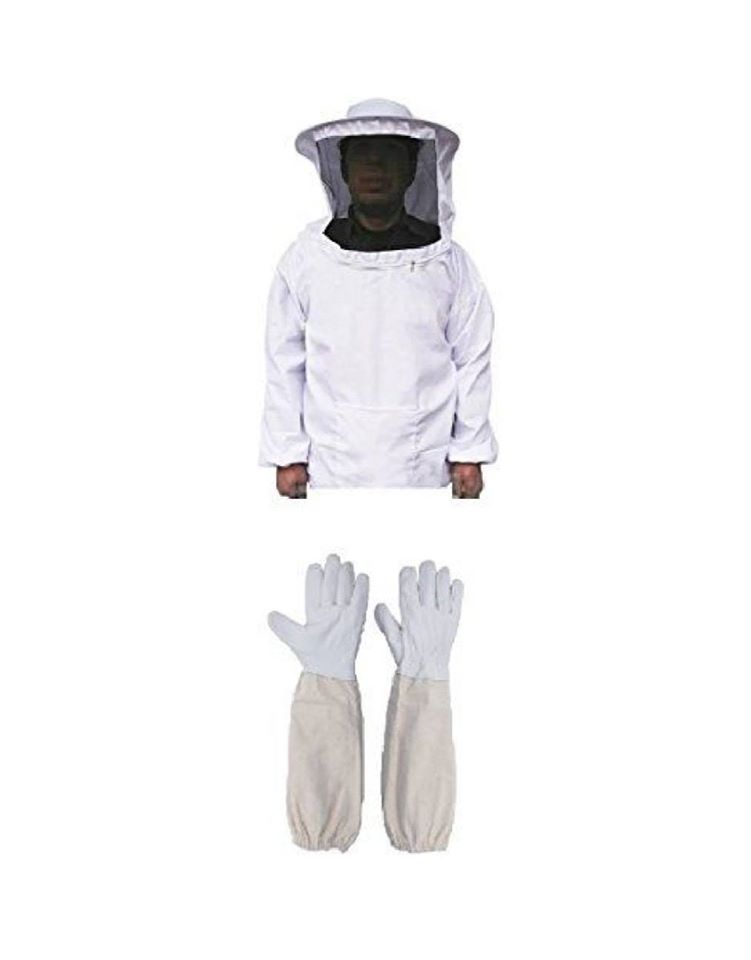
 

Bumblebees PLUS - Bumblebee Breeder's Protective Jacket

Beekeeper's jacket
Internet Photo


Bumblebees PLUS - Beekeeping Protective Suit

Protective suit of a „stylish“ bumblebee breeder 🙂
Internet Photo

.
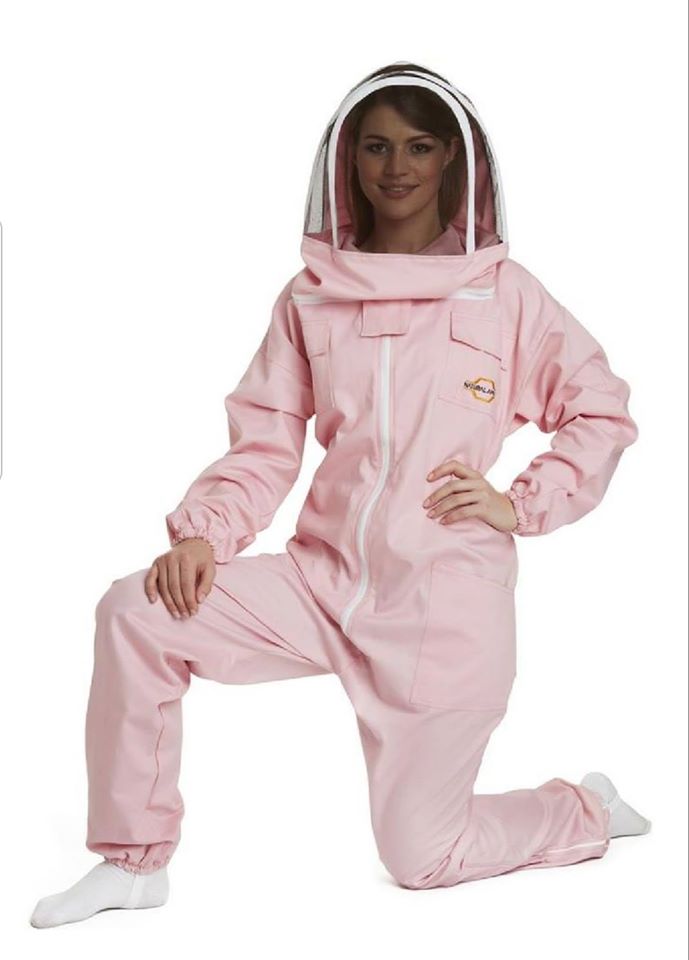
Bumblebees PLUS - Beekeeping Protective Suit

„Styled“ bumblebee keeper's protective suit 🙂
Internet Photo

 

meláci PLUS - Bee Keeper's Protective Suit

Protective suit
Bumblebee breeder 🙂
Internet Photo
When observing tree bumblebees, it pays to use a beekeeper's veil.….
We recommend relocating the bumblebee nest of this species to a place where it won't bother you and everything will be fine.
Other species of bumblebees are much more tolerant 

Respirator

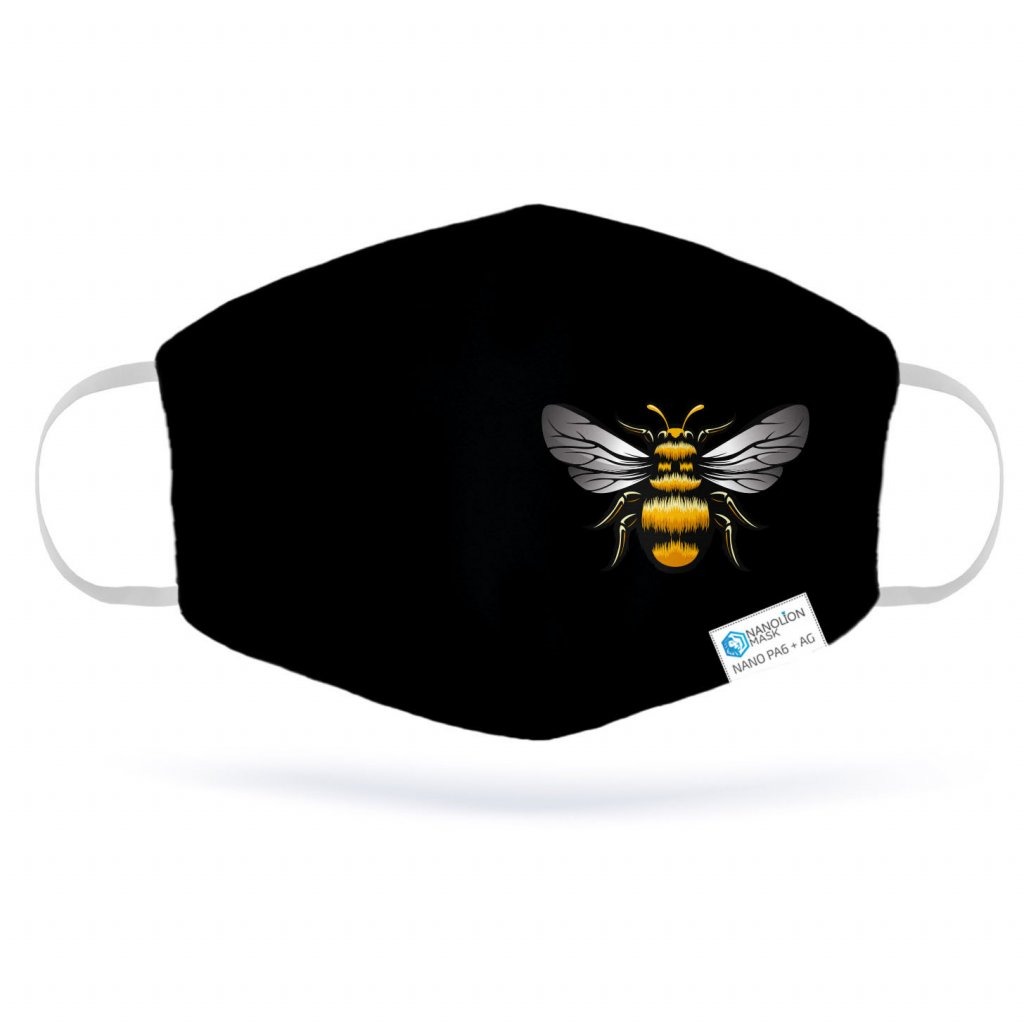
Even though we're sick to death of respirators and don't want to see them, we still recommend them.

HmmBees react to human breath (mammalian breath) and see it as a signal to defend their nest. 

If you are carrying out inspections, or interfering with nests, it better to suppress breath, for example with a respirator. It's possible without it, but try it yourself and You'll see the difference.

How does it look?, when you blow directly into the nest, The following video shows this. Don't worry, bumblebees don't normally react like this; it was just a demonstration.


Bumblebees PLUS - Respirator

Respirator
Photo: Manufacturer

Bumblebees PLUS - Respirator

Respirator
Photo: Manufacturer

Tweezers

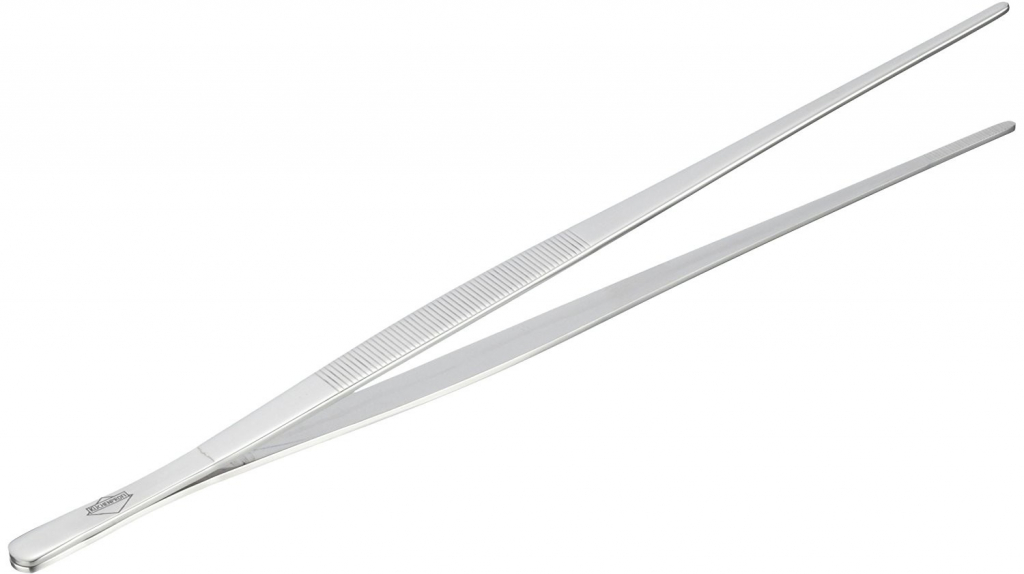
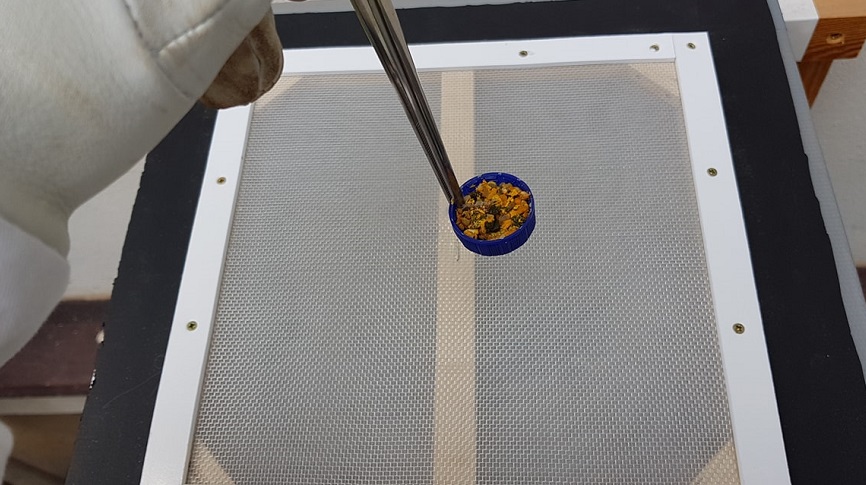
For working with bumblebees, you will need at least one long pair of tweezers (approx. 30cm), or alternatively another shorter pair. 

Thanks to the long tweezers, you can reach the bottom of the nest and don't have to work there with your hand.
Thanks to the small tweezers, you can work easily and delicately, which is sometimes not very possible with long tweezers.

What do you need tweezers for?

A long pair of tweezers is useful, for example, when you need to pick a parasite larva from the bottom of a hive, or when you want to insert a PET bottle cap with collected pollen into the nest.

Thanks to a small pair of tweezers, you can then work on the surface of the nest, for example, when cleaning the wax structure (nest building).

With a bit of practice Can you safely catch a bumblebee with tweezers in the lining, or in the nest. If you look at the work of experts in Troubsko, you can see how they can safely collect entire bumblebee nests with long tweezers. But for you for catching bumblebees in the nest and for the lining we recommend using the so-called. Gimmick. This is much safer for you and for the bumblebees.

Where can I get tweezers?

You can find suitable tweezers in shops selling kitchenware and similar items.

They have proven their worth BBQ tongs from producers Orion and Tescoma – they are long and good quality. However, you will find more on the internet – choose for yourself. 

Which tweezers to choose?

Acquire stainless steel fine-tipped tweezers with a straight/curved end. Pointed tweezers are better than wide ones.

The tweezers should be very soft, because if you want to pick up a bumblebee with them, you need to have a good sense of touch. 

When you're choosing tweezers in the shop, try them out and choose the softest oneí.

Which tweezers are not suitable?

Wide-tipped tweezers definitely won’t do the job, as you won’t be able to grip a small object with them.

Even wooden tweezers (tongs) for pickles don't fit.

Recommendation

  • Practise using tweezers in beekeeping gloves before placing the hive in position – this will give you the necessary practice and peace of mind.
  • You need to be careful not to drop the tweezers into the nest whilst working. The wax structure of the nest is fragile and the tweezers would damage it.
  • Exercise is necessary – you know what that famous bumblebee breeder Alexander Vasilyevich Suvorov used to say: „It's tough at training, it's easy in battle...“ 🙂
Bumblebee PLUS - Long bumblebee breeder tweezers

Long tweezers for bumblebee keepers
Internet Photo
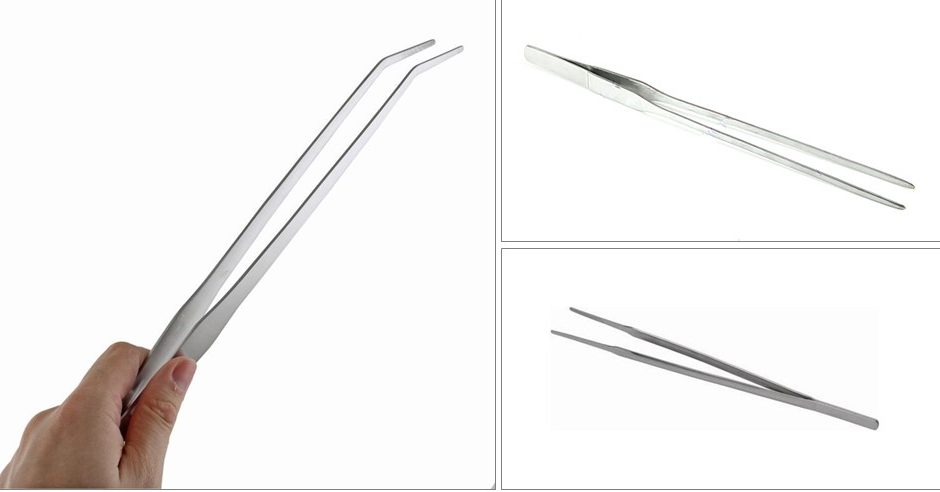
Bumblebee PLUS - Long bumblebee breeder tweezers

Long tweezers for bumblebee keepers
Internet Photo
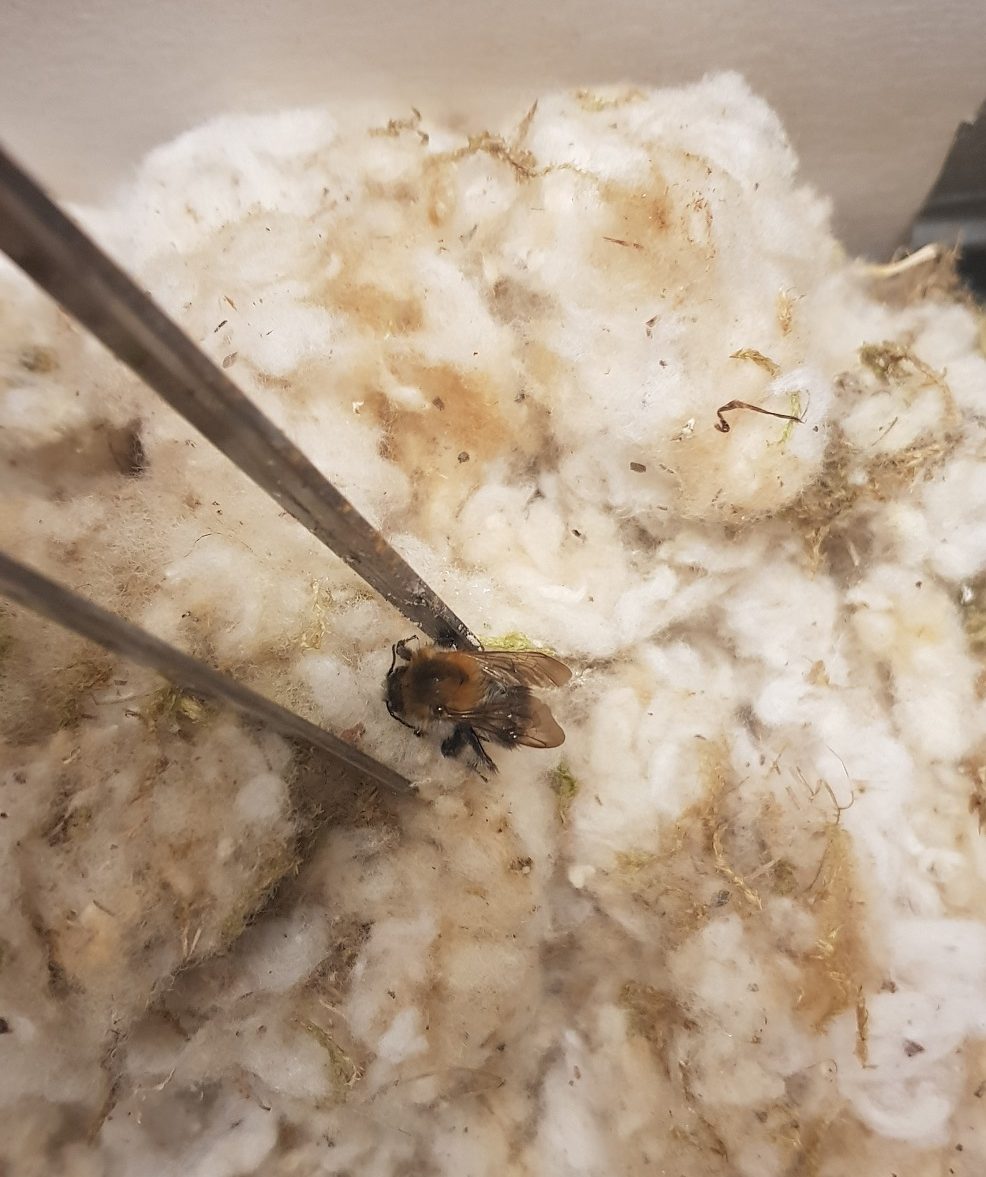
Bumblebees PLUS - Tweezers - careful gripping of a worker (field bumblebee)

Tweezers – carefully grasp a worker (bombus pascuorum)
Photo O. Hercog

Bumblebees PLUS - Tweezers - pollen storage in the nest

Tweezers – storing pollen in the nest
Photo O. Hercog
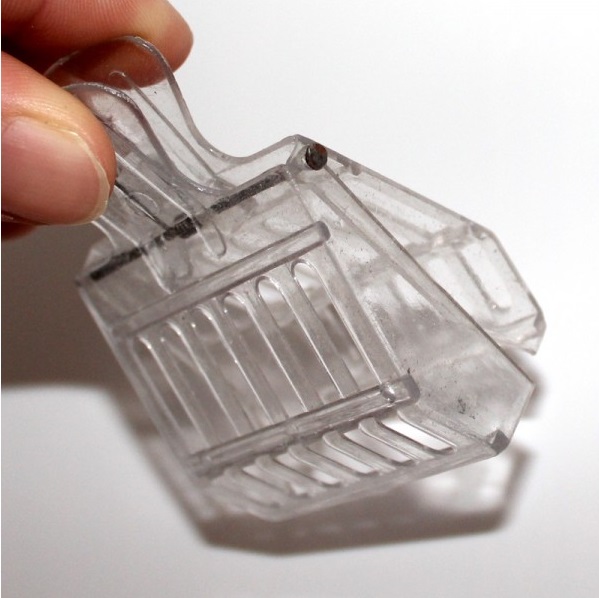
Beekeeping catchphrase

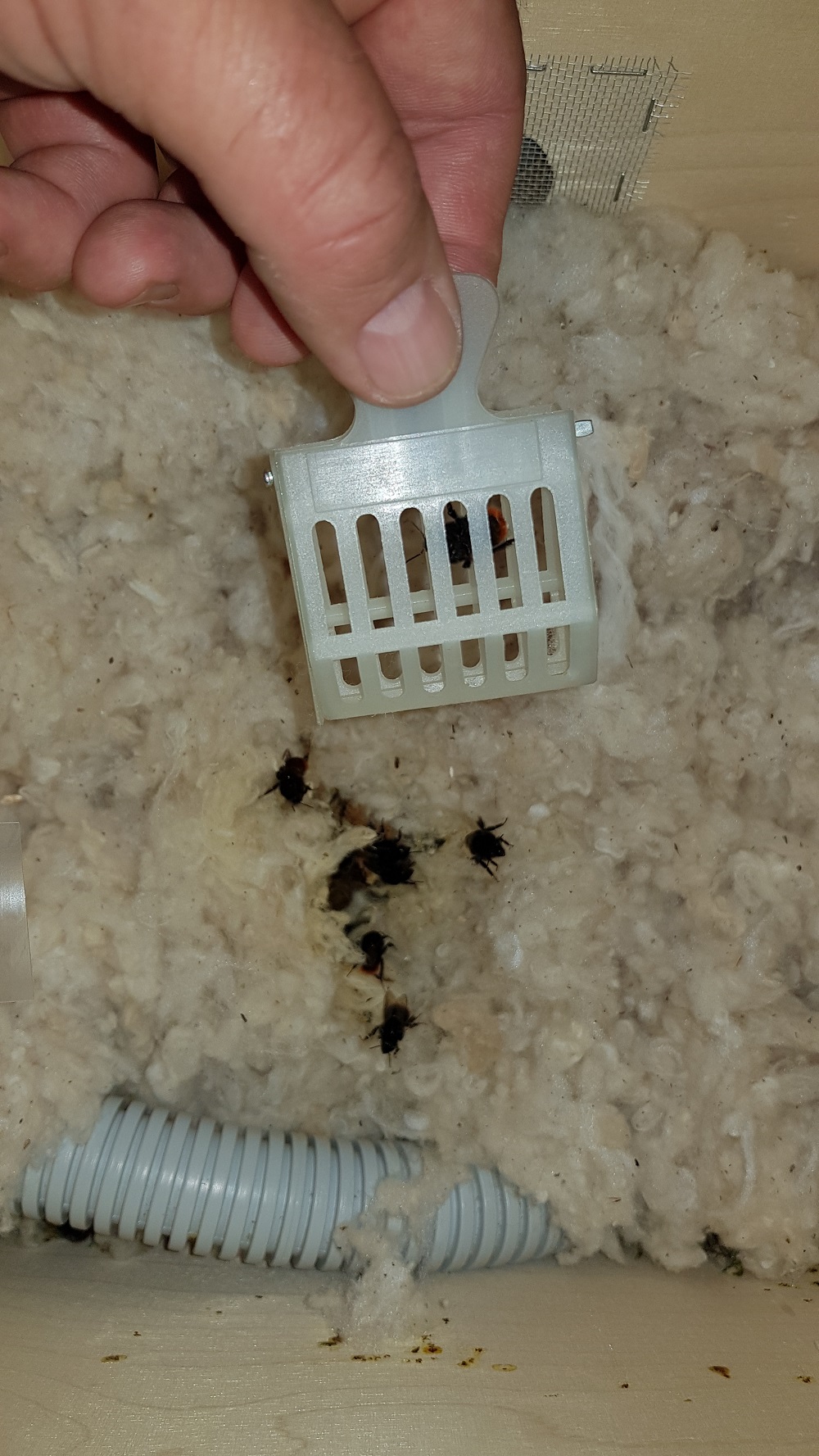
A honey extractor is a small, unassuming yet extremely useful tool. Beekeepers use honey extractors and know exactly why – a honey extractor is simply a must-have!

They are essentially pliers with a space where the bumblebee/bee will be enclosed. The pliers are shaped in such a way that they won't harm the insect when closing.

What is the purpose of the retaining clip?

You will need a catcher when you need to gently remove an individual bumblebee. You will also need a catcher when you want to remove all the bumblebees from a nest and carry out an inspection/intervention.

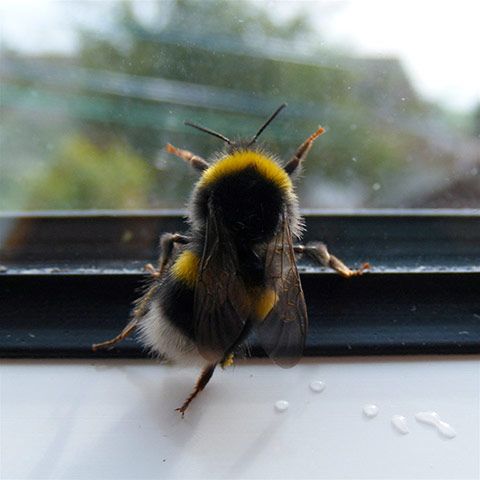
However, you can also use the catcher when a bumblebee or other insect gets stuck indoors at your window – you can easily remove it and release it. This is much better than laboriously catching insects at the window with a cup, closing it, and then carrying it away.

Where can I get hold of this gadget?

All beekeeping shops stock these traps. Prices range from around 30 CZK for a plastic trap to 80 CZK for a metal one. The plastic ones will easily last for several seasons.


Is there an alternative to this workaround?

Certainly yes. There are solutions such as secure insect trap. You'll pay more than 250 CZK for it. It's good for catching insects on windows. However, it won't replace a beekeeping catcher – you won't be able to pick up a bumblebee with it in a hive.


Bumblebees PLUS - Beekeeper's Catch

Beekeeping trap – plastic
Internet Photo
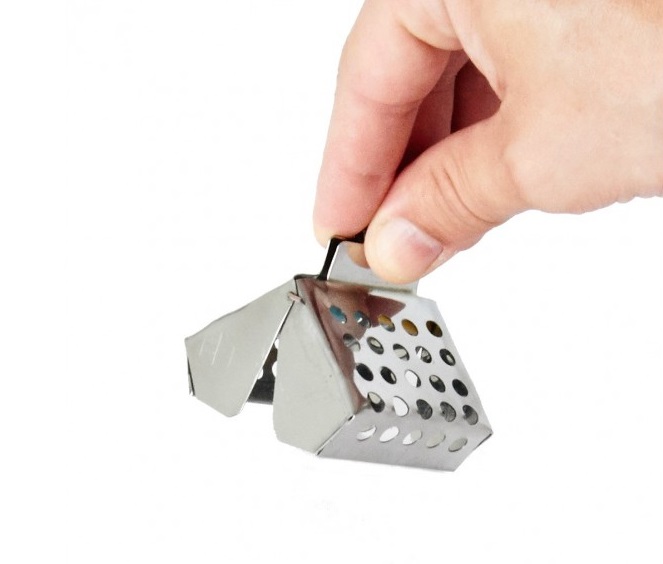
Bumblebees PLUS - Beekeeper's Catch

Beekeeping trap – metal
Internet Photo

.
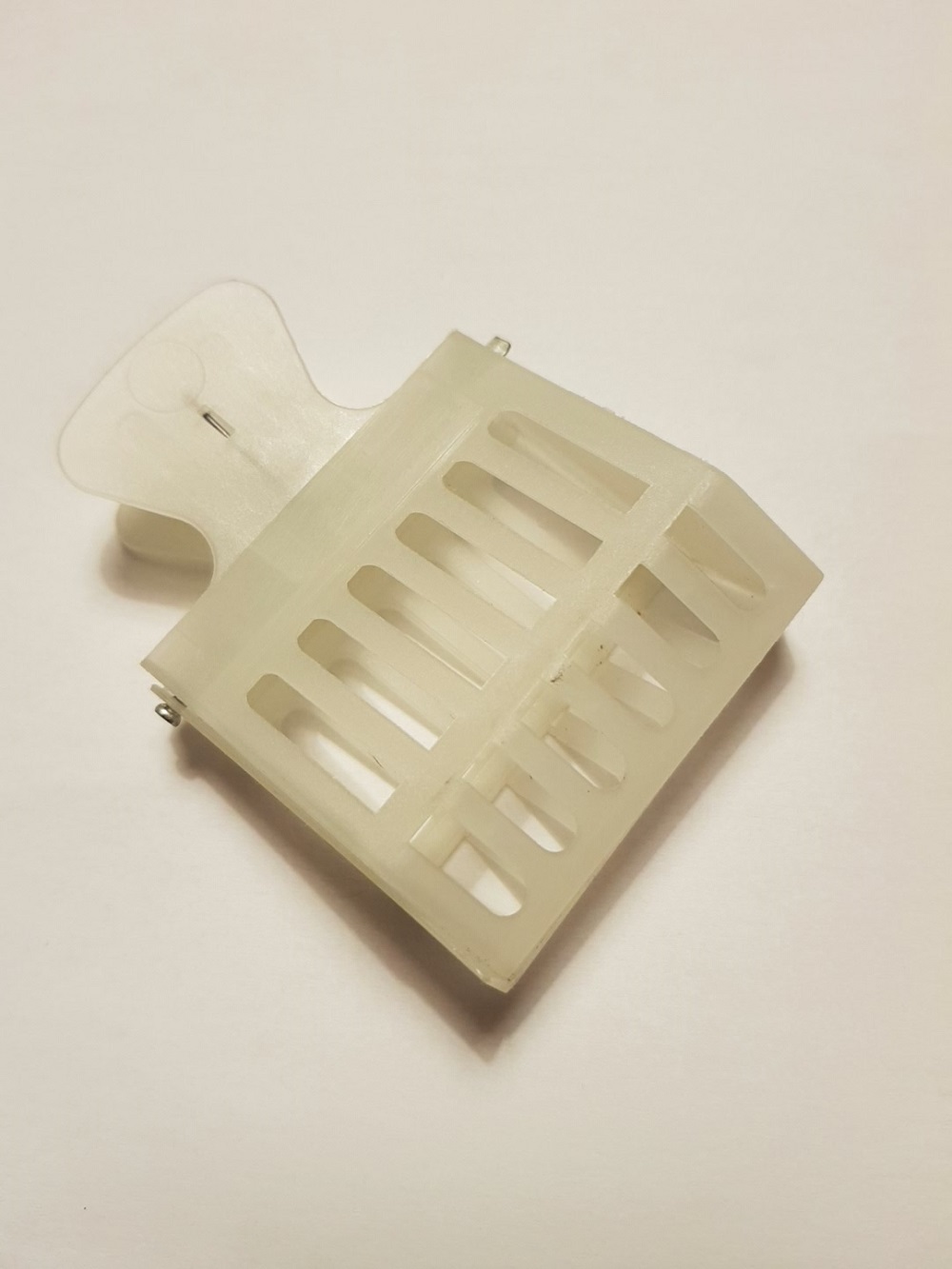
Bumblebees PLUS - Beekeeper's Catch

 Beekeeping trap – plastic
Photo O. Hercog

.
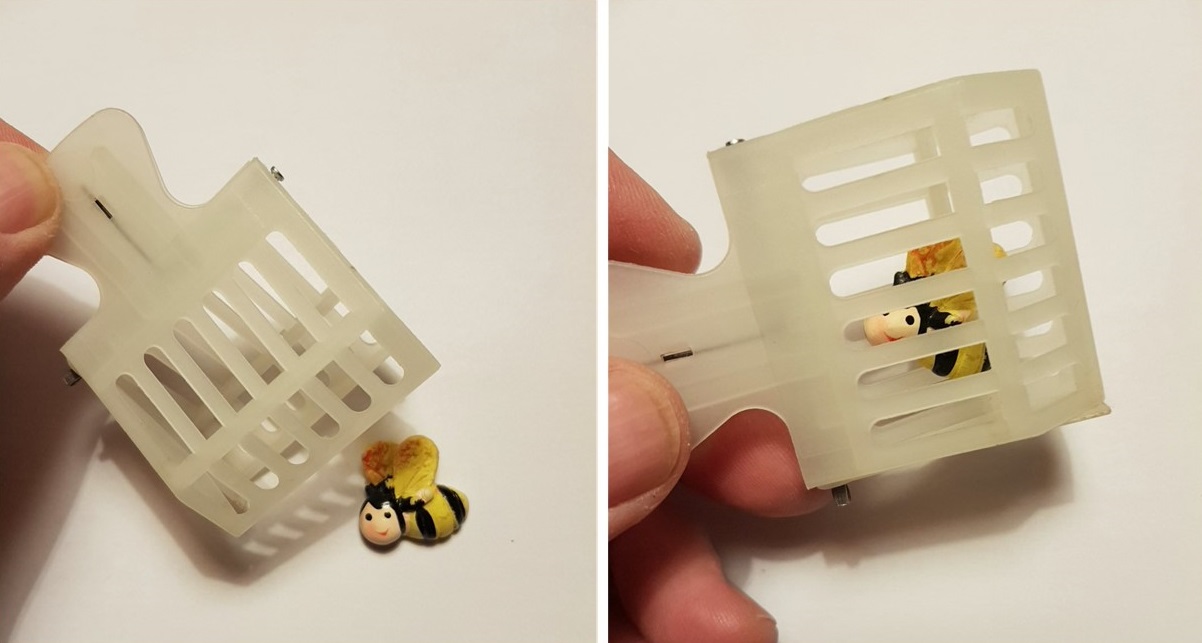
Bumblebees PLUS - Beekeeper's Catch

  Beekeeping catchphrase
Photo O. Hercog
Bumblebees PLUS - Beekeeper's Catch

  Beekeeping catchphrase
Photo O. Hercog
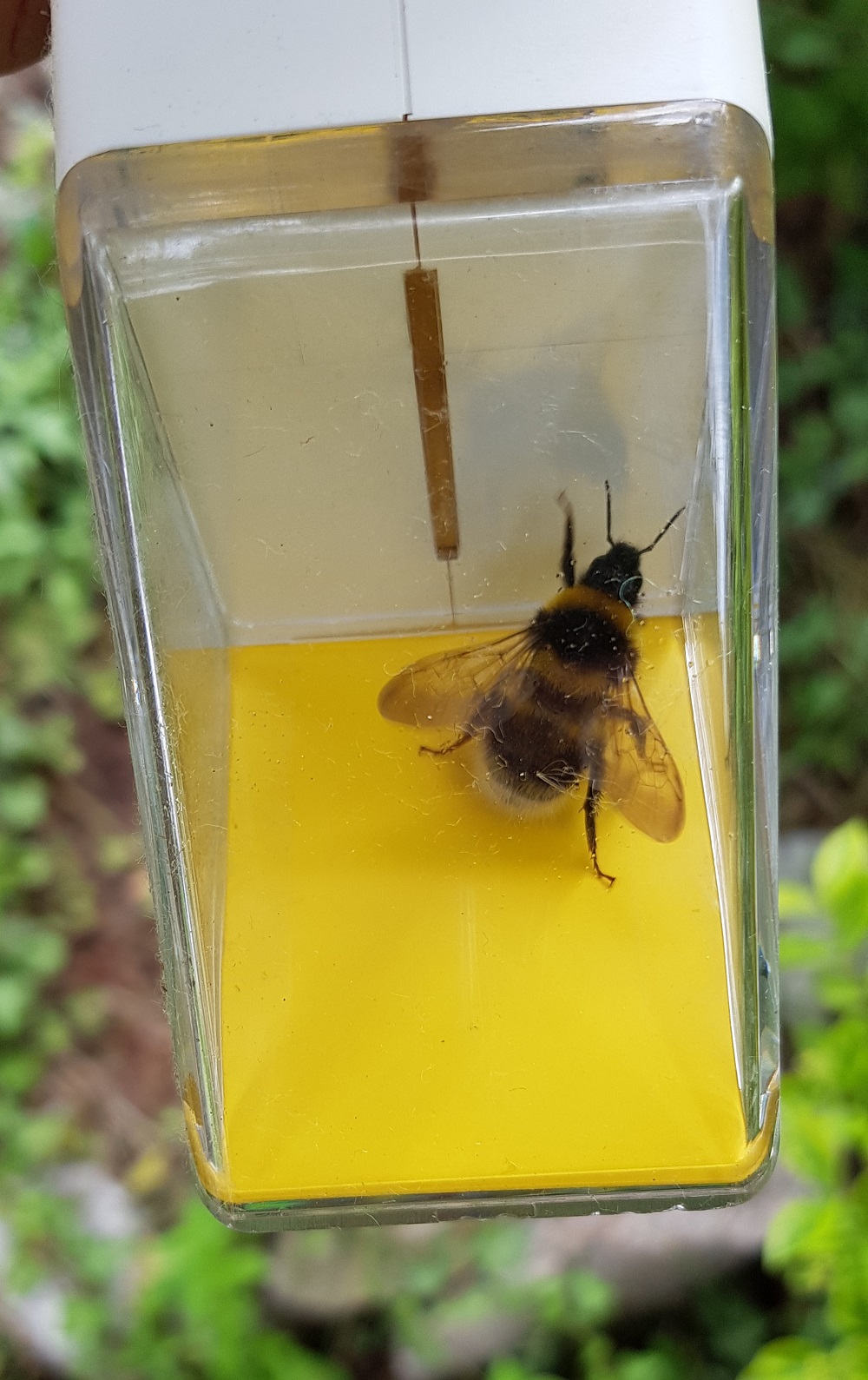
Bumblebees PLUS - Insect Catcher

  Insect trap
Buff-tailed bumblebee
Photo O. Hercog
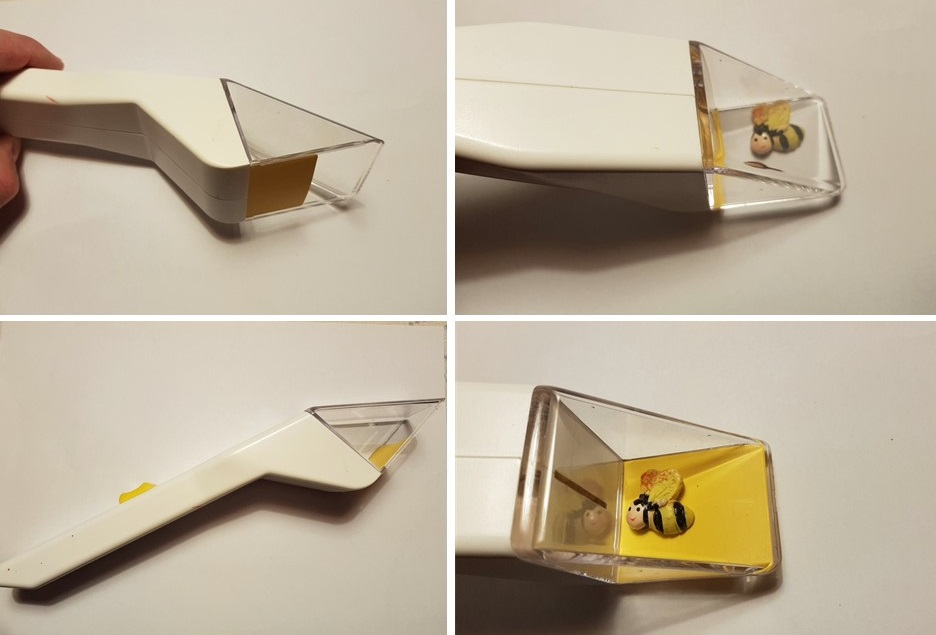
Bumblebees PLUS - Insect Catcher

 Insect trap
Photo O. Hercog

Bumblebees PLUS - Save me when I'm stuck at the window!

 Help me, I'm stuck at the window!
Internet Photo
ČRed light

Why red light?

Bumblebees do not perceive light of the same wavelengths as humans. Most of our species cannot see red light, and if they find themselves in the dark and you illuminate them with a mild red light, they will not perceive it.

When will you need a red light?

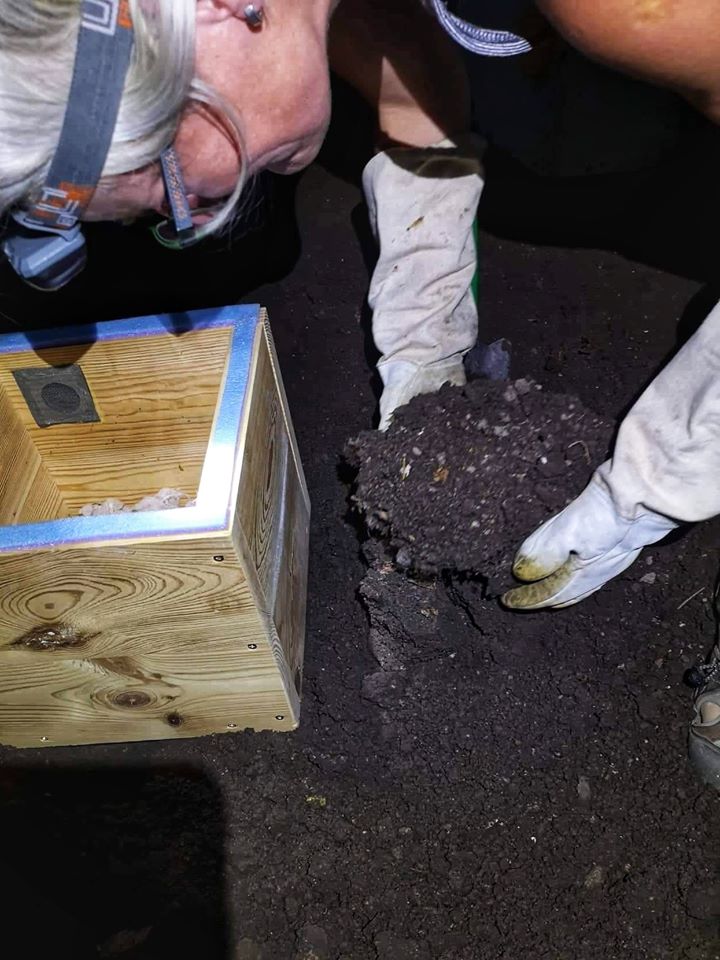
You will use red light when inspecting the nest, or when you want to observe bumblebees behaving in the dark with the hive closed. You will undoubtedly need red light when you join the Bumblebee Quick Squad. 


How do I get a red light?

You can use old [something] in the interior bulb for the darkroom, can you to paint a lightbulb with red spirit transparent colours, you can use lamp with a red filter etc.

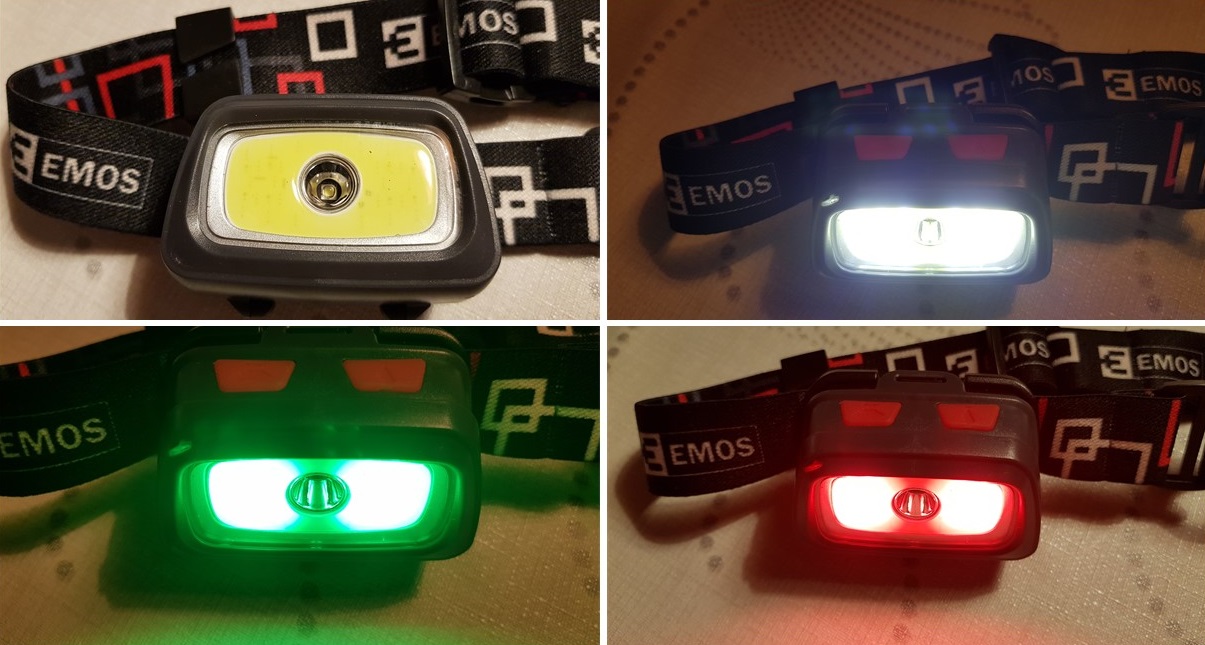
A head torch with a red light is practical. However, getting one is the absolute best Headlamp with LED diodes with red/white switching. You can find one at outdoor supply shops. It's not cheap, but it's an elegant solution.

In an emergency, you can also use red bike light as a headlamp, or on some kind of mount, for example from an old lamp. There are no limits to your imagination.

Bumblebees PLUS - Red Light - Headlamp

Red light – headlamp
Photo O. Hercog

Bumblebees PLUS - Red Light - Bumblebee Rapid Response in action - Ála Ungerová

 Red Light – Bumblebee Quick Response in action
Photo: Ála Ungerová

.
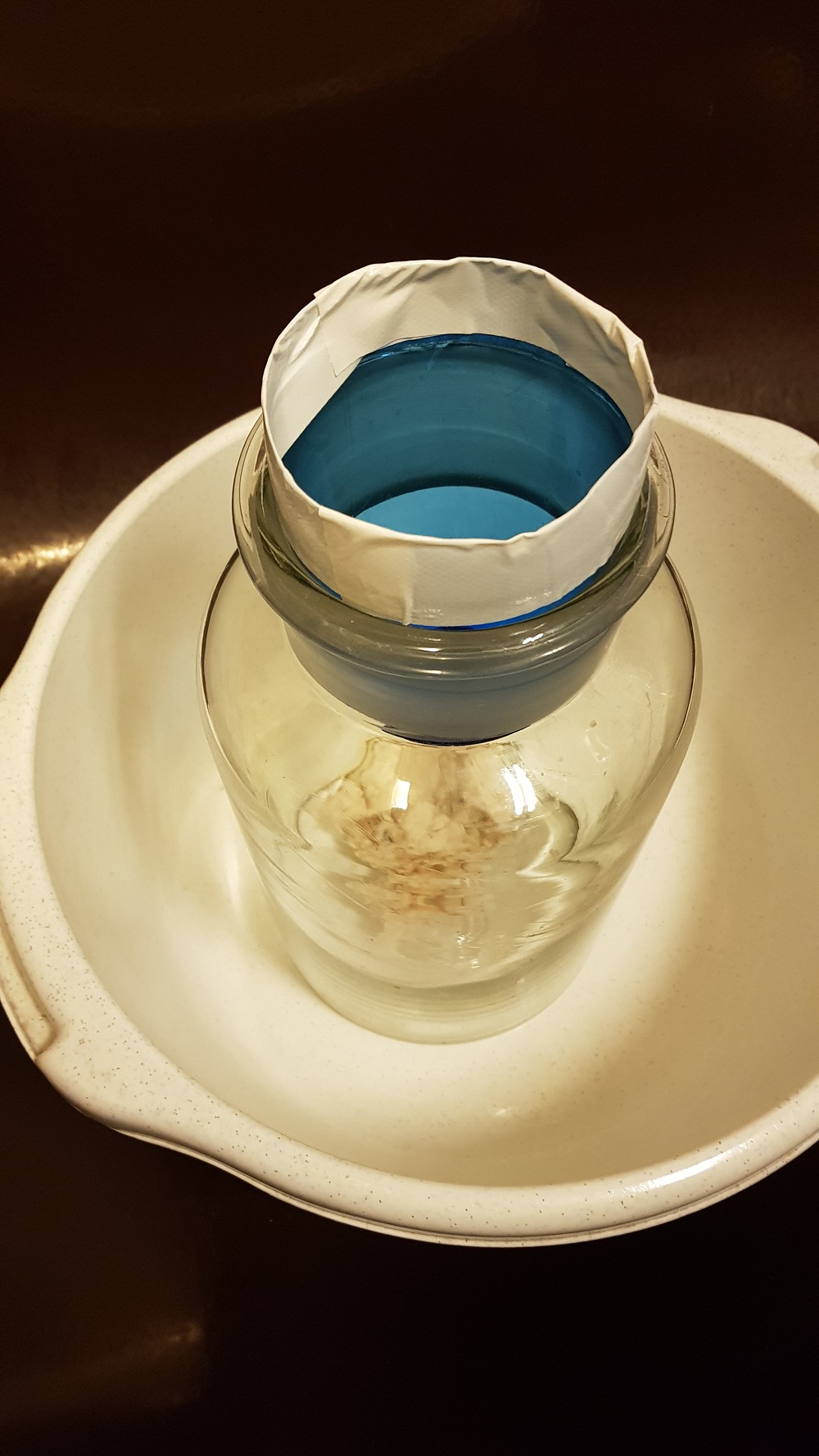
Glass and funnel 

 
If you are going to check a nest, or need to intervene in the nest, you will need to catch the bumblebees and have the ability to work with the nest.

What glass should I use?

  • Choose a glass/glass vase/container that is taller than a standard jam jar – the taller, the better (a height of 30cm is sufficient).
  • The height is quite important, because bumblebees won't come out of such a container.
  • The diameter of a standard preserving jar is suitable.
  • The glass container is suitable because you can see into it and examine its contents, and perhaps count the bumblebees „housed“ inside.

What is the funnel for?

  • A funnel is a good trick – you place it in a glass/container. If you then drop a bumblebee into the funnel, it will pass through the neck and won't escape from the glass.
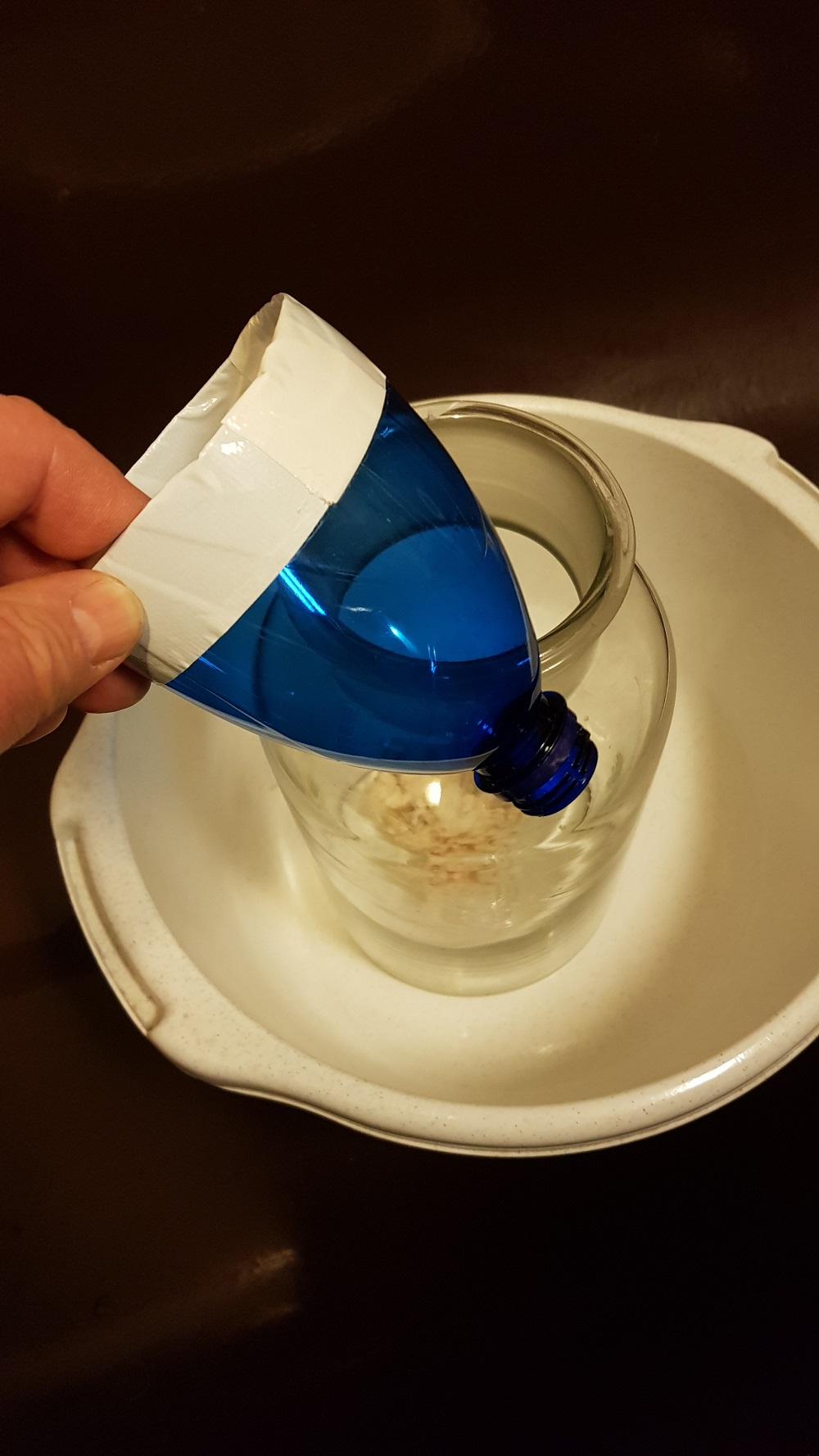
  • However, the condition is that you use a wide-necked funnel, or make one yourself from the neck of a PET bottle. We do not recommend a smaller funnel diameter – it could get blocked by the lining, and the bumblebee would not be able to get in.
  • If you make a funnel from a PET bottle, cover its edges with sticky tape so you don't injure yourself.

Recommendation - occasionally wash these tools, so you don't spread infection/parasites between the hives 

Note: The glass and funnel made from a PET bottle are pictured in a working position in the bath in a „tub“ – we will explain why later 🙂

Bumblebees PLUS - PET bottle funnel

Funnel from a PET bottle
Photo O. Hercog

.
Bumblebees PLUS - PET bottle funnel

Funnel from a PET bottle
Photo O. Hercog