Aids for catching and introducing a queen

Moving safely and stress-free - the foundation of success

What will you learn here? 

  • What aids are suitable for safely catching a queen bee and transferring her to a hive
  • How to ensure they are as stress-free as possible during acclimatisation
  • What to watch out for, unsuitable things and products

Last updated: 17/04/2026

Queen/worker/drone catching aids

If you want to house a queen bee in a hive in the garden, you will need a net for gentle capture.

 
What does such a net look like?
 
It's essentially a fly screen. That's Wire loop/circle with a light handle sewn on the eye Fine mesh of lightweight nettingcurtains.
 
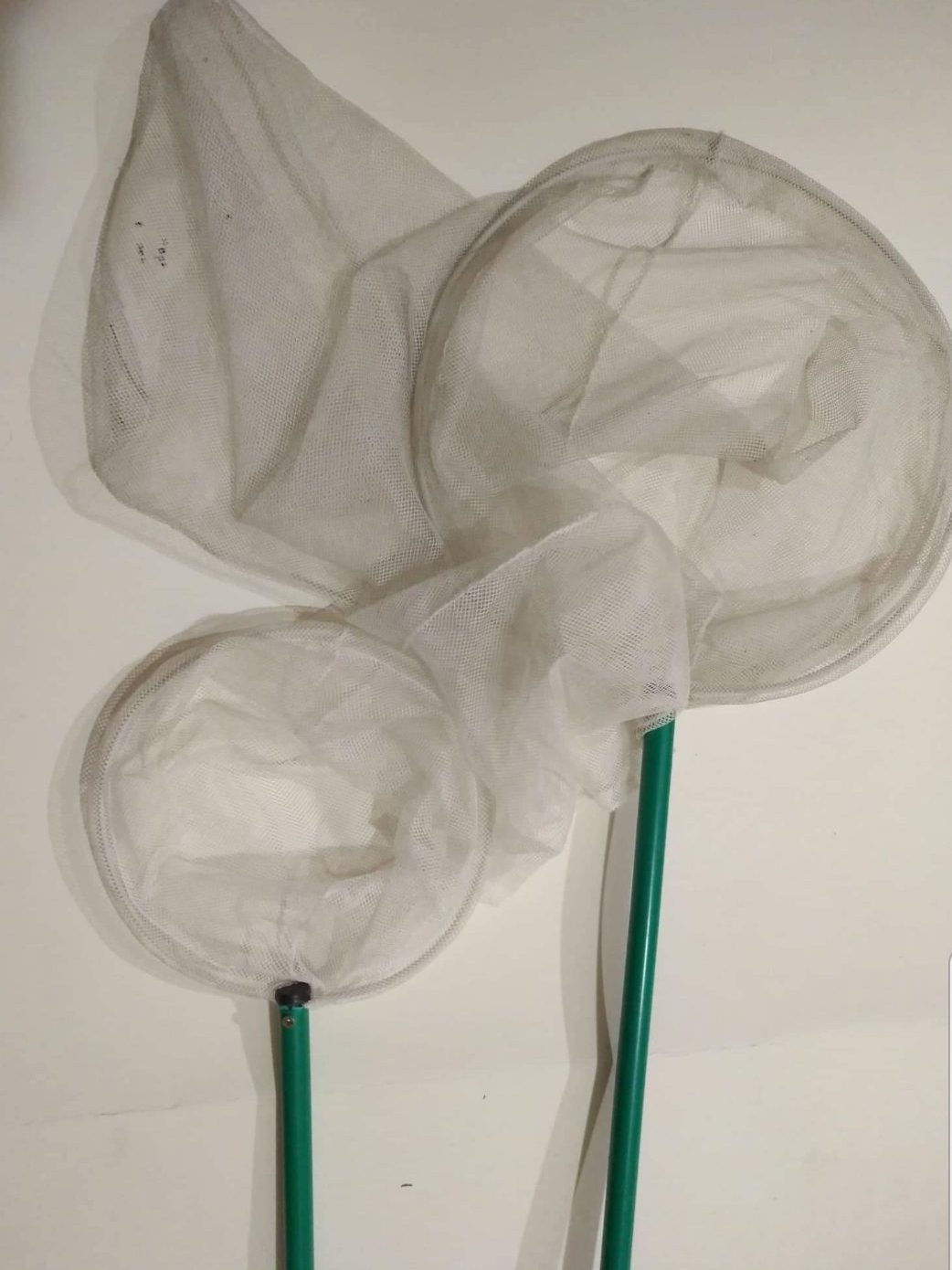
Perhaps we're talking about two sieves. It pays to have a sieve with average opening of about 20 cm and a handle 30 – 50 cm long. The second net has a mesh Around 40 cm and a handle with a length of 100 – 150 cm.
 
Logically, it is smaller net designed for short-range catching and in places where you can't reach with a larger net – for example, in long grass, between branches, etc.
 
How are nets used?
 
The use of a capture net and the procedure for offering a queen bee a lure will be covered in a separate chapter, which you can find HERE (preparing).
 
The fundamental rule, however, is that the capture must be gentle and only by covering the queen with the net, who is demonstrably looking for a place to settle (performing the so-called. Search flight).
The second fundamental rule is to have a net ready „–)"
 
How do I get a netting?
 
Nets can be bought as insect screens, or made, as described above. It's not complicated and doesn't require any instructions.
 
Recommendation
  • However, please bear in mind that the entire netting should be light and the netting material soft.

Warning:

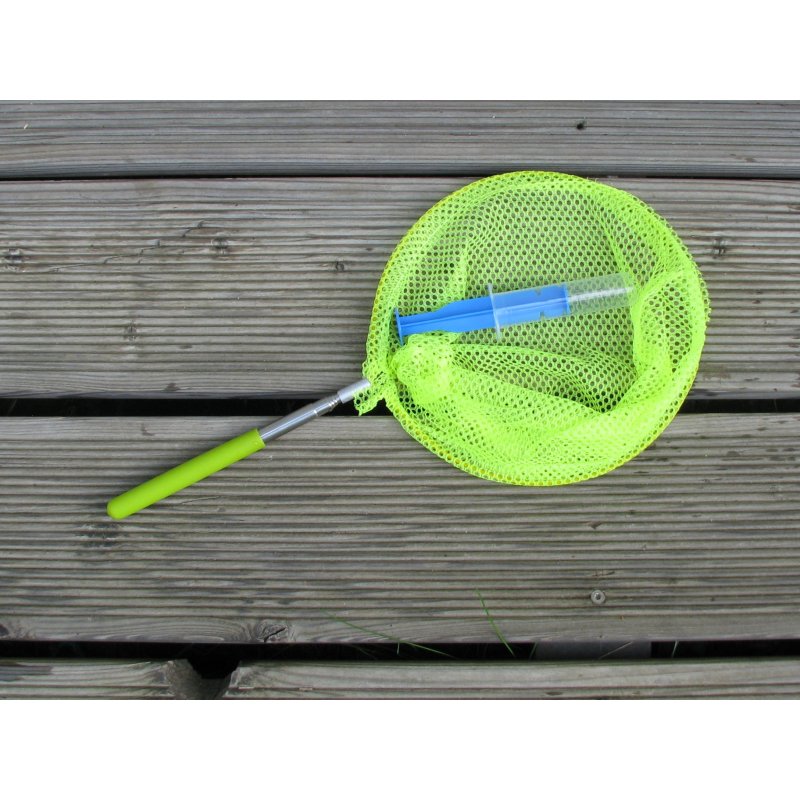
  • The market has the capture „Bumblebees – kit type 2020 for gentle capture of bumblebee queens“ available.“
  • This set, howeverincludes a catching net of 20 cm diameter, but unsuitable depths – mother in a net after capture don't close with your hand 
  • The set currently contains 20 ml small plastic syringe plunger, into which The queen's mothers do not fit large bumblebee species 
  • Find out more HERE
Bumblebees PLUS - Net for careful bumblebee capture

  Gentle bumblebee catching net
Average 20 + 40cm
J. Černý's photo

Bumblebees PLUS - Net for careful bumblebee capture

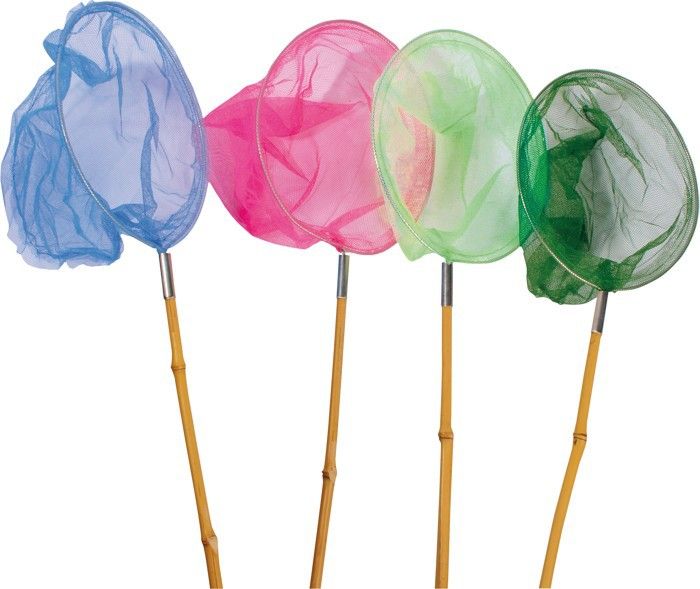
 Gentle insect catcher net
Internet source

Bumblebees PLUS - Net to hand

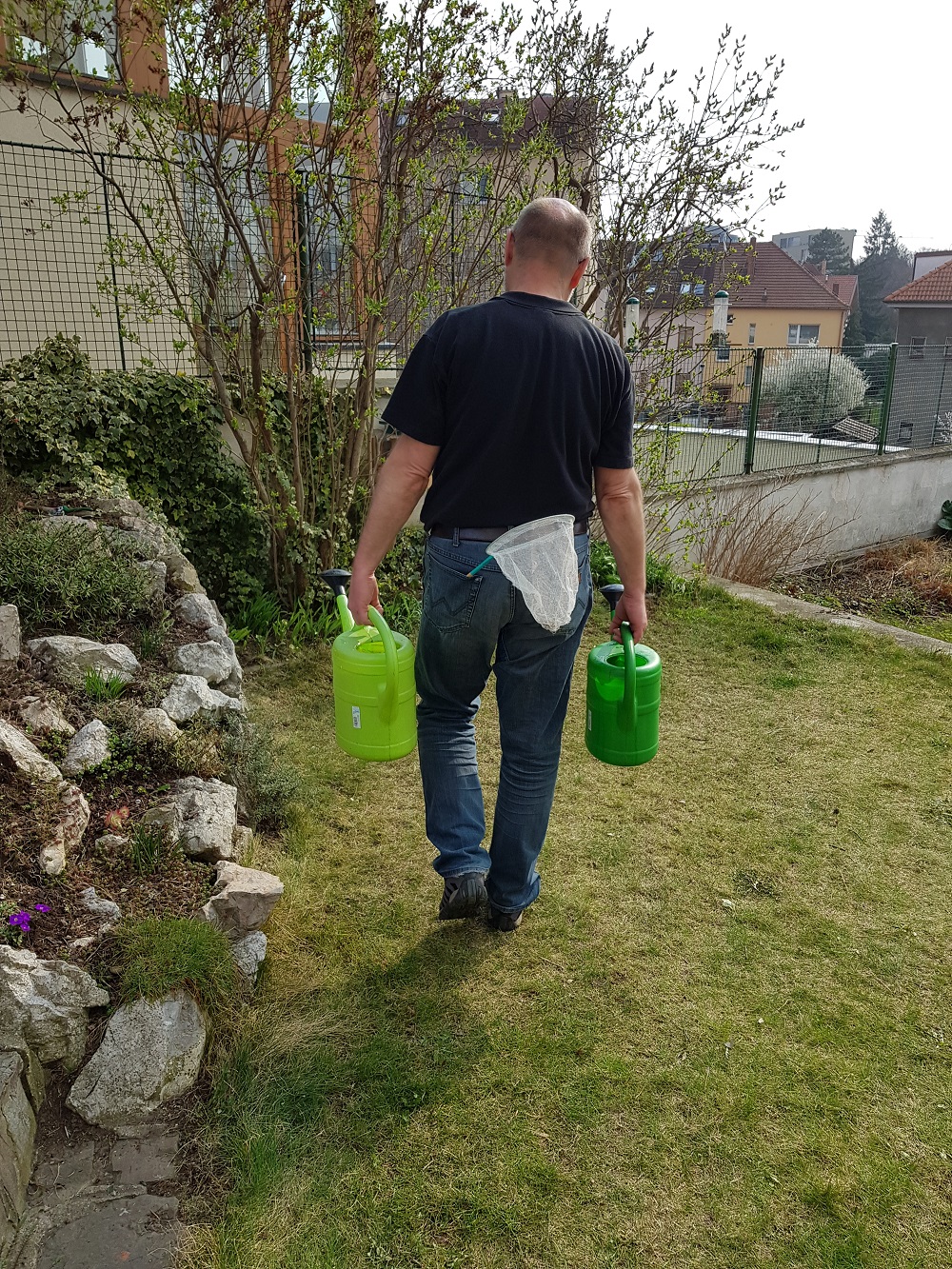
  Net on standby
Photo O Hercog

Bumblebees PLUS - Net to hand

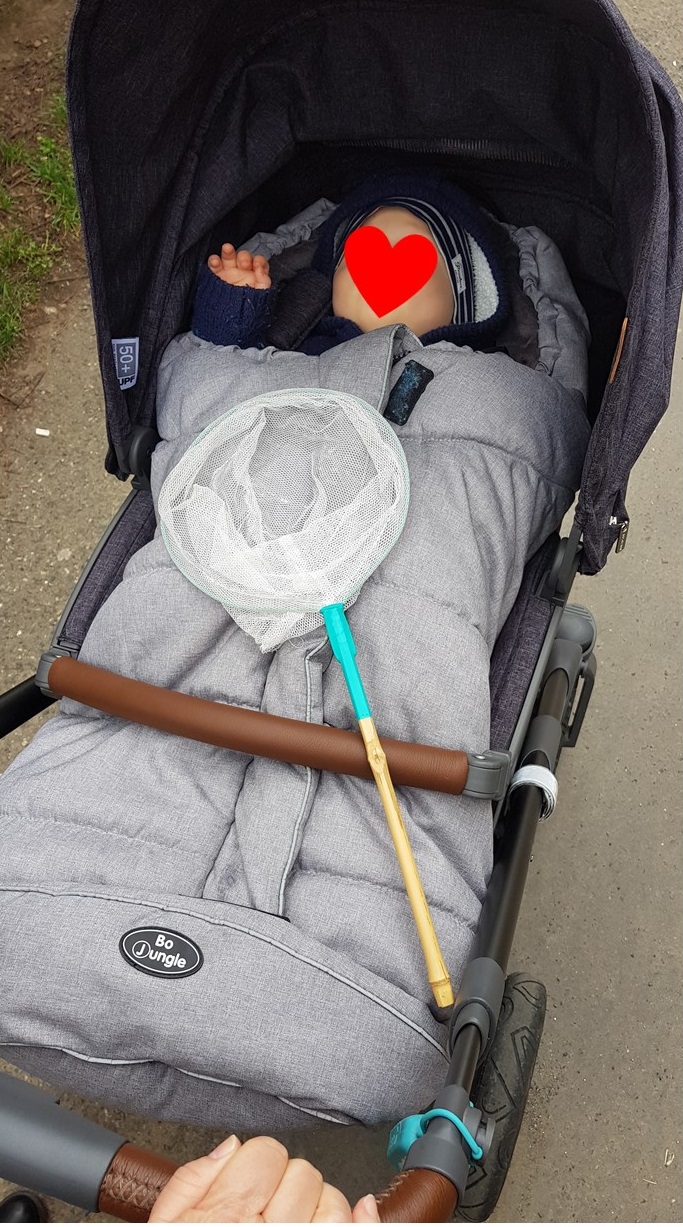
 Net on standby
😀
Photo O. Hercog

Bumblebees PLUS - Catch kit, unsuitable net size and luring device

Catching kit
WARNING - unsuitable mesh size (shallow) and introducer (small diameter 20 ml syringe)
Web dealer photo


Queen bee introducer into the hive

When you offer a shock to the queen mother in the spring, you will need a starter. 

Co je to zavaděč?

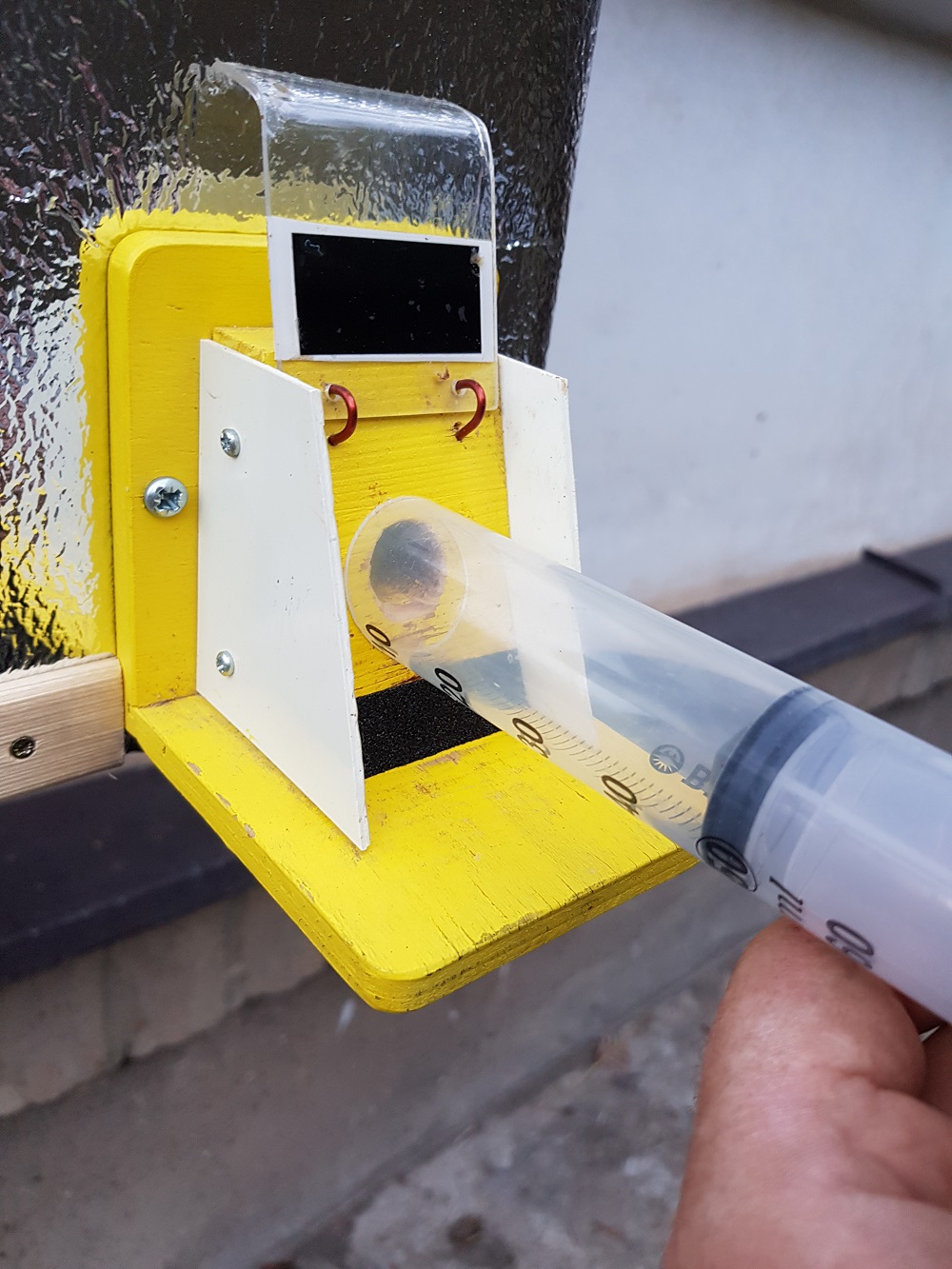
The introducer is essentially a tube into which you carefully place the caught queen bee. You then press the introducer against the entrance hole in the protective flap. 
The queen will then seek escape from the drone and therefore move into the flight hole and thus into the hive's entrance corridor.

The procedure for introducing a queen mother can be found HERE (preparing).

Which bootloader should I use? 

Of course, there are more solutions, here we will show you the basic one. 

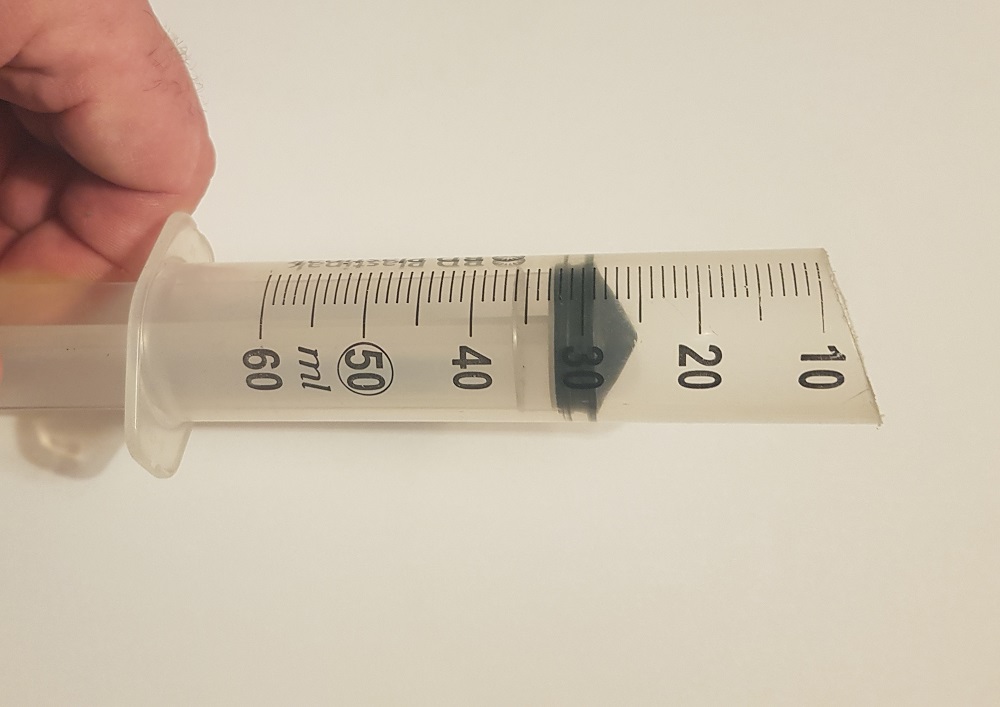
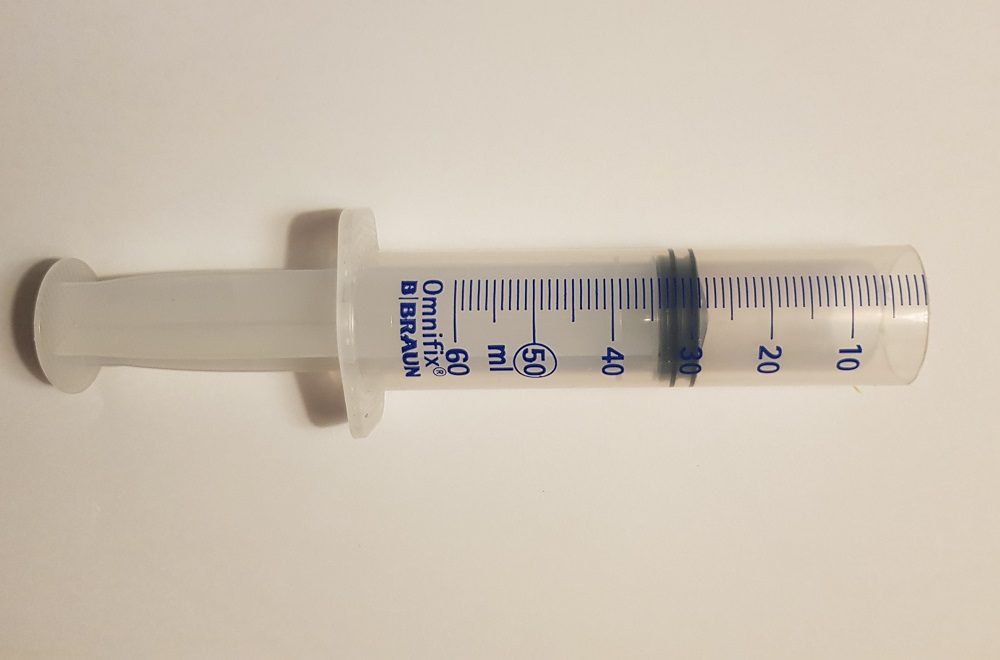
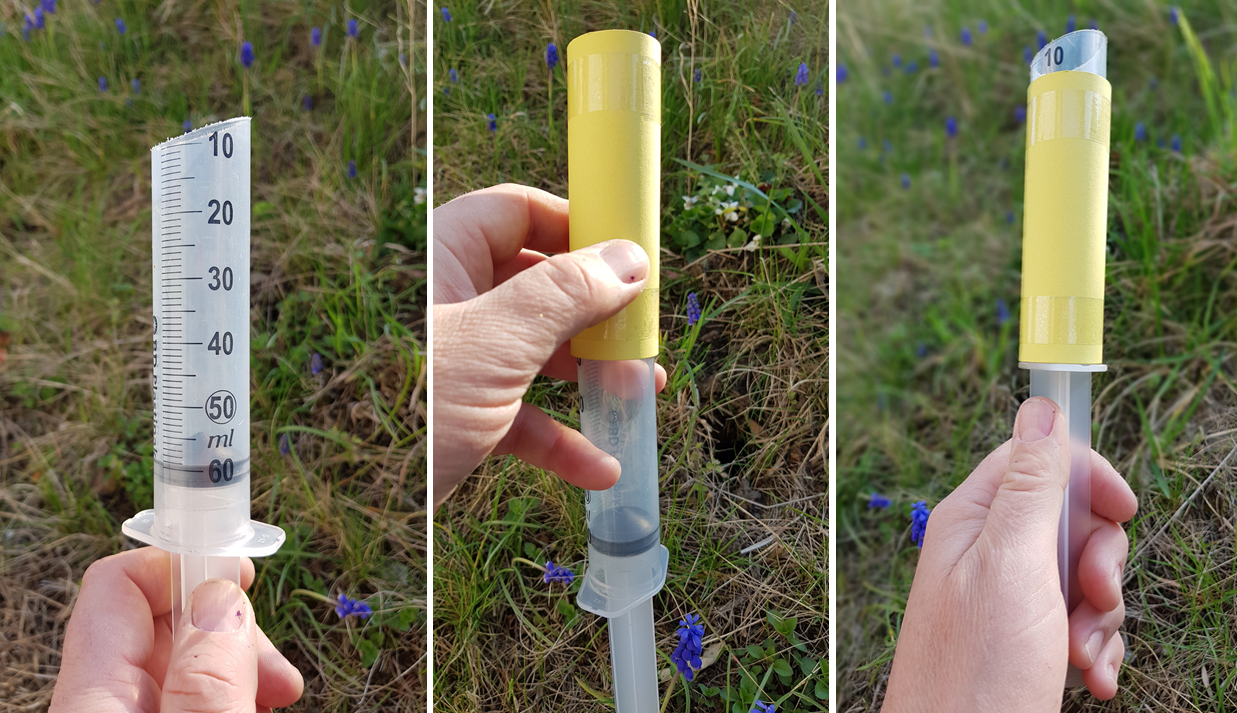
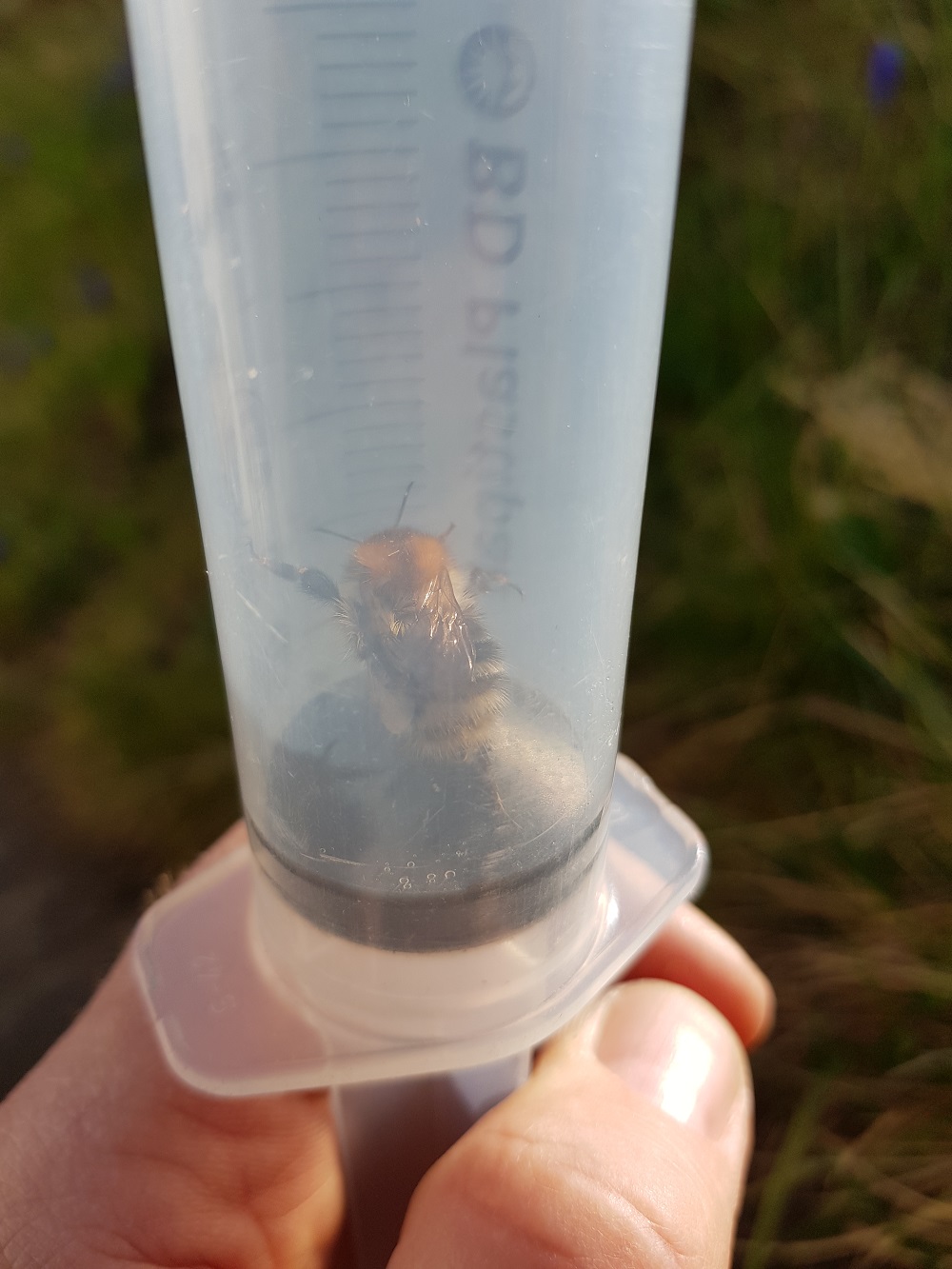
You can buy a loader at the pharmacy, or make your own at home from a 60 ml syringe with an inner diameter of 25.5 mm.
Note The syringe is sold as a 50 ml syringe, although it has a scale up to 60 ml – see photograph.
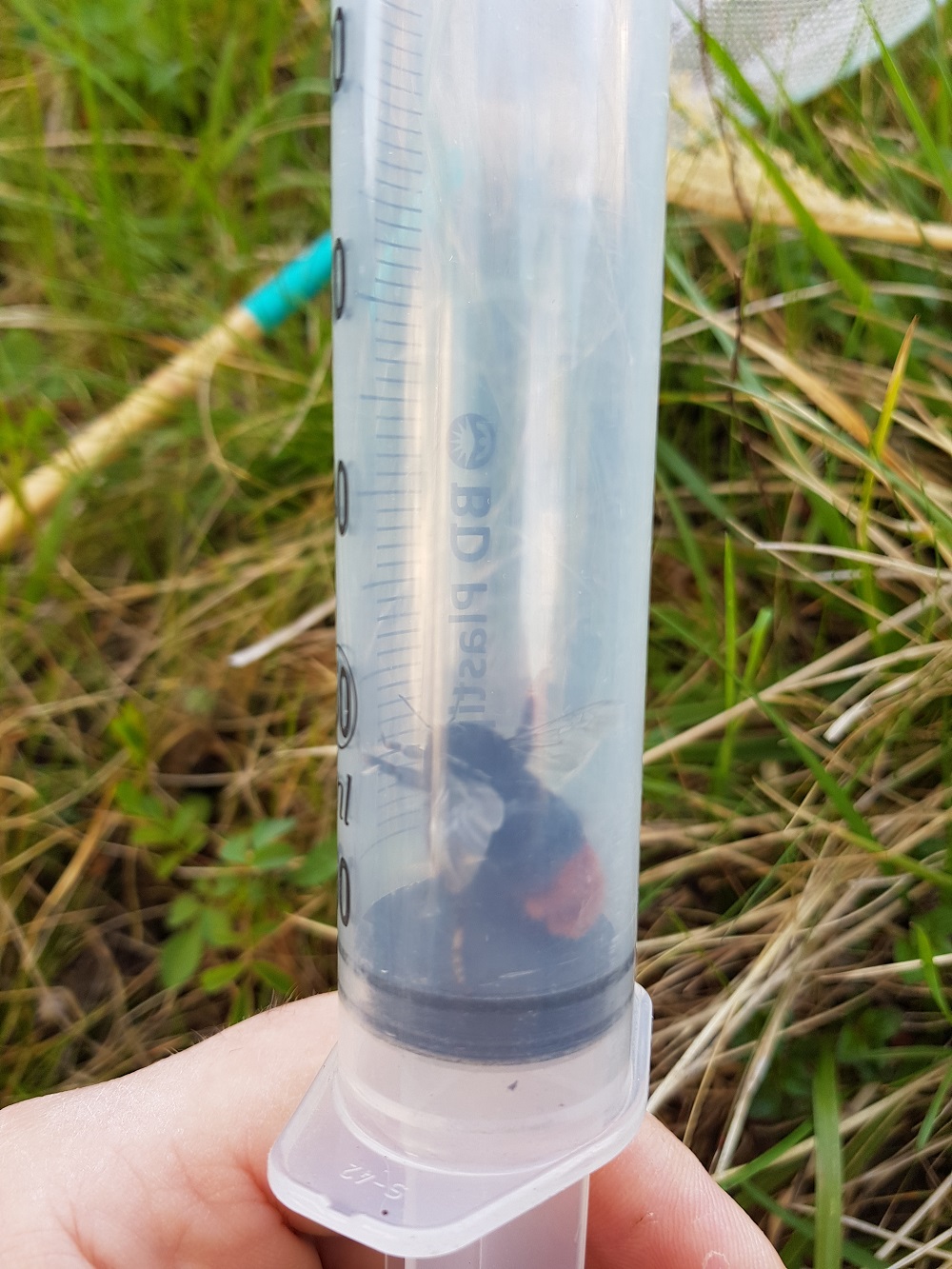
A large buff-tailed bumblebee queen (Bombus terrestris), which can be up to 26 mm in length, also fits comfortably into such a feeder.
If you use a smaller diameter feeder, it will be difficult to get the queen into the feeder when catching her with a net – the queen will be stressed, and this will significantly reduce the success rate of the colony settling into the hive.

Jak si vyrobit zaváděcí jednotku?

  • In the chemist's, you can buy a larger plastic syringe,
  • Remove the plunger and cut off the part of the syringe where the needle is attached (cut off the entire tapered section).,
  • The syringe is made of plastic, but we recommend cutting it with a fine-toothed saw to ensure a smooth cut. A hacksaw is suitable.,
  • The cut should be straight so that the plug sits well.,
  • You can smooth the cut edge with fine-grit sandpaper/a file so that the catching net does not snag on it.,
  • Blow the sawdust from the cut,
  • Push the piston back in.,
  • Prepare a ground-down cork stopper with which you will seal the trap once you have caught the queen.,
  • It is good to procure a cover for the trap (a rolled-up, thicker paper) by which you can shield the trap and thus keep the caught queen calm. 

Fake – Jakub's chamfered front plate

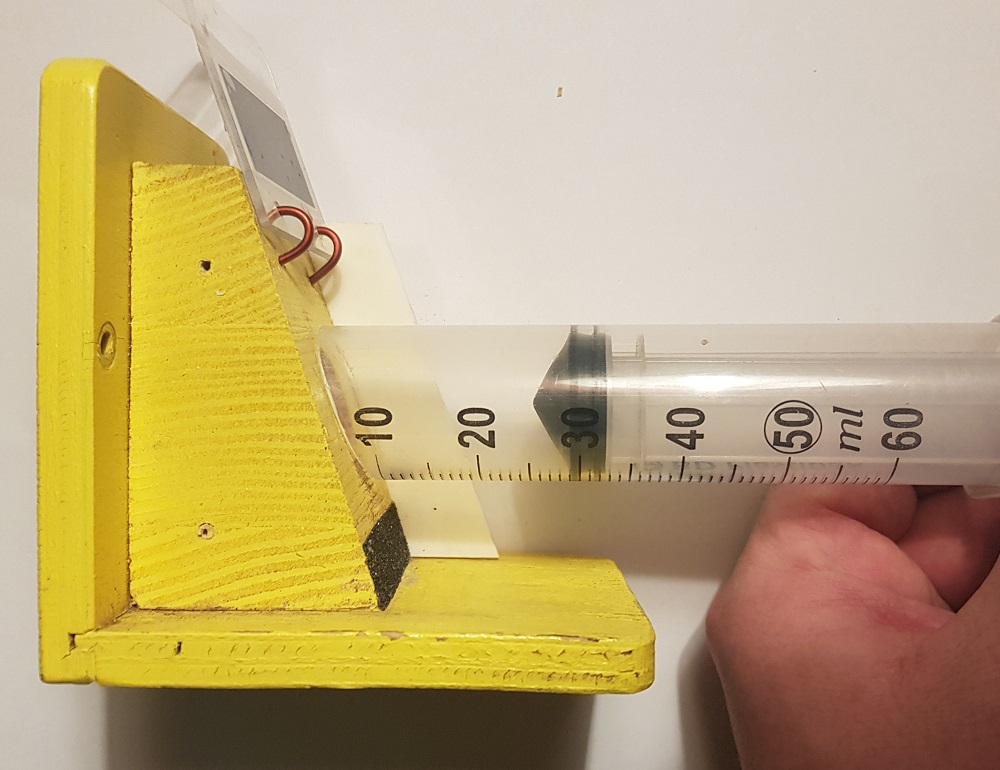
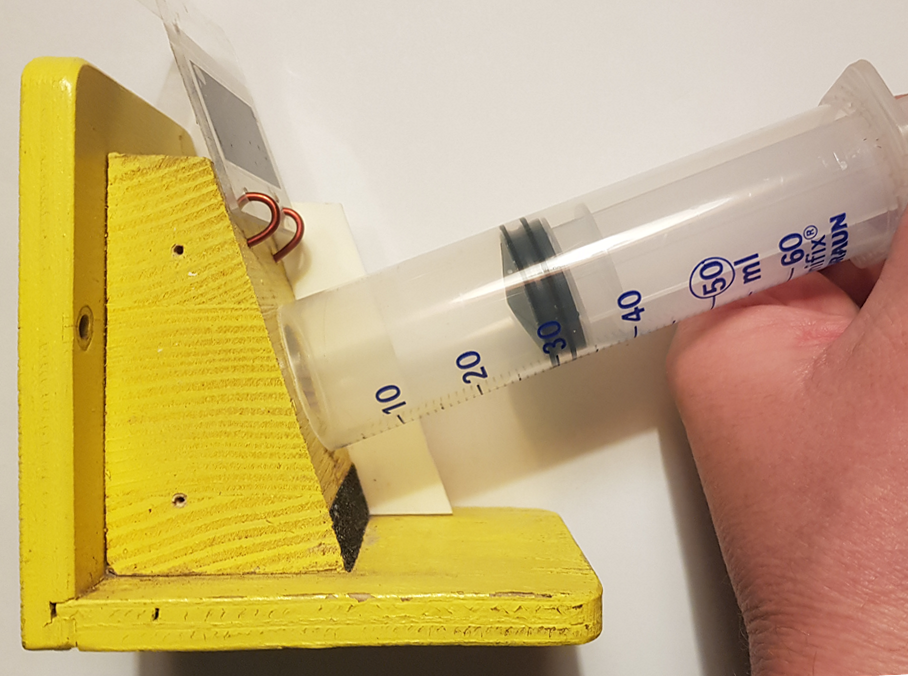
In 2019, Jakub Černý invented a wonderful and simple thing – a diagonally cut loader. This allows you We recommend.

Instead of a straight cut (perpendicular to the syringe axis), make a slanted cut so that the introducer, when applied to the tip of the plunger, is in a horizontal position (see figure).

Why do we recommend a ferrule with a physically angled polish?

Because bumblebees tend to escape upwards.

If you have cut the loader straight (a cut perpendicular to the syringe axis), the loader will be at an angle when it is placed on the entry hole. The queen bee will slide in it and will want to escape through there. She will become stressed and will not want to enter the entry hole.

However, if you use a diagonally cut ramp and place it on the landing board, the ramp will be in a horizontal position. The queen bee will visibly calm down in it and enter the entrance hole more easily. 

Warning:

  • The market has the capture „Bumblebees – kit type 2020 for gentle capture of bumblebee queens“ available.“
  • This set, however, includes landing net of 20 cm diameter, but unsuitable depths – mum in a net after Do not close the trap with your hand
  • The set currently contains 20 ml small plastic syringe plunger, into which The queen's mothers do not fit large bumblebee species
  • Find out more HERE
 

Bumblebees PLUS - Queen inserter with a diagonally cut front face

Motherboard baffle to the hive – bevelled front face
Note – available from a pharmacy as a 50 ml syringe
Photo O. Hercog

Bumblebees PLUS - Queen introducer to the hive - straight-cut front face

Mother boarder into the hive – straight cut front face

Bumblebees PLUS - Queen introduction box into the hive - obliquely cut front surface - suitable cutting angle

Mother frame insert into the hive – obliquely cut front surface – suitable cutting angle
loader attached to the bayonet lug
The queen bee will more easily enter the hive
Photo O. Hercog


Bumblebees PLUS - Queen introducer into the hive - flat cut front

Mother boarder into the hive – straight cut front face
loader attached to the bayonet lug
The mother will slide into the feeder and with difficulty enter the hive.
Photo O. Hercog


Bumblebees PLUS - Case Charger

Loader with case
If you put a case on the launcher, the trapped queen in the launcher will be in the dark and calmer.
Photo O. Hercog

Bumblebees PLUS - Queen introducer to the hive after placement on the entrance

Mother's feeder insert into the hive after attaching to the entrance
Hercog O. Forum


Bumblebees PLUS - Loader - common carder bee queen

Bootloader – rock bumblebee mother
Photo O. Hercog

Bumblebees PLUS - Loader - common carder bee queen

Bumblebee starter – field bumblebee mother
Photo O. Hercog

Entrance/landing board blockage

What's the point of blocking the inlet opening?

A bung for the opening is not something you need to make complicated, yet you will use it often.

In these cases, the wound needs to be closed:

  • you introduce the queen mother to the nest,
  • Do you need to close a ulcer surgically for transfer of the ulcer indoors, or transport it?,
  • decide to close up at night to reduce the risk of the wax moth (Aphomia sociella) getting into the hive.

How to close an opening (inlet)?

Cork stopper alias „bumblebee breeder solutions from Moravia“ 😀

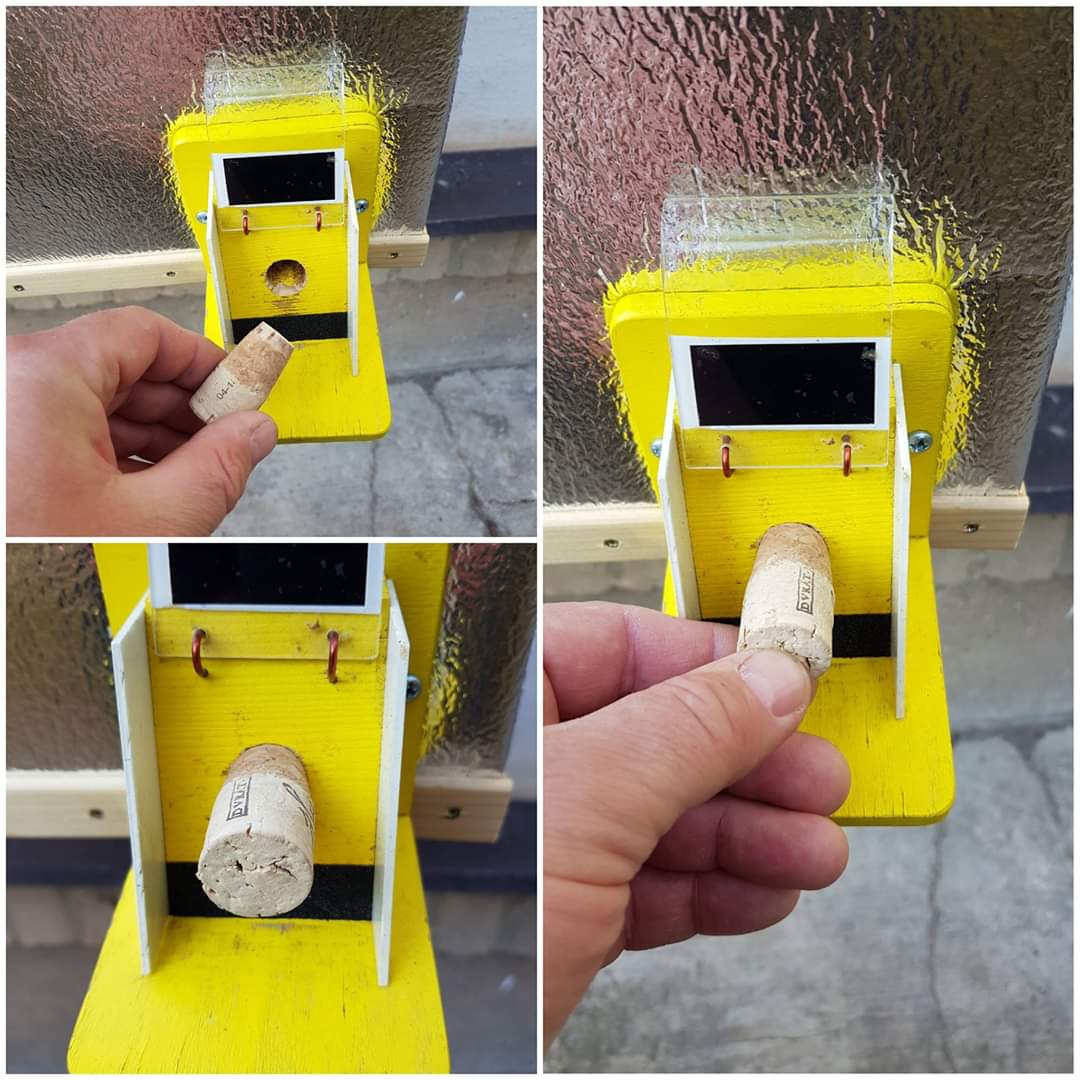
For transport and long-term closure, we recommend using a cork stopper ground to a cone. A cork stopper can be used for all purposes, as well as for introducing the mother. 

You insert the pre-sanded stopper into the entrance hole and push it in so that it holds. The stopper is flexible, it will hold well and will not fall out. It will also seal well and the bumblebees trapped in the hive will not see the light. 

But give Beware, Let on closing Don't kill the bumblebee, or his leg. You'll learn that quickly enough.

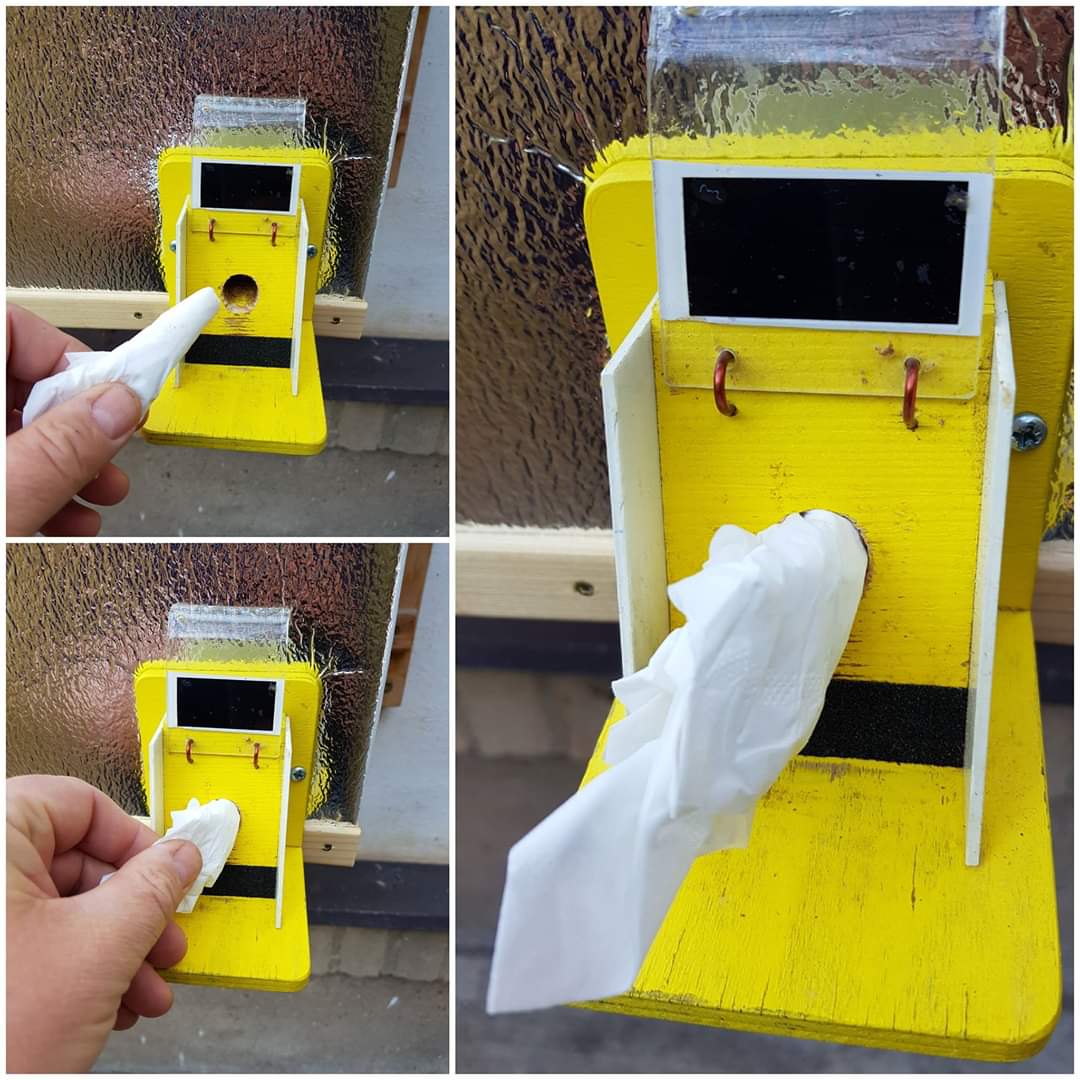
A piece of paper

A roll of paper can be used and inserted into the entrance hole instead of a plug. The solution is not as durable as a cork stopper, and bumblebees can chew through it.
The wind can easily blow such a stopper out, or it can fall out during transport – this can be solved by sealing it with tape.

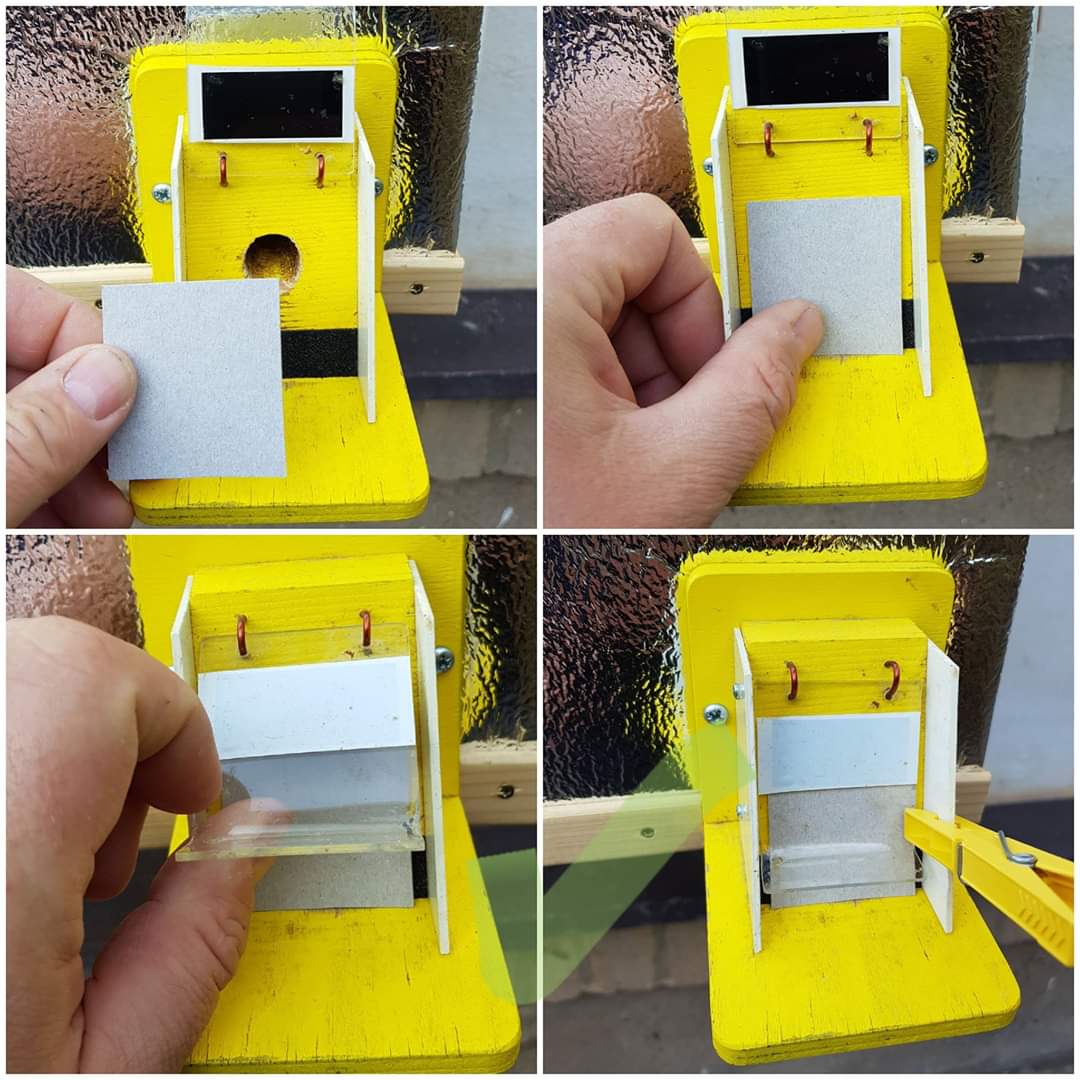
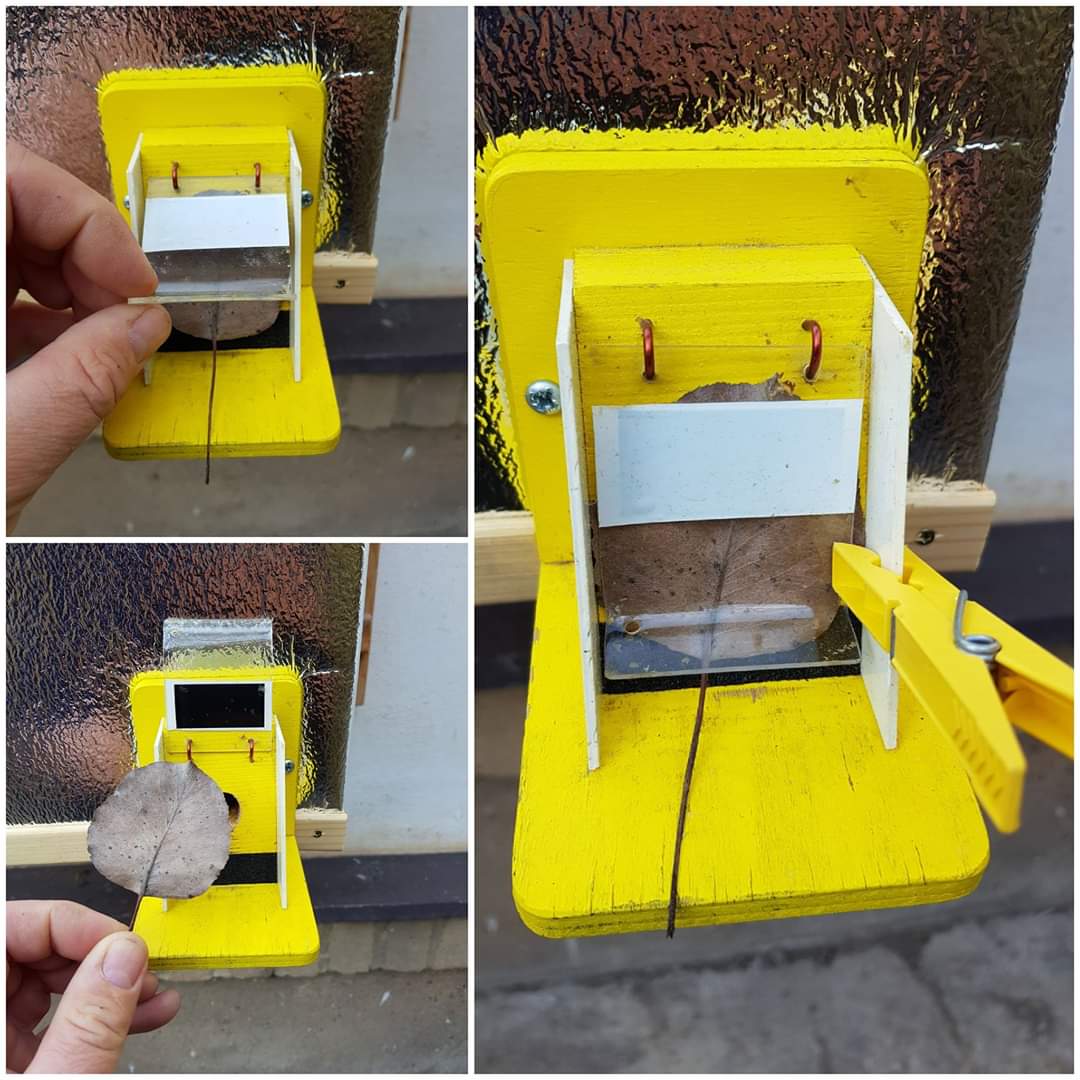
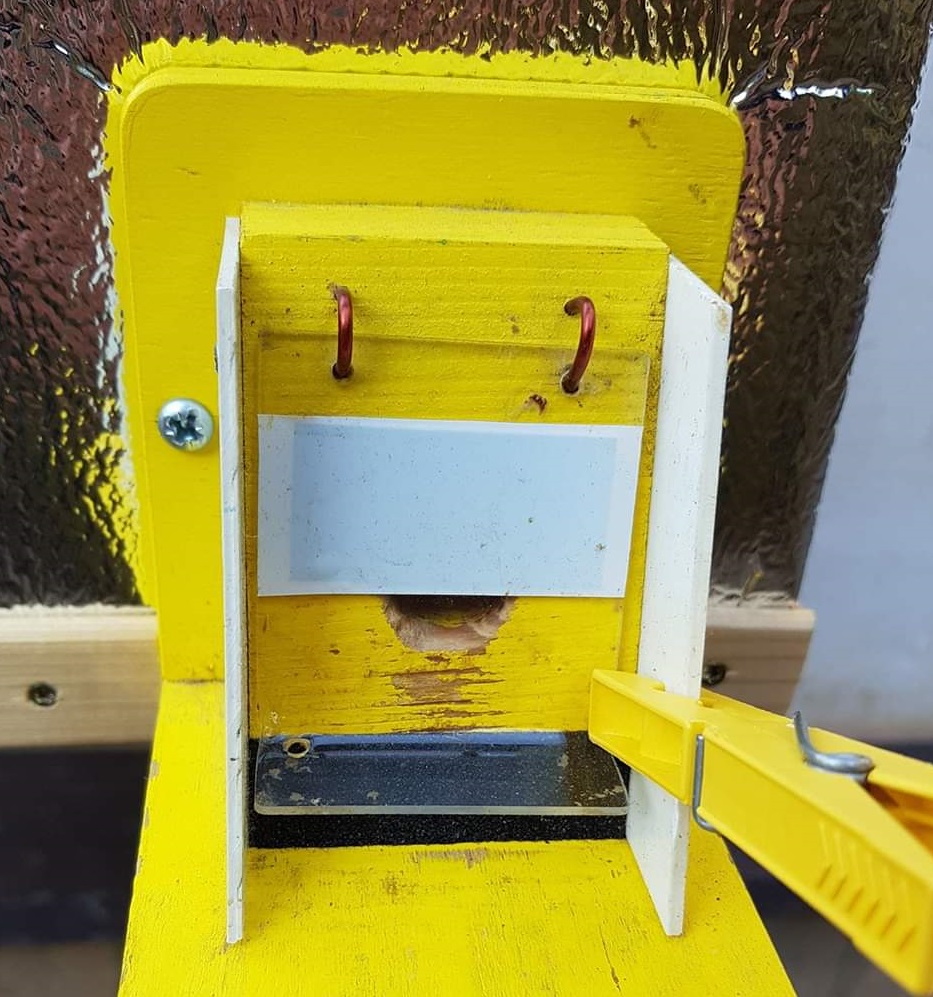
Cardboard piece / leaf

When introducing a queen bee, you close the entrance to the hive for a short period. The only purpose is to prevent the queen from seeing the light and entering the hive. The previous methods can be used well.
Someone closes the door so that cover the inlet with a piece of opaque cardboard, closes the latch and secures it with a clothes peg.
This solution is possible, but it's quite laborious and You need to use both hands. This is particularly problematic when introducing a queen mother.
We also saw the flight hole being blocked with a pine cone (a breeder from Děčín...). However, this did not indicate good preparation for the event. 

d) Operational closing of the flap with a clothes peg

If you need for any reason Close quickly exhaust port, as simple as that Secure the flap in the closed position with a clothes pegwith a trowel. 
This solution, however do not use when introducing the queen bee into the hive. She would most likely remain by the light shining under the entrance hole and would not enter the hive – the introduction and nesting would therefore fail.

Our recommendations

  • Test the possible variants and their use before your lair is occupied,
  • Choose a solution that suits you and the purpose for which you want to use it.,
  • Practise closing it before you use it for real. Details like „knowing exactly where the bung is, etc.“ will give you peace of mind and time to work.
Bumblebees PLUS - Sealing the hive with a sanded cork stopper

Sealing the ulcer with a ground cork stopper
Photo O. Hercog


Bumblebees PLUS - Sealing the hive with a rolled-up tissue

Closure of the ulcer with a rolled-up napkin
Photo O. Hercog

Bumblebees PLUS - Closing the hive with a cardboard strip

Sealing the ulcer with a piece of cardboard
Photo O. Hercog

Bumblebees PLUS - Closing the hive with a leaf

Bumblebees PLUS – Nest Closure with a Leaf
A makeshift solution„
Photo O. Hercog

Bumblebees PLUS - Sealing the hive by closing the flap and securing with a clothes peg

Closing the ulcer by folding the flap and securing with a clothes peg
Fast operating, but cannot be used when introducing the queen into the colony – she sees the light shining through!
Photo O. Hercog