

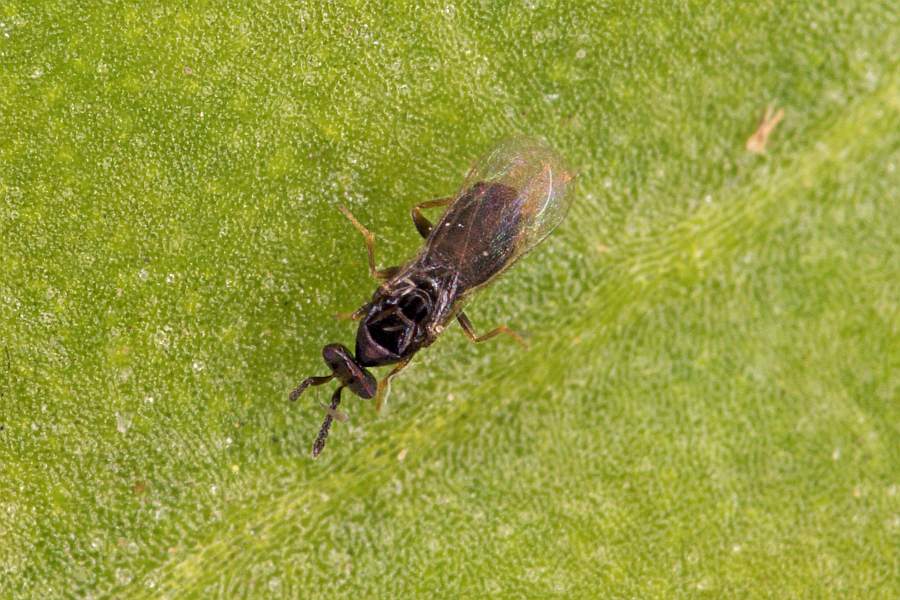
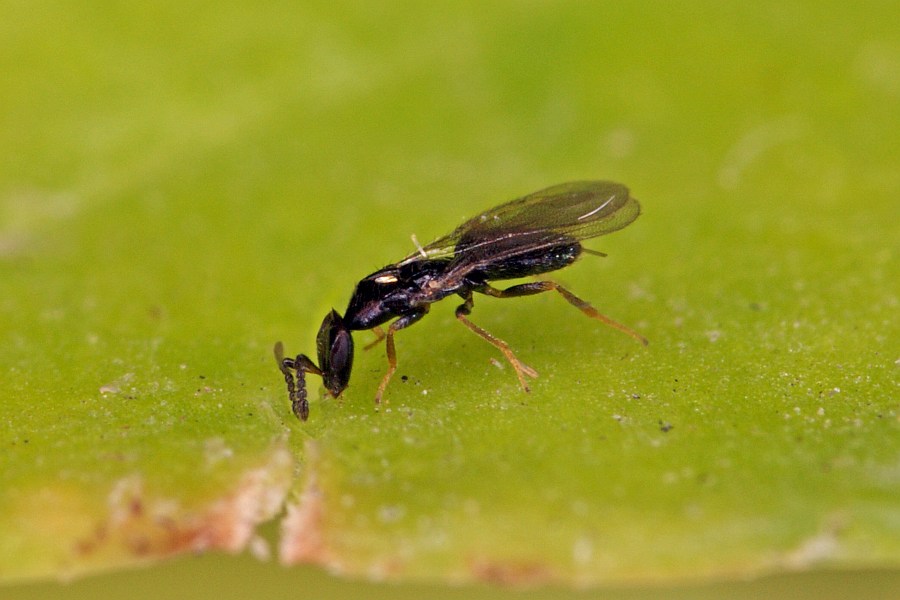
Melittobia acasta and bumblebees

Melittobia acasta, the nightmare of breeders

The site is under construction – we're adding your photos

What you will learn here

  • About the parasite MelittaThe stings of bumblebees in ulcers
  • How he recognise
  • How to preventatively defend yourself
  • How to deal with an attack
  • Lots of unique photographs

Date of last update: 30/6/2021

Introduction – The parasitic wasp Melittobia acasta in bumblebee husbandry

In chapter Murderous wasp Melitobia acasta and bumblebees We learned about what the wasps look like and how they affect the bumblebee nest.

Knowing the wasp is important. Many breeders don't even realise, that their nest has been attacked. Some breeders mistake the wasp for a harmless hoverfly. Detection and diagnosis It is very important

Until recently, not much was written about this parasite. It was well-known in large-scale bumblebee breeding farms. This is because there are known cases where infection by this parasite has wiped out an entire year's worth of work.

In this chapter, we will learn something about how to deal with such situations in bumblebee husbandry.

Thank you

Thank you for the insights and the foundational article written for us by experienced breeder Jakub Černý.
By chance, colonies of this parasite appeared in his garden at home, and so Jakub gained valuable knowledge. Thanks to this, he improved his hives and developed a methodology for saving bumblebee nests.

CM+

Bumblebees PLUS - Melittobia_acasta - Queen - Photo www naturspaziergang de

Melittobia_acasta – Sawfly
Photo www naturspaziergang de
Bumblebees PLUS - Melittobia_acasta - Queen - Photo www naturspaziergang de

Melittobia Acasta – Nymph
Photo www naturspaziergang de
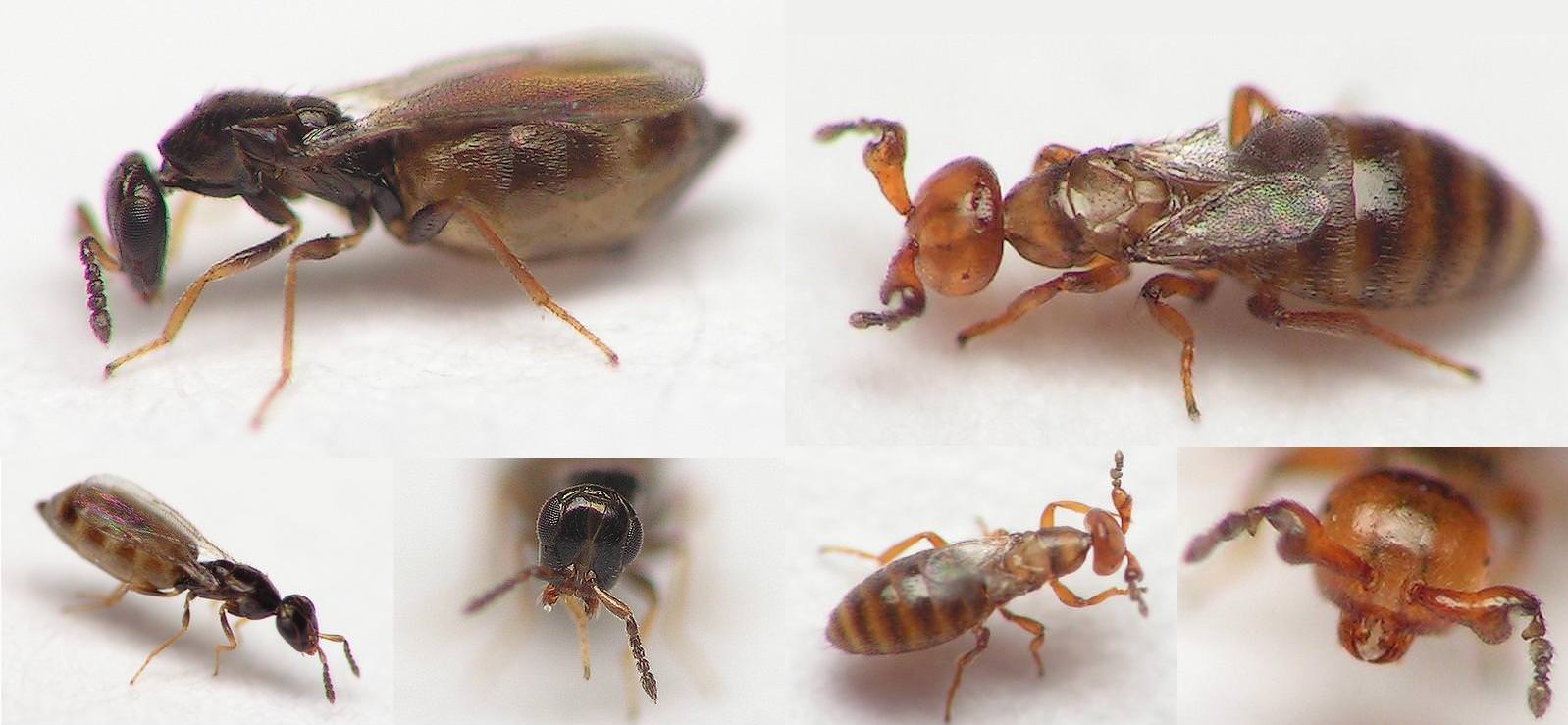
Bumblebees PLUS - Melittobia acasta - Photo www gallery insecte org

Melittobia acasta – female and male – comparison
Photo www gallery insecta org
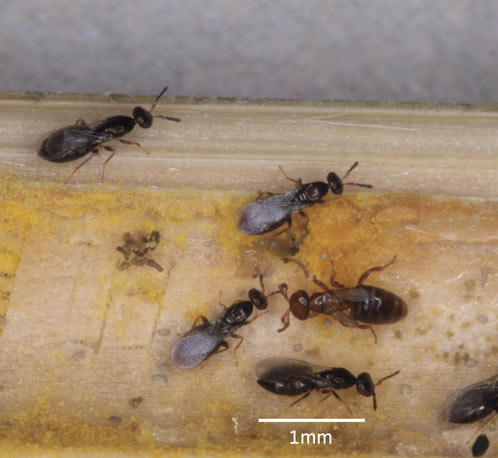
Bumblebees PLUS - Melittobia acasta - Photo Dr Paul Westrich

Melittobia acasta
Photo of Dr Paul Westrich
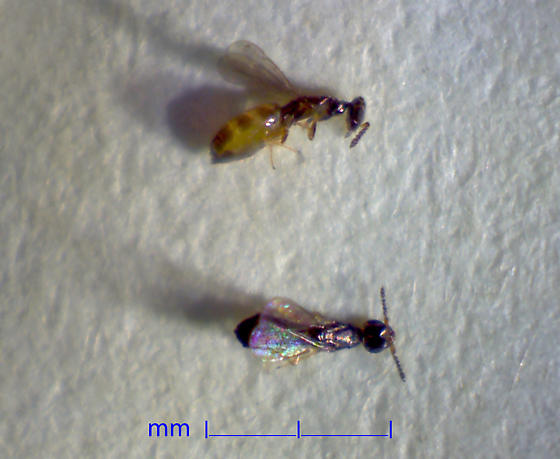
melaci PLUS - Melitobia acasta - Photo Gerald S Wegner

Melittobia acasta
Photograph of Gerald S. Wegner
Bumblebee Plus - Melittobia acasta - Female - Source Internet

Melittobia acasta – Samice
Internet source
Prevention

The basis prevention against Melittobia acasta is quality fright for bumblebees (bumblebee house). It must be sufficiently airtight. In its construction There must be no gaps larger than 0.25 mm. The female wasp can easily get through larger gaps. This could be deformation of the roof and walls, or cracks in their construction.

Likewise The vent opening must be secured mesh, which has a smaller mesh size (for example, it has proven effective Uhelon 53S – careful The density designation is important). 

Is it possible that Melittobia dit can gnaw through some types of seals. It can gnaw its way to a capped solitary bee larva and therefore, it seems, not even the seal will stop it if it penetrates. nest hole. Most (even decent) bumblebee nests aren't made to within tenths of a millimetre, or they deform due to weather. Some form of sealing is therefore necessary, not just for Melittobioa.

V úvahu přichází seal solved with precisely fitting edges solid materials. Additional sealing of unevenness may or may not stop Melittobia. If it is low and the depth it has to chew through is large, there is a chance that it will prevent it from penetrating the nest. However, there is a lack of evidence that this wasp actually chews through the seal and that will not choose another path, how to break into the nest.

One way in which Melittobia gets into a nest is opening the hive (removing the roof) during the day. The females look in daylight and if The breeder will leave the roof open, the nest entrance will attract a female Melittobia from the vicinity, if one is present. 

At the same time, it is very important correct detection and diagnosis. The beekeeper must be able to recognise the signs of nest infestation. Likewise, they must not mistake Melittobia for the harmless bee wolf.

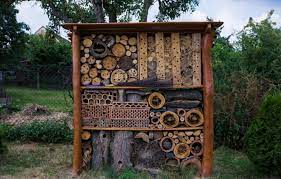
An important preventative measure is also to adhere to safe distances between bumblebee nests and insect hotels – solitary bee houses. These are The primary aim of this parasite and if they are hit, they pose a risk to bumblebee hives.
A reasonable minimum distance is 20-30 metres. Combined bumblebee nests with insect hotels are very unfortunate solutions.

Protective flap Melittobii won't stop them., It will overcome it without any problems. with passing workers.

Beehive protection elements

Passage into the ulcer can be made more unpleasant for Melittobius. Safety features on the peninsula. We describe these on our website www.cmelaciplus.cz  Most of them are universal – they protect against multiple parasites.

We already know that the female wasp is nests literally „imprisoned“. Once it lands on or near the beehive, it must get inside or it will starve to death. It will therefore everything to penetrate the hive. It is led by the smell of a bumblebee nest.
If they can choose, It logically follows from the strongest source. This team can be Leak in the wall of the ulcer, Ventilation sky clapper „bee-stung.

Leaks in the hive, such as cracks, joint deformation, etc., is something a breeder must address before the season begins and which we highlight in the chapter describing pre-season preparation. Operational interventions and sealing with sealantWhat to do during the season, but it's just emergency Solution.

U Ventilation  We have more options. The basic element is ventilation protection with fine Uhelon 53S mesh. This mesh will not let the parasitic wasp into the hive, and we believe that will remain sitting behind the net so long that there Hungry.

Suitable and recommended are Sticky traps in the air vent. Ventilation is next to the flap an intense source of odour and A female Melittobia may be able to engage first. If she gets stuck in the trap during infiltration attempts, she will not have a second chance to get in through the flap. 

On ventilation protection you will learn more HERE

It is also possible to move the nest smell away from the flap, for example, using a 1-2 metre long Ventilation pipe extension, plus protection for the opening with a sticky trap at the end. Remote outlet ventilation attracts the female Melittobia, who is looking for nest hole.

Either sticks to the paste and if not, they are so far from a potential entrance that they will, for the rest of their lives will not be found. But above all, it distracts her attention from the entrance hole. This will always be the most vulnerable part of the hive, in principle.

Examples of possible solutions you will find, for example HERE

S clap This isn't very easy to do. Melittobia attack during the day, taking advantage of the bumblebee guard's inattention at the entrance. Then, like other much larger flies, they pass into the nest this way. 

The protective flap can be read about HERE

It is also necessary not to neglect Ulcer checks. Particularly in the final stages of life, ulcers can develop.

You can read more about the ulcer checks. HERE and further in this chapter. 

When Melittobia is detected, it is necessary to act quickly to act and intervene so that they do not spread further into the surrounding area. Very often The last cocoons are appearing at the finishing nests, it's so good after leaving the nest, check the remaining cocoons in good time

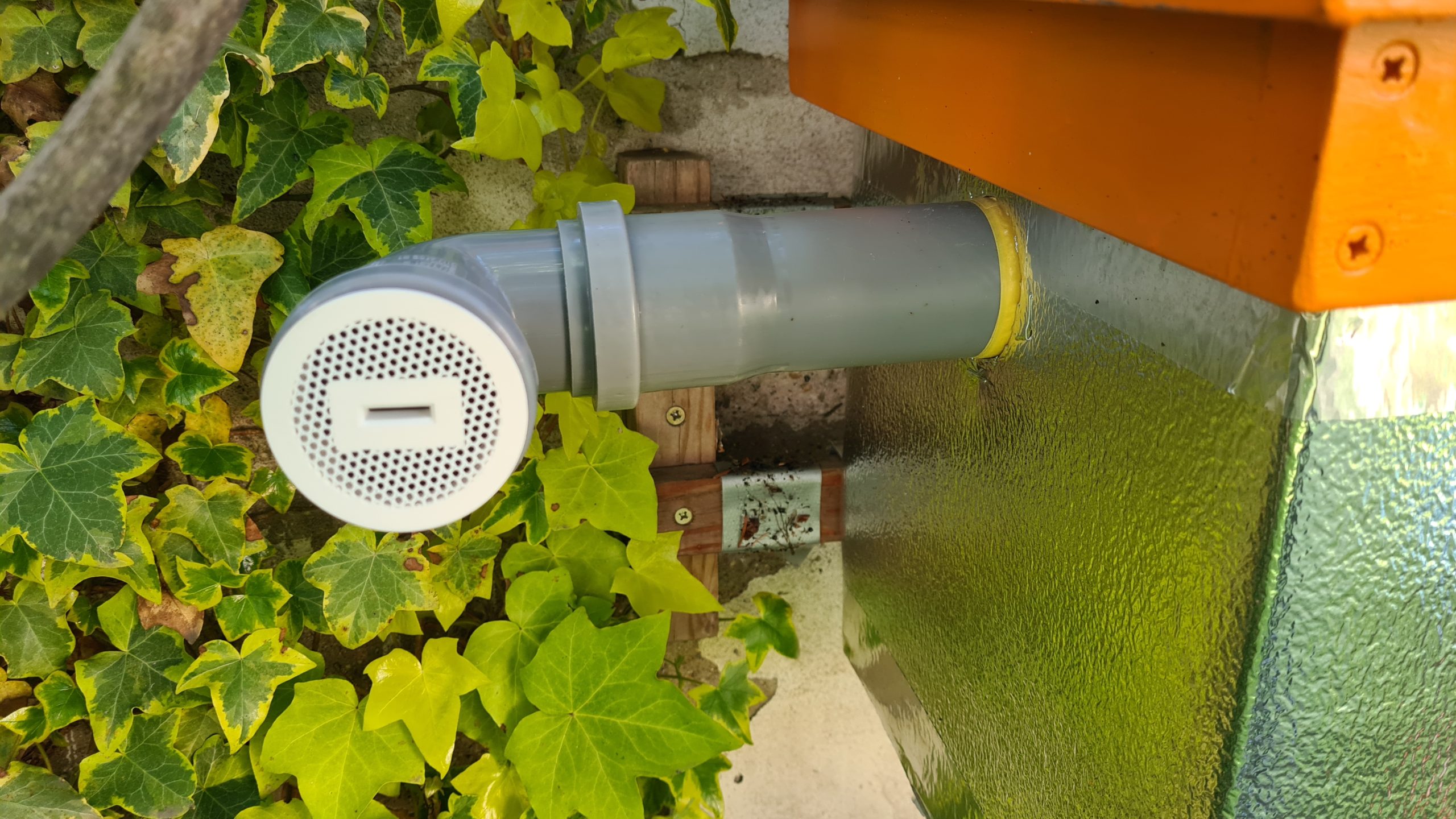
Beehive ventilation protection, is one of the key elements of nest protection in a hive (bee house).

You can find out more about ventilation with sticky traps. HERE

Bumblebee PLUS - Hive Ventilation Protection - 3D Printed Cover

Ulcer ventilation protection – 3D printed cap
Photo O. Hercog (5/2021)
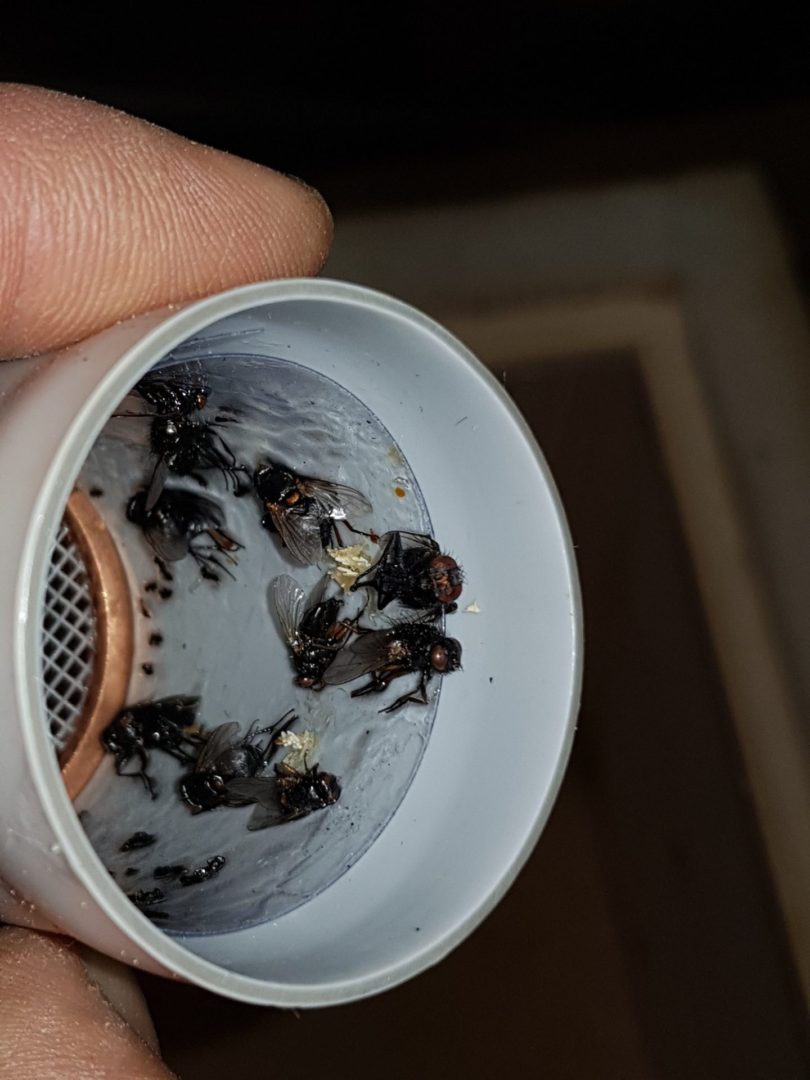
Bumblebees PLUS - Sticky trap in ventilation after the season

Sticky trap in ventilation after the season
Photo O. Hercog 2018
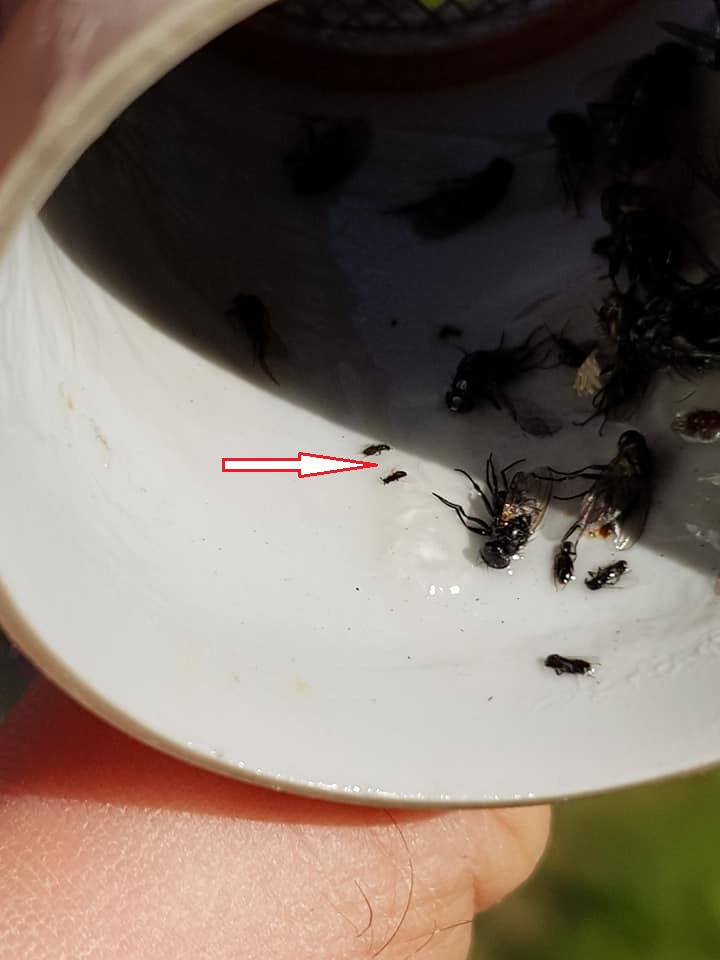
Bumblebees PLUS - Melittobia acasta - Females caught in a sticky trap

Melittobia acasta – Females caught in a sticky trap
Photo O. Hercog 6/2019
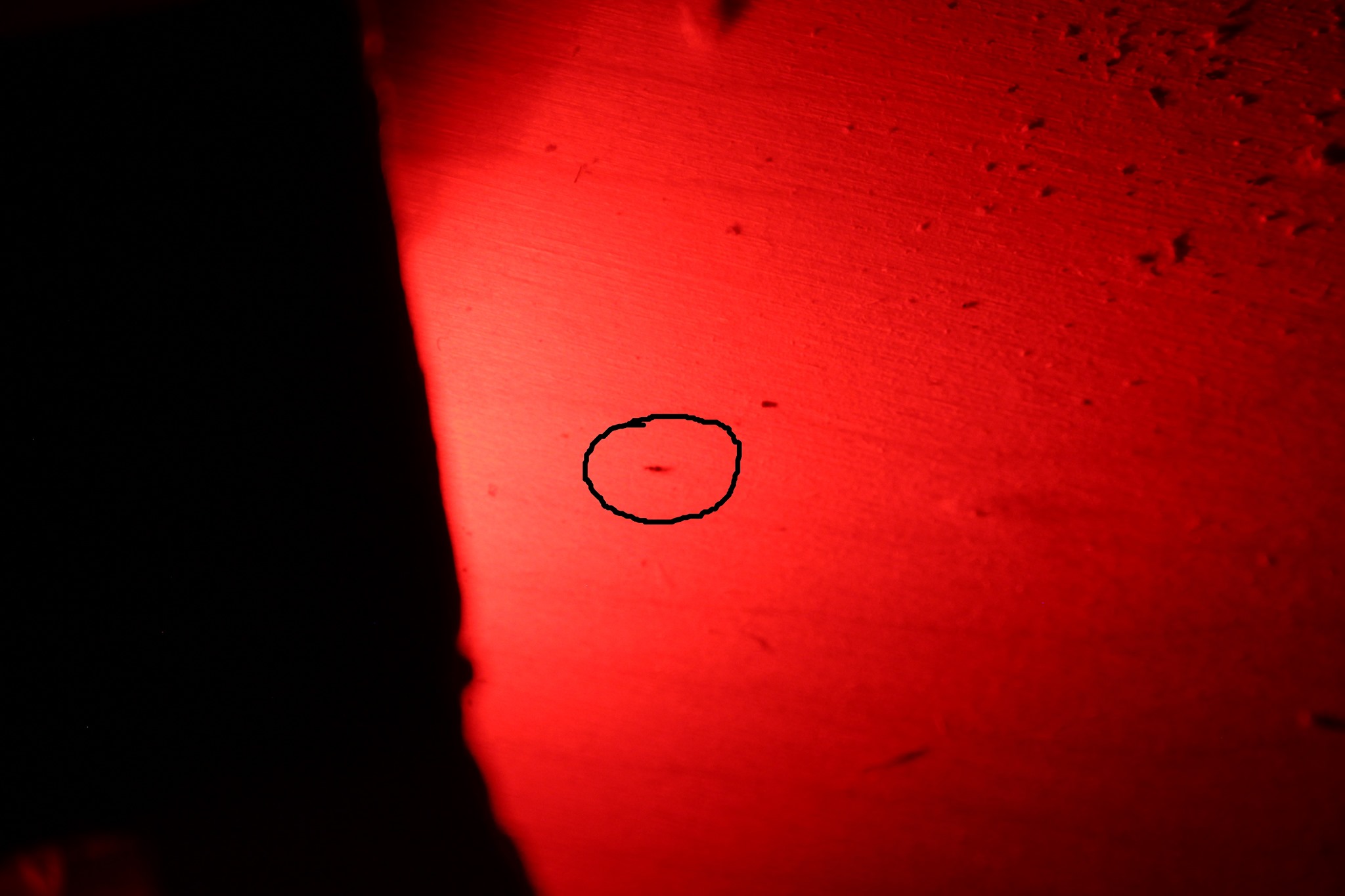
How to recognise a bumblebee nest being attacked by the parasitic wasp Melittobia

Melittobia is thermophilic and we'll encounter it more often from in summer. However, during a warmer spring, the ulcer may become infected By May.

Identifying an attack in its early stages is practically impossible.. Successful penetration into the ulcer will go unnoticed. Even a thorough inspection of the inside of the bumblebee nest will reveal nothing. The infection is hiding inside cocoons, which from outside at first They look healthy at first glance

A warning sign can beObservation of cocoons from which nothing hatches within 14 days (but it can also have other causes).

Likewise, an infested cocoon can be detected by „It's different than others. If it is attacked, it will change its Contents for a milky liquid, in which (after opening the cocoon) white dots are visible – gradually growing larvae. Infested the cocoon is soft. At a certain stage explicitly falls through a loses its egg shape

To avoid making it too easy, the growing larvae of Melittoboia coconut often fills and so such detection cannot be used. Furthermore – that first attacked cocoon může to být one of many cocoons throughout the nest and so the initial stage of attack is easily overlooked.
So it's often down to chance that a breeder finds such a cocoon during nest checks. However, observing suspicious cocoons is a way to detect them. 

Bumblebees PLUS - Melittobia acasta individuals in a bumblebee nest

Specimens of Melittobia acasta in a bumblebee nest
Photo J. Černý 2019
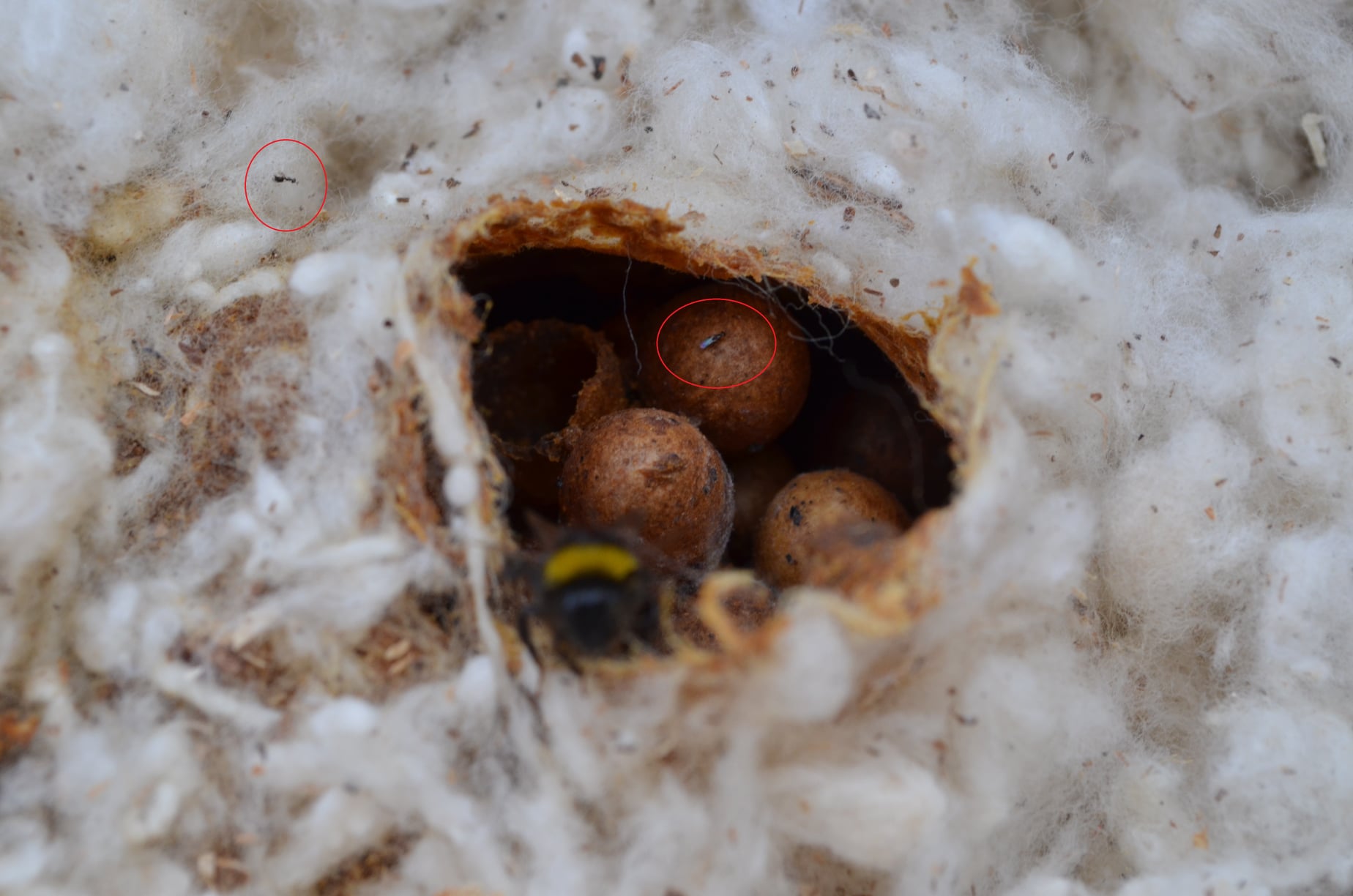
Bumblebees PLUS - Melittobia acasta individuals in a bumblebee nest

Specimens of Melittobia acasta in a bumblebee nest
Photo J. Černý 2019
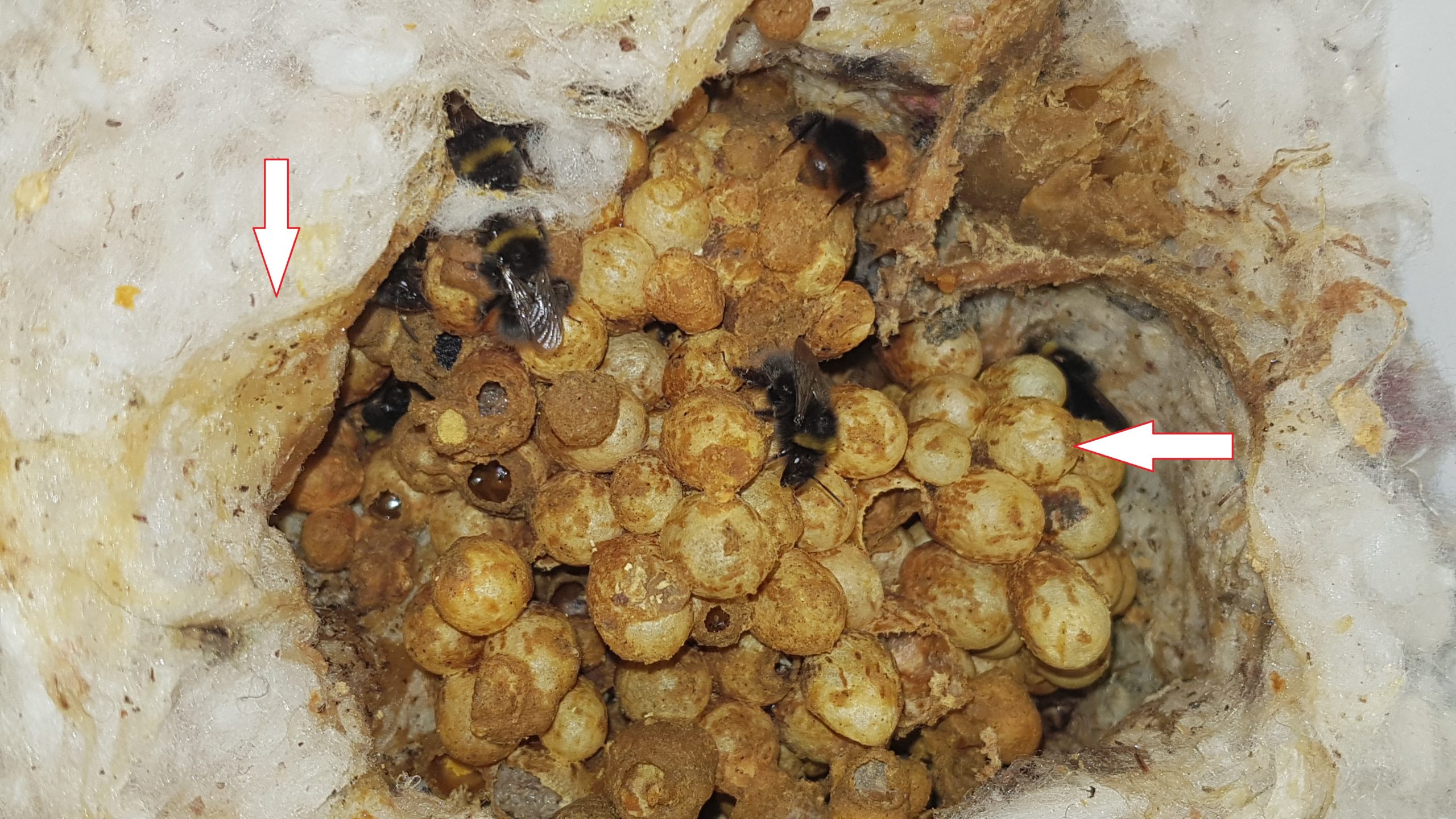
Bumblebees PLUS - Melittobia acasta - Infested bumblebee cocoons

Melittobia acasta – Infested bumblebee cocoons
The arrow to the left shows traces of chewed gnats
The arrow on the right indicates a suspicious collapsed cocoon
Photo O. Hercog 6/2019
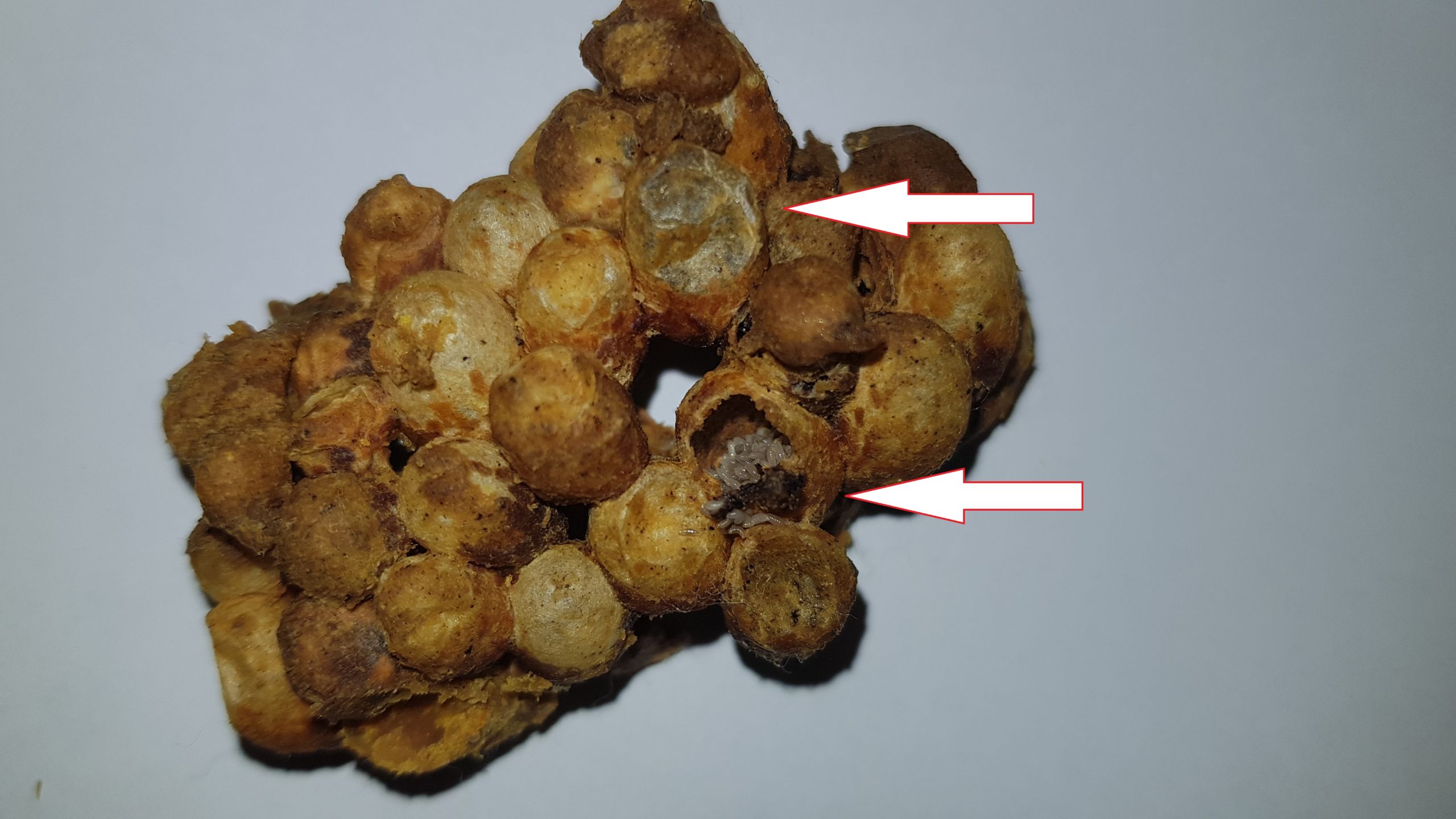
Bumblebees PLUS - Melittobia acasta - Infested bumblebee cocoons

Melittobia acasta – Infested bumblebee cocoons
The arrow at the top points to a suspicious cocoon
The arrow at the bottom points to a cocoon with Melittobia larvae.
Photo O. Hercog 6/2019
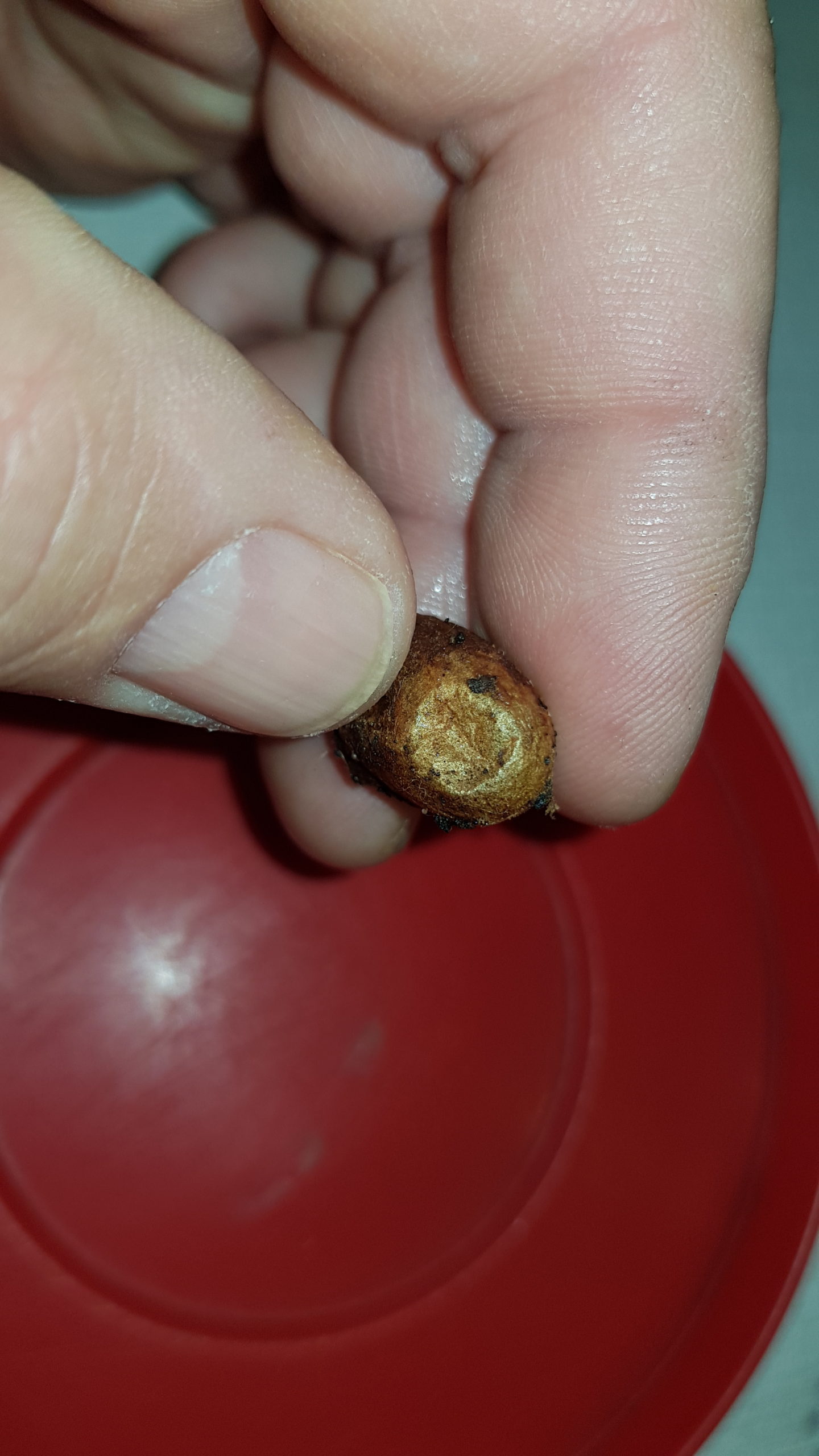
Bumblebees PLUS - Cocoon infested with Melittobia Acasta

Pupa attacked by Melittia Acasta
Photo O. Hercog 6/2019

.
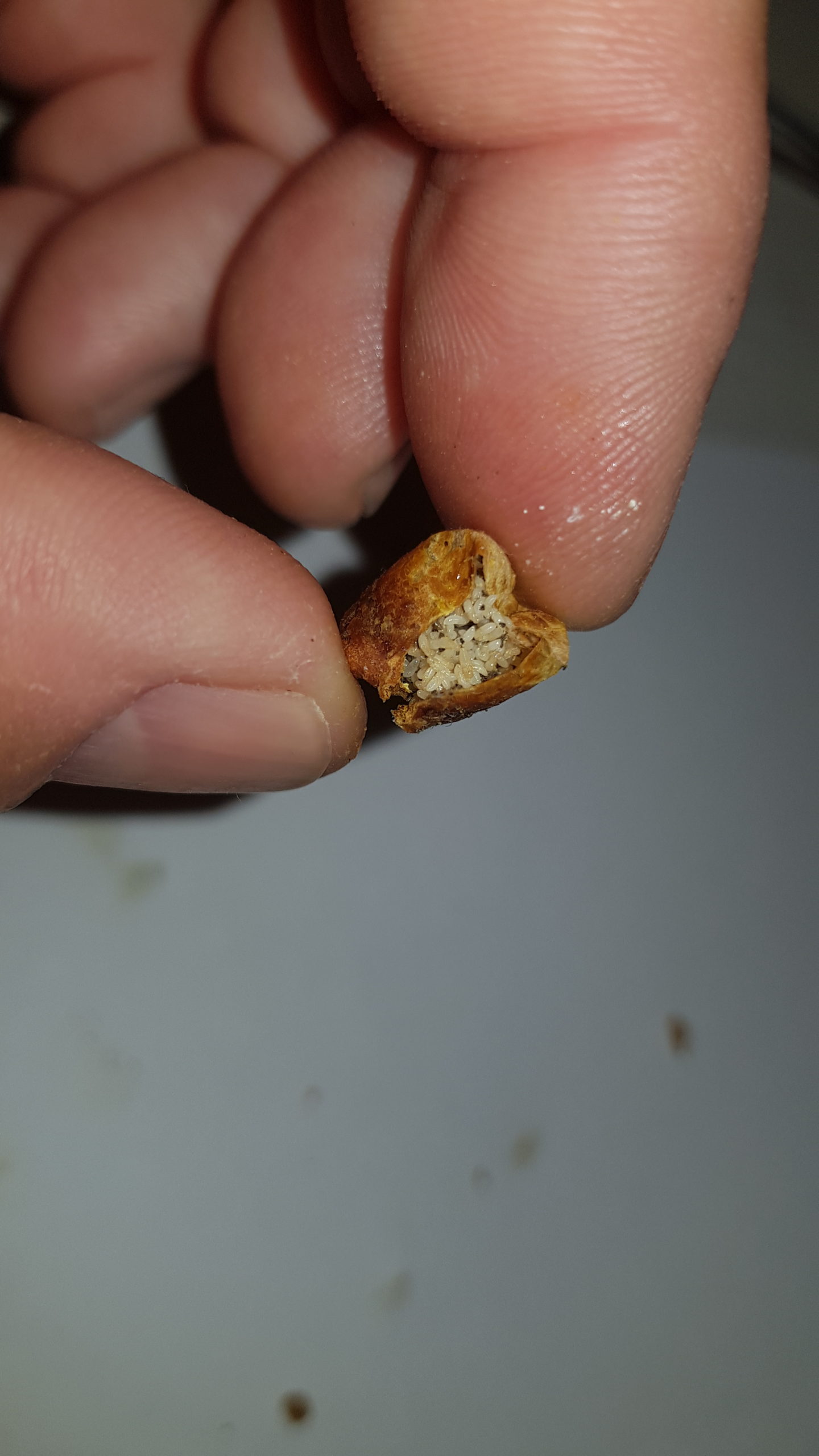
Bumblebees PLUS - Cocoon infested with Melittobia Acasta

Pupa attacked by Melittia Acasta
Photo O. Hercog 6/2019
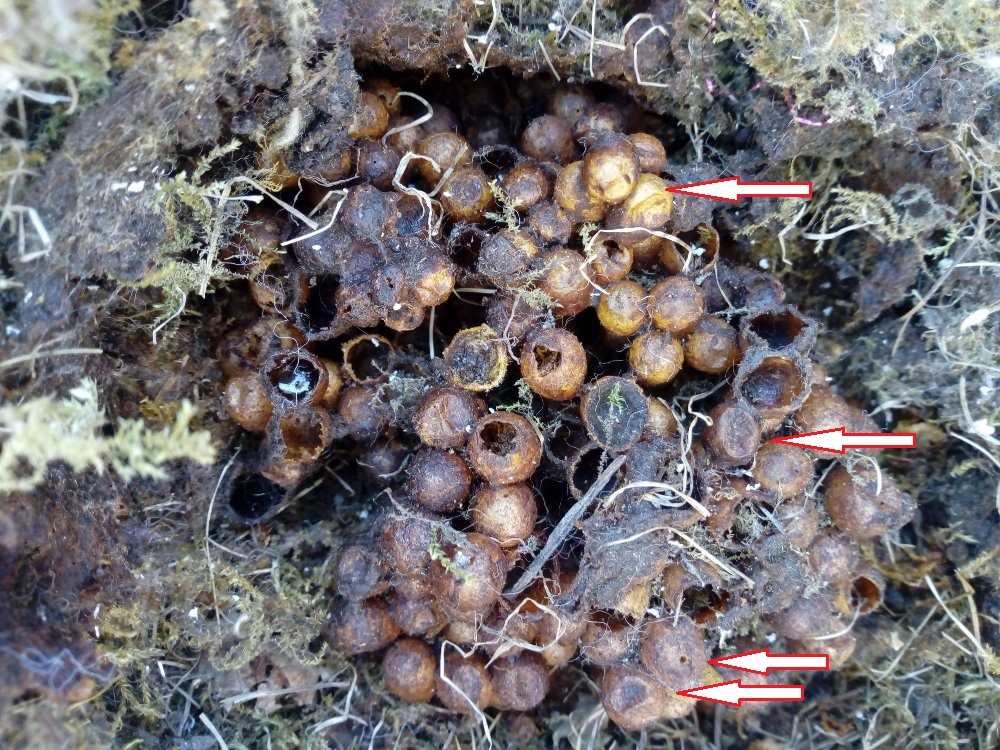
The important thing is The behaviour of a bumblebee colony. Externally, the attack manifests as The bumblebee family will cease to strengthen, New individuals are not being bornI, the activity and fly-through are initially the same, but Young mothers are not appearing.
The development of the nest can be weakened by many other causes, but it is definitely the reason why check the nest more often.

Quite a good indication, though already late, is Sudden drop in nest activity. Bumblebees are disappearing (new ones aren't being born) and Suddenly they are behaving apathetically. This is a reaction to their work going in the benefit of feeding larvae that consume the offspring of Melittobia.

Infestation by Melittobia is usually only noticed by the beekeeper when the second generation of their are starting to give birth male. After mating, they try to leave the hive quickly and find a new host. At this stage, an infestation Discover and in-depth review, on the infested cocoons small holes are appearing and tiny flies are crawling out of them.
Suddenly, you notice cocoons that haven't been cleaned of wax and have been somewhat forgotten.
In the nesting area, we also find suspects. blackheads. They are traces of a fight – female solitary bees often emerging Melittobia will chew

How do you Ulcer invasion is escalating, the first signs will start appearing on the surface of the lining Individuals, and then you start to accumulate in the hive space, primarily in internal parts of the ventilation opening under the roof. Young females also start to appear on the flap, through which they climb out. As soon as you open the nest box, they try to fly out into the surrounding area. There can be hundreds of each cocoon. This is proof that there is no longer food in the nest and the ill deed is done. The new wasp mothers migrate further.

Perhaps it looks like scaremongering, and that we are frightening you. But if you see Similar signals, it's good to understand what's going on, and the problem Detect correctly. Fortunately, Melittobia does not occur often. Where it occurred, In the next season, the breeder should be attentive, and all the more so with the hive boxes to monitor and control

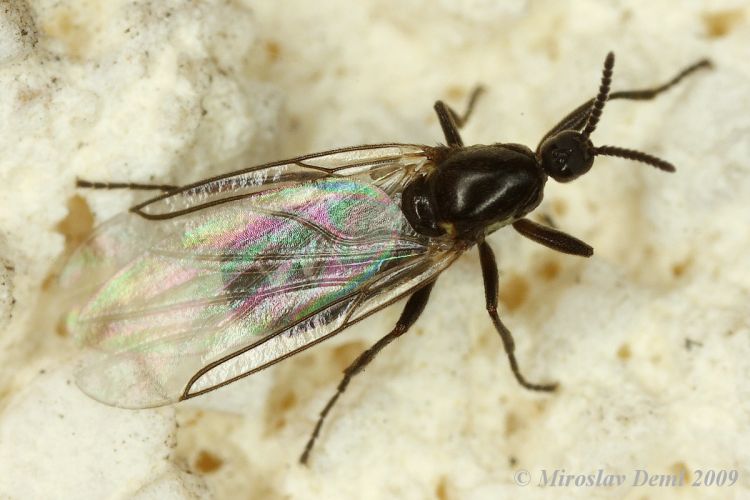
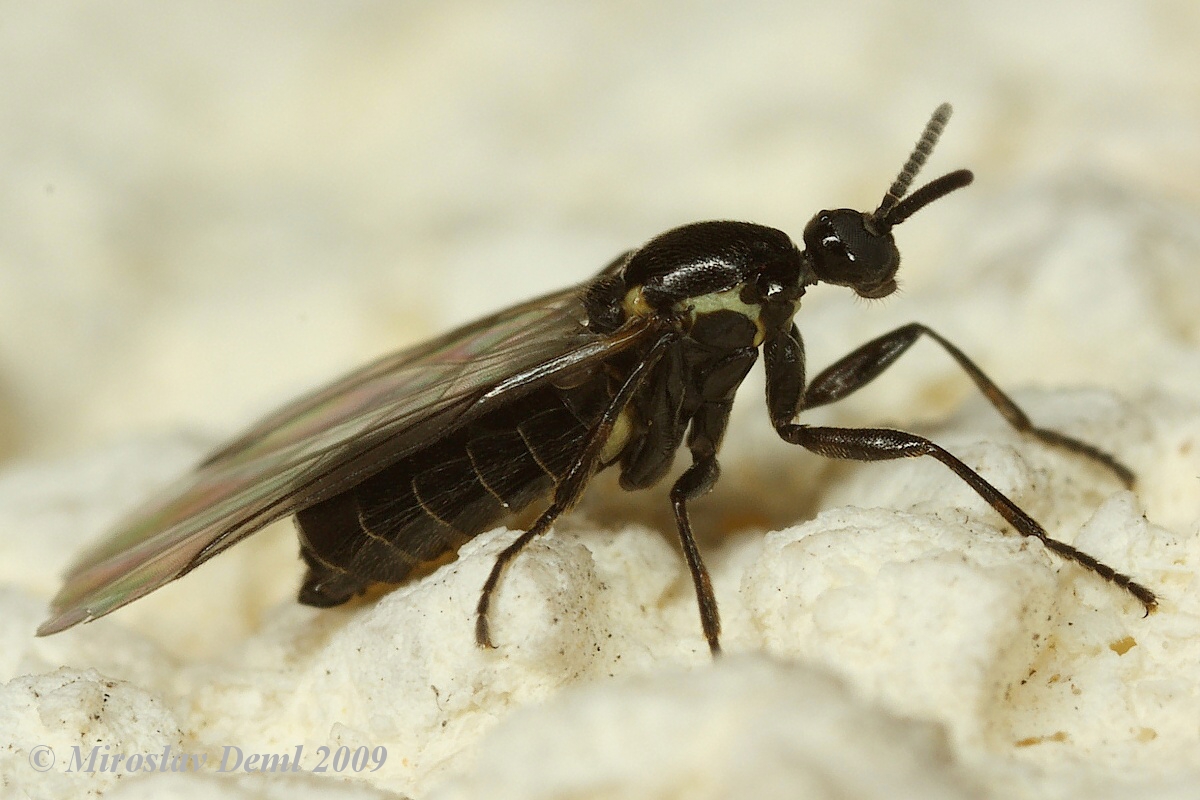
Caution, do not confuse the individual Melittobia acasta with the Black Fungus Gnat (Scatopse notata)!

Bumblebees PLUS - Nest invaded by Melittobia acasta

Nest attacked by Melittobia acasta
Photo J, Majáková 9/2018
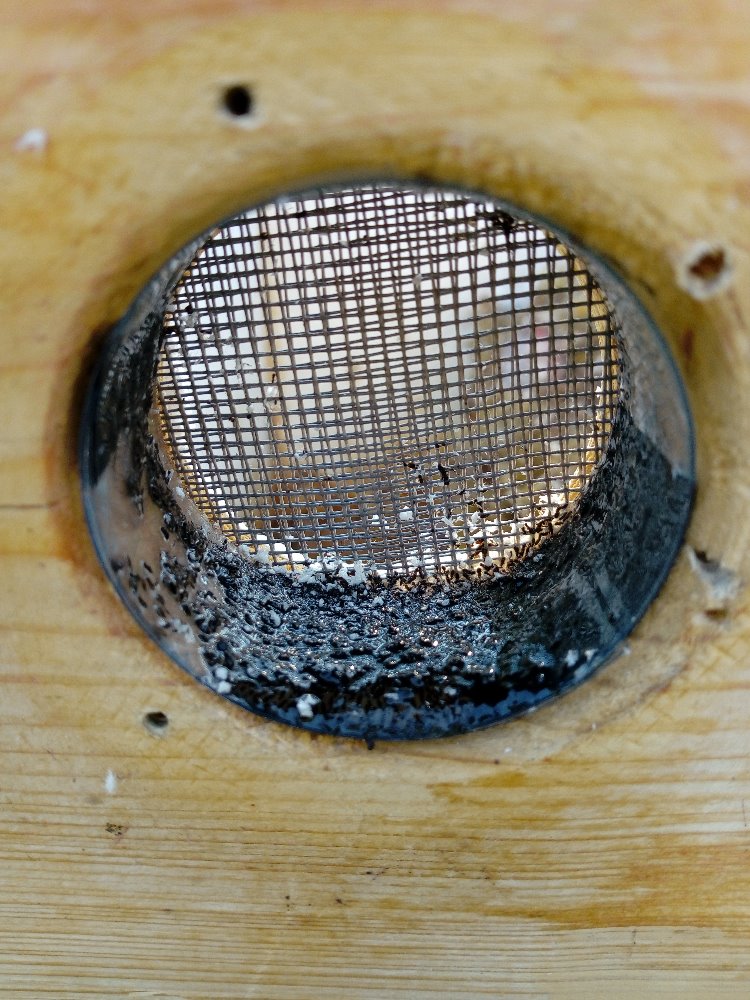
Bumblebees PLUS - Melittobia acasta individuals caught in a sticky trap in a hive ventilation

Melittobia acasta individuals caught in a sticky trap on a hive vent
Photo J. Majáková 09/2018
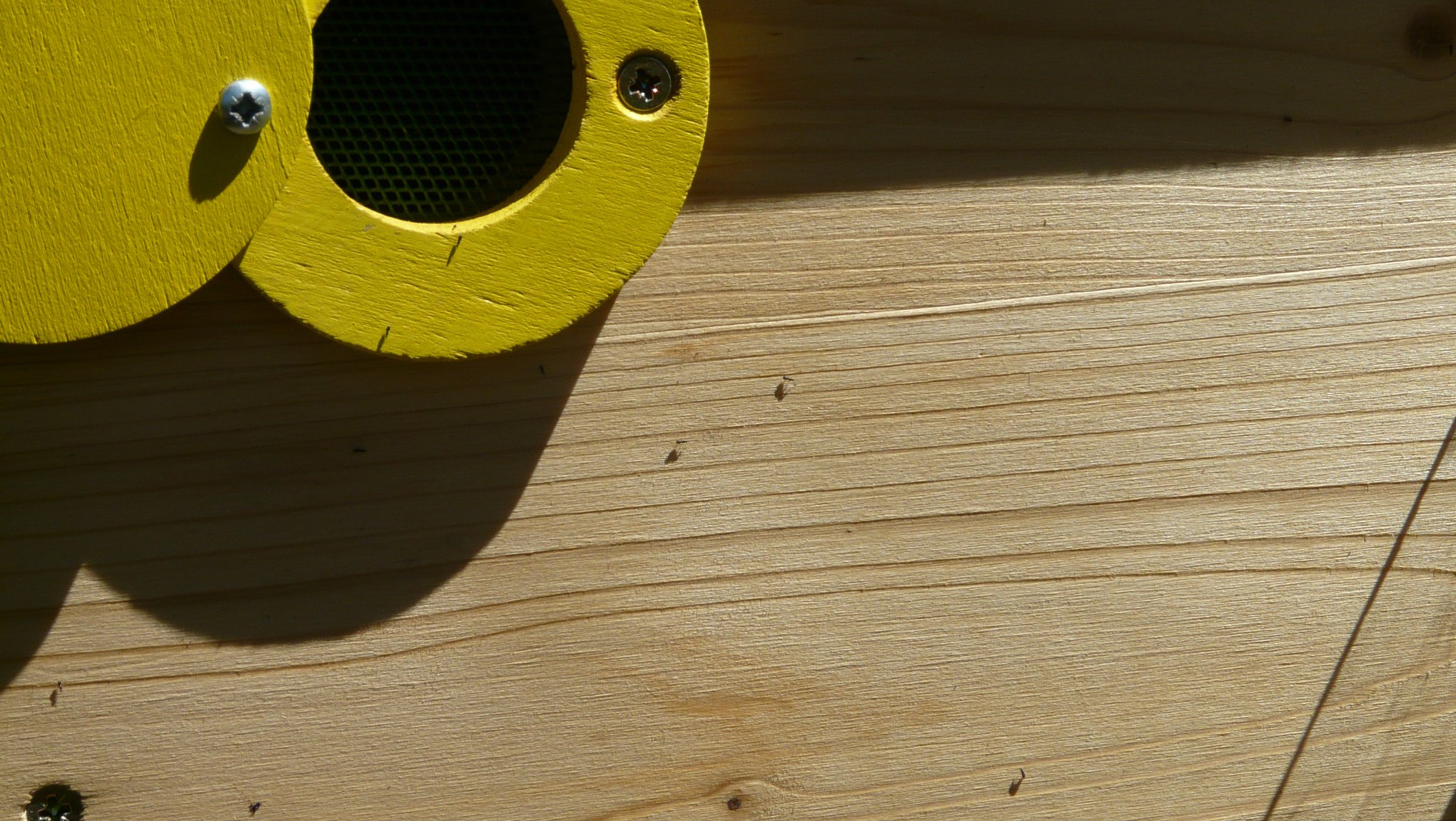
Bumblebees PLUS - Melittobia acasta on the beehive

Melittobia acasta on the ear
Photo K. Turpiš 2018
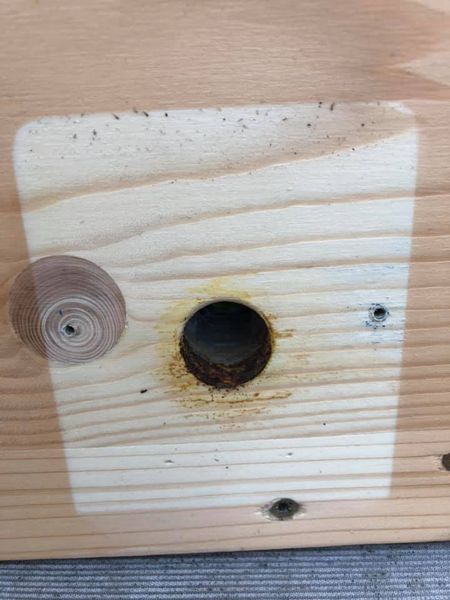
Bumblebees PLUS - Melittobia acasta under the flap

Melittobia acasta under the lid
Photo P. Krčová 2020
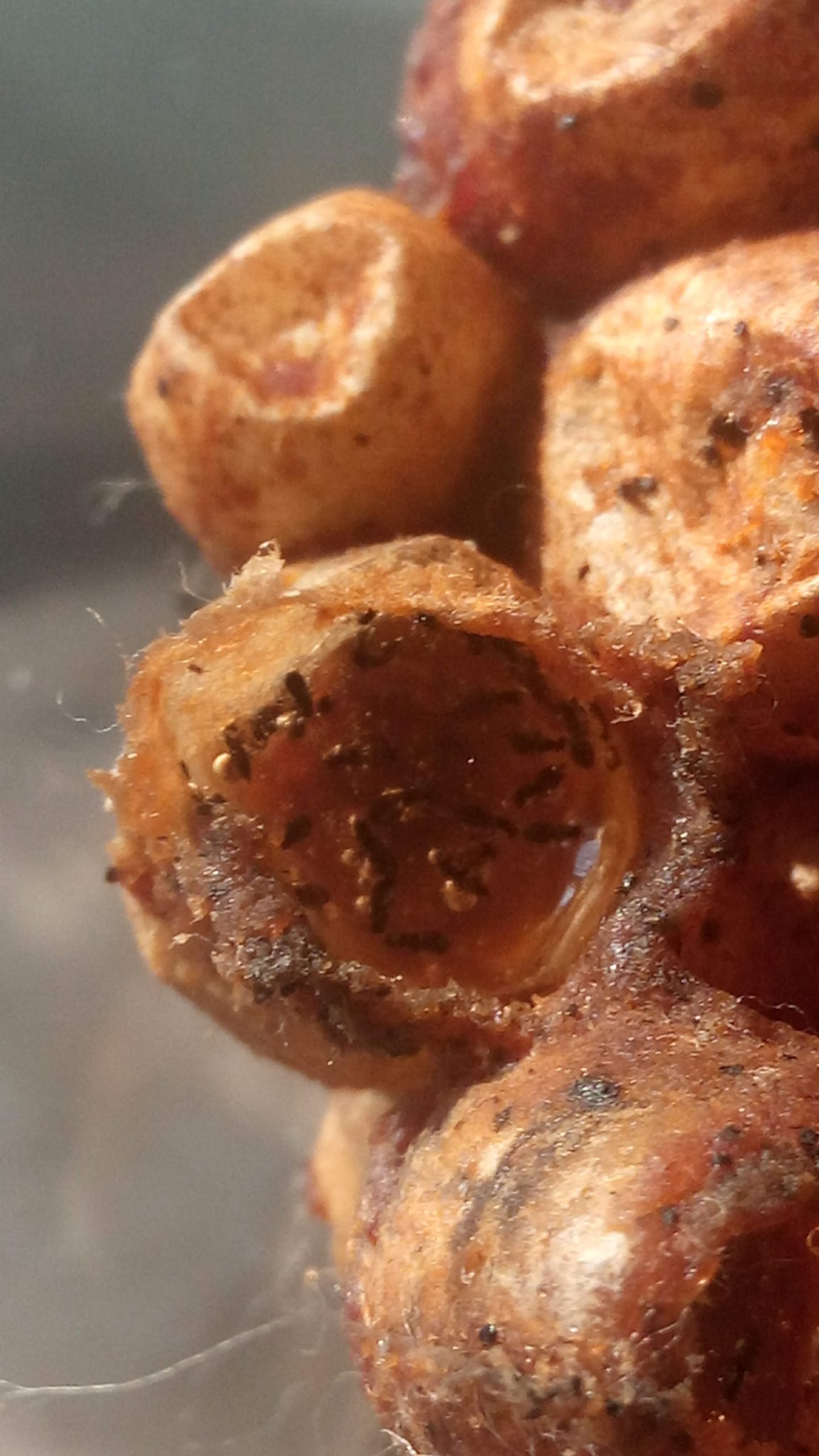
Bumblebees PLUS - Melitobia acasta on cocoons

Melittobia acasta on cocoons
Photo L. Wetterman, 07/2020
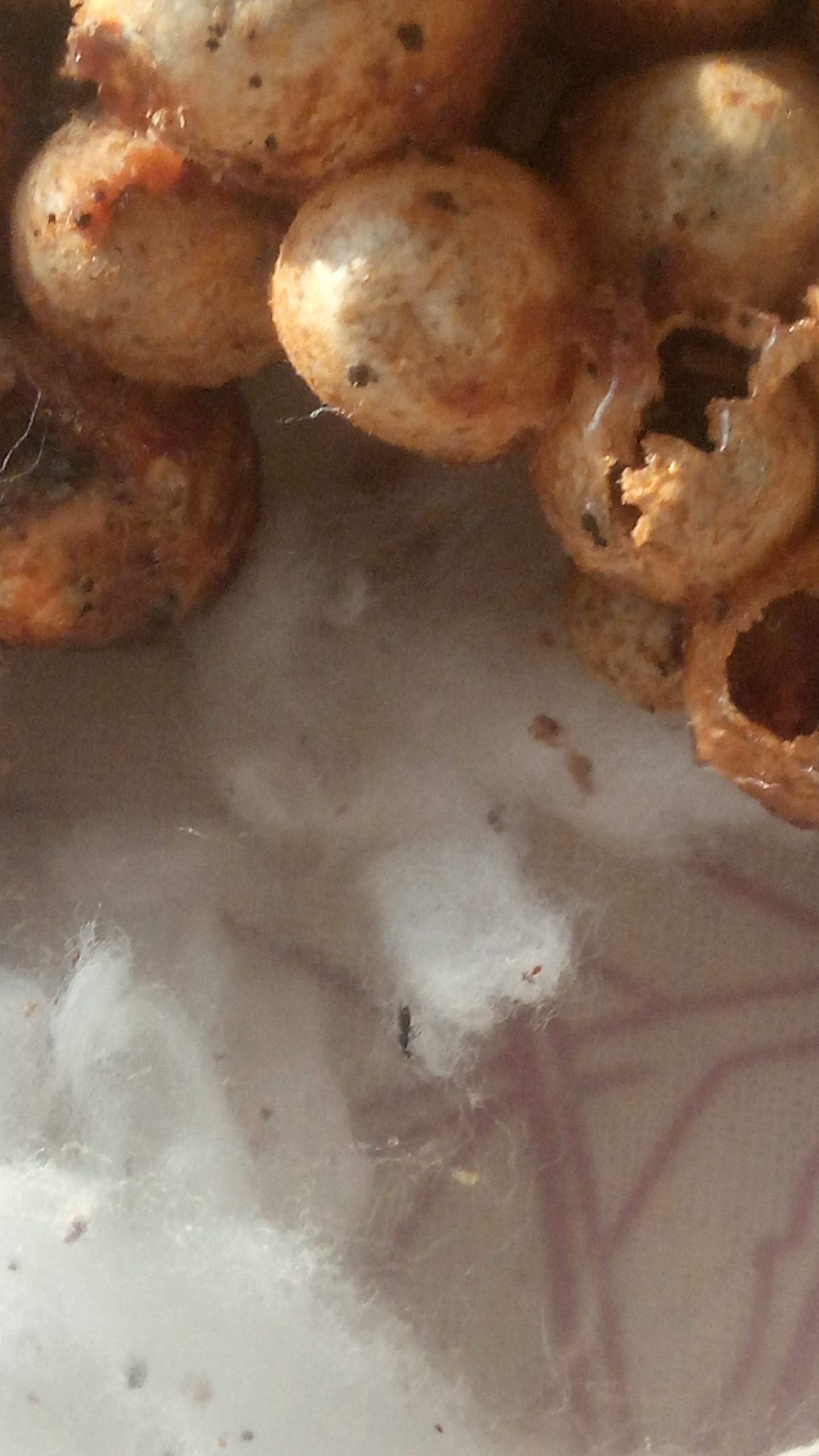
Bumblebees PLUS - Melitobia acasta in nests

Melittobia acasta on cocoons
Photo L. Wetterman, 07/2020
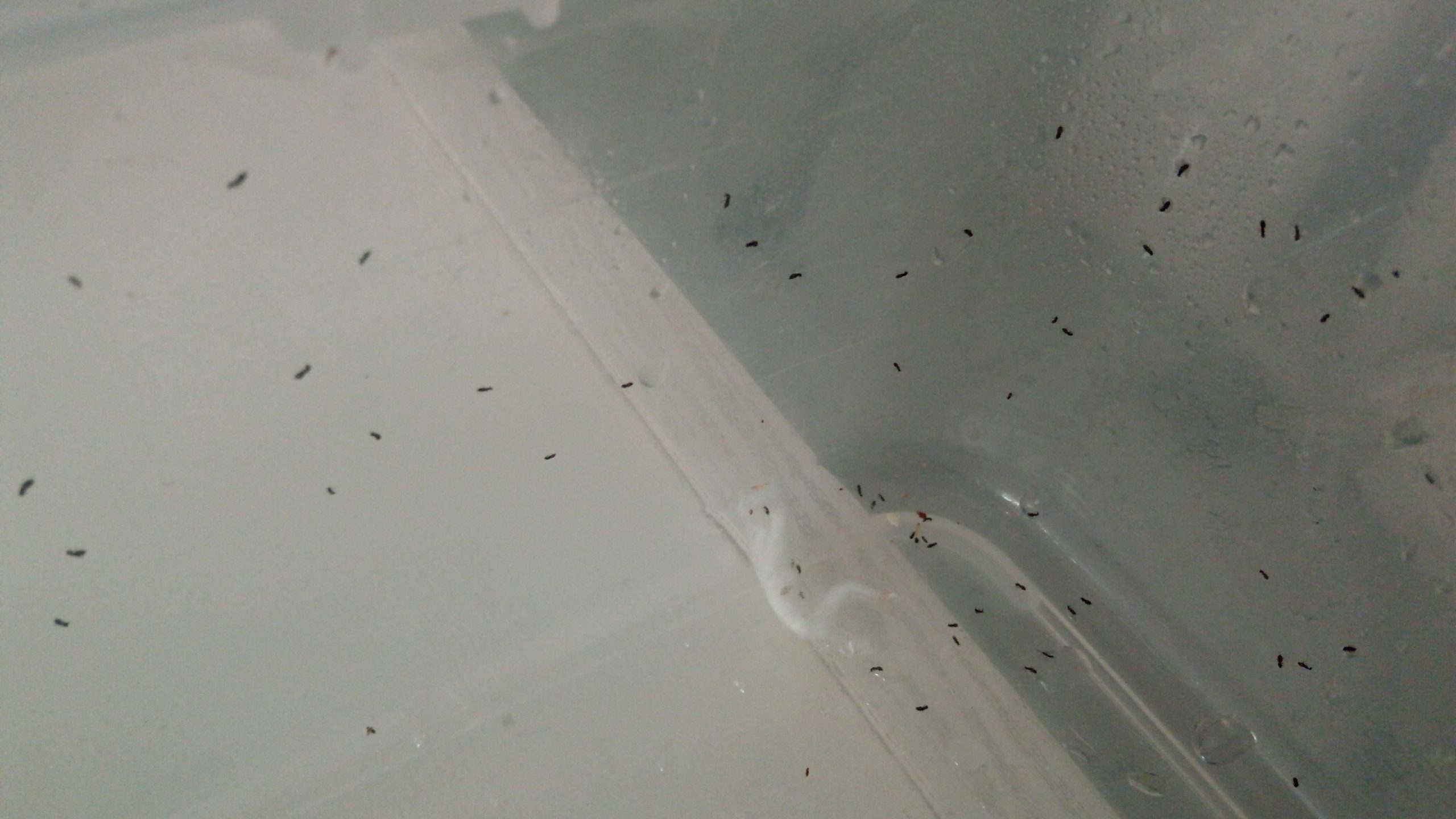
Bumblebees PLUS - Melitobia acasta

Melittobia acasta
Photo L. Wetterman, 07/2020
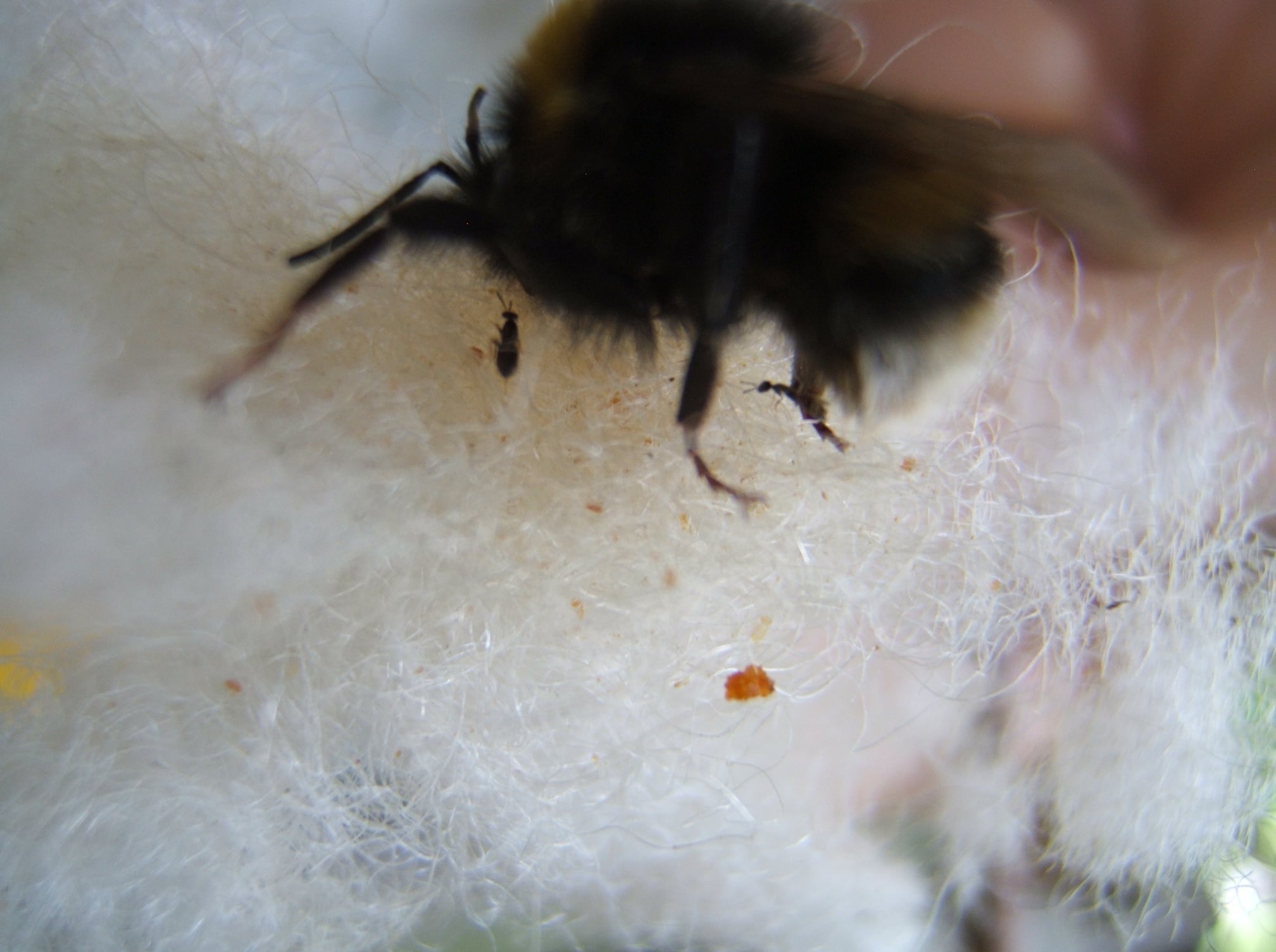
Bumblebees PLUS - Melittobia acasta in a bumblebee nest

Melittobia acasta in a bumblebee nest
Photo K. Hromková 6/2021
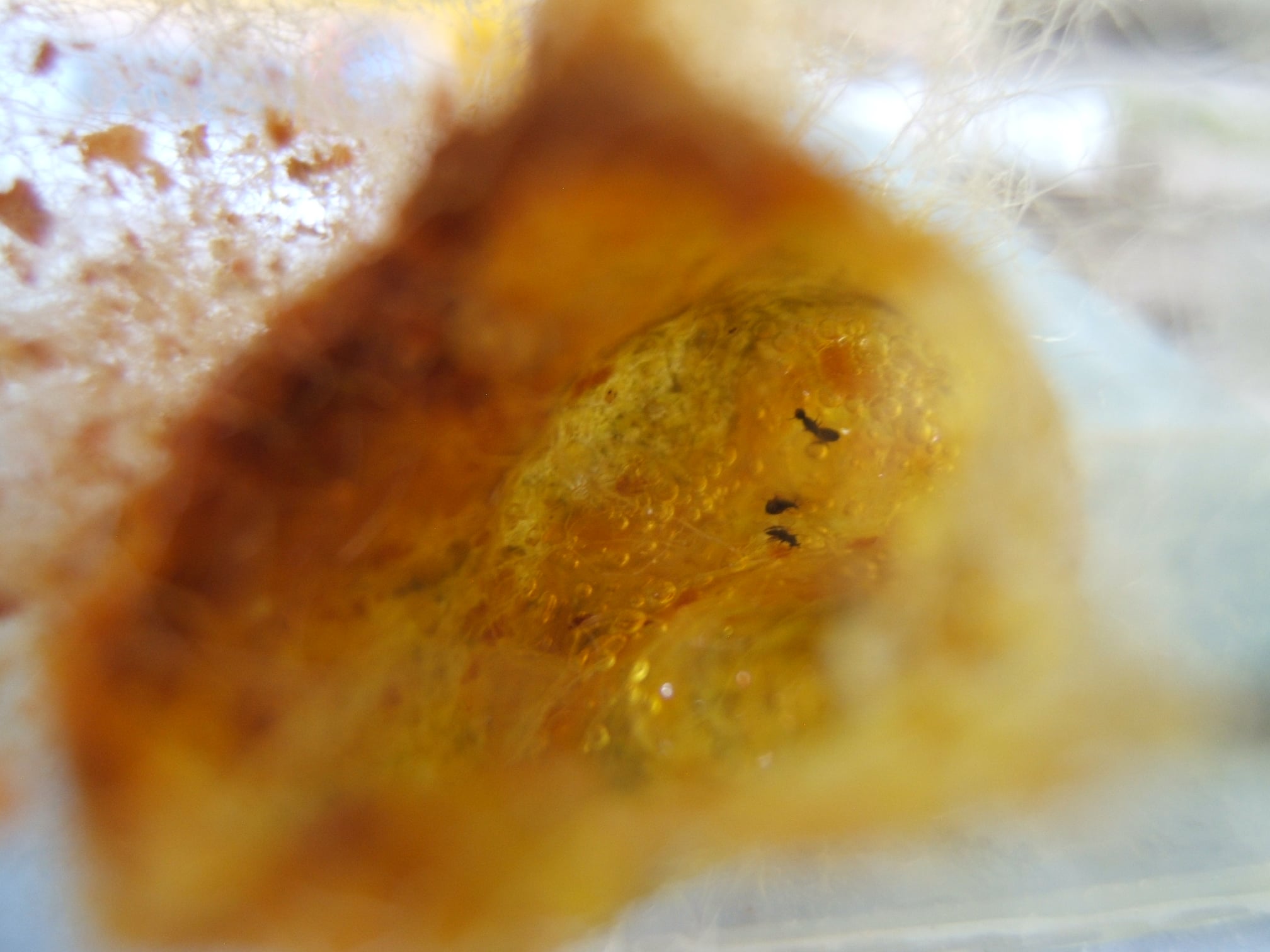
Bumblebees PLUS - Melittobia acasta in a bumblebee nest

Melittobia acasta in a bumblebee nest
Photo K. Hromková 6/2021

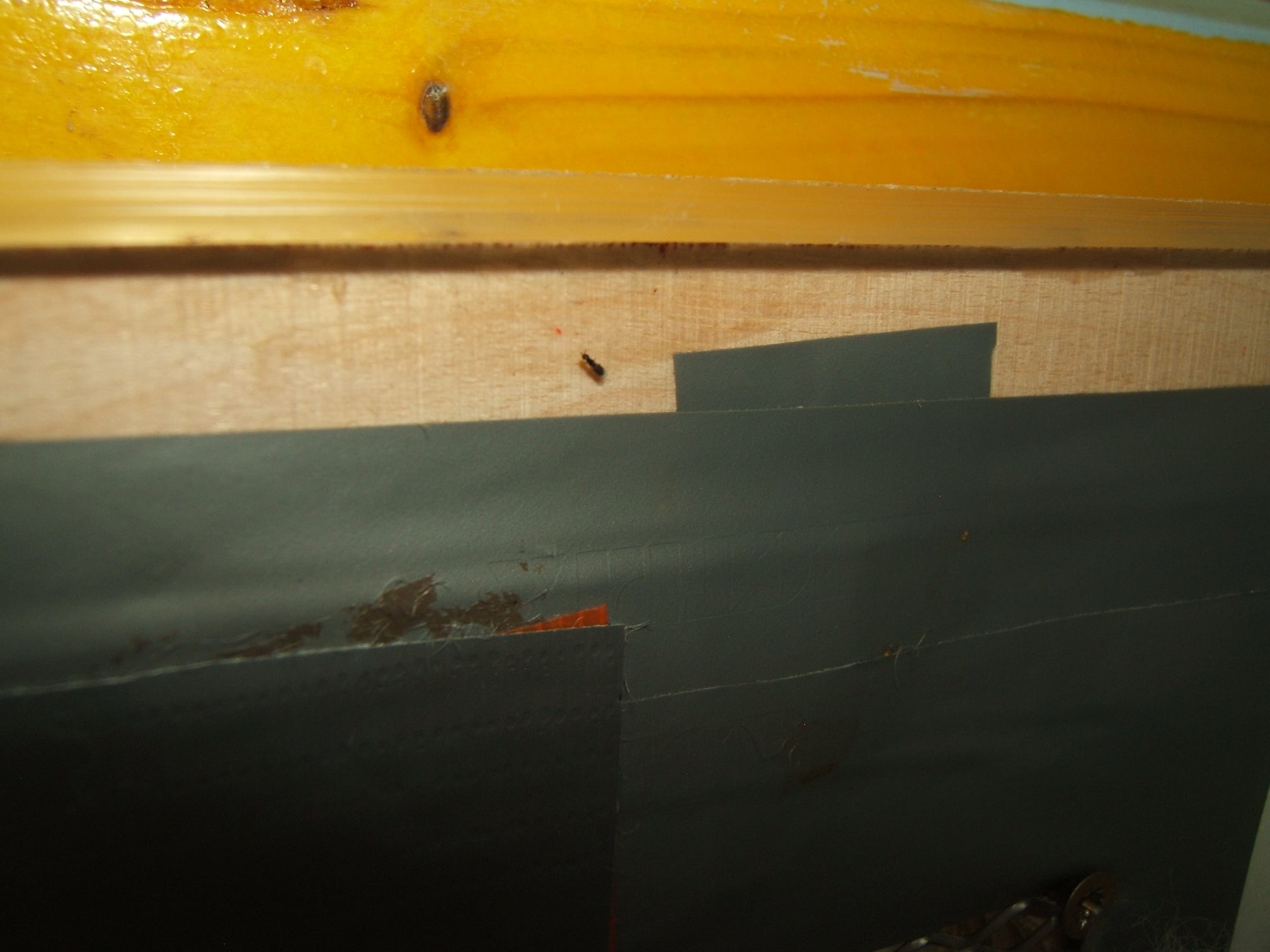
Melittobia acasta in a bumblebee nest
Photo K. Hromková 6/2021
Black fungus gnat (Scatopse notata) – don't confuse them with Melittobia

This representative of the order Diptera belongs to the separate family of fungus gnats. 

Unlike Melittobia acasta, which is very small, pamuchnoce has size 3-4mm.

Very abundant, often on flowers of umbelliferous plants, on leaves, and on the windows and walls of toilets.

The larvae live in decomposing organic matter. You will often find them in bumblebee nests, where theyacts as a commensal – it doesn't harm the nest, it just cleans up organic debris and dirt.

So, if you find „little black flies“ in a bumblebee nest, there's no need to panic, they could be phorid flies.

KnowsHello

Commensalism I'm typing Biological interactions between two Organisms, when one benefits from a relationship while the other is unaffected.

Bumblebees PLUS - Black Scathopse - Scatopse notata 2 - Source BioLib cz

Black fungus gnat
Source BioLib cz
Bumblebees PLUS - Lesser Bulb Fly - Scatopse notata - Source BioLib cz

Black fungus gnat
Source BioLib cz

How to intervene in the event of an attack – step number one 

The first measure in case of an attack is always seal off a fright regardless of the bumblebees. The aim is to ensure, to prevent the female Melittobia from escaping. Don't forget that wasps are small, you can barely see it in the sky They fly during the day.

Is suitable for closing the entrance hole ground cork stopper, or thorough Taping over the entry hole with quality tape. At the same time, it is necessary to tape tape up the vent and likewise with tape seal the gaps between the roof and the hive body.

In case of an ulcer attack, consider the next steps 

Next steps It depends on more factors, there are more options, and which option to choose depends on the circumstances and the breeder's possibilities. Likewise, it depends on risks, which the beekeeper wishes to undertake (a beekeeper with multiple hives in one location or a nearby area).

Solution variants:

  1. Complete eradication of the entire nest
  2. Rescuing at least part of the bumblebee family
  3. The third is to treat the nest so that the rescued bumblebees can continue their work. 

To choose the correct procedure, we must answer a few questions

a) What is the risk of further ulcers developing? bumblebee nests 

If we have multiple ulcers, we need to reduce the risk of further ulcers developing in the surrounding area. It should be considered, How many other hives are still at a stage where the infection can cause harm?.
For example, if young queens are already flying in other hives, even if Melittobia penetrates, a greater spread will occur in approximately 2 weeks. It is therefore highly probable that the queens will have already hatched and the damage to male cocoons is not so significant.

So, it is necessary consider how many more nests are in the development phase or before the hatching of queens. Of course It is not advisable to allow Melittobia to multiply., even if it's only male cocoons.

It is also good to consider whether it is in the attacked nest or in other nests a rarer species.In the event of the high risk of infesting other hives or rarer species, it is better to proceed with the total liquidation of the infested nest

b) At what stage of development is the infested nest?

If an attack occurs during the time, when a larger number of queens have already hatched, total liquidation would result in the liquidation of these mothers too. In that case, it is possible consider at least evacuating the bumblebees from the hive and disposing of the rest of the nest, to have mothers a chance to mate and fly off to hibernate. When you consider the possibility of evacuation, therefore, think of point a).

c) Safe handling of an infected ulcer
Handling an infested nest is a risk, even when you do it in the dark. Escape of Melittobia individuals is likely in the light. It is also quite possible that during handling Will any female Melittobia remain on the fur of bumblebees? and your efforts will be thwarted.

Working with an open and infected ulcer in the light is actually just spreading Mellitiobia  

d) What are our options and experience with nest treatment?

Aside from total liquidation, the other interventions require the option to carry out treatment in a darkened enclosed room under red light, during which Melittobia do not fly.
Also to be considered determination for the manipulation of bumblebees and a bumblebee nest. These are experienced breeders, but also determined beginner breeders, who manage just fine, as seen in the "Bumblebee Rapid Response" events.

Complete destruction of the infested nest

The goal total liquidation of a nest infested with Melittobia is prevent its spread even at the cost of losing the bumblebee nest.

What will you need:

  • Means for sealing the ulcer (cork, tape, etc.)
  • red lantern
  • a dark and preferably also cool room
  • strong alcohol/ether
  • Plastic bag for nest disposal
  • Ulcer cleaning agents following treatment

Procedure

  1. Startled by an attacked nest Seal hermetically (entrance, ventilation, roof)  
  2. Hermetically sealed Uh oh, take him to the dark, turn on your red light (headlamp)
  3. Carefully partially open the roof 
  4. Ulcer content spill strong alcohol/Ethereum and seal the roof hermetically again.
  5. Leave it for a few hours. Then, to be on the safe side, repeat the flushing.
  6. Remove the ulcer content, tie it into a plastic bag and Column or Let it burn,
  7. Clean the goose thoroughly, as you do at the end of the season
  8. The cleaning must be thorough, Melittobia may be hidden in the cell.
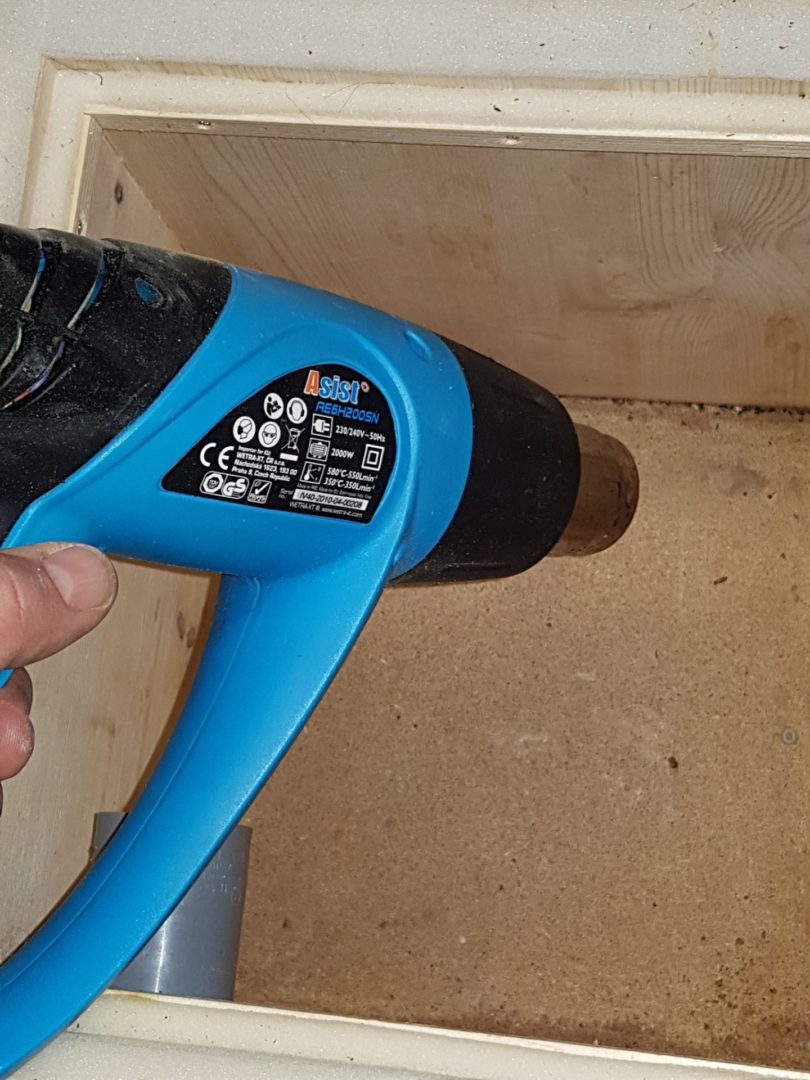
    Don't forget to treat the rust with a heat gun – don't scorch it!
  9. Although the cleaning was thorough, it's better leave the pepper in the dark for a few days, so that any remaining individuals of Melittobia did not spread further

Notes

  • Instead of alcohol/ether, boiling water can also be used to flush the chick. However, this method is quite inhumane, harms the chick, and most importantly, may not be as effective.
  • You can find breeder accessories ZD
Bumblebees PLUS - Using a heat gun for hive wall sanitisation

Using a hot air gun on hive walls for disinfection
Photo O. Hercog 8/2019
Bumblebee evacuation

The goal I bumblebee removal from the corner Disposal of remaining nest

If you remove the bumblebees and destroy the rest of the nest, the bumblebees will survive, but will languish.
IfDo you have the courage, time, and don't want to accept risks, it is also a solution.

What will you need:

  • Means for sealing the ulcer (cork, tape, etc.)
  • red lantern
  • a dark and preferably also cool room
  • strong alcohol/ether
  • Plastic bag for nest disposal
  • Bin
  • Ulcer cleaning agents following treatment
  • A larger glass jar (preserving jar) with a volume of at least 1 litre (a large 3-5 litre pickle jar is best).
  • a funnel made from the cut-off neck of a PET bottle, through which bumblebees fall inside but cannot fly out
  • A beekeeper's tool (alternatively, long barbecue tongs, tweezers with rubber on the end, a spoon, or even a wooden chopstick can be used).
  • We recommend protective gloves, ideally beekeeping gloves.
  • A face mask, or respirator over your mouth
  • Clean bee house with new bedding
  • sugar solution (fructose, standard white granulated sugar, water in a 2:1:2 ratio) in a PET cap with a cotton wool roll, or in a bumblebee feeder see HERE
  • ideally also a PET cap with frozen pollen, previously collected from the flap
  • clean startle with a new lining (the old lining must be disposed of)
    Note
    – in the event of the absence of a second hive (bumblebee box), the original, very thoroughly cleaned one can be used, as you do at the end of the season
    – focus primarily on corridors, cracks, corners, etc.
    – if you do not have a clean lining, part of the original lining can be used after thorough sanitisation in a pot in a conventional oven at a temperature of 100 – 120°C for at least 40 minutes

Notes

  • Instead of alcohol/ether, boiling water can also be used to rinse the lure. However, this method is quite inhumane, damages the lure, and most importantly, may not be as effective.
  • You can find breeder accessories HERE

Procedure

  1. We will carry out all further operations in a darkened room, by red light, for which Melittobia does not fly!
  2. Attention – we never have a new clean hive and the lining in the same room as an infested hive!
  3. Startled by an attacked nest Seal hermetically (entrance, ventilation, roof)  
  4. Hermetically sealed Bring the fright into the dark, switch on your red light (headlamp).
  5. Carefully remove the roof and eradicate the individual Melittobia sitting on it
  6. Remove the bumblebees gradually, mHow do you do it when inspecting a nest? (into a glass bottle with a funnel)
  7. Watch out, don't take the bumblebees with you. Bits of lining, which Melittobia females can carry
  8. Nest lining Dispose of in a bucket for subsequent disposal.
  9. Gradually you will reach the ceiling of the nesting cavity, which you must carefully tear or cut open.
  10. Carefully remove any remaining bumblebees from inside the nest (a stick on which the bumblebees can crawl, or long tweezers, are useful here).
  11. Remove above all old mother (if present), Young mothers and males. The mother/mothers can successfully hide next to and under the nest
  12. Remove all bumblebees, leave none in the nest
  13. Dispose of the ulcer contents and then clean the ulcer. procedure according to „Total elimination of the infested nest“
  14. Release the bumblebees into the wild

Possible alternative – Ca certain quiver with a new lining without honeycomb

  1. Use clean startle
  2. Drive new lining
  3. Create a path in the lining to the entrance hall/opening and
  4. Insert Sugar feeder
  5. Empty the puddle into the ulcer.
  6. In the morning, you will open the entry hatch for them.

If you give bumblebees in their nest a little thoroughly treated original liningwill smell its nest And at least it will keep them together.

Nest treatment and restart

The goal removal of bumblebees from the hive and those parts of the nest on which a bumblebee colony can continue in your work. 
Melittobia are effective at destroying bumblebee cocoons, but bumblebee larvae before pupation ignore – they are not digestible for them.
The principle is therefore vto bring these safe parts and you „reuse“.

If you remove the bumblebees and destroy the rest of the nest, the bumblebees will survive but will struggle. Therefore, you need to transfer at least part of their work (wax parts), so they can smell him.
What parts and how You can find information on treatment here.

What will you need:

  • Means for sealing the ulcer (cork, tape, etc.)
  • red lantern
  • a dark and preferably also cool room
  • strong alcohol/ether
  • Plastic bag for nest disposal
  • Bin
  • Ulcer cleaning agents following treatment
  • A larger glass bottle (jar) with a volume of at least 1 litre (a large pickle jar of 3-5 litres is better).
  • Funnel made from a cut-off PET bottle neck, through which bumblebees will fall inside but not fly out
  • a beekeeping helper (alternatively, long meat-roasting tweezers can be used, or tweezers with rubber at the end, or a spoon, he throws a wooden chopstick at the „China“)
  • We recommend protective gloves, ideally beekeeping gloves. 
  • A face mask, or respirator over your mouth
  • nail scissors
  • razor blade
  • Clean bee house with new bedding
  • sugar solution (fructose, standard white granulated sugar, water in a 2:1:2 ratio) in a PET cap with a cotton wool roll, or in a bumblebee feeder see HERE
  • ideally also a PET cap with frozen pollen, previously collected from the flap
  • clean startle with a new lining (the old lining must be disposed of)
    Note
    – in the absence of a second hive (bumblebee hive), the original one can be used, thoroughly cleaned, as you do at the end of the season
    – focus primarily on corridors, cracks, corners, etc.
    – if you do not have a clean lining, part of the original lining can be used after thorough sanitisation in a pot in a conventional oven at a temperature of 100 – 120°C for at least 40 minutes

Notes

  • Instead of alcohol/ether, you can also use boiling water and pour it over the embryo. However, this method is quite inhumane, damages the embryo, and most importantly, may not be as effective.
  • You can find breeder accessories HERE

Procedure

  1. We will carry out all further operations in a darkened room, by red light, for which Melittobia does not fly!
  2. Careful – we never have a new clean hive and lining in the same room as an infested hive!
  3. Startled by an attacked nest Seal hermetically (entrance, ventilation, roof)  
  4. Hermetically sealed take it into the dark, turn on your red light (headlamp or bike taillight)
  5. Carefully remove the roof and eradicate the individual Melittobia sitting on it
  6. Remove the bumblebees gradually, mHow do you do it when inspecting a nest? (into a glass bottle with a funnel)
  7. Watch out, you don't take the bumblebees away too with pieces of lining, which Melittobia females can carry
  8. Nest lining Dispose of in a bucket for subsequent disposal.
  9. Gradually you will reach the ceiling of the nesting cavity, which you must carefully tear or cut open.
  10. We will remove the remaining bumblebees from inside the nest (a stick that the bumblebees can crawl onto, or long tweezers, is useful here).
  11. Remove above all old mother (if present), Young mothers and males. The mother/mothers can successfully hide next to and under the nest
  12. Then remove the nest with part of the lining onto a board – a large surface with a light-coloured finish; individuals of Melittobia crawling away will be clearly visible here
  13. Remove all bumblebees, leave none in the nest
  14. Carefully with a razor from the wax work we will cut off all the cocoons Yellow and/or brown, oval but closed 
  15. In case of rest of the nest and then we proceed the same with the bumblebee house as if in total liquidation
  16. Cut off larvae in casings and laying (brown parts) from the nest we will thoroughly examine using bright white daylight in a closed room (also possible outdoors with the risk of Melittobia escape), whether any Melittobia individuals are present on them
  17. In a clean/new lining a ve  cleaned/new ulcer You create a dent. We will place it in there removed brown parts (larvae and egg-laying)
  18. Ideally, you'll add Bird feeder from a PET bottle cap with pollen, dull we'll cover lining
  19. You will create a pathway in the lining to the entrance hall / opening and insert Sugar feeder
  20. Empty the bumblebees into the hive and close the roof
  21. You leave the shock closed and Take him outside
  22. Can one expect source of infection Will it be somewhere near the estuary, so it is a better shock absorber to place on the new site, or remove/transfer possible sources of infection, from which Melittobia can spread (insect hotels, solitary bee houses) to a distance of over 30 metres from the hive
  23. After the nest has been tidied up (for a good few hours) open the air vent and you step away from the swarm; the bumblebees will gradually find their way out, they will make a reconnaissance flight And will it return to normal
  24. If the worker bees return to original location, catch them with a net and a feeder, and return them to the hive through the flight entrance 

Yes, it's laborious, but Saving a rare bumblebee species It's worth a try.

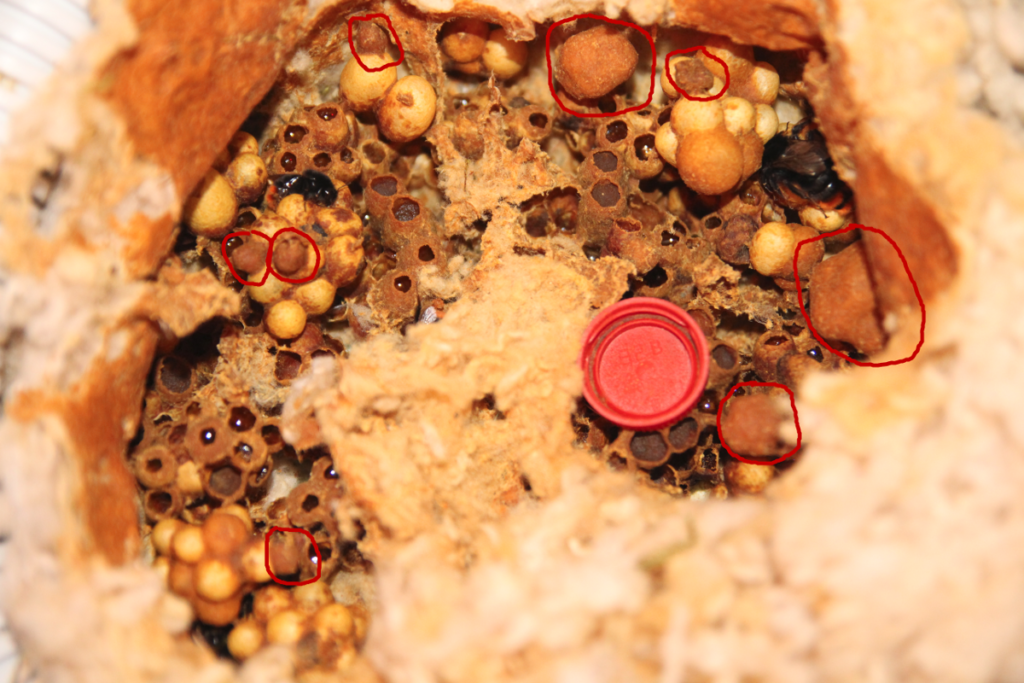
No model nest image rock bumblebees we see laying (small brown balls on cocoons) and larval casings on the tops of cocoons, which you can remove from the nest with a razor blade and reuse in a clean hive. Do not remove closed cocoons, may already be infected.

Bumblebees PLUS - Image of a nest with selected parts that can be used - Photo Jakub Černý 6_2020

An image of the nest showing the parts that can be used
Photo: J. Černý 6/2020
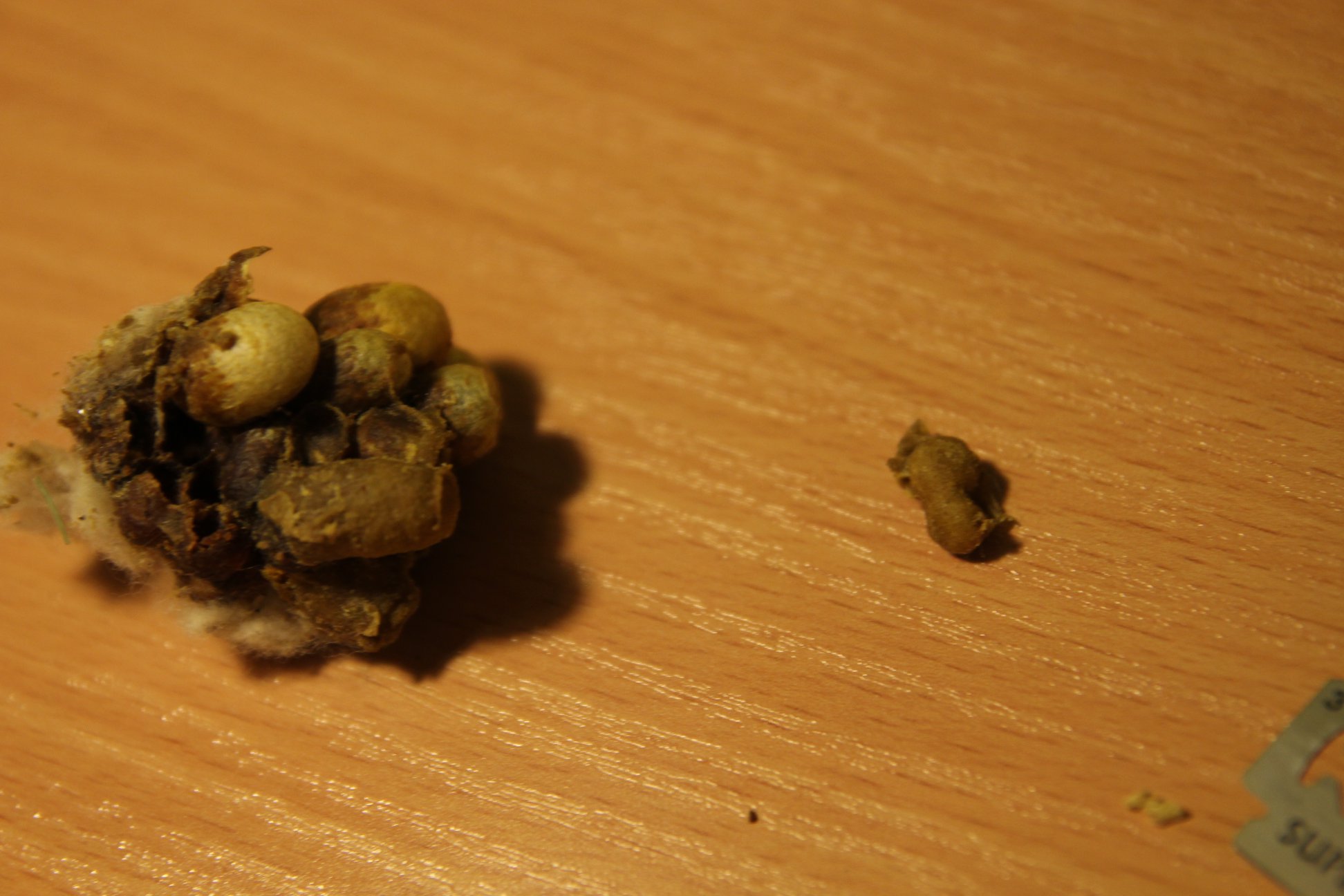
Bumblebees PLUS - Separating "brown parts" from dangerous cocoons

The "brown parts" separated from the dangerous cocoons
Photo J. Černý 2019
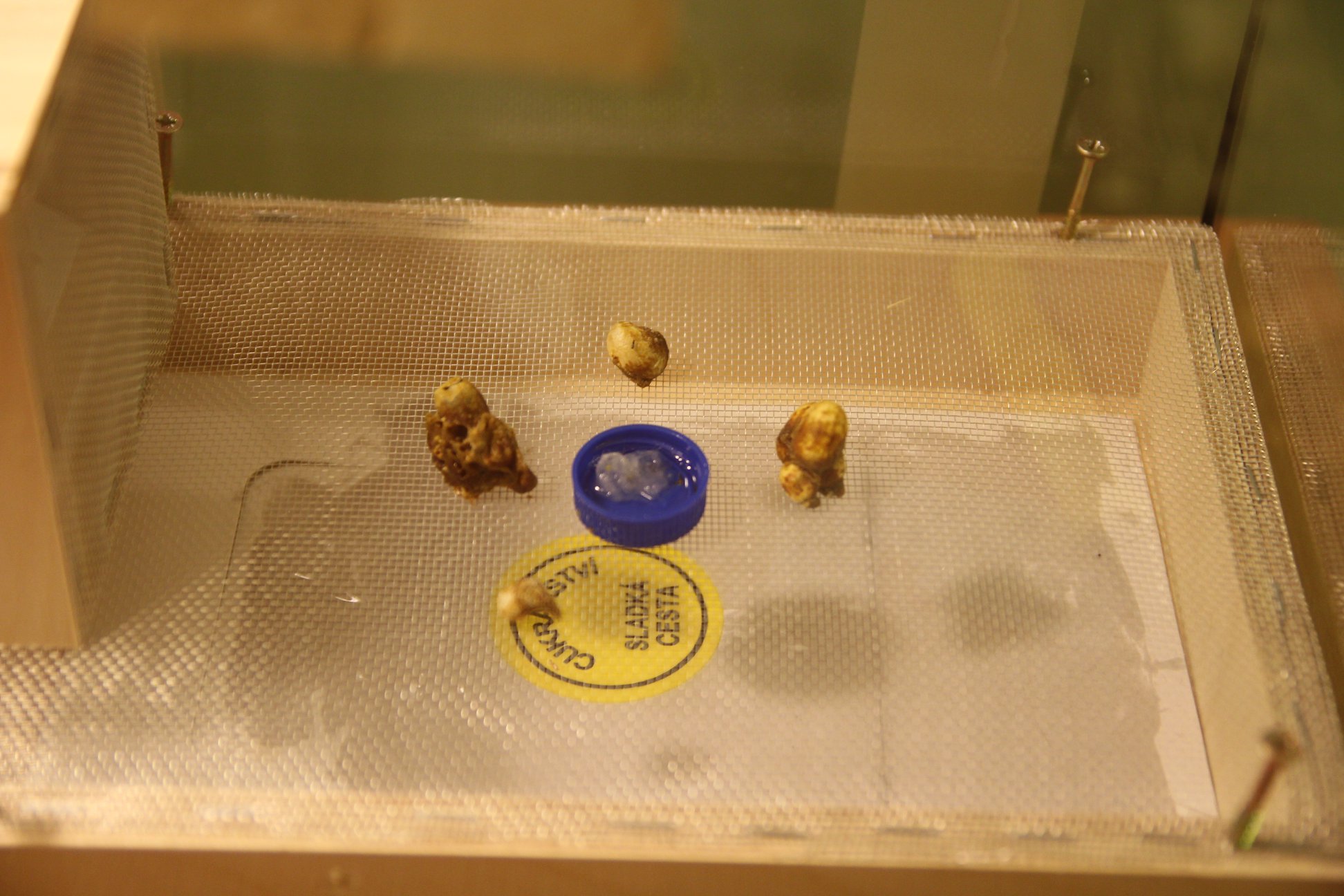
 

A mesh for separating bumblebees and Melittobia (see text)
Photo J. Černý 2019
Warning

  • The cocoons are very likely infected and there really is no point in trying to save them!
  • In the event that some The cocoons look healthy, or are just about to hatch (beautifully yellow, not shrunken), you can then separate put them ideally in smaller portions (never all together) into glasses or test tubes. Try them Leave to mature at room temperature in a well-sealed container„. But then we must At least twice a day, check, whether a bumblebee or Melittobia will be born.
  • If you are unsure what a healthy cocoon looks like, you can shine a light through it, or carefully try to cut open a suspicious cocoon at its top with manicure scissors. Open. NA damaged cocoon will contain milky fluid with Melittobia embryos/larvae/pupae. A healthy cocoon may contain a healthy bumblebee individual.
  • In the event of a heavy infestation of Melittobia nests, there exists rthe transfer centre of some individuals in the fur of bumblebees. In such a case, it is better bumblebees can be placed in an aquarium, for example, for a few hours, or into a box with a mesh. Bees won't fall through this, and beneath which, at a depth of at least 3 cm, is a board painted with adhesive. The bees will shake off the Melittobia through their movement, and they will then stick to the bottom.

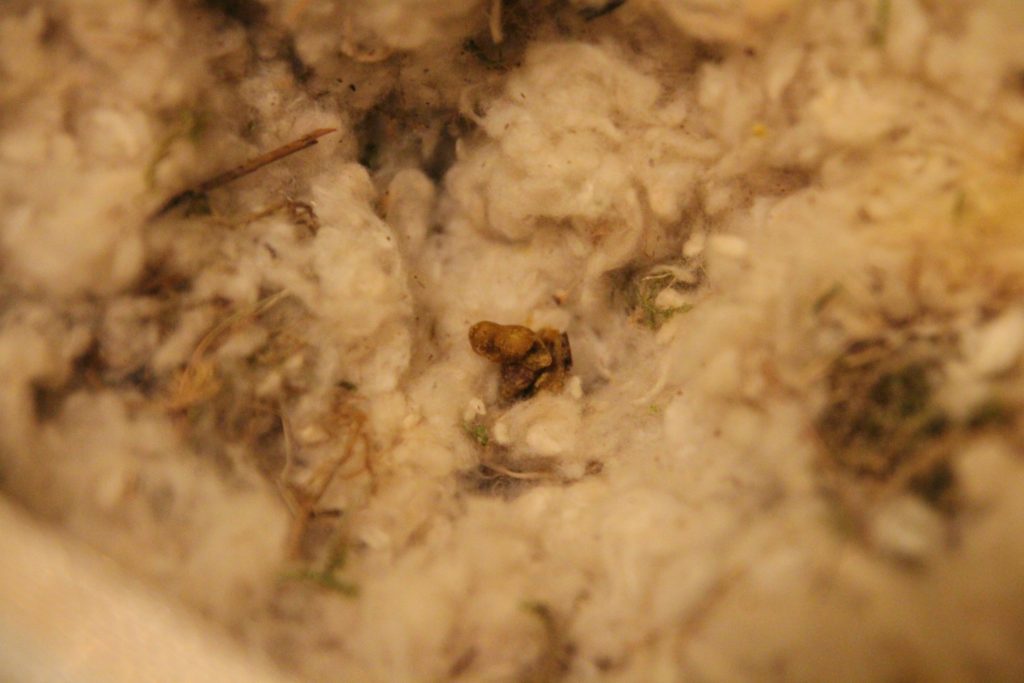
The image shows new nest foundation. Sometimes it takes very little for bumblebees to feel at home and return to their work.

And this small part also holds the original bumblebee colony together. and give her a chance to continue.

Bumblebees PLUS - Nest base after liquidation of Melittobia acasta - Photo Jakub Černý

Nest base after elimination of Melittobia acasta
Photo Jakub Černý (6/2020)
Nest after rescue

Until the larvae pupate in the new corner, there is no risk of a renewed attack. At this moment, Melittobia does not have its larval food supply in the bumblebee nest and is not reproducing there.

First week Then there is no need to check the nest, only top up with sugar solution, so that bumblebees can more quickly restore the waxwork (make wax jugs etc).

From the second week is needed check the inside of the nest every 3-4 days. Once it happens k The first cocoon is forming, the 10-day period begins., for which new individuals of Melittobia cannot be born a Control is not necessary.

After this period You must check the nest again every 3-4 days. Any cocoons that do not open within 14 days can be a sign of renewed assault.

What happens if you don't intervene?

A bumblebee breeder should intervene always, even at the cost of destroying a bumblebee nest.

Melittobia acasta capable of one female to breed several generations in one year.
If there is food available in the vicinity, they will spread further. Around 200 female Melittobia hatch from a single bumblebee cocoon. Each is capable of destroying another nest. The possibility of spreading is therefore great. 

If you let Melittobia fly freely, will spread further around and can we expect an attack on neighbouring bumblebee nests, insect hotels, or natural colonies of solitary bees. Logically, it will then stay in the area for as long as it finds food sources. If female Melittobia find host larvae in which they overwinter, there is a high probability of re- attack next year, or the destruction of natural bumblebee nests and solitary bee cavities within a radius of several tens of metres.

It is therefore the breeder's duty to intervene and not to passively participate in the spread of this deadly parasite.

Conclusion

  • An attack on a bumblebee nest by the wasp Melittobia acasta in the wild vede k zániku hnízda and the spread of this parasite.
  • The breeder should intervene and prevent the spread of the parasite.
  • The breeder should, however, before the intervention assure that the nest was indeed attacked by this wasp and not to dismantle the nest based on a false alarm.
  • Are there Options for giving a bumblebee nest a chance at further life. Some are very labour-intensive, but possible.
  • KEvery variant of the solution has its risks and it is good to weigh them beforehand.
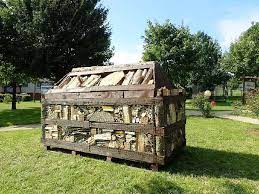
  • Please help us spread awareness that Large insect hotels can actually do more harm than good to nature, before helping it. Besides the easy spread of diseases, a large insect hotel can also be a food source for a huge number of the parasitic wasp Melittobia acasta.

Image attachment

Video from the life of Melittobia acasta

Bumblebees PLUS - Large insect hotel - Photo Internet

We do not recommend
Large insect hotel
Internet Photo
 

Bumblebees PLUS - Large insect hotel - Photo Internet

We do not recommend
Large insect hotel
Internet Photo
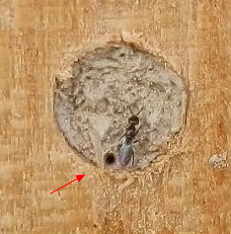
Melittobia acasta - Nest tubes to the sealed cell of Osmia Cornuta - www wildbienenstand neuhof de

Melittobia acasta – in the hole next to the capped cell of Osmia Cornuta
Source: www wildbienenstand neuhof de
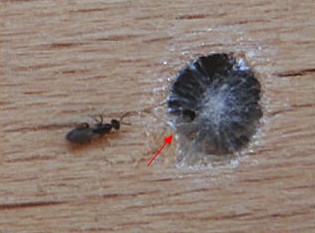
Bumblebees PLUS - Melittobia acasta - Female at nesting chamber hostile - www wildbienenstand neuhof de

Melittobia acasta - deposits in the host's nesting chamber - www wildbienenstand neuhof de
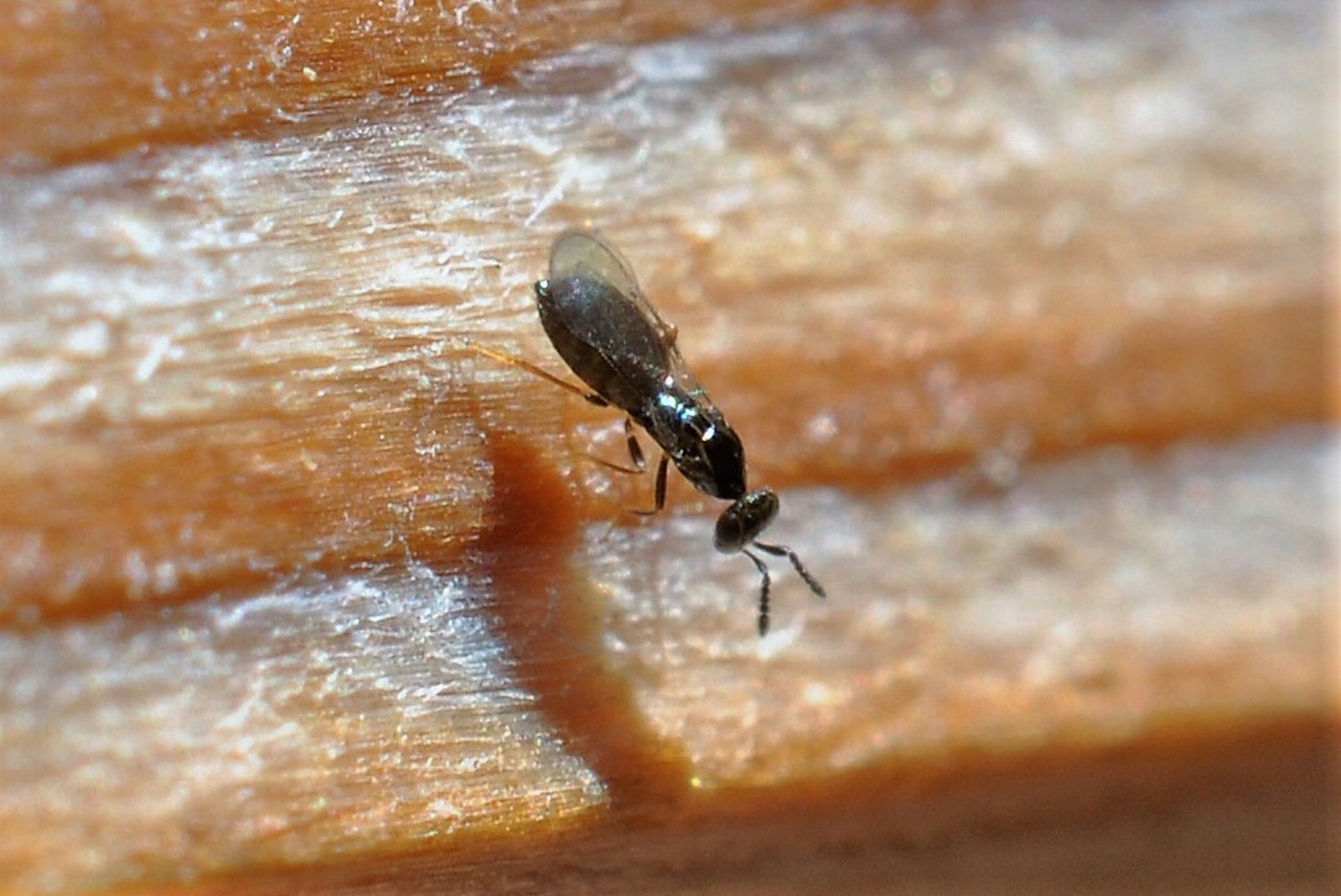
Bumblebees PLUS - Melittobia acasta - Female - Photo Adrian Atamańczuk

Melittobia acasta – Samice
Photo Adrian Atamańczuk
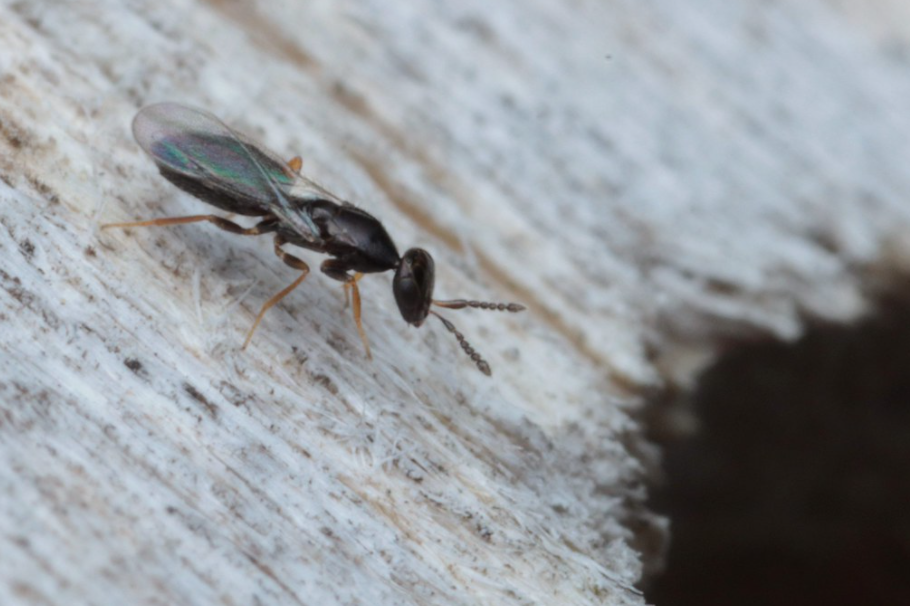
Bumblebees PLUS - Melittobia acasta - Female - Photo FLICKR

Melittobia acasta – Samice
Flickr Photo
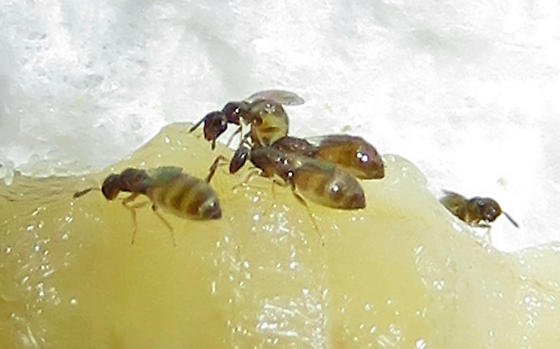
Bumblebees PLUS - Females - Photo Gerald S Wegner Bumblebees PLUS - Melitobia acasta - Female - Photo Gerald S Wegner

Melittobia acasta – Females
Photograph of Gerald S. Wegner
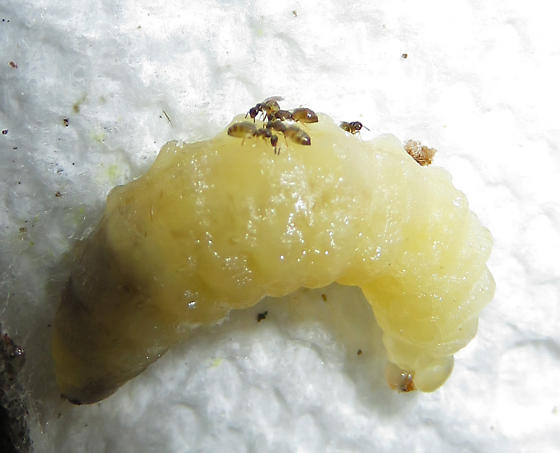
Bumblebees PLUS - Mleittobia acasta - Females on bumblebee comb Photo Gerald S Wegner

Melittobia acasta – Females on a bumblebee larva
Photograph of Gerald S. Wegner
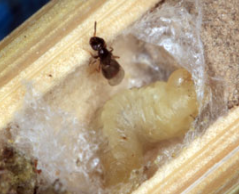
Bumblebees PLUS - Melittobia acasta - Female - Photo Photo www wildbienen info

Melittobia acasta – Female
Photos www.wildbienen.info
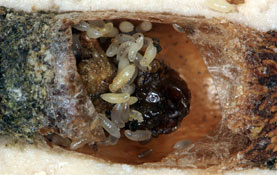
Bumblebees PLUS - Melittobia acasta - Infested host larva - Photo www wildbienen info

Melittobia acasta – Parasitised host larva
Photo www wildbienen info
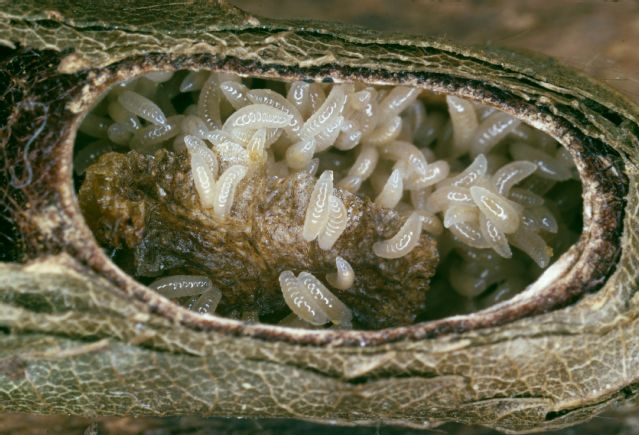
 

Bumblebees Plus - Melittobia acasta - Infested Host Larva - Photo Krebs Albert

Melittobia acasta – infested host larva
Photo Krebs Albert

More videos about Melittobia acasta