



When and how to ventilate a bumblebee swarm

Ventilating a beehive isn't a science, but you do need to know how.

What you will learn here

  • When and how to ventilate a bumblebee swarm
  • What should I go by?
  • How sensitive are bumblebees to drafts and when

Last updated: 04/06/2024

page abstract

  • When introducing bumblebees into a hive, the ventilation hole must be closed.
  • Ventilation with a sense of care: The burrow needs air, not a draught.
  • CO2 is also a problem for bumblebees.in a closed hive, a strong colony can produce excessive CO2
  • Humidity doesn't fundamentally matter to the nest: High humidity in the hive isn't a big problem. Airflow to the nest is more important
  • Light in the hive, motherIf the ventilation is open, it's a problem for settling – bumblebees will try to find their way towards the light.
  • Don't rush: You'll start to ventilate only when the bumblebees learn to go through the flap.
  • Watch the behaviour of bumblebees: If bumblebees lack air or have an excess of CO2, they will attempt to ventilate the hive by fanning their wings.
  • Blocked ventilation Bumblebees sometimes cover the ventilation opening with bedding, they do this instinctively. If they are not ventilating at the entrance at the same time, there is no need to worry about it. Alternatively, during inspection, remove some of the bedding and uncover the ventilation opening. 
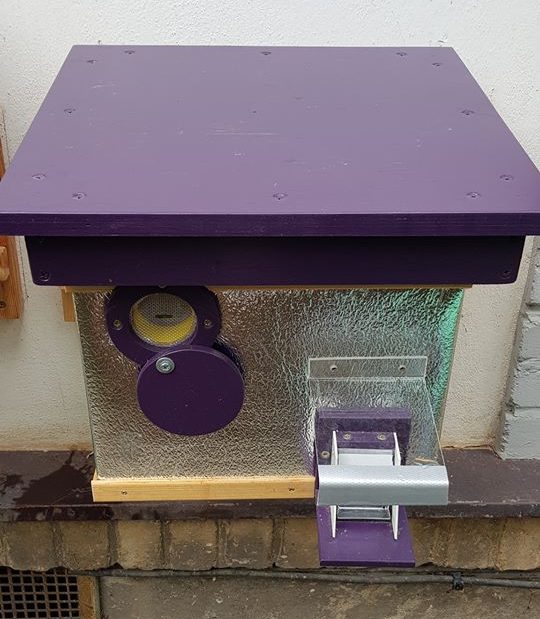
Introduction

Every bumblebee house must be fitted with a ventilation opening. The ventilation opening provides air circulation in the hive – oxygen supply, CO₂ removal, moisture removal. Sometimes a gentle air circulation is advisable so that inside the hive in excessive amounts, mould did not form

A healthy bumblebee nest can handle mould, as long as there is enough space in the hive. Linings. The workers keep the mould away from the wax comb. The workers can clean this with their mandibles. More draughts can damage the nest, So, one ventilation hole is enough. The bumblebees sometimes cover even that with lining if they feel the need.

The hive's ventilation opening is covered with a cap/closure Yes, it was also possible to regulate the size of the ventilation opening.

In the following text, you will find Instructions on how to regulate ventilation in a beehive And what should one be guided by?.


Temperature in the hive varies greatly depending on where and how you measure it. In the core of the nest, you can measure 30°C, and at the same time, on the surface, only 10°C. Measuring temperatures is therefore problematic. Therefore, if you are measuring the temperature in your hives, measure it in the same place so that you can compare the measured values. The optimal is measure the air temperature above the lining, preferably in the centre of such a space.
Measuring the temperature in the lining is pointless. The lining is thermal insulation and you don't know what you're measuring. It's like measuring the temperature in the bedroom but having the thermometer placed under the duvet. 🙂

Unless otherwise stated, we provide the air temperature outside the cage – the ambient air temperature – in the instructions.


Important note

  • Our guides are based on the assumption that a bale of approximately 12-14 litres is filled to 2/3 or up to the ventilation opening with high-quality bedding. The bedding acts as thermal insulation.
  • Small hollows, insufficient bedding, or poor-quality bedding are a serious handicap for an owl in both cold and hot weather.
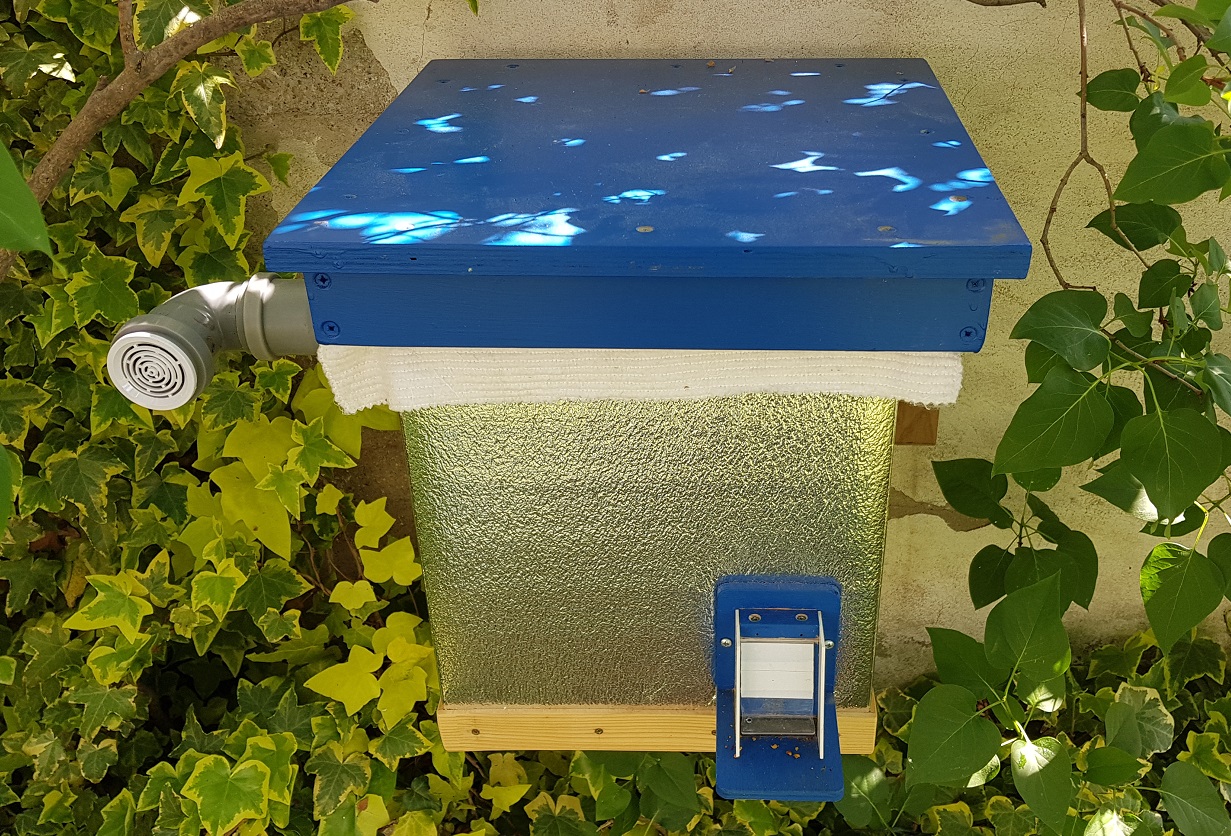
Bumblebees PLUS - Hive (bumblebee house) with an open ventilation slit

Startle with an open vent
Photo O. Hercog (2019)
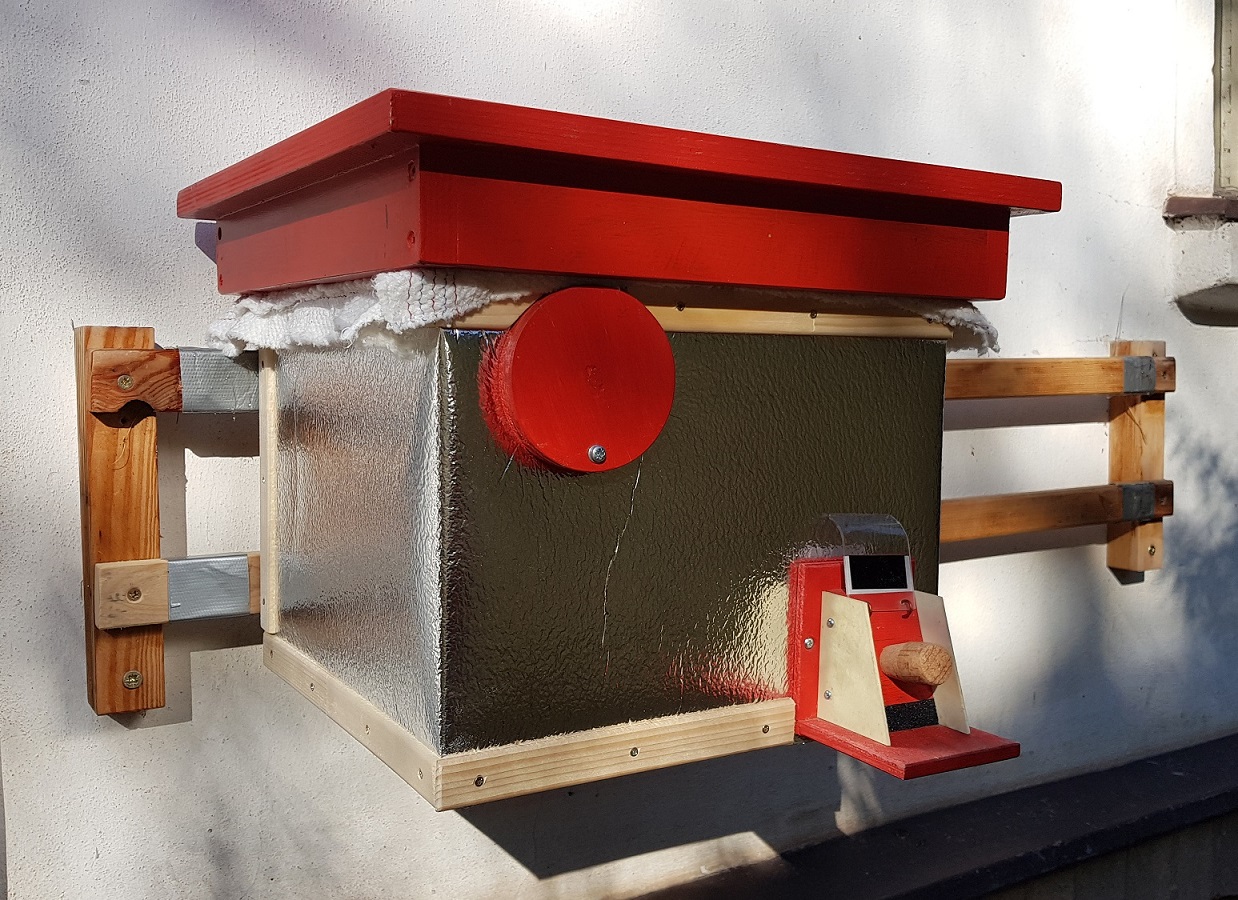
 

Ventilating the hive during and after queen introduction

The ventilation opening must be closed!

When placing a queen bee into a hive (bumblebee nest), it is necessary to keep the hive ventilation closed as per the instructions. HERE 

If the mother during the hive inspection I will see the ventilation pass through the lightOh, the fright might be able to leave this way.

It could also be one of reasons why a mother will not leave her child's side and why does it „freeze“ in the hiveThis is often forgotten, yet all it takes is to close the opening, or cover it with tape, to ensure perfect darkness in the hive.

Bumblebees PLUS - Startle with o

Startle with closed vent after nut insertion
Photo O. Hercog (2019)
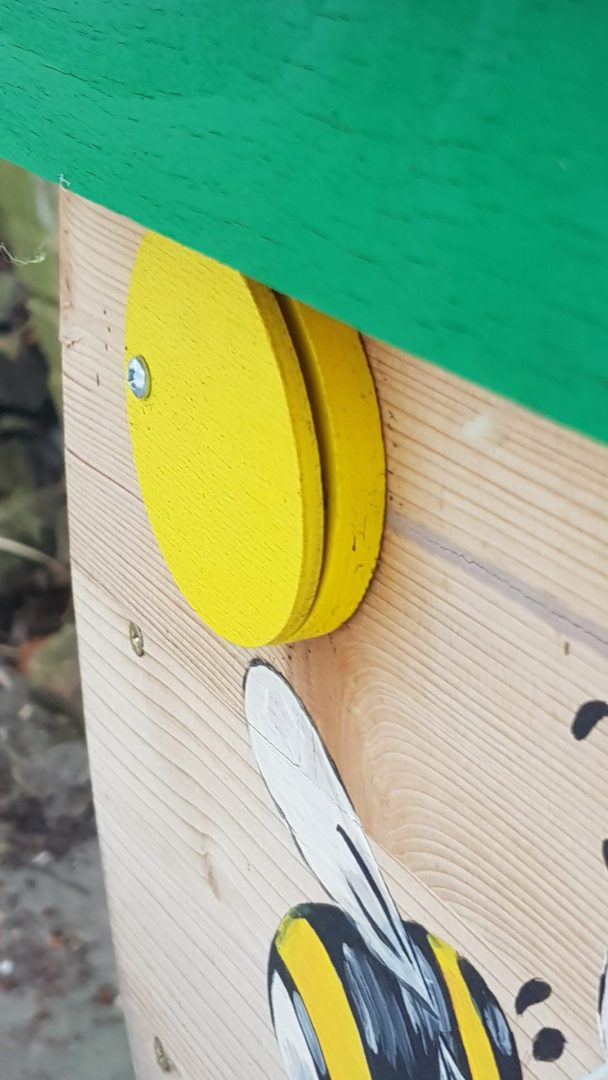
 

Bumblers PLUS - Deformed ventilation cover of a commercially available bumblebee nest box

Deformed cover of the ventilation opening of a commercially available bee (bumblebee) hive
Photo O. Hercog (2020)
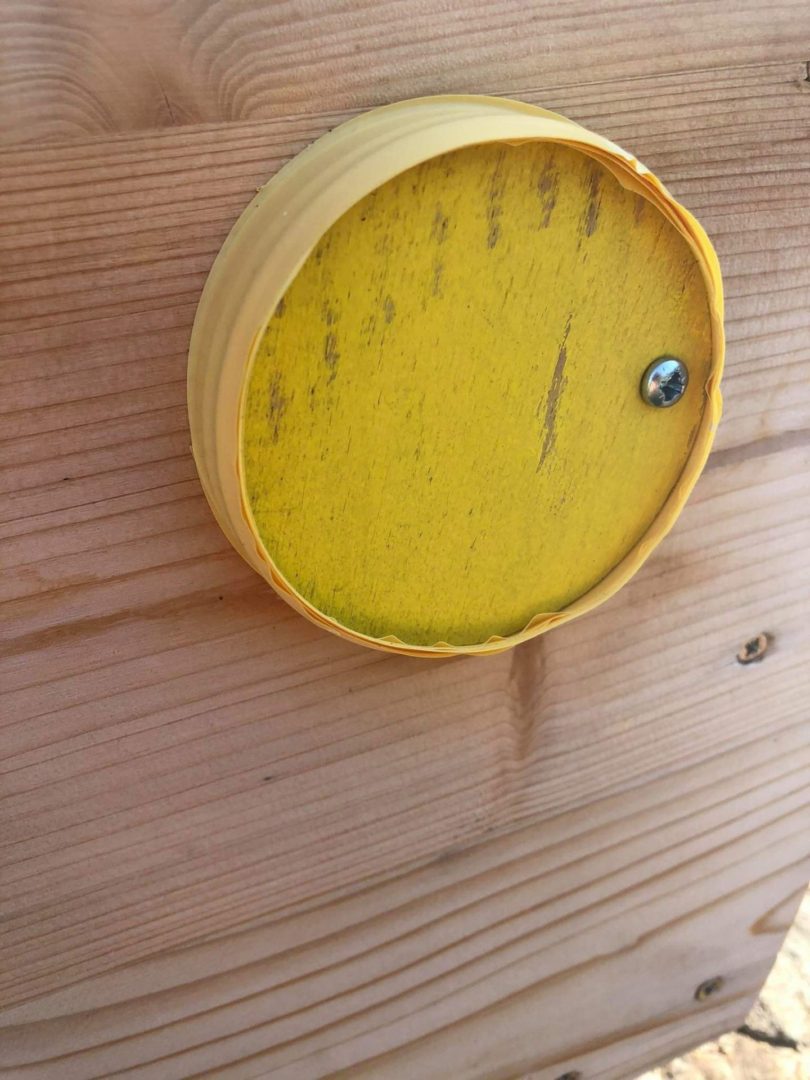
 

Bumblers PLUS - Deformed ventilation cover of a commercially available bumblebee nest box

Deformed cover of the ventilation opening of a commercially available bee (bumblebee) hive
Mop solution
Photo: Petr Gebls Groebl
 

Ventilating the hive after the queen has settled in and while you are teaching her to go through the excluder

The ventilation opening must be closed!

Once the mother has settled, she needs to be taught to go through the protective flap, see the procedure HERE
As long as A mother reliably won't teach you to get through a protective flap. and a ventilation will let light through, can the fright try to leave this way.

It can also be one of the reasons why the mother's training to go through the flap is failing.

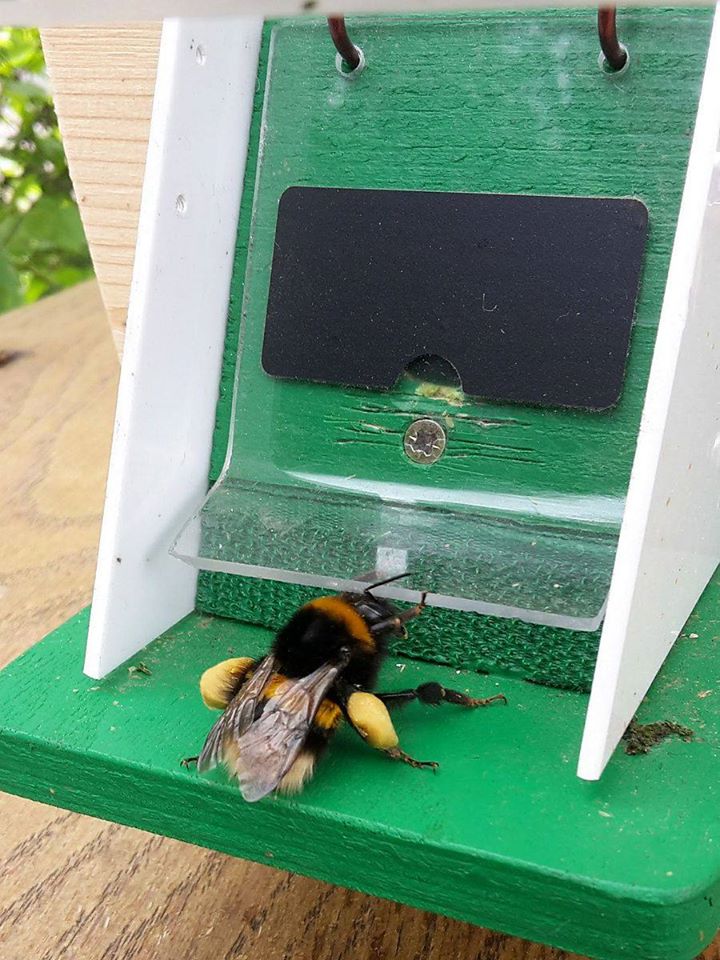
Bumblebees PLUS - Buff-tailed bumblebee queen on protective flap

Bumblebee queen (Bombus terrestris) on a protective flap
Bobin's mother's name
Photo B. Klimešová (2019)
Ventilating the hive after the queen has reliably passed through the excluder

We recommend keeping the ventilation opening closed if the external temperature does not exceed 20°C.
The ventilation can be slightly ajar, but you don't need to ventilate until the temperature is above 20°C.

Some breeders ventilate at temperatures of 15°C, and that's fine too. If there's enough bedding in the hive, the mother handles everything perfectly.

In the solitary phase (mother is alone), it is Air consumption of the mother small and if The fright is not hermetically sealed, it gets enough oxygen into it. 

Nor is the mother's CO2 production large, and There is no need to ventilate.

Ventilating the hive after the first generation of workers is born

We recommend keeping the vent closed if the outside temperature does not exceed 15 – 20°C.

Once the first worker bee is born, it's a good idea to have the ventilation opening closed. It's necessary to wait a day or two, until the workers learn to pass through the protective flap.
If a worker bee in the hivethey can see light coming through the ventilation opening, they can try to escape this way.
But it doesn’t take long – once the workers start going through the trapdoor, you don’t need to pay attention and then follow primarily the temperature, alternatively behaviour of workers.

U of future generations of workers you needn't fear, they will be following the path of the older sisters. 

If you have modified the hive's ventilation with pipe attachments and there is an elbow (bend), light will not shine into the hive. Therefore, you don't need to worry about it bothering the workers.
We are writing about this solution HERE.

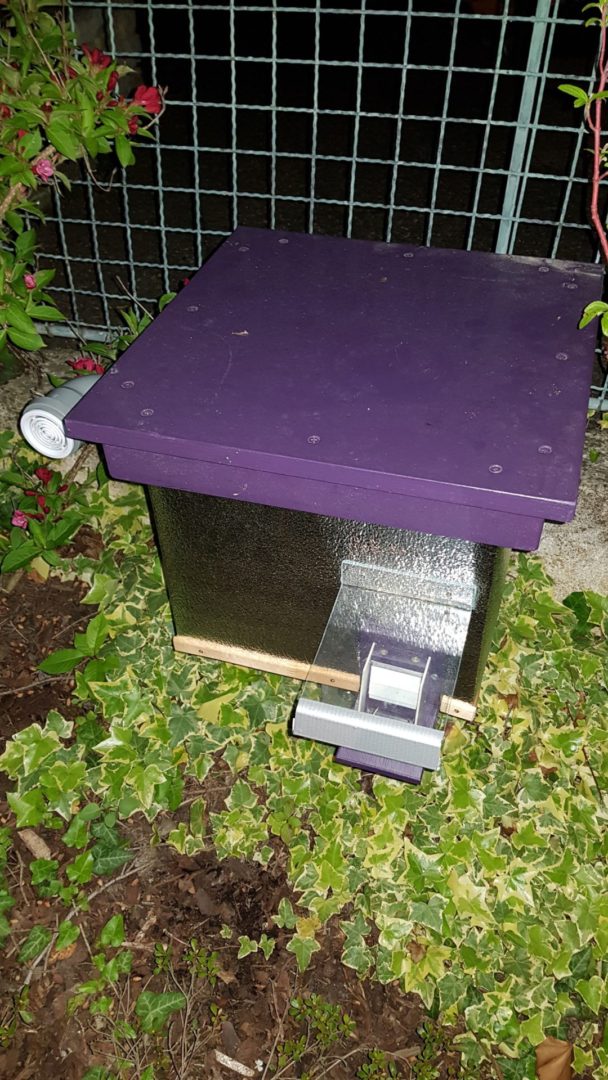
Bumblebees PLUS - Shock with ventilation from HT pipe

Ventilation socket from HT pipe
Photo O. Hercog (5/2020)
Ventilation when the hive has first and second generation workers

We recommend keeping the vent open if the outside temperature does not drop below 10 – 15°C.

The nest with workers is already producing enough heat and is not as sensitive to a drop in external temperatures.

On the contrary, it is necessary to ensure that into the hive breathed in the fresh air, the CO2 produced here did not accumulate and mould did not form.

Ventilation when the hive has a strong brood nest

We recommend keeping the vent open as long as the outside temperature does not drop below 5-10°C.
If the temperature drops below 5°C, it is advisable to close the ventilation, but not hermetically.

The nest with workers is already producing enough heat and is not as sensitive to a drop in external temperatures.

On the contrary, it is necessary, andfresh air was flowing into the building and the CO2 produced here did not accumulate. For a strong nest, the amount of CO2 produced is quite significant.

Just as the share of CO2 humidity is rising in the nest, even above 95%. Humidity in itself isn't harmful, provided you ventilate the room. Ventilation so it is necessary for Malou air circulation a Dehumidification as prevention of mould formation.

Information on draining moisture from ulcers can be found HERE (under preparation).

Ventilation for new mothers and males

Follow the same rules, as for a nest with workers. If males cannot find a way out, it is better to have the ventilation slightly ajar. Be careful with temperatures above 20. °C to the necessity of ventilation and in a strong nest for air supply and CO2 ventilation. 

Young mothers they will find their way out of the hive and will return to it.

Males sometimes they search for a way longer and you find them sitting on the lining. If into the hive light showing through the ventilation, Here, males can sit and wait. The light sometimes activates them and they attempt to mate with young mothers. Nooks where light does not pass through ventilation have an advantage – ideally thanks to the bent ventilation system (elbow joint). 


Ventilating the hive after placing a bumblebee nest in it

We recommend keeping the ventilation opening closed if the external temperature does not exceed 20°C.

Once you place a new nest in the apiary (purchased or evacuated nest, see HERE it is necessary to wait for the workers to pass through the protective flap. If they see light shining through a ventilation opening in the burrow, they may try to escape that way.

But this doesn't last long and as soon as the workers start to pass through the colony, you don't have to worry about it and Primarily, follow the temperature and the workers' behaviour.

Ventilation and parasites

With a strong hive, it is advisable to leave the ventilation slightly open even at night, and not just for air supply. Especially where there is ventilation opening equipped with a sticky parasite trap It's good to leave the ventilation slightly open.
It distracts parasites from the protective flap and other places where parasites may try to enter the ulcer.

Does it make sense to do it at a time when such parasites are appearing? We mean geranium borer. It only appears on warm nights in May.

The condition, of course, is to have the ventilation trap prepared according to the instructions, see HERE 

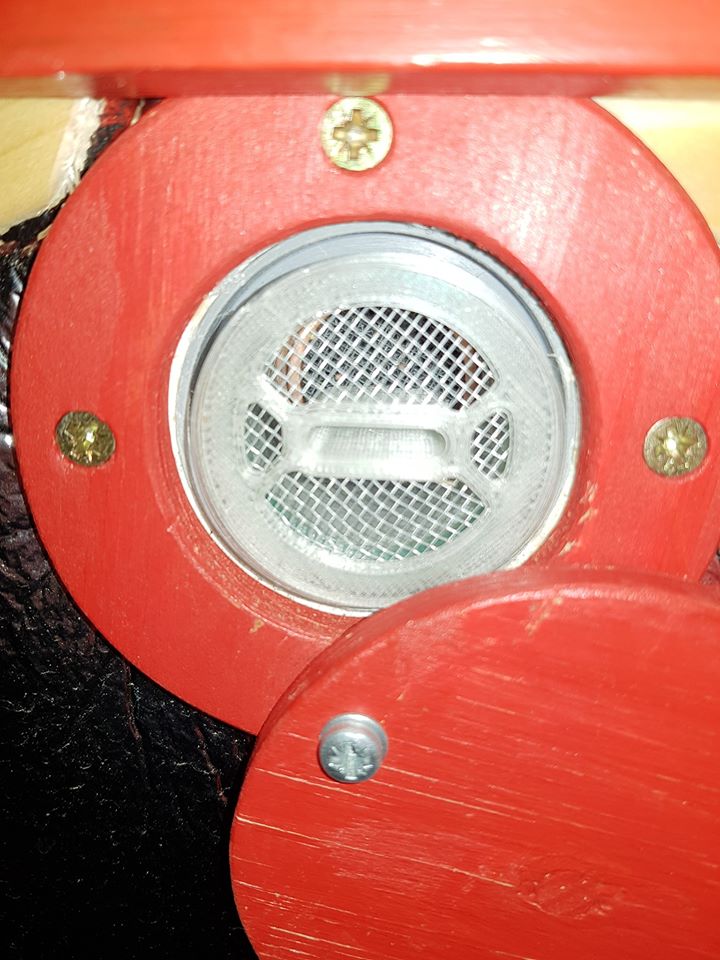
Bumblebees PLUS - Ventilation with sticky trap at night

Ventilation with a sticky trap at night
Photo: O. Hercog (5/2020)
 

Workers and their behaviour – an important indication of the need to ventilate the hive

For breeders, it is usually enough to monitor the external temperature, but an important indicator is also the behaviour of the workers.

If you see female workers, how a bee sits on the hive entrance, or fits on the lining a beats its wings, it can mean the following:

  • The dog has a high temperature.
  • The kennel has high humidity
  • The blood has an excessive amount of CO2

PListen therefore to the female workers and open the ventilation, until this behaviour of theirs subsides.

Further tips and texts on hive ventilation

The ventilation opening and its preparation are described HERE

Improvements to ventilation (and the limitations of such a solution) are described HERE a HERE

Modifications to the ventilation of commercially available beehives are described HERE  

Bumbbee box ventilation cap using a 3D printer. Additional passage for parasites such as Aphomia sociella

Ventilation of the hive – external protection with a sticky trap – 3D printed cover
Photo O. Hercog (2018)
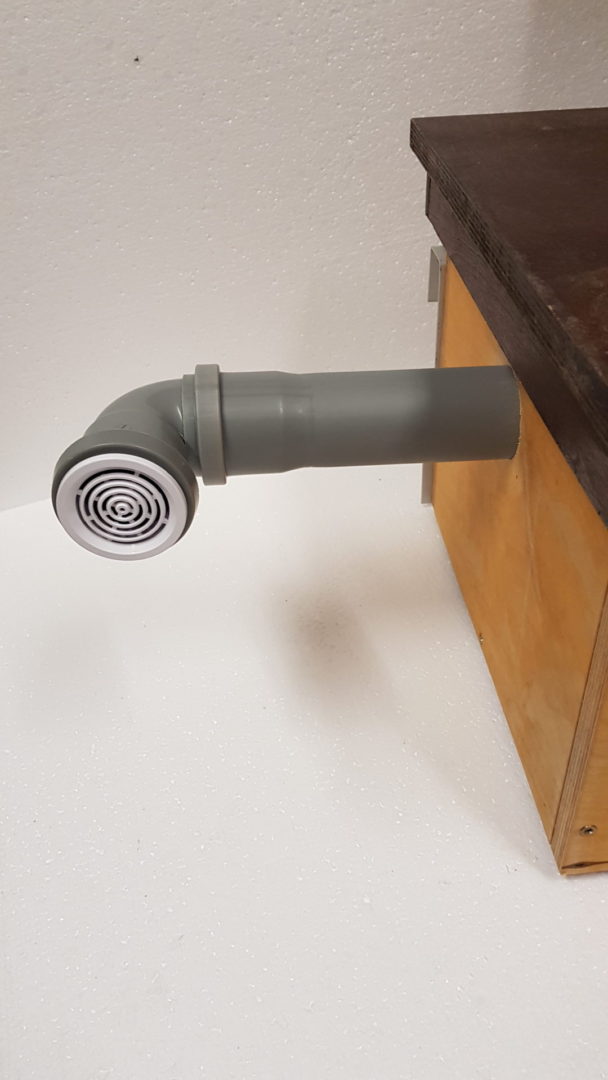
 

Bumblebees PLUS - Ventilation modification of commercially available hives - example

Modification of ventilation in commercially available hives – an example
Photo O. Hercog (2019)
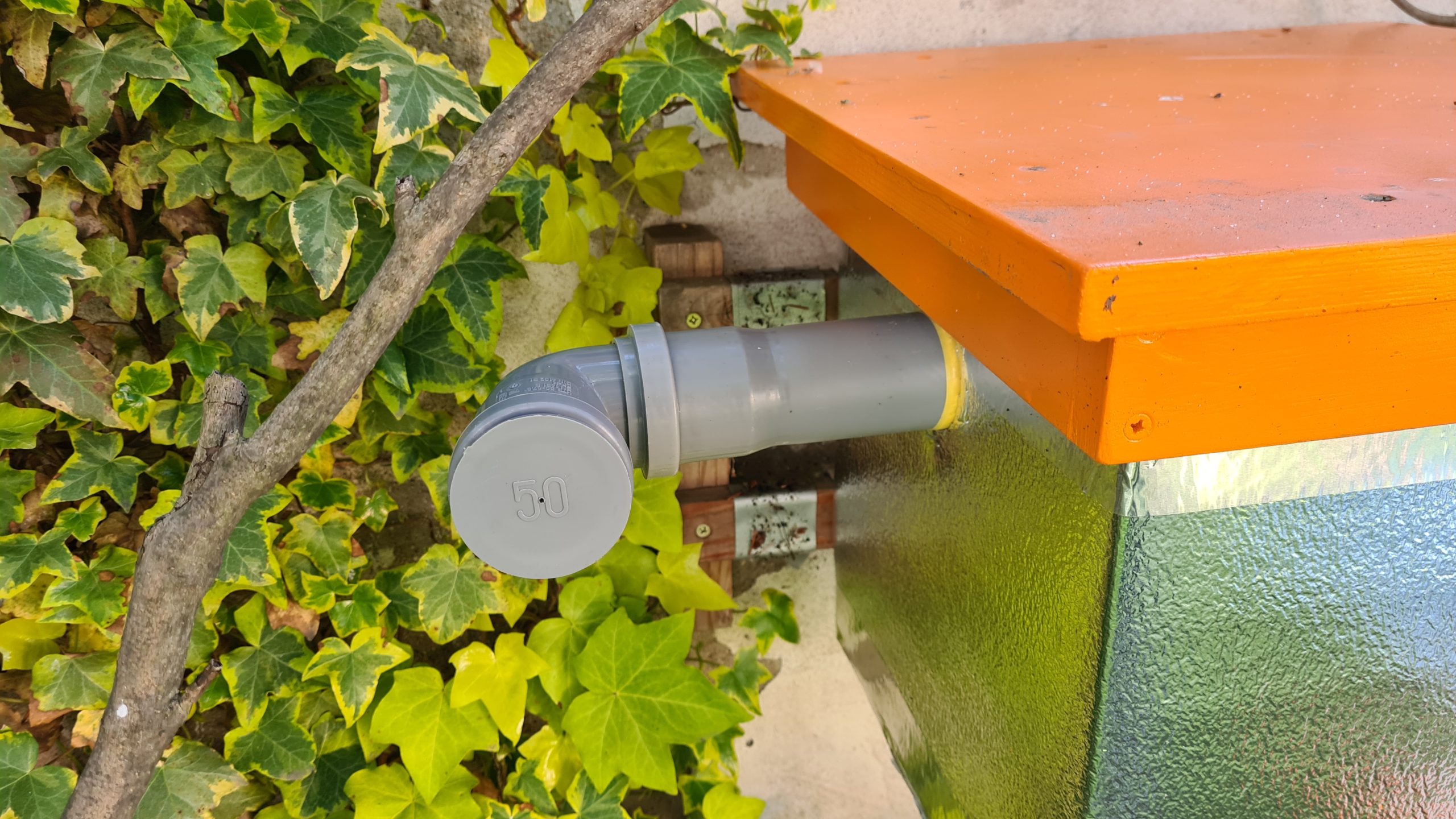
 

Bumblebees PLUS - Hive Vent Cover

Ventilation cover for the hive
Photo O. Hercog (5/2021)
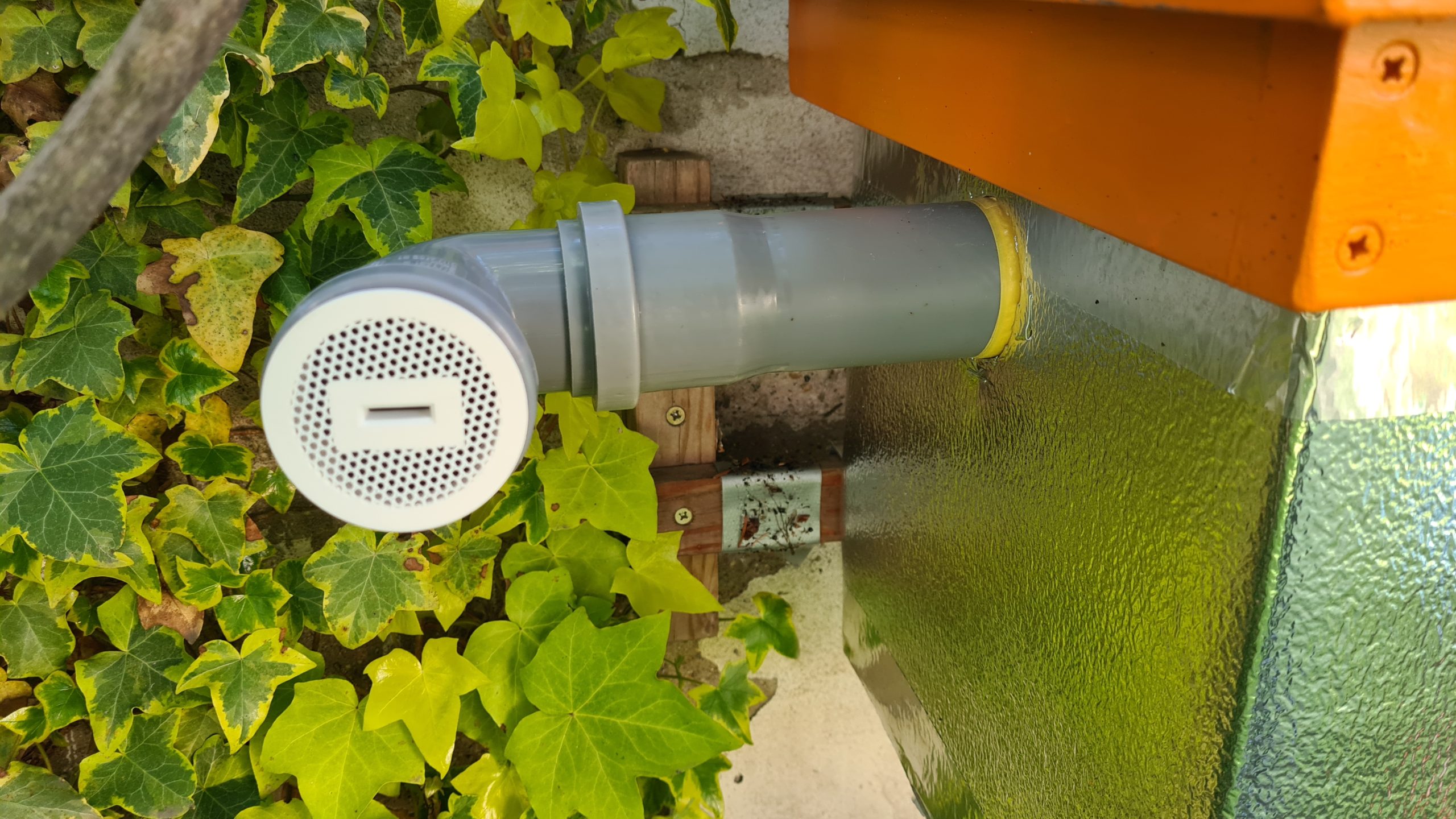
Bumblebee PLUS - Hive Ventilation Protection - 3D Printed Cover

Ulcer ventilation protection – 3D printed cap
Photo O. Hercog (5/2021)
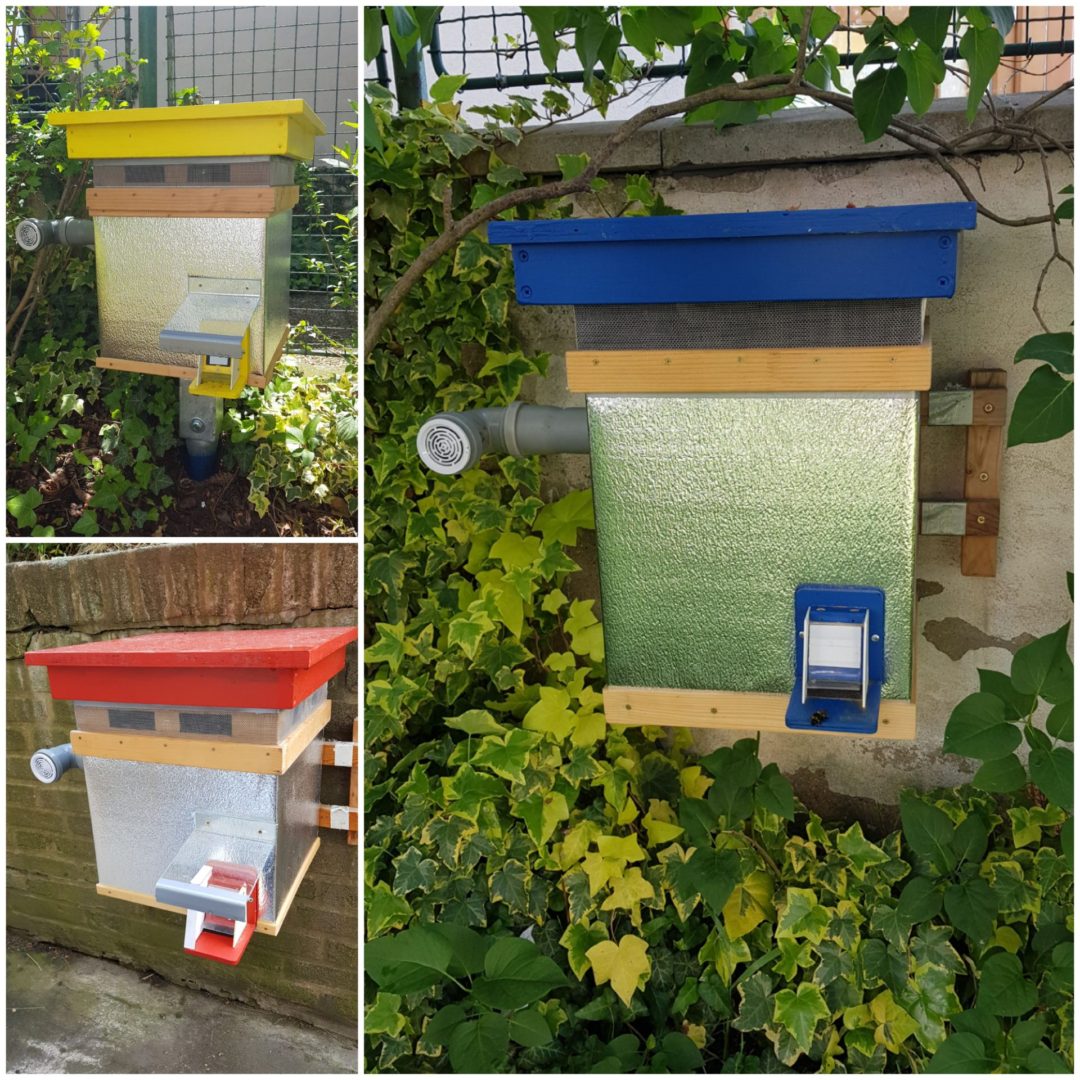
Bumblebees PLUS - Hives (bumblebee nests) with a ventilation top

Hives (beehauses) with a ventilation top
Caution regarding the rules for using attachments.
Photo O. Hercog (5/2020)

Conclusion

If your A sudden fright and you're only about to set the mother, sometimes him Ventilate and dry (in the sun, or take the roof off at home). After the seating attempts began Don't open the box unnecessarily yet..

Bumblebees are sensitive to micro-cracks, especially the mother when she is looking at the nesting site or when she is settling into the hive. Therefore, it is recommended hood with one vent, where there is no draught.

At the time, When installing a queen excluder, no light must shine into the hive.. Some commercial products do not meet this condition and therefore the ventilation opening needs to be sealed, for example by covering it with opaque adhesive tape.

In an ulcer with a mother in a solitary phase, you can leave the vent closed if average external temperatures will not exceed 20°C

Ventilation at the time hatching of the first generation of workers solve it until they find a way out. For subsequent generations of workers, this is no longer necessary.

At the ulcer With a stronger nest, you don't have to close the ventilation completely., until the temperatures drop significantly.

If you have a scare equipped with a sticky trap (recommended), you must have Ventilation open even at night, otherwise the sticky trap is ineffective.

If labourer on the garlic, or on the liner flaps its wings, it is necessary to ventilate