

What is the right moment?
What you will learn here
- When is the right time to place a bumblebee hive in situ
- PrIt is not advisable to rush.
- Through which correct procedure can you influence the type of bumblebee that settles in the nest
Date of last update: 15/3/2023
Introduction
Most breeders in the spring can't wait for the bumblebees. It's logical – they looked forward to it all winter, prepared, and so with the first spring rays of sunshine.
They've done all that's necessary for the start of the season – They chose a spot for a scare, ten properly equipped a prepared. They now quickly want to quickly occupy fright and enjoy the bumblebees.
But when is the right time to put the flea collar on?
Is it good to start right at the beginning of the season?
We will try to give you pointers on how to proceed.
Unpredictable spring weather
January has its storms.. It's not for nothing that they say „March – into the house we crawl“.
You are very oftenDuring the day it is warm and at night temperatures drop below zero. It often appears snow showers, Sometimes snow can last for several days. April is also a volatile month temperature-wise, but frosts are not as common.
Start of the season and temperatures are high depends on the altitude and local conditions.
As an example, we can mention Prague. The season starts early there, just like in South Moravia. However, in the immediate vicinity of Prague, everything is delayed, easily by 1-2 weeks. Similarly, spring starts later in the foothills.
This manifests itself climate change, which climatic differences and fluctuations further exacerbate.
Therefore, you cannot follow the calendar, but rather local observation. Also, do not be lulled into a false sense of security by the nice weather outside., also look at long-term weather forecasts.
Don't rush and Wait. to real warming.

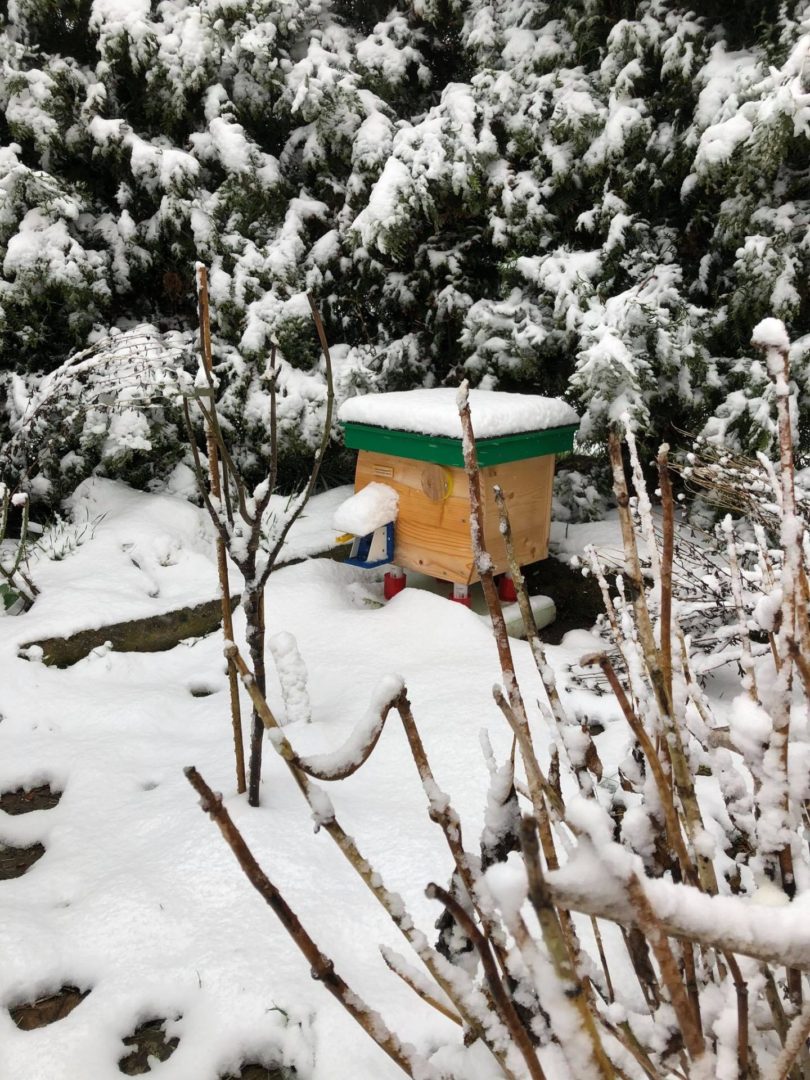
A scare in the snowy garden
Photo: P. G. Gröbl (21/3/2020)
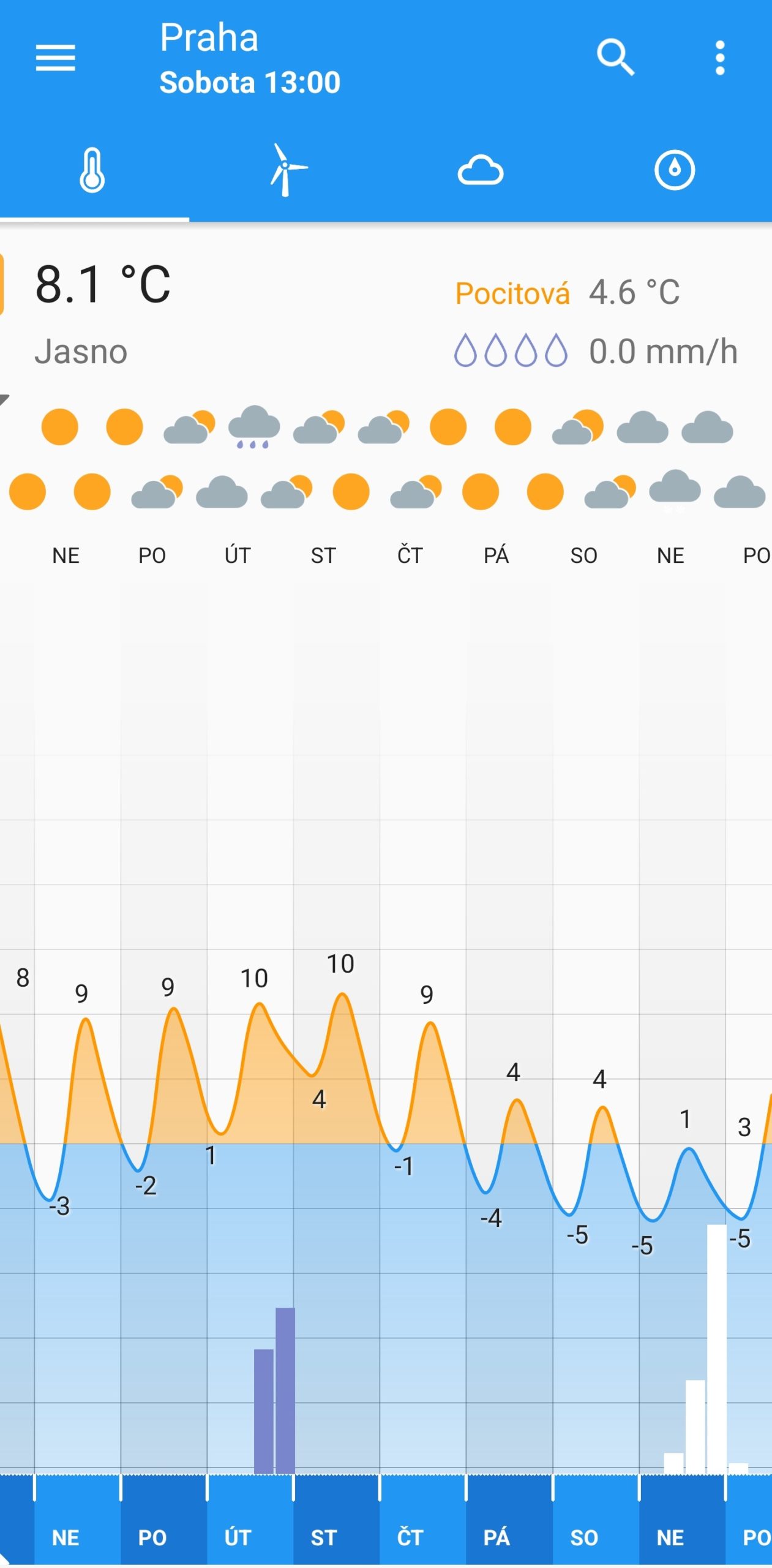
Weather forecast Prague
Source: Klára
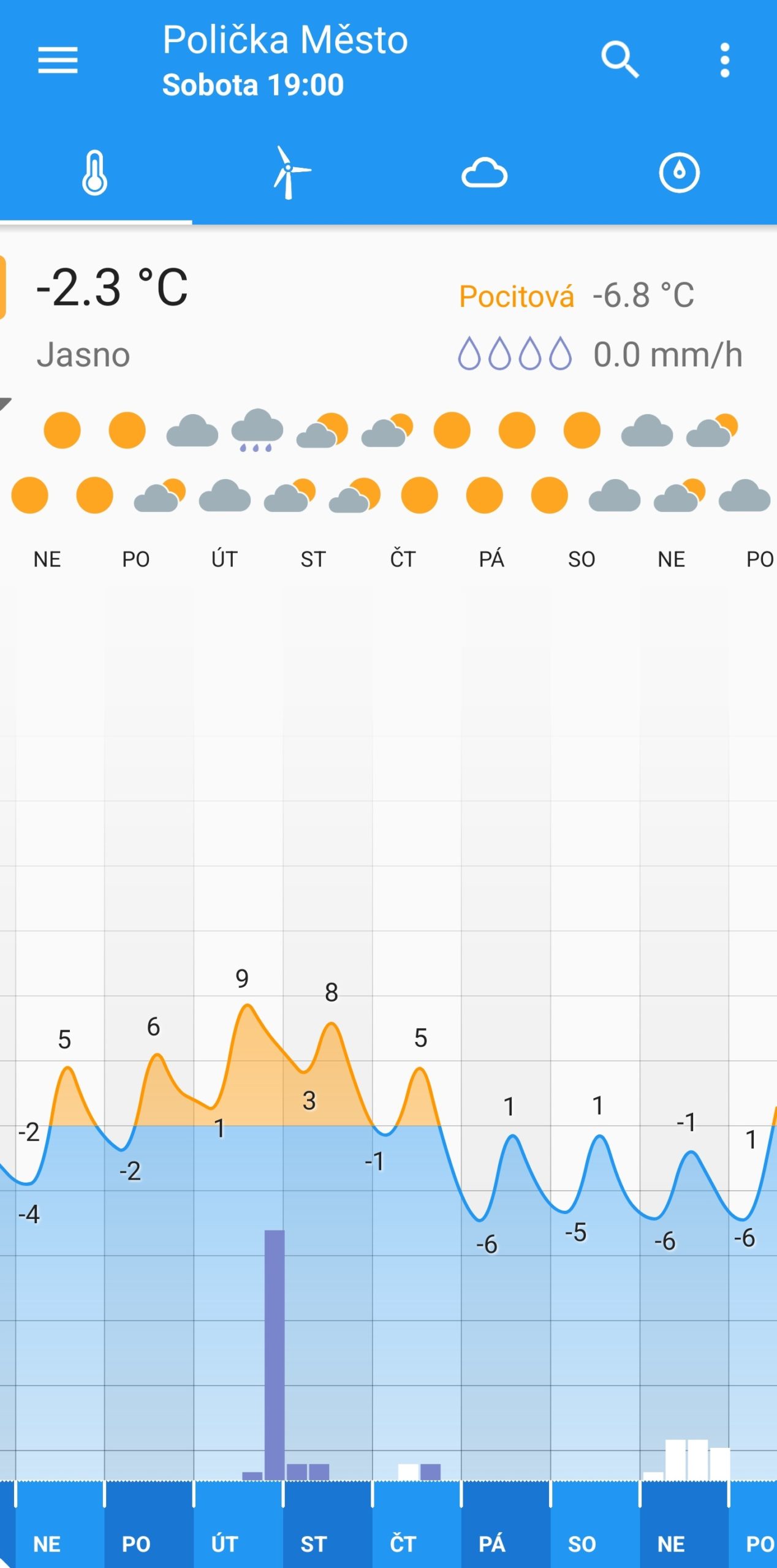
Weather forecast Polička
Source: Klára
Unstable weather and why not to rush
If you manage to settle a bumblebee queen, You will solve problems at the moment of cooling.
The best A sudden fright copies ambient temperatures. The well-insulated one more slowly, and the one without insulation very quickly. This also applies to the weight of the hive – a light one will cool down quickly.
In the ulcer Settled mother, if it has sufficient supplies of nectar and pollen, can tolerate cold for a short period, but not below freezing temperatures. In such a case startles and need not return. In the worst case, when the nest is heated will be exhausted and perish.
There are solutions that help address the effects of short-term temperature fluctuations, but this is not a 100% solution.
Except Good insulation, which we describe HERE Will the breeder help the nest in other ways. We write about those HERE. However, it is laborious and carries risks. Startling can also to equip with heating, however, even that has its limits. You can read about heating in ulcers HERE.
If you can use It is ideally placed indoors. A fright located in garage, or in basement of the house, may stable temperature conditions.
In the case of a hive with adequate heating, or in a hive, the queen will have good nesting opportunities, but bThis type of food will not do well on cold days. To a certain extent, it is possible baby food.
Therefore, if you are in a hurry, be prepared for a number of difficulties that await you.

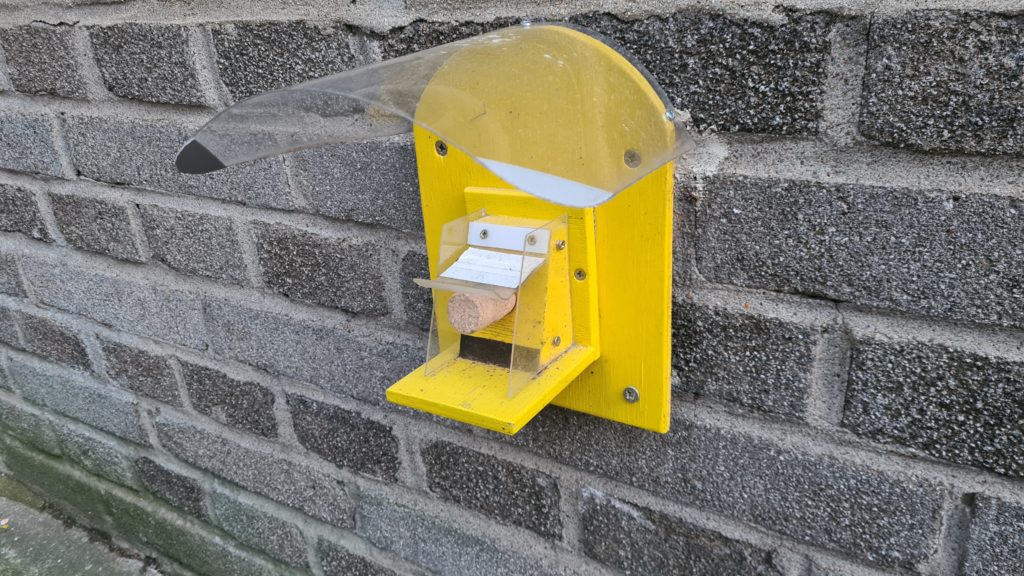
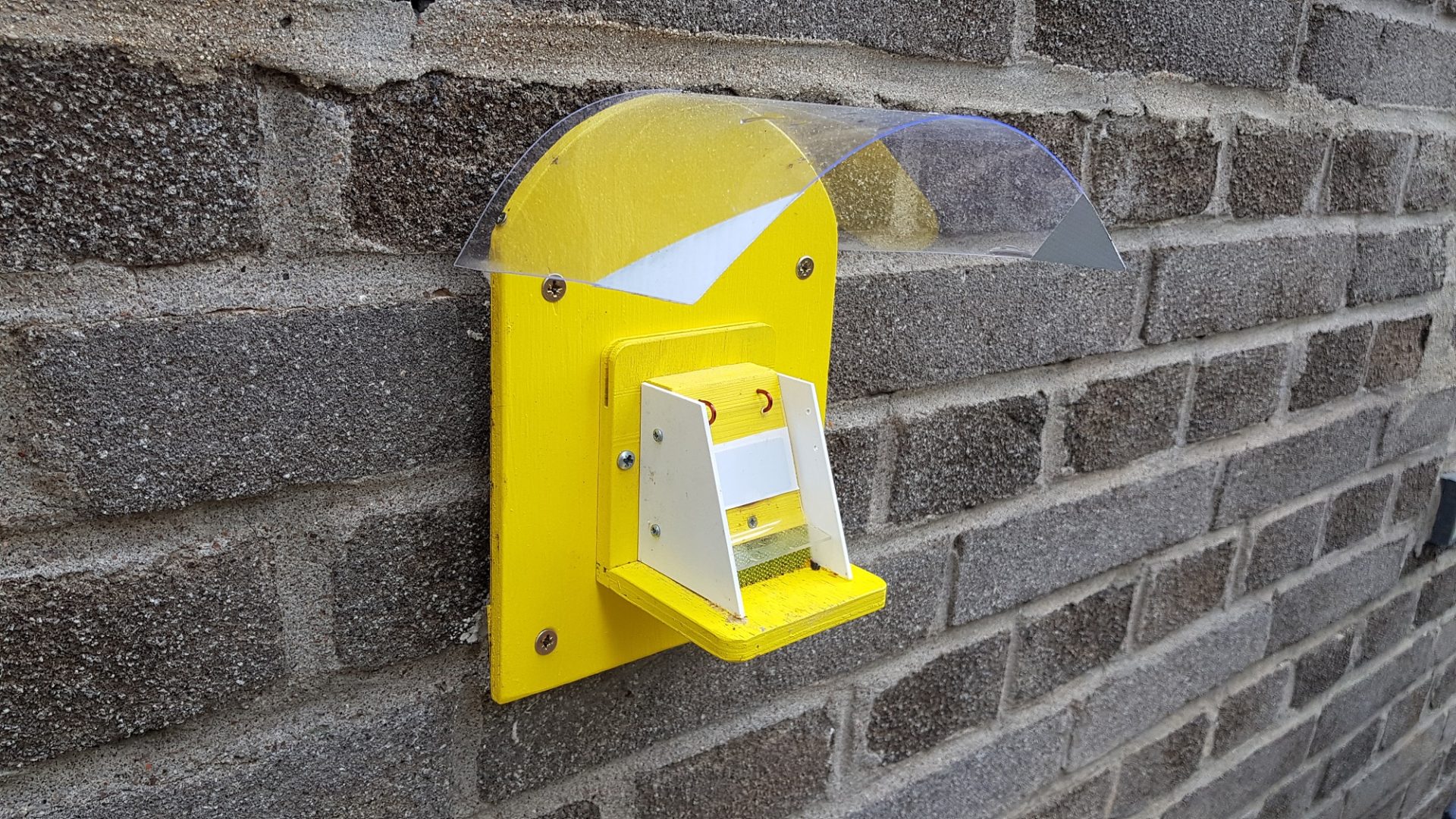
Bumblebees PLUS – Covers for flaps located on the wall
Photo O, Hercog 6/2020
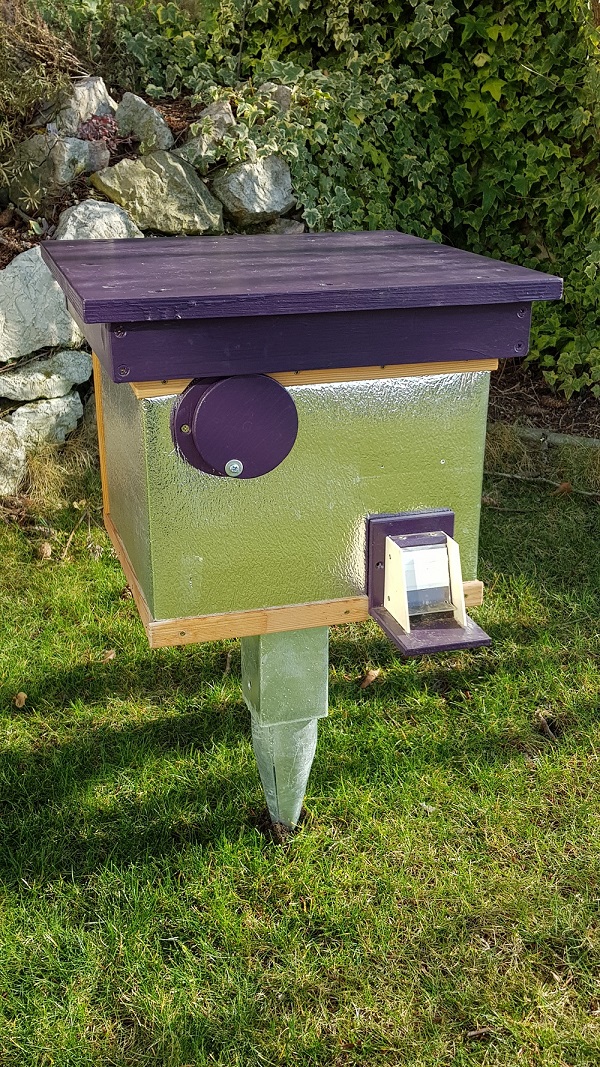
Shock on stand from earth foot and bracket on beam
Photo O. Hercog
Do you know what kind of bumblebee you want to house?
For a beginner beekeeper, it sounds like science fiction, but a beekeeper can wait for a specific species of bumblebee.
If you know roughly when queen bumblebees emerge, you can wait for them. If you specifically don't want to breed spring species and don't want to be bothered by weather fluctuations, wait for warmer weather and don't set up at the beginning of March.
This ranking shows that Late varieties are the least common in nature.. This is partly due, perhaps, to The competitive advantage of early species, which manage to occupy suitable nesting sites earlier.
Less Abundant species they also often closer ties to certain plant species a they are not that adaptable when choosing food.
More vulnerable There are also species that form colonies with fewer individuals. For such nests, the loss of individuals is more noticeable than for species with many members in a nest.
Species that combine late activity, long tongues, and small colonies, such as the critically endangered bumblebee *Bombus sylvarum* in the video, therefore deserve the most attention. Whether through habitat protection, the cultivation of suitable plants, or the provision of nesting sites.
Every species has its survival strategy. Some species need rich food sources and are not so picky. They have inElk nests and they start early, such as the buff-tailed bumblebee (Bombus terrestris). Other species can found second generation in the same year, ", which is why they start up relatively early, for example the garden bumblebee (Bombus hortorum). Some species They do not have high nutritional requirements, thanks to this their nest can sometimes last until the autumn frosts. However, it nests in the grass and only establishes it there once there is no longer any frost. For example, the buff-tailed bumblebee (Bombus pascuorum) can do this.
There is therefore no reason for bumblebee breeders to rush, as there will be at least three months of opportunities for nests to be occupied. But they can join the rescue operation Bumblebee Rapid Squadrons, see the following text.
The order in which bumblebee queens appear
Order Of course, it isn't accurate, jorientational. You can find out more in our species catalogue, which we are preparing. HERE.
Interesting fact
- Some species appear at the place where their mothers were born soon after waking from hibernation. However, this doesn't mean they will nest immediately.
- Some species found a second generation in the same year – new mothers do not hibernate, but establish a new nest.
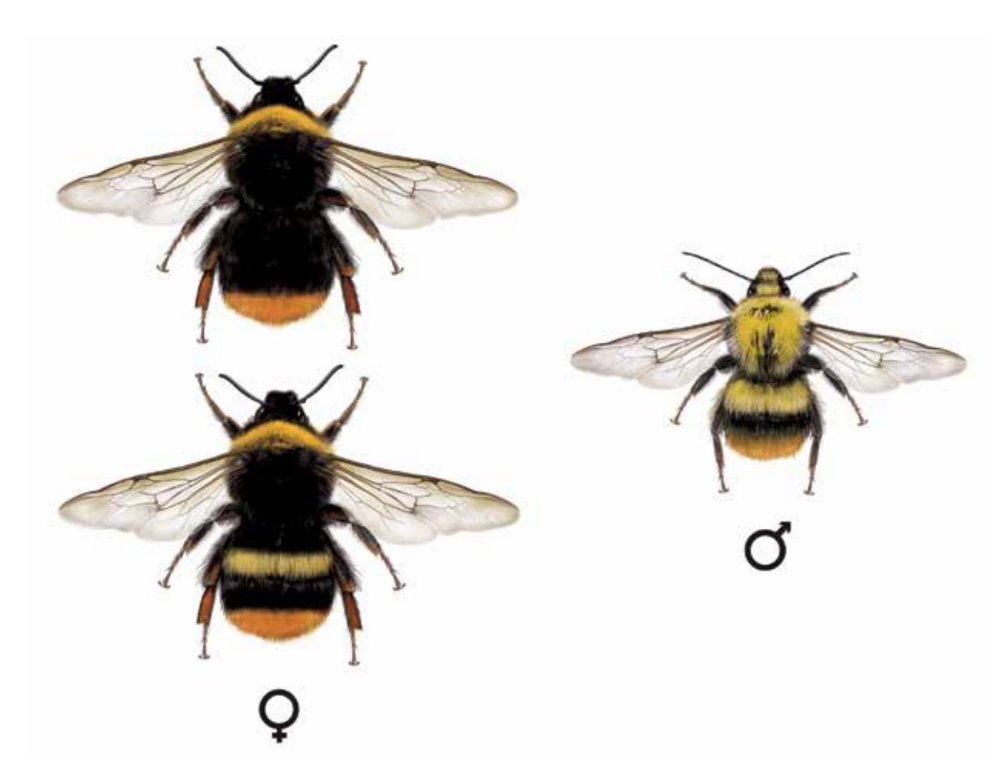
First group – from March (subject to conditions)
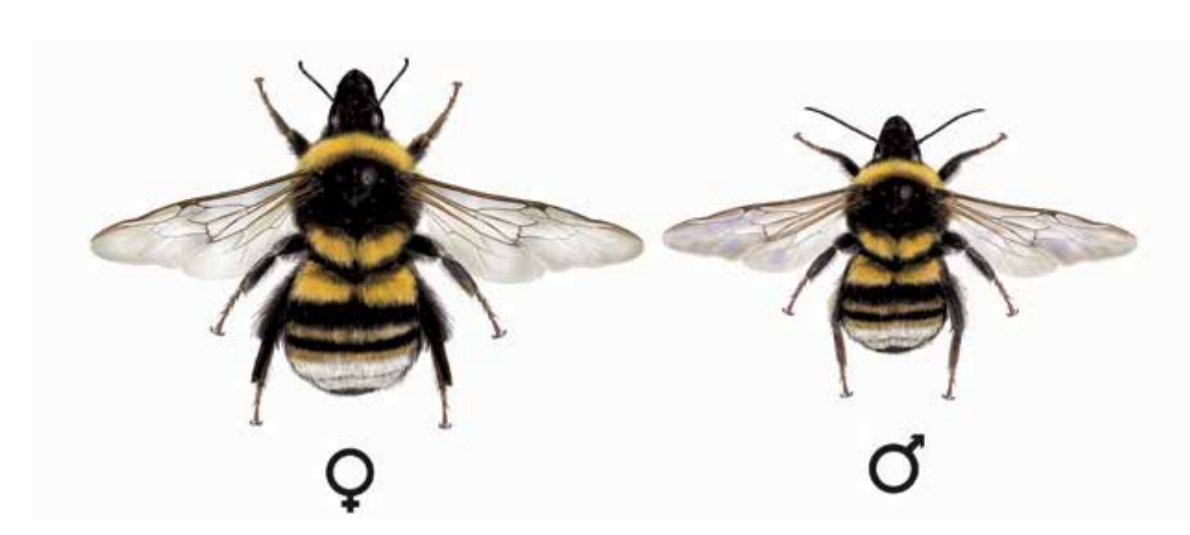
- Meadow bumblebee (Bombus pratorum)
- White-tailed bumblebee
- Buff-tailed bumblebee
- Tree bumblebee
- Bilberry bumblebee

Meadow bumblebee (Bombus pratorum)
Source: Sikora A., Michołap P., Kadej M., Sikora M. Tarnawski D. 2018 „Bees in the city: Bumblebees of Wrocław“, Publ. Association Nature and Man.
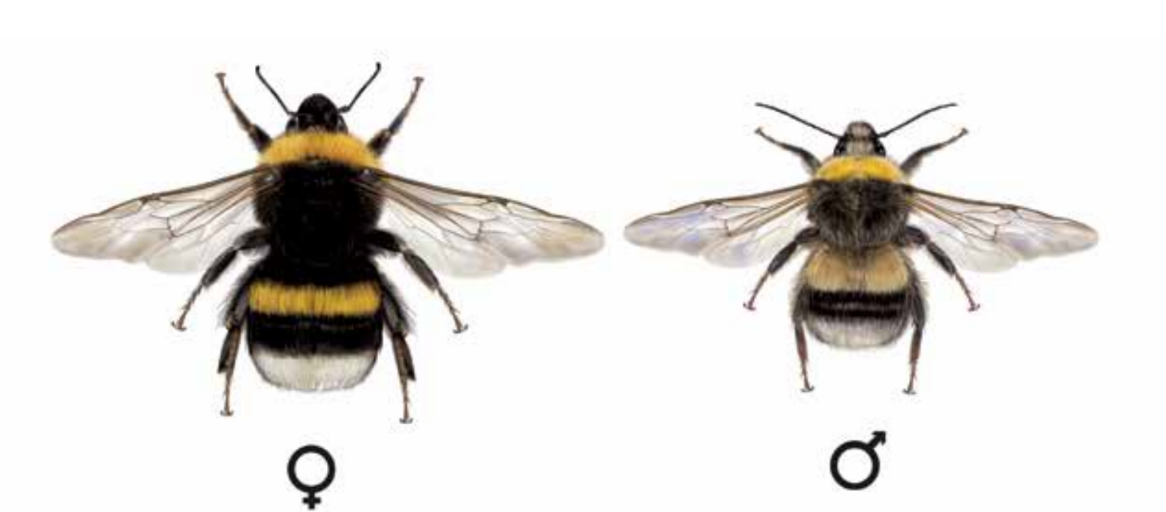
White-tailed bumblebee – Bombus lucorum
Source: Sikora A., Michołap P., Kadej M., Sikora M. Tarnawski D. 2018 „Bees in the city: Bumblebees of Wrocław“, Publ. Association Nature and Man.
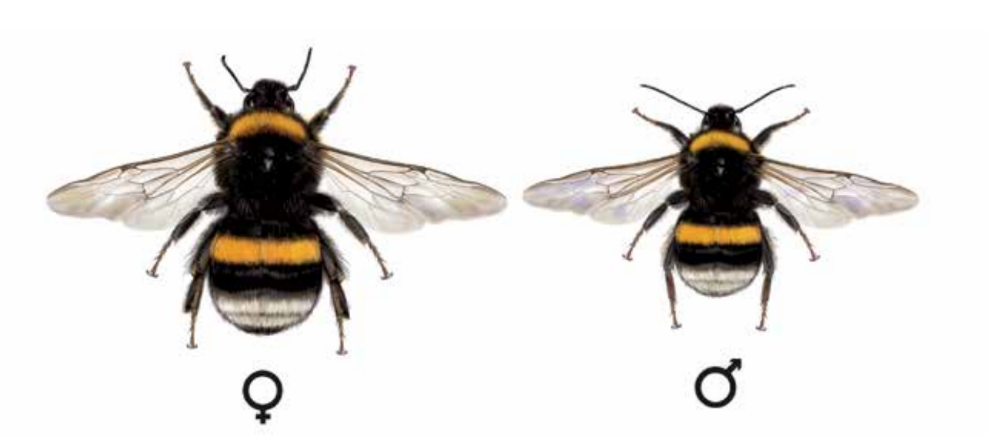
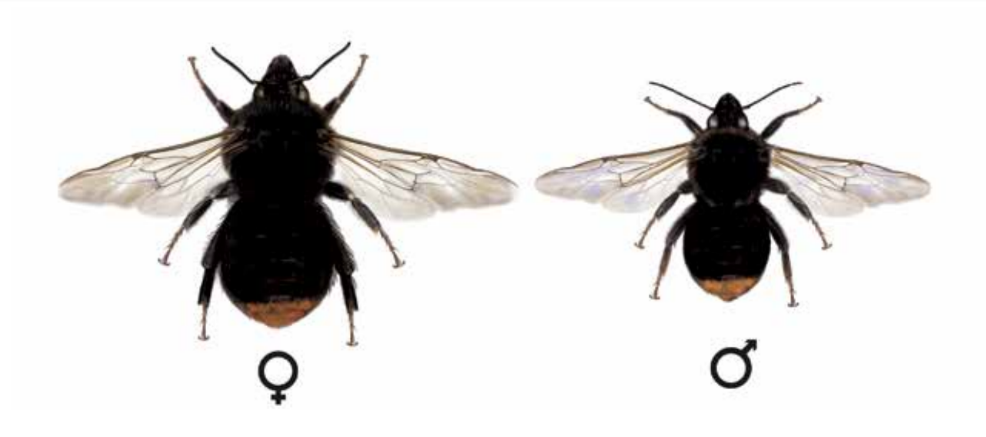
Buff-tailed bumblebee
Source: Sikora A., Michołap P., Kadej M., Sikora M. Tarnawski D. 2018 „Bees in the city: Bumblebees of Wrocław“, Publ. Association Nature and Man.
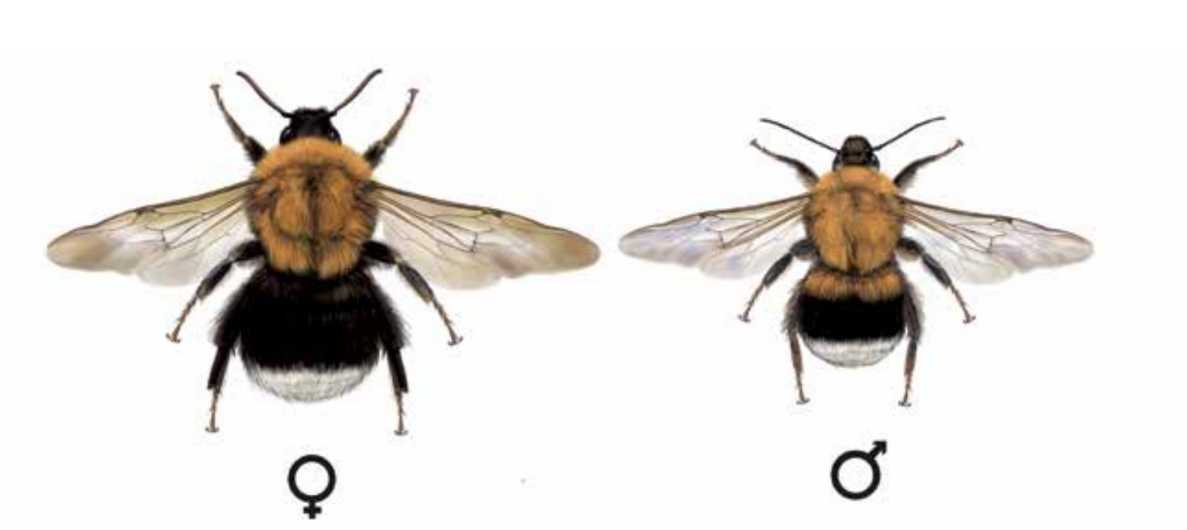
Buff-tailed bumblebee
Bombus hypnorum
Source „Bees in the City Bumblebees of Wrocław“
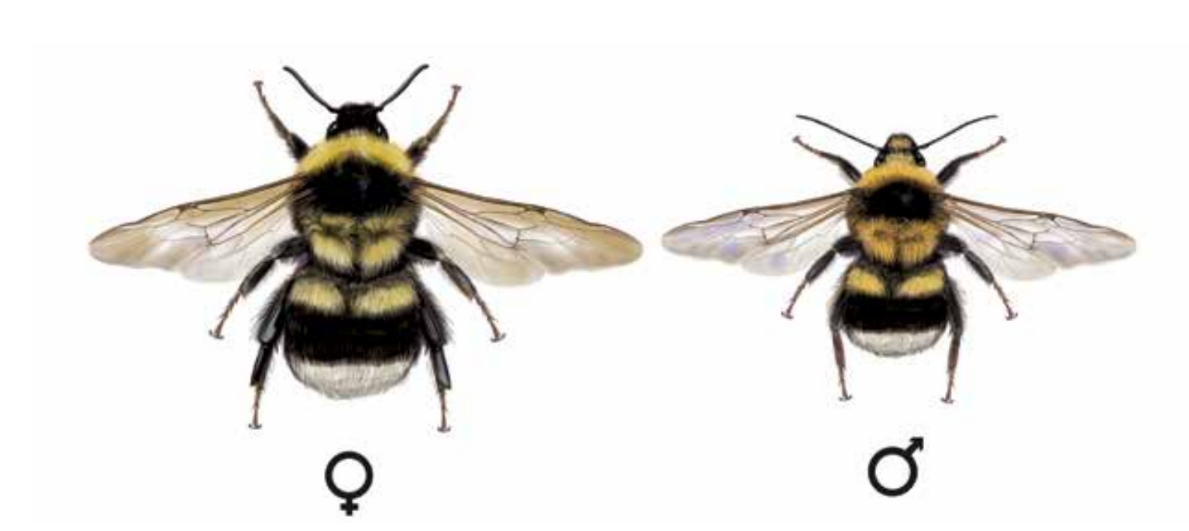
Bilberry bumblebee
Source: Sikora A., Michołap P., Kadej M., Sikora M. Tarnawski D. 2018 „Bees in the city: Bumblebees of Wrocław“, Publ. Association Nature and Man.
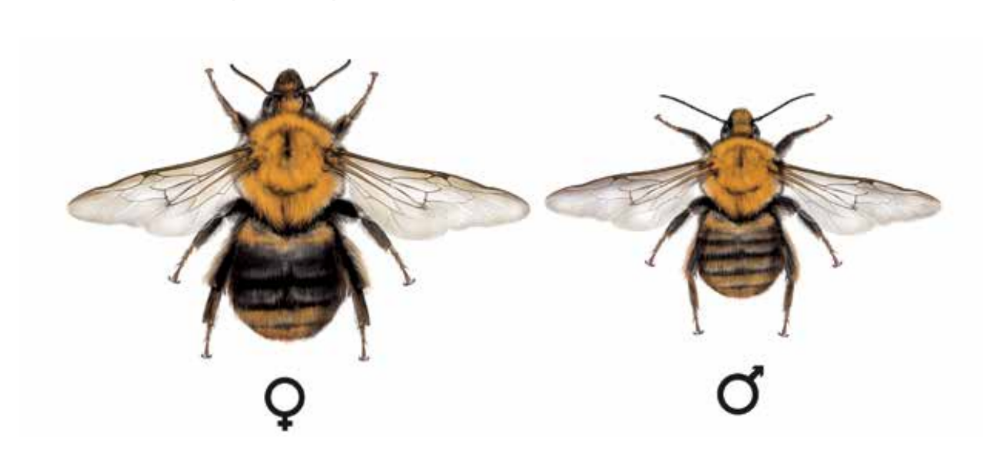
Lorem ipsum dolor sit amet, consectetur adipiscing elit. Ut elit tellus, luctus nec ullamcorper mattis, pulvinar dapibus leo.
Second group – end of March to April (depending on conditions)
- Common carder bee
- Garden bumblebee
- Buff-tailed bumblebee
- Stone-tail bumblebee

Common carder bee
Source Bee in the City of Wild Bees Wrocław
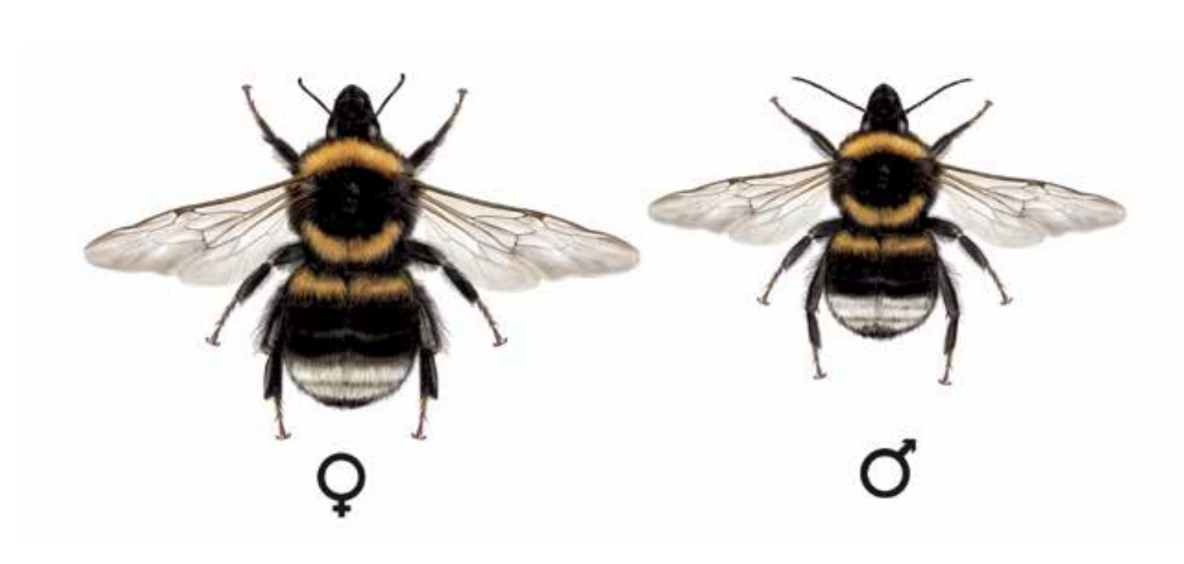
Garden bumblebee
Source: Sikora A., Michołap P., Kadej M., Sikora M. Tarnawski D. 2018 „Bees in the city: Bumblebees of Wrocław“, Publ. Association Nature and Man.
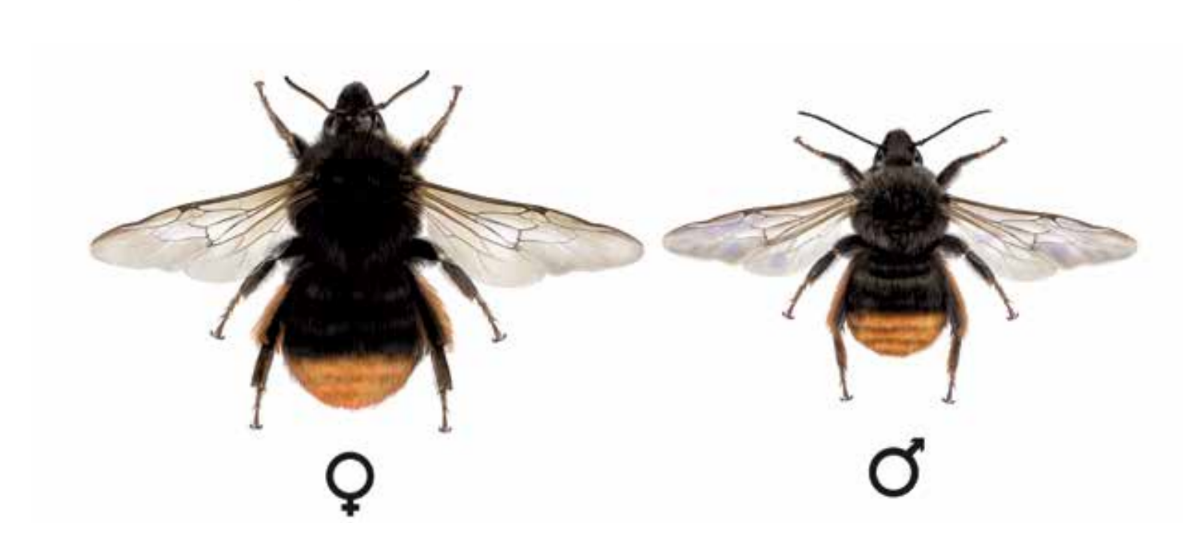
Buff-tailed bumblebee
Source: Sikora A., Michołap P., Kadej M., Sikora M. Tarnawski D. 2018 „Bees in the city: Bumblebees of Wrocław“, Publ. Association Nature and Man.
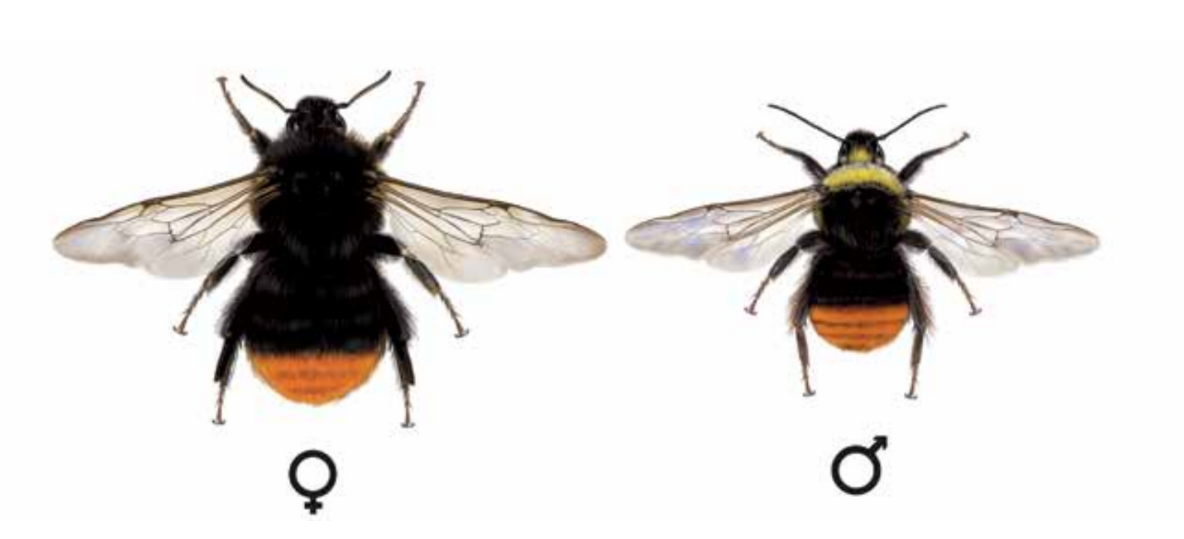
Stone-tail bumblebee
Source: Sikora A., Michołap P., Kadej M., Sikora M. Tarnawski D. 2018 „Bees in the city: Bumblebees of Wrocław“, Publ. Association Nature and Man.
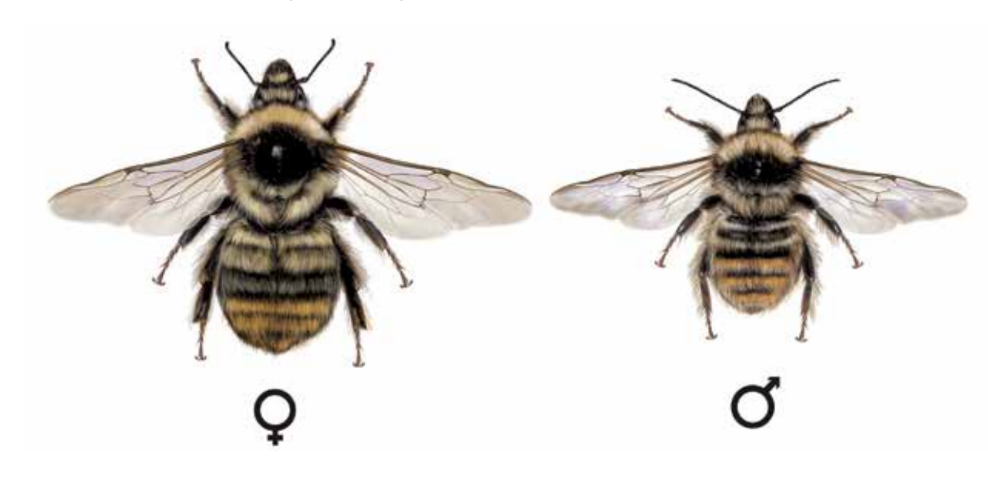
Third group – April and onwards (subject to terms)
- Forest bee
- Brown-banded carder bee
- Buff-tailed bumblebee
- Great yellow bumblebee
- Buff-tailed bumblebee
- Bumblebee confusus

Field bumblebee
Source: Sikora A., Michołap P., Kadej M., Sikora M. Tarnawski D. 2018 „Bees in the city: Bumblebees of Wrocław“, Publ. Association Nature and Man.

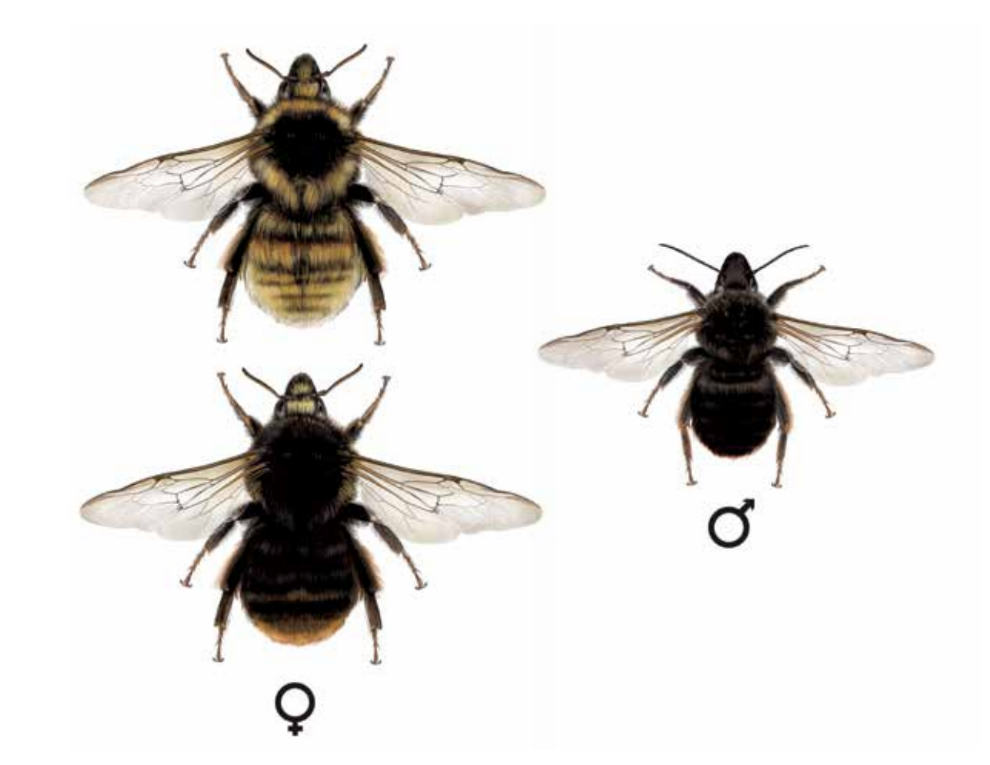
Mealy bumblebee – Bombus distinguendus
Source Bee in the City of Wild Bees Wrocław

Buff-tailed bumblebee
Source: Sikora A., Michołap P., Kadej M., Sikora M. Tarnawski D. 2018 „Bees in the city: Bumblebees of Wrocław“, Publ. Association Nature and Man.
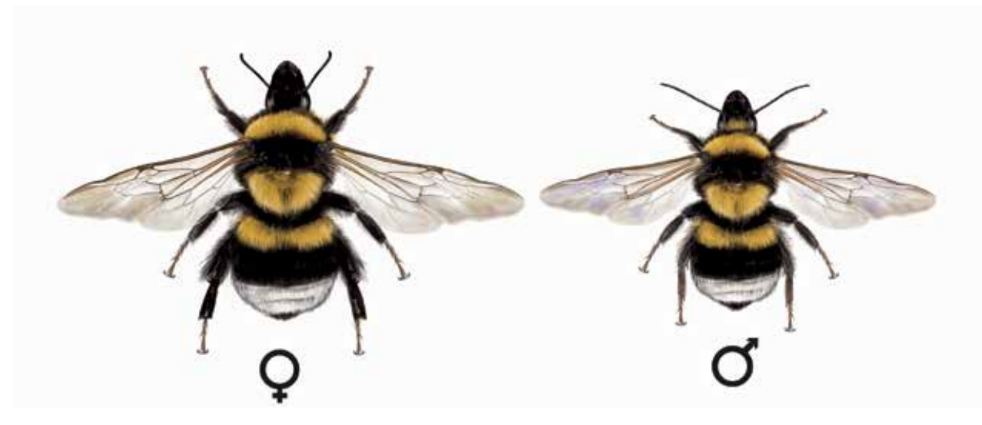
Bumblebee confusus
Source: Sikora A., Michołap P., Kadej M., Sikora M. Tarnawski D. 2018 „Bees in the city: Bumblebees of Wrocław“, Publ. Association Nature and Man.
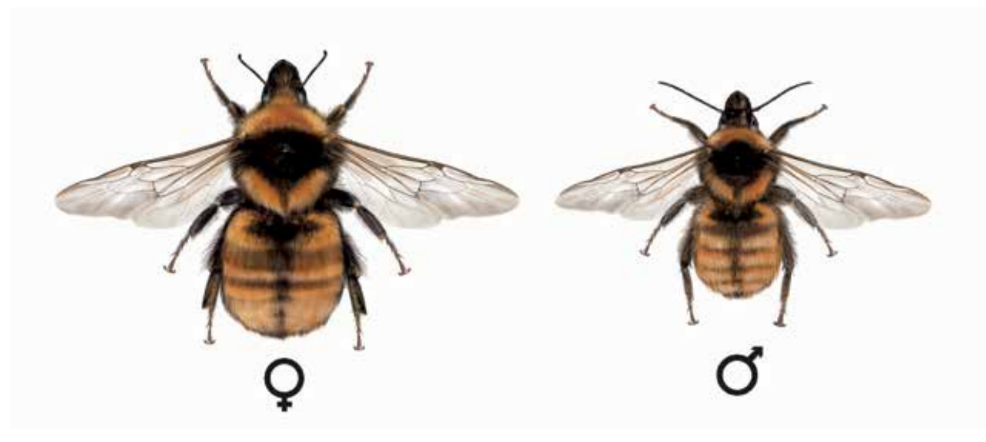
You can also encounter some species of bumblebees later on.
You will also certainly encounter bumblebees. Their mothers wake up later. They are waiting, when their host species establishes a nest and it has the required number of workers. For the breeder, however, it's quite easy to recognise a bumblebee – about The empty nest shows no interest..
You can read more about bumblebees here. HERE.
Some species establish in the same year, a second generation. Always but fromIt depends on the conditions And so there are fewer of them. Likewise, it depends on the conditions, whether they successfully complete their life cycle and whether their sexually mature individuals find partners there.
These are the following types:
- Meadow bumblebee (Bombus pratorum)
- Garden bumblebee
- Shrill carder bee
- Buff-tailed bumblebee
- Bilberry bumblebee
When, then, to place the fright outside
So we now know when bumblebees appear. Even so There is still time..
Mothers will strengthen themselves first after hibernation. Only when it will warm up, they will start looking for nesting sites.And then at first they just look and They are choosing a suitable place. They often move along routes where something has caught their attention, and they return to such a place. Even if they start looking into holes and cavities, won't start nesting straight away. They know themselves well when they weather and food supplies will give a real chance to startThey are giving us time too, because during this time Ovaries are ripening. Only then are they ready to build a nest.
So wait for the time when mothers start intensely looking for nesting places, when there are good feeding conditions nearby and when the weather forecast promises, that it will not get cold again. Do not try to settle the mothers by force. firstly, it is against the law and if the mother doesn't want to, she won't settle anyway. That's just her. :-)
About that, How mothers find nesting sites, you will find out HERE.
If you place the startle outsidesooner than is necessary, It will just get unnecessarily damp and will they be on it weather conditions. This will be reflected on the lining condition and also on lifespan.
If you have a new fright, it's good to have empty somewhere dry ventilated place. From there the smell of the material will fade and this will help with bumblebee settlement. However, ventilate the nestbox open, without bedding. It is particularly good to ventilate Painted helmets.
The return of bumblebee queens
The strategies for placing the "ulek" (likely referring to a type of bird shelter or trap, or potentially a young bird being released) outdoors also influence the breeder's approach to the return of young mothers and their offspring. You can learn more about this on our website. HERE
Young bumblebee queens, if they successfully hibernate, return to their natal nest. If they encounter their sisters here, a fight for nesting sites ensues. It is therefore advisable to choose one of the strategies and not let the mothers fight each other.
Until then, you can leave the scarecrow in its original place as a „lure“, but don't let the bumblebees out = close the inlet.In the ulcer, you can then observe the returnees and, when the time is right, settle one of them. But it's better to move something and reduce the risk of mothers clashing there.
If you have a corner inside and The light switch on the wall, there is nothing left but Leave the vent open and settle the bumblebees in another hive.

Closing the air inlet with a cork stopper
Photo: O. Hercog (2022)
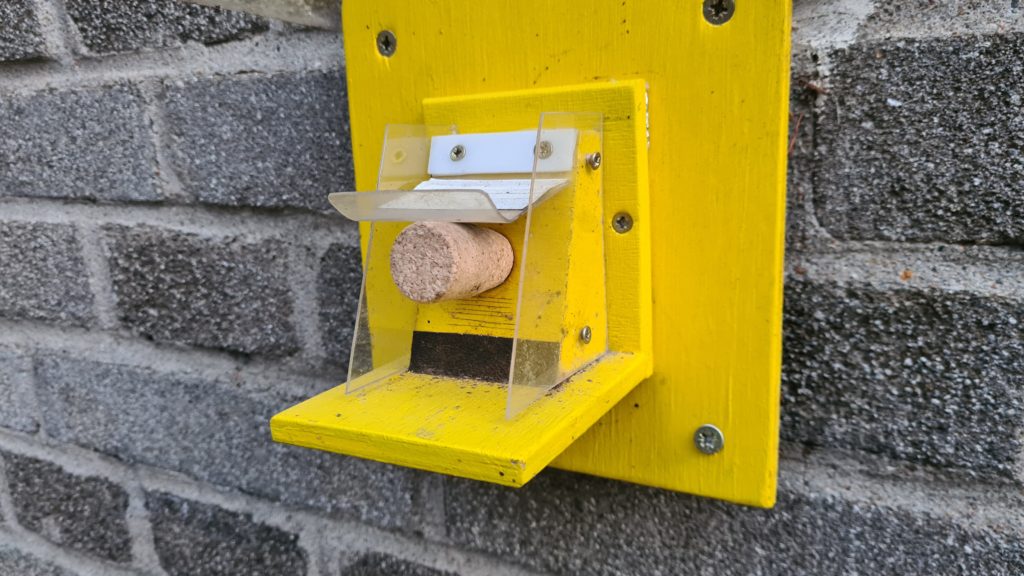
Closing the air inlet with a cork stopper
Photo: O. Hercog (2022)
Ways to house bumblebees in a hive
wasps in the nest in various ways. The preferred method is Self-catering, so if the mother finds a hiding place where she's looking. For some species, it's low to the ground, for others, it's up high.
If a breeder is targeting a specific species, they can simply wait for it and with knowledge of that species, they cansudden fright to prepare the moment the mother starts there to search for a nesting site. The mother is choosing for a while and so at the given place it can appear several times before it is decided.
Individual seating arrangements describing HERE.
Some breeders also wait and fill the vacant clutch. a nest that will save as part of the event Bumblebee Rapid Squadrons. You can read more about it HERE.
Conclusion
If the temperature conditions are not good for you and the queens have not started looking for nesting sites, there is no point in placing the bait outside.
If you are aiming for early bumblebee species, he should be on it your fright and you yourself prepared. Spring weather is very changeable and spring frosts, or snow, can trouble you and your prematurely settled bumblebees.
A prematurely settled bumblebee queen can perish in the spring frost in the nest from exhaustion while warming, or abandon the nest.
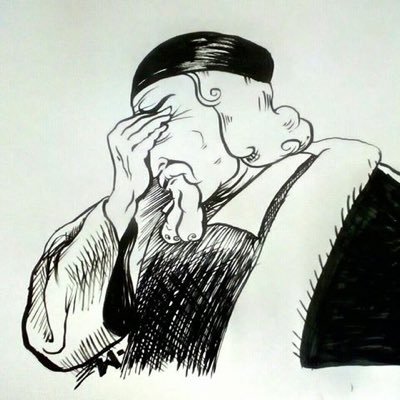
Everything therefore has its time and order. What was said still holds true Jan Amos Comenius„“All haste is only good for h... well, good.„ And although Comenius wasn't a bee-keeper, he too urged a cautious approach. So surely he too would carefully consider the moment when he would place his bait for bumblebees in the garden. :-)

Jan Amos Comenius is pondering when he will prepare a fright for the bumblebees in his garden...