

Pre-season ulcer preparation

Comprehensive step-by-step guide to preparing a beehive for successful beekeeping

What you will find here

  • Instructions for preparing a cake
  • Preparation steps – step by step
  • Tips and tricks

Date of last update: 15/3/2023

Preparing the unit for the season

What you will learn here

 In this section, we will describe the preparation of a classic wooden beehive for the season, as a typical example of what needs to be addressed in the spring. 

Some other types of ulcers, for example commercial , or rather the burrows in the ground are prepared similarly, but with differences, which we will describe in the section for advanced breeders. It is better though Follow the manufacturer's instructions. Of course, we mean a manufacturer for whom we have documented evidence Breeding experience.

If you're doing all this for the first time and also adjusting the shock at the same time, it could easily take you several days.
If it becomes routine for you, everything can be done withThink for 1-2 hours.

It may seem long, but it contains experience, which we want to pass on to you. This is because, so that your first season of bumblebees goes as smoothly as possible, without any unnecessary surprises.

You will learn what to prepare, how to proceed, and how to prepare the entire swarm. Remember that the successful breeding of bumblebees is often decided by seemingly insignificant details.

We have also prepared for you Checklist Checklist, so you don't forget any steps, before the „go-live“
😀

Recommendation

  • First, read the entire procedure and only then get started; this will save you a lot of time and hassle.
  • If you have bought a new quiver, open it – leave it in a dry, cool place to air out and get rid of any smells.
  • However, we do not recommend filling the shelter with bedding too far in advance, for example, in autumn. This could lead to the bedding becoming damp and mould developing. Similarly, the bedding could compact and the entrance pocket disappear.
  • We also don't recommend putting the ale under cover outdoors before the season starts.  
  • If you want to be ready in time, prepare everything up to the step of filling the hive with bedding. However, keep the hive prepared like this in a dry and warm place, and only put the bedding into it just before placing the hive in its chosen location.

What needs to be resolved before you start preparing a lure to settle in

After preparing the beehive, you will have difficulty carrying out some work and interventions, so please take the time for the following preparatory steps as well.
It will save you a lot of time, effort and worry..

Preparation of a new hive

The new shock absorber should meet the requirements that we described in the chapter How to choose the right shock absorber

If you have acquired a scarecrow that does not meet these requirements, you will need to edit. For most commercially available ovens, ventilation needs to be adjusted., add thermal insulation, modify unsuitable inlet pipe an equipped shock protective flap.

ŘSolutions and modifications can be found in separate chapters, to which we refer in the following text, but for clarity, we are listing them again here with links:

Preparation used owl after storage

A fright should be cleansed and repaired after the season and stored.

The procedure for cleaning the ulcer out of season is detailed in the chapter How to clean and winterise a beehive 

Although you've already done so, it is necessary startle after winter to inspect, to clean remove any dust and any faults before you prepare and fill it with lining. 

Procedure
  • Sometimes, after winter, they move into the hive Rodents and contaminate it. In such a case, it is necessary to clean the shock absorber again,
  • We recommend the startle again treat with a heat gun = heat with a stream of hot air to over 60°C, but without burning the wood,
  • Likewise, it is advisable to again Rinse pre-used „last year's“ inlet tube hot water, if you use it again.
    You can read more about using old piping in the section for advanced breeders. Old or new tube...
 Control
  • Before you start lining the hive, check that the hive is clean and dry
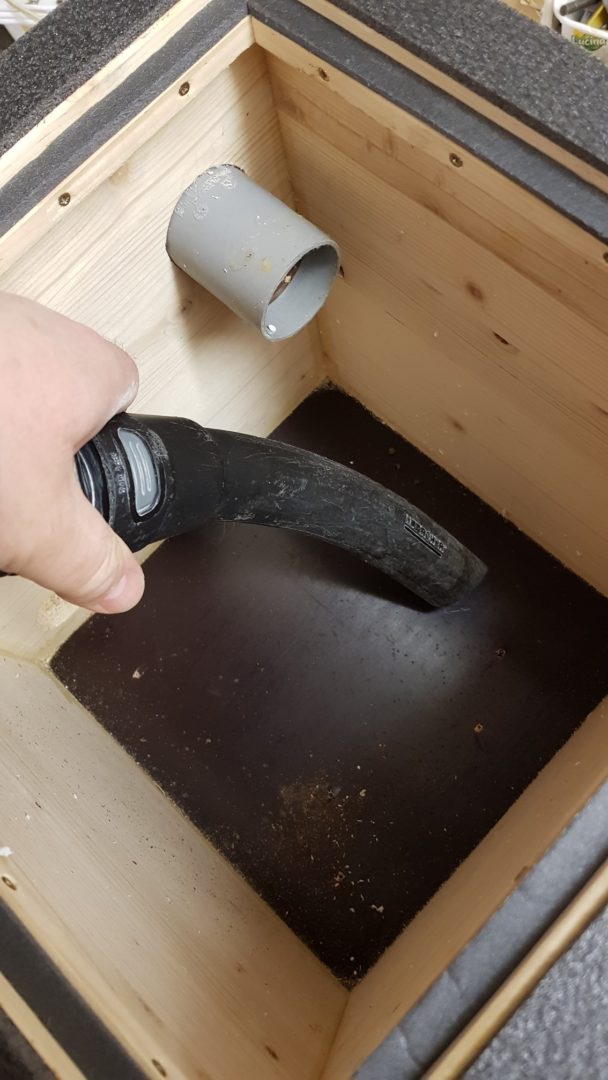
Bumblebees PLUS - Thoroughly clean the shock from dirt after winter storage

Thoroughly clean the pike of winter storage debris
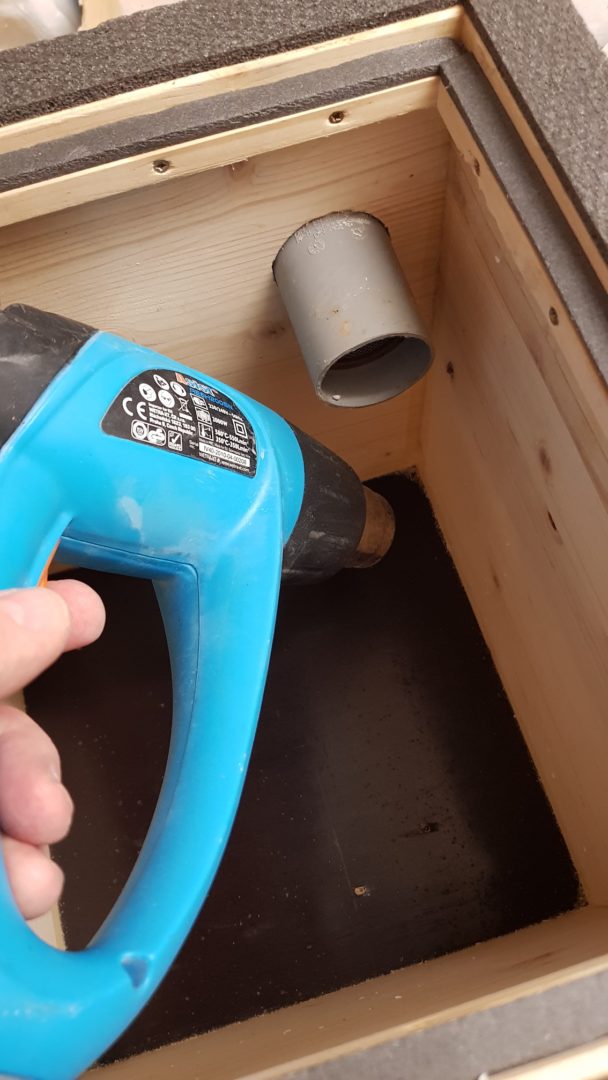
Bumblebees PLUS - Treat all corners with a hot air gun (overwintering parasites may be hiding there)
Treat all corners with a hot air gun (overwintering parasites may be hiding there)

Location and fixing of the hive 

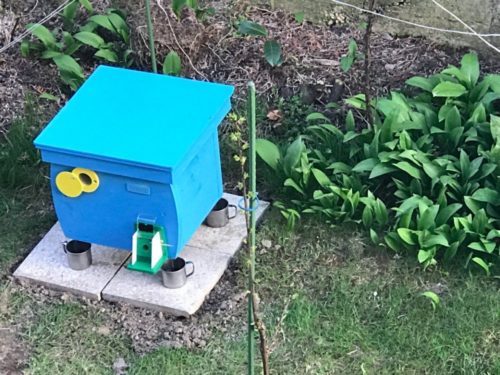
If you haven't yet arranged where and How will the fright be placed, It needs to be resolved before you start preparing the hive for the season. It's about how the hive will be built/mounted, and that needs to be dealt with when there is no bedding in the hive., 

All the necessary information and instructions can be found in the chapter Placement of a ulcer in the garden but also elsewhere...

If you already know, prepare and assemble the parts for the chosen solution before you start filling the drawer with lining. 

Bumblebees PLUS - Hive protection against ants - ground hive

A fright on the ground.
Photo D. Mesko
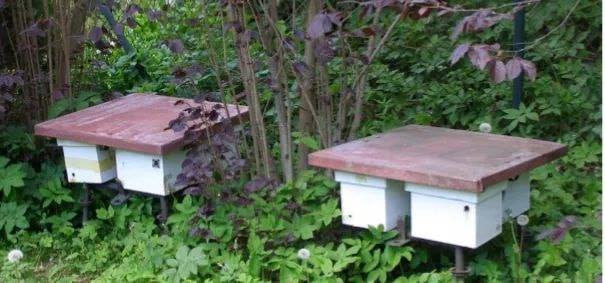
Bumblebees PLUS - Hives in an elevated position

Startle on a raised platform / stand
Internet source
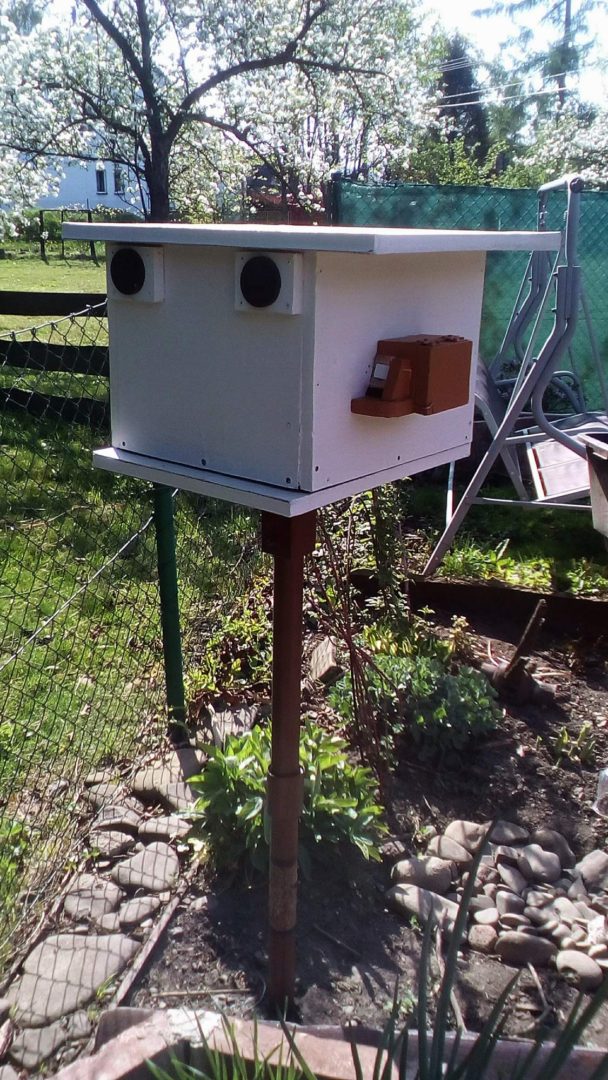
Bumblebees plus a bumblebee nest a bumblebee hive bumblebee breeding correct hive placement pre-placement check for the bumblebee

Fright on the rack
Photo R. Cyrus


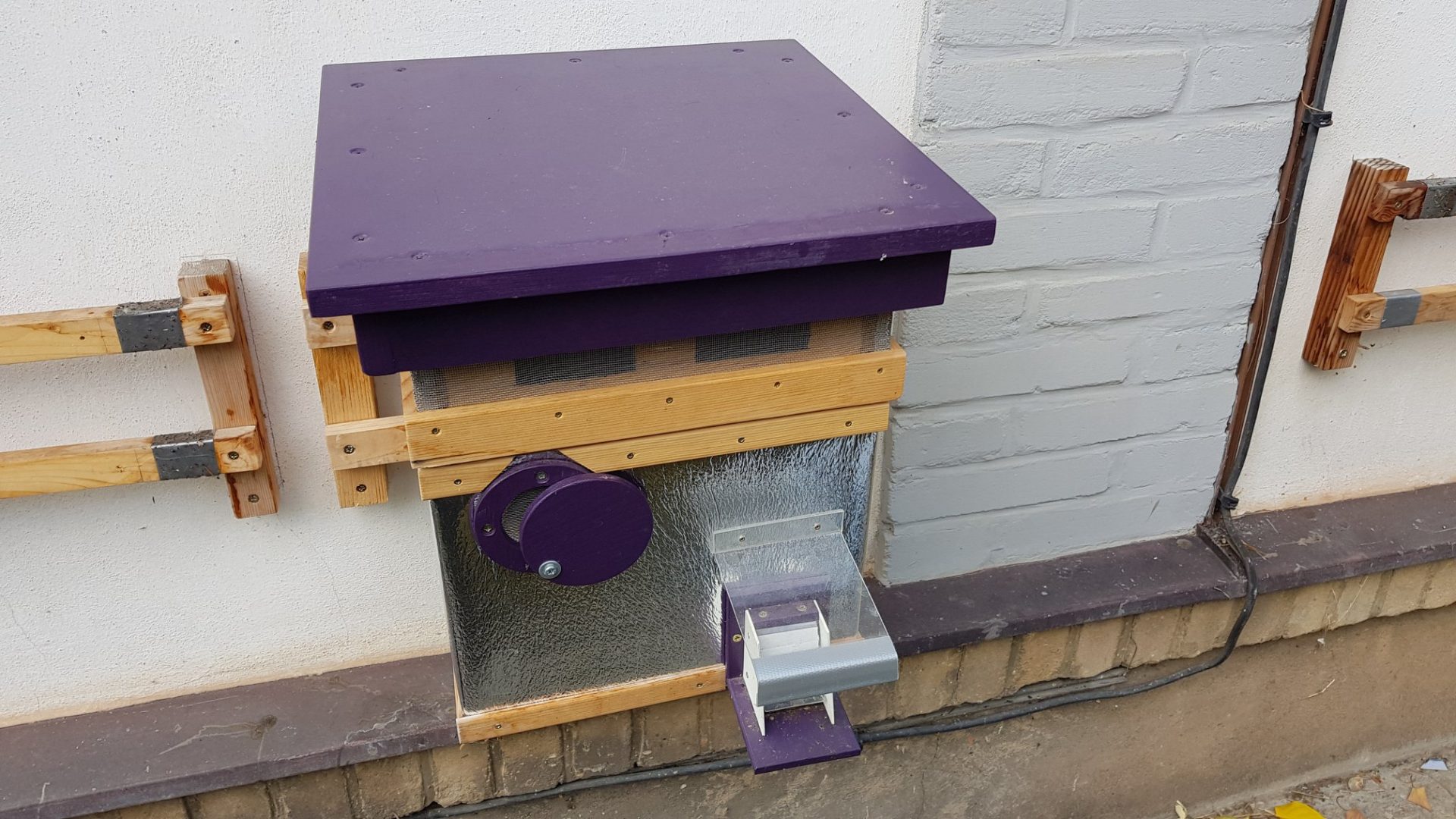
Bumblebees PLUS - Hive protection against ants - hive on a garden wall

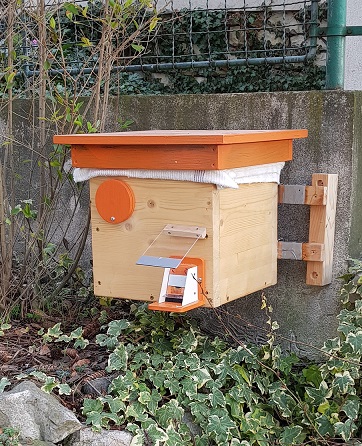
A fright on the curtains on the wall.
Photo O.Hercog
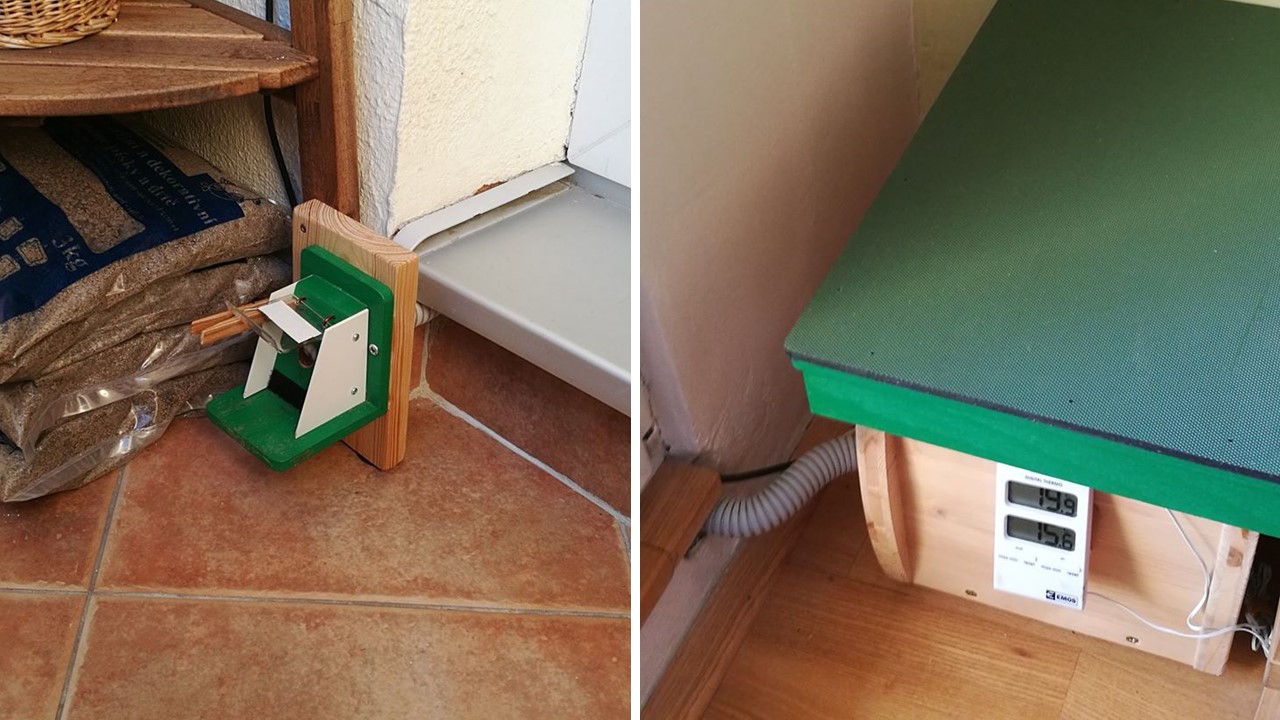
Bumblebees PLUS - Placement of the hive indoors with a flap leading out to the balcony

Placement of the flue inside the property with a damper leading onto the balcony
Photo Š.Vácha
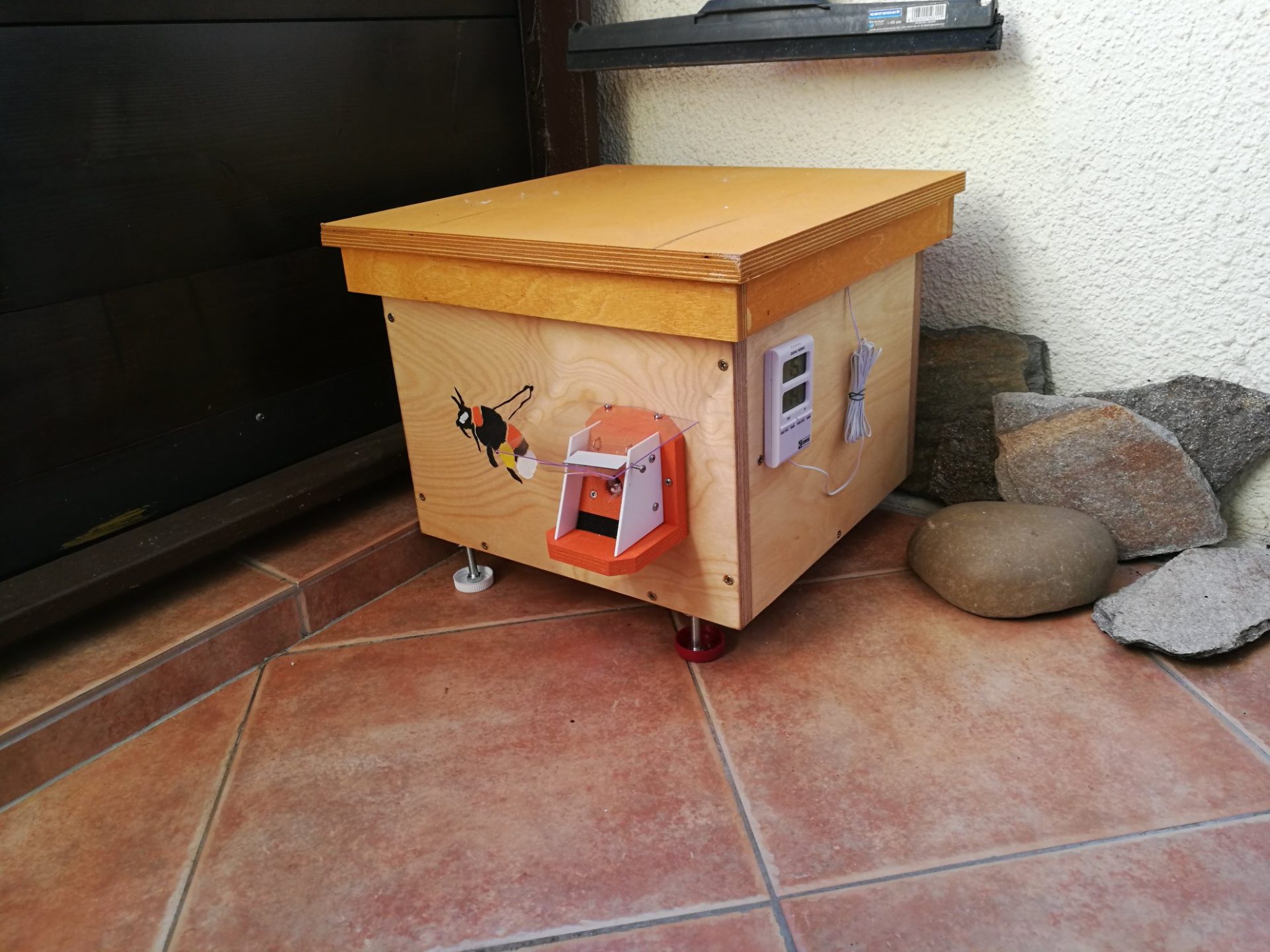
Bumblebees PLUS - Placing a hive on a balcony of a block of flats

The placement of a beehive on a balcony of a tower block
Photo Š.Vácha
 

Additional elements such as protective mesh, ventilation attachment, etc.

If you have decided to use them and have them ready, you need to practise beforehand how to fit them to the breech and how you will use them:

Bumblebees plus a gadget for bumblebee breeders for a bumblebee hive, a bumblebee house, ventilation - a ventilation insert, construction

Startle with ventilation attachment fitted
(Photo O. Hercog)

Observation window

  • You can read about the observation window HERE
  • If you are using a pane laid on a scare, prepare a viewing window made of glass/plexiglass according to our instructions.
  • If you want to use observation window set into guides in the hive, work according to the manufacturer's instructions, but read our instructions on how to use the window

Our recommendation:

  • The window should only be on the hive for the observation period, because otherwise moisture will condense on it, making it easy for mould to form in the hive.
    If you are afraid of bumblebees and will not open your hive, do not install a viewing window.
  • Use the window only for as long as absolutely necessary and Don't leave him in the corner. 
  • If you decide to use a protective mesh, keep it fitted in the hive at all times.
  • One The manufacturer uses a sight glass as a standard construction component., in such a case, follow his instructions

Procedure for the 'leap of faith' window:

  • You will find the steps on how to create and use such a window  HERE

Method for a recessed window into a hive

  • Fix the strips to the hive
  • Make a simple loop to lift the window.
Control
  • Ensure it fits correctly and can be removed.
  • Test the use of the window (how to deploy and retract it)
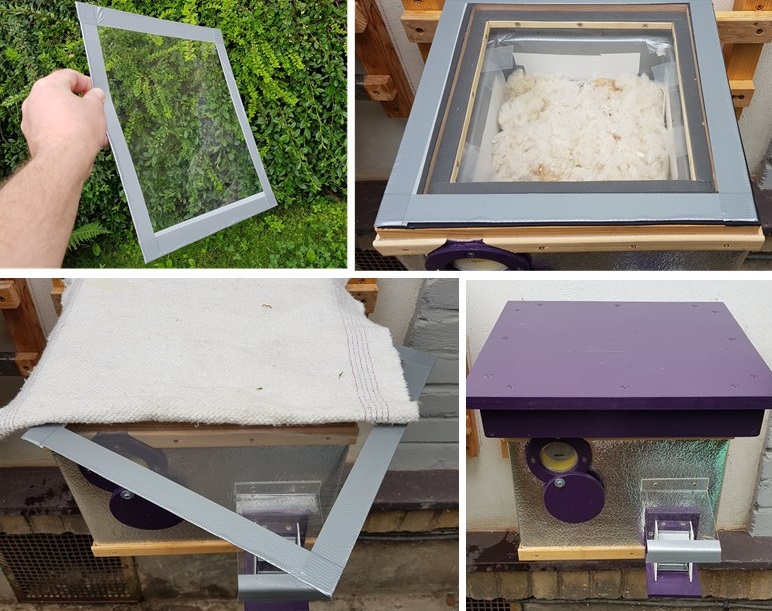
 
Bumblebees PLUS - Observation window of the bumblebee nest

Observation window of a hive (bumblebee hive)
Photo: O Hercog
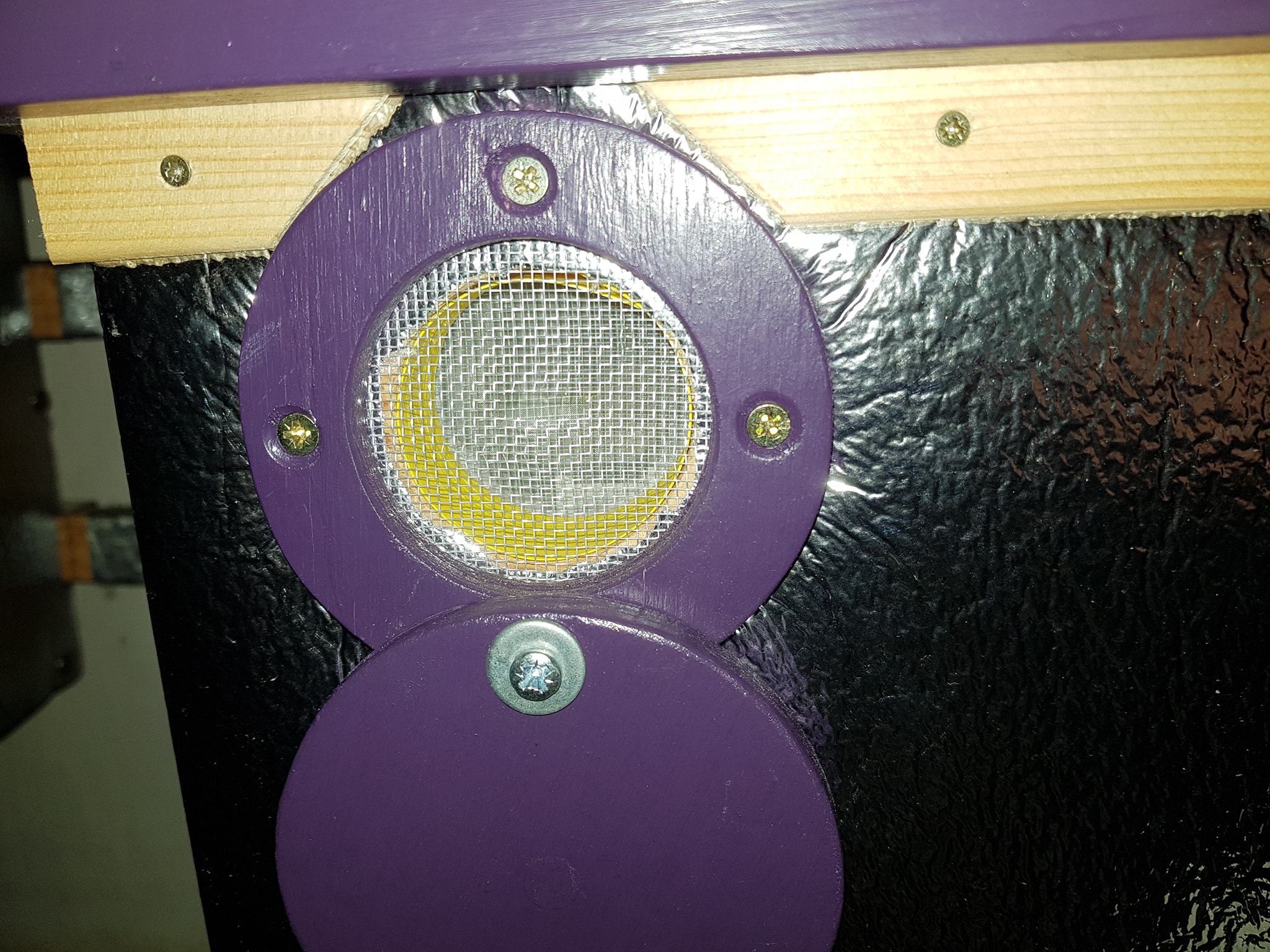
Ventilation

  • Fit a ventilation/closable ventilation window into the hive,
  • If you are using a ventilation system with a thin layer, prepare it before installing ventilation into the hive,
  • You can read about ventilation HERE
  • You will learn more about the use of ventilation in the chapter we are preparing.
Procedure
  • Install ventilation into the beehive,
  • When it comes to a removable system, seal it, for example with flexible acrylic/silicone sealant,
  • Close the ventilation.
Control
  • Check that the ventilation is sealed
  • Test the seal of the ventilation (there should be no draft in the hive during the spring months, the queen bee is sensitive to micro-drafts)
Bumblebees PLUS - Hive Ventilation - External mesh with opening for parasite trap and ventilation closure

Hive ventilation – external mesh with an opening for parasite trapping and ventilation closure
Photo O.Hercog
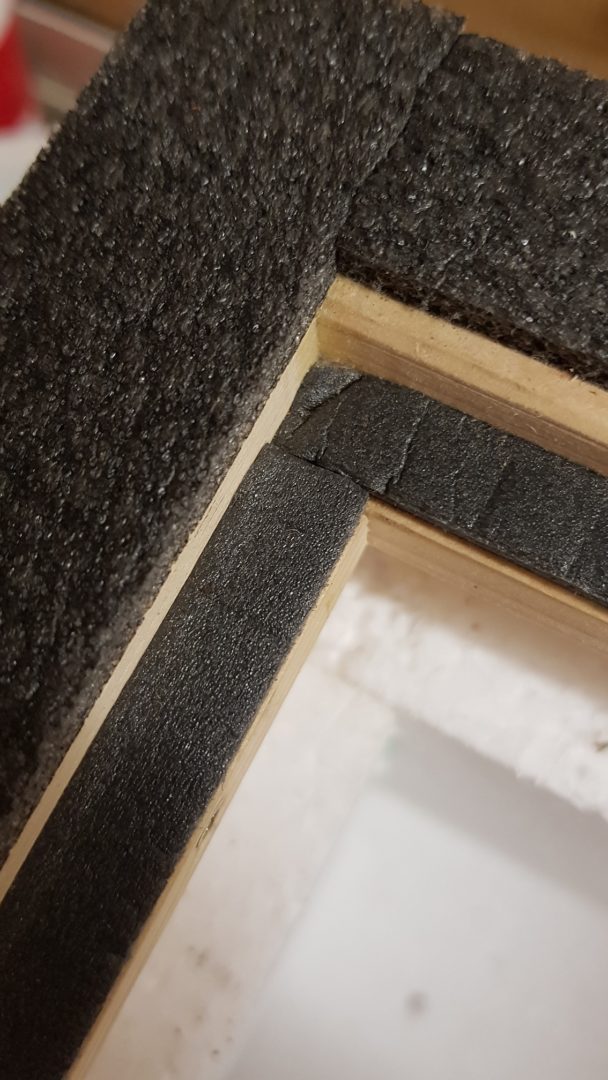
Roof and corpus seal for the hive

  • Try your hand at beekeeping The roof is sitting – shouldn't be anywhere leaks, minor leaks should be resolved by the gasket used (the roof can twist slightly),
  • If necessary, adjust / replace seal,
  • You will learn more about the hive lid and its sealing. HERE
  • You will read about the sealing of the ulcer (to be supplemented)
Bumblebees PLUS - Hive Seal

Ulcer seal
Photo O. Hercog

Step-by-step ulcer preparation

Here's the procedure for “dressing a wound“, step-by-step. But don't worry, it's not a long journey and you won't wear down your shoes 🙂

Additional thermal insulation 

  • In this guide, we will describe how to thermally insulate a large startle addition internal insulation
  • If the hive is not sufficiently thermally insulated, we recommend lining the inside of the hive with a polystyrene board (10-20 mm) or other insulating material.
  • If you have a sufficiently large bay, it is possible to place the insulation inside, as the thermal insulation will not be damaged by manipulating the bay.
  • In small hives if additional insulation does not fit. Can they be insulated from the outside Pages.
  • External insulation generally appears to be the better solution
  • Insulation material can be purchased, for example, at a DIY store (polystyrene boards, Mirelon).

UNote:

  • We do not recommend purchasing and using small hives.. Apart from inappropriate thermal properties their small volume does not allow the development of nests of common species (bumblebee earth, bumblebee rock, bumblebee yellow, etc.).   
  • Parasites are often found in internal polystyrene insulation., Therefore, it is necessary to use it in spring New clean material


Does the attic need to be supplemented with additional thermal insulation?

Most manufacturers will supply you with a hive without thermal insulation. To our knowledge, only one manufacturer supplies you with a double-walled hive, where the thermal insulation is air. Other manufacturers rely on the wooden walls of the hive, which by themselves do not thermally insulate the hive.

Given the fluctuations in weather and the rapid temperature changes that accompany them, We recommend insulating the silos..

We will return to the issue of thermal insulation in a separate chapter, which we are preparing.
However, you can find the basic information now. HERE

We recommend also using additional thermal insulation made of Mirelon.

 Procedure
  • Vacuum the shock of dirt,
  • Lay the bottom of the hive with a 10 – 20 mm thick polystyrene slab,
  • Line the walls of the hive with polystyrene boards 10 – 20 mm thick.,
  • Work precisely so that there are no unnecessary gaps between the boards. The boards can be easily divided with a cutter or a sharp knife., 
  • Create an entry pipe throughway in isolation,
  • On the upper side of the ulcer (side wall), leave a 10-20 mm gap (insulation and cardboard will be lower than the wall) for attaching the tape – but line the walls so they are as covered as possible and the insulation makes sense.,
  • If you work precisely, there is no need to fix the polystyrene boards.,
  • Create a vent and an inlet pipe opening in the last board.


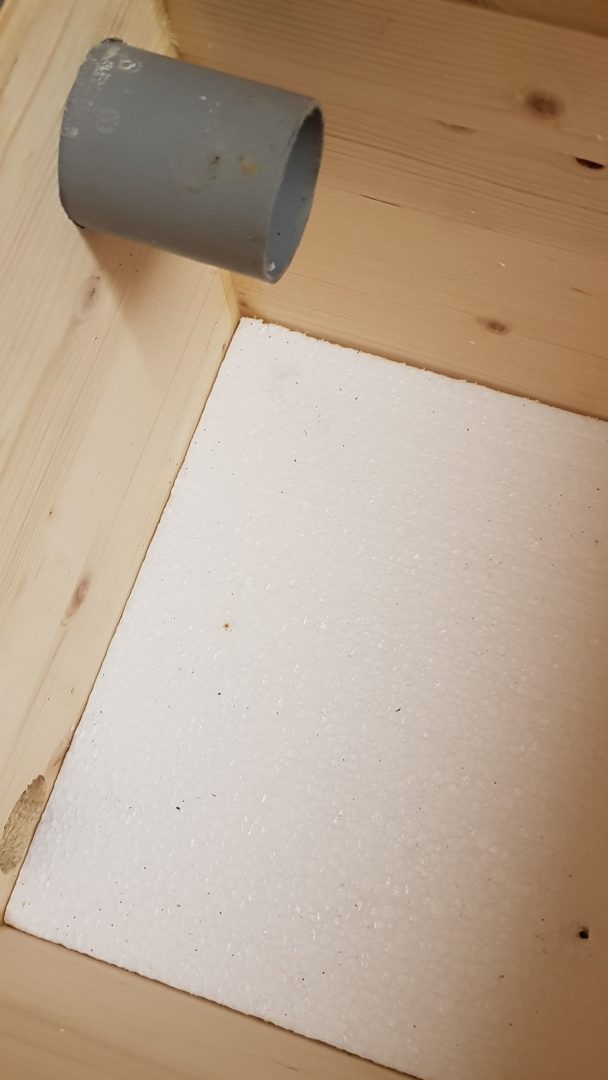
Bumblebees PLUS - Supplementary thermal insulation - polystyrene on the bottom of the hive (20 mm)

Line the bottom of the hive with a polystyrene board 10–20 mm thick
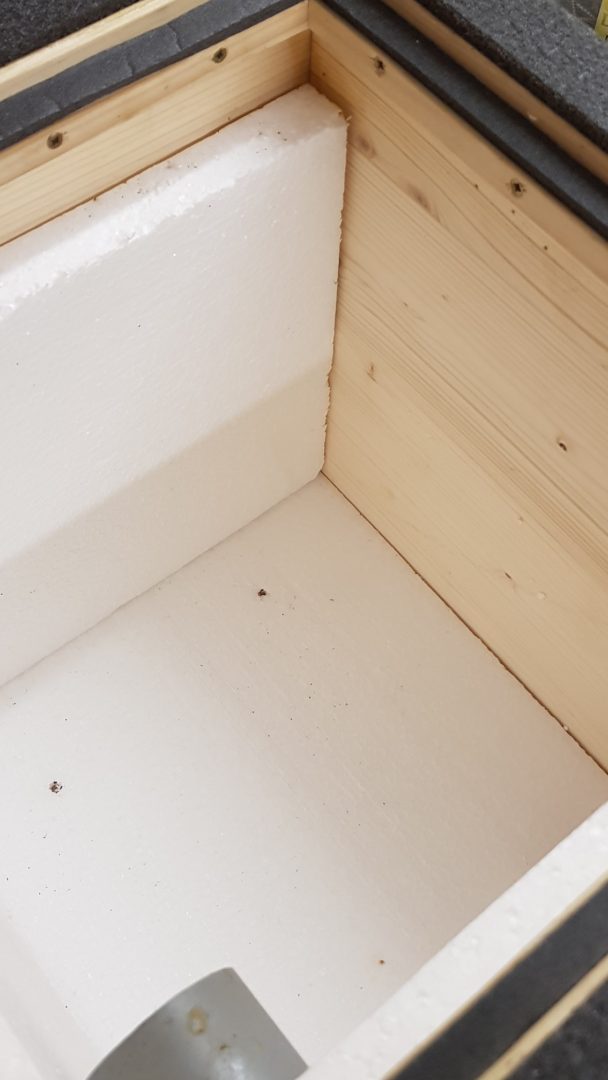
Bumblebees PLUS - Supplementary thermal insulation - polystyrene on the sides of the hive (20mm)

2. Line the walls of the hive with polystyrene boards 10 – 20 mm thick,

.
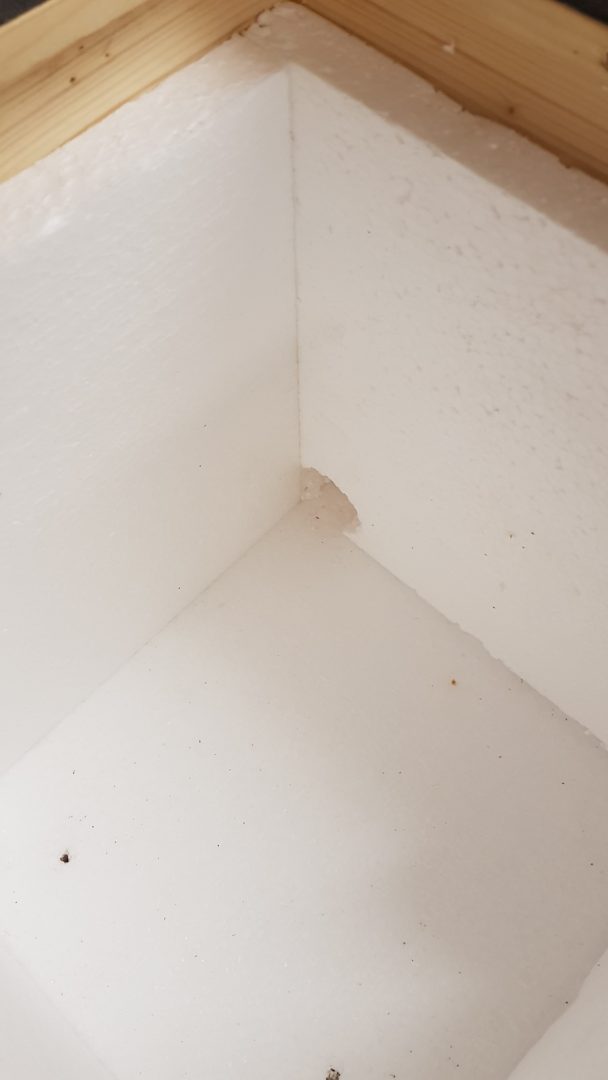
Bumblebees PLUS - Supplementary thermal insulation - polystyrene on the sides of the hive (20mm) - create a passage in the insulation for the entrance tube

3. Supplementary thermal insulation – polystyrene on the bottom and sides of the hive. Create a passage in the insulation for the intake pipe.
Lining internal walls with a stiffer paper

  • Line the inside walls of the lure with thick paper (cardboard). This will save you the work of Ulcer cleaning after the season.
  • All right. fits for example:
    – paper for confectionery boxes,
    – Thursday (drawing) board, A3 format,  
    – paper from old, larger wall calendars can also be used.
  • It is not suitable and therefore we do not recommend it.
    – corrugated cardboard (honeycomb board), see further text and image,
    – which smell of printing ink and which become very soggy very quickly.

Warning:

  • If you used additional whether thermal insulation made of polystyrene, cladding the walls and bottom with paper is necessary – bumblebees would gnaw through the polystyrene, get behind it and get stuck there 

Does the new frame need to be papered?

Some guides suggest it's better to let a new hive "air out" with a bumblebee nest, and therefore its lining isn't necessary.
It is, of course, possible, but you'll see how bumblebees can infest a hive in one season. The smell of a bumblebee nest is so intense that the walls of the hive will become perfumed, even if you've lined them with polystyrene and cardboard.

So I'll aboutWe recommend sheathing walls with cardboard


 Procedure
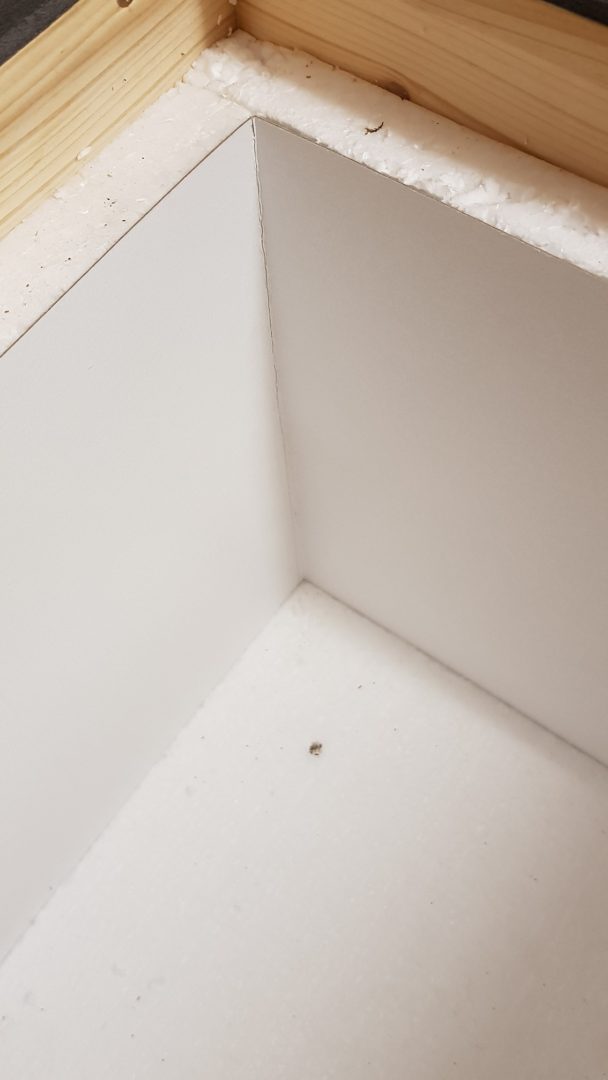
  • Line the walls of the hive with cardboard. Leave 10-20 mm of free space at the top of the hive (insulation and cardboard will be lower than the wall) for attaching tape – but line the walls so that they are covered as much as possible and the insulation makes sense.,
  • Try to arrange the lining so that there are no unnecessary gaps between the cardboard pieces, as workers could crawl into and get stuck in them.,
  • If you want to play around with it, cut out the cardboard parts so that they overlap, covering the gaps between them.,
  • However, do not cover the ventilation opening and the entrance corridor = cut the necessary openings in the insulation using cardboard,
  • Line the bottom of the basket with cardboard, it is also advisable to create overlaps of the pieces at the corners here. However, you can help yourself with cut-out paper corner tabs.,
  • Stick the cardboard desks together in the hive with adhesive tape so that bumblebees cannot get behind them (they could get stuck there).
  • Recommendation
    It has been proven effective to tape the joins (corners) of individual sections with a strip of paper (bent into a right angle); water-resistant dispersion adhesive is suitable as the glue – it's more labour-intensive, but a much higher quality solution.,
    A quicker but lower-quality solution is to use high-quality adhesive tape that can withstand the moisture and temperature of the nest.,
    The „silver tape“ from the DIY store fits well, but nPaper and fabric tapes are suitable for carpets.
  • On the top side, tape the cardboard to the wall of the hive (this is why you leave that gap). This is where bumblebees tend to get behind the lining frequently, and so it needs to be carefully lined.,
  • Tape all corners of the hive, including the bottom.,
  • Tape the area around the ventilation opening carefully so that bumblebees cannot get into the space between the cardboard and the hive body.,
  • Ensure that the corners, through which bumblebees might crawl behind the insulation, are carefully taped.,
    Tip: If you're struggling with sticking corners, you can use a corner piece. Fold an 8-10 cm wide strip of paper in half along the longer side, insert it into the corner, and stick it to the side of the wallpaper.
 
 
 Control
  • There should be no gaps between the projection of the hive walls and its body – bumblebees could get trapped there, or their parasites could hide,
  • The lining of the inner walls of the hive should not prevent the placement of a corridor, ventilation, etc.,
  • The adhesive tape should adhere everywhere – if the tape comes away, it could be a danger to bumblebees – they could get stuck to it.
Bumblebees PLUS - Display box with food-grade cardboard

Line the walls of the hive with cardboard. Leave 10 – 20 mm of free space at the top of the hive.
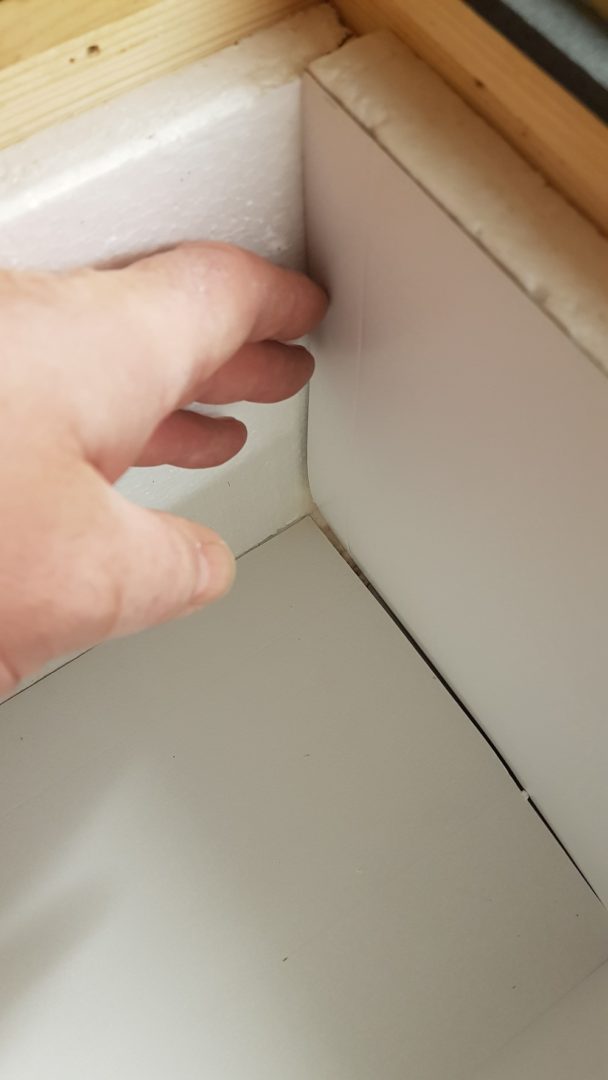
Bumblebees PLUS - Dread lined with cardboard

2. Try to arrange the lining so that there are no unnecessary gaps between the pieces of cardboard. Workers could get in and get stuck in them.
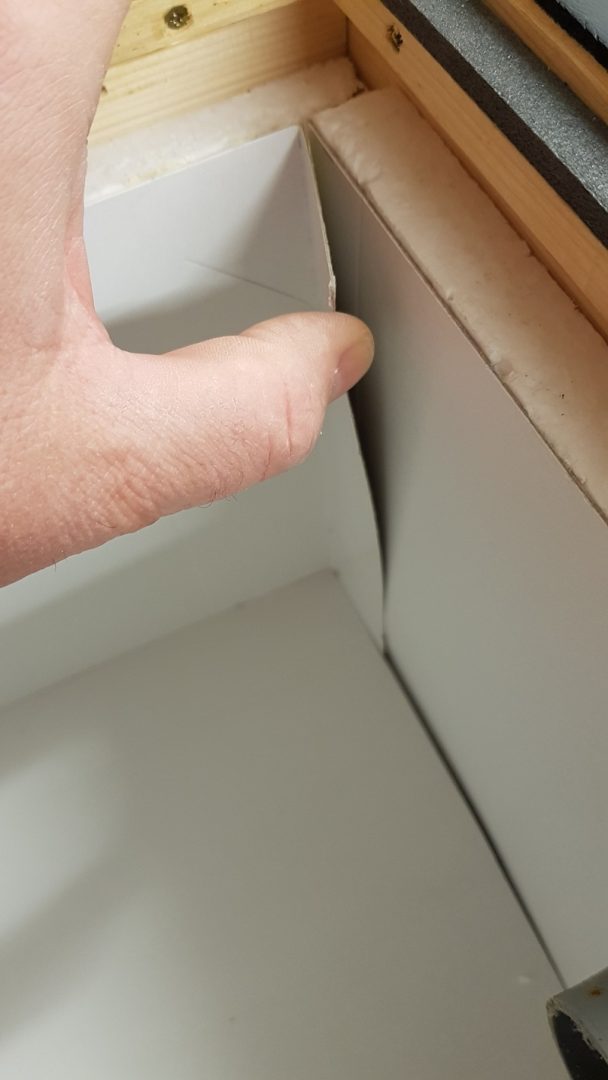
 

Bumblebees PLUS - Cardboard-lined scare - overlapping parts at the corners

 3. If you want to get creative with it, cut out the cardboard pieces so that they overlap, covering the gaps between the parts,

L

  • Bumblebees PLUS - Lining the hive bottom with cardboard - stag beetle

     4. Line the bottom of the hive body with cardboard, here too it is advisable to create an overlap of parts in the corners. You can help yourself with cut-out paper corner tabs.
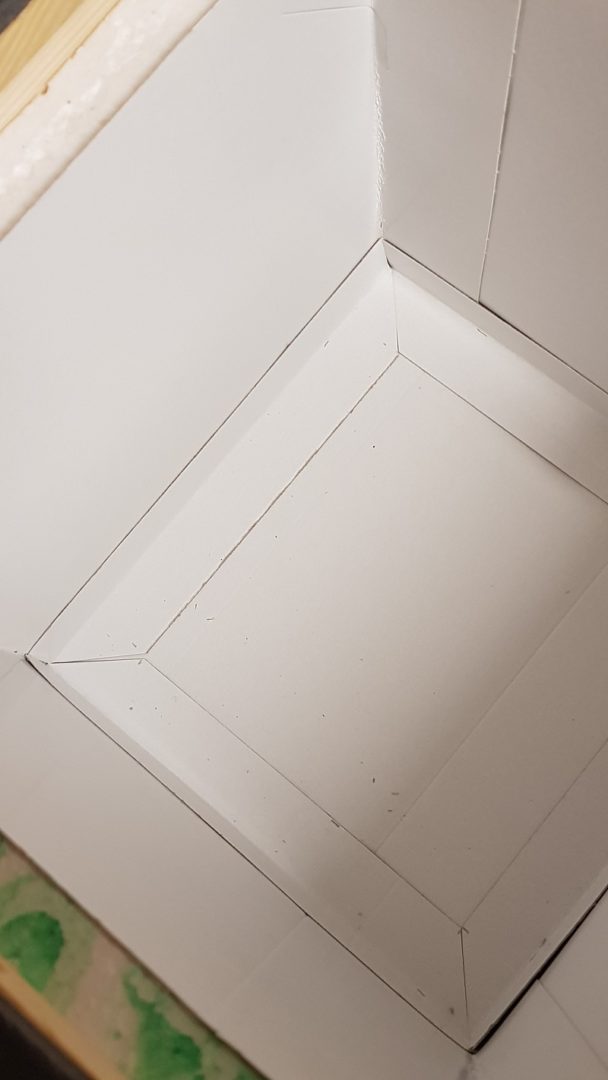
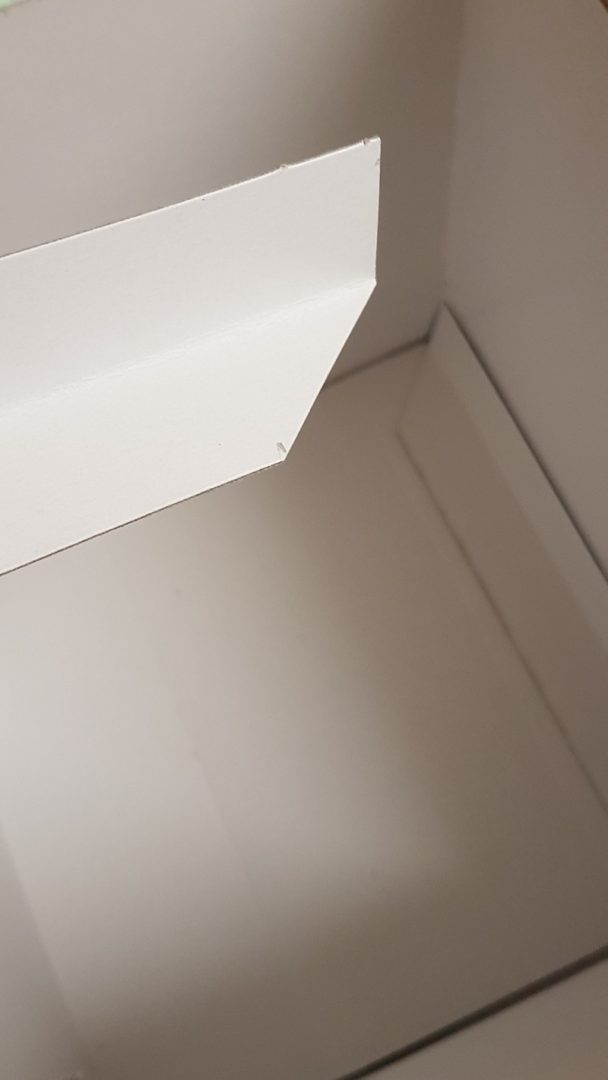
Bumblebees PLUS - Lining the hive with cardboard - Stag beetle

 5. Lining the ulcer with cardboard – cardboard bracket
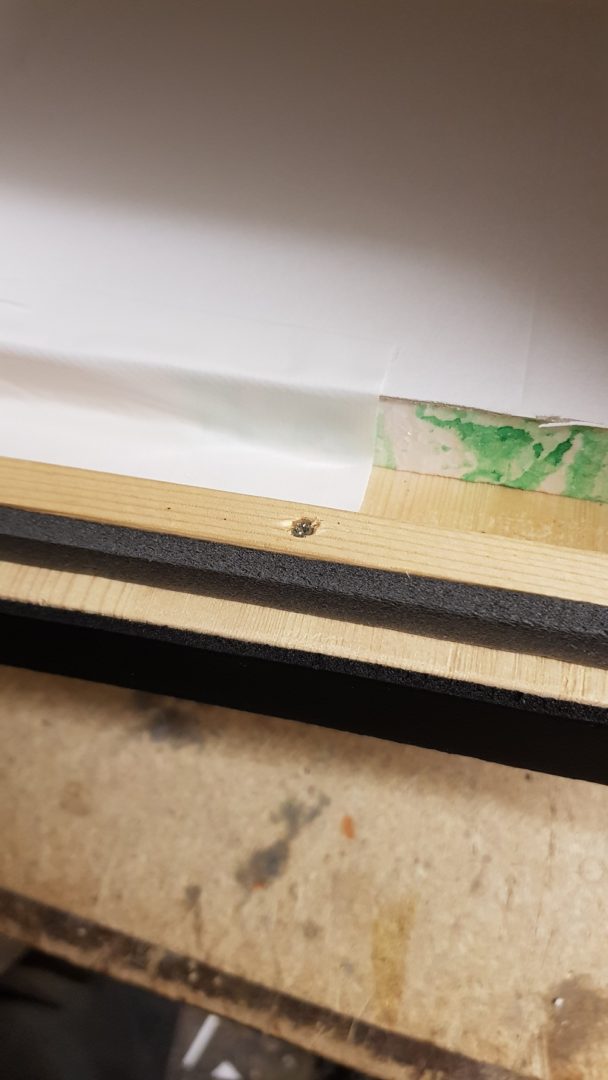
Bumblebees PLUS - Lining the hive with cardboard - adhesive tape

 6. Lining the ulcer with cardboard - adhesive tape on top of the insulation. This is where bumblebees tend to get behind the lining frequently, and it needs to be carefully lined.
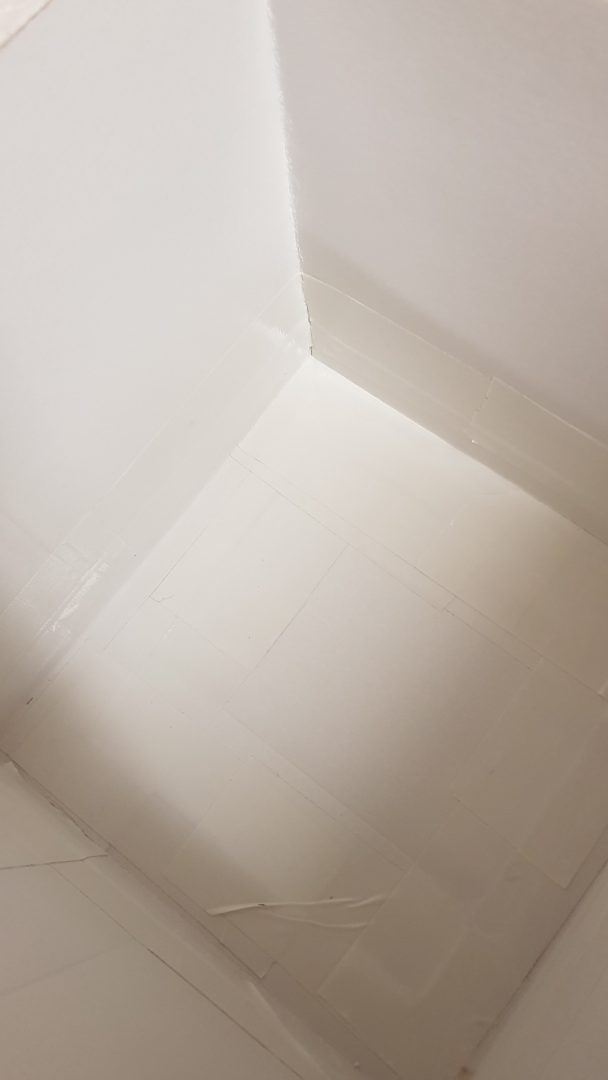
Bumblebees PLUS - Lining the hive with cardboard - adhesive tape

7. Seal all corners of the hive including the bottom,
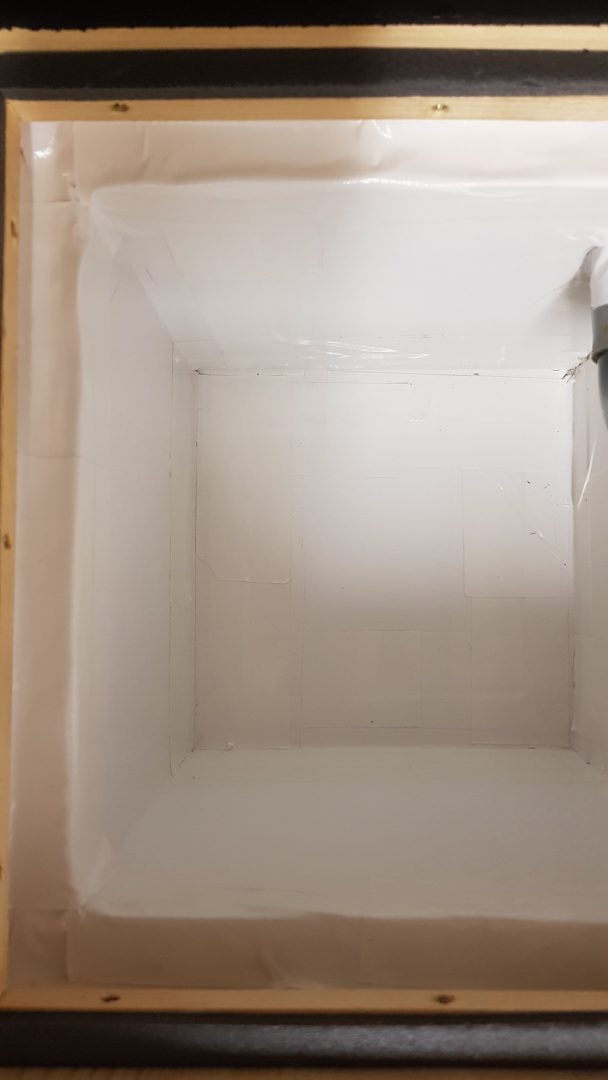
Bumblebees PLUS - Lining the hive with cardboard - adhesive tape

 8. Carefully tape all parts and the ventilation opening area so that bumblebees cannot get into the space between the cardboard and the hive body.


If you decide to wall off the ulcer It is also possible not to line it with cardboard, of course.. But be prepared that cleaning the hive after the season will be more demanding. If you used cardboard as part of your seasonal preparations, you can simply discard it after the season and essentially be done.

For a new scare, it is recommended walls not to be clad, his walls will be scented with the smell of bumblebees
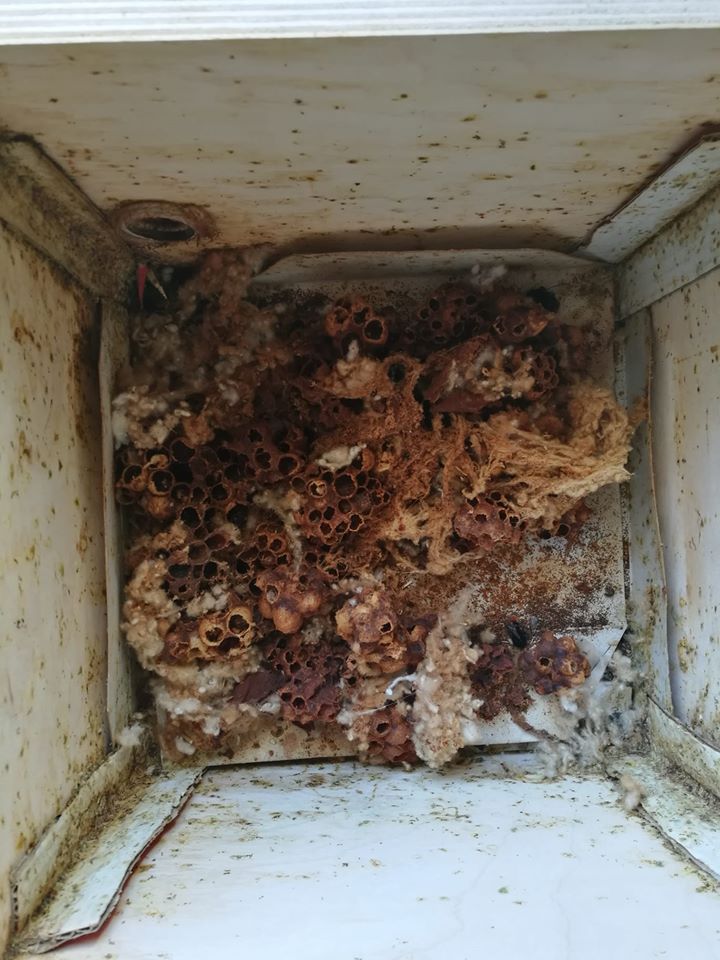
Bumblebees PLUS - Lining the hive walls with cardboard - if you don't use cardboard, cleaning after the season will be more difficult

This guide will describe how to thermally insulate a large hive by adding internal insulation.
Internet Photo

Wall cladding of the ulcer We do not generally recommend cartons made of corrugated cardboard..

This is recycled paper, which will soak through when damp and can be easily chewed by bumblebees. Furthermore, it is prone to mould.
Parasites – their larvae and pupae – can easily hide in cardboard compartments.

Proto Preferably use stiff, good quality paper, which will last and you won't have problems with it. 
Bumblebees PLUS - Hive cladding with honeycomb cardboard

Honeycomb cardboard hive lining
Photo M. Bradová

You can read more about parasites and their effects in the gut in the chapter we are preparing for you.
Entrance hall/pipe

  • Put the entrance hall in the alcove,
  • About the entrance hall, its function and suitable materials for its construction you will read here
Procedure
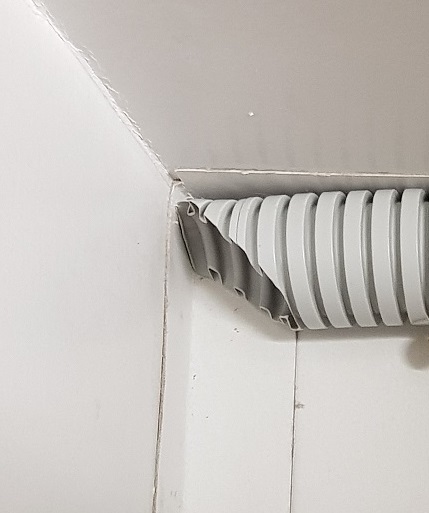
  • Cut the end of the tube used for the intake manifold at an angle (this will increase the area of the intake manifold),
  • Insert the inlet tube into the hive – the obliquely cut end will be in the corner of the hive, guide the tube along the bottom along the walls to the opening in the hive body,
  • The other end of the tube will extend from the opening in the hive body,
  • Fix the tubes with screws so that they hold the bottom and sides, but do not pass through them – be careful not to cut the tube.,
  • The screws should be 2-3 so as to hold the tube opening in the corner, the radius of the tube in the next corner,
  • However, secure the tube so that it can be easily removed (in case it becomes blocked during operation),
  • It is enough if the hallway can be disconnected from the flap from the inside of the hive (pulled out of the hive body) and thus address its potential clogging,
  • Trim the protruding inlet tube so that it rests against the back of the flap after installation.,
  • Try out how you would pull out the tube in case of an emergency (blockage), 
  • Seal the tube opening with adhesive tape to prevent bumblebees from crawling behind the wall cladding. 
 
 
Control
  • Ensure the pipe fully seats onto the valve body and there are no leaks anywhere.,
  • Check that the slide can be disconnected from the damper (pulled out of the stove body) by operating it from the inside, so that any blockages can be cleared.
Bumblebees PLUS - Entrance hall - obliquely cut end

1. Cut the end of the tube used for the inlet passage at an angle (this will increase the inlet area)
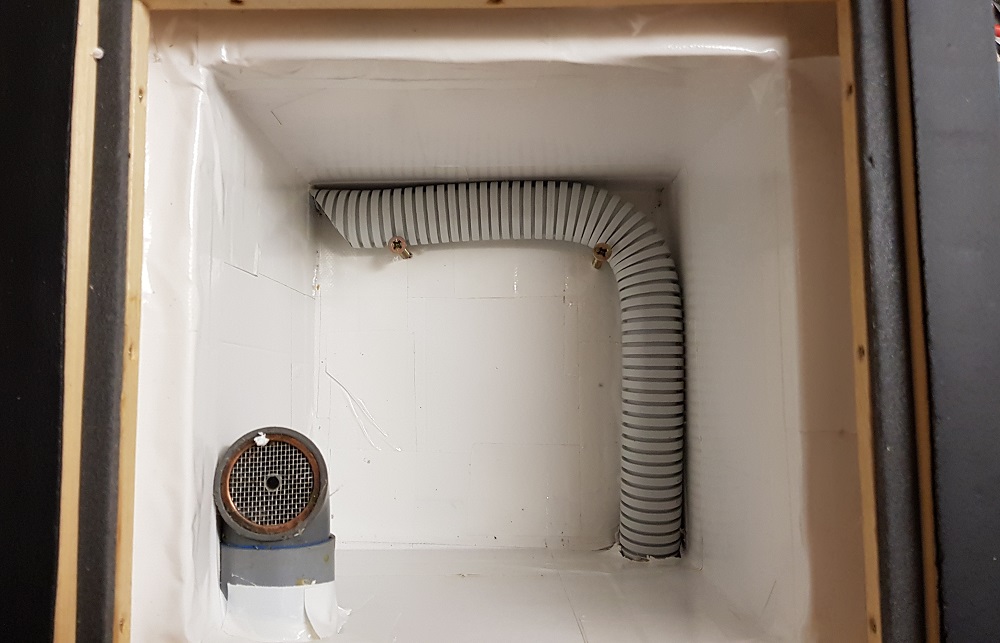
Bumblebees PLUS - Entrance Hall_1

2. Insert the inlet tube into the hive. The angled end of the tube will be in the corner of the hive. Guide the tube along the walls at the bottom to the opening in the hive body. Secure the tube with screws.,
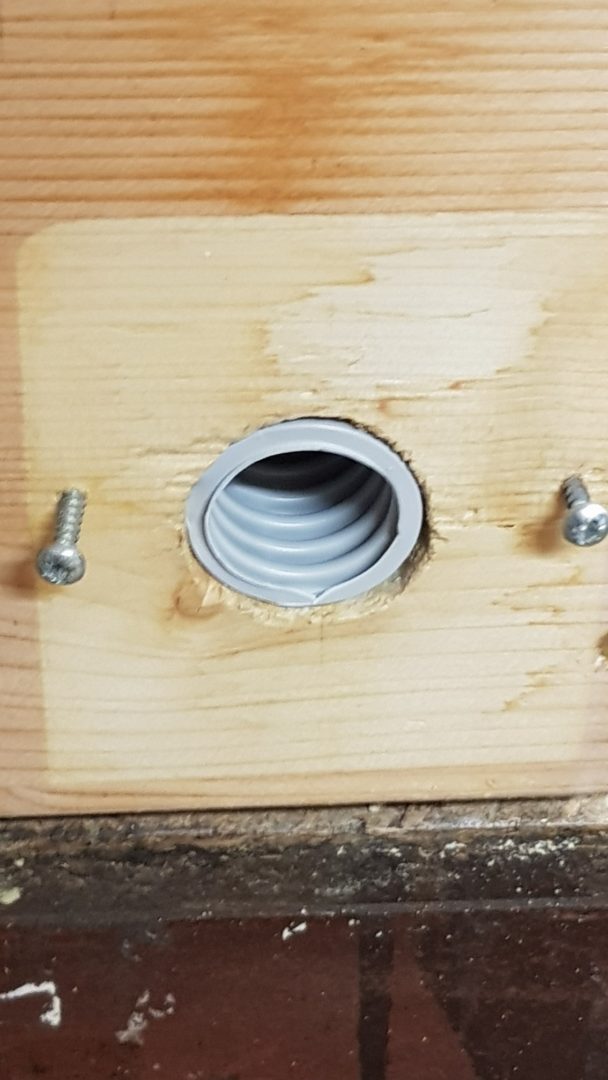


Bumblebees PLUS - Tube (entrance tunnel in the hive), detail of the cut of the tube passage by the hive body

3. Trim the projecting inlet tube so that once the flap is fitted, it rests against its rear side
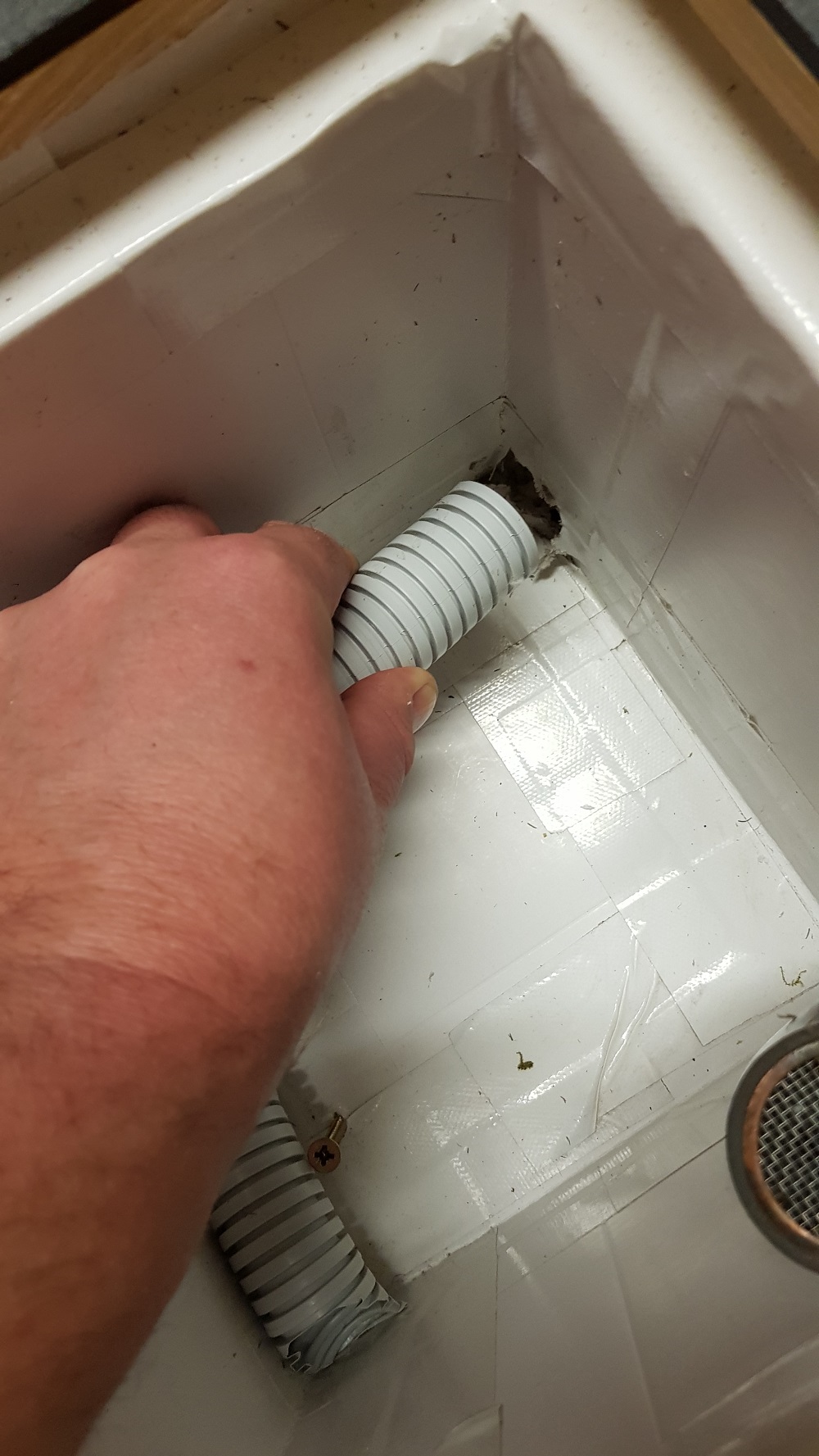
Bumblebees PLUS - Entrance Hall - ends must be possible to pull out

4. Practise how you would pull out the tube in case of an emergency (blockage),
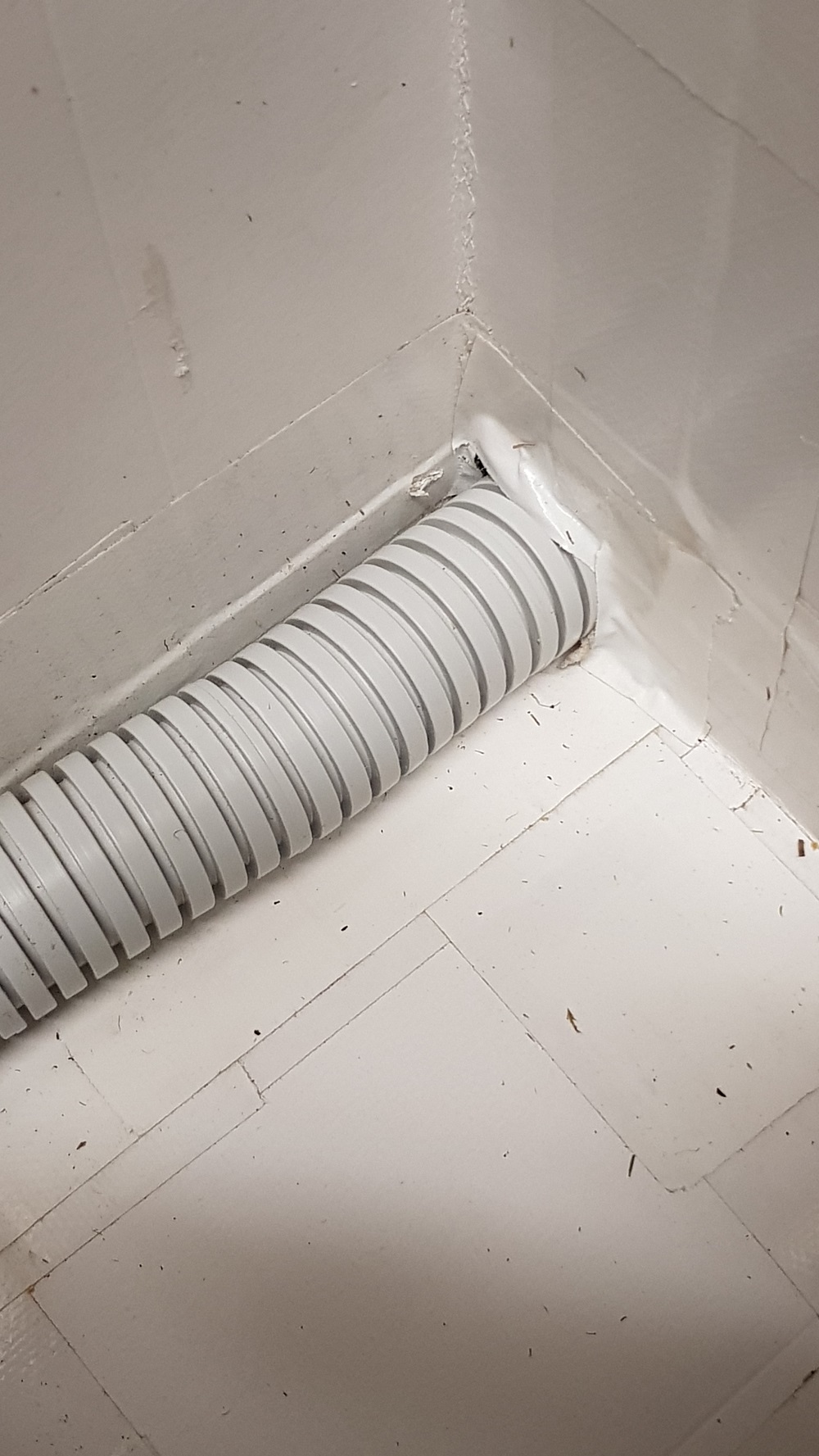


Bumblebees PLUS - Entrance Hall - connection to hive wall

5. Tape the tube fitting (entrance tunnel) so that bumblebees cannot get behind the wall cladding. 
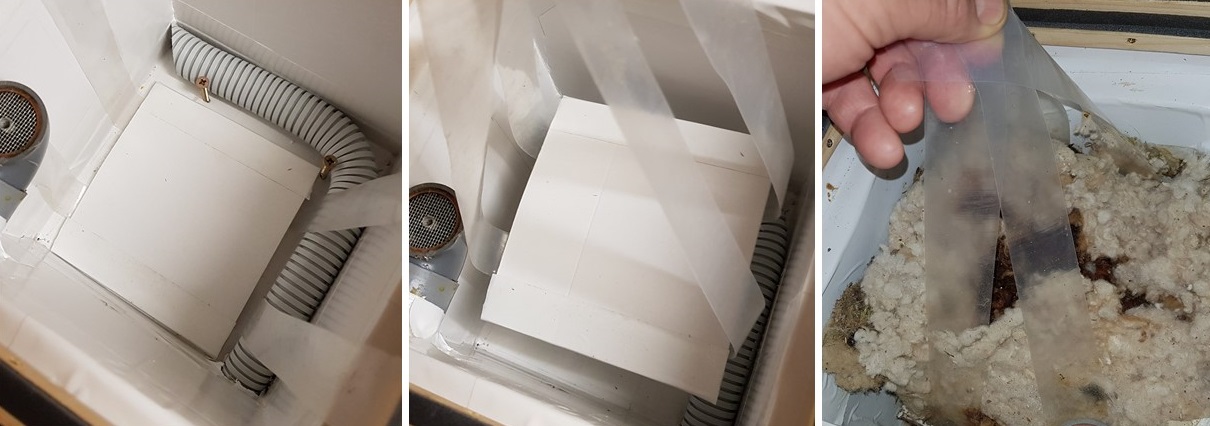


Bumblebee lift – the second bottom of the hive
  • The bumblebee lift is described HERE
  • Insert the bumblebee lift into the hive and test its functionality.,
  •  We highly recommend using this detail, It will make maintenance and nest inspection easier for you, just like his later cleaning
Procedure
  • Insert the bumblebee lift into the hive,
  • Adjust its shape (footprint) so that it sits on the bottom and doesn't lie in the entrance corridor.,
    Adjust the lift curtains so they are pressed against the wall of the hive and do not impede the movement of bumblebees (they will be pressed there by the padding after the hive is filled).,
  • Adjust the curtains to the required length and attach them to the hive wall (a drawing pin will suffice).


Control
  • Test that the bumblebee lift does not snag on the entrance tunnel so that the nest can be removed from the hive.
Bumblebees PLUS - Bumblebee Lift

Bumblebee lift

Protective flap

  • Attach the protective flap to the hub.
  • You can read more about the protective flap. HERE
Procedure
  • Test the position of the protective flap on the hive body. The flap should be positioned so that the bottom of the entrance opening is level with the bottom of the entrance tube, or slightly above its bottom. This will allow the bumblebees to pass through comfortably.,
  • Before attaching the flap, trim the protruding inlet tube so that it sits flush against the back of the flap once it is mounted.,
  • It's not a bad idea to put a soft, thin seal between the flyer and the hive body to prevent parasites from entering the hive.,
  • Fasten the door with screws.
Control
  • Check that the flap moves smoothly and doesn't jam.
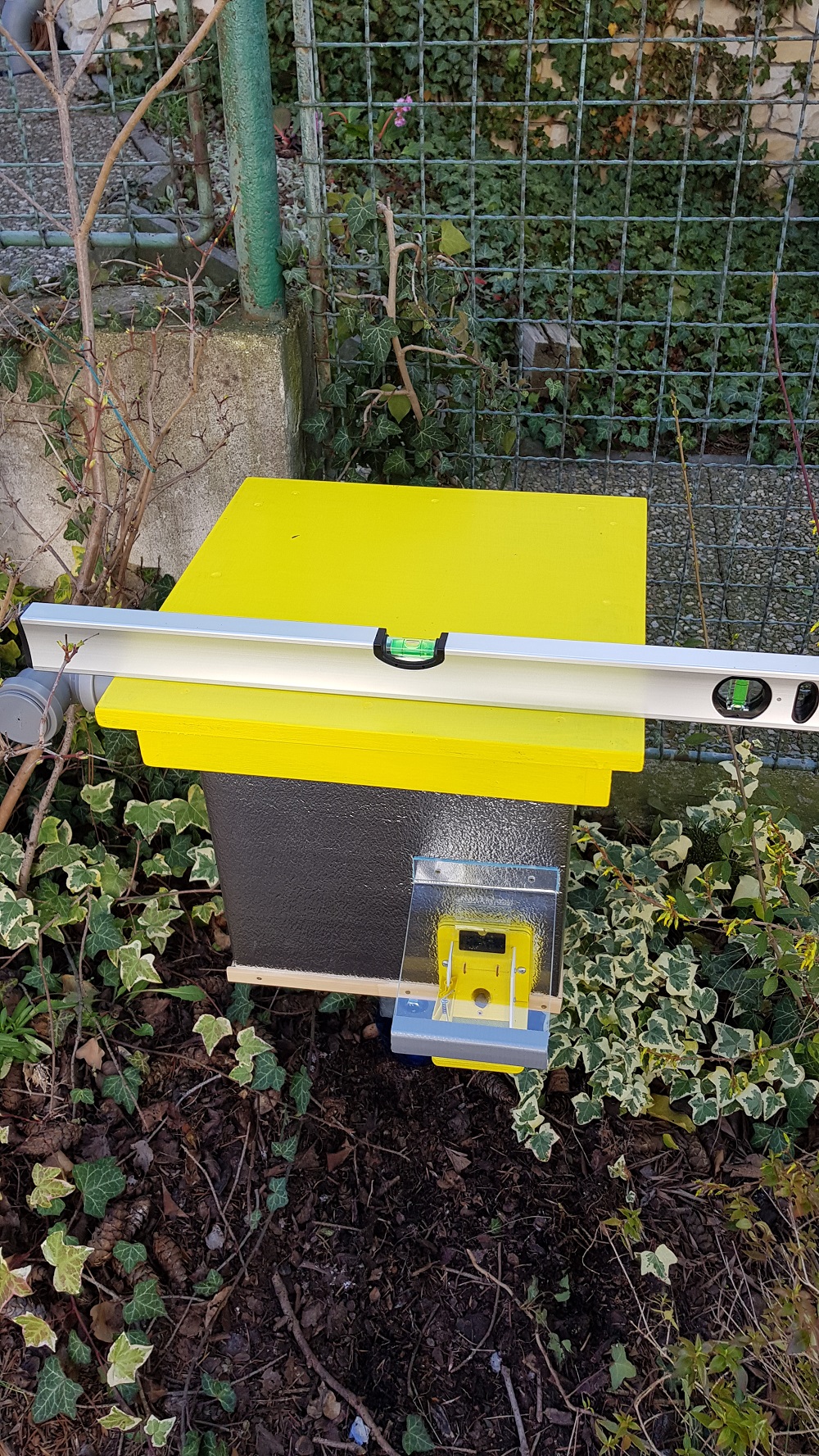
  • Ensure the flap is attached parallel to the edges of the hive and then place it in a horizontal position.
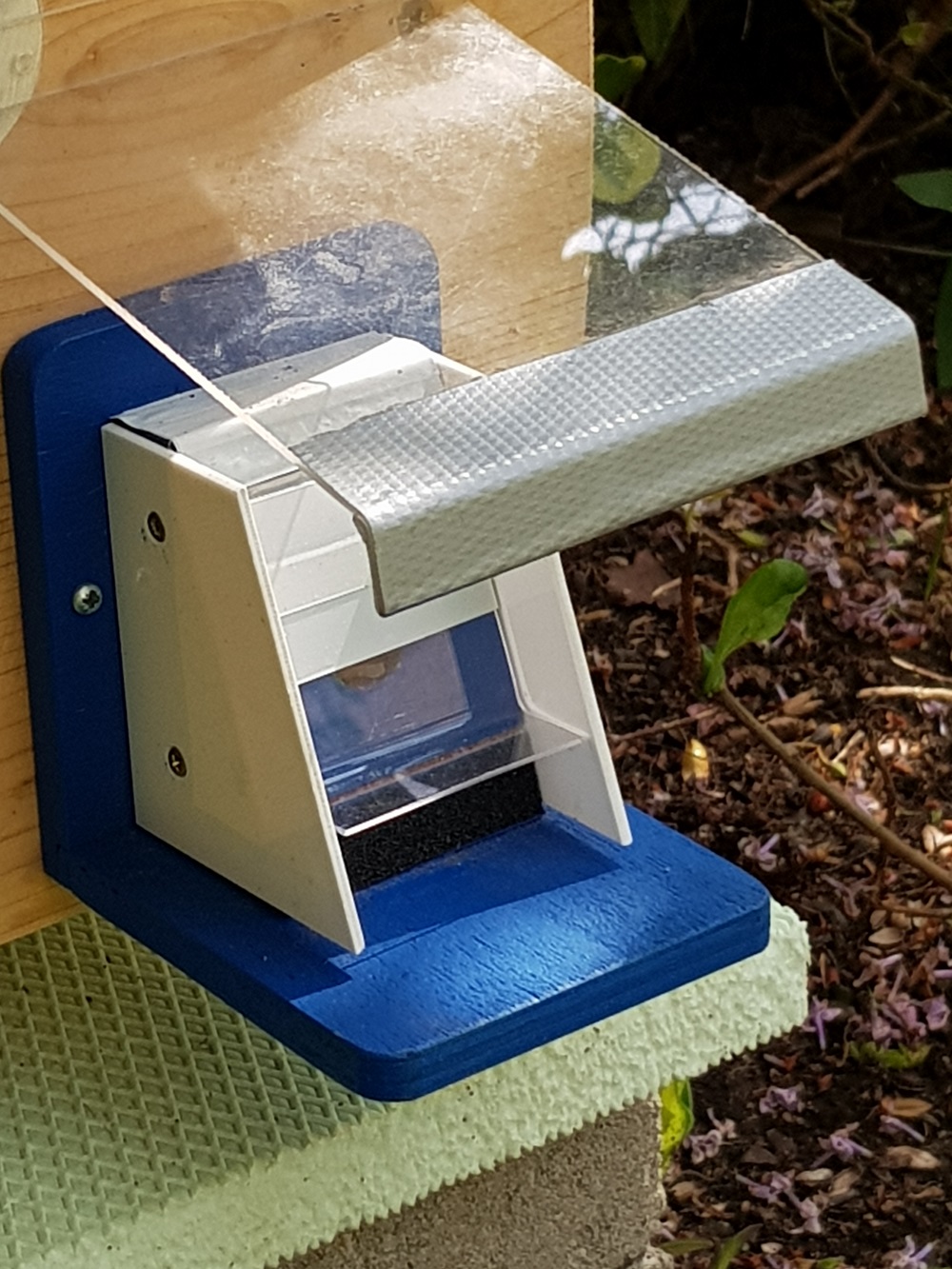
Bumblebees PLUS - Levelling the hive

Aligning the alveolus to the plane

Bumblebees PLUS - Canopy over the droplet

Bumblebees PLUS – A roof over the drop
Photo O, Hercog 6/2020

.
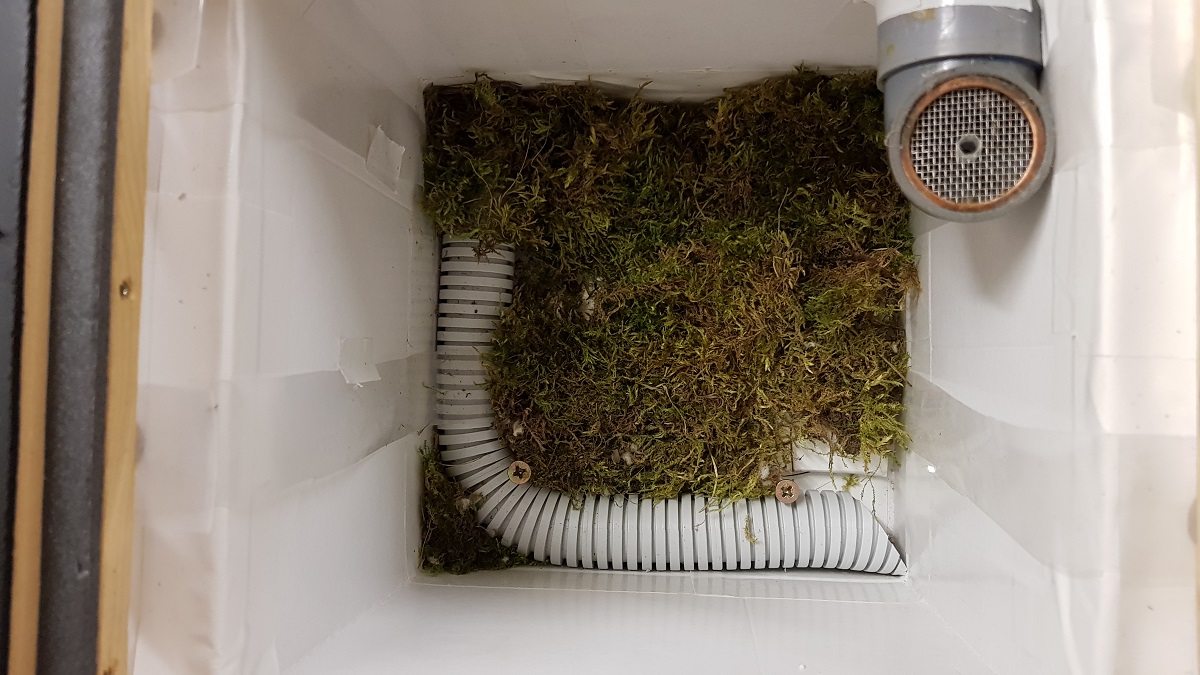
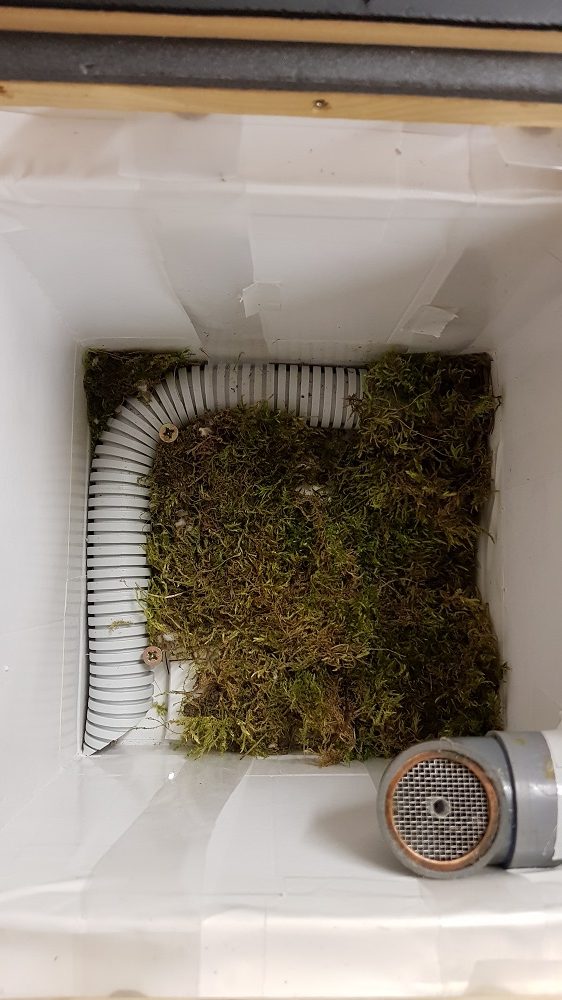
Moss lining the bottom

  • Put the lining, including moss, into the hive only at the beginning of the season! 
  • Remember that it should be dry moss without grass or soil.,
  • The preparation of moss is described in the chapter on thermal insulation. HERE
  • Do not use moss that is wet, mouldy, or has soil on it.,
  • Did you know that moss is protected? So you can just use moss from the grass in your garden.
  • Some breeders put moss on the entire bottom, some in the corners
  • In the 2020 season, we recorded several cases where moss at the bottom of the hive rotted and smelled. This occurred in hives with a strong nest.
    We no longer deliver prototypes., perhaps if it is placed in the corners and on a mesh that will keep it dry. Jute felt can also be used instead of moss.

Procedure
  • Place a little dry moss at the bottom of the hive, just place it in the corners,
  • But you can cover the entire bottom with moss,
  • Don't mix with the lining.
 
Control
  • Ensure that moss is not obstructing the entrance to the hive. 
Bumblebees PLUS - Bumblebee lift and the first layer of hive floor lining

Bumblebee lift and the first layer of the hive floor lining
Ulcer packing with a thermally insulating liner

  • Put the lining, including moss, into the hive only at the beginning of the season! 
  • The material for the ulcer dressing should be prepared in in sufficient quantities to fill the whole hive.
  • We recommend, however, also having available reserve for replacement during the season. It doesn't hurt to have a reserve of lining to fill the hive. This allows you to replace it in case of inspection/intervention.
  • You will read about the lining, its importance in the nest/hive. in this chapter,
  • If you choose to use moss, place it at the bottom, or at least in the corners
  • Don't forget, before inserting the liner, you need to insert the bee lift into the hive!
Procedure
  • The lining, thoroughly teased apart and possibly cut, but most importantly stripped of long threads/fibres, is then fluffed up by hand.,
  • Next, we loosely layer the lining inside the hive. Never pack it down – it should be as airy as possible,
  • At the mouth of the corridor, we leave a small clear space (entrance pocket) so that the lining does not close off the corridor. This is best achieved by layering the lining (see the following procedure),
  • The first layer of lining will cover the bottom of the hive (or the laid here Mecha The layer is precisely as high as its upper side is level with the upper side of the entrance hall,
    Based on experience from the last season, we do not recommend it.
  • Now in this layer, at the mouth of the entrance corridor, create a small free space with your fingers in the nook, max. 5x5 cm for a future pocket.,
  • Lay a further layer of lining, approximately 3-5 cm high. First, cover the space near the entrance hall with it – this will create the pocket. Then, top up the lining layer evenly over the entire surface to the same height,
  • Then we'll evenly fill the entire ulcer area, preferably in multiple layers,
  • Recommendation: Try a few times to create an entrance pocket and ensure it is stable and will not collapse before settlement. Once the hive is settled, the bumblebees will adapt and maintain this space themselves.,
  • We recommend filling the reservoir at least 3/4 full, but in such a way that the ventilation opening is not covered.
    Mother queens of some species and their first workers will bind this material to about half its volume, so it is better to fill the inner space of the hive with lining more.
Note
In some instructions, you may read that it can to leave the ventilation opening of the entrance hall in the attic uncovered. Can you help my mother find her way after introducing her to the way of a hive?
And that is possible. Then, however there's a risk of a shortage of bedding in the hiveYes. Here it is after settling in, it needs to be refilled, so that the opening is covered and the bumblebees don't defecate there.
The volume of the lining in the hive is important. The bedding is an important part of the nest's thermal insulation, and its lack can adversely affect the nest's development.
 
Control
  • The entrance to the nest (typically the end of the entrance tube) should be covered with bedding. If this is not done, bumblebees will tend to defecate there.,
  • If the entrance tube becomes blocked, the queen ant will have difficulty entering the nest area when settling in, or she will not be able to find it when leaving the nest.,
  • Do not leave uncovered parts of the floor in the hive, as bumblebees would defecate there and carry away any dead larvae and pupae.,
  • The lining should never cover the ventilation opening – this needs to be checked during the season.,
  • As a general rule, it is always more beneficial to add more material than less. This way, bumblebees are better protected from extreme weather. They will remove any excess material themselves, and if they pile it up near the ventilation opening, the beekeeper can remove it for them.
Bumblebees PLUS - Hive lining - moss at the bottom

1. The first layer of lining covers the bottom of the hive (or the moss laid here). The layer is just high enough for its upper side to be level with the upper side of the entrance tunnel. MOSS IS NOT HIGHLY RECOMMENDED BASED ON EXPERIENCE FROM THE LAST SEASON
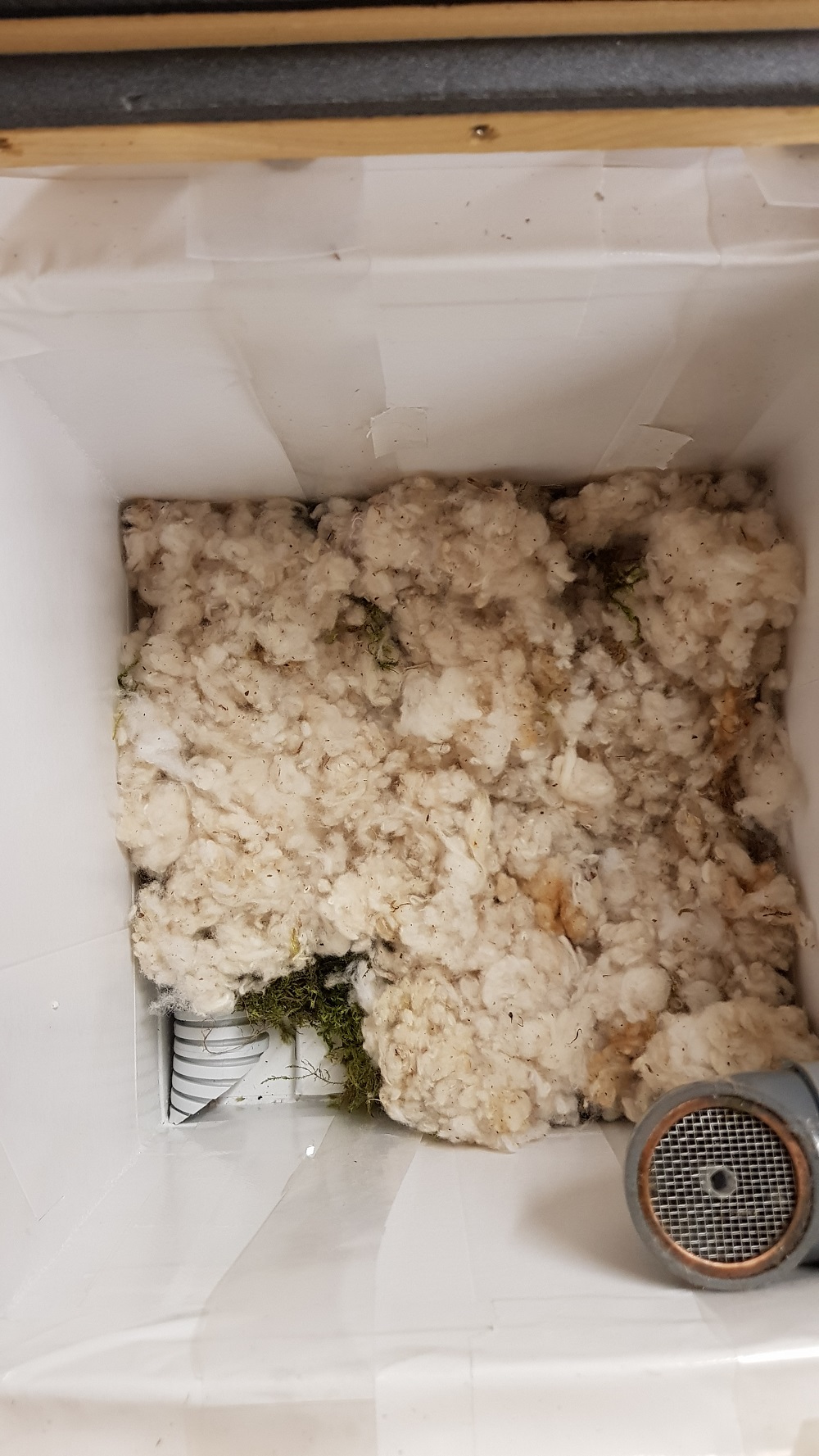


Bumblebees PLUS - Hive lining - first layer of lining

2. Ulcer lining – the first layer of lining
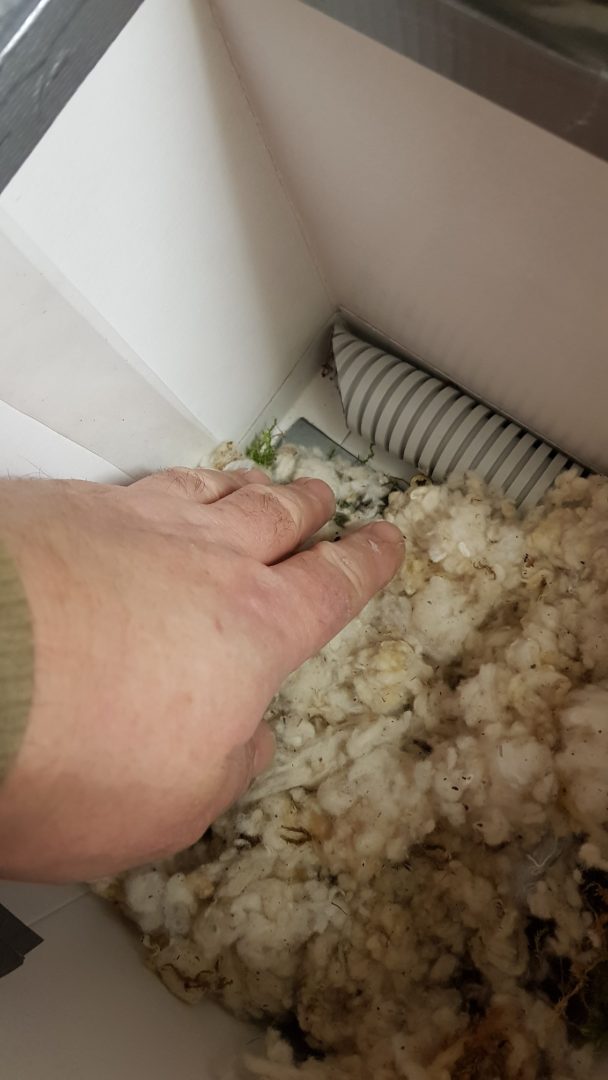


Bumblebees PLUS - In the first layer of lining, at the end of the tube, an entry pocket is formed

3. Now, in this layer at the mouth of the entrance tunnel in the alcove, we will create a small free space with our fingers, max. 5x5 cm for the future entrance pocket.
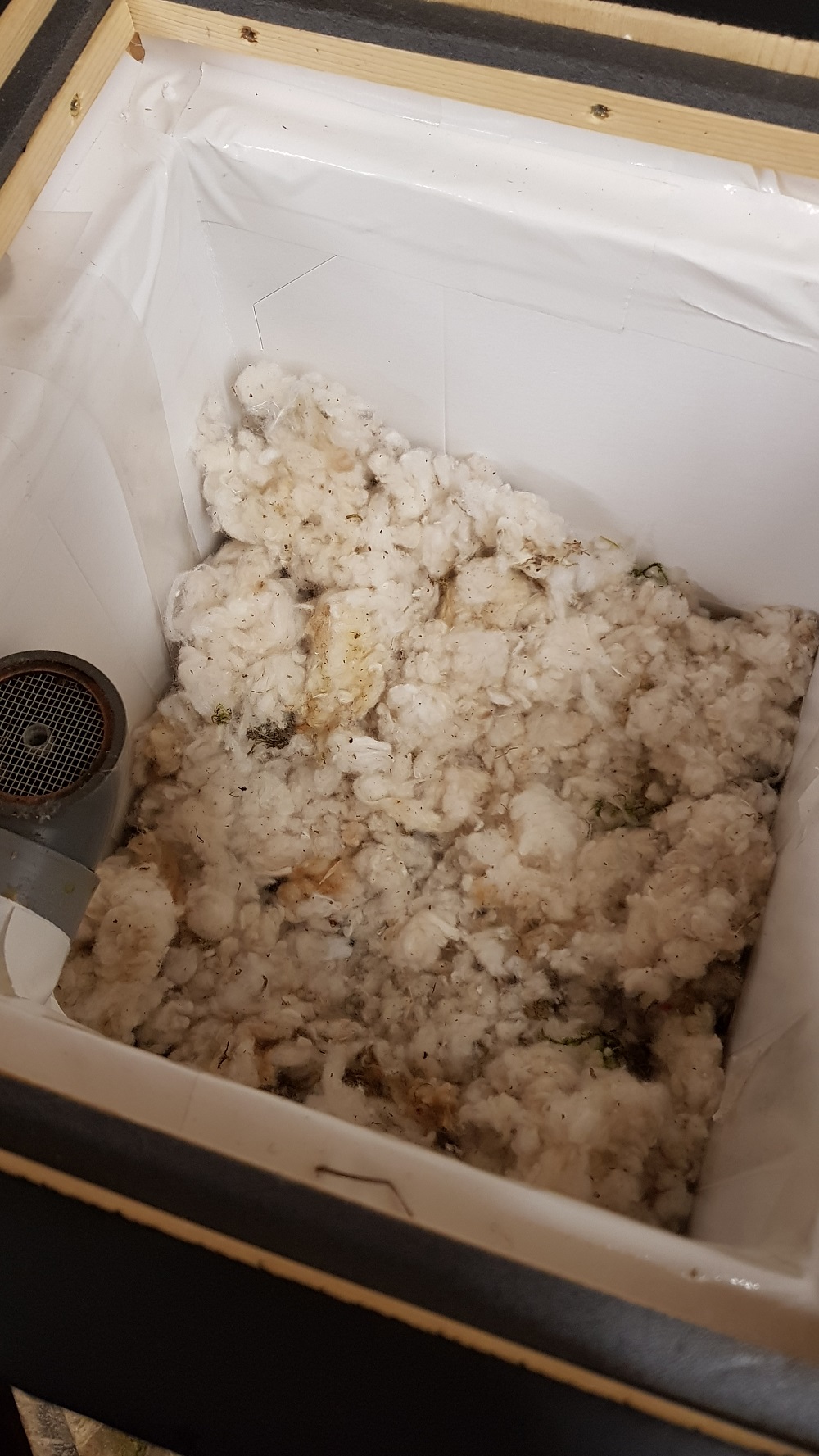


Bumblebees PLUS - Hive lining - layering

4. Lay the next layer of bedding, approximately 3-5cm high. First, cover the space near the entrance corridor with it – this will create the pocket. Then, fill the entire area with bedding to the same height.
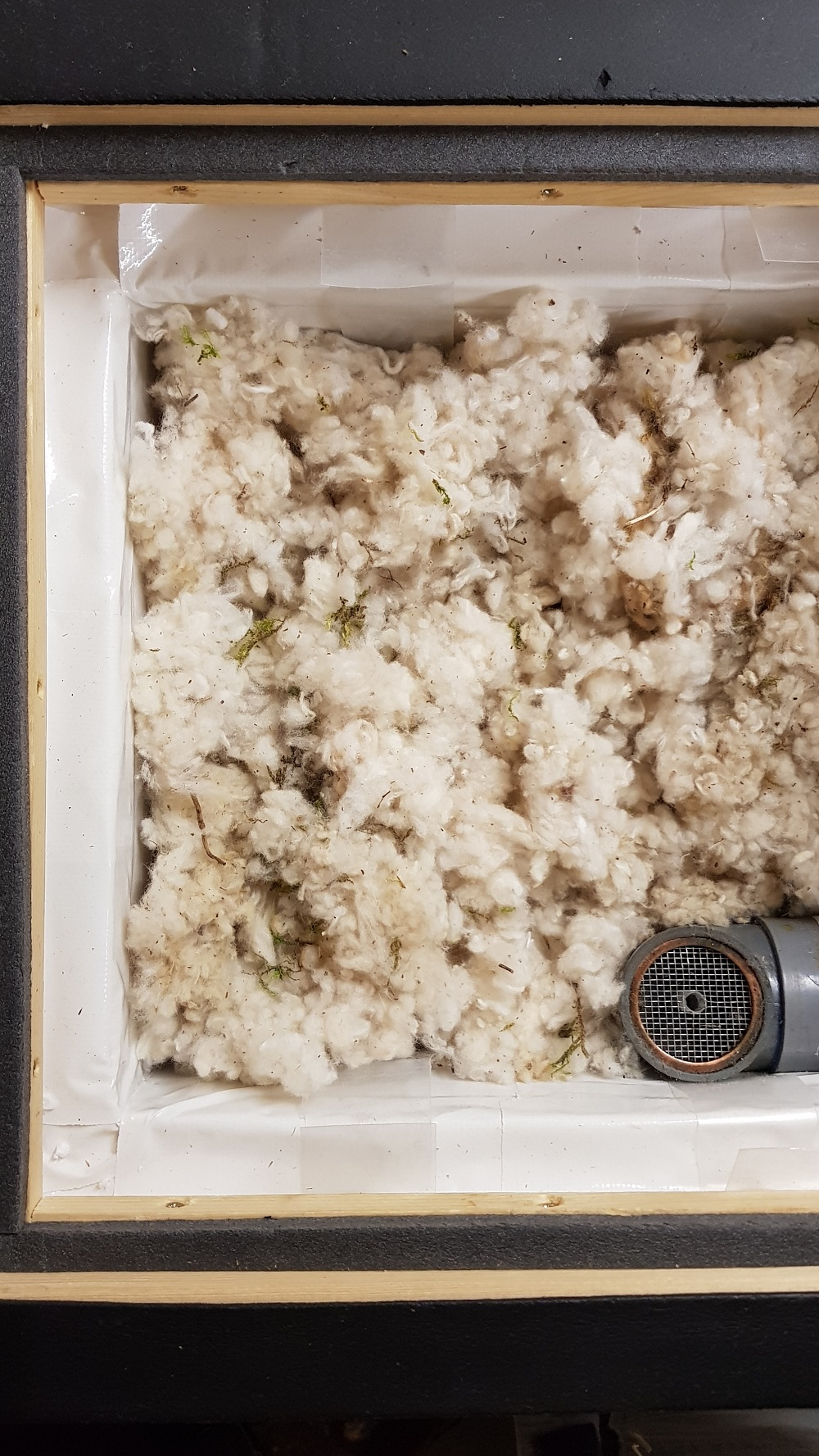
Bumblebees PLUS - Hive bedding

We recommend filling the reservoir at least 3/4 full, but in such a way that the ventilation opening is not covered.
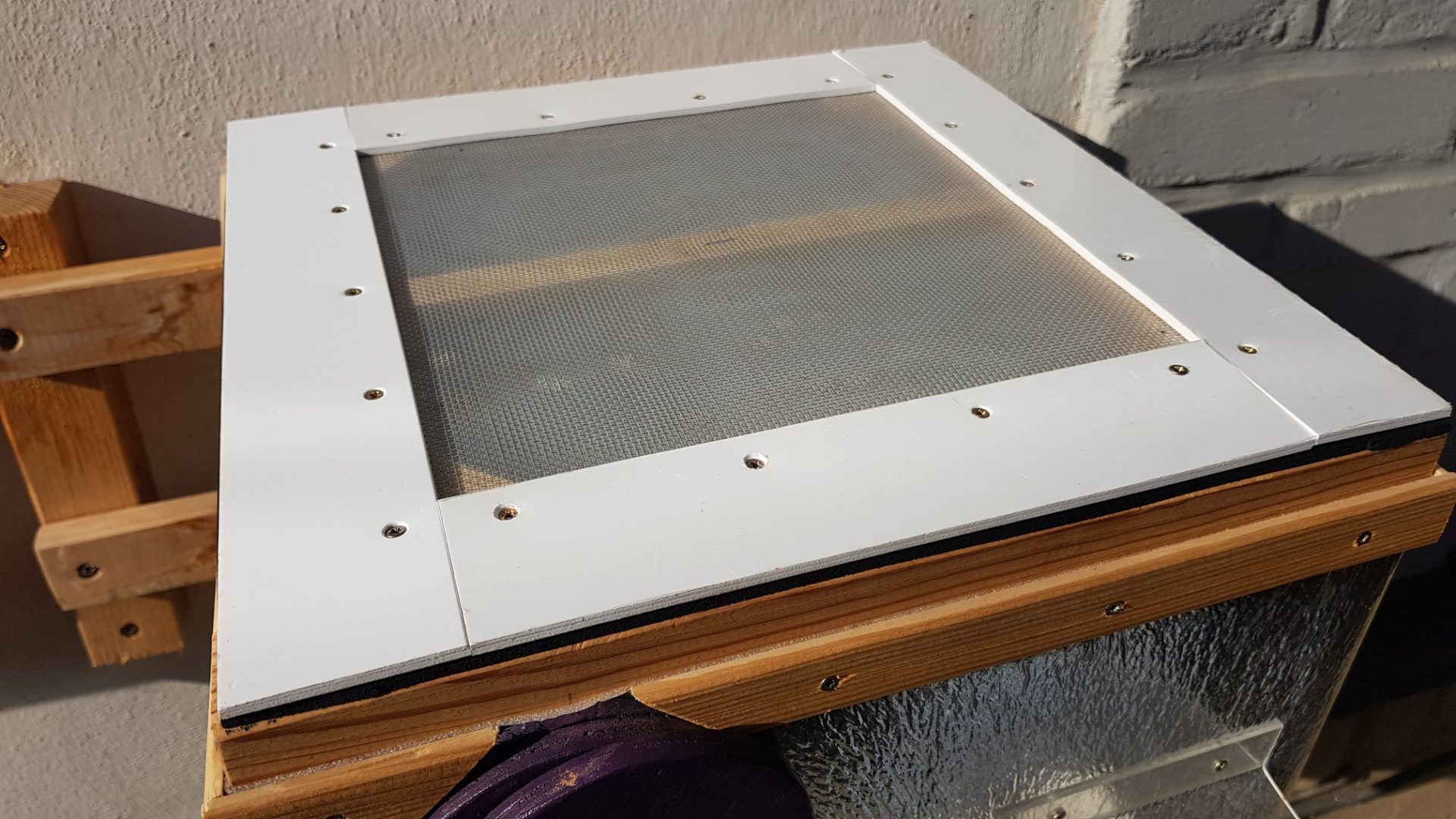

Protective netting

  • If we use a protective net, we place it over the decoy.,
  • You can read more about the safety net HERE

Note: 

It's a good idea to use netting all year round, even though parasites are usually not present in the spring months. It will make handling your ulcer easier and the bumblebees will get used to the netting.


Bumblebees plus a gadget for bumblebee breeders for a bumblebee hive, bumblebee box, protective grille, construction

Protective netting fitted to the beehive – detail.
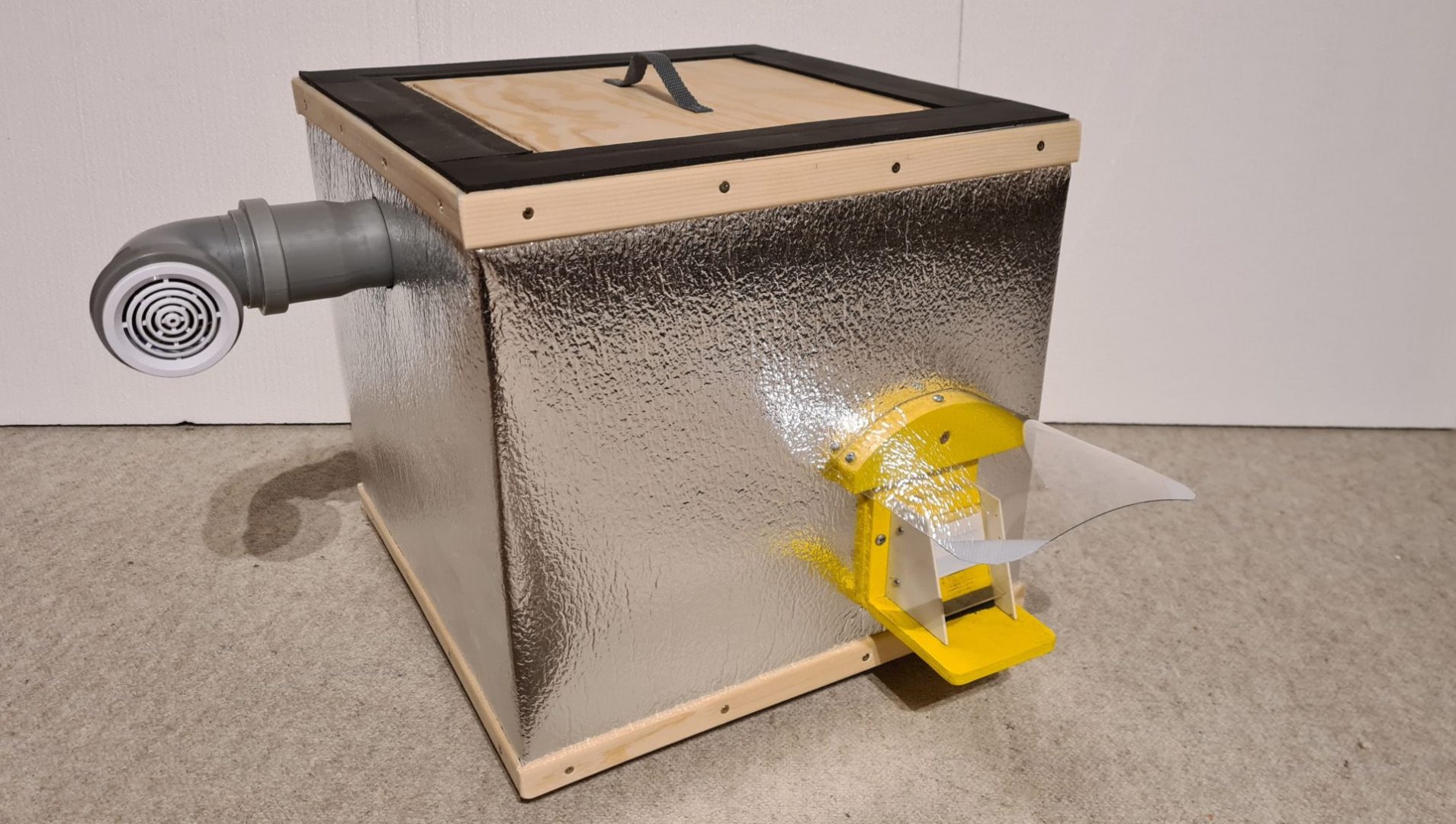
No In spring, you don't need a protective net.. So in her place Insert the plywood board. This will improve the thermal insulation of the hive.

Bumblebees PLUS - Scaredy-cats after modifications

Startled after edits
Photo O. Hercog (2/2021)
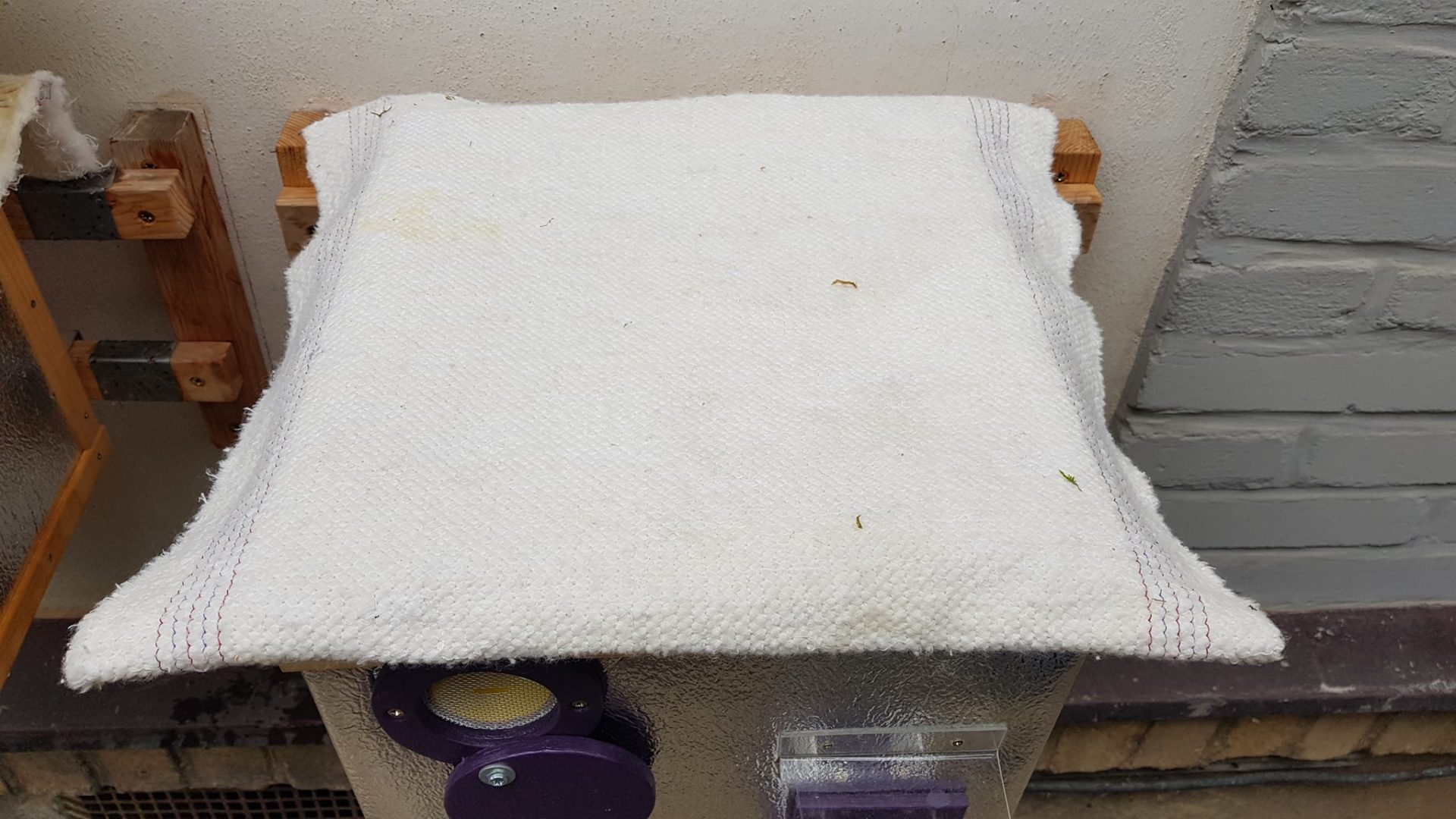
Absorbent blanket / absorbent cloth under the roof for moisture drainage

  • Cover the spill with a suitable blanket/absorbent cloth.
  • What moisture-wicking materials will you learn about HERE (coming soon)
  • In principle, however, you can use any thick, absorbent, washed fabric. A fabric sold by the metre from the ŘEMPO shop (pictured) has proven very effective for us.
Procedure
  • Place the cloth/blanket over the draft so that it seals and overlaps outwards, while ensuring no water gets onto it.,
  • If necessary, adjust the size and overhang of the blanket/cloth.
Control
  • Be thorough, the cloth must seal tightly and not create “folds“ = places for parasites to pass through.
    If you use protective netting, the risk of parasite penetration is reduced – We recommend
    (has had the correctly placed safety net)
Bumblebees PLUS - Observation Window - adjust cover cloth

Wring out the highly absorbent cloth.
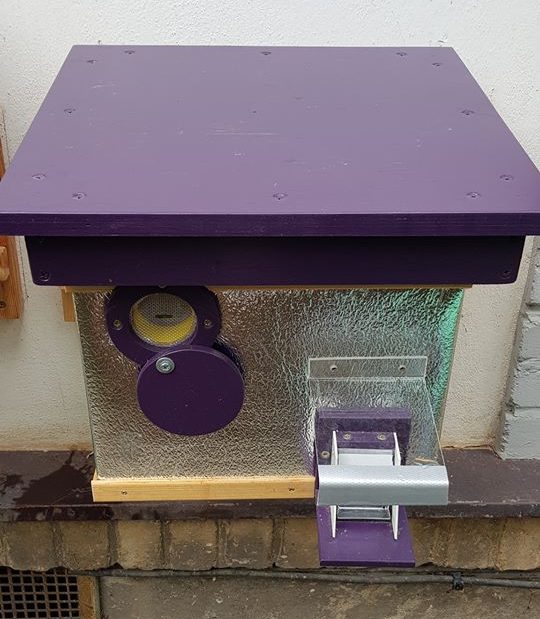
Roof

  • Put the roof on the silo.,
  • You can read more about the hive roof HERE
Procedure
  • It is good to weight down the roof – this will ensure it seals well and the wind won't blow it away during the season.,
  • In spring, during the establishment of the hive, leave a removable thermal insulating board under the roof to ensure suitable thermal conditions for the establishment and development of the nest.
Control
  • The roof should have a slight overhang so that it can be fitted without disturbing the hive.,
  • Check that the roof seals well.
Bumblebees PLUS - Observation Window - Put the roof back on

The roof of the ulcer

Canopy over the flap

  • The canopy covers the protective flap and the hive entrance.,
  • It can be screwed on, or just pushed on
Procedure
  • Make sure that Canopy in a position that adequately covers the flap from the rain, but simultaneously does not prevent its full opening,
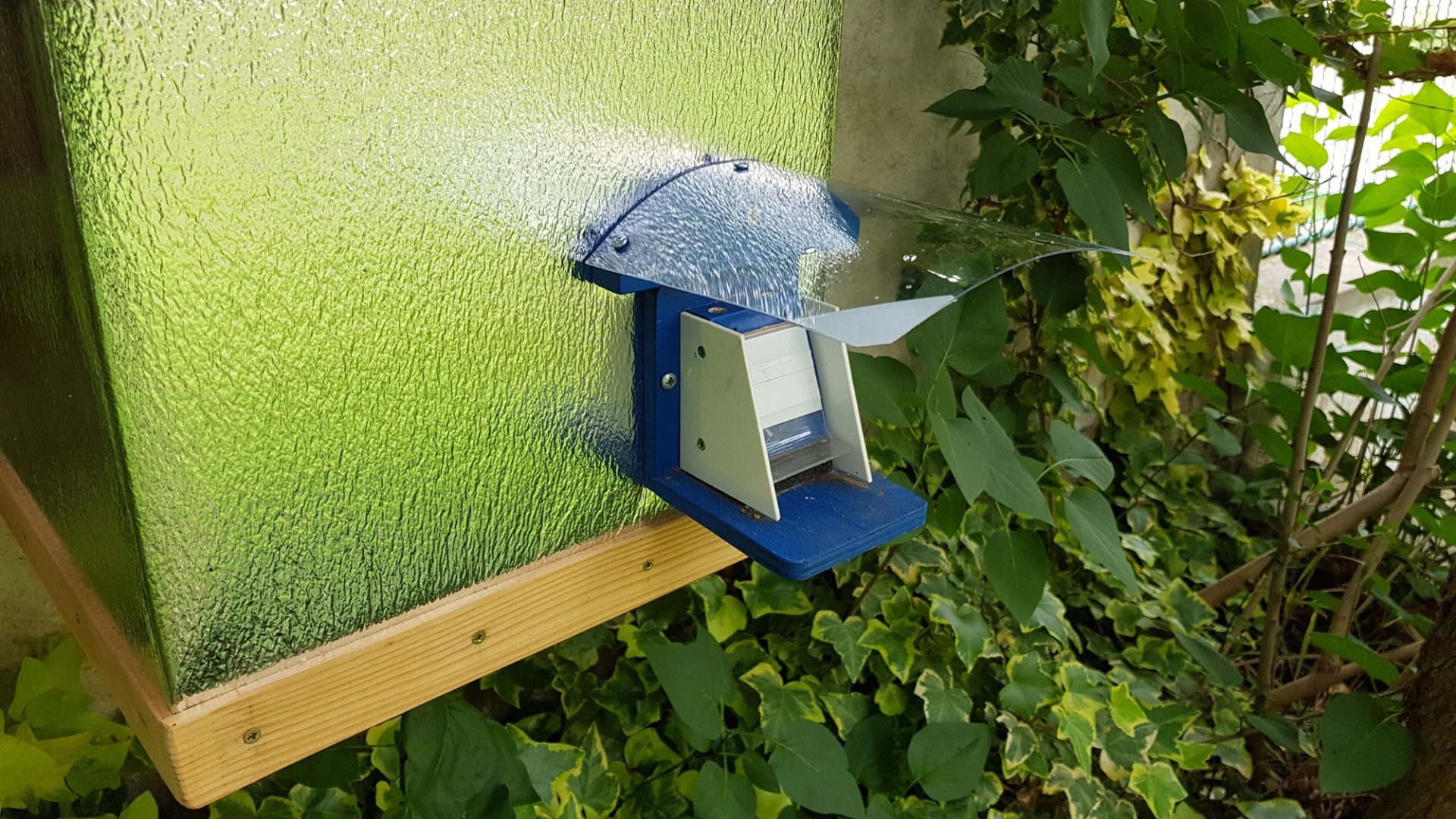
  • Screw the canopy over the flap.,
  • Then remove the roof again – it is fragile and could be damaged when moving / assembling the hive – only reattach it finally once it has been placed in position.,
  • Roofs cover it with opaque tape – you won't injure yourself on it and at the same time you won't overlook it = you won't bump into it with your hand/head.
  • If you have a canopy with Attach the hood to the flap with tape. so that water doesn't leak into the groove. This will make the flap last longer and prevent the cap from blowing away in the wind.
  • You can also use simple canopy from the Čmeláci PLUS workshop, which you make at home
Control
  • Test that the roof adequately covers the protective flap and its entrance, and that it does not prevent the flap from opening fully.
Bumblebees PLUS - Protective flap roof

Protective flap cover
Photo O. Hercog

Before placing the decoy

If everything is ready, please go through it one more time Checklist, so nothing surprises you during the season.
Live by the motto: „Forewarned is forearmed.“

You can find the checklist HERE.

Place the decoy in the selected spot.

We recommend release the owl into the wild only when there is a chance for it to settle Bumblebee queens have appeared and are carrying out their search flight.

If the startle is too early in nature, it can To get cold and damp.

When to place the chickpea outside, you will find out. HERE

A guide on how to deal with cool spring days can be found here (more information coming soon).

The procedure for settling the hive can be found HERE