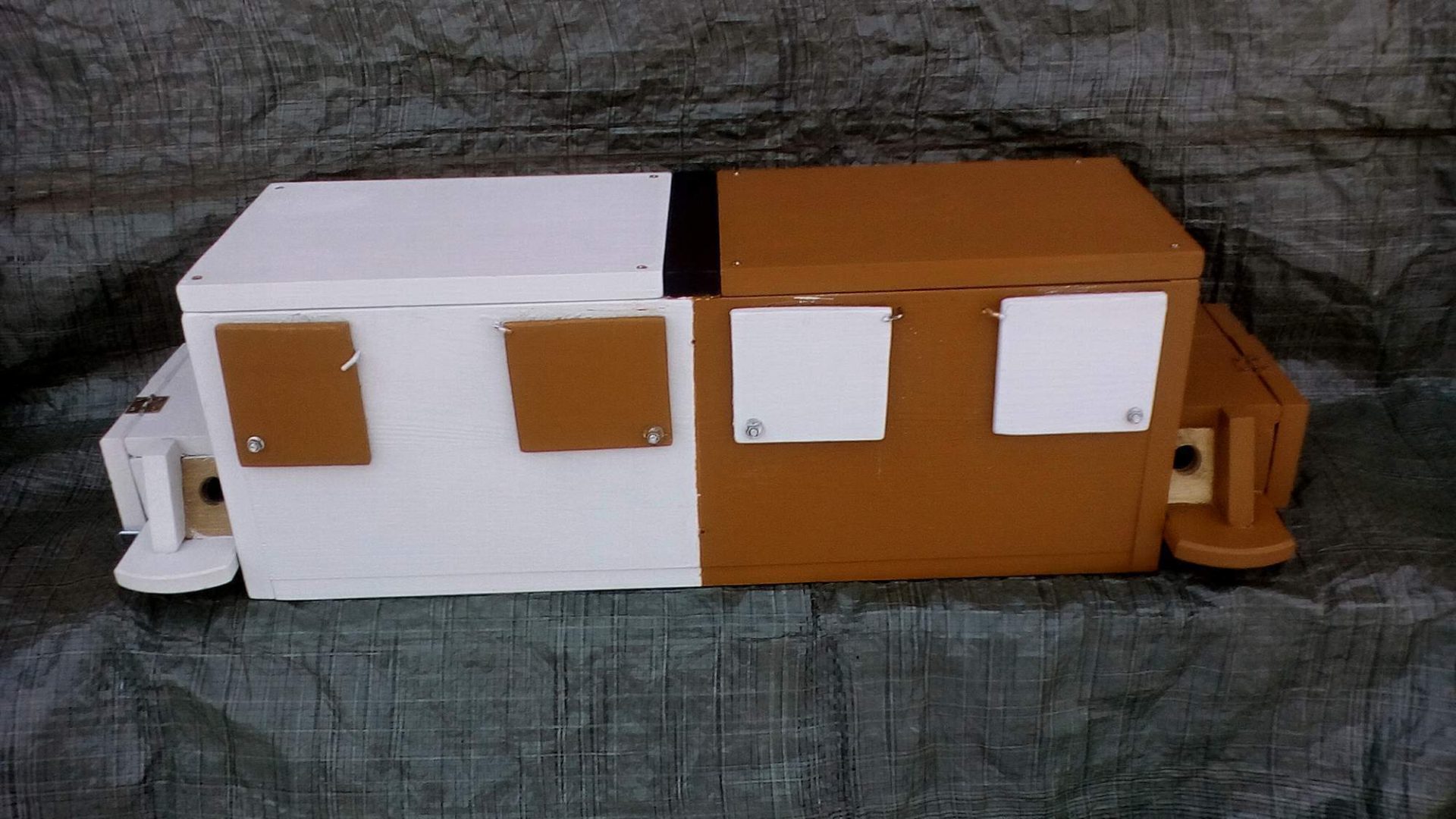


The placement of a ulcer in the garden, but also elsewhere

The placement of the beehive in spring will decide the fate of the bumblebees in summer...

What you will learn here

  • Options for where and how to place a bumblebee nest box
  • Why is this important?
  • Practical examples and tips

Last updated: 24/2/2024

page abstract

  • The optimal placement of the ulcer is key to its safety, therefore placing it on the ground is not suitable: A queen looking for a nesting site can easily find one on the ground, but so can another queen or a bumblebee, which can lead to a fight with an already established queen. 
  • The breeder should have easy access to it for regular checks. It is advisable that the shock absorber is mounted vertically. 30 – 100 degrees Celsiuswhich will make him easier to care for.
  • The stability of the nest is essential for comfortable maintenance and inspection of the nest.It is important to ensure that the decoy is placed on a stable surface.
  • Sunlight threatens the nest in the hive:  The internal temperature did not exceed 30°C. If necessary, it is advisable to shade the outlook, but at the same time, free airflow should be ensured for effective cooling.
  • The optimum place to position an ulcer is in a draft-free shade: for example, under bushes, where there is a suitable microclimate. However, pay attention to the recommended height so that the beekeeper can easily reach the hive.
  • The ideal temperature comfort for the nest will be provided by the interior: A flap located inside and with a flap on the outside of the wall (garage, cellar...) is ideal in terms of thermal comfort.
  • A metal roof isn't ideal for a scare.  It is better to choose a rain-resistant roof, but not a metal roof, which could transfer noise into the hive.
  • It is essential to prevent ants from entering the beehive: Ants can threaten and attack a nest if they get into it.
  • Avoid placing more ulcers next to each other  If that's not possible, point the air inlets in different directions.
  • Do not place beehives where birds are fed. Do not place beehives near bird feeders and drinking troughs if you do not want to feed the bees to the birds.
  • Nearby insect hotels can pose a danger: Parasites that attack inhabitants of insect hotels can also attack bumblebees in a hive.
  • Young bumblebee mothers return to their native nest:  After surviving hibernation, young mothers return to their native nesting grounds and fight their sisters for nesting sites.
  • Level is the foundation of success: When placing the hive on its stand, ensure that it is perfectly level. This will guarantee that the protective flap’s latch functions correctly.
Introduction

Many beginner beekeepers focus on acquiring a hive, or making their own hive/components. They miss the fact that Buying a hive is only the beginning of it all and that it is necessary to think about other things too, for example about choosing a place for a bumblebee house (bumblebee nest) in the garden.
That's why we try to persuade beginners to make their keeping easier and buy their first swarm. If they try to make a swarm without experience, then time is lacking. This is also why our website is more for keepers than for DIY enthusiasts.

The appropriate placement of the ulcer is one of the basic conditions for the successful development of bumblebee nests and breeding, and that mistakes are not worthwhile. It is necessary to realise that when we actively offer bumblebees nest boxes, We are taking responsibility and we have their fate in our hands.

Choosing a place for a scare is Very important as well as the equipment of the hive and must not be underestimated.
One reason could be, for example, that the startle response is not placed on a horizontal surface.

You must also prepare in time for unwanted pet interest. Dogs and cats are interested in bumblebees and sometimes hunt them for fun. Therefore, it is necessary to place the bee house out of their reach.


Breeders who were successful last season will be dealing with the fact that they will to return to the dens mothers, which were born here last year and successfully survived hibernation. This brings both joy and worry.

These things also need to be taken into account when choosing a location. to prepare for it.

How to choose a place for shock and what to be guided by?

In the following text, we offer you guidelines on how to choose such a place And how do you feel about such a placement? startle prepare.

At first glance, there's a lot to respect. But don't worry that you won't find such a place for yourself. There are always more options.

A fright is Possible to move during the season, but we do not recommend it, because it is not easy and without risks.


Take time to choose a nest site before the season begins, it will pay off! 

Bumblebees PLUS Startle and I could see it

Bumblebees PLUS Startle and I could see it
Internet source
 

Startle, its availability and height from the ground

A fright should be available not only for its inhabitants, but also for their breeders. If you place it somewhere difficult to reach, you'll struggle with it all season.

Expect that you sometimes need to to the lair to see, carry out an inspection (check). This will allow you to identify potential problems in time, intervene, and resolve them. 
The approach is important for regular checksRegular cleaning of the protective flap, preferably every evening at dusk.

The important thing is correctly choosing the height at which the valve is placed. At a low height above the ground, or on the ground, the bumblebee queen can be startled – alone and without help. Likewise, another queen trying to get into the hive can find it there later.
Likewise, spring frosts have an adverse effect on those startled on the ground, or just above it.

Its stability is important. Remember that the shock at the site must to withstand the wind. It must also stand stably during inspections and maintenance throughout the season.

The recommended height for placing the hive is therefore 30-100 cm above the ground.

Typical mistakes:

  • The shock is located somewhere high under the roof and you can't get to it any other way than by ladder.
  • The fawn is hidden deep under the bushes, where it is well shaded, You won't get to him.
  • The feeder is placed on the ground and the space under the flap's roof (if it cannot be easily removed) is only accessible when lying down.
  • The shock absorber is fitted in such a way that it cannot be removed for inspection without disassembly.
  •  
Solution
  • A fright should always be placed or resale so that fell and the nest in it was undamaged (the scare was quite substantial).
  • We recommend holding the fright so that it is can be taken away into the room to control.
  • Place the shock so that you can conveniently serve then its key components: hatch, ventilation, roof.
  • Height position it so that you can get to it after removing the roof with your hands comfortably to the bottom (upper side of ulcer not above waist height).
  • Slipper should be easily accessible, with the option quick clean
  • Choose the ulcer's location so that you can reach it., ale not in a place where you are constantly moving.
  • Prefer ulcer location at a height of 50-100 cm. This will reduce the risk of an occupied nest being discovered by another female looking for a nesting site.

Fright and sunshine

Bumblebees are threatened by both spring frosts and summer heatwaves. They cope better with low temperatures than high ones. Likewise, they are bothered by sharp temperature changes in the hive

The nest box should be made of sufficiently strong material (25-30 mm) or be thermally insulated. Nest boxes made solely of thermal insulation (polystyrene etc.) are not suitable. While they insulate, they lack thermal inertia / accumulation.
A passive brood box cannot maintain the optimal temperature on its own. With proper construction and additional protection in the event of extreme weather fluctuations, critical cooling of the hive can be prevented. Measures against overheating of the hive are much more difficult.
With the gradual warming and climate change, it is increasingly important to respect this aspect of bumblebee husbandry.

On the issue Construction and thermal insulation of attics – COMING SOON > find out more about bumblebees.

Warning:
If the sun shines on a loft, even the best insulation won't solve it – the loft will overheat. Although there are ways to cool a hive, passive solutions will not reduce or maintain an acceptable temperature in a hive in the sun. 

As a reminder:

The queen bee and then the workers warm the brood with their own bodies up to a temperature of 35°C and can, to a certain extent, regulate the temperature (bumblebees can warm themselves by vibrating their flight muscles, while keeping their wings still). The correct choice of bedding also helps them significantly, which is why we lining dedicated a separate chapter to it.

Paradoxically, high temperatures are much worse for bumblebees. At temperatures above 35°C, larvae and pupae in the nest die, and at temperatures above 45°C, adult individuals also die.

You can tell that something is wrong with the nest temperature by the fact that bumblebees sit at the entrance and beat their wings – they are trying to draw cooler air into the hive. However, this effort is in vain, as the hive is closed with a flap. Only a ventilation opening and possibly one of the other cooling methods, which we will also write about later (ventilation opening, ventilation extension, etc.), will help.

You can find out more in the chapter Less thanAttic insulation – PREPARINGaUlcer cooling – COMING SOON Please provide the text you would like translated.

Typical mistakes:

  • The breeder isn't dealing with the matter and places. startled by the sun
  • The breeder cannot find a spot that is in the shade and is hit by the morning/afternoon sun (which can raise the temperature above an acceptable limit on hot days).
  • The keeper uses an enclosure of inappropriate construction (thin walls of wood and plastic).
 Solution
  • Choose a place for the ulcer where it will be during the day temperature If possible stable.
  • The important thing is to choose a location so that the sun does not shine on the fright in summer – so, ideally spot in the shade. Cold. prefer from the heat,
  • Is it good to place a weeping fig under a roof, pergola, or screen?.
  • When you truly have no other option, then let the morning sun shine for a fright and for the shortest possible time. But try to avoid in this situation.
  • Ideal places are at East, Southeast, Northeast – simply there, where you don't no sparkle or its minimum.
  • If there's no other solution, a scare shade. Screen but it should be stable so as not to be threatened by fright, for example if it were blown over by the wind.
    However, be very careful about changes in the ulcer's surroundings at the time the queen is settling in – changes in the surroundings or disturbances can confuse her, and thwart the settlement.
  • Do not use to shade the ulcer Sheet metal placed on the roof and similar materials that heat up. A sheet metal plate and similar materials laid on the hive roof will also transmit noise and vibrations and disturb the nest (this can be addressed with a polystyrene insert, but it must be removable)
    Also consider the possible heat transfer from the shielding to the hive. It is better to leave it air gap between shielding and hive.
  • Startle can be placed Into the shade of the bush, under the canopy of the pergola, into the shed, into the garage, into the house, on a stand, on the wall, etc., see further text. However, don't forget easy access to shelter.
  • If you have the option to place the recoil into a niche, to an open cellar or a cool room, it's an advantage. Bumblebees are able to find their way even into a nest box located in partial shade, several metres into a room (if they were already settled/moved there). Arrival hall but it must remain free.
 
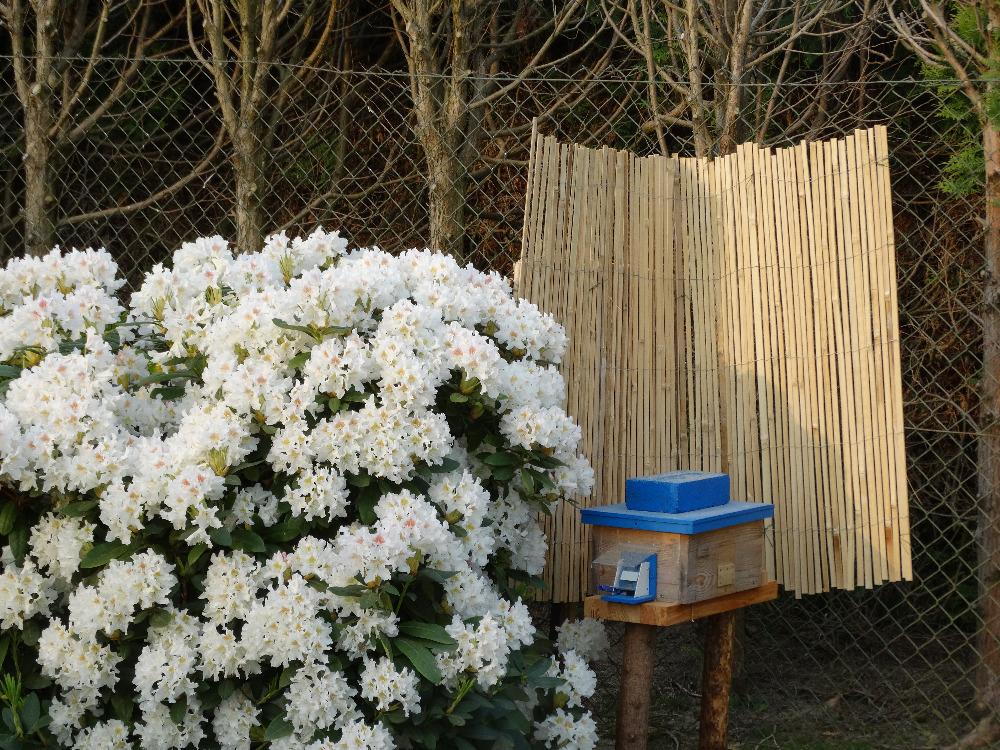
Bumblebees PLUS - Hive placement behind a screen

Ulcer location behind the septum
Photo E.Kalčíková
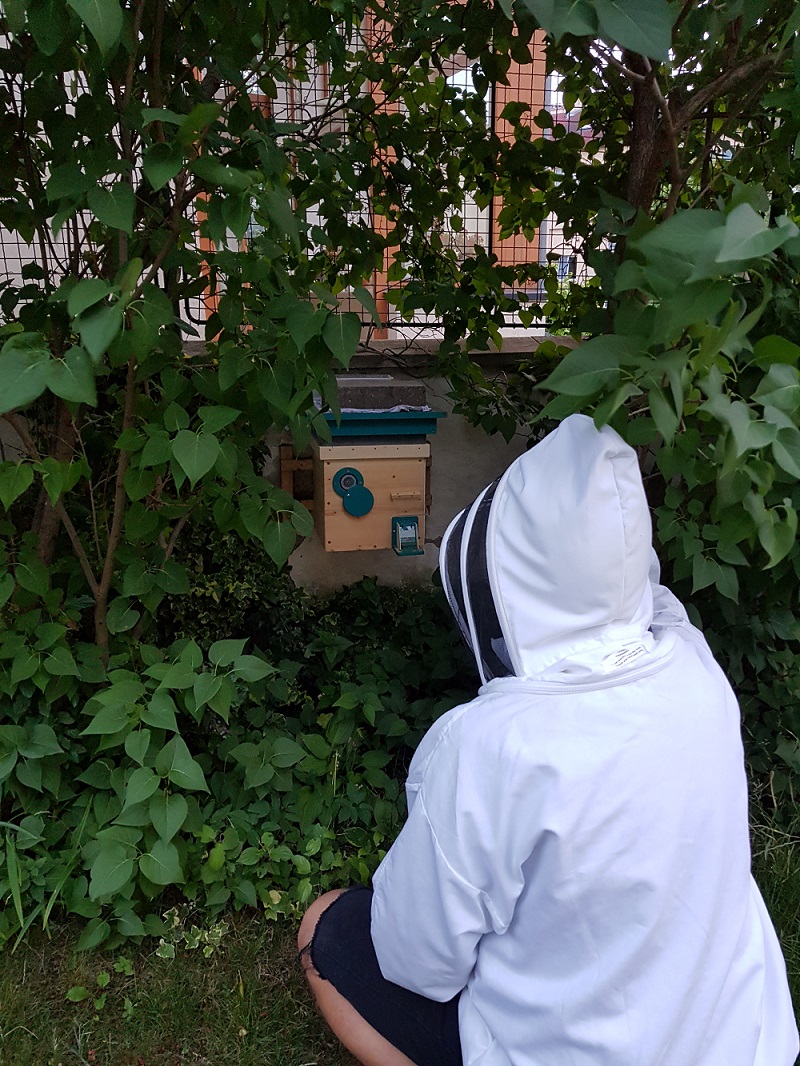
 

Bumblebees PLUS - Placement of the nest box under shrubs - Heath bumblebee

Location of the ulcer under the mountain avens bush
Photo O. Hercog
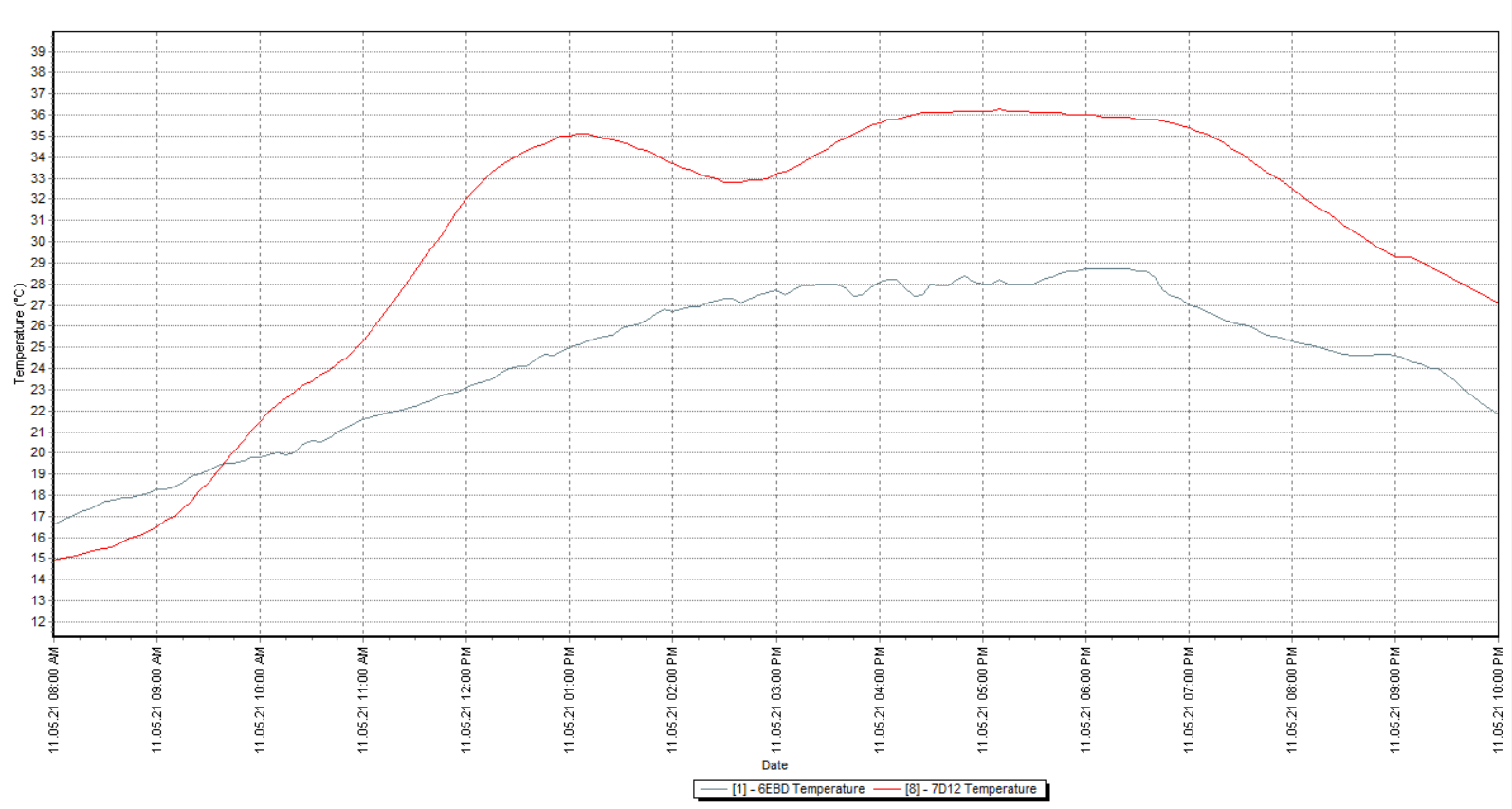
In 2021, we did a small demonstration of how the sun causes shock

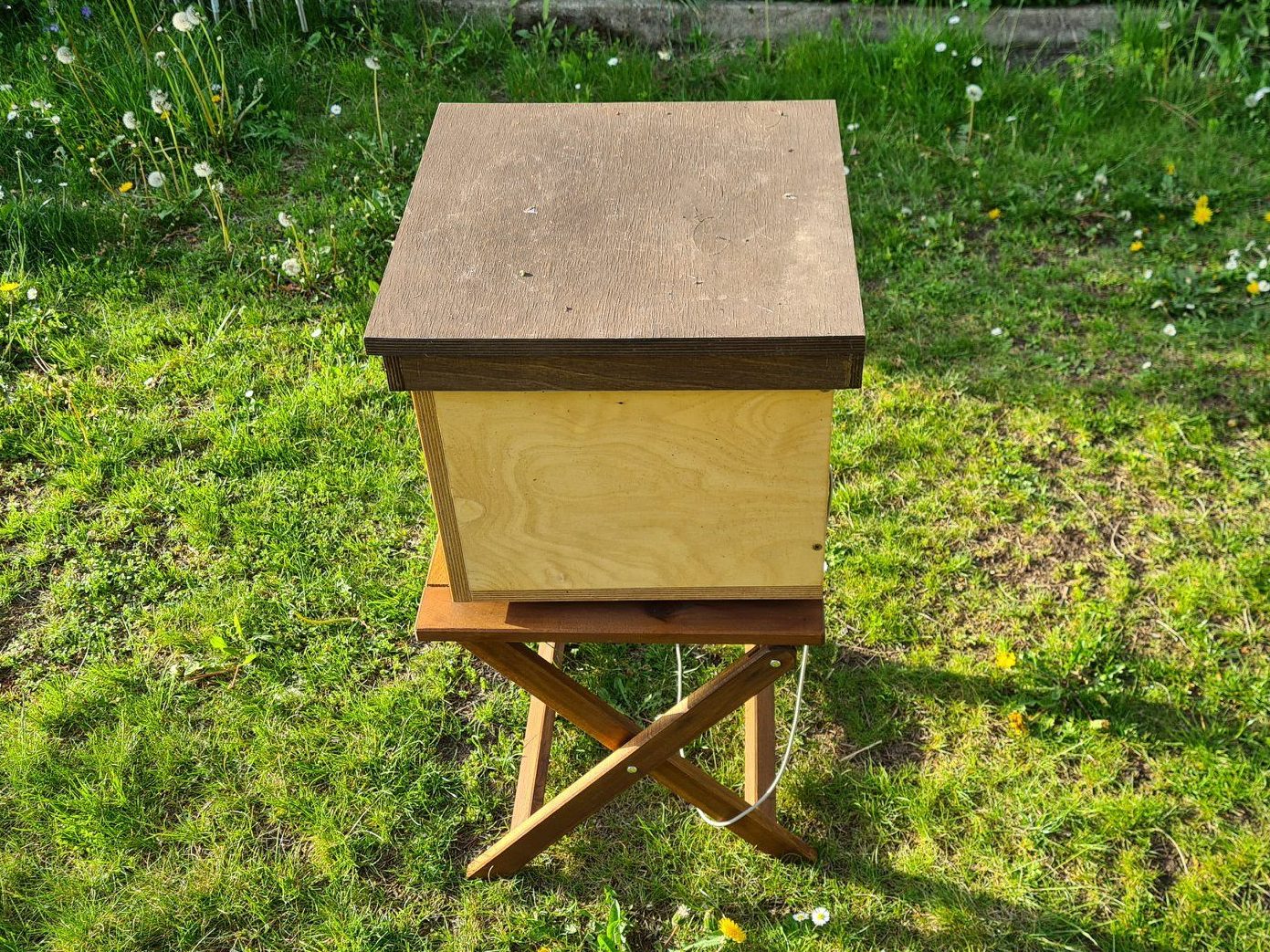
We took a good quality commercially available beehive with good insulation. We measured the temperature in the airspace under the roof and recorded values over time.
The elk was exposed to the sun in the morning, with a short break at noon (we simulated a brief tree shadow).
The attempt was somewhat spoiled by the fact that it was quite windy, which made the chill feel colder. It also wasn't completely clear, more partly cloudy.
You'll no doubt object that the measurement was very primitive and that the test was quite extreme. Yes, you're right. It was intended as a demonstration, not a precise measurement, as conditions weren't suitable for that. However, it was very close to reality.

Brief results:

  • The temperature in the hive rose from 16 to 35°C in 4 hours.
  • The temperature in the ulcer then rose to 36°C with further heating from the sun and stayed there for 3 hours
  • At 7 PM, the temperature in Úlka was still 35.5°C.
  • The biggest difference between the hive temperature and the air temperature was 8°C

Regardless of the details and conditions of the measurement, it is visible that:

  • A cockroach will heat up very quickly in the sun above the ambient air temperature.
  • The temperature of the air in the hive can easily exceed the critical limit of 35°C, even when the surrounding air is below 30°C.
  • Once the owl accumulates heat from the sun's rays, it slowly cools down and the high temperature continues to affect the nest for a long time.
You'll find the post on our Facebook page of Bumblebees PLUS And specifically HERE
Bumblebees PLUS - Measuring hive temperature in a sunlit location - Source Bumblebees PLUS 2021 05

Temperature measurement in a hive placed in the sun
The red curve on the graph shows the temperature of the air in the hive.
The grey temperature of the air in the shade.
Source: Bumblebees PLUS 05/2021
Bumblebees PLUS - Measuring hive temperature in a sunlit location - Source Bumblebees PLUS 2021 05

Temperature measurement in a hive placed in the sun
Source: Bumblebees PLUS 2021 05
Startle and draught

In the same way as overheating of the ulcer due to solar radiation, The owl and the nest dislike draughts too..

This also applies to micro-drafts inside the hive at the time when the queen is establishing the nest. The queen fears the nest getting cold and may reject such a draft.

Besides the ulcer tremors in the wind, a bumblebee can sometimes be bothered by the entrance when flying in. strong wind, That's more of an extreme case, though.

A fright from a draught can strongly (especially in spring months) to cool. A stable cold is not as much of a problem as changes in internal temperature.Ulcer plots and especially drafts inside the ulcer.

Typical mistakes:

  • The decoy placed behind the house, where the air constantly flows strongly
Solution
  • Do not place anemones in strong draughts.
  • Choose a place in shelter, or create such a place for yourself.
  • Possible Screen must be solid And must not endanger the fright.

Shock and rain

Although the hives sold for outdoor use, Prolonged exposure to rain is detrimental to the construction of the hive..

Rain primarily threatens protective flap and it reduces the lifespan of ant protection. High-quality hives and materials can withstand such a load for one season, but after the season, maintenance will be necessary. 

Typical mistakes:

  • Small overhang hive roof construction
  • The roof construction and eaves are not durable, are susceptible to moisture, and deform. 
  • the shock absorber has no attached protective flap, which deforms or loses functionality (sticks) due to moisture
  • a small canopy above the protective flap, water is leaking onto the flap
  • The breeder doesn't carry out maintenance after the season, doesn't repaint, etc.

 Solution

  • If you can, place the bulrush out of the rain, or at least under Roof overhangy – see also ulcer protection from solar radiation.
  • If you have no other option, add fright a second roof with an overhang, for example from old linoleum, waterproof plywood (formwork plywood).
  • But don't use tin, the sound of raindrops hitting sheet metal travels into the hive and disturbs its inhabitants.
    If you have such a solution, there should be a detachable section between the roof and the hive body. polystyrene insert to dampen sound.
  • Within the scope of repairs after the season, treat the stressed parts By colouring (roof, flap), you will prevent moisture from penetrating the wooden structure.
 
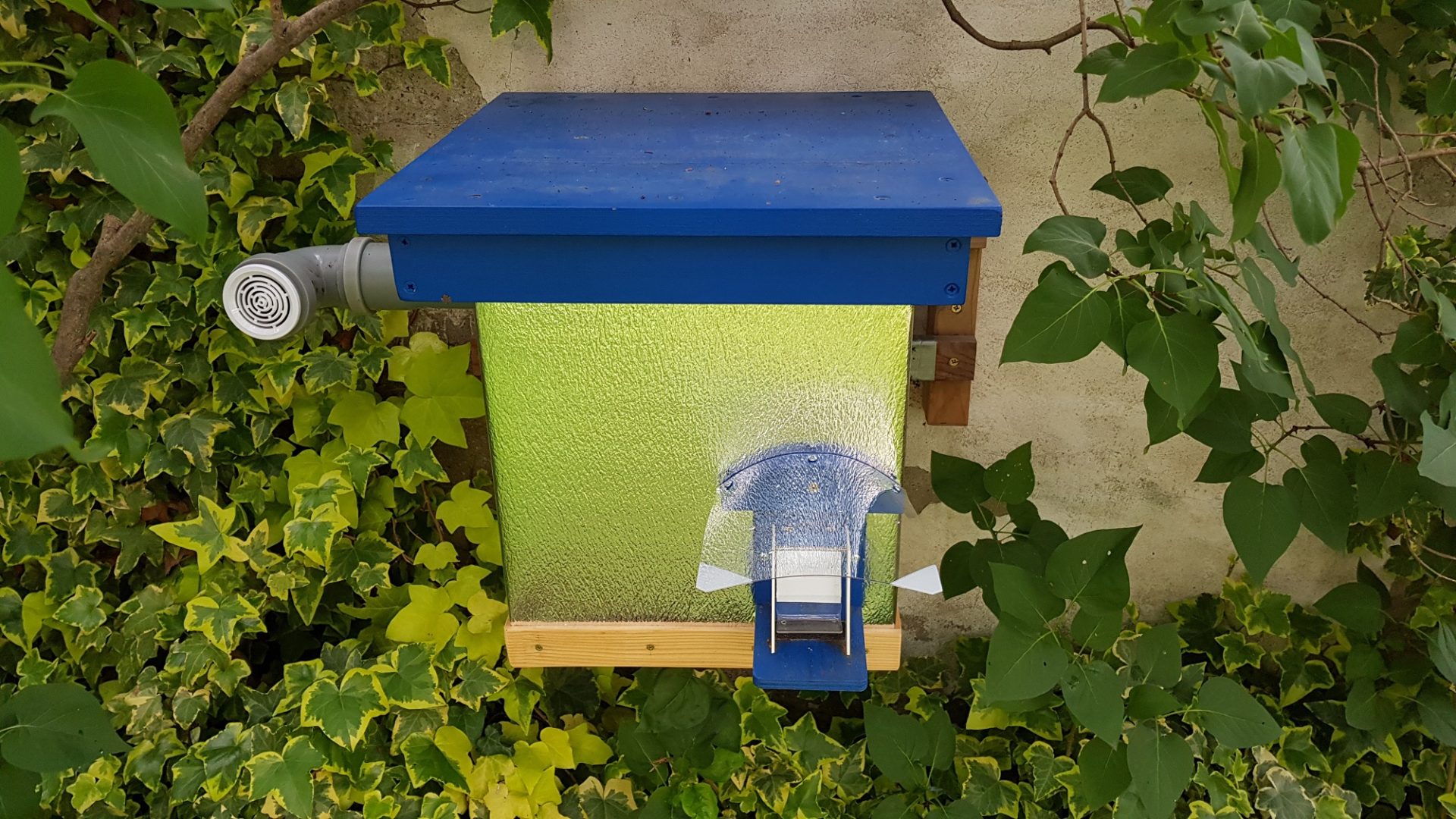
You can read about the canopy in the photograph HERE
Bumblebees PLUS - Canopy over the droplet

Bumblebees PLUS – Roof over the flap
Photo O. Hercog 6/2020

.
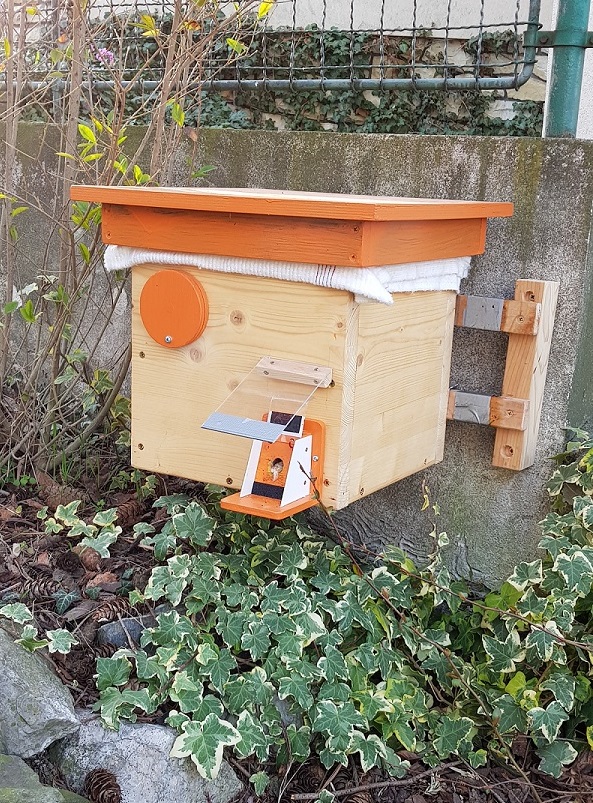
Method of hive attachment

A fright should be stable, It shouldn't move or vibrate. All of this disturbs the mother first, who could abandon the nest. Later, the tremors could damage the nest and the larvae.

Typical mistakes:

  • The loom is not standing straight, which disrupts the function of the reed.
  • The hive's hinges aren't sturdy and the hive is at risk of falling.
  • The legs/base are not strong and rigid enough.
  • The door is firmly screwed to the wall. 
 Solution
  • A fright should be stably and firmly resale on a frame, stand, or weighted down (e.g. with a brick on the roof) on a pedestal.
  • But the shock should always be placed or resale so that fell and the nest in it was undamaged (the scare was quite substantial).
  • We recommend having the backrest secured so that it is Removable into the room to control.
  • If the fear is in the country, it should be here option geez cut/open for inspection and intervention.
 
Bumblebees PLUS - Placing the nesting box on a fence wall bracket

Positioning of ulcer on hinges on a wall coping
Photo O. Hercog
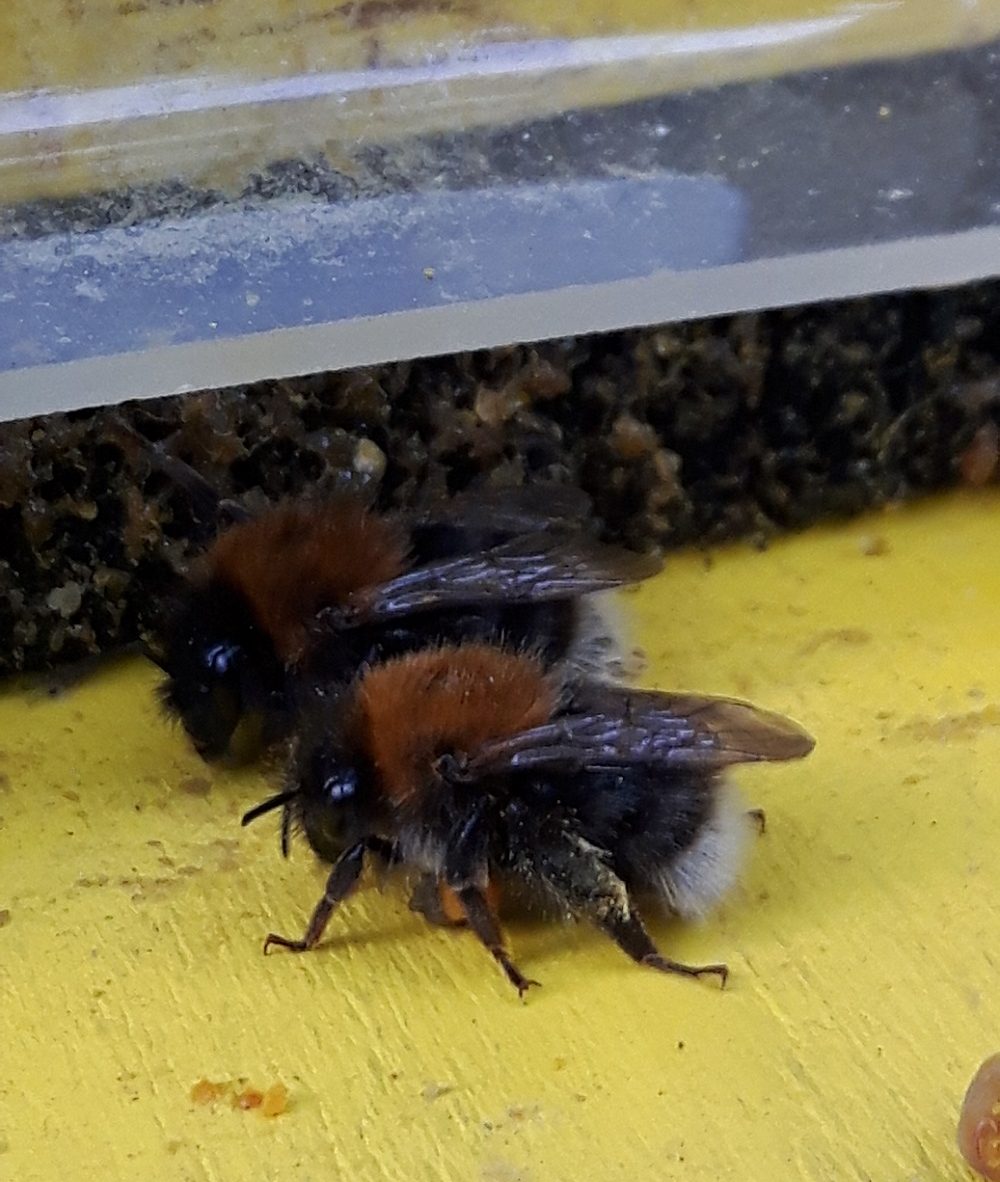
Fright and ant protection

The fixation and positioning of the hive should be managed so that after it the ants could not get into the nestThey wouldn't attack the bumblebees directly, but they could attack honey stores and possibly larvae.
Once ants have found a way into the hive and discovered food there, it is very difficult to fight them afterwards.

This doesn't apply to all types of ants. Infestations are not common, but Preventative measures easy for you against them will protect.  

Typical mistakes:

  • The breeder completely forgets about ant protection.
  • Ant protection solutions should not be exposed to rain, so that their effectiveness is not reduced.
  • The breeder will use an inappropriate solution (water), which will dry out, and ants will penetrate the hive.
  • Ant protection loses its effectiveness if a branch or blade of grass touches the nest, or if the ant protection is not maintained in good condition.
Solution:
Bumblebees PLUS - Tree Bumblebee (Bombus hypnorum)

Tree bumblebee
Photo O. Hercog

Distances between beehives

If you have multiple ulcers, you will face the problem of what the optimal distance between them is. Here, every piece of advice is valuable because suitable locations are almost always scarce. In general – The greater the distance, the better.

Bumblebees will find their way to their lair. They mainly look for it based on location, shapes, and surroundings. Colour differentiation is not important to them.

Some species, however, behave very territorially. They will defend their territory and visit their neighbours.
A typical example is the tree bumblebee (Bombus hypnorum), which defends its nest for several metres around and is quite aggressive when the queens are hatching. If it „kicks off“, it disregards good manners, and it's worth getting a beekeeping veil/suit then. We highly recommend it, we tested it on our own noses :-D.

And other species of bumblebees sometimes by mistake or out of curiosity They will fly into a nearby hive. In times of food scarcity, they sometimes raid the stores in nearby nests. There's always some dead bumblebee from it.

Typical mistakes:

  • The beekeeper doesn't consider the distance between the hives.
  • The entrances and entrance holes are next to each other.
  • The units are the same and in sequence.
  • The vents are all oriented in the same direction.
  • Beekeepers create double hives. During inspection, bumblebees may defend themselves, leading to workers attacking a neighbouring hive, which can cause unnecessary losses. 
  • Some double houses share a roof – ditto.
Solution
  • The rule here is that The greater distance you choose, the better.
  • Minimum the recommended distance between hives is 100cm, it is also possible more closely, see below.
  • If you have multiple ulcers next to each other, Differentiate them by colour, although it is not decisive for bumblebees.
  • Try to choose varying orientation of the flaps e.g. by filming hoopoes.
  • Some manufacturers sell Flaps for the forehead or for the side of the hive, this can also sometimes be used.
  • You can place garlic away from the hive using External corridors.
  • If you choose double hexagons (we do not recommend using them), then place them on air inlets as far apart as possible (see image).
 
Bumblebees PLUS - Hive placement - flight openings as far apart as possible

Placement of the ulcer – flight holes as far apart as possible
But keep the icicles as far apart as possible.
Photo R. Cyrus
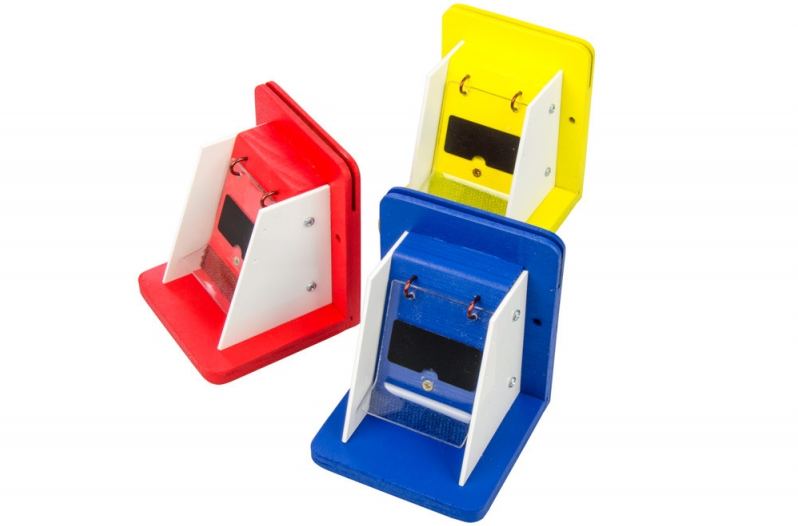
 

Bumblebees PLUS - Protective Flap

Bumblebees PLUS – Protective flap
Manufacturer's web photo
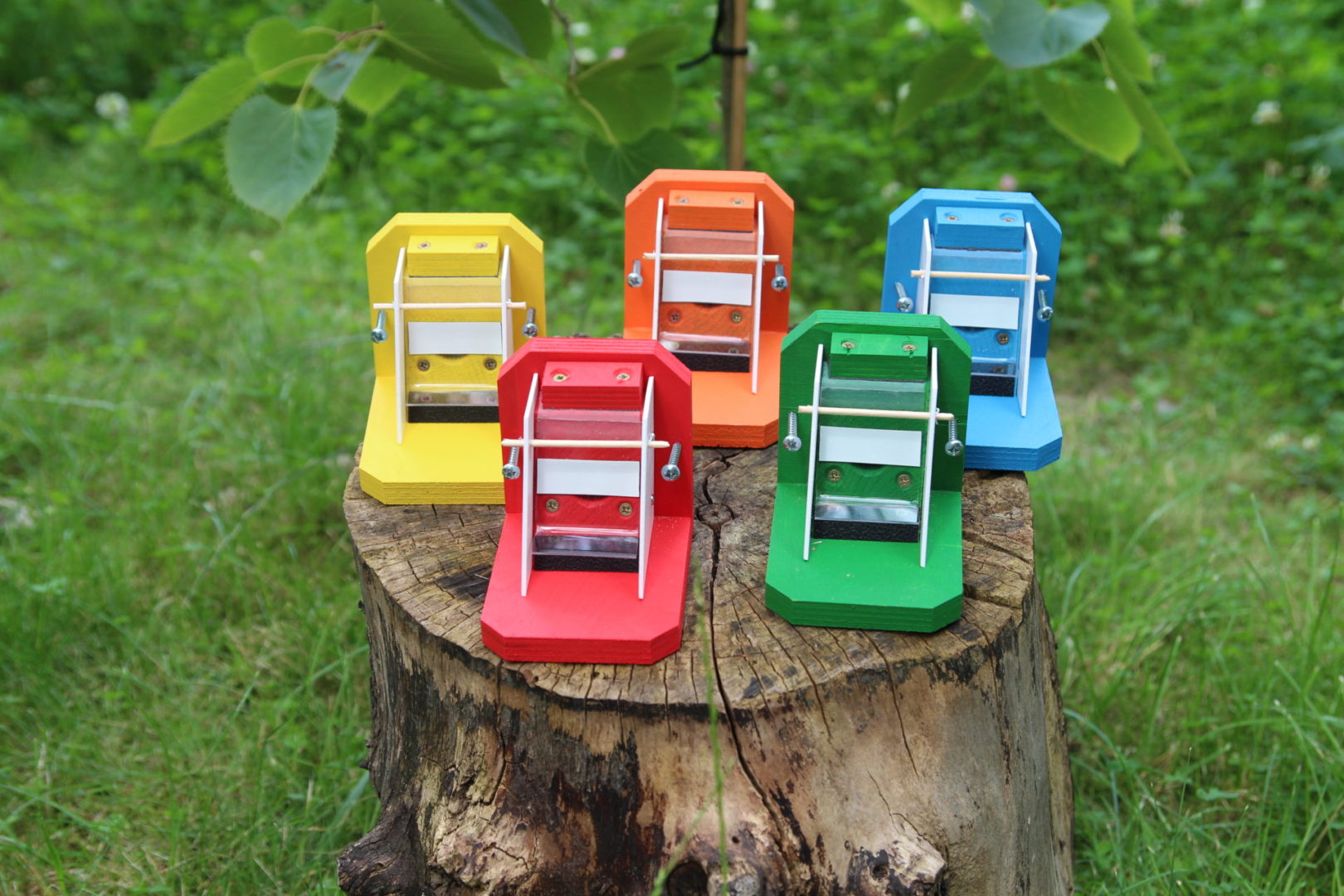
Bumblebees PLUS – Protective flap
Manufacturer's web photo
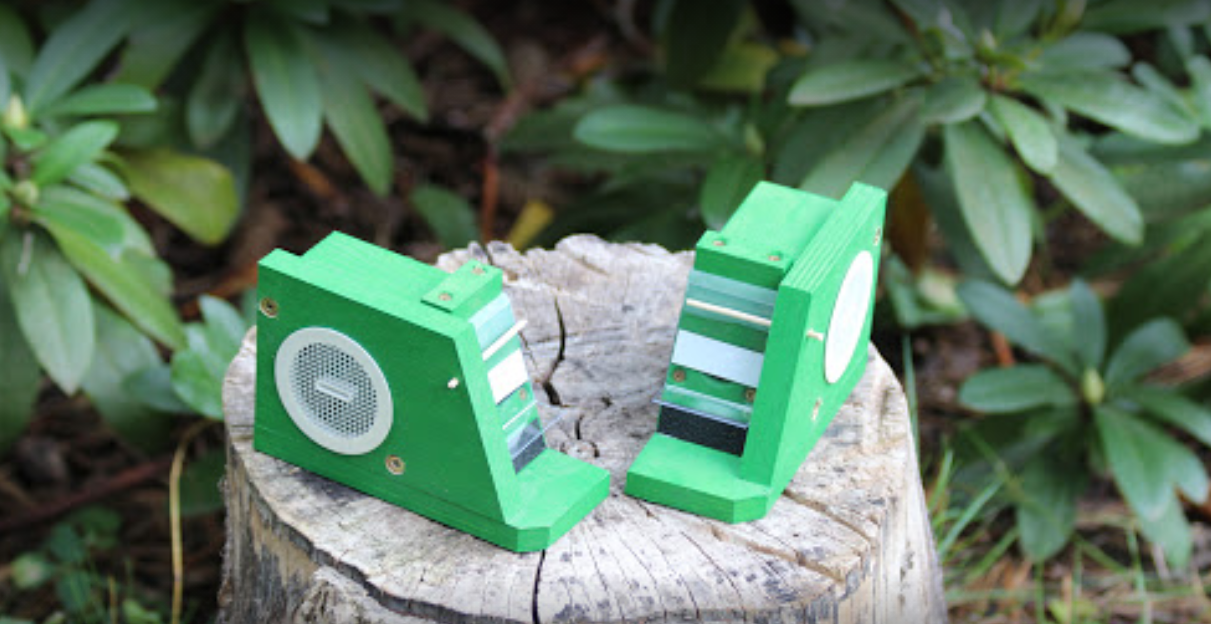
 

Bumblebees PLUS - Protective flap - placement on the side of the hive

Bumblebees PLUS – Protection Flap – placement on the side of the hive
Manufacturer's web photo
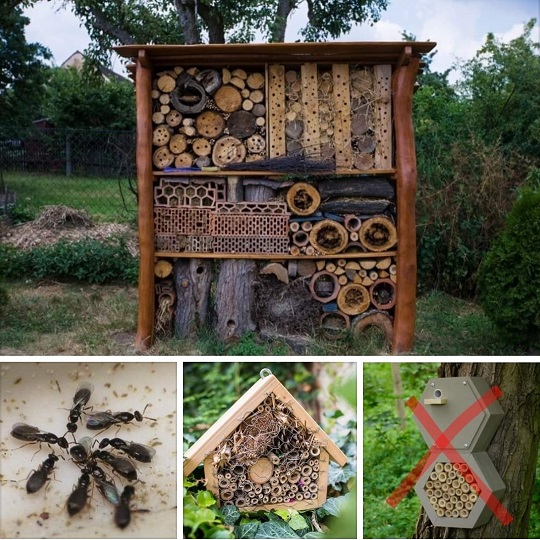
Placement of bumblebee nests with regard to insect hotels, bird feeders, nesting boxes, etc.

When looking for a place to site their hives, beekeepers often fail to consider other, sometimes surprising, aspects.

Many people want to have in their garden insect hotels and, next to them, bumblebee houses, This is not appropriate.

It's the same with birds. For Insectivorous birdWhile the bumblebee isn't the main food source, it's not turned its nose up at it in times of food scarcity. Furthermore, during cold or rainy periods, bumblebees are one of the few active flying insect representatives. Attacks by the great tit and the common shrike have been verified. From the birds' perspective, this is natural behaviour and cannot be blamed on them. Possible methods of hive protection are described HERE (preparing).

Typical mistakes:

  • When choosing a location, it chooses one with itself in mind (a good view) and not the needs of buff-tailed bumblebees.
  • The idea of having everything to help nature in a small space is a mistaken one. You simply have to decide what you want to prioritise.
  • Near places where people and their children move, sit or play.
  • They don't consider all the alternatives.
Solution
  • We recommend placing the hive furthest from insect hotels, which you have in your garden. Insect hotels are often home to the parasitic wasp Melittobia acasta. If the nest is located within its flight range, i.e. 30-50 m, it can be easily attacked by this parasite.
    You can find out more about this, one of the most dangerous parasites affecting bumblebees, in the chapterNote: We will cover the issue of insect hotels, their actual benefits, and potential alternative, more beneficial solutions for insects in the section dedicated to garden management.
  • Place the hives preferably further from bird feeders (if you also feed outside the winter period), Birdhouses a power supply
  • A scarecrow should not be in direct line of sight of areas with a high concentration of birds. If you experience these problems, we have a solution for you in the advanced breeder section. 
  • If you have Bombus hypnorum in a bird box, place them in a corner of the garden where they will not be disturbed and where You can watch from a distance at least 3 metres or more .
    Note: an occupied hive can be moved if necessary 
 
Bumblebees PLUS - Scare away place as far as possible from insect hotels

Place the compost bin as far as possible from insect hotels
Internet Photo
Internet source
.

Mother returns and nest box placement

Bumblebees have in them a strong bond with the nest and their family. This helps them to succeed and raise further offspring.

The bond is so strong that young mothers sometimes return here to be fed after leaving the nest. If they survive hibernation, The mothers of most species return to their native nest. If possible, they build their own nests there.

If more of them return, a fight will occur. The stronger one will win, the others will perish. However, sometimes they injure each other and the rivals also perish.

If it was strong nest, fights and more victims. The breeder shouldn't allow that.

You will learn more about the issue in the section Mothers' returns to the hive.

Typical mistakes:

  • The breeder doesn't know/deal with it – the mothers will fight each other.

Solution

  • Simple – place the mulch in a different location (alternate between two suitable spots each year)
  • more complex – see Mothers' returns to the hive.

Specific examples of ulcer locations

Startled by the ground

Ulceration on the ground We do not recommend.

Fright you will protect poorly against spring frosts, visits rodents, ants, pets Cats are often interested in bumblebees or jealous of the breeder's attention and young children.

The placement of a hive on the ground has the advantage that such a hive can Queen searching for a nesting site alone and settle in. However, it often happens that a barn owl that has already settled will then be discovered by another female, leading to a fight over housing, often with fatal consequences for both females.

It's much better to place the shock absorber on a raised platform, or to Once the mother has settled in, move her onto a higher surface during the night. This simple measure will significantly increase the chance that the first settled the mother will be safe in the hive.

Solution
  • If you want to have a shock absorber on the ground (e.g. under a bush), it should be non an elevated mat or stand at least 20 – 50 cm above the ground.
  • The mat should be solid  for instance a concrete slab or tile.
  • Also look at improvements little foot made from screws, which prevents the legs from wobbling and ensures they last longer. The solution is described HERE 
  • The scarecrow should stand on its legs or on a stand with very good ant protection. Her description for this ulcer placement case can be found HERE
 
 
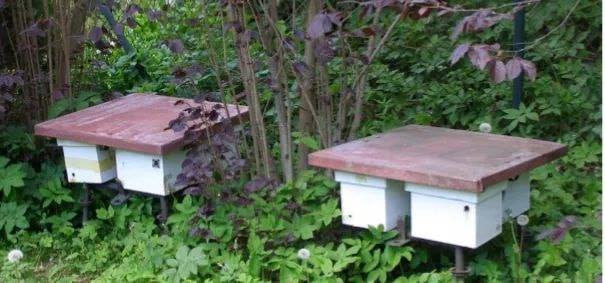
Bumblebees PLUS - Hive protection against ants - ground hive

Bumblebees PLUS – Hive protection against ants – ground hive.
Photo D. Mesko
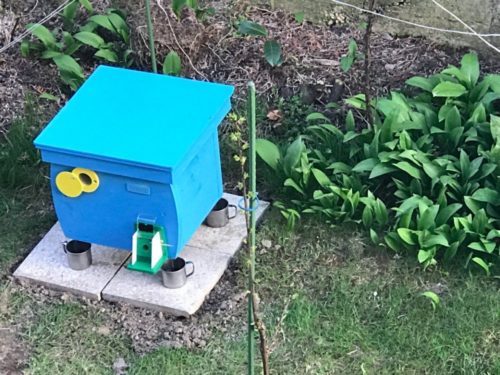
Startle on a raised platform/pedestal

Solution we recommend if the anxiety remains above 50 cm.

This solution eliminates the negatives of placing the ulcer on the ground. 
On an elevated spot there will be a higher chance that no other mother looking for a nesting site will appear.

Solution
  • The scarecrow can be placed on a stump, stand, etc. to a height of 50–100 cm.
  • If you build a scarecrow on a stump, give place a concrete slab under the hive firstor a board.
  • If you use a low stand, don't forget that The latch must be held firmlyHowever, you must also be able to remove it and take it inside for repairs. This can be achieved using sturdy screws or wood screws, which act as legs
  • Take a look at the photographs of possible solutions:
    a) ground screw and fittings, all with a protective coating – available to buy online and can be modified; see description HERE
    (b) domestic production 
  • A stand set in a concrete base can also be used.
  • Don't forget ant protection. The description of protection for this case can be found HERE
  
 
Bumblebees PLUS - Hives in an elevated position

Clusters concentrated in one place are a problem when mothers return.
Internet source
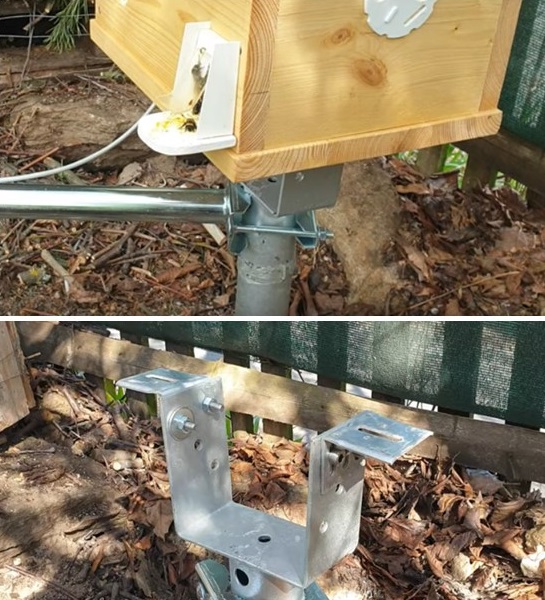
Bumblebees PLUS - Ground screw stand alarm

Shock absorber on ground screw mount
Photo L. Budiš
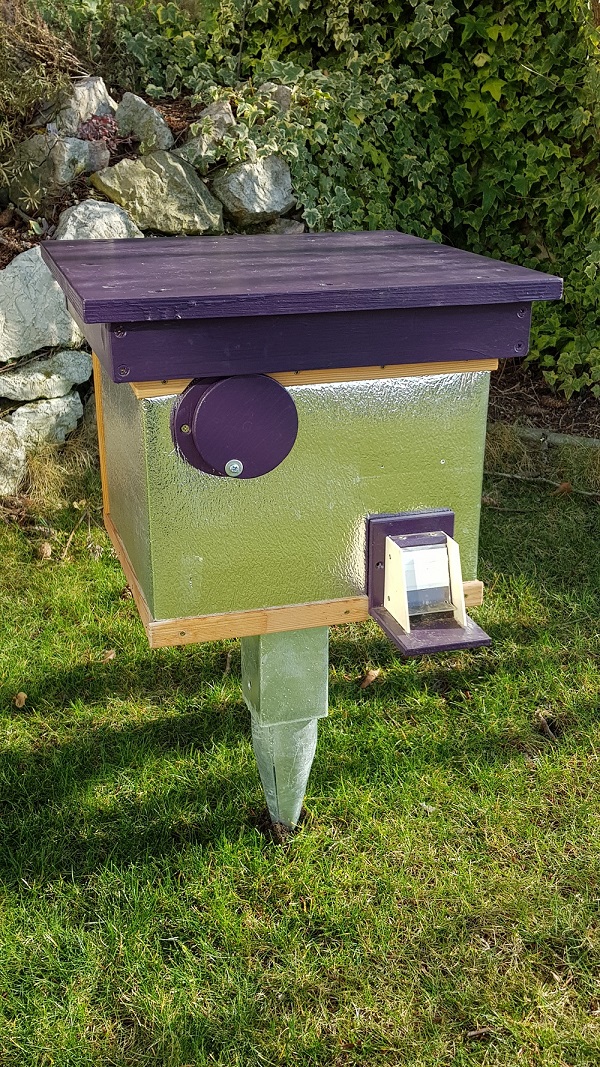
Bumblebees PLUS - Startled by a stand on the ground foot and joist bracket

Shock on the ground base (ground screw) and beam bracket
Photo O. Hercog
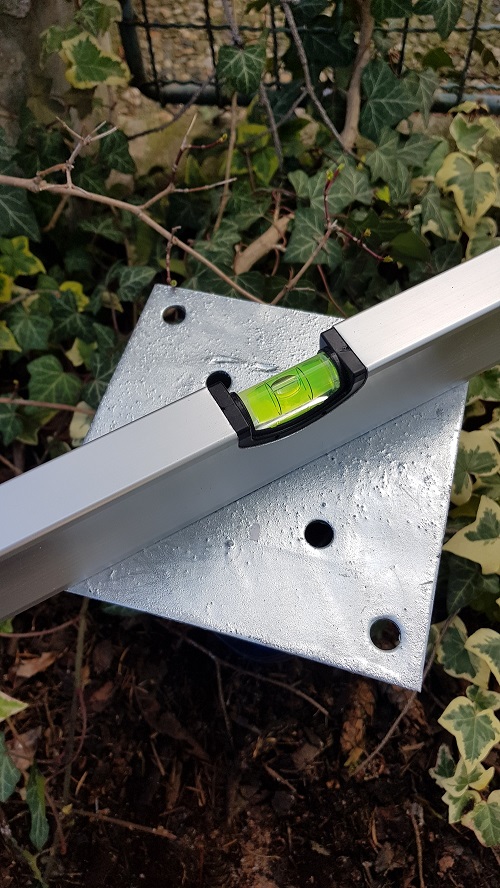
Bumblebees PLUS - Scare on a ground screw stand

Shock on the ground screw stand
Levelling
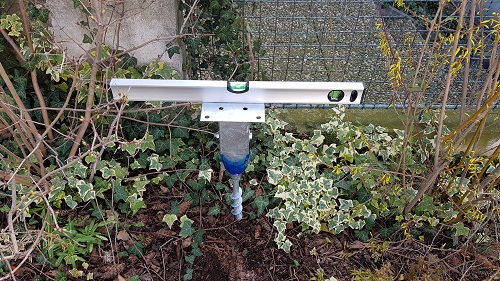
 

Bumblebees PLUS - Scare on a ground screw stand

Shock on the ground screw stand
Levelling
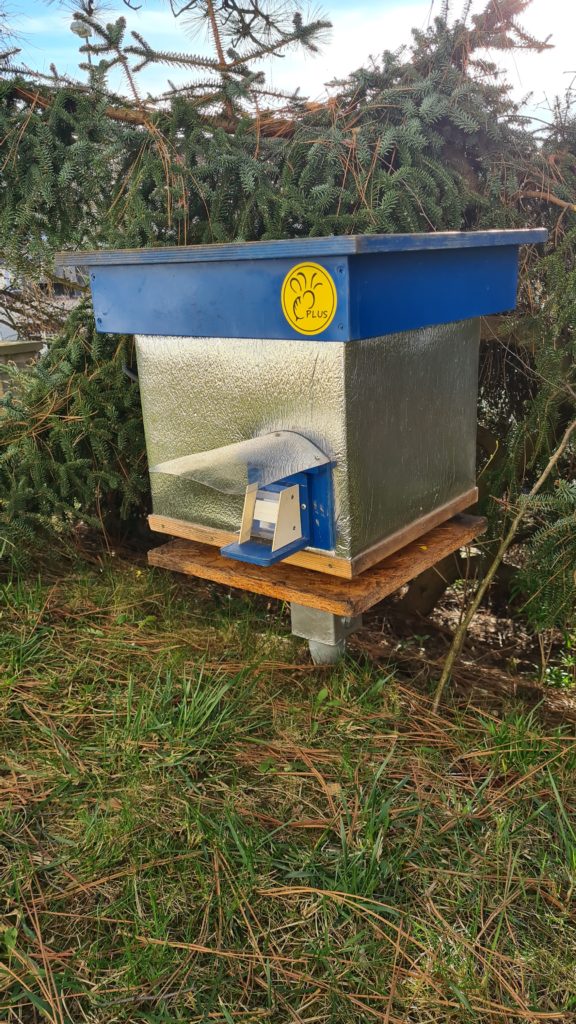
 

Bumblebees PLUS - Hive Stand - Photo Ondřej Hercog 2023 03 17 (4)

Hive stand
Photo: O. Hercog (17/3/2023)
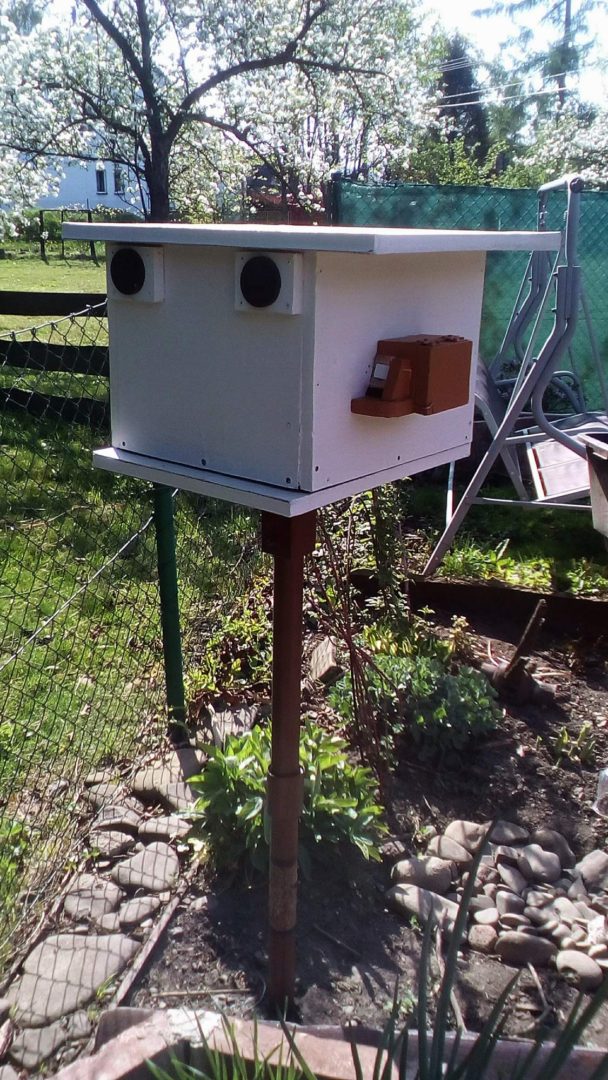
Fright on the rack

This solution We recommend, if you are capable of making a sufficiently rigid and strong stand – for example, a welded construction from steel tubes.

If not stand sufficiently rigid, The castle will shake and its inhabitants will be disturbed.

Don't forget that a fright must hold firm, but at the same time you must be able to remove it and take it inside for an operation. 

The stand offers good possibilities ant protection, which you create from sticky strips or from a bowl around the support beam (pipe). Such a protective solution shields very well against sun and rain.

Solution
  • Weld/fasten to Scaffolding/fencing tube Pad/bracket. Place the panic bar on it and secure with screws.
  • The trap should be able to be removed and carried away during the season for inspection and intervention at the nest. 
  • Take a look at the photographs of possible solutions:
    a) ground screw and fittings, all with surface protection – can be bought online
    b) Homemade 
  • Higher stand concreted into the ground or create one for him a sufficiently stable base, for example, weighted down with concrete paving slabs (like anchors for a large parasol).
  • Can also be used concrete footing and preferably bury it in the ground.
  • Ant protection It's easy to create, the description is provided HERE
 
Bumblebees plus a bumblebee nest a bumblebee hive bumblebee breeding correct hive placement pre-placement check for the bumblebee

Ant-guard on the stand
Photo R. Cyrus
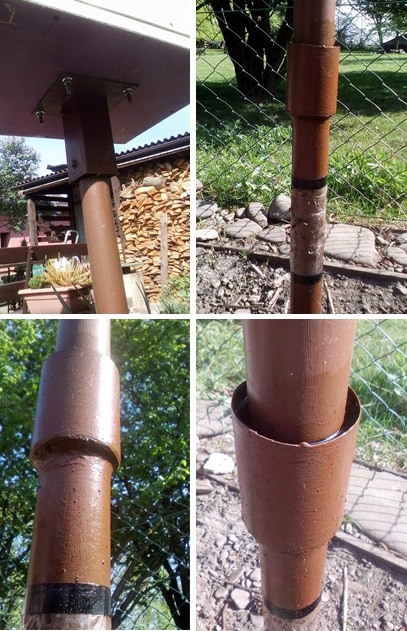
Bumblebees PLUS - Ant Protection on a Stand - Details

Ant protection for a stand - details
Photo R. Cyrus
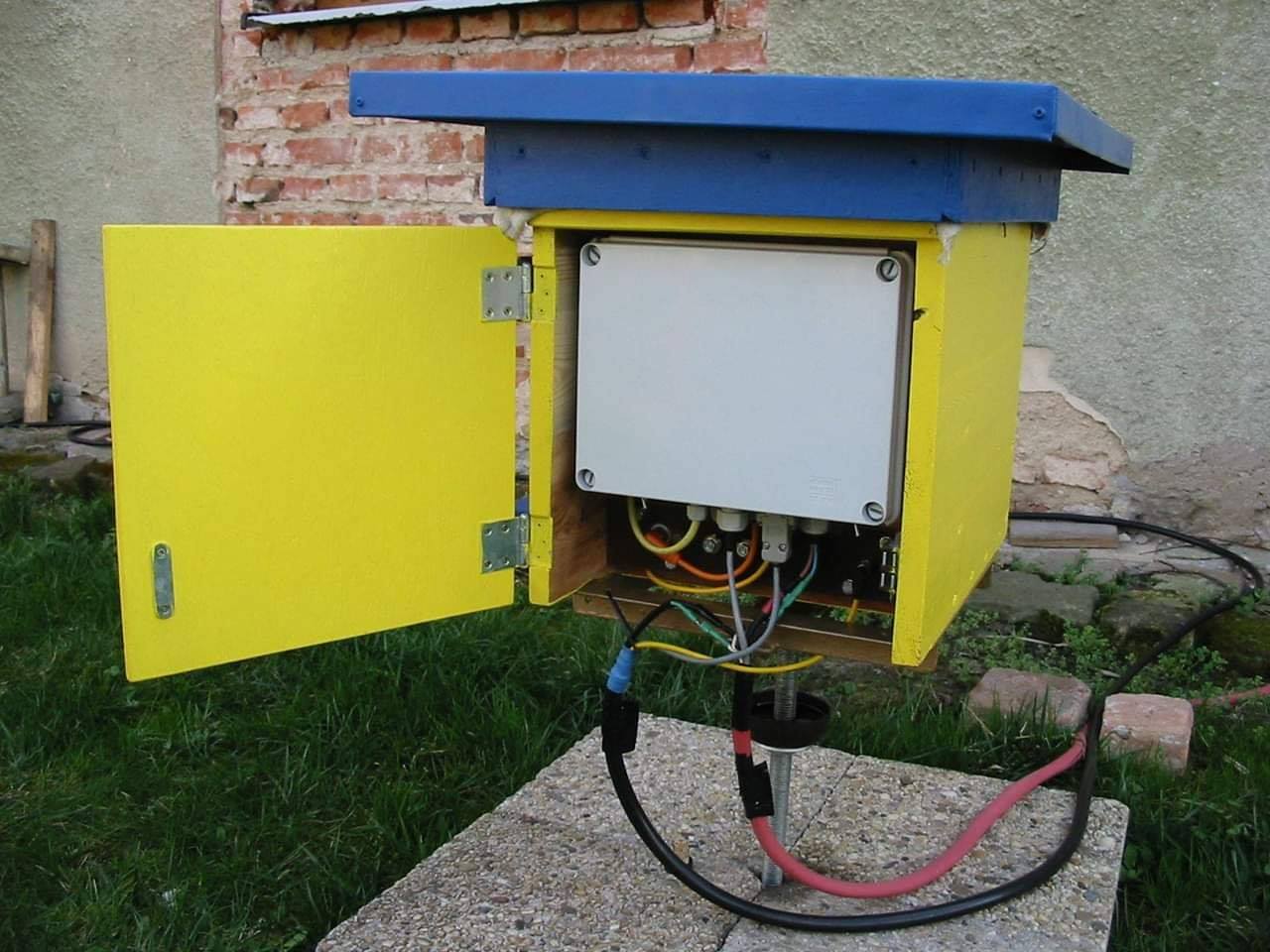
 

Bumblebees PLUS - Fright on a tile-weighted stand

Shock on a tile-laden stand
P. Fereš Photo
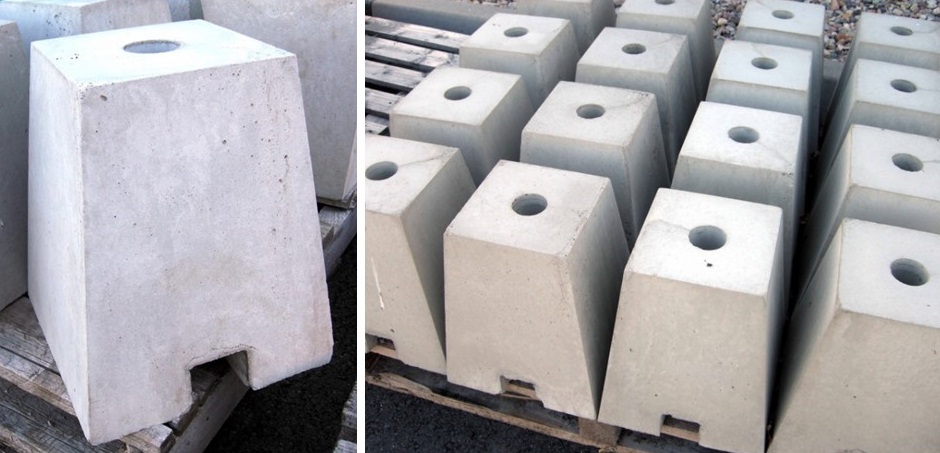
 

Bumblebees PLUS - Scarecrow on a stand, concrete base

Shock on the stand – concrete base
If it is buried in the ground, or the stand is not tall, it will serve well
Tip K. Kučera Photo manufacturer's website
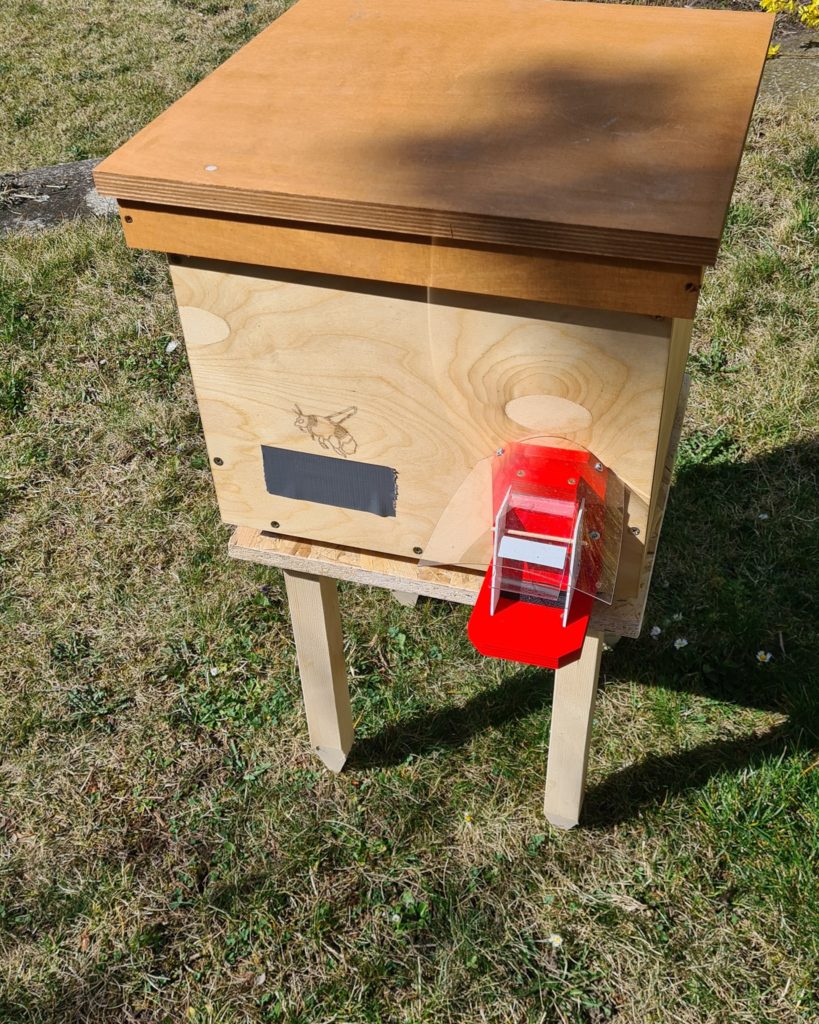
A fright on the table

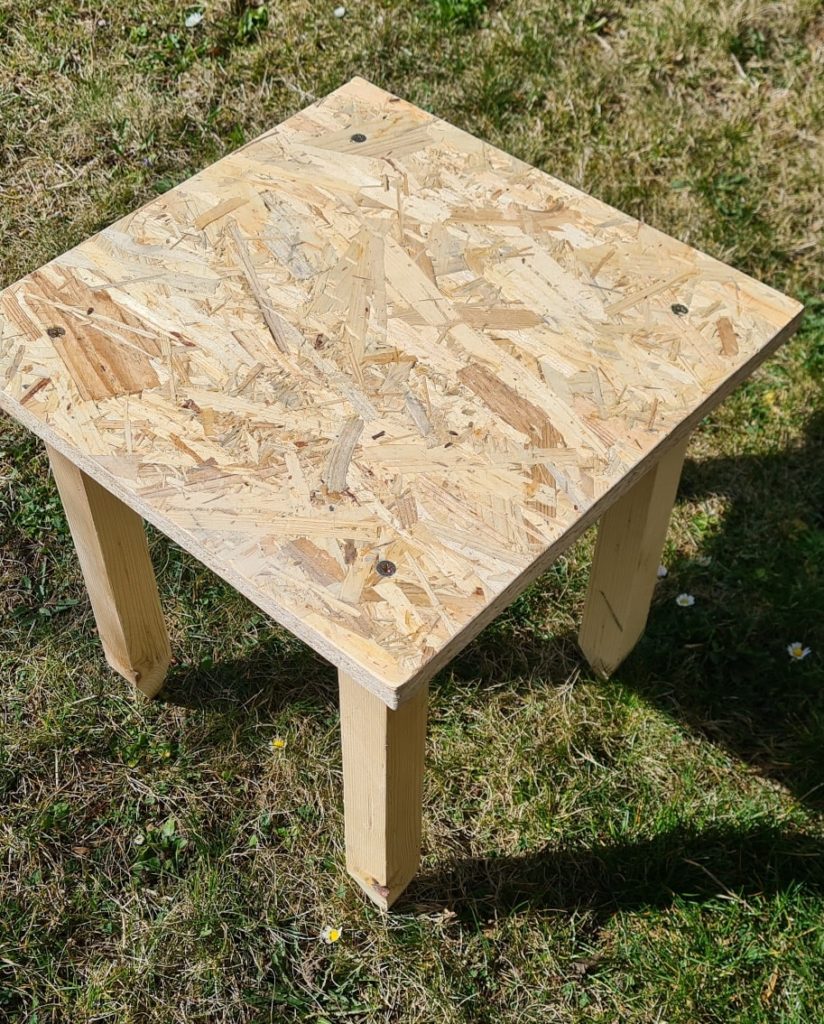
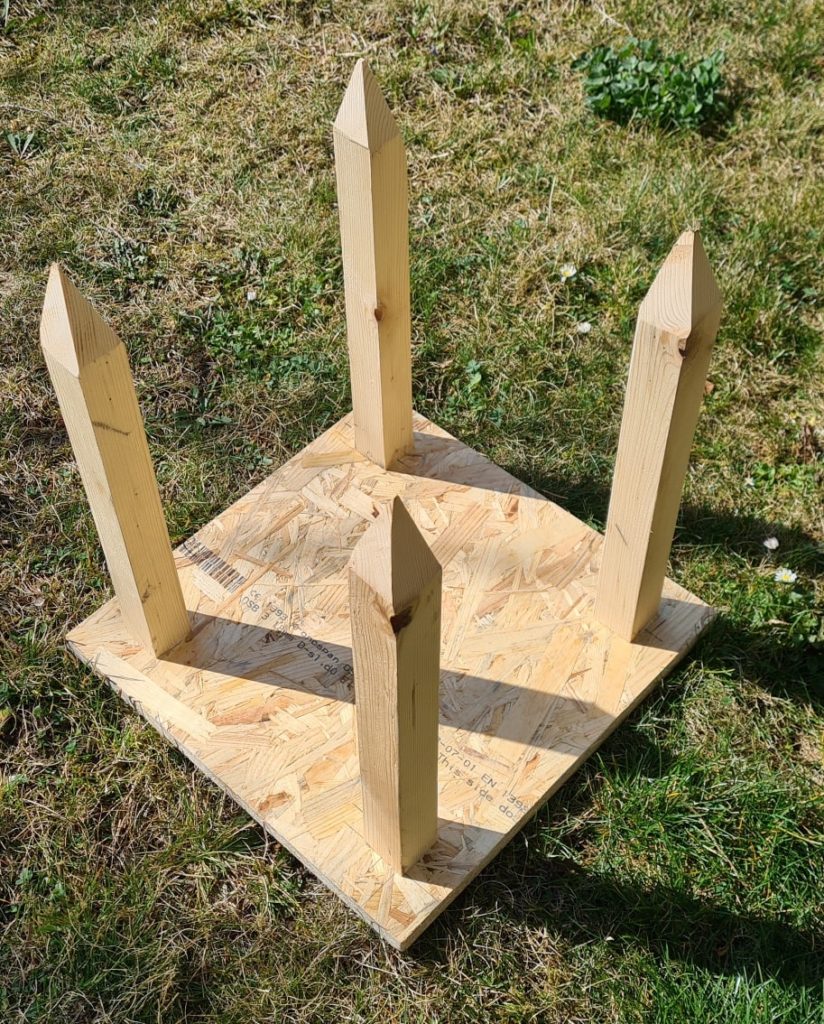
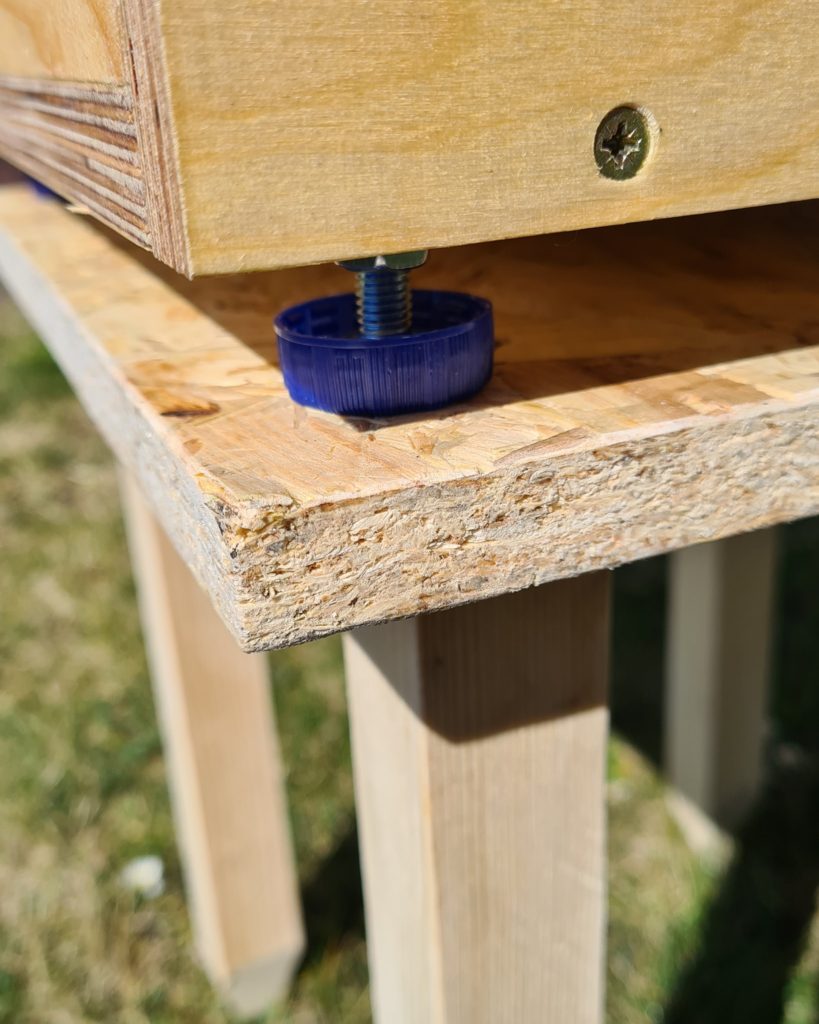
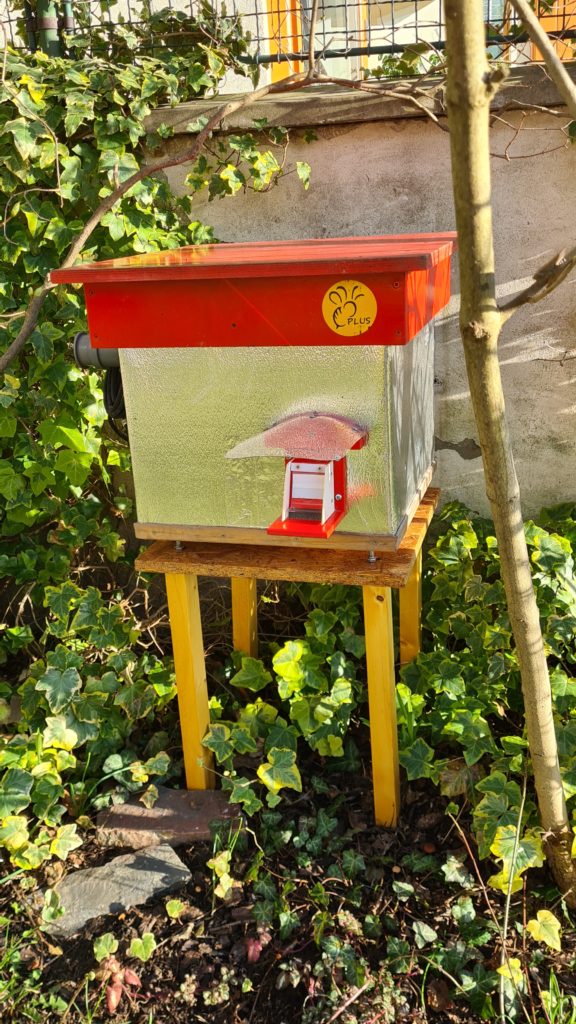
You can also make a very simple table, on which you place the surprise. A sturdy board is sufficient, for example made of OSB Desks and legs from cans

Table plan it must not be larger than the footprint of the hive, so that water does not collect on it after rain.

We recommend Trim the table legs to a point., to ensure the table can be placed stably on the ground and slightly hammered in. Leg length up to 50 cm.

If you want to, You can attach the flange to the board with a screw (from underneath).

The table top and legs are good preserve with teak oil  to increase durability. 

Protecting against ants is easy, just place the hive legs into PET bottle caps filled with Chemstop.


Bumblebees PLUS - Hive stand - Photo Ondřej Hercog - 3 2022 (3)

Beehive stand
Photo: O. Hercog (2022/030
Bumblebees PLUS - Swarm hive table - Photo Ondřej Hercog - 3 2022 (2)

Beehive stand
Photo: O. Hercog (2022/030
Bumblebees PLUS - Hive stand - Photo Ondřej Hercog - 3 2022 (6)

Beehive stand
Photo: O. Hercog (2022/030
Bumblebees PLUS - Hive Stand - Photo Ondřej Hercog - 3 2022 (1)

Beehive stand
Photo: O. Hercog (2022/030
Bumblebees PLUS - Swarm hive table - Photo Ondřej Hercog 2023 03 17 (1)

Beehive stand
Photo: O. Hercog (17/03/2023)
Sudden fright on the curtains on the wall

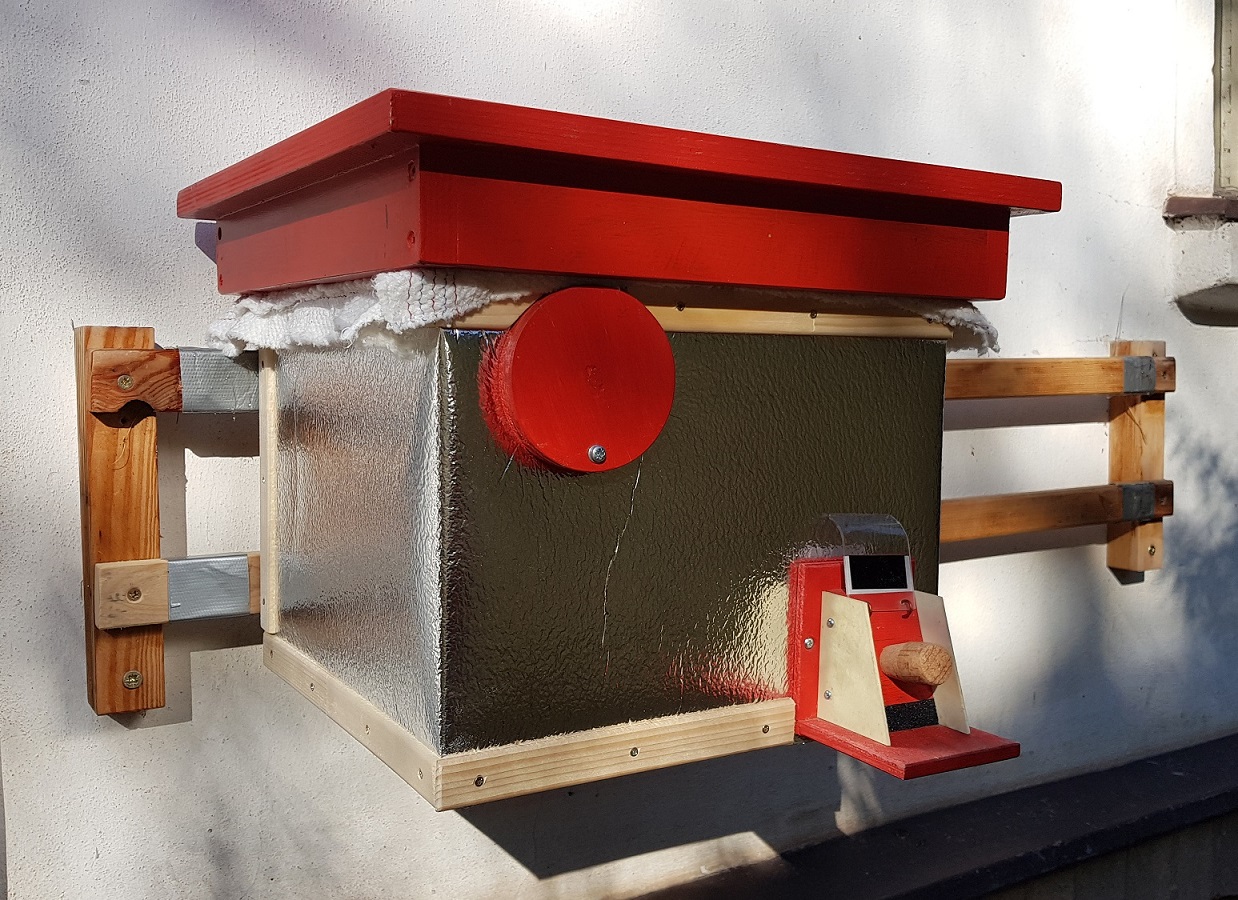
This solution We highly recommend

The advantage is that Is it possible to remove the fright from the mounting? and take it for inspection or intervention in the nest indoors.
If you place a decoy on the wall of the house, you will often use the roof overhang and the scare is thus protected from rain and sun.

Solution
  • Attach on the wall, crossbars.
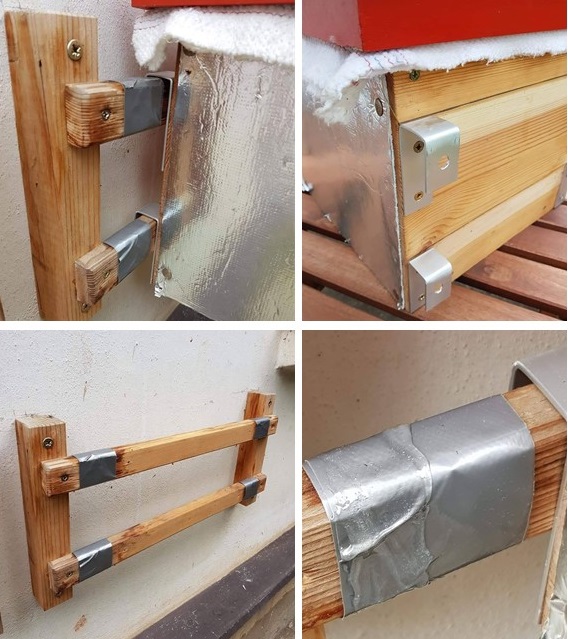
  • To make a scarecrow Simple flat profile hinges (steel or aluminium). For example, an aluminium strip at least 30 mm wide can be used. You can also use a stronger material, for example, a steel strip and paint it with anti-corrosion paint. The material can be purchased at a DIY store, for instance.
  • Bend the hinges into the shape of hooks so they fit well onto the horizontal crossbars.
    Fasten the hinges to the hive body using long, sufficiently strong screws.
  • On the crossbars An ant barrier needs to be created.The description of the ant protection is described HERE.
Recommendation
  • For the construction of the solution and for attaching the hinges to the hive, use screws with a diameter of at least 5 mm, preferably longer.
  • Use similar screws to attach the structure to the wall. High-quality dowels/anchors must also be used there.
    A fright is relatively heavy (around 10kg), especially if you load the hive roof with a brick (we recommend this to secure the roof and ensure a better seal).
  • Don't forget that when you weigh down the hive roof (e.g. with a brick/stone), the forces on the fixings will be quite significant.       
  • If you are considering using this solution on a wooden shed wall or a fence, that is also possible. However, it is necessary ensure that wall/fence immobile, so that they are rigid. Otherwise, shocks and vibrations will be transmitted to the hive, disturbing its inhabitants.


Bumblebees PLUS - Ant protection - wall hanging screens

Ant protection – shock on wall curtains
Photo O. Hercog
Bumblebees PLUS - Fright on wall-mounted curtains

Startled by insects on the wall-mounted curtains – detail of the solution and protection against ants
Photo O. Hercog


The same solution can be successfully Can also be used on small walls, for example, on the base of a fence. This will expand your options for where to place the shelter: finding a shaded spot in the garden, while having the shelter firmly attached to a wall and at a height where queen bumblebees themselves look for nesting sites.

  
Bumblebees PLUS - Placing the nesting box on a fence wall bracket

Positioning of ulcer on hinges on a wall coping
Photo O. Hercog
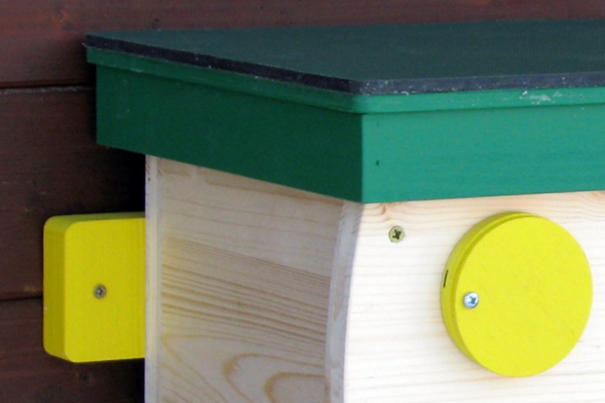
Curtains for draughts some manufacturers also selli. This is help for those who cannot make such a solution themselves.

However, we do not consider this solution optimal, as a firmly attached dowel cannot be easily removed from the wall and take it for inspection. However, this can be done after loosening the screws.
 
However, if you use this solution, ensure the hive holders are securely attached to the wall. Long, strong screws/bolts for dowels/anchors. Otherwise, the shock can tear the nest from the wall under its own weight, irreversibly damaging the nest.
Simply by manipulating the roof during hive maintenance, and insufficient fastening of the hive to the wall can gradually loosen.
Don't forget that when You will weigh down the hive roof. (e.g. with a brick/stone), the forces acting on the fixing will be quite considerable.       
  
  
Bumblebees PLUS - Hanging a commercially produced hive

Install a commercially produced beehive
Manufacturer's web photo


A fright located indoors

Considering the gradual rise in temperatures, this solution We highly recommend – the reflex doesn't overheat and is well protected against weather fluctuations, low and high temperatures.

Solution
  • Startle can be placed inside the building, flat, shed, garage etc. 
  • Beware of placing hives in small spaces and on sun-exposed walls in light constructions (e.g. sheds). In these spaces, there is a risk of overheating the hive, similar to outdoors. A hive placed close to a wall that is exposed to the sun, for example, made only of planks, behaves the same as a hive exposed to direct sunlight.
    In these situations, it is necessary for the space to be effectively ventilated and for the eaves to not touch the perimeter wall of a light construction. 
  • Startled install in the flat and route the passageway to the balcony or the wall including the panel building.
  • The passage is actually external corridor passing through the wall. Outside there is only a shutter and a door for entry.
  • You can place the bumblebee nest in the indoor space with the flap, but you will then need to ensure a free approach and exit for the bumblebees. This works best up to a distance of 3 metres and even in dim light. Longer distances within a building can be a problem for bumblebees.
  • If you have a trap in your flat, ants might not find it, but it's worth keeping an eye on. If the trap is located in a shed, or somewhere ants frequent, then ant protection measures will be needed. You will most likely use the solution mentioned.  HERE
  • If you use a long corridor, it is necessary apply a specific mother-in-residence procedure see

    .

    .
  • Information about the solution for long corridors can be found HERE.
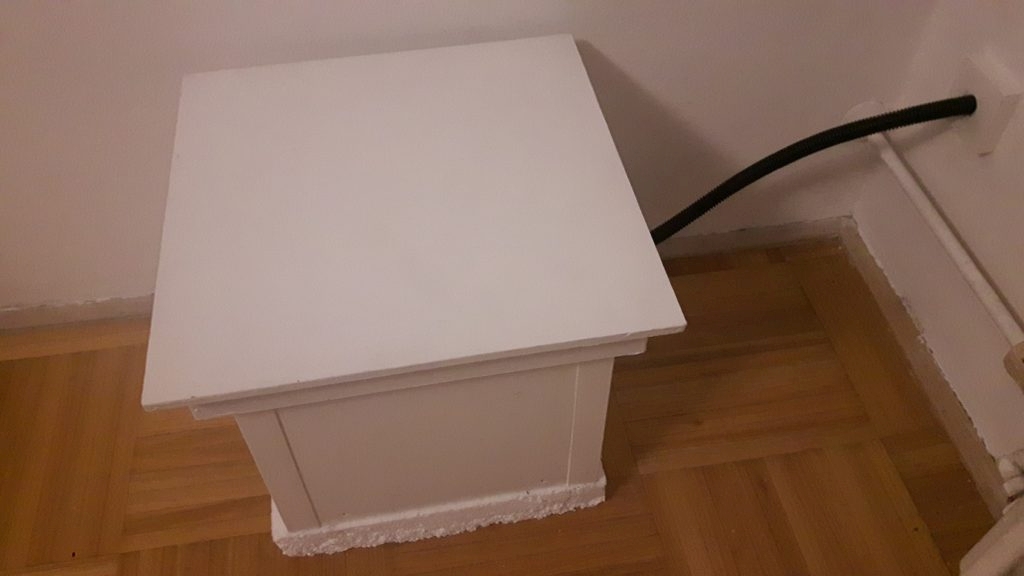
Bumblebees PLUS bumblebee nest bumblebee house in a room with an external corridor

Use of an external corridor for placing a beehive indoors. Photo J. Čížek
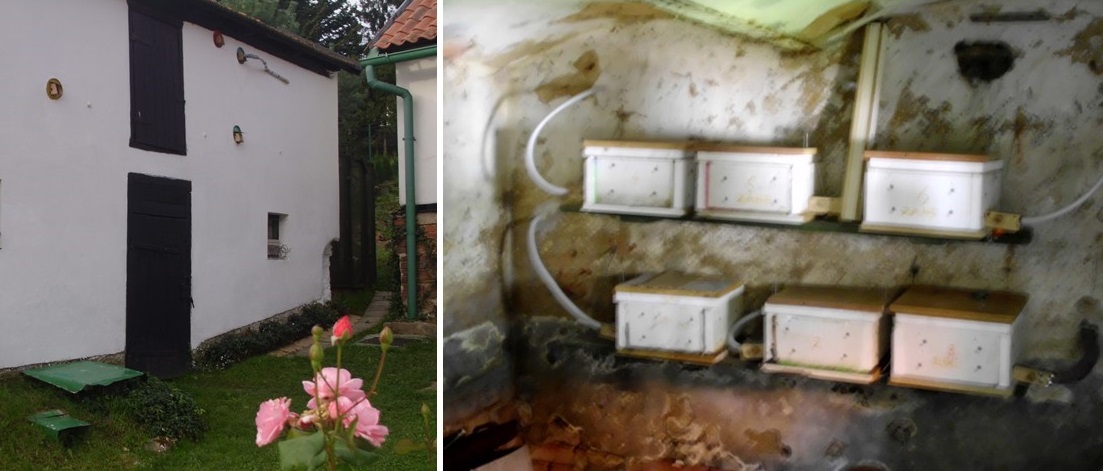
Bumblebees PLUS Hive placement indoors

Ulcer placement indoors
Photo M. Stuchl and J. Čížek
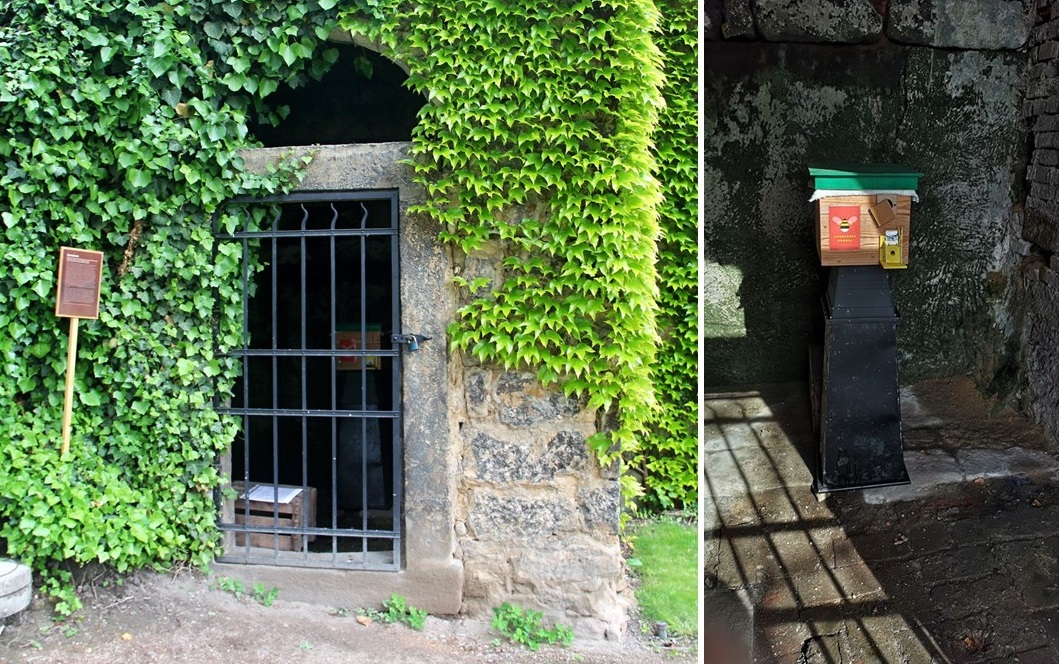
Bumblebees PLUS - Scare in the cellar of Děčín Castle

A fright in the cellar of Děčín Castle
Photo A. Ungerová
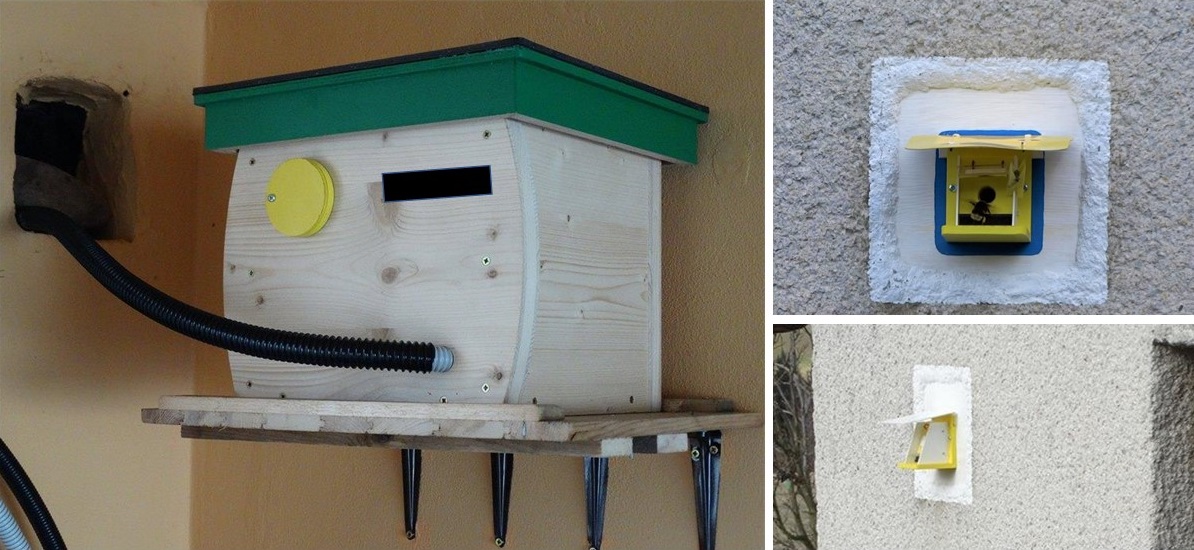
Bumblebees PLUS - Locating the nest in a garage or cellar with a flap led out by a long tube

Placement of the ulcer in the garage or cellar with a flap led out by a long pipe
Photo E. Kalčíková


Ice sculptures placed indoors can easily cope with temperature fluctuations. Stable temperatures without sharp changes are preferred by bumblebees.. It's worth the slightly more complex preparation. 

Location of the ulcer on the balcony

Location of the ulcer on the balcony We recommend

This location combines the advantages of being elevated and sheltered from the elements.
But be careful not to be dazzled by the sun when you're startled. Problematic are primarily the south sides of houses, that heat up easily.

A certain limitation is that You must accept the presence of bumblebee subtenants and sharing living space with them.

We do not recommend this solution back then, if you are allergic on a sting from a bee and you have small children who don't yet understand the rules of coexisting with bumblebees.

Balcony placement is a solution for breeders who don't have their own garden. Bumblebees can be kept this way, even on the 6th floor of a tower block. Bumblebees will reliably find their home and will also be better protected against parasites, which rarely reach such a height.

Many breeders in cities use this solution and make do with their families. Bumblebees I just need a small free arrival space.

Solution
  • Place the shock absorber in position., where you won't mind the operation of bumblebees (arrivals and departures).
  • You can place the scarecrow with the flap on the balcony or the scarecrow indoors with the flap on the balcony.
  • You can also place the hive outside the balcony, but then you will limit your observation of bee activity.
    But bear in mind the necessary maintenance of the flap, which you must also have in this case Easy access. Also, ensure your own safety, so that our colleague Karel Kučera from the ambulance service doesn't have to come for you... 
  • The mat must not be exposed to extreme weather conditions, especially wind and rain.
  • If you have Pets and children,we recommend the scare uTo place in an elevated position.
  • On balconies too, it's important to think about ant protection, especially for ground-floor flats we recommend not neglecting this. For example, use the solution described HERE
  • Information about the solution for long corridors can be found HERE
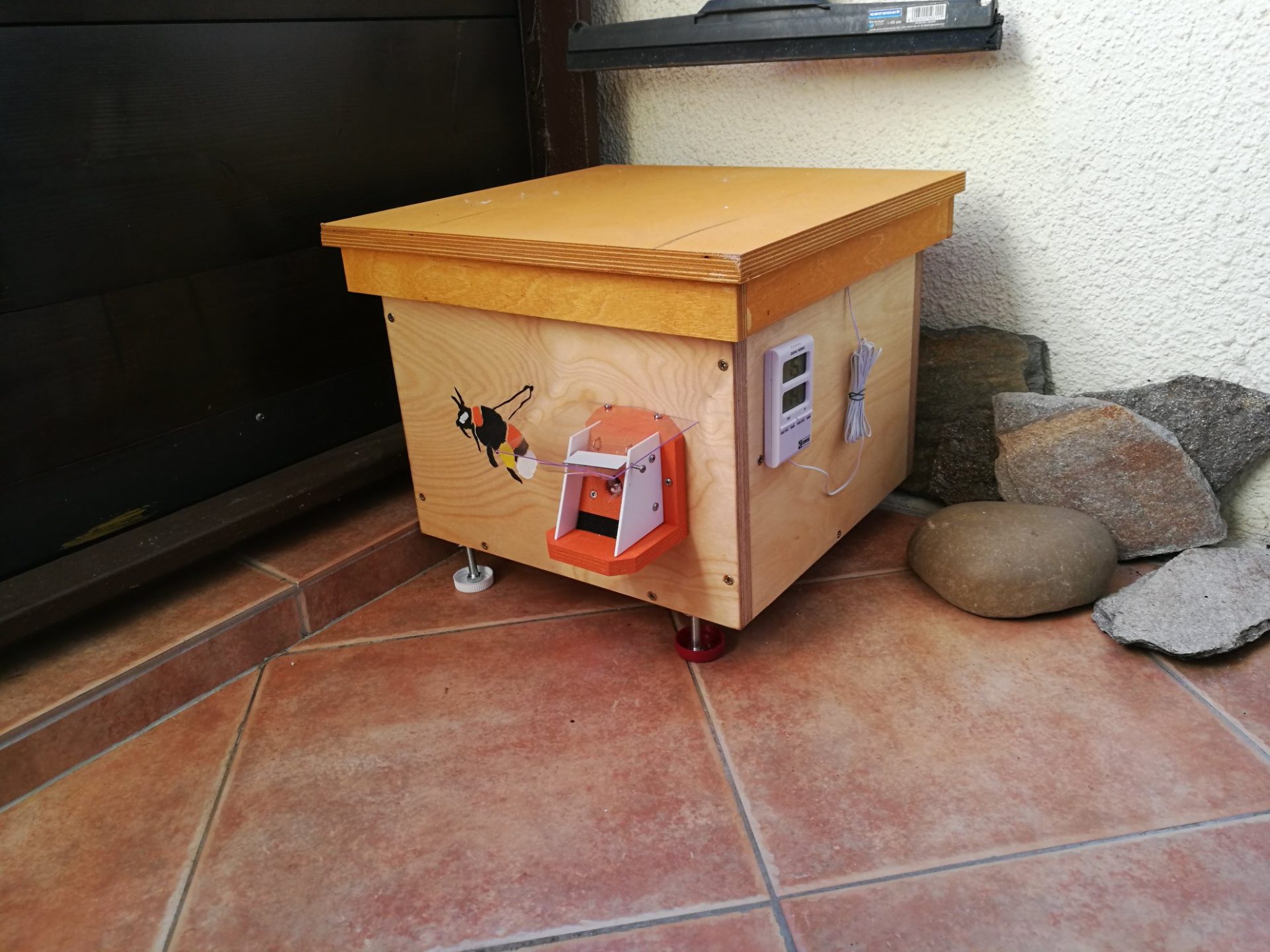
 
Bumblebees PLUS - Placing a hive on a balcony of a block of flats

The placement of a beehive on a balcony of a tower block
Photo by Š. Váchy
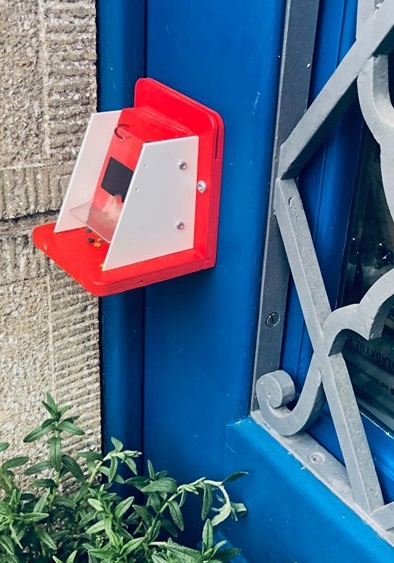
 
 
Bumblebees PLUS - Placement of the hive in the interior with a deployed flap

Location of the unit in the interior with an air outlet
Photo of K. Ráčková
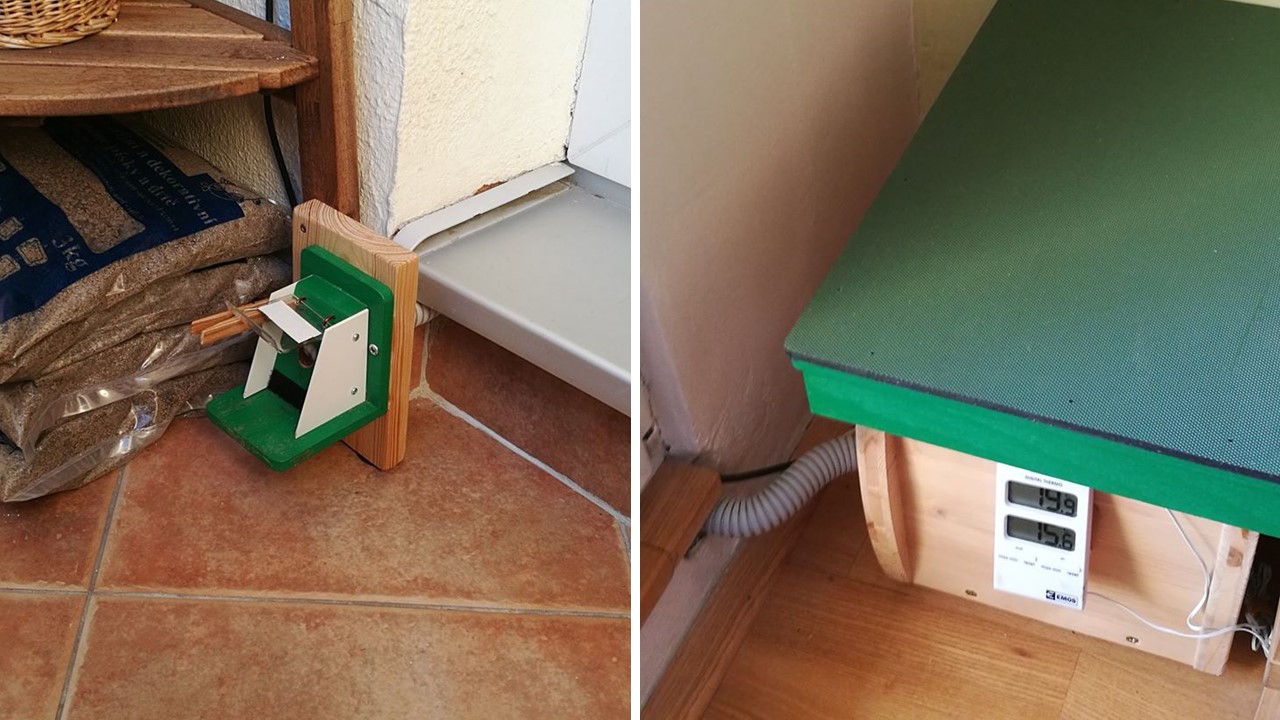


Bumblebees PLUS - Placement of the hive indoors with a flap leading out to the balcony

Placement of the ulcer in the interior with a flap leading out onto the balcony
Photo by Š. Váchy


A scare in the country

We do not have any recommendations here as we want to test the solution ourselves first.

Bumblebees often have their nests in the ground. A beekeeper can also prepare a ground nest for them. Such The nest has no problems with temperature regulation. and for some species, it's natural. In the country, there are natural conditions, humidity and temperature. 

However, there are a number of reasons why we will leave this solution for a separate post. 

Placing a beehive underground is quite complex. You have to consider several risks here, such as flooding of the hive, ventilation problems, moisture condensation and access to the hive, protection of the bumblebee colony, etc.
Therefore, this solution is not suitable for beginners.

A concrete feeder is also available on the market. We have not tested this product in practice and would be grateful for you to share your experiences. Rather, we are inclined to reject this solution due to the aforementioned risks.

We couldn't find any others on the market, however.

Certainly We do not recommend nests that are placed in the ground and have no chance to ventilate, check the state of the nest and deal with any emerging situations. 

Solution:

Since 2020 for you Bumblebees PLUS are testing a unique solution for an underground hive. We will inform you of the results.

Further solutions

There are a number of other solutions which fall more into the category for experienced breeders.
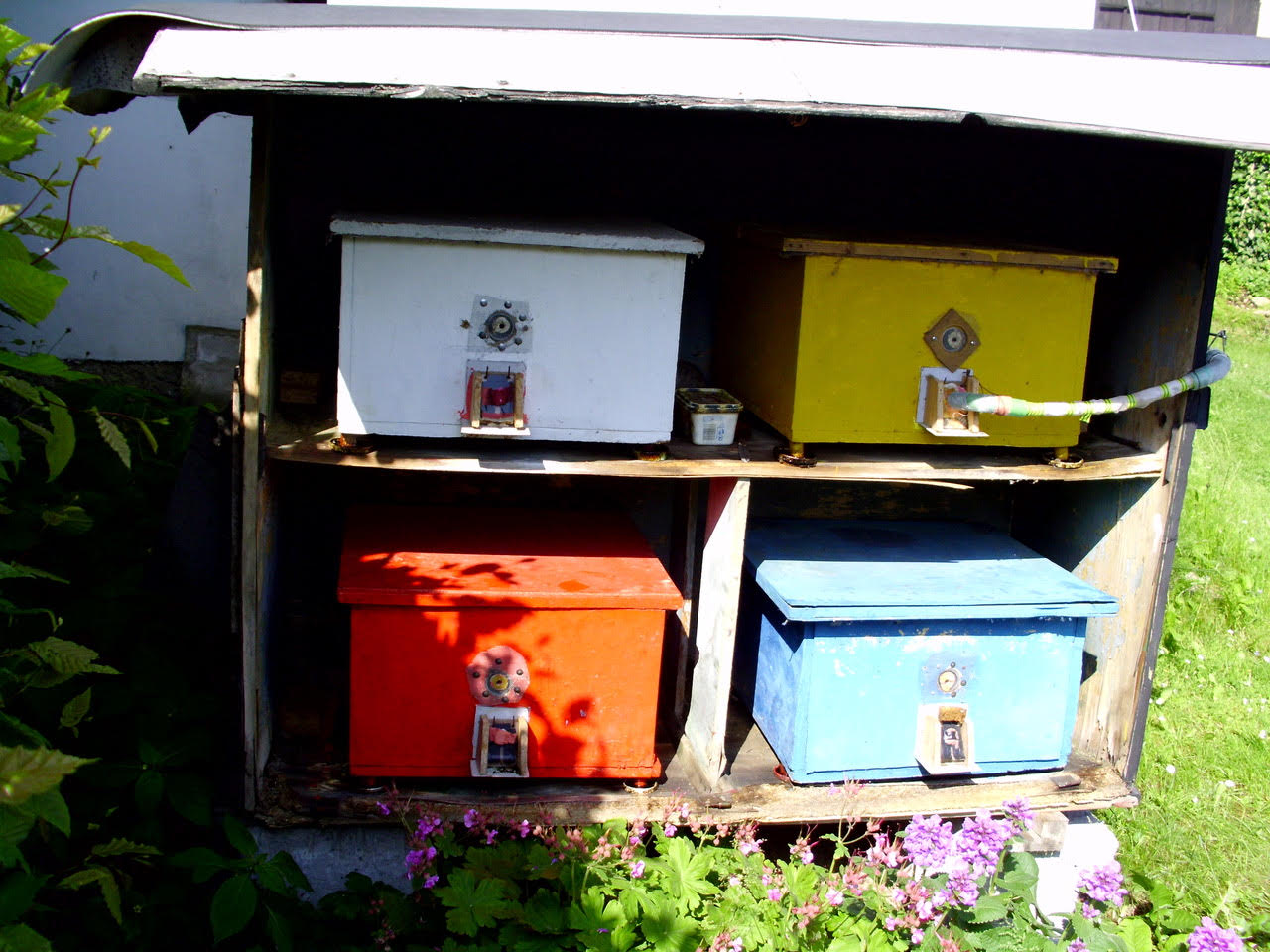
 

Bumblebees PLUS - Hives with a flap behind a long corridor

Ice formations under a shelter with a flap and with a flap behind a long corridor
Photo M. Stuchl and J. Čížek
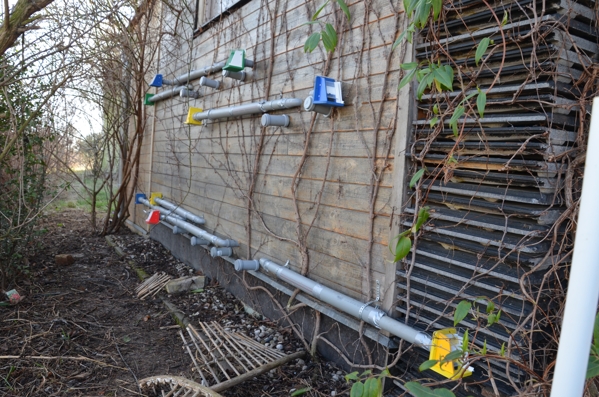
 
Bumblebees PLUS a demonstration of outdoor hive passages located inside a warehouse

Examples of owl outdoor enclosures located within a warehouse
Photo K. Kučera
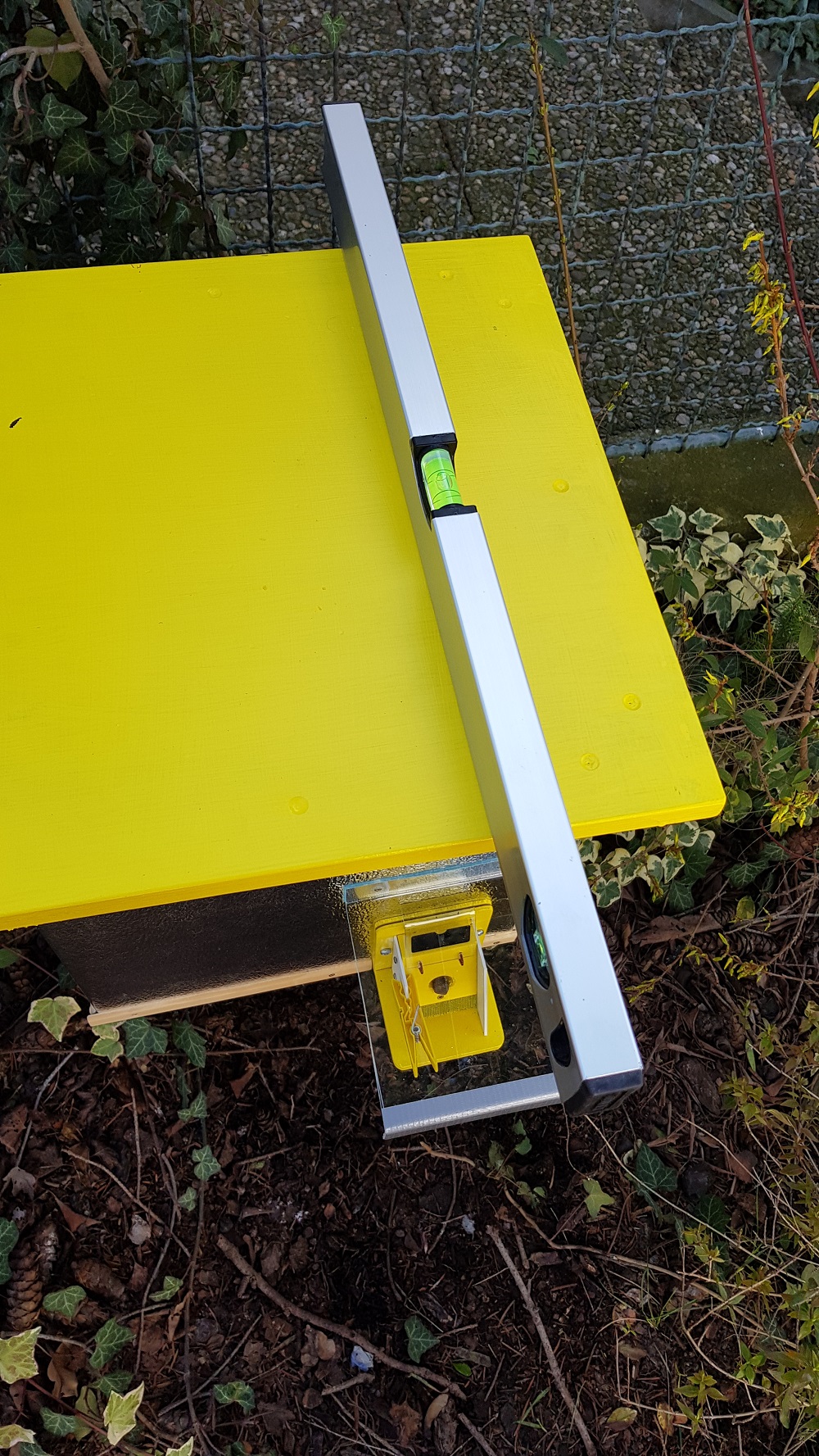
 

Aligning the alveolus to the plane
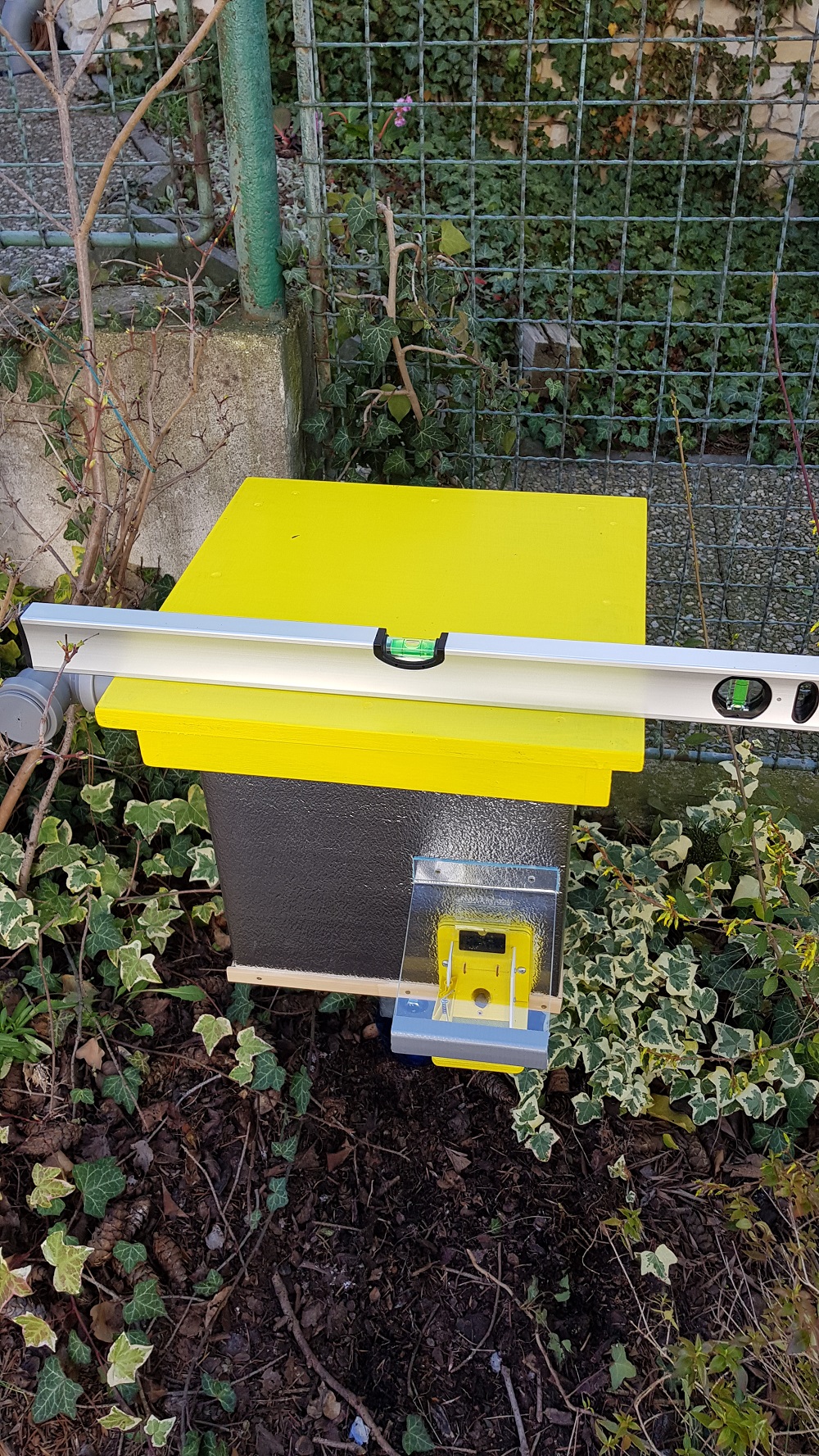
Each year, flap and its function are debated within bumblebee communities. Novice keepers often feel that the bumblebees are struggling with the flap. Consequently, they frequently leave the flap open, and it's „game over“ – parasites infiltrate the nest…

If is not properly constituted, it can cause the protective flap to malfunction. Just try to take spirit level And check it.

Hatch open:
a) stutters (fear is tilted to the side),
b) is the power of „heavy“ (stunned, leaning back), 
c) is the power of „light“(Fear is a bow forward).

So, a spirit level might save you unnecessary future headaches. And what if you don't have a spirit level? „Those in the know“ and housewives too – just place a bowl of water on the top of the hive, and that's it.

Bumblebees PLUS - Levelling the hive

Aligning the alveolus to the plane

Bumblebees PLUS - Levelling the hive

Aligning the alveolus to the plane