Bumblebee hive roof with removable insulation insert

Do-it-yourself roof with thermal and anti-parasitic protection

Author of the solution (idea): Ondřej Hercog and Čmeláci PLUS
Tested in practice: YES since the 2018 season
Testing results: verified, safe when following the production recommendations and usage methodology
Group of breeders for whom the tool is suitable: without restrictions
Justification: safe sealing of the roof, possibility of removing the thermal insulation insert in the summer months so that it is possible to cool the roof and thus the nest in the hive
Note: production technology according to one's own capabilities, but always so that the roof structure is rigid and resistant to weather conditions

Introduction

The roof is an important part of the hive and you can learn more about its importance for the hive HERE

Hive manufacturers are addressing these requirements with varying degrees of success. A similar roof to the one we will describe here is currently only produced by one manufacturer in the Czech Republic. The roof is designed in such a way that the thermal insulation board can be removed, which we consider to be a good solution.

We have therefore proposed a solution that eliminates any shortcomings of commercially produced roofs.

The roof according to our design is:

  • robust
  • graphite
  • seals well
  • heavy enough that the wind will not blow it away (this structure , measuring 50x50cm, weighs approx. 4.5kg)

Our solution also has the following advantages , if you remove the thermal insulation board, then the roof:

  • will still seal well
  • thanks to this solution, common types of parasites do not penetrate the nest
  • will sit at the same height thanks to the slatted frame
  • therefore it will not rest on the ventilation window or other parts of the structure

Making a quality hive roof yourself or modifying an existing one to the required parameters is not that difficult. But hopefully all manufacturers will make good roofs themselves and supply you with quality goods. Many of them already know how to do it = it's possible.

If the roof supplied by the manufacturer becomes loose or deformed during the season - file a complaint, as this will force the manufacturer to repair the roof. 

We recommend using this roof solution in combination with a protective net . This will significantly increase the protection of the hive inhabitants against parasite attacks.

We have written about our solution on our website repeatedly, see for example HERE
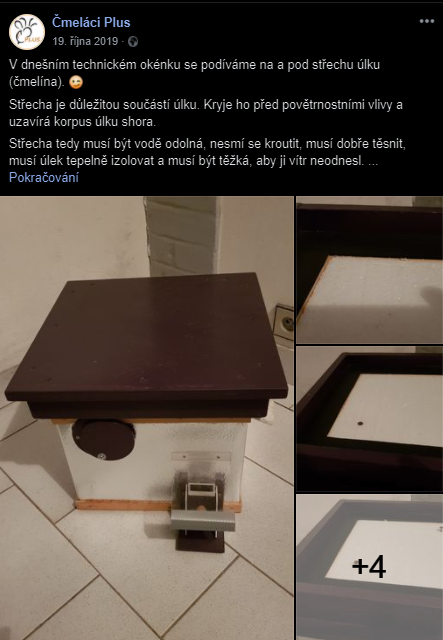
 

Bumblebees PLUS - Roof with removable insulation insert

Roof with removable insulation insert
Source FB Čmeláci PLUS
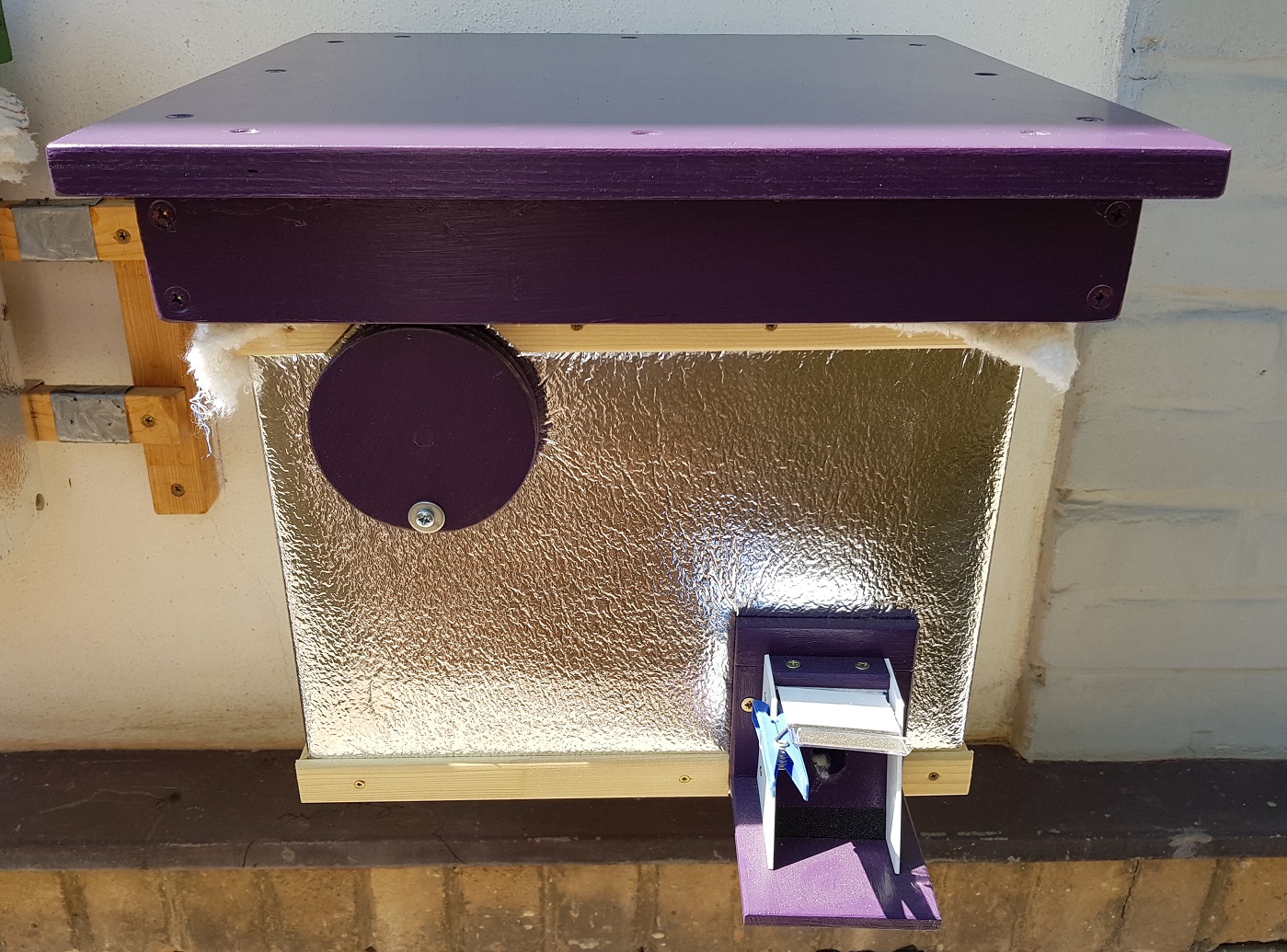
 

Bumblebees PLUS - The hive roof is installed and there is an absorbent cloth underneath to drain moisture

The roof of the hive is in place, with an absorbent cloth underneath to remove moisture.
Photo O. Hercog 6/2019
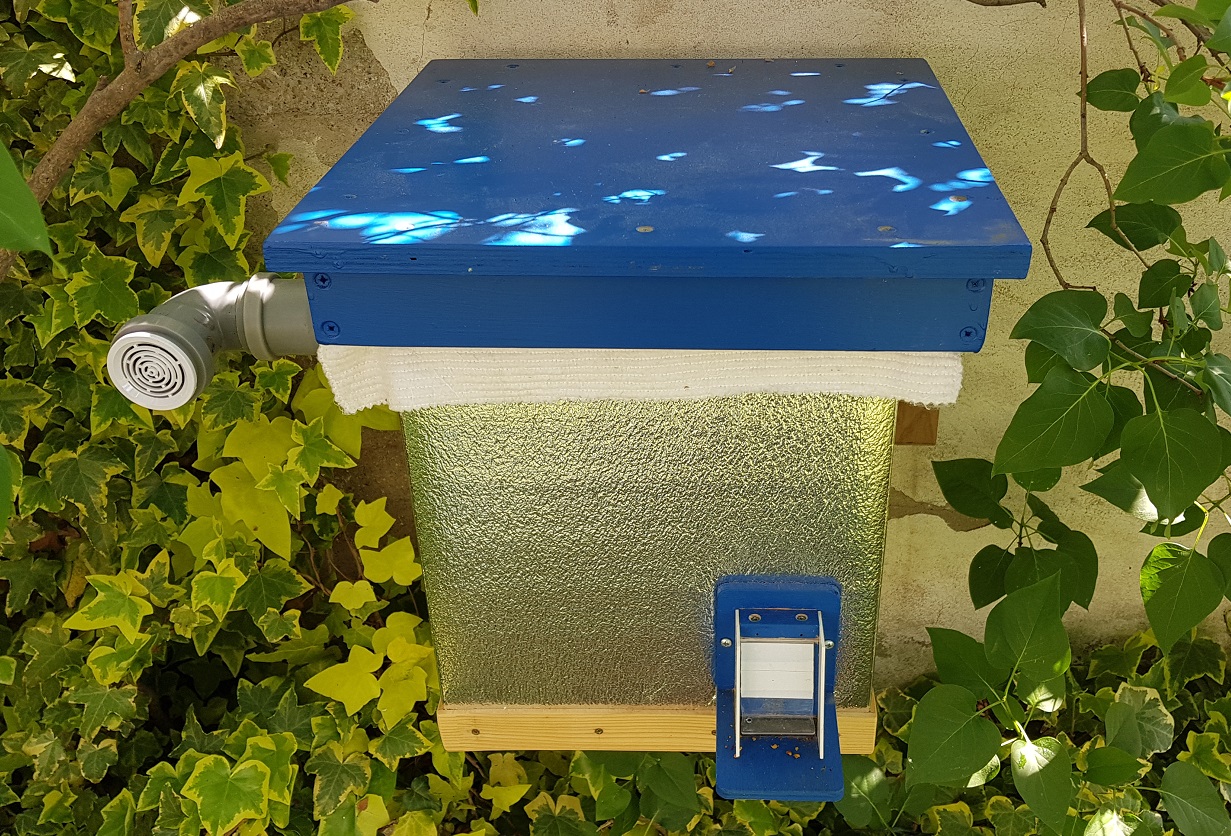
Bumblebees PLUS - Hive with ventilation from HT pipe

Awning with ventilation from a HT pipe
Photo O. Hercog 5/2020
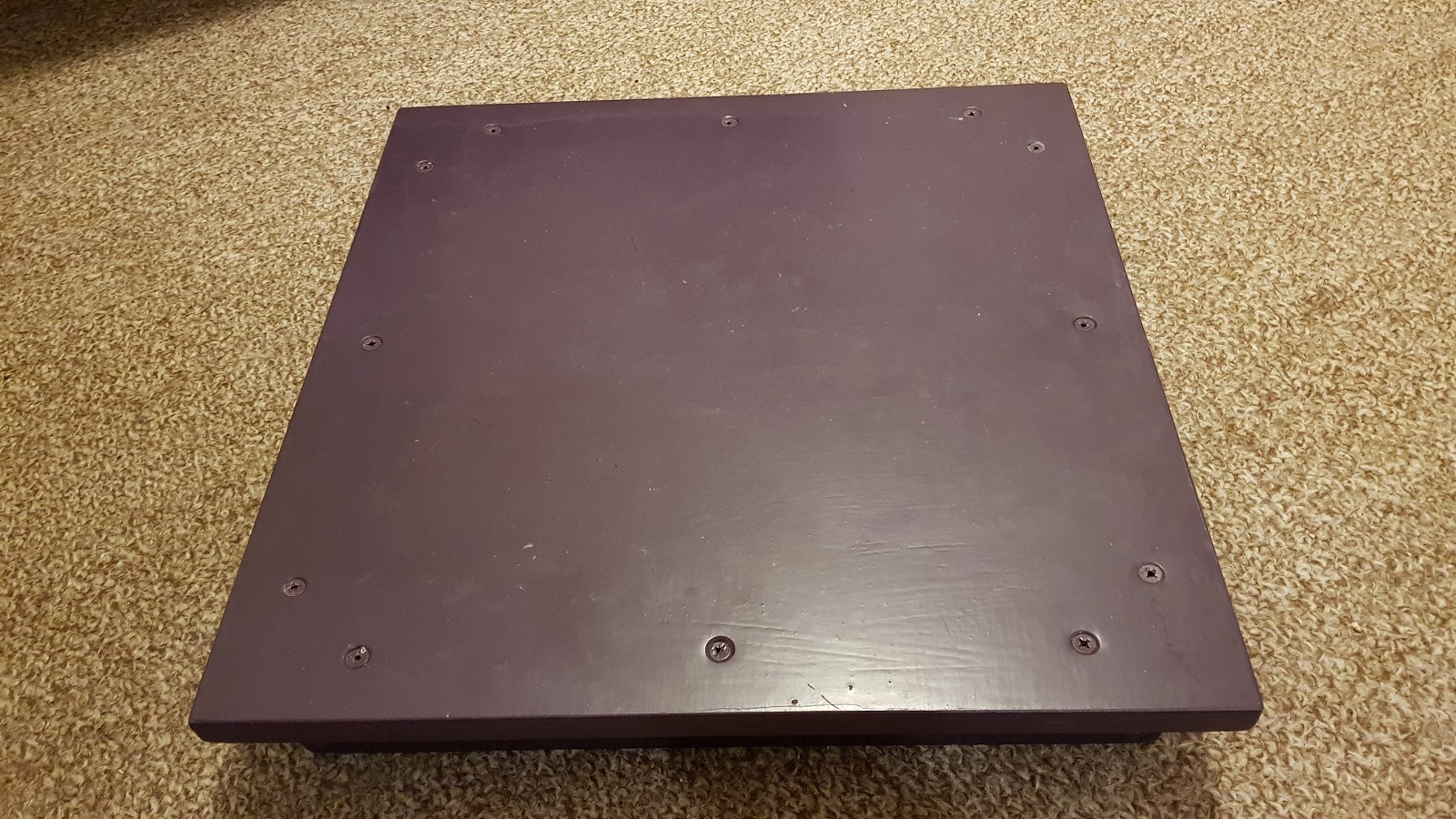
Roofing material

Waterproof plywood has proven very well for making roofs On the other hand, are not suitable , as they change their shape and properties when wet.

Material

  • Construction – concrete plywood is very good, it is homogeneous and has a surface treatment that makes it practically indestructible. This material can be purchased at a hobby market, where they will cut it to size for you and you just assemble the parts at home.
    The hobby market sells very suitable concrete plywood 18mm (dark)
  • Insulation board – polystyrene 30 mm
  • Laths – precisely planed spruce/pine laths from a hobby market, height 30 mm, width 40-50mm
  • Gasket – we recommend a low soft gasket, our design uses a gasket for fans, see recommended materials HERE
  • Silicone sealant – for sealing leaks and joints
  • Paint – acrylic paint for exteriors
  • Wood glue
  • Countersunk head wood screws – e.g. diameter 3-5mm, length 40-45mm (depending on the thickness of the board used for the roof of the structure
  • Additional roof plate (not documented in the photos) – a plate made of plastic or old PVC linoleum

Roof dimensions

The dimensions given here are indicative for a hive with a body plan of 30 x 30 cm. If you are making your own roof, adjust the dimensions to suit your hive.

Note: some manufacturers' hives have a design - the front wall has round side walls (large radius). This is just a design, there is no functional significance here. When applying our instructions, the radius will bother you, as well as when applying additional thermal insulation .
So adjust the roof structure, or consider whether to remove the radius from the wall (proceed with regard to the warranty period of the hive).

The frame that holds the roof onto the hive body has an overlap in height to prevent the roof from falling and also has clearance to the sides so that an absorbent cloth can be placed underneath it to drain moisture. 

If you make the roof precise, the cloth will not fit under it, and once the roof gets wet due to humidity, it will change size and will not be easy to put on or take off.

Solution:

  • overhang should be at least 5-10 cm from the hive floor plan (a larger overhang is better)
  • The frame that holds the roof onto the hive body has:
    height overlap to prevent the roof from falling
    clearance to the sides so that an absorbent cloth can be placed underneath to drain moisture
  • It is a good idea to attach (glue) an additional roof, for example made of old linoleum, with a floor area larger than the roof structure. This will create another safe overhang for rainwater to drain away.

Notice:

  • When constructing a roof, when applying a seal to the inner frame in the roof, choose a frame width that will seal even when the roof shifts sideways.
  • At the same time, do not make the seal wider, as sometimes bumblebees tend to chew through the seal.

Roof construction

Production process:

  • The roof consists of a flat plate with a square plan (here 50x50cm) and
    a perimeter frame with a height of approximately 50mm (for a batten height of 30mm and an overlap of 20mm).
  • The perimeter frame is connected with wood screws.
  • The perimeter frame must be made precisely so that it does not twist. It is recommended to use glue for the joints.
  • The perimeter frame is glued and screwed to the roof; use similar screws for assembly.
  • The inner frame is composed of precisely planed battens.
  • The frame parts are inserted into the roof structure on a layer of glue and screwed in with screws.
  • to seal joints and any leaks with silicone sealant.
  • Paint the roof .
  • Provide the inner frame with a seal.
  • Be precise when – there must be no gaps in the joints. This can be solved by first gluing the gasket on two opposite sides.
    Make the gasket strips that you insert between them a few mm longer = the gasket will expand after gluing and will seal well even in the joints.

Notice

  • If you have provided the hive body with a seal, additional sealing on the roof is not necessary.
  • When constructing a roof, when applying a seal to the inner frame in the roof, choose a frame width that will seal even when the roof shifts sideways.
  • At the same time, do not make the seal wider, as sometimes bumblebees tend to chew through the seal.
  • For the same reasons, a high seal is also not suitable.

Control

  • There must be no leaks in the structure and the roof must not twist - it would not fit the hive body. 
  • If the roof does not fit exactly over the entire length of the hive body, even small leaks will occur, which are an easy entry point for parasites. 
  • The beekeeper may only discover the error when looking for the cause of an attack on an otherwise well-secured hive.
 
Bumblebees PLUS - Beehive roof without additional insulation against rainwater

Bumblebees PLUS – Beehive roof without additional insulation against rainwater
Photo O. Hercog 6/2019
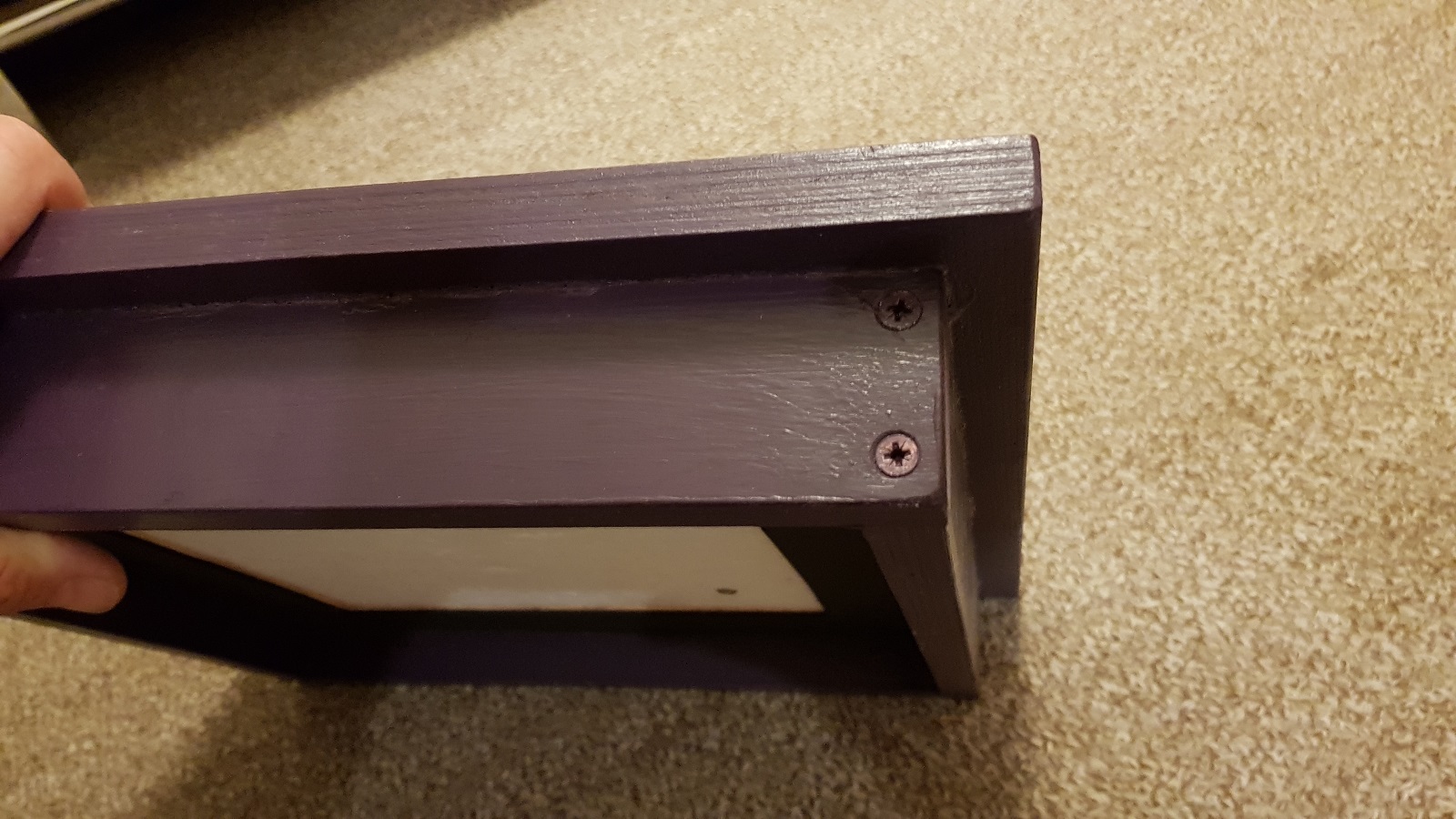
Bumblebees PLUS - Hive roof detail of frame construction

Beehive roof, detail of frame construction
Photo O. Hercog 6/2019
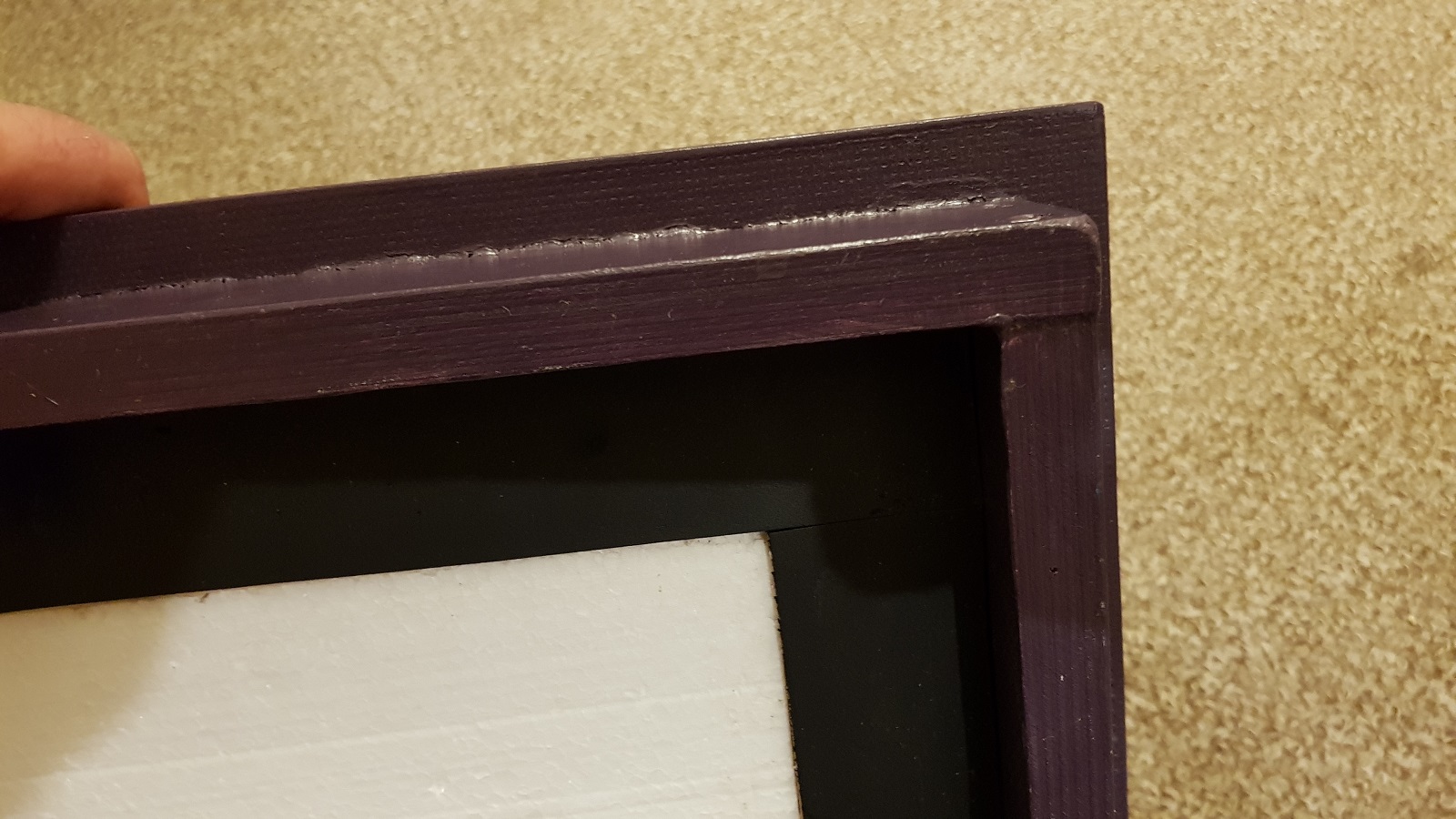
Bumblebees PLUS - Hive roof detail of frame construction

Beehive roof, detail of frame construction
Photo O. Hercog 6/2019
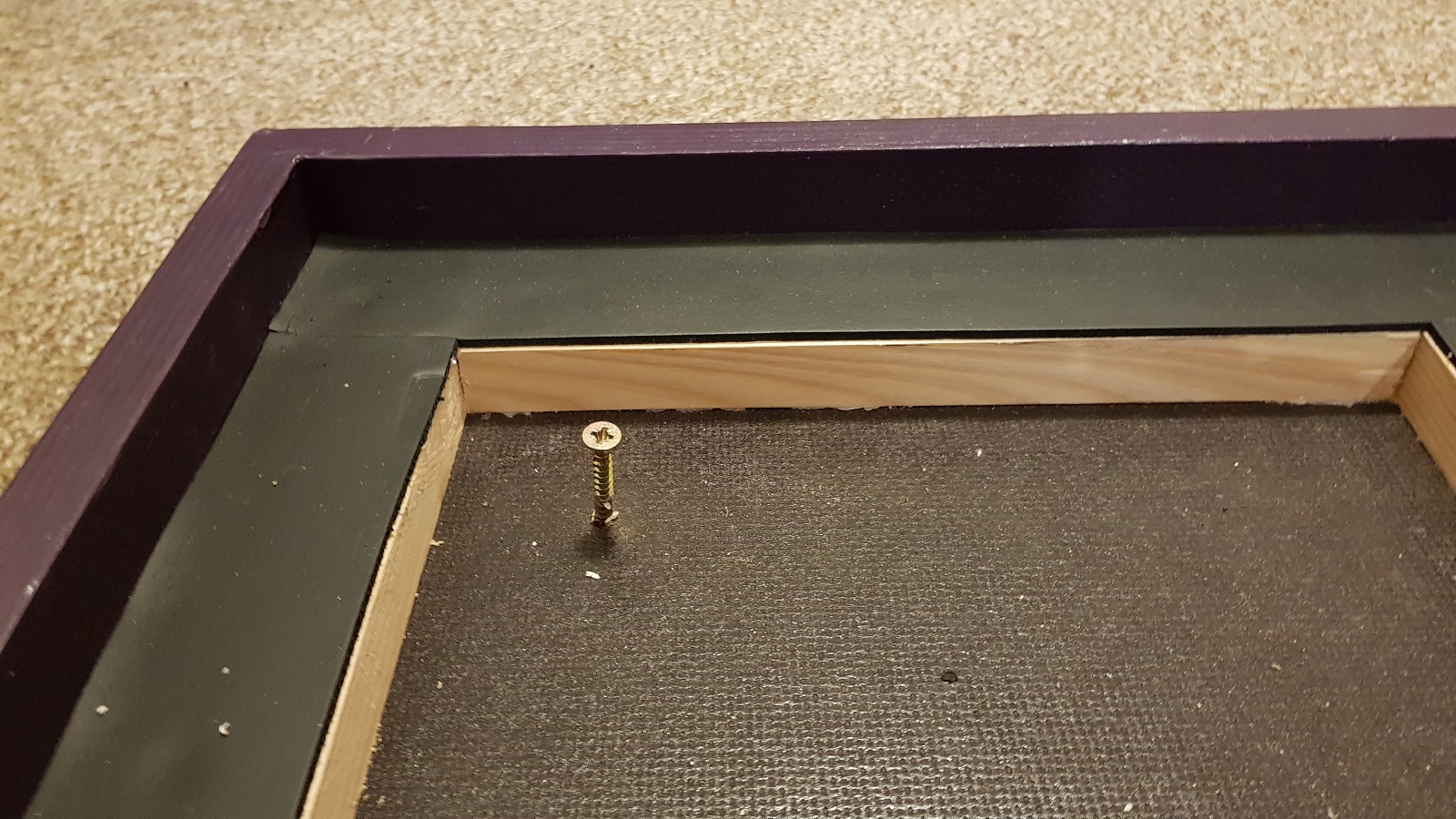
 

Bumblebees PLUS - The roof of the hive with the thermal insulation removed - view of the inner frame and gasket

The roof of the hive with the thermal insulation removed - view of the inner frame and gasket
Photo O. Hercog 6/2019
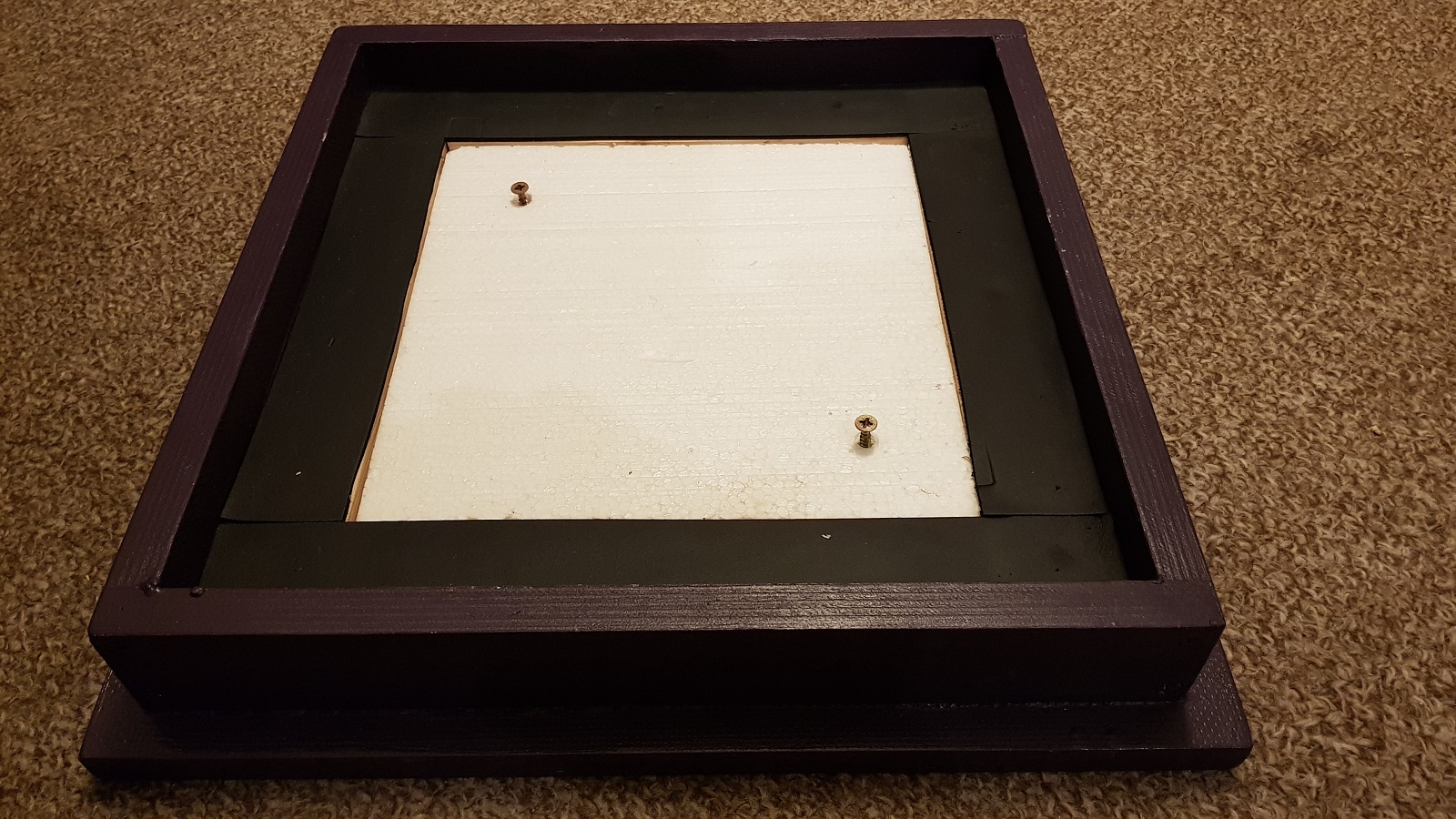
 

Roof thermal insulation

The roof, like the hive body, must form the thermal insulation of the hive.

Procedure:

  • Cut and insert a polystyrene board into the inner frame.
  • Secure the board with one or two screws with a larger head

Notice:

  • If the polystyrene board is not protected against bumblebees, it is better to throw it away after the season and replace it with a new clean one.
  • In the 2020 season, we recorded a number of cases where the larvae of the parasitic beetle Antherophagus nigricornis
 
Bumblebees PLUS - Hive roof with thermal insulation

Roof of the hive with thermal insulation
Photo O. Hercog 6/2019
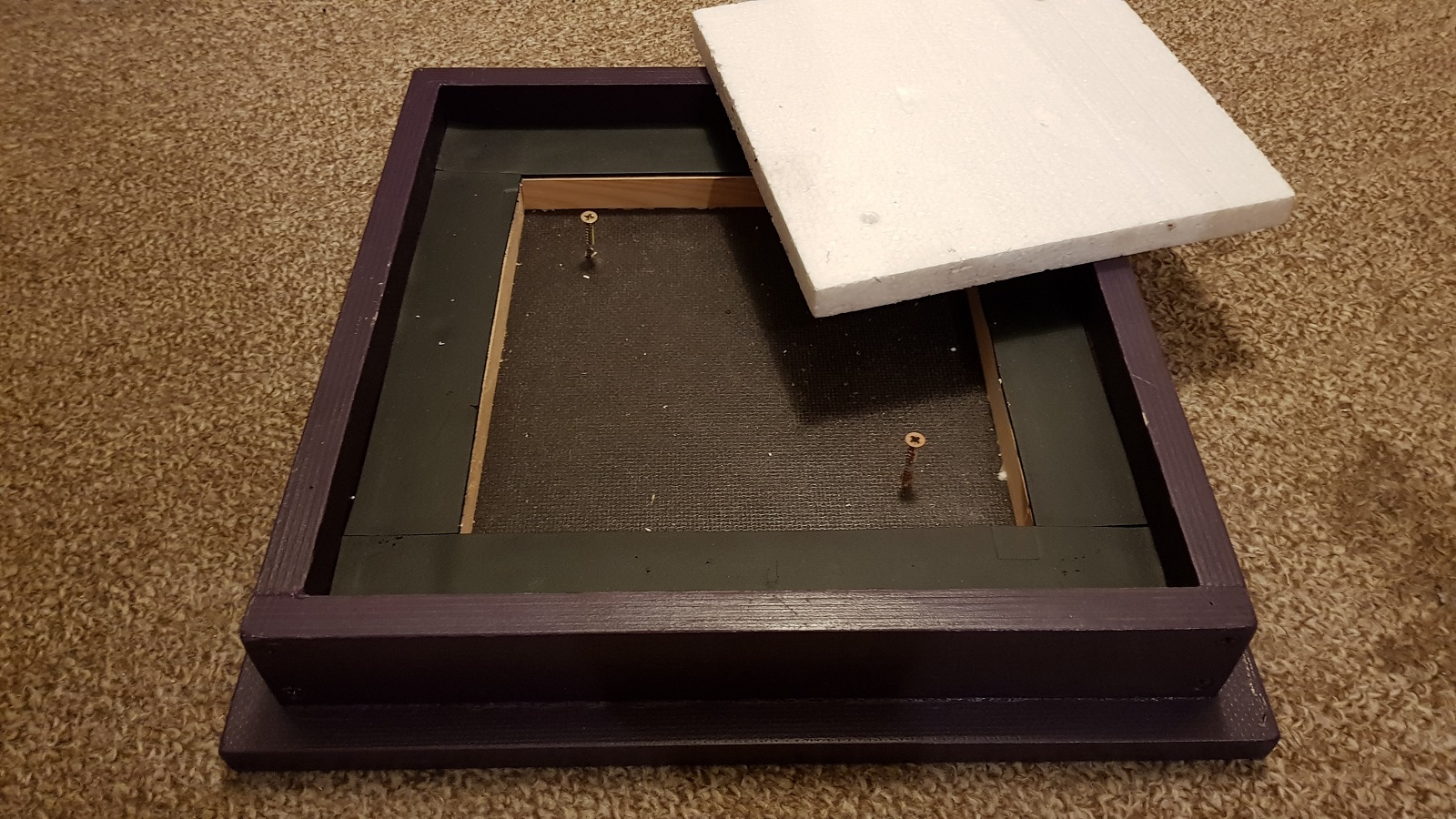
Bumblebees PLUS - Beehive roof with thermal insulation removed

The roof of the hive with the thermal insulation removed
Photo O. Hercog 6/2019


Additional roof insulation against rainwater

It is worth making or purchasing a roof from quality material. You can extend the life of the roof by attaching an additional waterproof layer to its upper side and adding a quality coating.

The important thing is that you can create a larger overhang for rainwater drainage but you will not unnecessarily increase the weight of the roof.

Procedure:

  • As an additional layer , attach a plastic sheet to the roof – PVC sheets are available in hobby stores. You can also use old linoleum.
  • It is optimal to glue such insulation, for example with Chemoprene.
  • Don't use asphalt strips - they would stink.
  • We do not recommend using sheet metal , as it will heat up in the heat and the hive would overheat. Raindrops falling on the sheet metal would also disturb the hive inhabitants.
    Note: some manufacturers use it, we will wait for the experience of a larger number of keepers
  • If you are going to add additional insulation to the roof, make it overlap by at least another 20 mm on each side - water will drip better and will not flow into the roof structure.