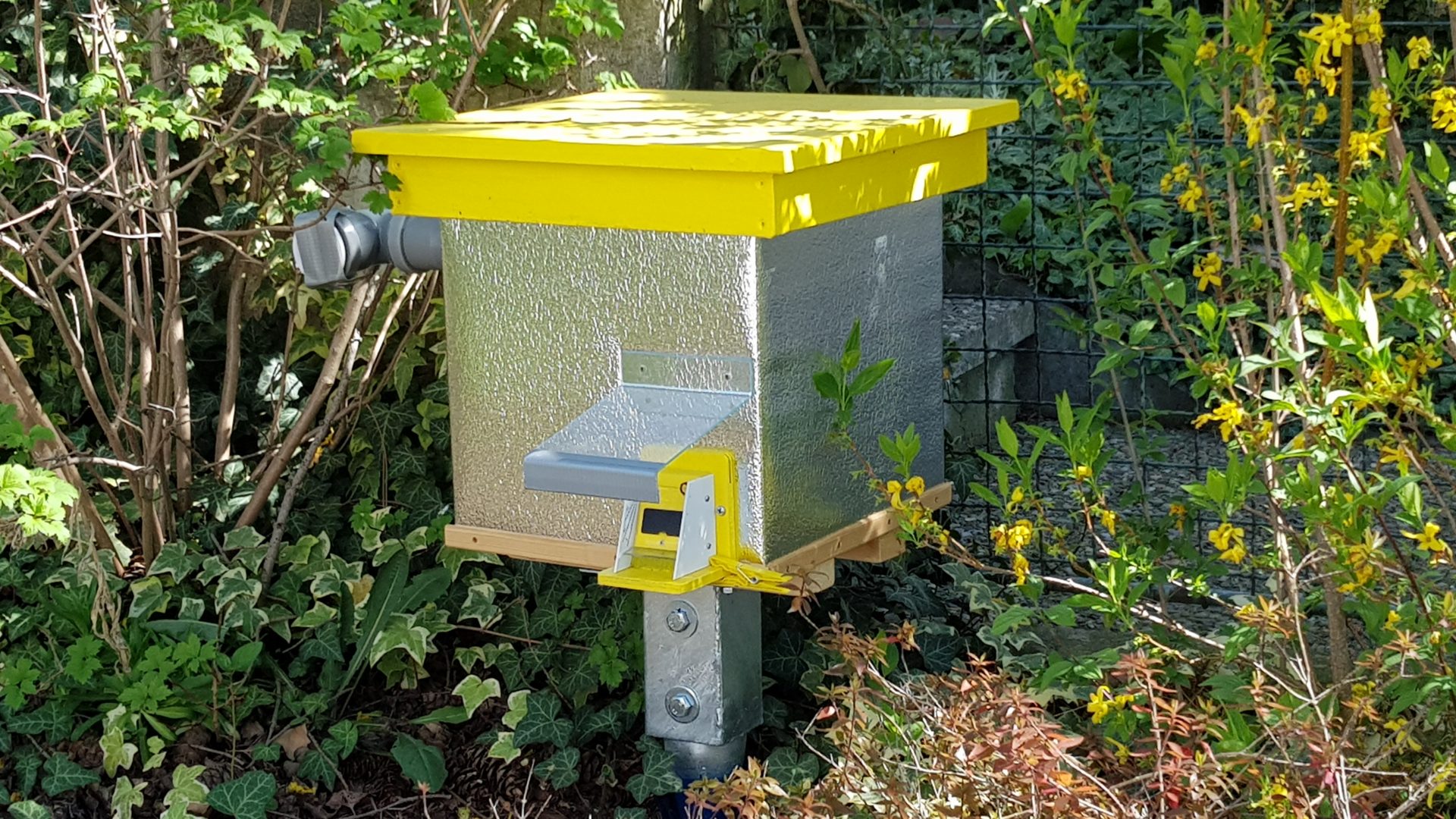
Polystyrene in passive hive insulation, benefits, disadvantages, applications
Author of the solution (idea): Ondřej Hercog
Tested in practice: NO – will be tested in the 2021 season
Testing results: so far the measurement is in model conditions, but promising results
Group of keepers for whom the tool is suitable : without restrictions
Justification: an effort to improve the thermal insulation properties of the hive so as to reduce the rate of temperature changes in the hive depending on the ambient temperature
Note: the solution is one of the options for improving the thermal comfort of the hive for bumblebees, which is being tested by the Čmeláci PLUS group
Last updated: 12/2/2022
Thermal insulation of beehives (bumblebees) – an introduction to the issue
Here we will focus on improving thermal insulation. Thanks to this solution, we have achieved very good results.
You can read more about this issue HERE
Modification of a bumblebee hive to improve its thermal insulation properties
For the tests we used a large one, with a cavity between the walls of 30 mm . Its properties were very good, but the weight increased significantly .
Therefore, we have proposed a simpler solution that we are testing.
As part of our modifications, we were looking for an alternative that could be created at home by ourselves . If the functionality of this solution is confirmed, it is a chance and inspiration for DIYers to modify commercially available hives or to produce new models.
As a basis for the modification , we used a classic model of a hive in the shape of a cube with a side of 30 cm . You know such hives from our website. We designed the modification so that it could be covered with a 30 mm polystyrene board on the outside.
This in itself is not difficult. However, we were looking for a solution that would provide protection for the edges in places where they could be damaged. You can see how we managed to do it in the photo documentation.
We measured the modified and it was confirmed that there was a significant reduction in the rate of changes in the air temperature in the hive. So far, it has been confirmed that the material wrapped in thermal insulation also works better in this case than the insulation inside the hive. In addition, the insulation must be changed after the season.
They measured situations where a heated hive was moved from the exterior to temperatures close to freezing. We also measured the rate of temperature change in the hive after we moved it from the cold to the heat – see the graphs above.
From the measurements , it appears that the modifications have achieved the desired goal , which is to improve the thermal properties of the classic passive hive .
Now we want to test the shock during the season to confirm the result.
The bumblebees will decide the success, they have the final say. If they thrive in the hive, we will confirm the modifications as functional and recommend them to others.
Description of modifications
Default state
a classic joke that is several years old :
- Dimensions: cube with a side of 30 cm
- Material: glued wood
- Wall thickness: 25.4 mm (1 inch)
We dismantled all components from the hive and removed the seals. We left the original additional insulation made of Mirelon foil .

Hive (bumblebee) of classic design
Cube with a side of 30 cm
Homemade
Photo O, Hercog (5/2020¨)
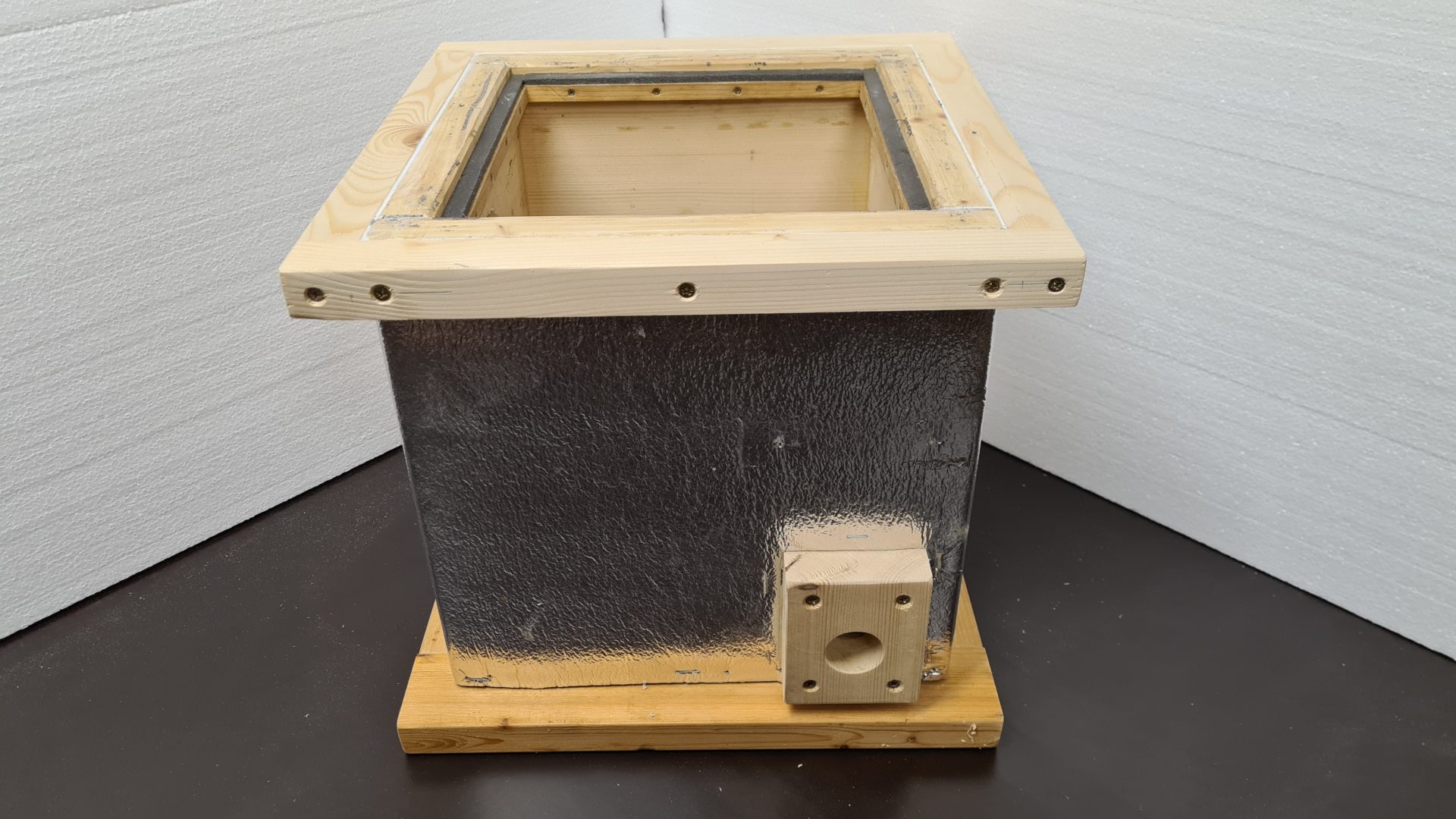
Modifications made to the hive structure
A brief description of the modifications follows. We recommend reviewing the photo documentation . We do not list all dimensions because they correspond to the specific hive that we modified.
Top side
- The body of the hive was supplemented with a collar the upper side .
- This part created the upper side of the space for inserting polystyrene with a thickness of 30 mm. The part also serves as an extension of the sealing surface.
Note
- it is worth choosing a height of 33-35 mm, because the thickness of the polystyrene board must also be taken into account in the thickness of the Mirelon foil. - Mirelon was removed at the interface and the new edge was clamped
- The part was attached with screws to the sides of the hive body, the contact surfaces were glued with wood glue
- The upper surface was ground to y-planes.
- The edges of the collar were ground to a small radius.
Bottom side
- a piece was glued and screwed to the underside , which defined the underside of the insulation space.
- This part allowed the insulation board to be inserted from the underside of the hive .
- Feet or a structure for mounting on a stand can be attached to the bottom part
Ventilation
- A wooden piece was screwed to the side of the body in place of the ventilation hole to adjust the outlet of the ventilation hole. Board thickness 32-35mm.
- After wrapping the hive, Mirelon insulation foil is clamped into this part.
Inlet hole
- Similar to the ventilation hole, for the entrance hall set Board thickness 32-35mm to even out the mirelon layer under the polystyrene
- a protective flap is screwed onto this part a protective canopy above it (for example, if you use the canopy according to our instructions ).
- Attention – without this part there would be nowhere to attach the flap and canopy!
We recommend
- Grind the inserted parts flat
- At the same time, we recommend sanding the edges of the inserted parts so that they do not damage the insulating foil.

Modification of the street body - general view
Photo O. Hercog (2/2021)
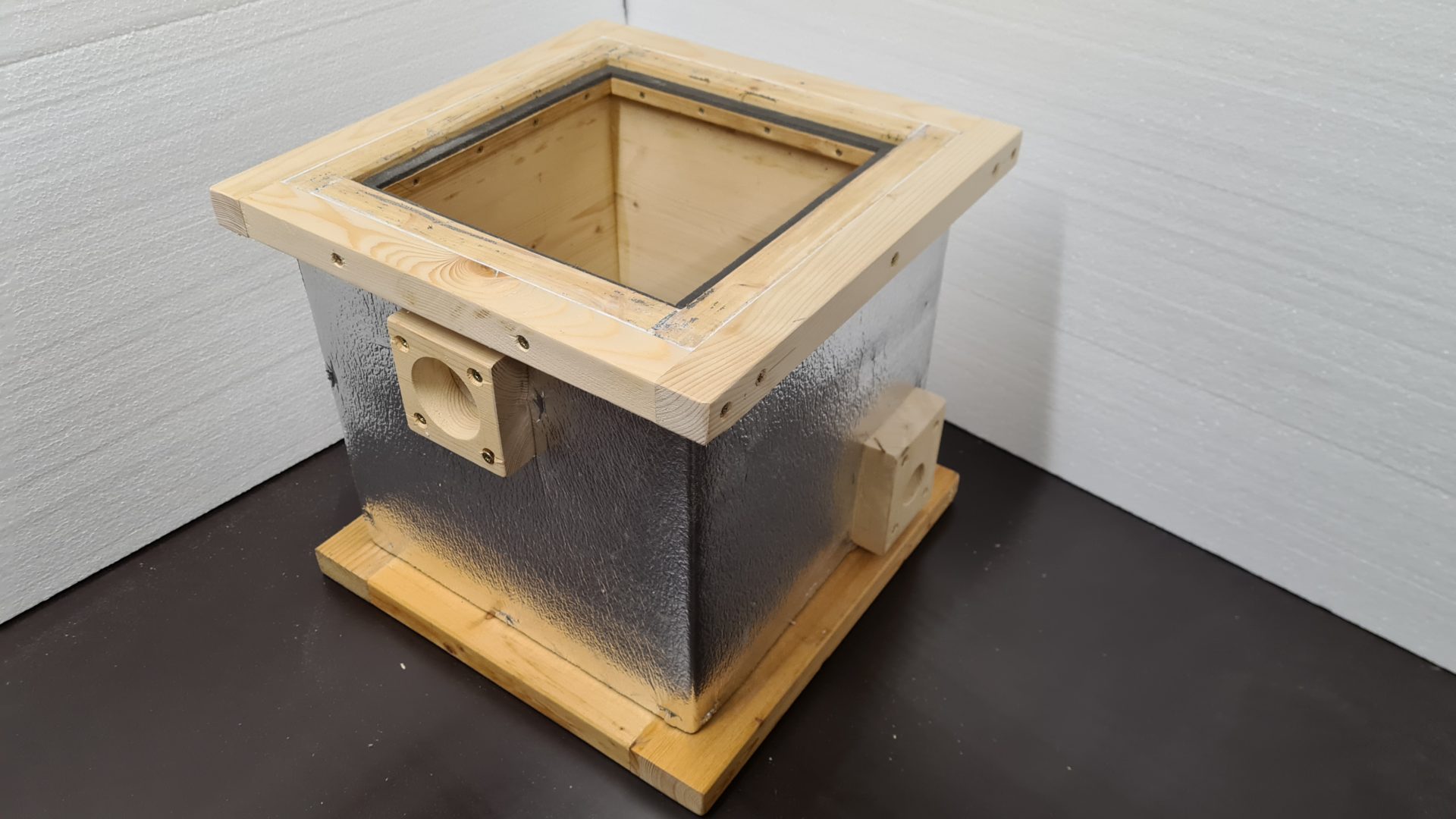
Modification of the street body - general view
Photo O. Hercog (2/2021)
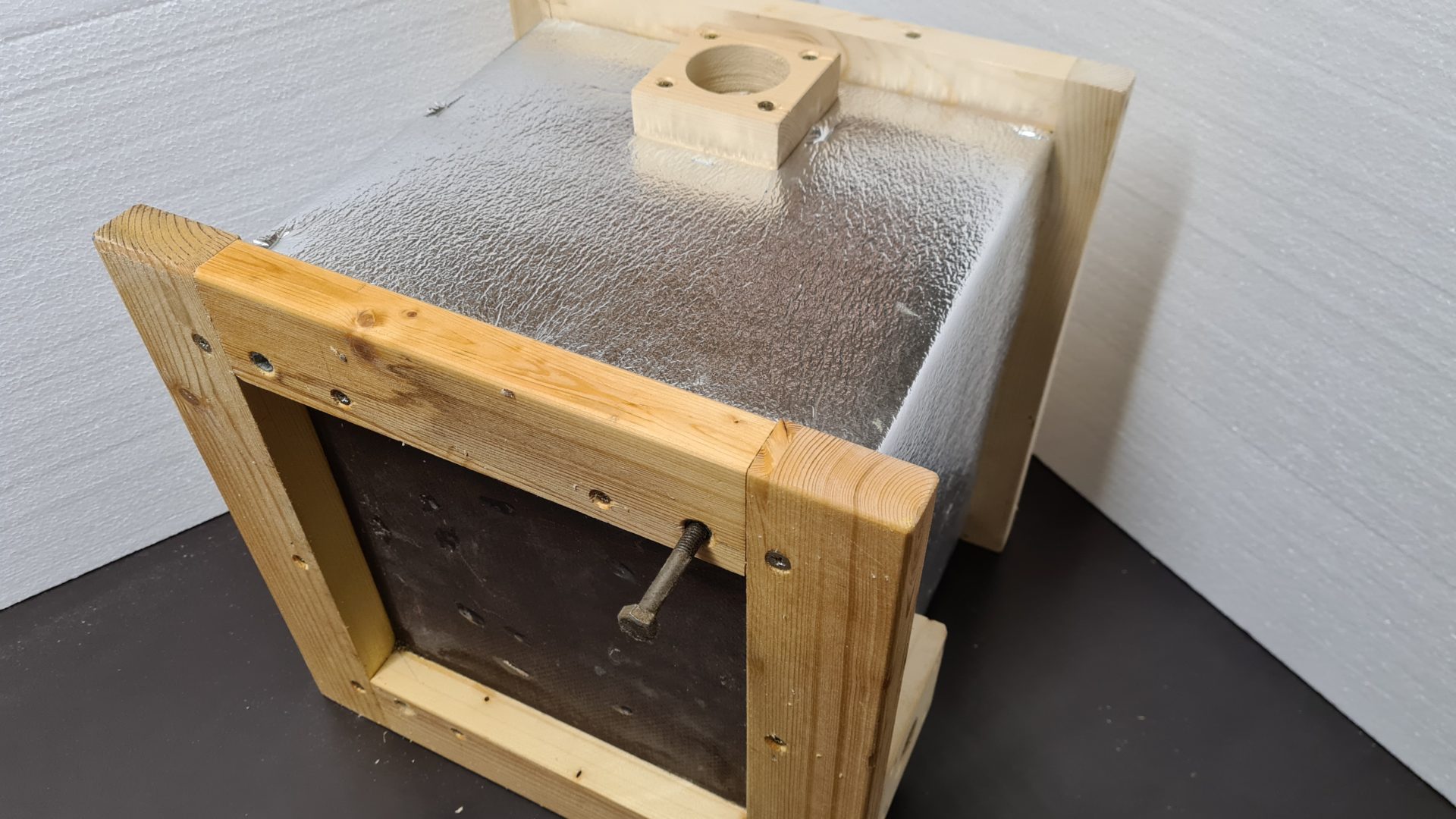
Modification of the body of the alley - detail of the lower part
Photo O. Hercog (2/2021)
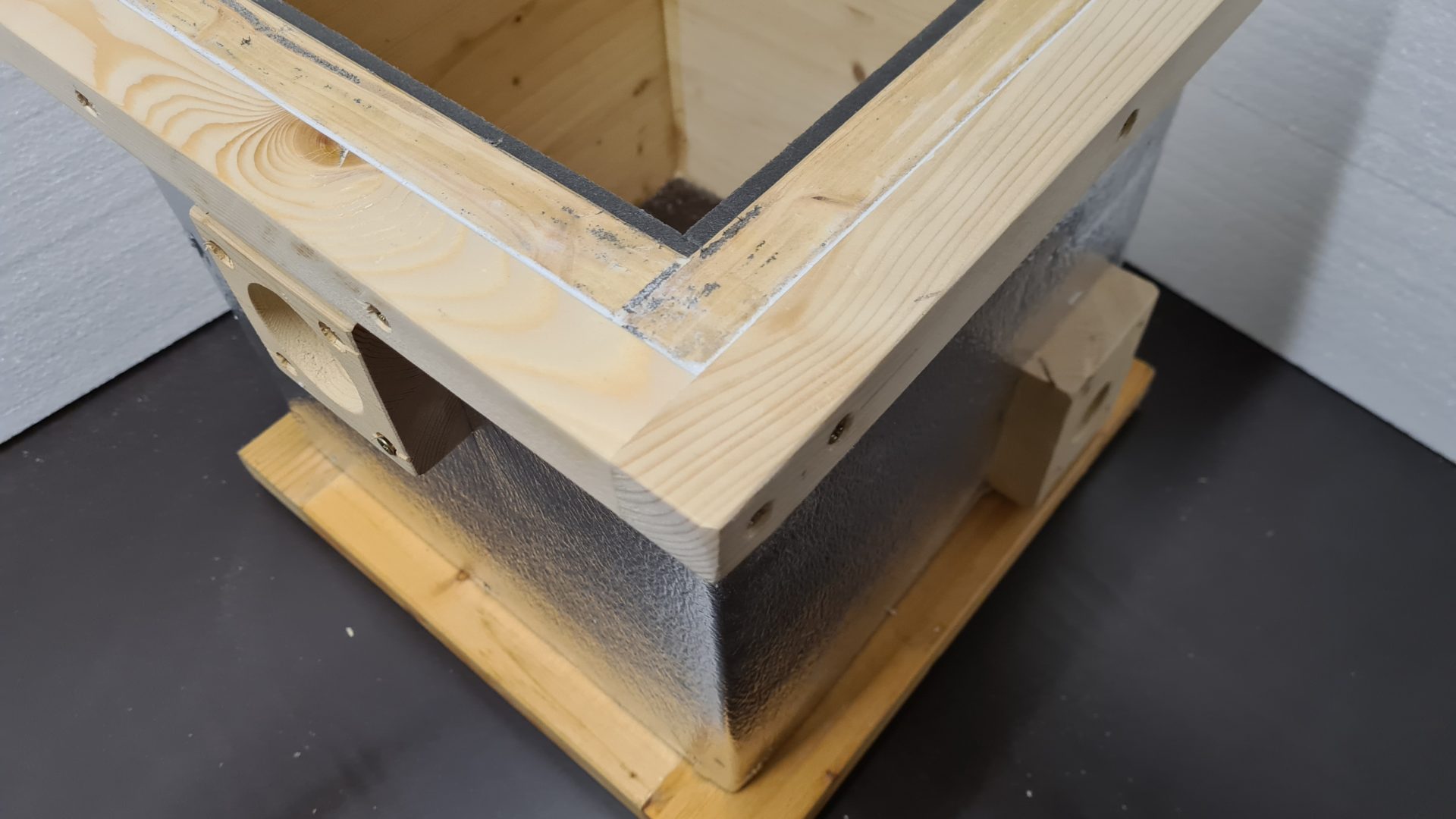
Modification of the hive body - detail of the upper part
Photo O. Hercog (2/2021)
Inserting insulation
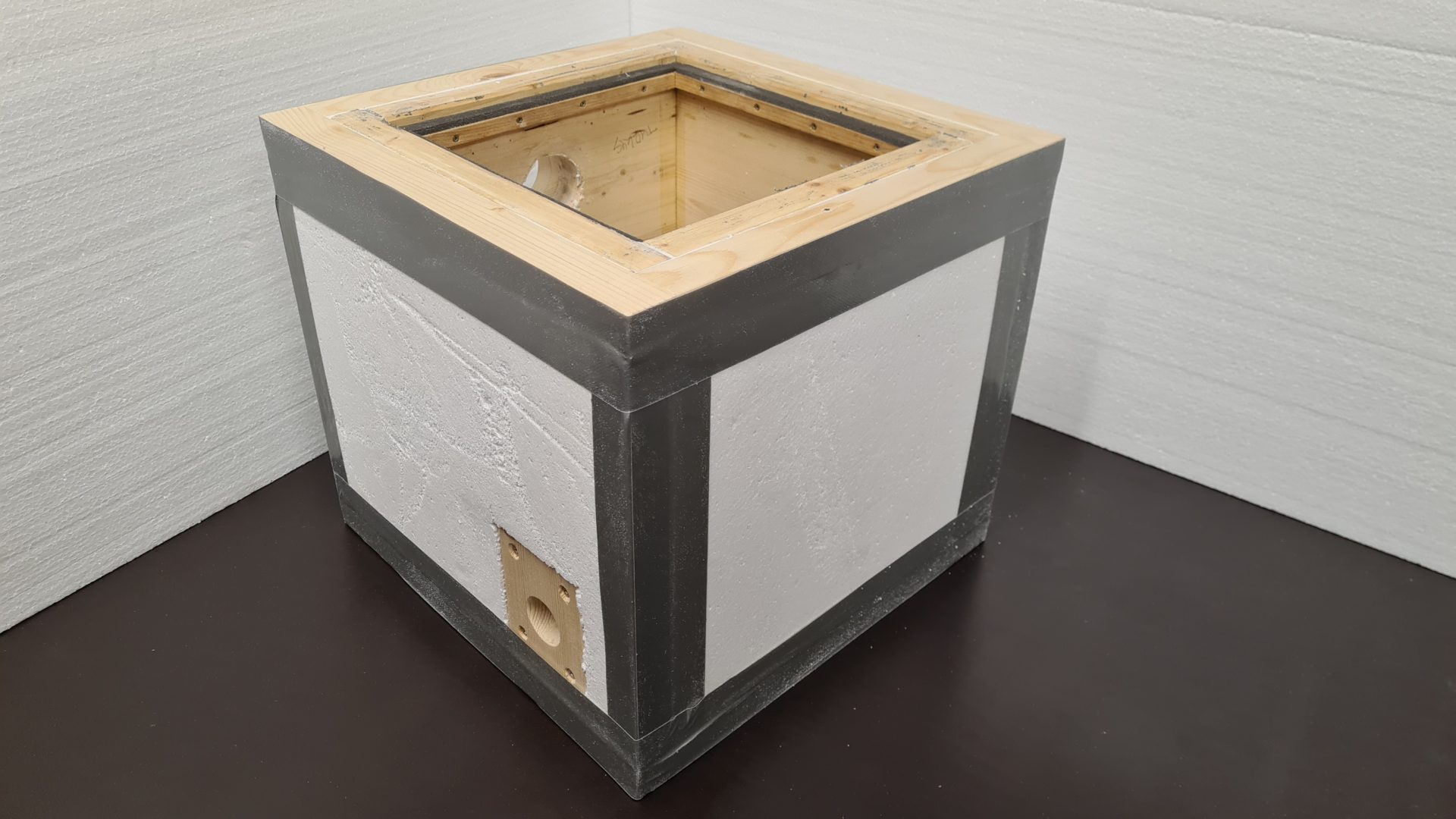
- Boards were cut from a 30 mm polystyrene board and inserted into the structure - on the sides and under the bottom of the hive.
- If you work accurately, the boards will hold themselves in the defined space during assembly
- Irregularities and overlaps were sanded flat with emery cloth (grinder)
- The joints were covered with adhesive tape.
- The vertical edges were taped for reinforcement .

Modification of the body of the alley - Polystyrene inserted into the structure
Photo O. Hercog (2/2021)
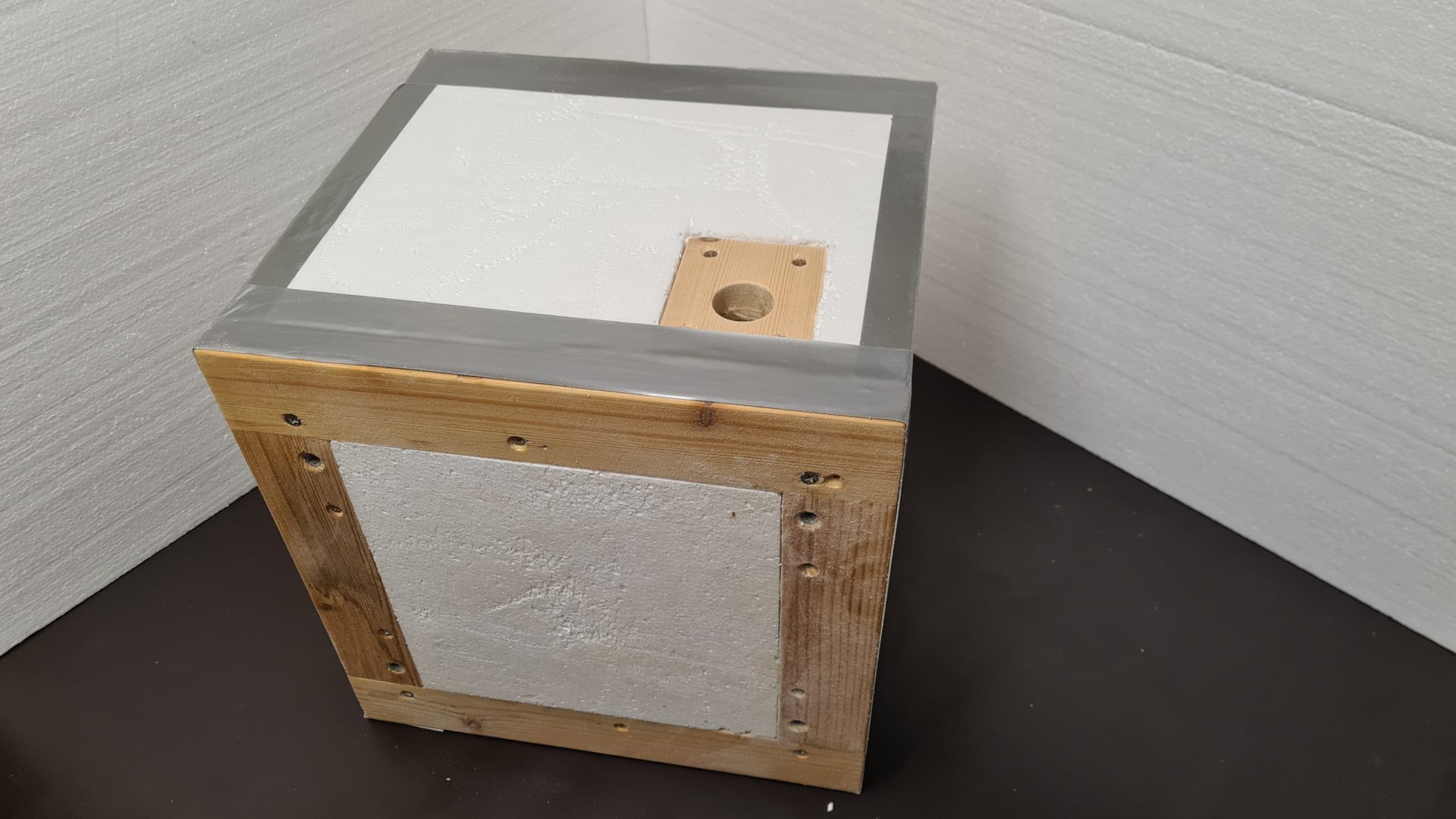
Modification of the body of the alley - Polystyrene inserted into the structure - view from the bottom
Photo O. Hercog (2/2021)
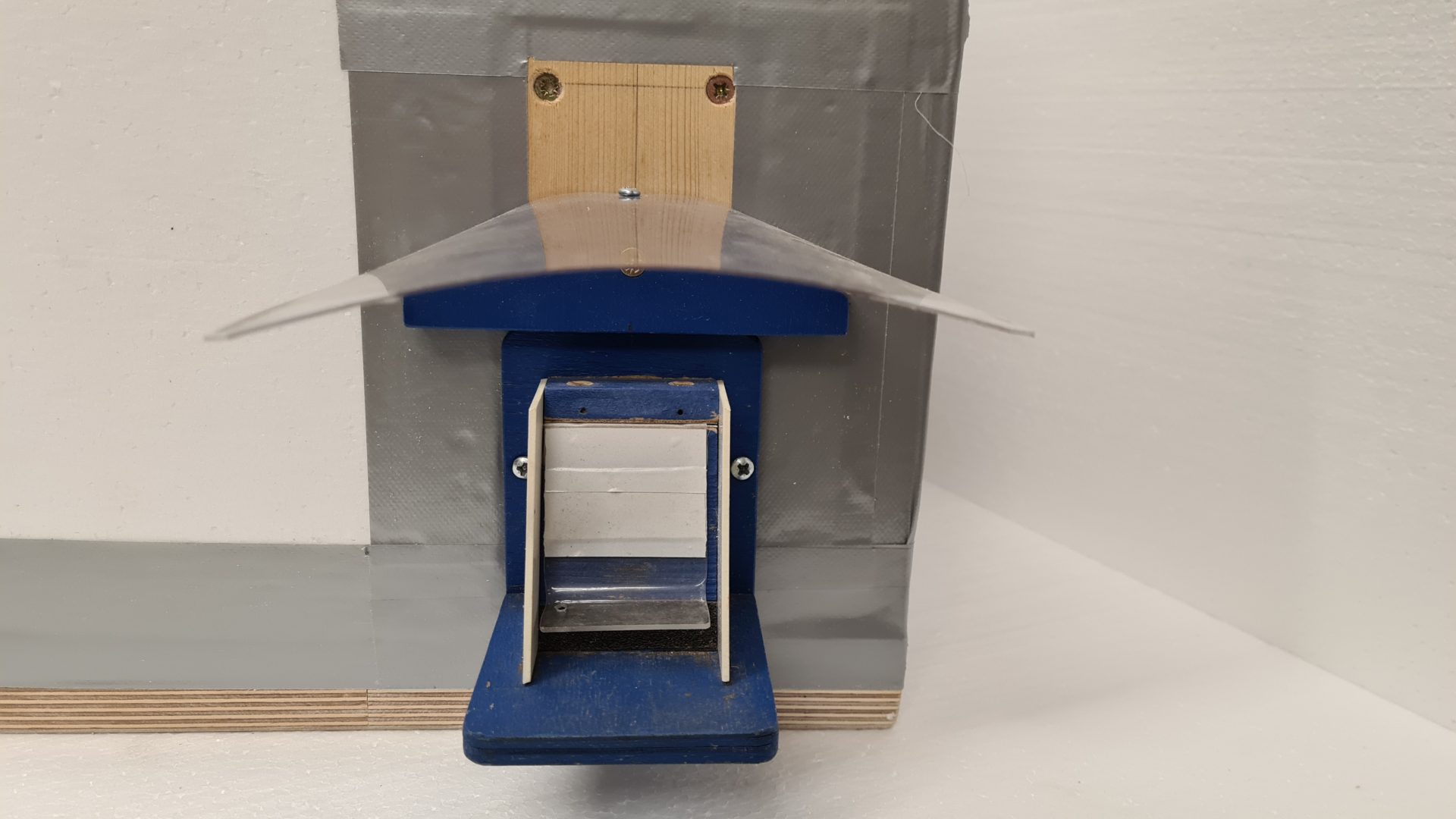
Modification of the body of the ulk – d9l to attach a protective flap and canopy
Photo O. Hercog (2/2021)
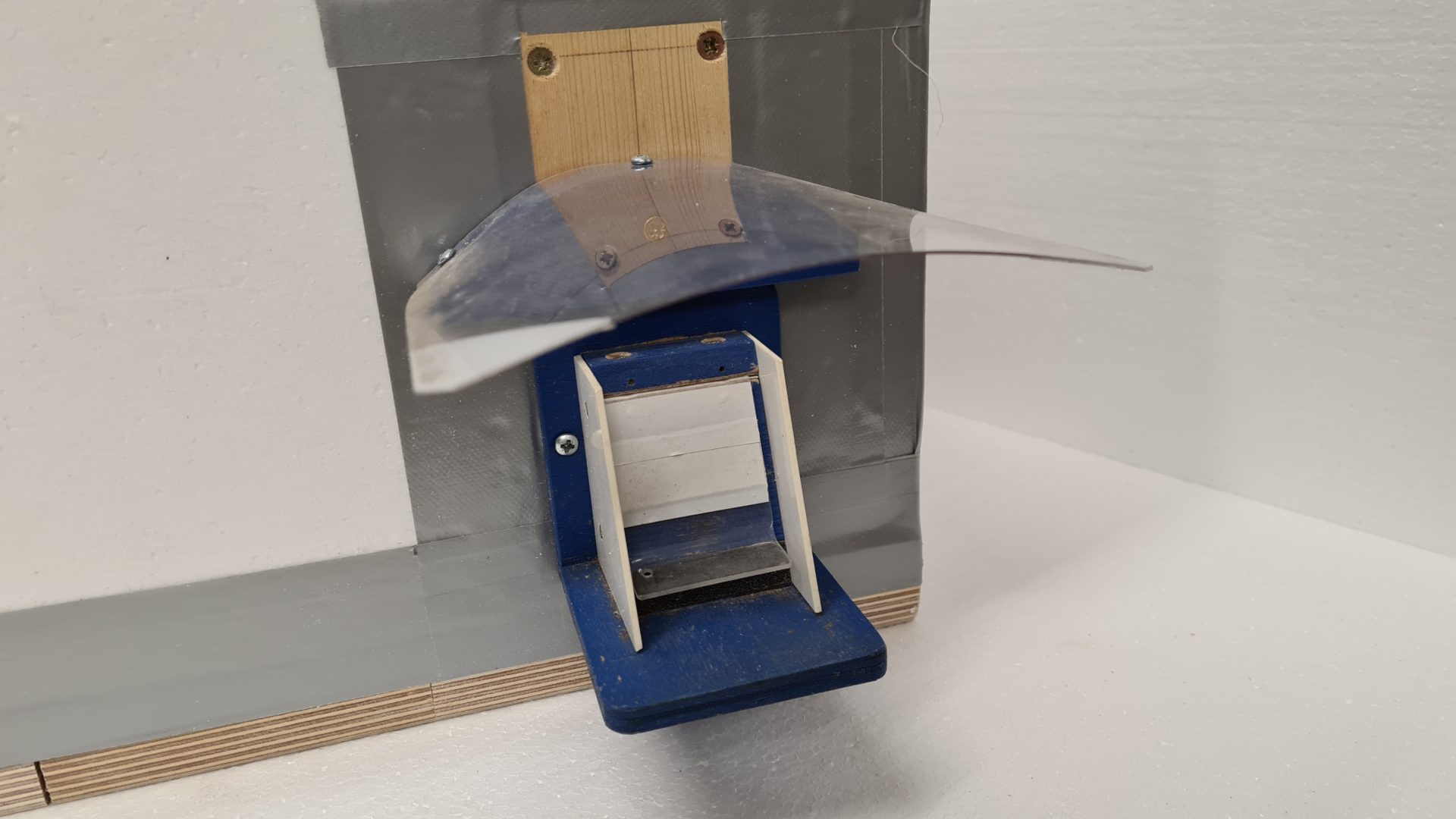
Modification of the body of the ulk – d9l to attach a protective flap and canopy
Photo O. Hercog (2/2021)
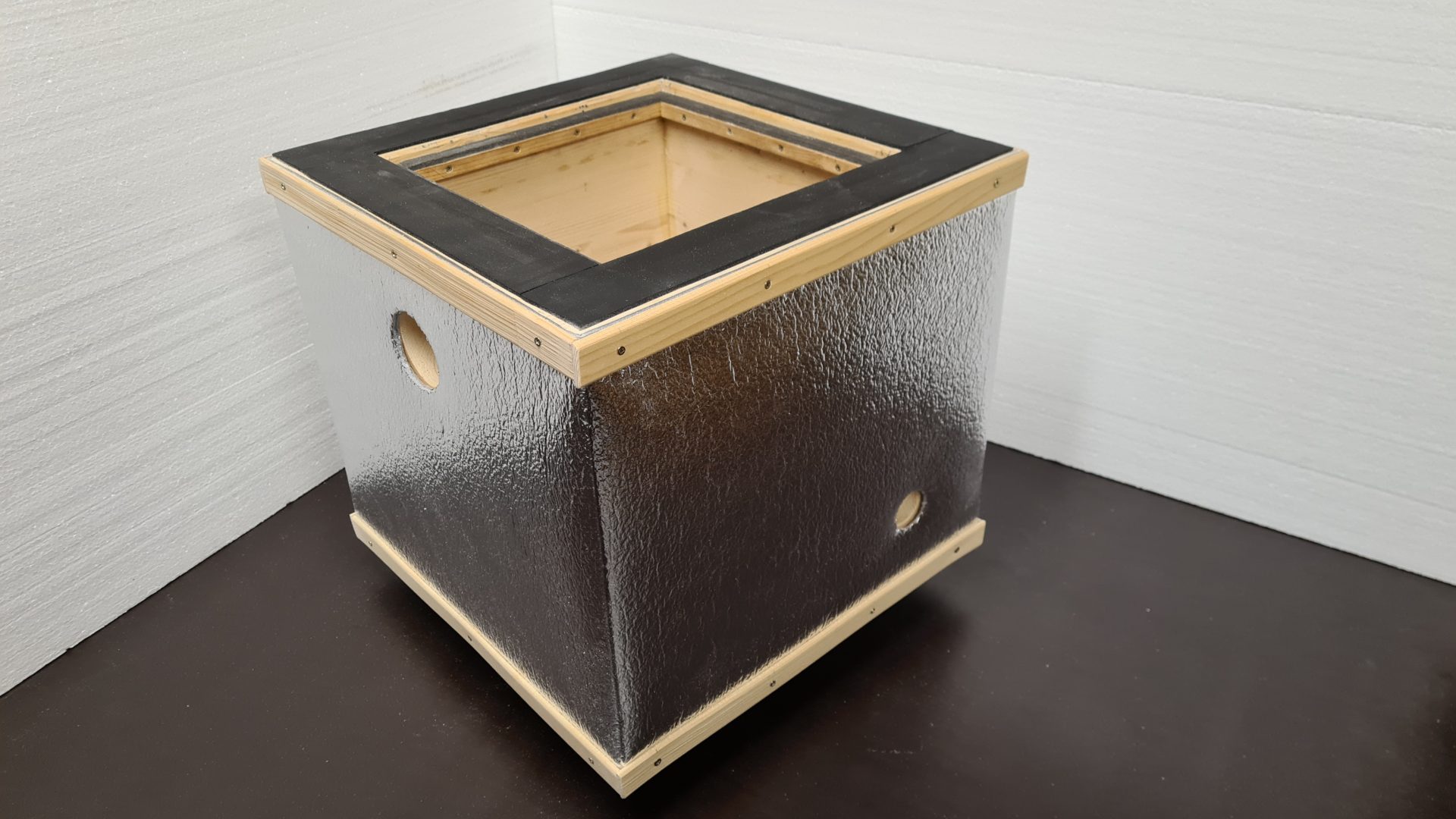
Wrapping the structure with insulating foil
- The result was Mirelon insulating foil
- The foil was clamped to a wooden structure
- Excess parts of the foil were cut/trimmed off
- Where there is a wooden structure, the foil was attached with wooden strips , ensuring it was well pressed and its edges were protected.
- The corners of the strips (joints) were ground to a flat surface and radius.
Recommendation
- We recommend that you also coat the underside of the hive, as this will better protect the hive when laying it down.

Hive modification - hive wrapped in foil and fitted with slats
Photo O. Hercog (2/2021)
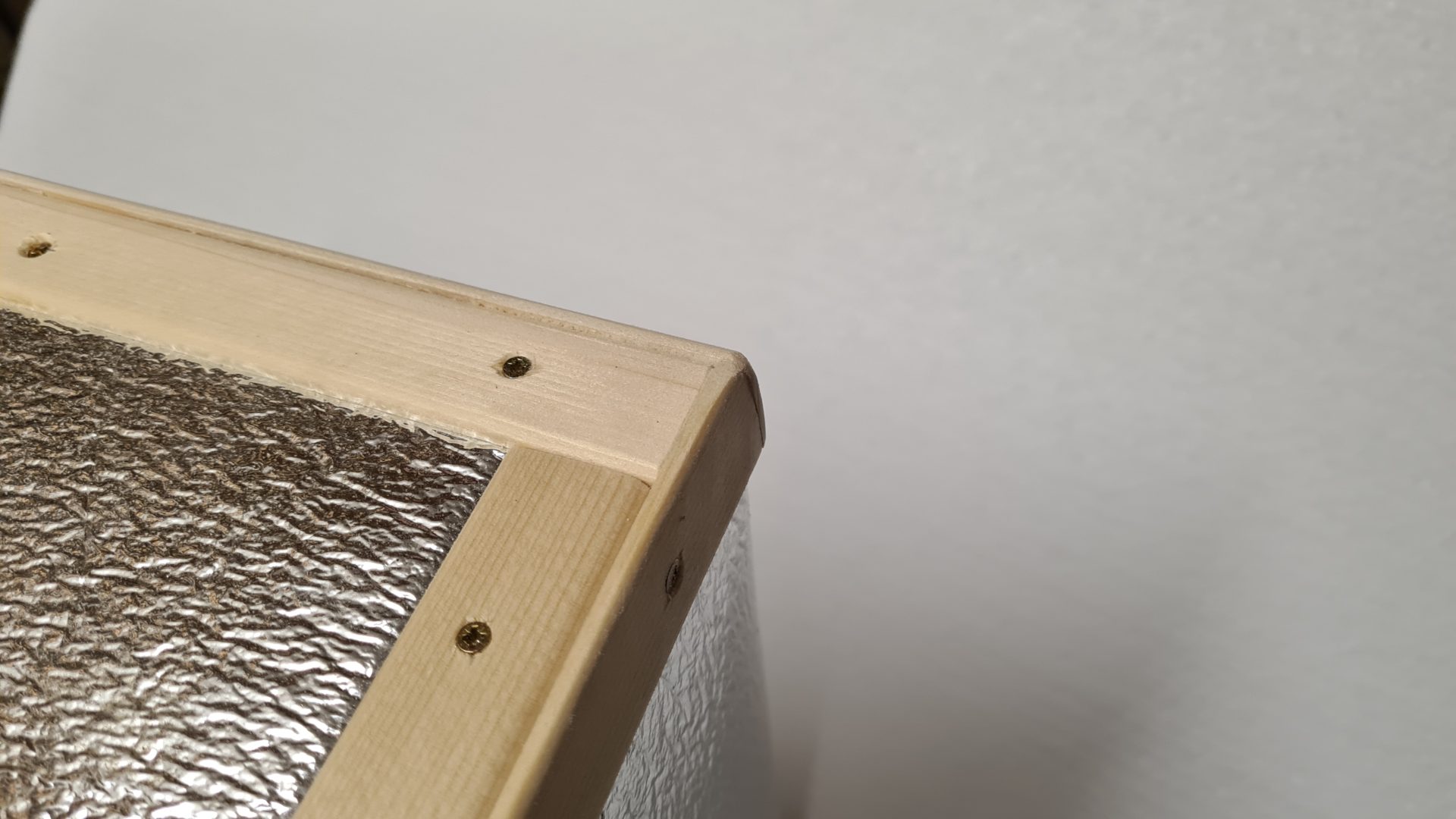
Hive modification - hive wrapped in foil and fitted with slats - underside
Photo O. Hercog (2/2021)
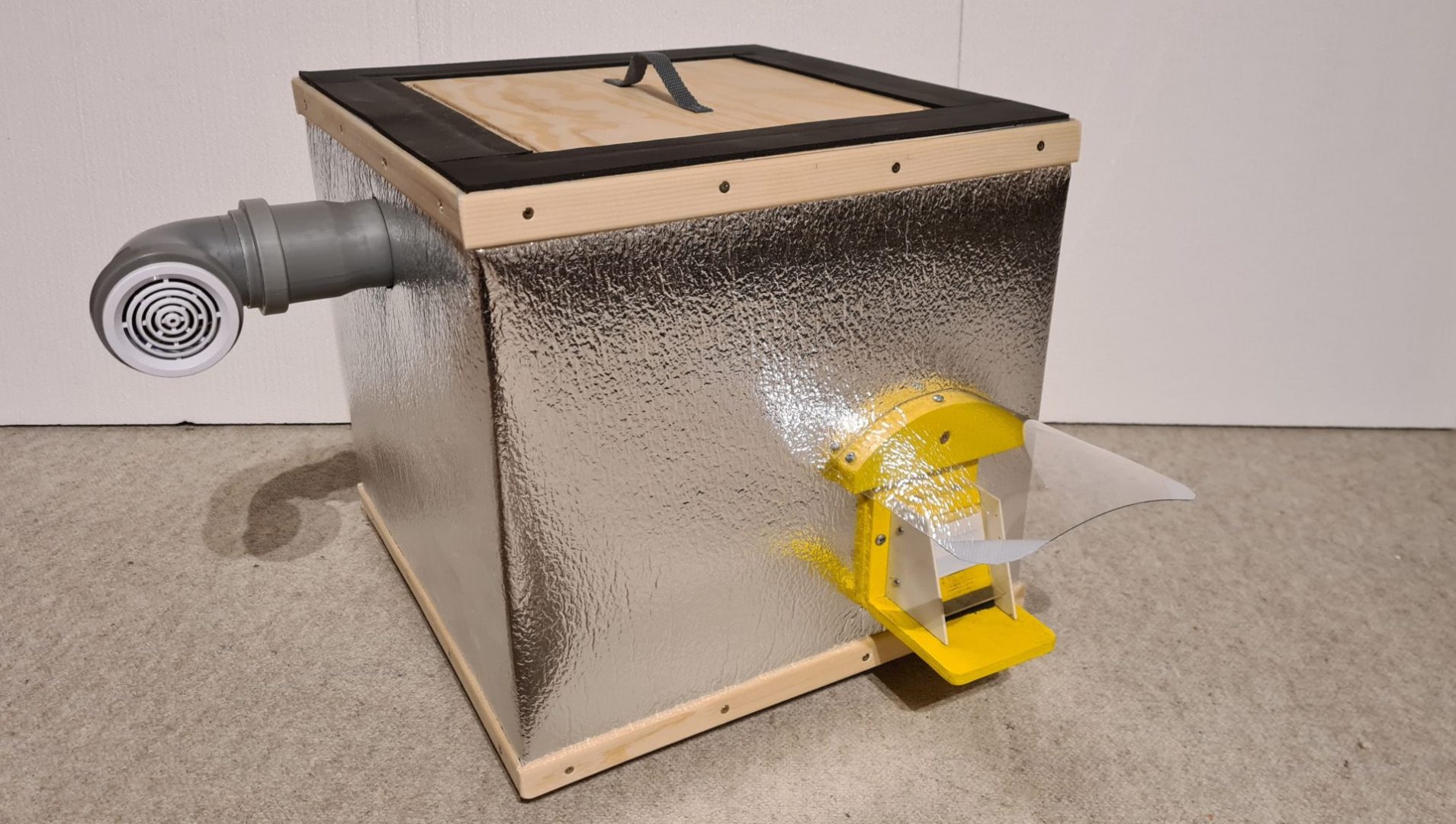
Protective net
- If you are using (we recommend) adjust the protective net . It is necessary to enlarge its collar so that it uses the entire new contact surface.
- Note: the modified mesh is not part of the photo documentation
- If you have the opportunity, make a plywood insert in the spring instead of the protective netting . This will improve the thermal insulation of the hive.
Collar seal
- There was a new wide seal on the contact surface of the hive (seal for fans) see our tips .
Ventilation
- The HT pipe vent was inserted and sealed .
Protective flap and canopy
- A flap was attached and a canopy above it (for now only for testing, without an interior corridor.

Panic after editing
Photo by O. Hercog (2/2021)
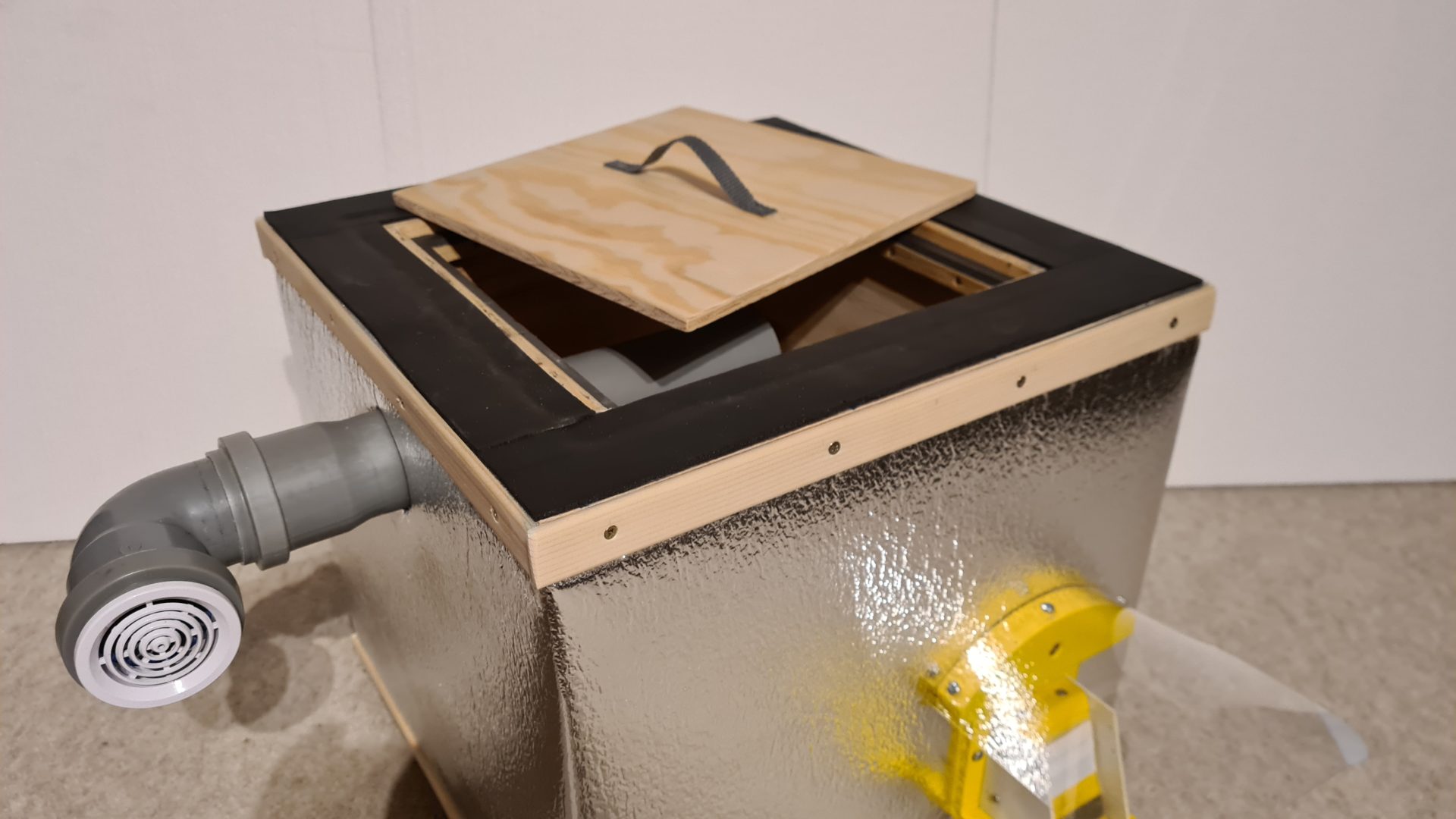
The hive after modifications – detail of vetch (will be used in the spring instead of a protective screen)
Photo O. Hercog
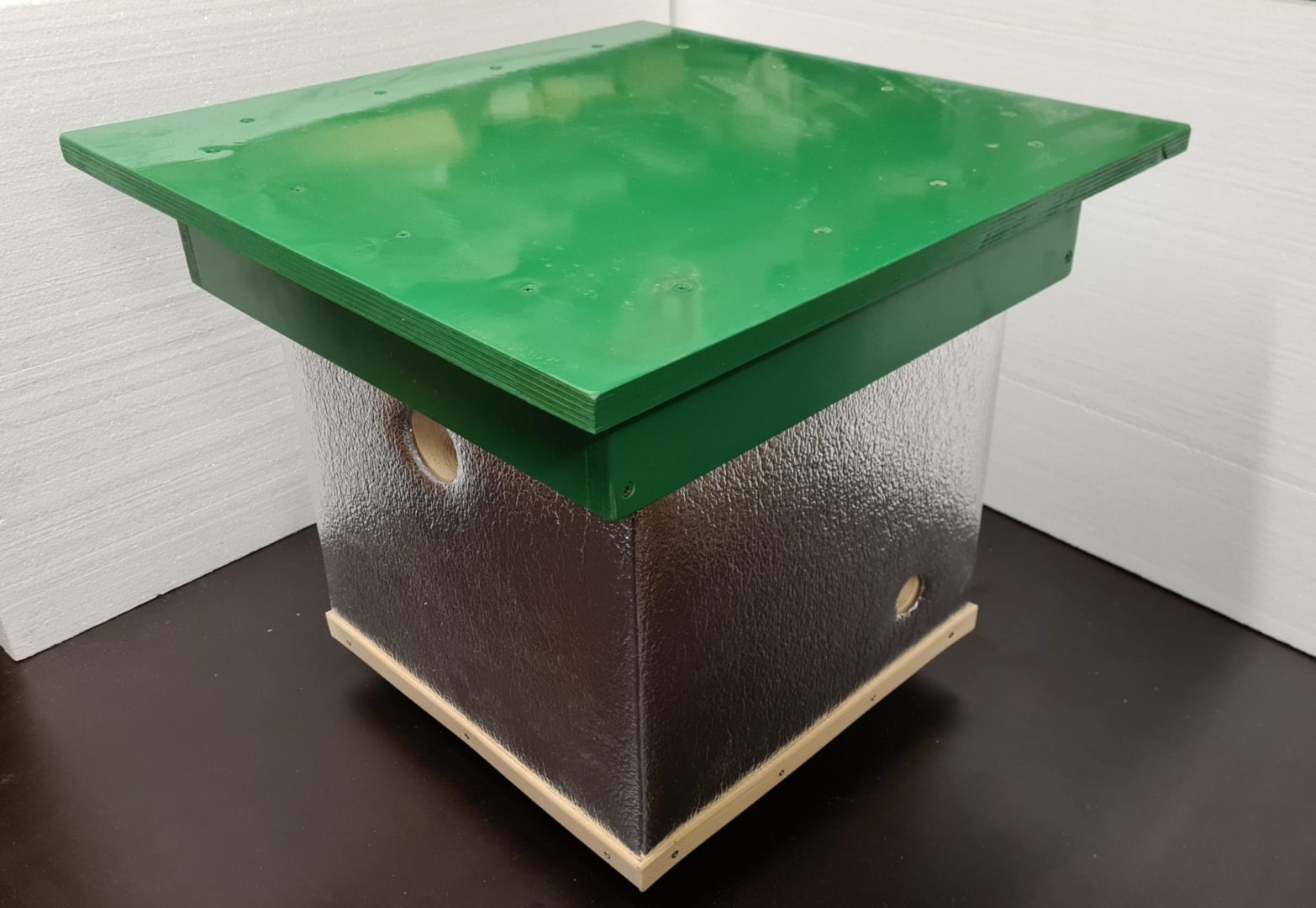
Roof
- After the modifications, the floor plan of the hive was increased, in this case from 30 x 30 cm to 36.5 x 36.5 cm.
- Therefore, the hut was provided with a new roof .
- The construction was used according to the procedure described HERE .
- The internal dimension was increased by 10 mm in both directions so that an absorbent cloth could be inserted under the roof.
- The height was adjusted so that there was 50 mm polystyrene insulation and the edges of the roof extended over the flashing.
- , XPS Extruded Polystyrene was used in the roof construction . It is strong, light, smooth and can be cut.
- The removable insert was made of 50 mm polystyrene.
- The polystyrene, with the exception of the insert, was glued into the structure with polystyrene adhesive .
- A seal was glued to the area where the roof meets the body.
Attention
- The removable insert in the roof is used to cool the contents of the hive, so it is necessary to be able to remove it
- The protective net in the hive prevents bumblebees from biting through the seals and polystyrene, so we highly recommend it.

Hive modification - hive wrapped in foil with a new roof
Photo O. Hercog (2/2021
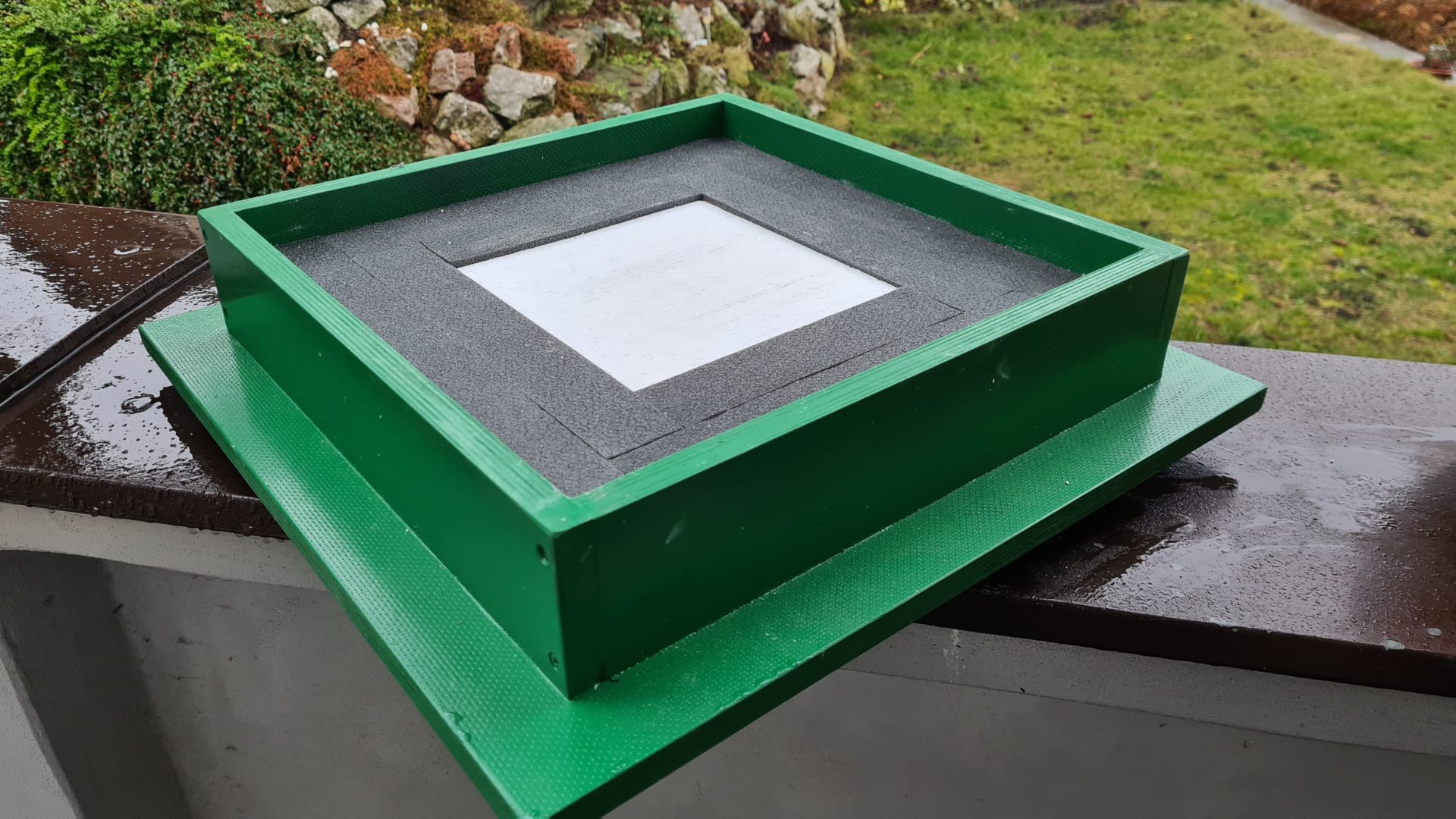
Hive modification - new roof with liner
Photo O. Hercog (1/2021)
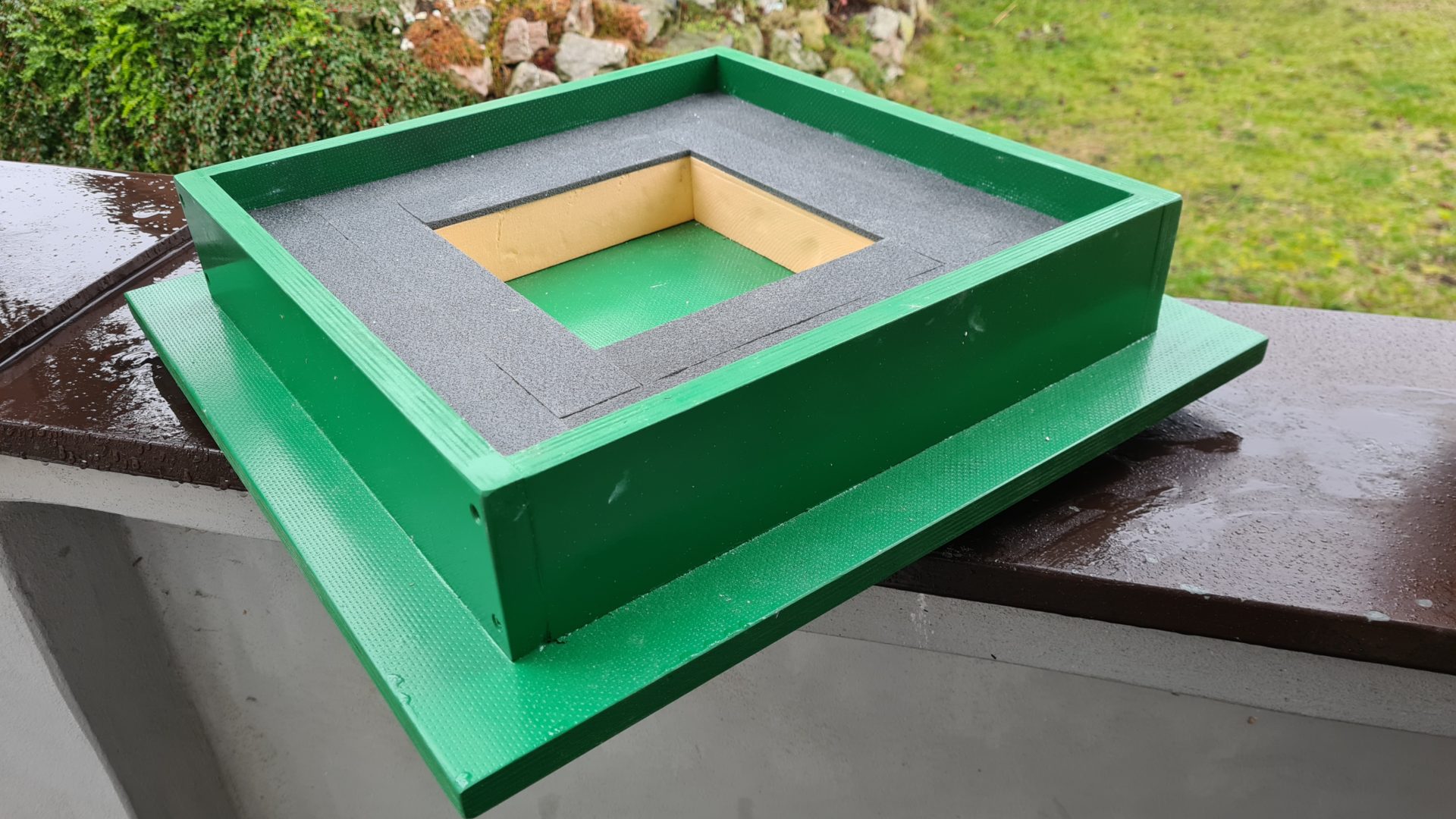
Hive modification – new roof with removed liner
Photo O. Hercog
Preparing the hive
Further preparation of the hive for the season is standard, see our procedures
Measuring results

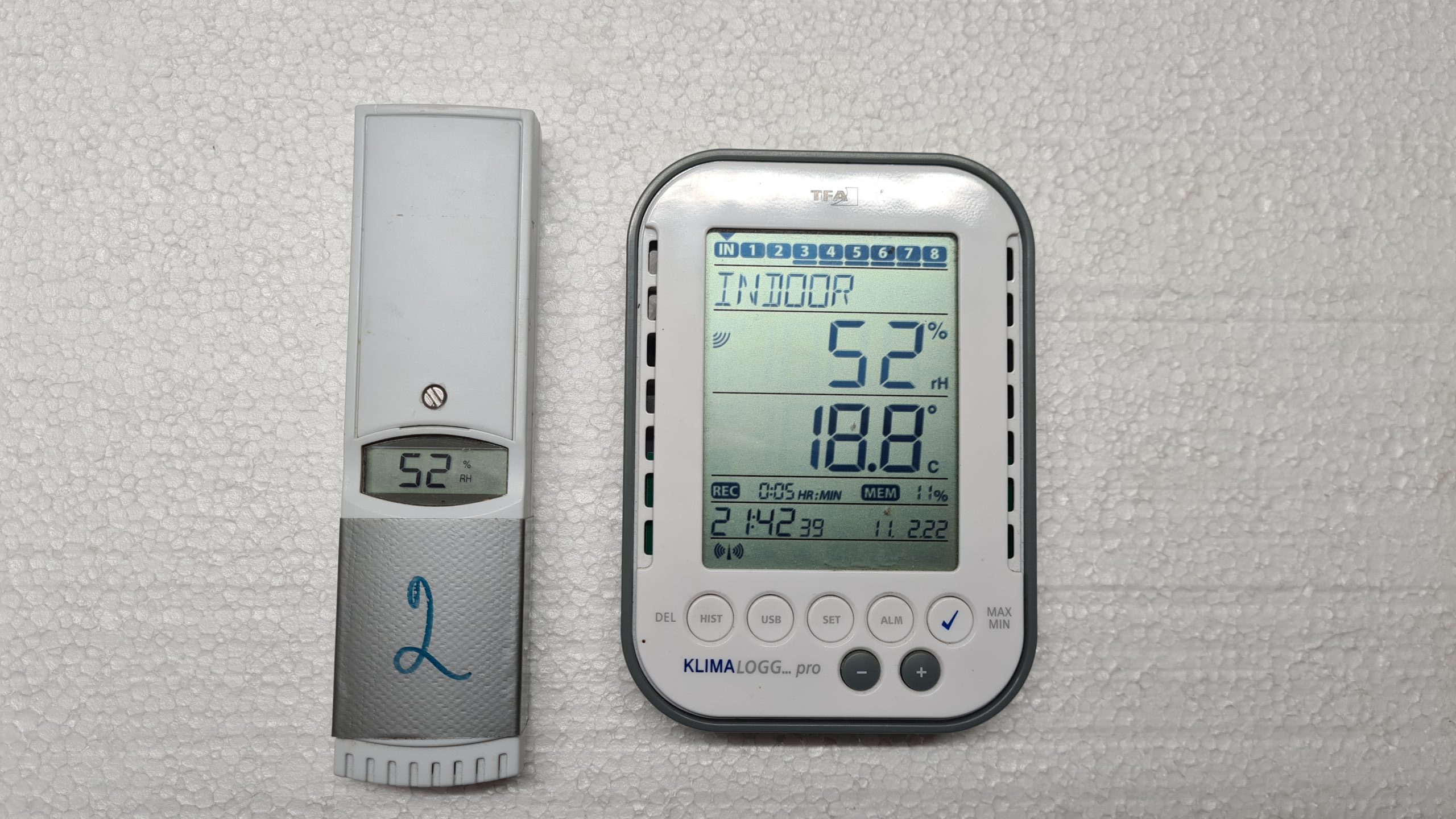
Temperature measurement kit
Photo: O. Hercog 2021
As evidence of the behavior of different hives, we present the internal temperature curves in different hives . We will describe the graph and measurements, here only a demonstration of the influence of external temperature on hives and differences in the change of internal temperatures .
You can see for yourself how the internal temperature changes over time , even with a static external temperature. The less the temperature in the hive fluctuates, the better . Therefore, it is necessary to pay attention to the thermal insulation of the hive , rather than heating, which in practice is used only a few days a year.
Graph 1 shows how the temperature in the hives increases depending on the ambient temperature.
Description and evaluation of results:
- green color at the top – exterior temperature
- Then gradually hives with different quality of thermal insulation
- You can clearly see how big the differences are between the individual designs
- the temperature changes fastest in a small hive (green curve)
- slower in a larger hive
- The temperature changes almost as quickly in a commercially available hive and in a hive with 20mm polystyrene internal insulation
- the slowest changes are represented by this modified graph (gray and light blue)
Graph 2 demonstrates the process of cooling the hive depending on the external temperature
Description and evaluation of results:
- The description corresponds to Chart 1
- Little Ulek did not participate in this measurement
- A well-insulated shed cools down the slowest.
- Even a large, uninsulated bird equalized its internal temperature to its surroundings.
- Hives without thermal insulation cool down very quickly.
- The modification proposed here has proven successful, the temperature change is the slowest (gray and light blue color)
Graph 2 – Change in temperature in hives depending on external temperature – temperature drop
Measured by O. Hercog 2021
Conclusion
In practice, we have shown that it is possible to produce a hive that, using the "passive house" principle, acquires good thermal insulation properties.
If the hive has sufficient structural mass, wrapped on the outside with good thermal insulation , its internal temperature will change more slowly depending on the ambient temperature , compared to hives without thermal insulation, or with insulation inside the mass.
This principle applies on both cold and hot days.
