Feeding and supplementing bumblebees

How and when to feed, making feeders

What will you learn here? 

  • When, why and most importantly, what to feed bumblebees to avoid harming them
  • How to make safe beehive feeders for them
  • Instructions for adjusting the hive - a unique feeding system without interfering with the nest
  • Storage, recommendations for mixtures and products 

Last updated: 17/04/2026 The page will be updated
with instructions for making a feeding tube in a hive

Side dish

The basic principle is to feed only in times of scarcity :

  • on spring/autumn days if it gets cold and the mother needs support
  • new queens are born , which feed in the nest and quickly consume all available supplies of pollen and nectar

Here are some suitable materials that can be recommended.

The most natural for bumblebees is wort – a sugar solution . It most closely resembles the nectar they collect from the calyxes of flowers.

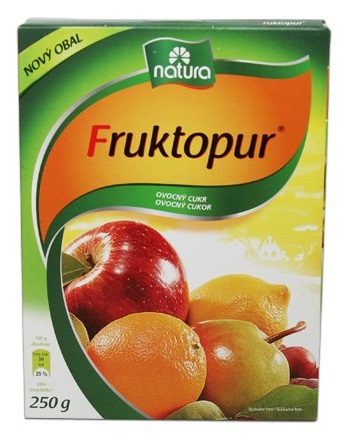
fructose is very suitable . It can be found in pharmacies as Fruktopur . Its aqueous solution with white beet sugar ( sucrose ) is then added to the feeder. However, fructose in the feeder spoils quickly in heat. It is possible to use a stabilizer, but this means adding more chemicals to the food and that is not good.

Do not use brown cane sugar!

You can use sugar solutions that beekeepers use . Stabilizers are already present here. They don't bother the bees, they shouldn't bother the bumblebees either. But we don't have experience , so we are careful.

Honey-sugar dough can also be used successfully . The doughs used by beekeepers .

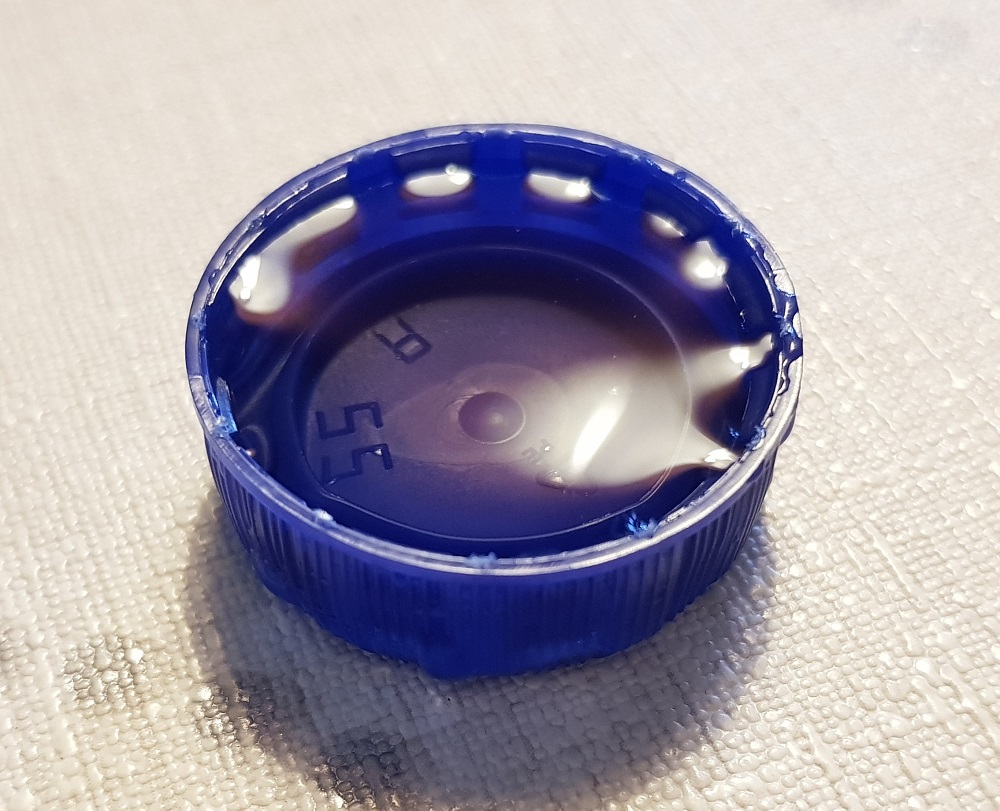
Such dough/paste can be placed in the hive without any problems, for example in a small feeder made from a PET bottle cap . For larger quantities (suitable for feeding queens), a bowl . Again, a stabilizer is present here, but according to our observations, it has no negative effects on bumblebees.

Pollen can also be fed , but it should be fresh or frozen. Bumblebees will not take pollen placed on the lining, or they will not give it to the larvae. An exception may be feeding queens, who will take pollen from the bowl on the lining.

Collect pollen from the protective flap and store it!

Bumblebees PLUS - Wort for bumblebee food - Fruktopur

Wort for bumblebee food – Fruktopur
Foto Internet
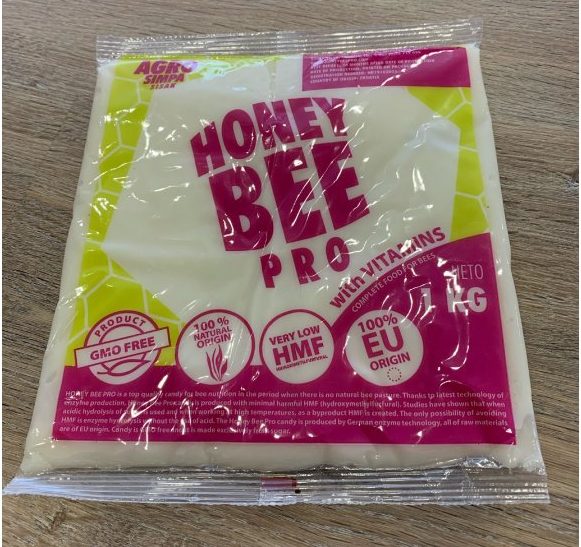
Bumblebees PLUS - APIMANA VITAMINS

APIMANA VITAMINS
Photo: Seller

Pollen and containers for storing it

 
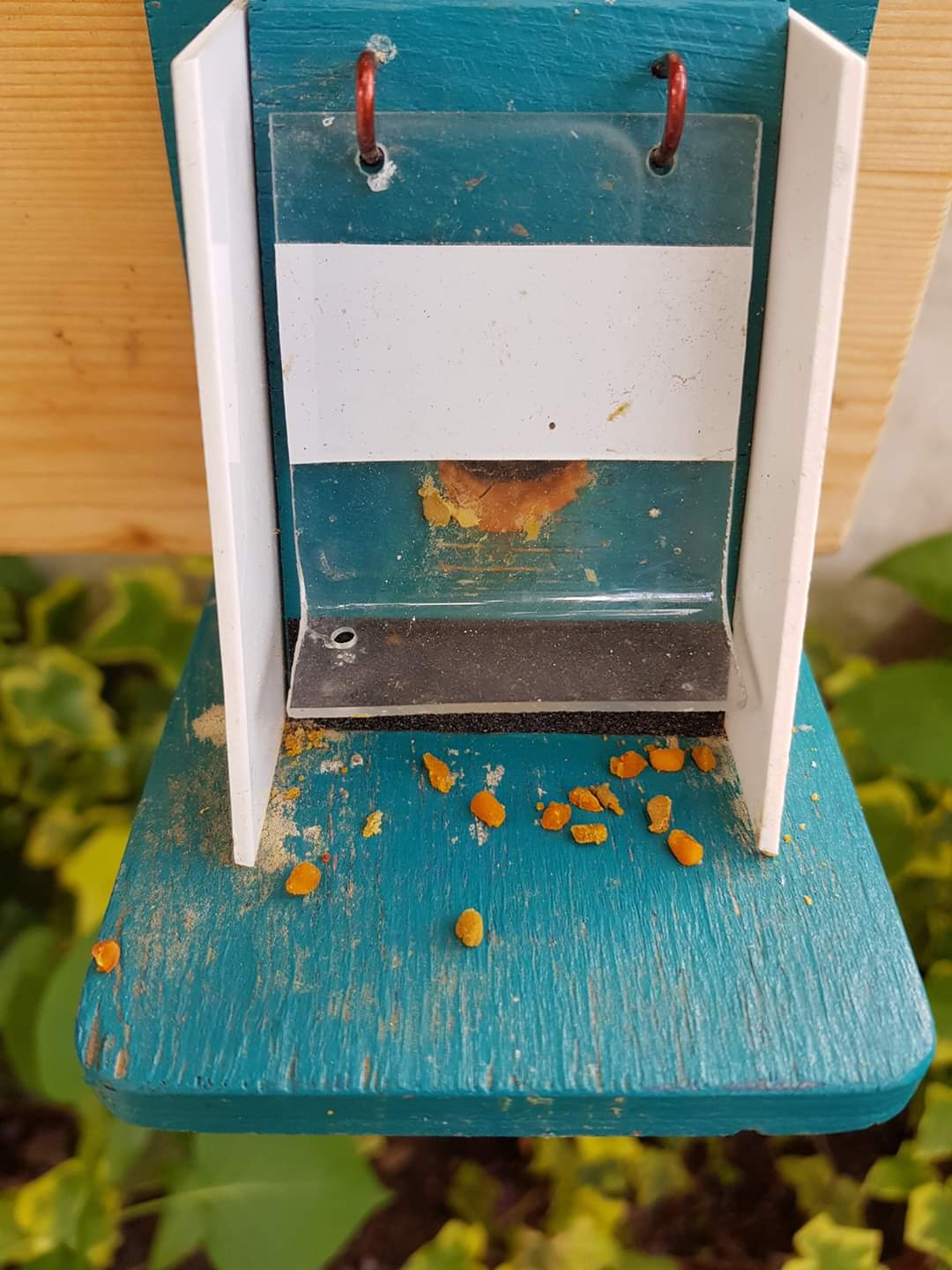
Sometimes it happens that some workers lose pollen threads on the flap . To prevent the pollen from going to waste, it is a good idea to clean them up and freeze them . Later, they can be put in the nest for the bumblebees to improve or use the pollen for yourself .


Why do bumblebees lose pollen grains?

Sometimes the pollen grains are so large that when they land on the stigma or pass under the valve (the plastic part of the protective flap), they are torn from the pollen basket . They then fall onto the stigma or get stuck under the valve.

A lot depends on the size of the pollen tube and its moisture content . Often the flap is rough and tearing off the flap helps. We will cover this in a separate chapter on the flap, which is available HERE .

The loss of pollen grains can never be completely . All it takes is one worker bee with a damaged pollen cup and there are a lot of lost pollen grains.

Why collect pollen grains?

Pollen is a source of protein and many other important substances . It is therefore a shame to leave pollen lying around.
At the same time, pollen threads on the garlic attract flies and other insects. But what is most important – pollen threads stuck under the valve prevent the valve from closing and its proper function.
Therefore, it is necessary to clean the protective valve regularly and, if possible, collect and store pollen threads .

If you are not allergic, taste the pollen. Maybe you will know what flowers the pollen comes from. You can learn more about pollen in the chapter we are preparing .

How to store pollen grains?

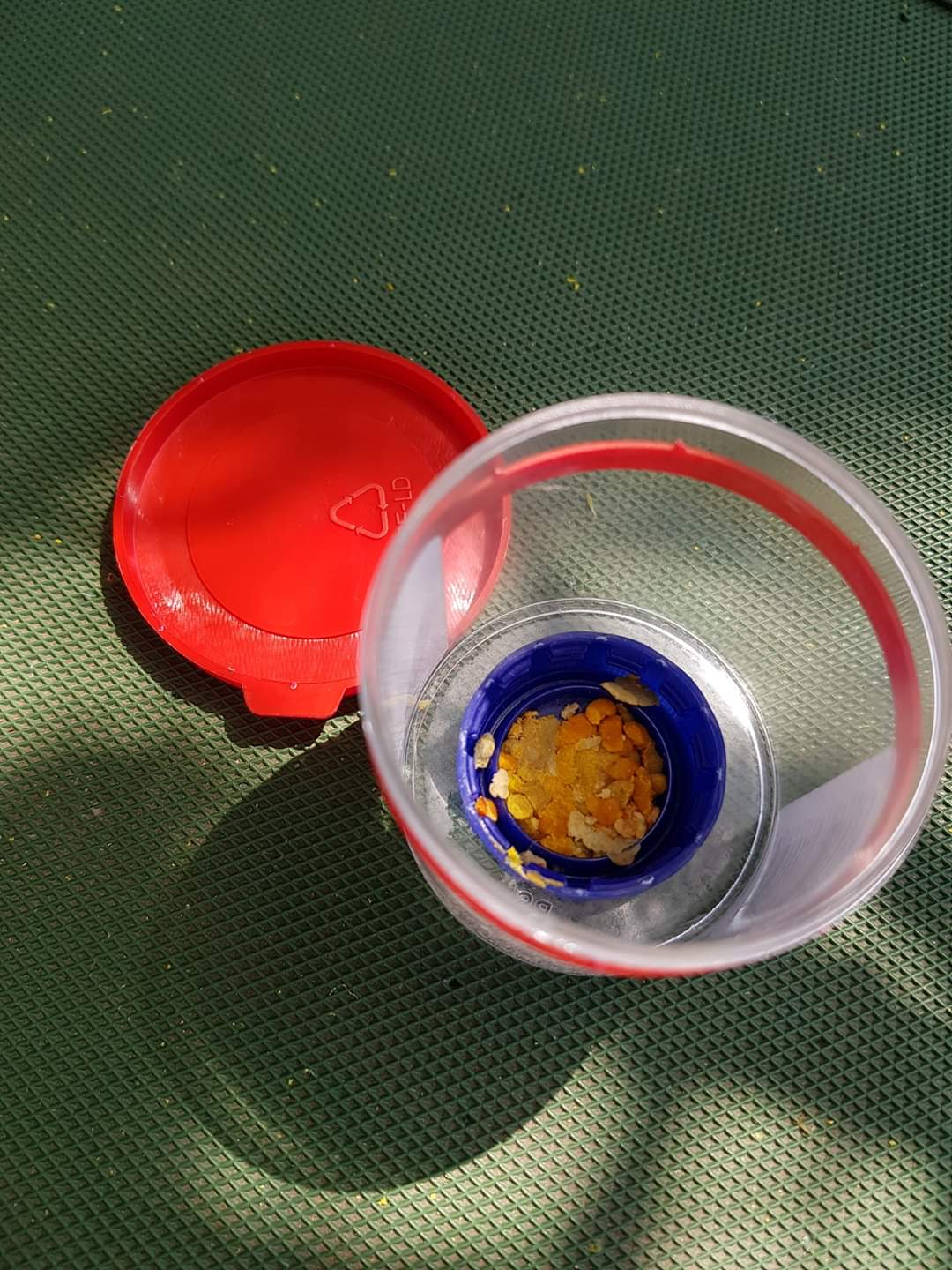
It is advisable to collect pollen if they are fresh and not dry out . Just drop them with tweezers from the garlic/flap into the lid of a PET bottle . Then press to the bottom with your finger so that it does not fall out and dry out.
Then place the PET lid in a small, sealed container and store it in the freezer . The pollen is preserved by freezing and will remain fresh until next year.
The sealed container will prevent the smell from the refrigerator from getting into the pollen. Refill the lid every evening when cleaning . Once the lid is full, collect into another lid.

 How to use collected pollen?

The collected pollen is given to the bumblebees in the nest - as close as possible to the other supplies.
We will explain pollen feeding in the chapter that you can find HERE < in preparation>.

Bumblebees PLUS -_Lost pollen grains on the hive&#39;s surface

Lost pollen grains on the beehive's surface
Photo O. Hercog
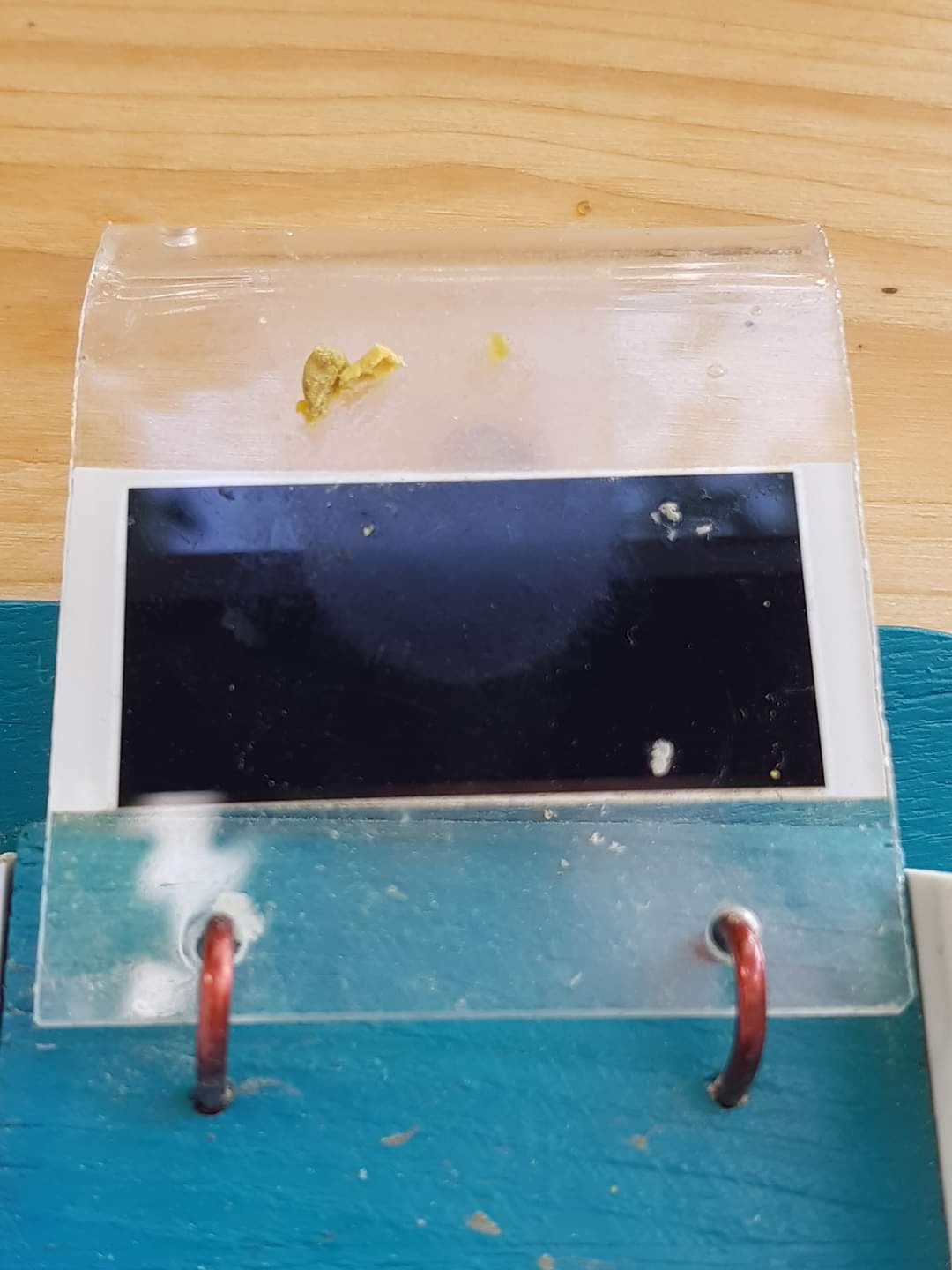
Bumblebees PLUS -_Lost pollen grains on the protective flap

Lost pollen grains on the protective flap
Photo O. Hercog
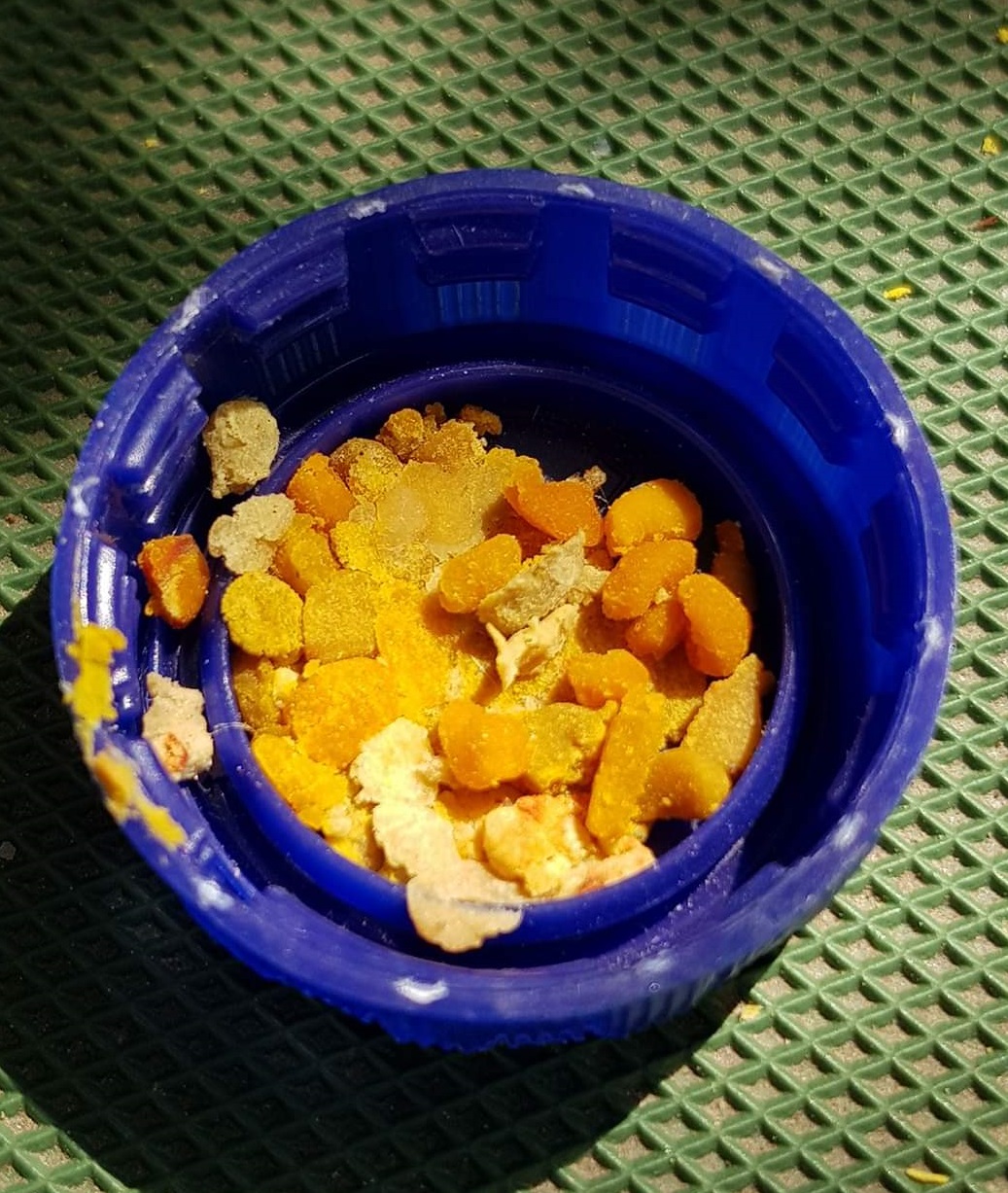
Bumblebees PLUS - Pollen in a PET bottle cap

  Pollen in a PET bottle cap

Bumblebees PLUS - Pollen in a PET bottle cap in a jar

Pollen in the lid of a PET bottle in a jar
Photo O. Hercog
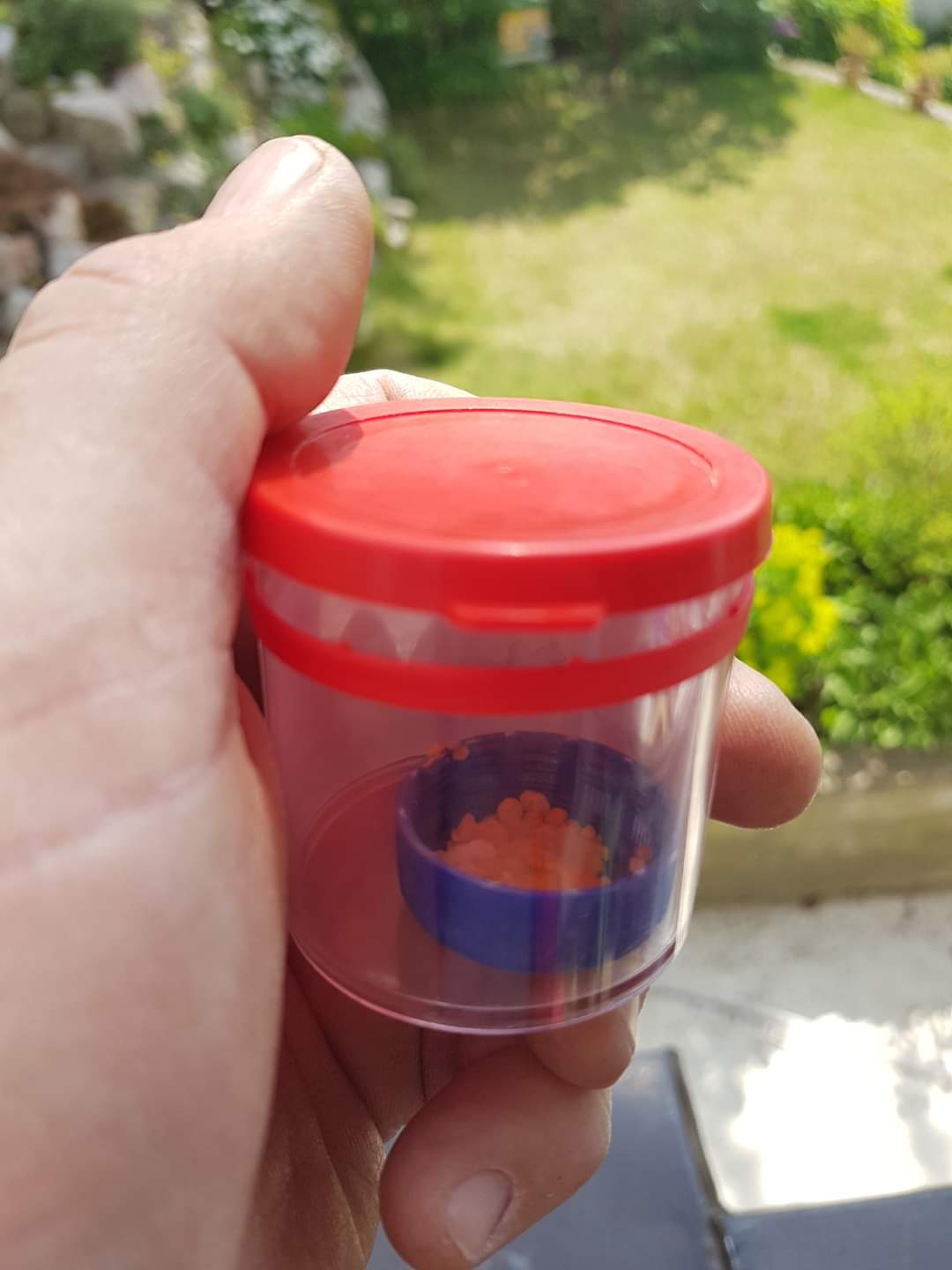
Bumblebees PLUS - Pollen in a PET bottle cap in a jar

Pollen in the lid of a PET bottle in a jar
Photo O. Hercog
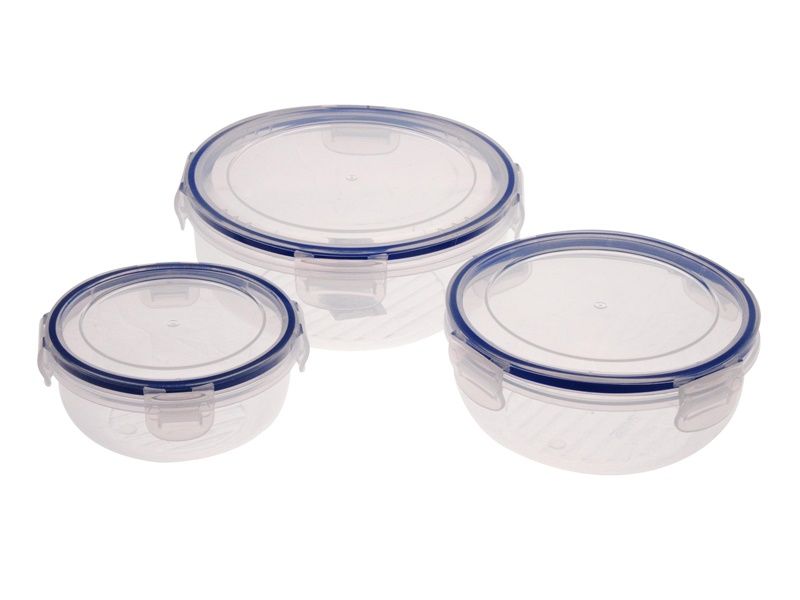
Jars for storing frozen pollen
Foto Internet
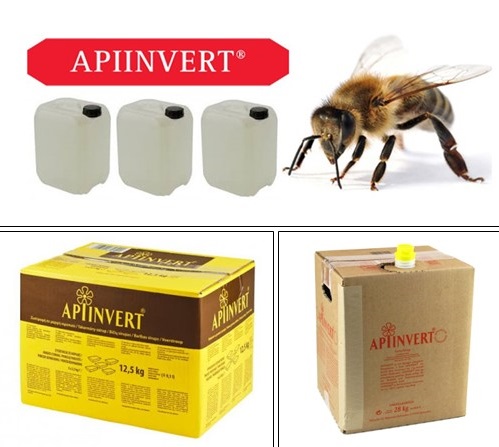
Bumblebees PLUS Feeding bumblebees APIINVERT

Feeding bumblebees APIINVERT
Source Internet
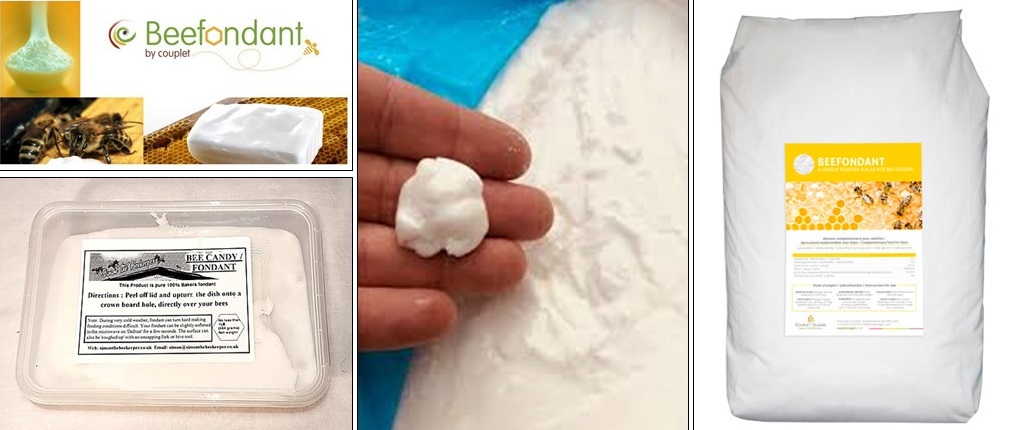
Bumblebees PLUS Feeding bumblebees - sugar paste

Feeding bumblebees – sugar paste
Source Internet
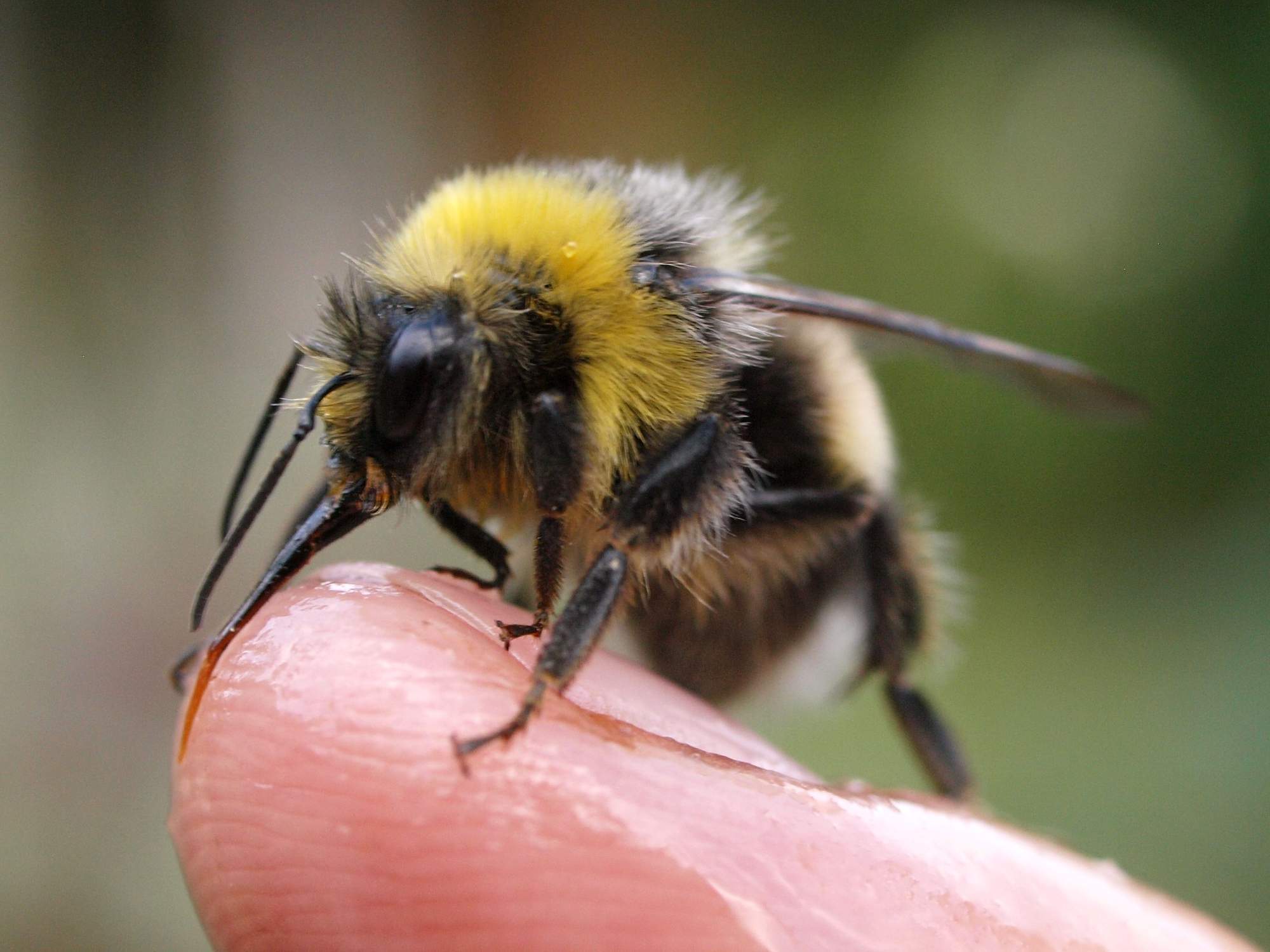
Bumblebees PLUS - We feed bumblebees

Feeding bumblebees
Photo Ála Ungerová
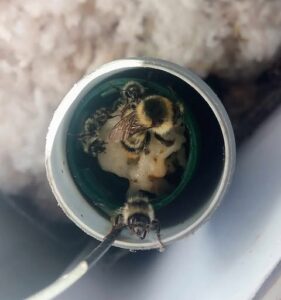
Feeding tube – a unique system for feeding in the hive

Advantages:

  • Using the tube, we can easily put the food directly at the mouth of the passage without having to interfere with the lining
  • This makes the food very easily available to the bumblebees and it is very easy to feed the queen in the solitary phase without disturbing her in any way
  • bumblebees are not disturbed in any way, the nest and lining remain intact, bumblebees always find food, even if they are weakened
  • Feeding is easy and safe, it can be done at any time and the food does not get dirty from the lining or waste from the bumblebees
  • We can feed both dough and sugar solutions, and even in combination
Bumblebee workers feeding in a feeding tube

Feeding bumblebee workers in a feeding tube photo Jan Frantl
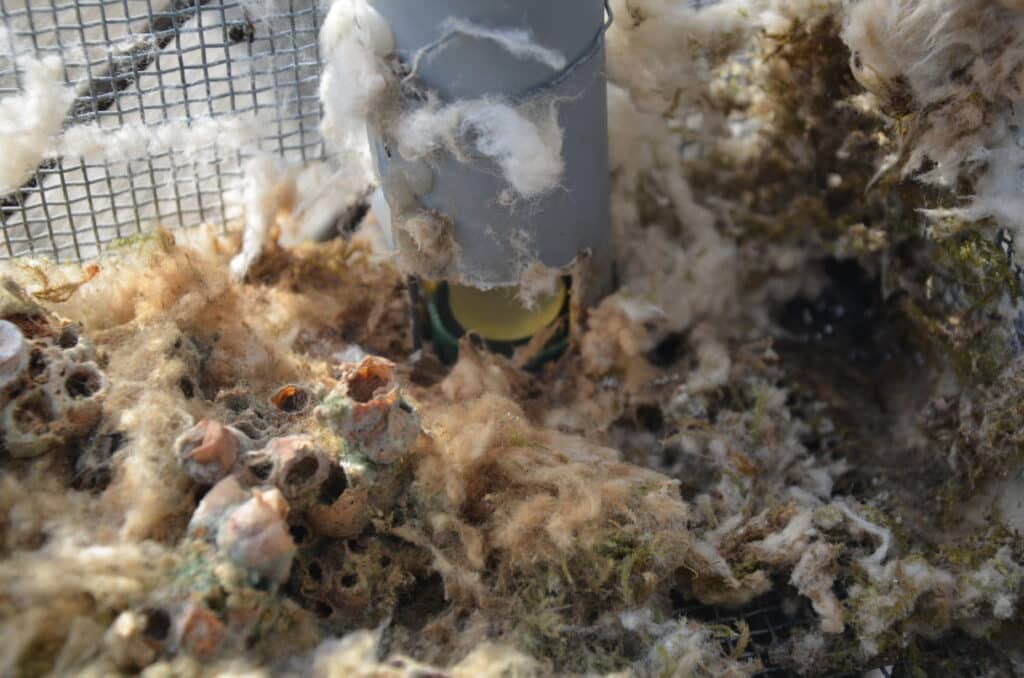
A look at the situation after the season
photo Karel Kučera

Production of feeding tube:
  • next to the exit from the hive (or the mouth of the corridor), place a vertical tube with a diameter of at least 30mm (ideally a 32mm HTEM tube) against the wall.
    Choose the length so that the end is slightly below the edge of the inner lid (roof, observation window).
    Cut off about 1/2- 2/3 of the tube at the bottom, this creates a kind of semi-cavity, the height is enough 5-6cm (from the eye)
  • The tube is fixed to the wall and bottom of the hive, preferably with hot melt glue (it can be easily removed and cleaned after the season). The wire can be made into an L shape to create a kind of leg that will increase stability at the cutout.
    Other methods are also possible, such as attaching it with wire, depending on the capabilities of the hive. However, the inner part of the tube must remain free.
  • We cover the top of the pipe with any cap to prevent light from entering the pipe and unnecessary air from flowing through it. For the HTEM system, you can choose a plug for HTEM DN40

Feeding tube

Correct pipe placement

Location in detail
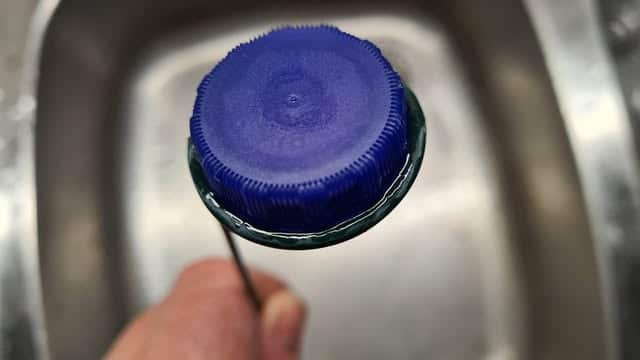
 
Making a pipe feeder:
  • We will make a feeding attachment from a thicker wire and a cap. We will very simply bend the wire at the bottom to the length of the bottom of the cap, only we will hold it from the bottom using hot melt glue. We choose the length of the wire a little longer than the height of the corridor. We will then bend the end of the wire to create an eye and the whole wire will fit into the tube.
    There are other ways to choose, you can find inspiration in the photos below
  • if we feed with dough, we put it directly into the lid
  • If we are feeding solutions, we use a 20ml syringe, we cut off the hand grips on the syringe plunger so that the entire syringe fits comfortably into the tube
  • We leave the lower syringe attachment on the needle, but we cover it with hot glue or plasticine, etc.
  • Drill a single hole, approximately 3mm in diameter, just at the bottom of the syringe above the mouth of the needle attachment 
  • The entire syringe is placed in the lid on the wire. With the feeding hole in the syringe towards the cutout in the tube. The lid thus ensures stability and catches any dripping drops of solution. Bumblebees have no problem taking the solution from the syringe through the lid, even if it has dripped into the lid. You can also put dough in the lid and stick the syringe in there. Both feeding methods can be combined.
Production video: 

detail HiTech attachment Ondřej Hercog
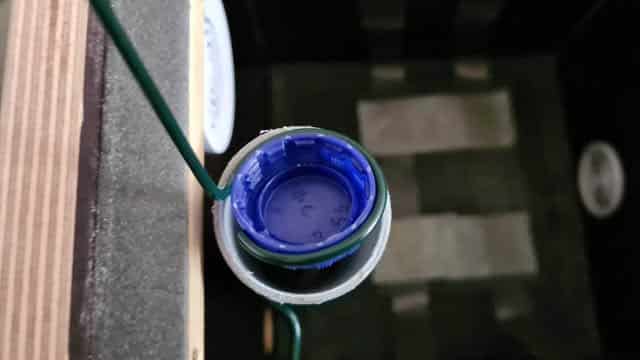
HiTech lid holder
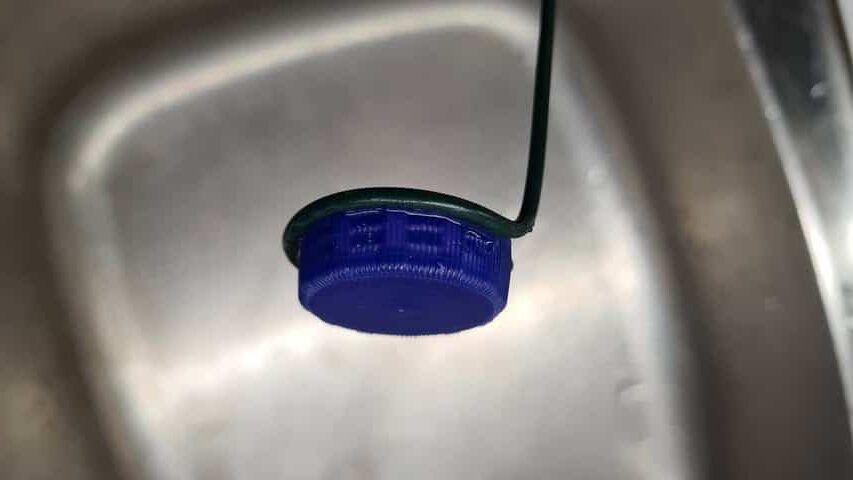
HiTech holder by Ondřej Hercog
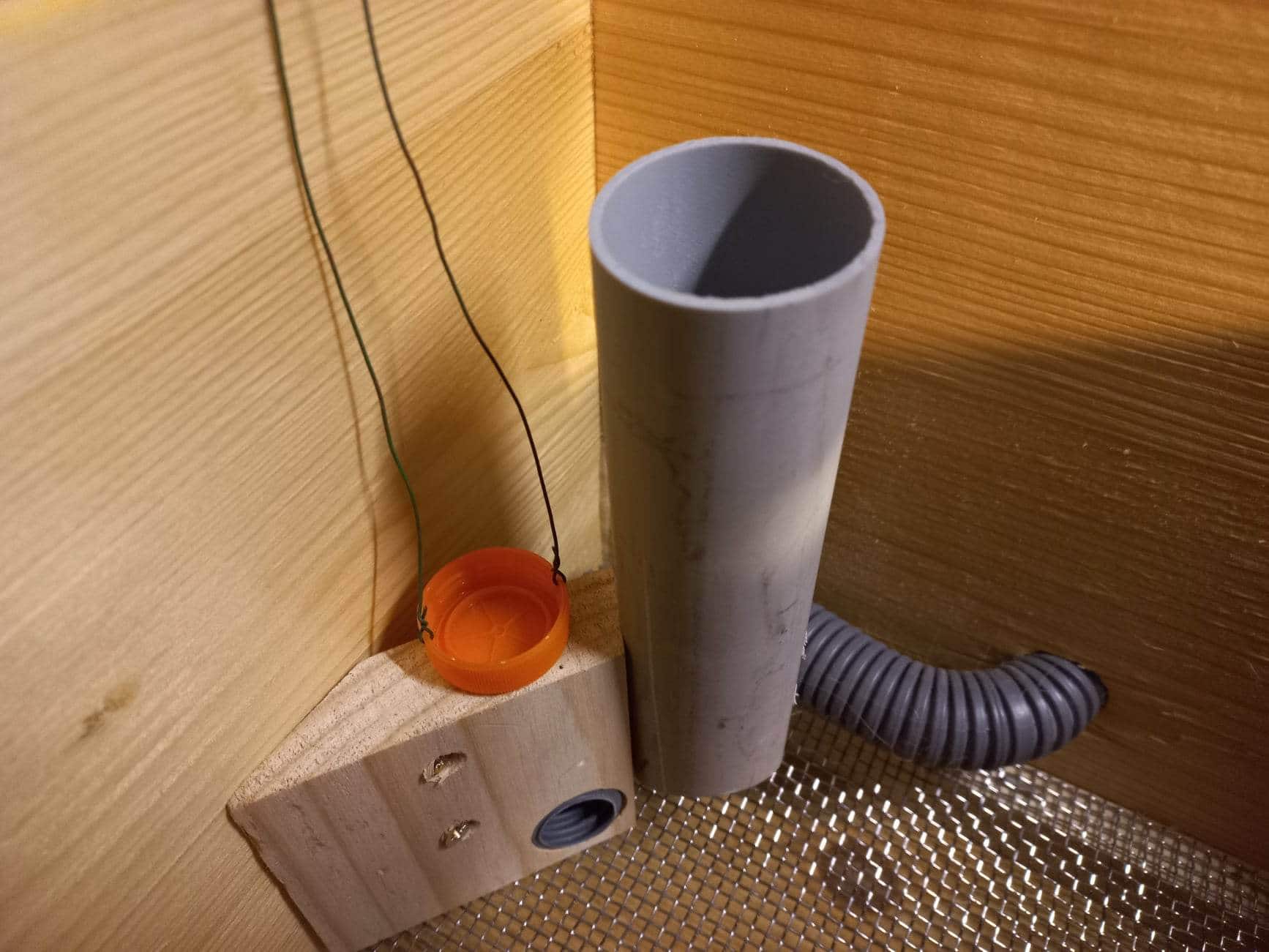
alternative to the Vít Cach curtain
Feeders

If it is necessary to feed bumblebees with a sugar solution, it is a good idea to prepare for it in advance
As we have already written, we do not recommend feeding too much and we will explain why
 
An example of feeding bumblebees can be seen HERE .
 
Which feeder to choose?
 
For feeding in the nest, it is a good idea to make a feeder from a plastic tube.
for feeding bumblebees outside the nest or for a small dose of sugar solution.
 
Unsuitable feeders
Bowls or PET bottle caps full of solution are not suitable - there is a risk of the solution spilling into the nest or wetting the bumblebee.
 
Description of feeders
 
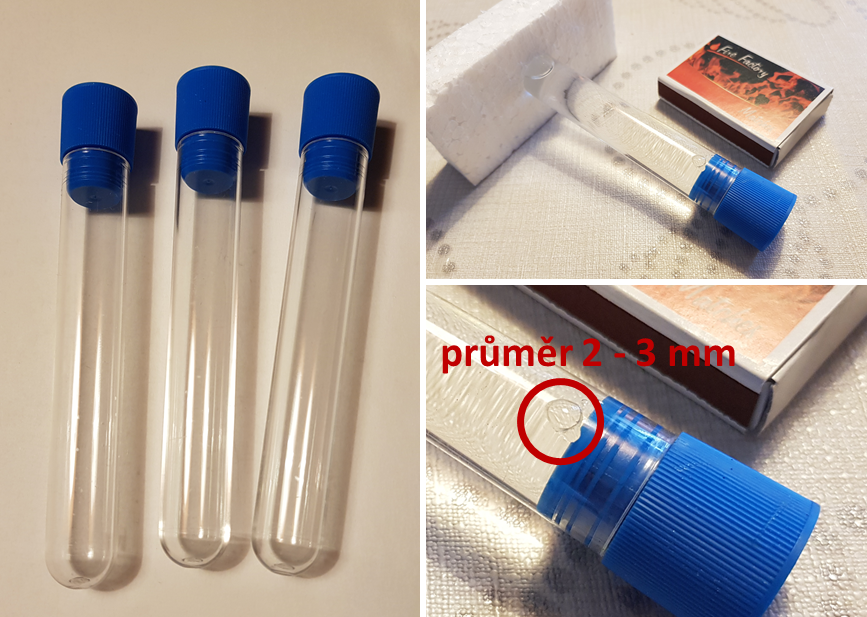
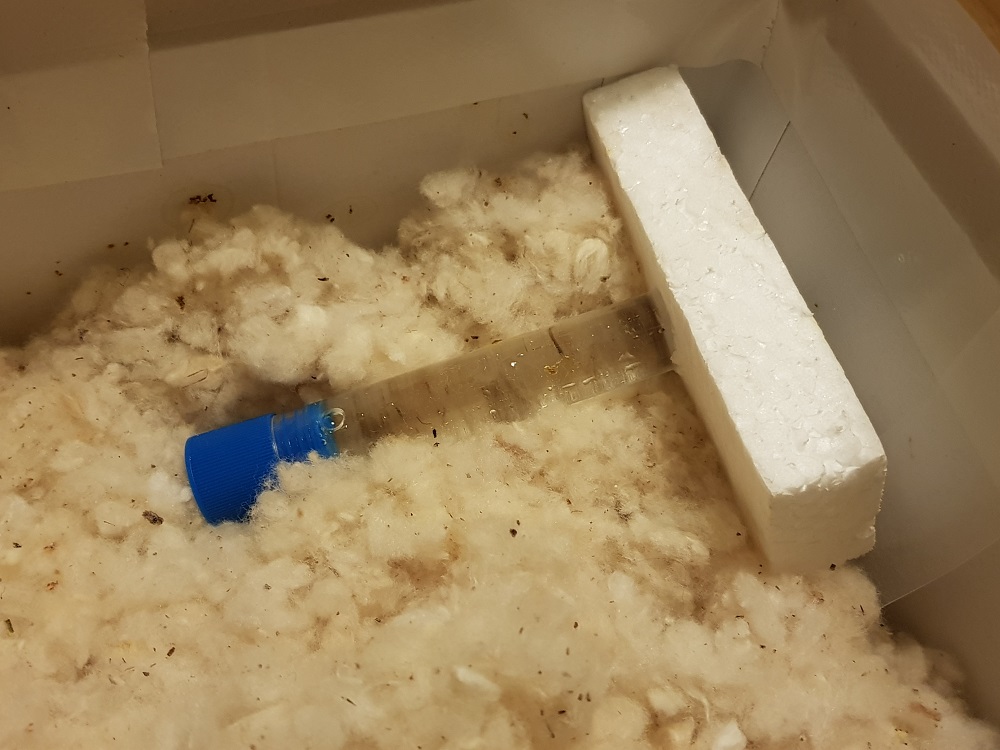
a) Feeder in an inclined position
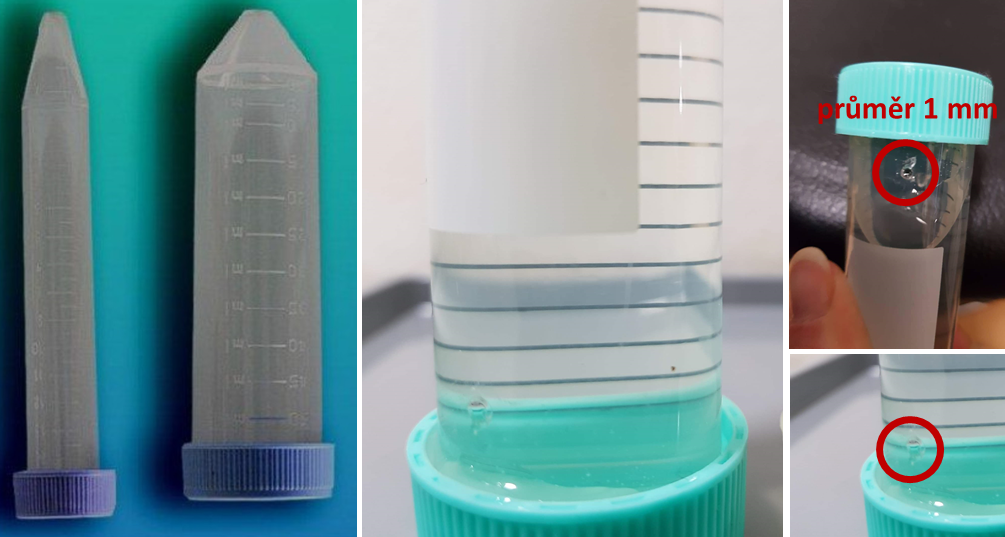
  •  Make a feeder from a plastic tube (a small urine tube)
  • Drill a hole with a diameter of 2-3 mm on the side near the cap of the test tube
  • Fill the test tube completely with the solution and close it with a stopper
  • Secure the test tube in a piece of polystyrene or place a clothespin on it to prevent it from tipping over
 
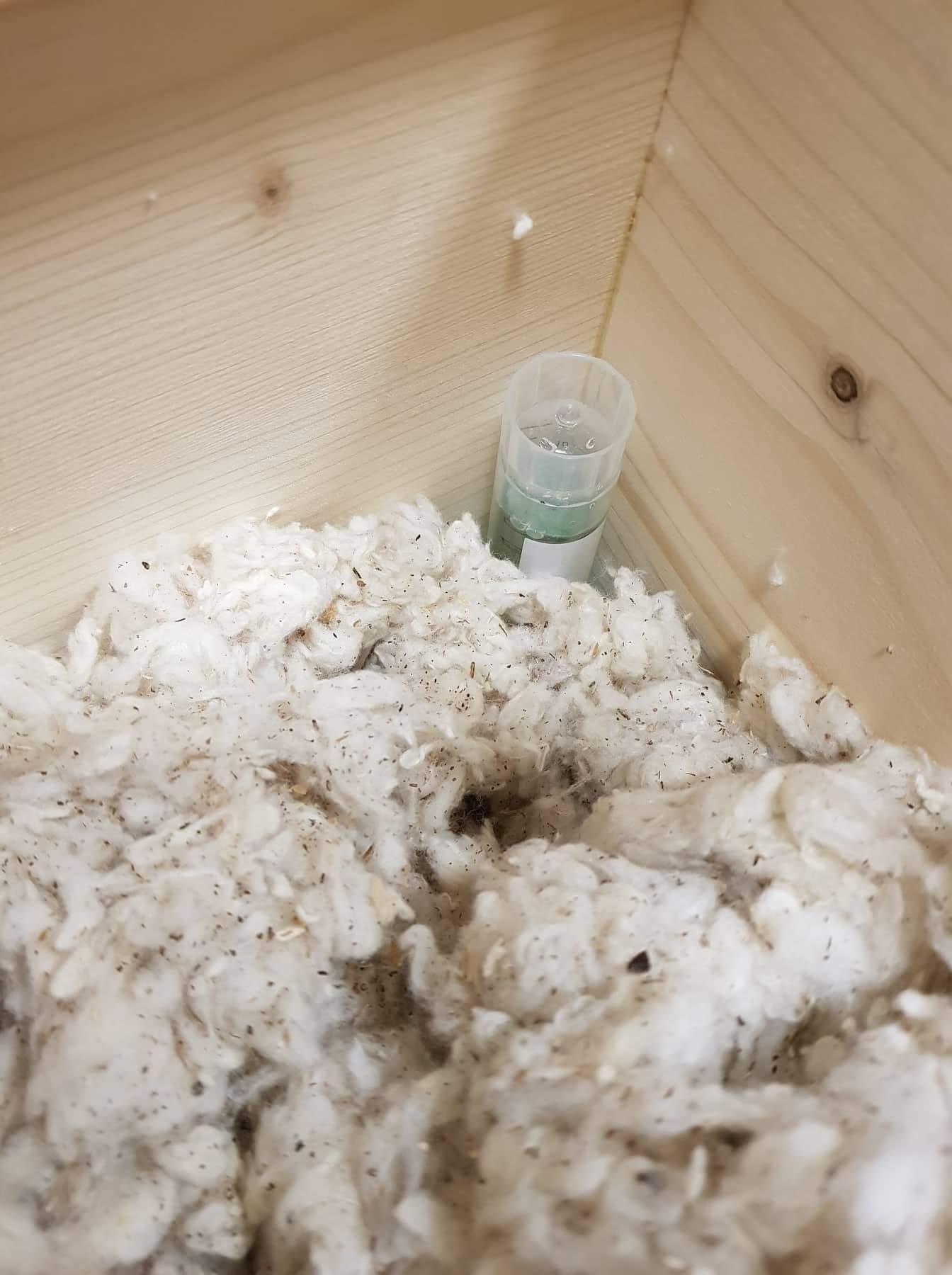
b) Feeder in a vertical position (solution used in Troubsko)
  • use the test tube as described
  • Make the hole small, only about 1 mm in diameter
  • Fill the test tube completely with the solution and close it with a stopper
  • The sugar solution will flow into the screw cap and the bumblebees will drink it there
  • Place the test tube in the hive so that it does not touch the lining - the solution would leak out

 c) PET bottle cap

  • use a PET bottle cap
  • press cotton into it 
  • Drop sugar solution onto cotton wool – the bumblebee will not get wet and the contents of the cap will not spill out
  •  if you don't have cotton wool (you can also use a lining), use a PET bottle cap and put just a little solution in it 
Bumblebees PLUS - Tube feeder - inclined position

Bumblebees PLUS – Test tube feeder – inclined position
Photo O. Hercog
PLUS - Plastic tube feeder

Plastic tube feeder
Photo A. Votavová
Bumblebees PLUS - Tube feeder - inclined position

Tube feeder – inclined position
Photo O. Hercog
Bumblebees PLUS - Tube feeder - vertical position

– Tube feeder – vertical position
Photo A. Votavová

.
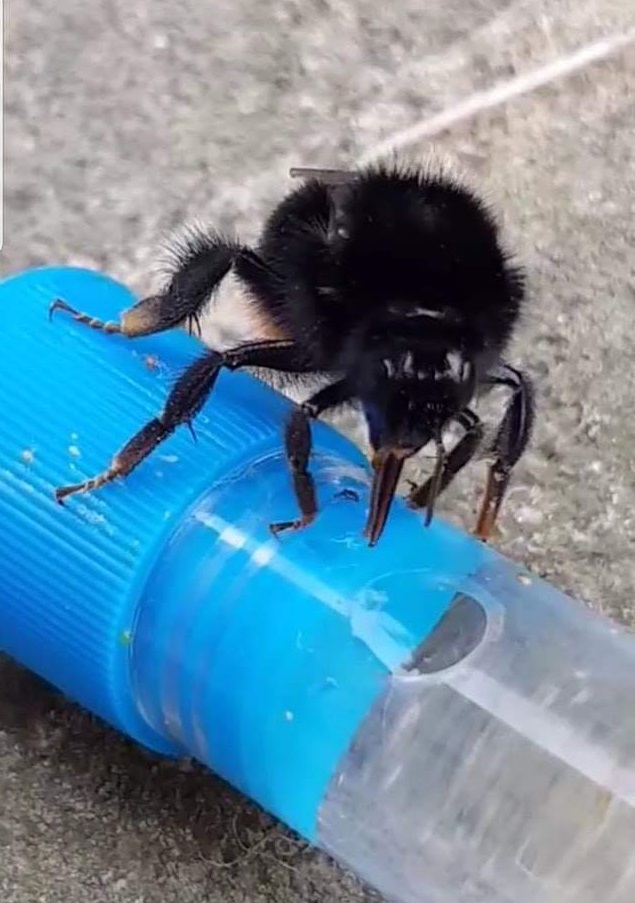
Bumblebees PLUS - Rock bumblebee (Bombus lapidarius)_at the feeder

Rock bumblebee (Bombus lapidarius) on a feeder
Photo O. Hercog
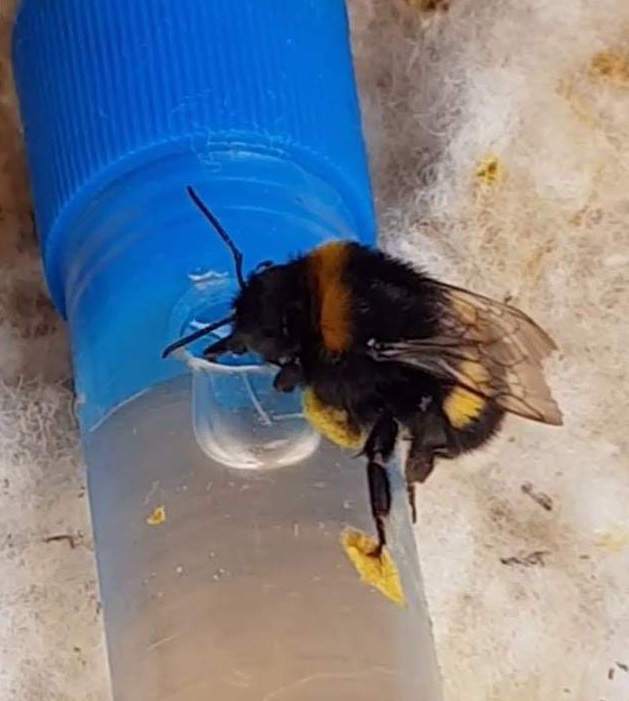
 

Bumblebees PLUS - Bumblebee (Bombus terrestris) on a feeder

Bumblebee (Bombus terrestris)_at the feeder
Photo O. Hercog
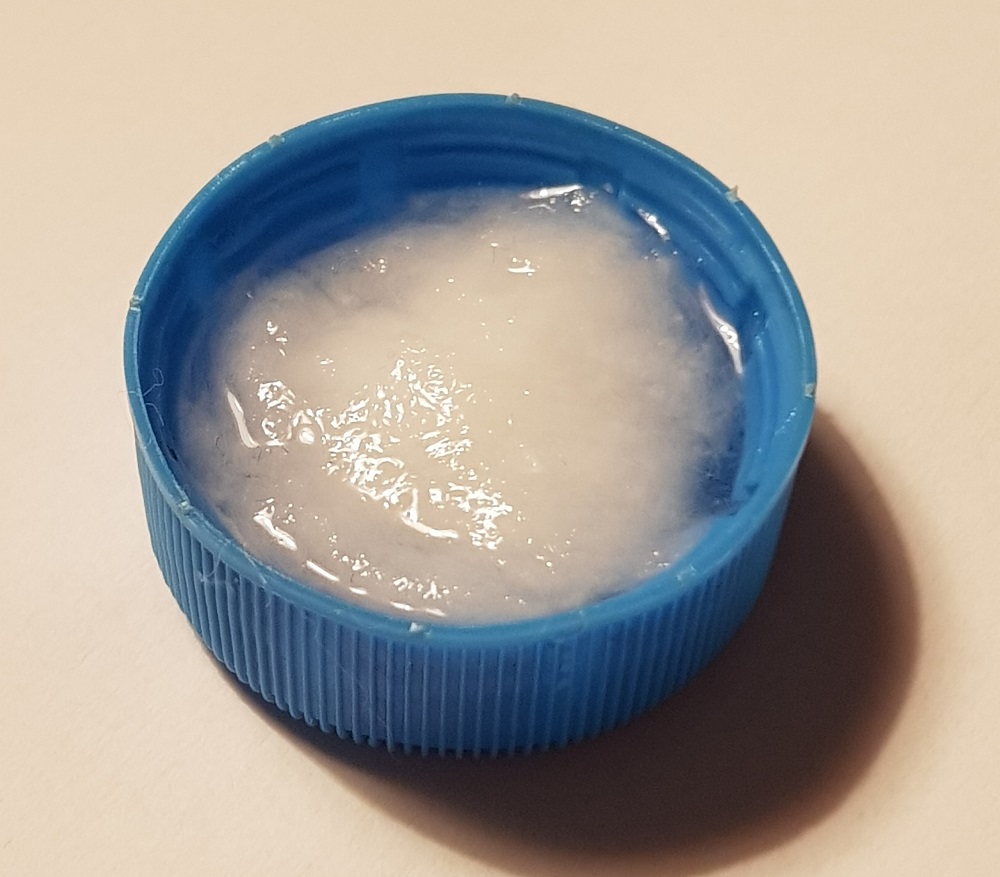
 

Bumblebees PLUS - Feeder from a PET bottle cap - SUITABLE

Feeder made from a PET bottle cap with a cotton insert – SUITABLE
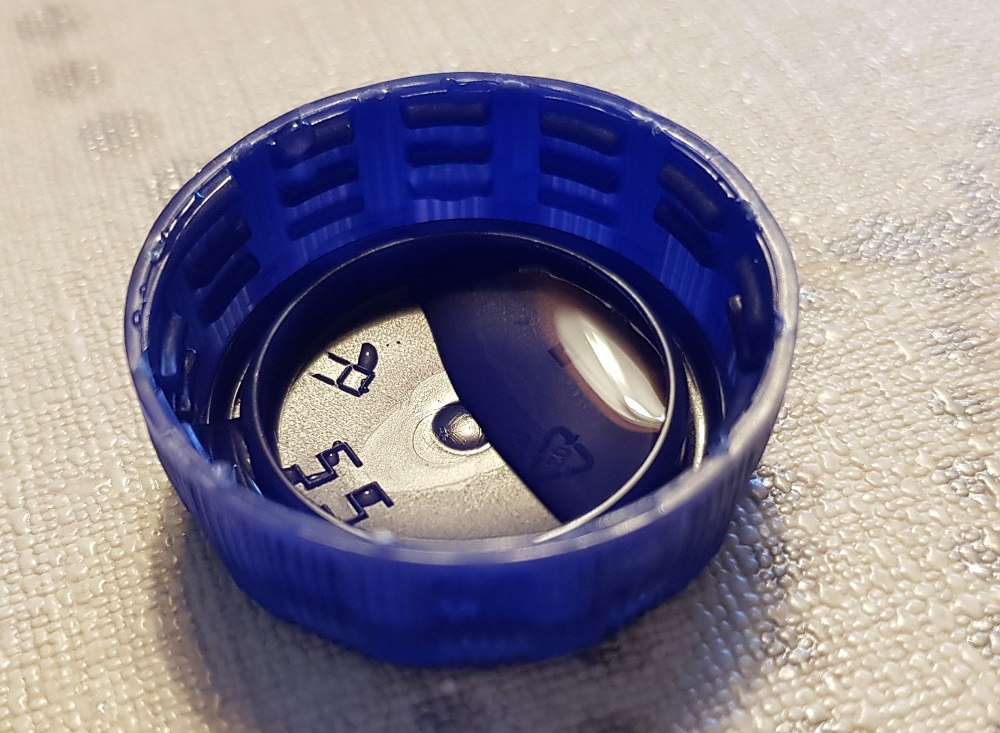
Bumblebees PLUS - Feeder from a PET bottle cap - USEFUL

Feeder made from a PET bottle cap not completely filled – USEFUL
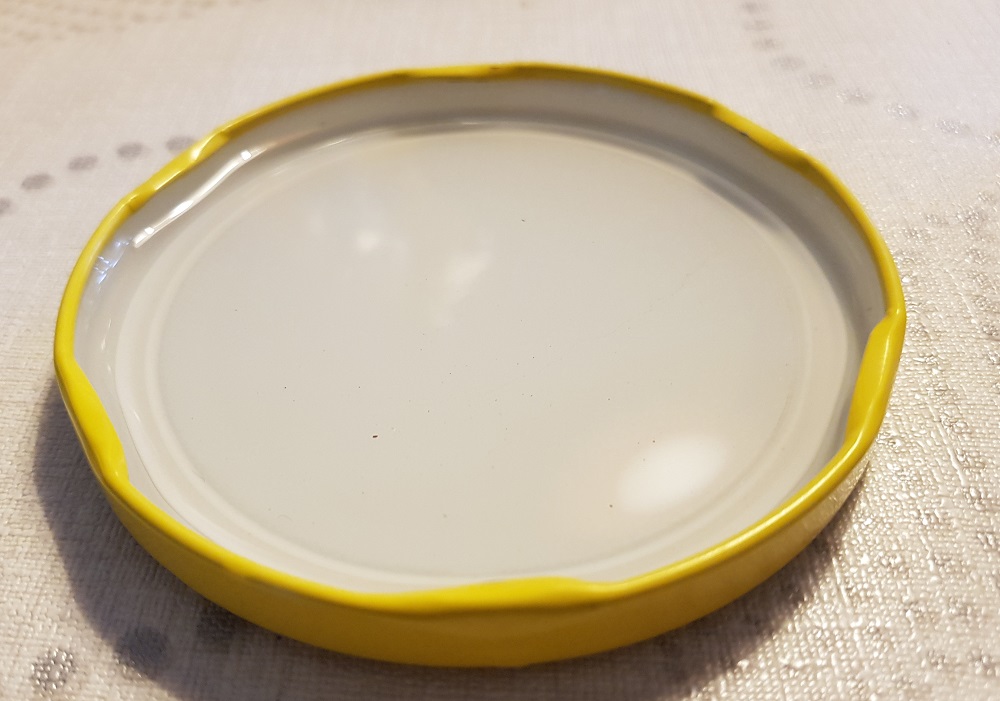
Bumblebees PLUS - Bowl feeder - UNSUITABLE

Bowl feeder – UNSUITABLE

Bumblebees PLUS - Feeder made from a full PET bottle cap - UNSUITABLE

Feeder made from a full PET bottle cap – UNSUITABLE
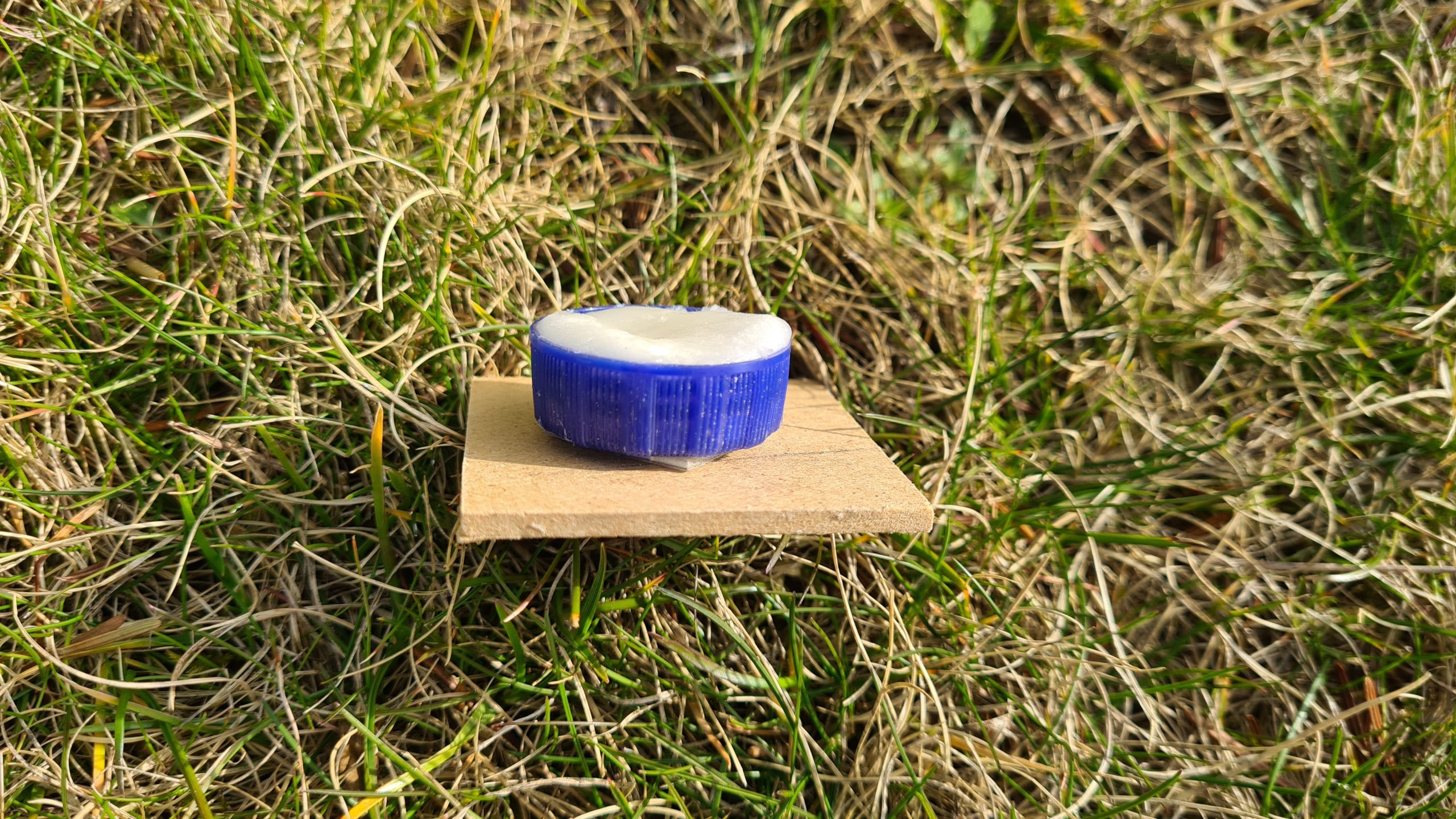
If you attach the cap of a PET bottle to a pad, it will hold well on the lining - it will not fall over or fall out. Just stick it with superglue or double-sided tape to a small plate.

Bumblebees PLUS - Feeder from a PET bottle cap - honey and sugar dough - Photo Ondřej Hercog 2022

Feeder from a PET bottle cap - honey and sugar dough
Photo: O. Hercog 2022

.
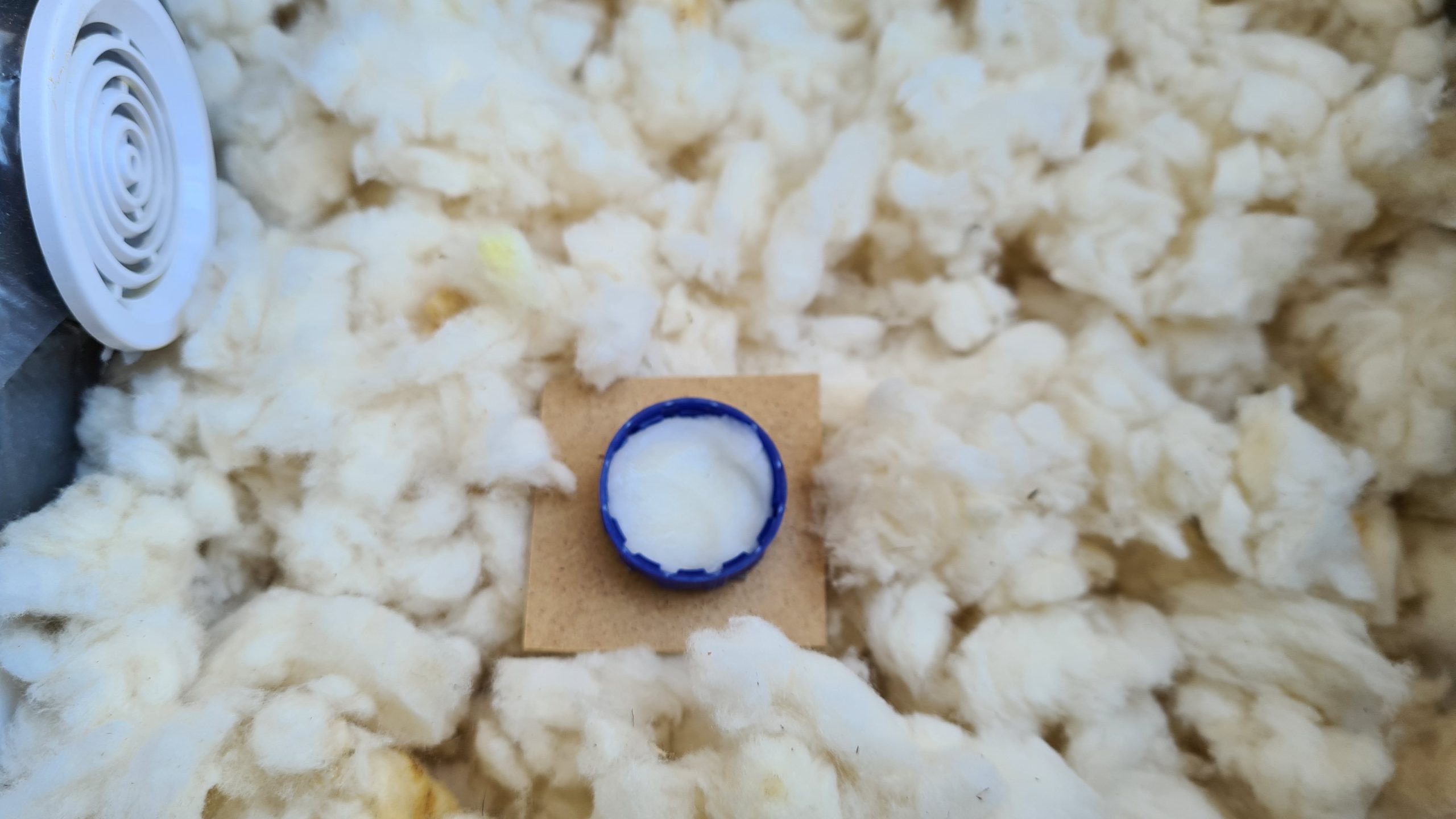
Bumblebees PLUS - Feeder from a PET bottle cap - honey and sugar dough - Photo Ondřej Hercog 2022

Feeder from a PET bottle cap - honey and sugar dough
Photo: O. Hercog 2022
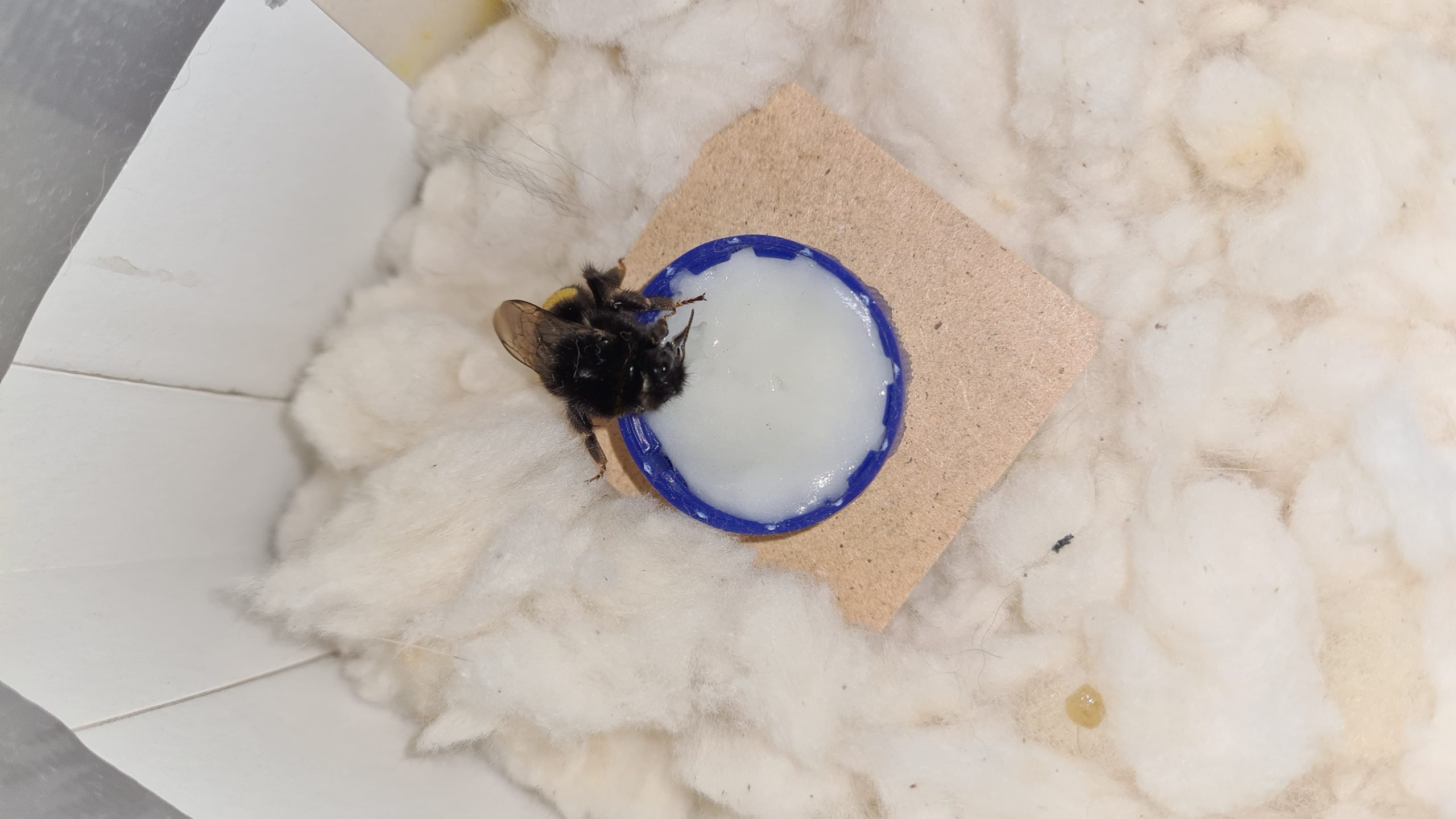
Bumblebees PLUS - Feeder made from a PET bottle cap - honey-sugar dough - the mother is feeding - Photo Ondřej Hercog 2022

Feeder made from a PET bottle cap - honey and sugar dough - mother feeding
Photo: O. Hercog 2022
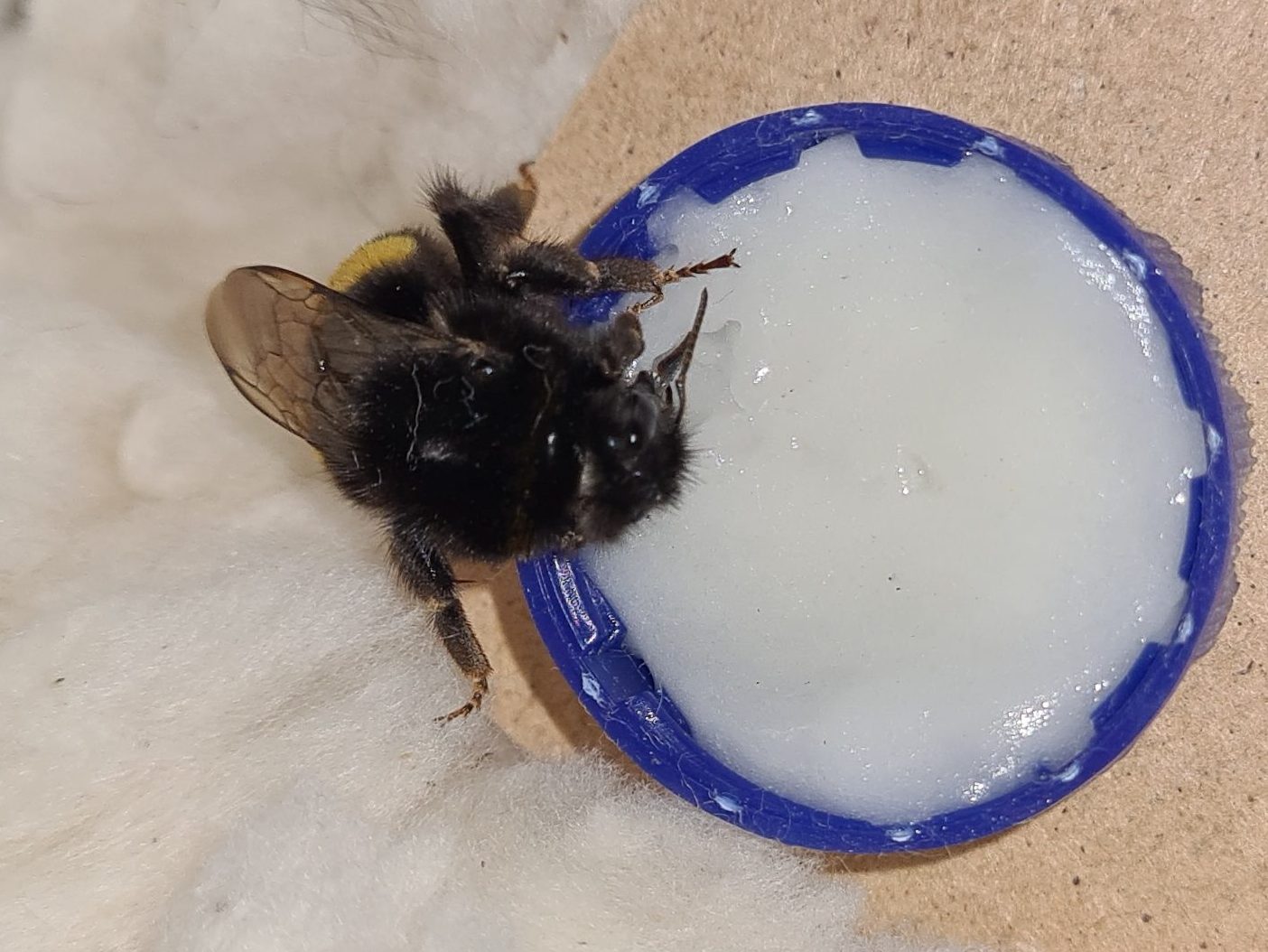
Bumblebees PLUS - Feeder made from a PET bottle cap - honey-sugar dough - the mother is feeding - Photo Ondřej Hercog 2022

Feeder made from a PET bottle cap - honeydew dough - a mother bumblebee is feeding
Photo: O. Hercog 2022