Inappropriate capture kit

Tools that will help you really keep a bumblebee away

What you will learn here

  • We will show you an example of an inappropriate capture kit
  • We will explain why it is not suitable
  • We will provide supporting documents
  • We will provide instructions for solving the problem

Last updated: 9/4/2022

Introduction

Many of you may have trouble moving the mother from the mesh to the inserter.

It is mostly a matter of experience. But it can be practiced – just take a sieve and a feeder at home and test the whole procedure “dry” at home. The exercise will be useful to you and maybe the instructions on the website www.cmelaciplus.cz and also the instructional video on YouTube Čmeláci PLUS: https://youtu.be/9GCEJkX84Bc

We receive many questions and information that you are still not successful and what to do about it.

We have shed some light on this and we already suspect the possible source of the long-lasting transfer of the queen to the loader, the great stress of the queen bee and the subsequent non-acceptance of the hive (bumblebees).

The cause may be an inappropriately small diameter inserter.


In our instructions and photos you can see the recommended inserter made of a 60 ml plastic syringe (50 ml in the catalog) see HERE :

This syringe is just big enough to comfortably accommodate the queen mother of our largest common species, the ground/rock bumblebee.
At the same time, its diameter is large enough that the queen will not fly out of it. However, the diameter is large enough that the queen can easily fit into the entry hole. All of this will make it much easier for you to handle the queen when filling the hive.

If you get a small diameter loader, it's all the other way around...

It is very difficult to get a mother of a large species into such a carrier and she will not even turn around. She will defend herself and fight with the small space. This will only lead to stress and a decrease in her appetite for settling.

Where is the problem?

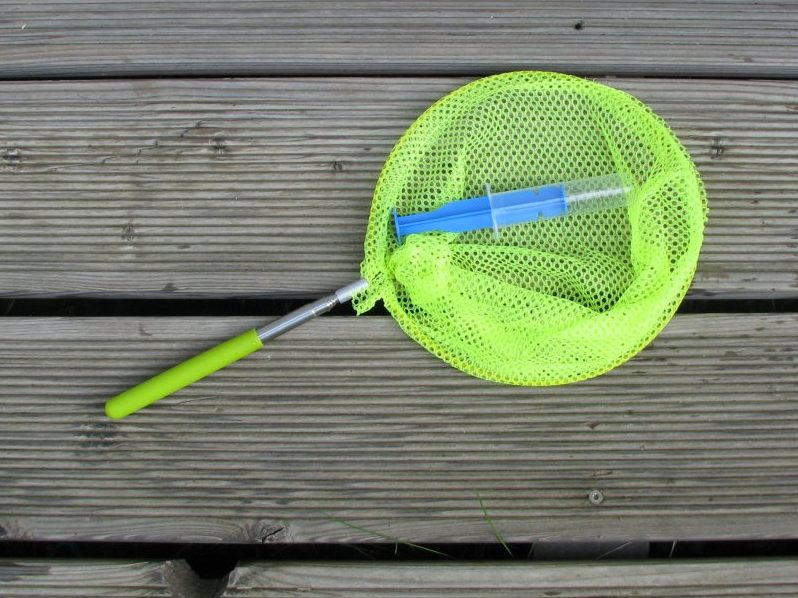
We have found that many of you have purchased trapping kits that contain 20 ml applicators as part of the trapping kit " Bumblebees - type 2020 kit for gentle trapping of the bumblebee queen ". We will not name a specific company, let's call it the "Seller" here.

We do not know why the Seller is supplying this unsuitable kit. Previous versions of the capture kit were satisfactory. Is this due to lack of interest, ignorance, or human error?

Here is a recommendation for you – do not use such a feeder on large species of bumblebees !

The feeder may be suitable for small species of bumblebees. But honestly – do you take a set of feeders to catch and choose the size of the feeder according to the species of bumblebee you catch?

As we state in our instructions on the website, a 60 ml injector (inner diameter 25.5 mm) is perfectly suitable. Every pharmacy has a syringe of this size. They sell it there as a 50 ml syringe , although it is graduated up to 60 ml. When you get it, just cut it diagonally according to our instructions . This makes it much easier to introduce the queen into the hive.

Bumblebees PLUS - Trap set inappropriate size of net and feeder

"Bumblebees - type 2020 set for gentle capture of bumblebee queens" - inappropriate size of net and feeder
Photo of seller's website
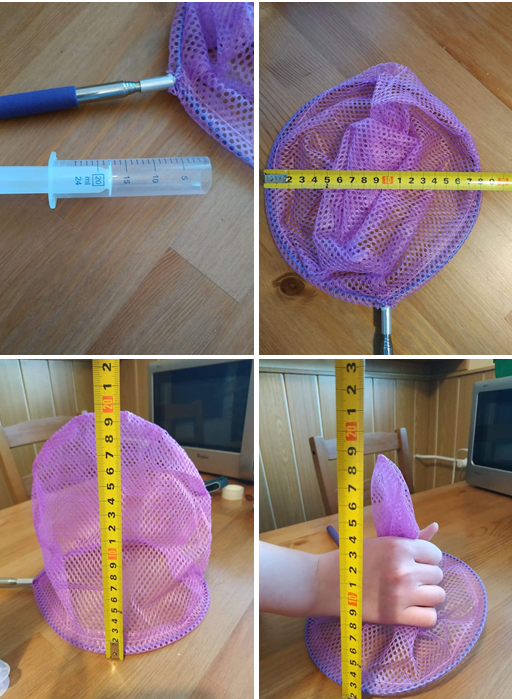
 

Bumblebees PLUS - Unsuitable trapping kit

Unsuitable trapping kit "Bumblebees - type 2020 kit for gentle trapping of the bumblebee queen"
Customer photo
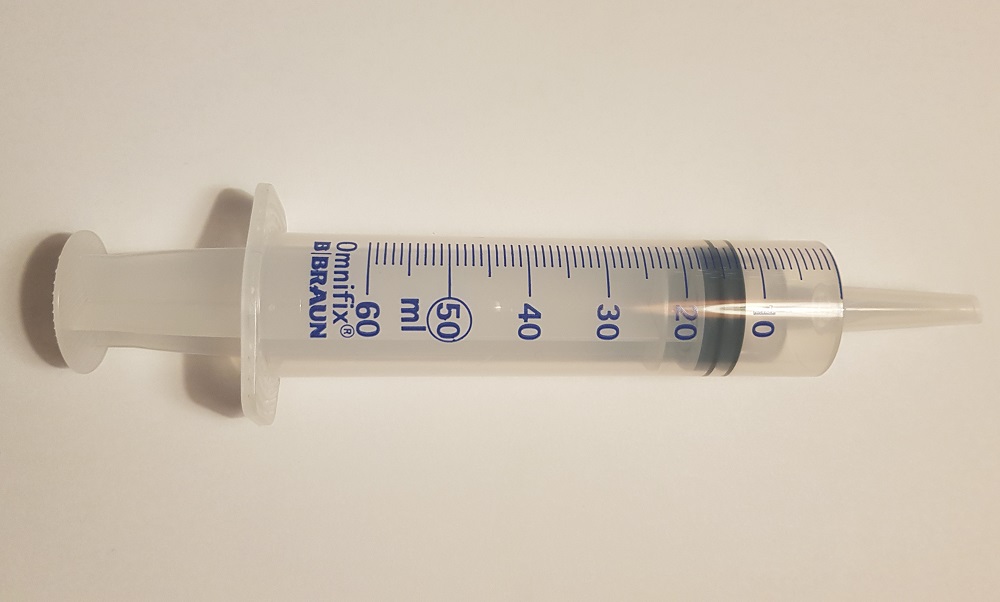
 

Bumblebees PLUS - Queen bee introducer into the hive - syringe

Queen bee introducer into the hive – syringe
 

And speaking of the set… The seller supplies a net with a metal frame and a telescopic handle as part of the trapping set – that’s not a bad idea.
The manufacturer advertises a diameter of 20 cm, which is fine for close-up trapping. However, in the field, we recommend a larger diameter net, even 40 cm . When trapping in the field, the diameter of the net is decisive, not the length of the handle. However, it is clear from the photo that the net has a smaller diameter of 17 – 18 cm, which is really not enough .

But the net has one catch, actually a significant catch – the net is terribly shallow .

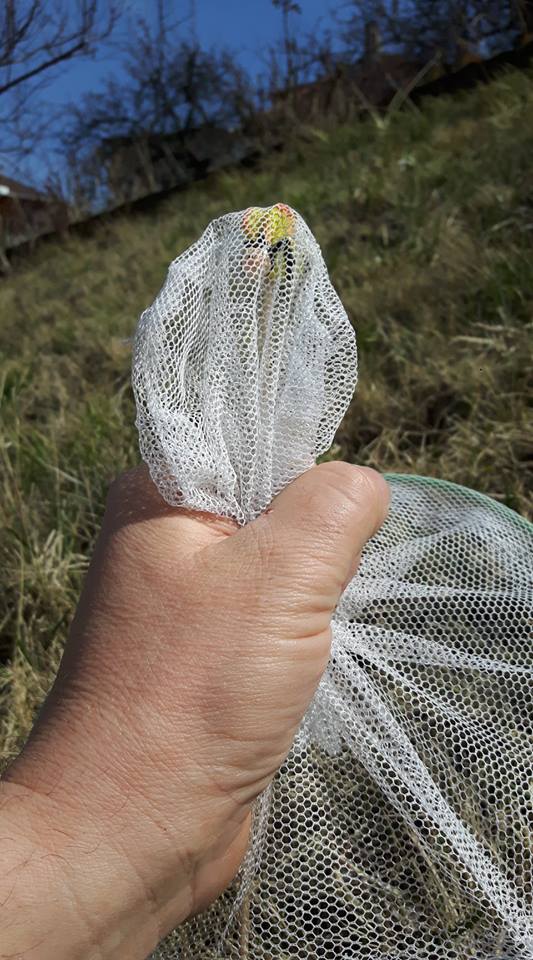
If you catch a mother bumblebee in it, it will be very difficult to get it into the feeder . You need to have a miniature hand. Another one cannot close the bumblebee in a shallow net by squeezing the palm of your hand without harm .

In combination with the small introducer from this capture kit, capturing the queen and gently introducing her into the hive is practically "Mission-impossible".

You can read more about trapping nets HERE

Why it doesn't work

We can easily prove to you that we are not making this up and we will show it to you in photographs.

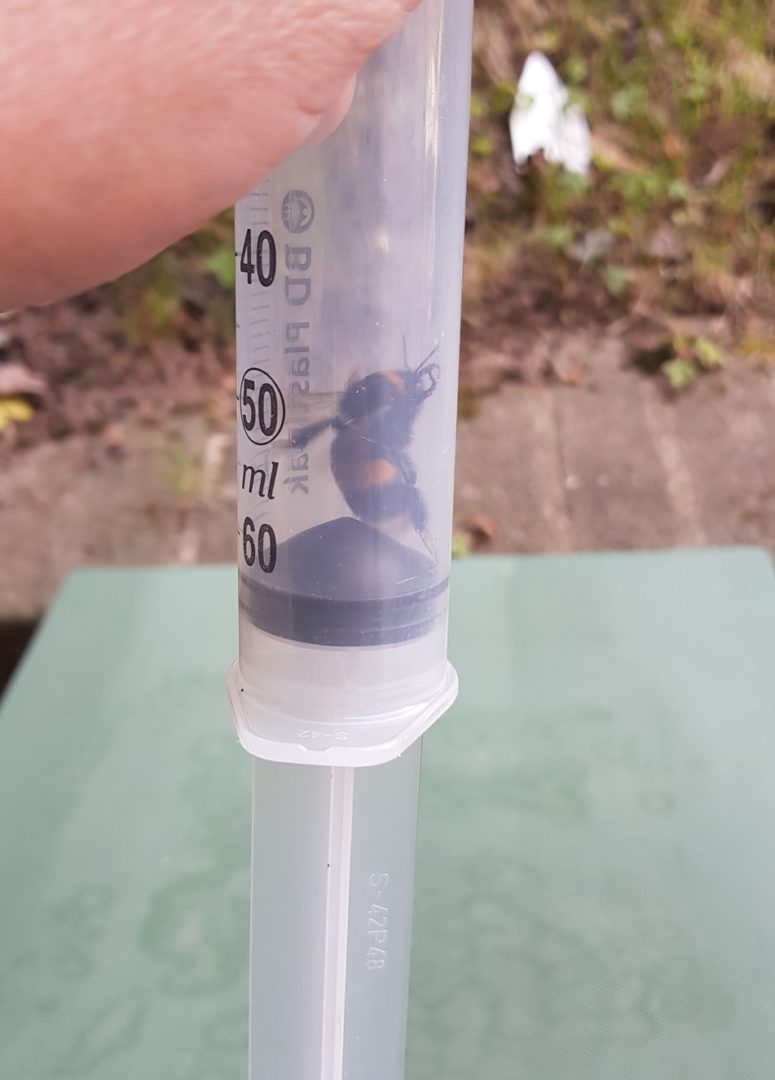
In the first photo you can see a bumblebee queen (Bombus terrestris) in a 60 ml plastic syringe .

  • The internal diameter of the syringe is approximately 26 mm.
    The queens of the ground bumblebee are 20-26 mm long.
    The queens of the rock bumblebee are 20-24 mm long.

You can see for yourself that the queens of these largest common species in our country can easily fit into a 60 ml feeder.

In the second photo you can see a mother meadow bumblebee (Bombus pratorum) in a 20 ml plastic syringe .

  • The internal diameter of the syringe is 19 mm.
  • Meadow bumblebee queen size (length) 15-17mm
In the third photo you can see a bumblebee queen (Bombus terrestris) in a 20ml plastic syringe .
 

To describe the size of bumblebee queens, we used a recognized reference source: "Blanovaria of the Czech Republic I.", Academy of the Czech Republic 978-80-200-1772-7

Bumblebees PLUS - Mother bumblebee (Bombus terrestris) in a syringe feeder 60 ml

60 ml
syringe insert. The mother is 20-24 mm long.
Photo O, Hercog (3/2020 Prague)
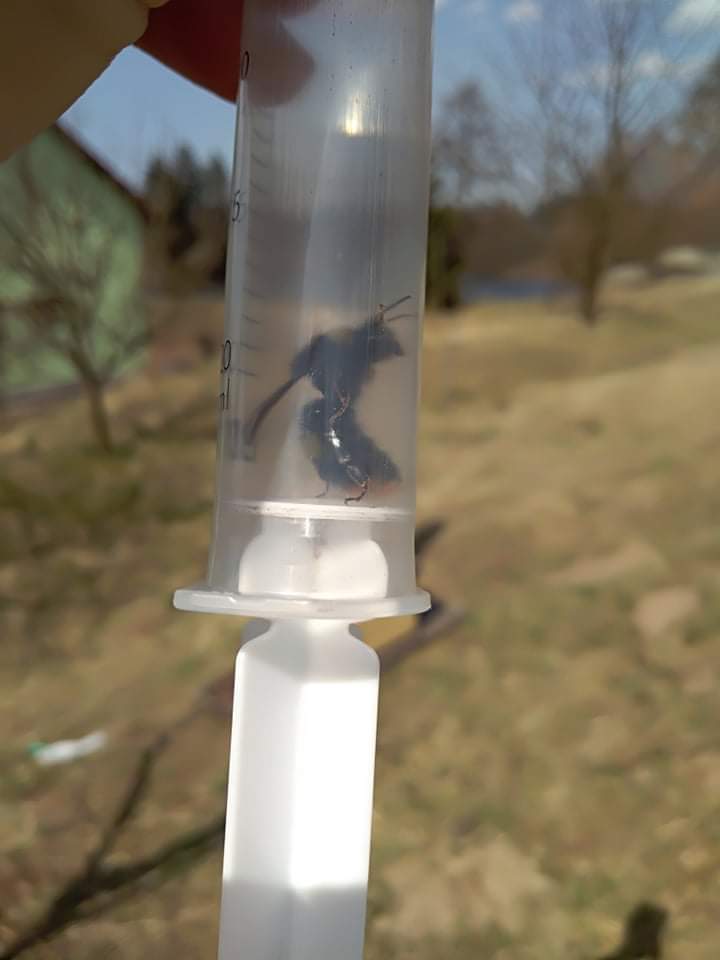
Bumblebees PLUS - Meadow bumblebee mother (Bom,bus pratorum) in a 20 ml container

20 ml
syringe insert. The queen is 15-17 mm long.
Photo M. Bradová (3/2020)
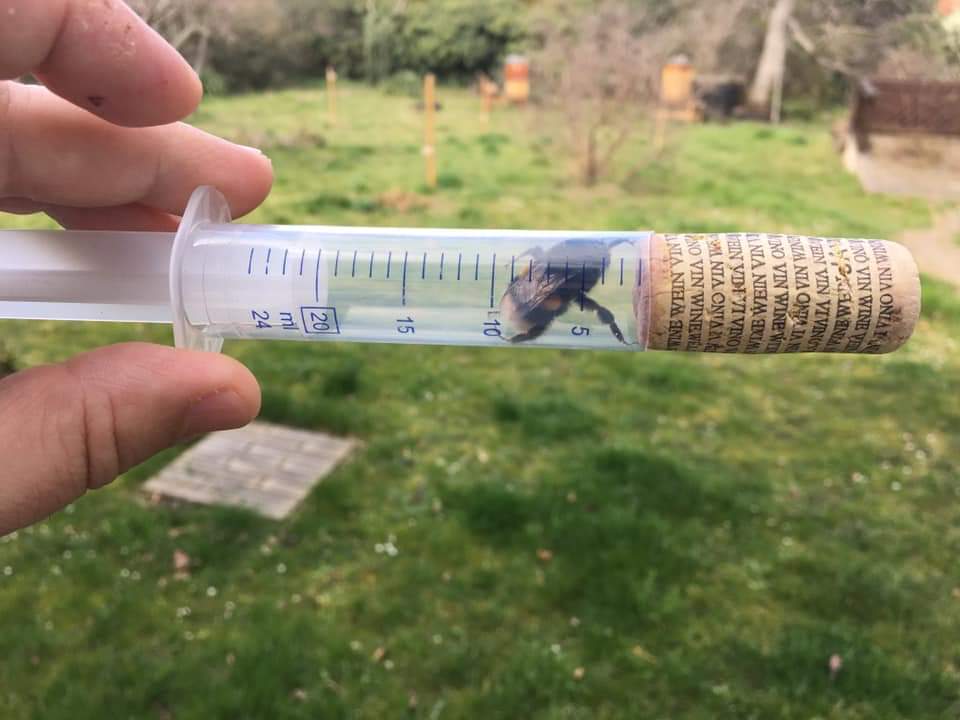
Bumblebees PLUS - Mother bumblebee (Bombus terrestris) in a syringe inserter 20 ml

20 ml syringe inserter

The mother is 20-24 mm long
Photo by K. Červenka (3/2020)

In this video you can see that a large mother bumblebee (Bombus terrestris) can barely fit into a large carrier. She gets really stressed in a smaller one.

A small inserter stresses the mother and its use puts her at risk

A mother of a small species can fit into a small feeder, but will have trouble turning around. A mother of a large species will have great difficulty fitting in, will not be able to turn around and will be extremely stressed, as practice shows.

Unfortunately, many beginners solve this by simply pushing the mother into the inlet. But this can hurt her!

We are not saying that the difficulties with the introduction of the mother stem only from the non-aqueous introducer, that would certainly not be fair. However, it is a very important detail that can decide the success.

A small feeder is demonstrably stressful for a large queen. It is difficult to get them into it with a trapping net and the queen will not turn around properly in it. However, the stress of the queen is the decisive criterion for the successful settlement of the hive.

Do you want hard data?

An experienced fellow beekeeper tried the small feeder. Out of 40 attempts at introduction with this feeder, only in 3 cases did stressed queens make an orientation flight after introduction into the hive. After replacing the feeder, everything went faster and queens made an orientation flight after every second or third introduction.

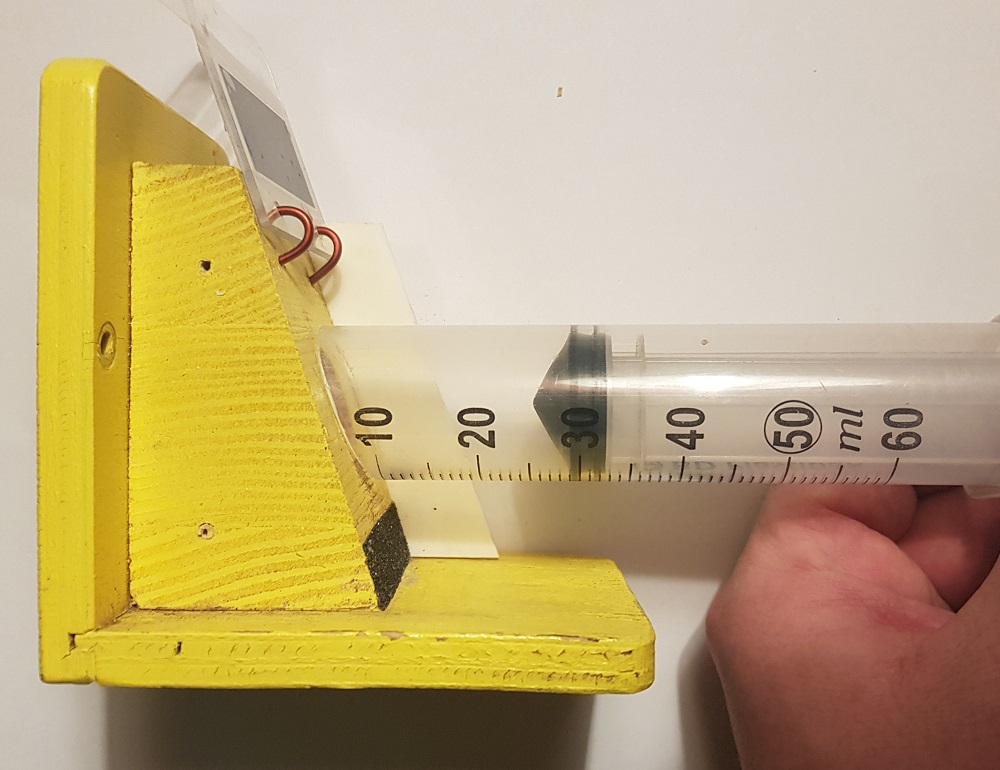
We tried the small net, but a really big hand won't close the bumblebee caught in it...


Mother caught in the net
Wait for the mother to emerge and use your other hand to close the net under the mother
 

How to solve it

Our recommendation is simple:

  • If you have a small inserter – replace it with a larger one – we recommend a volume of 60 ml (inner diameter approx. 26 mm)
  • If you have a shallow net, get a deeper one so that you can comfortably close the queen bumblebee with your hand and transfer it to the feeder.
  • If you have purchased an unsuitable trapping kit that we are writing about here and are having problems with it, we are sorry. It is up to you how and if you will resolve this with the Seller.
  • We would be happy if you could give feedback to the Seller and point out to them that they are selling problematic items.
    Customer feedback is important - it helps the Seller improve their products.
You can read about a suitable bootloader HERE
You can read about a suitable trapping net HERE
 
Bumblebees PLUS - Queen bee feeder - obliquely cut front surface - suitable cutting angle

Queen bee feeder into the hive,
front surface cut diagonally – suitable cutting angle.
Feeder attached to the entry hole.
Photo O. Hercog
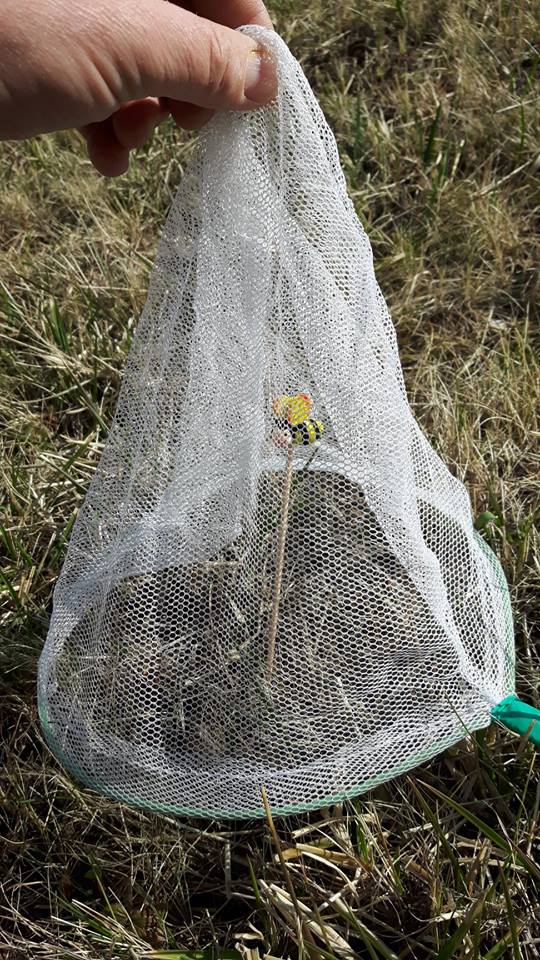
Bumblebees PLUS - Mother caught in a net

Mother caught in a net – the net is deep enough.