What is the right moment?
What you will learn here
- When is the right time to place a bumblebee hive on a site?
- Why it's not advisable to rush
- How can you influence the type of bumblebee that settles in your hive?
Last updated: 15/3/2023
Introduction
Most beekeepers can't wait for bumblebees . That's logical - they've been looking forward to it all winter, preparing for it, and so they're ready for the first rays of spring sunshine.
They have done everything necessary to start the season – they have chosen a place for the hive , properly equipped and prepared it . Now they want to quickly fill the hive and enjoy the bumblebees.
But when is the right time to put the scare in its place?
And is it good to start right at the end of the season?
We will try to give you clues on how to proceed.
Spring weather fluctuations
Spring has its whims . It is not for nothing that they say "March - we climb behind the stove".
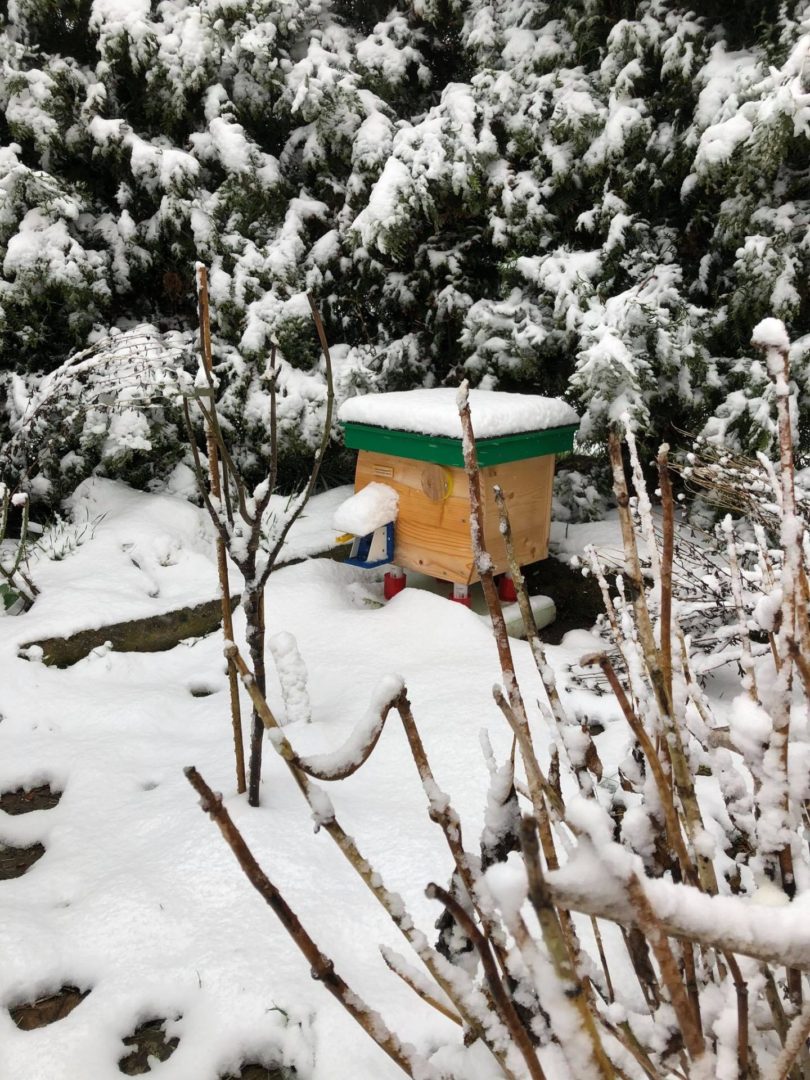
It is very often warm during the day and at night the temperatures drop below zero Snow showers often occur , sometimes the snow lasts for several days. April is also a month of temperature variability, but frosts are not so common.
The start of the season and temperatures depend a lot on altitude and local conditions .
As an example, we can mention Prague. There the season starts early, as well as in the south of Moravia. In the vicinity of Prague, however, everything is delayed, by 1-2 weeks. Similarly, spring starts later in the foothills.
This is also reflected in climate change , which exacerbates differences and fluctuations in weather.
So you can't follow the calendar, but local observations. Also, don't be fooled by the fact that it's nice outside, look at the long-term weather forecast .
Take your time and wait for the real warming.

A sleigh ride in a snowy garden
Photo: PG Gröbl (21/3/2020)
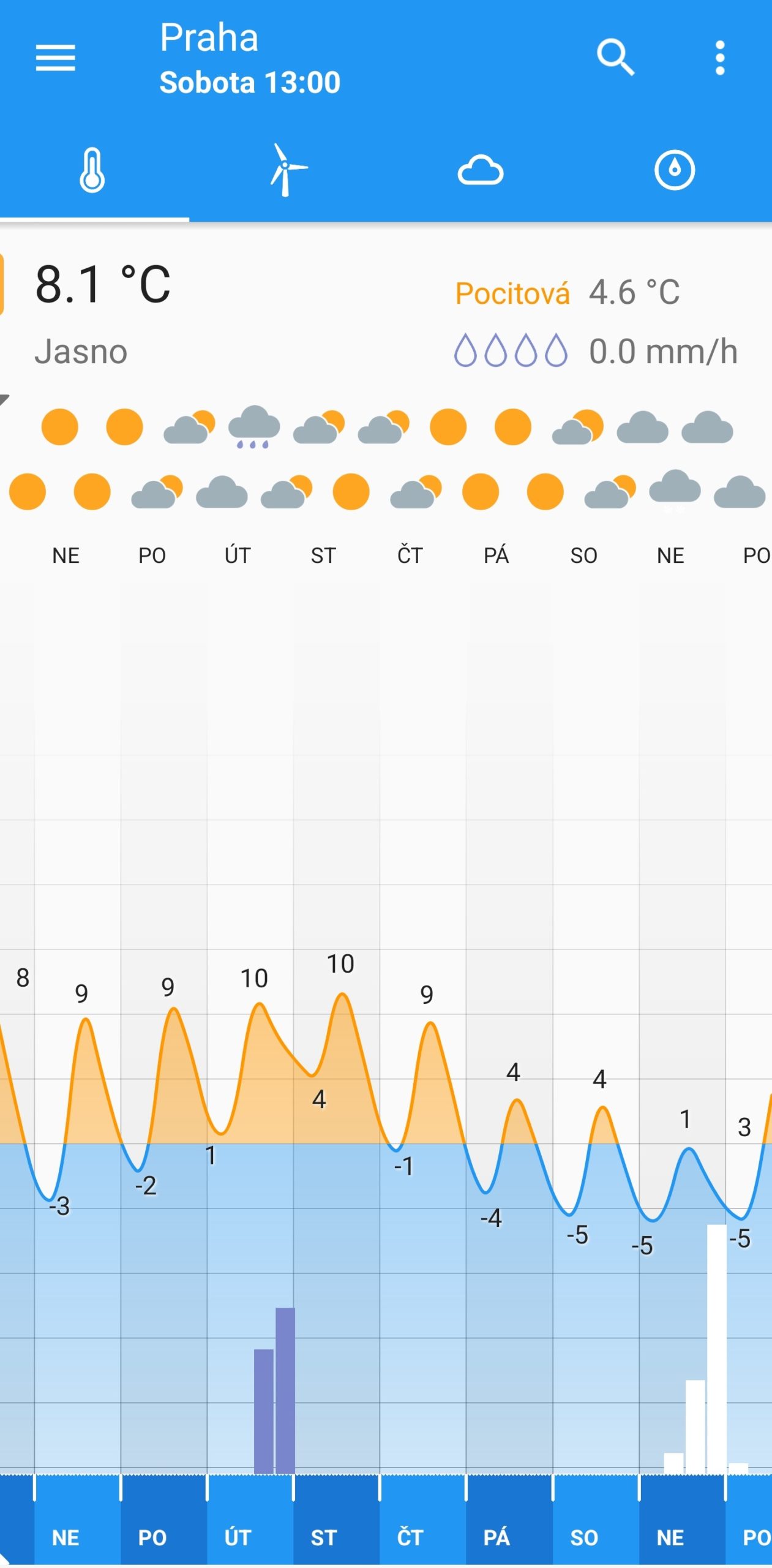
Weather forecast Prague
Source: Klára
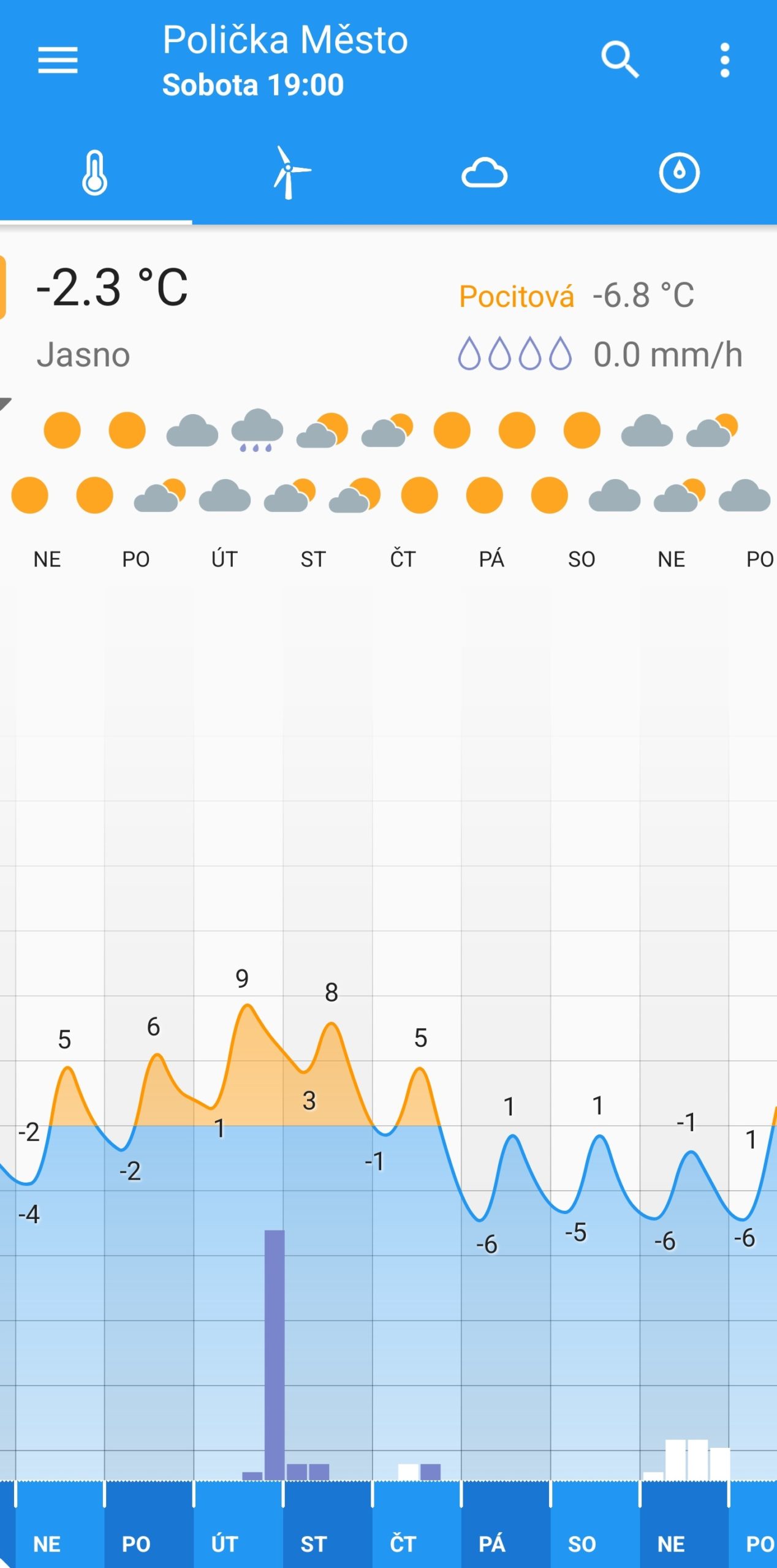
Weather forecast Polička
Source: Klára
Unstable weather and why not rush
If you manage to settle a bumblebee queen, you will solve problems at the moment of cooling .
Even the best hive copies the ambient temperature . A well-insulated one cools down more slowly, and one without insulation cools down very quickly. This also applies to the weight of the hive – a light one cools down quickly.
A queen bee in a hive , if she has enough nectar and pollen , can handle cold for a short time, but not sub-freezing temperatures. In that case, she will leave the hive and may not return. In the worst case, she will become exhausted and die .
There are solutions that help address the effects of short-term temperature fluctuations, but it is not a 100% solution.
In addition to good insulation , which we describe HERE the beekeeper can help the nest in other ways. We write about them HERE . But it is laborious and risky. The hive can also be equipped with heating , but even that has its limits. You can read about heating in hives HERE .
If you can use an indoor location, that's ideal . A nest located in a garage or basement of a house has stable temperature conditions .
If the hive is set up with appropriate heating, or in a hive, the mother will have good nesting opportunities, but without food she will not thrive on cold days . To a certain extent, this can be achieved with supplementary feeding .
So if you rush, be prepared for a number of difficulties that await you.

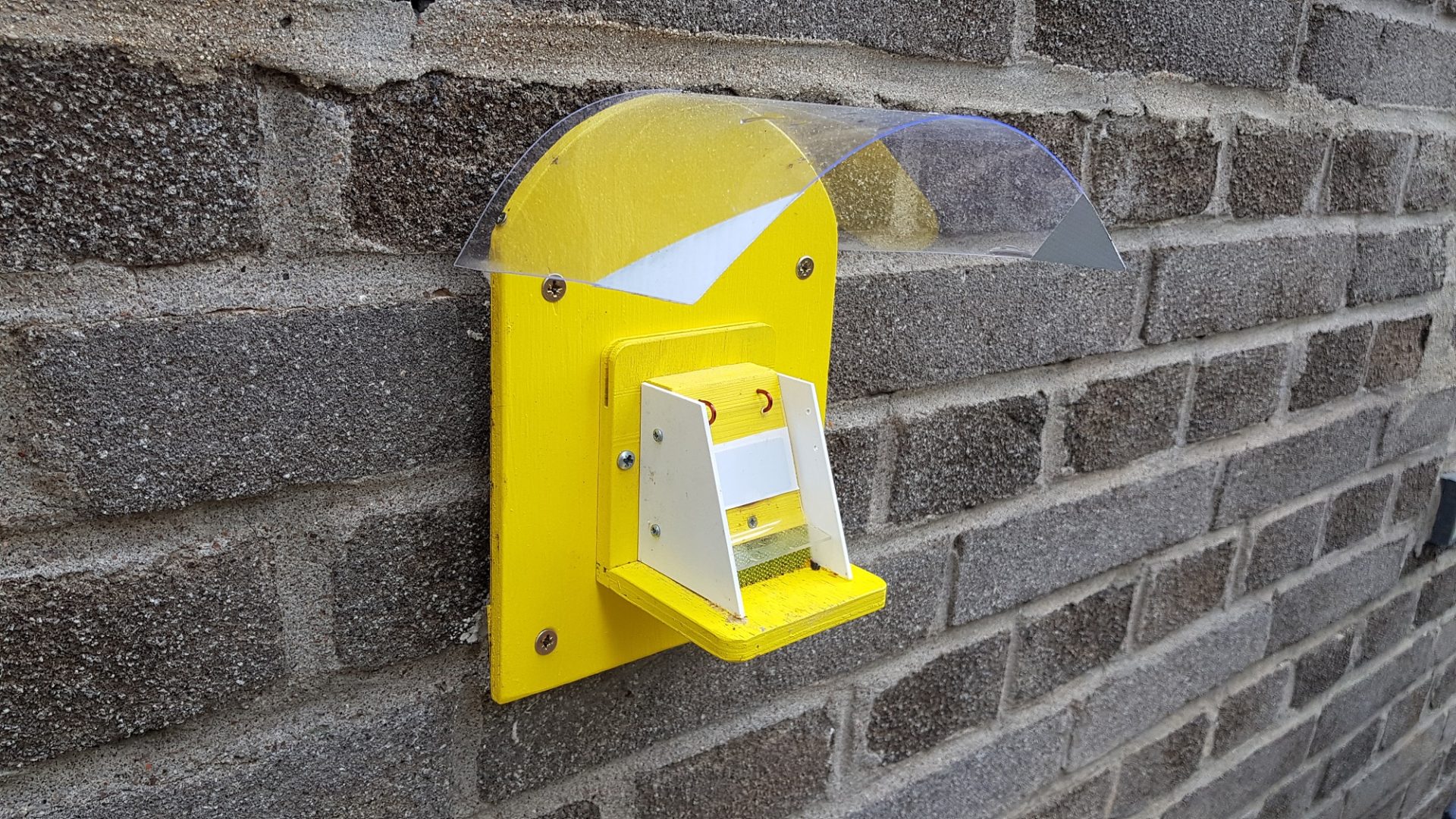
Bumblebees PLUS – Canopies for flaps placed on the wall
Photo O, Hercog 6/2020
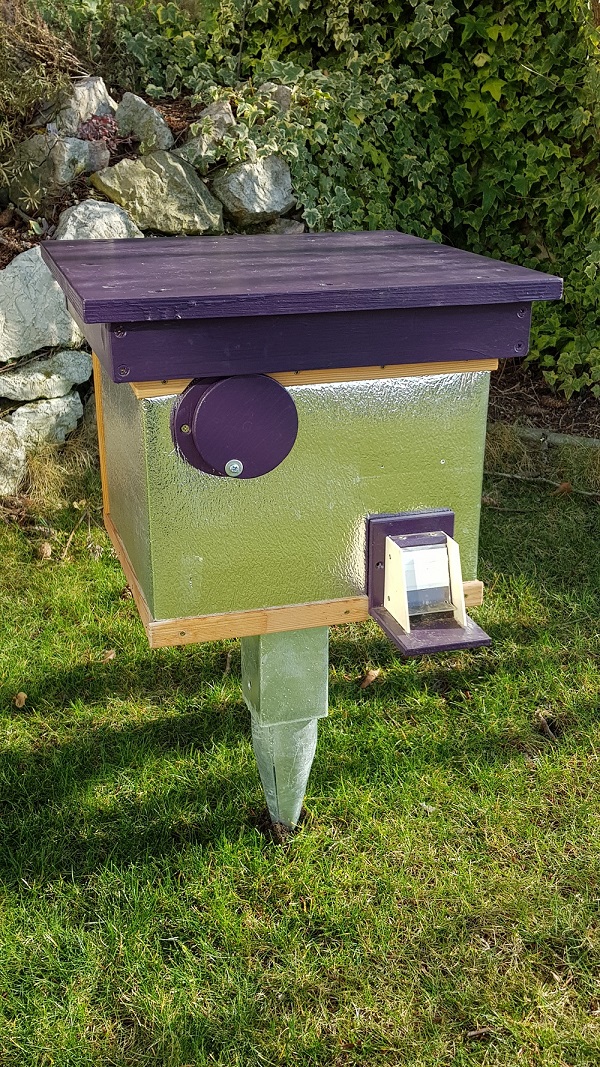
A nest on a stand made of a ground foot and a beam holder
Photo O. Hercog
Do you know what type of bumblebee you want to settle?
It sounds like sci-fi to a beginner beekeeper, but a beekeeper can wait for a specific type of bumblebee.
If you know the approximate order in which the bumblebee queens appear, you can wait for them. If you specifically do not want to breed spring species and be bothered by weather fluctuations, wait for the warmer weather and do not plant immediately at the beginning of March.
This ranking shows that late species are the least common in nature . This is perhaps partly due to the competitive advantage of early species , which are able to occupy suitable nesting sites earlier.
Less abundant species also often have closer ties to certain plant species and are less adaptable in their food choices.
Species that form colonies with fewer individuals are also
more vulnerable Species that combine late activity, a long tongue and small colonies, such as the critically endangered false bumblebee in the video, therefore deserve the most attention. Whether by protecting locations, growing suitable plants, or offering nesting sites.
Each species has its own survival strategy . Some species need rich food sources and are not so picky. They have large nests and start early , for example the ground bumblebee (Bombus terrestris). Other species can establish a second generation in the same year , which is why they also start relatively early, for example the garden bumblebee (Bombus hortorum). Some species do not have high food requirements , thanks to which their nest can sometimes last until the autumn frosts. However, they nest in grass and only establish it there after it is no longer frozen. For example, the field bumblebee (Bombus pascuorum) can do this.
There is therefore no reason for bumblebee breeders to rush, as there will be a chance to fill their hives for at least the next three months. However, they can join the rescue operation of the Bumblebee Rapid Rota , see the following text.
The order in which bumblebee mothers appear
The order is of course not exact, it is only indicative . You can find out more in our species catalogue, which we are preparing HERE .
Interesting fact
- Some species will appear at the place where their mothers gave birth soon after waking from hibernation. However, this does not mean that they will immediately nest.
- Some species establish a second generation in the same year – the new mothers do not hibernate, but establish a new nest
First group – from March (depending on conditions)
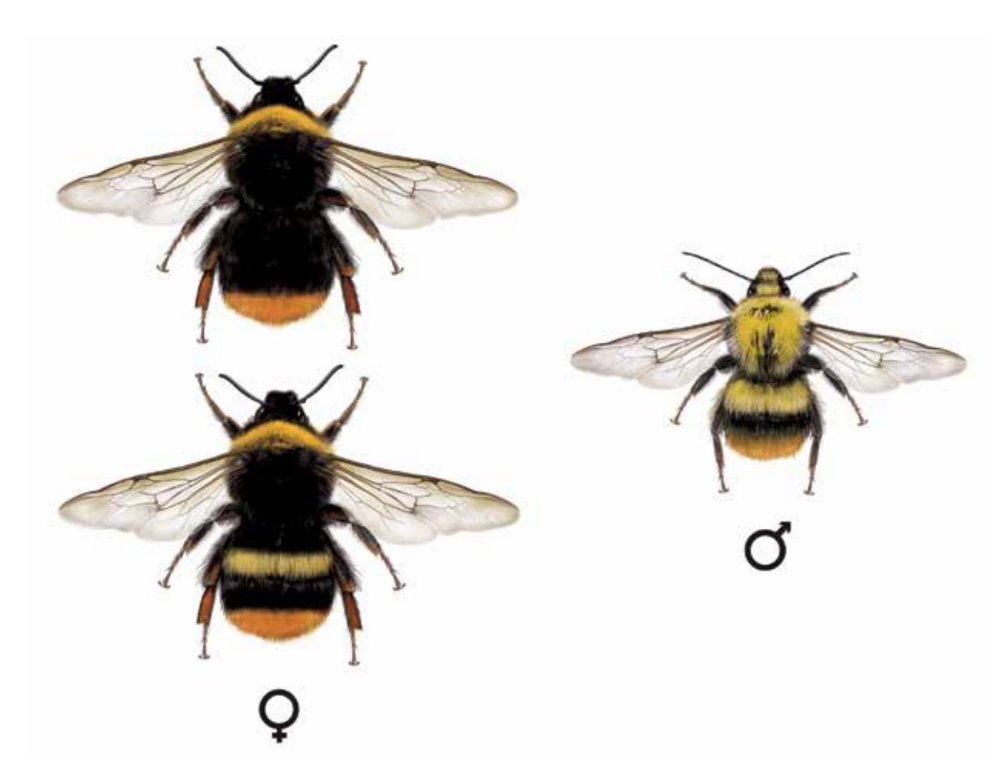
- Meadow bumblebee (Bombus pratorum)
- Wood bumblebee (Bombus lucorum)
- Ground bumblebee (Bombus terrestris)
- Hypnotic bumblebee (Bombus hypnorum)
- Small bumblebee (Bombus jonellus)

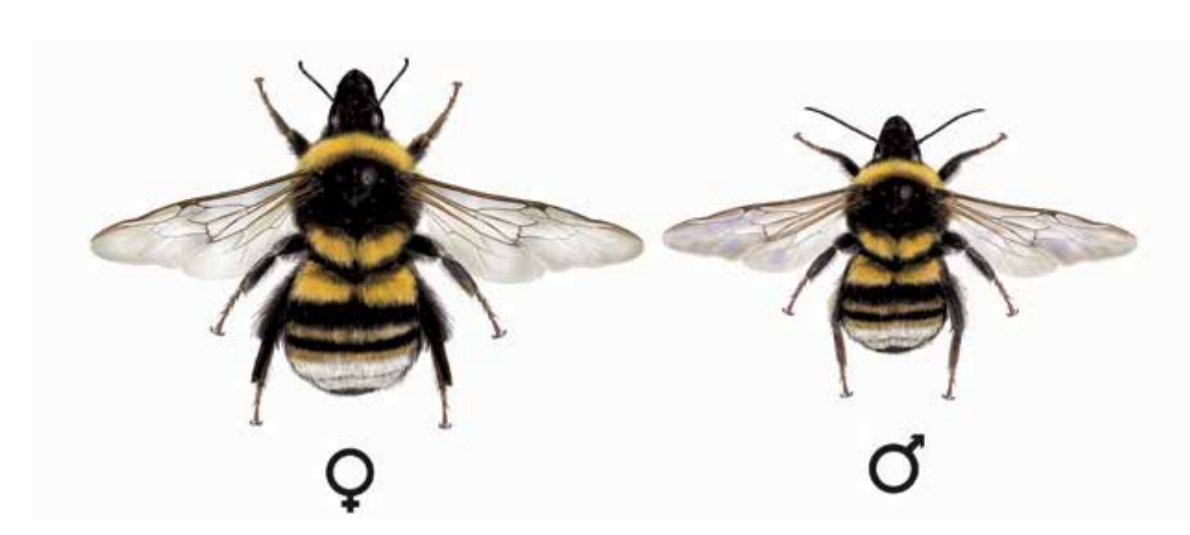
Meadow bumblebee (Bombus pratorum)
Source: Sikora A., Michołap P., Kadej M., Sikora M. Tarnawski D. 2018 "Pszczoły w mięści: Trzmiele Wrocławia", Wyd. Stowarzyszenie Natura i Człowiek.
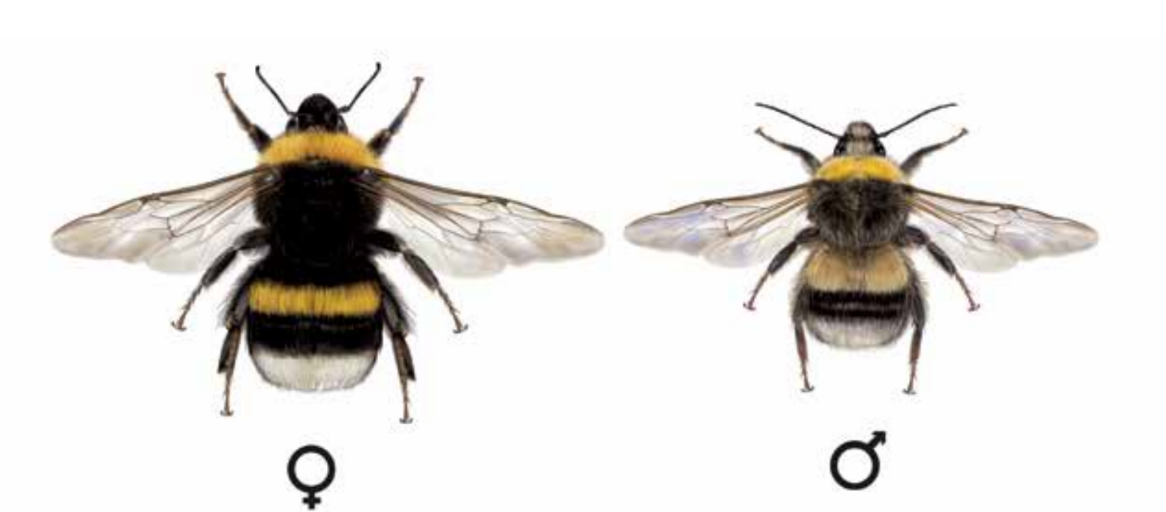
Grove bumblebee – Bombus lucorum
Source: Sikora A., Michołap P., Kadej M., Sikora M. Tarnawski D. 2018 "Pszczoły w mięści: Trzmiele Wrocławia", Wyd. Stowarzyszenie Natura i Człowiek.
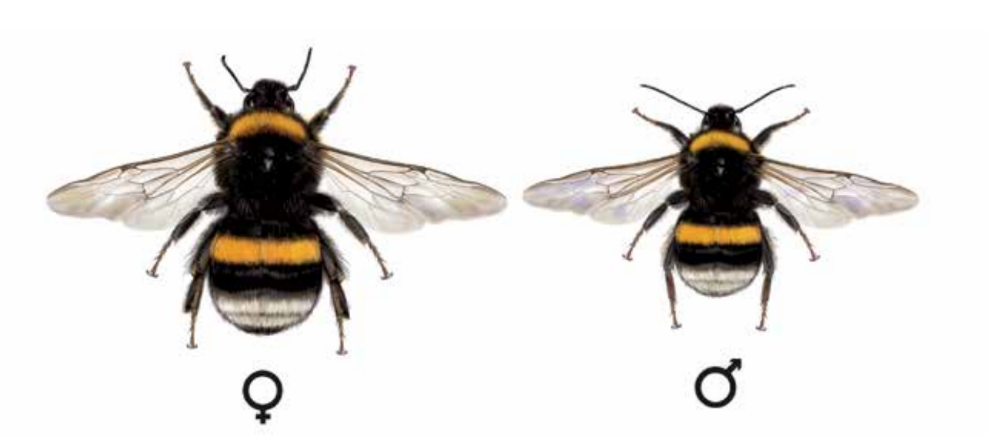
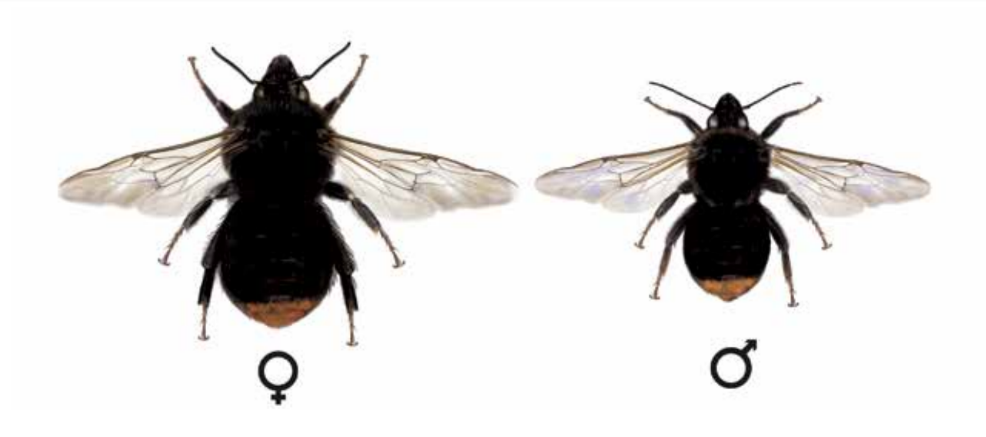
Ground bumblebee (Bombus terrestris)
Source: Sikora A., Michołap P., Kadej M., Sikora M. Tarnawski D. 2018 "Pszczoły w mięści: Trzmiele Wrocławia", Wyd. Stowarzyszenie Natura i Człowiek.
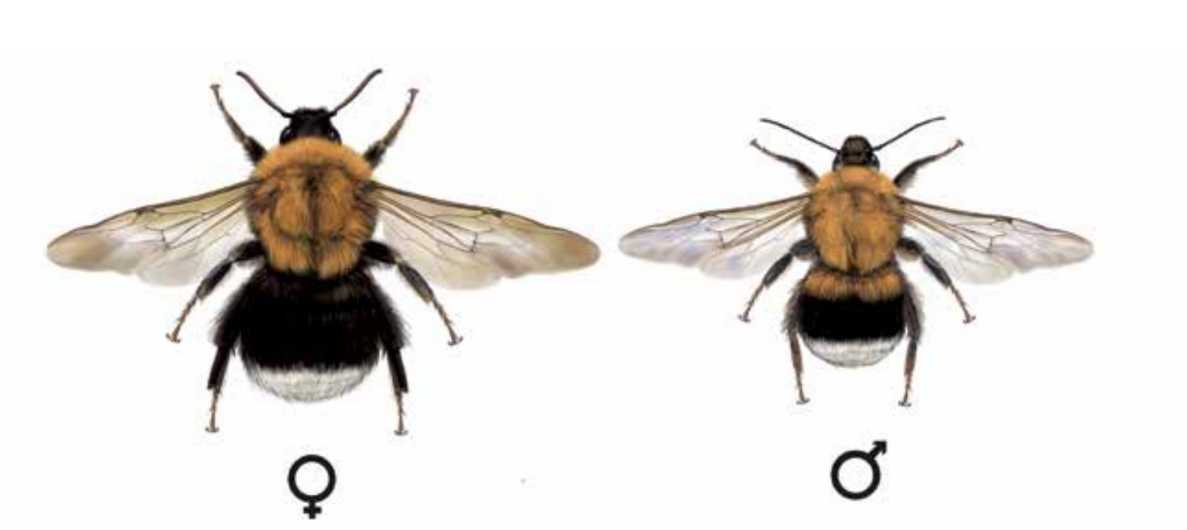
Bumblebee (
Bombus hypnorum)
Source "Pszczoły w mieście Trzmiele Wrocławia"
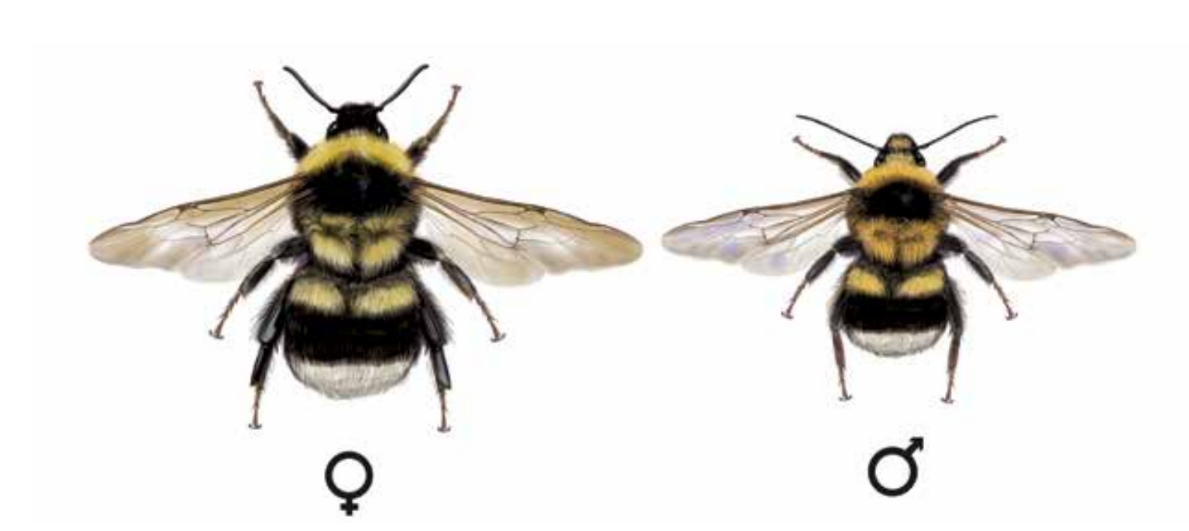
Little bumblebee (Bombus jonellus)
Source: Sikora A., Michołap P., Kadej M., Sikora M. Tarnawski D. 2018 "Pszczoły w mięści: Trzmiele Wrocławia", Wyd. Stowarzyszenie Natura i Człowiek.
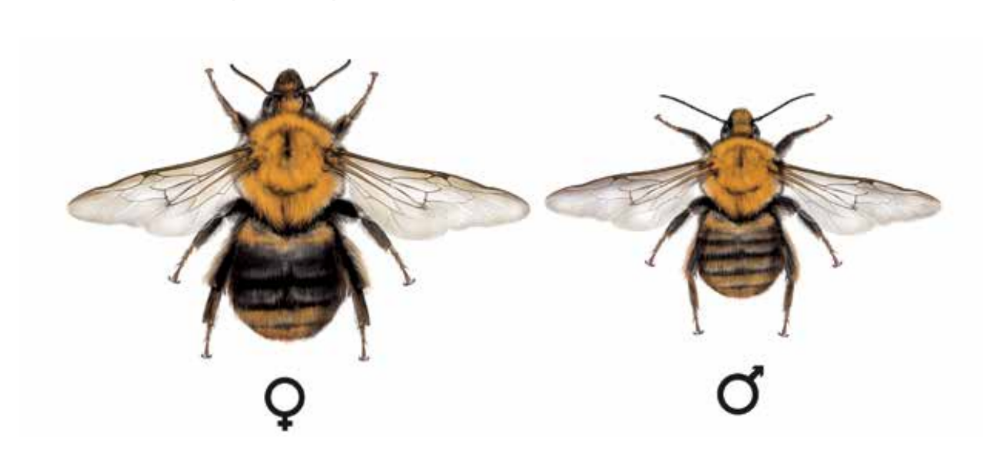
Lorem ipsum dolor sit amet, consectetur adipiscing elit. Ut elit tellus, luctus nec ullamcorper mattis, pulvinar dapibus leo.
Second group – end of March to April (depending on conditions)
- Field bumblebee (Bombus pascuorum)
- Garden bumblebee (Bombus hortorum)
- Eel bumblebee (Bombus ruderarius)
- Rock bumblebee (Bombus lapidarius)

Field bumblebee (Bombus pascuorum)
Source Pszczoły w mięści Trzmiele Wrocławia
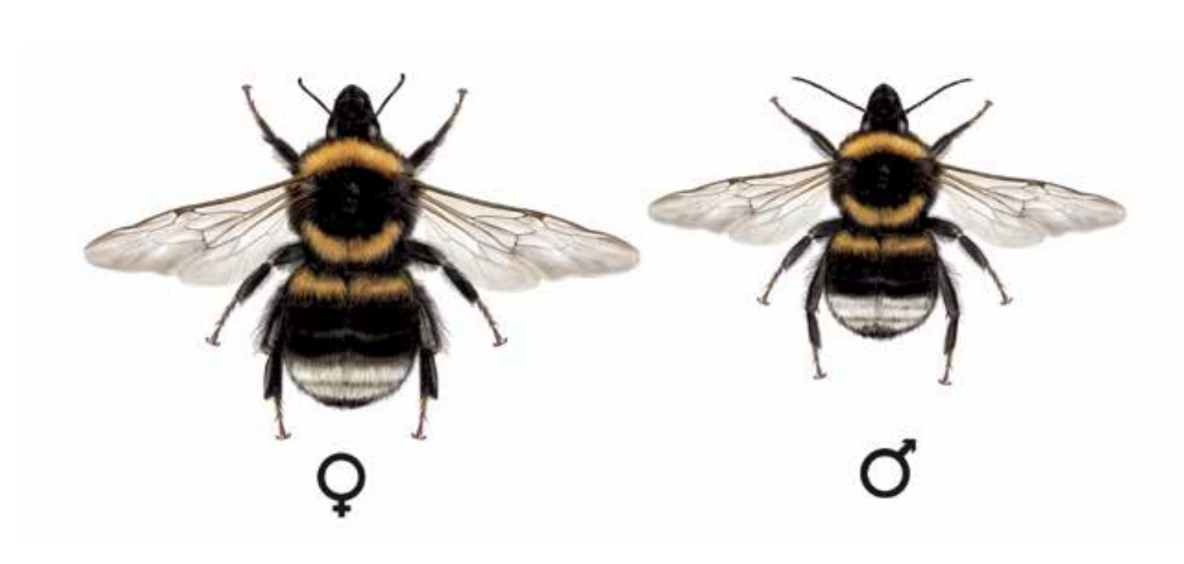
Garden bumblebee (Bombus hortorum)
Source: Sikora A., Michołap P., Kadej M., Sikora M. Tarnawski D. 2018 "Pszczoły w miście: Trzmiele Wrocławia", Wyd. Stowarzyszenie Natura i Człowiek.
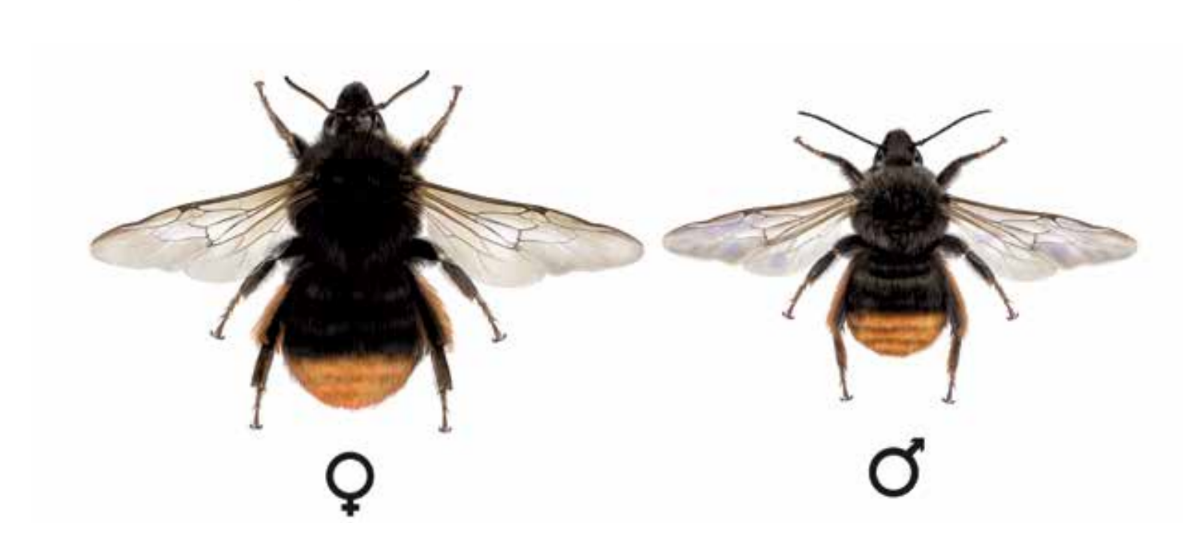
Eel bumblebee (Bombus ruderarius)
Source: Sikora A., Michołap P., Kadej M., Sikora M. Tarnawski D. 2018 "Pszczoły w mięści: Trzmiele Wrocławia", Wyd. Stowarzyszenie Natura i Człowiek.
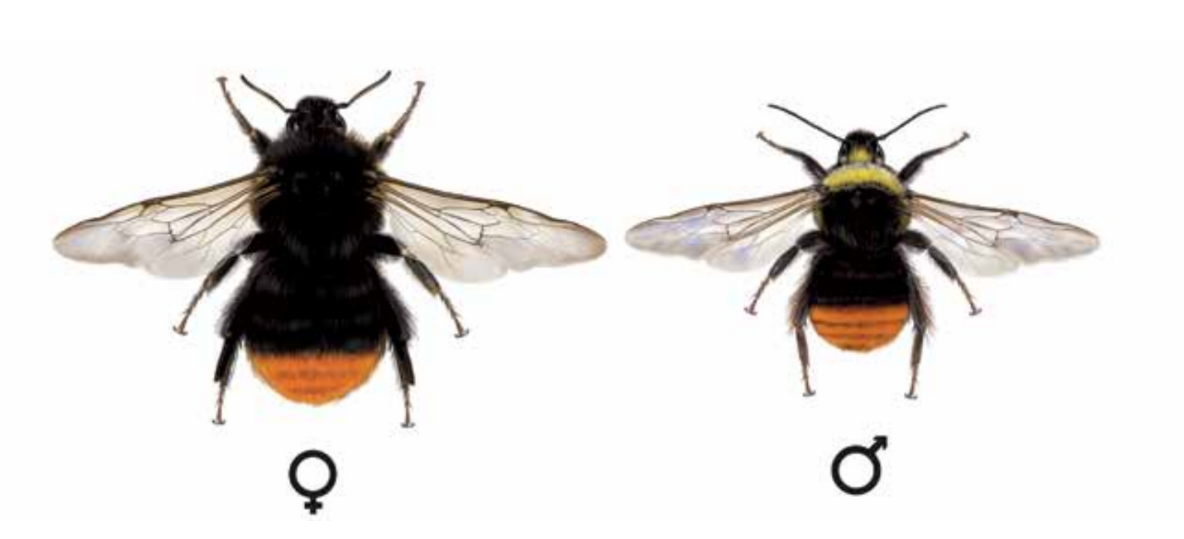
Rock bumblebee (Bombus lapidarius)
Source: Sikora A., Michołap P., Kadej M., Sikora M. Tarnawski D. 2018 "Pszczoły w mięści: Trzmiele Wrocławia", Wyd. Stowarzyszenie Natura i Człowiek.
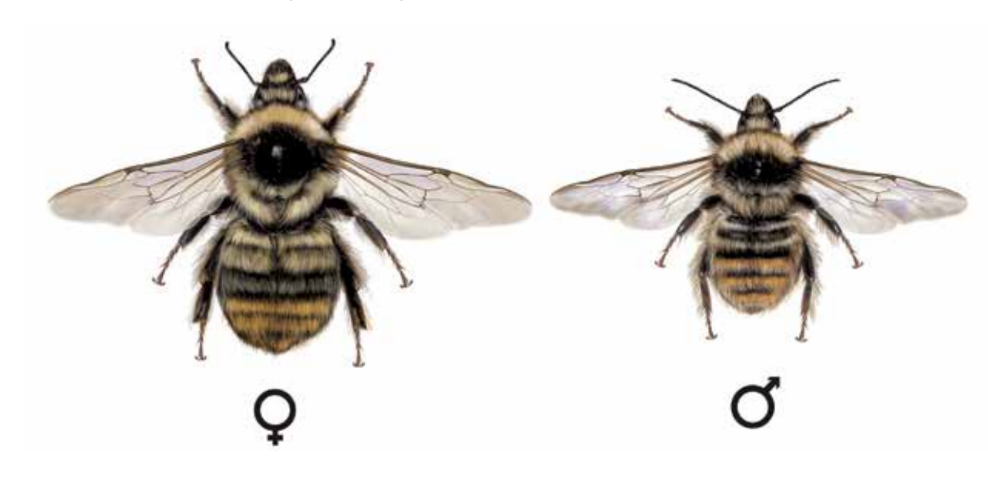
Third group – April and onwards (depending on conditions)
- Wood bumblebee (Bombus sylvarum)
- Low-lying bumblebee (Bombus humilis)
- Hume bumblebee (Bombus ruderatus)
- Decorated bumblebee (Bombus distinguendus)
- Striped bumblebee (Bombus subterraneus)
- Confused bumblebee (Bombus confusus)

Bumblebee (Bombus ruderatus)
Source: Sikora A., Michołap P., Kadej M., Sikora M. Tarnawski D. 2018 "Pszczoły w mięści: Trzmiele Wrocławia", Wyd. Stowarzyszenie Natura i Człowiek.

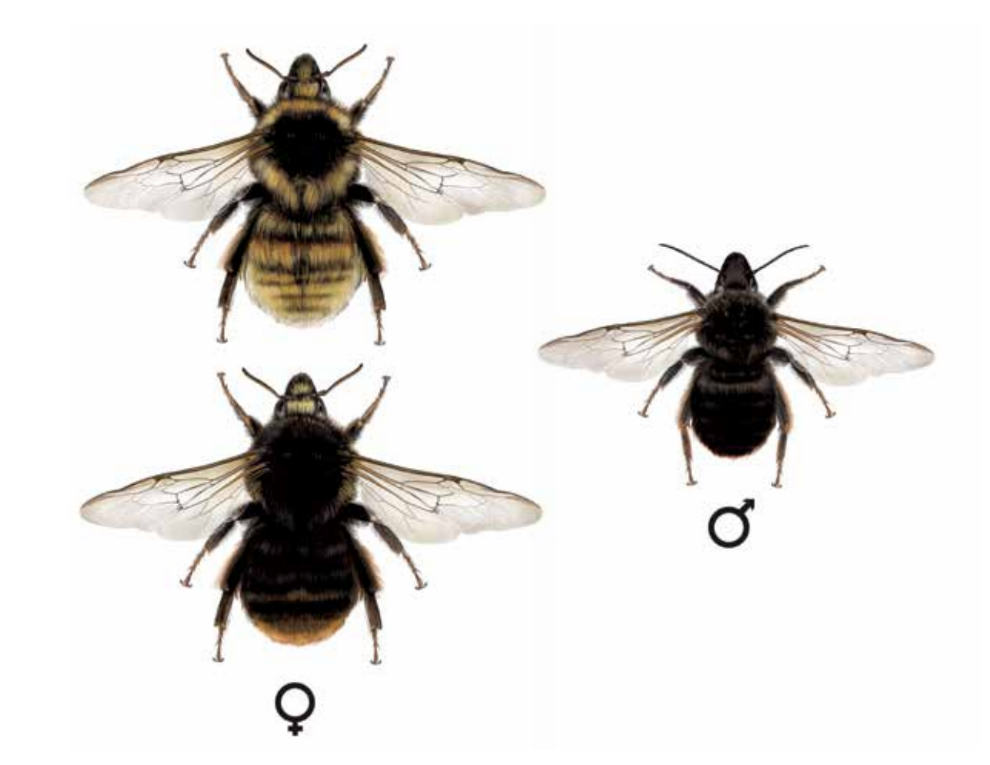
Decorated bumblebee – Bombus distinguendus
Source Pszczoły in the town of Trzmiele Wrocławia

Striped bumblebee (Bombus subterraneus)
Source: Sikora A., Michołap P., Kadej M., Sikora M. Tarnawski D. 2018 "Pszczoły w mięści: Trzmiele Wrocławia", Wyd. Stowarzyszenie Natura i Człowiek.
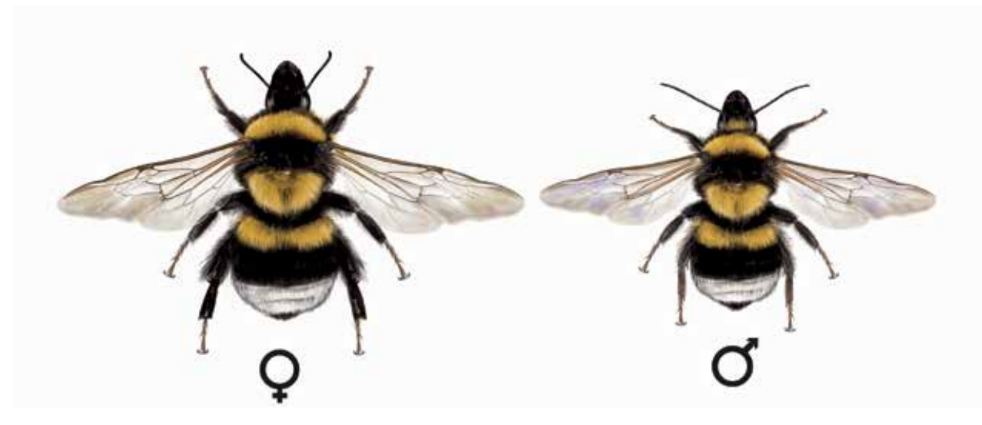
Deceptive bumblebee (Bombus confusus)
Source: Sikora A., Michołap P., Kadej M., Sikora M. Tarnawski D. 2018 "Pszczoły w mięści: Trzmiele Wrocławia", Wyd. Stowarzyszenie Natura i Człowiek.
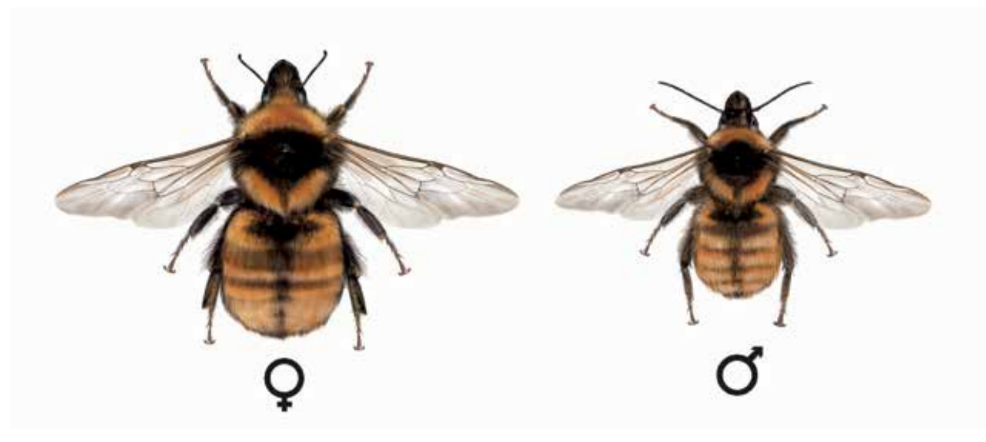
You can still meet some types of bumblebees later
You will definitely encounter the ants . Their mothers wake up later. They wait until their host species has built a nest and has the required number of workers. However, it is quite easy for the breeder to recognize the ants - they are not interested in an empty nest .
You can read more about ants HERE .
Some species establish a second generation in the same year. But it always depends on the conditions and so there are fewer of them. It also depends on the conditions whether they successfully complete their life cycle and whether their sexual individuals find their partners there.
These are the following types:
- Meadow bumblebee (Bombus pratorum)
- Garden bumblebee (Bombus hortorum)
- Common bumblebee (Bombus hynorum)
- Ground bumblebee (Bombus terrestris)
- Small bumblebee (Bombus jonellus)
So when to put the scarecrow outside
So we already know when the bumblebees appear. There 's still time .
Mothers first strengthen themselves after hibernation. Only when it gets warmer do they start looking for a nesting site . Even then, they just look and choose a suitable place . They often move along routes where something interests them and return to such a place. Even if they start looking into holes and cavities, they do not start nesting right away the weather and food sources will give them . They also give it time because their ovaries are maturing . Only then are they ready to establish a nest.
So wait for the time when the mothers start to intensively search for a nesting site , when there are good food conditions in the area and when the weather forecast promises that it will not get cold again. Do not try to settle the mothers by force. It is against the law and if the mother does not want to, she will not settle anyway. It is simply her. "-)
You can learn about how mothers search for nesting sites HERE .
If you place the shelter outside earlier than necessary, it will simply become unnecessarily wet and exposed to weather conditions . This will affect the condition of the lining and also its lifespan .
If you have a new hive , it is a good idea to keep it empty somewhere in a dry, ventilated place . There, the smell of the material will evaporate and this will help the bumblebees settle in. But ventilate the hive open, without the lining. It is especially good to ventilate hives that have been painted .
The returns of the bumblebee queens
The strategy for when to place the nest outside is also influenced by the breeder's attitude towards the return of young queens. As you can find out on our website HERE
Young bumblebee mothers return to their natal hive after successful hibernation. If they meet their sisters there, a fight for the nesting site will occur. So it is a good idea to choose one of the strategies and not let the mothers kill each other.
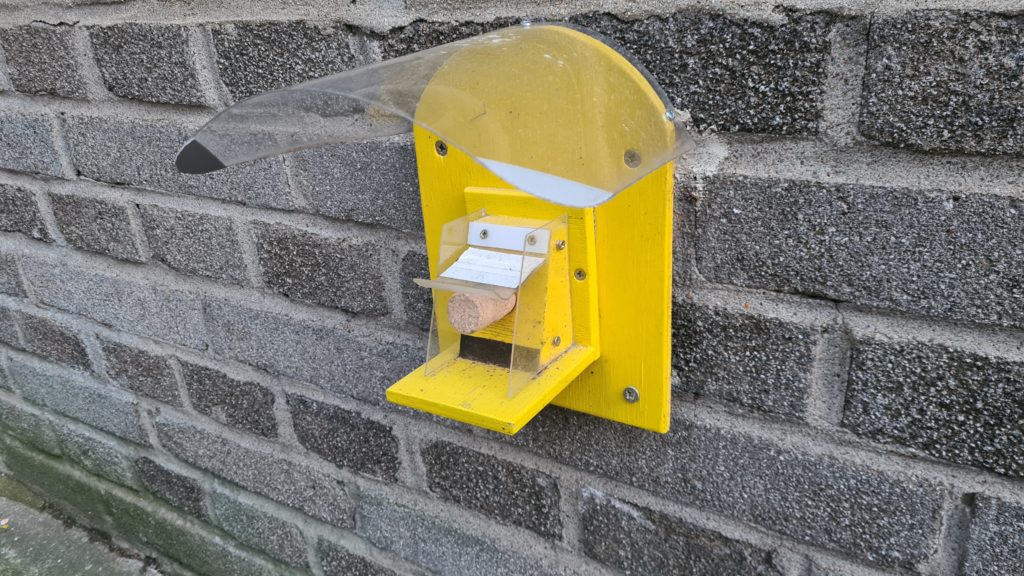
Until then, you can leave the hive in its original location as an "attraction" but do not let the bumblebees in = close the entrance hole . You can then monitor the returning bees at the hive and, when the time is right, settle one of them. However, it is better to put the hive in another place and reduce the risk that the queens will start fighting there.
If you have an indoor hive and a flap on the wall , the only option is to leave the entrance hole closed and place the bumblebees in another hive.

Closing the inlet hole with a cork stopper
Photo: O. Hercog (2022)
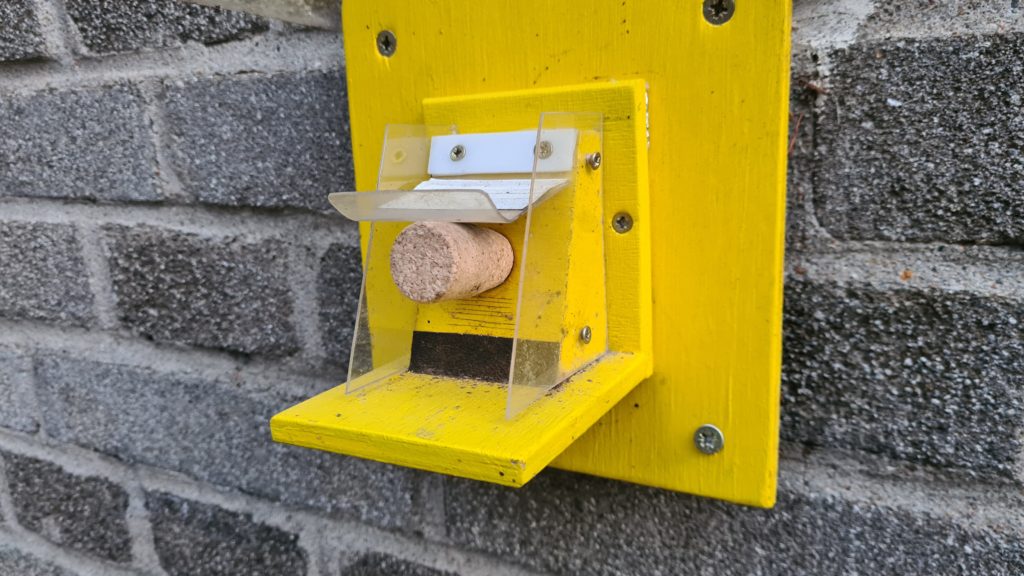
Closing the inlet hole with a cork stopper
Photo: O. Hercog (2022)
Ways to settle bumblebees in a hive
Bumblebees can be housed in a hive in various ways . The preferred method is self-settlement , where the queen finds a hive located where she is looking. In some species, this is near the ground, in others, in the heights.
If the breeder is targeting a specific species, he can simply wait for it and, knowing the species, prepare a scare at a given location when the mother begins searching for a nesting site . The mother chooses a longer period of time and so may appear at a given location several times before making a decision .
We describe the individual methods of installation HERE .
Some breeders are also waiting and will fill the vacant hives with nests that they will save as part of the Bumblebee Quick Rota . You can read more about it HERE .
Conclusion
If your temperature conditions are not good and the queens have not started looking for a nesting site, there is no point in placing the hive outside.
If you are targeting early bumblebee species your hive and you should be prepared for this . Spring weather is very changeable and spring frosts or snow can trouble you and your early-established bumblebees.
A prematurely established bumblebee queen may die in the hive during spring frosts from exhaustion while warming up, or may abandon the nest.
Jan Ámos Komenský said still applies: All the quality is only good for the bumblebee.” Even though Komenský was not a bumblebee breeder, he also encourages caution. So surely he would also carefully consider the moment when he would put his bumblebee trap in the garden. “-)

John Amos Comenius is wondering when he will prepare a beehive for bumblebees in his garden..