
Bacillus thuringiensis good servant or bad master
What you will learn here
- Is there any miracle product to protect bumblebees against the parasitic wasp?
- What is Bacillus thuringiensis aka Bt.
- How Bt. affects insects
- Are Bt products safe for nature?
- Can Bt products be used for nature?
- How to use them in case of a bumblebee nest infestation
Last updated: 19/3/2022
Contents
Introduction
Bacillus thuringiensis, alias Bt.
Some history
How Bt. affects insect larvae
Practical use of Bt.
Lifespan of Bt.
Commercially available biopreparations based on Bt.
Are preparations with Bt. and its toxins really safe?
Bt. and bees, including bumblebees
Bt. and its strains present in commercially available preparations on the market in the Czech Republic
Use of Bt. in the fight against the ectoparasitic borer (Aphomia sociella)
How Čmeláci PLUS recommends applying a preparation with Bt. against the ectoparasitic borer
Conclusion and summary
Introduction
Bumblebees in the wild, as well as bumblebee breeders, are plagued by a long-standing enemy – the parasitic wasp (Aphomia sociella). The wasp is a significant reducing factor for bumblebees.
This bumblebee parasite can wreak havoc in a nest. If it gets into a bumblebee nest, it will reduce it or even completely destroy it. It depends a lot on how many female bumblebees get into the nest and also at what stage of the nest the infestation occurs. You can read more about the bumblebees HERE
how many bumblebee nests the bumblebee beetle attacks in nature . But it is certainly a high number . For example, when we go out to intervene with the Bumblebee Rapid Company , most of the nests are attacked by the bumblebee beetle. The reason is that they are very often exposed and the bumblebee beetle can easily find them .
Breeders are trying to prevent the attacks of the borer and are looking for various solutions . Most of the well-known ones can be found on our website ( damper , ventilation , good sealing, inspections, etc.). However, all of these solutions require basic care and maintenance.
However, if the hive is located out of easy reach of the keeper (we do not recommend it, see location...), or in a place where the keeper cannot do routine maintenance of the hive (cottage, garden outside the house), the keeper is looking for a universal solution . Unfortunately, this does not exist .
Yes, the sad news is that, as always, there is simply no universal “cure .” It’s like all medications – they have their limitations and side effects.
Recently, a " miracle product " has appeared that was supposed to solve the problem of bumblebee breeders once and for all. It involves the use of a biological product based on Bacillus thuringiensis .
Here we bring you a summary of the information . In detail for curious readers, in summary for others, and most importantly, recommendations and conclusions for everyone. So choose for yourself how much you want to read .
How Čmeláci PLUS recommends applying a product with Bt. against the parasitic borer is essential.
Bacillus thuringiensis, aka Bt.
Let's not forget a little theory , it's necessary to understand the matter . In the following text, we will mostly shorten Bacillus thuringiensis to just Bt.
Bacillus thuringiensis is a gram-positive soil bacterium of the genus Bacillus and the phylum Firmicutes. It is aerobic and produces spores. These contain toxins (δ-endotoxins, also known as Cry) that have insecticidal effects on some groups of insects, and are therefore used to produce pesticides and also genetically modified (transgenic) plants.
Bt. is related to B. cereus, a soil bacterium, and B. anthracis, the causative agent of anthrax. Like other members of the genus, all three aerobic bacteria are capable of producing endospores.
Bt. is ubiquitous in nature, but mostly in low concentrations.
A little explanation:
- Gram-positive bacteria are those that have a blue-violet color under the microscope at the end of the diagnostic Gram staining method. This fact is caused by the high content of peptidoglycan in the cell wall and the absence of an outer membrane and lipopolysaccharide layer.
- An aerobic process or environment is one in which there is a sufficient amount of molecular oxygen (O2). Optimal aerobic conditions are when the oxygen concentration in the free atmosphere of the monitored environment (e.g. compost) is above 14% by volume. Sufficient aerobic conditions for most microorganisms are still at concentrations of up to 3% O2, with a further decrease leading to a transition to an anaerobic environment.
- A spore is a bacterial cell that serves for long-term survival under adverse conditions.
- An insecticide is a product intended to kill insects in their various developmental stages. Insecticides are used in agriculture, for the protection of stocks and also in the field of hygiene and medicine. Depending on the developmental stage of the insect they affect, they are divided into ovicides (kill eggs), larvicides (kill larvae), ovilarvicides (kill eggs and larvae) and imagocides (kill adult insects).
- Endospore is a biological term denoting an asexually formed resting stage with the function of a propagule.[source?] The exact meaning of this term is not entirely uniform in various branches of biology dealing with the life cycles of organisms. The term endospore appears in professional terminology, e.g. bacteriology, protozoology, or mycology.[source?] Each of the aforementioned disciplines naturally means a different specific object by endospore.
- Common features of all endospores are: emergence through vegetative reproduction, the ability to survive in an unfavorable environment and, if necessary, give rise to a new individual capable of reproduction
We will also immediately attach an explanation of what a larva
- A larva is an immature (juvenile) stage of an animal with indirect development. In butterflies, the larva is called a caterpillar .
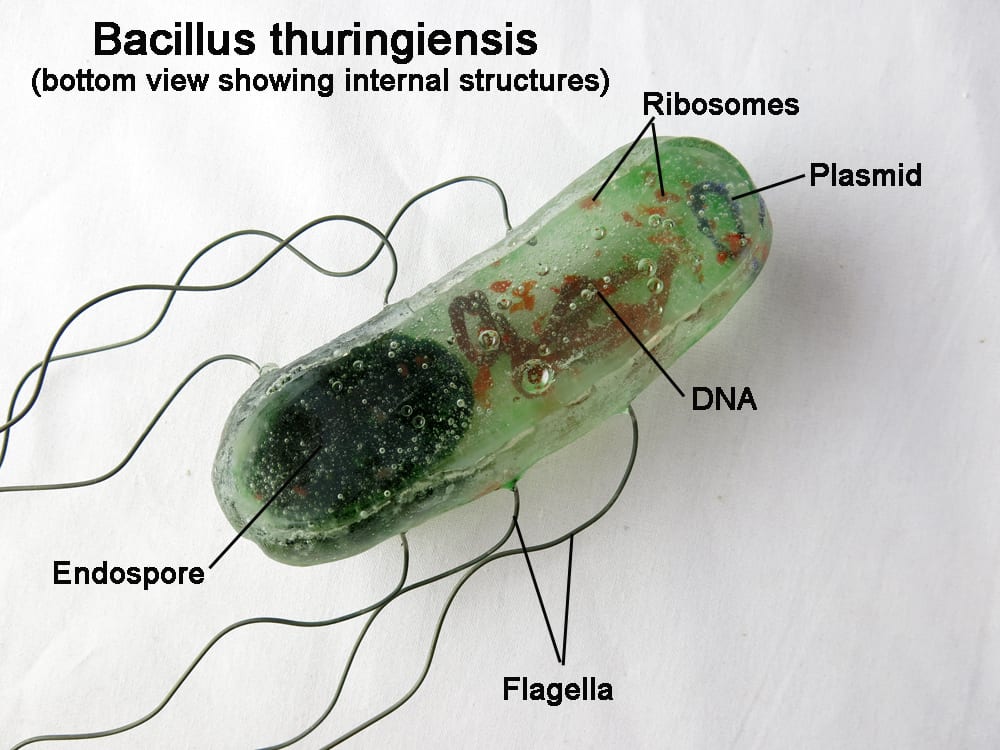
Bacillus thuringiensis
Source: Jardineria On
Something from history
Bacillus thuringiensis was discovered in 1901 in Japan by Ishiwata. It was first isolated from an insect host (silkworm caterpillar).
In 1911, direct insecticidal activity was confirmed in Germany by Ernst Berliner, who discovered a disease called Schlaffsucht (sleepiness) in mealybug caterpillars.
Since then, thousands of Bt. strains have been isolated , but only a few of them show toxicity to the larvae of certain insect species.
In the 1950s, the first Bt-based biopreparations appeared on the market, designed against the larvae of some species of butterflies. In 1976, a preparation based on a Bt strain causing a lethal disease in some groups of dipterans (e.g. flies and mosquitoes) was introduced to the market, and in 1984, a strain was isolated that was also effective against the larvae of some beetle species (e.g. larvae of the potato beetle – Leptinotarsa decemlineata). Nowadays, strains that are virulent on non-insect hosts (e.g. mites and nematodes) have even been isolated.
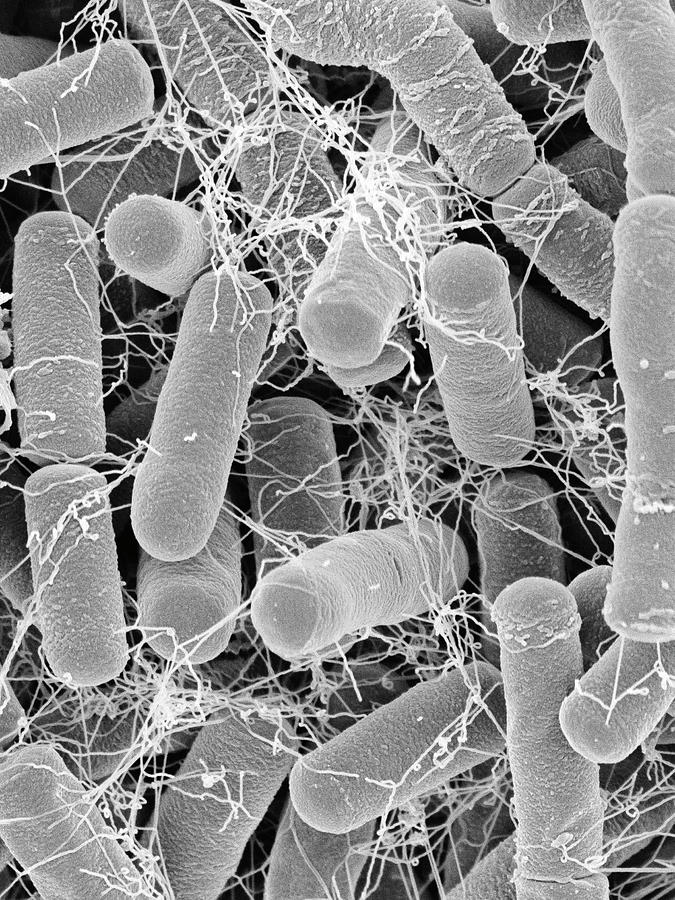
Bacillus thuringiensis
Photo: Denis Kunkel
How Bt. works on insect larvae
Bt. acts on insects after they are ingested . It must reach the gut, where it becomes activated , in short, where it begins to produce toxins . Therefore, in practice, it binds to protein crystals.
The toxins then quickly paralyze – within hours, it stops its vitality, stops feeding and then quickly dies Over time, new Bt. spores form in its body , waiting to be ingested by the next host.
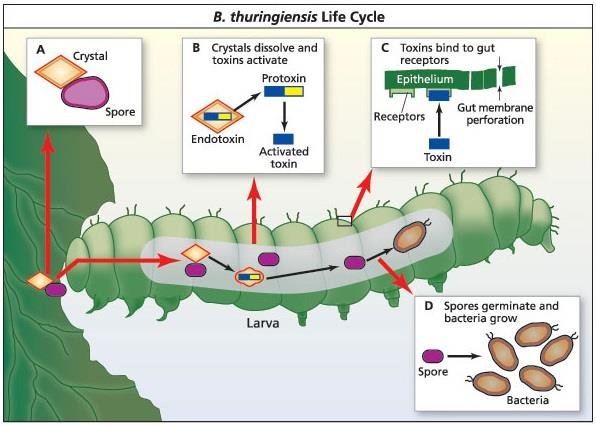
How Bacillus thuringiensis aka Bt works.
Source: Histopathology of the midgut in larvae of Diatraea saccharalis Fabricius, 1794 (Lepidoptera: Crambidae) treated with Bacillus thuringiensis (Bacillales: Bacillaceae)
The next picture shows the diagram in a little more detail, but it is the same mechanism that kills insect larvae.
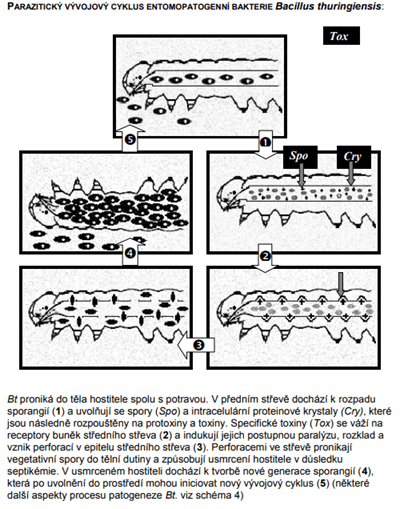
How Bacillus thuringiensis aka Bt works – In detail
Source: Biological products based on entomopathogenic bacteria
Practical uses of Bt.
The spores and crystalline insecticidal proteins produced by Bt. are used as specific "ecological" insecticides.
Due to their specificity, these pesticides are considered environmentally friendly , with little or no effect on humans, wildlife, pollinators and most other beneficial insects. The Belgian company Plant Genetic Systems was the first company (in 1985) to develop genetically modified transgenic crops, here tobacco plants, with insect resistance by expressing cry genes from Bt.
The toxins or genes of Bt are therefore used for genetically modified agricultural crops, modified to increase their resistance to "harmful insects".
Bt. insecticides are often applied as liquid sprays to crops , where the insecticide must be ingested to be effective. It is believed that the solubilized toxins form pores in the midgut epithelium of susceptible larvae (perforate the gut). Bt. spores must therefore be ingested to become active. Recent research has suggested that midgut bacteria of insect larvae are also necessary for the insecticidal activity of Bt. Thus, ingestion alone may not be sufficient activation.
There are of Bt. strains for specific uses . For example, Bt. serovar israelensis is widely used as a larvicide against mosquito larvae.
Other strains are used as effective insecticides in the production of corn and cotton. There, genetic manipulation has succeeded in introducing the appropriate Bt strain into the plants. This has replaced other, environmentally unfriendly insecticides.
The basis of the final action of Bt. is always a toxin . It is very strong and acts on insects that eat crops. Bt. and its toxin can be and is modified by man – modulated and adapted for one or two specific orders of insects . It is an order and all its members . It cannot be limited to just one species .
We already know that the toxin itself only acts after being ingested in the insect's gut. Until recently, it seemed that it did not affect other organisms, so it did not threaten vertebrates, for example. Now, however, there is a suspicion that it can attack the liver of rats. However, so far, no one seems to be addressing this problem, and Bt. is considered non-toxic to humans by the European Food Safety Authority.
Another interesting application of Bt is being tested as one of the bacterial composites to accelerate the degradation of polyethylene-based plastics. However, there could be many more examples.
Farmers are rejoicing, but ecologists and entomologists are raising a warning finger.
Watch an interesting video that describes some of the uses
Lifespan of Bt.
So far it seems pretty good, but..
For the practical application of Bt-based products, it is a very important parameter and limits the use of the products .
Bt. can survive in soil for up to 5 months under ideal soil conditions , but it degrades rapidly in environments with pH <5 (weakly acidic).
On the surface of soil and plants, Bt. shows little to very low viability . The key abiotic factor affecting the survival of Bt. on the surface of plants is the UV component of sunlight. In full sunlight, Bt. survives on the surface of treated plants for only a few hours . Specifically, half of the Bt. spores are inactivated after just 4 hours of exposure to direct sunlight.
In the humid and warm environment of a bumblebee nest, the shelf life is expected to be significantly less than 3 months.
Commercially available Bt-based biopreparations.
The spectrum of applications is wide:
- Biological preparations based on strains effective against butterfly larvae – protection of field vegetables, cotton, fruit plantations and vines, protection of forest stands;
- Biological preparations based on strains effective against larvae of dipterans – effective against larvae of some species of flies and mosquitoes
- Biological preparations based on strains effective against the larvae of some beetles – potato beetle, some species of leafhoppers and flower weevils, …
- Biological preparations based on strains effective against larvae of some butterflies and beetles
For some strains, the "selective efficacy" stated by the manufacturer , for some, broad-spectrum (both butterflies and beetles).
Newly engineered strains exhibit some properties that cannot be found even when monitoring thousands of natural strains. Commercial biopreparations are now often designed on the basis of genetically manipulated Bt strains .
Perhaps we can be satisfied with the following table, which describes the different strains of BT and their uses. Note, however, that it always refers to the action on the order, not on the species of insect.
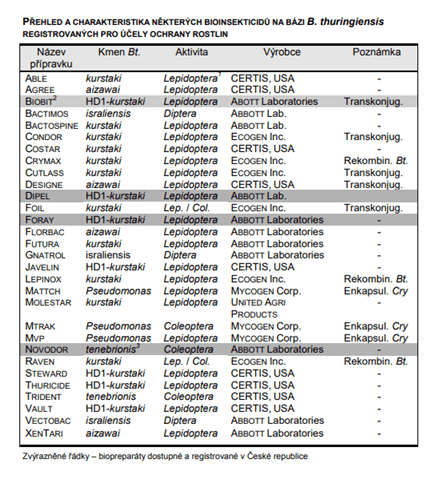
- Use of Bt strains.
- Source: Biological products based on entomopathogenic bacteria
- Lepidoptera – butterflies
- Diptera – two-winged insects
- Coleoptera – beetles
These are preparations registered in the Czech Republic.
Very important note.
You can easily find information about which order of insects a product is effective against, sometimes which species. However, this does not say anything about how it works on other orders and it is also not a guarantee that other orders of insects are resistant to it .
In principle, it is clear that the product works as an insecticide at least within the order of insects, but it cannot be targeted to a species .
The producers' interest is to eliminate "harmful insects" and the "other" ones are not the focus of their attention.
In the video you can see examples of commercial use of Bt. Unfortunately, there is no mention of negative effects . Everything is optimistic, because it works, but not completely selectively, i.e. on specific "harmful insects".
Are products with Bt. and its toxins really safe?
So once again it turns out that nothing is so black and white….
Bt-based biopreparations show very low acute or chronic toxicity to warm-blooded animals. Skin irritation is completely negligible and they only slightly irritate when inhaled. The effect on the eyes is significantly irritating. No negative effects on the digestion of mammals were observed (doses not specified). Bt. was tested on 74 species of birds and 11 species of fish, and in no case was a direct toxic effect found.
In some cases, the negative effect of Bt. (ssp. israelensis) on some species of aquatic molluscs and crustaceans has been demonstrated.
For example, the field moth (Plutella xylostella) – an interesting butterfly (order Lepidoptera) and a significant pest of cruciferous vegetables and rapeseed – has acquired resistance to Bt toxins . This significantly threatens organic production, where classic insecticides must not be present. A similar phenomenon has occurred with insects attacking cotton.
In some countries, there is a rather complicated strategy to address this problem and not restrict the use of Bt. An explanation of this strategy is beyond the scope of this text.
A well-known problem in the media was the claim that pollen containing Bt was spreading and that it was attacking the well-known monarch butterfly ( Danaus plexippus ). A study was conducted here, but it ended in a “fake”. Butterflies react to Bt. (their caterpillars), but apparently it was not transmitted through pollen from the genetically modified corn.
There is also a risk that pollen will be transferred to other related plants (grasses) and thus modify non-agricultural plants. However, this has not been proven (perhaps not even sufficiently sought).
Bt. is not only used in transgenic plants (genetically modified), but also in the form of sprays and powders. Bt. is currently widely used in many different strains. These, as we said earlier, affect one or two orders of insects. So quite broadly. An order means, for example, Hymenoptera, or butterflies.
In principle, it is not possible to create a strain that would only affect a specific type of insect. The risk of negative effects therefore exists. Nature does not distinguish between harmful and beneficial insects, this is a purely human point of view.
As an example of a negative impact, we can recall the widespread application of Bt. to agricultural crops in Switzerland. Coincidentally, the wind carried a cloud of the product to the location of rare butterfly species, which completely decimated them…
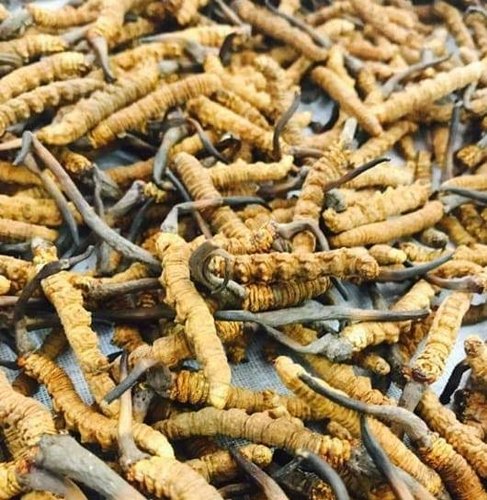
Dead butterfly caterpillars – illustrative photo
Photo: Internet
Bt. and bees, including bumblebees
Bees , including bumblebees honeybees and solitary bees , are heavily used for pollination in modern agriculture and play a vital role in the natural ecosystem . Both belong to the order Hymenoptera (Hymenotera) and the family Apidae . Therefore, the risks of using Bt. on these important pollinators are being monitored.
Since 2007, a phenomenon called Colony Collapse Disorder (CCD) has been known . Initial speculation about possible causes ranged from the use of cell phones and pesticides to the use of Bt-resistant transgenic crops. A research group called the Mid-Atlantic Apiculture Research and Extension Consortium published a report on March 27, 2007, which found no evidence that pollen from Bt crops adversely affects bees. CCD has since been attributed to a new virus that has nothing to do with Bt crops.
the potential risks of Bt. to colony reproduction and foraging behavior of worker bumblebees, Bombus terrestris were . This involved the use of laboratory microcolonies – incomplete nests. Two commercial Bt. strains were used: kurstaki and aizawai. The study and its conditions are interesting.
But let's just look at the results :
- When Bt. was applied to pollen, at a concentration of 0.1%, no impact on bumblebees was observed.
- However, when applied in nectar (sugar solution), aizawai killed all workers at a concentration of 0.1%. It was harmless at a concentration of 0.01%.
- When reproductive effects (larvae) were monitored, no negative effects were observed with the kurstaki strain. The aizawai strain in nectar and pollen at a concentration of 0.1% reduced reproduction by 100–31%.
From this it can be concluded that Bt. strain kurstaki is harmless to bumblebees in the concentrations mentioned. However, the authors of the study state that it would be necessary to conduct a study and monitor the Bt. strains present there and their concentrations. That is, the study should continue.
Note, however, that Bt. strain aizawai should only affect the order of butterflies (Lepidoptera) . However, it has been shown to have negative effects on representatives of another order of hymenoptera (Hymenoptera) .
Bt. as such can kill adult bumblebees as well as their larvae if applied incorrectly.
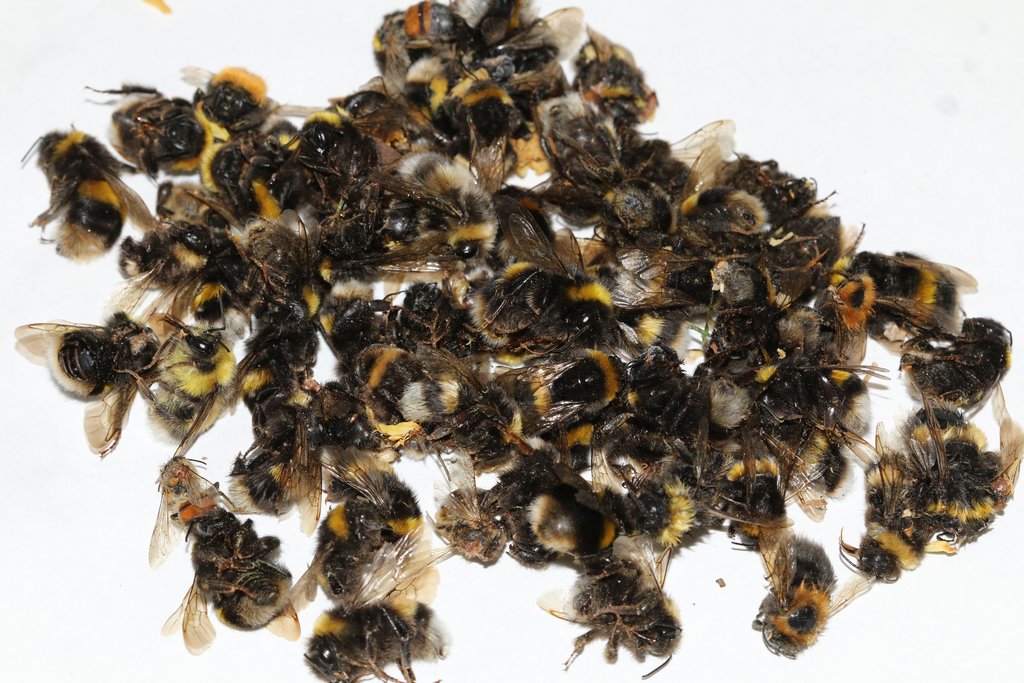
Dead bumblebees
Photo: The New York Times
Bt. and its strains present in commercially available preparations on the market in the Czech Republic
There are a number of products on the market in the Czech Republic that use Bt. Here, let's look at some of them that we have monitored.
B401 – “Preparation against wax moth”
Strain used: Bt. aizawai
Description:
- This product is used by beekeepers after honey harvesting, on stored honeydew as a defense against the wax moth (Galleria mellonella). This is a small butterfly from the honeydew family. It is a common pest in beekeeping operations. Its hungry larvae burrow into the honeydew (wax), the work not occupied by bees, but also into other parts of the hives, including the surface of wood. It can even digest polyethylene, one of the most common plastics.
- Bt. attacks larvae, does not threaten adults (butterflies). Protection of the land (wax comb without honey and brood) is then effective until the frames are installed during the next season. Suitable for swarms or empty hives. This ensures that the borer larva does not destroy the stored parts of the hive.
- The product is supplied in the form of a solution, it must be diluted and consumed quickly
- The instructions state that the product is "harmless to humans and bees.".
Our comment:
- Bt. strain aizawai should be targeted at the order Lepidoptera. However, we know from the study that both strains kurstaki and aizawai affect the order Hymenoptera, including bees and bumblebees
Lepinox Plus – “selective biological insecticide against caterpillars of harmful butterflies”
Strain used: Bt. strain kurstaki EG 2348
Description:
- Insecticidal product containing the bacterium Bt. This bacterium produces a protein that acts specifically against butterfly caterpillars (boxwood borer, silkworms, cotton bollworms, Tuta absoluta, cotton black band, cabbage white and others)
- The condition for good efficacy is intensive feeding of the caterpillars and high coverage of the leaf surface with the spray liquid, including the underside of the leaves. The larvae need to ingest the product along with their food in order to be infected.
- The bacteria disrupt the caterpillar's digestive system and cause it to become paralyzed. After ingesting the product, the caterpillar stops eating within a few dozen minutes and dies within two days. This product has no effect on adult butterflies or other pests.
- According to the manufacturer, it is "relatively harmless to bees.".
- The product is widely used in gardens to destroy the larvae (caterpillars) of the boxwood borer (Cydalima perspectalis), which destroys ornamental boxwood shrubs (buxus).
- The product is supplied in the form of a wettable powder intended to be mixed in the required concentration according to the instructions
Our comment:
- Bt. strain kurstaki should be targeted at the order Lepidoptera. However, we know from the study that both strains kurstaki and aizawai affect the order Hymenoptera, i.e. bees and bumblebees , although the concentrations should be above 0.1%.
- When we asked whether this product was effective against the parasitic wasp, the manufacturer replied that it was not . However, our experience shows that it is . This confirms that the manufacturer only tests the effect on certain species of insects and does not conduct tests on other species.
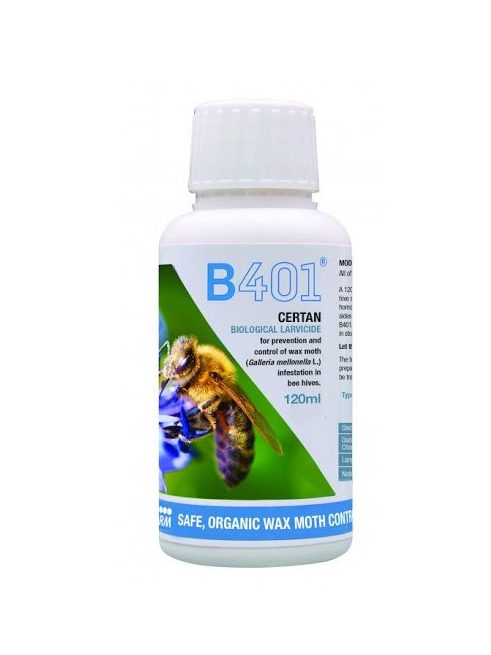
Preparation B401
Source: Manufacturer
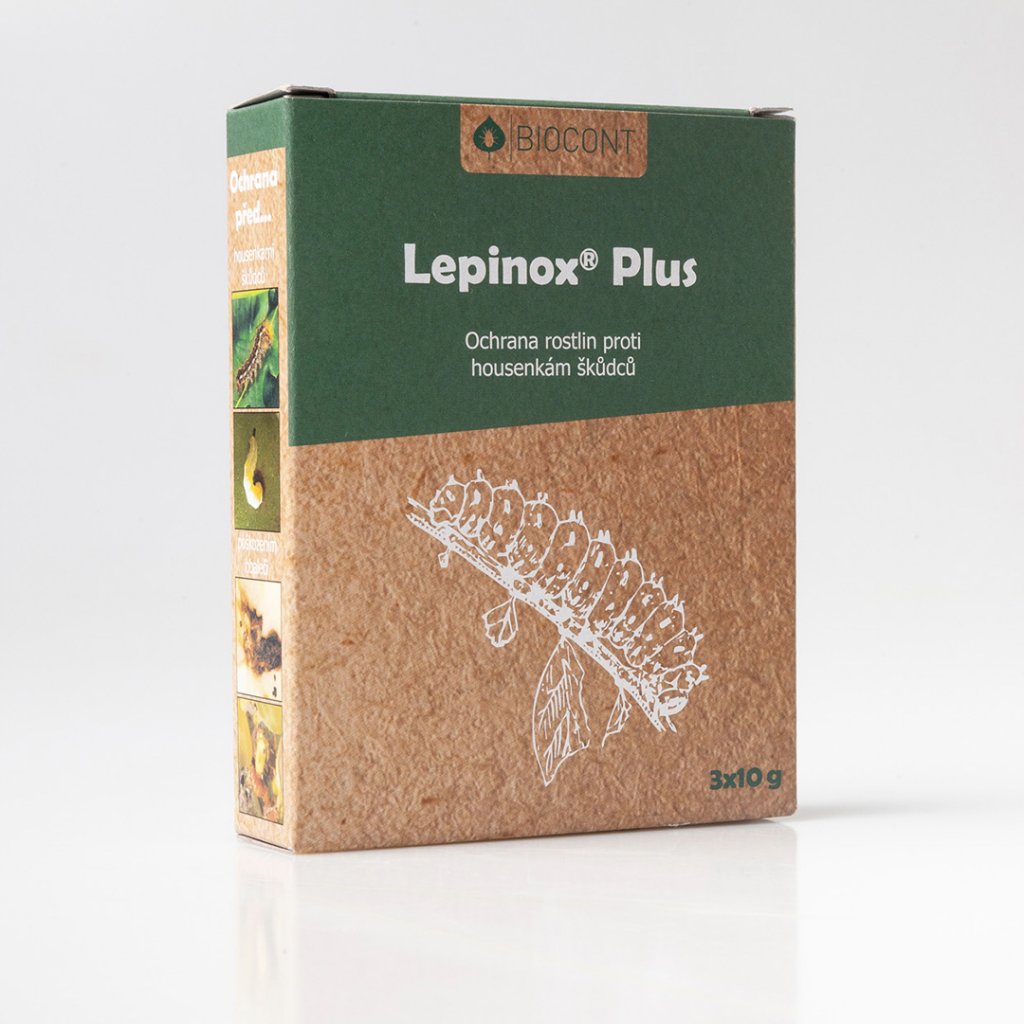
Lepinox Plus
Source: Manufacturer
Using Bt. to combat the parasitic leafhopper (Aphomia sociella)
Now it will probably finally be interesting for everyone …
We now know that for Bt to kill bollworms, it must enter the gut of the larvae , so the spores ingested . Contact with the caterpillar's body does not activate the spores .
We also know that Bt preparations have a limited lifespan and that they can be harmful to bumblebees and their larvae at certain concentrations .
1. Application of B401 in bumblebee hives
Some beekeepers initially turned to B401. They mostly applied it in what they thought was the best way – spraying the liner and then drying it to use in the hive. This likely degraded the effectiveness of the product , especially when dried in the sun. The results of its use are inconclusive.
The product as such should be effective against borers, i.e. the order Lepidoptera of the family Pyralidae and their genera including the wax borer (Galleria mellonella) and therefore also the parasitic borer (Aphmoia sociella). However, the Bt. strain aizawai used is not suitable for bumblebees - even at low concentrations it has a negative effect on both adults and larvae .
We were looking for a study that would prove the safe use of B401 in bumblebee breeding practice. However, we can only use our own experience , where the application of B401 to a nest infested with a borer actually eliminated the borers, but the workers and brood died.
Some beekeepers use this product. However, we know that these are experienced beekeepers who have high-quality hives . We attribute the fact that their nests are without a beekeeper to the fact that the beekeeper cannot get there . They did not observe any negative effects on bumblebees.
However, applying the product by spraying the lining does not make sense in principle - the spores must be eaten, and this cannot be ensured by spraying the lining. Spraying the wax structure is not possible, see the effect of the product on bumblebees.
2. "Mr. Fischer's" preparation
This preparation based on Bt. strain kurstaki was supplied directly by the author. The preparation is even registered as a utility model . It was also supplied by a well-known commercial seller . He applied it to the lining and sold it .
The preparation also contained other ingredients, such as lavender extract (Lavandula angustifolia) and aniseed extract (Pimpinella anisum).
We verified the results with breeders who either purchased and applied the product or purchased the lining treated with the product. The results were inconclusive , as the nests continued to be attacked by the parasitic wasp.
The success of the product was undermined by commercial application at the retailer. This was done in advance and there was either poor quality application or degradation of the product over time or during drying. Apparently, degradation occurred here.
However, applying the product by spraying the lining does not make sense in principle - the spores must be eaten, and spraying the lining cannot ensure this. We have also confirmed that the product did not provide good results even when applied directly to the wax work.
3. Lepinox Plus
Relatively recently, simple breeding tests were conducted with the preparation Lepinox PLUS. Upon direct inquiry, the manufacturer confirmed that this preparation cannot be used on parasitic worms.
However, our tests show that the correct application of this product has positive results .
We tested nests infested with the borer. Here, at least the borer larvae were reduced/eliminated and the nest survived the Lepinox application. This application seemed to us to be suitable, although perhaps laborious for beginners
We have not tested preventive use. Such tests are not conclusive – Bt spores must be ingested.
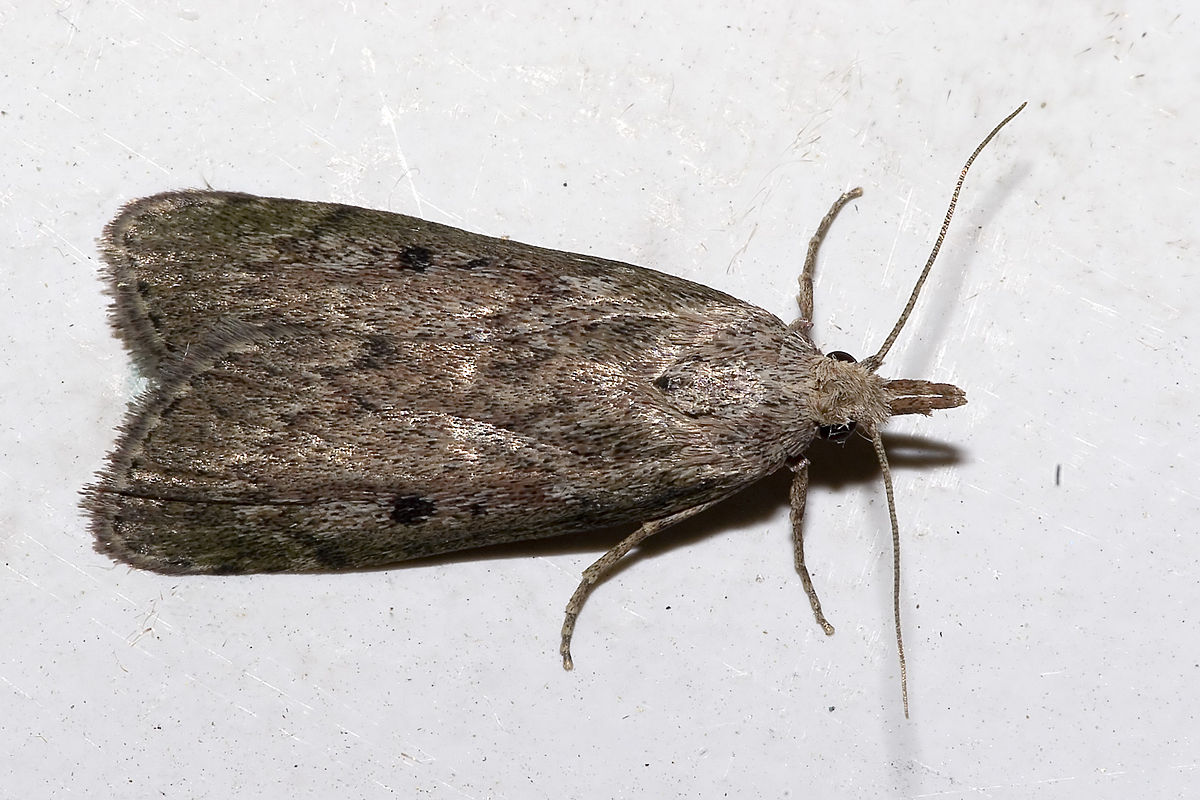
Aphomia sociella
Photo Wikipedia
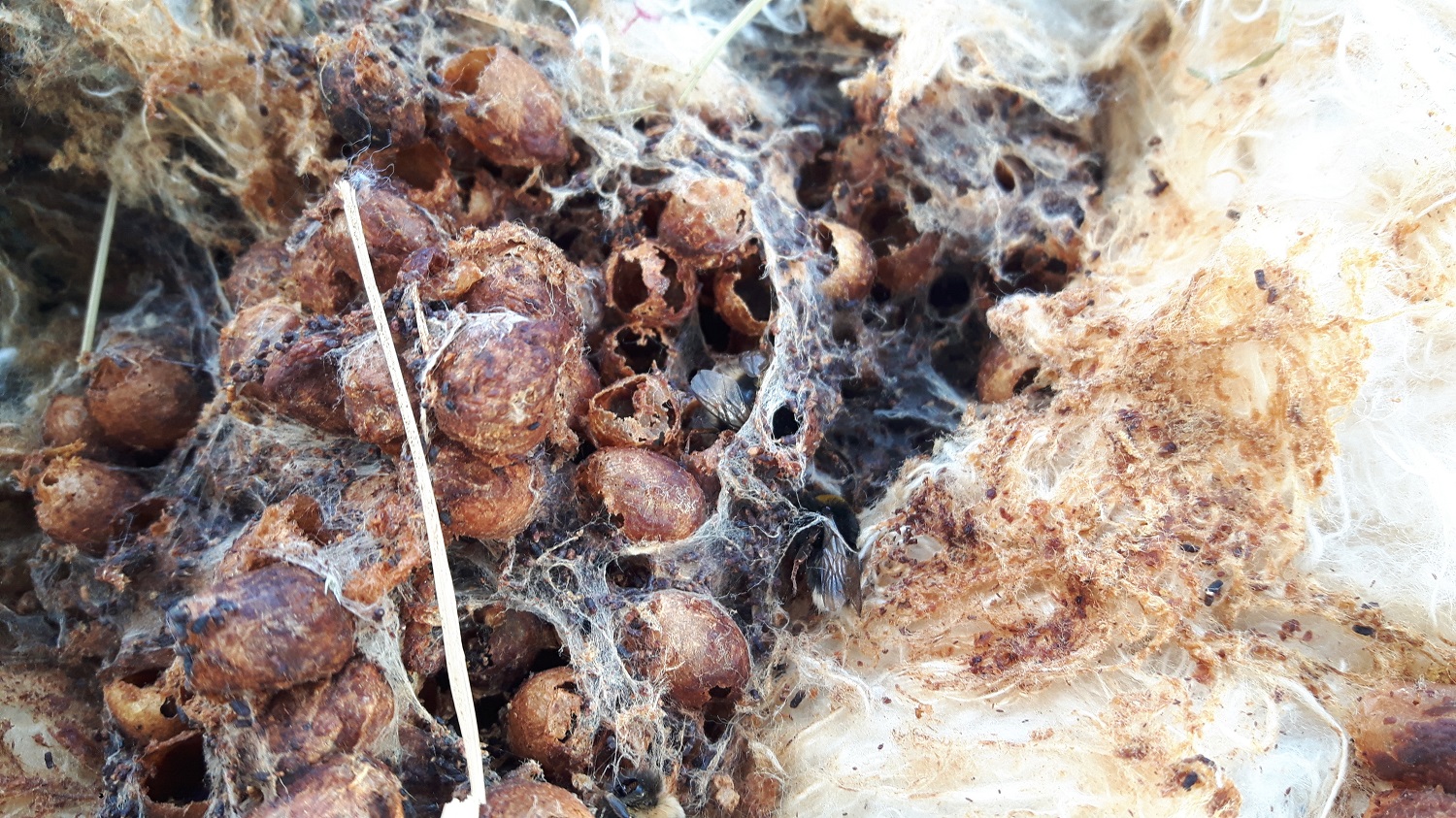
Aphomia sociella – nest infested with Aphomia sociella
Photo O. Hercog (2017)
How Čmeláci PLUS recommends applying a product with Bt. against the parasitic borer
Considering the above-described action of Bt., its properties and our tests, we propose the following principles of application of the product against the parasitic leafhopper (Aphomia sociella).
Material
- Of the products available on the Czech market, Lepinox PLUS is the most suitable for practical application
Recommendation
- Apply the product only when the nest is infested – not as a preventative measure
- An infestation means:
a) a queen bee was found in the hive
b) during an inspection you found the presence of queen bee larvae in the nest , or their traces (holes in cocoons, queen bee threads, larval pupation, ...)
You can find a description of the inspections HERE - Apply the product when rescuing an open or disturbed nest , for example as part of the Bumblebee Quick Rota
- Clean the infested nest using the procedure HERE
- Then sprinkle (sugar) a little of the preparation on the lining where the wax work of the nests will be placed and its immediate surroundings
- Treat the underside of the wax piece – it is advantageous to use a fine brush powder ” the wax piece from the underside
- Do not apply the product to other areas
- Apply only the necessary amount of product
- Do not apply the product to food containers
- Do not apply the product to waxwork or bumblebee larvae – avoid sprinkling the work with the product !
- Check the nest after application repeat the application of the product after 10-14 days.
This may come as a surprise to breeders, but that's why we wrote a lengthy post explaining the risks. summarizing them here as an explanation.
It makes no sense to apply the product preventively - spreading it on the lining, mixing it with the lining, etc.
Explanation:
- The shelf life of the product is estimated to be limited to 2-3 months in the hive environment.
- The nightjar only appears on warm nights from May onwards
- If the farmer applies the product preventively at the beginning of the season, the effectiveness of the product is significantly reduced at the time of the activation of the hopper
It makes no sense to apply the product to the entire lining
Explanation:
- The mother wasp tries to lay her eggs on the waxwork, in the lining, or on its surface
- the mother moth does not eat and does not mind contact with Bt., moreover, she dies soon after laying eggs
- The borer larvae must ingest the product. Since the larvae do not feed on the lining, they will not ingest the Bt. from it.
- In the initial stage, the larvae of the moth feed on leftovers and waste from the nest – they hide under the nest
- The larvae of the borer attack the waxwork from the underside and then pass across it, rarely from the upper side
The presence of a large amount of Bt. in the nest poses a risk to bumblebees
Explanation:
- bumblebees come into contact with Bt as they move through the nest and can carry it into their work and food
- safe concentration of Bt. strain kurstaki seems difficult to achieve, but perhaps
- bumblebees can carry Bt. spores on their bodies to reservoirs, or ingest them while cleaning their bodies
Inappropriate application of the product can directly endanger the bumblebee nest
Explanation
- Although it seems unlikely that a critical concentration can be reached and Bt. can enter the hive naturally, the presence of an elevated concentration threatens the nest
- The breeder will achieve this condition mainly through preventive application of the product, or through inappropriate application (sprinkling of the work)
Application of the product may also endanger other insects around the nest
Explanation
- Bumblebees can carry Bt. spores on their bodies to flowers and endanger butterfly caterpillars there (again, ingestion is necessary, but this cannot be prevented)
- Bt. products are not selective enough to prevent negative effects on other insects
Conclusion and summary
The issue of Bt. is really broad, and we have only touched on it superficially. Bt. is quite widely used by humans, in an attempt to exploit its seemingly ecological insecticidal effects . It is better than classical chemistry, but perhaps even the unjustified feeling of thrift is wrong.
- Although Bt. is presented as selective, it does not only affect target insects , it can also kill other insects
- The lifespan of Bt. spores in preparations is limited in time . If it is applied preventively at the beginning of the season effectiveness is significantly reduced when the borer appears .
- the product (spore ) is activated only by ingestion, not by contact with the body surface of the larva/adult insect.
- Therefore, do not apply the product preventively - it does not make sense and you can endanger bumblebees and nature. Even then, it is necessary to minimize the amount of product.
- If you want to use Bt, use it against the parasitic wasp (Aphomia sociella) , apply the product only if the nest is infested .
- Application of a Bt product should not replace regular nest care in the hive.
If the beekeeper relies on his product to protect the nest, the nest may be attacked by the borer because the product does not work reliably as a prevention. At the same time, the beekeeper may miss other problems that can be fatal to the nest. - Use all measures to protect the nest from the woodpecker (ventilation, sealing, flap) and at the same time regular inspections.
We have verified from our own experience that in the vast majority of cases this is enough as protection against the woodpecker and you do not need to use any miracle product, which is not 100% reliable anyway but at the same time endangers nature. - Limit the use of Bt products in general. Even “organic” ones are not completely organic .
For example, by treating boxwood in your garden, you can endanger a number of other insects in your garden and surroundings – including your bumblebees and bees.