How to avoid being bitten by bugs and harming bumblebees in nature
What you will learn here
- How can people make money from bumblebees?
- How some sellers exploit your interest in nature
- some sellers can get your money out of you
- What information some sellers won't tell
- What risks some sellers expose
Last updated: 24/8/2021
Contents
Introduction
What is wrong
What can be wrong with bumblebees intended for pollination service
How can these bumblebees harm nature
What is biodiversity and why is it so important
What kind of bumblebees are they and how do you recognize them
How is it possible that the Seller sells these bumblebees in the Czech Republic
So is everything OK "on paper" and can I buy the bumblebees?
How does the seller sell the bumblebees
Is this the only seller of such bumblebees in the Czech Republic?
I don't like the Seller's practices, but I ordered bumblebees from him, what should I do?
Conclusion
Reports/articles on the topic
Expert justification
Introduction
All people like and enjoy bumblebees. We don't know a single person who doesn't like bumblebees. They are cute flying bears and good-natured grunts.
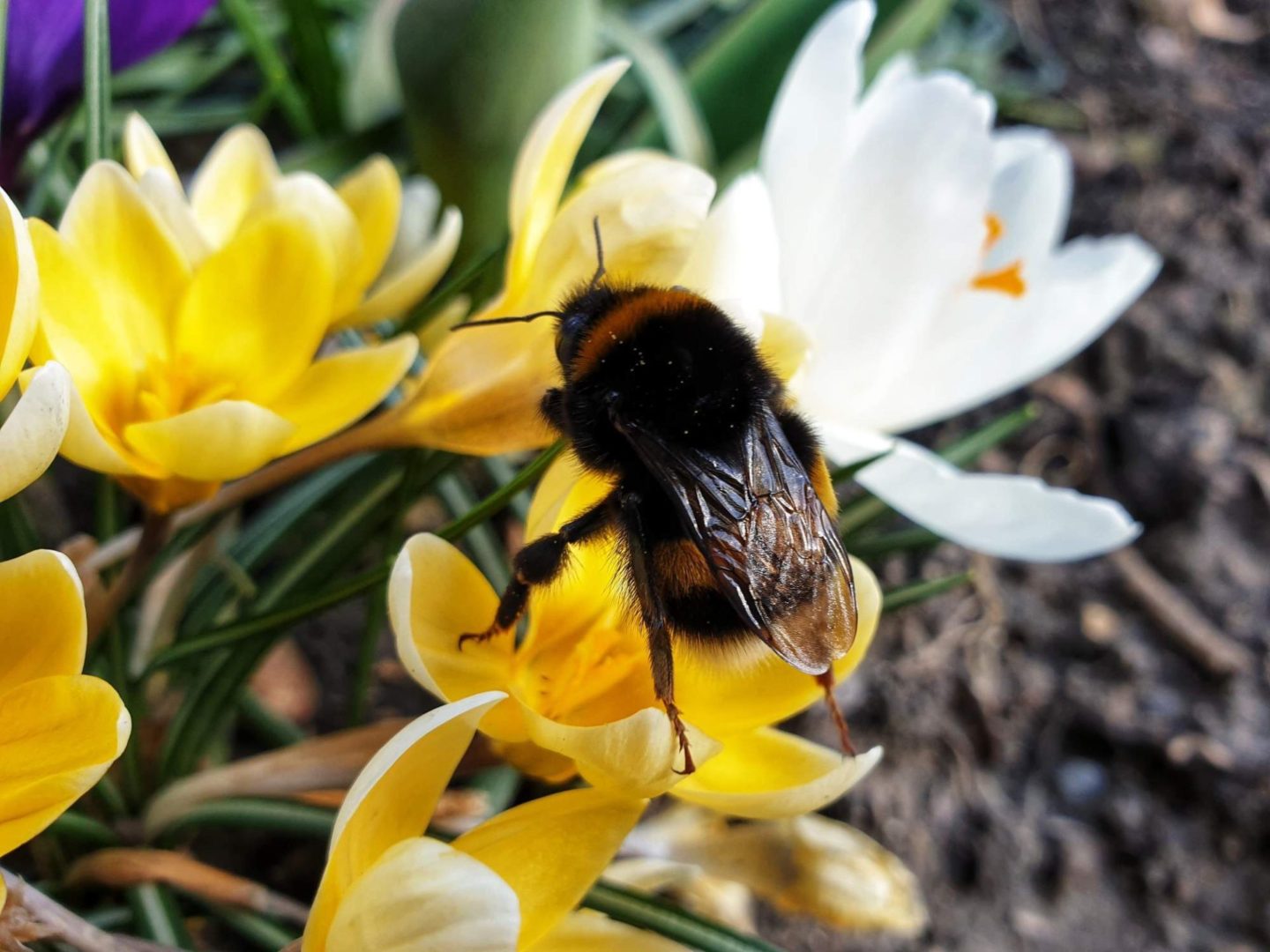
Ground bumblebee (Bombus terrestris) on crocuses
Photo A. Ugnerová (3/2020)
Unfortunately, some people are trying to exploit the interest in bumblebees and make money from it.
We have nothing against honestly earned money, that's fine. But dishonest sales, endangering nature, and abusing people's efforts to do something for nature - that's something we really can't agree with .
One enterprising person (hereinafter referred to as the Seller ) discovered that there was interest among people in bumblebee nests and that demand significantly exceeded supply, and people were willing to pay attractive money for bumblebees , so why not supply them to them.
However, the seller does not sell bumblebees from the wild, but from large-scale breeding in the laboratory , which are intended only for work in closed spaces (greenhouses) . These are bumblebees that are not allowed to enter the wild because they are harmful to it .
Moreover, these are usually nests in a high stage of development and so the nest will end and disappear in a few weeks . For more than 2,200 CZK you buy something that will stop working after 6-8 weeks and die .
Alternatively, it should be destroyed according to the requirements of the relevant authorities so that the mothers of such bumblebees do not get into the wild.
Moreover, the seller does not have a license to sell in all regions and is trying to circumvent this in every way. However, the seller does not properly inform its customers goods " and their impact on the environment .
For the reasons stated above, the Seller is currently being inspected by the Czech Environmental Inspectorate (ČIZP) .
Considering the known facts and the ongoing inspection by the Czech Food Safety Authority, we do not recommend purchasing bumblebees from such a Seller.
What is wrong?
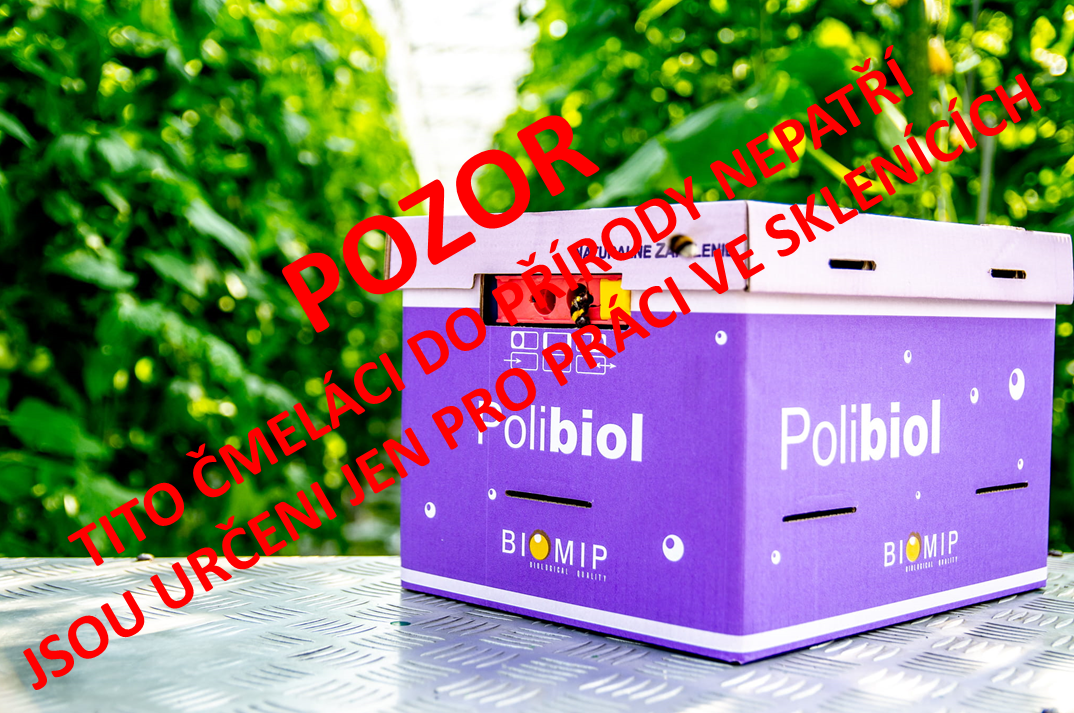
The seller is taking advantage of the interest in bumblebees and people's efforts to do something for nature. However, he is not selling bumblebees from the wild , as he writes about on his website, but bumblebees intended for the so-called "pollinating service", i.e. for work in greenhouses . This is evidenced by publicly available genetic analysis.
The problem with factory farming is that for some samples, current methods are at the limit of accuracy and do not confirm the origin 100% in all cases, even if their origin from factory farming is clear.
But you can help yourself here. Ask for an official document about the origin of the bumblebees you are buying , which the seller is obliged to provide you with.
If you receive a document stating that the bumblebees are from a large-scale breeding facility and it does not state that they are from the wild, you know what you are getting yourself into without any analysis. Keep such a document carefully.
If you buy such bumblebees, you will not help nature and will endanger it.

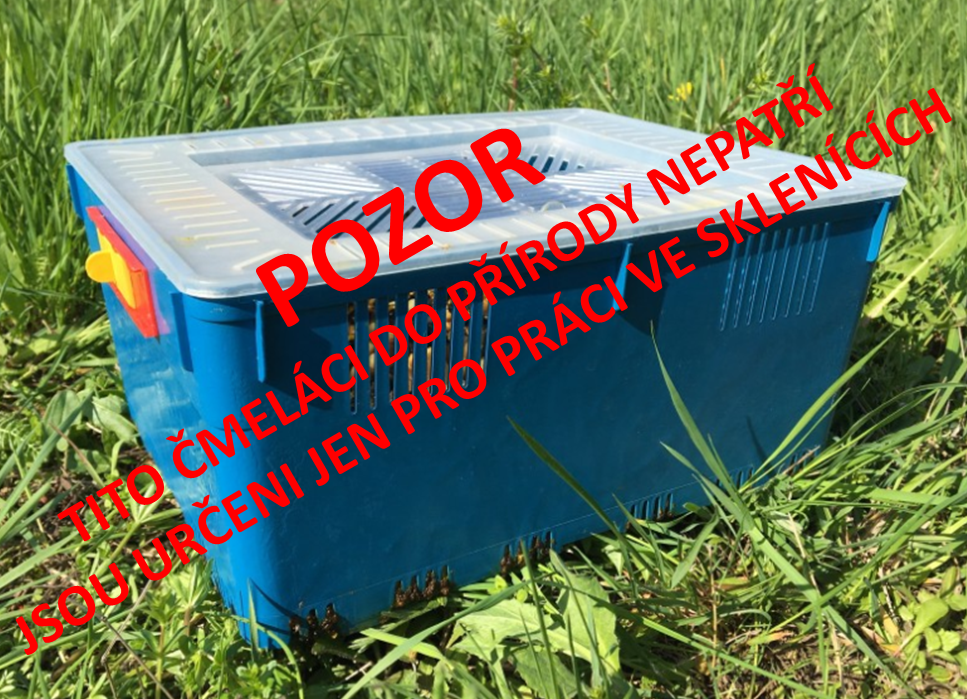
Bumblebees for pollination service in greenhouses
Photo website of the Bumblebee Producer
What can be wrong with bumblebees intended for pollination service?
These are ground bumblebees (Bombus terrestris), but they are their bred hybrid – a subspecies that does not occur in our nature .
This laboratory, or rather agricultural hybrid, was created by crossing several subspecies of the ground bumblebee (Bombus terrestris). Although it has "terrestris" in its Latin name, it does not belong to nature. It was created by man through laboratory crossing for agricultural purposes .
It is produced in laboratories in closed farms outside the Czech Republic and is intended only for pollination service in greenhouses or other enclosed spaces . These bumblebees should not be released into the wild .
They are bumblebees bred for work and therefore they are large and powerful, sometimes they are written about as " super bumblebees ". In addition to their performance, these bumblebees create large, strong nests, as they were bred.
This is not a problem in closed spaces, so at the end of the work cycle they are mercilessly destroyed - they are not allowed to get into nature and reproduce there. It is more like a bumblebee pollination machine ... People simply need fresh vegetables and fruits all year round, so they came up with this solution.

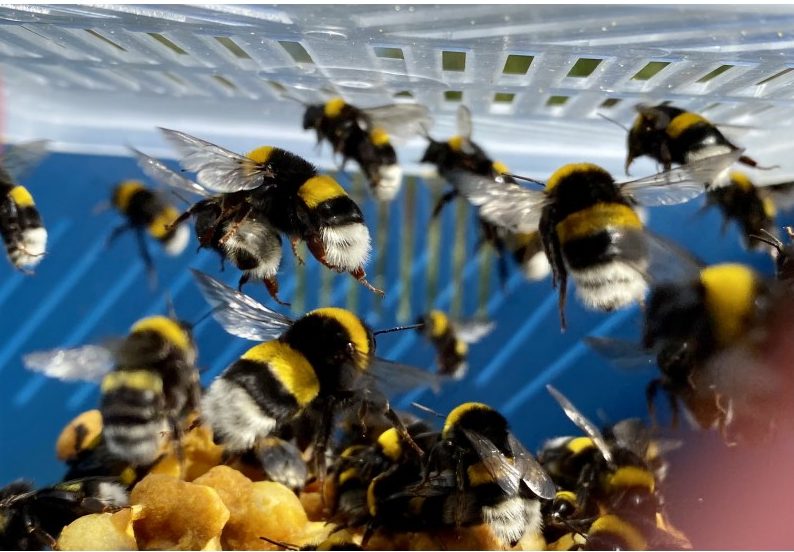
Bumblebees for pollination service in greenhouses
Photo website Bumblebee seller
How can these bumblebees harm nature?
We have already said that these bumblebees are efficient and therefore they are a strong competitor to local bumblebee species in the Czech Republic. They are thus threatening and suppressing them. The weak populations of some of our bumblebee species could become extinct .
They are a subspecies of the very abundant ground bumblebee (Bombus terrestris). The latter is so abundant in itself that it does not need to be reproduced. If its close relatives are released into the wild, the pressure on other species increases even more.
Imagine if there was only one species of bumblebee in nature and we were dependent on its fate, just like we are now dependent on the honey bee – do we want that ?
" Super bumblebees " are thus disrupting much-needed biodiversity .
What is biodiversity and why is it so important?
Biodiversity, or biological diversity , refers to the variability of all living organisms; it includes diversity within species, between species, and diversity of ecosystems. It is described as the variety of life in all its forms, levels, and combinations.
Source: https://www.enviwiki.cz/wiki/Biodiversity
With the loss of biodiversity, we not only lose the beauty and richness of nature, but we also destabilize ecological processes . At the same time, the future of humanity depends on healthy ecosystems. By reducing biodiversity, we are primarily endangering ourselves.
Source: https://www.veronica.cz/co-to-je-biodiverzita-a-proc-ji-chranit
So if we cause a reduction in the number of bumblebee species in nature, we will not only deprive it of its beauty, but we will also destabilize it even more. In the best case scenario, we will be dependent on one species of bumblebee, in the worst case scenario, we will have to breed these bumblebees in laboratories and release them into nature in order to have any bumblebees at all .
We may end up in a similar situation to the one we face with bees. We are dependent on one species of bee, which we as humans breed to make it more efficient and serve us better. At the same time, it is known that bred bees are more susceptible to bee diseases, so we breed them again, "help them" with chemicals, and so on and on.
But what if "the comrades from the GDR make a mistake somewhere in breeding" and we reach a dead end from which there will be no way back? Do we want and need to get there with bumblebees? Do we really want to?
So what kind of bumblebees are these and how do you recognize them?
The seller previously claimed on his website that the bumblebees were from Poland. Quote "But I managed to find a Polish breeder who, in the beautiful surroundings of Lake Narew, breeds ground bumblebees (I. Bombus terrestris), which are also the most widespread species in our country .
However, the seller did not provide evidence of the source of the bumblebees, even when asked by the Regional Authorities, when he applied for an exemption from the law required for the sale of bumblebees (which can be found by asking the Land Registry Office).
The seller no longer writes about the origin of the bumblebees on its website, but it should provide proof of this to customers upon request.
Most likely, these are laboratory agricultural hybrids propagated in the Spanish laboratories of the BIOMIP company , which are only resold in Poland.
The company BIOMIP (Polibiol) www.biomip.com is a Spanish agricultural corporation that produces bumblebee nests for pollination services. See https://biomip.com/polinizacion-de-cultivos/
The same bumblebees are used by the Polish company Agroconsult www.agroconsult.pl for pollination services in Poland. They also offer these bumblebees for sale, see: https://sklep.agroconsult.pl/pl/p/Trzmiele-do-zapylania-pod-oslonami/74
See also: https://www.youtube.com/watch?v=bWC1sb2RQWI
It is therefore highly likely that the Seller's imported bumblebees from the wild are in fact laboratory-bred BIOMIP (Polibiol) bumblebees imported from Spain or produced in Poland under the BIOMIP (Polibiol) license.
This assumption can be substantiated, for example, by comparing the products of the above-mentioned companies and photos of boxes with bumblebees that the seller's customers purchased by the genetic analysis of these bumblebees available on the internet
to distinguish these bumblebees in the wild . It can only be done by comparing or genetic analysis of multiple samples. The analysis of bumblebee subspecies is quite difficult and expensive.
They look similar to the large wood bumblebee, with wide bright lemon yellow stripes . The stripe behind the head is also noticeably wide.
The workers are generally larger , already in the first generations, because they are well fed in large-scale breeding . Overall, they give the impression that they are yellow, rather than black . This is due to the genes of some of their grandparents (Bombus terrestris dalmatinus), which were once mixed into large-scale breeding. Even that will definitely give them away. The breeding is closed, the bred ones no longer have much in common with nature.
Reliably identifying these bumblebees is difficult for some and confusion with other species, or with males of other species, is easy . Even if you come across similar bumblebees in nature and you feel that they are them, you cannot be sure.
Therefore, please do not try to eliminate bumblebees in the wild, thinking that they are hybrid bumblebees. The likelihood of encountering them in the wild is small and the possibility of misidentifying the species is high.
Rather, help prevent their problematic sale and release into nature.
The seller will sell you these bumblebees in a plastic box , which will be in a cardboard box. The plastic box also includes a canister for sugar solution . This is there so that the bumblebees take care of pollination and do not get rusty collecting nectar.
This is how bumblebees are produced by large-scale breeding and this is how they should be placed in closed spaces where they perform pollination services. This is not a transport box, but a box intended for nesting in greenhouses . The seller encourages customers not to move the bumblebees from the box.
The size of the box is such that it does not fit into common commercially available hives . The manufacturer will provide you with your own wooden hive for the box. However, its dimensions are such that the lining will no longer fit there and the bumblebees in the hive suffer from changes in temperature, humidity and mold .
Photos of bumblebees – agricultural hybrids

Agricultural hybrids from large-scale farming
Photo website Seller
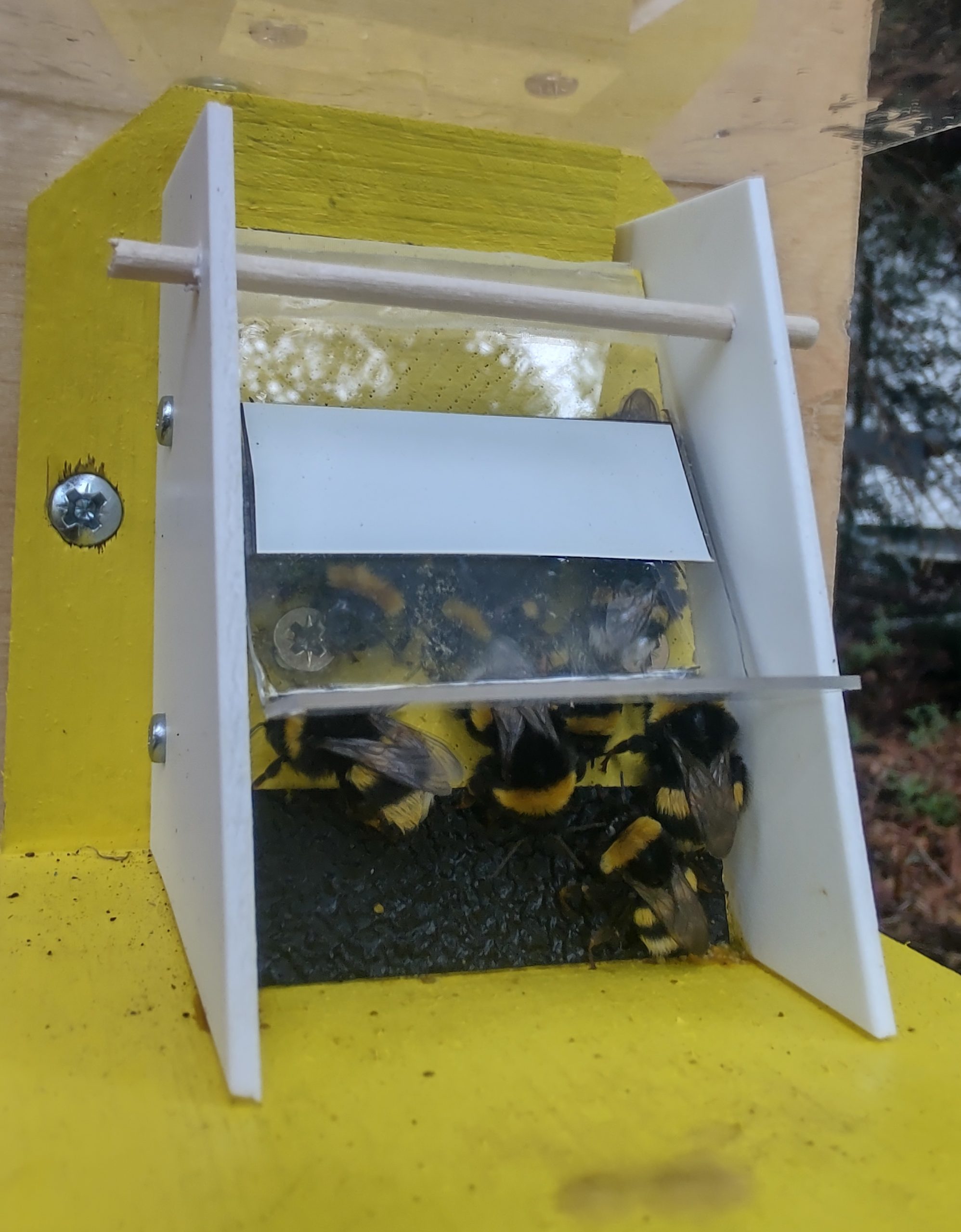
Agricultural hybrids from large-scale breeding on the beehive - workers
Photo Anonymous customer
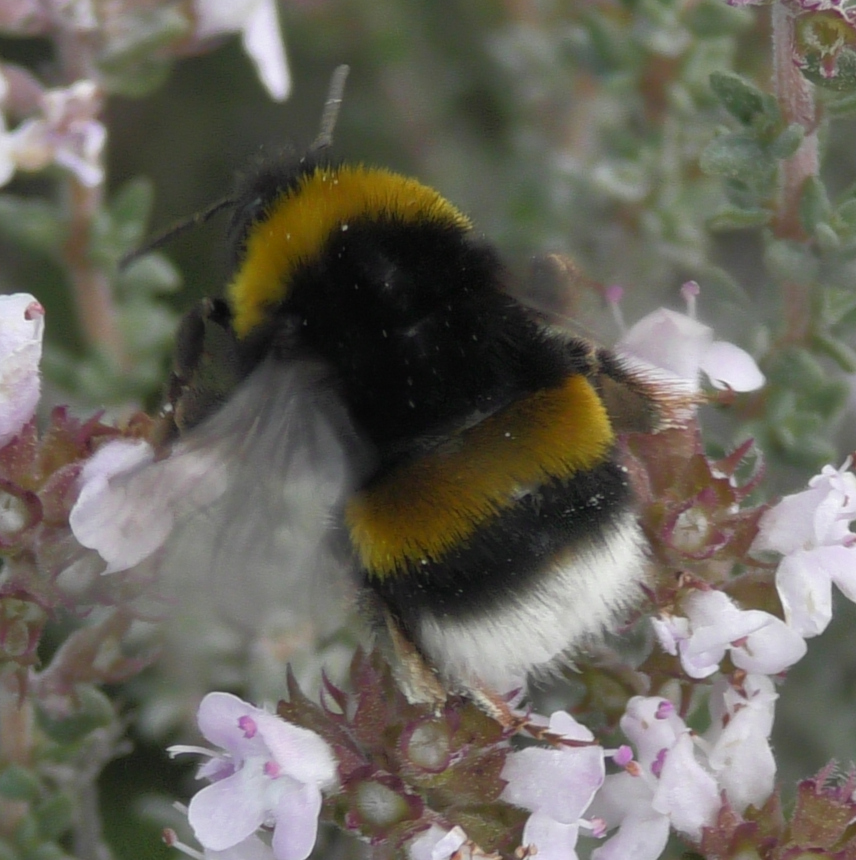
Bombus terrestris dalmatinus
Photo Internet
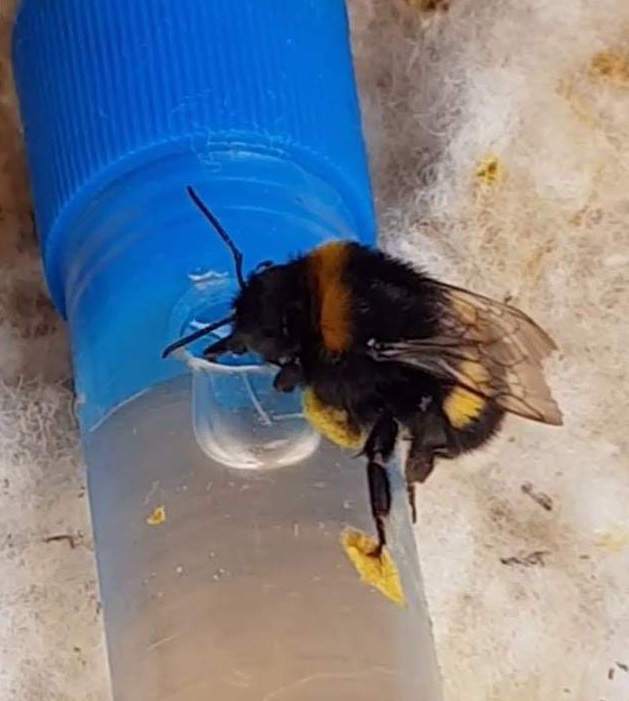
For comparison, here is a photo of a bumblebee (Bombus terrestris).
You will notice a different shade of yellow and the width of the stripe behind the head.

Bumblebee (Bombus terrestris)_at the feeder
Photo O. Hercog
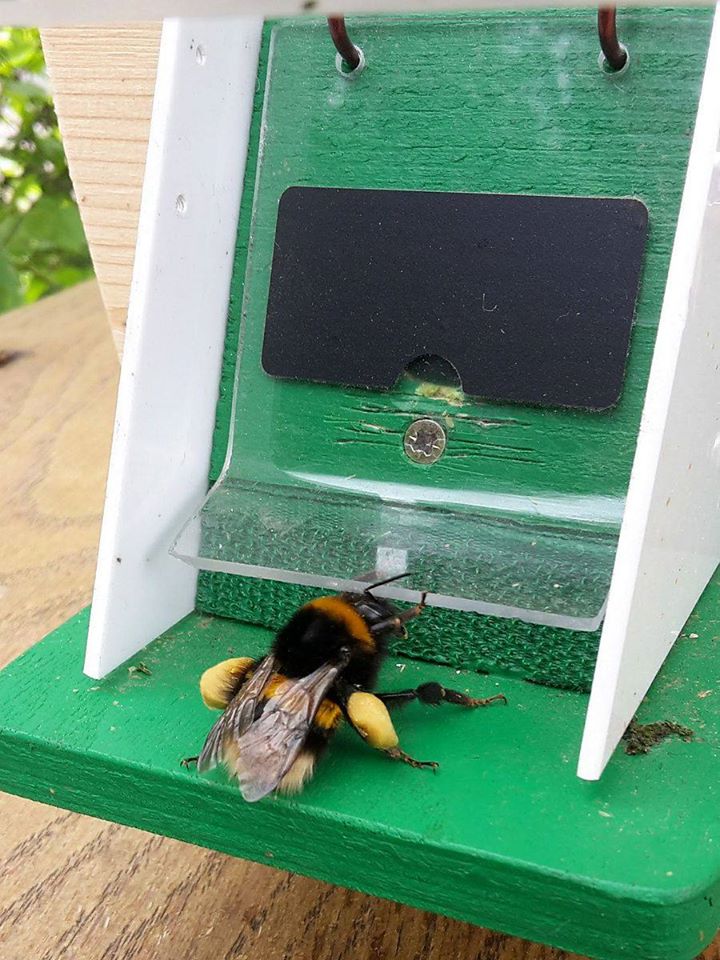
Mother bumblebee (Bombus terrestris) on a protective flap
Mother's name Bobina
Photo B. Klimešová (2019)
How is it possible that the Seller sells these bumblebees in the Czech Republic?
The seller took advantage of the situation where the regions did not have instructions from the Ministry of the Environment. Therefore, six regional authorities issued the seller a permit to sell bumblebees .
No further permits were issued . The seller was unable to prove the genetic origin of the bumblebees he was selling, or rather that they were bumblebees of natural origin.
The whole matter is now being investigated by the Czech Environmental Inspectorate (ČIZP) and the Seller is being inspected .
It is clear that this sale is not in order. The case is not yet closed and the Czech Immigration and Customs Enforcement investigation is ongoing.
So is everything OK on paper and can I buy bumblebees?
By inquiring with the Registration Office pursuant to Act No. 106/1999 Coll., on free access to information, as amended, it can be verified that the Seller has been issued with time-limited sales permits ONLY in the following regions:
- Karlovy Vary Region
- Liberec Region
- Moravian-Silesian
- Olomouc Region
- Pardubice
- Zlínsky
We have the issued permits available.
In other regions, sales permits have not been issued and customers place bumblebees there at their own risk, with the possibility of a fine.
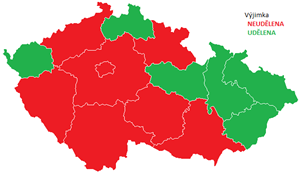
Map of the Czech Republic
Therefore, if you want to buy bumblebees from the Seller, you can do so in the regions listed above. However, you may not place the bumblebees in other regions.
Even in regions where the Seller is permitted to sell bumblebees, according to the Czech Veterinary and Animal Health Inspectorate, the Buyer must have a permit to place these bumblebees in the wild .
We would like to point out that as part of the issued permit, the Seller is obliged to keep records of its customers and the addresses of the places where the purchased nests will be placed. The sold nests and their owners are traceable.
The seller should have made you aware of these things.
How the Bumblebee Seller sells
The Seller sells bumblebees through the eShop . At the same time, the Seller actively addresses past customers and offers them bumblebees for sale - regardless of the regions where the customers live, where the bumblebees will be placed and where the Seller has a license to sell.
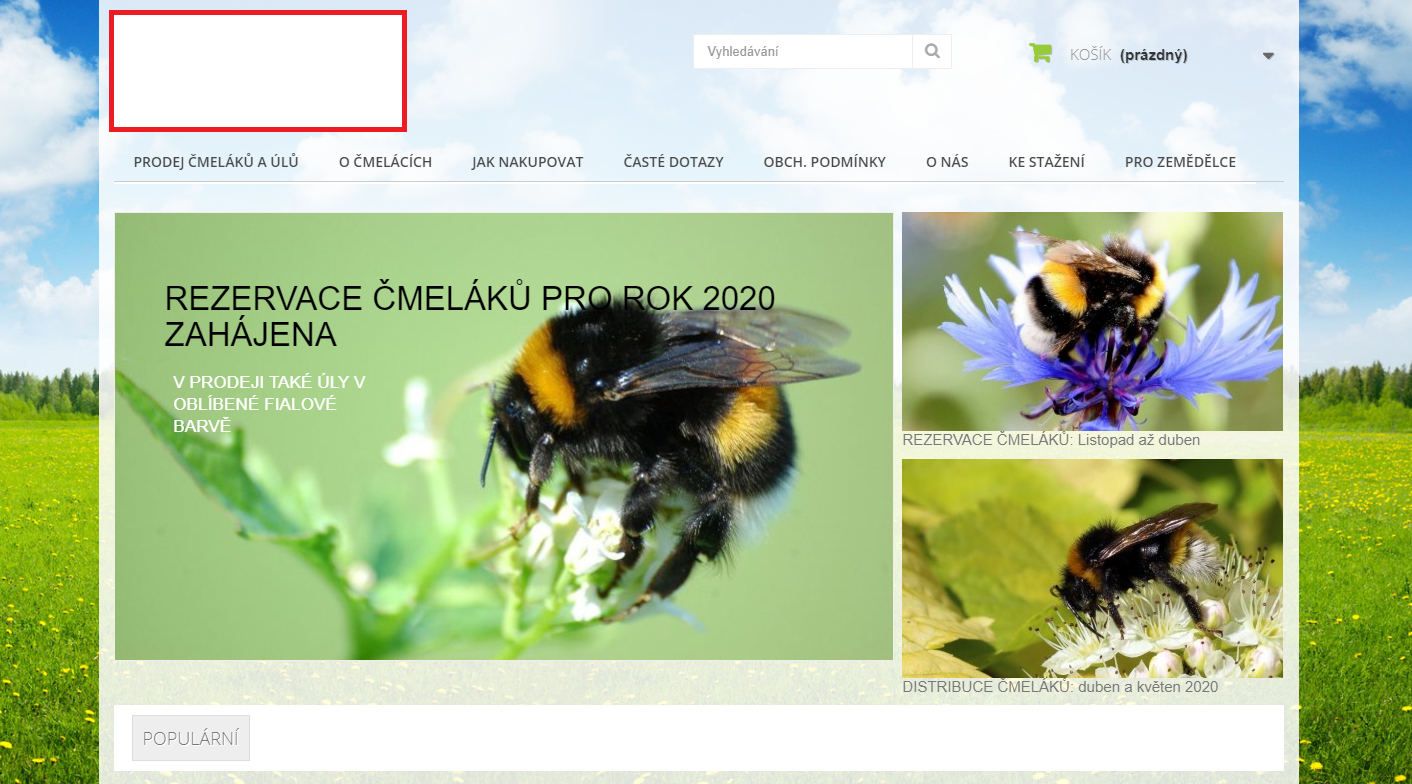
Non-native species of bumblebees eShop
Website Seller
The distribution takes place at designated locations , which he informs his customers about. There, the Seller hands them the boxes with bumblebees and gives them a short briefing. That's the end of the whole thing for him.
does not properly inform its customers :
- That this is not a natural species (subspecies) of bumblebee, but that these are bumblebees for pollination service
- About how these bumblebees don't belong in the wild and that they harm it
- About the fact that it is not licensed for sale in all regions of the Czech Republic
- About the fact that the customer must have permission from the regional authorities to place the bumblebees he sells
- About how to properly care for bumblebees and what care to provide them
The very sad thing about this is that it is an abuse of interest in nature, including the promotion of these bumblebees in schools, etc.
In the photos you can see the boxes in which the bumblebees were sold in 2020. Now the Seller delivers them in cardboard boxes with its own logo .
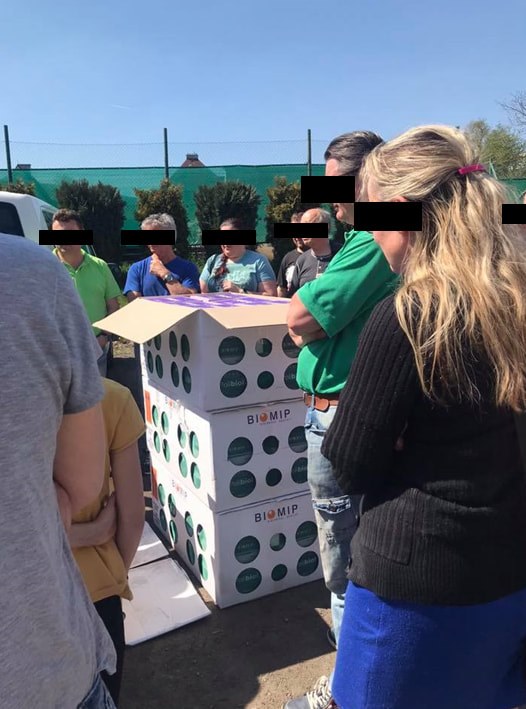
Bumblebee distribution in the parking lot
Photo of the customer's FB

Promotional event Vendor at school
Photo FB Vendor
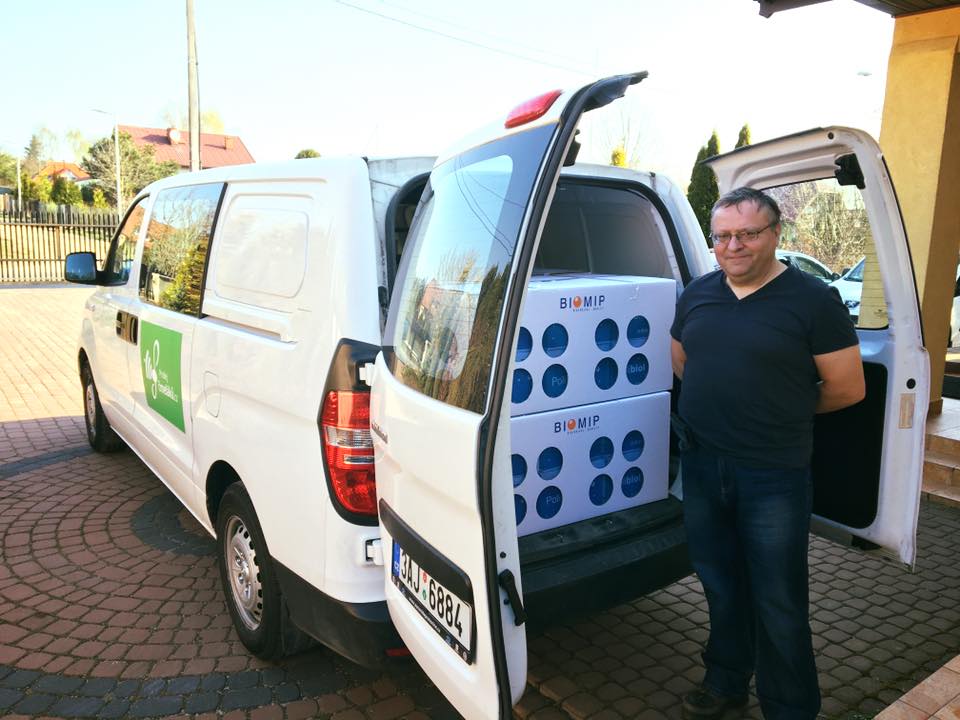
Non-native species of bumblebees transport
Photo FB Seller
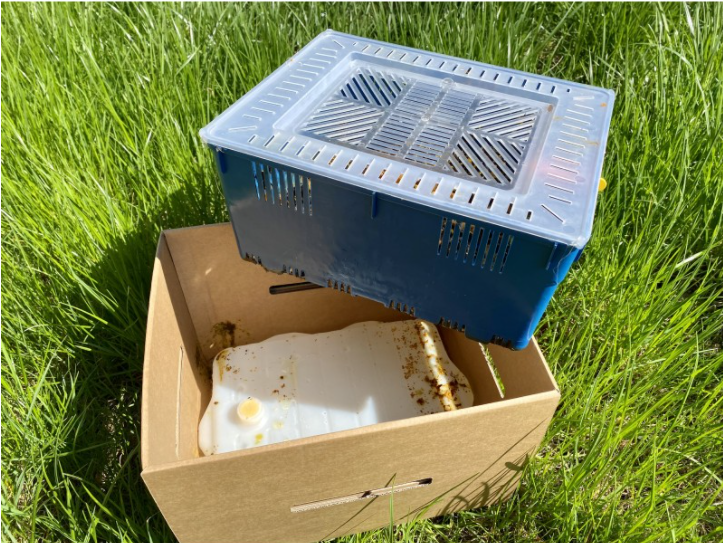
Sale of agricultural hybrid bumblebees - plastic box with a canister for sugar solution.
Photo website Seller
Is this the only seller of such bumblebees in the Czech Republic?
It is fair to note that these and similar hybrids (a very similar mix of grandparent and terrestris-based genes) are also sold by other vendors . However, they only sell them to farmers who must follow the relevant rules = use bumblebees in a closed area , prevent new queens from flying away and burn the nest after a specified time (at the time when new queens are born).
These sellers will not tell you that these are bumblebees from nature, they are not hiding anything . You will also not buy bumblebees for your garden from them , they will simply refuse to sell them to you.
I don't like the Seller's practices, but I ordered bumblebees from him, what should I do?
If you ordered bumblebees from the Seller, you have several options to resolve the matter.
A) If you don't like the whole thing and feel cheated, try to cancel the order
B) If you don't care about the impact these bumblebees have on the environment, but don't want to accept the risks of possible penalties on your part, take action:
- Ask the Seller to provide supporting documents.
- Ask for copies of all permits and statements – in paper form.
- Ask for a confirmation from the Seller that these are natural bumblebee species and not bumblebees intended for pollination service
- Ask the Seller for proof of the genetic origin of the bumblebees he sells.
- Ask for confirmation that you can place these bumblebees in your intended location.
- Ask him to confirm that you do not need any additional license to place the bumblebees he sells.
- Keep all these documents safely for possible inspection.
- If you do not have the above documents available, you are exposing yourself to the risk of possible sanctions under the applicable laws and regulations on nature protection in the Czech Republic.
C) If you want to protect the interests of nature, breed these hybrids and let them fly into the wild, destroy the nest as soon as new queens appear in it . Yes, it is difficult, but it is a solution. This is one of the rules that are required of farmers who use hybrid bumblebees for pollination service. The nest can be closed at night (inlet and ventilation) and poured with strong alcohol , close the roof.
Conclusion
- Don't be indifferent to nature.
- If you know of other customers of this Seller, please inform them of the situation.
- We understand that having bumblebees is beautiful and that is the whole effort of Čmeláci PLUS and all bumblebee breeders.
- If you want to buy bumblebees, you have more options, see HERE
- Do not support the unfair trade in bumblebees, which do not belong in our nature and which can damage it.
- Protect the interests of nature and your own. Do not expose yourself to the risk that a dishonest Seller places on you.
- If you want to buy these bumblebees, be interested in their origin and want to see all sales permits .
- Obtain a permit from the regional office to place these bumblebees at the location you are considering for the bumblebee hive.
The media has shown interest in our work and findings
- The problem is known and the matter is being reported in the media
- in Ekolist.cz describing the practices of a dishonest seller and his sale of hybrid bumblebees intended for work in greenhouses to gardeners and those who want to do something for nature.
- The topic of hybrid bumblebees has also reached other media outlets such as iDNES.cz – the Čmeláci PLUS group was listed as one of the entities that draws attention to these bumblebees and dishonest sales – so we are not the only ones who are talking about this matter.
The media has shown interest in our work and findings
- The problem is known and the matter is being reported in the media
- in Ekolist.cz describing the practices of a dishonest seller and his sale of hybrid bumblebees intended for work in greenhouses to gardeners and those who want to do something for nature.
- The topic of hybrid bumblebees has also reached other media outlets such as iDNES.cz – the Čmeláci PLUS group was listed as one of the entities that draws attention to these bumblebees and dishonest sales – so we are not the only ones who are talking about this matter.

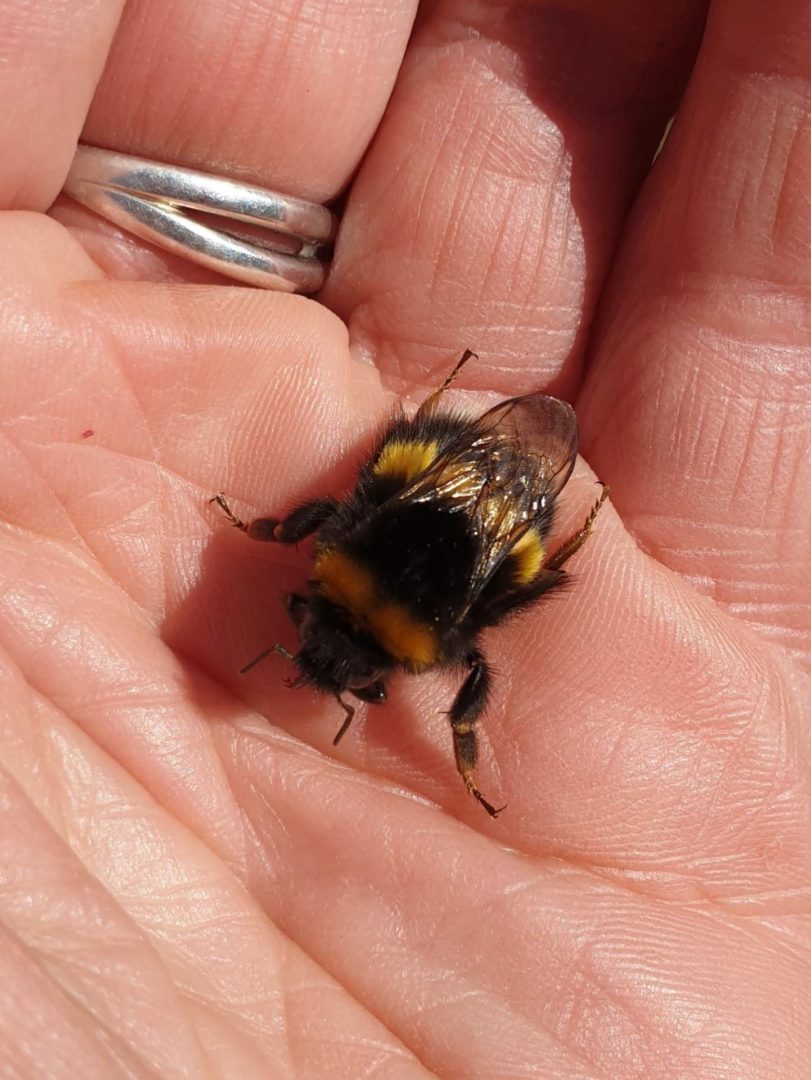
Bumblebee in our hands
Photo A. Ungerová (3/2020)
Links, reports
Statement of the Czech Entomological Society
Reports/articles on the topic
- iTODAY 12/4/2019
- ASZ. CZ
- iTODAY 31/5/2019
- Thu 9/3/2020
- ECOLOGIST 17/4/2020
- iTODAY 23/4/202
- E15 15/7/2020
- Devil – Calla electronic newsletter
- Czech Radio – Ceske Budejovice 16/6/2021
- List News 24/7/2021 – Commentary: Pollinate and perish! The Ministry prepared a bumblebee massacre
and our reactions - iDnes – 15/8/2021 – Pollinate and die. The authorities do not monitor the correct process with super bumblebees
Articles about the negative impact of bumblebees from commercial farms on nature
Publicly available decisions of the Regional Administrative Court – examples
Ministry of the Environment
Horoscope VOLUME XXXI – March 2021
Scientific works
DNA analysis of bumblebees from large-scale breeding – source Úroda 12/2019, scientific supplement of the journal – part PRIVATE DNA ALLELES OF POLYMORPHISMS OF COMMERCIALLY BREEDED BUMBUS TERRESTRIS BUMBUSES IN COMPARISON WITH THE LOCAL POPULATION OF BUMBUS TERRESTRIS TERRESTRIS IN THE CZECH REPUBLIC”
Note:
some lineages of bumblebees from large-scale farms can no longer be reliably identified using DNA. There are known cases where a sample of a bumblebee taken from a large-scale farm showed features of the wild Bombus terrestris using some DNA analysis methods. This does not change the fact that introducing bumblebees from large-scale farms into the wild poses a risk.
Expert justification
From the justification of the Regional Authority of the Ústí nad Labem Region, on granting disapproval pursuant to Section 54, Paragraph 3 of Act No. 114/1992 Coll. on Nature and Landscape Protection, as amended, to the release of a specially protected animal bred in captivity into the wild and pursuant to Section 56 of the Act on granting an exemption from the legal protection of a specially protected animal
We quote:
So far, 38 species of bumblebees and bumblebees, collectively included in the genus Bombus, have been recorded in the Czech Republic. Currently, 25 species of them belong to one of the Red List categories (Hejda et al. 2017)
For comparison, in 2005, 16 species met the Red List criteria. The number of critically endangered or extinct species has also increased – currently 11 compared to 9 species in 2005. It is therefore clear that the genus Bombus, as a whole, belongs to the significantly endangered taxa.
The ground bumblebee (Bombus terrestris) is a species with a relatively large range, covering Europe, Asia Minor, North Africa and the Canary Islands. The ground bumblebee is a widespread species in Europe, which in its original range creates 9 subspecies, which are adapted to local conditions and differ in their behavior.
The importance of bumblebees as efficient pollinators of plants is great. Unlike bees, they fly even in cold weather and rain. The decline of bumblebees caused by inappropriate farming practices (growing monocultures, using chemicals, establishing sterile lawns, etc.) is obvious.
Bumblebees are mainly used in greenhouses to provide pollination services. This limits their movement in the wild. The applicant wants to release bumblebees in the wild and not limit their range in any way. In Europe, the bumblebee subspecies B. t. dalmatinus, originally native to southern Europe, or its hybrids with B. t. terrestris, which are stronger, more efficient, and have larger queens than pure B. t. terrestris, are most commonly used for pollination purposes. In the event of the spread of a geographically non-native subspecies or its hybrid, it could displace the native bumblebee species. Due to warming and the onset of milder winters, queens of subspecies that would not survive the winter in colder conditions may also survive in the wild
Various subspecies of the ground bumblebee have been introduced as pollinators since at least the first half of the last century and, for example, in South America, they have spread rapidly beyond their original locations. According to Rasmont et al. 2008 3 , the ground bumblebee as a whole is not an endangered species, but rather an invasive species. All subspecies of the ground bumblebee can interbreed. Some subspecies are very difficult to distinguish from each other, even genetically. In addition to their appearance, they also differ in physiology, e.g. diapause period, vision, susceptibility to the insect pest
(Nosema sp.), and in behavior – aggressiveness, colony size, speed of collection. Currently, the most widely bred subspecies is B. t. dalmatinus. Some authors fear that if released from greenhouses, it may interbreed with or replace the original population of the species.
Only bumblebees with a clear genetic origin should be used to provide pollination services in the wild. In the proceedings, the applicant did not sufficiently prove the geographical and genetic origin of the bumblebees in question. In response to the call to supplement the application to prove the origin of the source population of the breeding of the common bumblebee, the place, method and time of capture or purchase and the number of captured or purchased individuals of the source population, the applicant sent a document from which it can only be inferred that this is a commercial laboratory breeding of bumblebees with a seller based in Poland. More detailed information is missing. This certificate says nothing about the origin of the mothers from the breeding where they were captured, nor their genetic affiliation to the subspecies. The submitted certificate is therefore insufficient to prove the subspecies. However, the evidence was sufficient from the point of view of the requirement of Section 54(1) of the Act, i.e. the legality of the origin of the individuals, which was addressed by the administrative authority as a preliminary question, and which was also the reason for the suspension of the proceedings, and therefore it was possible to continue the proceedings.
To establish a de novo bumblebee breeding, it is necessary to capture queens from the wild (in the Czech Republic, an exception is required according to Section 56, paragraph 1 of the Act). Subsequently, a pedigree should be kept for each queen to prevent inbreeding. In such cases, it is necessary to provide pedigrees, which state the locations where the original queens were captured. In order to allow exceptions for this species, the taxonomic affiliation of the individuals kept to one of the nine subspecies should also be clearly documented.
Although the same subspecies of bumblebee occurs in Poland, this may not be the case with laboratory-bred individuals. They may belong to another subspecies, commonly bred for use in pollination of crops in greenhouses – Bombus terrestris subsp. dalmatinus, or to hybrids of both subspecies, which are commonly designated as B. t. terrestris. These can then be distinguished only by genetic analysis. B. t. dalmatinus is visually very similar to B. t. terrestris, but differs in its behavior – it creates larger, stronger nests, has greater pollination activity, and queens do not hibernate. Its original range is northern Italy, the Balkan Peninsula, Turkey, and the Caucasus. The spread of genes from non-native bumblebee species could change the behavior of ours, for example, disrupt the ability to hibernate, which is necessary in our conditions, and thus threaten the viability of native populations in the Czech Republic.
However, even in the case of the same subspecies bred in captivity, but originating from more distant areas, there are serious doubts about the safety of their eventual release into the wild and the absence of impact on existing populations in the Czech Republic. Local populations may have local adaptations that best suit the given environment. Moreover, laboratory-bred individuals inevitably undergo domestication and selection for traits that may then affect survival in the wild.
Genetic analysis confirms that the individuals belong to the pure line of Bombus terrestris terrestris and the pedigrees of the original mothers documenting the previous breeding and place of origin are therefore important data for decision-making.
The plan does not include an assessment of the current status of populations in the release areas or an analysis of the causes of their threat, which would justify the need for their artificial reinforcement from breeding. The plan does not consider the risks of releasing reared individuals for the original populations. However, releases outside the original area often have very significant harmful consequences that are difficult or impossible to predict.
The ground bumblebee (Bombus terrestris terrestris) is an endangered species, but among the bumblebees it is one of our most widespread. The ground bumblebee population in the Ústí nad Labem Region currently does not show signs of such a state that it would be necessary to systematically introduce its reinforcement by releasing additional individuals from the perspective of the protection of this species.
Moreover, their release would increase competitive pressure on less represented species, for which the newly released bumblebees could be food competitors. The intention could disrupt the genetic stability and behavior of native bumblebee species, or even displace them. Given that the existence of most of our bumblebee species is seriously threatened, it is highly undesirable to endanger the population of one of the few abundant and stable species.
If bumblebees are dying out in the wild, as the applicant mentions, due to the expansion of agricultural land and its management with monoculture crops, planting additional, even genetically suitable, bumblebees will probably not help the original population, since the causes of their decline will not be eliminated. A more suitable way to preserve original bumblebee populations and, as a result, to strengthen their pollination "function" is to plant suitable and diverse crops, establish bumblebee colonies, etc.
According to Section 56(1) of the Act, an exception may be granted only in cases where another public interest prevails over the interest of nature conservation, or in the interest of nature conservation. At the same time, according to Section 54(3) of the Act, the release of specially protected animals raised in human care into the wild is possible only if there is no risk of deterioration of the state of the wild population and if the release is in the area of the original occurrence of the species in question for the purpose of restoring its population or stabilizing or strengthening existing populations. The proceedings did not prove that the plan is in the interest of nature conservation, nor was any other overriding public interest in the plan proven, and the plan carries the risk of endangering the original population of the common bumblebee in the Czech Republic.
For these reasons, the office did not grant the request in question and decided as stated in the ruling
